חיפוש

סוטה ה

רוצה להקדיש לימוד?

podcast placeholder

0:00
0:00


תקציר


איפה אפשר למצוא אזהרה לא להיות גס רוח? מה יקרה למי שמתנהג ככה? כיצד הקב”ה מתגמל את הענוים? המשנה בסוטה דף ב אמרה שהבעל מזהיר אותה שלא לדבר עם האיש הזה, אבל אם כן, היא עדיין מותרת לבעלה. מכיוון שזה לא הגיוני, אביי מוסיף מילים למשנה כדי להסביר שרק אם הוא הזהיר אותה לא להיכנס לחדר סגור ואז היא עשתה זאת, היא תהיה לסוטה. המשנה אומרת שאם הבעל מת בשלב זה ואין להם ילדים, האח אינו עושה ייבום אלא צריך לעשות חליצה. מה הסיבה לכך? ישנן שלוש גרסאות שונות לתשובה שנתן רב יוסף ולשאלה שמעלה אביי על דבריו.

סוטה ה

אֲפִילּוּ עוֹשֶׂה צְדָקָה בַּסֵּתֶר, דִּכְתִיב: ״מַתָּן בַּסֵּתֶר יִכְפֶּה אָף וְגוֹ׳״ — לֹא יִנָּקֶה מִדִּינָהּ שֶׁל גֵּיהִנָּם.

Even if the one who committed adultery performs charitable deeds secretly, as alluded to in the phrase “hand to hand,” and even if one might think that one who does so will go unpunished, as it is written with regard to charity of this kind: “A gift in secret pacifies wrath” (Proverbs 21:14), nevertheless, he will not be unpunished from the judgment of Gehenna.

אַזְהָרָה לְגַסֵּי הָרוּחַ מִנַּיִן? אָמַר רָבָא אָמַר זְעֵירִי: ״שִׁמְעוּ וְהַאֲזִינוּ אַל תִּגְבָּהוּ״. רַב נַחְמָן בַּר יִצְחָק אָמַר, מֵהָכָא: ״וְרָם לְבָבֶךָ וְשָׁכַחְתָּ״ וּכְתִיב: ״הִשָּׁמֶר לְךָ פֶּן תִּשְׁכַּח אֶת ה׳ אֱלֹהֶיךָ״.

§ The Gemara previously discussed the impropriety of the trait of arrogance. Now the Gemara discusses the source of its prohibition. From where is the warning derived, i.e., what is the source prohibiting the behavior of the arrogant? Rava says that Ze’eiri says: The source is from the verse: “Hear, you, and give ear, be not proud, for the Lord has spoken” (Jeremiah 13:15). Rav Naḥman bar Yitzḥak said the warning is from here: “Then your heart be lifted up, and you forget the Lord your God” (Deuteronomy 8:14), and it is also written in that same passage: “Beware lest you forget the Lord your God” (Deuteronomy 8:11).

וְכִדְרַבִּי אָבִין אָמַר רַבִּי אִילְעָא. דְּאָמַר רַבִּי אָבִין אָמַר רַבִּי אִילְעָא: כׇּל מָקוֹם שֶׁנֶּאֱמַר ״הִשָּׁמֶר״ ״פֶּן״ וְ״אַל״ — אֵינוֹ אֶלָּא בְּלֹא תַּעֲשֶׂה.

The Gemara explains: And these sources are in accordance with a statement that Rabbi Avin says that Rabbi Ile’a says, as Rabbi Avin says that Rabbi Ile’a says: Wherever it is stated in a verse “beware,” “lest,” or “not,” this is nothing other than a prohibition. Since these verses employ these terms in the context of one who is arrogant, they serve as sources for the prohibition.

דָּרֵשׁ רַב עַוִּירָא, זִמְנִין אָמַר לַהּ מִשְּׁמֵיהּ דְּרַב אַסִּי וְזִמְנִין אָמַר לַהּ מִשְּׁמֵיהּ דְּרַב אַמֵּי: כׇּל אָדָם שֶׁיֵּשׁ בּוֹ גַּסּוּת הָרוּחַ לְסוֹף מִתְמַעֵט, שֶׁנֶּאֱמַר: ״רוֹמּוּ מְּעַט״. וְשֶׁמָּא תֹּאמַר יֶשְׁנוֹ בָּעוֹלָם, תַּלְמוּד לוֹמַר: ״וְאֵינֶנּוּ״.

Rav Avira interpreted the following verse homiletically: “They are exalted for a little while, and they are gone; yes, they are brought low, they are gathered in as all others, and wither as the tops of the husks” (Job 24:24). There were times when he said this interpretation in the name of Rav Asi and there were times when he said it in the name of Rav Ami: Any person who has arrogance within him will ultimately be diminished in standing, as it is stated in the phrase: “They are exalted for a little while,” indicating that one who raises himself above others will be exalted only briefly. And lest you say that even if he is diminished he will still exist in this world and live a full life, the verse states: “And they are gone,” indicating that they die before their time.

וְאִם חוֹזֵר בּוֹ — נֶאֱסָף בִּזְמַנּוֹ כְּאַבְרָהָם אָבִינוּ, שֶׁנֶּאֱמַר: ״וְהֻמְּכוּ כַּכֹּל יִקָּפְצוּן״. כְּאַבְרָהָם יִצְחָק וְיַעֲקֹב דִּכְתִיב בְּהוּ: ״בַּכֹּל״, ״מִכֹּל״, ״כֹּל״. וְאִם לָאו — ״וּכְרֹאשׁ שִׁבֹּלֶת יִמָּלוּ״.

He continues the interpretation: But if he repents from his arrogance, he is gathered in death at his proper time like Abraham our forefather, as it is stated: “Yes, they are brought low, they are gathered in as all [kakkol] others” (Job 24:24), indicating that when he repents from his arrogance he will die like Abraham, Isaac, and Jacob, as it is written about them that they were blessed with the term “all,” as in the verse above. With regard to Abraham, the verse states: “And the Lord had blessed Abraham in all things [bakkol]” (Genesis 24:1). With regard to Isaac, the verse states: “And I have eaten of all [mikkol]” (Genesis 27:33). With regard to Jacob, the verse states: “And because I have all [khol]” (Genesis 33:11). And if one does not repent, then, the verse in Job continues: “And wither like the tops of the husks.”

מַאי ״וּכְרֹאשׁ שִׁבֹּלֶת״? רַב הוּנָא וְרַב חִסְדָּא, חַד אָמַר: כִּי סָאסָא דְשִׁיבַּלְתָּא, וְחַד אָמַר: כְּשִׁיבּוֹלֶת עַצְמָהּ. בִּשְׁלָמָא לְמַאן דְּאָמַר כִּי סָאסָא דְשִׁיבַּלְתָּא — הַיְינוּ דִּכְתִיב: ״וּכְרֹאשׁ שִׁבֹּלֶת״, אֶלָּא לְמַאן דְּאָמַר כִּי שׁוּבַּלְתָּא עַצְמָהּ, מַאי ״וּכְרֹאשׁ שִׁבֹּלֶת״? אָמַר רַב אַסִּי, וְכֵן תָּנָא דְּבֵי רַבִּי יִשְׁמָעֵאל: מָשָׁל לְאָדָם שֶׁנִּכְנָס לְתוֹךְ שָׂדֵהוּ — גְּבוֹהָה גְּבוֹהָה הוּא מְלַקֵּט.

The Gemara asks: What is the meaning of the phrase “and wither like the tops of the husks”? Rav Huna and Rav Ḥisda offered differing interpretations. One says that it means: Like the awn of bristle-like growth on the top of the husk, and one says that it means: Like the husk itself. The Gemara comments: Granted, according to the one who says: Like the awn of bristle-like growth on the top of the husk, that is that which is written in the verse: “And wither like the tops of the husks,” since this awn is on the top of the husk. But according to the one who says: Like the husk itself, what is the meaning of the expression “and wither like the tops of the husks”? Rav Asi says, and similarly the school of Rabbi Yishmael taught: This can be explained by way of an analogy to a person who enters into his field, as he gathers the taller stalks before the shorter ones. The verse is therefore referring to the tallest stalks, not the tops of the stalks.

״וְאֶת דַּכָּא וּשְׁפַל רוּחַ״. רַב הוּנָא וְרַב חִסְדָּא, חַד אָמַר: אִתִּי דַּכָּא, וְחַד אָמַר: אֲנִי אֶת דַּכָּא.

The Gemara continues the discussion of arrogance, and its converse, humility. The verse states: “For thus says the High and Lofty One that inhabits eternity, whose name is Holy: I dwell in the high and holy place, also with him that is of a contrite and humble spirit, to revive the spirit of the humble, and to revive the heart of the contrite ones” (Isaiah 57:15). Rav Huna and Rav Ḥisda offered differing interpretations of this verse. One says that the verse means: Together with Me is the person who is contrite and humble. In other words, God elevates the humble. And one says that the verse means: I, God, descend, and am found together with the person who is contrite and humble.

וּמִסְתַּבְּרָא כְּמַאן דְּאָמַר אֲנִי אֶת דַּכָּא, שֶׁהֲרֵי הַקָּדוֹשׁ בָּרוּךְ הוּא הִנִּיחַ כׇּל הָרִים וּגְבָעוֹת, וְהִשְׁרָה שְׁכִינָתוֹ עַל הַר סִינַי וְלֹא גָּבַהּ הַר סִינַי לְמַעְלָה.

The Gemara comments on this: And it stands to reason that the meaning of the verse is like the one who says: I am with the contrite person, as the Holy One, Blessed be He, disregarded all of the mountains and hills, and rested His Divine Presence on the lowly Mount Sinai, and He did not choose to raise Mount Sinai up toward Him. God chose to give the Torah on Mount Sinai, as it was a symbol of humility due to its lack of height, and He lowered His Divine Presence, as it were, to the mountain.

אָמַר רַב יוֹסֵף: לְעוֹלָם יִלְמַד אָדָם מִדַּעַת קוֹנוֹ, שֶׁהֲרֵי הַקָּדוֹשׁ בָּרוּךְ הוּא הִנִּיחַ כׇּל הָרִים וּגְבָעוֹת, וְהִשְׁרָה שְׁכִינָתוֹ עַל הַר סִינַי. וְהִנִּיחַ כׇּל אִילָנוֹת טוֹבוֹת, וְהִשְׁרָה שְׁכִינָתוֹ בַּסְּנֶה.

Rav Yosef says: A person should always learn proper behavior from the wisdom of his Creator, as the Holy One, Blessed be He, disregarded all of the mountains and hills and rested His Divine Presence on the lowly Mount Sinai. And similarly, when appearing to Moses, He disregarded all of the beautiful trees and rested His Divine Presence on the bush (Exodus 3:2).

אָמַר רַבִּי אֶלְעָזָר: כׇּל אָדָם שֶׁיֵּשׁ בּוֹ גַּסּוּת הָרוּחַ רָאוּי לְגַדְּעוֹ כַּאֲשֵׁירָה. כְּתִיב הָכָא: ״וְרָמֵי הַקּוֹמָה גְּדוּעִים״, וּכְתִיב הָתָם: ״וַאֲשֵׁירֵיהֶם תְּגַדֵּעוּן״.

Rabbi Elazar says: Concerning any person who has arrogance within him, it is fitting to hew him down, as a tree designated for idolatry [asheira] is hewn down, as it is written here with regard to the arrogant: “And the high ones of stature shall be hewn down [gedu’im]” (Isaiah 10:33), and it is written there with regard to trees designated for idolatry: “And hew down [teggade’un] their trees worshipped as part of idolatrous rites [asheireihem]” (Deuteronomy 7:5).

וְאָמַר רַבִּי אֶלְעָזָר: כׇּל אָדָם שֶׁיֵּשׁ בּוֹ גַּסּוּת הָרוּחַ — אֵין עֲפָרוֹ נִנְעָר, שֶׁנֶּאֱמַר: ״הָקִיצוּ וְרַנְּנוּ שֹׁכְנֵי עָפָר״, ״שֹׁכְבֵי בֶּעָפָר״ לֹא נֶאֱמַר, אֶלָּא ״שֹׁכְנֵי עָפָר״ — מִי שֶׁנַּעֲשָׂה שָׁכֵן לֶעָפָר בְּחַיָּיו.

And Rabbi Elazar also says: Concerning any person who has arrogance within him, his dust, i.e., his remains in his grave, will not stir at the time of the resurrection of the dead, as it is stated: “Awake and sing for joy, you who dwell in the dust” (Isaiah 26:19). It is not stated: You who lie in the dust, which would indicate that all the dead will be awakened in the future, but rather: “You who dwell in the dust,” indicating that only one who became a neighbor to the dust in his lifetime by living with extreme humility will stir at the time of the resurrection.

וְאָמַר רַבִּי אֶלְעָזָר: כׇּל אָדָם שֶׁיֵּשׁ בּוֹ גַּסּוּת הָרוּחַ, שְׁכִינָה מְיַלֶּלֶת עָלָיו, שֶׁנֶּאֱמַר: ״וְגָבֹהַּ מִמֶּרְחָק יְיֵדָע״.

And Rabbi Elazar says: Concerning any person who has arrogance within him, the Divine Presence wails over him. As it is stated: “For though the Lord is high, yet regards He the lowly, and from the haughty He is pained from afar” (Psalms 138:6).

דָּרֵשׁ רַב עַוִּירָא, וְאִיתֵּימָא רַבִּי אֶלְעָזָר: בֹּא וּרְאֵה שֶׁלֹּא כְּמִדַּת הַקָּדוֹשׁ בָּרוּךְ הוּא מִדַּת בָּשָׂר וְדָם. מִדַּת בָּשָׂר וָדָם — גָּבוֹהַּ רוֹאֶה אֶת הַגָּבוֹהַּ, וְאֵין גָּבוֹהַּ רוֹאֶה אֶת הַשָּׁפֵל. אֲבָל מִדַּת הַקָּדוֹשׁ בָּרוּךְ הוּא אֵינוֹ כֵּן, הוּא גָּבוֹהַּ וְרוֹאֶה אֶת הַשָּׁפֵל, שֶׁנֶּאֱמַר: ״כִּי רָם ה׳ וְשָׁפָל יִרְאֶה״.

Rav Avira interpreted a verse homiletically, and some say that Rabbi Elazar interpreted as follows: Come and see that the attribute of the Holy One, Blessed be He, is not like the attribute of flesh and blood. The attribute of flesh and blood is that the elevated sees the elevated, but the elevated does not see the lowly. But the attribute of the Holy One, Blessed be He, is not like that. He is elevated but sees specifically the lowly, as it is stated: “For though the Lord is high, yet regards He the lowly” (Psalms 138:6).

אָמַר רַב חִסְדָּא, וְאִיתֵּימָא מָר עוּקְבָא: כׇּל אָדָם שֶׁיֵּשׁ בּוֹ גַּסּוּת הָרוּחַ, אָמַר הַקָּדוֹשׁ בָּרוּךְ הוּא: אֵין אֲנִי וָהוּא יְכוֹלִין לָדוּר בָּעוֹלָם, שֶׁנֶּאֱמַר: ״מְלׇשְׁנִי בַסֵּתֶר רֵעֵהוּ אוֹתוֹ אַצְמִית גְּבַהּ עֵינַיִם וּרְחַב לֵבָב אֹתוֹ לֹא אוּכָל״. אַל תִּקְרֵי ״אֹתוֹ״, אֶלָּא ״אִתּוֹ לֹא אוּכָל״. אִיכָּא דְּמַתְנֵי לַהּ אַמְּסַפְּרֵי לָשׁוֹן הָרָע, שֶׁנֶּאֱמַר: ״מְלׇשְׁנִי בַסֵּתֶר רֵעֵהוּ אוֹתוֹ אַצְמִית״.

Rav Ḥisda says, and some say that Mar Ukva says: Concerning any person who has arrogance within him, the Holy One, Blessed be He, said: He and I cannot dwell together in the world, as it is stated: “He who slanders his neighbor in secret, him will I destroy; he who is haughty of eye and proud of heart, him will I not suffer [oto lo ukhal]” (Psalms 101:5–6). These verses should be understood as follows: Do not read the verse as: Oto lo ukhal”; rather, read it as: Itto lo ukhal, meaning, with him, I cannot bear to dwell. There are those who teach that this was stated with regard to those who speak slander because the beginning of the verse states: “He who slanders his neighbor in secret, him will I destroy.”

אָמַר רַבִּי אֲלֶכְּסַנְדְּרִי: כׇּל אָדָם שֶׁיֵּשׁ בּוֹ גַּסּוּת הָרוּחַ, אֲפִילּוּ רוּחַ קִימְעָא עוֹכַרְתּוֹ, שֶׁנֶּאֱמַר: ״וְהָרְשָׁעִים כַּיָּם נִגְרָשׁ״, וּמָה יָם שֶׁיֵּשׁ בּוֹ כַּמָּה רְבִיעִיּוֹת — רוּחַ קִימְעָא עוֹכַרְתּוֹ, אָדָם שֶׁאֵין בּוֹ אֶלָּא רְבִיעִית אַחַת — עַל אַחַת כַּמָּה וְכַמָּה.

Rabbi Alexandri says: Concerning any person who has arrogance within him, even a slight wind disturbs him, as it is stated: “But the wicked are like the troubled sea, for it cannot rest” (Isaiah 57:20). And if with regard to the sea, which contains many quantities of quarters of a log of water, yet a slight wind disturbs it, certainly with regard to a person, who has in his body only one quarter-log of essential lifeblood, all the more so will a slight wind disturb him.

אָמַר רַב חִיָּיא בַּר אָשֵׁי אָמַר רַב: תַּלְמִיד חָכָם צָרִיךְ שֶׁיְּהֵא בּוֹ אֶחָד מִשְּׁמוֹנָה בִּשְׁמִינִית. אָמַר רַב הוּנָא בְּרֵיהּ דְּרַב יְהוֹשֻׁעַ: וּמְעַטְּרָא לֵיהּ כִּי סָאסָא לְשׁוּבַּלְתָּא. אָמַר רָבָא: בְּשַׁמְתָּא דְּאִית בֵּיהּ, וּבְשַׁמְתָּא דְּלֵית בֵּיהּ.

Rav Ḥiyya bar Ashi says that Rav says: Despite the opprobrium assigned to one who exhibits the trait of arrogance, a Torah scholar must have one-eighth of one-eighth of arrogance. Rav Huna, son of Rav Yehoshua, said: And this minute measure of arrogance crowns him as the awn of bristle-like growth on the top of the husk. Rava said: A Torah scholar who has arrogance should be excommunicated, and one who does not have arrogance at all should be excommunicated as well. As such, he must have only a minute measure of arrogance.

אָמַר רַב נַחְמָן בַּר יִצְחָק: לָא מִינַּהּ וְלָא מִקְצָתַהּ, מִי זוּטַר דִּכְתִיב בֵּיהּ ״תּוֹעֲבַת ה׳ כׇּל גְּבַהּ לֵב״?

Rav Naḥman bar Yitzḥak said: Even a Torah scholar should not have any arrogance or any part of arrogance, i.e., not even one-eighth of one-eighth. He explains why arrogance should be avoided entirely by asking: Is it a small matter that it is written with regard to arrogance: “Everyone that is proud of heart is an abomination to the Lord” (Proverbs 16:5)?

אָמַר חִזְקִיָּה: אֵין תְּפִלָּתוֹ שֶׁל אָדָם נִשְׁמַעַת אֶלָּא אִם כֵּן מֵשִׂים לִבּוֹ כְּבָשָׂר, שֶׁנֶּאֱמַר: ״וְהָיָה מִדֵּי חֹדֶשׁ בְּחׇדְשׁוֹ [וְגוֹ׳] יָבֹא כׇּל בָּשָׂר לְהִשְׁתַּחֲווֹת וְגוֹ׳״.

Ḥizkiyya says: The prayers of a person are heard only if he casts his heart to be like flesh, by being free of arrogance. As it is stated: “And it shall come to pass, that from one New Moon to another, and from one Sabbath to another, shall all flesh come to worship before Me, says the Lord” (Isaiah 66:23).

אָמַר רַבִּי זֵירָא: ״בָּשָׂר״ כְּתִיב בֵּיהּ ״וְנִרְפָּא״, ״אָדָם״ לָא כְּתִיב בֵּיהּ ״וְנִרְפָּא״.

Rabbi Zeira said: Concerning leprosy of the flesh, it is written in the verse with regard to it: “And when the flesh has in the skin thereof a boil, and it is healed” (Leviticus 13:18), but concerning the leprosy of a person, it is not written in the verse with regard to it: And it is healed. Both verses discussing leprosy of a person make no mention of healing (Leviticus 13:2, 13:9). This indicates that one who sees himself as flesh will be cured, but one who holds himself in high regard will not be cured.

אָמַר רַבִּי יוֹחָנָן, אָדָם: אֵפֶר, דָּם, מָרָה. בָּשָׂר: בּוּשָׁה, סְרוּחָה, רִמָּה. אִיכָּא דְּאָמְרִי: שְׁאוֹל, דִּכְתִיב בְּשִׁין.

Rabbi Yoḥanan said: The Hebrew word for person, adam, written: Alef, dalet, mem, is an acronym for efer, dust; dam, blood; and mara, bile, alluding to man’s insignificance. Similarly, the Hebrew word for flesh, basar, written: Beit, sin, reish, is an acronym for busha, shame; seruḥa, putrid; and rimma, worm, also alluding to his insignificance. There are those who say that the letter sin of the word basar actually is referring to a different word, sheol, the netherworld, as it is written with the Hebrew letter shin. The letter sin is phonetically similar to the letter samekh, the first letter of the word seruḥa, but is orthographically similar to the letter shin, the first letter of the word sheol. The dispute is whether the acronym should be based upon the pronunciation or upon the way it is written.

אָמַר רַב אָשֵׁי: כׇּל אָדָם שֶׁיֵּשׁ בּוֹ גַּסּוּת הָרוּחַ לְסוֹף נִפְחָת, שֶׁנֶּאֱמַר:

Rav Ashi says: Any person who has arrogance within him will ultimately be diminished in stature, as it is stated with regard to different types of leprosy:

״וְלַשְׂאֵת וְלַסַּפַּחַת״, וְאֵין ״שְׂאֵת״ אֶלָּא לְשׁוֹן גָּבוֹהַּ, שֶׁנֶּאֱמַר: ״וְעַל [כׇּל] הֶהָרִים הָרָמִים וְעַל [כׇּל] הַגְּבָעוֹת הַנִּשָּׂאוֹת״, וְאֵין ״סַפַּחַת״ אֶלָּא טְפֵילָה, שֶׁנֶּאֱמַר: ״סְפָחֵנִי נָא אֶל אַחַת הַכְּהֻנּוֹת לֶאֱכֹל פַּת לָחֶם״.

“And for a sore [se’et] and for a scab [sappaḥat]” (Leviticus 14:56), and se’et means nothing other than elevated, as it is stated: “And upon all the high mountains, and upon all the hills that are lifted up [nissaot]” (Isaiah 2:14). And sappaḥat means nothing other than an appendage, as it is stated in the context of the curse given to the descendants of Eli: “Put me [sefaḥeni], I pray of you, into one of the priests’ offices, that I may eat a morsel of bread” (I Samuel 2:36). They will have to be joined with another priestly family to receive their priestly gifts. One can therefore interpret the verses discussing leprosy as teaching that one who initially is arrogant, se’et, will eventually become a sappaḥat, diminished in stature.

אָמַר רַבִּי יְהוֹשֻׁעַ בֶּן לֵוִי: בֹּא וּרְאֵה כַּמָּה גְּדוֹלִים נְמוּכֵי הָרוּחַ לִפְנֵי הַקָּדוֹשׁ בָּרוּךְ הוּא, שֶׁבְּשָׁעָה שֶׁבֵּית הַמִּקְדָּשׁ קַיָּים אָדָם מַקְרִיב עוֹלָה — שְׂכַר עוֹלָה בְּיָדוֹ. מִנְחָה — שְׂכַר מִנְחָה בְּיָדוֹ. אֲבָל מִי שֶׁדַּעְתּוֹ שְׁפָלָה, מַעֲלֶה עָלָיו הַכָּתוּב כְּאִילּוּ הִקְרִיב כׇּל הַקָּרְבָּנוֹת כּוּלָּם, שֶׁנֶּאֱמַר: ״זִבְחֵי אֱלֹהִים רוּחַ נִשְׁבָּרָה״. וְלֹא עוֹד, אֶלָּא שֶׁאֵין תְּפִלָּתוֹ נִמְאֶסֶת, שֶׁנֶּאֱמַר: ״לֵב נִשְׁבָּר וְנִדְכֶּה אֱלֹהִים לֹא תִבְזֶה״.

Rabbi Yehoshua ben Levi says: Come and see how great the lowly in spirit are before the Holy One, Blessed be He. For when the Temple was standing, a person would sacrifice a burnt-offering and the merit of a burnt-offering would be his; he would sacrifice a meal-offering and the merit of a meal-offering would be his. But with regard to one whose spirit is lowly, the verse ascribes him credit as if he had sacrificed all the sacrificial offerings, as it is stated: “The sacrifices of God are a broken spirit” (Psalms 51:19), indicating that one who is humble of spirit is regarded as if he offered all the “sacrifices of God.” And not only that, but his prayer is not despised by God, as it is stated at the end of that verse: “A broken and contrite heart, O God, You will not despise.”

וְאָמַר רַבִּי יְהוֹשֻׁעַ בֶּן לֵוִי: כׇּל הַשָּׁם אוֹרְחוֹתָיו בָּעוֹלָם הַזֶּה — זוֹכֶה וְרוֹאֶה בִּישׁוּעָתוֹ שֶׁל הַקָּדוֹשׁ בָּרוּךְ הוּא, שֶׁנֶּאֱמַר: ״וְשָׂם דֶּרֶךְ אַרְאֶנּוּ בְּיֵשַׁע אֱלֹהִים״, אַל תִּקְרֵי ״וְשָׂם״, אֶלָּא ״וְשָׁם דֶּרֶךְ״.

And Rabbi Yehoshua ben Levi also says: Whoever appraises his ways in this world, i.e., whoever carefully considers all his actions before deciding on the proper mode of conduct, merits and sees the salvation of the Holy One, Blessed be He, as it is stated: “And to him that orders his way aright [vesam derekh] will I show the salvation of God” (Psalms 50:23). Do not read it as vesam,” “that orders”; rather, read it as vesham derekh, that appraises his way.

[כֵּיצַד מְקַנֵּא לָהּ כּוּ׳.] הָא גוּפָא קַשְׁיָא: אָמְרַתְּ, אָמַר לָהּ בִּפְנֵי שְׁנַיִם אַל תְּדַבְּרִי עִם אִישׁ פְּלוֹנִי זֶה, אַלְמָא דִּבּוּר סְתִירָה הוּא,

§ The mishna teaches: How does he issue a warning to her in an effective manner? If he says to her in the presence of two witnesses: Do not speak with the man called so-and-so, and she nevertheless spoke with him, she is still permitted to engage in sexual intercourse with her husband. However, if after he told her not to speak with so-and-so, she entered into a secluded place and remained with that man for sufficient time to engage in sexual intercourse, she is forbidden to her home, i.e., to engage in sexual intercourse with her husband, from that moment until she undergoes the sota rite. The Gemara notes the apparent contradiction in the mishna: This matter itself is difficult: You said in detailing the wording of the warning that he said to her in the presence of two witnesses: Do not speak with the man called so-and-so, apparently indicating that speaking is tantamount to seclusion. Therefore, speaking with that man should result in the woman becoming forbidden to her husband.

וַהֲדַר תָּנֵי: דִּיבְּרָה עִמּוֹ — עֲדַיִין מוּתֶּרֶת לְבֵיתָהּ וּמוּתֶּרֶת לֶאֱכוֹל בִּתְרוּמָה, אַלְמָא דִּבּוּר לָא כְּלוּם הוּא!

But then the mishna teaches: If she nevertheless spoke with him, she is still permitted to her home, i.e., to engage in sexual intercourse with her husband, and if she is the wife of a priest she is still permitted to partake of teruma, apparently indicating that speaking is nothing. Therefore, issuing a warning to her not to speak with a particular man should not qualify as an effective warning.

אָמַר אַבָּיֵי, הָכִי קָאָמַר: ״אַל תְּדַבְּרִי״ וְדִבְּרָה, ״אַל תְּדַבְּרִי״ וְנִסְתְּרָה — וְלֹא כְּלוּם. ״אַל תִּסָּתְרִי״ וְדִבְּרָה עִמּוֹ — עֲדַיִין מוּתֶּרֶת לְבֵיתָהּ וּמוּתֶּרֶת לֶאֱכוֹל בִּתְרוּמָה. נִכְנְסָה עִמּוֹ לְבֵית הַסֵּתֶר וְשָׁהֲתָה כְּדֵי טוּמְאָה, אֲסוּרָה לְבֵיתָהּ וַאֲסוּרָה לֶאֱכוֹל בִּתְרוּמָה.

Abaye said an explanation: This is what the mishna is saying: If he said to her: Do not speak with so-and-so, and she later spoke with him; or if the husband said to her: Do not speak with so-and-so, and she later secluded herself with him, it is nothing, as this was not an effective warning. Similarly, if he said to her: Do not seclude yourself with so-and-so, and then she spoke with him without secluding herself with him, she is still permitted to her home, i.e., her husband, and she is still permitted to partake of teruma. However, if after he issued a warning to her not to seclude herself with someone, she entered with that man into a secluded place and remained there with him for a period of time sufficient for defilement, then she is forbidden to her home, i.e., her husband, and forbidden to partake of teruma.

וְאִם מֵת חוֹלֶצֶת. אַמַּאי? תִּתְיַיבֵּם נָמֵי יַבּוֹמֵי?

§ The mishna teaches that after a woman who was warned by her husband not to seclude herself with another man, nevertheless secludes herself with another man, she becomes forbidden to her husband, and if her husband dies childless before she drank the bitter water, she performs ḥalitza with her late husband’s brother and does not enter into levirate marriage. The Gemara asks: Why must she perform ḥalitza? Let her enter into levirate marriage. After all, although she secluded herself with the other man after the warning, there is only an unverified suspicion of adultery. Why should it be prohibited for her to enter into levirate marriage with her deceased husband’s brother, the yavam?

אָמַר רַב יוֹסֵף, אָמַר קְרָא: ״וְיָצְאָה מִבֵּיתוֹ וְהָלְכָה וְהָיְתָה לְאִישׁ אַחֵר״. לְאִישׁ אַחֵר, וְלֹא לַיָּבָם.

Rav Yosef said: With regard to a man who divorces his wife because: “He has found some unseemly matter about her” (Deuteronomy 24:1), i.e., he suspects her of sexual impropriety, the verse states: “And she departs out of his house, and goes and becomes another man’s wife” (Deuteronomy 24:2). It is inferred from this that she is free to marry another man, but she is not permitted to marry the yavam. The yavam is not considered “another man,” as he takes the place of his brother.

אֲמַר לֵיהּ אַבָּיֵי: אֶלָּא מֵעַתָּה — חֲלִיצָה נָמֵי לָא תִּיבְעֵי! אֲמַר לֵיהּ: אִילּוּ אִיתֵיהּ לְבַעַל, מִי לָא בָּעֲיָא גֵּט? הַשְׁתָּא נָמֵי תִּיבְעֵי חֲלִיצָה.

Abaye said to him: If that is so, that the Torah explicitly prohibits levirate marriage in this case, then she should not require ḥalitza as well, as the verse explicitly permitted her to marry another man, seemingly abrogating the need for ḥalitza to free her from the bond to the yavam. Rav Yosef said to him in response: If the husband were alive, would she not require a bill of divorce to permit her to remarry, even though she was forbidden to him? Now, as well, she should require ḥalitza in order to release her bond with the yavam, even though, as the verse indicates, it remains prohibited for them to enter into levirate marriage.

וְאִית דְּאָמְרִי, אָמַר רַב יוֹסֵף: רַחֲמָנָא אָמַר ״וְיָצְאָה מִבֵּיתוֹ וְהָלְכָה וְהָיְתָה לְאִישׁ אַחֵר״ — דְּלָא לִיסְתְּרֵיהּ לְבֵיתֵיהּ, וְאַתְּ אָמְרַתְּ תִּתְיַיבֵּם נָמֵי יַבּוֹמֵי?!

And there are those who say that in answer to Abaye’s question Rav Yosef said: The Merciful One said with regard to a man who divorces his wife because he has found some unseemly matter about her: “And she departs out of his house, and goes and becomes another man’s wife,” indicating that the man should divorce her so that his house not be destroyed by his continuing to dwell with her, and you want to say that she should enter into levirate marriage? How can it be that the same verse instructing the husband to divorce her would also instruct the yavam to marry her? However, there is no reason to exempt her from performing ḥalitza.

אֲמַר לֵיהּ אַבָּיֵי: אֶלָּא מֵעַתָּה, לְאַחֵר לָא תִּינָּשֵׂא, דְּלָא תִּיסְתְּרֵיהּ לְבֵיתֵיהּ!

Abaye said to him: If that is so, that the verse would not tell the yavam to marry her, she should not marry another man either, so that the second husband’s house not be destroyed. How can it be that the same verse instructing the husband to divorce her would also instruct another man to marry her?

אֲמַר לֵיהּ:

Rav Yosef said to him:

חדשה בלימוד הגמרא?

זה הדף הראשון שלך? איזו התרגשות עצומה! יש לנו בדיוק את התכנים והכלים שיעזרו לך לעשות את הצעדים הראשונים ללמידה בקצב וברמה שלך, כך תוכלי להרגיש בנוח גם בתוך הסוגיות המורכבות ומאתגרות.

פסיפס הלומדות שלנו

גלי את קהילת הלומדות שלנו, מגוון נשים, רקעים וסיפורים. כולן חלק מתנועה ומסע מרגש ועוצמתי.

התחלתי ללמוד דף יומי כאשר קיבלתי במייל ממכון שטיינזלץ את הדפים הראשונים של מסכת ברכות במייל. קודם לא ידעתי איך לקרוא אותם עד שנתתי להם להדריך אותי. הסביבה שלי לא מודעת לעניין כי אני לא מדברת על כך בפומבי. למדתי מהדפים דברים חדשים, כמו הקשר בין המבנה של בית המקדש והמשכן לגופו של האדם (יומא מה, ע”א) והקשר שלו למשפט מפורסם שמופיע בספר ההינדי "בהגוד-גיתא”. מתברר שזה רעיון כלל עולמי ולא רק יהודי

Elena Arenburg
אלנה ארנבורג

נשר, ישראל

שמעתי על הסיום הענק של הדף היומי ע”י נשים בבנייני האומה. רציתי גם.
החלטתי להצטרף. התחלתי ושיכנעתי את בעלי ועוד שתי חברות להצטרף. עכשיו יש לי לימוד משותף איתו בשבת ומפגש חודשי איתן בנושא (והתכתבויות תדירות על דברים מיוחדים שקראנו). הצטרפנו לקבוצות שונות בווטסאפ. אנחנו ממש נהנות. אני שומעת את השיעור מידי יום (בד”כ מהרב יוני גוטמן) וקוראת ומצטרפת לסיומים של הדרן. גם מקפידה על דף משלהן (ונהנית מאד).

Liat Citron
ליאת סיטרון

אפרת, ישראל

My explorations into Gemara started a few days into the present cycle. I binged learnt and become addicted. I’m fascinated by the rich "tapestry” of intertwined themes, connections between Masechtot, conversations between generations of Rabbanim and learners past and present all over the world. My life has acquired a golden thread, linking generations with our amazing heritage.
Thank you.

Susan Kasdan
סוזן כשדן

חשמונאים, Israel

התחלתי ללמוד דף יומי שהתחילו מסכת כתובות, לפני 7 שנים, במסגרת קבוצת לימוד שהתפרקה די מהר, ומשם המשכתי לבד בתמיכת האיש שלי. נעזרתי בגמרת שטיינזלץ ובשיעורים מוקלטים.
הסביבה מאד תומכת ואני מקבלת המון מילים טובות לאורך כל הדרך. מאז הסיום הגדול יש תחושה שאני חלק מדבר גדול יותר.
אני לומדת בשיטת ה”7 דפים בשבוע” של הרבנית תרצה קלמן – כלומר, לא נורא אם לא הצלחת ללמוד כל יום, העיקר שגמרת ארבעה דפים בשבוע

Rachel Goldstein
רחל גולדשטיין

עתניאל, ישראל

התחלתי ללמוד בסבב הנוכחי לפני כשנתיים .הסביבה מתפעלת ותומכת מאוד. אני משתדלת ללמוד מכל ההסכתים הנוספים שיש באתר הדרן. אני עורכת כל סיום מסכת שיעור בביתי לכ20 נשים שמחכות בקוצר רוח למפגשים האלו.

Yael Asher
יעל אשר

יהוד, ישראל

. לא תמיד נהניתי מלימוד גמרא כילדה.,בל כהתבגרתי התחלתי לאהוב את זה שוב. התחלתי ללמוד מסכת סוטה בדף היומי לפני כחמש עשרה שנה ואז הפסקתי.הגעתי לסיום הגדול של הדרן לפני שנתיים וזה נתן לי השראה. והתחלתי ללמוד למשך כמה ימים ואז היתה לי פריצת דיסק והפסקתי…עד אלול השנה. אז התחלתי עם מסכת ביצה וב”ה אני מצליחה לעמוד בקצב. המשפחה מאוד תומכת בי ויש כמה שגם לומדים את זה במקביל. אני אוהבת שיש עוגן כל יום.

Rebecca Darshan
רבקה דרשן

בית שמש, ישראל

התחלתי בתחילת הסבב, והתמכרתי. זה נותן משמעות נוספת ליומיום ומאוד מחזק לתת לזה מקום בתוך כל שגרת הבית-עבודה השוטפת.

Reut Abrahami
רעות אברהמי

בית שמש, ישראל

התחלתי ללמוד בשנת המדרשה במגדל עוז, בינתיים נהנית מאוד מהלימוד ומהגמרא, מעניין ומשמח מאוד!
משתדלת להצליח לעקוב כל יום, לפעמים משלימה קצת בהמשך השבוע.. מרגישה שיש עוגן מקובע ביום שלי והוא משמח מאוד!

Uriah Kesner
אוריה קסנר

חיפה , ישראל

התחלתי כשהייתי בחופש, עם הפרסומים על תחילת המחזור, הסביבה קיבלה את זה כמשהו מתמיד ומשמעותי ובהערכה, הלימוד זה עוגן יציב ביום יום, יש שבועות יותר ויש שפחות אבל זה משהו שנמצא שם אמין ובעל משמעות בחיים שלי….

Adi Diamant
עדי דיאמנט

גמזו, ישראל

התחלתי ללמוד דף יומי לפני שנתיים, עם מסכת שבת. בהתחלה ההתמדה היתה קשה אבל בזכות הקורונה והסגרים הצלחתי להדביק את הפערים בשבתות הארוכות, לסיים את מסכת שבת ולהמשיך עם המסכתות הבאות. עכשיו אני מסיימת בהתרגשות רבה את מסכת חגיגה וסדר מועד ומחכה לסדר הבא!

Ilana-Shachnowitz
אילנה שכנוביץ

מודיעין, ישראל

התחלתי ללמוד דף יומי ממסכת נידה כי זה היה חומר הלימוד שלי אז. לאחר הסיום הגדול בבנייני האומה החלטתי להמשיך. וב”ה מאז עם הפסקות קטנות של קורונה ולידה אני משתדלת להמשיך ולהיות חלק.

זה משפיע מאוד על היום יום שלי ועל אף שאני עסוקה בלימודי הלכה ותורה כל יום, זאת המסגרת הקבועה והמחייבת ביותר שיש לי.

Moriah Taesan Michaeli
מוריה תעסן מיכאלי

גבעת הראל, ישראל

בתחילת הסבב הנוכחי הצטברו אצלי תחושות שאני לא מבינה מספיק מהי ההלכה אותה אני מקיימת בכל יום. כמו כן, כאמא לבנות רציתי לתת להן מודל נשי של לימוד תורה
שתי הסיבות האלו הובילו אותי להתחיל ללמוד. נתקלתי בתגובות מפרגנות וסקרניות איך אישה לומדת גמרא..
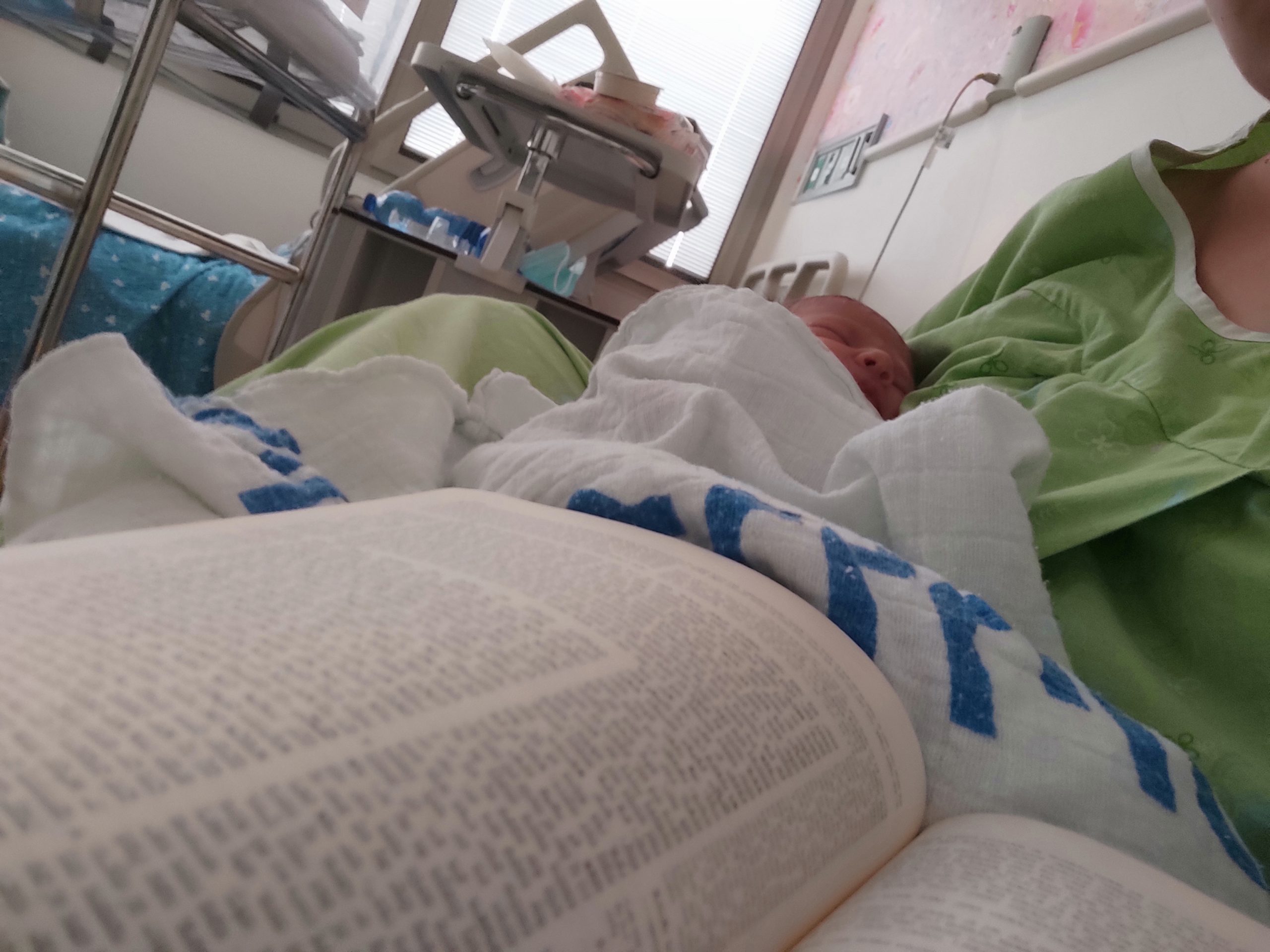
כמו שרואים בתמונה אני ממשיכה ללמוד גם היום ואפילו במחלקת יולדות אחרי לידת ביתי השלישית.

Noa Shiloh
נועה שילה

רבבה, ישראל

התחלתי ללמוד דף יומי אחרי שחזרתי בתשובה ולמדתי במדרשה במגדל עוז. הלימוד טוב ומספק חומר למחשבה על נושאים הלכתיים ”קטנים” ועד לערכים גדולים ביהדות. חשוב לי להכיר את הגמרא לעומק. והצעד הקטן היום הוא ללמוד אותה בבקיאות, בעזרת השם, ומי יודע אולי גם אגיע לעיון בנושאים מעניינים. נושאים בגמרא מתחברים לחגים, לתפילה, ליחסים שבין אדם לחברו ולמקום ולשאר הדברים שמלווים באורח חיים דתי 🙂

Gaia Divo
גאיה דיבו

מצפה יריחו, ישראל

התחלתי ללמוד לפני כשנתיים בשאיפה לסיים לראשונה מסכת אחת במהלך חופשת הלידה.
אחרי מסכת אחת כבר היה קשה להפסיק…

Noa Gallant
נעה גלנט

ירוחם, ישראל

אחי, שלומד דף יומי ממסכת ברכות, חיפש חברותא ללימוד מסכת ראש השנה והציע לי. החברותא היתה מאתגרת טכנית ורוב הזמן נעשתה דרך הטלפון, כך שבסיום המסכת נפרדו דרכינו. אחי חזר ללמוד לבד, אבל אני כבר נכבשתי בקסם הגמרא ושכנעתי את האיש שלי להצטרף אלי למסכת ביצה. מאז המשכנו הלאה, ועכשיו אנחנו מתרגשים לקראתו של סדר נשים!

Shulamit Saban
שולמית סבן

נוקדים, ישראל

לצערי גדלתי בדור שבו לימוד גמרא לנשים לא היה דבר שבשגרה ושנים שאני חולמת להשלים את הפער הזה.. עד שלפני מספר שבועות, כמעט במקרה, נתקלתי במודעת פרסומת הקוראת להצטרף ללימוד מסכת תענית. כשקראתי את המודעה הרגשתי שהיא כאילו נכתבה עבורי – "תמיד חלמת ללמוד גמרא ולא ידעת איך להתחיל”, "בואי להתנסות במסכת קצרה וקלה” (רק היה חסר שהמודעה תיפתח במילים "מיכי שלום”..). קפצתי למים ו- ב”ה אני בדרך להגשמת החלום:)

Micah Kadosh
מיכי קדוש

מורשת, ישראל

התחלתי ללמוד דף יומי לפני שנתיים, עם מסכת שבת. בהתחלה ההתמדה היתה קשה אבל בזכות הקורונה והסגרים הצלחתי להדביק את הפערים בשבתות הארוכות, לסיים את מסכת שבת ולהמשיך עם המסכתות הבאות. עכשיו אני מסיימת בהתרגשות רבה את מסכת חגיגה וסדר מועד ומחכה לסדר הבא!

Ilana-Shachnowitz
אילנה שכנוביץ

מודיעין, ישראל

התחלתי ללמוד דף יומי כאשר קיבלתי במייל ממכון שטיינזלץ את הדפים הראשונים של מסכת ברכות במייל. קודם לא ידעתי איך לקרוא אותם עד שנתתי להם להדריך אותי. הסביבה שלי לא מודעת לעניין כי אני לא מדברת על כך בפומבי. למדתי מהדפים דברים חדשים, כמו הקשר בין המבנה של בית המקדש והמשכן לגופו של האדם (יומא מה, ע”א) והקשר שלו למשפט מפורסם שמופיע בספר ההינדי "בהגוד-גיתא”. מתברר שזה רעיון כלל עולמי ולא רק יהודי

Elena Arenburg
אלנה ארנבורג

נשר, ישראל

התחלתי ללמוד גמרא בבית הספר בגיל צעיר והתאהבתי. המשכתי בכך כל חיי ואף היייתי מורה לגמרא בבית הספר שקד בשדה אליהו (בית הספר בו למדתי בילדותי)בתחילת מחזור דף יומי הנוכחי החלטתי להצטרף ובע”ה מקווה להתמיד ולהמשיך. אני אוהבת את המפגש עם הדף את "דרישות השלום ” שמקבלת מקשרים עם דפים אחרים שלמדתי את הסנכרון שמתחולל בין התכנים.

Ariela Bigman
אריאלה ביגמן

מעלה גלבוע, ישראל

התחלתי ללמוד את הדף היומי מעט אחרי שבני הקטן נולד. בהתחלה בשמיעה ולימוד באמצעות השיעור של הרבנית שפרבר. ובהמשך העזתי וקניתי לעצמי גמרא. מאז ממשיכה יום יום ללמוד עצמאית, ולפעמים בעזרת השיעור של הרבנית, כל יום. כל סיום של מסכת מביא לאושר גדול וסיפוק. הילדים בבית נהיו חלק מהלימוד, אני משתפת בסוגיות מעניינות ונהנית לשמוע את דעתם.

Eliraz Blau
אלירז בלאו

מעלה מכמש, ישראל

סוטה ה

אֲפִילּוּ עוֹשֶׂה צְדָקָה בַּסֵּתֶר, דִּכְתִיב: ״מַתָּן בַּסֵּתֶר יִכְפֶּה אָף וְגוֹ׳״ — לֹא יִנָּקֶה מִדִּינָהּ שֶׁל גֵּיהִנָּם.

Even if the one who committed adultery performs charitable deeds secretly, as alluded to in the phrase “hand to hand,” and even if one might think that one who does so will go unpunished, as it is written with regard to charity of this kind: “A gift in secret pacifies wrath” (Proverbs 21:14), nevertheless, he will not be unpunished from the judgment of Gehenna.

אַזְהָרָה לְגַסֵּי הָרוּחַ מִנַּיִן? אָמַר רָבָא אָמַר זְעֵירִי: ״שִׁמְעוּ וְהַאֲזִינוּ אַל תִּגְבָּהוּ״. רַב נַחְמָן בַּר יִצְחָק אָמַר, מֵהָכָא: ״וְרָם לְבָבֶךָ וְשָׁכַחְתָּ״ וּכְתִיב: ״הִשָּׁמֶר לְךָ פֶּן תִּשְׁכַּח אֶת ה׳ אֱלֹהֶיךָ״.

§ The Gemara previously discussed the impropriety of the trait of arrogance. Now the Gemara discusses the source of its prohibition. From where is the warning derived, i.e., what is the source prohibiting the behavior of the arrogant? Rava says that Ze’eiri says: The source is from the verse: “Hear, you, and give ear, be not proud, for the Lord has spoken” (Jeremiah 13:15). Rav Naḥman bar Yitzḥak said the warning is from here: “Then your heart be lifted up, and you forget the Lord your God” (Deuteronomy 8:14), and it is also written in that same passage: “Beware lest you forget the Lord your God” (Deuteronomy 8:11).

וְכִדְרַבִּי אָבִין אָמַר רַבִּי אִילְעָא. דְּאָמַר רַבִּי אָבִין אָמַר רַבִּי אִילְעָא: כׇּל מָקוֹם שֶׁנֶּאֱמַר ״הִשָּׁמֶר״ ״פֶּן״ וְ״אַל״ — אֵינוֹ אֶלָּא בְּלֹא תַּעֲשֶׂה.

The Gemara explains: And these sources are in accordance with a statement that Rabbi Avin says that Rabbi Ile’a says, as Rabbi Avin says that Rabbi Ile’a says: Wherever it is stated in a verse “beware,” “lest,” or “not,” this is nothing other than a prohibition. Since these verses employ these terms in the context of one who is arrogant, they serve as sources for the prohibition.

דָּרֵשׁ רַב עַוִּירָא, זִמְנִין אָמַר לַהּ מִשְּׁמֵיהּ דְּרַב אַסִּי וְזִמְנִין אָמַר לַהּ מִשְּׁמֵיהּ דְּרַב אַמֵּי: כׇּל אָדָם שֶׁיֵּשׁ בּוֹ גַּסּוּת הָרוּחַ לְסוֹף מִתְמַעֵט, שֶׁנֶּאֱמַר: ״רוֹמּוּ מְּעַט״. וְשֶׁמָּא תֹּאמַר יֶשְׁנוֹ בָּעוֹלָם, תַּלְמוּד לוֹמַר: ״וְאֵינֶנּוּ״.

Rav Avira interpreted the following verse homiletically: “They are exalted for a little while, and they are gone; yes, they are brought low, they are gathered in as all others, and wither as the tops of the husks” (Job 24:24). There were times when he said this interpretation in the name of Rav Asi and there were times when he said it in the name of Rav Ami: Any person who has arrogance within him will ultimately be diminished in standing, as it is stated in the phrase: “They are exalted for a little while,” indicating that one who raises himself above others will be exalted only briefly. And lest you say that even if he is diminished he will still exist in this world and live a full life, the verse states: “And they are gone,” indicating that they die before their time.

וְאִם חוֹזֵר בּוֹ — נֶאֱסָף בִּזְמַנּוֹ כְּאַבְרָהָם אָבִינוּ, שֶׁנֶּאֱמַר: ״וְהֻמְּכוּ כַּכֹּל יִקָּפְצוּן״. כְּאַבְרָהָם יִצְחָק וְיַעֲקֹב דִּכְתִיב בְּהוּ: ״בַּכֹּל״, ״מִכֹּל״, ״כֹּל״. וְאִם לָאו — ״וּכְרֹאשׁ שִׁבֹּלֶת יִמָּלוּ״.

He continues the interpretation: But if he repents from his arrogance, he is gathered in death at his proper time like Abraham our forefather, as it is stated: “Yes, they are brought low, they are gathered in as all [kakkol] others” (Job 24:24), indicating that when he repents from his arrogance he will die like Abraham, Isaac, and Jacob, as it is written about them that they were blessed with the term “all,” as in the verse above. With regard to Abraham, the verse states: “And the Lord had blessed Abraham in all things [bakkol]” (Genesis 24:1). With regard to Isaac, the verse states: “And I have eaten of all [mikkol]” (Genesis 27:33). With regard to Jacob, the verse states: “And because I have all [khol]” (Genesis 33:11). And if one does not repent, then, the verse in Job continues: “And wither like the tops of the husks.”

מַאי ״וּכְרֹאשׁ שִׁבֹּלֶת״? רַב הוּנָא וְרַב חִסְדָּא, חַד אָמַר: כִּי סָאסָא דְשִׁיבַּלְתָּא, וְחַד אָמַר: כְּשִׁיבּוֹלֶת עַצְמָהּ. בִּשְׁלָמָא לְמַאן דְּאָמַר כִּי סָאסָא דְשִׁיבַּלְתָּא — הַיְינוּ דִּכְתִיב: ״וּכְרֹאשׁ שִׁבֹּלֶת״, אֶלָּא לְמַאן דְּאָמַר כִּי שׁוּבַּלְתָּא עַצְמָהּ, מַאי ״וּכְרֹאשׁ שִׁבֹּלֶת״? אָמַר רַב אַסִּי, וְכֵן תָּנָא דְּבֵי רַבִּי יִשְׁמָעֵאל: מָשָׁל לְאָדָם שֶׁנִּכְנָס לְתוֹךְ שָׂדֵהוּ — גְּבוֹהָה גְּבוֹהָה הוּא מְלַקֵּט.

The Gemara asks: What is the meaning of the phrase “and wither like the tops of the husks”? Rav Huna and Rav Ḥisda offered differing interpretations. One says that it means: Like the awn of bristle-like growth on the top of the husk, and one says that it means: Like the husk itself. The Gemara comments: Granted, according to the one who says: Like the awn of bristle-like growth on the top of the husk, that is that which is written in the verse: “And wither like the tops of the husks,” since this awn is on the top of the husk. But according to the one who says: Like the husk itself, what is the meaning of the expression “and wither like the tops of the husks”? Rav Asi says, and similarly the school of Rabbi Yishmael taught: This can be explained by way of an analogy to a person who enters into his field, as he gathers the taller stalks before the shorter ones. The verse is therefore referring to the tallest stalks, not the tops of the stalks.

״וְאֶת דַּכָּא וּשְׁפַל רוּחַ״. רַב הוּנָא וְרַב חִסְדָּא, חַד אָמַר: אִתִּי דַּכָּא, וְחַד אָמַר: אֲנִי אֶת דַּכָּא.

The Gemara continues the discussion of arrogance, and its converse, humility. The verse states: “For thus says the High and Lofty One that inhabits eternity, whose name is Holy: I dwell in the high and holy place, also with him that is of a contrite and humble spirit, to revive the spirit of the humble, and to revive the heart of the contrite ones” (Isaiah 57:15). Rav Huna and Rav Ḥisda offered differing interpretations of this verse. One says that the verse means: Together with Me is the person who is contrite and humble. In other words, God elevates the humble. And one says that the verse means: I, God, descend, and am found together with the person who is contrite and humble.

וּמִסְתַּבְּרָא כְּמַאן דְּאָמַר אֲנִי אֶת דַּכָּא, שֶׁהֲרֵי הַקָּדוֹשׁ בָּרוּךְ הוּא הִנִּיחַ כׇּל הָרִים וּגְבָעוֹת, וְהִשְׁרָה שְׁכִינָתוֹ עַל הַר סִינַי וְלֹא גָּבַהּ הַר סִינַי לְמַעְלָה.

The Gemara comments on this: And it stands to reason that the meaning of the verse is like the one who says: I am with the contrite person, as the Holy One, Blessed be He, disregarded all of the mountains and hills, and rested His Divine Presence on the lowly Mount Sinai, and He did not choose to raise Mount Sinai up toward Him. God chose to give the Torah on Mount Sinai, as it was a symbol of humility due to its lack of height, and He lowered His Divine Presence, as it were, to the mountain.

אָמַר רַב יוֹסֵף: לְעוֹלָם יִלְמַד אָדָם מִדַּעַת קוֹנוֹ, שֶׁהֲרֵי הַקָּדוֹשׁ בָּרוּךְ הוּא הִנִּיחַ כׇּל הָרִים וּגְבָעוֹת, וְהִשְׁרָה שְׁכִינָתוֹ עַל הַר סִינַי. וְהִנִּיחַ כׇּל אִילָנוֹת טוֹבוֹת, וְהִשְׁרָה שְׁכִינָתוֹ בַּסְּנֶה.

Rav Yosef says: A person should always learn proper behavior from the wisdom of his Creator, as the Holy One, Blessed be He, disregarded all of the mountains and hills and rested His Divine Presence on the lowly Mount Sinai. And similarly, when appearing to Moses, He disregarded all of the beautiful trees and rested His Divine Presence on the bush (Exodus 3:2).

אָמַר רַבִּי אֶלְעָזָר: כׇּל אָדָם שֶׁיֵּשׁ בּוֹ גַּסּוּת הָרוּחַ רָאוּי לְגַדְּעוֹ כַּאֲשֵׁירָה. כְּתִיב הָכָא: ״וְרָמֵי הַקּוֹמָה גְּדוּעִים״, וּכְתִיב הָתָם: ״וַאֲשֵׁירֵיהֶם תְּגַדֵּעוּן״.

Rabbi Elazar says: Concerning any person who has arrogance within him, it is fitting to hew him down, as a tree designated for idolatry [asheira] is hewn down, as it is written here with regard to the arrogant: “And the high ones of stature shall be hewn down [gedu’im]” (Isaiah 10:33), and it is written there with regard to trees designated for idolatry: “And hew down [teggade’un] their trees worshipped as part of idolatrous rites [asheireihem]” (Deuteronomy 7:5).

וְאָמַר רַבִּי אֶלְעָזָר: כׇּל אָדָם שֶׁיֵּשׁ בּוֹ גַּסּוּת הָרוּחַ — אֵין עֲפָרוֹ נִנְעָר, שֶׁנֶּאֱמַר: ״הָקִיצוּ וְרַנְּנוּ שֹׁכְנֵי עָפָר״, ״שֹׁכְבֵי בֶּעָפָר״ לֹא נֶאֱמַר, אֶלָּא ״שֹׁכְנֵי עָפָר״ — מִי שֶׁנַּעֲשָׂה שָׁכֵן לֶעָפָר בְּחַיָּיו.

And Rabbi Elazar also says: Concerning any person who has arrogance within him, his dust, i.e., his remains in his grave, will not stir at the time of the resurrection of the dead, as it is stated: “Awake and sing for joy, you who dwell in the dust” (Isaiah 26:19). It is not stated: You who lie in the dust, which would indicate that all the dead will be awakened in the future, but rather: “You who dwell in the dust,” indicating that only one who became a neighbor to the dust in his lifetime by living with extreme humility will stir at the time of the resurrection.

וְאָמַר רַבִּי אֶלְעָזָר: כׇּל אָדָם שֶׁיֵּשׁ בּוֹ גַּסּוּת הָרוּחַ, שְׁכִינָה מְיַלֶּלֶת עָלָיו, שֶׁנֶּאֱמַר: ״וְגָבֹהַּ מִמֶּרְחָק יְיֵדָע״.

And Rabbi Elazar says: Concerning any person who has arrogance within him, the Divine Presence wails over him. As it is stated: “For though the Lord is high, yet regards He the lowly, and from the haughty He is pained from afar” (Psalms 138:6).

דָּרֵשׁ רַב עַוִּירָא, וְאִיתֵּימָא רַבִּי אֶלְעָזָר: בֹּא וּרְאֵה שֶׁלֹּא כְּמִדַּת הַקָּדוֹשׁ בָּרוּךְ הוּא מִדַּת בָּשָׂר וְדָם. מִדַּת בָּשָׂר וָדָם — גָּבוֹהַּ רוֹאֶה אֶת הַגָּבוֹהַּ, וְאֵין גָּבוֹהַּ רוֹאֶה אֶת הַשָּׁפֵל. אֲבָל מִדַּת הַקָּדוֹשׁ בָּרוּךְ הוּא אֵינוֹ כֵּן, הוּא גָּבוֹהַּ וְרוֹאֶה אֶת הַשָּׁפֵל, שֶׁנֶּאֱמַר: ״כִּי רָם ה׳ וְשָׁפָל יִרְאֶה״.

Rav Avira interpreted a verse homiletically, and some say that Rabbi Elazar interpreted as follows: Come and see that the attribute of the Holy One, Blessed be He, is not like the attribute of flesh and blood. The attribute of flesh and blood is that the elevated sees the elevated, but the elevated does not see the lowly. But the attribute of the Holy One, Blessed be He, is not like that. He is elevated but sees specifically the lowly, as it is stated: “For though the Lord is high, yet regards He the lowly” (Psalms 138:6).

אָמַר רַב חִסְדָּא, וְאִיתֵּימָא מָר עוּקְבָא: כׇּל אָדָם שֶׁיֵּשׁ בּוֹ גַּסּוּת הָרוּחַ, אָמַר הַקָּדוֹשׁ בָּרוּךְ הוּא: אֵין אֲנִי וָהוּא יְכוֹלִין לָדוּר בָּעוֹלָם, שֶׁנֶּאֱמַר: ״מְלׇשְׁנִי בַסֵּתֶר רֵעֵהוּ אוֹתוֹ אַצְמִית גְּבַהּ עֵינַיִם וּרְחַב לֵבָב אֹתוֹ לֹא אוּכָל״. אַל תִּקְרֵי ״אֹתוֹ״, אֶלָּא ״אִתּוֹ לֹא אוּכָל״. אִיכָּא דְּמַתְנֵי לַהּ אַמְּסַפְּרֵי לָשׁוֹן הָרָע, שֶׁנֶּאֱמַר: ״מְלׇשְׁנִי בַסֵּתֶר רֵעֵהוּ אוֹתוֹ אַצְמִית״.

Rav Ḥisda says, and some say that Mar Ukva says: Concerning any person who has arrogance within him, the Holy One, Blessed be He, said: He and I cannot dwell together in the world, as it is stated: “He who slanders his neighbor in secret, him will I destroy; he who is haughty of eye and proud of heart, him will I not suffer [oto lo ukhal]” (Psalms 101:5–6). These verses should be understood as follows: Do not read the verse as: Oto lo ukhal”; rather, read it as: Itto lo ukhal, meaning, with him, I cannot bear to dwell. There are those who teach that this was stated with regard to those who speak slander because the beginning of the verse states: “He who slanders his neighbor in secret, him will I destroy.”

אָמַר רַבִּי אֲלֶכְּסַנְדְּרִי: כׇּל אָדָם שֶׁיֵּשׁ בּוֹ גַּסּוּת הָרוּחַ, אֲפִילּוּ רוּחַ קִימְעָא עוֹכַרְתּוֹ, שֶׁנֶּאֱמַר: ״וְהָרְשָׁעִים כַּיָּם נִגְרָשׁ״, וּמָה יָם שֶׁיֵּשׁ בּוֹ כַּמָּה רְבִיעִיּוֹת — רוּחַ קִימְעָא עוֹכַרְתּוֹ, אָדָם שֶׁאֵין בּוֹ אֶלָּא רְבִיעִית אַחַת — עַל אַחַת כַּמָּה וְכַמָּה.

Rabbi Alexandri says: Concerning any person who has arrogance within him, even a slight wind disturbs him, as it is stated: “But the wicked are like the troubled sea, for it cannot rest” (Isaiah 57:20). And if with regard to the sea, which contains many quantities of quarters of a log of water, yet a slight wind disturbs it, certainly with regard to a person, who has in his body only one quarter-log of essential lifeblood, all the more so will a slight wind disturb him.

אָמַר רַב חִיָּיא בַּר אָשֵׁי אָמַר רַב: תַּלְמִיד חָכָם צָרִיךְ שֶׁיְּהֵא בּוֹ אֶחָד מִשְּׁמוֹנָה בִּשְׁמִינִית. אָמַר רַב הוּנָא בְּרֵיהּ דְּרַב יְהוֹשֻׁעַ: וּמְעַטְּרָא לֵיהּ כִּי סָאסָא לְשׁוּבַּלְתָּא. אָמַר רָבָא: בְּשַׁמְתָּא דְּאִית בֵּיהּ, וּבְשַׁמְתָּא דְּלֵית בֵּיהּ.

Rav Ḥiyya bar Ashi says that Rav says: Despite the opprobrium assigned to one who exhibits the trait of arrogance, a Torah scholar must have one-eighth of one-eighth of arrogance. Rav Huna, son of Rav Yehoshua, said: And this minute measure of arrogance crowns him as the awn of bristle-like growth on the top of the husk. Rava said: A Torah scholar who has arrogance should be excommunicated, and one who does not have arrogance at all should be excommunicated as well. As such, he must have only a minute measure of arrogance.

אָמַר רַב נַחְמָן בַּר יִצְחָק: לָא מִינַּהּ וְלָא מִקְצָתַהּ, מִי זוּטַר דִּכְתִיב בֵּיהּ ״תּוֹעֲבַת ה׳ כׇּל גְּבַהּ לֵב״?

Rav Naḥman bar Yitzḥak said: Even a Torah scholar should not have any arrogance or any part of arrogance, i.e., not even one-eighth of one-eighth. He explains why arrogance should be avoided entirely by asking: Is it a small matter that it is written with regard to arrogance: “Everyone that is proud of heart is an abomination to the Lord” (Proverbs 16:5)?

אָמַר חִזְקִיָּה: אֵין תְּפִלָּתוֹ שֶׁל אָדָם נִשְׁמַעַת אֶלָּא אִם כֵּן מֵשִׂים לִבּוֹ כְּבָשָׂר, שֶׁנֶּאֱמַר: ״וְהָיָה מִדֵּי חֹדֶשׁ בְּחׇדְשׁוֹ [וְגוֹ׳] יָבֹא כׇּל בָּשָׂר לְהִשְׁתַּחֲווֹת וְגוֹ׳״.

Ḥizkiyya says: The prayers of a person are heard only if he casts his heart to be like flesh, by being free of arrogance. As it is stated: “And it shall come to pass, that from one New Moon to another, and from one Sabbath to another, shall all flesh come to worship before Me, says the Lord” (Isaiah 66:23).

אָמַר רַבִּי זֵירָא: ״בָּשָׂר״ כְּתִיב בֵּיהּ ״וְנִרְפָּא״, ״אָדָם״ לָא כְּתִיב בֵּיהּ ״וְנִרְפָּא״.

Rabbi Zeira said: Concerning leprosy of the flesh, it is written in the verse with regard to it: “And when the flesh has in the skin thereof a boil, and it is healed” (Leviticus 13:18), but concerning the leprosy of a person, it is not written in the verse with regard to it: And it is healed. Both verses discussing leprosy of a person make no mention of healing (Leviticus 13:2, 13:9). This indicates that one who sees himself as flesh will be cured, but one who holds himself in high regard will not be cured.

אָמַר רַבִּי יוֹחָנָן, אָדָם: אֵפֶר, דָּם, מָרָה. בָּשָׂר: בּוּשָׁה, סְרוּחָה, רִמָּה. אִיכָּא דְּאָמְרִי: שְׁאוֹל, דִּכְתִיב בְּשִׁין.

Rabbi Yoḥanan said: The Hebrew word for person, adam, written: Alef, dalet, mem, is an acronym for efer, dust; dam, blood; and mara, bile, alluding to man’s insignificance. Similarly, the Hebrew word for flesh, basar, written: Beit, sin, reish, is an acronym for busha, shame; seruḥa, putrid; and rimma, worm, also alluding to his insignificance. There are those who say that the letter sin of the word basar actually is referring to a different word, sheol, the netherworld, as it is written with the Hebrew letter shin. The letter sin is phonetically similar to the letter samekh, the first letter of the word seruḥa, but is orthographically similar to the letter shin, the first letter of the word sheol. The dispute is whether the acronym should be based upon the pronunciation or upon the way it is written.

אָמַר רַב אָשֵׁי: כׇּל אָדָם שֶׁיֵּשׁ בּוֹ גַּסּוּת הָרוּחַ לְסוֹף נִפְחָת, שֶׁנֶּאֱמַר:

Rav Ashi says: Any person who has arrogance within him will ultimately be diminished in stature, as it is stated with regard to different types of leprosy:

״וְלַשְׂאֵת וְלַסַּפַּחַת״, וְאֵין ״שְׂאֵת״ אֶלָּא לְשׁוֹן גָּבוֹהַּ, שֶׁנֶּאֱמַר: ״וְעַל [כׇּל] הֶהָרִים הָרָמִים וְעַל [כׇּל] הַגְּבָעוֹת הַנִּשָּׂאוֹת״, וְאֵין ״סַפַּחַת״ אֶלָּא טְפֵילָה, שֶׁנֶּאֱמַר: ״סְפָחֵנִי נָא אֶל אַחַת הַכְּהֻנּוֹת לֶאֱכֹל פַּת לָחֶם״.

“And for a sore [se’et] and for a scab [sappaḥat]” (Leviticus 14:56), and se’et means nothing other than elevated, as it is stated: “And upon all the high mountains, and upon all the hills that are lifted up [nissaot]” (Isaiah 2:14). And sappaḥat means nothing other than an appendage, as it is stated in the context of the curse given to the descendants of Eli: “Put me [sefaḥeni], I pray of you, into one of the priests’ offices, that I may eat a morsel of bread” (I Samuel 2:36). They will have to be joined with another priestly family to receive their priestly gifts. One can therefore interpret the verses discussing leprosy as teaching that one who initially is arrogant, se’et, will eventually become a sappaḥat, diminished in stature.

אָמַר רַבִּי יְהוֹשֻׁעַ בֶּן לֵוִי: בֹּא וּרְאֵה כַּמָּה גְּדוֹלִים נְמוּכֵי הָרוּחַ לִפְנֵי הַקָּדוֹשׁ בָּרוּךְ הוּא, שֶׁבְּשָׁעָה שֶׁבֵּית הַמִּקְדָּשׁ קַיָּים אָדָם מַקְרִיב עוֹלָה — שְׂכַר עוֹלָה בְּיָדוֹ. מִנְחָה — שְׂכַר מִנְחָה בְּיָדוֹ. אֲבָל מִי שֶׁדַּעְתּוֹ שְׁפָלָה, מַעֲלֶה עָלָיו הַכָּתוּב כְּאִילּוּ הִקְרִיב כׇּל הַקָּרְבָּנוֹת כּוּלָּם, שֶׁנֶּאֱמַר: ״זִבְחֵי אֱלֹהִים רוּחַ נִשְׁבָּרָה״. וְלֹא עוֹד, אֶלָּא שֶׁאֵין תְּפִלָּתוֹ נִמְאֶסֶת, שֶׁנֶּאֱמַר: ״לֵב נִשְׁבָּר וְנִדְכֶּה אֱלֹהִים לֹא תִבְזֶה״.

Rabbi Yehoshua ben Levi says: Come and see how great the lowly in spirit are before the Holy One, Blessed be He. For when the Temple was standing, a person would sacrifice a burnt-offering and the merit of a burnt-offering would be his; he would sacrifice a meal-offering and the merit of a meal-offering would be his. But with regard to one whose spirit is lowly, the verse ascribes him credit as if he had sacrificed all the sacrificial offerings, as it is stated: “The sacrifices of God are a broken spirit” (Psalms 51:19), indicating that one who is humble of spirit is regarded as if he offered all the “sacrifices of God.” And not only that, but his prayer is not despised by God, as it is stated at the end of that verse: “A broken and contrite heart, O God, You will not despise.”

וְאָמַר רַבִּי יְהוֹשֻׁעַ בֶּן לֵוִי: כׇּל הַשָּׁם אוֹרְחוֹתָיו בָּעוֹלָם הַזֶּה — זוֹכֶה וְרוֹאֶה בִּישׁוּעָתוֹ שֶׁל הַקָּדוֹשׁ בָּרוּךְ הוּא, שֶׁנֶּאֱמַר: ״וְשָׂם דֶּרֶךְ אַרְאֶנּוּ בְּיֵשַׁע אֱלֹהִים״, אַל תִּקְרֵי ״וְשָׂם״, אֶלָּא ״וְשָׁם דֶּרֶךְ״.

And Rabbi Yehoshua ben Levi also says: Whoever appraises his ways in this world, i.e., whoever carefully considers all his actions before deciding on the proper mode of conduct, merits and sees the salvation of the Holy One, Blessed be He, as it is stated: “And to him that orders his way aright [vesam derekh] will I show the salvation of God” (Psalms 50:23). Do not read it as vesam,” “that orders”; rather, read it as vesham derekh, that appraises his way.

[כֵּיצַד מְקַנֵּא לָהּ כּוּ׳.] הָא גוּפָא קַשְׁיָא: אָמְרַתְּ, אָמַר לָהּ בִּפְנֵי שְׁנַיִם אַל תְּדַבְּרִי עִם אִישׁ פְּלוֹנִי זֶה, אַלְמָא דִּבּוּר סְתִירָה הוּא,

§ The mishna teaches: How does he issue a warning to her in an effective manner? If he says to her in the presence of two witnesses: Do not speak with the man called so-and-so, and she nevertheless spoke with him, she is still permitted to engage in sexual intercourse with her husband. However, if after he told her not to speak with so-and-so, she entered into a secluded place and remained with that man for sufficient time to engage in sexual intercourse, she is forbidden to her home, i.e., to engage in sexual intercourse with her husband, from that moment until she undergoes the sota rite. The Gemara notes the apparent contradiction in the mishna: This matter itself is difficult: You said in detailing the wording of the warning that he said to her in the presence of two witnesses: Do not speak with the man called so-and-so, apparently indicating that speaking is tantamount to seclusion. Therefore, speaking with that man should result in the woman becoming forbidden to her husband.

וַהֲדַר תָּנֵי: דִּיבְּרָה עִמּוֹ — עֲדַיִין מוּתֶּרֶת לְבֵיתָהּ וּמוּתֶּרֶת לֶאֱכוֹל בִּתְרוּמָה, אַלְמָא דִּבּוּר לָא כְּלוּם הוּא!

But then the mishna teaches: If she nevertheless spoke with him, she is still permitted to her home, i.e., to engage in sexual intercourse with her husband, and if she is the wife of a priest she is still permitted to partake of teruma, apparently indicating that speaking is nothing. Therefore, issuing a warning to her not to speak with a particular man should not qualify as an effective warning.

אָמַר אַבָּיֵי, הָכִי קָאָמַר: ״אַל תְּדַבְּרִי״ וְדִבְּרָה, ״אַל תְּדַבְּרִי״ וְנִסְתְּרָה — וְלֹא כְּלוּם. ״אַל תִּסָּתְרִי״ וְדִבְּרָה עִמּוֹ — עֲדַיִין מוּתֶּרֶת לְבֵיתָהּ וּמוּתֶּרֶת לֶאֱכוֹל בִּתְרוּמָה. נִכְנְסָה עִמּוֹ לְבֵית הַסֵּתֶר וְשָׁהֲתָה כְּדֵי טוּמְאָה, אֲסוּרָה לְבֵיתָהּ וַאֲסוּרָה לֶאֱכוֹל בִּתְרוּמָה.

Abaye said an explanation: This is what the mishna is saying: If he said to her: Do not speak with so-and-so, and she later spoke with him; or if the husband said to her: Do not speak with so-and-so, and she later secluded herself with him, it is nothing, as this was not an effective warning. Similarly, if he said to her: Do not seclude yourself with so-and-so, and then she spoke with him without secluding herself with him, she is still permitted to her home, i.e., her husband, and she is still permitted to partake of teruma. However, if after he issued a warning to her not to seclude herself with someone, she entered with that man into a secluded place and remained there with him for a period of time sufficient for defilement, then she is forbidden to her home, i.e., her husband, and forbidden to partake of teruma.

וְאִם מֵת חוֹלֶצֶת. אַמַּאי? תִּתְיַיבֵּם נָמֵי יַבּוֹמֵי?

§ The mishna teaches that after a woman who was warned by her husband not to seclude herself with another man, nevertheless secludes herself with another man, she becomes forbidden to her husband, and if her husband dies childless before she drank the bitter water, she performs ḥalitza with her late husband’s brother and does not enter into levirate marriage. The Gemara asks: Why must she perform ḥalitza? Let her enter into levirate marriage. After all, although she secluded herself with the other man after the warning, there is only an unverified suspicion of adultery. Why should it be prohibited for her to enter into levirate marriage with her deceased husband’s brother, the yavam?

אָמַר רַב יוֹסֵף, אָמַר קְרָא: ״וְיָצְאָה מִבֵּיתוֹ וְהָלְכָה וְהָיְתָה לְאִישׁ אַחֵר״. לְאִישׁ אַחֵר, וְלֹא לַיָּבָם.

Rav Yosef said: With regard to a man who divorces his wife because: “He has found some unseemly matter about her” (Deuteronomy 24:1), i.e., he suspects her of sexual impropriety, the verse states: “And she departs out of his house, and goes and becomes another man’s wife” (Deuteronomy 24:2). It is inferred from this that she is free to marry another man, but she is not permitted to marry the yavam. The yavam is not considered “another man,” as he takes the place of his brother.

אֲמַר לֵיהּ אַבָּיֵי: אֶלָּא מֵעַתָּה — חֲלִיצָה נָמֵי לָא תִּיבְעֵי! אֲמַר לֵיהּ: אִילּוּ אִיתֵיהּ לְבַעַל, מִי לָא בָּעֲיָא גֵּט? הַשְׁתָּא נָמֵי תִּיבְעֵי חֲלִיצָה.

Abaye said to him: If that is so, that the Torah explicitly prohibits levirate marriage in this case, then she should not require ḥalitza as well, as the verse explicitly permitted her to marry another man, seemingly abrogating the need for ḥalitza to free her from the bond to the yavam. Rav Yosef said to him in response: If the husband were alive, would she not require a bill of divorce to permit her to remarry, even though she was forbidden to him? Now, as well, she should require ḥalitza in order to release her bond with the yavam, even though, as the verse indicates, it remains prohibited for them to enter into levirate marriage.

וְאִית דְּאָמְרִי, אָמַר רַב יוֹסֵף: רַחֲמָנָא אָמַר ״וְיָצְאָה מִבֵּיתוֹ וְהָלְכָה וְהָיְתָה לְאִישׁ אַחֵר״ — דְּלָא לִיסְתְּרֵיהּ לְבֵיתֵיהּ, וְאַתְּ אָמְרַתְּ תִּתְיַיבֵּם נָמֵי יַבּוֹמֵי?!

And there are those who say that in answer to Abaye’s question Rav Yosef said: The Merciful One said with regard to a man who divorces his wife because he has found some unseemly matter about her: “And she departs out of his house, and goes and becomes another man’s wife,” indicating that the man should divorce her so that his house not be destroyed by his continuing to dwell with her, and you want to say that she should enter into levirate marriage? How can it be that the same verse instructing the husband to divorce her would also instruct the yavam to marry her? However, there is no reason to exempt her from performing ḥalitza.

אֲמַר לֵיהּ אַבָּיֵי: אֶלָּא מֵעַתָּה, לְאַחֵר לָא תִּינָּשֵׂא, דְּלָא תִּיסְתְּרֵיהּ לְבֵיתֵיהּ!

Abaye said to him: If that is so, that the verse would not tell the yavam to marry her, she should not marry another man either, so that the second husband’s house not be destroyed. How can it be that the same verse instructing the husband to divorce her would also instruct another man to marry her?

אֲמַר לֵיהּ:

Rav Yosef said to him:

רוצה לעקוב אחרי התכנים ולהמשיך ללמוד?

ביצירת חשבון עוד היום ניתן לעקוב אחרי ההתקדמות שלך, לסמן מה למדת, ולעקוב אחרי השיעורים שמעניינים אותך.

לנקות את כל הפריטים מהרשימה?

פעולה זו תסיר את כל הפריטים בחלק זה כולל ההתקדמות וההיסטוריה. שימי לב: לא ניתן לשחזר פעולה זו.

ביטול
מחיקה

האם את/ה בטוח/ה שברצונך למחוק פריט זה?

תאבד/י את כל ההתקדמות או ההיסטוריה הקשורות לפריט זה.

ביטול
מחיקה