








איך הגמרא פותרת את הסתירה בדברי אביי לגבי שיטות ר’ יהודה ור’ מאיר – האם חוששים למיתה או לא? מסבירים שהמחלוקת ביניהם לא בעניין שמא יבקע הנוד אלא האם יש ברירה או אין ברירה. מביאים עוד קושי ממסכת יומא על שיטת ר’ יהודה כי שם ר’ יהודה חושש למיתה – מתקינים לכהן גדול אשה אחרת שמא תמות אשתו. לאחר כל הדיון בשיטות אביי ור’ זירא (האם ר’ מאיר חושש למיתה או שמא תברח בעניין בהמה כמחיצה), הגמרא דוחה את שיטותיהם בגלל קושי במקרה של הגולל לקבר, ומביא שתי הבנות אחרות להבין שיטת ר’ מאיר. ר’ יוסי אמר שלא כותבים גט על בהמה – מניין הוא לומד את זה? ומניין למדו חכמים שזה אפשרי? לפי המשנה, אם אילנות משמשות כדופן לסוכה, הסוכה כשרה ועולין לה ביום טוב. רב אחא בר יעקב אמר שמחיצה שאינה עומדת ברוח מצויה אינה מחיצה. הגמרא מקשה על זה ממשנתינו מהאילנות שמשמות דופן לסוכה. מביאים גם עוד כמה מקורות שמקשים על דבריו ועל כולם עונים שחזקו את זה בהוצא ודפנה.
רוצה להקדיש לימוד?
סוכה כד
רַבִּי יְהוּדָה וְרַבִּי יוֹסֵי וְרַבִּי שִׁמְעוֹן אוֹסְרִין!
Rabbi Yehuda and Rabbi Yosei and Rabbi Shimon prohibit one from doing so due to the concern lest the wineskin burst and the contents spill before he has an opportunity to actually separate the teruma and tithes. In that case, when he drank the wine, retroactively, he is found to have drunk untithed produce. Rabbi Meir is not concerned about potential change in the status quo, and Rabbi Yehuda, who is concerned lest the wineskin burst, would all the more so be concerned about potential death.
אֵיפוֹךְ: רַבִּי מֵאִיר חָיֵישׁ לְמִיתָה, וְרַבִּי יְהוּדָה לָא חָיֵישׁ לְמִיתָה, דְּתַנְיָא: עֲשָׂאָהּ לַבְּהֵמָה דּוֹפֶן לַסּוּכָּה — רַבִּי מֵאִיר פּוֹסֵל, וְרַבִּי יְהוּדָה מַכְשִׁיר.
The Gemara suggests: Reverse the attribution of the statements according to Abaye. Rabbi Meir is concerned about potential death, and Rabbi Yehuda is not concerned about potential death, as it is taught in a baraita: If one utilized his animal as a wall for the sukka, Rabbi Meir deems it unfit and Rabbi Yehuda deems it fit.
קַשְׁיָא דְּרַבִּי מֵאִיר אַדְּרַבִּי מֵאִיר! אָמַר לָךְ רַבִּי מֵאִיר: מִיתָה שְׁכִיחָא, בְּקִיעַת הַנּוֹד לָא שְׁכִיחָא, אֶפְשָׁר דְּמָסַר לֵיהּ לְשׁוֹמֵר.
The Gemara asks: This is difficult, as there is a contradiction between the statement of Rabbi Meir with regard to sukka, where he is concerned about potential death, and the other statement of Rabbi Meir with regard to separation of teruma and tithes, where he is not concerned lest the wineskin burst. The Gemara answers: Rabbi Meir could have said to you: Death is common, as every living being will eventually die; however, the bursting of the wineskin is not common because it is possible that he gave the wineskin to a guard for protection so that it does not burst until he has the opportunity to separate the required teruma and tithes.
קַשְׁיָא דְּרַבִּי יְהוּדָה אַדְּרַבִּי יְהוּדָה!
The Gemara asks: This is difficult, as there is a contradiction between the statement of Rabbi Yehuda with regard to sukka, where he is not concerned about potential death, and the other statement of Rabbi Yehuda with regard to separation of teruma and tithes, where he is concerned lest the wineskin burst.
טַעְמָא דְּרַבִּי יְהוּדָה לָאו מִשּׁוּם דְּחָיֵישׁ לִבְקִיעַת נוֹד, אֶלָּא מִשּׁוּם דְּלֵית לֵיהּ ״בְּרֵירָה״.
The Gemara answers: The rationale for the opinion of Rabbi Yehuda with regard to tithes is not due to the fact that he is concerned about the potential bursting of the wineskin; rather, he rules that one may not drink the wine because he is not of the opinion that there is a principle of retroactive clarification. The procedure prescribed by Rabbi Meir is based on a fundamental assumption that when the separation is actually performed, the produce that he separates for teruma and tithes at that point is determined retroactively to have been teruma and tithes from the outset. Rabbi Yehuda does not accept this principle. Therefore, one’s subsequent actions do not retroactively determine the original status of the produce.
וְלָא חָיֵישׁ רַבִּי יְהוּדָה לִבְקִיעַת נוֹד? וְהָא מִדְּקָתָנֵי סֵיפָא: אָמְרוּ לוֹ לְרַבִּי מֵאִיר: אִי אַתָּה מוֹדֶה שֶׁמָּא יִבָּקַע הַנּוֹד וְנִמְצָא זֶה שׁוֹתֶה טְבָלִים לְמַפְרֵעַ? וַאֲמַר לְהוּ: לִכְשֶׁיִּבָּקַע. מִכְּלָל דְּחָיֵישׁ רַבִּי יְהוּדָה לִבְקִיעַת הַנּוֹד!
The Gemara asks: And is Rabbi Yehuda not concerned about the potential bursting of the wineskin? But isn’t there proof from the fact that it teaches in the latter clause of the baraita that the Sages said to Rabbi Meir with regard to tithes: Do you not concede that perhaps the wineskin will burst, and it will be determined retroactively that he is drinking untithed produce? And Rabbi Meir said to the Sages: That possibility is not a concern. When it actually bursts, I will be concerned. This indicates by inference that Rabbi Yehuda, who disagrees with Rabbi Meir, is concerned about the potential bursting of the wineskin.
הָתָם רַבִּי יְהוּדָה הוּא דְּקָאָמַר לְרַבִּי מֵאִיר: לְדִידִי לֵית לִי בְּרֵירָה. אֶלָּא לְדִידָךְ דְּיֵשׁ בְּרֵירָה — אִי אַתָּה מוֹדֶה דְּשֶׁמָּא יִבָּקַע הַנּוֹד? אֲמַר לֵיהּ: לִכְשֶׁיִּבָּקַע.
The Gemara answers that there, it is Rabbi Yehuda who is saying to Rabbi Meir: For me, I am not of the opinion that there is a principle of retroactive clarification, and therefore one cannot separate teruma and tithes after drinking the wine. However, according to your opinion that there is a principle of retroactive clarification, do you not concede that one may not drink wine before separating teruma and tithes due to the concern lest the wineskin burst? Rabbi Meir said to him: When it actually bursts, I will be concerned.
וְלָא חָיֵישׁ רַבִּי יְהוּדָה לְמִיתָה? וְהָא תְּנַן, רַבִּי יְהוּדָה אוֹמֵר: אַף אִשָּׁה אַחֶרֶת מַתְקִינִין לוֹ, שֶׁמָּא תָּמוּת אִשְׁתּוֹ. הָא אִיתְּמַר עֲלַהּ, אָמַר רַב הוּנָא בְּרֵיהּ דְּרַב יְהוֹשֻׁעַ: מַעֲלָה עָשׂוּ בְּכַפָּרָה.
The Gemara asks further: And is Rabbi Yehuda not concerned about potential death? Didn’t we learn in a mishna in tractate Yoma (2a) that the Sages said with regard to the High Priest prior to Yom Kippur: And they would designate another priest in his stead, and since the High Priest performing the Yom Kippur service must be married, Rabbi Yehuda says: They would even designate another wife for him lest his wife die. Apparently, he is concerned about potential death. The Gemara answers: But wasn’t it stated with regard to that mishna that this designation is unique to Yom Kippur, as Rav Huna, son of Rav Yehoshua, said: They established a higher standard with regard to atonement? Therefore, matters that are not a source of concern in other areas of halakha are significant with regard to Yom Kippur.
בֵּין לְמַאן דְּאָמַר שֶׁמָּא תָּמוּת, בֵּין לְמַאן דְּאָמַר שֶׁמָּא תִּבְרַח, מִדְּאוֹרָיְיתָא מְחִיצָה מְעַלְּיָא הִיא, וְרַבָּנַן הוּא דִּגְזַרוּ בָּהּ. אֶלָּא מֵעַתָּה, לְרַבִּי מֵאִיר תְּטַמֵּא מִשּׁוּם גּוֹלֵל? אַלְּמָה תְּנַן: רַבִּי יְהוּדָה מְטַמֵּא מִשּׁוּם גּוֹלֵל, וְרַבִּי מֵאִיר מְטַהֵר?
§ The Gemara asks: Both according to the one who said that an animal is an unfit partition due to the concern lest it die, and according to the one who said that it is due to the concern lest it flee, apparently it is a full-fledged partition by Torah law, and it is the Sages who issued a decree prohibiting its use lest a problem arise. However, if that is so, according to Rabbi Meir an animal used as a covering for a grave should be impure due to the impurity of the covering of a grave. Why, then, did we learn in a mishna (Eiruvin 15a–b) that Rabbi Yehuda says: Even a living creature imparts ritual impurity due to the impurity of the covering of a grave, but Rabbi Meir deems it pure? If according to Rabbi Meir an animal is unfit for use as a partition only due to the concern lest it die or flee, but essentially it is a fit partition, why does it not become impure when used as a covering of a grave?
אֶלָּא אָמַר רַב אַחָא בַּר יַעֲקֹב: קָסָבַר רַבִּי מֵאִיר: כָּל מְחִיצָה שֶׁעוֹמֶדֶת בְּרוּחַ — אֵינָהּ מְחִיצָה. אִיכָּא דְּאָמְרִי, אָמַר רַב אַחָא בַּר יַעֲקֹב: קָסָבַר רַבִּי מֵאִיר כׇּל מְחִיצָה שֶׁאֵינָהּ עֲשׂוּיָה בִּידֵי אָדָם — אֵינָהּ מְחִיצָה.
Rather, Rav Aḥa bar Ya’akov said, contrary to that which was stated above: Rabbi Meir holds that any partition that stands by means of air, i.e., by intangible means, like an animate being, which stands due to its life force, is not a partition. Some say a different version of that which Rav Aḥa bar Ya’akov said: Rabbi Meir holds that any partition that is not established by a person is not a partition.
מַאי בֵּינַיְיהוּ? אִיכָּא בֵּינַיְיהוּ דְּאוֹקְמַהּ בְּנוֹד תָּפוּחַ. לְמַאן דְּאָמַר מְחִיצָה עוֹמֶדֶת בְּרוּחַ אֵינָהּ מְחִיצָה — הֲרֵי עוֹמֶדֶת בְּרוּחַ, לְמַאן דְּאָמַר אֵינָהּ עֲשׂוּיָה בִּידֵי אָדָם —
The Gemara asks: What is the practical difference between the two versions of Rav Aḥa bar Ya’akov’s statement? The Gemara answers: There is a practical difference between them in the case where one establishes a partition with an inflated wineskin. According to the one who said that a partition that stands by means of air is not a partition, this partition also stands by means of air and is therefore unfit. According to the one who said that if it is not established by a person it is not a partition,
הֲרֵי עֲשׂוּיָה בִּידֵי אָדָם.
this partition was established by a person and is therefore fit.
אָמַר מָר. מִשּׁוּם רַבִּי יוֹסֵי הַגְּלִילִי אָמְרוּ: אַף אֵין כּוֹתְבִין עָלָיו גִּיטֵּי נָשִׁים. מַאי טַעְמֵיהּ דְּרַבִּי יוֹסֵי הַגְּלִילִי? דְּתַנְיָא: ״סֵפֶר״, אֵין לִי אֶלָּא סֵפֶר. מִנַּיִן לְרַבּוֹת כָּל דָּבָר — תַּלְמוּד לוֹמַר: ״וְכָתַב לָהּ״ מִכׇּל מָקוֹם.
§ The Master said in the baraita that in the name of Rabbi Yosei HaGelili they said: Nor may one write bills of divorce on it. The Gemara asks: What is the rationale for the opinion of Rabbi Yosei HaGelili? It is as it is taught in a baraita with regard to the verse: “When a man takes a wife, and marries her, and it comes to pass if she finds no favor in his eyes, because he has found some unseemly thing in her; that he write her a scroll [sefer] of severance and give it in her hand, and send her out of his house” (Deuteronomy 24:1); from the word scroll, I have derived only that a scroll is fit. From where do I derive to include all objects as fit materials upon which a bill of divorce may be written? The verse states: “That he write her,” in any case, i.e., any surface upon which the formula can be written.
אִם כֵּן, מָה תַּלְמוּד לוֹמַר ״סֵפֶר״? לוֹמַר לָךְ: מָה סֵפֶר דָּבָר שֶׁאֵין בּוֹ רוּחַ חַיִּים וְאֵינוֹ אוֹכֶל, אַף כׇּל דָּבָר שֶׁאֵין בּוֹ רוּחַ חַיִּים וְאֵינוֹ אוֹכֶל.
If so, what is the meaning of that which the verse states: Scroll? It is to tell you that a bill of divorce must be written on a surface like a scroll: Just as a scroll is neither alive nor is it food, so too, a bill of divorce may be written on any object that is neither alive nor food. That is why Rabbi Yosei HaGelili invalidates a bill of divorce written on a living being.
וְרַבָּנַן? אִי כְּתַב ״בְּסֵפֶר״, כִּדְקָאָמְרַתְּ. הַשְׁתָּא דִּכְתִיב ״סֵפֶר״ — לִסְפִירַת דְּבָרִים בְּעָלְמָא הוּא דַּאֲתָא.
The Gemara asks: And how do the Rabbis, who disagree and say that a bill of divorce may be written even on a living creature or on food, interpret the verse? They contend: If the verse had written: That he write for her in the scroll [basefer], it would be as you said, that the bill of divorce may be written only on a scroll. Now that it is written simply: That he write her a sefer, it comes to teach that a mere account of the matters [sefirat devarim] is required. There are no restrictions with regard to the surface on which that account may be written.
וְרַבָּנַן: הַאי ״וְכָתַב״ מַאי דָּרְשִׁי בֵּיהּ? הָהוּא מִיבְּעֵי לְהוּ, בִּכְתִיבָה מִתְגָּרֶשֶׁת וְאֵינָהּ מִתְגָּרֶשֶׁת בְּכֶסֶף. סָלְקָא דַּעְתָּךְ אָמֵינָא: הוֹאִיל וְאִיתַּקַּשׁ יְצִיאָה לַהֲוָיָה, מָה הֲוָיָה בַּכֶּסֶף — אַף יְצִיאָה בְּכֶסֶף, קָא מַשְׁמַע לַן.
The Gemara continues: And what do the Rabbis derive from the phrase: “That he write her”? The Gemara answers: That phrase is required to teach the principle that a woman is divorced only by means of writing, i.e., a bill of divorce, and she is not divorced by means of money. It might have entered your mind to say: Since in the verse, leaving marriage, i.e., divorce, is juxtaposed to becoming married, i.e., betrothal, then just as becoming married is effected with money, so too, leaving marriage may be effected with money. Therefore, the Torah teaches us: “That he write her,” indicating that divorce can be effected only with a written bill of divorce.
וְרַבִּי יוֹסֵי הַגְּלִילִי הַאי סְבָרָא מְנָא לֵיהּ? מִ״סֵּפֶר כְּרִיתוּת״ נָפְקָא לֵיהּ. סֵפֶר כּוֹרְתָהּ, וְאֵין דָּבָר אַחֵר כּוֹרְתָהּ.
The Gemara asks: And Rabbi Yosei HaGelili, from where does he derive this reasoning that a woman cannot be divorced with money? The Gemara answers: He derives it from the phrase: “A scroll of severance,” which teaches that a scroll, i.e., a written document, severs her from her husband, and nothing else severs her from him.
וְאִידַּךְ? הַהוּא מִיבְּעֵי לֵיהּ לְדָבָר הַכּוֹרֵת בֵּינוֹ לְבֵינָהּ. כִּדְתַנְיָא: הֲרֵי זֶה גִּיטִּיךְ עַל מְנָת שֶׁלֹּא תִּשְׁתִּי יַיִן, וְעַל מְנָת שֶׁלֹּא תֵּלְכִי לְבֵית אָבִיךְ לְעוֹלָם — אֵין זֶה כְּרִיתוּת, כָּל שְׁלֹשִׁים יוֹם — הֲרֵי זֶה כְּרִיתוּת.
The Gemara continues: And the other tanna, i.e., the Rabbis, requires that verse to teach that a bill of divorce must be a matter that severs all connection between him and her. As it is taught in a baraita: If a man says to his wife: This is your bill of divorce on the condition that you will never drink wine, or on the condition that you will never go to your father’s house, that is not severance; the divorce is not valid. If a bill of divorce imposes a condition upon the woman that permanently binds her to her husband, her relationship with her husband has not been completely severed, which is a prerequisite for divorce. If, however, he imposes a condition for the duration of thirty days, or any other limited period of time, that is severance, and the divorce is valid, as the relationship will be completely terminated at the end of the thirty-day period.
וְאִידָּךְ? מִ״כָּרֵת״ ״כְּרִיתוּת״ נָפְקָא. וְאִידַּךְ? ״כָּרֵת״ ״כְּרִיתוּת״ לָא דָּרְשִׁי.
The Gemara continues: And the other tanna, Rabbi Yosei HaGelili, derives that a condition without a termination point invalidates the divorce from the fact that instead of using the term karet, the verse uses the more expanded term keritut. Inasmuch as both terms denote severance, using the longer term teaches two things: Divorce can be effected only by means of writing and not through money, and divorce requires total severance. And the other tanna, the Rabbis, does not derive anything from the expansion of karet to keritut, because the Rabbis do not see this as a significant deviation from the standard language of the verse.
מַתְנִי׳ הָעוֹשֶׂה סוּכָּתוֹ בֵּין הָאִילָנוֹת וְהָאִילָנוֹת דְּפָנוֹת לָהּ — כְּשֵׁרָה.
MISHNA: In the case of one who establishes his sukka between the trees, and the trees serve as walls for it, the sukka is fit.
גְּמָ׳ אָמַר רַב אַחָא בַּר יַעֲקֹב: כׇּל מְחִיצָה שֶׁאֵינָהּ יְכוֹלָה לַעֲמוֹד בְּרוּחַ מְצוּיָה — אֵינָהּ מְחִיצָה.
GEMARA: Rav Aḥa bar Ya’akov said: Any partition that is not able to stand in a typical wind, but rather is blown to and fro, is not a partition.
תְּנַן: הָעוֹשֶׂה סוּכָּתוֹ בֵּין הָאִילָנוֹת וְהָאִילָנוֹת דְּפָנוֹת לָהּ — כְּשֵׁרָה. וְהָא קָאָזֵיל וְאָתֵי! הָכָא בְּמַאי עָסְקִינַן — בְּקָשִׁין.
The Gemara asks the following question based on that which we learned in the mishna: In the case of one who establishes his sukka between the trees, and the trees serve as walls for it, the sukka is fit. The Gemara asks: But don’t the trees sway back and forth in the wind? The Gemara answers: With what are we dealing here? The mishna is referring to older trees that are thick and hard and do not sway in the wind.
וְהָאִיכָּא נוֹפוֹ! דְּעָבֵיד לֵיהּ בְּהוּצָא וְדַפְנָא. אִי הָכִי, מַאי לְמֵימְרָא? מַהוּ דְּתֵימָא: נִיגְזַר דִּלְמָא אָתֵי לְאִשְׁתַּמּוֹשֵׁי בְּאִילָן, קָא מַשְׁמַע לַן.
The Gemara asks: But isn’t there the issue of its foliage, which certainly sways in the wind? If it constitutes part of the wall of the sukka, the sukka should be unfit. The Gemara answers: It is referring to a case where it is a fit wall due to the fact that he established the wall by tying it with hard palm leaves and laurel leaves to tighten it to prevent it from swaying in the wind. And the Gemara says: If it is so that the tree is tied and cannot sway, what purpose is there to state this halakha? It is obvious that it is a fit wall. The Gemara answers: It is lest you say: Let us issue a decree prohibiting its use lest one come to use the tree on Shabbat. Therefore, the mishna teaches us that this is not a concern.
תָּא שְׁמַע: הָיָה שָׁם אִילָן אוֹ גָּדֵר אוֹ מְחִיצַת הַקָּנִים — נִידּוֹן מִשּׁוּם דְּיוֹמָד! הָתָם נָמֵי, מִשּׁוּם דְּעָבֵיד לֵיהּ בְּהוּצָא וְדַפְנָא.
Come and hear a different proof that a partition that is blown to and fro in the wind is a fit partition. The halakha is that double boards positioned in the four corners of an area surrounding a well render the area a private domain in which it is permitted to draw water from the well on Shabbat. If there was a tree there, one cubit thick on each side of one of the corners, or a square stone fence that measures one square cubit, or a partition of reeds, its legal status is assessed like that of a double board positioned at the corners of the area surrounding a well, and serve as a partition for two of the sides. Apparently, a partition that moves in the wind, like the partition of reeds, is considered a full-fledged partition. The Gemara refutes this proof: There, too, it is only considered a full-fledged partition due to the fact that he established the partition by tying it with hard palm leaves and laurel leaves.
תָּא שְׁמַע: אִילָן הַמֵּיסֵךְ עַל הָאָרֶץ, אִם אֵין נוֹפוֹ גָּבוֹהַּ מִן הָאָרֶץ שְׁלֹשָׁה טְפָחִים — מְטַלְטְלִין תַּחְתָּיו. אַמַּאי, הָא קָא אָזֵיל וְאָתֵי? הָתָם נָמֵי, דְּעָבֵיד לֵיהּ בְּהוּצָא וְדַפְנָא.
The Gemara cites an additional proof. Come and hear that which is taught in a baraita: With regard to a tree whose foliage is broad and its branches reach down and cover the ground, if its foliage is not three handbreadths high off the ground it creates a space similar to a round room; therefore, one may carry beneath it, as it is a full-fledged private domain. Why is the foliage of the tree a fit partition? Doesn’t it sway back and forth in the wind? The Gemara answers: There, too, it is due to the fact that he established the partition by tying it with hard palm leaves and laurel leaves.
אִי הָכִי, נִיטַּלְטֵל בְּכוּלֵּיהּ! אַלְּמָה אָמַר רַב הוּנָא בְּרֵיהּ דְּרַב יְהוֹשֻׁעַ: אֵין מְטַלְטְלִין בּוֹ
The Gemara asks: If so that it is a case where one established the foliage as a complete partition, let him move objects in the entire area beneath the tree, since it is a private domain. Why, then, did Rav Huna, son of Rav Yehoshua, say: One may carry beneath this tree

חדשה בלימוד הגמרא?
זה הדף הראשון שלך? איזו התרגשות עצומה! יש לנו בדיוק את התכנים והכלים שיעזרו לך לעשות את הצעדים הראשונים ללמידה בקצב וברמה שלך, כך תוכלי להרגיש בנוח גם בתוך הסוגיות המורכבות ומאתגרות.
פסיפס הלומדות שלנו
גלי את קהילת הלומדות שלנו, מגוון נשים, רקעים וסיפורים. כולן חלק מתנועה ומסע מרגש ועוצמתי.
בתחילת הסבב הנוכחי הצטברו אצלי תחושות שאני לא מבינה מספיק מהי ההלכה אותה אני מקיימת בכל יום. כמו כן, כאמא לבנות רציתי לתת להן מודל נשי של לימוד תורה
שתי הסיבות האלו הובילו אותי להתחיל ללמוד. נתקלתי בתגובות מפרגנות וסקרניות איך אישה לומדת גמרא..
כמו שרואים בתמונה אני ממשיכה ללמוד גם היום ואפילו במחלקת יולדות אחרי לידת ביתי השלישית.
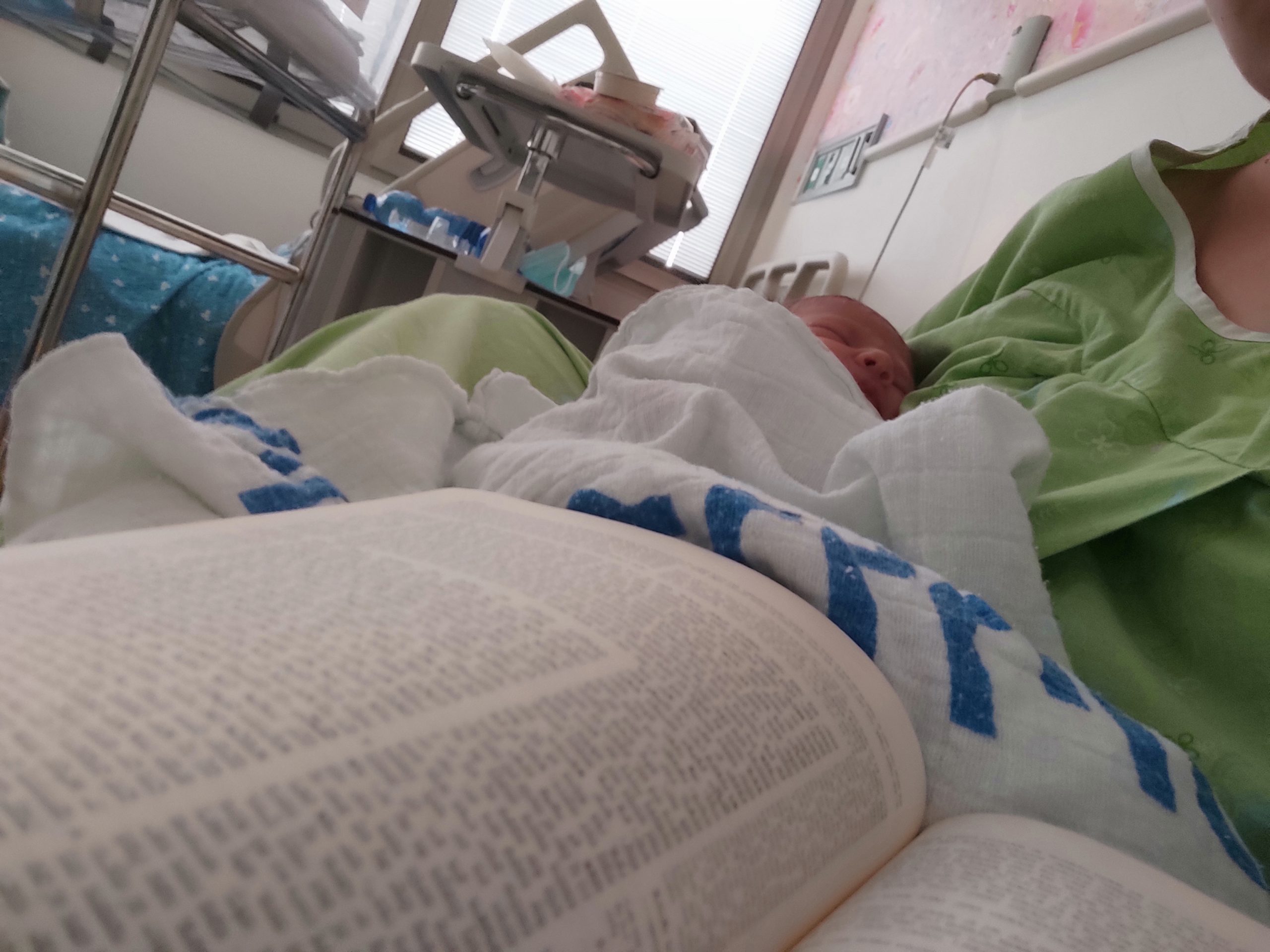
רבבה, ישראל
"
גם אני התחלתי בסבב הנוכחי וב””ה הצלחתי לסיים את רוב המסכתות . בזכות הרבנית מישל משתדלת לפתוח את היום בשיעור הזום בשעה 6:20 .הלימוד הפך להיות חלק משמעותי בחיי ויש ימים בהם אני מצליחה לחזור על הדף עם מלמדים נוספים ששיעוריהם נמצאים במרשתת. שמחה להיות חלק מקהילת לומדות ברחבי העולם. ובמיוחד לשמש דוגמה לנכדותיי שאי””ה יגדלו לדור שלימוד תורה לנשים יהיה משהו שבשגרה. "

נתניה, ישראל
התחלתי ללמוד דף יומי אחרי שחזרתי בתשובה ולמדתי במדרשה במגדל עוז. הלימוד טוב ומספק חומר למחשבה על נושאים הלכתיים ”קטנים” ועד לערכים גדולים ביהדות. חשוב לי להכיר את הגמרא לעומק. והצעד הקטן היום הוא ללמוד אותה בבקיאות, בעזרת השם, ומי יודע אולי גם אגיע לעיון בנושאים מעניינים. נושאים בגמרא מתחברים לחגים, לתפילה, ליחסים שבין אדם לחברו ולמקום ולשאר הדברים שמלווים באורח חיים דתי 🙂

מצפה יריחו, ישראל
התחלתי ללמוד בסבב הנוכחי לפני כשנתיים .הסביבה מתפעלת ותומכת מאוד. אני משתדלת ללמוד מכל ההסכתים הנוספים שיש באתר הדרן. אני עורכת כל סיום מסכת שיעור בביתי לכ20 נשים שמחכות בקוצר רוח למפגשים האלו.
יהוד, ישראל
. לא תמיד נהניתי מלימוד גמרא כילדה.,בל כהתבגרתי התחלתי לאהוב את זה שוב. התחלתי ללמוד מסכת סוטה בדף היומי לפני כחמש עשרה שנה ואז הפסקתי.הגעתי לסיום הגדול של הדרן לפני שנתיים וזה נתן לי השראה. והתחלתי ללמוד למשך כמה ימים ואז היתה לי פריצת דיסק והפסקתי…עד אלול השנה. אז התחלתי עם מסכת ביצה וב”ה אני מצליחה לעמוד בקצב. המשפחה מאוד תומכת בי ויש כמה שגם לומדים את זה במקביל. אני אוהבת שיש עוגן כל יום.

בית שמש, ישראל
התחלתי ללמוד דף לפני קצת יותר מ-5 שנים, כשלמדתי רבנות בישיבת מהר”ת בניו יורק. בדיעבד, עד אז, הייתי בלימוד הגמרא שלי כמו מישהו שאוסף חרוזים משרשרת שהתפזרה, פה משהו ושם משהו, ומאז נפתח עולם ומלואו…. הדף נותן לי לימוד בצורה מאורגנת, שיטתית, יום-יומית, ומלמד אותי לא רק ידע אלא את השפה ודרך החשיבה שלנו. לשמחתי, יש לי סביבה תומכת וההרגשה שלי היא כמו בציטוט שבחרתי: הדף משפיע לטובה על כל היום שלי.

חיפה, ישראל
הצטרפתי ללומדות בתחילת מסכת תענית. ההתרגשות שלי ושל המשפחה היתה גדולה מאוד, והיא הולכת וגוברת עם כל סיום שאני זוכה לו. במשך שנים רבות רציתי להצטרף ומשום מה זה לא קרה… ב”ה מצאתי לפני מספר חודשים פרסום של הדרן, ומיד הצטרפתי והתאהבתי. הדף היומי שינה את חיי ממש והפך כל יום- ליום של תורה. מודה לכן מקרב ליבי ומאחלת לכולנו לימוד פורה מתוך אהבת התורה ולומדיה.

חיספין רמת הגולן, ישראל
התחלתי ללמוד דף יומי בסבב הקודם. זכיתי לסיים אותו במעמד המרגש של הדרן. בסבב הראשון ליווה אותי הספק, שאולי לא אצליח לעמוד בקצב ולהתמיד. בסבב השני אני לומדת ברוגע, מתוך אמונה ביכולתי ללמוד ולסיים. בסבב הלימוד הראשון ליוותה אותי חוויה מסויימת של בדידות. הדרן העניקה לי קהילת לימוד ואחוות נשים. החוויה של סיום הש”ס במעמד כה גדול כשנשים שאינן מכירות אותי, שמחות ומתרגשות עבורי , היתה חוויה מרוממת נפש

קיבוץ מגדל עוז, ישראל
אני לומדת גמרא כעשור במסגרות שונות, ואת הדף היומי התחלתי כשחברה הציעה שאצטרף אליה לסיום בבנייני האומה. מאז אני לומדת עם פודקסט הדרן, משתדלת באופן יומי אך אם לא מספיקה, מדביקה פערים עד ערב שבת. בסבב הזה הלימוד הוא "ממעוף הציפור”, מקשיבה במהירות מוגברת תוך כדי פעילויות כמו בישול או נהיגה, וכך רוכשת היכרות עם הסוגיות ואופן ניתוחם על ידי חז”ל. בע”ה בסבב הבא, ואולי לפני, אצלול לתוכו באופן מעמיק יותר.
רמת גן, ישראל
התחלתי בתחילת הסבב, והתמכרתי. זה נותן משמעות נוספת ליומיום ומאוד מחזק לתת לזה מקום בתוך כל שגרת הבית-עבודה השוטפת.
בית שמש, ישראל
בסוף הסבב הקודם ראיתי את השמחה הגדולה שבסיום הלימוד, בעלי סיים כבר בפעם השלישית וכמובן הסיום הנשי בבנייני האומה וחשבתי שאולי זו הזדמנות עבורי למשהו חדש.
למרות שאני שונה בסביבה שלי, מי ששומע על הלימוד שלי מפרגן מאוד.
אני מנסה ללמוד קצת בכל יום, גם אם לא את כל הדף ובסך הכל אני בדרך כלל עומדת בקצב.
הלימוד מעניק המון משמעות ליום יום ועושה סדר בלמוד תורה, שתמיד היה (ועדיין) שאיפה. אבל אין כמו קביעות

טל מנשה, ישראל
בתחילת הסבב הנוכחי של לימוד הדף היומי, נחשפתי לחגיגות המרגשות באירועי הסיום ברחבי העולם. והבטחתי לעצמי שבקרוב אצטרף גם למעגל הלומדות. הסבב התחיל כאשר הייתי בתחילת דרכי בתוכנית קרן אריאל להכשרת יועצות הלכה של נשמ”ת. לא הצלחתי להוסיף את ההתחייבות לדף היומי על הלימוד האינטנסיבי של תוכנית היועצות. בבוקר למחרת המבחן הסופי בנשמ”ת, התחלתי את לימוד הדף במסכת סוכה ומאז לא הפסקתי.

קרית גת, ישראל
התחלתי ללמוד דף יומי לפני שנתיים, עם מסכת שבת. בהתחלה ההתמדה היתה קשה אבל בזכות הקורונה והסגרים הצלחתי להדביק את הפערים בשבתות הארוכות, לסיים את מסכת שבת ולהמשיך עם המסכתות הבאות. עכשיו אני מסיימת בהתרגשות רבה את מסכת חגיגה וסדר מועד ומחכה לסדר הבא!

מודיעין, ישראל
לצערי גדלתי בדור שבו לימוד גמרא לנשים לא היה דבר שבשגרה ושנים שאני חולמת להשלים את הפער הזה.. עד שלפני מספר שבועות, כמעט במקרה, נתקלתי במודעת פרסומת הקוראת להצטרף ללימוד מסכת תענית. כשקראתי את המודעה הרגשתי שהיא כאילו נכתבה עבורי – "תמיד חלמת ללמוד גמרא ולא ידעת איך להתחיל”, "בואי להתנסות במסכת קצרה וקלה” (רק היה חסר שהמודעה תיפתח במילים "מיכי שלום”..). קפצתי למים ו- ב”ה אני בדרך להגשמת החלום:)
מורשת, ישראל
בתחילת הסבב הנוכחי הצטברו אצלי תחושות שאני לא מבינה מספיק מהי ההלכה אותה אני מקיימת בכל יום. כמו כן, כאמא לבנות רציתי לתת להן מודל נשי של לימוד תורה
שתי הסיבות האלו הובילו אותי להתחיל ללמוד. נתקלתי בתגובות מפרגנות וסקרניות איך אישה לומדת גמרא..
כמו שרואים בתמונה אני ממשיכה ללמוד גם היום ואפילו במחלקת יולדות אחרי לידת ביתי השלישית.
רבבה, ישראל
התחלתי ללמוד דף יומי כאשר קיבלתי במייל ממכון שטיינזלץ את הדפים הראשונים של מסכת ברכות במייל. קודם לא ידעתי איך לקרוא אותם עד שנתתי להם להדריך אותי. הסביבה שלי לא מודעת לעניין כי אני לא מדברת על כך בפומבי. למדתי מהדפים דברים חדשים, כמו הקשר בין המבנה של בית המקדש והמשכן לגופו של האדם (יומא מה, ע”א) והקשר שלו למשפט מפורסם שמופיע בספר ההינדי "בהגוד-גיתא”. מתברר שזה רעיון כלל עולמי ולא רק יהודי

נשר, ישראל
התחלתי כשהייתי בחופש, עם הפרסומים על תחילת המחזור, הסביבה קיבלה את זה כמשהו מתמיד ומשמעותי ובהערכה, הלימוד זה עוגן יציב ביום יום, יש שבועות יותר ויש שפחות אבל זה משהו שנמצא שם אמין ובעל משמעות בחיים שלי….

גמזו, ישראל
התחלתי ללמוד דף יומי בסבב הקודם. זכיתי לסיים אותו במעמד המרגש של הדרן. בסבב הראשון ליווה אותי הספק, שאולי לא אצליח לעמוד בקצב ולהתמיד. בסבב השני אני לומדת ברוגע, מתוך אמונה ביכולתי ללמוד ולסיים. בסבב הלימוד הראשון ליוותה אותי חוויה מסויימת של בדידות. הדרן העניקה לי קהילת לימוד ואחוות נשים. החוויה של סיום הש”ס במעמד כה גדול כשנשים שאינן מכירות אותי, שמחות ומתרגשות עבורי , היתה חוויה מרוממת נפש
קיבוץ מגדל עוז, ישראל
התחלתי להשתתף בשיעור נשים פעם בשבוע, תכננתי ללמוד רק דפים בודדים, לא האמנתי שאצליח יותר מכך.
לאט לאט נשאבתי פנימה לעולם הלימוד .משתדלת ללמוד כל בוקר ומתחילה את היום בתחושה של מלאות ומתוך התכווננות נכונה יותר.
הלימוד של הדף היומי ממלא אותי בתחושה של חיבור עמוק לעם היהודי ולכל הלומדים בעבר ובהווה.

אפרת, ישראל
אחי, שלומד דף יומי ממסכת ברכות, חיפש חברותא ללימוד מסכת ראש השנה והציע לי. החברותא היתה מאתגרת טכנית ורוב הזמן נעשתה דרך הטלפון, כך שבסיום המסכת נפרדו דרכינו. אחי חזר ללמוד לבד, אבל אני כבר נכבשתי בקסם הגמרא ושכנעתי את האיש שלי להצטרף אלי למסכת ביצה. מאז המשכנו הלאה, ועכשיו אנחנו מתרגשים לקראתו של סדר נשים!

נוקדים, ישראל
סוכה כד
רַבִּי יְהוּדָה וְרַבִּי יוֹסֵי וְרַבִּי שִׁמְעוֹן אוֹסְרִין!
Rabbi Yehuda and Rabbi Yosei and Rabbi Shimon prohibit one from doing so due to the concern lest the wineskin burst and the contents spill before he has an opportunity to actually separate the teruma and tithes. In that case, when he drank the wine, retroactively, he is found to have drunk untithed produce. Rabbi Meir is not concerned about potential change in the status quo, and Rabbi Yehuda, who is concerned lest the wineskin burst, would all the more so be concerned about potential death.
אֵיפוֹךְ: רַבִּי מֵאִיר חָיֵישׁ לְמִיתָה, וְרַבִּי יְהוּדָה לָא חָיֵישׁ לְמִיתָה, דְּתַנְיָא: עֲשָׂאָהּ לַבְּהֵמָה דּוֹפֶן לַסּוּכָּה — רַבִּי מֵאִיר פּוֹסֵל, וְרַבִּי יְהוּדָה מַכְשִׁיר.
The Gemara suggests: Reverse the attribution of the statements according to Abaye. Rabbi Meir is concerned about potential death, and Rabbi Yehuda is not concerned about potential death, as it is taught in a baraita: If one utilized his animal as a wall for the sukka, Rabbi Meir deems it unfit and Rabbi Yehuda deems it fit.
קַשְׁיָא דְּרַבִּי מֵאִיר אַדְּרַבִּי מֵאִיר! אָמַר לָךְ רַבִּי מֵאִיר: מִיתָה שְׁכִיחָא, בְּקִיעַת הַנּוֹד לָא שְׁכִיחָא, אֶפְשָׁר דְּמָסַר לֵיהּ לְשׁוֹמֵר.
The Gemara asks: This is difficult, as there is a contradiction between the statement of Rabbi Meir with regard to sukka, where he is concerned about potential death, and the other statement of Rabbi Meir with regard to separation of teruma and tithes, where he is not concerned lest the wineskin burst. The Gemara answers: Rabbi Meir could have said to you: Death is common, as every living being will eventually die; however, the bursting of the wineskin is not common because it is possible that he gave the wineskin to a guard for protection so that it does not burst until he has the opportunity to separate the required teruma and tithes.
קַשְׁיָא דְּרַבִּי יְהוּדָה אַדְּרַבִּי יְהוּדָה!
The Gemara asks: This is difficult, as there is a contradiction between the statement of Rabbi Yehuda with regard to sukka, where he is not concerned about potential death, and the other statement of Rabbi Yehuda with regard to separation of teruma and tithes, where he is concerned lest the wineskin burst.
טַעְמָא דְּרַבִּי יְהוּדָה לָאו מִשּׁוּם דְּחָיֵישׁ לִבְקִיעַת נוֹד, אֶלָּא מִשּׁוּם דְּלֵית לֵיהּ ״בְּרֵירָה״.
The Gemara answers: The rationale for the opinion of Rabbi Yehuda with regard to tithes is not due to the fact that he is concerned about the potential bursting of the wineskin; rather, he rules that one may not drink the wine because he is not of the opinion that there is a principle of retroactive clarification. The procedure prescribed by Rabbi Meir is based on a fundamental assumption that when the separation is actually performed, the produce that he separates for teruma and tithes at that point is determined retroactively to have been teruma and tithes from the outset. Rabbi Yehuda does not accept this principle. Therefore, one’s subsequent actions do not retroactively determine the original status of the produce.
וְלָא חָיֵישׁ רַבִּי יְהוּדָה לִבְקִיעַת נוֹד? וְהָא מִדְּקָתָנֵי סֵיפָא: אָמְרוּ לוֹ לְרַבִּי מֵאִיר: אִי אַתָּה מוֹדֶה שֶׁמָּא יִבָּקַע הַנּוֹד וְנִמְצָא זֶה שׁוֹתֶה טְבָלִים לְמַפְרֵעַ? וַאֲמַר לְהוּ: לִכְשֶׁיִּבָּקַע. מִכְּלָל דְּחָיֵישׁ רַבִּי יְהוּדָה לִבְקִיעַת הַנּוֹד!
The Gemara asks: And is Rabbi Yehuda not concerned about the potential bursting of the wineskin? But isn’t there proof from the fact that it teaches in the latter clause of the baraita that the Sages said to Rabbi Meir with regard to tithes: Do you not concede that perhaps the wineskin will burst, and it will be determined retroactively that he is drinking untithed produce? And Rabbi Meir said to the Sages: That possibility is not a concern. When it actually bursts, I will be concerned. This indicates by inference that Rabbi Yehuda, who disagrees with Rabbi Meir, is concerned about the potential bursting of the wineskin.
הָתָם רַבִּי יְהוּדָה הוּא דְּקָאָמַר לְרַבִּי מֵאִיר: לְדִידִי לֵית לִי בְּרֵירָה. אֶלָּא לְדִידָךְ דְּיֵשׁ בְּרֵירָה — אִי אַתָּה מוֹדֶה דְּשֶׁמָּא יִבָּקַע הַנּוֹד? אֲמַר לֵיהּ: לִכְשֶׁיִּבָּקַע.
The Gemara answers that there, it is Rabbi Yehuda who is saying to Rabbi Meir: For me, I am not of the opinion that there is a principle of retroactive clarification, and therefore one cannot separate teruma and tithes after drinking the wine. However, according to your opinion that there is a principle of retroactive clarification, do you not concede that one may not drink wine before separating teruma and tithes due to the concern lest the wineskin burst? Rabbi Meir said to him: When it actually bursts, I will be concerned.
וְלָא חָיֵישׁ רַבִּי יְהוּדָה לְמִיתָה? וְהָא תְּנַן, רַבִּי יְהוּדָה אוֹמֵר: אַף אִשָּׁה אַחֶרֶת מַתְקִינִין לוֹ, שֶׁמָּא תָּמוּת אִשְׁתּוֹ. הָא אִיתְּמַר עֲלַהּ, אָמַר רַב הוּנָא בְּרֵיהּ דְּרַב יְהוֹשֻׁעַ: מַעֲלָה עָשׂוּ בְּכַפָּרָה.
The Gemara asks further: And is Rabbi Yehuda not concerned about potential death? Didn’t we learn in a mishna in tractate Yoma (2a) that the Sages said with regard to the High Priest prior to Yom Kippur: And they would designate another priest in his stead, and since the High Priest performing the Yom Kippur service must be married, Rabbi Yehuda says: They would even designate another wife for him lest his wife die. Apparently, he is concerned about potential death. The Gemara answers: But wasn’t it stated with regard to that mishna that this designation is unique to Yom Kippur, as Rav Huna, son of Rav Yehoshua, said: They established a higher standard with regard to atonement? Therefore, matters that are not a source of concern in other areas of halakha are significant with regard to Yom Kippur.
בֵּין לְמַאן דְּאָמַר שֶׁמָּא תָּמוּת, בֵּין לְמַאן דְּאָמַר שֶׁמָּא תִּבְרַח, מִדְּאוֹרָיְיתָא מְחִיצָה מְעַלְּיָא הִיא, וְרַבָּנַן הוּא דִּגְזַרוּ בָּהּ. אֶלָּא מֵעַתָּה, לְרַבִּי מֵאִיר תְּטַמֵּא מִשּׁוּם גּוֹלֵל? אַלְּמָה תְּנַן: רַבִּי יְהוּדָה מְטַמֵּא מִשּׁוּם גּוֹלֵל, וְרַבִּי מֵאִיר מְטַהֵר?
§ The Gemara asks: Both according to the one who said that an animal is an unfit partition due to the concern lest it die, and according to the one who said that it is due to the concern lest it flee, apparently it is a full-fledged partition by Torah law, and it is the Sages who issued a decree prohibiting its use lest a problem arise. However, if that is so, according to Rabbi Meir an animal used as a covering for a grave should be impure due to the impurity of the covering of a grave. Why, then, did we learn in a mishna (Eiruvin 15a–b) that Rabbi Yehuda says: Even a living creature imparts ritual impurity due to the impurity of the covering of a grave, but Rabbi Meir deems it pure? If according to Rabbi Meir an animal is unfit for use as a partition only due to the concern lest it die or flee, but essentially it is a fit partition, why does it not become impure when used as a covering of a grave?
אֶלָּא אָמַר רַב אַחָא בַּר יַעֲקֹב: קָסָבַר רַבִּי מֵאִיר: כָּל מְחִיצָה שֶׁעוֹמֶדֶת בְּרוּחַ — אֵינָהּ מְחִיצָה. אִיכָּא דְּאָמְרִי, אָמַר רַב אַחָא בַּר יַעֲקֹב: קָסָבַר רַבִּי מֵאִיר כׇּל מְחִיצָה שֶׁאֵינָהּ עֲשׂוּיָה בִּידֵי אָדָם — אֵינָהּ מְחִיצָה.
Rather, Rav Aḥa bar Ya’akov said, contrary to that which was stated above: Rabbi Meir holds that any partition that stands by means of air, i.e., by intangible means, like an animate being, which stands due to its life force, is not a partition. Some say a different version of that which Rav Aḥa bar Ya’akov said: Rabbi Meir holds that any partition that is not established by a person is not a partition.
מַאי בֵּינַיְיהוּ? אִיכָּא בֵּינַיְיהוּ דְּאוֹקְמַהּ בְּנוֹד תָּפוּחַ. לְמַאן דְּאָמַר מְחִיצָה עוֹמֶדֶת בְּרוּחַ אֵינָהּ מְחִיצָה — הֲרֵי עוֹמֶדֶת בְּרוּחַ, לְמַאן דְּאָמַר אֵינָהּ עֲשׂוּיָה בִּידֵי אָדָם —
The Gemara asks: What is the practical difference between the two versions of Rav Aḥa bar Ya’akov’s statement? The Gemara answers: There is a practical difference between them in the case where one establishes a partition with an inflated wineskin. According to the one who said that a partition that stands by means of air is not a partition, this partition also stands by means of air and is therefore unfit. According to the one who said that if it is not established by a person it is not a partition,
הֲרֵי עֲשׂוּיָה בִּידֵי אָדָם.
this partition was established by a person and is therefore fit.
אָמַר מָר. מִשּׁוּם רַבִּי יוֹסֵי הַגְּלִילִי אָמְרוּ: אַף אֵין כּוֹתְבִין עָלָיו גִּיטֵּי נָשִׁים. מַאי טַעְמֵיהּ דְּרַבִּי יוֹסֵי הַגְּלִילִי? דְּתַנְיָא: ״סֵפֶר״, אֵין לִי אֶלָּא סֵפֶר. מִנַּיִן לְרַבּוֹת כָּל דָּבָר — תַּלְמוּד לוֹמַר: ״וְכָתַב לָהּ״ מִכׇּל מָקוֹם.
§ The Master said in the baraita that in the name of Rabbi Yosei HaGelili they said: Nor may one write bills of divorce on it. The Gemara asks: What is the rationale for the opinion of Rabbi Yosei HaGelili? It is as it is taught in a baraita with regard to the verse: “When a man takes a wife, and marries her, and it comes to pass if she finds no favor in his eyes, because he has found some unseemly thing in her; that he write her a scroll [sefer] of severance and give it in her hand, and send her out of his house” (Deuteronomy 24:1); from the word scroll, I have derived only that a scroll is fit. From where do I derive to include all objects as fit materials upon which a bill of divorce may be written? The verse states: “That he write her,” in any case, i.e., any surface upon which the formula can be written.
אִם כֵּן, מָה תַּלְמוּד לוֹמַר ״סֵפֶר״? לוֹמַר לָךְ: מָה סֵפֶר דָּבָר שֶׁאֵין בּוֹ רוּחַ חַיִּים וְאֵינוֹ אוֹכֶל, אַף כׇּל דָּבָר שֶׁאֵין בּוֹ רוּחַ חַיִּים וְאֵינוֹ אוֹכֶל.
If so, what is the meaning of that which the verse states: Scroll? It is to tell you that a bill of divorce must be written on a surface like a scroll: Just as a scroll is neither alive nor is it food, so too, a bill of divorce may be written on any object that is neither alive nor food. That is why Rabbi Yosei HaGelili invalidates a bill of divorce written on a living being.
וְרַבָּנַן? אִי כְּתַב ״בְּסֵפֶר״, כִּדְקָאָמְרַתְּ. הַשְׁתָּא דִּכְתִיב ״סֵפֶר״ — לִסְפִירַת דְּבָרִים בְּעָלְמָא הוּא דַּאֲתָא.
The Gemara asks: And how do the Rabbis, who disagree and say that a bill of divorce may be written even on a living creature or on food, interpret the verse? They contend: If the verse had written: That he write for her in the scroll [basefer], it would be as you said, that the bill of divorce may be written only on a scroll. Now that it is written simply: That he write her a sefer, it comes to teach that a mere account of the matters [sefirat devarim] is required. There are no restrictions with regard to the surface on which that account may be written.
וְרַבָּנַן: הַאי ״וְכָתַב״ מַאי דָּרְשִׁי בֵּיהּ? הָהוּא מִיבְּעֵי לְהוּ, בִּכְתִיבָה מִתְגָּרֶשֶׁת וְאֵינָהּ מִתְגָּרֶשֶׁת בְּכֶסֶף. סָלְקָא דַּעְתָּךְ אָמֵינָא: הוֹאִיל וְאִיתַּקַּשׁ יְצִיאָה לַהֲוָיָה, מָה הֲוָיָה בַּכֶּסֶף — אַף יְצִיאָה בְּכֶסֶף, קָא מַשְׁמַע לַן.
The Gemara continues: And what do the Rabbis derive from the phrase: “That he write her”? The Gemara answers: That phrase is required to teach the principle that a woman is divorced only by means of writing, i.e., a bill of divorce, and she is not divorced by means of money. It might have entered your mind to say: Since in the verse, leaving marriage, i.e., divorce, is juxtaposed to becoming married, i.e., betrothal, then just as becoming married is effected with money, so too, leaving marriage may be effected with money. Therefore, the Torah teaches us: “That he write her,” indicating that divorce can be effected only with a written bill of divorce.
וְרַבִּי יוֹסֵי הַגְּלִילִי הַאי סְבָרָא מְנָא לֵיהּ? מִ״סֵּפֶר כְּרִיתוּת״ נָפְקָא לֵיהּ. סֵפֶר כּוֹרְתָהּ, וְאֵין דָּבָר אַחֵר כּוֹרְתָהּ.
The Gemara asks: And Rabbi Yosei HaGelili, from where does he derive this reasoning that a woman cannot be divorced with money? The Gemara answers: He derives it from the phrase: “A scroll of severance,” which teaches that a scroll, i.e., a written document, severs her from her husband, and nothing else severs her from him.
וְאִידַּךְ? הַהוּא מִיבְּעֵי לֵיהּ לְדָבָר הַכּוֹרֵת בֵּינוֹ לְבֵינָהּ. כִּדְתַנְיָא: הֲרֵי זֶה גִּיטִּיךְ עַל מְנָת שֶׁלֹּא תִּשְׁתִּי יַיִן, וְעַל מְנָת שֶׁלֹּא תֵּלְכִי לְבֵית אָבִיךְ לְעוֹלָם — אֵין זֶה כְּרִיתוּת, כָּל שְׁלֹשִׁים יוֹם — הֲרֵי זֶה כְּרִיתוּת.
The Gemara continues: And the other tanna, i.e., the Rabbis, requires that verse to teach that a bill of divorce must be a matter that severs all connection between him and her. As it is taught in a baraita: If a man says to his wife: This is your bill of divorce on the condition that you will never drink wine, or on the condition that you will never go to your father’s house, that is not severance; the divorce is not valid. If a bill of divorce imposes a condition upon the woman that permanently binds her to her husband, her relationship with her husband has not been completely severed, which is a prerequisite for divorce. If, however, he imposes a condition for the duration of thirty days, or any other limited period of time, that is severance, and the divorce is valid, as the relationship will be completely terminated at the end of the thirty-day period.
וְאִידָּךְ? מִ״כָּרֵת״ ״כְּרִיתוּת״ נָפְקָא. וְאִידַּךְ? ״כָּרֵת״ ״כְּרִיתוּת״ לָא דָּרְשִׁי.
The Gemara continues: And the other tanna, Rabbi Yosei HaGelili, derives that a condition without a termination point invalidates the divorce from the fact that instead of using the term karet, the verse uses the more expanded term keritut. Inasmuch as both terms denote severance, using the longer term teaches two things: Divorce can be effected only by means of writing and not through money, and divorce requires total severance. And the other tanna, the Rabbis, does not derive anything from the expansion of karet to keritut, because the Rabbis do not see this as a significant deviation from the standard language of the verse.
מַתְנִי׳ הָעוֹשֶׂה סוּכָּתוֹ בֵּין הָאִילָנוֹת וְהָאִילָנוֹת דְּפָנוֹת לָהּ — כְּשֵׁרָה.
MISHNA: In the case of one who establishes his sukka between the trees, and the trees serve as walls for it, the sukka is fit.
גְּמָ׳ אָמַר רַב אַחָא בַּר יַעֲקֹב: כׇּל מְחִיצָה שֶׁאֵינָהּ יְכוֹלָה לַעֲמוֹד בְּרוּחַ מְצוּיָה — אֵינָהּ מְחִיצָה.
GEMARA: Rav Aḥa bar Ya’akov said: Any partition that is not able to stand in a typical wind, but rather is blown to and fro, is not a partition.
תְּנַן: הָעוֹשֶׂה סוּכָּתוֹ בֵּין הָאִילָנוֹת וְהָאִילָנוֹת דְּפָנוֹת לָהּ — כְּשֵׁרָה. וְהָא קָאָזֵיל וְאָתֵי! הָכָא בְּמַאי עָסְקִינַן — בְּקָשִׁין.
The Gemara asks the following question based on that which we learned in the mishna: In the case of one who establishes his sukka between the trees, and the trees serve as walls for it, the sukka is fit. The Gemara asks: But don’t the trees sway back and forth in the wind? The Gemara answers: With what are we dealing here? The mishna is referring to older trees that are thick and hard and do not sway in the wind.
וְהָאִיכָּא נוֹפוֹ! דְּעָבֵיד לֵיהּ בְּהוּצָא וְדַפְנָא. אִי הָכִי, מַאי לְמֵימְרָא? מַהוּ דְּתֵימָא: נִיגְזַר דִּלְמָא אָתֵי לְאִשְׁתַּמּוֹשֵׁי בְּאִילָן, קָא מַשְׁמַע לַן.
The Gemara asks: But isn’t there the issue of its foliage, which certainly sways in the wind? If it constitutes part of the wall of the sukka, the sukka should be unfit. The Gemara answers: It is referring to a case where it is a fit wall due to the fact that he established the wall by tying it with hard palm leaves and laurel leaves to tighten it to prevent it from swaying in the wind. And the Gemara says: If it is so that the tree is tied and cannot sway, what purpose is there to state this halakha? It is obvious that it is a fit wall. The Gemara answers: It is lest you say: Let us issue a decree prohibiting its use lest one come to use the tree on Shabbat. Therefore, the mishna teaches us that this is not a concern.
תָּא שְׁמַע: הָיָה שָׁם אִילָן אוֹ גָּדֵר אוֹ מְחִיצַת הַקָּנִים — נִידּוֹן מִשּׁוּם דְּיוֹמָד! הָתָם נָמֵי, מִשּׁוּם דְּעָבֵיד לֵיהּ בְּהוּצָא וְדַפְנָא.
Come and hear a different proof that a partition that is blown to and fro in the wind is a fit partition. The halakha is that double boards positioned in the four corners of an area surrounding a well render the area a private domain in which it is permitted to draw water from the well on Shabbat. If there was a tree there, one cubit thick on each side of one of the corners, or a square stone fence that measures one square cubit, or a partition of reeds, its legal status is assessed like that of a double board positioned at the corners of the area surrounding a well, and serve as a partition for two of the sides. Apparently, a partition that moves in the wind, like the partition of reeds, is considered a full-fledged partition. The Gemara refutes this proof: There, too, it is only considered a full-fledged partition due to the fact that he established the partition by tying it with hard palm leaves and laurel leaves.
תָּא שְׁמַע: אִילָן הַמֵּיסֵךְ עַל הָאָרֶץ, אִם אֵין נוֹפוֹ גָּבוֹהַּ מִן הָאָרֶץ שְׁלֹשָׁה טְפָחִים — מְטַלְטְלִין תַּחְתָּיו. אַמַּאי, הָא קָא אָזֵיל וְאָתֵי? הָתָם נָמֵי, דְּעָבֵיד לֵיהּ בְּהוּצָא וְדַפְנָא.
The Gemara cites an additional proof. Come and hear that which is taught in a baraita: With regard to a tree whose foliage is broad and its branches reach down and cover the ground, if its foliage is not three handbreadths high off the ground it creates a space similar to a round room; therefore, one may carry beneath it, as it is a full-fledged private domain. Why is the foliage of the tree a fit partition? Doesn’t it sway back and forth in the wind? The Gemara answers: There, too, it is due to the fact that he established the partition by tying it with hard palm leaves and laurel leaves.
אִי הָכִי, נִיטַּלְטֵל בְּכוּלֵּיהּ! אַלְּמָה אָמַר רַב הוּנָא בְּרֵיהּ דְּרַב יְהוֹשֻׁעַ: אֵין מְטַלְטְלִין בּוֹ
The Gemara asks: If so that it is a case where one established the foliage as a complete partition, let him move objects in the entire area beneath the tree, since it is a private domain. Why, then, did Rav Huna, son of Rav Yehoshua, say: One may carry beneath this tree

