








היו מקיפים את המזבח עם ערבות – יש מחלוקת אם הדין הזה נלמד מהריבוי מהמילה "ערבי נחל” או מהלכה למשה מסיני. מניין לנו שאי אפשר להשתמש בצפצפה למצוות ערבה? מה ההבדל בין צפצפה לערבה? הרבנים מונים כמה דברים שנשתנו שמם משחרב בית המקדש והם גם מסבירים מה המשמעות של שינוי השם. אחד מהדברים הוא ערבה וחלפתא (צפצפה). כמה של כל מין צריך? וכמה מתוך ההדסים צריכים להיות שלמים ולא קטומים. המשנה מביאה כמה דעות שונות בנושא והגמרא מנסה להסביר להבין אותם. רב יהודה אמר בשם שמואל שהלכה כר’ טרפון ומנסים להוכיח את זה מתוך מעשה שקרה ושמואל איים על אלו שמוכרים הדסים שאם לא יורידו את המחירים, הוא ילמד ברבים שהלכה כר’ טרפון (שאפשר שכולם יהיו קמוטים). אך הגמרא דוחה הוכחה זו. המשנה מונה את כל הפסולים באתרוג וגם אלו שפסולים לכתחילה אבל בדיעבד כשר.
רוצה להקדיש לימוד?
סוכה לד
אַבָּא שָׁאוּל אוֹמֵר: ״עַרְבֵי״ — שְׁתַּיִם. אַחַת לַלּוּלָב, וְאַחַת לַמִּקְדָּשׁ.
Abba Shaul says: “Willows” in the plural teaches that there are two mitzvot that involve use of the willow branch. One is the willow branch for the lulav, and one is the willow branch taken for the Temple, with which the people would circle the altar on Sukkot.
וְרַבָּנַן, לַמִּקְדָּשׁ מְנָא לְהוּ? הִלְכְתָא גְּמִירִי לְהוּ. דְּאָמַר רַבִּי אַסִּי אָמַר רַבִּי יוֹחָנָן: עֶשֶׂר נְטִיעוֹת, עֲרָבָה וְנִיסּוּךְ הַמַּיִם — הֲלָכָה לְמֹשֶׁה מִסִּינַי.
And the Rabbis, who do not interpret the verse that way, from where do they derive the mitzva of the willow branch for the Temple? It is a halakha transmitted to Moses from Sinai that they learned through tradition and not from a verse, as Rabbi Asi said that Rabbi Yoḥanan said: There are three halakhot for which the Sages unsuccessfully sought a Torah source. The first is the halakha of ten saplings. There is a mitzva by Torah law to extend the sanctity of the Sabbatical Year and to begin refraining from plowing thirty days before the Sabbatical Year begins. However, one may plow around individual saplings to sustain them. In a field that is one beit se’a, fifty by fifty cubits, in which there are ten evenly spaced saplings, it is permitted to plow the entire field until the onset of the Sabbatical Year to sustain the saplings. The second halakha is the mitzva of the willow branch in the Temple. And the third halakha is the mitzva of the water libation on the altar, which accompanies the daily offerings each day of Sukkot, together with the daily wine libation. No Torah source was found for these halakhot, as each is a halakha transmitted to Moses from Sinai.
תָּנוּ רַבָּנַן: ״עַרְבֵי נַחַל״ — הַגְּדֵילוֹת עַל הַנַּחַל, פְּרָט לְצַפְצָפָה הַגְּדֵילָה בֵּין הֶהָרִים. אָמַר רַבִּי זֵירָא, מַאי קְרָאָה: ״קָח עַל מַיִם רַבִּים צַפְצָפָה שָׂמוֹ״.
The Sages taught an additional baraita: “Willows of the brook” is referring to those that grow by the river, which comes to exclude a tzaftzafa, which grows among the mountains and not near a brook. Rabbi Zeira said: What is the verse from which the fact that the tzaftzafa is unfit is derived? It is derived from the reprimand that is written: “He placed it by great waters, and set it as a tzaftzafa” (Ezekiel 17:5). The Jewish people were planted like a willow on great waters, but ultimately became like a tzaftzafa. Apparently, a tzaftzafa does not grow on great waters.
אֲמַר לֵיהּ אַבָּיֵי: וְדִילְמָא פָּרוֹשֵׁי קָא מְפָרֵשׁ — ״קָח עַל מַיִם רַבִּים״, וּמַאי נִיהוּ — צַפְצָפָה! אִם כֵּן, מַאי ״שָׂמוֹ״? אָמַר רַבִּי אֲבָהוּ: אָמַר הַקָּדוֹשׁ בָּרוּךְ הוּא: אֲנִי אָמַרְתִּי שֶׁיְּהוּ יִשְׂרָאֵל לְפָנַי כְּ״קָח עַל מַיִם רַבִּים״, וּמַאי נִיהוּ — עֲרָבָה, וְהֵן שָׂמוּ עַצְמָן כְּצַפְצָפָה שֶׁבֶּהָרִים.
Abaye said to Rabbi Zeira: And perhaps the second part of the verse is merely explaining the first part, and it means: He placed it by great waters, and what is it that He placed there? It is a tzaftzafa. Rabbi Zeira answered: If so, and that is the meaning of the verse, what is the meaning of the term “set it”? Rather, the verse means that the willow branch was transformed into a tzaftzafa. That is how Rabbi Abbahu explained the verse, as Rabbi Abbahu said that the Holy One, Blessed be He, said: I said that the Jewish people should be before Me as a plant placed by great waters, and what is that plant? It is a willow. And they set themselves as a tzaftzafa of the mountains.
אִיכָּא דְּמַתְנֵי לַהּ לְהַאי קְרָא אַמַּתְנִיתָא: ״קָח עַל מַיִם רַבִּים צַפְצָפָה שָׂמוֹ״. מַתְקֵיף לַהּ רַבִּי זֵירָא: וְדִילְמָא פָּרוֹשֵׁי קָא מְפָרֵשׁ ״קָח עַל מַיִם רַבִּים״, מַאי נִיהוּ — צַפְצָפָה! אִם כֵּן — מַאי ״שָׂמוֹ״? אָמַר רַבִּי אֲבָהוּ: אָמַר הַקָּדוֹשׁ בָּרוּךְ הוּא: אֲנִי אָמַרְתִּי שֶׁיְּהוּ יִשְׂרָאֵל לְפָנַי כְּ״קָח עַל מַיִם רַבִּים״, וּמַאי נִיהוּ — עֲרָבָה, וְהֵן שָׂמוּ עַצְמָן כְּצַפְצָפָה שֶׁבֶּהָרִים.
Some taught this verse as the conclusion of the baraita and Rabbi Zeira raised the objection, and the response to his objection is unattributed: He placed it by great waters, and set it as a tzaftzafa. Rabbi Zeira strongly objects: And perhaps the second part of the verse is merely explaining the first part, and it means: He placed it by great waters, and what is it that He placed there? It is a tzaftzafa. The Gemara rejects this suggestion: If so, and that is the meaning of the verse, what is the meaning of the term “set it”? Rabbi Abbahu said that the Holy One, Blessed be He, said: I said that the Jewish people should be before Me as a plant placed by great waters, and what is that plant? It is a willow. And they set themselves as a tzaftzafa of the mountains.
תָּנוּ רַבָּנַן: אֵי זֶהוּ עֲרָבָה וְאֵיזֶהוּ צַפְצָפָה? עֲרָבָה, קָנֶה שֶׁלָּהּ אָדוֹם, וְעָלֶה שֶׁלָּהּ מָשׁוּךְ וּפִיהָ חָלָק. צַפְצָפָה, קָנֶה שֶׁלָּהּ לָבָן, וְעָלֶה שֶׁלָּהּ עָגוֹל וּפִיהָ דּוֹמֶה לְמַגָּל. וְהָא תַּנְיָא: דּוֹמֶה לְמַגָּל כָּשֵׁר, דּוֹמֶה לְמַסָּר — פָּסוּל! אֲמַר אַבָּיֵי: כִּי תַּנְיָא הָהִיא, בְּחִילְפָא גִּילָא.
Apropos the defining characteristics of the willow branch, in contrast to similar species that are unfit, the Sages taught: What is a willow and what is a tzaftzafa? With regard to a willow branch, its stem is red, and its leaf is elongated, and the edge of its leaf is smooth. With regard to a tzaftzafa, its stem is white, its leaf is round, and the edge of its leaf is serrated like a sickle. The Gemara objects: But isn’t it taught in a baraita: If the edge of its leaf is serrated like a sickle it is fit, but if it is serrated like a saw, whose teeth are uneven in both size and sequence, it is unfit? Abaye said: When that baraita was taught, it was referring to a particular type of willow called ḥilfa gila, whose leaves are serrated. However, all other types of willow branches have leaves with a smooth edge.
אָמַר אַבָּיֵי: שְׁמַע מִינַּהּ הַאי חִילְפָא גִּילָא — כָּשֵׁר לְהוֹשַׁעְנָא. פְּשִׁיטָא! מַהוּ דְּתֵימָא: הוֹאִיל וְאִית לֵיהּ שֵׁם לְוַוי לָא נִתַּכְשַׁר, קָא מַשְׁמַע לַן.
Abaye said: Conclude from it that this ḥilfa gila is fit for use in the hoshana of the four species. The Gemara wonders: That is obvious. The Gemara answers: Lest you say that since its name is accompanied by a modifier, as it is called ḥilfa gila, it should not be fit. Therefore, Abaye teaches us that it is fit.
וְאֵימָא הָכִי נָמֵי! ״עַרְבֵי נַחַל״ אָמַר רַחֲמָנָא, מִכׇּל מָקוֹם.
The Gemara asks: And say it is indeed so, that since its name is accompanied by a modifier it is unfit. The Gemara answers: The Merciful One states: “Willows of the brook,” in the plural, teaching that the branches of willows are fit in any case.
אָמַר רַב חִסְדָּא: הָנֵי תְּלָת מִילֵּי אִשְׁתַּנִּי שְׁמַיְיהוּ מִכִּי חֲרַב בֵּית הַמִּקְדָּשׁ: חֲלַפְתָּא — עֲרַבְתָּא, עֲרַבְתָּא — חֲלַפְתָּא. מַאי נָפְקָא מִינַּהּ? לְלוּלָב.
Apropos the branches of the willow and the tzaftzafa, the Gemara cites what Rav Ḥisda said: These three objects’ names changed since the Temple was destroyed. That which was called willow was called in later generations ḥalfata, which is another name for tzaftzafa, and that which was called ḥalfata was called willow. The Gemara asks: What is the practical halakhic difference that emerges from the name change? The Gemara answers: It is with regard to the mitzva of taking the lulav, as one of the species bound with the lulav is a willow branch, which is now called tzaftzafa.
שִׁיפּוּרָא — חֲצוֹצַרְתָּא, חֲצוֹצַרְתָּא — שִׁיפּוּרָא. מַאי נָפְקָא מִינַּהּ? לְשׁוֹפָר שֶׁל רֹאשׁ הַשָּׁנָה.
In addition, that which was called trumpet was called shofar in later generations, and that which was called shofar was called trumpet in later generations. The Gemara asks: What is the practical halakhic difference whether a shofar is called shofar or trumpet? The Gemara answers: It is significant with regard to the halakhot of shofar of Rosh HaShana. On Rosh HaShana, one fulfills his obligation only by sounding a shofar. If one comes today and asks what instrument he should use to sound the requisite blasts, he should be told to use a trumpet.
פָּתוּרְתָּא — פָּתוּרָא, פָּתוּרָא — פָּתוּרְתָּא. לְמַאי נָפְקָא מִינַּהּ? לְמִקָּח וּמִמְכָּר.
Also, that which was called petorata, originally meaning a small table, was called in later generations petora, and that which was called petora, originally meaning a large table, was called petorata in later generations. The Gemara asks: What is the practical halakhic difference that emerges from the change of name? The Gemara answers: It is with regard to the laws of buying and selling. One who orders a petora should know that he ordered a small table and not a large one.
אָמַר אַבָּיֵי, אַף אֲנִי אוֹמֵר: בֵּי כָסֵי — הוּבְלִילָא, הוּבְלִילָא — בֵּי כָסֵי.
Abaye said: I too shall speak of changes in the meaning of terms in this generation. That which was called huvlila, the first compartment of the stomach of animals that chew their cud, is, in recent generations, called bei kasei, the name of the second compartment of the animal’s stomach. Similarly, that which was once called bei kasei is called huvlila in recent generations.
לְמַאי נָפְקָא מִינַּהּ? לְמַחַט הַנִּמְצָא בְּעוֹבִי בֵּית הַכּוֹסוֹת.
What is the practical halakhic difference that emerges from this change of names? It is with regard to a needle that is found in the thick wall of the second compartment of the stomach. In the halakhot of tereifot, it is prohibited to eat animals with a life expectancy of less than a year. It was established that if a needle punctures the wall of the second compartment of the stomach from only one side, the animal is kosher. If the needle penetrates the wall in a manner visible from both sides, the animal assumes the halakhic status of a tereifa. In the first stomach, even if the needle penetrated only one side of the wall, the animal assumes the halakhic status of a tereifa. Therefore, it is crucial to distinguish between the first and the second compartments of the stomach.
אָמַר רָבָא בַּר יוֹסֵף, אַף אֲנִי אוֹמֵר: בָּבֶל — בּוֹרְסִיף, בּוֹרְסִיף — בָּבֶל. לְמַאי
Rava bar Yosef said: I too shall speak of changes in the meaning of terms in this generation. The city that in biblical times was called Babylon was called Bursif in later generations, and Bursif was called Babylon in later generations. The Gemara asks: What is
נָפְקָא מִינַּהּ? לְגִיטֵּי נָשִׁים.
the practical halakhic difference that emerges from this change of names? It is in the area of women’s bills of divorce. With regard to bills of divorce, special care is devoted to ensuring that the name of the place where the bill is written is not altered. Therefore, it is important to be aware that Babylon underwent a name change in later generations.
מַתְנִי׳ רַבִּי יִשְׁמָעֵאל אוֹמֵר: שְׁלֹשָׁה הֲדַסִּים וּשְׁתֵּי עֲרָבוֹת, לוּלָב אֶחָד, וְאֶתְרוֹג אֶחָד. אֲפִילּוּ שְׁנַיִם קְטוּמִים, וְאֶחָד אֵינוֹ קָטוּם. רַבִּי טַרְפוֹן אוֹמֵר: אֲפִילּוּ שְׁלָשְׁתָּן קְטוּמִים. רַבִּי עֲקִיבָא אוֹמֵר: כְּשֵׁם שֶׁלּוּלָב אֶחָד וְאֶתְרוֹג אֶחָד — כָּךְ הֲדַס אֶחָד וַעֲרָבָה אַחַת.
MISHNA: Rabbi Yishmael says: The mitzva of the four species is to take three myrtle branches, and two willow branches, one lulav, and one etrog. With regard to the myrtle branches, even if the tops of two are severed and the top of one is not severed, it is fit. Rabbi Tarfon says: Even if the tops of all three are severed, it is fit. Rabbi Akiva says with regard to the number of each of the species: Just as there is one lulav and one etrog, so too there is one myrtle branch and one willow branch.
גְּמָ׳ תַּנְיָא, רַבִּי יִשְׁמָעֵאל אוֹמֵר: ״פְּרִי עֵץ הָדָר״ — אֶחָד. ״כַּפֹּת תְּמָרִים״ — אֶחָד. ״עֲנַף עֵץ עָבוֹת״ — שְׁלֹשָׁה. ״עַרְבֵי נַחַל״ — שְׁתַּיִם. וַאֲפִילּוּ שְׁנַיִם קְטוּמִים, וְאֶחָד שֶׁאֵינוֹ קָטוּם. רַבִּי טַרְפוֹן אוֹמֵר: שְׁלֹשָׁה, וַאֲפִילּוּ שְׁלָשְׁתָּן קְטוּמִים. רַבִּי עֲקִיבָא אוֹמֵר: כְּשֵׁם שֶׁלּוּלָב אֶחָד וְאֶתְרוֹג אֶחָד, כָּךְ הֲדַס אֶחָד וַעֲרָבָה אַחַת.
GEMARA: It was taught in a baraita that Rabbi Yishmael says: “The fruit of a beautiful tree” (Leviticus 23:40); that is one etrog. “Branches of a date palm”; that is one lulav. Based on tradition, kappot is written without the letter vav. Although the word is vocalized in the plural, the lack of the vav indicates that only one is required. “Boughs of a dense-leaved tree”; these are three, as the verse is referring to a branch with several stems. “Willows of the brook”; these are two, as it is plural. Even if the tops of two are severed and the top of one is not severed, it is fit. Rabbi Tarfon says: Even if the tops of all three are severed, it is fit. Rabbi Akiva says: Just as there is one lulav and one etrog, so too, there is one myrtle branch and one willow branch.
אָמַר לוֹ רַבִּי אֱלִיעֶזֶר: יָכוֹל יְהֵא אֶתְרוֹג עִמָּהֶן בַּאֲגוּדָּה אַחַת? אָמַרְתָּ, וְכִי נֶאֱמַר ״פְּרִי עֵץ הָדָר וְכַפֹּת תְּמָרִים״? וַהֲלֹא לֹא נֶאֱמַר אֶלָּא ״כַּפֹּת״! וּמִנַּיִן שֶׁמְּעַכְּבִין זֶה אֶת זֶה? תַּלְמוּד לוֹמַר: ״וּלְקַחְתֶּם״ — שֶׁתְּהֵא לְקִיחָה תַּמָּה.
Rabbi Eliezer said to him that the species cannot be equated. I might have thought that the etrog should be bound with the other species in one bundle. However, you could say in response: Does it say: The fruit of a beautiful tree and branches of a date palm, with the conjunction joining them? Doesn’t it say only “branches of a date palm,” without a conjunction? That indicates that the etrog is taken separately from the other three species, which are joined in the verse by conjunctions: Branches of a date palm, and boughs of a dense-leaved tree, and willows of the brook, are taken together. And from where is it derived that failure to take each of the species prevents fulfillment of the mitzva with the others? The verse states: “And you shall take [ulkaḥtem],” from which it is derived based on the etymological similarity that it shall be a complete taking [lekiḥa tamma] consisting of all the species.
וְרַבִּי יִשְׁמָעֵאל, מָה נַפְשָׁךְ? אִי שְׁלֵימִין בָּעֵי — לִיבְעֵי נָמֵי כּוּלְּהוּ, אִי לָא בָּעֵי שְׁלֵימִין — אֲפִילּוּ חַד נָמֵי לָא! אָמַר בִּירָאָה אָמַר רַבִּי אַמֵּי: חָזַר בּוֹ רַבִּי יִשְׁמָעֵאל.
The Gemara asks: And according to Rabbi Yishmael, who deems the lulav fit even if the tops of two of the myrtle branches were severed, whichever way you look at it, his statement is problematic. If he requires whole myrtle branches, and those whose tops are severed do not fill the criterion of beauty, let him require all of them to be whole. And if he does not require whole myrtle branches, even one branch should not be required to be whole either, as Rabbi Tarfon said. The Sage Bira’a said that Rabbi Ami said: Rabbi Yishmael retracted his statement. He concedes that, fundamentally, only one myrtle branch is required, and that branch must be whole.
אָמַר רַב יְהוּדָה אָמַר שְׁמוּאֵל: הֲלָכָה כְּרַבִּי טַרְפוֹן. וְאַזְדָּא שְׁמוּאֵל לְטַעְמֵיהּ, דַּאֲמַר לְהוּ שְׁמוּאֵל לְהָנְהוּ דִּמְזַבְּנֵי אַסָּא: אַשְׁווֹ וְזַבִּינוּ, וְאִי לָא — דָּרֵישְׁנָא לְכוּ כְּרַבִּי טַרְפוֹן.
Rav Yehuda said that Shmuel said: The halakha is in accordance with the opinion of Rabbi Tarfon. And Shmuel conforms to his line of reasoning, as Shmuel said to those who were selling myrtle branches: Equate the price that you demand for myrtle branches to their value and sell your myrtle branches. And if you do not do so and overcharge, I will teach the halakha in public for you in accordance with the opinion of Rabbi Tarfon, who allows the use of myrtle branches whose tops are severed.
מַאי טַעְמָא? אִילֵּימָא מִשּׁוּם דְּמֵיקֵל — וְלִידְרוֹשׁ לְהוּ כְּרַבִּי עֲקִיבָא דְּמֵיקֵל טְפֵי! תְּלָתָא קְטִימִי שְׁכִיחִי, חַד וְלָא קְטִים לָא שְׁכִיחַ.
The Gemara asks: What is the reason that Shmuel said that to them? If you say it is because Rabbi Tarfon is lenient in his ruling, let him say to them that he will teach the halakha in public for them in accordance with the opinion of Rabbi Akiva, who is even more lenient in his ruling, as he requires only one myrtle branch. The Gemara answers: That is not the case, as three myrtle branches whose tops are severed are common, but one complete myrtle branch whose top is not severed is not common. In practical terms, Rabbi Tarfon’s ruling is the more lenient.
מַתְנִי׳ אֶתְרוֹג הַגָּזוּל וְהַיָּבֵשׁ — פָּסוּל. שֶׁל אֲשֵׁרָה וְשֶׁל עִיר הַנִּדַּחַת — פָּסוּל. שֶׁל עׇרְלָה — פָּסוּל. שֶׁל תְּרוּמָה טְמֵאָה — פָּסוּל. שֶׁל תְּרוּמָה טְהוֹרָה לֹא יִטּוֹל, וְאִם נָטַל — כָּשֵׁר. שֶׁל דְּמַאי — בֵּית שַׁמַּאי פּוֹסְלִין, וּבֵית הִלֵּל מַכְשִׁירִין. שֶׁל מַעֲשֵׂר שֵׁנִי בִּירוּשָׁלַיִם — לֹא יִטּוֹל, וְאִם נָטַל — כָּשֵׁר.
MISHNA: An etrog that was stolen or is completely dry is unfit. One from a tree worshipped as idolatry [asheira] or from a city whose residents were incited to idolatry is unfit. An etrog that is fruit that grew on a tree during the three years after it was planted [orla] is unfit, because it is prohibited to eat and derive benefit from it. An etrog of impure teruma is unfit. With regard to an etrog of pure teruma, one may not take it ab initio, and if one took it, it is fit, and he fulfilled his obligation after the fact. With regard to an etrog of demai, which is produce acquired from an am ha’aretz, who does not reliably tithe his produce, Beit Shammai deem it unfit, and Beit Hillel deem it fit. With regard to an etrog of second tithe in Jerusalem, one may not take it ab initio; and if he took it, it is fit.
עָלְתָה חֲזָזִית עַל רוּבּוֹ, נִטְּלָה פִּטְמָתוֹ, נִקְלַף, נִסְדַּק, נִיקַּב וְחָסַר כׇּל שֶׁהוּא — פָּסוּל. עָלְתָה חֲזָזִית עַל מִיעוּטוֹ, נִטַּל עוּקְצוֹ, נִיקַּב וְלֹא חָסַר כׇּל שֶׁהוּא — כָּשֵׁר. אֶתְרוֹג הַכּוּשִׁי — פָּסוּל, וְהַיָּרוֹק כְּכַרָּתֵי — רַבִּי מֵאִיר מַכְשִׁיר וְרַבִּי יְהוּדָה פּוֹסֵל. שִׁיעוּר אֶתְרוֹג הַקָּטָן, רַבִּי מֵאִיר אוֹמֵר: כֶּאֱגוֹז, רַבִּי יְהוּדָה אוֹמֵר כְּבֵיצָה. וּבַגָּדוֹל — כְּדֵי שֶׁיֹּאחַז שְׁנַיִם בְּיָדוֹ. דִּבְרֵי רַבִּי יְהוּדָה, וְרַבִּי יוֹסֵי אוֹמֵר: אֲפִילּוּ אֶחָד בִּשְׁתֵּי יָדָיו.
If boil-like blemishes arose on the majority of the etrog; if its pestle-like protuberance on the upper, blossom end was removed; if the etrog was peeled, split, or pierced and is missing any amount, it is unfit. However, if boil-like blemishes arose only on its minority; if its stem, which connects it to the tree, was removed; or it was pierced but is not missing any amount, it is fit. A Cushite etrog, which is black like a Cushite, is unfit. And with regard to an etrog that is leek green, Rabbi Meir deems it fit and Rabbi Yehuda deems it unfit. What is the minimum measure of a small etrog? Rabbi Meir says: It may be no smaller than a walnut-bulk. Rabbi Yehuda says: It may be no smaller than an egg-bulk. And in a large etrog, the maximum measure is so that one could hold two in his one hand; this is the statement of Rabbi Yehuda. Rabbi Yosei says: It is fit even if it is so large that he can hold only one in his two hands.
לעקוב 
חדשה בלימוד הגמרא?
זה הדף הראשון שלך? איזו התרגשות עצומה! יש לנו בדיוק את התכנים והכלים שיעזרו לך לעשות את הצעדים הראשונים ללמידה בקצב וברמה שלך, כך תוכלי להרגיש בנוח גם בתוך הסוגיות המורכבות ומאתגרות.
פסיפס הלומדות שלנו
גלי את קהילת הלומדות שלנו, מגוון נשים, רקעים וסיפורים. כולן חלק מתנועה ומסע מרגש ועוצמתי.
בתחילת הסבב הנוכחי של לימוד הדף היומי, נחשפתי לחגיגות המרגשות באירועי הסיום ברחבי העולם. והבטחתי לעצמי שבקרוב אצטרף גם למעגל הלומדות. הסבב התחיל כאשר הייתי בתחילת דרכי בתוכנית קרן אריאל להכשרת יועצות הלכה של נשמ”ת. לא הצלחתי להוסיף את ההתחייבות לדף היומי על הלימוד האינטנסיבי של תוכנית היועצות. בבוקר למחרת המבחן הסופי בנשמ”ת, התחלתי את לימוד הדף במסכת סוכה ומאז לא הפסקתי.
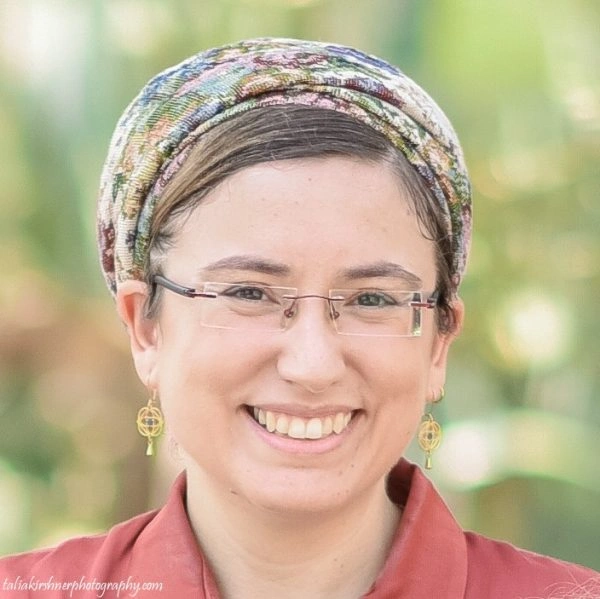
חנה שחם-רוזבי (ד”ר)
קרית גת, ישראל
התחלתי מעט לפני תחילת הסבב הנוכחי. אני נהנית מהאתגר של להמשיך להתמיד, מרגעים של "אהה, מפה זה הגיע!” ומהאתגר האינטלקטואלי

אילת-חן ודלר
לוד, ישראל
התחלתי ללמוד בעידוד שתי חברות אתן למדתי בעבר את הפרק היומי במסגרת 929.
בבית מתלהבים מאוד ובשבת אני לומדת את הדף עם בעלי שזה מפתיע ומשמח מאוד! לימוד הדף הוא חלק בלתי נפרד מהיום שלי. לומדת בצהריים ומחכה לזמן הזה מידי יום…

מרים ונגרובר
אפרת, ישראל
A life-changing journey started with a Chanukah family tiyul to Zippori, home of the Sanhedrin 2 years ago and continued with the Syum in Binanei Hauma where I was awed by the energy of 3000 women dedicated to learning daf Yomi. Opening my morning daily with a fresh daf, I am excited with the new insights I find enriching my life and opening new and deeper horizons for me.

בקי גולדשטיין
Elazar gush etzion, Israel
למדתי גמרא מכיתה ז- ט ב Maimonides School ואחרי העליה שלי בגיל 14 לימוד הגמרא, שלא היה כל כך מקובל בימים אלה, היה די ספוראדי. אחרי "ההתגלות” בבנייני האומה התחלתי ללמוד בעיקר בדרך הביתה למדתי מפוקקטסים שונים. לאט לאט ראיתי שאני תמיד חוזרת לרבנית מישל פרבר. באיזה שהוא שלב התחלתי ללמוד בזום בשעה 7:10 .
היום "אין מצב” שאני אתחיל את היום שלי ללא לימוד עם הרבנית מישל עם כוס הקפה שלי!!
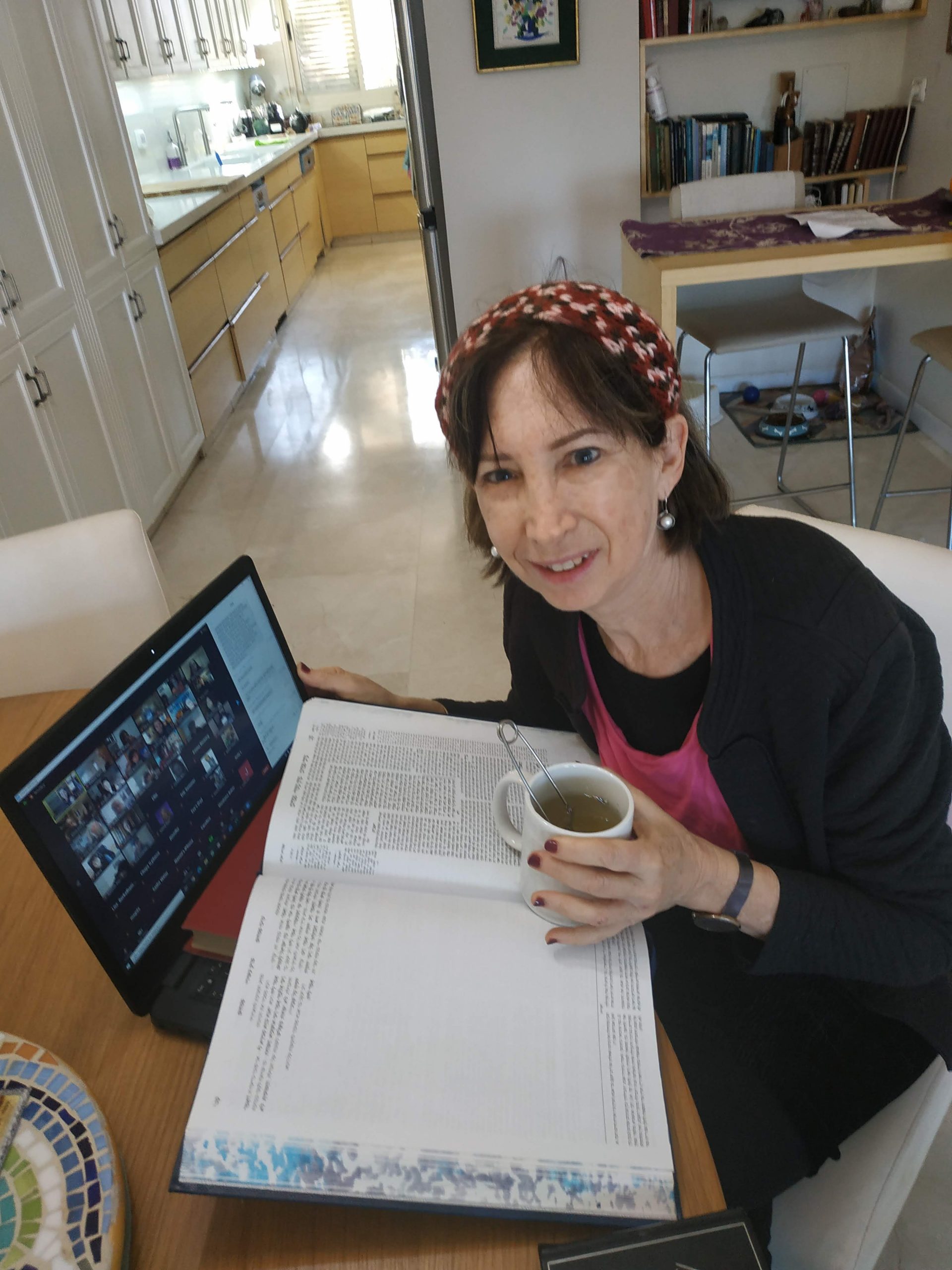
דבי גביר
חשמונאים, ישראל
הצטרפתי ללומדות בתחילת מסכת תענית. ההתרגשות שלי ושל המשפחה היתה גדולה מאוד, והיא הולכת וגוברת עם כל סיום שאני זוכה לו. במשך שנים רבות רציתי להצטרף ומשום מה זה לא קרה… ב”ה מצאתי לפני מספר חודשים פרסום של הדרן, ומיד הצטרפתי והתאהבתי. הדף היומי שינה את חיי ממש והפך כל יום- ליום של תורה. מודה לכן מקרב ליבי ומאחלת לכולנו לימוד פורה מתוך אהבת התורה ולומדיה.
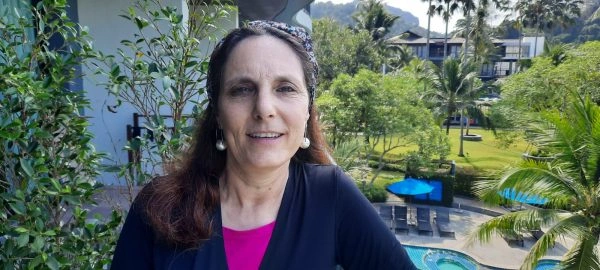
נעה רוזן
חיספין רמת הגולן, ישראל
כבר סיפרתי בסיום של מועד קטן.
הלימוד מאוד משפיעה על היום שלי כי אני לומדת עם רבנית מישל על הבוקר בזום. זה נותן טון לכל היום – בסיס למחשבות שלי .זה זכות גדול להתחיל את היום בלימוד ובתפילה. תודה רבה !

שרה ברלוביץ
ירושלים, ישראל
אחי, שלומד דף יומי ממסכת ברכות, חיפש חברותא ללימוד מסכת ראש השנה והציע לי. החברותא היתה מאתגרת טכנית ורוב הזמן נעשתה דרך הטלפון, כך שבסיום המסכת נפרדו דרכינו. אחי חזר ללמוד לבד, אבל אני כבר נכבשתי בקסם הגמרא ושכנעתי את האיש שלי להצטרף אלי למסכת ביצה. מאז המשכנו הלאה, ועכשיו אנחנו מתרגשים לקראתו של סדר נשים!
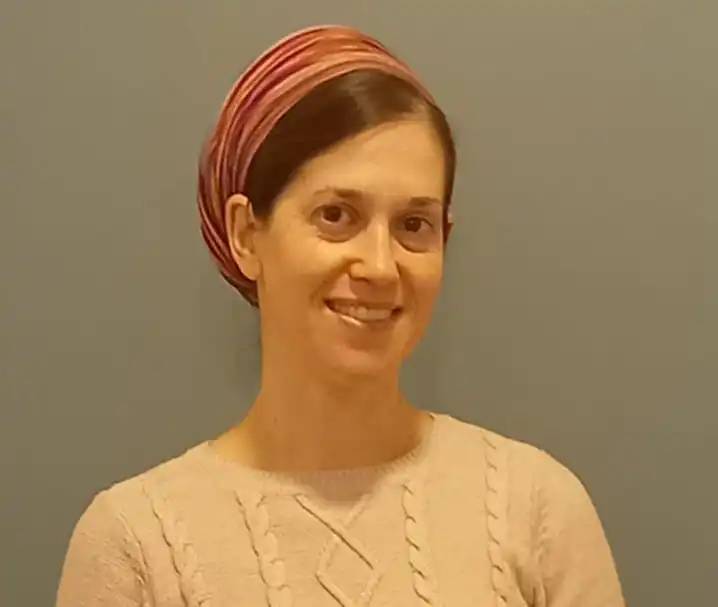
שולמית סבן
נוקדים, ישראל
בתחילת הסבב הנוכחי הצטברו אצלי תחושות שאני לא מבינה מספיק מהי ההלכה אותה אני מקיימת בכל יום. כמו כן, כאמא לבנות רציתי לתת להן מודל נשי של לימוד תורה
שתי הסיבות האלו הובילו אותי להתחיל ללמוד. נתקלתי בתגובות מפרגנות וסקרניות איך אישה לומדת גמרא..
כמו שרואים בתמונה אני ממשיכה ללמוד גם היום ואפילו במחלקת יולדות אחרי לידת ביתי השלישית.
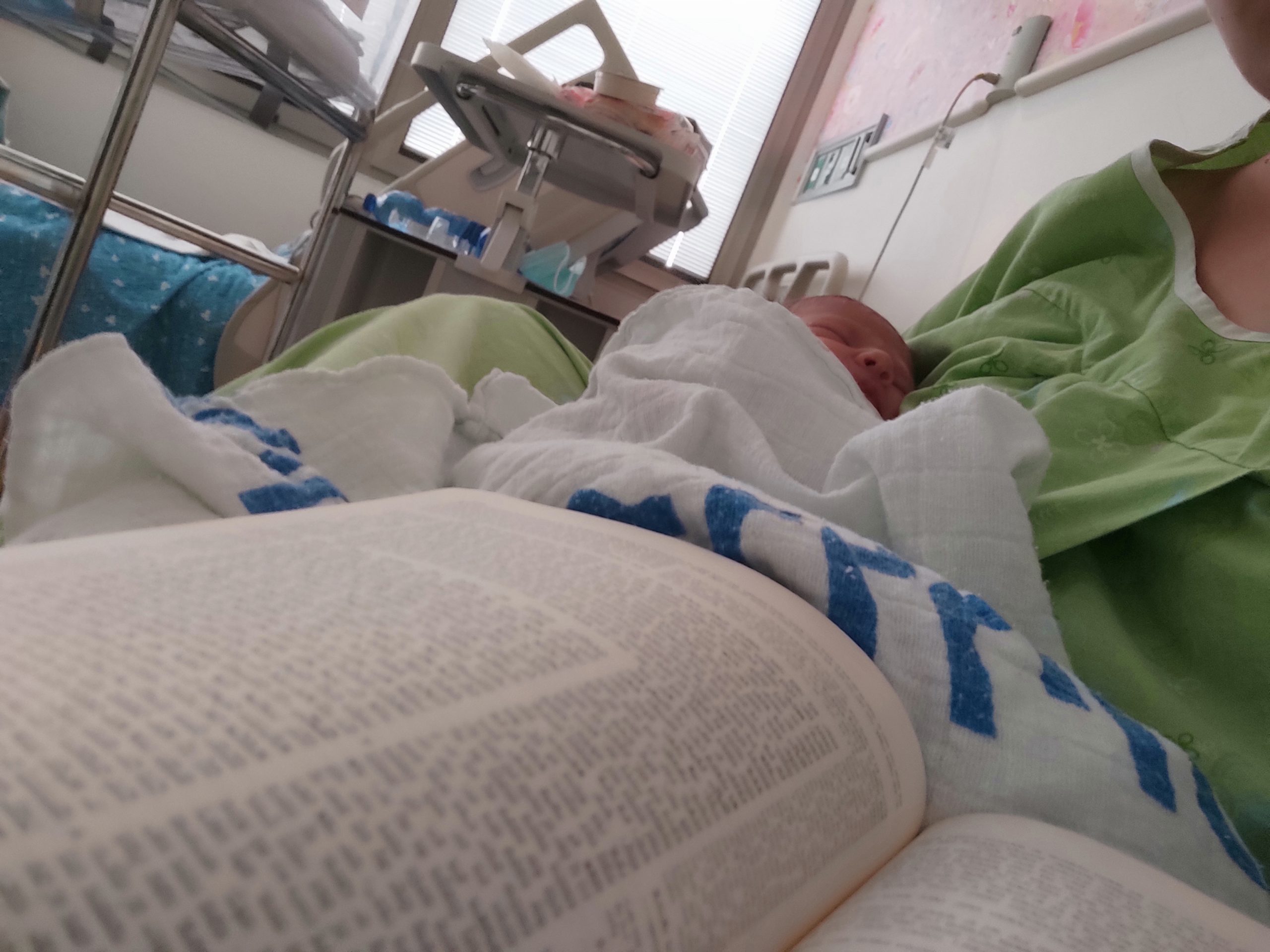
נועה שילה
רבבה, ישראל
רציתי לקבל ידע בתחום שהרגשתי שהוא גדול וחשוב אך נעלם ממני. הלימוד מעניק אתגר וסיפוק ומעמיק את תחושת השייכות שלי לתורה וליהדות
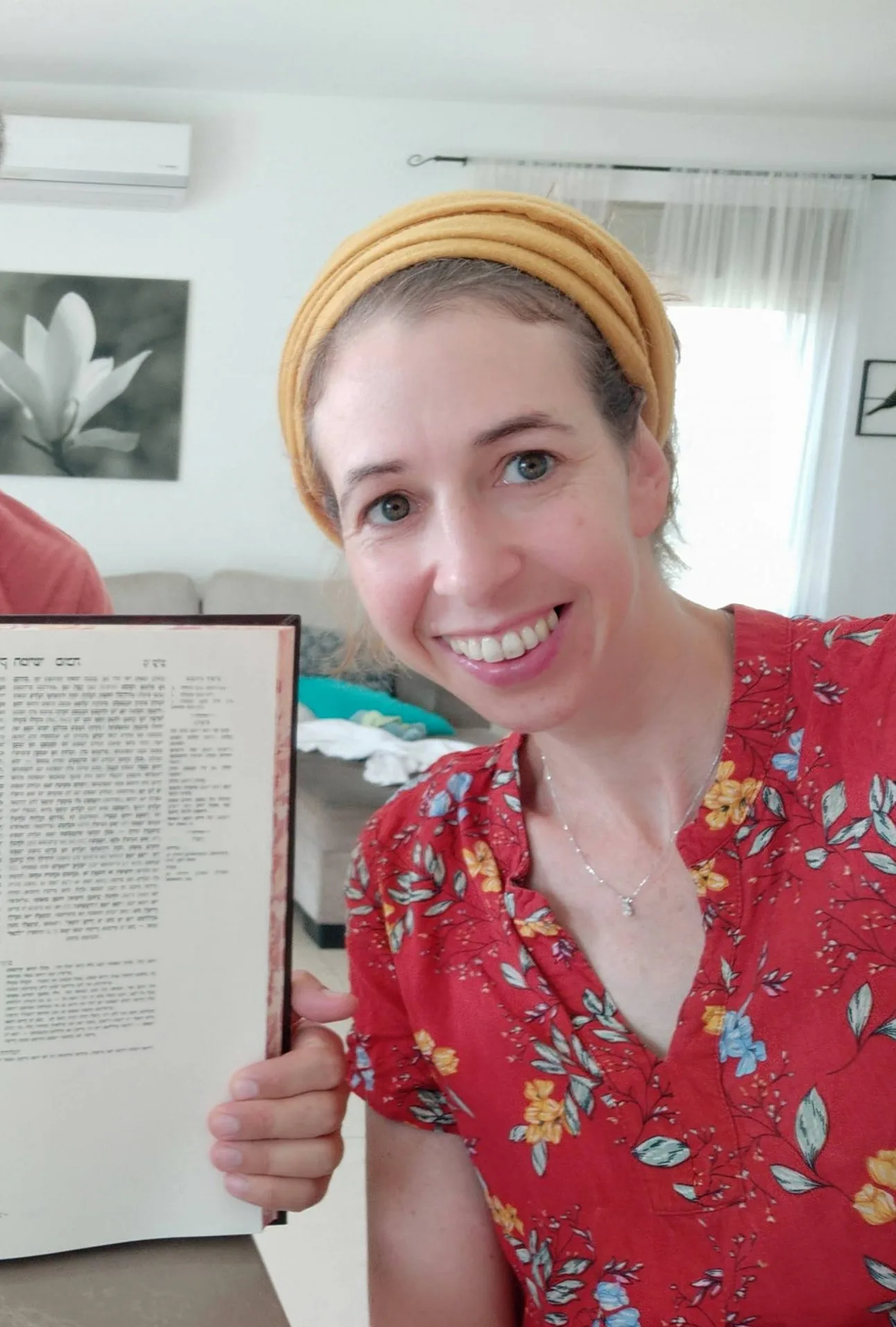
רות עגיב
עלי זהב – לשם, ישראל
התחלתי ללמוד גמרא בבית הספר בגיל צעיר והתאהבתי. המשכתי בכך כל חיי ואף היייתי מורה לגמרא בבית הספר שקד בשדה אליהו (בית הספר בו למדתי בילדותי)בתחילת מחזור דף יומי הנוכחי החלטתי להצטרף ובע”ה מקווה להתמיד ולהמשיך. אני אוהבת את המפגש עם הדף את "דרישות השלום ” שמקבלת מקשרים עם דפים אחרים שלמדתי את הסנכרון שמתחולל בין התכנים.
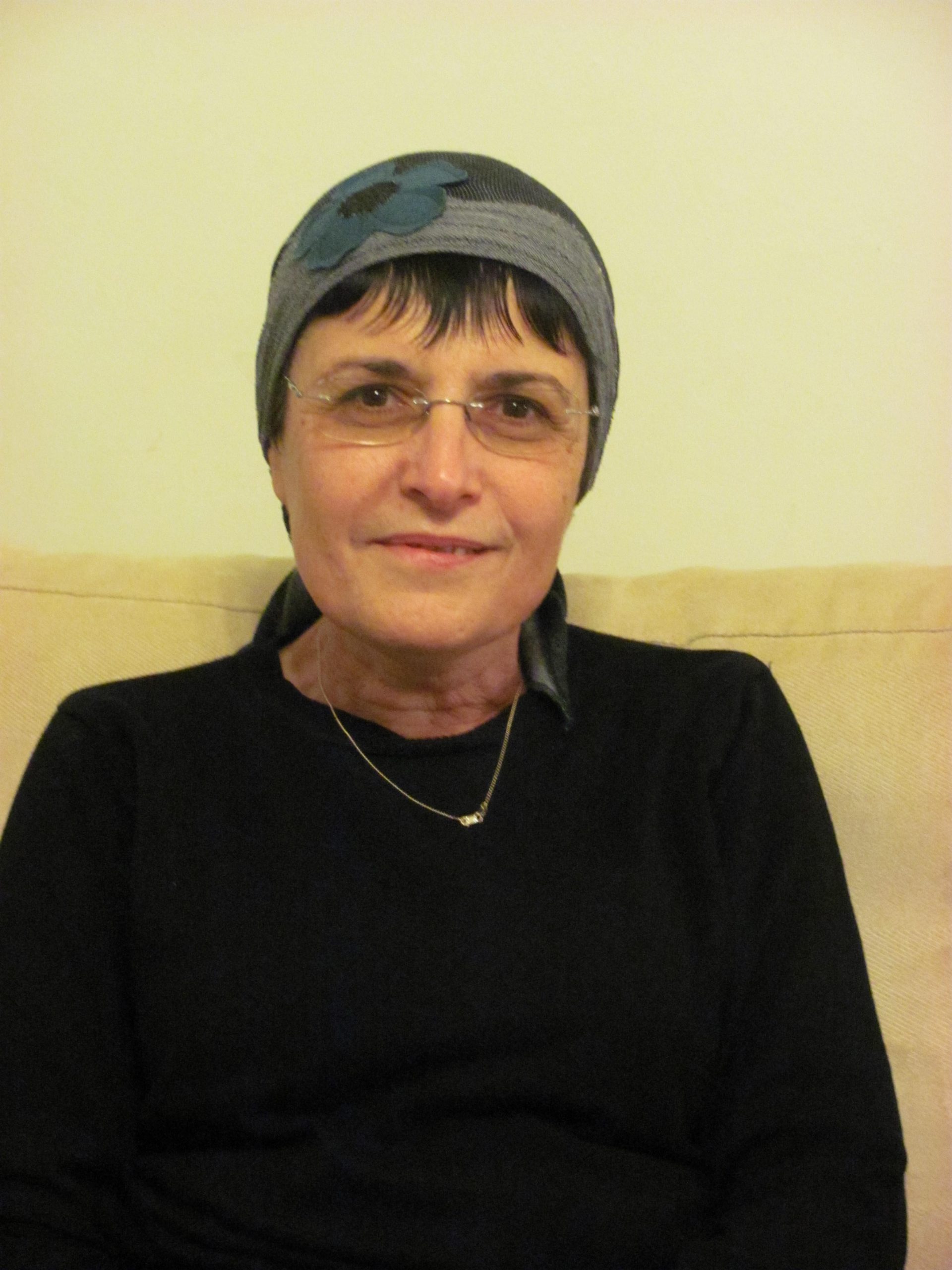
אריאלה ביגמן
מעלה גלבוע, ישראל
שמעתי על הסיום הענק של הדף היומי ע”י נשים בבנייני האומה. רציתי גם.
החלטתי להצטרף. התחלתי ושיכנעתי את בעלי ועוד שתי חברות להצטרף. עכשיו יש לי לימוד משותף איתו בשבת ומפגש חודשי איתן בנושא (והתכתבויות תדירות על דברים מיוחדים שקראנו). הצטרפנו לקבוצות שונות בווטסאפ. אנחנו ממש נהנות. אני שומעת את השיעור מידי יום (בד”כ מהרב יוני גוטמן) וקוראת ומצטרפת לסיומים של הדרן. גם מקפידה על דף משלהן (ונהנית מאד).
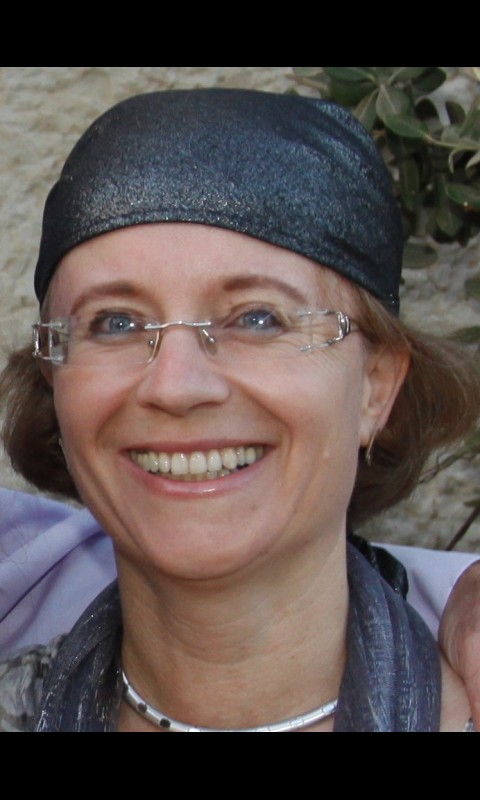
ליאת סיטרון
אפרת, ישראל
הצטרפתי ללומדות בתחילת מסכת תענית. ההתרגשות שלי ושל המשפחה היתה גדולה מאוד, והיא הולכת וגוברת עם כל סיום שאני זוכה לו. במשך שנים רבות רציתי להצטרף ומשום מה זה לא קרה… ב”ה מצאתי לפני מספר חודשים פרסום של הדרן, ומיד הצטרפתי והתאהבתי. הדף היומי שינה את חיי ממש והפך כל יום- ליום של תורה. מודה לכן מקרב ליבי ומאחלת לכולנו לימוד פורה מתוך אהבת התורה ולומדיה.
נעה רוזן
חיספין רמת הגולן, ישראל
התחלתי להשתתף בשיעור נשים פעם בשבוע, תכננתי ללמוד רק דפים בודדים, לא האמנתי שאצליח יותר מכך.
לאט לאט נשאבתי פנימה לעולם הלימוד .משתדלת ללמוד כל בוקר ומתחילה את היום בתחושה של מלאות ומתוך התכווננות נכונה יותר.
הלימוד של הדף היומי ממלא אותי בתחושה של חיבור עמוק לעם היהודי ולכל הלומדים בעבר ובהווה.

נילי חיון
אפרת, ישראל
ראיתי את הסיום הגדול בבנייני האומה וכל כך התרשמתי ורציתי לקחת חלק.. אבל לקח לי עוד כשנה וחצי )באמצע מסיכת שבת להצטרף..
הלימוד חשוב לי מאוד.. אני תמיד במרדף אחרי הדף וגונבת כל פעם חצי דף כשהילדים עסוקים ומשלימה אח”כ אחרי שכולם הלכו לישון..
אולגה מזרחי
ירושלים, ישראל
רבנית מישל הציתה אש התלמוד בלבבות בביניני האומה ואני נדלקתי. היא פתחה פתח ותמכה במתחילות כמוני ואפשרה לנו להתקדם בצעדים נכונים וטובים. הקימה מערך שלם שמסובב את הלומדות בסביבה תומכת וכך נכנסתי למסלול לימוד מעשיר שאין כמוה. הדרן יצר קהילה גדולה וחזקה שמאפשרת התקדמות מכל נקודת מוצא. יש דיבוק לומדות שמחזק את ההתמדה של כולנו. כל פניה ושאלה נענית בזריזות ויסודיות. תודה גם למגי על כל העזרה.
שרה אבר
נתניה, ישראל
. לא תמיד נהניתי מלימוד גמרא כילדה.,בל כהתבגרתי התחלתי לאהוב את זה שוב. התחלתי ללמוד מסכת סוטה בדף היומי לפני כחמש עשרה שנה ואז הפסקתי.הגעתי לסיום הגדול של הדרן לפני שנתיים וזה נתן לי השראה. והתחלתי ללמוד למשך כמה ימים ואז היתה לי פריצת דיסק והפסקתי…עד אלול השנה. אז התחלתי עם מסכת ביצה וב”ה אני מצליחה לעמוד בקצב. המשפחה מאוד תומכת בי ויש כמה שגם לומדים את זה במקביל. אני אוהבת שיש עוגן כל יום.

רבקה דרשן
בית שמש, ישראל
התחלתי ללמוד דף יומי בסבב הקודם. זכיתי לסיים אותו במעמד המרגש של הדרן. בסבב הראשון ליווה אותי הספק, שאולי לא אצליח לעמוד בקצב ולהתמיד. בסבב השני אני לומדת ברוגע, מתוך אמונה ביכולתי ללמוד ולסיים. בסבב הלימוד הראשון ליוותה אותי חוויה מסויימת של בדידות. הדרן העניקה לי קהילת לימוד ואחוות נשים. החוויה של סיום הש”ס במעמד כה גדול כשנשים שאינן מכירות אותי, שמחות ומתרגשות עבורי , היתה חוויה מרוממת נפש
אילנית ווייל
קיבוץ מגדל עוז, ישראל
התחלתי ללמוד לפני כשנתיים בשאיפה לסיים לראשונה מסכת אחת במהלך חופשת הלידה.
אחרי מסכת אחת כבר היה קשה להפסיק…
נעה גלנט
ירוחם, ישראל
My explorations into Gemara started a few days into the present cycle. I binged learnt and become addicted. I’m fascinated by the rich "tapestry” of intertwined themes, connections between Masechtot, conversations between generations of Rabbanim and learners past and present all over the world. My life has acquired a golden thread, linking generations with our amazing heritage.
Thank you.

סוזן כשדן
חשמונאים, Israel
סוכה לד
אַבָּא שָׁאוּל אוֹמֵר: ״עַרְבֵי״ — שְׁתַּיִם. אַחַת לַלּוּלָב, וְאַחַת לַמִּקְדָּשׁ.
Abba Shaul says: “Willows” in the plural teaches that there are two mitzvot that involve use of the willow branch. One is the willow branch for the lulav, and one is the willow branch taken for the Temple, with which the people would circle the altar on Sukkot.
וְרַבָּנַן, לַמִּקְדָּשׁ מְנָא לְהוּ? הִלְכְתָא גְּמִירִי לְהוּ. דְּאָמַר רַבִּי אַסִּי אָמַר רַבִּי יוֹחָנָן: עֶשֶׂר נְטִיעוֹת, עֲרָבָה וְנִיסּוּךְ הַמַּיִם — הֲלָכָה לְמֹשֶׁה מִסִּינַי.
And the Rabbis, who do not interpret the verse that way, from where do they derive the mitzva of the willow branch for the Temple? It is a halakha transmitted to Moses from Sinai that they learned through tradition and not from a verse, as Rabbi Asi said that Rabbi Yoḥanan said: There are three halakhot for which the Sages unsuccessfully sought a Torah source. The first is the halakha of ten saplings. There is a mitzva by Torah law to extend the sanctity of the Sabbatical Year and to begin refraining from plowing thirty days before the Sabbatical Year begins. However, one may plow around individual saplings to sustain them. In a field that is one beit se’a, fifty by fifty cubits, in which there are ten evenly spaced saplings, it is permitted to plow the entire field until the onset of the Sabbatical Year to sustain the saplings. The second halakha is the mitzva of the willow branch in the Temple. And the third halakha is the mitzva of the water libation on the altar, which accompanies the daily offerings each day of Sukkot, together with the daily wine libation. No Torah source was found for these halakhot, as each is a halakha transmitted to Moses from Sinai.
תָּנוּ רַבָּנַן: ״עַרְבֵי נַחַל״ — הַגְּדֵילוֹת עַל הַנַּחַל, פְּרָט לְצַפְצָפָה הַגְּדֵילָה בֵּין הֶהָרִים. אָמַר רַבִּי זֵירָא, מַאי קְרָאָה: ״קָח עַל מַיִם רַבִּים צַפְצָפָה שָׂמוֹ״.
The Sages taught an additional baraita: “Willows of the brook” is referring to those that grow by the river, which comes to exclude a tzaftzafa, which grows among the mountains and not near a brook. Rabbi Zeira said: What is the verse from which the fact that the tzaftzafa is unfit is derived? It is derived from the reprimand that is written: “He placed it by great waters, and set it as a tzaftzafa” (Ezekiel 17:5). The Jewish people were planted like a willow on great waters, but ultimately became like a tzaftzafa. Apparently, a tzaftzafa does not grow on great waters.
אֲמַר לֵיהּ אַבָּיֵי: וְדִילְמָא פָּרוֹשֵׁי קָא מְפָרֵשׁ — ״קָח עַל מַיִם רַבִּים״, וּמַאי נִיהוּ — צַפְצָפָה! אִם כֵּן, מַאי ״שָׂמוֹ״? אָמַר רַבִּי אֲבָהוּ: אָמַר הַקָּדוֹשׁ בָּרוּךְ הוּא: אֲנִי אָמַרְתִּי שֶׁיְּהוּ יִשְׂרָאֵל לְפָנַי כְּ״קָח עַל מַיִם רַבִּים״, וּמַאי נִיהוּ — עֲרָבָה, וְהֵן שָׂמוּ עַצְמָן כְּצַפְצָפָה שֶׁבֶּהָרִים.
Abaye said to Rabbi Zeira: And perhaps the second part of the verse is merely explaining the first part, and it means: He placed it by great waters, and what is it that He placed there? It is a tzaftzafa. Rabbi Zeira answered: If so, and that is the meaning of the verse, what is the meaning of the term “set it”? Rather, the verse means that the willow branch was transformed into a tzaftzafa. That is how Rabbi Abbahu explained the verse, as Rabbi Abbahu said that the Holy One, Blessed be He, said: I said that the Jewish people should be before Me as a plant placed by great waters, and what is that plant? It is a willow. And they set themselves as a tzaftzafa of the mountains.
אִיכָּא דְּמַתְנֵי לַהּ לְהַאי קְרָא אַמַּתְנִיתָא: ״קָח עַל מַיִם רַבִּים צַפְצָפָה שָׂמוֹ״. מַתְקֵיף לַהּ רַבִּי זֵירָא: וְדִילְמָא פָּרוֹשֵׁי קָא מְפָרֵשׁ ״קָח עַל מַיִם רַבִּים״, מַאי נִיהוּ — צַפְצָפָה! אִם כֵּן — מַאי ״שָׂמוֹ״? אָמַר רַבִּי אֲבָהוּ: אָמַר הַקָּדוֹשׁ בָּרוּךְ הוּא: אֲנִי אָמַרְתִּי שֶׁיְּהוּ יִשְׂרָאֵל לְפָנַי כְּ״קָח עַל מַיִם רַבִּים״, וּמַאי נִיהוּ — עֲרָבָה, וְהֵן שָׂמוּ עַצְמָן כְּצַפְצָפָה שֶׁבֶּהָרִים.
Some taught this verse as the conclusion of the baraita and Rabbi Zeira raised the objection, and the response to his objection is unattributed: He placed it by great waters, and set it as a tzaftzafa. Rabbi Zeira strongly objects: And perhaps the second part of the verse is merely explaining the first part, and it means: He placed it by great waters, and what is it that He placed there? It is a tzaftzafa. The Gemara rejects this suggestion: If so, and that is the meaning of the verse, what is the meaning of the term “set it”? Rabbi Abbahu said that the Holy One, Blessed be He, said: I said that the Jewish people should be before Me as a plant placed by great waters, and what is that plant? It is a willow. And they set themselves as a tzaftzafa of the mountains.
תָּנוּ רַבָּנַן: אֵי זֶהוּ עֲרָבָה וְאֵיזֶהוּ צַפְצָפָה? עֲרָבָה, קָנֶה שֶׁלָּהּ אָדוֹם, וְעָלֶה שֶׁלָּהּ מָשׁוּךְ וּפִיהָ חָלָק. צַפְצָפָה, קָנֶה שֶׁלָּהּ לָבָן, וְעָלֶה שֶׁלָּהּ עָגוֹל וּפִיהָ דּוֹמֶה לְמַגָּל. וְהָא תַּנְיָא: דּוֹמֶה לְמַגָּל כָּשֵׁר, דּוֹמֶה לְמַסָּר — פָּסוּל! אֲמַר אַבָּיֵי: כִּי תַּנְיָא הָהִיא, בְּחִילְפָא גִּילָא.
Apropos the defining characteristics of the willow branch, in contrast to similar species that are unfit, the Sages taught: What is a willow and what is a tzaftzafa? With regard to a willow branch, its stem is red, and its leaf is elongated, and the edge of its leaf is smooth. With regard to a tzaftzafa, its stem is white, its leaf is round, and the edge of its leaf is serrated like a sickle. The Gemara objects: But isn’t it taught in a baraita: If the edge of its leaf is serrated like a sickle it is fit, but if it is serrated like a saw, whose teeth are uneven in both size and sequence, it is unfit? Abaye said: When that baraita was taught, it was referring to a particular type of willow called ḥilfa gila, whose leaves are serrated. However, all other types of willow branches have leaves with a smooth edge.
אָמַר אַבָּיֵי: שְׁמַע מִינַּהּ הַאי חִילְפָא גִּילָא — כָּשֵׁר לְהוֹשַׁעְנָא. פְּשִׁיטָא! מַהוּ דְּתֵימָא: הוֹאִיל וְאִית לֵיהּ שֵׁם לְוַוי לָא נִתַּכְשַׁר, קָא מַשְׁמַע לַן.
Abaye said: Conclude from it that this ḥilfa gila is fit for use in the hoshana of the four species. The Gemara wonders: That is obvious. The Gemara answers: Lest you say that since its name is accompanied by a modifier, as it is called ḥilfa gila, it should not be fit. Therefore, Abaye teaches us that it is fit.
וְאֵימָא הָכִי נָמֵי! ״עַרְבֵי נַחַל״ אָמַר רַחֲמָנָא, מִכׇּל מָקוֹם.
The Gemara asks: And say it is indeed so, that since its name is accompanied by a modifier it is unfit. The Gemara answers: The Merciful One states: “Willows of the brook,” in the plural, teaching that the branches of willows are fit in any case.
אָמַר רַב חִסְדָּא: הָנֵי תְּלָת מִילֵּי אִשְׁתַּנִּי שְׁמַיְיהוּ מִכִּי חֲרַב בֵּית הַמִּקְדָּשׁ: חֲלַפְתָּא — עֲרַבְתָּא, עֲרַבְתָּא — חֲלַפְתָּא. מַאי נָפְקָא מִינַּהּ? לְלוּלָב.
Apropos the branches of the willow and the tzaftzafa, the Gemara cites what Rav Ḥisda said: These three objects’ names changed since the Temple was destroyed. That which was called willow was called in later generations ḥalfata, which is another name for tzaftzafa, and that which was called ḥalfata was called willow. The Gemara asks: What is the practical halakhic difference that emerges from the name change? The Gemara answers: It is with regard to the mitzva of taking the lulav, as one of the species bound with the lulav is a willow branch, which is now called tzaftzafa.
שִׁיפּוּרָא — חֲצוֹצַרְתָּא, חֲצוֹצַרְתָּא — שִׁיפּוּרָא. מַאי נָפְקָא מִינַּהּ? לְשׁוֹפָר שֶׁל רֹאשׁ הַשָּׁנָה.
In addition, that which was called trumpet was called shofar in later generations, and that which was called shofar was called trumpet in later generations. The Gemara asks: What is the practical halakhic difference whether a shofar is called shofar or trumpet? The Gemara answers: It is significant with regard to the halakhot of shofar of Rosh HaShana. On Rosh HaShana, one fulfills his obligation only by sounding a shofar. If one comes today and asks what instrument he should use to sound the requisite blasts, he should be told to use a trumpet.
פָּתוּרְתָּא — פָּתוּרָא, פָּתוּרָא — פָּתוּרְתָּא. לְמַאי נָפְקָא מִינַּהּ? לְמִקָּח וּמִמְכָּר.
Also, that which was called petorata, originally meaning a small table, was called in later generations petora, and that which was called petora, originally meaning a large table, was called petorata in later generations. The Gemara asks: What is the practical halakhic difference that emerges from the change of name? The Gemara answers: It is with regard to the laws of buying and selling. One who orders a petora should know that he ordered a small table and not a large one.
אָמַר אַבָּיֵי, אַף אֲנִי אוֹמֵר: בֵּי כָסֵי — הוּבְלִילָא, הוּבְלִילָא — בֵּי כָסֵי.
Abaye said: I too shall speak of changes in the meaning of terms in this generation. That which was called huvlila, the first compartment of the stomach of animals that chew their cud, is, in recent generations, called bei kasei, the name of the second compartment of the animal’s stomach. Similarly, that which was once called bei kasei is called huvlila in recent generations.
לְמַאי נָפְקָא מִינַּהּ? לְמַחַט הַנִּמְצָא בְּעוֹבִי בֵּית הַכּוֹסוֹת.
What is the practical halakhic difference that emerges from this change of names? It is with regard to a needle that is found in the thick wall of the second compartment of the stomach. In the halakhot of tereifot, it is prohibited to eat animals with a life expectancy of less than a year. It was established that if a needle punctures the wall of the second compartment of the stomach from only one side, the animal is kosher. If the needle penetrates the wall in a manner visible from both sides, the animal assumes the halakhic status of a tereifa. In the first stomach, even if the needle penetrated only one side of the wall, the animal assumes the halakhic status of a tereifa. Therefore, it is crucial to distinguish between the first and the second compartments of the stomach.
אָמַר רָבָא בַּר יוֹסֵף, אַף אֲנִי אוֹמֵר: בָּבֶל — בּוֹרְסִיף, בּוֹרְסִיף — בָּבֶל. לְמַאי
Rava bar Yosef said: I too shall speak of changes in the meaning of terms in this generation. The city that in biblical times was called Babylon was called Bursif in later generations, and Bursif was called Babylon in later generations. The Gemara asks: What is
נָפְקָא מִינַּהּ? לְגִיטֵּי נָשִׁים.
the practical halakhic difference that emerges from this change of names? It is in the area of women’s bills of divorce. With regard to bills of divorce, special care is devoted to ensuring that the name of the place where the bill is written is not altered. Therefore, it is important to be aware that Babylon underwent a name change in later generations.
מַתְנִי׳ רַבִּי יִשְׁמָעֵאל אוֹמֵר: שְׁלֹשָׁה הֲדַסִּים וּשְׁתֵּי עֲרָבוֹת, לוּלָב אֶחָד, וְאֶתְרוֹג אֶחָד. אֲפִילּוּ שְׁנַיִם קְטוּמִים, וְאֶחָד אֵינוֹ קָטוּם. רַבִּי טַרְפוֹן אוֹמֵר: אֲפִילּוּ שְׁלָשְׁתָּן קְטוּמִים. רַבִּי עֲקִיבָא אוֹמֵר: כְּשֵׁם שֶׁלּוּלָב אֶחָד וְאֶתְרוֹג אֶחָד — כָּךְ הֲדַס אֶחָד וַעֲרָבָה אַחַת.
MISHNA: Rabbi Yishmael says: The mitzva of the four species is to take three myrtle branches, and two willow branches, one lulav, and one etrog. With regard to the myrtle branches, even if the tops of two are severed and the top of one is not severed, it is fit. Rabbi Tarfon says: Even if the tops of all three are severed, it is fit. Rabbi Akiva says with regard to the number of each of the species: Just as there is one lulav and one etrog, so too there is one myrtle branch and one willow branch.
גְּמָ׳ תַּנְיָא, רַבִּי יִשְׁמָעֵאל אוֹמֵר: ״פְּרִי עֵץ הָדָר״ — אֶחָד. ״כַּפֹּת תְּמָרִים״ — אֶחָד. ״עֲנַף עֵץ עָבוֹת״ — שְׁלֹשָׁה. ״עַרְבֵי נַחַל״ — שְׁתַּיִם. וַאֲפִילּוּ שְׁנַיִם קְטוּמִים, וְאֶחָד שֶׁאֵינוֹ קָטוּם. רַבִּי טַרְפוֹן אוֹמֵר: שְׁלֹשָׁה, וַאֲפִילּוּ שְׁלָשְׁתָּן קְטוּמִים. רַבִּי עֲקִיבָא אוֹמֵר: כְּשֵׁם שֶׁלּוּלָב אֶחָד וְאֶתְרוֹג אֶחָד, כָּךְ הֲדַס אֶחָד וַעֲרָבָה אַחַת.
GEMARA: It was taught in a baraita that Rabbi Yishmael says: “The fruit of a beautiful tree” (Leviticus 23:40); that is one etrog. “Branches of a date palm”; that is one lulav. Based on tradition, kappot is written without the letter vav. Although the word is vocalized in the plural, the lack of the vav indicates that only one is required. “Boughs of a dense-leaved tree”; these are three, as the verse is referring to a branch with several stems. “Willows of the brook”; these are two, as it is plural. Even if the tops of two are severed and the top of one is not severed, it is fit. Rabbi Tarfon says: Even if the tops of all three are severed, it is fit. Rabbi Akiva says: Just as there is one lulav and one etrog, so too, there is one myrtle branch and one willow branch.
אָמַר לוֹ רַבִּי אֱלִיעֶזֶר: יָכוֹל יְהֵא אֶתְרוֹג עִמָּהֶן בַּאֲגוּדָּה אַחַת? אָמַרְתָּ, וְכִי נֶאֱמַר ״פְּרִי עֵץ הָדָר וְכַפֹּת תְּמָרִים״? וַהֲלֹא לֹא נֶאֱמַר אֶלָּא ״כַּפֹּת״! וּמִנַּיִן שֶׁמְּעַכְּבִין זֶה אֶת זֶה? תַּלְמוּד לוֹמַר: ״וּלְקַחְתֶּם״ — שֶׁתְּהֵא לְקִיחָה תַּמָּה.
Rabbi Eliezer said to him that the species cannot be equated. I might have thought that the etrog should be bound with the other species in one bundle. However, you could say in response: Does it say: The fruit of a beautiful tree and branches of a date palm, with the conjunction joining them? Doesn’t it say only “branches of a date palm,” without a conjunction? That indicates that the etrog is taken separately from the other three species, which are joined in the verse by conjunctions: Branches of a date palm, and boughs of a dense-leaved tree, and willows of the brook, are taken together. And from where is it derived that failure to take each of the species prevents fulfillment of the mitzva with the others? The verse states: “And you shall take [ulkaḥtem],” from which it is derived based on the etymological similarity that it shall be a complete taking [lekiḥa tamma] consisting of all the species.
וְרַבִּי יִשְׁמָעֵאל, מָה נַפְשָׁךְ? אִי שְׁלֵימִין בָּעֵי — לִיבְעֵי נָמֵי כּוּלְּהוּ, אִי לָא בָּעֵי שְׁלֵימִין — אֲפִילּוּ חַד נָמֵי לָא! אָמַר בִּירָאָה אָמַר רַבִּי אַמֵּי: חָזַר בּוֹ רַבִּי יִשְׁמָעֵאל.
The Gemara asks: And according to Rabbi Yishmael, who deems the lulav fit even if the tops of two of the myrtle branches were severed, whichever way you look at it, his statement is problematic. If he requires whole myrtle branches, and those whose tops are severed do not fill the criterion of beauty, let him require all of them to be whole. And if he does not require whole myrtle branches, even one branch should not be required to be whole either, as Rabbi Tarfon said. The Sage Bira’a said that Rabbi Ami said: Rabbi Yishmael retracted his statement. He concedes that, fundamentally, only one myrtle branch is required, and that branch must be whole.
אָמַר רַב יְהוּדָה אָמַר שְׁמוּאֵל: הֲלָכָה כְּרַבִּי טַרְפוֹן. וְאַזְדָּא שְׁמוּאֵל לְטַעְמֵיהּ, דַּאֲמַר לְהוּ שְׁמוּאֵל לְהָנְהוּ דִּמְזַבְּנֵי אַסָּא: אַשְׁווֹ וְזַבִּינוּ, וְאִי לָא — דָּרֵישְׁנָא לְכוּ כְּרַבִּי טַרְפוֹן.
Rav Yehuda said that Shmuel said: The halakha is in accordance with the opinion of Rabbi Tarfon. And Shmuel conforms to his line of reasoning, as Shmuel said to those who were selling myrtle branches: Equate the price that you demand for myrtle branches to their value and sell your myrtle branches. And if you do not do so and overcharge, I will teach the halakha in public for you in accordance with the opinion of Rabbi Tarfon, who allows the use of myrtle branches whose tops are severed.
מַאי טַעְמָא? אִילֵּימָא מִשּׁוּם דְּמֵיקֵל — וְלִידְרוֹשׁ לְהוּ כְּרַבִּי עֲקִיבָא דְּמֵיקֵל טְפֵי! תְּלָתָא קְטִימִי שְׁכִיחִי, חַד וְלָא קְטִים לָא שְׁכִיחַ.
The Gemara asks: What is the reason that Shmuel said that to them? If you say it is because Rabbi Tarfon is lenient in his ruling, let him say to them that he will teach the halakha in public for them in accordance with the opinion of Rabbi Akiva, who is even more lenient in his ruling, as he requires only one myrtle branch. The Gemara answers: That is not the case, as three myrtle branches whose tops are severed are common, but one complete myrtle branch whose top is not severed is not common. In practical terms, Rabbi Tarfon’s ruling is the more lenient.
מַתְנִי׳ אֶתְרוֹג הַגָּזוּל וְהַיָּבֵשׁ — פָּסוּל. שֶׁל אֲשֵׁרָה וְשֶׁל עִיר הַנִּדַּחַת — פָּסוּל. שֶׁל עׇרְלָה — פָּסוּל. שֶׁל תְּרוּמָה טְמֵאָה — פָּסוּל. שֶׁל תְּרוּמָה טְהוֹרָה לֹא יִטּוֹל, וְאִם נָטַל — כָּשֵׁר. שֶׁל דְּמַאי — בֵּית שַׁמַּאי פּוֹסְלִין, וּבֵית הִלֵּל מַכְשִׁירִין. שֶׁל מַעֲשֵׂר שֵׁנִי בִּירוּשָׁלַיִם — לֹא יִטּוֹל, וְאִם נָטַל — כָּשֵׁר.
MISHNA: An etrog that was stolen or is completely dry is unfit. One from a tree worshipped as idolatry [asheira] or from a city whose residents were incited to idolatry is unfit. An etrog that is fruit that grew on a tree during the three years after it was planted [orla] is unfit, because it is prohibited to eat and derive benefit from it. An etrog of impure teruma is unfit. With regard to an etrog of pure teruma, one may not take it ab initio, and if one took it, it is fit, and he fulfilled his obligation after the fact. With regard to an etrog of demai, which is produce acquired from an am ha’aretz, who does not reliably tithe his produce, Beit Shammai deem it unfit, and Beit Hillel deem it fit. With regard to an etrog of second tithe in Jerusalem, one may not take it ab initio; and if he took it, it is fit.
עָלְתָה חֲזָזִית עַל רוּבּוֹ, נִטְּלָה פִּטְמָתוֹ, נִקְלַף, נִסְדַּק, נִיקַּב וְחָסַר כׇּל שֶׁהוּא — פָּסוּל. עָלְתָה חֲזָזִית עַל מִיעוּטוֹ, נִטַּל עוּקְצוֹ, נִיקַּב וְלֹא חָסַר כׇּל שֶׁהוּא — כָּשֵׁר. אֶתְרוֹג הַכּוּשִׁי — פָּסוּל, וְהַיָּרוֹק כְּכַרָּתֵי — רַבִּי מֵאִיר מַכְשִׁיר וְרַבִּי יְהוּדָה פּוֹסֵל. שִׁיעוּר אֶתְרוֹג הַקָּטָן, רַבִּי מֵאִיר אוֹמֵר: כֶּאֱגוֹז, רַבִּי יְהוּדָה אוֹמֵר כְּבֵיצָה. וּבַגָּדוֹל — כְּדֵי שֶׁיֹּאחַז שְׁנַיִם בְּיָדוֹ. דִּבְרֵי רַבִּי יְהוּדָה, וְרַבִּי יוֹסֵי אוֹמֵר: אֲפִילּוּ אֶחָד בִּשְׁתֵּי יָדָיו.
If boil-like blemishes arose on the majority of the etrog; if its pestle-like protuberance on the upper, blossom end was removed; if the etrog was peeled, split, or pierced and is missing any amount, it is unfit. However, if boil-like blemishes arose only on its minority; if its stem, which connects it to the tree, was removed; or it was pierced but is not missing any amount, it is fit. A Cushite etrog, which is black like a Cushite, is unfit. And with regard to an etrog that is leek green, Rabbi Meir deems it fit and Rabbi Yehuda deems it unfit. What is the minimum measure of a small etrog? Rabbi Meir says: It may be no smaller than a walnut-bulk. Rabbi Yehuda says: It may be no smaller than an egg-bulk. And in a large etrog, the maximum measure is so that one could hold two in his one hand; this is the statement of Rabbi Yehuda. Rabbi Yosei says: It is fit even if it is so large that he can hold only one in his two hands.
לעקוב

