חיפוש

סוכה נ

רוצה להקדיש לימוד?

podcast placeholder

0:00
0:00


תקציר

השיעור היום מוקדש על ידי ג׳ודי פלבר לעילוי נשמת אביה הרשל צבי שלמה בן פסח ודינה שרה במלאת ארבע שנים לפטירתו.

ניסוך המים דוחה שבת אבל יש שינוי אחד – ששואבים את המים בכלי שאינה מקודשת כך שלא ייפסל בלינה בליל שבת. למה? הרי אין כלי שרת מתקדשת אלא מדעת ולכן אפשר לשאוב עם כוונה שלא יתקדש עד למחר? וגם יש שיעור לניסוך המים ולכן יש עוד דרך שלא יתקדשו המים כי אם מכניסים לכלי שרת יותר ממה שאמור להיות, זה לא ראוי למצווה ואין הכלי מקדש אלא הראוי להם? הגמרא מביאה שלושה תירוצים לקושי. אם המים מגולים, הם פסולים. למה אי אפשר להוציא את ארס הנחש במסננת? האם המשנה לא כדעת ר’ נחמיה שסובר שאפשר להוציא ארס במסננת? המשנה מזכירה את ניגון החליל בשמחת בית השואבה. האם גורסים במשנה "שואבה” או "חשובה”? למה שאירוע זה ייקרא בשמות אלו? היו מנגנים בחליל במקדש בשמחת בית השואבה חמשה או ששה ימים כי לא מנגנים ביום טוב ובשבת. דעה זו לא מוסכמת על כולם – ר’ יוסי בר יהודה סובר שזה גם דוחה שבת. מה הבסיס למחלקות ביניהם? רב יוסף סובר שהמחלוקת היא האם עיקר שירה בפה או בכלי ומנסה להוכיח דבריו מברייתא בנושא: האם כלי עץ יכולים להיות כלי שרת? הגמרא דוחה את הוכחתו כי אפשר להבין את המחלוקת שם שנובע מעניין אחר.

סוכה נ

וְאִי מַיְיתֵי בִּמְקוּדֶּשֶׁת, אִיפְּסִילוּ לְהוּ בְּלִינָה. חִזְקִיָּה אָמַר: כְּלֵי שָׁרֵת אֵין מְקַדְּשִׁין אֶלָּא מִדַּעַת, וּגְזֵירָה שֶׁמָּא יֹאמְרוּ לְדַעַת נִתְקַדְּשׁוּ.

And if he brings the water in a consecrated barrel, the water will become disqualified for use in the libation by remaining overnight, just as all consecrated items, e.g., offerings, are rendered unfit after remaining overnight. Ḥizkiya said: Temple vessels consecrate only with specific intent. Therefore, in theory, one could bring water to the Temple in a consecrated vessel, provided he has no intent to consecrate it. And the reason one may not do so is due to a rabbinic decree lest people say, upon seeing the water poured in the morning, that the water was intentionally consecrated. In that case, they might draw the mistaken conclusion that remaining overnight does not disqualify liquids for use in libations.

אָמַר רַבִּי יַנַּאי אָמַר רַבִּי זֵירָא: אֲפִילּוּ תֵּימָא יֵשׁ שִׁיעוּר לַמַּיִם, וּכְלֵי שָׁרֵת אֵין מְקַדְּשִׁין אֶלָּא מִדַּעַת, וּגְזֵירָה שֶׁמָּא יֹאמְרוּ לְקִידּוּשׁ יָדַיִם וְרַגְלַיִם מִלְּאָן.

Rabbi Yannai said that Rabbi Zeira said: Even if you say that there is a requisite measure for the water to be poured for libation and no more than three log can be consecrated, and that Temple vessels consecrate only with intent, here there is a rabbinic decree lest they say the barrel was filled with water for sanctifying the hands and the feet of the priest, for which there is no measure. Then, when they see the water poured in the morning, they will draw the mistaken conclusion that remaining overnight does not disqualify liquids for use in libations.

נִשְׁפְּכָה אוֹ נִתְגַּלְּתָה כּוּ׳. וְאַמַּאי? לִיעַבַּיר בִּמְסַנֶּנֶת. לֵימָא מַתְנִיתִין דְּלָא כְּרַבִּי נְחֶמְיָה, דְּתַנְיָא: מְסַנֶּנֶת יֵשׁ בָּהּ מִשּׁוּם גִּילּוּי. אָמַר רַבִּי נְחֶמְיָה: אֵימָתַי — בִּזְמַן שֶׁהַתַּחְתּוֹנָה מְגוּלָּה, אֲבָל בִּזְמַן שֶׁהַתַּחְתּוֹנָה מְכוּסָּה, אַף עַל פִּי שֶׁהָעֶלְיוֹנָה מְגוּלָּה — אֵין בָּהּ מִשּׁוּם גִּילּוּי. מִפְּנֵי שֶׁאֶרֶס נָחָשׁ דּוֹמֶה לִסְפוֹג צָף וְעוֹמֵד בִּמְקוֹמוֹ.

§ The mishna continues: If the water in the barrel spilled or was exposed overnight, the water is disqualified. The Gemara asks: Why is the water disqualified? Let him pass it through a strainer, eliminating the poison. Let us say that the mishna is not in accordance with the opinion of Rabbi Neḥemya, as it was taught in a baraita: A vessel covered with a strainer is subject to the halakha of exposure if the vessel is left unsupervised. Rabbi Neḥemya said: When is this so? It is when the lower vessel, in which the liquid collects after passing through the strainer, is exposed. However, if the lower vessel is covered, even if the upper vessel is exposed, it is not subject to the halakha of exposure, because the poison of a snake is like a sponge in that it floats and stays in place.

אֲפִילּוּ תֵּימָא רַבִּי נְחֶמְיָה, אֵימַר דְּאָמַר רַבִּי נְחֶמְיָה לְהֶדְיוֹט, אֲבָל לְגָבוֹהַּ מִי אָמַר? וְלֵית לֵיהּ לְרַבִּי נְחֶמְיָה: ״הַקְרִיבֵהוּ נָא לְפֶחָתֶךָ הֲיִרְצְךָ אוֹ הֲיִשָּׂא פָנֶיךָ אָמַר ה׳ צְבָאוֹת״?!

The Gemara answers: Even if you say it is in accordance with the opinion of Rabbi Neḥemya, say that Rabbi Neḥemya said his opinion permitting strained water for a common person. However, did he actually say that strained water is permitted even to be sacrificed to God? Even if it is possible to render this water potable, it is certainly not of the select quality that would render it eligible for use in the Temple service. Isn’t Rabbi Neḥemya of the opinion that it is inappropriate to sacrifice on the altar any item that one would not give to someone of prominent stature? As it is stated: “And when you offer the blind for sacrifice, it is no evil; and when you offer the lame and sick, it is no evil. Present it now unto your governor; will he be pleased with you or will he accept your person, says the Lord of hosts” (Malachi 1:8).


הֲדַרַן עֲלָךְ לוּלָב וַעֲרָבָה

הֶחָלִיל — חֲמִשָּׁה וְשִׁשָּׁה. זֶהוּ הֶחָלִיל שֶׁל בֵּית הַשּׁוֹאֵבָה, שֶׁאֵינוֹ דּוֹחֶה לֹא אֶת הַשַּׁבָּת וְלֹא אֶת יוֹם טוֹב.

MISHNA: The flute is played on the festival of Sukkot for five or six days. This is the flute of the Place of the Drawing of the Water, whose playing overrides neither Shabbat nor the Festival. Therefore, if the first Festival day occurred on Shabbat, they would play the flute for six days that year. However, if Shabbat coincided with one of the intermediate days of the Festival, they would play the flute for only five days.

גְּמָ׳ אִיתְּמַר: רַב יְהוּדָה וְרַב עֵינָא, חַד תָּנֵי: שׁוֹאֵבָה, וְחַד תָּנֵי: חֲשׁוּבָה. אָמַר מָר זוּטְרָא: מַאן דְּתָנֵי שׁוֹאֵבָה לָא מִשְׁתַּבַּשׁ, וּמַאן דְּתָנֵי חֲשׁוּבָה לָא מִשְׁתַּבַּשׁ. מַאן דְּתָנֵי שׁוֹאֵבָה לָא מִשְׁתַּבַּשׁ, דִּכְתִיב: ״וּשְׁאַבְתֶּם מַיִם בְּשָׂשׂוֹן״. וּמַאן דְּתָנֵי חֲשׁוּבָה לָא מִשְׁתַּבַּשׁ, דְּאָמַר רַב נַחְמָן: מִצְוָה חֲשׁוּבָה הִיא, וּבָאָה מִשֵּׁשֶׁת יְמֵי בְּרֵאשִׁית.

GEMARA: It was stated that Rav Yehuda and Rav Eina disagreed: One of them teaches that the celebration was called the Celebration of Drawing [sho’eva] and one of them teaches that it was called the significant [ḥashuva] celebration. Mar Zutra said: The one who taught sho’eva is not mistaken, and the one who taught ḥashuva is not mistaken. The one who taught sho’eva is not mistaken, as it is written: “And you shall draw [ushavtem] water with joy from the wells of salvation” (Isaiah 12:3), and its name reflects the fact that it is a celebration of the water libation. And the one who taught ḥashuva is not mistaken, as Rav Naḥman said: It is a significant mitzva and it originated from the six days of Creation.

תָּנוּ רַבָּנַן: הֶחָלִיל דּוֹחֶה אֶת הַשַּׁבָּת, דִּבְרֵי רַבִּי יוֹסֵי בַּר יְהוּדָה. וַחֲכָמִים אוֹמְרִים: אַף יוֹם טוֹב אֵינוֹ דּוֹחֶה. אָמַר רַב יוֹסֵף: מַחְלוֹקֶת בְּשִׁיר שֶׁל קׇרְבָּן, דְּרַבִּי יוֹסֵי סָבַר: עִיקַּר שִׁירָה בִּכְלִי, וַעֲבוֹדָה הִיא, וְדוֹחָה אֶת הַשַּׁבָּת. וְרַבָּנַן סָבְרִי: עִיקַּר שִׁירָה בַּפֶּה, וְלָאו עֲבוֹדָה הִיא, וְאֵינָהּ דּוֹחָה אֶת הַשַּׁבָּת. אֲבָל שִׁיר שֶׁל שׁוֹאֵבָה, דִּבְרֵי הַכֹּל שִׂמְחָה הִיא, וְאֵינָהּ דּוֹחָה אֶת הַשַּׁבָּת.

§ The Sages taught: The flute overrides Shabbat; this is the statement of Rabbi Yosei bar Yehuda. And the Rabbis say: It does not override even a Festival. Rav Yosef said: The dispute is with regard to the song that the Levites sang accompanying the daily offering. As Rabbi Yosei bar Yehuda holds that the primary essence of song is the accompaniment by musical instruments, and consequently these instruments are a component of the Temple service and override Shabbat. The Rabbis hold that the primary essence of song is singing with the mouth, and consequently the instruments are not a component of the service; they merely accompany the singing on occasion and therefore they do not override Shabbat. However, with regard to the song of the Drawing of the Water, everyone agrees that it is rejoicing and not a component of the Temple service; therefore it does not override Shabbat.

אָמַר רַב יוֹסֵף: מְנָא אָמֵינָא דִּבְהָא פְּלִיגִי, דְּתַנְיָא: כְּלֵי שָׁרֵת שֶׁעֲשָׂאָן שֶׁל עֵץ, רַבִּי פּוֹסֵל וְרַבִּי יוֹסֵי בַּר יְהוּדָה מַכְשִׁיר. מַאי לָאו בְּהָא קָמִיפַּלְגִי, מַאן דְּמַכְשַׁיר סָבַר: עִיקַּר שִׁירָה בִּכְלִי, וְיָלְפִינַן מֵאַבּוּבָא דְמֹשֶׁה. וּמַאן דְּפָסֵיל סָבַר: עִיקַּר שִׁירָה בַּפֶּה, וְלָא יָלְפִינַן מֵאַבּוּבָא דְמֹשֶׁה.

Rav Yosef said: From where do I say that they disagree about this matter? It is as it is taught in a baraita: With regard to Temple service vessels that one crafted of wood, Rabbi Yehuda HaNasi deems them unfit and Rabbi Yosei bar Yehuda deems them fit. What, is it not that they disagree with regard to this matter? The one who deems the wooden vessel fit holds that the primary essence of song is accompaniment by musical instruments, and we derive that sacred vessels may be crafted of wood from the wooden flute of Moses, which according to this opinion was a service vessel. And the one who deems the wooden vessel unfit holds that the primary essence of song is singing with the mouth, and therefore we do not derive any halakha relevant to service vessels from the wooden flute of Moses, as according to this opinion it was not a service vessel.

לָא, דְּכוּלֵּי עָלְמָא עִיקַּר שִׁירָה בִּכְלִי, וְהָכָא בְּדָנִין אֶפְשָׁר מִשֶּׁאִי אֶפְשָׁר קָמִיפַּלְגִי. מַאן דְּמַכְשַׁיר סָבַר: דָּנִין אֶפְשָׁר מִשֶּׁאִי אֶפְשָׁר, וּמַאן דְּפָסֵיל סָבַר: לָא דָּנִין אֶפְשָׁר מִשֶּׁאִי אֶפְשָׁר.

The Gemara rejects this explanation of the baraita. No, that is not necessarily the matter that they dispute, as one could say that everyone agrees: The primary essence of song is singing accompanied by musical instruments. And here, it is with regard to whether one derives the possible from the impossible that they disagree. Can one establish a principle that applies in all cases based on a case with a unique aspect? The one who deems wooden service vessels fit holds that one derives the possible, i.e., Temple service vessels, from the impossible, i.e., the flute of Moses. Although there was no alternative to crafting the flute of Moses from wood, one may derive from this that sacred service vessels, even when the alternative to craft them from metal exists, may be crafted from wood. And the one who deems wooden service vessels unfit holds that one does not derive the possible from the impossible.

וְאִיבָּעֵית אֵימָא: דְּכוּלֵּי עָלְמָא דְּעִיקַּר שִׁירָה בַּפֶּה, וְאֵין דָּנִין אֶפְשָׁר מִשֶּׁאִי אֶפְשָׁר, וְהָכָא בְּמֵילַף מְנוֹרָה בִּכְלָלֵי וּפְרָטֵי אוֹ בְּרִבּוּיֵי וּמִיעוּטֵי קָא מִיפַּלְגִי. רַבִּי דָּרֵישׁ כְּלָלֵי וּפְרָטֵי, רַבִּי יוֹסֵי בַּר יְהוּדָה דָּרֵישׁ רִיבּוּיֵי וּמִיעוּטֵי.

And if you wish, say instead in rejection of Rav Yosef’s proof that everyone agrees that the primary essence of song is singing with the mouth, and one does not derive the possible from the impossible. And here, it is with regard to deriving the halakhot of the Temple candelabrum by means of the hermeneutic principle of generalizations and details or by means of the principle of amplifications and restrictions that they disagree. Rabbi Yehuda HaNasi interprets verses by means of the principle of generalizations and details, and Rabbi Yosei bar Yehuda interprets verses by means of the principle of amplifications and restrictions.

רַבִּי דָּרֵישׁ כְּלָלֵי וּפְרָטֵי: ״וְעָשִׂיתָ מְנוֹרַת״ — כָּלַל, ״זָהָב טָהוֹר״ — פָּרַט, ״מִקְשָׁה תֵּעָשֶׂה הַמְּנוֹרָה״ — חָזַר וְכָלַל. כְּלָל וּפְרָט וּכְלָל, אִי אַתָּה דָן אֶלָּא כְּעֵין הַפְּרָט. מָה הַפְּרָט מְפוֹרָשׁ שֶׁל מַתֶּכֶת, אַף כֹּל שֶׁל מַתֶּכֶת.

Rabbi Yehuda HaNasi interprets the verse “And you shall make a candelabrum of pure gold: of beaten work shall the candelabrum be made” (Exodus 25:31), by means of the principle of generalizations and details. “And you shall make a candelabrum of,” is a generalization, as the material of the candelabrum is not specified; “pure gold,” that is a detail, limiting the material exclusively to gold; “of beaten work shall the candelabrum be made,” the verse then generalized again. The result is a generalization and a detail and a generalization, from which you may deduce that the verse is referring only to items that are similar to the detail; just as the detail is explicit that the candelabrum is crafted from gold, which is a metal, so too all other materials used in crafting the candelabrum must be of metal. The candelabrum is a prototype for all other Temple service vessels.

רַבִּי יוֹסֵי בַּר יְהוּדָה, דָּרֵישׁ רִיבּוּיֵי וּמִיעוּטֵי: ״וְעָשִׂיתָ מְנוֹרַת״ — רִיבָּה, ״זָהָב טָהוֹר״ — מִיעֵט, ״מִקְשָׁה תֵּעָשֶׂה הַמְנוֹרָה״ — חָזַר וְרִיבָּה, רִיבָּה וּמִיעֵט וְרִיבָּה — רִיבָּה הַכֹּל. מַאי רַבִּי — רַבִּי כֹּל מִילֵּי, מַאי מַיעֵט — מַיעֵט שֶׁל חֶרֶס.

Rabbi Yosei bar Yehuda, however, who deems wooden Temple service vessels fit, interprets verses by means of the principle of amplifications and restrictions. “And you shall make a candelabrum of,” is an amplification, as the material of the candelabrum is not specified; “pure gold,” is a restriction, limiting the material exclusively to gold; “of beaten work shall the candelabrum be made,” the verse repeated and amplified. The result is amplification and restriction and amplification, from which one derives to amplify all items except for those items most dissimilar to the restriction. What did the verse amplify? It amplified all materials, even wood. And what did the verse exclude with this restriction? It excluded a candelabrum crafted of earthenware.

אָמַר רַב פָּפָּא:

Rav Pappa said: Rav Yosef stated that the dispute between Rabbi Yosei bar Yehuda and the Rabbis concerning whether or not the flute overrides Shabbat and Festivals is based on the significance and the role of song in the sacrifice of offerings.

חדשה בלימוד הגמרא?

זה הדף הראשון שלך? איזו התרגשות עצומה! יש לנו בדיוק את התכנים והכלים שיעזרו לך לעשות את הצעדים הראשונים ללמידה בקצב וברמה שלך, כך תוכלי להרגיש בנוח גם בתוך הסוגיות המורכבות ומאתגרות.

פסיפס הלומדות שלנו

גלי את קהילת הלומדות שלנו, מגוון נשים, רקעים וסיפורים. כולן חלק מתנועה ומסע מרגש ועוצמתי.

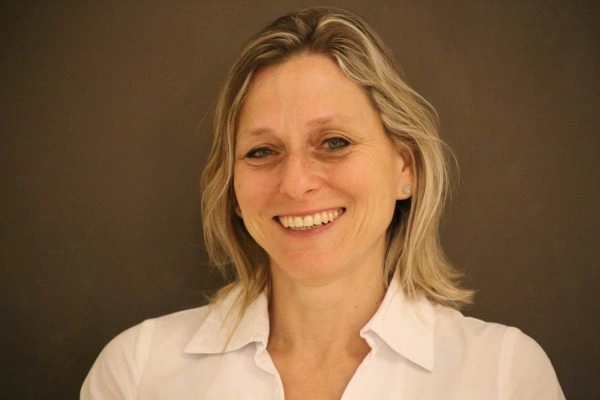
A life-changing journey started with a Chanukah family tiyul to Zippori, home of the Sanhedrin 2 years ago and continued with the Syum in Binanei Hauma where I was awed by the energy of 3000 women dedicated to learning daf Yomi. Opening my morning daily with a fresh daf, I am excited with the new insights I find enriching my life and opening new and deeper horizons for me.

Becky Goldstein
בקי גולדשטיין

Elazar gush etzion, Israel

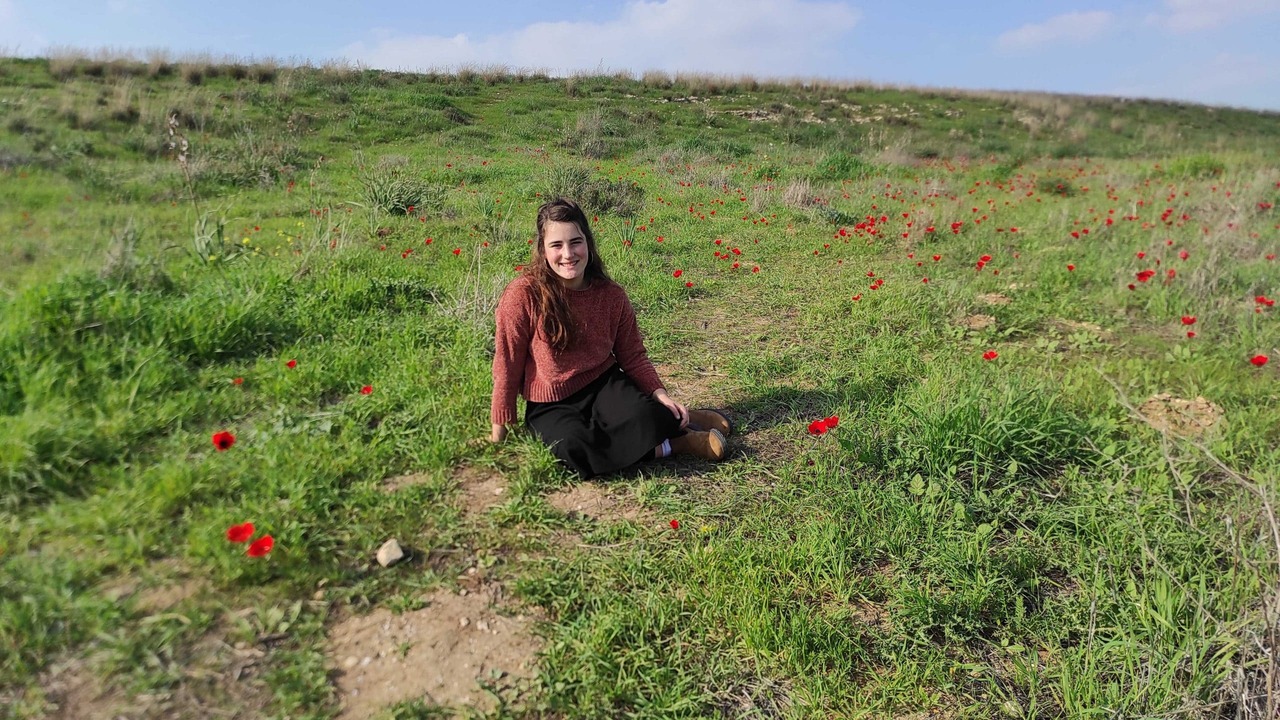
התחלתי ללמוד דף יומי שהתחילו מסכת כתובות, לפני 7 שנים, במסגרת קבוצת לימוד שהתפרקה די מהר, ומשם המשכתי לבד בתמיכת האיש שלי. נעזרתי בגמרת שטיינזלץ ובשיעורים מוקלטים.
הסביבה מאד תומכת ואני מקבלת המון מילים טובות לאורך כל הדרך. מאז הסיום הגדול יש תחושה שאני חלק מדבר גדול יותר.
אני לומדת בשיטת ה”7 דפים בשבוע” של הרבנית תרצה קלמן – כלומר, לא נורא אם לא הצלחת ללמוד כל יום, העיקר שגמרת ארבעה דפים בשבוע

Rachel Goldstein
רחל גולדשטיין

עתניאל, ישראל

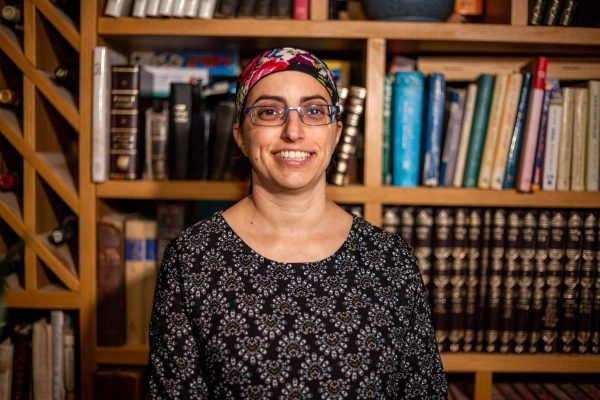
אני לומדת גמרא כעשור במסגרות שונות, ואת הדף היומי התחלתי כשחברה הציעה שאצטרף אליה לסיום בבנייני האומה. מאז אני לומדת עם פודקסט הדרן, משתדלת באופן יומי אך אם לא מספיקה, מדביקה פערים עד ערב שבת. בסבב הזה הלימוד הוא "ממעוף הציפור”, מקשיבה במהירות מוגברת תוך כדי פעילויות כמו בישול או נהיגה, וכך רוכשת היכרות עם הסוגיות ואופן ניתוחם על ידי חז”ל. בע”ה בסבב הבא, ואולי לפני, אצלול לתוכו באופן מעמיק יותר.

Yael Bir
יעל ביר

רמת גן, ישראל

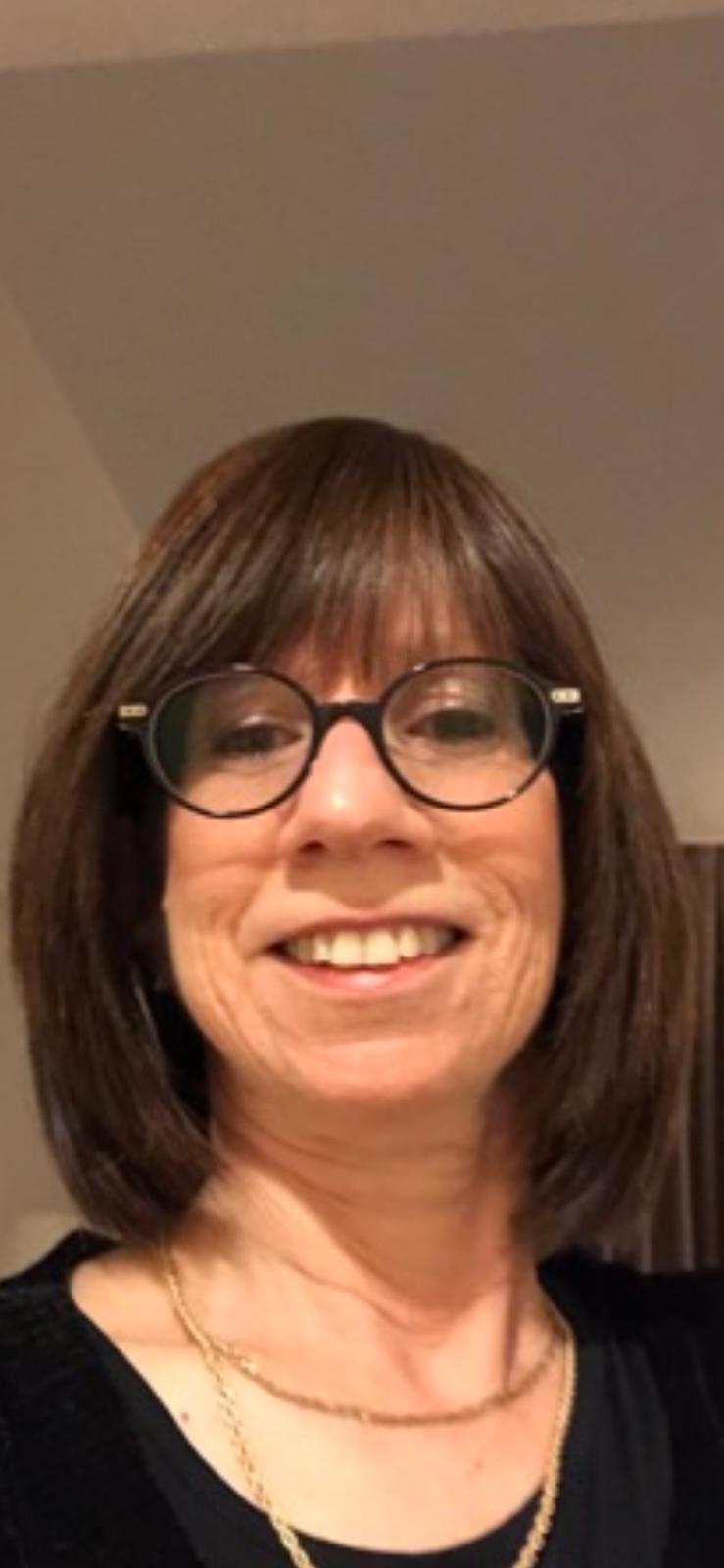
התחלתי ללמוד בסבב הנוכחי לפני כשנתיים .הסביבה מתפעלת ותומכת מאוד. אני משתדלת ללמוד מכל ההסכתים הנוספים שיש באתר הדרן. אני עורכת כל סיום מסכת שיעור בביתי לכ20 נשים שמחכות בקוצר רוח למפגשים האלו.

Yael Asher
יעל אשר

יהוד, ישראל

התחלתי מעט לפני תחילת הסבב הנוכחי. אני נהנית מהאתגר של להמשיך להתמיד, מרגעים של "אהה, מפה זה הגיע!” ומהאתגר האינטלקטואלי

Eilat-Chen and Deller
אילת-חן ודלר

לוד, ישראל

התחלתי ללמוד דף יומי לפני שנתיים, עם מסכת שבת. בהתחלה ההתמדה היתה קשה אבל בזכות הקורונה והסגרים הצלחתי להדביק את הפערים בשבתות הארוכות, לסיים את מסכת שבת ולהמשיך עם המסכתות הבאות. עכשיו אני מסיימת בהתרגשות רבה את מסכת חגיגה וסדר מועד ומחכה לסדר הבא!

Ilana-Shachnowitz
אילנה שכנוביץ

מודיעין, ישראל

ראיתי את הסיום הגדול בבנייני האומה וכל כך התרשמתי ורציתי לקחת חלק.. אבל לקח לי עוד כשנה וחצי )באמצע מסיכת שבת להצטרף..
הלימוד חשוב לי מאוד.. אני תמיד במרדף אחרי הדף וגונבת כל פעם חצי דף כשהילדים עסוקים ומשלימה אח”כ אחרי שכולם הלכו לישון..

Olga Mizrahi
אולגה מזרחי

ירושלים, ישראל

התחלתי ללמוד דף יומי אחרי שחזרתי בתשובה ולמדתי במדרשה במגדל עוז. הלימוד טוב ומספק חומר למחשבה על נושאים הלכתיים ”קטנים” ועד לערכים גדולים ביהדות. חשוב לי להכיר את הגמרא לעומק. והצעד הקטן היום הוא ללמוד אותה בבקיאות, בעזרת השם, ומי יודע אולי גם אגיע לעיון בנושאים מעניינים. נושאים בגמרא מתחברים לחגים, לתפילה, ליחסים שבין אדם לחברו ולמקום ולשאר הדברים שמלווים באורח חיים דתי 🙂

Gaia Divo
גאיה דיבו

מצפה יריחו, ישראל

התחלתי ללמוד גמרא בבית הספר בגיל צעיר והתאהבתי. המשכתי בכך כל חיי ואף היייתי מורה לגמרא בבית הספר שקד בשדה אליהו (בית הספר בו למדתי בילדותי)בתחילת מחזור דף יומי הנוכחי החלטתי להצטרף ובע”ה מקווה להתמיד ולהמשיך. אני אוהבת את המפגש עם הדף את "דרישות השלום ” שמקבלת מקשרים עם דפים אחרים שלמדתי את הסנכרון שמתחולל בין התכנים.

Ariela Bigman
אריאלה ביגמן

מעלה גלבוע, ישראל

לצערי גדלתי בדור שבו לימוד גמרא לנשים לא היה דבר שבשגרה ושנים שאני חולמת להשלים את הפער הזה.. עד שלפני מספר שבועות, כמעט במקרה, נתקלתי במודעת פרסומת הקוראת להצטרף ללימוד מסכת תענית. כשקראתי את המודעה הרגשתי שהיא כאילו נכתבה עבורי – "תמיד חלמת ללמוד גמרא ולא ידעת איך להתחיל”, "בואי להתנסות במסכת קצרה וקלה” (רק היה חסר שהמודעה תיפתח במילים "מיכי שלום”..). קפצתי למים ו- ב”ה אני בדרך להגשמת החלום:)

Micah Kadosh
מיכי קדוש

מורשת, ישראל

התחלתי ללמוד דף יומי באמצע תקופת הקורונה, שאבא שלי סיפר לי על קבוצה של בנות שתיפתח ביישוב שלנו ותלמד דף יומי כל יום. הרבה זמן רציתי להצטרף לזה וזאת הייתה ההזדמנות בשבילי. הצטרפתי במסכת שקלים ובאמצע הייתה הפסקה קצרה. כיום אני כבר לומדת באולפנה ולומדת דף יומי לבד מתוך גמרא של טיינזלץ.

Saturdays in Raleigh
שבות בראלי

עתניאל, ישראל

סיום השס לנשים נתן לי מוטביציה להתחיל ללמוד דף יומי. עד אז למדתי גמרא בשבתות ועשיתי כמה סיומים. אבל לימוד יומיומי זה שונה לגמרי ופתאום כל דבר שקורה בחיים מתקשר לדף היומי.

Fogel Foundation
קרן פוגל

רתמים, ישראל

אחי, שלומד דף יומי ממסכת ברכות, חיפש חברותא ללימוד מסכת ראש השנה והציע לי. החברותא היתה מאתגרת טכנית ורוב הזמן נעשתה דרך הטלפון, כך שבסיום המסכת נפרדו דרכינו. אחי חזר ללמוד לבד, אבל אני כבר נכבשתי בקסם הגמרא ושכנעתי את האיש שלי להצטרף אלי למסכת ביצה. מאז המשכנו הלאה, ועכשיו אנחנו מתרגשים לקראתו של סדר נשים!

Shulamit Saban
שולמית סבן

נוקדים, ישראל

התחלתי ללמוד בעידוד שתי חברות אתן למדתי בעבר את הפרק היומי במסגרת 929.
בבית מתלהבים מאוד ובשבת אני לומדת את הדף עם בעלי שזה מפתיע ומשמח מאוד! לימוד הדף הוא חלק בלתי נפרד מהיום שלי. לומדת בצהריים ומחכה לזמן הזה מידי יום…

Miriam Wengerover
מרים ונגרובר

אפרת, ישראל

כבר סיפרתי בסיום של מועד קטן.
הלימוד מאוד משפיעה על היום שלי כי אני לומדת עם רבנית מישל על הבוקר בזום. זה נותן טון לכל היום – בסיס למחשבות שלי .זה זכות גדול להתחיל את היום בלימוד ובתפילה. תודה רבה !

שרה-ברלוביץ
שרה ברלוביץ

ירושלים, ישראל

התחלתי ללמוד את הדף היומי מעט אחרי שבני הקטן נולד. בהתחלה בשמיעה ולימוד באמצעות השיעור של הרבנית שפרבר. ובהמשך העזתי וקניתי לעצמי גמרא. מאז ממשיכה יום יום ללמוד עצמאית, ולפעמים בעזרת השיעור של הרבנית, כל יום. כל סיום של מסכת מביא לאושר גדול וסיפוק. הילדים בבית נהיו חלק מהלימוד, אני משתפת בסוגיות מעניינות ונהנית לשמוע את דעתם.

Eliraz Blau
אלירז בלאו

מעלה מכמש, ישראל

באירוע של הדרן בנייני האומה. בהשראתה של אמי שלי שסיימה את הש”ס בסבב הקודם ובעידוד מאיר , אישי, וילדיי וחברותיי ללימוד במכון למנהיגות הלכתית של רשת אור תורה סטון ומורתיי הרבנית ענת נובוסלסקי והרבנית דבורה עברון, ראש המכון למנהיגות הלכתית.
הלימוד מעשיר את יומי, מחזיר אותי גם למסכתות שכבר סיימתי וידוע שאינו דומה מי ששונה פרקו מאה לשונה פרקו מאה ואחת במיוחד מרתקים אותי החיבורים בין המסכתות

Roit Kalech
רוית קלך

מודיעין, ישראל

אחרי שראיתי את הסיום הנשי של הדף היומי בבנייני האומה זה ריגש אותי ועורר בי את הרצון להצטרף. לא למדתי גמרא קודם לכן בכלל, אז הכל היה לי חדש, ולכן אני לומדת בעיקר מהשיעורים פה בהדרן, בשוטנשטיין או בחוברות ושיננתם.

Rebecca Schloss
רבקה שלוס

בית שמש, ישראל

הצטרפתי ללומדות בתחילת מסכת תענית. ההתרגשות שלי ושל המשפחה היתה גדולה מאוד, והיא הולכת וגוברת עם כל סיום שאני זוכה לו. במשך שנים רבות רציתי להצטרף ומשום מה זה לא קרה… ב”ה מצאתי לפני מספר חודשים פרסום של הדרן, ומיד הצטרפתי והתאהבתי. הדף היומי שינה את חיי ממש והפך כל יום- ליום של תורה. מודה לכן מקרב ליבי ומאחלת לכולנו לימוד פורה מתוך אהבת התורה ולומדיה.

Noa Rosen
נעה רוזן

חיספין רמת הגולן, ישראל

רציתי לקבל ידע בתחום שהרגשתי שהוא גדול וחשוב אך נעלם ממני. הלימוד מעניק אתגר וסיפוק ומעמיק את תחושת השייכות שלי לתורה וליהדות

Ruth Agiv
רות עגיב

עלי זהב – לשם, ישראל

סוכה נ

וְאִי מַיְיתֵי בִּמְקוּדֶּשֶׁת, אִיפְּסִילוּ לְהוּ בְּלִינָה. חִזְקִיָּה אָמַר: כְּלֵי שָׁרֵת אֵין מְקַדְּשִׁין אֶלָּא מִדַּעַת, וּגְזֵירָה שֶׁמָּא יֹאמְרוּ לְדַעַת נִתְקַדְּשׁוּ.

And if he brings the water in a consecrated barrel, the water will become disqualified for use in the libation by remaining overnight, just as all consecrated items, e.g., offerings, are rendered unfit after remaining overnight. Ḥizkiya said: Temple vessels consecrate only with specific intent. Therefore, in theory, one could bring water to the Temple in a consecrated vessel, provided he has no intent to consecrate it. And the reason one may not do so is due to a rabbinic decree lest people say, upon seeing the water poured in the morning, that the water was intentionally consecrated. In that case, they might draw the mistaken conclusion that remaining overnight does not disqualify liquids for use in libations.

אָמַר רַבִּי יַנַּאי אָמַר רַבִּי זֵירָא: אֲפִילּוּ תֵּימָא יֵשׁ שִׁיעוּר לַמַּיִם, וּכְלֵי שָׁרֵת אֵין מְקַדְּשִׁין אֶלָּא מִדַּעַת, וּגְזֵירָה שֶׁמָּא יֹאמְרוּ לְקִידּוּשׁ יָדַיִם וְרַגְלַיִם מִלְּאָן.

Rabbi Yannai said that Rabbi Zeira said: Even if you say that there is a requisite measure for the water to be poured for libation and no more than three log can be consecrated, and that Temple vessels consecrate only with intent, here there is a rabbinic decree lest they say the barrel was filled with water for sanctifying the hands and the feet of the priest, for which there is no measure. Then, when they see the water poured in the morning, they will draw the mistaken conclusion that remaining overnight does not disqualify liquids for use in libations.

נִשְׁפְּכָה אוֹ נִתְגַּלְּתָה כּוּ׳. וְאַמַּאי? לִיעַבַּיר בִּמְסַנֶּנֶת. לֵימָא מַתְנִיתִין דְּלָא כְּרַבִּי נְחֶמְיָה, דְּתַנְיָא: מְסַנֶּנֶת יֵשׁ בָּהּ מִשּׁוּם גִּילּוּי. אָמַר רַבִּי נְחֶמְיָה: אֵימָתַי — בִּזְמַן שֶׁהַתַּחְתּוֹנָה מְגוּלָּה, אֲבָל בִּזְמַן שֶׁהַתַּחְתּוֹנָה מְכוּסָּה, אַף עַל פִּי שֶׁהָעֶלְיוֹנָה מְגוּלָּה — אֵין בָּהּ מִשּׁוּם גִּילּוּי. מִפְּנֵי שֶׁאֶרֶס נָחָשׁ דּוֹמֶה לִסְפוֹג צָף וְעוֹמֵד בִּמְקוֹמוֹ.

§ The mishna continues: If the water in the barrel spilled or was exposed overnight, the water is disqualified. The Gemara asks: Why is the water disqualified? Let him pass it through a strainer, eliminating the poison. Let us say that the mishna is not in accordance with the opinion of Rabbi Neḥemya, as it was taught in a baraita: A vessel covered with a strainer is subject to the halakha of exposure if the vessel is left unsupervised. Rabbi Neḥemya said: When is this so? It is when the lower vessel, in which the liquid collects after passing through the strainer, is exposed. However, if the lower vessel is covered, even if the upper vessel is exposed, it is not subject to the halakha of exposure, because the poison of a snake is like a sponge in that it floats and stays in place.

אֲפִילּוּ תֵּימָא רַבִּי נְחֶמְיָה, אֵימַר דְּאָמַר רַבִּי נְחֶמְיָה לְהֶדְיוֹט, אֲבָל לְגָבוֹהַּ מִי אָמַר? וְלֵית לֵיהּ לְרַבִּי נְחֶמְיָה: ״הַקְרִיבֵהוּ נָא לְפֶחָתֶךָ הֲיִרְצְךָ אוֹ הֲיִשָּׂא פָנֶיךָ אָמַר ה׳ צְבָאוֹת״?!

The Gemara answers: Even if you say it is in accordance with the opinion of Rabbi Neḥemya, say that Rabbi Neḥemya said his opinion permitting strained water for a common person. However, did he actually say that strained water is permitted even to be sacrificed to God? Even if it is possible to render this water potable, it is certainly not of the select quality that would render it eligible for use in the Temple service. Isn’t Rabbi Neḥemya of the opinion that it is inappropriate to sacrifice on the altar any item that one would not give to someone of prominent stature? As it is stated: “And when you offer the blind for sacrifice, it is no evil; and when you offer the lame and sick, it is no evil. Present it now unto your governor; will he be pleased with you or will he accept your person, says the Lord of hosts” (Malachi 1:8).

הֲדַרַן עֲלָךְ לוּלָב וַעֲרָבָה

הֶחָלִיל — חֲמִשָּׁה וְשִׁשָּׁה. זֶהוּ הֶחָלִיל שֶׁל בֵּית הַשּׁוֹאֵבָה, שֶׁאֵינוֹ דּוֹחֶה לֹא אֶת הַשַּׁבָּת וְלֹא אֶת יוֹם טוֹב.

MISHNA: The flute is played on the festival of Sukkot for five or six days. This is the flute of the Place of the Drawing of the Water, whose playing overrides neither Shabbat nor the Festival. Therefore, if the first Festival day occurred on Shabbat, they would play the flute for six days that year. However, if Shabbat coincided with one of the intermediate days of the Festival, they would play the flute for only five days.

גְּמָ׳ אִיתְּמַר: רַב יְהוּדָה וְרַב עֵינָא, חַד תָּנֵי: שׁוֹאֵבָה, וְחַד תָּנֵי: חֲשׁוּבָה. אָמַר מָר זוּטְרָא: מַאן דְּתָנֵי שׁוֹאֵבָה לָא מִשְׁתַּבַּשׁ, וּמַאן דְּתָנֵי חֲשׁוּבָה לָא מִשְׁתַּבַּשׁ. מַאן דְּתָנֵי שׁוֹאֵבָה לָא מִשְׁתַּבַּשׁ, דִּכְתִיב: ״וּשְׁאַבְתֶּם מַיִם בְּשָׂשׂוֹן״. וּמַאן דְּתָנֵי חֲשׁוּבָה לָא מִשְׁתַּבַּשׁ, דְּאָמַר רַב נַחְמָן: מִצְוָה חֲשׁוּבָה הִיא, וּבָאָה מִשֵּׁשֶׁת יְמֵי בְּרֵאשִׁית.

GEMARA: It was stated that Rav Yehuda and Rav Eina disagreed: One of them teaches that the celebration was called the Celebration of Drawing [sho’eva] and one of them teaches that it was called the significant [ḥashuva] celebration. Mar Zutra said: The one who taught sho’eva is not mistaken, and the one who taught ḥashuva is not mistaken. The one who taught sho’eva is not mistaken, as it is written: “And you shall draw [ushavtem] water with joy from the wells of salvation” (Isaiah 12:3), and its name reflects the fact that it is a celebration of the water libation. And the one who taught ḥashuva is not mistaken, as Rav Naḥman said: It is a significant mitzva and it originated from the six days of Creation.

תָּנוּ רַבָּנַן: הֶחָלִיל דּוֹחֶה אֶת הַשַּׁבָּת, דִּבְרֵי רַבִּי יוֹסֵי בַּר יְהוּדָה. וַחֲכָמִים אוֹמְרִים: אַף יוֹם טוֹב אֵינוֹ דּוֹחֶה. אָמַר רַב יוֹסֵף: מַחְלוֹקֶת בְּשִׁיר שֶׁל קׇרְבָּן, דְּרַבִּי יוֹסֵי סָבַר: עִיקַּר שִׁירָה בִּכְלִי, וַעֲבוֹדָה הִיא, וְדוֹחָה אֶת הַשַּׁבָּת. וְרַבָּנַן סָבְרִי: עִיקַּר שִׁירָה בַּפֶּה, וְלָאו עֲבוֹדָה הִיא, וְאֵינָהּ דּוֹחָה אֶת הַשַּׁבָּת. אֲבָל שִׁיר שֶׁל שׁוֹאֵבָה, דִּבְרֵי הַכֹּל שִׂמְחָה הִיא, וְאֵינָהּ דּוֹחָה אֶת הַשַּׁבָּת.

§ The Sages taught: The flute overrides Shabbat; this is the statement of Rabbi Yosei bar Yehuda. And the Rabbis say: It does not override even a Festival. Rav Yosef said: The dispute is with regard to the song that the Levites sang accompanying the daily offering. As Rabbi Yosei bar Yehuda holds that the primary essence of song is the accompaniment by musical instruments, and consequently these instruments are a component of the Temple service and override Shabbat. The Rabbis hold that the primary essence of song is singing with the mouth, and consequently the instruments are not a component of the service; they merely accompany the singing on occasion and therefore they do not override Shabbat. However, with regard to the song of the Drawing of the Water, everyone agrees that it is rejoicing and not a component of the Temple service; therefore it does not override Shabbat.

אָמַר רַב יוֹסֵף: מְנָא אָמֵינָא דִּבְהָא פְּלִיגִי, דְּתַנְיָא: כְּלֵי שָׁרֵת שֶׁעֲשָׂאָן שֶׁל עֵץ, רַבִּי פּוֹסֵל וְרַבִּי יוֹסֵי בַּר יְהוּדָה מַכְשִׁיר. מַאי לָאו בְּהָא קָמִיפַּלְגִי, מַאן דְּמַכְשַׁיר סָבַר: עִיקַּר שִׁירָה בִּכְלִי, וְיָלְפִינַן מֵאַבּוּבָא דְמֹשֶׁה. וּמַאן דְּפָסֵיל סָבַר: עִיקַּר שִׁירָה בַּפֶּה, וְלָא יָלְפִינַן מֵאַבּוּבָא דְמֹשֶׁה.

Rav Yosef said: From where do I say that they disagree about this matter? It is as it is taught in a baraita: With regard to Temple service vessels that one crafted of wood, Rabbi Yehuda HaNasi deems them unfit and Rabbi Yosei bar Yehuda deems them fit. What, is it not that they disagree with regard to this matter? The one who deems the wooden vessel fit holds that the primary essence of song is accompaniment by musical instruments, and we derive that sacred vessels may be crafted of wood from the wooden flute of Moses, which according to this opinion was a service vessel. And the one who deems the wooden vessel unfit holds that the primary essence of song is singing with the mouth, and therefore we do not derive any halakha relevant to service vessels from the wooden flute of Moses, as according to this opinion it was not a service vessel.

לָא, דְּכוּלֵּי עָלְמָא עִיקַּר שִׁירָה בִּכְלִי, וְהָכָא בְּדָנִין אֶפְשָׁר מִשֶּׁאִי אֶפְשָׁר קָמִיפַּלְגִי. מַאן דְּמַכְשַׁיר סָבַר: דָּנִין אֶפְשָׁר מִשֶּׁאִי אֶפְשָׁר, וּמַאן דְּפָסֵיל סָבַר: לָא דָּנִין אֶפְשָׁר מִשֶּׁאִי אֶפְשָׁר.

The Gemara rejects this explanation of the baraita. No, that is not necessarily the matter that they dispute, as one could say that everyone agrees: The primary essence of song is singing accompanied by musical instruments. And here, it is with regard to whether one derives the possible from the impossible that they disagree. Can one establish a principle that applies in all cases based on a case with a unique aspect? The one who deems wooden service vessels fit holds that one derives the possible, i.e., Temple service vessels, from the impossible, i.e., the flute of Moses. Although there was no alternative to crafting the flute of Moses from wood, one may derive from this that sacred service vessels, even when the alternative to craft them from metal exists, may be crafted from wood. And the one who deems wooden service vessels unfit holds that one does not derive the possible from the impossible.

וְאִיבָּעֵית אֵימָא: דְּכוּלֵּי עָלְמָא דְּעִיקַּר שִׁירָה בַּפֶּה, וְאֵין דָּנִין אֶפְשָׁר מִשֶּׁאִי אֶפְשָׁר, וְהָכָא בְּמֵילַף מְנוֹרָה בִּכְלָלֵי וּפְרָטֵי אוֹ בְּרִבּוּיֵי וּמִיעוּטֵי קָא מִיפַּלְגִי. רַבִּי דָּרֵישׁ כְּלָלֵי וּפְרָטֵי, רַבִּי יוֹסֵי בַּר יְהוּדָה דָּרֵישׁ רִיבּוּיֵי וּמִיעוּטֵי.

And if you wish, say instead in rejection of Rav Yosef’s proof that everyone agrees that the primary essence of song is singing with the mouth, and one does not derive the possible from the impossible. And here, it is with regard to deriving the halakhot of the Temple candelabrum by means of the hermeneutic principle of generalizations and details or by means of the principle of amplifications and restrictions that they disagree. Rabbi Yehuda HaNasi interprets verses by means of the principle of generalizations and details, and Rabbi Yosei bar Yehuda interprets verses by means of the principle of amplifications and restrictions.

רַבִּי דָּרֵישׁ כְּלָלֵי וּפְרָטֵי: ״וְעָשִׂיתָ מְנוֹרַת״ — כָּלַל, ״זָהָב טָהוֹר״ — פָּרַט, ״מִקְשָׁה תֵּעָשֶׂה הַמְּנוֹרָה״ — חָזַר וְכָלַל. כְּלָל וּפְרָט וּכְלָל, אִי אַתָּה דָן אֶלָּא כְּעֵין הַפְּרָט. מָה הַפְּרָט מְפוֹרָשׁ שֶׁל מַתֶּכֶת, אַף כֹּל שֶׁל מַתֶּכֶת.

Rabbi Yehuda HaNasi interprets the verse “And you shall make a candelabrum of pure gold: of beaten work shall the candelabrum be made” (Exodus 25:31), by means of the principle of generalizations and details. “And you shall make a candelabrum of,” is a generalization, as the material of the candelabrum is not specified; “pure gold,” that is a detail, limiting the material exclusively to gold; “of beaten work shall the candelabrum be made,” the verse then generalized again. The result is a generalization and a detail and a generalization, from which you may deduce that the verse is referring only to items that are similar to the detail; just as the detail is explicit that the candelabrum is crafted from gold, which is a metal, so too all other materials used in crafting the candelabrum must be of metal. The candelabrum is a prototype for all other Temple service vessels.

רַבִּי יוֹסֵי בַּר יְהוּדָה, דָּרֵישׁ רִיבּוּיֵי וּמִיעוּטֵי: ״וְעָשִׂיתָ מְנוֹרַת״ — רִיבָּה, ״זָהָב טָהוֹר״ — מִיעֵט, ״מִקְשָׁה תֵּעָשֶׂה הַמְנוֹרָה״ — חָזַר וְרִיבָּה, רִיבָּה וּמִיעֵט וְרִיבָּה — רִיבָּה הַכֹּל. מַאי רַבִּי — רַבִּי כֹּל מִילֵּי, מַאי מַיעֵט — מַיעֵט שֶׁל חֶרֶס.

Rabbi Yosei bar Yehuda, however, who deems wooden Temple service vessels fit, interprets verses by means of the principle of amplifications and restrictions. “And you shall make a candelabrum of,” is an amplification, as the material of the candelabrum is not specified; “pure gold,” is a restriction, limiting the material exclusively to gold; “of beaten work shall the candelabrum be made,” the verse repeated and amplified. The result is amplification and restriction and amplification, from which one derives to amplify all items except for those items most dissimilar to the restriction. What did the verse amplify? It amplified all materials, even wood. And what did the verse exclude with this restriction? It excluded a candelabrum crafted of earthenware.

אָמַר רַב פָּפָּא:

Rav Pappa said: Rav Yosef stated that the dispute between Rabbi Yosei bar Yehuda and the Rabbis concerning whether or not the flute overrides Shabbat and Festivals is based on the significance and the role of song in the sacrifice of offerings.

רוצה לעקוב אחרי התכנים ולהמשיך ללמוד?

ביצירת חשבון עוד היום ניתן לעקוב אחרי ההתקדמות שלך, לסמן מה למדת, ולעקוב אחרי השיעורים שמעניינים אותך.

לנקות את כל הפריטים מהרשימה?

פעולה זו תסיר את כל הפריטים בחלק זה כולל ההתקדמות וההיסטוריה. שימי לב: לא ניתן לשחזר פעולה זו.

ביטול
מחיקה

האם את/ה בטוח/ה שברצונך למחוק פריט זה?

תאבד/י את כל ההתקדמות או ההיסטוריה הקשורות לפריט זה.

ביטול
מחיקה