חיפוש

תענית טז

רוצה להקדיש לימוד?

podcast placeholder

0:00
0:00


תקציר

מדוע מוציאים את ארון הקודש (התיבה) לרחובות? הגמרא מביאה כמה תשובות. מדוע שמים אפר על ראשי המנהיגים ועל ראשי העם? אם אין זקן, מי נואם את הנאום כדי לעודד אנשים לחזור בתשובה? האם זקן מתכוון למישהו שהוא גם מלומד? הנאום כולל אזכור של אנשי נינוה שחזרו בתשובה. איך הם חזרו בתשובה? אם מישהו חוזר בתשובה מבלי לשנות את מעשיו, זה כמו לטבול במקווה עם שרץ ביד. מה בדיוק הקריטריונים לשליח ציבור? מתקיים דיון על הנוסח המדויק של שש הברכות הנוספות וגם תוספת לברכה לפני התוספות (‘גואל ישראל’). מה נעשה בבית המקדש אחרת?

;

תענית טז

לְמִתְבַּיֵּישׁ מֵאֲחֵרִים. וְהֵיכָא מַנַּח לְהוּ? אָמַר רַבִּי יִצְחָק: בִּמְקוֹם תְּפִילִּין. שֶׁנֶּאֱמַר: ״לָשׂוּם לַאֲבֵלֵי צִיּוֹן לָתֵת לָהֶם פְּאֵר תַּחַת אֵפֶר״.

one who is humiliated by others. Accordingly, ashes are placed on the heads of the leaders of the community by others, to increase the appearance of their suffering. The Gemara asks: And where exactly are the ashes placed upon their heads? Rabbi Yitzḥak said: On the place of the phylacteries of the head, as it is stated: “To appoint to those who mourn in Zion, to give to them an ornament [pe’er] instead of ashes” (Isaiah 61:3). This verse likens the placement of ashes on one’s head to an ornament, and the term pe’er is traditionally interpreted as a reference to phylacteries.

רְחוֹב, תֵּיבָה, וְשַׂקִּים, אֵפֶר, אֵפֶר, קְבוּרָה, וּמוֹרִיָּה סִימָן. לָמָּה יוֹצְאִין לָרְחוֹב? רַבִּי חִיָּיא בַּר אַבָּא אָמַר: לוֹמַר — זָעַקְנוּ בְּצִנְעָא וְלֹא נַעֲנֵינוּ, נְבַזֶּה עַצְמֵנוּ בְּפַרְהֶסְיָא.

§ The Gemara provides a mnemonic device for the forthcoming statements. Square; ark; and sackcloth; ashes; ashes; cemetery; and Moriah. The Gemara asks: Why do they go out to the square? Rabbi Ḥiyya bar Abba said: This is a symbolic action, as though to say: We cried out in private inside the synagogue and we were not answered. We will therefore disgrace ourselves in public, so that our prayers will be heard.

רֵישׁ לָקִישׁ אָמַר: גָּלִינוּ, גָּלוּתֵינוּ מְכַפֶּרֶת עָלֵינוּ. מַאי בֵּינַיְיהוּ? אִיכָּא בֵּינַיְיהוּ, דְּגָלוּ מִבֵּי כְנִישְׁתָּא לְבֵי כְנִישְׁתָּא.

Reish Lakish said that the move into the square symbolizes exile, as though they are saying: We have been exiled; may our exile atone for us. The Gemara asks: What is the practical difference between these two explanations? The Gemara answers that the practical difference between them is in a case where they are exiled, i.e., they move, from one synagogue to another synagogue. According to the opinion of Reish Lakish, they have exiled themselves, and therefore this ceremony is adequate. Conversely, Rabbi Ḥiyya bar Abba maintains that as the ritual is performed in private, it is insufficient.

וְלָמָּה מוֹצִיאִין אֶת הַתֵּיבָה לִרְחוֹבָהּ שֶׁל עִיר? אָמַר רַבִּי יְהוֹשֻׁעַ בֶּן לֵוִי, לוֹמַר: כְּלִי צָנוּעַ הָיָה לָנוּ, וְנִתְבַּזָּה בַּעֲווֹנֵינוּ.

The Gemara asks another question concerning the meaning of the ritual. And why do they remove the ark to the city square? Rabbi Yehoshua ben Levi said: This is done as though to say: We had a modest vessel, which was always kept concealed, but it has been publicly exposed due to our transgressions.

וְלָמָּה מִתְכַּסִּין בְּשַׂקִּים? אָמַר רַבִּי חִיָּיא בַּר אַבָּא: לוֹמַר — הֲרֵי אָנוּ חֲשׁוּבִין כִּבְהֵמָה. וְלָמָּה נוֹתְנִין אֵפֶר מִקְלֶה עַל גַּבֵּי תֵּיבָה? אָמַר רַבִּי יְהוּדָה בֶּן פַּזִּי: כְּלוֹמַר — ״עִמּוֹ אָנֹכִי בְּצָרָה״. רֵישׁ לָקִישׁ אָמַר: ״בְּכׇל צָרָתָם לוֹ צָר״. אָמַר רַבִּי זֵירָא: מֵרֵישׁ כִּי הֲוָה חֲזֵינָא לְהוּ לְרַבָּנַן דְּיָהֲבִי אֵפֶר מִקְלֶה עַל גַּבֵּי תֵּיבָה — מִזְדַּעְזַע לִי כּוּלֵּיהּ גּוּפַאי.

The Gemara further asks: And why do they cover themselves in sackcloth? Rabbi Ḥiyya bar Abba said: This is as though to say: We are considered before You like animals, which are likewise covered with hide. And why do they place burnt ashes on top of the ark? Rabbi Yehuda ben Pazi said: This is as though to say in God’s name: “I will be with him in trouble” (Psalms 91:15). Reish Lakish said that the same idea can be derived from a different verse: “In all their affliction, He was afflicted” (Isaiah 63:9). By placing burnt ash on the ark, which is the symbol of the Divine Presence, it is as though God Himself joins the Jews in their pain. Rabbi Zeira said: At first, when I saw the Sages place burnt ashes upon the ark, my entire body trembled from the intensity of the event.

וְלָמָּה נוֹתְנִין אֵפֶר בְּרֹאשׁ כׇּל אֶחָד וְאֶחָד? פְּלִיגִי בַּהּ רַבִּי לֵוִי בַּר חָמָא וְרַבִּי חֲנִינָא. חַד אָמַר: הֲרֵי אָנוּ חֲשׁוּבִין לְפָנֶיךָ כְּאֵפֶר, וְחַד אָמַר: כְּדֵי שֶׁיִּזְכּוֹר לָנוּ אֶפְרוֹ שֶׁל יִצְחָק. מַאי בֵּינַיְיהוּ? אִיכָּא בֵּינַיְיהוּ עָפָר סְתָם.

And why do they place ashes upon the head of each and every individual? Rabbi Levi bar Ḥama and Rabbi Ḥanina disagree with regard to this matter. One said that this is as though to say: We are considered like ashes before You. And one said that these ashes are placed in order to remind God of the ashes of our forefather Isaac, on our behalf. The Gemara asks: What is the practical difference between these two explanations? The Gemara answers that the practical difference between them is in a case where one placed ordinary earth upon the heads of the individuals instead of ashes. Although earth does symbolize self-nullification and may be used according to the first explanation, it has no connection to the sacrifice of Isaac, and therefore it does not satisfy the second explanation.

לָמָּה יוֹצְאִין לְבֵית הַקְּבָרוֹת? פְּלִיגִי בַּהּ רַבִּי לֵוִי בַּר חָמָא וְרַבִּי חֲנִינָא. חַד אָמַר: הֲרֵי אָנוּ חֲשׁוּבִין לְפָנֶיךָ כְּמֵתִים, וְחַד אָמַר: כְּדֵי שֶׁיְּבַקְּשׁוּ עָלֵינוּ מֵתִים רַחֲמִים. מַאי בֵּינַיְיהוּ? אִיכָּא בֵּינַיְיהוּ קִבְרֵי נׇכְרִים.

The Gemara further asks: And why do they go out to the cemetery on a fast day? Again, Rabbi Levi bar Ḥama and Rabbi Ḥanina disagree with regard to this matter. One said this is as though to say: We are like the dead before You. And one said that one goes out to the cemetery in order that the deceased will request mercy on our behalf. The Gemara asks: What is the practical difference between them? The Gemara answers that the practical difference between them concerns graves of gentiles. If the purpose of going to graves is to say that they stand before God like the dead, graves of gentiles would suffice. However, if they go to the cemetery for the deceased to ask for mercy on their behalf, they should visit specifically Jewish graves.

מַאי הַר הַמּוֹרִיָּה? פְּלִיגִי בַּהּ רַבִּי לֵוִי בַּר חָמָא וְרַבִּי חֲנִינָא. חַד אָמַר: הַר שֶׁיָּצָא מִמֶּנּוּ הוֹרָאָה לְיִשְׂרָאֵל, וְחַד אָמַר: הַר שֶׁיָּצָא מִמֶּנּוּ מוֹרָא לְאוּמּוֹת הָעוֹלָם.

§ Apropos disputes between Rabbi Levi bar Ḥama and Rabbi Ḥanina, the Gemara mentions another dispute between them. What is the meaning of the name Mount [Har] Moriah, the Temple Mount? Rabbi Levi bar Ḥama and Rabbi Ḥanina disagree with regard to this matter. One said that the name alludes to the Great Sanhedrin that convened there, as it is the mountain from which instruction [hora’a] went out to the Jewish people. And one said that it is the mountain from which fear [mora] went out to the nations of the world, as this place signifies God’s choice of the Jewish people.

הַזָּקֵן שֶׁבָּהֶן אוֹמֵר לִפְנֵיהֶן דִּבְרֵי כִבּוּשִׁין. תָּנוּ רַבָּנַן: אִם יֵשׁ זָקֵן — אוֹמֵר זָקֵן. וְאִם לָאו — אוֹמֵר חָכָם, וְאִם לָאו — אוֹמֵר אָדָם שֶׁל צוּרָה. אַטּוּ זָקֵן דְּקָאָמְרִי, אַף עַל גַּב דְּלָאו חָכָם הוּא? אָמַר אַבָּיֵי, הָכִי קָאָמַר: אִם יֵשׁ זָקֵן וְהוּא חָכָם — אוֹמֵר זָקֵן וְהוּא חָכָם, וְאִם לָאו — אוֹמֵר חָכָם, וְאִם לָאו — אוֹמֵר אָדָם שֶׁל צוּרָה.

§ The mishna taught: The eldest of the community says to them statements of reproof. The Sages taught in a baraita: If there is an elder, then the elder says the admonition, and if not, a Sage says the admonition. And if not, a person of imposing appearance says it. The Gemara asks: Is that to say that the elder of whom we spoke is preferred to a scholar simply by virtue of his age, even though he is not a scholar? Abaye said that this is what the mishna is saying: If there is an elder, and he is also a scholar, this elder scholar says the admonition. And if not, even a young scholar says the reproof. And if there is no scholar of any kind available, a person of imposing appearance says it.

אַחֵינוּ, לֹא שַׂק וְתַעֲנִית גּוֹרְמִים, אֶלָּא תְּשׁוּבָה וּמַעֲשִׂים טוֹבִים גּוֹרְמִים. שֶׁכֵּן מָצִינוּ בְּאַנְשֵׁי נִינְוֵה, שֶׁלֹּא נֶאֱמַר בָּהֶם ״וַיַּרְא הָאֱלֹהִים אֶת שַׂקָּם וְאֶת תַּעֲנִיתָם״, אֶלָּא: ״וַיַּרְא הָאֱלֹהִים אֶת מַעֲשֵׂיהֶם כִּי שָׁבוּ מִדַּרְכָּם הָרָעָה״.

What does he say? Our brothers, it is not sackcloth and fasting that cause atonement for our sins. Rather, repentance and good deeds will cause our atonement. This is as we find with regard to the people of Nineveh, that it is not stated about them: And God saw their sackcloth and their fasting. Rather, the verse states: “And God saw their deeds, that they had turned from their evil way” (Jonah 3:10).

״וְיִתְכַּסּוּ שַׂקִּים הָאָדָם וְהַבְּהֵמָה״, מַאי הֲווֹ עָבְדִי? אָסְרוּ הַבְּהֵמוֹת לְחוּד, וְאֶת הַוְּולָדוֹת לְחוּד. אָמְרוּ לְפָנָיו: רִבּוֹנוֹ שֶׁל עוֹלָם! אִם אֵין אַתָּה מְרַחֵם עָלֵינוּ — אֵין אָנוּ מְרַחֲמִים עַל אֵלּוּ.

§ Apropos the repentance of the inhabitants of Nineveh, the Gemara discusses their behavior further. The verse states: “But let them be covered with sackcloth, both man and beast” (Jonah 3:8). What did they do? They confined the female animals alone, and their young alone, in a different place. They then said before God: Master of the Universe, if You do not have mercy on us, we will not have mercy on these animals. Even if we are not worthy of Your mercy, these animals have not sinned.

״וְיִקְרְאוּ אֶל אֱלֹהִים בְּחׇזְקָה״, מַאי אֲמוּר? אָמְרוּ לְפָנָיו: רִבּוֹנוֹ שֶׁל עוֹלָם! עָלוּב וְשֶׁאֵינוֹ עָלוּב, צַדִּיק וְרָשָׁע — מִי נִדְחֶה מִפְּנֵי מִי?

It is further stated with regard to the people of Nineveh: “And let them cry mightily to God” (Jonah 3:8). The Gemara asks: What did they say that could be described as calling out “mightily”? The Gemara explains that they said before God: Master of the Universe, if there is a dispute between a submissive one and an intractable one, or between a righteous one and a wicked one, who must yield before whom? Certainly the righteous forgives the wicked. Likewise, You must have mercy on us.

״וְיָשֻׁבוּ אִישׁ מִדַּרְכּוֹ הָרָעָה וּמִן הֶחָמָס אֲשֶׁר בְּכַפֵּיהֶם״, מַאי ״וּמִן הֶחָמָס אֲשֶׁר בְּכַפֵּיהֶם״? אָמַר שְׁמוּאֵל: אֲפִילּוּ גָּזַל מָרִישׁ וּבְנָאוֹ בְּבִירָה — מְקַעְקֵעַ כׇּל הַבִּירָה כּוּלָּהּ וּמַחְזִיר מָרִישׁ לִבְעָלָיו.

The verse states: “And let them turn, every one from his evil way, and from the violence that is in their hands” (Jonah 3:8). What is the meaning of the phrase “and from the violence that is in their hands”? Shmuel said that the king of Nineveh proclaimed: Even if one stole a beam and built it into his building, he must tear down the entire building and return the beam to its owner. Although the Sages decreed that one need only pay financial compensation in a case of this kind, these people wanted to repent completely by removing any remnant of stolen property from their possession.

אָמַר רַב אַדָּא בַּר אַהֲבָה: אָדָם שֶׁיֵּשׁ בְּיָדוֹ עֲבֵירָה, וּמִתְוַדֶּה וְאֵינוֹ חוֹזֵר בָּהּ, לְמָה הוּא דּוֹמֶה? לְאָדָם שֶׁתּוֹפֵס שֶׁרֶץ בְּיָדוֹ, שֶׁאֲפִילּוּ טוֹבֵל בְּכׇל מֵימוֹת שֶׁבָּעוֹלָם — לֹא עָלְתָה לוֹ טְבִילָה. זְרָקוֹ מִיָּדוֹ, כֵּיוָן שֶׁטָּבַל בְּאַרְבָּעִים סְאָה — מִיָּד עָלְתָה לוֹ טְבִילָה,

§ Similarly, Rav Adda bar Ahava said: A person who has a transgression in his hand, and he confesses but does not repent for his sin, to what is he comparable? To a person who holds in his hand a dead creeping animal, which renders one ritually impure by contact. As in this situation, even if he immerses in all the waters of the world, his immersion is ineffective for him, as long as the source of ritual impurity remains in his hand. However, if he has thrown the animal from his hand, once he has immersed in a ritual bath of forty se’a, the immersion is immediately effective for him.

שֶׁנֶּאֱמַר: ״וּמוֹדֶה וְעֹזֵב יְרֻחָם״, וְאוֹמֵר: ״נִשָּׂא לְבָבֵנוּ אֶל כַּפָּיִם אֶל אֵל בַּשָּׁמָיִם״.

As it is stated: “He who covers his transgressions shall not prosper, but whoever confesses and forsakes them shall obtain mercy” (Proverbs 28:13). That is, confession alone is futile, but one who also abandons his transgressions will receive mercy. And it states elsewhere: “Let us lift up our heart with our hands to God in Heaven” (Lamentations 3:41), which likewise indicates that it is not enough to lift one’s hands in prayer; rather, one must also raise his heart and return to God.

עָמְדוּ בִּתְפִלָּה, מוֹרִידִין לִפְנֵי הַתֵּיבָה זָקֵן כּוּ׳. תָּנוּ רַבָּנַן: עָמְדוּ בִּתְפִלָּה, אַף עַל פִּי שֶׁיֵּשׁ שָׁם זָקֵן וְחָכָם — אֵין מוֹרִידִין לִפְנֵי הַתֵּיבָה אֶלָּא אָדָם הָרָגִיל. רַבִּי יְהוּדָה אוֹמֵר: מְטוּפָּל וְאֵין לוֹ, וְיֵשׁ לוֹ יְגִיעָה בַּשָּׂדֶה, וּבֵיתוֹ רֵיקָם,

§ The mishna teaches: They stood for prayer, and the congregation appoints an elder. The Sages taught in a baraita: They stood for prayer, and even if there is a man there who is elderly and a scholar, they appoint to descend before the ark as prayer leader only a person who is accustomed to lead in prayer. Who is considered an accustomed prayer leader in this sense? Rabbi Yehuda says: One who has financially dependent children but he does not have the means to support them, and he has no choice but to toil in the field, and whose house is empty, and who will therefore pray for rain with great devotion.

וּפִרְקוֹ נָאֶה, וּשְׁפַל בֶּרֶךְ, וּמְרוּצֶּה לָעָם, וְיֵשׁ לוֹ נְעִימָה, וְקוֹלוֹ עָרֵב, וּבָקִי לִקְרוֹת בַּתּוֹרָה וּבַנְּבִיאִים וּבַכְּתוּבִים, וְלִשְׁנוֹת בַּמִּדְרָשׁ בַּהֲלָכוֹת וּבָאַגָּדוֹת, וּבָקִי בְּכׇל הַבְּרָכוֹת כּוּלָּן. וִיהַבוּ בֵּיהּ רַבָּנַן עֵינַיְיהוּ בְּרַב יִצְחָק בַּר אַמֵּי.

Rabbi Yehuda continues with his depiction of the worthy prayer leader. And his youth was becoming, and he is humble and accepted by the people, as he is likable. And furthermore, he must be familiar with songs and his voice pleasant, and he is expert in reading the Torah, the Prophets, and the Writings, and he knows how to study midrash, halakha, and aggada. And finally, he must be expert in all of the blessings. Clearly, it is hard to find someone with all these qualities. And the Gemara relates that when this worthy person was described, those Sages present turned their eyes toward Rav Yitzḥak bar Ami, who possessed all of these virtues.

הַיְינוּ ״מְטוּפָּל וְאֵין לוֹ״, הַיְינוּ ״בֵּיתוֹ רֵיקָם״? אָמַר רַב חִסְדָּא: זֶהוּ שֶׁבֵּיתוֹ רֵיקָם מִן הָעֲבֵירָה. ״וּפִרְקוֹ נָאֶה״, אָמַר אַבָּיֵי: זֶה שֶׁלֹּא יָצָא עָלָיו שֵׁם רַע בְּיַלְדוּתוֹ.

The Gemara asks a question concerning the explanation of Rabbi Yehuda: One who has dependent children and does not have anything with which to support them is apparently the same as one whose house is empty. Why does Rabbi Yehuda list both descriptions? Rav Ḥisda said: This expression means that his house is empty of transgression. And Rabbi Yehuda further said that the prayer leader must be one whose youth was becoming. In explanation of this phrase, Abaye said: This is one who did not have a bad reputation at any time during his youth.

״הָיְתָה לִּי נַחֲלָתִי כְּאַרְיֵה בַיָּעַר נָתְנָה עָלַי בְּקוֹלָהּ עַל כֵּן שְׂנֵאתִיהָ״, מַאי ״נָתְנָה עָלַי בְּקוֹלָהּ״? אָמַר מָר זוּטְרָא בַּר טוֹבִיָּה אָמַר רַב, וְאָמְרִי לַהּ אָמַר רַבִּי חָמָא אָמַר רַבִּי אֶלְעָזָר: זֶה שְׁלִיחַ צִבּוּר שֶׁאֵינוֹ הָגוּן הַיּוֹרֵד לִפְנֵי הַתֵּיבָה.

The Gemara cites a verse in relation to the prayer leader: “My heritage has become to me as a lion in the forest. She has uttered her voice against me; therefore I have hated her” (Jeremiah 12:8). What is the meaning of the phrase: “She has uttered her voice against me”? Mar Zutra bar Toviyya said that Rav said, and some say Rabbi Ḥama said that Rabbi Elazar said: This is an unworthy prayer leader who descends before the ark. When this person calls out to God, He thinks, so to speak: I hate the sound of his prayer.

וְאוֹמֵר לִפְנֵיהֶם עֶשְׂרִים וְאַרְבַּע בְּרָכוֹת, שְׁמוֹנֶה עֶשְׂרֵה שֶׁבְּכָל יוֹם וּמוֹסִיף עֲלֵיהֶן עוֹד שֵׁשׁ. הָנֵי שֵׁשׁ, שֶׁבַע הָוְויָין! כְּדִתְנַן: עַל הַשְּׁבִיעִית הוּא אוֹמֵר ״בָּרוּךְ מְרַחֵם עַל הָאָרֶץ״! אָמַר רַב נַחְמָן בַּר יִצְחָק: מַאי ״שְׁבִיעִית״ — שְׁבִיעִית לָאֲרוּכָּה.

§ The mishna teaches: And the prayer leader recites twenty-four blessings before them: The eighteen blessings of the everyday Amida prayer, to which he adds another six blessings. The Gemara asks: Are these six blessings? In fact, they are seven, as we learned in a mishna: For the seventh he recites, Blessed are You, Lord, Who has mercy on the Land. Rav Naḥman bar Yitzḥak said: What is the meaning of the seventh blessing? This is referring to the seventh for length, i.e., there were actually six new blessings, but as the prayer leader lengthens the sixth weekday blessing it is considered an additional blessing.

כִּדְתַנְיָא: בְּ״גוֹאֵל יִשְׂרָאֵל״ מַאֲרִיךְ, וּבְחוֹתָמָהּ הוּא אוֹמֵר: ״מִי שֶׁעָנָה אֶת אַבְרָהָם בְּהַר הַמּוֹרִיָּה, הוּא יַעֲנֶה אֶתְכֶם וְיִשְׁמַע בְּקוֹל צַעֲקַתְכֶם הַיּוֹם הַזֶּה. בָּרוּךְ גּוֹאֵל יִשְׂרָאֵל״, וְהֵן עוֹנִין אַחֲרָיו ״אָמֵן״, וְחַזַּן הַכְּנֶסֶת אוֹמֵר לָהֶם: ״תִּקְעוּ בְּנֵי אַהֲרֹן תִּקְעוּ״.

As it is taught in a baraita: In the blessing of: Redeemer of Israel, the prayer leader lengthens the blessing, and for its conclusion he recites: He Who answered Abraham on Mount Moriah, He will answer you and hear the sound of your cry on this day. Blessed are You, Lord, Redeemer of Israel. And the community answers amen after him. And the sexton says to them: Blow a long, unwavering sound, sons of Aaron, blow.

וְחוֹזֵר וְאוֹמֵר: ״מִי שֶׁעָנָה אֶת אֲבוֹתֵינוּ עַל יַם סוּף, הוּא יַעֲנֶה אֶתְכֶם וְיִשְׁמַע בְּקוֹל צַעֲקַתְכֶם הַיּוֹם הַזֶּה, בָּרוּךְ זוֹכֵר הַנִּשְׁכָּחוֹת״, וְהֵן עוֹנִין אַחֲרָיו ״אָמֵן״, וְחַזַּן הַכְּנֶסֶת אוֹמֵר לָהֶם: ״הָרִיעוּ בְּנֵי אַהֲרֹן הָרִיעוּ״. וְכֵן בְּכׇל בְּרָכָה וּבְרָכָה, בְּאַחַת אוֹמֵר: ״תִּקְעוּ״, וּבְאַחַת אוֹמֵר: ״הָרִיעוּ״.

And the prayer leader resumes and recites the second blessing, concluding: He Who answered our forefathers by the Red Sea, He will answer you and hear the sound of your cry on this day. Blessed are You, Lord, Who remembers the forgotten. And the community answers amen after him. And the sexton says to them: Blast a wavering sound, sons of Aaron, blast. And similarly, this is the procedure for each and every additional blessing: After one blessing he says: Blow a long, unwavering sound, and after the next one he says: Blast a wavering sound.

בַּמֶּה דְּבָרִים אֲמוּרִים — בִּגְבוּלִין, אֲבָל בַּמִּקְדָּשׁ אֵינוֹ כֵּן, לְפִי שֶׁאֵין עוֹנִין ״אָמֵן״ בַּמִּקְדָּשׁ. וּמִנַּיִן שֶׁאֵין עוֹנִין ״אָמֵן״ בַּמִּקְדָּשׁ —

The Gemara asks: In what case is this statement said? This method applies in the outlying areas, i.e., everywhere except in the Temple. However, in the Temple itself this is not the correct procedure, as one does not answer amen in the Temple. Instead, one responds with a long blessing. The Gemara inquires: And from where is it derived that one does not answer amen in the Temple?

שֶׁנֶּאֱמַר: ״קוּמוּ בָּרְכוּ אֶת ה׳ אֱלֹהֵיכֶם מִן הָעוֹלָם עַד הָעוֹלָם וִיבָרְכוּ שֵׁם כְּבֹדֶךָ וּמְרוֹמַם עַל כׇּל בְּרָכָה וּתְהִלָּה״. יָכוֹל עַל כׇּל בְּרָכוֹת כּוּלָּן לֹא תְּהֵא אֶלָּא תְּהִלָּה אַחַת — תַּלְמוּד לוֹמַר: ״וּמְרוֹמַם עַל כׇּל בְּרָכָה וּתְהִלָּה״ — עַל כׇּל בְּרָכָה תֵּן לוֹ תְּהִלָּה.

The Gemara answers: As it is stated: “Stand up and bless the Lord, your God, from everlasting to everlasting, and let them say: Blessed be Your glorious name, that is exalted above all blessing and praise” (Nehemiah 9:5). One might have thought that for all blessings there should be only one praise, i.e., all blessings are answered with amen. Therefore, the verse states: “That is exalted above all [al kol] blessing and praise,” which indicates that for every [al kol] blessing, you should give it its own praise.

וְאֶלָּא בַּמִּקְדָּשׁ מַהוּ אוֹמֵר? ״בָּרוּךְ ה׳ אֱלֹהֵי יִשְׂרָאֵל מִן הָעוֹלָם וְעַד הָעוֹלָם. בָּרוּךְ גּוֹאֵל יִשְׂרָאֵל״. וְהֵן עוֹנִין אַחֲרָיו: ״בָּרוּךְ שֵׁם כְּבוֹד מַלְכוּתוֹ לְעוֹלָם וָעֶד״. וְחַזַּן הַכְּנֶסֶת אוֹמֵר לָהֶם: ״תִּקְעוּ הַכֹּהֲנִים בְּנֵי אַהֲרוֹן תִּקְעוּ״,

But if so, in the Temple, what would the prayer leader recite? He would conclude the blessing: Blessed be the Lord, God of Israel, from everlasting to everlasting. Blessed are You, Lord, Redeemer of Israel. And instead of amen, they answer after him: Blessed be the name of His glorious kingdom forever and all time. And the sexton says to them: Blow, priests, sons of Aaron, blow.

וְחוֹזֵר וְאוֹמֵר: ״מִי שֶׁעָנָה אֶת אַבְרָהָם בְּהַר הַמּוֹרִיָּה, הוּא יַעֲנֶה אֶתְכֶם וְיִשְׁמַע בְּקוֹל צַעֲקַתְכֶם הַיּוֹם הַזֶּה. בָּרוּךְ ה׳ אֱלֹהֵי יִשְׂרָאֵל זוֹכֵר הַנִּשְׁכָּחוֹת״, וְהֵם עוֹנִים אַחֲרָיו: ״בָּרוּךְ שֵׁם כְּבוֹד מַלְכוּתוֹ לְעוֹלָם וָעֶד״, וְחַזַּן הַכְּנֶסֶת אוֹמֵר לָהֶם: ״הָרִיעוּ, הַכֹּהֲנִים בְּנֵי אַהֲרֹן, הָרִיעוּ וְכוּ׳״, וְכֵן בְּכׇל בְּרָכָה וּבְרָכָה, בְּאַחַת אוֹמֵר ״תִּקְעוּ״ וּבְאַחַת אוֹמֵר ״הָרִיעוּ״, עַד שֶׁגּוֹמֵר אֶת כּוּלָּן.

And the prayer leader resumes and recites the second blessing, concluding: He Who answered Abraham on Mount Moriah, He will answer you and hear the sound of your cry on this day. Blessed be the Lord, God of Israel, Who remembers the forgotten. And the community answers after him: Blessed be the name of His glorious kingdom forever and all time. And the sexton says to them: Blast, priests, sons of Aaron, blast, etc. And similarly, this is the procedure for each and every additional blessing: After one blessing he says: Blow a long, unwavering sound, and after the next one he says: Blast a wavering sound, until he concludes all the blessings.

וְכָךְ הִנְהִיג רַבִּי חֲלַפְתָּא בְּצִפּוֹרִי, וְרַבִּי חֲנַנְיָה בֶּן תְּרַדְיוֹן בְּסִיכְנִי, וּכְשֶׁבָּא דָּבָר לִפְנֵי חֲכָמִים, אָמְרוּ: לֹא הָיוּ נוֹהֲגִין כֵּן אֶלָּא בְּשַׁעֲרֵי מִזְרָח וּבְהַר הַבַּיִת.

§ The Gemara relates: And this was the custom Rabbi Ḥalafta established in the city of Tzippori, and Rabbi Ḥananya ben Teradyon in the city of Sikhni. And when this matter came before the Sages, they said: They would act in accordance with this custom only at the Eastern Gate of the Temple and on the Temple Mount, but not outside the Temple.

וְאִית דְּאָמְרִי, כִּדְתַנְיָא: אוֹמֵר לִפְנֵיהֶן עֶשְׂרִים וְאַרְבַּע בְּרָכוֹת, שְׁמוֹנֶה עֶשְׂרֵה שֶׁבְּכָל יוֹם, וּמוֹסִיף עֲלֵיהֶן עוֹד שֵׁשׁ. וְאוֹתָן שֵׁשׁ הֵיכָן אוֹמְרָן? בֵּין ״גּוֹאֵל״ לְ״רוֹפֵא חוֹלֵי״, וּמַאֲרִיךְ בַּגְּאוּלָּה, וְהֵן עוֹנִין אַחֲרָיו ״אָמֵן״ עַל כׇּל בְּרָכָה וּבְרָכָה. וְכָךְ הָיוּ נוֹהֲגִין בִּגְבוּלִין.

And some say that they acted as it is taught in a baraita: And he recites twenty-four blessings before them: The eighteen blessings of the everyday Amida prayer, to which he adds another six blessings. And those extra six, where does he recite them? Between the blessings: Redeemer of Israel, and: Healer of the sick. And he lengthens the earlier prayer of redemption, and the congregation answers amen after him, for each and every blessing. And this was the custom in the outlying areas, outside the Temple.

אֲבָל בַּמִּקְדָּשׁ, הָיוּ אוֹמְרִים: ״בָּרוּךְ ה׳ אֱלֹהֵי יִשְׂרָאֵל מִן הָעוֹלָם וָעֶד הָעוֹלָם. בָּרוּךְ גּוֹאֵל יִשְׂרָאֵל.״ וְלֹא הָיוּ עוֹנִין אַחֲרָיו ״אָמֵן״. וְכׇל כָּךְ לָמָּה? לְפִי שֶׁאֵין עוֹנִין ״אָמֵן״ בַּמִּקְדָּשׁ, וּמִנַּיִן שֶׁאֵין עוֹנִין ״אָמֵן״ בַּמִּקְדָּשׁ, שֶׁנֶּאֱמַר: ״קוּמוּ בָּרְכוּ אֶת ה׳ אֱלֹהֵיכֶם מִן הָעוֹלָם עַד הָעוֹלָם וִיבָרְכוּ שֵׁם כְּבוֹדֶךָ וּמְרוֹמַם עַל כׇּל בְּרָכָה וּתְהִלָּה״ — עַל כׇּל בְּרָכָה וּבְרָכָה תֵּן לוֹ תְּהִלָּה.

However, in the Temple they would recite: Blessed be the Lord, God of Israel, from everlasting to everlasting. Blessed are You, Lord, Redeemer of Israel, and they would not answer amen after him. And why did the practice differ so much? Because one does not answer amen in the Temple. And from where is it derived that one does not answer amen in the Temple? As it is stated: “Stand up and bless the Lord, your God, from everlasting to everlasting, and let them say: Blessed be Your glorious Name, that is exalted above all blessing and praise” (Nehemiah 9:5). As stated above, this verse indicates that for every blessing, you should give it its own praise.

תָּנוּ רַבָּנַן: עַל הָרִאשׁוֹנוֹת הוּא אוֹמֵר ״בָּרוּךְ ה׳ אֱלֹהֵי יִשְׂרָאֵל מִן הָעוֹלָם וָעֶד הָעוֹלָם. בָּרוּךְ גּוֹאֵל יִשְׂרָאֵל״. וְהֵן עוֹנִין אַחֲרָיו: ״בָּרוּךְ שֵׁם כְּבוֹד מַלְכוּתוֹ לְעוֹלָם וָעֶד״. וְחַזַּן הַכְּנֶסֶת אוֹמֵר: ״תִּקְעוּ כֹּהֲנִים תִּקְעוּ״. וְחוֹזֵר וְאוֹמֵר: ״מִי שֶׁעָנָה אֶת אַבְרָהָם בְּהַר הַמּוֹרִיָּה, הוּא יַעֲנֶה אֶתְכֶם וְיִשְׁמַע בְּקוֹל צַעֲקַתְכֶם הַיּוֹם הַזֶּה״, וְהֵן תּוֹקְעִין וּמְרִיעִין וְתוֹקְעִין, וְעַל הַשְּׁנִיָּה הוּא אוֹמֵר: ״בָּרוּךְ ה׳ אֱלֹהֵי יִשְׂרָאֵל מִן הָעוֹלָם וָעֶד הָעוֹלָם. בָּרוּךְ זוֹכֵר הַנִּשְׁכָּחוֹת״. וְהֵן עוֹנִין אַחֲרָיו: ״בָּרוּךְ שֵׁם כְּבוֹד מַלְכוּתוֹ לְעוֹלָם וָעֶד״,

The Sages taught: In concluding the first blessing he recites: Blessed be the Lord, God of Israel, from everlasting to everlasting. Blessed are You, Lord, Redeemer of Israel, and they would answer after him: Blessed be the name of His glorious kingdom forever and all time. And the sexton says: Blow, priests, blow. And he resumes the blessings and recites: He Who answered Abraham on Mount Moriah, He will answer you and hear the sound of your cry on this day. And they blow a long, unwavering sound, and blast a wavering sound, and blow. And for the second blessing he recites: Blessed be the Lord, God of Israel, from everlasting to everlasting, who remembers the forgotten, and they would answer after him: Blessed be the name of His glorious kingdom forever and all time.

וְחַזַּן הַכְּנֶסֶת אוֹמֵר: ״הָרִיעוּ בְּנֵי אַהֲרֹן הָרִיעוּ״. וְאוֹמֵר: ״מִי שֶׁעָנָה אֶת אֲבוֹתֵינוּ עַל יַם סוּף, הוּא יַעֲנֶה אֶתְכֶם וְיִשְׁמַע בְּקוֹל צַעֲקַתְכֶם הַיּוֹם הַזֶּה״, וְהֵם מְרִיעִין וְתוֹקְעִין וּמְרִיעִין, וְכֵן בְּכׇל בְּרָכָה וּבְרָכָה. בְּאַחַת אוֹמֵר ״תִּקְעוּ״, וּבְאַחַת אוֹמֵר ״הָרִיעוּ״, עַד שֶׁיִּגְמוֹר אֶת הַבְּרָכוֹת כּוּלָּן. וְכָךְ הִנְהִיג רַבִּי חֲלַפְתָּא בְּצִיפּוֹרִי וְרַבִּי חֲנַנְיָה בֶּן תְּרַדְיוֹן בְּסִיכְנִי. וּכְשֶׁבָּא דָּבָר אֵצֶל חֲכָמִים, אָמְרוּ: לֹא הָיוּ נוֹהֲגִין כֵּן אֶלָּא בְּשַׁעֲרֵי מִזְרָח וּבְהַר הַבַּיִת.

And the sexton says: Blast, sons of Aaron, blast. And he recites: He Who answered our forefathers by the Red Sea, He will answer you and hear the sound of your cry on this day. And they blow, and blast, and blow. And similarly, for each and every blessing: After one he says: Blow, and after the next one he says: Blast, until he concludes all of them. And this was the custom Rabbi Ḥalafta established in Tzippori, and Rabbi Ḥananya ben Teradyon in Sikhni. And when this matter came before the Sages, they said: They would act in accordance with this custom only at the Eastern Gate and on the Temple Mount.

רַבִּי יְהוּדָה אוֹמֵר: לֹא הָיָה צָרִיךְ לוֹמַר זִכְרוֹנוֹת כּוּ׳. אָמַר רַבִּי אַדָּא דְּמִן יָפוֹ: מַאי טַעְמָא דְּרַבִּי יְהוּדָה — לְפִי שֶׁאֵין אוֹמְרִים זִכְרוֹנוֹת וְשׁוֹפָרוֹת

§ The mishna taught: Rabbi Yehuda says: The prayer leader did not need to recite the Remembrances and Shofarot passages. Instead, he recited verses dealing with famine and suffering. Rabbi Adda from Jaffa said: What is Rabbi Yehuda’s reason? Rabbi Yehuda maintains that one recites Remembrances and Shofarot

חדשה בלימוד הגמרא?

זה הדף הראשון שלך? איזו התרגשות עצומה! יש לנו בדיוק את התכנים והכלים שיעזרו לך לעשות את הצעדים הראשונים ללמידה בקצב וברמה שלך, כך תוכלי להרגיש בנוח גם בתוך הסוגיות המורכבות ומאתגרות.

פסיפס הלומדות שלנו

גלי את קהילת הלומדות שלנו, מגוון נשים, רקעים וסיפורים. כולן חלק מתנועה ומסע מרגש ועוצמתי.

אני לומדת גמרא כעשור במסגרות שונות, ואת הדף היומי התחלתי כשחברה הציעה שאצטרף אליה לסיום בבנייני האומה. מאז אני לומדת עם פודקסט הדרן, משתדלת באופן יומי אך אם לא מספיקה, מדביקה פערים עד ערב שבת. בסבב הזה הלימוד הוא "ממעוף הציפור”, מקשיבה במהירות מוגברת תוך כדי פעילויות כמו בישול או נהיגה, וכך רוכשת היכרות עם הסוגיות ואופן ניתוחם על ידי חז”ל. בע”ה בסבב הבא, ואולי לפני, אצלול לתוכו באופן מעמיק יותר.

Yael Bir
יעל ביר

רמת גן, ישראל

לפני 15 שנה, אחרי עשרות שנים של "ג’ינגול” בין משפחה לקריירה תובענית בהייטק, הצטרפתי לשיעורי גמרא במתן רעננה. הלימוד המעמיק והייחודי של הרבנית אושרה קורן יחד עם קבוצת הנשים המגוונת הייתה חוויה מאלפת ומעשירה. לפני כשמונה שנים כאשר מחזור הדף היומי הגיע למסכת תענית הצטרפתי כ”חברותא” לבעלי. זו השעה היומית שלנו ביחד כאשר דפי הגמרא משתלבים בחיי היום יום, משפיעים ומושפעים, וכשלא מספיקים תמיד משלימים בשבת

Yodi Askoff
יודי אסקוף

רעננה, ישראל

התחלתי ללמוד בעידוד שתי חברות אתן למדתי בעבר את הפרק היומי במסגרת 929.
בבית מתלהבים מאוד ובשבת אני לומדת את הדף עם בעלי שזה מפתיע ומשמח מאוד! לימוד הדף הוא חלק בלתי נפרד מהיום שלי. לומדת בצהריים ומחכה לזמן הזה מידי יום…

Miriam Wengerover
מרים ונגרובר

אפרת, ישראל

התחלתי ללמוד בשנת המדרשה במגדל עוז, בינתיים נהנית מאוד מהלימוד ומהגמרא, מעניין ומשמח מאוד!
משתדלת להצליח לעקוב כל יום, לפעמים משלימה קצת בהמשך השבוע.. מרגישה שיש עוגן מקובע ביום שלי והוא משמח מאוד!

Uriah Kesner
אוריה קסנר

חיפה , ישראל

שמעתי על הסיום הענק של הדף היומי ע”י נשים בבנייני האומה. רציתי גם.
החלטתי להצטרף. התחלתי ושיכנעתי את בעלי ועוד שתי חברות להצטרף. עכשיו יש לי לימוד משותף איתו בשבת ומפגש חודשי איתן בנושא (והתכתבויות תדירות על דברים מיוחדים שקראנו). הצטרפנו לקבוצות שונות בווטסאפ. אנחנו ממש נהנות. אני שומעת את השיעור מידי יום (בד”כ מהרב יוני גוטמן) וקוראת ומצטרפת לסיומים של הדרן. גם מקפידה על דף משלהן (ונהנית מאד).

Liat Citron
ליאת סיטרון

אפרת, ישראל

הייתי לפני שנתיים בסיום הדרן נשים בבנייני האומה והחלטתי להתחיל. אפילו רק כמה דפים, אולי רק פרק, אולי רק מסכת… בינתיים סיימתי רבע שס ותכף את כל סדר מועד בה.
הסביבה תומכת ומפרגנת. אני בת יחידה עם ארבעה אחים שכולם לומדים דף יומי. מדי פעם אנחנו עושים סיומים יחד באירועים משפחתיים. ממש מרגש. מסכת שבת סיימנו כולנו יחד עם אבא שלנו!
אני שומעת כל יום פודקאסט בהליכה או בנסיעה ואחכ לומדת את הגמרא.

Edna Gross
עדנה גרוס

מרכז שפירא, ישראל

התחלתי ללמוד דף לפני קצת יותר מ-5 שנים, כשלמדתי רבנות בישיבת מהר”ת בניו יורק. בדיעבד, עד אז, הייתי בלימוד הגמרא שלי כמו מישהו שאוסף חרוזים משרשרת שהתפזרה, פה משהו ושם משהו, ומאז נפתח עולם ומלואו…. הדף נותן לי לימוד בצורה מאורגנת, שיטתית, יום-יומית, ומלמד אותי לא רק ידע אלא את השפה ודרך החשיבה שלנו. לשמחתי, יש לי סביבה תומכת וההרגשה שלי היא כמו בציטוט שבחרתי: הדף משפיע לטובה על כל היום שלי.

Michal Kahana
מיכל כהנא

חיפה, ישראל

התחלתי ללמוד דף יומי לפני שנתיים, עם מסכת שבת. בהתחלה ההתמדה היתה קשה אבל בזכות הקורונה והסגרים הצלחתי להדביק את הפערים בשבתות הארוכות, לסיים את מסכת שבת ולהמשיך עם המסכתות הבאות. עכשיו אני מסיימת בהתרגשות רבה את מסכת חגיגה וסדר מועד ומחכה לסדר הבא!

Ilana-Shachnowitz
אילנה שכנוביץ

מודיעין, ישראל

התחלתי מעט לפני תחילת הסבב הנוכחי. אני נהנית מהאתגר של להמשיך להתמיד, מרגעים של "אהה, מפה זה הגיע!” ומהאתגר האינטלקטואלי

Eilat-Chen and Deller
אילת-חן ודלר

לוד, ישראל

ראיתי את הסיום הגדול בבנייני האומה וכל כך התרשמתי ורציתי לקחת חלק.. אבל לקח לי עוד כשנה וחצי )באמצע מסיכת שבת להצטרף..
הלימוד חשוב לי מאוד.. אני תמיד במרדף אחרי הדף וגונבת כל פעם חצי דף כשהילדים עסוקים ומשלימה אח”כ אחרי שכולם הלכו לישון..

Olga Mizrahi
אולגה מזרחי

ירושלים, ישראל

התחלתי ללמוד את הדף היומי מעט אחרי שבני הקטן נולד. בהתחלה בשמיעה ולימוד באמצעות השיעור של הרבנית שפרבר. ובהמשך העזתי וקניתי לעצמי גמרא. מאז ממשיכה יום יום ללמוד עצמאית, ולפעמים בעזרת השיעור של הרבנית, כל יום. כל סיום של מסכת מביא לאושר גדול וסיפוק. הילדים בבית נהיו חלק מהלימוד, אני משתפת בסוגיות מעניינות ונהנית לשמוע את דעתם.

Eliraz Blau
אלירז בלאו

מעלה מכמש, ישראל

התחלתי לפני כמה שנים אבל רק בסבב הזה זכיתי ללמוד יום יום ולסיים מסכתות

Sigal Tel
סיגל טל

רעננה, ישראל

התחלתי בתחילת הסבב, והתמכרתי. זה נותן משמעות נוספת ליומיום ומאוד מחזק לתת לזה מקום בתוך כל שגרת הבית-עבודה השוטפת.

Reut Abrahami
רעות אברהמי

בית שמש, ישראל

התחלתי ללמוד דף יומי באמצע תקופת הקורונה, שאבא שלי סיפר לי על קבוצה של בנות שתיפתח ביישוב שלנו ותלמד דף יומי כל יום. הרבה זמן רציתי להצטרף לזה וזאת הייתה ההזדמנות בשבילי. הצטרפתי במסכת שקלים ובאמצע הייתה הפסקה קצרה. כיום אני כבר לומדת באולפנה ולומדת דף יומי לבד מתוך גמרא של טיינזלץ.

Saturdays in Raleigh
שבות בראלי

עתניאל, ישראל

לפני 15 שנה, אחרי עשרות שנים של "ג’ינגול” בין משפחה לקריירה תובענית בהייטק, הצטרפתי לשיעורי גמרא במתן רעננה. הלימוד המעמיק והייחודי של הרבנית אושרה קורן יחד עם קבוצת הנשים המגוונת הייתה חוויה מאלפת ומעשירה. לפני כשמונה שנים כאשר מחזור הדף היומי הגיע למסכת תענית הצטרפתי כ”חברותא” לבעלי. זו השעה היומית שלנו ביחד כאשר דפי הגמרא משתלבים בחיי היום יום, משפיעים ומושפעים, וכשלא מספיקים תמיד משלימים בשבת

Yodi Askoff
יודי אסקוף

רעננה, ישראל

התחלתי ללמוד דף יומי לפני שנתיים, עם מסכת שבת. בהתחלה ההתמדה היתה קשה אבל בזכות הקורונה והסגרים הצלחתי להדביק את הפערים בשבתות הארוכות, לסיים את מסכת שבת ולהמשיך עם המסכתות הבאות. עכשיו אני מסיימת בהתרגשות רבה את מסכת חגיגה וסדר מועד ומחכה לסדר הבא!

Ilana-Shachnowitz
אילנה שכנוביץ

מודיעין, ישראל

התחלתי כשהייתי בחופש, עם הפרסומים על תחילת המחזור, הסביבה קיבלה את זה כמשהו מתמיד ומשמעותי ובהערכה, הלימוד זה עוגן יציב ביום יום, יש שבועות יותר ויש שפחות אבל זה משהו שנמצא שם אמין ובעל משמעות בחיים שלי….

Adi Diamant
עדי דיאמנט

גמזו, ישראל

הצטרפתי ללומדות בתחילת מסכת תענית. ההתרגשות שלי ושל המשפחה היתה גדולה מאוד, והיא הולכת וגוברת עם כל סיום שאני זוכה לו. במשך שנים רבות רציתי להצטרף ומשום מה זה לא קרה… ב”ה מצאתי לפני מספר חודשים פרסום של הדרן, ומיד הצטרפתי והתאהבתי. הדף היומי שינה את חיי ממש והפך כל יום- ליום של תורה. מודה לכן מקרב ליבי ומאחלת לכולנו לימוד פורה מתוך אהבת התורה ולומדיה.

Noa Rosen
נעה רוזן

חיספין רמת הגולן, ישראל

התחלתי ללמוד דף יומי כאשר קיבלתי במייל ממכון שטיינזלץ את הדפים הראשונים של מסכת ברכות במייל. קודם לא ידעתי איך לקרוא אותם עד שנתתי להם להדריך אותי. הסביבה שלי לא מודעת לעניין כי אני לא מדברת על כך בפומבי. למדתי מהדפים דברים חדשים, כמו הקשר בין המבנה של בית המקדש והמשכן לגופו של האדם (יומא מה, ע”א) והקשר שלו למשפט מפורסם שמופיע בספר ההינדי "בהגוד-גיתא”. מתברר שזה רעיון כלל עולמי ולא רק יהודי

Elena Arenburg
אלנה ארנבורג

נשר, ישראל

בתחילת הסבב הנוכחי הצטברו אצלי תחושות שאני לא מבינה מספיק מהי ההלכה אותה אני מקיימת בכל יום. כמו כן, כאמא לבנות רציתי לתת להן מודל נשי של לימוד תורה
שתי הסיבות האלו הובילו אותי להתחיל ללמוד. נתקלתי בתגובות מפרגנות וסקרניות איך אישה לומדת גמרא..
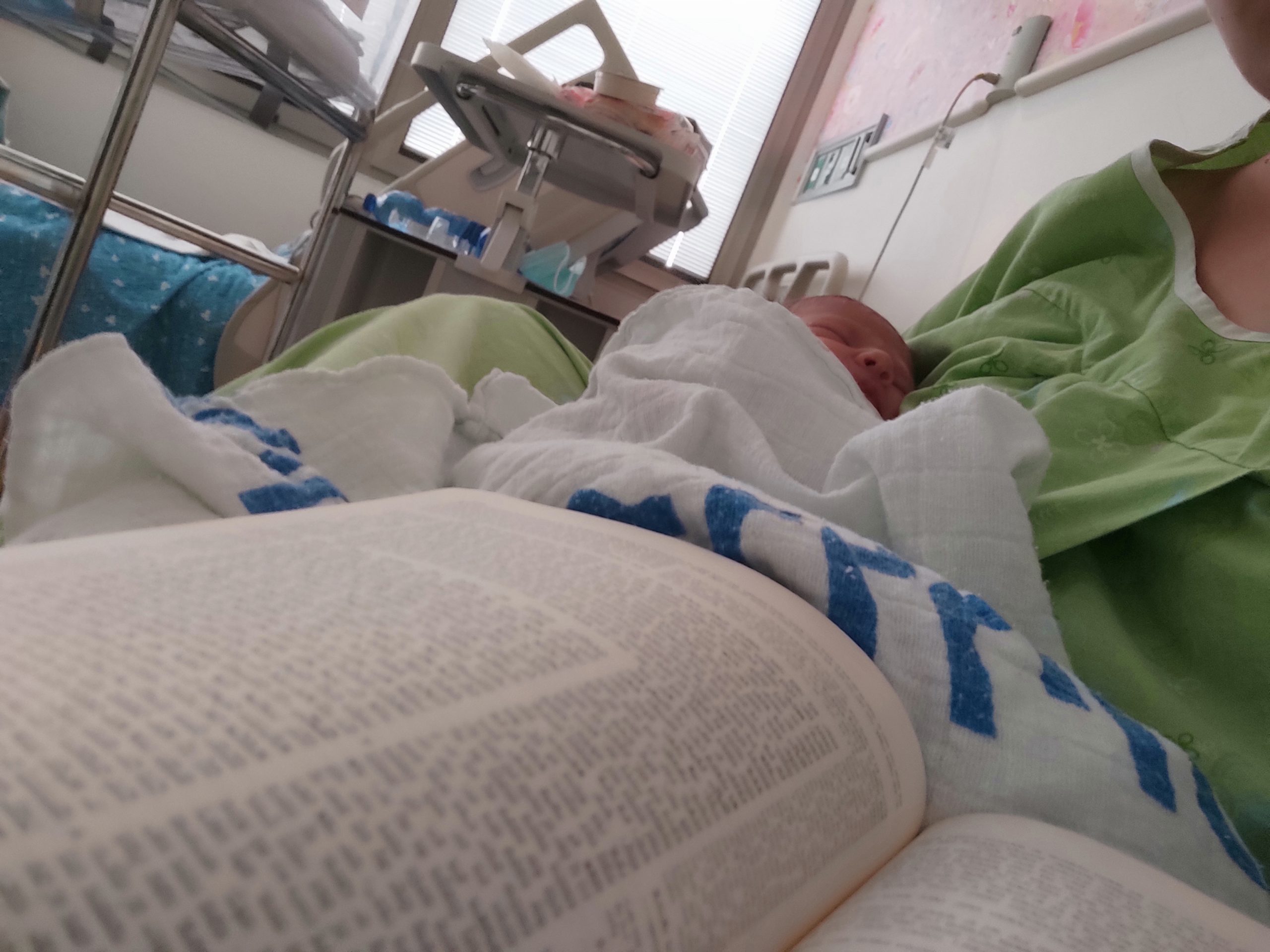
כמו שרואים בתמונה אני ממשיכה ללמוד גם היום ואפילו במחלקת יולדות אחרי לידת ביתי השלישית.

Noa Shiloh
נועה שילה

רבבה, ישראל

תענית טז

לְמִתְבַּיֵּישׁ מֵאֲחֵרִים. וְהֵיכָא מַנַּח לְהוּ? אָמַר רַבִּי יִצְחָק: בִּמְקוֹם תְּפִילִּין. שֶׁנֶּאֱמַר: ״לָשׂוּם לַאֲבֵלֵי צִיּוֹן לָתֵת לָהֶם פְּאֵר תַּחַת אֵפֶר״.

one who is humiliated by others. Accordingly, ashes are placed on the heads of the leaders of the community by others, to increase the appearance of their suffering. The Gemara asks: And where exactly are the ashes placed upon their heads? Rabbi Yitzḥak said: On the place of the phylacteries of the head, as it is stated: “To appoint to those who mourn in Zion, to give to them an ornament [pe’er] instead of ashes” (Isaiah 61:3). This verse likens the placement of ashes on one’s head to an ornament, and the term pe’er is traditionally interpreted as a reference to phylacteries.

רְחוֹב, תֵּיבָה, וְשַׂקִּים, אֵפֶר, אֵפֶר, קְבוּרָה, וּמוֹרִיָּה סִימָן. לָמָּה יוֹצְאִין לָרְחוֹב? רַבִּי חִיָּיא בַּר אַבָּא אָמַר: לוֹמַר — זָעַקְנוּ בְּצִנְעָא וְלֹא נַעֲנֵינוּ, נְבַזֶּה עַצְמֵנוּ בְּפַרְהֶסְיָא.

§ The Gemara provides a mnemonic device for the forthcoming statements. Square; ark; and sackcloth; ashes; ashes; cemetery; and Moriah. The Gemara asks: Why do they go out to the square? Rabbi Ḥiyya bar Abba said: This is a symbolic action, as though to say: We cried out in private inside the synagogue and we were not answered. We will therefore disgrace ourselves in public, so that our prayers will be heard.

רֵישׁ לָקִישׁ אָמַר: גָּלִינוּ, גָּלוּתֵינוּ מְכַפֶּרֶת עָלֵינוּ. מַאי בֵּינַיְיהוּ? אִיכָּא בֵּינַיְיהוּ, דְּגָלוּ מִבֵּי כְנִישְׁתָּא לְבֵי כְנִישְׁתָּא.

Reish Lakish said that the move into the square symbolizes exile, as though they are saying: We have been exiled; may our exile atone for us. The Gemara asks: What is the practical difference between these two explanations? The Gemara answers that the practical difference between them is in a case where they are exiled, i.e., they move, from one synagogue to another synagogue. According to the opinion of Reish Lakish, they have exiled themselves, and therefore this ceremony is adequate. Conversely, Rabbi Ḥiyya bar Abba maintains that as the ritual is performed in private, it is insufficient.

וְלָמָּה מוֹצִיאִין אֶת הַתֵּיבָה לִרְחוֹבָהּ שֶׁל עִיר? אָמַר רַבִּי יְהוֹשֻׁעַ בֶּן לֵוִי, לוֹמַר: כְּלִי צָנוּעַ הָיָה לָנוּ, וְנִתְבַּזָּה בַּעֲווֹנֵינוּ.

The Gemara asks another question concerning the meaning of the ritual. And why do they remove the ark to the city square? Rabbi Yehoshua ben Levi said: This is done as though to say: We had a modest vessel, which was always kept concealed, but it has been publicly exposed due to our transgressions.

וְלָמָּה מִתְכַּסִּין בְּשַׂקִּים? אָמַר רַבִּי חִיָּיא בַּר אַבָּא: לוֹמַר — הֲרֵי אָנוּ חֲשׁוּבִין כִּבְהֵמָה. וְלָמָּה נוֹתְנִין אֵפֶר מִקְלֶה עַל גַּבֵּי תֵּיבָה? אָמַר רַבִּי יְהוּדָה בֶּן פַּזִּי: כְּלוֹמַר — ״עִמּוֹ אָנֹכִי בְּצָרָה״. רֵישׁ לָקִישׁ אָמַר: ״בְּכׇל צָרָתָם לוֹ צָר״. אָמַר רַבִּי זֵירָא: מֵרֵישׁ כִּי הֲוָה חֲזֵינָא לְהוּ לְרַבָּנַן דְּיָהֲבִי אֵפֶר מִקְלֶה עַל גַּבֵּי תֵּיבָה — מִזְדַּעְזַע לִי כּוּלֵּיהּ גּוּפַאי.

The Gemara further asks: And why do they cover themselves in sackcloth? Rabbi Ḥiyya bar Abba said: This is as though to say: We are considered before You like animals, which are likewise covered with hide. And why do they place burnt ashes on top of the ark? Rabbi Yehuda ben Pazi said: This is as though to say in God’s name: “I will be with him in trouble” (Psalms 91:15). Reish Lakish said that the same idea can be derived from a different verse: “In all their affliction, He was afflicted” (Isaiah 63:9). By placing burnt ash on the ark, which is the symbol of the Divine Presence, it is as though God Himself joins the Jews in their pain. Rabbi Zeira said: At first, when I saw the Sages place burnt ashes upon the ark, my entire body trembled from the intensity of the event.

וְלָמָּה נוֹתְנִין אֵפֶר בְּרֹאשׁ כׇּל אֶחָד וְאֶחָד? פְּלִיגִי בַּהּ רַבִּי לֵוִי בַּר חָמָא וְרַבִּי חֲנִינָא. חַד אָמַר: הֲרֵי אָנוּ חֲשׁוּבִין לְפָנֶיךָ כְּאֵפֶר, וְחַד אָמַר: כְּדֵי שֶׁיִּזְכּוֹר לָנוּ אֶפְרוֹ שֶׁל יִצְחָק. מַאי בֵּינַיְיהוּ? אִיכָּא בֵּינַיְיהוּ עָפָר סְתָם.

And why do they place ashes upon the head of each and every individual? Rabbi Levi bar Ḥama and Rabbi Ḥanina disagree with regard to this matter. One said that this is as though to say: We are considered like ashes before You. And one said that these ashes are placed in order to remind God of the ashes of our forefather Isaac, on our behalf. The Gemara asks: What is the practical difference between these two explanations? The Gemara answers that the practical difference between them is in a case where one placed ordinary earth upon the heads of the individuals instead of ashes. Although earth does symbolize self-nullification and may be used according to the first explanation, it has no connection to the sacrifice of Isaac, and therefore it does not satisfy the second explanation.

לָמָּה יוֹצְאִין לְבֵית הַקְּבָרוֹת? פְּלִיגִי בַּהּ רַבִּי לֵוִי בַּר חָמָא וְרַבִּי חֲנִינָא. חַד אָמַר: הֲרֵי אָנוּ חֲשׁוּבִין לְפָנֶיךָ כְּמֵתִים, וְחַד אָמַר: כְּדֵי שֶׁיְּבַקְּשׁוּ עָלֵינוּ מֵתִים רַחֲמִים. מַאי בֵּינַיְיהוּ? אִיכָּא בֵּינַיְיהוּ קִבְרֵי נׇכְרִים.

The Gemara further asks: And why do they go out to the cemetery on a fast day? Again, Rabbi Levi bar Ḥama and Rabbi Ḥanina disagree with regard to this matter. One said this is as though to say: We are like the dead before You. And one said that one goes out to the cemetery in order that the deceased will request mercy on our behalf. The Gemara asks: What is the practical difference between them? The Gemara answers that the practical difference between them concerns graves of gentiles. If the purpose of going to graves is to say that they stand before God like the dead, graves of gentiles would suffice. However, if they go to the cemetery for the deceased to ask for mercy on their behalf, they should visit specifically Jewish graves.

מַאי הַר הַמּוֹרִיָּה? פְּלִיגִי בַּהּ רַבִּי לֵוִי בַּר חָמָא וְרַבִּי חֲנִינָא. חַד אָמַר: הַר שֶׁיָּצָא מִמֶּנּוּ הוֹרָאָה לְיִשְׂרָאֵל, וְחַד אָמַר: הַר שֶׁיָּצָא מִמֶּנּוּ מוֹרָא לְאוּמּוֹת הָעוֹלָם.

§ Apropos disputes between Rabbi Levi bar Ḥama and Rabbi Ḥanina, the Gemara mentions another dispute between them. What is the meaning of the name Mount [Har] Moriah, the Temple Mount? Rabbi Levi bar Ḥama and Rabbi Ḥanina disagree with regard to this matter. One said that the name alludes to the Great Sanhedrin that convened there, as it is the mountain from which instruction [hora’a] went out to the Jewish people. And one said that it is the mountain from which fear [mora] went out to the nations of the world, as this place signifies God’s choice of the Jewish people.

הַזָּקֵן שֶׁבָּהֶן אוֹמֵר לִפְנֵיהֶן דִּבְרֵי כִבּוּשִׁין. תָּנוּ רַבָּנַן: אִם יֵשׁ זָקֵן — אוֹמֵר זָקֵן. וְאִם לָאו — אוֹמֵר חָכָם, וְאִם לָאו — אוֹמֵר אָדָם שֶׁל צוּרָה. אַטּוּ זָקֵן דְּקָאָמְרִי, אַף עַל גַּב דְּלָאו חָכָם הוּא? אָמַר אַבָּיֵי, הָכִי קָאָמַר: אִם יֵשׁ זָקֵן וְהוּא חָכָם — אוֹמֵר זָקֵן וְהוּא חָכָם, וְאִם לָאו — אוֹמֵר חָכָם, וְאִם לָאו — אוֹמֵר אָדָם שֶׁל צוּרָה.

§ The mishna taught: The eldest of the community says to them statements of reproof. The Sages taught in a baraita: If there is an elder, then the elder says the admonition, and if not, a Sage says the admonition. And if not, a person of imposing appearance says it. The Gemara asks: Is that to say that the elder of whom we spoke is preferred to a scholar simply by virtue of his age, even though he is not a scholar? Abaye said that this is what the mishna is saying: If there is an elder, and he is also a scholar, this elder scholar says the admonition. And if not, even a young scholar says the reproof. And if there is no scholar of any kind available, a person of imposing appearance says it.

אַחֵינוּ, לֹא שַׂק וְתַעֲנִית גּוֹרְמִים, אֶלָּא תְּשׁוּבָה וּמַעֲשִׂים טוֹבִים גּוֹרְמִים. שֶׁכֵּן מָצִינוּ בְּאַנְשֵׁי נִינְוֵה, שֶׁלֹּא נֶאֱמַר בָּהֶם ״וַיַּרְא הָאֱלֹהִים אֶת שַׂקָּם וְאֶת תַּעֲנִיתָם״, אֶלָּא: ״וַיַּרְא הָאֱלֹהִים אֶת מַעֲשֵׂיהֶם כִּי שָׁבוּ מִדַּרְכָּם הָרָעָה״.

What does he say? Our brothers, it is not sackcloth and fasting that cause atonement for our sins. Rather, repentance and good deeds will cause our atonement. This is as we find with regard to the people of Nineveh, that it is not stated about them: And God saw their sackcloth and their fasting. Rather, the verse states: “And God saw their deeds, that they had turned from their evil way” (Jonah 3:10).

״וְיִתְכַּסּוּ שַׂקִּים הָאָדָם וְהַבְּהֵמָה״, מַאי הֲווֹ עָבְדִי? אָסְרוּ הַבְּהֵמוֹת לְחוּד, וְאֶת הַוְּולָדוֹת לְחוּד. אָמְרוּ לְפָנָיו: רִבּוֹנוֹ שֶׁל עוֹלָם! אִם אֵין אַתָּה מְרַחֵם עָלֵינוּ — אֵין אָנוּ מְרַחֲמִים עַל אֵלּוּ.

§ Apropos the repentance of the inhabitants of Nineveh, the Gemara discusses their behavior further. The verse states: “But let them be covered with sackcloth, both man and beast” (Jonah 3:8). What did they do? They confined the female animals alone, and their young alone, in a different place. They then said before God: Master of the Universe, if You do not have mercy on us, we will not have mercy on these animals. Even if we are not worthy of Your mercy, these animals have not sinned.

״וְיִקְרְאוּ אֶל אֱלֹהִים בְּחׇזְקָה״, מַאי אֲמוּר? אָמְרוּ לְפָנָיו: רִבּוֹנוֹ שֶׁל עוֹלָם! עָלוּב וְשֶׁאֵינוֹ עָלוּב, צַדִּיק וְרָשָׁע — מִי נִדְחֶה מִפְּנֵי מִי?

It is further stated with regard to the people of Nineveh: “And let them cry mightily to God” (Jonah 3:8). The Gemara asks: What did they say that could be described as calling out “mightily”? The Gemara explains that they said before God: Master of the Universe, if there is a dispute between a submissive one and an intractable one, or between a righteous one and a wicked one, who must yield before whom? Certainly the righteous forgives the wicked. Likewise, You must have mercy on us.

״וְיָשֻׁבוּ אִישׁ מִדַּרְכּוֹ הָרָעָה וּמִן הֶחָמָס אֲשֶׁר בְּכַפֵּיהֶם״, מַאי ״וּמִן הֶחָמָס אֲשֶׁר בְּכַפֵּיהֶם״? אָמַר שְׁמוּאֵל: אֲפִילּוּ גָּזַל מָרִישׁ וּבְנָאוֹ בְּבִירָה — מְקַעְקֵעַ כׇּל הַבִּירָה כּוּלָּהּ וּמַחְזִיר מָרִישׁ לִבְעָלָיו.

The verse states: “And let them turn, every one from his evil way, and from the violence that is in their hands” (Jonah 3:8). What is the meaning of the phrase “and from the violence that is in their hands”? Shmuel said that the king of Nineveh proclaimed: Even if one stole a beam and built it into his building, he must tear down the entire building and return the beam to its owner. Although the Sages decreed that one need only pay financial compensation in a case of this kind, these people wanted to repent completely by removing any remnant of stolen property from their possession.

אָמַר רַב אַדָּא בַּר אַהֲבָה: אָדָם שֶׁיֵּשׁ בְּיָדוֹ עֲבֵירָה, וּמִתְוַדֶּה וְאֵינוֹ חוֹזֵר בָּהּ, לְמָה הוּא דּוֹמֶה? לְאָדָם שֶׁתּוֹפֵס שֶׁרֶץ בְּיָדוֹ, שֶׁאֲפִילּוּ טוֹבֵל בְּכׇל מֵימוֹת שֶׁבָּעוֹלָם — לֹא עָלְתָה לוֹ טְבִילָה. זְרָקוֹ מִיָּדוֹ, כֵּיוָן שֶׁטָּבַל בְּאַרְבָּעִים סְאָה — מִיָּד עָלְתָה לוֹ טְבִילָה,

§ Similarly, Rav Adda bar Ahava said: A person who has a transgression in his hand, and he confesses but does not repent for his sin, to what is he comparable? To a person who holds in his hand a dead creeping animal, which renders one ritually impure by contact. As in this situation, even if he immerses in all the waters of the world, his immersion is ineffective for him, as long as the source of ritual impurity remains in his hand. However, if he has thrown the animal from his hand, once he has immersed in a ritual bath of forty se’a, the immersion is immediately effective for him.

שֶׁנֶּאֱמַר: ״וּמוֹדֶה וְעֹזֵב יְרֻחָם״, וְאוֹמֵר: ״נִשָּׂא לְבָבֵנוּ אֶל כַּפָּיִם אֶל אֵל בַּשָּׁמָיִם״.

As it is stated: “He who covers his transgressions shall not prosper, but whoever confesses and forsakes them shall obtain mercy” (Proverbs 28:13). That is, confession alone is futile, but one who also abandons his transgressions will receive mercy. And it states elsewhere: “Let us lift up our heart with our hands to God in Heaven” (Lamentations 3:41), which likewise indicates that it is not enough to lift one’s hands in prayer; rather, one must also raise his heart and return to God.

עָמְדוּ בִּתְפִלָּה, מוֹרִידִין לִפְנֵי הַתֵּיבָה זָקֵן כּוּ׳. תָּנוּ רַבָּנַן: עָמְדוּ בִּתְפִלָּה, אַף עַל פִּי שֶׁיֵּשׁ שָׁם זָקֵן וְחָכָם — אֵין מוֹרִידִין לִפְנֵי הַתֵּיבָה אֶלָּא אָדָם הָרָגִיל. רַבִּי יְהוּדָה אוֹמֵר: מְטוּפָּל וְאֵין לוֹ, וְיֵשׁ לוֹ יְגִיעָה בַּשָּׂדֶה, וּבֵיתוֹ רֵיקָם,

§ The mishna teaches: They stood for prayer, and the congregation appoints an elder. The Sages taught in a baraita: They stood for prayer, and even if there is a man there who is elderly and a scholar, they appoint to descend before the ark as prayer leader only a person who is accustomed to lead in prayer. Who is considered an accustomed prayer leader in this sense? Rabbi Yehuda says: One who has financially dependent children but he does not have the means to support them, and he has no choice but to toil in the field, and whose house is empty, and who will therefore pray for rain with great devotion.

וּפִרְקוֹ נָאֶה, וּשְׁפַל בֶּרֶךְ, וּמְרוּצֶּה לָעָם, וְיֵשׁ לוֹ נְעִימָה, וְקוֹלוֹ עָרֵב, וּבָקִי לִקְרוֹת בַּתּוֹרָה וּבַנְּבִיאִים וּבַכְּתוּבִים, וְלִשְׁנוֹת בַּמִּדְרָשׁ בַּהֲלָכוֹת וּבָאַגָּדוֹת, וּבָקִי בְּכׇל הַבְּרָכוֹת כּוּלָּן. וִיהַבוּ בֵּיהּ רַבָּנַן עֵינַיְיהוּ בְּרַב יִצְחָק בַּר אַמֵּי.

Rabbi Yehuda continues with his depiction of the worthy prayer leader. And his youth was becoming, and he is humble and accepted by the people, as he is likable. And furthermore, he must be familiar with songs and his voice pleasant, and he is expert in reading the Torah, the Prophets, and the Writings, and he knows how to study midrash, halakha, and aggada. And finally, he must be expert in all of the blessings. Clearly, it is hard to find someone with all these qualities. And the Gemara relates that when this worthy person was described, those Sages present turned their eyes toward Rav Yitzḥak bar Ami, who possessed all of these virtues.

הַיְינוּ ״מְטוּפָּל וְאֵין לוֹ״, הַיְינוּ ״בֵּיתוֹ רֵיקָם״? אָמַר רַב חִסְדָּא: זֶהוּ שֶׁבֵּיתוֹ רֵיקָם מִן הָעֲבֵירָה. ״וּפִרְקוֹ נָאֶה״, אָמַר אַבָּיֵי: זֶה שֶׁלֹּא יָצָא עָלָיו שֵׁם רַע בְּיַלְדוּתוֹ.

The Gemara asks a question concerning the explanation of Rabbi Yehuda: One who has dependent children and does not have anything with which to support them is apparently the same as one whose house is empty. Why does Rabbi Yehuda list both descriptions? Rav Ḥisda said: This expression means that his house is empty of transgression. And Rabbi Yehuda further said that the prayer leader must be one whose youth was becoming. In explanation of this phrase, Abaye said: This is one who did not have a bad reputation at any time during his youth.

״הָיְתָה לִּי נַחֲלָתִי כְּאַרְיֵה בַיָּעַר נָתְנָה עָלַי בְּקוֹלָהּ עַל כֵּן שְׂנֵאתִיהָ״, מַאי ״נָתְנָה עָלַי בְּקוֹלָהּ״? אָמַר מָר זוּטְרָא בַּר טוֹבִיָּה אָמַר רַב, וְאָמְרִי לַהּ אָמַר רַבִּי חָמָא אָמַר רַבִּי אֶלְעָזָר: זֶה שְׁלִיחַ צִבּוּר שֶׁאֵינוֹ הָגוּן הַיּוֹרֵד לִפְנֵי הַתֵּיבָה.

The Gemara cites a verse in relation to the prayer leader: “My heritage has become to me as a lion in the forest. She has uttered her voice against me; therefore I have hated her” (Jeremiah 12:8). What is the meaning of the phrase: “She has uttered her voice against me”? Mar Zutra bar Toviyya said that Rav said, and some say Rabbi Ḥama said that Rabbi Elazar said: This is an unworthy prayer leader who descends before the ark. When this person calls out to God, He thinks, so to speak: I hate the sound of his prayer.

וְאוֹמֵר לִפְנֵיהֶם עֶשְׂרִים וְאַרְבַּע בְּרָכוֹת, שְׁמוֹנֶה עֶשְׂרֵה שֶׁבְּכָל יוֹם וּמוֹסִיף עֲלֵיהֶן עוֹד שֵׁשׁ. הָנֵי שֵׁשׁ, שֶׁבַע הָוְויָין! כְּדִתְנַן: עַל הַשְּׁבִיעִית הוּא אוֹמֵר ״בָּרוּךְ מְרַחֵם עַל הָאָרֶץ״! אָמַר רַב נַחְמָן בַּר יִצְחָק: מַאי ״שְׁבִיעִית״ — שְׁבִיעִית לָאֲרוּכָּה.

§ The mishna teaches: And the prayer leader recites twenty-four blessings before them: The eighteen blessings of the everyday Amida prayer, to which he adds another six blessings. The Gemara asks: Are these six blessings? In fact, they are seven, as we learned in a mishna: For the seventh he recites, Blessed are You, Lord, Who has mercy on the Land. Rav Naḥman bar Yitzḥak said: What is the meaning of the seventh blessing? This is referring to the seventh for length, i.e., there were actually six new blessings, but as the prayer leader lengthens the sixth weekday blessing it is considered an additional blessing.

כִּדְתַנְיָא: בְּ״גוֹאֵל יִשְׂרָאֵל״ מַאֲרִיךְ, וּבְחוֹתָמָהּ הוּא אוֹמֵר: ״מִי שֶׁעָנָה אֶת אַבְרָהָם בְּהַר הַמּוֹרִיָּה, הוּא יַעֲנֶה אֶתְכֶם וְיִשְׁמַע בְּקוֹל צַעֲקַתְכֶם הַיּוֹם הַזֶּה. בָּרוּךְ גּוֹאֵל יִשְׂרָאֵל״, וְהֵן עוֹנִין אַחֲרָיו ״אָמֵן״, וְחַזַּן הַכְּנֶסֶת אוֹמֵר לָהֶם: ״תִּקְעוּ בְּנֵי אַהֲרֹן תִּקְעוּ״.

As it is taught in a baraita: In the blessing of: Redeemer of Israel, the prayer leader lengthens the blessing, and for its conclusion he recites: He Who answered Abraham on Mount Moriah, He will answer you and hear the sound of your cry on this day. Blessed are You, Lord, Redeemer of Israel. And the community answers amen after him. And the sexton says to them: Blow a long, unwavering sound, sons of Aaron, blow.

וְחוֹזֵר וְאוֹמֵר: ״מִי שֶׁעָנָה אֶת אֲבוֹתֵינוּ עַל יַם סוּף, הוּא יַעֲנֶה אֶתְכֶם וְיִשְׁמַע בְּקוֹל צַעֲקַתְכֶם הַיּוֹם הַזֶּה, בָּרוּךְ זוֹכֵר הַנִּשְׁכָּחוֹת״, וְהֵן עוֹנִין אַחֲרָיו ״אָמֵן״, וְחַזַּן הַכְּנֶסֶת אוֹמֵר לָהֶם: ״הָרִיעוּ בְּנֵי אַהֲרֹן הָרִיעוּ״. וְכֵן בְּכׇל בְּרָכָה וּבְרָכָה, בְּאַחַת אוֹמֵר: ״תִּקְעוּ״, וּבְאַחַת אוֹמֵר: ״הָרִיעוּ״.

And the prayer leader resumes and recites the second blessing, concluding: He Who answered our forefathers by the Red Sea, He will answer you and hear the sound of your cry on this day. Blessed are You, Lord, Who remembers the forgotten. And the community answers amen after him. And the sexton says to them: Blast a wavering sound, sons of Aaron, blast. And similarly, this is the procedure for each and every additional blessing: After one blessing he says: Blow a long, unwavering sound, and after the next one he says: Blast a wavering sound.

בַּמֶּה דְּבָרִים אֲמוּרִים — בִּגְבוּלִין, אֲבָל בַּמִּקְדָּשׁ אֵינוֹ כֵּן, לְפִי שֶׁאֵין עוֹנִין ״אָמֵן״ בַּמִּקְדָּשׁ. וּמִנַּיִן שֶׁאֵין עוֹנִין ״אָמֵן״ בַּמִּקְדָּשׁ —

The Gemara asks: In what case is this statement said? This method applies in the outlying areas, i.e., everywhere except in the Temple. However, in the Temple itself this is not the correct procedure, as one does not answer amen in the Temple. Instead, one responds with a long blessing. The Gemara inquires: And from where is it derived that one does not answer amen in the Temple?

שֶׁנֶּאֱמַר: ״קוּמוּ בָּרְכוּ אֶת ה׳ אֱלֹהֵיכֶם מִן הָעוֹלָם עַד הָעוֹלָם וִיבָרְכוּ שֵׁם כְּבֹדֶךָ וּמְרוֹמַם עַל כׇּל בְּרָכָה וּתְהִלָּה״. יָכוֹל עַל כׇּל בְּרָכוֹת כּוּלָּן לֹא תְּהֵא אֶלָּא תְּהִלָּה אַחַת — תַּלְמוּד לוֹמַר: ״וּמְרוֹמַם עַל כׇּל בְּרָכָה וּתְהִלָּה״ — עַל כׇּל בְּרָכָה תֵּן לוֹ תְּהִלָּה.

The Gemara answers: As it is stated: “Stand up and bless the Lord, your God, from everlasting to everlasting, and let them say: Blessed be Your glorious name, that is exalted above all blessing and praise” (Nehemiah 9:5). One might have thought that for all blessings there should be only one praise, i.e., all blessings are answered with amen. Therefore, the verse states: “That is exalted above all [al kol] blessing and praise,” which indicates that for every [al kol] blessing, you should give it its own praise.

וְאֶלָּא בַּמִּקְדָּשׁ מַהוּ אוֹמֵר? ״בָּרוּךְ ה׳ אֱלֹהֵי יִשְׂרָאֵל מִן הָעוֹלָם וְעַד הָעוֹלָם. בָּרוּךְ גּוֹאֵל יִשְׂרָאֵל״. וְהֵן עוֹנִין אַחֲרָיו: ״בָּרוּךְ שֵׁם כְּבוֹד מַלְכוּתוֹ לְעוֹלָם וָעֶד״. וְחַזַּן הַכְּנֶסֶת אוֹמֵר לָהֶם: ״תִּקְעוּ הַכֹּהֲנִים בְּנֵי אַהֲרוֹן תִּקְעוּ״,

But if so, in the Temple, what would the prayer leader recite? He would conclude the blessing: Blessed be the Lord, God of Israel, from everlasting to everlasting. Blessed are You, Lord, Redeemer of Israel. And instead of amen, they answer after him: Blessed be the name of His glorious kingdom forever and all time. And the sexton says to them: Blow, priests, sons of Aaron, blow.

וְחוֹזֵר וְאוֹמֵר: ״מִי שֶׁעָנָה אֶת אַבְרָהָם בְּהַר הַמּוֹרִיָּה, הוּא יַעֲנֶה אֶתְכֶם וְיִשְׁמַע בְּקוֹל צַעֲקַתְכֶם הַיּוֹם הַזֶּה. בָּרוּךְ ה׳ אֱלֹהֵי יִשְׂרָאֵל זוֹכֵר הַנִּשְׁכָּחוֹת״, וְהֵם עוֹנִים אַחֲרָיו: ״בָּרוּךְ שֵׁם כְּבוֹד מַלְכוּתוֹ לְעוֹלָם וָעֶד״, וְחַזַּן הַכְּנֶסֶת אוֹמֵר לָהֶם: ״הָרִיעוּ, הַכֹּהֲנִים בְּנֵי אַהֲרֹן, הָרִיעוּ וְכוּ׳״, וְכֵן בְּכׇל בְּרָכָה וּבְרָכָה, בְּאַחַת אוֹמֵר ״תִּקְעוּ״ וּבְאַחַת אוֹמֵר ״הָרִיעוּ״, עַד שֶׁגּוֹמֵר אֶת כּוּלָּן.

And the prayer leader resumes and recites the second blessing, concluding: He Who answered Abraham on Mount Moriah, He will answer you and hear the sound of your cry on this day. Blessed be the Lord, God of Israel, Who remembers the forgotten. And the community answers after him: Blessed be the name of His glorious kingdom forever and all time. And the sexton says to them: Blast, priests, sons of Aaron, blast, etc. And similarly, this is the procedure for each and every additional blessing: After one blessing he says: Blow a long, unwavering sound, and after the next one he says: Blast a wavering sound, until he concludes all the blessings.

וְכָךְ הִנְהִיג רַבִּי חֲלַפְתָּא בְּצִפּוֹרִי, וְרַבִּי חֲנַנְיָה בֶּן תְּרַדְיוֹן בְּסִיכְנִי, וּכְשֶׁבָּא דָּבָר לִפְנֵי חֲכָמִים, אָמְרוּ: לֹא הָיוּ נוֹהֲגִין כֵּן אֶלָּא בְּשַׁעֲרֵי מִזְרָח וּבְהַר הַבַּיִת.

§ The Gemara relates: And this was the custom Rabbi Ḥalafta established in the city of Tzippori, and Rabbi Ḥananya ben Teradyon in the city of Sikhni. And when this matter came before the Sages, they said: They would act in accordance with this custom only at the Eastern Gate of the Temple and on the Temple Mount, but not outside the Temple.

וְאִית דְּאָמְרִי, כִּדְתַנְיָא: אוֹמֵר לִפְנֵיהֶן עֶשְׂרִים וְאַרְבַּע בְּרָכוֹת, שְׁמוֹנֶה עֶשְׂרֵה שֶׁבְּכָל יוֹם, וּמוֹסִיף עֲלֵיהֶן עוֹד שֵׁשׁ. וְאוֹתָן שֵׁשׁ הֵיכָן אוֹמְרָן? בֵּין ״גּוֹאֵל״ לְ״רוֹפֵא חוֹלֵי״, וּמַאֲרִיךְ בַּגְּאוּלָּה, וְהֵן עוֹנִין אַחֲרָיו ״אָמֵן״ עַל כׇּל בְּרָכָה וּבְרָכָה. וְכָךְ הָיוּ נוֹהֲגִין בִּגְבוּלִין.

And some say that they acted as it is taught in a baraita: And he recites twenty-four blessings before them: The eighteen blessings of the everyday Amida prayer, to which he adds another six blessings. And those extra six, where does he recite them? Between the blessings: Redeemer of Israel, and: Healer of the sick. And he lengthens the earlier prayer of redemption, and the congregation answers amen after him, for each and every blessing. And this was the custom in the outlying areas, outside the Temple.

אֲבָל בַּמִּקְדָּשׁ, הָיוּ אוֹמְרִים: ״בָּרוּךְ ה׳ אֱלֹהֵי יִשְׂרָאֵל מִן הָעוֹלָם וָעֶד הָעוֹלָם. בָּרוּךְ גּוֹאֵל יִשְׂרָאֵל.״ וְלֹא הָיוּ עוֹנִין אַחֲרָיו ״אָמֵן״. וְכׇל כָּךְ לָמָּה? לְפִי שֶׁאֵין עוֹנִין ״אָמֵן״ בַּמִּקְדָּשׁ, וּמִנַּיִן שֶׁאֵין עוֹנִין ״אָמֵן״ בַּמִּקְדָּשׁ, שֶׁנֶּאֱמַר: ״קוּמוּ בָּרְכוּ אֶת ה׳ אֱלֹהֵיכֶם מִן הָעוֹלָם עַד הָעוֹלָם וִיבָרְכוּ שֵׁם כְּבוֹדֶךָ וּמְרוֹמַם עַל כׇּל בְּרָכָה וּתְהִלָּה״ — עַל כׇּל בְּרָכָה וּבְרָכָה תֵּן לוֹ תְּהִלָּה.

However, in the Temple they would recite: Blessed be the Lord, God of Israel, from everlasting to everlasting. Blessed are You, Lord, Redeemer of Israel, and they would not answer amen after him. And why did the practice differ so much? Because one does not answer amen in the Temple. And from where is it derived that one does not answer amen in the Temple? As it is stated: “Stand up and bless the Lord, your God, from everlasting to everlasting, and let them say: Blessed be Your glorious Name, that is exalted above all blessing and praise” (Nehemiah 9:5). As stated above, this verse indicates that for every blessing, you should give it its own praise.

תָּנוּ רַבָּנַן: עַל הָרִאשׁוֹנוֹת הוּא אוֹמֵר ״בָּרוּךְ ה׳ אֱלֹהֵי יִשְׂרָאֵל מִן הָעוֹלָם וָעֶד הָעוֹלָם. בָּרוּךְ גּוֹאֵל יִשְׂרָאֵל״. וְהֵן עוֹנִין אַחֲרָיו: ״בָּרוּךְ שֵׁם כְּבוֹד מַלְכוּתוֹ לְעוֹלָם וָעֶד״. וְחַזַּן הַכְּנֶסֶת אוֹמֵר: ״תִּקְעוּ כֹּהֲנִים תִּקְעוּ״. וְחוֹזֵר וְאוֹמֵר: ״מִי שֶׁעָנָה אֶת אַבְרָהָם בְּהַר הַמּוֹרִיָּה, הוּא יַעֲנֶה אֶתְכֶם וְיִשְׁמַע בְּקוֹל צַעֲקַתְכֶם הַיּוֹם הַזֶּה״, וְהֵן תּוֹקְעִין וּמְרִיעִין וְתוֹקְעִין, וְעַל הַשְּׁנִיָּה הוּא אוֹמֵר: ״בָּרוּךְ ה׳ אֱלֹהֵי יִשְׂרָאֵל מִן הָעוֹלָם וָעֶד הָעוֹלָם. בָּרוּךְ זוֹכֵר הַנִּשְׁכָּחוֹת״. וְהֵן עוֹנִין אַחֲרָיו: ״בָּרוּךְ שֵׁם כְּבוֹד מַלְכוּתוֹ לְעוֹלָם וָעֶד״,

The Sages taught: In concluding the first blessing he recites: Blessed be the Lord, God of Israel, from everlasting to everlasting. Blessed are You, Lord, Redeemer of Israel, and they would answer after him: Blessed be the name of His glorious kingdom forever and all time. And the sexton says: Blow, priests, blow. And he resumes the blessings and recites: He Who answered Abraham on Mount Moriah, He will answer you and hear the sound of your cry on this day. And they blow a long, unwavering sound, and blast a wavering sound, and blow. And for the second blessing he recites: Blessed be the Lord, God of Israel, from everlasting to everlasting, who remembers the forgotten, and they would answer after him: Blessed be the name of His glorious kingdom forever and all time.

וְחַזַּן הַכְּנֶסֶת אוֹמֵר: ״הָרִיעוּ בְּנֵי אַהֲרֹן הָרִיעוּ״. וְאוֹמֵר: ״מִי שֶׁעָנָה אֶת אֲבוֹתֵינוּ עַל יַם סוּף, הוּא יַעֲנֶה אֶתְכֶם וְיִשְׁמַע בְּקוֹל צַעֲקַתְכֶם הַיּוֹם הַזֶּה״, וְהֵם מְרִיעִין וְתוֹקְעִין וּמְרִיעִין, וְכֵן בְּכׇל בְּרָכָה וּבְרָכָה. בְּאַחַת אוֹמֵר ״תִּקְעוּ״, וּבְאַחַת אוֹמֵר ״הָרִיעוּ״, עַד שֶׁיִּגְמוֹר אֶת הַבְּרָכוֹת כּוּלָּן. וְכָךְ הִנְהִיג רַבִּי חֲלַפְתָּא בְּצִיפּוֹרִי וְרַבִּי חֲנַנְיָה בֶּן תְּרַדְיוֹן בְּסִיכְנִי. וּכְשֶׁבָּא דָּבָר אֵצֶל חֲכָמִים, אָמְרוּ: לֹא הָיוּ נוֹהֲגִין כֵּן אֶלָּא בְּשַׁעֲרֵי מִזְרָח וּבְהַר הַבַּיִת.

And the sexton says: Blast, sons of Aaron, blast. And he recites: He Who answered our forefathers by the Red Sea, He will answer you and hear the sound of your cry on this day. And they blow, and blast, and blow. And similarly, for each and every blessing: After one he says: Blow, and after the next one he says: Blast, until he concludes all of them. And this was the custom Rabbi Ḥalafta established in Tzippori, and Rabbi Ḥananya ben Teradyon in Sikhni. And when this matter came before the Sages, they said: They would act in accordance with this custom only at the Eastern Gate and on the Temple Mount.

רַבִּי יְהוּדָה אוֹמֵר: לֹא הָיָה צָרִיךְ לוֹמַר זִכְרוֹנוֹת כּוּ׳. אָמַר רַבִּי אַדָּא דְּמִן יָפוֹ: מַאי טַעְמָא דְּרַבִּי יְהוּדָה — לְפִי שֶׁאֵין אוֹמְרִים זִכְרוֹנוֹת וְשׁוֹפָרוֹת

§ The mishna taught: Rabbi Yehuda says: The prayer leader did not need to recite the Remembrances and Shofarot passages. Instead, he recited verses dealing with famine and suffering. Rabbi Adda from Jaffa said: What is Rabbi Yehuda’s reason? Rabbi Yehuda maintains that one recites Remembrances and Shofarot

רוצה לעקוב אחרי התכנים ולהמשיך ללמוד?

ביצירת חשבון עוד היום ניתן לעקוב אחרי ההתקדמות שלך, לסמן מה למדת, ולעקוב אחרי השיעורים שמעניינים אותך.

לנקות את כל הפריטים מהרשימה?

פעולה זו תסיר את כל הפריטים בחלק זה כולל ההתקדמות וההיסטוריה. שימי לב: לא ניתן לשחזר פעולה זו.

ביטול
מחיקה

האם את/ה בטוח/ה שברצונך למחוק פריט זה?

תאבד/י את כל ההתקדמות או ההיסטוריה הקשורות לפריט זה.

ביטול
מחיקה