חיפוש

תענית ה

רוצה להקדיש לימוד?

podcast placeholder

0:00
0:00


תקציר

הדף היום מוקדש ע”י אודרי מונדרו לזכר נשמת יחזקל בן אברהם ורחל. "אדם שמדגים "איזהו עשיר? השמח בחלקו” יחד עם האמונה השלמה שלו בזמנים טובים וקשים.” וע”י רונה פינק לזכר נשמת אחיה ישראל צבי בן מלכה וחיים.

המשנה מביאה מחלוקת בין ר’ מאיר ור’ יהודה עד אימתי שואלין את הגשמים – עד סוף פסח או עד סוף חודש ניסן. זה בניגוד לדעה שהיתה במשנה הקודמת של ר’ יהדוה בשם בן בתירה – עד היום הראשון של פסח. רב נחמן שאל את ר’ יצחק שש שאלות בנושאים שונים – הראשון מתקשר לפסוק שהביאו במשנה כהוכחה לשיטת ר’ מאיר (או אולי כהוכחה לשתי הדעות). בכל שאלה, עונה ר’ יצחק מדברי רבו, ר’ יוחנן. בנוסף לששת השאלות, גם מסופר עוד שלושה מקרים שהיו ביחד ומסופר על השיחה שהתקיימה ביניהם. באחרון, ר’ יצחק מברך את רב נחמן שכל צאצאיו יהיו כמותו – ואמר לו משל לגבי אילן – מי שהיה צמא ועייף ונח ושתה תחת לאילן שאמת המים עברה תחתיו, וכשיצא רצה לברכו ואמר "אילן אילן במה אברכך?” הרי יש לאילן את הכל! הוא ברכו של כל נטיעות שנוטעים ממך יהיו כמותך.

תענית ה

רָבָא אָמַר: כֵּיוָן שֶׁהִתְחִיל, שׁוּב אֵינוֹ פּוֹסֵק. וְכֵן אָמַר רַב שֵׁשֶׁת: כֵּיוָן שֶׁהִתְחִיל, שׁוּב אֵינוֹ פּוֹסֵק.

Rava said an alternative suggestion: Once one has started to mention rain, he no longer stops, i.e., he continues the mention of rain consistently until the summer. And, so too, Rav Sheshet said: Once one has started to mention rain, he no longer stops. In other words, once one has begun to mention rain in his prayers in the additional prayer on the Eighth Day of Assembly, he continues to do so uninterrupted, even in the Diaspora.

וְאַף רַב הֲדַר בֵּיהּ. דְּאָמַר רַב חֲנַנְאֵל אָמַר רַב: מוֹנֶה עֶשְׂרִים וְאֶחָד יוֹם כְּדֶרֶךְ שֶׁמּוֹנֶה עֲשָׂרָה יָמִים מֵרֹאשׁ הַשָּׁנָה עַד יוֹם הַכִּפּוּרִים, וּמַתְחִיל, וְכֵיוָן שֶׁהִתְחִיל — שׁוּב אֵינוֹ פּוֹסֵק. וְהִלְכְתָא: כֵּיוָן שֶׁהִתְחִיל, שׁוּב אֵינוֹ פּוֹסֵק.

The Gemara adds: And even Rav retracted his previously stated opinion, as Rav Ḥananel said that Rav said: One counts twenty-one days from Rosh HaShana, just as one counts ten days from Rosh HaShana until Yom Kippur. And after the twenty-one days, one starts to mention rain, and once one has started, he no longer stops. The Gemara concludes: And the halakha is in accordance with the opinion that once one has started to mention rain, he no longer stops.

מַתְנִי׳ עַד מָתַי שׁוֹאֲלִין אֶת הַגְּשָׁמִים? רַבִּי יְהוּדָה אוֹמֵר: עַד שֶׁיַּעֲבוֹר הַפֶּסַח, רַבִּי מֵאִיר אוֹמֵר: עַד שֶׁיֵּצֵא נִיסָן, שֶׁנֶּאֱמַר: ״וַיּוֹרֶד לָכֶם גֶּשֶׁם מוֹרֶה וּמַלְקוֹשׁ בָּרִאשׁוֹן״.

MISHNA: Until when does one request rain? Rabbi Yehuda says: We request rain until Passover has passed. Rabbi Meir says: Until the month of Nisan has ended, as it is stated: “And He causes to come down for you the rain, the first rain and the last rain, in the first month” (Joel 2:23). Since the verse states that it rains in Nisan, the first month, this indicates that the entire month is considered part of the rainy season.

גְּמָ׳ אֲמַר לֵיהּ רַב נַחְמָן לְרַבִּי יִצְחָק: יוֹרֶה בְּנִיסָן? יוֹרֶה בִּמְרַחְשְׁוָן הוּא! דִּתְנַן: יוֹרֶה בִּמְרַחְשְׁוָן וּמַלְקוֹשׁ בְּנִיסָן! אֲמַר לֵיהּ, הָכִי אָמַר רַבִּי יוֹחָנָן: בִּימֵי יוֹאֵל בֶּן פְּתוּאֵל נִתְקַיֵּים מִקְרָא זֶה דִּכְתִיב בֵּיהּ ״יֶתֶר הַגָּזָם אָכַל הָאַרְבֶּה וְגוֹ׳״. אוֹתָהּ שָׁנָה יָצָא אֲדָר וְלֹא יָרְדוּ גְּשָׁמִים, יָרְדָה לָהֶם רְבִיעָה רִאשׁוֹנָה בְּאֶחָד בְּנִיסָן.

GEMARA: Rav Naḥman said to Rabbi Yitzḥak: Is the first rain in Nisan? The first rain is in Marḥeshvan, as we learned in a baraita: The first rain is in Marḥeshvan and the last rain is in Nisan. Rabbi Yitzḥak said to Rav Naḥman that Rabbi Yoḥanan said as follows: This verse was fulfilled in the days of the prophet Joel, son of Pethuel, in a year concerning which it is written: “That which the palmer-worm has left, the locust has eaten and that which the locust has left, the canker-worm has eaten; and that which the canker-worm has left, the caterpillar has eaten” (Joel 1:4), when no crops remained. In that year, the month of Adar ended and still no rain had fallen. The rain of the first rainy season fell for them on the first of Nisan.

אָמַר לָהֶם נָבִיא לְיִשְׂרָאֵל: צְאוּ וְזִרְעוּ! אָמְרוּ לוֹ: מִי שֶׁיֵּשׁ לוֹ קַב חִטִּים אוֹ קַבַּיִּם שְׂעוֹרִין — יֹאכְלֶנּוּ וְיִחְיֶה, אוֹ יִזְרָעֶנּוּ וְיָמוּת? אָמַר לָהֶם: אַף עַל פִּי כֵן צְאוּ וְזִרְעוּ. נַעֲשָׂה לָהֶם נֵס, וְנִתְגַּלָּה לָהֶם מַה שֶּׁבַּכְּתָלִין וּמַה שֶּׁבְּחוֹרֵי נְמָלִים.

After the first rain fell, the prophet said to the Jews: Go out and sow. They said to him: One who has one kav of wheat or two kav of barley left, should he eat them and live off them for a while or sow them and die? Given the improbability of the crops’ growth under these circumstances, it appears wasteful to plant them rather than consume that which remains. The prophet said to them: Nevertheless, go out and sow. A miracle occurred for them and they discovered wheat and barley seeds that were hidden in the walls and that were concealed in ant holes.

יָצְאוּ וְזָרְעוּ שֵׁנִי וּשְׁלִישִׁי וּרְבִיעִי, וְיָרְדָה לָהֶם רְבִיעָה שְׁנִיָּה בַּחֲמִשָּׁה בְּנִיסָן. הִקְרִיבוּ עוֹמֶר בְּשִׁשָּׁה עָשָׂר בְּנִיסָן, נִמְצֵאת תְּבוּאָה הַגְּדֵילָה בְּשִׁשָּׁה חֳדָשִׁים, גְּדֵילָה בְּאַחַד עָשָׂר יוֹם. נִמְצָא עוֹמֶר הַקָּרֵב מִתְּבוּאָה שֶׁל שִׁשָּׁה חֳדָשִׁים, קָרֵב מִתְּבוּאָה שֶׁל אַחַד עָשָׂר יוֹם.

They went out and sowed on the second, third, and fourth days of Nisan, and the rain of the second rainy season fell for them on the fifth of Nisan. The crops grew so quickly that they were able to sacrifice the omer offering in its proper time, on the sixteenth of Nisan. Consequently, grain that normally grows in six months grew in eleven days, and consequently, the omer that is generally sacrificed from grain that grows in six months was sacrificed that year from grain that grew in eleven days.

וְעַל אוֹתוֹ הַדּוֹר הוּא אוֹמֵר: ״הַזֹּרְעִים בְּדִמְעָה בְּרִנָּה יִקְצֹרוּ. הָלוֹךְ יֵלֵךְ וּבָכֹה נֹשֵׂא מֶשֶׁךְ הַזָּרַע וְגוֹ׳״. מַאי ״הָלוֹךְ יֵלֵךְ וּבָכֹה נֹשֵׂא מֶשֶׁךְ וְגוֹ׳״? אָמַר רַבִּי יְהוּדָה: שׁוֹר, כְּשֶׁהוּא חוֹרֵשׁ — הוֹלֵךְ וּבוֹכֶה, וּבַחֲזִירָתוֹ — אוֹכֵל חָזִיז מִן הַתֶּלֶם. וְזֶהוּ: ״בֹּא יָבֹא בְּרִנָּה״.

And with regard to that generation the verse says: “They who sow in tears shall reap with songs of joy. Though he goes on his way weeping, who bears the measure of seed, he shall come home with joy, bearing his sheaves” (Psalms 126:6). The Gemara asks: What is the meaning of the expression: “Though he goes on his way weeping, who bears the measure of seed”? Rabbi Yehuda said: An ox, when it plowed at that time, it went on its way weeping and lamenting its labor; and yet upon its return, through the same furrow, it was able to eat the young shoots [ḥaziz] of crops that had already sprouted from the furrow. And this is the meaning of the phrase: “He shall come home with songs of joy.”

מַאי ״נֹשֵׂא אֲלֻמֹּתָיו״? אָמַר רַב חִסְדָּא, וְאָמְרִי לַהּ בְּמַתְנִיתָא תָּנָא: קָנֶה זֶרֶת, שִׁיבּוֹלֶת זִרְתַּיִם.

The Gemara further asks: What is the meaning of the expression: “Bearing his sheaves”? Rav Ḥisda said, and some say this was taught in a baraita: The stalk of that crop was one span, i.e., the distance between the thumb and the little finger, while the ear itself was two spans, i.e., the ears were twice as long as the stalk, whereas usually the stalk is three or four times longer than the ear.

אֲמַר לֵיהּ רַב נַחְמָן לְרַבִּי יִצְחָק, מַאי דִּכְתִיב: ״כִּי קָרָא ה׳ לָרָעָב וְגַם בָּא אֶל הָאָרֶץ שֶׁבַע שָׁנִים״, בְּהָנָךְ שֶׁבַע שָׁנִים מַאי אֲכוּל?

§ Incidental to the interpretation of these verses, the Gemara cites a series of verses, starting with the topic of hunger, that also involve questions that Rav Naḥman posed to Rabbi Yitzḥak. Rav Naḥman said to Rabbi Yitzḥak: What is the meaning of that which is written: “For the Lord has called upon a famine and it shall also come upon the land seven years” (II Kings 8:1)? Specifically, in those seven years, what did they eat?

אֲמַר לֵיהּ, הָכִי אָמַר רַבִּי יוֹחָנָן: שָׁנָה רִאשׁוֹנָה אָכְלוּ מַה שֶּׁבַּבָּתִּים, שְׁנִיָּה אָכְלוּ מַה שֶּׁבַּשָּׂדוֹת, שְׁלִישִׁית בְּשַׂר בְּהֵמָה טְהוֹרָה, רְבִיעִית בְּשַׂר בְּהֵמָה טְמֵאָה, חֲמִישִׁית בְּשַׂר שְׁקָצִים וּרְמָשִׂים, שִׁשִּׁית בְּשַׂר בְּנֵיהֶם וּבְנוֹתֵיהֶם, שְׁבִיעִית בְּשַׂר זְרוֹעוֹתֵיהֶם, לְקַיֵּים מַה שֶּׁנֶּאֱמַר: ״אִישׁ בְּשַׂר זְרֹעוֹ יֹאכֵלוּ״.

Rabbi Yitzḥak said to Rabbi Naḥman that Rabbi Yoḥanan said as follows: In the first year they ate that which was in their houses; in the second year they ate that which was in their fields; in the third year they ate the meat of their remaining kosher animals; in the fourth year they ate the meat of their remaining non-kosher animals; in the fifth year they ate the meat of repugnant creatures and creeping animals, i.e., any insects they found; in the sixth year they ate the flesh of their sons and their daughters; and in the seventh year they ate the flesh of their own arms, to fulfill that which is stated: “Each man shall eat the flesh of his own arm” (Isaiah 9:19).

וַאֲמַר לֵיהּ רַב נַחְמָן לְרַבִּי יִצְחָק, מַאי דִּכְתִיב: ״בְּקִרְבְּךָ קָדוֹשׁ וְלֹא אָבוֹא בְּעִיר״, מִשּׁוּם דִּבְקִרְבְּךָ קָדוֹשׁ לֹא אָבוֹא בְּעִיר? אָמַר לֵיהּ: הָכִי אָמַר רַבִּי יוֹחָנָן, אָמַר הַקָּדוֹשׁ בָּרוּךְ הוּא: לֹא אָבוֹא בִּירוּשָׁלַיִם שֶׁל מַעְלָה עַד שֶׁאָבוֹא לִירוּשָׁלַיִם שֶׁל מַטָּה!

And Rav Naḥman said to Rabbi Yitzḥak: What is the meaning of that which is written: “It is sacred in your midst, and I will not enter the city” (Hosea 11:9)? This verse is puzzling: Because it is sacred in your midst, will God not enter the city? Rabbi Yitzḥak said to Rav Naḥman that Rabbi Yoḥanan said the verse should be understood as follows: The Holy One, Blessed be He, said: I shall not enter Jerusalem above, in heaven, until I enter Jerusalem on earth down below at the time of the redemption, when it will be sacred in your midst.

וּמִי אִיכָּא יְרוּשָׁלַיִם לְמַעְלָה? אִין, דִּכְתִיב: ״יְרוּשָׁלִַים הַבְּנוּיָה כְּעִיר שֶׁחֻבְּרָה לָּהּ יַחְדָּו״.

The Gemara asks: And is there such a place as Jerusalem above? The Gemara answers: Yes, as it is written: “Jerusalem built up, a city unified together” (Psalms 122:3). The term unified indicates that there are two cities of Jerusalem, a heavenly one and an earthly one, which are bound together.

וַאֲמַר לֵיהּ רַבִּי נַחְמָן לְרַבִּי יִצְחָק, מַאי דִּכְתִיב: ״וּבְאַחַת יִבְעֲרוּ וְיִכְסָלוּ מוּסַר הֲבָלִים עֵץ הוּא״? אֲמַר לֵיהּ, הָכִי אָמַר רַבִּי יוֹחָנָן: אַחַת הִיא שֶׁמְּבַעֶרֶת רְשָׁעִים בְּגֵיהִנָּם, מַאי הִיא — עֲבוֹדָה זָרָה. כְּתִיב הָכָא: ״מוּסַר הֲבָלִים עֵץ הוּא״, וּכְתִיב הָתָם: ״הֶבֶל הֵמָּה מַעֲשֵׂה תַּעְתֻּעִים״.

§ And Rav Naḥman said to Rabbi Yitzḥak: What is the meaning of that which is written: “And with one they are brutish and foolish, the teaching of their vanity is a stock” (Jeremiah 10:8)? Rabbi Yitzḥak said to Rabbi Naḥman that Rabbi Yoḥanan said as follows: There is one transgression that causes the wicked to burn in Gehenna. What is this transgression? Idol worship. This can be proven by a verbal analogy. It is written here: “The teaching of their vanity [hevel] is a stock,” and it is written there, with regard to idols: “They are vanity [hevel], a work of delusion” (Jeremiah 10:15).

וַאֲמַר לֵיהּ רַב נַחְמָן לְרַבִּי יִצְחָק, מַאי דִּכְתִיב: ״כִּי שְׁתַּיִם רָעוֹת עָשָׂה עַמִּי״, תַּרְתֵּין הוּא דַּהֲווֹ? עֶשְׂרִין וְאַרְבַּע שְׁבִיקָא לְהוּ? אֲמַר לֵיהּ, הָכִי אָמַר רַבִּי יוֹחָנָן: אַחַת שֶׁהִיא

And Rav Naḥman said to Rabbi Yitzḥak: What is the meaning of that which is written: “For my people have committed two evils” (Jeremiah 2:13)? Were there only two evils they performed? Were, then, the twenty-four violations listed in the book of Ezekiel abandoned, i.e., pardoned? Rabbi Yitzḥak said to Rav Naḥman that Rabbi Yoḥanan said as follows: They have violated one transgression that is

שְׁקוּלָה כִּשְׁתַּיִם, וּמַאי נִיהוּ — עֲבוֹדָה זָרָה, דִּכְתִיב: ״כִּי שְׁתַּיִם רָעוֹת עָשָׂה עַמִּי אֹתִי עָזְבוּ מְקוֹר מַיִם חַיִּים לַחְצֹב לָהֶם בֹּארוֹת בֹּארוֹת נִשְׁבָּרִים״, וּכְתִיב בְּהוּ: ״כִּי עִבְרוּ אִיֵּי כִתִּיִּים וּרְאוּ וְקֵדָר שִׁלְחוּ וְהִתְבּוֹנְנוּ מְאֹד וְגוֹ׳ הַהֵימִיר גּוֹי אֱלֹהִים וְהֵמָּה לֹא אֱלֹהִים וְעַמִּי הֵמִיר כְּבוֹדוֹ בְּלוֹא יוֹעִיל״.

equivalent to two. And what is this sin? Idol worship, as it is written: “For my people have committed two evils; they have forsaken Me, the fountain of living waters, to hew for themselves cisterns, broken cisterns” (Jeremiah 2:13), and it is written about the Jewish people: “For pass over the isles of the Kittim and see; and send to Kedar and observe carefully, and see if there has been such a thing. Has a nation exchanged its gods, although they are no gods? But My people has exchanged its glory for that which does not profit” (Jeremiah 2:10–11).

תָּנָא: כּוּתִיִּים עוֹבְדִים לָאֵשׁ, וְקֵדָרִיִּים עוֹבְדִין לַמַּיִם, וְאַף עַל פִּי שֶׁיּוֹדְעִים שֶׁהַמַּיִם מְכַבִּין אֶת הָאֵשׁ — לֹא הֵמִירוּ אֱלֹהֵיהֶם, ״וְעַמִּי הֵמִיר כְּבוֹדוֹ בְּלוֹא יוֹעִיל״.

It is taught in a baraita with regard to this verse: Kittites, i.e., the people of the isles of Kittim, worship fire and the people of Kedar worship water, and even though they know that water extinguishes fire, nevertheless they have not exchanged their god: “But My people has exchanged its glory for that which does not profit.”

וַאֲמַר לֵיהּ רַב נַחְמָן לְרַבִּי יִצְחָק, מַאי דִּכְתִיב: ״וַיְהִי כַּאֲשֶׁר זָקֵן שְׁמוּאֵל״, וּמִי סִיב שְׁמוּאֵל כּוּלֵּי הַאי? וְהָא בַּר חֲמִישִּׁים וּשְׁתַּיִם הֲוָה, דְּאָמַר מָר: מֵת בַּחֲמִישִּׁים וּשְׁתַּיִם שָׁנָה, זֶהוּ מִיתָתוֹ שֶׁל שְׁמוּאֵל הָרָמָתִי.

And Rav Naḥman said to Rabbi Yitzḥak: What is the meaning of that which is written: “And it came to pass when Samuel was old” (I Samuel 8:1)? And did Samuel really grow so old? But he was only fifty-two years old when he died, as the Master said in a baraita that deals with the Divine punishment of karet: One who dies at the age of fifty-two years is not considered to have suffered the premature death of karet, as this is the age of the death of Samuel of Rama. This shows that Samuel died at the relatively young age of fifty-two.

אֲמַר לֵיהּ, הָכִי אָמַר רַבִּי יוֹחָנָן: זִקְנָה קָפְצָה עָלָיו, דִּכְתִיב: ״נִחַמְתִּי כִּי הִמְלַכְתִּי אֶת שָׁאוּל״. אָמַר לְפָנָיו: רִבּוֹנוֹ שֶׁל עוֹלָם! שְׁקַלְתַּנִי כְּמֹשֶׁה וְאַהֲרֹן, דִּכְתִיב: ״מֹשֶׁה וְאַהֲרֹן בְּכֹהֲנָיו וּשְׁמוּאֵל בְּקֹרְאֵי שְׁמוֹ״, מָה מֹשֶׁה וְאַהֲרֹן לֹא בָּטְלוּ מַעֲשֵׂה יְדֵיהֶם בְּחַיֵּיהֶם, אַף אֲנִי לֹא יִתְבַּטֵּל מַעֲשֵׂה יָדַי בְּחַיַּי.

Rabbi Yitzḥak said to Rav Naḥman that Rabbi Yoḥanan said as follows: Old age sprang upon Samuel, which caused him to appear older than his actual age, as it is written: “I regret that I made Saul king” (I Samuel 15:11). Samuel said before God: Master of the Universe, You have considered me the equivalent of Moses and Aaron, as it is written: “Moses and Aaron among His priests, and Samuel among those who call upon His Name” (Psalms 99:6). Just as with regard to Moses and Aaron, their handiwork was not annulled in their lifetimes, so too, let my handiwork not be annulled in my lifetime. I anointed Saul; please do not annul his reign.

אָמַר הַקָּדוֹשׁ בָּרוּךְ הוּא: הֵיכִי אֶעֱבֵיד? לֵימוּת שָׁאוּל — לָא קָא שָׁבֵיק שְׁמוּאֵל, לֵימוּת שְׁמוּאֵל אַדְּזוּטַר — מְרַנְּנִי אַבָּתְרֵיהּ. לָא לֵימוּת שָׁאוּל וְלָא לֵימוּת שְׁמוּאֵל — כְּבָר הִגִּיעָה מַלְכוּת דָּוִד, וְאֵין מַלְכוּת נוֹגַעַת בַּחֲבֶרְתָּהּ אֲפִילּוּ כִּמְלֹא נִימָא.

The Holy One, Blessed be He, said: What shall I do? Shall Saul die now? Samuel will not allow it, as he has petitioned that Saul should not die. Shall Samuel die young, with Saul passing away immediately afterward? The people will murmur about him, and wonder what transgression Samuel committed that caused his early demise. Shall neither Saul nor Samuel die? The time of David’s reign has already arrived, and one kingdom does not overlap with another and subtract from the time allotted to it even by a hairbreadth [nima].

אָמַר הַקָּדוֹשׁ בָּרוּךְ הוּא: אַקְפִּיץ עָלָיו זִקְנָה. הַיְינוּ דִּכְתִיב: ״וְשָׁאוּל יוֹשֵׁב בַּגִּבְעָה תַּחַת הָאֶשֶׁל בָּרָמָה״, וְכִי מָה עִנְיַן גִּבְעָה אֵצֶל רָמָה? אֶלָּא לוֹמַר לְךָ: מִי גָּרַם לְשָׁאוּל שֶׁיָּשַׁב בַּגִּבְעָה שְׁתֵּי שָׁנִים וּמֶחֱצָה — תְּפִלָּתוֹ שֶׁל שְׁמוּאֵל הָרָמָתִי.

Therefore, the Holy One, Blessed be He, said: I will spring old age upon him and everyone will think that Shmuel is elderly. This is the meaning of that which is written: “And Saul dwelled in Gibeah under the tamarisk tree in Rama” (I Samuel 22:6). What does Gibeah have to do with Rama; these are two separate places. Rather, the verse comes to tell you: Who caused Saul to dwell in Gibeah for two and a half years? The prayer of Samuel of Rama.

וּמִי מִידְּחֵי גַּבְרָא מִקַּמֵּי גַּבְרָא? אִין, דְּאָמַר רַבִּי שְׁמוּאֵל בַּר נַחְמָנִי אָמַר רַבִּי יוֹחָנָן: מַאי דִּכְתִיב: ״עַל כֵּן חָצַבְתִּי בַּנְּבִיאִים הֲרַגְתִּים בְּאִמְרֵי פִי״ — ״בְּמַעֲשֵׂיהֶם״ לֹא נֶאֱמַר, אֶלָּא ״בְּאִמְרֵי פִי״, אַלְמָא: מִידְּחֵי גַּבְרָא מִקַּמֵּי גַּבְרָא.

The Gemara asks: And is one man set aside before another man? In other words, is Samuel’s life set aside simply because the time for David’s reign has arrived? The Gemara answers: Yes, as Rabbi Shmuel bar Naḥmani said that Rabbi Yoḥanan said: What is the meaning of that which is written: “Therefore I have hewn by the prophets, I have slain them by the words of My mouth” (Hosea 6:5)? It is not stated: By their deeds, but rather: “By the words of My mouth,” i.e., God sometimes ends the life of an individual simply by virtue of His decree. Apparently, one man is indeed set aside before another man.

רַב נַחְמָן וְרַבִּי יִצְחָק הֲווֹ יָתְבִי בִּסְעוּדְתָּא. אֲמַר לֵיהּ רַב נַחְמָן לְרַבִּי יִצְחָק: לֵימָא מָר מִילְּתָא. אֲמַר לֵיהּ, הָכִי אָמַר רַבִּי יוֹחָנָן: אֵין מְסִיחִין בִּסְעוּדָה, שֶׁמָּא יַקְדִּים קָנֶה לְוֶשֶׁט וְיָבֹא לִידֵי סַכָּנָה.

§ In continuation of Rav Naḥman’s questions of Rabbi Yitzḥak, the Gemara relates: Rav Naḥman and Rabbi Yitzḥak were sitting and eating together at a meal. Rav Naḥman said to Rabbi Yitzḥak: Let the Master say a matter, i.e., share a Torah idea with me. Rabbi Yitzḥak said to Rav Naḥman that Rabbi Yoḥanan said: One may not speak during a meal, lest the trachea will precede the esophagus. Food is meant to enter the esophagus, and when one speaks his trachea opens and the food might enter there. And therefore, one should not speak during a meal, as he might come into the danger of choking.

בָּתַר דִּסְעוּד אֲמַר לֵיהּ, הָכִי אָמַר רַבִּי יוֹחָנָן: יַעֲקֹב אָבִינוּ לֹא מֵת. אֲמַר לֵיהּ: וְכִי בִּכְדִי סְפַדוּ סַפְדָּנַיָּא וַחֲנַטוּ חָנְטַיָּיא וּקְבַרוּ קַבָּרַיָּיא? אֲמַר לֵיהּ: מִקְרָא אֲנִי דּוֹרֵשׁ, שֶׁנֶּאֱמַר: ״וְאַתָּה אַל תִּירָא עַבְדִּי יַעֲקֹב נְאֻם ה׳ וְאַל תֵּחַת יִשְׂרָאֵל כִּי הִנְנִי מוֹשִׁיעֲךָ מֵרָחוֹק וְאֶת זַרְעֲךָ מֵאֶרֶץ שִׁבְיָם״, מַקִּישׁ הוּא לְזַרְעוֹ: מָה זַרְעוֹ בַּחַיִּים — אַף הוּא בַּחַיִּים.

After they had eaten, Rabbi Yitzḥak said to Rav Naḥman that Rabbi Yoḥanan said as follows: Our patriarch Jacob did not die. Rav Naḥman asked him in surprise: And was it for naught that the eulogizers eulogized him and the embalmers embalmed him and the buriers buried him? Rabbi Yitzḥak replied to Rav Naḥman: I am interpreting a verse, as it is stated: “Therefore do not fear, Jacob My servant, says the Lord, neither be dismayed, Israel, for I will save you from afar, and your seed from the land of their captivity” (Jeremiah 30:10). This verse juxtaposes Jacob to his seed: Just as his seed is alive when redeemed, so too, Jacob himself is alive.

אָמַר רַבִּי יִצְחָק: כׇּל הָאוֹמֵר ״רָחָב״ ״רָחָב״ מִיָּד נִקְרֵי. אֲמַר לֵיהּ רַב נַחְמָן: אֲנָא אָמֵינָא וְלָא אִיכְפַּת לִי! אֲמַר לֵיהּ: כִּי קָאָמֵינָא, בְּיוֹדְעָהּ וּבְמַכִּירָהּ.

Rabbi Yitzḥak said: Anyone who says: Rahab Rahab, immediately experiences a seminal emission, due to the arousal of desire caused by Rahab’s great beauty. Rav Naḥman said to him: I say Rahab and it does not affect me. Rabbi Yitzḥak said to Rav Naḥman: When I said this I was specifically referring to a man who knew her and to one who recognized her. With regard to anyone who had met Rahab in person, the mere mention of her name would arouse his lust.

כִּי הֲווֹ מִיפַּטְרִי מֵהֲדָדֵי, אֲמַר לֵיהּ: לִיבָרְכַן מָר! אֲמַר לֵיהּ: אֶמְשׁוֹל לְךָ מָשָׁל, לְמָה הַדָּבָר דּוֹמֶה? לְאָדָם שֶׁהָיָה הוֹלֵךְ בַּמִּדְבָּר וְהָיָה רָעֵב וְעָיֵף וְצָמֵא, וּמָצָא אִילָן שֶׁפֵּירוֹתָיו מְתוּקִין וְצִלּוֹ נָאֶה וְאַמַּת הַמַּיִם עוֹבֶרֶת תַּחְתָּיו. אָכַל מִפֵּירוֹתָיו, וְשָׁתָה מִמֵּימָיו, וְיָשַׁב בְּצִילּוֹ.

The Gemara relates: When they were taking leave of one another, Rav Naḥman said to Rabbi Yitzḥak: Master, give me a blessing. Rabbi Yitzḥak said to him: I will tell you a parable. To what is this matter comparable? It is comparable to one who was walking through a desert and who was hungry, tired, and thirsty. And he found a tree whose fruits were sweet and whose shade was pleasant, and a stream of water flowed beneath it. He ate from the fruits of the tree, drank from the water in the stream, and sat in the shade of the tree.

וּכְשֶׁבִּיקֵּשׁ לֵילֵךְ, אָמַר: אִילָן אִילָן, בַּמָּה אֲבָרֶכְךָ? אִם אוֹמַר לְךָ שֶׁיְּהוּ פֵּירוֹתֶיךָ מְתוּקִין — הֲרֵי פֵּירוֹתֶיךָ מְתוּקִין, שֶׁיְּהֵא צִילְּךָ נָאֶה — הֲרֵי צִילְּךָ נָאֶה, שֶׁתְּהֵא אַמַּת הַמַּיִם עוֹבֶרֶת תַּחְתֶּיךָ — הֲרֵי אַמַּת הַמַּיִם עוֹבֶרֶת תַּחְתֶּיךָ, אֶלָּא: יְהִי רָצוֹן שֶׁכׇּל נְטִיעוֹת שֶׁנּוֹטְעִין מִמְּךָ

And when he wished to leave, he said: Tree, tree, with what shall I bless you? If I say to you that your fruits should be sweet, your fruits are already sweet; if I say that your shade should be pleasant, your shade is already pleasant; if I say that a stream of water should flow beneath you, a stream of water already flows beneath you. Rather, I will bless you as follows: May it be God’s will that all saplings which they plant from you

חדשה בלימוד הגמרא?

זה הדף הראשון שלך? איזו התרגשות עצומה! יש לנו בדיוק את התכנים והכלים שיעזרו לך לעשות את הצעדים הראשונים ללמידה בקצב וברמה שלך, כך תוכלי להרגיש בנוח גם בתוך הסוגיות המורכבות ומאתגרות.

פסיפס הלומדות שלנו

גלי את קהילת הלומדות שלנו, מגוון נשים, רקעים וסיפורים. כולן חלק מתנועה ומסע מרגש ועוצמתי.

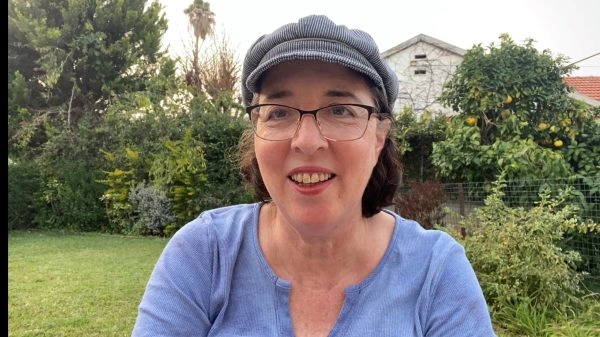
אחי, שלומד דף יומי ממסכת ברכות, חיפש חברותא ללימוד מסכת ראש השנה והציע לי. החברותא היתה מאתגרת טכנית ורוב הזמן נעשתה דרך הטלפון, כך שבסיום המסכת נפרדו דרכינו. אחי חזר ללמוד לבד, אבל אני כבר נכבשתי בקסם הגמרא ושכנעתי את האיש שלי להצטרף אלי למסכת ביצה. מאז המשכנו הלאה, ועכשיו אנחנו מתרגשים לקראתו של סדר נשים!

Shulamit Saban
שולמית סבן

נוקדים, ישראל

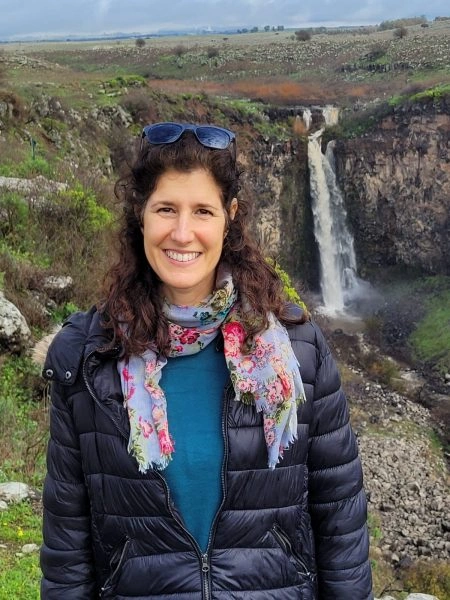
הייתי לפני שנתיים בסיום הדרן נשים בבנייני האומה והחלטתי להתחיל. אפילו רק כמה דפים, אולי רק פרק, אולי רק מסכת… בינתיים סיימתי רבע שס ותכף את כל סדר מועד בה.
הסביבה תומכת ומפרגנת. אני בת יחידה עם ארבעה אחים שכולם לומדים דף יומי. מדי פעם אנחנו עושים סיומים יחד באירועים משפחתיים. ממש מרגש. מסכת שבת סיימנו כולנו יחד עם אבא שלנו!
אני שומעת כל יום פודקאסט בהליכה או בנסיעה ואחכ לומדת את הגמרא.

Edna Gross
עדנה גרוס

מרכז שפירא, ישראל

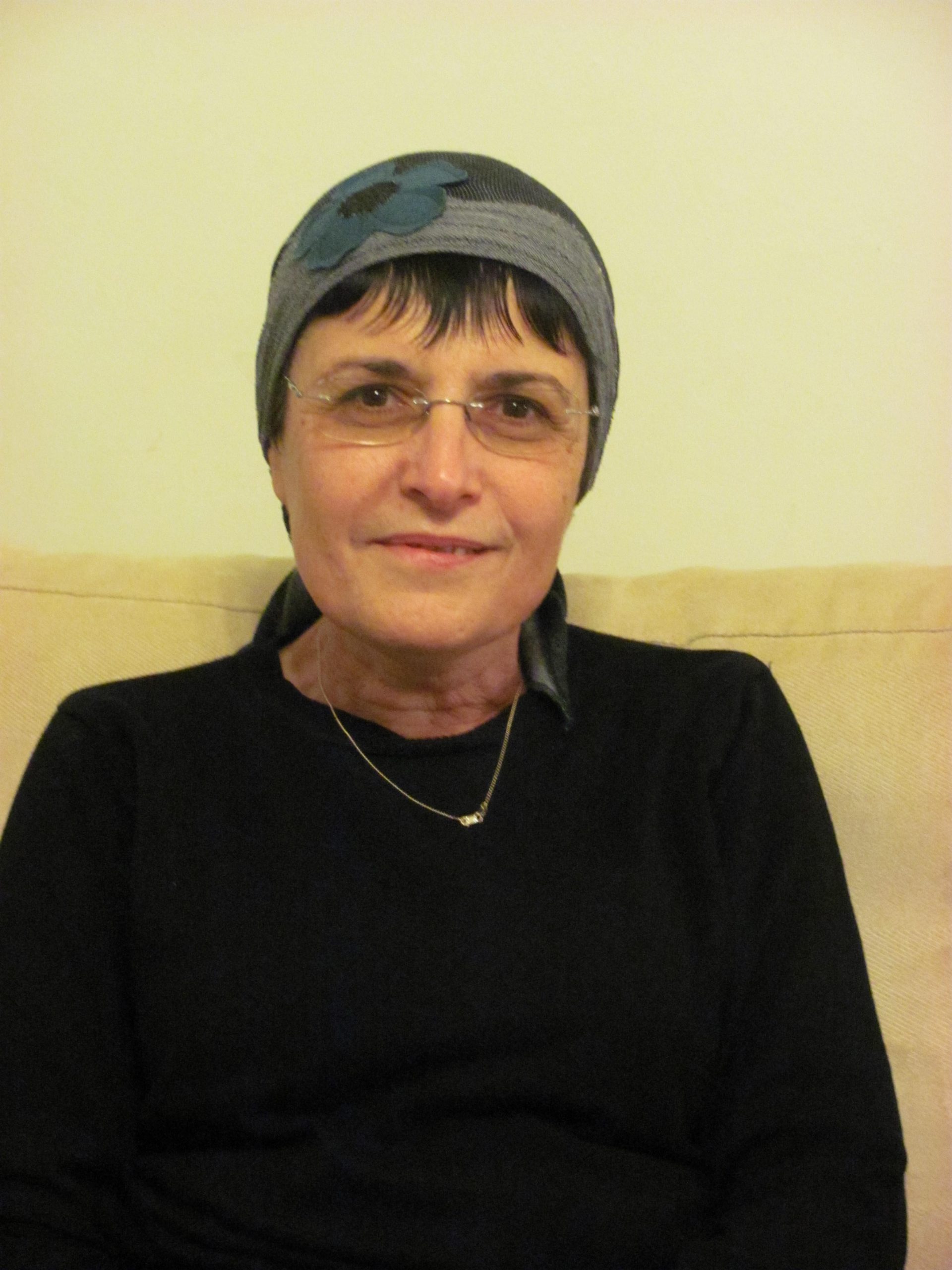
התחלתי ללמוד לפני 4.5 שנים, כשהודיה חברה שלי פתחה קבוצת ווטסאפ ללימוד דף יומי בתחילת מסכת סנהדרין. מאז לימוד הדף נכנס לתוך היום-יום שלי והפך לאחד ממגדירי הזהות שלי ממש.

Rosenberg Foundation
קרן רוזנברג

ירושלים, ישראל

באירוע של הדרן בנייני האומה. בהשראתה של אמי שלי שסיימה את הש”ס בסבב הקודם ובעידוד מאיר , אישי, וילדיי וחברותיי ללימוד במכון למנהיגות הלכתית של רשת אור תורה סטון ומורתיי הרבנית ענת נובוסלסקי והרבנית דבורה עברון, ראש המכון למנהיגות הלכתית.
הלימוד מעשיר את יומי, מחזיר אותי גם למסכתות שכבר סיימתי וידוע שאינו דומה מי ששונה פרקו מאה לשונה פרקו מאה ואחת במיוחד מרתקים אותי החיבורים בין המסכתות

Roit Kalech
רוית קלך

מודיעין, ישראל

התחלתי ללמוד בסבב הנוכחי לפני כשנתיים .הסביבה מתפעלת ותומכת מאוד. אני משתדלת ללמוד מכל ההסכתים הנוספים שיש באתר הדרן. אני עורכת כל סיום מסכת שיעור בביתי לכ20 נשים שמחכות בקוצר רוח למפגשים האלו.

Yael Asher
יעל אשר

יהוד, ישראל

התחלתי ללמוד דף יומי בתחילת מסכת ברכות, עוד לא ידעתי כלום. נחשפתי לסיום הש״ס, ובעצם להתחלה מחדש בתקשורת, הפתיע אותי לטובה שהיה מקום לעיסוק בתורה.
את המסכתות הראשונות למדתי, אבל לא סיימתי (חוץ מעירובין איכשהו). השנה כשהגעתי למדרשה, נכנסתי ללופ, ואני מצליחה להיות חלק, סיימתי עם החברותא שלי את כל המסכתות הקצרות, גם כשהיינו חולות קורונה ובבידודים, למדנו לבד, העיקר לא לצבור פער, ומחכות ליבמות 🙂

Eden Yeshuron
עדן ישורון

מזכרת בתיה, ישראל

A life-changing journey started with a Chanukah family tiyul to Zippori, home of the Sanhedrin 2 years ago and continued with the Syum in Binanei Hauma where I was awed by the energy of 3000 women dedicated to learning daf Yomi. Opening my morning daily with a fresh daf, I am excited with the new insights I find enriching my life and opening new and deeper horizons for me.

Becky Goldstein
בקי גולדשטיין

Elazar gush etzion, Israel

התחלתי להשתתף בשיעור נשים פעם בשבוע, תכננתי ללמוד רק דפים בודדים, לא האמנתי שאצליח יותר מכך.
לאט לאט נשאבתי פנימה לעולם הלימוד .משתדלת ללמוד כל בוקר ומתחילה את היום בתחושה של מלאות ומתוך התכווננות נכונה יותר.
הלימוד של הדף היומי ממלא אותי בתחושה של חיבור עמוק לעם היהודי ולכל הלומדים בעבר ובהווה.

Neely Hayon
נילי חיון

אפרת, ישראל

התחלתי ללמוד גמרא בבית הספר בגיל צעיר והתאהבתי. המשכתי בכך כל חיי ואף היייתי מורה לגמרא בבית הספר שקד בשדה אליהו (בית הספר בו למדתי בילדותי)בתחילת מחזור דף יומי הנוכחי החלטתי להצטרף ובע”ה מקווה להתמיד ולהמשיך. אני אוהבת את המפגש עם הדף את "דרישות השלום ” שמקבלת מקשרים עם דפים אחרים שלמדתי את הסנכרון שמתחולל בין התכנים.

Ariela Bigman
אריאלה ביגמן

מעלה גלבוע, ישראל

התחלתי לפני כמה שנים אבל רק בסבב הזה זכיתי ללמוד יום יום ולסיים מסכתות

Sigal Tel
סיגל טל

רעננה, ישראל

אני לומדת גמרא כעשור במסגרות שונות, ואת הדף היומי התחלתי כשחברה הציעה שאצטרף אליה לסיום בבנייני האומה. מאז אני לומדת עם פודקסט הדרן, משתדלת באופן יומי אך אם לא מספיקה, מדביקה פערים עד ערב שבת. בסבב הזה הלימוד הוא "ממעוף הציפור”, מקשיבה במהירות מוגברת תוך כדי פעילויות כמו בישול או נהיגה, וכך רוכשת היכרות עם הסוגיות ואופן ניתוחם על ידי חז”ל. בע”ה בסבב הבא, ואולי לפני, אצלול לתוכו באופן מעמיק יותר.

Yael Bir
יעל ביר

רמת גן, ישראל

רציתי לקבל ידע בתחום שהרגשתי שהוא גדול וחשוב אך נעלם ממני. הלימוד מעניק אתגר וסיפוק ומעמיק את תחושת השייכות שלי לתורה וליהדות

Ruth Agiv
רות עגיב

עלי זהב – לשם, ישראל

התחלתי להשתתף בשיעור נשים פעם בשבוע, תכננתי ללמוד רק דפים בודדים, לא האמנתי שאצליח יותר מכך.
לאט לאט נשאבתי פנימה לעולם הלימוד .משתדלת ללמוד כל בוקר ומתחילה את היום בתחושה של מלאות ומתוך התכווננות נכונה יותר.
הלימוד של הדף היומי ממלא אותי בתחושה של חיבור עמוק לעם היהודי ולכל הלומדים בעבר ובהווה.

Neely Hayon
נילי חיון

אפרת, ישראל

התחלתי ללמוד דף יומי אחרי שחזרתי בתשובה ולמדתי במדרשה במגדל עוז. הלימוד טוב ומספק חומר למחשבה על נושאים הלכתיים ”קטנים” ועד לערכים גדולים ביהדות. חשוב לי להכיר את הגמרא לעומק. והצעד הקטן היום הוא ללמוד אותה בבקיאות, בעזרת השם, ומי יודע אולי גם אגיע לעיון בנושאים מעניינים. נושאים בגמרא מתחברים לחגים, לתפילה, ליחסים שבין אדם לחברו ולמקום ולשאר הדברים שמלווים באורח חיים דתי 🙂

Gaia Divo
גאיה דיבו

מצפה יריחו, ישראל

התחלתי ללמוד דף יומי בסבב הקודם. זכיתי לסיים אותו במעמד המרגש של הדרן. בסבב הראשון ליווה אותי הספק, שאולי לא אצליח לעמוד בקצב ולהתמיד. בסבב השני אני לומדת ברוגע, מתוך אמונה ביכולתי ללמוד ולסיים. בסבב הלימוד הראשון ליוותה אותי חוויה מסויימת של בדידות. הדרן העניקה לי קהילת לימוד ואחוות נשים. החוויה של סיום הש”ס במעמד כה גדול כשנשים שאינן מכירות אותי, שמחות ומתרגשות עבורי , היתה חוויה מרוממת נפש

Ilanit Weil
אילנית ווייל

קיבוץ מגדל עוז, ישראל

שמעתי על הסיום הענק של הדף היומי ע”י נשים בבנייני האומה. רציתי גם.
החלטתי להצטרף. התחלתי ושיכנעתי את בעלי ועוד שתי חברות להצטרף. עכשיו יש לי לימוד משותף איתו בשבת ומפגש חודשי איתן בנושא (והתכתבויות תדירות על דברים מיוחדים שקראנו). הצטרפנו לקבוצות שונות בווטסאפ. אנחנו ממש נהנות. אני שומעת את השיעור מידי יום (בד”כ מהרב יוני גוטמן) וקוראת ומצטרפת לסיומים של הדרן. גם מקפידה על דף משלהן (ונהנית מאד).

Liat Citron
ליאת סיטרון

אפרת, ישראל

התחלתי מעט לפני תחילת הסבב הנוכחי. אני נהנית מהאתגר של להמשיך להתמיד, מרגעים של "אהה, מפה זה הגיע!” ומהאתגר האינטלקטואלי

Eilat-Chen and Deller
אילת-חן ודלר

לוד, ישראל

לפני 15 שנה, אחרי עשרות שנים של "ג’ינגול” בין משפחה לקריירה תובענית בהייטק, הצטרפתי לשיעורי גמרא במתן רעננה. הלימוד המעמיק והייחודי של הרבנית אושרה קורן יחד עם קבוצת הנשים המגוונת הייתה חוויה מאלפת ומעשירה. לפני כשמונה שנים כאשר מחזור הדף היומי הגיע למסכת תענית הצטרפתי כ”חברותא” לבעלי. זו השעה היומית שלנו ביחד כאשר דפי הגמרא משתלבים בחיי היום יום, משפיעים ומושפעים, וכשלא מספיקים תמיד משלימים בשבת

Yodi Askoff
יודי אסקוף

רעננה, ישראל

כבר סיפרתי בסיום של מועד קטן.
הלימוד מאוד משפיעה על היום שלי כי אני לומדת עם רבנית מישל על הבוקר בזום. זה נותן טון לכל היום – בסיס למחשבות שלי .זה זכות גדול להתחיל את היום בלימוד ובתפילה. תודה רבה !

שרה-ברלוביץ
שרה ברלוביץ

ירושלים, ישראל

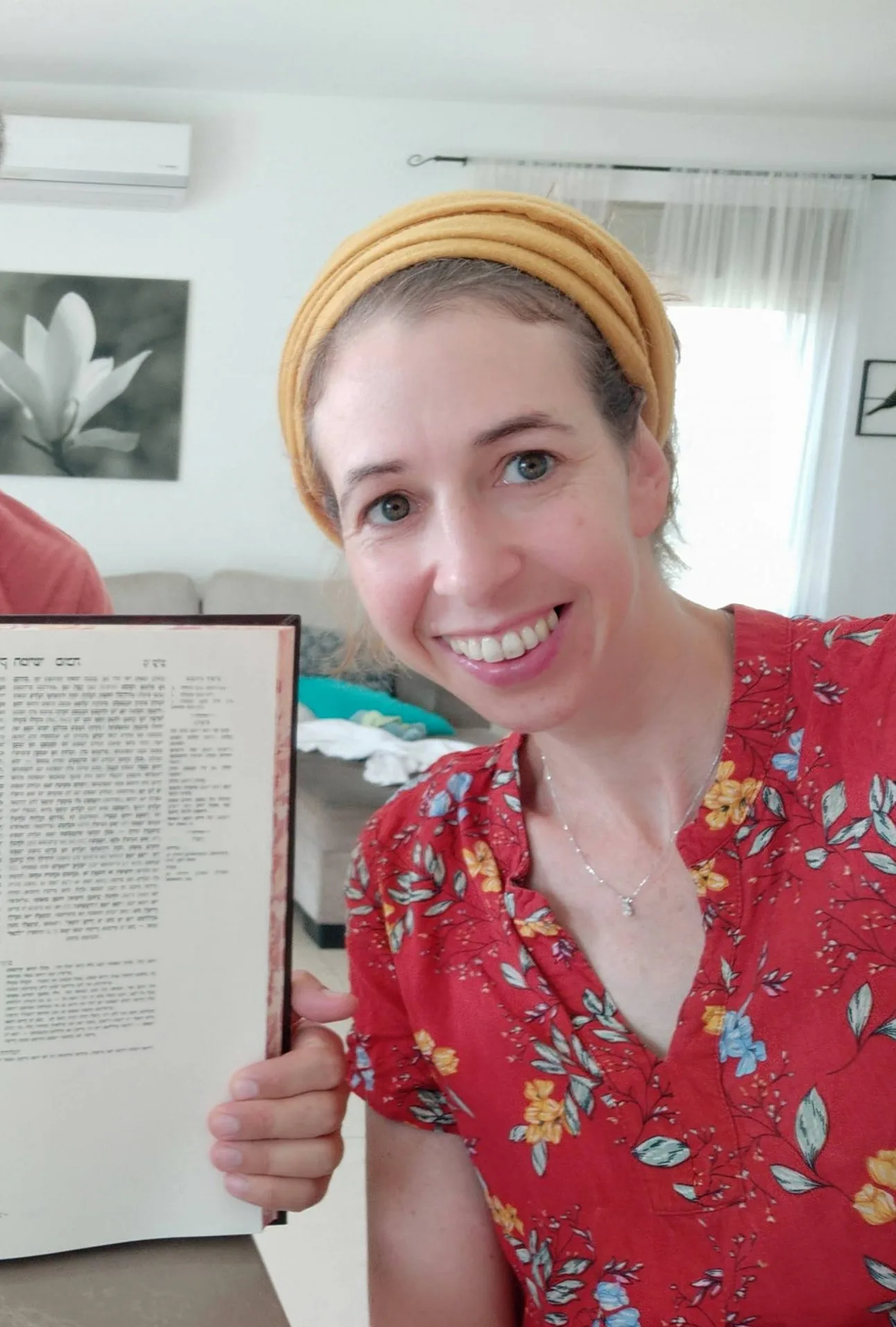
בתחילת הסבב הנוכחי הצטברו אצלי תחושות שאני לא מבינה מספיק מהי ההלכה אותה אני מקיימת בכל יום. כמו כן, כאמא לבנות רציתי לתת להן מודל נשי של לימוד תורה
שתי הסיבות האלו הובילו אותי להתחיל ללמוד. נתקלתי בתגובות מפרגנות וסקרניות איך אישה לומדת גמרא..
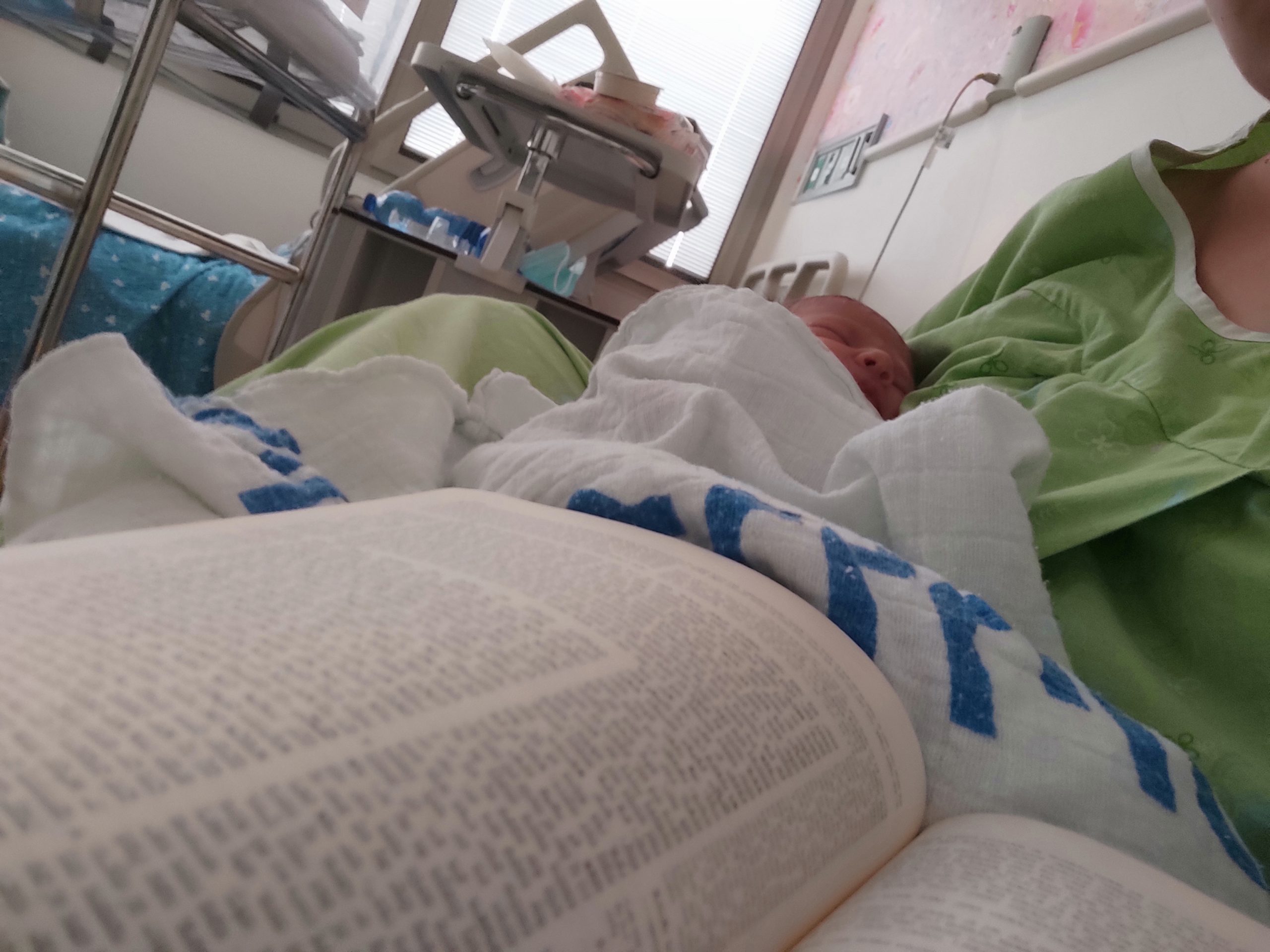
כמו שרואים בתמונה אני ממשיכה ללמוד גם היום ואפילו במחלקת יולדות אחרי לידת ביתי השלישית.

Noa Shiloh
נועה שילה

רבבה, ישראל

תענית ה

רָבָא אָמַר: כֵּיוָן שֶׁהִתְחִיל, שׁוּב אֵינוֹ פּוֹסֵק. וְכֵן אָמַר רַב שֵׁשֶׁת: כֵּיוָן שֶׁהִתְחִיל, שׁוּב אֵינוֹ פּוֹסֵק.

Rava said an alternative suggestion: Once one has started to mention rain, he no longer stops, i.e., he continues the mention of rain consistently until the summer. And, so too, Rav Sheshet said: Once one has started to mention rain, he no longer stops. In other words, once one has begun to mention rain in his prayers in the additional prayer on the Eighth Day of Assembly, he continues to do so uninterrupted, even in the Diaspora.

וְאַף רַב הֲדַר בֵּיהּ. דְּאָמַר רַב חֲנַנְאֵל אָמַר רַב: מוֹנֶה עֶשְׂרִים וְאֶחָד יוֹם כְּדֶרֶךְ שֶׁמּוֹנֶה עֲשָׂרָה יָמִים מֵרֹאשׁ הַשָּׁנָה עַד יוֹם הַכִּפּוּרִים, וּמַתְחִיל, וְכֵיוָן שֶׁהִתְחִיל — שׁוּב אֵינוֹ פּוֹסֵק. וְהִלְכְתָא: כֵּיוָן שֶׁהִתְחִיל, שׁוּב אֵינוֹ פּוֹסֵק.

The Gemara adds: And even Rav retracted his previously stated opinion, as Rav Ḥananel said that Rav said: One counts twenty-one days from Rosh HaShana, just as one counts ten days from Rosh HaShana until Yom Kippur. And after the twenty-one days, one starts to mention rain, and once one has started, he no longer stops. The Gemara concludes: And the halakha is in accordance with the opinion that once one has started to mention rain, he no longer stops.

מַתְנִי׳ עַד מָתַי שׁוֹאֲלִין אֶת הַגְּשָׁמִים? רַבִּי יְהוּדָה אוֹמֵר: עַד שֶׁיַּעֲבוֹר הַפֶּסַח, רַבִּי מֵאִיר אוֹמֵר: עַד שֶׁיֵּצֵא נִיסָן, שֶׁנֶּאֱמַר: ״וַיּוֹרֶד לָכֶם גֶּשֶׁם מוֹרֶה וּמַלְקוֹשׁ בָּרִאשׁוֹן״.

MISHNA: Until when does one request rain? Rabbi Yehuda says: We request rain until Passover has passed. Rabbi Meir says: Until the month of Nisan has ended, as it is stated: “And He causes to come down for you the rain, the first rain and the last rain, in the first month” (Joel 2:23). Since the verse states that it rains in Nisan, the first month, this indicates that the entire month is considered part of the rainy season.

גְּמָ׳ אֲמַר לֵיהּ רַב נַחְמָן לְרַבִּי יִצְחָק: יוֹרֶה בְּנִיסָן? יוֹרֶה בִּמְרַחְשְׁוָן הוּא! דִּתְנַן: יוֹרֶה בִּמְרַחְשְׁוָן וּמַלְקוֹשׁ בְּנִיסָן! אֲמַר לֵיהּ, הָכִי אָמַר רַבִּי יוֹחָנָן: בִּימֵי יוֹאֵל בֶּן פְּתוּאֵל נִתְקַיֵּים מִקְרָא זֶה דִּכְתִיב בֵּיהּ ״יֶתֶר הַגָּזָם אָכַל הָאַרְבֶּה וְגוֹ׳״. אוֹתָהּ שָׁנָה יָצָא אֲדָר וְלֹא יָרְדוּ גְּשָׁמִים, יָרְדָה לָהֶם רְבִיעָה רִאשׁוֹנָה בְּאֶחָד בְּנִיסָן.

GEMARA: Rav Naḥman said to Rabbi Yitzḥak: Is the first rain in Nisan? The first rain is in Marḥeshvan, as we learned in a baraita: The first rain is in Marḥeshvan and the last rain is in Nisan. Rabbi Yitzḥak said to Rav Naḥman that Rabbi Yoḥanan said as follows: This verse was fulfilled in the days of the prophet Joel, son of Pethuel, in a year concerning which it is written: “That which the palmer-worm has left, the locust has eaten and that which the locust has left, the canker-worm has eaten; and that which the canker-worm has left, the caterpillar has eaten” (Joel 1:4), when no crops remained. In that year, the month of Adar ended and still no rain had fallen. The rain of the first rainy season fell for them on the first of Nisan.

אָמַר לָהֶם נָבִיא לְיִשְׂרָאֵל: צְאוּ וְזִרְעוּ! אָמְרוּ לוֹ: מִי שֶׁיֵּשׁ לוֹ קַב חִטִּים אוֹ קַבַּיִּם שְׂעוֹרִין — יֹאכְלֶנּוּ וְיִחְיֶה, אוֹ יִזְרָעֶנּוּ וְיָמוּת? אָמַר לָהֶם: אַף עַל פִּי כֵן צְאוּ וְזִרְעוּ. נַעֲשָׂה לָהֶם נֵס, וְנִתְגַּלָּה לָהֶם מַה שֶּׁבַּכְּתָלִין וּמַה שֶּׁבְּחוֹרֵי נְמָלִים.

After the first rain fell, the prophet said to the Jews: Go out and sow. They said to him: One who has one kav of wheat or two kav of barley left, should he eat them and live off them for a while or sow them and die? Given the improbability of the crops’ growth under these circumstances, it appears wasteful to plant them rather than consume that which remains. The prophet said to them: Nevertheless, go out and sow. A miracle occurred for them and they discovered wheat and barley seeds that were hidden in the walls and that were concealed in ant holes.

יָצְאוּ וְזָרְעוּ שֵׁנִי וּשְׁלִישִׁי וּרְבִיעִי, וְיָרְדָה לָהֶם רְבִיעָה שְׁנִיָּה בַּחֲמִשָּׁה בְּנִיסָן. הִקְרִיבוּ עוֹמֶר בְּשִׁשָּׁה עָשָׂר בְּנִיסָן, נִמְצֵאת תְּבוּאָה הַגְּדֵילָה בְּשִׁשָּׁה חֳדָשִׁים, גְּדֵילָה בְּאַחַד עָשָׂר יוֹם. נִמְצָא עוֹמֶר הַקָּרֵב מִתְּבוּאָה שֶׁל שִׁשָּׁה חֳדָשִׁים, קָרֵב מִתְּבוּאָה שֶׁל אַחַד עָשָׂר יוֹם.

They went out and sowed on the second, third, and fourth days of Nisan, and the rain of the second rainy season fell for them on the fifth of Nisan. The crops grew so quickly that they were able to sacrifice the omer offering in its proper time, on the sixteenth of Nisan. Consequently, grain that normally grows in six months grew in eleven days, and consequently, the omer that is generally sacrificed from grain that grows in six months was sacrificed that year from grain that grew in eleven days.

וְעַל אוֹתוֹ הַדּוֹר הוּא אוֹמֵר: ״הַזֹּרְעִים בְּדִמְעָה בְּרִנָּה יִקְצֹרוּ. הָלוֹךְ יֵלֵךְ וּבָכֹה נֹשֵׂא מֶשֶׁךְ הַזָּרַע וְגוֹ׳״. מַאי ״הָלוֹךְ יֵלֵךְ וּבָכֹה נֹשֵׂא מֶשֶׁךְ וְגוֹ׳״? אָמַר רַבִּי יְהוּדָה: שׁוֹר, כְּשֶׁהוּא חוֹרֵשׁ — הוֹלֵךְ וּבוֹכֶה, וּבַחֲזִירָתוֹ — אוֹכֵל חָזִיז מִן הַתֶּלֶם. וְזֶהוּ: ״בֹּא יָבֹא בְּרִנָּה״.

And with regard to that generation the verse says: “They who sow in tears shall reap with songs of joy. Though he goes on his way weeping, who bears the measure of seed, he shall come home with joy, bearing his sheaves” (Psalms 126:6). The Gemara asks: What is the meaning of the expression: “Though he goes on his way weeping, who bears the measure of seed”? Rabbi Yehuda said: An ox, when it plowed at that time, it went on its way weeping and lamenting its labor; and yet upon its return, through the same furrow, it was able to eat the young shoots [ḥaziz] of crops that had already sprouted from the furrow. And this is the meaning of the phrase: “He shall come home with songs of joy.”

מַאי ״נֹשֵׂא אֲלֻמֹּתָיו״? אָמַר רַב חִסְדָּא, וְאָמְרִי לַהּ בְּמַתְנִיתָא תָּנָא: קָנֶה זֶרֶת, שִׁיבּוֹלֶת זִרְתַּיִם.

The Gemara further asks: What is the meaning of the expression: “Bearing his sheaves”? Rav Ḥisda said, and some say this was taught in a baraita: The stalk of that crop was one span, i.e., the distance between the thumb and the little finger, while the ear itself was two spans, i.e., the ears were twice as long as the stalk, whereas usually the stalk is three or four times longer than the ear.

אֲמַר לֵיהּ רַב נַחְמָן לְרַבִּי יִצְחָק, מַאי דִּכְתִיב: ״כִּי קָרָא ה׳ לָרָעָב וְגַם בָּא אֶל הָאָרֶץ שֶׁבַע שָׁנִים״, בְּהָנָךְ שֶׁבַע שָׁנִים מַאי אֲכוּל?

§ Incidental to the interpretation of these verses, the Gemara cites a series of verses, starting with the topic of hunger, that also involve questions that Rav Naḥman posed to Rabbi Yitzḥak. Rav Naḥman said to Rabbi Yitzḥak: What is the meaning of that which is written: “For the Lord has called upon a famine and it shall also come upon the land seven years” (II Kings 8:1)? Specifically, in those seven years, what did they eat?

אֲמַר לֵיהּ, הָכִי אָמַר רַבִּי יוֹחָנָן: שָׁנָה רִאשׁוֹנָה אָכְלוּ מַה שֶּׁבַּבָּתִּים, שְׁנִיָּה אָכְלוּ מַה שֶּׁבַּשָּׂדוֹת, שְׁלִישִׁית בְּשַׂר בְּהֵמָה טְהוֹרָה, רְבִיעִית בְּשַׂר בְּהֵמָה טְמֵאָה, חֲמִישִׁית בְּשַׂר שְׁקָצִים וּרְמָשִׂים, שִׁשִּׁית בְּשַׂר בְּנֵיהֶם וּבְנוֹתֵיהֶם, שְׁבִיעִית בְּשַׂר זְרוֹעוֹתֵיהֶם, לְקַיֵּים מַה שֶּׁנֶּאֱמַר: ״אִישׁ בְּשַׂר זְרֹעוֹ יֹאכֵלוּ״.

Rabbi Yitzḥak said to Rabbi Naḥman that Rabbi Yoḥanan said as follows: In the first year they ate that which was in their houses; in the second year they ate that which was in their fields; in the third year they ate the meat of their remaining kosher animals; in the fourth year they ate the meat of their remaining non-kosher animals; in the fifth year they ate the meat of repugnant creatures and creeping animals, i.e., any insects they found; in the sixth year they ate the flesh of their sons and their daughters; and in the seventh year they ate the flesh of their own arms, to fulfill that which is stated: “Each man shall eat the flesh of his own arm” (Isaiah 9:19).

וַאֲמַר לֵיהּ רַב נַחְמָן לְרַבִּי יִצְחָק, מַאי דִּכְתִיב: ״בְּקִרְבְּךָ קָדוֹשׁ וְלֹא אָבוֹא בְּעִיר״, מִשּׁוּם דִּבְקִרְבְּךָ קָדוֹשׁ לֹא אָבוֹא בְּעִיר? אָמַר לֵיהּ: הָכִי אָמַר רַבִּי יוֹחָנָן, אָמַר הַקָּדוֹשׁ בָּרוּךְ הוּא: לֹא אָבוֹא בִּירוּשָׁלַיִם שֶׁל מַעְלָה עַד שֶׁאָבוֹא לִירוּשָׁלַיִם שֶׁל מַטָּה!

And Rav Naḥman said to Rabbi Yitzḥak: What is the meaning of that which is written: “It is sacred in your midst, and I will not enter the city” (Hosea 11:9)? This verse is puzzling: Because it is sacred in your midst, will God not enter the city? Rabbi Yitzḥak said to Rav Naḥman that Rabbi Yoḥanan said the verse should be understood as follows: The Holy One, Blessed be He, said: I shall not enter Jerusalem above, in heaven, until I enter Jerusalem on earth down below at the time of the redemption, when it will be sacred in your midst.

וּמִי אִיכָּא יְרוּשָׁלַיִם לְמַעְלָה? אִין, דִּכְתִיב: ״יְרוּשָׁלִַים הַבְּנוּיָה כְּעִיר שֶׁחֻבְּרָה לָּהּ יַחְדָּו״.

The Gemara asks: And is there such a place as Jerusalem above? The Gemara answers: Yes, as it is written: “Jerusalem built up, a city unified together” (Psalms 122:3). The term unified indicates that there are two cities of Jerusalem, a heavenly one and an earthly one, which are bound together.

וַאֲמַר לֵיהּ רַבִּי נַחְמָן לְרַבִּי יִצְחָק, מַאי דִּכְתִיב: ״וּבְאַחַת יִבְעֲרוּ וְיִכְסָלוּ מוּסַר הֲבָלִים עֵץ הוּא״? אֲמַר לֵיהּ, הָכִי אָמַר רַבִּי יוֹחָנָן: אַחַת הִיא שֶׁמְּבַעֶרֶת רְשָׁעִים בְּגֵיהִנָּם, מַאי הִיא — עֲבוֹדָה זָרָה. כְּתִיב הָכָא: ״מוּסַר הֲבָלִים עֵץ הוּא״, וּכְתִיב הָתָם: ״הֶבֶל הֵמָּה מַעֲשֵׂה תַּעְתֻּעִים״.

§ And Rav Naḥman said to Rabbi Yitzḥak: What is the meaning of that which is written: “And with one they are brutish and foolish, the teaching of their vanity is a stock” (Jeremiah 10:8)? Rabbi Yitzḥak said to Rabbi Naḥman that Rabbi Yoḥanan said as follows: There is one transgression that causes the wicked to burn in Gehenna. What is this transgression? Idol worship. This can be proven by a verbal analogy. It is written here: “The teaching of their vanity [hevel] is a stock,” and it is written there, with regard to idols: “They are vanity [hevel], a work of delusion” (Jeremiah 10:15).

וַאֲמַר לֵיהּ רַב נַחְמָן לְרַבִּי יִצְחָק, מַאי דִּכְתִיב: ״כִּי שְׁתַּיִם רָעוֹת עָשָׂה עַמִּי״, תַּרְתֵּין הוּא דַּהֲווֹ? עֶשְׂרִין וְאַרְבַּע שְׁבִיקָא לְהוּ? אֲמַר לֵיהּ, הָכִי אָמַר רַבִּי יוֹחָנָן: אַחַת שֶׁהִיא

And Rav Naḥman said to Rabbi Yitzḥak: What is the meaning of that which is written: “For my people have committed two evils” (Jeremiah 2:13)? Were there only two evils they performed? Were, then, the twenty-four violations listed in the book of Ezekiel abandoned, i.e., pardoned? Rabbi Yitzḥak said to Rav Naḥman that Rabbi Yoḥanan said as follows: They have violated one transgression that is

שְׁקוּלָה כִּשְׁתַּיִם, וּמַאי נִיהוּ — עֲבוֹדָה זָרָה, דִּכְתִיב: ״כִּי שְׁתַּיִם רָעוֹת עָשָׂה עַמִּי אֹתִי עָזְבוּ מְקוֹר מַיִם חַיִּים לַחְצֹב לָהֶם בֹּארוֹת בֹּארוֹת נִשְׁבָּרִים״, וּכְתִיב בְּהוּ: ״כִּי עִבְרוּ אִיֵּי כִתִּיִּים וּרְאוּ וְקֵדָר שִׁלְחוּ וְהִתְבּוֹנְנוּ מְאֹד וְגוֹ׳ הַהֵימִיר גּוֹי אֱלֹהִים וְהֵמָּה לֹא אֱלֹהִים וְעַמִּי הֵמִיר כְּבוֹדוֹ בְּלוֹא יוֹעִיל״.

equivalent to two. And what is this sin? Idol worship, as it is written: “For my people have committed two evils; they have forsaken Me, the fountain of living waters, to hew for themselves cisterns, broken cisterns” (Jeremiah 2:13), and it is written about the Jewish people: “For pass over the isles of the Kittim and see; and send to Kedar and observe carefully, and see if there has been such a thing. Has a nation exchanged its gods, although they are no gods? But My people has exchanged its glory for that which does not profit” (Jeremiah 2:10–11).

תָּנָא: כּוּתִיִּים עוֹבְדִים לָאֵשׁ, וְקֵדָרִיִּים עוֹבְדִין לַמַּיִם, וְאַף עַל פִּי שֶׁיּוֹדְעִים שֶׁהַמַּיִם מְכַבִּין אֶת הָאֵשׁ — לֹא הֵמִירוּ אֱלֹהֵיהֶם, ״וְעַמִּי הֵמִיר כְּבוֹדוֹ בְּלוֹא יוֹעִיל״.

It is taught in a baraita with regard to this verse: Kittites, i.e., the people of the isles of Kittim, worship fire and the people of Kedar worship water, and even though they know that water extinguishes fire, nevertheless they have not exchanged their god: “But My people has exchanged its glory for that which does not profit.”

וַאֲמַר לֵיהּ רַב נַחְמָן לְרַבִּי יִצְחָק, מַאי דִּכְתִיב: ״וַיְהִי כַּאֲשֶׁר זָקֵן שְׁמוּאֵל״, וּמִי סִיב שְׁמוּאֵל כּוּלֵּי הַאי? וְהָא בַּר חֲמִישִּׁים וּשְׁתַּיִם הֲוָה, דְּאָמַר מָר: מֵת בַּחֲמִישִּׁים וּשְׁתַּיִם שָׁנָה, זֶהוּ מִיתָתוֹ שֶׁל שְׁמוּאֵל הָרָמָתִי.

And Rav Naḥman said to Rabbi Yitzḥak: What is the meaning of that which is written: “And it came to pass when Samuel was old” (I Samuel 8:1)? And did Samuel really grow so old? But he was only fifty-two years old when he died, as the Master said in a baraita that deals with the Divine punishment of karet: One who dies at the age of fifty-two years is not considered to have suffered the premature death of karet, as this is the age of the death of Samuel of Rama. This shows that Samuel died at the relatively young age of fifty-two.

אֲמַר לֵיהּ, הָכִי אָמַר רַבִּי יוֹחָנָן: זִקְנָה קָפְצָה עָלָיו, דִּכְתִיב: ״נִחַמְתִּי כִּי הִמְלַכְתִּי אֶת שָׁאוּל״. אָמַר לְפָנָיו: רִבּוֹנוֹ שֶׁל עוֹלָם! שְׁקַלְתַּנִי כְּמֹשֶׁה וְאַהֲרֹן, דִּכְתִיב: ״מֹשֶׁה וְאַהֲרֹן בְּכֹהֲנָיו וּשְׁמוּאֵל בְּקֹרְאֵי שְׁמוֹ״, מָה מֹשֶׁה וְאַהֲרֹן לֹא בָּטְלוּ מַעֲשֵׂה יְדֵיהֶם בְּחַיֵּיהֶם, אַף אֲנִי לֹא יִתְבַּטֵּל מַעֲשֵׂה יָדַי בְּחַיַּי.

Rabbi Yitzḥak said to Rav Naḥman that Rabbi Yoḥanan said as follows: Old age sprang upon Samuel, which caused him to appear older than his actual age, as it is written: “I regret that I made Saul king” (I Samuel 15:11). Samuel said before God: Master of the Universe, You have considered me the equivalent of Moses and Aaron, as it is written: “Moses and Aaron among His priests, and Samuel among those who call upon His Name” (Psalms 99:6). Just as with regard to Moses and Aaron, their handiwork was not annulled in their lifetimes, so too, let my handiwork not be annulled in my lifetime. I anointed Saul; please do not annul his reign.

אָמַר הַקָּדוֹשׁ בָּרוּךְ הוּא: הֵיכִי אֶעֱבֵיד? לֵימוּת שָׁאוּל — לָא קָא שָׁבֵיק שְׁמוּאֵל, לֵימוּת שְׁמוּאֵל אַדְּזוּטַר — מְרַנְּנִי אַבָּתְרֵיהּ. לָא לֵימוּת שָׁאוּל וְלָא לֵימוּת שְׁמוּאֵל — כְּבָר הִגִּיעָה מַלְכוּת דָּוִד, וְאֵין מַלְכוּת נוֹגַעַת בַּחֲבֶרְתָּהּ אֲפִילּוּ כִּמְלֹא נִימָא.

The Holy One, Blessed be He, said: What shall I do? Shall Saul die now? Samuel will not allow it, as he has petitioned that Saul should not die. Shall Samuel die young, with Saul passing away immediately afterward? The people will murmur about him, and wonder what transgression Samuel committed that caused his early demise. Shall neither Saul nor Samuel die? The time of David’s reign has already arrived, and one kingdom does not overlap with another and subtract from the time allotted to it even by a hairbreadth [nima].

אָמַר הַקָּדוֹשׁ בָּרוּךְ הוּא: אַקְפִּיץ עָלָיו זִקְנָה. הַיְינוּ דִּכְתִיב: ״וְשָׁאוּל יוֹשֵׁב בַּגִּבְעָה תַּחַת הָאֶשֶׁל בָּרָמָה״, וְכִי מָה עִנְיַן גִּבְעָה אֵצֶל רָמָה? אֶלָּא לוֹמַר לְךָ: מִי גָּרַם לְשָׁאוּל שֶׁיָּשַׁב בַּגִּבְעָה שְׁתֵּי שָׁנִים וּמֶחֱצָה — תְּפִלָּתוֹ שֶׁל שְׁמוּאֵל הָרָמָתִי.

Therefore, the Holy One, Blessed be He, said: I will spring old age upon him and everyone will think that Shmuel is elderly. This is the meaning of that which is written: “And Saul dwelled in Gibeah under the tamarisk tree in Rama” (I Samuel 22:6). What does Gibeah have to do with Rama; these are two separate places. Rather, the verse comes to tell you: Who caused Saul to dwell in Gibeah for two and a half years? The prayer of Samuel of Rama.

וּמִי מִידְּחֵי גַּבְרָא מִקַּמֵּי גַּבְרָא? אִין, דְּאָמַר רַבִּי שְׁמוּאֵל בַּר נַחְמָנִי אָמַר רַבִּי יוֹחָנָן: מַאי דִּכְתִיב: ״עַל כֵּן חָצַבְתִּי בַּנְּבִיאִים הֲרַגְתִּים בְּאִמְרֵי פִי״ — ״בְּמַעֲשֵׂיהֶם״ לֹא נֶאֱמַר, אֶלָּא ״בְּאִמְרֵי פִי״, אַלְמָא: מִידְּחֵי גַּבְרָא מִקַּמֵּי גַּבְרָא.

The Gemara asks: And is one man set aside before another man? In other words, is Samuel’s life set aside simply because the time for David’s reign has arrived? The Gemara answers: Yes, as Rabbi Shmuel bar Naḥmani said that Rabbi Yoḥanan said: What is the meaning of that which is written: “Therefore I have hewn by the prophets, I have slain them by the words of My mouth” (Hosea 6:5)? It is not stated: By their deeds, but rather: “By the words of My mouth,” i.e., God sometimes ends the life of an individual simply by virtue of His decree. Apparently, one man is indeed set aside before another man.

רַב נַחְמָן וְרַבִּי יִצְחָק הֲווֹ יָתְבִי בִּסְעוּדְתָּא. אֲמַר לֵיהּ רַב נַחְמָן לְרַבִּי יִצְחָק: לֵימָא מָר מִילְּתָא. אֲמַר לֵיהּ, הָכִי אָמַר רַבִּי יוֹחָנָן: אֵין מְסִיחִין בִּסְעוּדָה, שֶׁמָּא יַקְדִּים קָנֶה לְוֶשֶׁט וְיָבֹא לִידֵי סַכָּנָה.

§ In continuation of Rav Naḥman’s questions of Rabbi Yitzḥak, the Gemara relates: Rav Naḥman and Rabbi Yitzḥak were sitting and eating together at a meal. Rav Naḥman said to Rabbi Yitzḥak: Let the Master say a matter, i.e., share a Torah idea with me. Rabbi Yitzḥak said to Rav Naḥman that Rabbi Yoḥanan said: One may not speak during a meal, lest the trachea will precede the esophagus. Food is meant to enter the esophagus, and when one speaks his trachea opens and the food might enter there. And therefore, one should not speak during a meal, as he might come into the danger of choking.

בָּתַר דִּסְעוּד אֲמַר לֵיהּ, הָכִי אָמַר רַבִּי יוֹחָנָן: יַעֲקֹב אָבִינוּ לֹא מֵת. אֲמַר לֵיהּ: וְכִי בִּכְדִי סְפַדוּ סַפְדָּנַיָּא וַחֲנַטוּ חָנְטַיָּיא וּקְבַרוּ קַבָּרַיָּיא? אֲמַר לֵיהּ: מִקְרָא אֲנִי דּוֹרֵשׁ, שֶׁנֶּאֱמַר: ״וְאַתָּה אַל תִּירָא עַבְדִּי יַעֲקֹב נְאֻם ה׳ וְאַל תֵּחַת יִשְׂרָאֵל כִּי הִנְנִי מוֹשִׁיעֲךָ מֵרָחוֹק וְאֶת זַרְעֲךָ מֵאֶרֶץ שִׁבְיָם״, מַקִּישׁ הוּא לְזַרְעוֹ: מָה זַרְעוֹ בַּחַיִּים — אַף הוּא בַּחַיִּים.

After they had eaten, Rabbi Yitzḥak said to Rav Naḥman that Rabbi Yoḥanan said as follows: Our patriarch Jacob did not die. Rav Naḥman asked him in surprise: And was it for naught that the eulogizers eulogized him and the embalmers embalmed him and the buriers buried him? Rabbi Yitzḥak replied to Rav Naḥman: I am interpreting a verse, as it is stated: “Therefore do not fear, Jacob My servant, says the Lord, neither be dismayed, Israel, for I will save you from afar, and your seed from the land of their captivity” (Jeremiah 30:10). This verse juxtaposes Jacob to his seed: Just as his seed is alive when redeemed, so too, Jacob himself is alive.

אָמַר רַבִּי יִצְחָק: כׇּל הָאוֹמֵר ״רָחָב״ ״רָחָב״ מִיָּד נִקְרֵי. אֲמַר לֵיהּ רַב נַחְמָן: אֲנָא אָמֵינָא וְלָא אִיכְפַּת לִי! אֲמַר לֵיהּ: כִּי קָאָמֵינָא, בְּיוֹדְעָהּ וּבְמַכִּירָהּ.

Rabbi Yitzḥak said: Anyone who says: Rahab Rahab, immediately experiences a seminal emission, due to the arousal of desire caused by Rahab’s great beauty. Rav Naḥman said to him: I say Rahab and it does not affect me. Rabbi Yitzḥak said to Rav Naḥman: When I said this I was specifically referring to a man who knew her and to one who recognized her. With regard to anyone who had met Rahab in person, the mere mention of her name would arouse his lust.

כִּי הֲווֹ מִיפַּטְרִי מֵהֲדָדֵי, אֲמַר לֵיהּ: לִיבָרְכַן מָר! אֲמַר לֵיהּ: אֶמְשׁוֹל לְךָ מָשָׁל, לְמָה הַדָּבָר דּוֹמֶה? לְאָדָם שֶׁהָיָה הוֹלֵךְ בַּמִּדְבָּר וְהָיָה רָעֵב וְעָיֵף וְצָמֵא, וּמָצָא אִילָן שֶׁפֵּירוֹתָיו מְתוּקִין וְצִלּוֹ נָאֶה וְאַמַּת הַמַּיִם עוֹבֶרֶת תַּחְתָּיו. אָכַל מִפֵּירוֹתָיו, וְשָׁתָה מִמֵּימָיו, וְיָשַׁב בְּצִילּוֹ.

The Gemara relates: When they were taking leave of one another, Rav Naḥman said to Rabbi Yitzḥak: Master, give me a blessing. Rabbi Yitzḥak said to him: I will tell you a parable. To what is this matter comparable? It is comparable to one who was walking through a desert and who was hungry, tired, and thirsty. And he found a tree whose fruits were sweet and whose shade was pleasant, and a stream of water flowed beneath it. He ate from the fruits of the tree, drank from the water in the stream, and sat in the shade of the tree.

וּכְשֶׁבִּיקֵּשׁ לֵילֵךְ, אָמַר: אִילָן אִילָן, בַּמָּה אֲבָרֶכְךָ? אִם אוֹמַר לְךָ שֶׁיְּהוּ פֵּירוֹתֶיךָ מְתוּקִין — הֲרֵי פֵּירוֹתֶיךָ מְתוּקִין, שֶׁיְּהֵא צִילְּךָ נָאֶה — הֲרֵי צִילְּךָ נָאֶה, שֶׁתְּהֵא אַמַּת הַמַּיִם עוֹבֶרֶת תַּחְתֶּיךָ — הֲרֵי אַמַּת הַמַּיִם עוֹבֶרֶת תַּחְתֶּיךָ, אֶלָּא: יְהִי רָצוֹן שֶׁכׇּל נְטִיעוֹת שֶׁנּוֹטְעִין מִמְּךָ

And when he wished to leave, he said: Tree, tree, with what shall I bless you? If I say to you that your fruits should be sweet, your fruits are already sweet; if I say that your shade should be pleasant, your shade is already pleasant; if I say that a stream of water should flow beneath you, a stream of water already flows beneath you. Rather, I will bless you as follows: May it be God’s will that all saplings which they plant from you

רוצה לעקוב אחרי התכנים ולהמשיך ללמוד?

ביצירת חשבון עוד היום ניתן לעקוב אחרי ההתקדמות שלך, לסמן מה למדת, ולעקוב אחרי השיעורים שמעניינים אותך.

לנקות את כל הפריטים מהרשימה?

פעולה זו תסיר את כל הפריטים בחלק זה כולל ההתקדמות וההיסטוריה. שימי לב: לא ניתן לשחזר פעולה זו.

ביטול
מחיקה

האם את/ה בטוח/ה שברצונך למחוק פריט זה?

תאבד/י את כל ההתקדמות או ההיסטוריה הקשורות לפריט זה.

ביטול
מחיקה