חיפוש

יבמות קו

רוצה להקדיש לימוד?

podcast placeholder

0:00
0:00


תקציר

הדף היום מוקדש ע”י שרה ברלוביץ לכבוד החברותות שלה בשיעור בזום. 

חליצה ​​מוטעית כשרה. מה זו חליצה ​​מוטעית? מקרה שבו היבמה הבטיחה שאם יעשה איתה חליצה ​​היא תיתן לו כסף, אבל בסוף היא לא נותנת לו את הכסף. הטקטיקה הזו שימשה כדי לנסות לעודד גברים שלא רצו לעשות חליצה, אבל בסופו של דבר, הנשים לא צריכות לשלם את הכסף. אולם אם אמרו לו עשה חליצה ​​ובזה תינשא לה, זה פסול. אולם רבנים השתמשו בזה גם כשהאיש התעקש לעשות ייבום והאישה לא רצתה, היו אומרים לו לעשות חליצה ​​כדי לשאת אותה לאישה. פעולה זו תמנע ממנו את האפשרות לקיים מצוות ייבום (שהרי זו חליצה ​​לחומרה) ואז יצטרך לעשות חליצה ​​כמו שצריך. גיסתו של רב פפא היתה צריכה חליצה והיבם רצה לייבמה ולא לחלוץ לה והיא לא רצתה. ​והתיק הגיע לאביי ואביי ורב פפא מנהלים דיון ביניהם מה מותר לעשות כדי לגרום לו לעשות חליצה. בסופו של דבר, רב פפא חושב שהיא יכולה להבטיח לתת לו כסף, אך אינה צריכה לשלם לו מכיוון שהיא יכולה לטעון שהיא מעולם לא התכוונה לזה (משטה אני בך), כפי שנמצא שהיא טענה לגיטימית במקרים אחרים. אביי בסוף הסיפור מקנא בחכמתו של רב פפא ומקנאתו, גורם למות הוריו של רב פפא. אפשר גם להכריח אדם לעשות חליצה ​​כל עוד בסופו של דבר הוא עושה זאת ברצון, כפי שקורה בגט. אולם אם לא מתקיים תנאי בגט, הגט פסול, בשונה מחליצה. האם אפשר לעשות חליצה ​​בלי לבדוק שהיא היבמה והוא היבם? ואם כן, אז אי אפשר לכתוב קבלה על כך שהטקס נעשה, כיון שיסתמכו על אותו מסמך להשיאה למישהו אחר מבלי לבדוק כראוי שהיא באמת היבמה והוא היבם. אם דורשים מבתי הדין לבדוק את זהותם לפני קיום החליצה, אז אפשר לכתוב קבלה על החליצה. אותו עניין עולה גם לגבי מיאון. מהם השלבים השונים של טקס החליצה? מי אומר מה ומה עושים? באיזה סדר? הסדר חשובה, אבל אם עשתה שלא כסדר, יצאה. הקריאה נעשתה בכך שמישהו אמר את המילים והיבם והיבמה חזרו אחריהם. צריך להיזהר לא לעשות הפסקה בין מילים מסוימות כדי לא ליצור רושם שאומרים ההפך ממה שצריך להגיד. אם, למשל, עצרו אחרי המילה ‘לא’ ואז המשיכו אחריו עם שאר המשפט, אפשר לחשוב שהמילה ‘לא’ הייתה חלק מהמשפט הקודם. האם באמת צריך להיות כל כך זהיר לגבי זה? זה נושא לוויכוח. האם תוכל לכתוב את דברי התורה שנאמרו בטקס במסמך המעיד על כך שנעשתה חליצה ​​או שיש בעיה בכתיבת קטע בתורה שלא כחלק מתורה שלמה? אם מתירים לכתוב אותו, יש לוודא שבקלף יש שירטוט. דנים במספר פרטים בנוגע ליריקה. מה אם הרוק נושף? מה אם הרוק נוצר מאוכל שהיא אכלה? הדיינים צריכים לראות את הרוק. מי צריך לקרוא "בית חלוץ הנעל” – הדיינים או התלמידים הצופים? יש מחלוקת תנאים בנושא הזה.

יבמות קו

תָּנוּ רַבָּנַן: חֲלִיצָה מוּטְעֵת — כְּשֵׁרָה. אֵי זוֹ הִיא חֲלִיצָה מוּטְעֵת? אָמַר רֵישׁ לָקִישׁ: כֹּל שֶׁאוֹמְרִים לוֹ: חֲלוֹץ, וּבְכָךְ אַתָּה כּוֹנְסָהּ.

§ The Sages taught: A mistaken ḥalitza is valid. The Gemara asks: What constitutes a mistaken ḥalitza? Reish Lakish said: Any case in which they say to a yavam who is not well versed in halakha: Let her remove your shoe, and in doing so you will take her in marriage, i.e., the yavam understands that by allowing ḥalitza he will actually be marrying her. Although he actually intended to marry her, having allowed her to remove his shoe validates the ḥalitza. Subsequently it is prohibited for the woman to marry him, and she is permitted to others.

אֲמַר לֵיהּ רַבִּי יוֹחָנָן, אֲנִי שׁוֹנֶה: בֵּין שֶׁנִּתְכַּוֵּון הוּא וְלֹא נִתְכַּוְּונָה הִיא, בֵּין שֶׁנִּתְכַּוְּונָה הִיא וְלֹא נִתְכַּוֵּון הוּא — חֲלִיצָתָהּ פְּסוּלָה, עַד שֶׁיִּתְכַּוְּונוּ שְׁנֵיהֶם כְּאֶחָד. וְאַתְּ אָמְרַתְּ חֲלִיצָתָהּ כְּשֵׁירָה?!

Rabbi Yoḥanan said to him: I teach that whether in a case where he had intended to perform valid ḥalitza and she did not intend, or whether she had intended and he did not intend, the ḥalitza is invalid, unless they both intend together as one to perform a proper ḥalitza that would permit her to marry others. And yet you say that in that case when he doesn’t have any intention of permitting her to others, and actually intends to marry her through the act of ḥalitza, her ḥalitza is valid?

אֶלָּא כֹּל שֶׁאוֹמְרִים לוֹ: ״חֲלוֹץ לָהּ עַל מְנָת שֶׁתִּתֵּן לְךָ מָאתַיִם זוּז״. תַּנְיָא נָמֵי הָכִי: חֲלִיצָה מוּטְעֵת — כְּשֵׁירָה. אֵי זוֹ הִיא חֲלִיצָה מוּטְעֵת — כֹּל שֶׁאוֹמְרִים: חֲלוֹץ לָהּ עַל מְנָת שֶׁתִּתֵּן לְךָ מָאתַיִם זוּז.

Rather, a mistaken ḥalitza that is valid refers to any case in which they say to him: Let her perform ḥalitza on you, with the intention of releasing her bond, on the condition that she will give you two hundred dinars afterward, and even if she does not give him the money the ḥalitza is valid, as the stipulated condition is not binding. This idea of Rabbi Yoḥanan is also taught in a baraita, which states: A mistaken ḥalitza is valid. What constitutes a mistaken ḥalitza? Any case in which they say: Let her perform ḥalitza on you on condition that she will give you two hundred dinars.

וּמַעֲשֶׂה בְּאִשָּׁה אַחַת שֶׁנָּפְלָה לִפְנֵי יָבָם שֶׁאֵין הָגוּן לָהּ, וְאָמְרוּ לוֹ: ״חֲלוֹץ לָהּ עַל מְנָת שֶׁתִּתֵּן לְךָ מָאתַיִם זוּז״, וּבָא מַעֲשֶׂה לִפְנֵי רַבִּי חִיָּיא וְהִכְשִׁירָהּ.

And an incident occurred involving a certain woman, who happened before her yavam for levirate marriage, yet he was not suitable for her, and they, the judges, said to him: Let her perform ḥalitza on the condition that she will give you two hundred dinars. Afterward, when she did not pay, the incident came before Rabbi Ḥiyya and he validated that ḥalitza.

הַהוּא דַּאֲתָא לְקַמֵּיהּ דְּרַבִּי חִיָּיא בַּר אַבָּא. אֲמַר לַהּ: בִּתִּי, עֲמוֹדִי! אֲמַרָה לֵיהּ: אֵימָא יְשִׁיבָתָהּ זוֹ הִיא עֲמִידָתָהּ. אֲמַר לַהּ: יָדְעַתְּ לֵיהּ? אֲמַרָה לֵיהּ: אִין, מָמוֹנָא הוּא דַּחֲזָא לַהּ וְקָבְעֵי לְמֵיכְלֵיהּ מִינַּהּ.

One man came before Rabbi Ḥiyya bar Abba with his yevama in order to have the court convince her to perform a levirate marriage. Rabbi Ḥiyya said to her: My daughter, stand up, for we are beginning to discuss your case now, and the participants must stand. She said to him: Say that her sitting, referring to her desire to remain seated as an act of refusal of even contemplating the possibility of performing levirate marriage, is therefore tantamount to her standing, as levirate marriage is not an option for her. In other words, the option that will enable her to remain standing proud in the future is not to enter into levirate marriage with this man. Rabbi Ḥiyya said to her: Are you acquainted with this yavam and do you know him well enough to know why he wants to perform levirate marriage with you although you are not interested? She said to him: Yes, it is money that he saw in her, a euphemism for herself, and he wants to consume it by taking it from her, and therefore he wishes to enter levirate marriage.

אֲמַר לַהּ: לָא נִיחָא לָךְ? אֲמַרָה לֵיהּ: לָא. אֲמַר לֵיהּ: חֲלוֹץ לָהּ, וּבְכָךְ אַתָּה כּוֹנְסָהּ. לְבָתַר דַּחֲלַץ לַהּ, אֲמַר לֵיהּ: הַשְׁתָּא, מִינָּךְ אִפַּסְלָא לַהּ, חֲלוֹץ לַהּ חֲלִיצָה מְעַלַּיְיתָא, כִּי הֵיכִי דְּתִישְׁתְּרֵי לְעָלְמָא.

Rabbi Ḥiyya said to her: Is he not amenable to you? She said to him: No, I am certain he is not good for me. Rabbi Ḥiyya accepted her wish, but knowing that the yavam was adamant in his desire to marry her, he said to the yavam: Let her remove your shoe, and in doing so you will take her in marriage, for he wanted to mislead him into allowing ḥalitza, which would disqualify a subsequent levirate marriage between them. After he allowed her to perform ḥalitza, Rabbi Ḥiyya said to the yavam: Now, she is disqualified for you forever, since you allowed her to perform ḥalitza. Although you thought it was an act of marriage, she is no longer permitted to marry you, so you have nothing to lose if you permit her to marry others. Therefore, allow her to perform valid proper ḥalitza, so she will be permitted to others. By performing a second ḥalitza, even Rabbi Yoḥanan, who disqualified this form of a mistaken ḥalitza, would have no problem permitting her to remarry based on the second ḥalitza.

בַּת חֲמוּהּ, דְּרַב פָּפָּא נָפְלָה לִפְנֵי יָבָם שֶׁאֵין הָגוּן לָהּ. אֲתָא לְקַמֵּיהּ דְּאַבָּיֵי, אֲמַר לֵיהּ: חֲלוֹץ לָהּ, וּבְכָךְ אַתָּה כּוֹנְסָהּ. אֲמַר לֵיהּ רַב פָּפָּא: לָא סָבַר לַהּ מָר לְהָא דְּאָמַר רַבִּי יוֹחָנָן? וְאֶלָּא הֵיכִי אֵימָא לֵיהּ?

It is told: The daughter of Rav Pappa’s father-in-law, i.e., his sister-in-law, happened before her yavam for levirate marriage, yet he was not suitable for her, although he wished to perform levirate marriage. The case came before Abaye. Abaye said to the yavam: Let her remove your shoe, and in doing so you will take her in marriage. Rav Pappa said to him: Does the Master, i.e., do you, not accept what Rabbi Yoḥanan said, that this type of ḥalitza does not work at all? Abaye said to him: But what shall I say to him?

אֲמַר לֵיהּ: חֲלוֹץ לָהּ עַל מְנָת שֶׁתִּתֵּן לְךָ מָאתַיִם זוּז. לְבָתַר דַּחֲלַץ לַהּ, אֲמַר לַהּ: זִיל הַב לֵיהּ. אֲמַר לֵיהּ: מְשַׁטָּה אֲנִי בָּךְ עֲבַדָה לֵיהּ.

He said to Abaye that he should say to him as Rabbi Yoḥanan himself suggested: Let her perform ḥalitza on the condition that she will give you two hundred dinars. Convince him to allow ḥalitza on the basis that he will profit financially from it. Abaye told the yavam to do so and he did. After he let her perform ḥalitza, Abaye said to Rav Pappa’s sister-in-law: Go give him the money, for you have agreed to give him two hundred dinars. Rav Pappa said to Abaye on her behalf that a case of: I was fooling you, was what she did to him. She never seriously intended to give him the money when accepting his stipulated condition, and even though the ḥalitza is valid one cannot force her to pay.

מִי לָא תַּנְיָא: הֲרֵי שֶׁהָיָה בּוֹרֵחַ מִבֵּית הָאֲסוּרִין, וְהָיְתָה מַעְבּוֹרֶת לְפָנָיו, וַאֲמַר לֵיהּ: טוֹל דִּינָר וְהַעֲבִירֵנִי — אֵין לוֹ אֶלָּא שְׂכָרוֹ.

Isn’t it taught in a baraita: One who was running away from prison and came upon a ferry. He said to the ferry man: Take a dinar, i.e., he offered to pay an amount much larger than the standard fee, and take me across the river. Despite the escapee’s commitment, it is ruled in the baraita that the ferryman receives nothing other than his usual rate, as the escapee is legally exempt from paying the higher amount he had agreed to pay.

אַלְמָא אָמַר לֵיהּ מְשַׁטֶּה אֲנִי בָּךְ — הָכָא נָמֵי, מְשַׁטָּה אֲנִי בָּךְ.

Apparently, one could have said in such a case: I was deceiving you and never really intended to live up to my side of the agreement, and therefore it is not an actual debt. Here too, she may say to him: I was fooling you, and she is therefore exempt from paying the two hundred dinars. Abaye heard this and agreed.

אֲמַר לֵיהּ: אֲבוּךְ הֵיכָא? אֲמַר לֵיהּ: בְּמָתָא. אִימָּךְ הֵיכָא? אֲמַר לֵיהּ: בְּמָתָא. יְהַב בְּהוּ עֵינֵיהּ (וּשְׁכִיבָן).

Abaye was amazed at Rav Pappa’s sharpness, as he was a young man at the time of this incident. Therefore, he said to Rav Pappa: Where is your father? He said to him: He is in the city. Where is your mother? He said: In the city. Abaye, who was orphaned in his youth, felt that a large part of Rav Pappa’s success came because his parents lived in close proximity to him and provided for all his needs, freeing him from any need to get involved in business affairs and enabling him to immerse himself in Torah without distractions. Abaye felt a twinge of jealousy and set his gaze upon them, Rav Pappa’s parents, in the pain that he did not have similarly supportive parents, and both Rav Pappa’s father and mother died.

תָּנוּ רַבָּנַן: חֲלִיצָה מוּטְעֵת — כְּשֵׁרָה. גֵּט מוּטְעֶה — פָּסוּל. חֲלִיצָה מְעוּשֵּׂית — פְּסוּלָה. גֵּט מְעוּשֶּׂה — כָּשֵׁר. הֵיכִי דָּמֵי? אִי דְּאָמַר ״רוֹצֶה אֲנִי״ — אֲפִילּוּ חֲלִיצָה נָמֵי, וְאִי לָא אָמַר ״רוֹצֶה אֲנִי״ — גֵּט נָמֵי לָא.

§ The Sages taught: A mistaken ḥalitza is valid, while a mistaken bill of divorce is invalid. A coerced ḥalitza is invalid, while a coerced bill of divorce is valid. The Gemara clarifies: What are the circumstances of a coerced bill of divorce? If they force him until he says: I want to give the bill of divorce, then even this type of ḥalitza also should be valid, as although he was initially coerced, he acquiesced. And if he did not say by the end of the giving of the bill of divorce: I want to divorce her, then even this type of coerced bill of divorce should also not be acceptable.

הָכִי קָאָמַר: חֲלִיצָה מוּטְעֵת לְעוֹלָם כָּשֵׁר, וְגֵט מוּטְעֶה לְעוֹלָם פָּסוּל. חֲלִיצָה מְעוּשֵּׂית וְגֵט מְעוּשֶּׂה — זִימְנִין כָּשֵׁר וְזִימְנִין פָּסוּל. הָא דְּאָמַר ״רוֹצֶה אֲנִי״, הָא דְּלָא אָמַר ״רוֹצֶה אֲנִי״.

The Gemara answers that this is what the Sage said: A mistaken ḥalitza is always valid, while a mistaken bill of divorce is always invalid. A coerced ḥalitza and a coerced bill of divorce are sometimes valid and sometimes invalid. How so? With regard to the one who says after being coerced: I want to give the bill of divorce, it is effective, although he says this as a result of being under compulsion. With regard to the one who does not say: I want to give the bill of divorce, the divorce is invalid.

דְּתַנְיָא: ״יַקְרִיב אוֹתוֹ״ — מְלַמֵּד שֶׁכּוֹפִין אוֹתוֹ. יָכוֹל בְּעַל כׇּרְחוֹ — תַּלְמוּד לוֹמַר: ״לִרְצוֹנוֹ״. הָא כֵּיצַד? כּוֹפִין אוֹתוֹ עַד שֶׁיֹּאמַר ״רוֹצֶה אֲנִי״. וְכֵן אַתָּה מוֹצֵא בְּגִיטֵּי נָשִׁים, כּוֹפִין אוֹתוֹ עַד שֶׁיֹּאמַר ״רוֹצֶה אֲנִי״.

As it is taught in a baraita: It is said with regard to some offerings: “He shall offer it” (Leviticus 1:3). This teaches that they may coerce him to bring the offering he owes. I might have thought this means that he brings the offering totally against his will. Therefore, the continuation of that verse states: “In accordance with his will” (Leviticus 1:3). How can these two contradictory expositions be reconciled? They coerce him by imposing fines or penalties until he says: I want to. And similarly, you find the same principle with respect to bills of divorce for women, as it is prohibited for anyone other than the husband to write the bill of divorce, but they coerce him until he says: I want to divorce her, and then write the bill of divorce on his behalf.

אָמַר רָבָא אָמַר רַב סְחוֹרָה אָמַר רַב הוּנָא: חוֹלְצִין אַף עַל פִּי שֶׁאֵין מַכִּירִין, מְמָאֲנִין אַף עַל פִּי שֶׁאֵין מַכִּירִין.

§ Rava said that Rav Seḥora said that Rav Huna said: Judges can allow a man and woman to conduct ḥalitza even if the judges do not recognize the participants. In other words, even if they do not have complete testimony before them that proves that these two people are a yavam and a yevama, if two people wish to perform ḥalitza, the judges are not required to check their identities. Likewise, with regard to women making declarations of refusal: If a young woman after reaching majority comes to make a declaration of refusal against her husband, she may do so, even if witnesses do not recognize her and they do not know for sure that she is the wife of the supposed husband.

לְפִיכָךְ אֵין כּוֹתְבִין גֵּט חֲלִיצָה אֶלָּא אִם כֵּן מַכִּירִין, וְאֵין כּוֹתְבִין גֵּט מֵיאוּן אֶלָּא אִם כֵּן מַכִּירִין, דְּחָיְישִׁינַן לְבֵית דִּין טוֹעִין.

Therefore, in cases where the woman is not identified, although the court may perform ḥalitza and refusals, it may not write a document of ḥalitza, i.e., a document attesting that ḥalitza took place, unless they, the judges, recognize her. And witnesses to the act may not write a document of a declaration of refusal, i.e., a document attesting that a refusal took place, unless they, the judges, recognize the woman, as we are concerned about the possibility of a mistaken court. Perhaps a court will not know that such a document is not complete proof that the action was conducted properly, and will consider it as proof that it was the yevama in this document who removed the shoe, or the wife in this document who made a declaration of refusal. Since the first court can conduct ḥalitza and refusals without accepting witnesses attesting to the identities of the involved parties, a second court cannot rely on these attesting documents alone, but must verify the identities before declaring the women eligible for marriage.

וְרָבָא דִּידֵיהּ אוֹמֵר: אֵין חוֹלְצִין אֶלָּא אִם כֵּן מַכִּירִין, וְאֵין מְמָאֲנִין אֶלָּא אִם כֵּן מַכִּירִין. לְפִיכָךְ כּוֹתְבִין גֵּט חֲלִיצָה אַף עַל פִּי שֶׁאֵין מַכִּירִין, וְכוֹתְבִין גֵּט מֵיאוּן אַף עַל פִּי שֶׁאֵין מַכִּירִין, וְלָא חָיְישִׁינַן לְבֵית דִּין טוֹעִין.

And Rava himself said the opposite of what he quoted in the name of others: A court may not conduct ḥalitza unless they, the judges, recognize the participants, and a court may not convene a declaration of refusal unless they, the judges, recognize the young woman. Therefore, witnesses may write a document of ḥalitza even if they do not recognize the woman themselves, as one who witnessed a court conduct ḥalitza can be sure that the court already checked the party’s identities thoroughly. And witnesses may write a document of refusal even if they do not recognize the young woman who has refused, relying on the fact that witnesses must have already attested to their identities. And we need not be concerned about the possibility of a mistaken court, as there is no reason to fear that the first court conducted the case without properly identifying the participants.

מַתְנִי׳ מִצְוַת חֲלִיצָה: בָּא הוּא וִיבִמְתּוֹ לְבֵית דִּין, וְהֵן מַשִּׂיאִין לוֹ עֵצָה הַהוֹגֶנֶת לוֹ, שֶׁנֶּאֱמַר: ״וְקָרְאוּ לוֹ זִקְנֵי עִירוֹ וְדִבְּרוּ אֵלָיו״,

MISHNA: The mitzva of ḥalitza is performed as follows: He and his yevama come to the court, and the scholars of the court give him advice appropriate for him, whether to enter levirate marriage or to perform ḥalitza, as it is stated: “And the Elders of his city shall call him and speak to him” (Deuteronomy 25:8).

וְהִיא אוֹמֶרֶת: ״מֵאֵן יְבָמִי לְהָקִים לְאָחִיו שֵׁם בְּיִשְׂרָאֵל לֹא אָבָה יַבְּמִי״, וְהוּא אוֹמֵר: ״לֹא חָפַצְתִּי לְקַחְתָּהּ״. וּבִלְשׁוֹן הַקֹּדֶשׁ הָיוּ אוֹמְרִים. ״וְנִגְּשָׁה יְבִמְתּוֹ אֵלָיו לְעֵינֵי הַזְּקֵנִים וְחָלְצָה נַעֲלוֹ מֵעַל רַגְלוֹ וְיָרְקָה בְּפָנָיו״, רוֹק הַנִּרְאֶה לַדַּיָּינִים. ״וְעָנְתָה וְאָמְרָה כָּכָה יֵעָשֶׂה לָאִישׁ אֲשֶׁר לֹא יִבְנֶה אֶת בֵּית אָחִיו״. עַד כָּאן הָיוּ מַקְרִין.

If they decide to perform ḥalitza, she says: “My brother-in-law refused to establish a name for his brother in Israel, he did not wish to consummate the levirate marriage” (Deuteronomy 25:7), and afterward he says: “I do not wish to take her” (Deuteronomy 25:8). And they would say these statements in the sacred Hebrew language and not in any other language. Afterward, the shoe is removed and she spits before him, as is written: “His yevama shall approach him, before the Elders, and remove his shoe from on his foot and spit before him” (Deuteronomy 25:9), which indicates that this spittle must be visible to the judges. “And she shall respond and say: So shall it be done to the man who does not build his brother’s house” (Deuteronomy 25:9). Up until this point the judges would prompt the parties to recite the text that they are required to say.

וּכְשֶׁהִקְרָא רַבִּי הוּרְקָנוֹס תַּחַת הָאֵלָה בִּכְפַר עֵיטָם, וְגָמַר אֶת כׇּל הַפָּרָשָׁה, הוּחְזְקוּ לִהְיוֹת גּוֹמְרִין כׇּל הַפָּרָשָׁה. ״וְנִקְרָא שְׁמוֹ בְּיִשְׂרָאֵל בֵּית חֲלוּץ הַנָּעַל״. מִצְוָה בַּדַּיָּינִין, וְלֹא מִצְוָה בַּתַּלְמִידִים. רַבִּי יְהוּדָה אוֹמֵר: מִצְוָה עַל כׇּל הָעוֹמְדִים שָׁם לוֹמַר ״חֲלוּץ הַנָּעַל״.

And when Rabbi Hyrkanus once prompted the participants in ḥalitza under the ela tree in the village of Eitam, he prompted them to finish reciting the whole Torah passage, after which they established the custom of completing the whole Torah passage. Therefore, they continue and say the following verse: “And his name shall be called in Israel: The house of he who had his shoe removed” (Deuteronomy 25:10). This mitzva of saying: The house of he who had his shoe removed, applies to the judges, but not to the students, i.e., the students of the judges and other onlookers who are present. Rabbi Yehuda says: It is a mitzva upon all those present to say: He who had his shoe removed.

גְּמָ׳ אָמַר רַב יְהוּדָה, מִצְוַת חֲלִיצָה: קוֹרְאָה וְקוֹרֵא, וְחוֹלֶצֶת וְרוֹקֶקֶת וְקוֹרְאָה. מַאי קָמַשְׁמַע לַן? מַתְנִיתִין הִיא! הָא קָמַשְׁמַע לַן מִצְוָה הָכִי, וְאִי אָפֵיךְ, לֵית לַן בַּהּ.

GEMARA: Rav Yehuda said: This is the correct order for the mitzva of ḥalitza: She recites the sentence beginning with “My brother-in-law refused” (Deuteronomy 25:7), and afterward he recites “I do not wish to take her” (Deuteronomy 25:8). Then she removes the shoe, and spits, and recites: “So shall it be done to the man who does not build his brother’s house” (Deuteronomy 25:9). The Gemara asks: What is Rav Yehuda teaching us? This is already explicit in the mishna. The Gemara answers: This teaches us that the mitzva is like this, i.e., this is the proper order, but if one switched the order, we have no problem with it, as even though he did not fulfill the mitzva properly, the ḥalitza is still valid, since the order is not indispensable.

תַּנְיָא נָמֵי הָכִי: בֵּין שֶׁהִקְדִּים חֲלִיצָה לִרְקִיקָה, וּבֵין שֶׁהִקְדִּים רְקִיקָה לַחֲלִיצָה — מַה שֶּׁעָשָׂה עָשׂוּי.

The Gemara comments: This is also taught in a baraita: Whether the removal of the shoe preceded the spitting, or whether the spitting preceded the removal of the shoe, what he did is done, i.e., the ḥalitza is valid.

אָמַר אַבָּיֵי: הַאי מַאן דְּמַקְרֵי גֵּט חֲלִיצָה, לָא לַיקְרֵי לְדִידַהּ ״לֹא״ לְחוֹדֵיהּ וְ״אָבָה יַבְּמִי״ לְחוֹדֵיהּ, דְּמַשְׁמַע: ״אָבָה יַבְּמִי״. אֶלָּא: ״לֹא אָבָה יַבְּמִי״.

§ Abaye said concerning the details of these halakhot: The one who prompts the yavam and the yevama to read the text for the bill of ḥalitza should not prompt her by reciting “He did not” (Deuteronomy 25:7) by itself, and “wish to consummate the levirate marriage” (Deuteronomy 25:7) by itself, because such a way of reading sounds to one who hears only the second phrase like he is saying: My yavam does wish to consummate the marriage. Rather, he should prompt her all at once consecutively: “He did not wish to consummate the levirate marriage” (Deuteronomy 25:7), which will ensure that the intended meaning is clear.

וְלָא לַיקְרֵי לְדִידֵיהּ ״לֹא״ לְחוֹדֵיהּ ״חָפַצְתִּי״ לְחוֹדֵיהּ, דְּמַשְׁמַע ״חָפַצְתִּי לְקַחְתָּהּ״, אֶלָּא ״לֹא חָפַצְתִּי לְקַחְתָּהּ״. רָבָא אָמַר: אַפְסוֹקֵי מִילְּתָא הִיא, וְאַפְסוֹקֵי מִילְּתָא לֵית לַן בַּהּ.

And he should not read to the yavam: “I do not” by itself, followed by: “Wish to take her” by itself, as it sounds to one who heard only the second phrase like: I do wish to take her. Rather, he should read together at once: “I do not wish to take her.” Rava said: It is a mere interruption in the matter. And we have no problem with regard to an interruption in the matter as it is basically just a pause for taking a breath.

רַב אָשֵׁי אַשְׁכְּחֵיהּ לְרַב כָּהֲנָא דְּקָמִצְטַעַר וּמַקְרֵי לַהּ ״לֹא אָבָה יַבְּמִי״, אֲמַר לֵיהּ: לָא סָבַר לֵיהּ מָר לְהָא דְּרָבָא?

It is told: Rav Ashi found Rav Kahana painstakingly trying to prompt a certain yevama, so that she would recite: “He did not wish to consummate the levirate marriage” all at once, but the yevama did not understand and was distorting the meaning by not reciting the words together. Rav Ashi said to him: Does the Master not hold that which Rava said, that the proper pausing during the recitation is not indispensable?

אֲמַר לֵיהּ: מוֹדֵה רָבָא בְּ״לֹא אָבָה יַבְּמִי״. אָמַר אַבָּיֵי: הַאי מַאן דְּכָתֵב גִּיטָּא דַּחֲלִיצְתָּא — לִיכְתּוֹב הָכִי: אַקְרֵינוּהָ לְדִידַהּ מִן ״מֵאֵן יְבָמִי״ עַד ״אָבָה יַבְּמִי״, וְאַקְרֵינוֹהִי לְדִידֵיהּ מִן ״לֹא״ עַד ״לְקַחְתָּהּ״, וְאַקְרֵינוּהָ לְדִידַהּ מִן ״כָּכָה״ וְעַד ״חֲלוּץ הַנָּעַל״.

He said to him: Although Rava disagreed with Abaye about interruptions in the recitation of: “I do not wish to take her,” Rava concedes concerning the recitation of: “He did not wish to consummate the levirate marriage,” as this recitation is essential and must be recited properly. Rav Kahana added that Abaye also said: One who writes a bill of ḥalitza must write as follows: We prompted her to recite from “My brother-in-law refused” until “he did not wish to consummate the levirate marriage” (Deuteronomy 25:7); and we prompted him to recite from “I do not” until “take her” (Deuteronomy 25:8). And we prompted her to recite from “So shall” (Deuteronomy 25:9) until “he who had his shoe removed” (Deuteronomy 25:10).

מָר זוּטְרָא מְשַׂרְטֵט וְכָתֵיב לְכוּלַּהּ פָּרָשָׁה. מַתְקֵיף לַהּ מָר בַּר אִידִי: וְהָא לֹא נִיתַּן לִיכָּתֵב! וְהִלְכְתָא כְּווֹתֵיהּ דְּמָר זוּטְרָא.

Mar Zutra would score lines of a parchment and write the whole ḥalitza passage on it as a bill of ḥalitza, so it would be displayed before the ḥalitza participants. Mar bar Idi strongly objected to this: But it is unable to be written like this on its own, as the Torah may be written only in a complete state, and it is prohibited to write parts of the Torah when there is no mitzva to write them separately. The Gemara comments: Even so, the halakha is in accordance with the opinion of Mar Zutra, because there is an aspect of a mitzva here, as it is being written as part of a bill of ḥalitza, not for its own purpose.

אָמַר אַבָּיֵי: רָקְקָה וּקְלָטַתּוּ הָרוּחַ — לֹא עָשְׂתָה וְלֹא כְּלוּם. מַאי טַעְמָא — ״וְיָרְקָה בְּפָנָיו״ בָּעֵינַן. הִלְכָּךְ, הוּא אָרוֹךְ וְהִיא גּוּצָה, קְלָטַתְהוּ הָרוּחַ — אִיכָּא ״בְּפָנָיו״. הִיא אֲרוּכָּה וְהוּא גּוּץ — בָּעֵינַן עַד דְּמָטֵי לַהֲדֵי אַפֵּיהּ וַהֲדַר אָזֵיל.

§ Abaye said: If the yevama spat, but the wind seized her saliva and it never landed in front of the face of the yavam, she did nothing, and her actions have no halakhic significance. What is the reason for this? We require that “she spit before him,” as is mentioned in the verse. Therefore, if he is tall and she is short and the wind seized it, the requirement of “before him” is satisfied, because the moment the saliva left her mouth it was in front of the face of the yavam. But if she is tall and he is short, we require that the saliva reach the space across from his face, and afterward it may go with the wind; i.e., if she was taller than him and the saliva was taken by the wind before it reached the height of his face, she did not fulfill her obligation.

אָמַר רָבָא: אֲכַלָה תּוּמָא וְרָקַת, אֲכַלָה גַּרְגִּישְׁתָּא וְרָקַתה — לֹא עָשְׂתָה וְלֹא כְּלוּם. מַאי טַעְמָא — ״וְיָרְקָה״ מֵעַצְמָהּ בָּעֵינַן, וְלֵיכָּא. וְאָמַר רָבָא: צְרִיכִי דַּיָּינֵי לְמִיחְזֵי רוּקָּא כִּי נָפֵיק מִפּוּמַּהּ דִּיבָמָה. דִּכְתִיב: ״לְעֵינֵי הַזְּקֵנִים … וְיָרְקָה״.

Rava said: If she ate garlic and spat, or if she ate gargishta clay, i.e., a type of clay once chewed for medicinal purposes, and spat, she did nothing and her actions have no halakhic significance, for this is not called spitting. What is the reason for this? We require that “she shall spit” on her own, and this is not satisfied here, for in this case she spits only on account of another thing that causes a pooling of saliva in her mouth. And Rava said: The judges must see the spittle when it leaves the mouth of the yevama, and the mere fact that she spat on the ground is insufficient, as it is written: “Before the Elders…and spit,” indicating that the spitting must take place before the eyes of the judges.

״וְנִקְרָא שְׁמוֹ בְּיִשְׂרָאֵל בֵּית חֲלוּץ הַנָּעַל״ — מִצְוָה בַּדַּיָּינִין וְלֹא בַּתַּלְמִידִים. תַּנְיָא, אָמַר רַבִּי יְהוּדָה: פַּעַם אַחַת הָיִינוּ יוֹשְׁבִים לִפְנֵי רַבִּי טַרְפוֹן, וּבָאתָה יְבָמָה לַחְלוֹץ, וְאָמַר לָנוּ, עָנוּ כּוּלְּכֶם: ״חֲלוּץ הַנָּעַל״, ״חֲלוּץ הַנָּעַל״, ״חֲלוּץ הַנָּעַל״.

§ It was taught in the mishna: With regard to the verse “And his name shall be called in Israel: The house of he who had his shoe removed,” there is a mitzva upon the judges to recite this but it is not a requirement for the students or onlookers. It is taught in a baraita that Rabbi Yehuda says: Once we were sitting before Rabbi Tarfon and a yevama came to perform ḥalitza. He said to us: You must all answer: “He who had his shoe removed,” “He who had his shoe removed,” “He who had his shoe removed,” stating that portion of the verse three times.


הֲדַרַן עֲלָךְ מִצְוַת חֲלִיצָה

חדשה בלימוד הגמרא?

זה הדף הראשון שלך? איזו התרגשות עצומה! יש לנו בדיוק את התכנים והכלים שיעזרו לך לעשות את הצעדים הראשונים ללמידה בקצב וברמה שלך, כך תוכלי להרגיש בנוח גם בתוך הסוגיות המורכבות ומאתגרות.

פסיפס הלומדות שלנו

גלי את קהילת הלומדות שלנו, מגוון נשים, רקעים וסיפורים. כולן חלק מתנועה ומסע מרגש ועוצמתי.

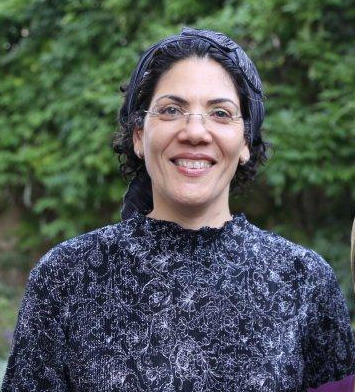
התחלתי ללמוד דף יומי ממסכת נידה כי זה היה חומר הלימוד שלי אז. לאחר הסיום הגדול בבנייני האומה החלטתי להמשיך. וב”ה מאז עם הפסקות קטנות של קורונה ולידה אני משתדלת להמשיך ולהיות חלק.

זה משפיע מאוד על היום יום שלי ועל אף שאני עסוקה בלימודי הלכה ותורה כל יום, זאת המסגרת הקבועה והמחייבת ביותר שיש לי.

Moriah Taesan Michaeli
מוריה תעסן מיכאלי

גבעת הראל, ישראל

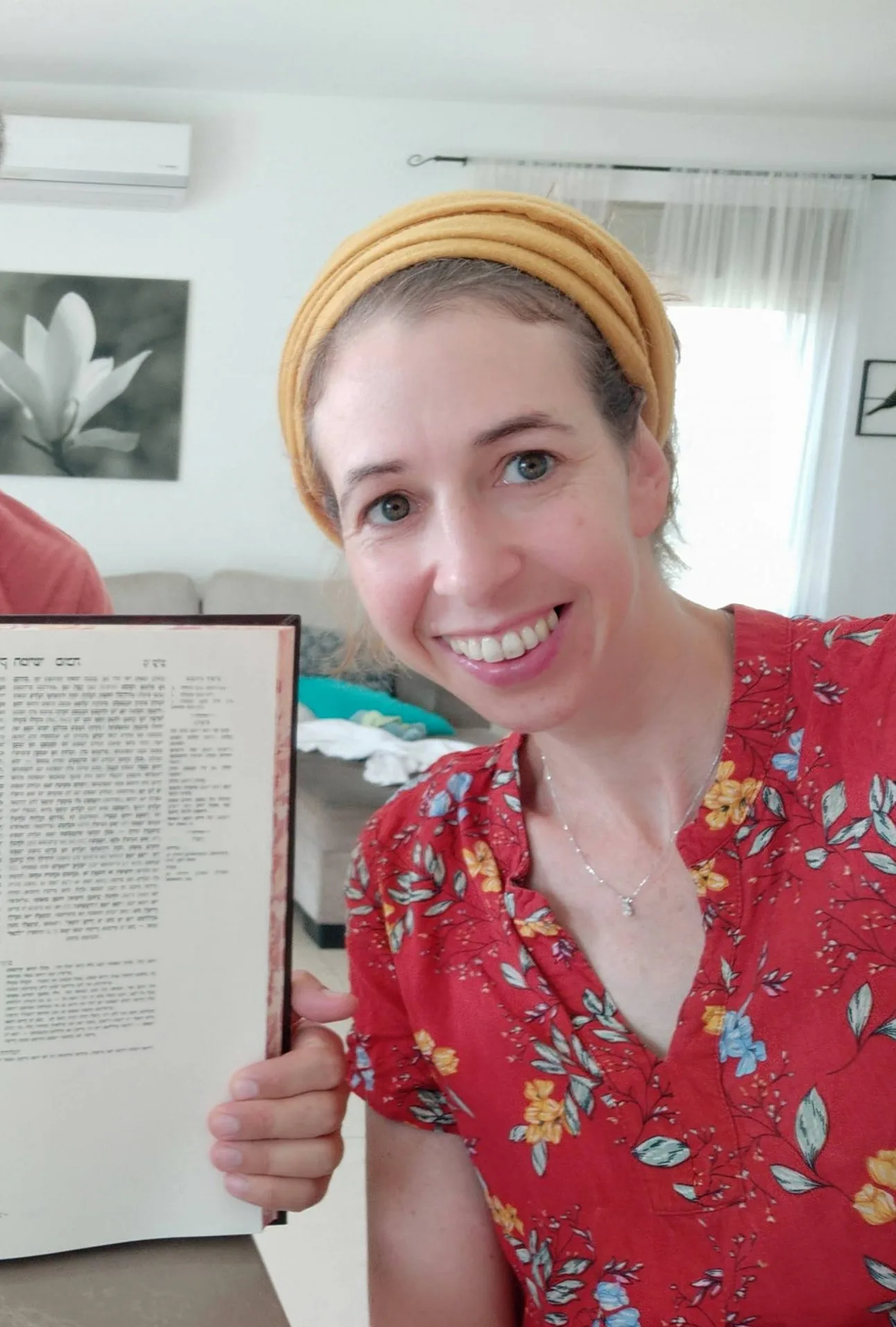
הייתי לפני שנתיים בסיום הדרן נשים בבנייני האומה והחלטתי להתחיל. אפילו רק כמה דפים, אולי רק פרק, אולי רק מסכת… בינתיים סיימתי רבע שס ותכף את כל סדר מועד בה.
הסביבה תומכת ומפרגנת. אני בת יחידה עם ארבעה אחים שכולם לומדים דף יומי. מדי פעם אנחנו עושים סיומים יחד באירועים משפחתיים. ממש מרגש. מסכת שבת סיימנו כולנו יחד עם אבא שלנו!
אני שומעת כל יום פודקאסט בהליכה או בנסיעה ואחכ לומדת את הגמרא.

Edna Gross
עדנה גרוס

מרכז שפירא, ישראל

באירוע של הדרן בנייני האומה. בהשראתה של אמי שלי שסיימה את הש”ס בסבב הקודם ובעידוד מאיר , אישי, וילדיי וחברותיי ללימוד במכון למנהיגות הלכתית של רשת אור תורה סטון ומורתיי הרבנית ענת נובוסלסקי והרבנית דבורה עברון, ראש המכון למנהיגות הלכתית.
הלימוד מעשיר את יומי, מחזיר אותי גם למסכתות שכבר סיימתי וידוע שאינו דומה מי ששונה פרקו מאה לשונה פרקו מאה ואחת במיוחד מרתקים אותי החיבורים בין המסכתות

Roit Kalech
רוית קלך

מודיעין, ישראל

ראיתי את הסיום הגדול בבנייני האומה וכל כך התרשמתי ורציתי לקחת חלק.. אבל לקח לי עוד כשנה וחצי )באמצע מסיכת שבת להצטרף..
הלימוד חשוב לי מאוד.. אני תמיד במרדף אחרי הדף וגונבת כל פעם חצי דף כשהילדים עסוקים ומשלימה אח”כ אחרי שכולם הלכו לישון..

Olga Mizrahi
אולגה מזרחי

ירושלים, ישראל

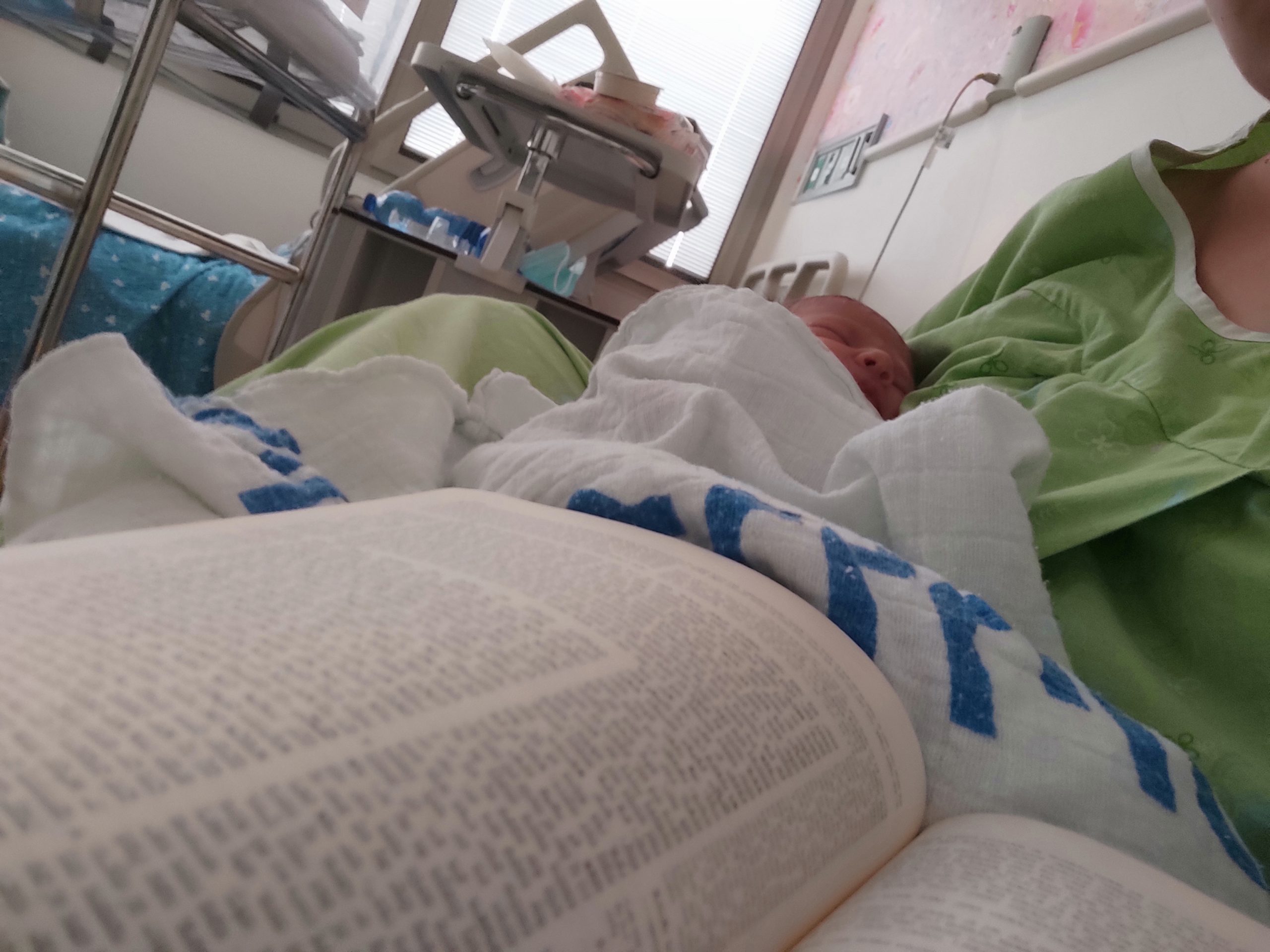
בתחילת הסבב הנוכחי הצטברו אצלי תחושות שאני לא מבינה מספיק מהי ההלכה אותה אני מקיימת בכל יום. כמו כן, כאמא לבנות רציתי לתת להן מודל נשי של לימוד תורה
שתי הסיבות האלו הובילו אותי להתחיל ללמוד. נתקלתי בתגובות מפרגנות וסקרניות איך אישה לומדת גמרא..
כמו שרואים בתמונה אני ממשיכה ללמוד גם היום ואפילו במחלקת יולדות אחרי לידת ביתי השלישית.

Noa Shiloh
נועה שילה

רבבה, ישראל

התחלתי לפני כמה שנים אבל רק בסבב הזה זכיתי ללמוד יום יום ולסיים מסכתות

Sigal Tel
סיגל טל

רעננה, ישראל

התחלתי ללמוד בשנת המדרשה במגדל עוז, בינתיים נהנית מאוד מהלימוד ומהגמרא, מעניין ומשמח מאוד!
משתדלת להצליח לעקוב כל יום, לפעמים משלימה קצת בהמשך השבוע.. מרגישה שיש עוגן מקובע ביום שלי והוא משמח מאוד!

Uriah Kesner
אוריה קסנר

חיפה , ישראל

לפני 15 שנה, אחרי עשרות שנים של "ג’ינגול” בין משפחה לקריירה תובענית בהייטק, הצטרפתי לשיעורי גמרא במתן רעננה. הלימוד המעמיק והייחודי של הרבנית אושרה קורן יחד עם קבוצת הנשים המגוונת הייתה חוויה מאלפת ומעשירה. לפני כשמונה שנים כאשר מחזור הדף היומי הגיע למסכת תענית הצטרפתי כ”חברותא” לבעלי. זו השעה היומית שלנו ביחד כאשר דפי הגמרא משתלבים בחיי היום יום, משפיעים ומושפעים, וכשלא מספיקים תמיד משלימים בשבת

Yodi Askoff
יודי אסקוף

רעננה, ישראל

רבנית מישל הציתה אש התלמוד בלבבות בביניני האומה ואני נדלקתי. היא פתחה פתח ותמכה במתחילות כמוני ואפשרה לנו להתקדם בצעדים נכונים וטובים. הקימה מערך שלם שמסובב את הלומדות בסביבה תומכת וכך נכנסתי למסלול לימוד מעשיר שאין כמוה. הדרן יצר קהילה גדולה וחזקה שמאפשרת התקדמות מכל נקודת מוצא. יש דיבוק לומדות שמחזק את ההתמדה של כולנו. כל פניה ושאלה נענית בזריזות ויסודיות. תודה גם למגי על כל העזרה.

Sarah Aber
שרה אבר

נתניה, ישראל

התחלתי ללמוד בעידוד שתי חברות אתן למדתי בעבר את הפרק היומי במסגרת 929.
בבית מתלהבים מאוד ובשבת אני לומדת את הדף עם בעלי שזה מפתיע ומשמח מאוד! לימוד הדף הוא חלק בלתי נפרד מהיום שלי. לומדת בצהריים ומחכה לזמן הזה מידי יום…

Miriam Wengerover
מרים ונגרובר

אפרת, ישראל

התחלתי ללמוד דף יומי אחרי שחזרתי בתשובה ולמדתי במדרשה במגדל עוז. הלימוד טוב ומספק חומר למחשבה על נושאים הלכתיים ”קטנים” ועד לערכים גדולים ביהדות. חשוב לי להכיר את הגמרא לעומק. והצעד הקטן היום הוא ללמוד אותה בבקיאות, בעזרת השם, ומי יודע אולי גם אגיע לעיון בנושאים מעניינים. נושאים בגמרא מתחברים לחגים, לתפילה, ליחסים שבין אדם לחברו ולמקום ולשאר הדברים שמלווים באורח חיים דתי 🙂

Gaia Divo
גאיה דיבו

מצפה יריחו, ישראל

התחלתי ללמוד דף לפני קצת יותר מ-5 שנים, כשלמדתי רבנות בישיבת מהר”ת בניו יורק. בדיעבד, עד אז, הייתי בלימוד הגמרא שלי כמו מישהו שאוסף חרוזים משרשרת שהתפזרה, פה משהו ושם משהו, ומאז נפתח עולם ומלואו…. הדף נותן לי לימוד בצורה מאורגנת, שיטתית, יום-יומית, ומלמד אותי לא רק ידע אלא את השפה ודרך החשיבה שלנו. לשמחתי, יש לי סביבה תומכת וההרגשה שלי היא כמו בציטוט שבחרתי: הדף משפיע לטובה על כל היום שלי.

Michal Kahana
מיכל כהנא

חיפה, ישראל

התחלתי ללמוד בשנת המדרשה במגדל עוז, בינתיים נהנית מאוד מהלימוד ומהגמרא, מעניין ומשמח מאוד!
משתדלת להצליח לעקוב כל יום, לפעמים משלימה קצת בהמשך השבוע.. מרגישה שיש עוגן מקובע ביום שלי והוא משמח מאוד!

Uriah Kesner
אוריה קסנר

חיפה , ישראל

התחלתי ללמוד בעידוד שתי חברות אתן למדתי בעבר את הפרק היומי במסגרת 929.
בבית מתלהבים מאוד ובשבת אני לומדת את הדף עם בעלי שזה מפתיע ומשמח מאוד! לימוד הדף הוא חלק בלתי נפרד מהיום שלי. לומדת בצהריים ומחכה לזמן הזה מידי יום…

Miriam Wengerover
מרים ונגרובר

אפרת, ישראל

אחרי שראיתי את הסיום הנשי של הדף היומי בבנייני האומה זה ריגש אותי ועורר בי את הרצון להצטרף. לא למדתי גמרא קודם לכן בכלל, אז הכל היה לי חדש, ולכן אני לומדת בעיקר מהשיעורים פה בהדרן, בשוטנשטיין או בחוברות ושיננתם.

Rebecca Schloss
רבקה שלוס

בית שמש, ישראל

התחלתי מעט לפני תחילת הסבב הנוכחי. אני נהנית מהאתגר של להמשיך להתמיד, מרגעים של "אהה, מפה זה הגיע!” ומהאתגר האינטלקטואלי

Eilat-Chen and Deller
אילת-חן ודלר

לוד, ישראל

בסוף הסבב הקודם ראיתי את השמחה הגדולה שבסיום הלימוד, בעלי סיים כבר בפעם השלישית וכמובן הסיום הנשי בבנייני האומה וחשבתי שאולי זו הזדמנות עבורי למשהו חדש.
למרות שאני שונה בסביבה שלי, מי ששומע על הלימוד שלי מפרגן מאוד.
אני מנסה ללמוד קצת בכל יום, גם אם לא את כל הדף ובסך הכל אני בדרך כלל עומדת בקצב.
הלימוד מעניק המון משמעות ליום יום ועושה סדר בלמוד תורה, שתמיד היה (ועדיין) שאיפה. אבל אין כמו קביעות

Racheli-Mendelson
רחלי מנדלסון

טל מנשה, ישראל

רציתי לקבל ידע בתחום שהרגשתי שהוא גדול וחשוב אך נעלם ממני. הלימוד מעניק אתגר וסיפוק ומעמיק את תחושת השייכות שלי לתורה וליהדות

Ruth Agiv
רות עגיב

עלי זהב – לשם, ישראל

התחלתי ללמוד דף יומי שהתחילו מסכת כתובות, לפני 7 שנים, במסגרת קבוצת לימוד שהתפרקה די מהר, ומשם המשכתי לבד בתמיכת האיש שלי. נעזרתי בגמרת שטיינזלץ ובשיעורים מוקלטים.
הסביבה מאד תומכת ואני מקבלת המון מילים טובות לאורך כל הדרך. מאז הסיום הגדול יש תחושה שאני חלק מדבר גדול יותר.
אני לומדת בשיטת ה”7 דפים בשבוע” של הרבנית תרצה קלמן – כלומר, לא נורא אם לא הצלחת ללמוד כל יום, העיקר שגמרת ארבעה דפים בשבוע

Rachel Goldstein
רחל גולדשטיין

עתניאל, ישראל

A friend in the SF Bay Area said in Dec 2019 that she might start listening on her morning drive to work. I mentioned to my husband and we decided to try the Daf when it began in Jan 2020 as part of our preparing to make Aliyah in the summer.

Hana Piotrkovsky
חנה פיוטרקובסקי

ירושלים, Israel

יבמות קו

תָּנוּ רַבָּנַן: חֲלִיצָה מוּטְעֵת — כְּשֵׁרָה. אֵי זוֹ הִיא חֲלִיצָה מוּטְעֵת? אָמַר רֵישׁ לָקִישׁ: כֹּל שֶׁאוֹמְרִים לוֹ: חֲלוֹץ, וּבְכָךְ אַתָּה כּוֹנְסָהּ.

§ The Sages taught: A mistaken ḥalitza is valid. The Gemara asks: What constitutes a mistaken ḥalitza? Reish Lakish said: Any case in which they say to a yavam who is not well versed in halakha: Let her remove your shoe, and in doing so you will take her in marriage, i.e., the yavam understands that by allowing ḥalitza he will actually be marrying her. Although he actually intended to marry her, having allowed her to remove his shoe validates the ḥalitza. Subsequently it is prohibited for the woman to marry him, and she is permitted to others.

אֲמַר לֵיהּ רַבִּי יוֹחָנָן, אֲנִי שׁוֹנֶה: בֵּין שֶׁנִּתְכַּוֵּון הוּא וְלֹא נִתְכַּוְּונָה הִיא, בֵּין שֶׁנִּתְכַּוְּונָה הִיא וְלֹא נִתְכַּוֵּון הוּא — חֲלִיצָתָהּ פְּסוּלָה, עַד שֶׁיִּתְכַּוְּונוּ שְׁנֵיהֶם כְּאֶחָד. וְאַתְּ אָמְרַתְּ חֲלִיצָתָהּ כְּשֵׁירָה?!

Rabbi Yoḥanan said to him: I teach that whether in a case where he had intended to perform valid ḥalitza and she did not intend, or whether she had intended and he did not intend, the ḥalitza is invalid, unless they both intend together as one to perform a proper ḥalitza that would permit her to marry others. And yet you say that in that case when he doesn’t have any intention of permitting her to others, and actually intends to marry her through the act of ḥalitza, her ḥalitza is valid?

אֶלָּא כֹּל שֶׁאוֹמְרִים לוֹ: ״חֲלוֹץ לָהּ עַל מְנָת שֶׁתִּתֵּן לְךָ מָאתַיִם זוּז״. תַּנְיָא נָמֵי הָכִי: חֲלִיצָה מוּטְעֵת — כְּשֵׁירָה. אֵי זוֹ הִיא חֲלִיצָה מוּטְעֵת — כֹּל שֶׁאוֹמְרִים: חֲלוֹץ לָהּ עַל מְנָת שֶׁתִּתֵּן לְךָ מָאתַיִם זוּז.

Rather, a mistaken ḥalitza that is valid refers to any case in which they say to him: Let her perform ḥalitza on you, with the intention of releasing her bond, on the condition that she will give you two hundred dinars afterward, and even if she does not give him the money the ḥalitza is valid, as the stipulated condition is not binding. This idea of Rabbi Yoḥanan is also taught in a baraita, which states: A mistaken ḥalitza is valid. What constitutes a mistaken ḥalitza? Any case in which they say: Let her perform ḥalitza on you on condition that she will give you two hundred dinars.

וּמַעֲשֶׂה בְּאִשָּׁה אַחַת שֶׁנָּפְלָה לִפְנֵי יָבָם שֶׁאֵין הָגוּן לָהּ, וְאָמְרוּ לוֹ: ״חֲלוֹץ לָהּ עַל מְנָת שֶׁתִּתֵּן לְךָ מָאתַיִם זוּז״, וּבָא מַעֲשֶׂה לִפְנֵי רַבִּי חִיָּיא וְהִכְשִׁירָהּ.

And an incident occurred involving a certain woman, who happened before her yavam for levirate marriage, yet he was not suitable for her, and they, the judges, said to him: Let her perform ḥalitza on the condition that she will give you two hundred dinars. Afterward, when she did not pay, the incident came before Rabbi Ḥiyya and he validated that ḥalitza.

הַהוּא דַּאֲתָא לְקַמֵּיהּ דְּרַבִּי חִיָּיא בַּר אַבָּא. אֲמַר לַהּ: בִּתִּי, עֲמוֹדִי! אֲמַרָה לֵיהּ: אֵימָא יְשִׁיבָתָהּ זוֹ הִיא עֲמִידָתָהּ. אֲמַר לַהּ: יָדְעַתְּ לֵיהּ? אֲמַרָה לֵיהּ: אִין, מָמוֹנָא הוּא דַּחֲזָא לַהּ וְקָבְעֵי לְמֵיכְלֵיהּ מִינַּהּ.

One man came before Rabbi Ḥiyya bar Abba with his yevama in order to have the court convince her to perform a levirate marriage. Rabbi Ḥiyya said to her: My daughter, stand up, for we are beginning to discuss your case now, and the participants must stand. She said to him: Say that her sitting, referring to her desire to remain seated as an act of refusal of even contemplating the possibility of performing levirate marriage, is therefore tantamount to her standing, as levirate marriage is not an option for her. In other words, the option that will enable her to remain standing proud in the future is not to enter into levirate marriage with this man. Rabbi Ḥiyya said to her: Are you acquainted with this yavam and do you know him well enough to know why he wants to perform levirate marriage with you although you are not interested? She said to him: Yes, it is money that he saw in her, a euphemism for herself, and he wants to consume it by taking it from her, and therefore he wishes to enter levirate marriage.

אֲמַר לַהּ: לָא נִיחָא לָךְ? אֲמַרָה לֵיהּ: לָא. אֲמַר לֵיהּ: חֲלוֹץ לָהּ, וּבְכָךְ אַתָּה כּוֹנְסָהּ. לְבָתַר דַּחֲלַץ לַהּ, אֲמַר לֵיהּ: הַשְׁתָּא, מִינָּךְ אִפַּסְלָא לַהּ, חֲלוֹץ לַהּ חֲלִיצָה מְעַלַּיְיתָא, כִּי הֵיכִי דְּתִישְׁתְּרֵי לְעָלְמָא.

Rabbi Ḥiyya said to her: Is he not amenable to you? She said to him: No, I am certain he is not good for me. Rabbi Ḥiyya accepted her wish, but knowing that the yavam was adamant in his desire to marry her, he said to the yavam: Let her remove your shoe, and in doing so you will take her in marriage, for he wanted to mislead him into allowing ḥalitza, which would disqualify a subsequent levirate marriage between them. After he allowed her to perform ḥalitza, Rabbi Ḥiyya said to the yavam: Now, she is disqualified for you forever, since you allowed her to perform ḥalitza. Although you thought it was an act of marriage, she is no longer permitted to marry you, so you have nothing to lose if you permit her to marry others. Therefore, allow her to perform valid proper ḥalitza, so she will be permitted to others. By performing a second ḥalitza, even Rabbi Yoḥanan, who disqualified this form of a mistaken ḥalitza, would have no problem permitting her to remarry based on the second ḥalitza.

בַּת חֲמוּהּ, דְּרַב פָּפָּא נָפְלָה לִפְנֵי יָבָם שֶׁאֵין הָגוּן לָהּ. אֲתָא לְקַמֵּיהּ דְּאַבָּיֵי, אֲמַר לֵיהּ: חֲלוֹץ לָהּ, וּבְכָךְ אַתָּה כּוֹנְסָהּ. אֲמַר לֵיהּ רַב פָּפָּא: לָא סָבַר לַהּ מָר לְהָא דְּאָמַר רַבִּי יוֹחָנָן? וְאֶלָּא הֵיכִי אֵימָא לֵיהּ?

It is told: The daughter of Rav Pappa’s father-in-law, i.e., his sister-in-law, happened before her yavam for levirate marriage, yet he was not suitable for her, although he wished to perform levirate marriage. The case came before Abaye. Abaye said to the yavam: Let her remove your shoe, and in doing so you will take her in marriage. Rav Pappa said to him: Does the Master, i.e., do you, not accept what Rabbi Yoḥanan said, that this type of ḥalitza does not work at all? Abaye said to him: But what shall I say to him?

אֲמַר לֵיהּ: חֲלוֹץ לָהּ עַל מְנָת שֶׁתִּתֵּן לְךָ מָאתַיִם זוּז. לְבָתַר דַּחֲלַץ לַהּ, אֲמַר לַהּ: זִיל הַב לֵיהּ. אֲמַר לֵיהּ: מְשַׁטָּה אֲנִי בָּךְ עֲבַדָה לֵיהּ.

He said to Abaye that he should say to him as Rabbi Yoḥanan himself suggested: Let her perform ḥalitza on the condition that she will give you two hundred dinars. Convince him to allow ḥalitza on the basis that he will profit financially from it. Abaye told the yavam to do so and he did. After he let her perform ḥalitza, Abaye said to Rav Pappa’s sister-in-law: Go give him the money, for you have agreed to give him two hundred dinars. Rav Pappa said to Abaye on her behalf that a case of: I was fooling you, was what she did to him. She never seriously intended to give him the money when accepting his stipulated condition, and even though the ḥalitza is valid one cannot force her to pay.

מִי לָא תַּנְיָא: הֲרֵי שֶׁהָיָה בּוֹרֵחַ מִבֵּית הָאֲסוּרִין, וְהָיְתָה מַעְבּוֹרֶת לְפָנָיו, וַאֲמַר לֵיהּ: טוֹל דִּינָר וְהַעֲבִירֵנִי — אֵין לוֹ אֶלָּא שְׂכָרוֹ.

Isn’t it taught in a baraita: One who was running away from prison and came upon a ferry. He said to the ferry man: Take a dinar, i.e., he offered to pay an amount much larger than the standard fee, and take me across the river. Despite the escapee’s commitment, it is ruled in the baraita that the ferryman receives nothing other than his usual rate, as the escapee is legally exempt from paying the higher amount he had agreed to pay.

אַלְמָא אָמַר לֵיהּ מְשַׁטֶּה אֲנִי בָּךְ — הָכָא נָמֵי, מְשַׁטָּה אֲנִי בָּךְ.

Apparently, one could have said in such a case: I was deceiving you and never really intended to live up to my side of the agreement, and therefore it is not an actual debt. Here too, she may say to him: I was fooling you, and she is therefore exempt from paying the two hundred dinars. Abaye heard this and agreed.

אֲמַר לֵיהּ: אֲבוּךְ הֵיכָא? אֲמַר לֵיהּ: בְּמָתָא. אִימָּךְ הֵיכָא? אֲמַר לֵיהּ: בְּמָתָא. יְהַב בְּהוּ עֵינֵיהּ (וּשְׁכִיבָן).

Abaye was amazed at Rav Pappa’s sharpness, as he was a young man at the time of this incident. Therefore, he said to Rav Pappa: Where is your father? He said to him: He is in the city. Where is your mother? He said: In the city. Abaye, who was orphaned in his youth, felt that a large part of Rav Pappa’s success came because his parents lived in close proximity to him and provided for all his needs, freeing him from any need to get involved in business affairs and enabling him to immerse himself in Torah without distractions. Abaye felt a twinge of jealousy and set his gaze upon them, Rav Pappa’s parents, in the pain that he did not have similarly supportive parents, and both Rav Pappa’s father and mother died.

תָּנוּ רַבָּנַן: חֲלִיצָה מוּטְעֵת — כְּשֵׁרָה. גֵּט מוּטְעֶה — פָּסוּל. חֲלִיצָה מְעוּשֵּׂית — פְּסוּלָה. גֵּט מְעוּשֶּׂה — כָּשֵׁר. הֵיכִי דָּמֵי? אִי דְּאָמַר ״רוֹצֶה אֲנִי״ — אֲפִילּוּ חֲלִיצָה נָמֵי, וְאִי לָא אָמַר ״רוֹצֶה אֲנִי״ — גֵּט נָמֵי לָא.

§ The Sages taught: A mistaken ḥalitza is valid, while a mistaken bill of divorce is invalid. A coerced ḥalitza is invalid, while a coerced bill of divorce is valid. The Gemara clarifies: What are the circumstances of a coerced bill of divorce? If they force him until he says: I want to give the bill of divorce, then even this type of ḥalitza also should be valid, as although he was initially coerced, he acquiesced. And if he did not say by the end of the giving of the bill of divorce: I want to divorce her, then even this type of coerced bill of divorce should also not be acceptable.

הָכִי קָאָמַר: חֲלִיצָה מוּטְעֵת לְעוֹלָם כָּשֵׁר, וְגֵט מוּטְעֶה לְעוֹלָם פָּסוּל. חֲלִיצָה מְעוּשֵּׂית וְגֵט מְעוּשֶּׂה — זִימְנִין כָּשֵׁר וְזִימְנִין פָּסוּל. הָא דְּאָמַר ״רוֹצֶה אֲנִי״, הָא דְּלָא אָמַר ״רוֹצֶה אֲנִי״.

The Gemara answers that this is what the Sage said: A mistaken ḥalitza is always valid, while a mistaken bill of divorce is always invalid. A coerced ḥalitza and a coerced bill of divorce are sometimes valid and sometimes invalid. How so? With regard to the one who says after being coerced: I want to give the bill of divorce, it is effective, although he says this as a result of being under compulsion. With regard to the one who does not say: I want to give the bill of divorce, the divorce is invalid.

דְּתַנְיָא: ״יַקְרִיב אוֹתוֹ״ — מְלַמֵּד שֶׁכּוֹפִין אוֹתוֹ. יָכוֹל בְּעַל כׇּרְחוֹ — תַּלְמוּד לוֹמַר: ״לִרְצוֹנוֹ״. הָא כֵּיצַד? כּוֹפִין אוֹתוֹ עַד שֶׁיֹּאמַר ״רוֹצֶה אֲנִי״. וְכֵן אַתָּה מוֹצֵא בְּגִיטֵּי נָשִׁים, כּוֹפִין אוֹתוֹ עַד שֶׁיֹּאמַר ״רוֹצֶה אֲנִי״.

As it is taught in a baraita: It is said with regard to some offerings: “He shall offer it” (Leviticus 1:3). This teaches that they may coerce him to bring the offering he owes. I might have thought this means that he brings the offering totally against his will. Therefore, the continuation of that verse states: “In accordance with his will” (Leviticus 1:3). How can these two contradictory expositions be reconciled? They coerce him by imposing fines or penalties until he says: I want to. And similarly, you find the same principle with respect to bills of divorce for women, as it is prohibited for anyone other than the husband to write the bill of divorce, but they coerce him until he says: I want to divorce her, and then write the bill of divorce on his behalf.

אָמַר רָבָא אָמַר רַב סְחוֹרָה אָמַר רַב הוּנָא: חוֹלְצִין אַף עַל פִּי שֶׁאֵין מַכִּירִין, מְמָאֲנִין אַף עַל פִּי שֶׁאֵין מַכִּירִין.

§ Rava said that Rav Seḥora said that Rav Huna said: Judges can allow a man and woman to conduct ḥalitza even if the judges do not recognize the participants. In other words, even if they do not have complete testimony before them that proves that these two people are a yavam and a yevama, if two people wish to perform ḥalitza, the judges are not required to check their identities. Likewise, with regard to women making declarations of refusal: If a young woman after reaching majority comes to make a declaration of refusal against her husband, she may do so, even if witnesses do not recognize her and they do not know for sure that she is the wife of the supposed husband.

לְפִיכָךְ אֵין כּוֹתְבִין גֵּט חֲלִיצָה אֶלָּא אִם כֵּן מַכִּירִין, וְאֵין כּוֹתְבִין גֵּט מֵיאוּן אֶלָּא אִם כֵּן מַכִּירִין, דְּחָיְישִׁינַן לְבֵית דִּין טוֹעִין.

Therefore, in cases where the woman is not identified, although the court may perform ḥalitza and refusals, it may not write a document of ḥalitza, i.e., a document attesting that ḥalitza took place, unless they, the judges, recognize her. And witnesses to the act may not write a document of a declaration of refusal, i.e., a document attesting that a refusal took place, unless they, the judges, recognize the woman, as we are concerned about the possibility of a mistaken court. Perhaps a court will not know that such a document is not complete proof that the action was conducted properly, and will consider it as proof that it was the yevama in this document who removed the shoe, or the wife in this document who made a declaration of refusal. Since the first court can conduct ḥalitza and refusals without accepting witnesses attesting to the identities of the involved parties, a second court cannot rely on these attesting documents alone, but must verify the identities before declaring the women eligible for marriage.

וְרָבָא דִּידֵיהּ אוֹמֵר: אֵין חוֹלְצִין אֶלָּא אִם כֵּן מַכִּירִין, וְאֵין מְמָאֲנִין אֶלָּא אִם כֵּן מַכִּירִין. לְפִיכָךְ כּוֹתְבִין גֵּט חֲלִיצָה אַף עַל פִּי שֶׁאֵין מַכִּירִין, וְכוֹתְבִין גֵּט מֵיאוּן אַף עַל פִּי שֶׁאֵין מַכִּירִין, וְלָא חָיְישִׁינַן לְבֵית דִּין טוֹעִין.

And Rava himself said the opposite of what he quoted in the name of others: A court may not conduct ḥalitza unless they, the judges, recognize the participants, and a court may not convene a declaration of refusal unless they, the judges, recognize the young woman. Therefore, witnesses may write a document of ḥalitza even if they do not recognize the woman themselves, as one who witnessed a court conduct ḥalitza can be sure that the court already checked the party’s identities thoroughly. And witnesses may write a document of refusal even if they do not recognize the young woman who has refused, relying on the fact that witnesses must have already attested to their identities. And we need not be concerned about the possibility of a mistaken court, as there is no reason to fear that the first court conducted the case without properly identifying the participants.

מַתְנִי׳ מִצְוַת חֲלִיצָה: בָּא הוּא וִיבִמְתּוֹ לְבֵית דִּין, וְהֵן מַשִּׂיאִין לוֹ עֵצָה הַהוֹגֶנֶת לוֹ, שֶׁנֶּאֱמַר: ״וְקָרְאוּ לוֹ זִקְנֵי עִירוֹ וְדִבְּרוּ אֵלָיו״,

MISHNA: The mitzva of ḥalitza is performed as follows: He and his yevama come to the court, and the scholars of the court give him advice appropriate for him, whether to enter levirate marriage or to perform ḥalitza, as it is stated: “And the Elders of his city shall call him and speak to him” (Deuteronomy 25:8).

וְהִיא אוֹמֶרֶת: ״מֵאֵן יְבָמִי לְהָקִים לְאָחִיו שֵׁם בְּיִשְׂרָאֵל לֹא אָבָה יַבְּמִי״, וְהוּא אוֹמֵר: ״לֹא חָפַצְתִּי לְקַחְתָּהּ״. וּבִלְשׁוֹן הַקֹּדֶשׁ הָיוּ אוֹמְרִים. ״וְנִגְּשָׁה יְבִמְתּוֹ אֵלָיו לְעֵינֵי הַזְּקֵנִים וְחָלְצָה נַעֲלוֹ מֵעַל רַגְלוֹ וְיָרְקָה בְּפָנָיו״, רוֹק הַנִּרְאֶה לַדַּיָּינִים. ״וְעָנְתָה וְאָמְרָה כָּכָה יֵעָשֶׂה לָאִישׁ אֲשֶׁר לֹא יִבְנֶה אֶת בֵּית אָחִיו״. עַד כָּאן הָיוּ מַקְרִין.

If they decide to perform ḥalitza, she says: “My brother-in-law refused to establish a name for his brother in Israel, he did not wish to consummate the levirate marriage” (Deuteronomy 25:7), and afterward he says: “I do not wish to take her” (Deuteronomy 25:8). And they would say these statements in the sacred Hebrew language and not in any other language. Afterward, the shoe is removed and she spits before him, as is written: “His yevama shall approach him, before the Elders, and remove his shoe from on his foot and spit before him” (Deuteronomy 25:9), which indicates that this spittle must be visible to the judges. “And she shall respond and say: So shall it be done to the man who does not build his brother’s house” (Deuteronomy 25:9). Up until this point the judges would prompt the parties to recite the text that they are required to say.

וּכְשֶׁהִקְרָא רַבִּי הוּרְקָנוֹס תַּחַת הָאֵלָה בִּכְפַר עֵיטָם, וְגָמַר אֶת כׇּל הַפָּרָשָׁה, הוּחְזְקוּ לִהְיוֹת גּוֹמְרִין כׇּל הַפָּרָשָׁה. ״וְנִקְרָא שְׁמוֹ בְּיִשְׂרָאֵל בֵּית חֲלוּץ הַנָּעַל״. מִצְוָה בַּדַּיָּינִין, וְלֹא מִצְוָה בַּתַּלְמִידִים. רַבִּי יְהוּדָה אוֹמֵר: מִצְוָה עַל כׇּל הָעוֹמְדִים שָׁם לוֹמַר ״חֲלוּץ הַנָּעַל״.

And when Rabbi Hyrkanus once prompted the participants in ḥalitza under the ela tree in the village of Eitam, he prompted them to finish reciting the whole Torah passage, after which they established the custom of completing the whole Torah passage. Therefore, they continue and say the following verse: “And his name shall be called in Israel: The house of he who had his shoe removed” (Deuteronomy 25:10). This mitzva of saying: The house of he who had his shoe removed, applies to the judges, but not to the students, i.e., the students of the judges and other onlookers who are present. Rabbi Yehuda says: It is a mitzva upon all those present to say: He who had his shoe removed.

גְּמָ׳ אָמַר רַב יְהוּדָה, מִצְוַת חֲלִיצָה: קוֹרְאָה וְקוֹרֵא, וְחוֹלֶצֶת וְרוֹקֶקֶת וְקוֹרְאָה. מַאי קָמַשְׁמַע לַן? מַתְנִיתִין הִיא! הָא קָמַשְׁמַע לַן מִצְוָה הָכִי, וְאִי אָפֵיךְ, לֵית לַן בַּהּ.

GEMARA: Rav Yehuda said: This is the correct order for the mitzva of ḥalitza: She recites the sentence beginning with “My brother-in-law refused” (Deuteronomy 25:7), and afterward he recites “I do not wish to take her” (Deuteronomy 25:8). Then she removes the shoe, and spits, and recites: “So shall it be done to the man who does not build his brother’s house” (Deuteronomy 25:9). The Gemara asks: What is Rav Yehuda teaching us? This is already explicit in the mishna. The Gemara answers: This teaches us that the mitzva is like this, i.e., this is the proper order, but if one switched the order, we have no problem with it, as even though he did not fulfill the mitzva properly, the ḥalitza is still valid, since the order is not indispensable.

תַּנְיָא נָמֵי הָכִי: בֵּין שֶׁהִקְדִּים חֲלִיצָה לִרְקִיקָה, וּבֵין שֶׁהִקְדִּים רְקִיקָה לַחֲלִיצָה — מַה שֶּׁעָשָׂה עָשׂוּי.

The Gemara comments: This is also taught in a baraita: Whether the removal of the shoe preceded the spitting, or whether the spitting preceded the removal of the shoe, what he did is done, i.e., the ḥalitza is valid.

אָמַר אַבָּיֵי: הַאי מַאן דְּמַקְרֵי גֵּט חֲלִיצָה, לָא לַיקְרֵי לְדִידַהּ ״לֹא״ לְחוֹדֵיהּ וְ״אָבָה יַבְּמִי״ לְחוֹדֵיהּ, דְּמַשְׁמַע: ״אָבָה יַבְּמִי״. אֶלָּא: ״לֹא אָבָה יַבְּמִי״.

§ Abaye said concerning the details of these halakhot: The one who prompts the yavam and the yevama to read the text for the bill of ḥalitza should not prompt her by reciting “He did not” (Deuteronomy 25:7) by itself, and “wish to consummate the levirate marriage” (Deuteronomy 25:7) by itself, because such a way of reading sounds to one who hears only the second phrase like he is saying: My yavam does wish to consummate the marriage. Rather, he should prompt her all at once consecutively: “He did not wish to consummate the levirate marriage” (Deuteronomy 25:7), which will ensure that the intended meaning is clear.

וְלָא לַיקְרֵי לְדִידֵיהּ ״לֹא״ לְחוֹדֵיהּ ״חָפַצְתִּי״ לְחוֹדֵיהּ, דְּמַשְׁמַע ״חָפַצְתִּי לְקַחְתָּהּ״, אֶלָּא ״לֹא חָפַצְתִּי לְקַחְתָּהּ״. רָבָא אָמַר: אַפְסוֹקֵי מִילְּתָא הִיא, וְאַפְסוֹקֵי מִילְּתָא לֵית לַן בַּהּ.

And he should not read to the yavam: “I do not” by itself, followed by: “Wish to take her” by itself, as it sounds to one who heard only the second phrase like: I do wish to take her. Rather, he should read together at once: “I do not wish to take her.” Rava said: It is a mere interruption in the matter. And we have no problem with regard to an interruption in the matter as it is basically just a pause for taking a breath.

רַב אָשֵׁי אַשְׁכְּחֵיהּ לְרַב כָּהֲנָא דְּקָמִצְטַעַר וּמַקְרֵי לַהּ ״לֹא אָבָה יַבְּמִי״, אֲמַר לֵיהּ: לָא סָבַר לֵיהּ מָר לְהָא דְּרָבָא?

It is told: Rav Ashi found Rav Kahana painstakingly trying to prompt a certain yevama, so that she would recite: “He did not wish to consummate the levirate marriage” all at once, but the yevama did not understand and was distorting the meaning by not reciting the words together. Rav Ashi said to him: Does the Master not hold that which Rava said, that the proper pausing during the recitation is not indispensable?

אֲמַר לֵיהּ: מוֹדֵה רָבָא בְּ״לֹא אָבָה יַבְּמִי״. אָמַר אַבָּיֵי: הַאי מַאן דְּכָתֵב גִּיטָּא דַּחֲלִיצְתָּא — לִיכְתּוֹב הָכִי: אַקְרֵינוּהָ לְדִידַהּ מִן ״מֵאֵן יְבָמִי״ עַד ״אָבָה יַבְּמִי״, וְאַקְרֵינוֹהִי לְדִידֵיהּ מִן ״לֹא״ עַד ״לְקַחְתָּהּ״, וְאַקְרֵינוּהָ לְדִידַהּ מִן ״כָּכָה״ וְעַד ״חֲלוּץ הַנָּעַל״.

He said to him: Although Rava disagreed with Abaye about interruptions in the recitation of: “I do not wish to take her,” Rava concedes concerning the recitation of: “He did not wish to consummate the levirate marriage,” as this recitation is essential and must be recited properly. Rav Kahana added that Abaye also said: One who writes a bill of ḥalitza must write as follows: We prompted her to recite from “My brother-in-law refused” until “he did not wish to consummate the levirate marriage” (Deuteronomy 25:7); and we prompted him to recite from “I do not” until “take her” (Deuteronomy 25:8). And we prompted her to recite from “So shall” (Deuteronomy 25:9) until “he who had his shoe removed” (Deuteronomy 25:10).

מָר זוּטְרָא מְשַׂרְטֵט וְכָתֵיב לְכוּלַּהּ פָּרָשָׁה. מַתְקֵיף לַהּ מָר בַּר אִידִי: וְהָא לֹא נִיתַּן לִיכָּתֵב! וְהִלְכְתָא כְּווֹתֵיהּ דְּמָר זוּטְרָא.

Mar Zutra would score lines of a parchment and write the whole ḥalitza passage on it as a bill of ḥalitza, so it would be displayed before the ḥalitza participants. Mar bar Idi strongly objected to this: But it is unable to be written like this on its own, as the Torah may be written only in a complete state, and it is prohibited to write parts of the Torah when there is no mitzva to write them separately. The Gemara comments: Even so, the halakha is in accordance with the opinion of Mar Zutra, because there is an aspect of a mitzva here, as it is being written as part of a bill of ḥalitza, not for its own purpose.

אָמַר אַבָּיֵי: רָקְקָה וּקְלָטַתּוּ הָרוּחַ — לֹא עָשְׂתָה וְלֹא כְּלוּם. מַאי טַעְמָא — ״וְיָרְקָה בְּפָנָיו״ בָּעֵינַן. הִלְכָּךְ, הוּא אָרוֹךְ וְהִיא גּוּצָה, קְלָטַתְהוּ הָרוּחַ — אִיכָּא ״בְּפָנָיו״. הִיא אֲרוּכָּה וְהוּא גּוּץ — בָּעֵינַן עַד דְּמָטֵי לַהֲדֵי אַפֵּיהּ וַהֲדַר אָזֵיל.

§ Abaye said: If the yevama spat, but the wind seized her saliva and it never landed in front of the face of the yavam, she did nothing, and her actions have no halakhic significance. What is the reason for this? We require that “she spit before him,” as is mentioned in the verse. Therefore, if he is tall and she is short and the wind seized it, the requirement of “before him” is satisfied, because the moment the saliva left her mouth it was in front of the face of the yavam. But if she is tall and he is short, we require that the saliva reach the space across from his face, and afterward it may go with the wind; i.e., if she was taller than him and the saliva was taken by the wind before it reached the height of his face, she did not fulfill her obligation.

אָמַר רָבָא: אֲכַלָה תּוּמָא וְרָקַת, אֲכַלָה גַּרְגִּישְׁתָּא וְרָקַתה — לֹא עָשְׂתָה וְלֹא כְּלוּם. מַאי טַעְמָא — ״וְיָרְקָה״ מֵעַצְמָהּ בָּעֵינַן, וְלֵיכָּא. וְאָמַר רָבָא: צְרִיכִי דַּיָּינֵי לְמִיחְזֵי רוּקָּא כִּי נָפֵיק מִפּוּמַּהּ דִּיבָמָה. דִּכְתִיב: ״לְעֵינֵי הַזְּקֵנִים … וְיָרְקָה״.

Rava said: If she ate garlic and spat, or if she ate gargishta clay, i.e., a type of clay once chewed for medicinal purposes, and spat, she did nothing and her actions have no halakhic significance, for this is not called spitting. What is the reason for this? We require that “she shall spit” on her own, and this is not satisfied here, for in this case she spits only on account of another thing that causes a pooling of saliva in her mouth. And Rava said: The judges must see the spittle when it leaves the mouth of the yevama, and the mere fact that she spat on the ground is insufficient, as it is written: “Before the Elders…and spit,” indicating that the spitting must take place before the eyes of the judges.

״וְנִקְרָא שְׁמוֹ בְּיִשְׂרָאֵל בֵּית חֲלוּץ הַנָּעַל״ — מִצְוָה בַּדַּיָּינִין וְלֹא בַּתַּלְמִידִים. תַּנְיָא, אָמַר רַבִּי יְהוּדָה: פַּעַם אַחַת הָיִינוּ יוֹשְׁבִים לִפְנֵי רַבִּי טַרְפוֹן, וּבָאתָה יְבָמָה לַחְלוֹץ, וְאָמַר לָנוּ, עָנוּ כּוּלְּכֶם: ״חֲלוּץ הַנָּעַל״, ״חֲלוּץ הַנָּעַל״, ״חֲלוּץ הַנָּעַל״.

§ It was taught in the mishna: With regard to the verse “And his name shall be called in Israel: The house of he who had his shoe removed,” there is a mitzva upon the judges to recite this but it is not a requirement for the students or onlookers. It is taught in a baraita that Rabbi Yehuda says: Once we were sitting before Rabbi Tarfon and a yevama came to perform ḥalitza. He said to us: You must all answer: “He who had his shoe removed,” “He who had his shoe removed,” “He who had his shoe removed,” stating that portion of the verse three times.

הֲדַרַן עֲלָךְ מִצְוַת חֲלִיצָה

רוצה לעקוב אחרי התכנים ולהמשיך ללמוד?

ביצירת חשבון עוד היום ניתן לעקוב אחרי ההתקדמות שלך, לסמן מה למדת, ולעקוב אחרי השיעורים שמעניינים אותך.

לנקות את כל הפריטים מהרשימה?

פעולה זו תסיר את כל הפריטים בחלק זה כולל ההתקדמות וההיסטוריה. שימי לב: לא ניתן לשחזר פעולה זו.

ביטול
מחיקה

האם את/ה בטוח/ה שברצונך למחוק פריט זה?

תאבד/י את כל ההתקדמות או ההיסטוריה הקשורות לפריט זה.

ביטול
מחיקה