








סוגים שונים של נישואים שיש/אין להם תוקף ברמה דרבנן מושווים זה לזה. מדוע נישואים עם חירש-אילם נחשבים לנישואין בעוד שנישואים של קטן אינם? למה אפשר לעשות מיאון מנישואין כשהאשה קטנה אבל לא אם היא חרשת-אלמת? מדוע קטנה יכולה לאכול תרומה אם היא נשואה לכהן ואילו חרשת-אלמת לא יכולה? מדוע אשה מקבלת כתובה כשהיא קטנה אך לא אם היא חרשת-אלמת? מדוע אשתו של זכר חרש-אלם לא מקבלת כתובה? מובאות שתי גרסאות מנוגדות לאמירה של שמואל האם אשת חרש-אלם צריכה להביא קרבן אשם תלוי (אם למשל היא מנאפת). אם היא חייבת להביא, זה מראה שאנחנו לא בטוחים אם לנישואין יש תוקף ברמה דאורייתא. אם היא לא חייבת, זה מראה שהנישואין אינם תקפים ברמה מדאורייתא אפילו מספק. הגמרא מנסה או לתת תמיכה או להעלות קושי על שמואל ממשנה בתרומות א:א, שם תרומה של חרש-אלם אינה נחשבת כלל לתרומה. אולם הדבר נדחה שכן רבי אלעזר חולק על דעת המשנה שם ושמואל יכול להיות בהתאם לדעה זו. רב אשי מעלה שתי אפשרויות כיצד להבין כיצד מבין רבי אלעזר את הספק לגבי החרש-אילם ומדוע התרומה שלו תיחשב כתרומה לחומרה? אם אשתו הפכה לשוטה, הוא יכול להתגרש ממנה, אך חכמים אסרו זאת כדי לא לאפשר לאחרים לנצל אותה. הגמרא קובעת לאיזה סוג רמת שוטה זה מתייחס. רבי יוחנן בן נורי שאל מדוע יש הבדל בין חרש-אלם גבר לאישה במקרה בו היו כשירים כאשר נישאו ובהמשך אחד הפך לחרש-אלם – מדוע אינו יכול לגרש את אשתו אך היא יכולה להתגרש? איזה חלק היה ברור לו ואיזה חלק לא? רבי יוחנן בן גודגודה העיד על נישואי קטנה חרשת-אלמת שאביה קיבל בעבורה קידושין והיא יכלה להתגרש על פי דין תורה. רבא מסיק מדבריו שאם אדם היה מרמה את אשתו כאשר נותן לה גט, גורם לה להאמין שהוא נותן לה מסמך אחר, והיא קיבלה את הגט מבלי להבין מה זה, זה תקף אם הוא אמר לעדים שהוא עומד לתגרש מאשתו בגט הזה.
רוצה להקדיש לימוד?
יבמות קיג
מִימַּנְעִי וְלָא נָסְבִי לַהּ.
others would refrain from marrying her at all, as she can issue a declaration of refusal indefinitely, whereas in the case of a minor there is a time limit with regard to her option of a refusal.
וּמַאי שְׁנָא קְטַנָּה דְּאָכְלָה בִּתְרוּמָה, וּמַאי שְׁנָא חֵרֶשֶׁת דְּלָא אָכְלָה בִּתְרוּמָה? דִּתְנַן: הֵעִיד רַבִּי יוֹחָנָן בֶּן גּוּדְגְּדָא עַל הַחֵרֶשֶׁת שֶׁהִשִּׂיאָהּ אָבִיהָ שֶׁיּוֹצְאָה בְּגֵט, וְעַל קְטַנָּה בַּת יִשְׂרָאֵל שֶׁנִּשֵּׂאת לְכֹהֵן שֶׁאוֹכֶלֶת בִּתְרוּמָה, וְאִילּוּ חֵרֶשֶׁת לָא אָכְלָה!
§ The Gemara further asks: What is the difference between a minor girl, that she may partake of teruma when she is married to a priest, and a deaf-mute woman, that she may not partake of teruma when she is married to a priest, despite the fact that both of their marriages apply by rabbinic law? As we learned in a mishna (Gittin 55b): Rabbi Yoḥanan ben Gudgada testified with regard to a female deaf-mute whose father married her off, that she can be divorced with a bill of divorce. And he testified with regard to a minor girl, daughter of an non-priest who was married to a priest, that she may partake of teruma, whereas a deaf-mute woman, it may be inferred, may not partake of teruma.
גְּזֵירָה שֶׁמָּא יַאֲכִיל חֵרֵשׁ בְּחֵרֶשֶׁת. וְלֵיכוֹל, קָטָן אוֹכֵל נְבֵלוֹת הוּא!
The Gemara answers: The reason that a deaf-mute woman may not partake of teruma, even if she is married to a halakhically competent priest, is due to a rabbinic decree lest a deaf-mute priest likewise feed teruma to his deaf-mute wife. The Gemara asks: And which prohibition would that violate? Let him feed her, as he is equivalent to a minor who eats meat from unslaughtered animals. This is referring to the halakha that there is no obligation to prevent minors from committing transgressions. Since a deaf-mute, who is not legally competent, has the status of a minor, the same reasoning should apply in this case. Consequently, the court should be under no obligation to prevent this deaf-mute woman from eating teruma unlawfully.
גְּזֵירָה שֶׁמָּא יַאֲכִיל חֵרֵשׁ בְּפִקַּחַת. וְחֵרֵשׁ בְּפִקַּחַת נָמֵי לֵיכוֹל בִּתְרוּמָה דְּרַבָּנַן! גְּזֵירָה דִּלְמָא אָתֵי לְאוֹכֹלַהּ בִּתְרוּמָה דְּאוֹרָיְיתָא.
Rather, it is a rabbinic decree lest a deaf-mute priest feed teruma to a halakhically competent wife. Since by Torah law her marriage to a deaf-mute man is not valid, she may not eat teruma. The Gemara asks: As well, in the case of a deaf-mute priest who wishes to feed a halakhically competent wife, let her partake of teruma that applies by rabbinic law. There are types of produce from which there is no obligation to separate teruma by Torah law, and one separates teruma from them due to rabbinic decree. Just as the marriage of this woman is by rabbinic law, she should be permitted to eat teruma that applies by rabbinic law. The Gemara answers: It is a rabbinic decree, as perhaps he will come to feed her teruma that applies by Torah law.
וּמַאי שְׁנָא קְטַנָּה דְּאִית לַהּ כְּתוּבָּה, וּמַאי שְׁנָא חֵרֶשֶׁת דְּלֵית לַהּ כְּתוּבָּה? דְּאִם כֵּן — מִימַּנְעִי וְלָא נָסְבִי לַהּ.
The Gemara further asks: And what is the difference between a minor girl, that she has a marriage contract, and a deaf-mute woman, that she does not have a marriage contract? The Gemara answers: The reason is that if so, if the husband of a deaf-mute would be obligated to give her a marriage contract, men would refrain from marrying her at all.
וּקְטַנָּה מְנָלַן דְּאִית לַהּ כְּתוּבָּה? דִּתְנַן: הַמְמָאֶנֶת, וְהַשְּׁנִיָּיה, וְאַיְילוֹנִית — אֵין לָהֶן כְּתוּבָּה. אֲבָל יוֹצְאָה בְּגֵט וּקְטַנָּה — יֵשׁ לָהּ כְּתוּבָּה.
The Gemara asks: And a minor girl, from where do we derive that she has a marriage contract? As we learned in a mishna (Bava Metzia 67a): With regard to a minor who refuses her husband and leaves him, and likewise a woman who is a secondary forbidden relative prohibited by rabbinic law, and a sexually underdeveloped woman who is incapable of bearing children, these women have no marriage contract. The Gemara infers: However, any other woman who can be divorced by means of a bill of divorce, and this includes a minor girl, is entitled to a marriage contract.
וְחֵרֶשֶׁת מְנָלַן דְּלֵית לַהּ כְּתוּבָּה? דְּתַנְיָא: חֵרֵשׁ וְשׁוֹטֶה שֶׁנָּשְׂאוּ פִּקְּחוֹת, אַף עַל פִּי שֶׁנִּתְפַּקֵּחַ הַחֵרֵשׁ, וְנִשְׁתַּפָּה הַשּׁוֹטֶה — אֵין לָהֶם עֲלֵיהֶם כְּלוּם. רָצוּ לְקַיְּימָן — יֵשׁ לָהֶם כְּתוּבָּה.
The Gemara asks: And a deaf-mute woman, from where do we derive that she has no marriage contract? As it is taught in a baraita: A deaf-mute and an imbecile who married halakhically competent women, even if the deaf-mute subsequently regained his senses, and the imbecile regained his competence, their wives have no claim of anything against them, even if their wives received marriage contracts from them. However, if the men wish to maintain these women as their wives after they became fully competent, they have a marriage contract from that point onward.
וּפִקֵּחַ שֶׁנָּשָׂא חֵרֶשֶׁת אוֹ שׁוֹטָה, אֲפִילּוּ כָּתַב לָהּ מֵאָה מָנֶה — כְּתוּבָּתָהּ קַיֶּימֶת, מִפְּנֵי שֶׁרָצָה לִזּוֹק בִּנְכָסָיו. טַעְמָא דְּרָצָה, הָא לֹא רָצָה — אֵין לָהּ, דְּאִם כֵּן מִימַּנְעִי וְלָא נָסְבִי לַהּ.
And in the case of a halakhically competent man who married a deaf-mute or an imbecile, and he decided to write a marriage contract for her, even if he wrote for her one hundred dinars her marriage contract is valid, because he wanted to harm his own property. In other words, as he acted willingly, despite the lack of obligation to do so, this is comparable to one who chooses to harm himself and give away property in any other manner; it is his prerogative. The Gemara infers: The reason for this halakha is that he wanted to write her a marriage contract, from which it may be inferred that if he does not want to write one, she will not have a marriage contract. The logic is as stated above, that if so, men would refrain from marrying her.
אִי הָכִי, פִּקַּחַת לְחֵרֵשׁ לִיתַקֵּן לַהּ כְּתוּבָּה, דְּאִם כֵּן מִימַּנְעִי וְלָא מִינַּסְבִי! יוֹתֵר מִשֶּׁהָאִישׁ רוֹצֶה לִישָּׂא, אִשָּׁה רוֹצָה לְהִנָּשֵׂא.
The Gemara asks: If so, in a case of a halakhically competent woman who was married to a deaf-mute, let the Sages enact a marriage contract for her, for if so, i.e., if women would not receive marriage contracts in this situation, they would refrain from marrying deaf-mute men entirely. The Gemara answers: More than the man wants to get married, a woman wants to be married. Consequently, women will not be too discriminating with regard to marriage with a deaf-mute, even if they are not entitled to a marriage contract.
הָהוּא חֵרֵשׁ דַּהֲוָה בְּשִׁבָבוּתֵיהּ דְּרַב מַלְכִּיּוֹ, אַנְסְבֵיהּ אִיתְּתָא וּכְתַב לַהּ אַרְבַּע מְאָה זוּזֵי מִנִּכְסֵיהּ. אָמַר רָבָא: מַאן חַכִּים כְּרַב מַלְכִּיּוֹ, דְּגַבְרָא רַבָּה הוּא. קָסָבַר: אִילּוּ רָצָה שִׁפְחָה לְשַׁמְּשׁוֹ מִי לָא זָבְנִינַן לֵיהּ? כׇּל שֶׁכֵּן הָכָא, דְּאִיכָּא תַּרְתֵּי.
The Gemara relates: There was a certain deaf-mute man who was in the neighborhood of Rav Malkiyyu. Rav Malkiyyu married him to a woman, and he wrote four-hundred dinars for her from the property of the deaf-mute as her marriage contract. Rava said: Who is as wise as Rav Malkiyyu, as he is a great man who found a way to achieve a desirable result by giving her a marriage contract, despite the fact that the deaf-mute was not obligated to do so. Rav Malkiyyu reasoned as follows: If that deaf-mute man wanted a maidservant to attend to him, would we not acquire one for him? All the more so here, as there are two advantages, for she will attend to his needs both as a maidservant and as a wife.
אָמַר רַב חִיָּיא בַּר אָשֵׁי אָמַר שְׁמוּאֵל: אֵשֶׁת חֵרֵשׁ — אֵין חַיָּיבִין עָלֶיהָ אָשָׁם תָּלוּי.
§ Rav Ḥiyya bar Ashi said that Shmuel said: If a man had unwitting relations with the wife of a deaf-mute, i.e., not knowing that she was married, he is not obligated to bring a guilt-offering for uncertainty on her account. He is not liable to bring an offering that is brought in cases where one is unsure whether he committed a sin that requires a sin-offering. A man who unwittingly has relations with a married woman must bring a sin-offering, whereas if the woman was doubtfully married, he brings a guilt-offering for uncertainty. However, the marriage of a deaf-mute is not even categorized as a doubtful marriage.
לֵימָא מְסַיַּיע לֵיהּ: חֲמִשָּׁה לֹא יִתְרוֹמוּ, וְאִם תָּרְמוּ — אֵין תְּרוּמָתָן תְּרוּמָה. וְאֵלּוּ הֵן: חֵרֵשׁ, שׁוֹטֶה, וְקָטָן, וְהַתּוֹרֵם אֶת שֶׁאֵינוֹ שֶׁלּוֹ, וְגוֹי שֶׁתָּרַם שֶׁל יִשְׂרָאֵל אֲפִילּוּ בִּרְשׁוּת יִשְׂרָאֵל — אֵין תְּרוּמָתוֹ תְּרוּמָה.
The Gemara comments: Let us say that the mishna (Terumot 1:1) supports Shmuel’s opinion: There are five categories of people who may not separate teruma ab initio, and if they separated teruma, their teruma is not considered teruma. They are: A deaf-mute, an imbecile, and a minor, and one who separates teruma from produce that is not his, and a gentile who separated teruma from the produce of a Jew even with the Jew’s permission. In this last case, his teruma is not considered teruma, because a gentile cannot be appointed as an agent to separate teruma, and all the more so he cannot separate teruma on his own. This shows that the actions of a deaf-mute have no effect, and are not even considered of doubtful validity.
הוּא דְּאָמַר כְּרַבִּי אֶלְעָזָר. דְּתַנְיָא: רַבִּי יִצְחָק אוֹמֵר מִשּׁוּם רַבִּי אֶלְעָזָר: תְּרוּמַת חֵרֵשׁ לֹא תֵּצֵא לְחוּלִּין, מִפְּנֵי שֶׁהוּא סָפֵק. אִי סְבִירָא כְּרַבִּי אֶלְעָזָר, אָשָׁם תָּלוּי נָמֵי לִיחַיַּיב!
The Gemara responds: This is no proof, as with regard to teruma, Shmuel said his statement in accordance with the opinion of Rabbi Elazar. As it is taught in a baraita that Rabbi Yitzḥak said in the name of Rabbi Elazar: The teruma of a deaf-mute is not released into a non-sacred status, because it is uncertain. Rabbi Elazar does not maintain that the actions of a deaf-mute have no consequence whatsoever. The Gemara asks: If Shmuel maintains, in accordance with the opinion of Rabbi Elazar, that a deaf-mute is competent, let him also obligate a man who has relations with the wife of a deaf-mute to bring a guilt-offering for uncertainty.
בָּעֵינַן חֲתִיכָה מִשְׁתֵּי חֲתִיכוֹת.
The Gemara answers: We require one piece from two pieces. Shmuel maintains that one is not liable to bring a guilt-offering for uncertainty in every case where there is doubt whether or not there was a transgression, and where one would be liable to bring a sin-offering if it were certain that there was a transgression. Rather, a guilt-offering for uncertainty is brought if, for example, one had two pieces of meat before him, one of which was definitely forbidden while the other was permitted, but he does not know with certainty which one he ate. However, when the doubt involves a single item or action, which may or may not have been prohibited, in that situation one does not bring a guilt-offering for uncertainty. In the case discussed here, the doubt concerning the wife of a deaf-mute does not involve a choice between an action that is prohibited and one that is permitted. Rather, it depends on the status of the woman’s marriage.
וּמִי בָּעֵי רַבִּי אֶלְעָזָר חֲתִיכָה מִשְׁתֵּי חֲתִיכוֹת? וְהָתַנְיָא, רַבִּי אֶלְעָזָר אוֹמֵר: כּוֹי — חַיָּיבִין עַל חֶלְבּוֹ אָשָׁם תָּלוּי.
The Gemara asks: And does Rabbi Elazar need a case involving one piece from two pieces to render one liable to bring a guilt-offering for uncertainty? But isn’t it taught in a baraita that Rabbi Elazar says: With regard to a koy, a kosher animal with characteristics of both a domesticated animal and a non-domesticated animal, one is obligated to bring a guilt-offering for uncertainty for eating its forbidden fat. Certain fats, which are permitted in the case of a wild animal, are prohibited if they are from a domesticated animal, and one who partakes of them is liable to bring a sin-offering. Since a koy is of uncertain status, one must bring a guilt-offering for uncertainty for eating its fat. This shows that Rabbi Elazar maintains that one brings a guilt-offering for uncertainty even for a doubt involving one item or action.
שְׁמוּאֵל סָבַר כְּרַבִּי אֶלְעָזָר בַּחֲדָא, וּפְלִיג עֲלֵיהּ בַּחֲדָא.
The Gemara answers: Shmuel holds in accordance with the opinion of Rabbi Elazar in one matter, the status of a deaf-mute, and disagrees with him in one other matter, the halakha of a guilt-offering for uncertainty.
וְאִיכָּא דְּאָמְרִי, אָמַר רַב חִיָּיא בַּר אָשֵׁי אָמַר שְׁמוּאֵל: אֵשֶׁת חֵרֵשׁ חַיָּיבִין עָלֶיהָ אָשָׁם תָּלוּי. מֵיתִיבִי: חֲמִשָּׁה לֹא יִתְרוֹמוּ! סָבַר לַהּ כְּרַבִּי אֶלְעָזָר.
And there are those who say a different version of the above discussion. Rav Ḥiyya bar Ashi said that Shmuel said: If a man had unwitting relations with the wife of a deaf-mute, he is obligated to bring a guilt-offering for uncertainty on her account, due to the doubt. The Gemara raises an objection: Five categories of people may not separate teruma, etc., which indicates that the actions of a deaf-mute have no legal effect. The Gemara answers that Shmuel maintains his opinion in accordance with the opinion of Rabbi Elazar, that the teruma of a deaf-mute is considered teruma that is of doubtful legal status.
בְּעָא רַב אָשֵׁי: מַאי טַעְמָא דְּרַבִּי אֶלְעָזָר? מִיפְשָׁט פְּשִׁיטָא לֵיהּ דְּחֵרֵשׁ דַּעְתָּא קְלִישְׁתָּא הוּא, וּמִיהוּ מְסַפְּקָא לֵיהּ אִי דַּעְתָּא צִילּוּתָא
Rav Ashi raised a dilemma: What is the reason for the opinion of Rabbi Elazar? One possibility is that it is obvious to him that the mind of a deaf-mute is weak. However, he is uncertain as to whether his mind is clear. In other words, although a deaf-mute is weaker intellectually than an average person, and he does not understand everything, nevertheless he is aware of what he is doing with regard to certain undertakings.
אִי לָאו דַּעְתָּא צִילּוּתָא, וּלְעוֹלָם חֲדָא דַּעְתָּא הוּא. אוֹ דִלְמָא פְּשִׁיטָא לֵיהּ דְּדַעְתֵּיהּ קְלִישְׁתָּא וְלָאו דַּעְתָּא צִילּוּתָא הוּא, וְהָכָא הַיְינוּ טַעְמָא: כֵּיוָן דְּעִתִּים חָלִים וְעִתִּים שׁוֹטֶה.
Or perhaps his mind is not clear, i.e., he cannot achieve full and clear understanding, and yet he is always of one mind. In other words, a deaf-mute functions at the same level of intellectual capacity every day. Rav Ashi explains the other possibility: Or perhaps it is obvious to Rabbi Elazar that the mind of a deaf-mute is weak and his mind is unclear, but in this case here, this is Rabbi Elazar’s reasoning: Since he is at times competent and at times imbecilic, without clarity of mind, i.e., he does not function at the same level of understanding every day, therefore the teruma of a deaf-mute is considered teruma that is of doubtful legal status.
לְמַאי נָפְקָא מִינַּהּ — לְהוֹצִיא אִשְׁתּוֹ בְּגֵט. אִי אָמְרַתְּ חֲדָא דַּעְתָּא הוּא — כְּקִדּוּשִׁין כָּךְ גֵּירוּשִׁין.
The Gemara asks: What is the practical difference how one defines the intellectual capacity of a deaf-mute? The Gemara answers: It makes a difference with respect to divorcing his wife with a bill of divorce. If you say that a deaf-mute has one consistent mind, his divorce is equivalent in status to his betrothal. Since he had a weak mind at the time of his betrothal, he has the same level of competence at his divorce and therefore he may divorce his wife.
וְאִי אָמְרַתְּ עִתִּים חָלִים וְעִתִּים שׁוֹטֶה — קַדּוֹשֵׁי מָצֵי מְקַדֵּשׁ, גָּרוֹשֵׁי לָא מָצֵי מְגָרֵשׁ. מַאי? תֵּיקוּ.
But if you say that he is at times competent and at times imbecilic, he may betroth a woman, as the Sages are stringent and assume that he was healthy and of clear mind at the time; however he cannot divorce her, due to a concern that he was competent when he betrothed her but he is incompetent now. If so, what is Rabbi Elazar’s reasoning? No solution is found, and therefore the Gemara states that the dilemma shall stand unresolved.
נִשְׁתַּטֵּית וְכוּ׳. אָמַר רַבִּי יִצְחָק: דְּבַר תּוֹרָה שׁוֹטָה מִתְגָּרֶשֶׁת, מִידֵּי דְּהָוֵה אַפִּקַּחַת בְּעַל כׇּרְחָהּ. וּמָה טַעַם אָמְרוּ אֵינָהּ מְגוֹרֶשֶׁת? שֶׁלֹּא יִנְהֲגוּ בָּהּ מִנְהַג הֶפְקֵר.
§ The mishna taught that one whose wife became imbecilic may not divorce her. Rabbi Yitzḥak said: By Torah law, an imbecilic woman may be divorced, just as it is in the analogous case of a halakhically competent woman who was divorced against her will. Since there is no need for a woman to agree to receive a bill of divorce, an imbecile’s lack of sound mind does not prevent her from being divorced. And if so, what is the reason that the Sages said that an imbecilic woman may not be divorced? The reason is so that people should not treat her in the manner of ownerless property. Since she is not of sound mind and has no husband to protect her, there is a concern that people might treat her in a disrespectful fashion.
הֵיכִי דָּמֵי? אִילֵּימָא דְּיוֹדַעַת לִשְׁמוֹר גִּיטָּהּ וְיוֹדַעַת לִשְׁמוֹר עַצְמָהּ — מִי נָהֲגִי בָּהּ מִנְהַג הֶפְקֵר? אֶלָּא, דְּאֵין יוֹדַעַת לִשְׁמוֹר לֹא גִּיטָּהּ וְלֹא עַצְמָהּ.
The Gemara inquires: What are the precise circumstances of this case? If we say that this woman knows how to guard her bill of divorce, i.e., she understands the concept of a bill of divorce, and she also knows how to take care of herself, would people treat her in the manner of ownerless property? She is capable of protecting herself. Rather, the mishna is evidently referring to a woman who does not know how to guard her bill of divorce, nor does she know how to take care of herself.
דְּבַר תּוֹרָה שׁוֹטָה מִתְגָּרֶשֶׁת? וְהָא אָמַר דְּבֵי רַבִּי יַנַּאי: ״וְנָתַן בְּיָדָהּ״, מִי שֶׁיֵּשׁ לָהּ יָד לְגָרֵשׁ עַצְמָהּ, יָצְתָה זוֹ, שֶׁאֵין לָהּ יָד לְגָרֵשׁ עַצְמָהּ.
The Gemara asks: Is it correct that by Torah law an imbecilic woman may be divorced? But didn’t a Sage of the school of Rabbi Yannai say, with regard to the verse: “He shall write her a bill of divorce and give it into her hand” (Deuteronomy 24:3), that this refers only to a woman who has a hand, i.e., she has enough intellectual capacity to accept a bill of divorce for herself. This serves to exclude this imbecilic woman, who does not have a hand to accept her divorce for herself.
וְתָנָא דְּבֵי רַבִּי יִשְׁמָעֵאל: ״וְשִׁלְּחָהּ מִבֵּיתוֹ״, מִי שֶׁמְּשַׁלְּחָהּ וְאֵינָהּ חוֹזֶרֶת, יָצְתָה זוֹ, שֶׁמְּשַׁלְּחָהּ וְחוֹזֶרֶת.
And the school of Rabbi Yishmael taught this slightly differently. The verse continues: “And send her out of his house” (Deuteronomy 24:3); this indicates that one may divorce only the type of woman whom he will send away and she will not return. It serves to exclude this imbecilic woman, as he will send her away and she will return, as she does not understand the concept of divorce.
לָא צְרִיכָא, דְּיוֹדַעַת לִשְׁמוֹר גִּיטָּהּ וְאֵינָהּ יוֹדַעַת לִשְׁמוֹר עַצְמָהּ. דְּבַר תּוֹרָה שׁוֹטָה מִתְגָּרֶשֶׁת, דְּהָא יוֹדַעַת לִשְׁמוֹר גִּיטָּהּ. וַאֲמוּר רַבָּנַן לָא לַיפְּקַהּ, שֶׁלֹּא יִנְהֲגוּ בָּהּ מִנְהַג הֶפְקֵר.
The Gemara explains: No, Rabbi Yitzḥak’s halakha is necessary in the case of a woman who knows how to guard her bill of divorce but does not know how to take care of herself. By Torah law this imbecilic woman may be divorced, as she knows how to safeguard her bill of divorce, and yet the Sages said that her husband should not divorce her, so that people should not treat her in the manner of ownerless property, because she does not know how to take care of herself.
אָמַר אַבָּיֵי: דַּיְקָא נָמֵי, דְּקָתָנֵי גַּבֵּי דִידַהּ ״נִשְׁתַּטֵּית לֹא יוֹצִיא״, וְגַבֵּי דִידֵיהּ ״לֹא יוֹצִיא עוֹלָמִית״. מַאי שְׁנָא הָכָא דְּקָתָנֵי ״עוֹלָמִית״ וּמַאי שְׁנָא הָתָם דְּלָא קָתָנֵי ״עוֹלָמִית״? אֶלָּא שְׁמַע מִינַּהּ, הָא — דְּאוֹרָיְיתָא, הָא — דְּרַבָּנַן.
Abaye said: The language of the mishna is also precise in this case, as it teaches with regard to this woman that if she became an imbecile he may not divorce her; and yet, with regard to the husband, the mishna states that if he became an imbecile he may never divorce her. What is different here, that the mishna teaches using the word: Never, and what is different there, that it does not teach: Never? Rather, one can learn from here that this halakha, that an imbecilic man may not give a divorce, applies by Torah law, and this one, that a man may not divorce an imbecilic woman, applies by rabbinic law, and therefore the mishna does not add the phrase: Never.
אָמַר רַבִּי יוֹחָנָן בֶּן נוּרִי וְכוּ׳. אִיבַּעְיָא לְהוּ? רַבִּי יוֹחָנָן בֶּן נוּרִי, אִישׁ פְּשִׁיטָא לֵיהּ, וְאִשָּׁה קָמִיבַּעְיָא לֵיהּ. אוֹ דִלְמָא: אִשָּׁה פְּשִׁיטָא לֵיהּ, וְאִישׁ קָמִיבַּעְיָא לֵיהּ.
§ The mishna taught that Rabbi Yoḥanan ben Nuri said: What is the reason that the husband of a woman who became a deaf-mute may divorce her, whereas a man who becomes a deaf-mute may not divorce his wife? A dilemma was raised before the scholars with regard to the opinion of Rabbi Yoḥanan ben Nuri: Is it obvious to him that a deaf-mute man may not divorce his wife, and he raised his dilemma with regard to a woman, i.e., why she may be divorced if she is a deaf-mute? Or perhaps, it is obvious to him why one may divorce a deaf-mute woman, and he raised his dilemma with regard to a deaf-mute man, i.e., why he may not divorce his wife.
תָּא שְׁמַע, מִדְּקָאָמְרוּ לֵיהּ: אֵינוֹ דּוֹמֶה הָאִישׁ הַמְגָרֵשׁ לָאִשָּׁה הַמִּתְגָּרֶשֶׁת, שֶׁהָאִשָּׁה יוֹצֵאת לִרְצוֹנָהּ וְשֶׁלֹּא לִרְצוֹנָהּ, וְהָאִישׁ אֵינוֹ מוֹצִיא אֶלָּא לִרְצוֹנוֹ — שְׁמַע מִינַּהּ אִישׁ קָמִיבַּעְיָא לֵיהּ. אַדְּרַבָּה, מִדְּקָאָמְרוּ לֵיהּ: אַף זוֹ כַּיּוֹצֵא בָּהּ — שְׁמַע מִינַּהּ אִשָּׁה קָמִיבַּעְיָא לֵיהּ.
The Gemara cites a proof: Come and hear from what the Rabbis said in response to Rabbi Yoḥanan ben Nuri: The man who divorces his wife is not similar to the woman who is divorced, as the woman is divorced whether she is willing or unwilling, and the man divorces his wife only willingly. Learn from here that Rabbi Yoḥanan ben Nuri raised his dilemma with regard to a deaf-mute man, not a woman, as the reply of the Rabbis is referring to the man, not the woman. The Gemara rejects this proof: On the contrary, from the fact that the Rabbis said to him: This woman, too, has a similar status, one can learn from here that he raised his dilemma with regard to a deaf-mute woman.
אֶלָּא, רַבִּי יוֹחָנָן בֶּן נוּרִי לְדִבְרֵיהֶם קָאָמַר לְהוּ: לְדִידִי, כִּי הֵיכִי דְּאִישׁ לָא מָצֵי מְגָרֵשׁ — אִשָּׁה נָמֵי לָא מִיגָּרְשָׁא, אֶלָּא לְדִידְכוּ, מַאי שְׁנָא אִשָּׁה וּמַאי שְׁנָא אִישׁ! אֲמַרוּ לֵיהּ: אֵינוֹ דּוֹמֶה הָאִישׁ הַמְגָרֵשׁ לָאִשָּׁה הַמִּתְגָּרֶשֶׁת.
Rather, Rabbi Yoḥanan ben Nuri spoke to the Rabbis in accordance with their statement, i.e., he formulated his statement so as best to argue with their opinion, as follows: According to my opinion, just as a deaf-mute man cannot divorce his wife, so too a deaf-mute woman cannot be divorced. However, according to your opinion, what is the difference between the case of a deaf-mute woman and the case of a deaf-mute man? They said to him: The man who divorces his wife is not similar to the woman who is divorced.
הֵעִיד רַבִּי יוֹחָנָן וְכוּ׳. אָמַר רָבָא: מֵעֵדוּתוֹ שֶׁל רַבִּי יוֹחָנָן בֶּן גּוּדְגְּדָא, אָמַר לְעֵדִים: ״רְאוּ גֵּט זֶה שֶׁאֲנִי נוֹתֵן״, וְאָמַר לָהּ: ״כִּנְסִי שְׁטַר חוֹב זֶה״ — הֲרֵי זוֹ מְגוֹרֶשֶׁת.
The mishna taught: Rabbi Yoḥanan ben Gudgada testified that in the case of a deaf-mute minor whose father married her off, which is a marriage that is valid by Torah law, she may nevertheless be divorced once she matures. Rava said: From the testimony of Rabbi Yoḥanan ben Gudgada one may learn that if a husband said to witnesses: See this bill of divorce that I am giving my wife, and yet he said to her: Take this promissory note, she is divorced, despite the fact when he gave his wife the bill of divorce she did not know what it was.
מִי לָא אָמַר רַבִּי יוֹחָנָן בֶּן גּוּדְגְּדָא לָא בָּעֵינַן דַּעְתַּהּ, הָכָא נָמֵי לָא בָּעֵינַן דַּעְתַּהּ. פְּשִׁיטָא?
This halakha is derived from Rabbi Yoḥanan ben Gudgada’s statement in the following manner: Didn’t Rabbi Yoḥanan ben Gudgada say that we do not require her consent, as there is no need for the woman to understand that she is receiving a bill of divorce? Here, too, we do not require her consent, and even if she believes that she is receiving a bill of debt, she is divorced. The Gemara asks: Isn’t it obvious that there is no need for the woman’s consent? What is the novel element in Rava’s statement?
מַהוּ דְּתֵימָא: מִדַּאֲמַר לַהּ ״כִּנְסִי שְׁטַר חוֹב זֶה״ — בַּטּוֹלֵי בַּטְּלֵיהּ, קָא מַשְׁמַע לַן. אִי אִיתָא דְּבַטְּלֵיהּ — לְעֵדִים הֲוָה קָאָמַר לְהוּ, וּמִדְּלָא אֲמַר לְעֵדִים — לָא בַּטְּלֵיהּ וְלָא מִידֵּי. וְהַאי דְּקָאָמַר הָכִי — מֵחֲמַת כִּיסּוּפָא הוּא דְּקָאָמַר לְהוּ.
The Gemara answers that Rava’s statement is necessary, lest you say: From the fact that the husband said to her: Take this promissory note, he has thereby nullified the bill of divorce. Rava therefore teaches us that this is not the case, for if it is so, that he nullified the bill of divorce, he would have said so to the witnesses. And from the fact that he did not say this to the witnesses, he evidently did not nullify the bill of divorce at all. And the reason that the husband said this, i.e., that she should take this bill of debt, it was due to shame that he said this to her, as he meant to divorce her all along, but he did not want her to know at the time what he was doing.
רַב יִצְחָק בַּר בִּיסְנָא אִירְכַסוּ לֵיהּ מַפְתְּחֵי דְּבֵי מִדְרְשָׁא בִּרְשׁוּת הָרַבִּים בְּשַׁבְּתָא, אֲתָא לְקַמֵּיהּ דְּרַבִּי פְּדָת. אֲמַר לֵיהּ: זִיל
The Gemara relates a story: Rav Yitzḥak bar Bisna lost the keys to the study hall, and therefore they could not come into the study hall from the public domain on Shabbat. It was impossible to open the synagogue, as they could not bring the key because it is prohibited to carry in the public domain. He came before Rabbi Pedat to ask what to do. Rabbi Pedat said to him: Go

חדשה בלימוד הגמרא?
זה הדף הראשון שלך? איזו התרגשות עצומה! יש לנו בדיוק את התכנים והכלים שיעזרו לך לעשות את הצעדים הראשונים ללמידה בקצב וברמה שלך, כך תוכלי להרגיש בנוח גם בתוך הסוגיות המורכבות ומאתגרות.
פסיפס הלומדות שלנו
גלי את קהילת הלומדות שלנו, מגוון נשים, רקעים וסיפורים. כולן חלק מתנועה ומסע מרגש ועוצמתי.
התחלתי ללמוד דף יומי ממסכת נידה כי זה היה חומר הלימוד שלי אז. לאחר הסיום הגדול בבנייני האומה החלטתי להמשיך. וב”ה מאז עם הפסקות קטנות של קורונה ולידה אני משתדלת להמשיך ולהיות חלק.
זה משפיע מאוד על היום יום שלי ועל אף שאני עסוקה בלימודי הלכה ותורה כל יום, זאת המסגרת הקבועה והמחייבת ביותר שיש לי.

גבעת הראל, ישראל
התחלתי ללמוד דף לפני קצת יותר מ-5 שנים, כשלמדתי רבנות בישיבת מהר”ת בניו יורק. בדיעבד, עד אז, הייתי בלימוד הגמרא שלי כמו מישהו שאוסף חרוזים משרשרת שהתפזרה, פה משהו ושם משהו, ומאז נפתח עולם ומלואו…. הדף נותן לי לימוד בצורה מאורגנת, שיטתית, יום-יומית, ומלמד אותי לא רק ידע אלא את השפה ודרך החשיבה שלנו. לשמחתי, יש לי סביבה תומכת וההרגשה שלי היא כמו בציטוט שבחרתי: הדף משפיע לטובה על כל היום שלי.

חיפה, ישראל
A friend in the SF Bay Area said in Dec 2019 that she might start listening on her morning drive to work. I mentioned to my husband and we decided to try the Daf when it began in Jan 2020 as part of our preparing to make Aliyah in the summer.

ירושלים, Israel
A life-changing journey started with a Chanukah family tiyul to Zippori, home of the Sanhedrin 2 years ago and continued with the Syum in Binanei Hauma where I was awed by the energy of 3000 women dedicated to learning daf Yomi. Opening my morning daily with a fresh daf, I am excited with the new insights I find enriching my life and opening new and deeper horizons for me.

Elazar gush etzion, Israel
בסוף הסבב הקודם ראיתי את השמחה הגדולה שבסיום הלימוד, בעלי סיים כבר בפעם השלישית וכמובן הסיום הנשי בבנייני האומה וחשבתי שאולי זו הזדמנות עבורי למשהו חדש.
למרות שאני שונה בסביבה שלי, מי ששומע על הלימוד שלי מפרגן מאוד.
אני מנסה ללמוד קצת בכל יום, גם אם לא את כל הדף ובסך הכל אני בדרך כלל עומדת בקצב.
הלימוד מעניק המון משמעות ליום יום ועושה סדר בלמוד תורה, שתמיד היה (ועדיין) שאיפה. אבל אין כמו קביעות

טל מנשה, ישראל
בתחילת הסבב הנוכחי של לימוד הדף היומי, נחשפתי לחגיגות המרגשות באירועי הסיום ברחבי העולם. והבטחתי לעצמי שבקרוב אצטרף גם למעגל הלומדות. הסבב התחיל כאשר הייתי בתחילת דרכי בתוכנית קרן אריאל להכשרת יועצות הלכה של נשמ”ת. לא הצלחתי להוסיף את ההתחייבות לדף היומי על הלימוד האינטנסיבי של תוכנית היועצות. בבוקר למחרת המבחן הסופי בנשמ”ת, התחלתי את לימוד הדף במסכת סוכה ומאז לא הפסקתי.

קרית גת, ישראל
התחלתי להשתתף בשיעור נשים פעם בשבוע, תכננתי ללמוד רק דפים בודדים, לא האמנתי שאצליח יותר מכך.
לאט לאט נשאבתי פנימה לעולם הלימוד .משתדלת ללמוד כל בוקר ומתחילה את היום בתחושה של מלאות ומתוך התכווננות נכונה יותר.
הלימוד של הדף היומי ממלא אותי בתחושה של חיבור עמוק לעם היהודי ולכל הלומדים בעבר ובהווה.

אפרת, ישראל
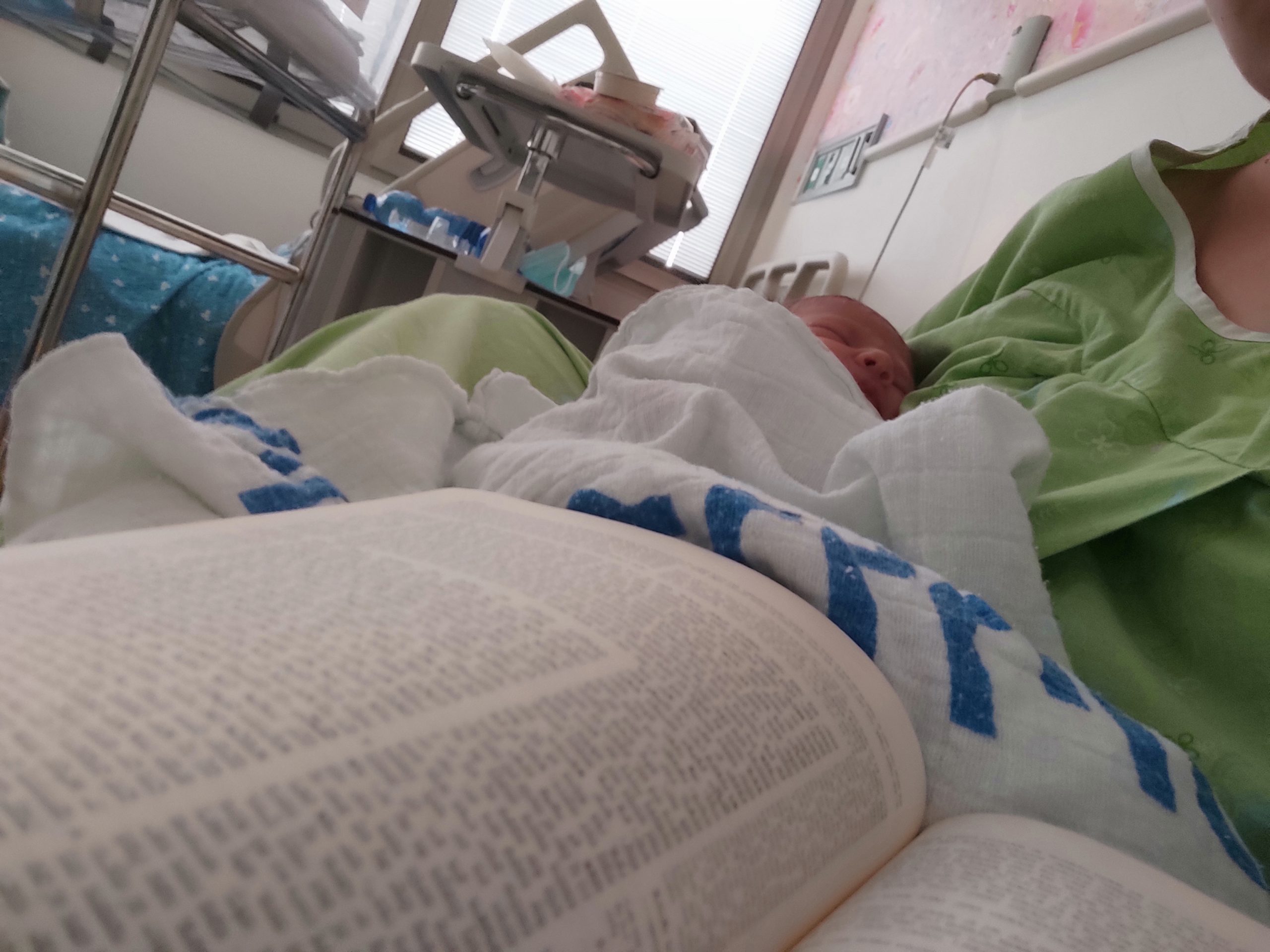
בתחילת הסבב הנוכחי הצטברו אצלי תחושות שאני לא מבינה מספיק מהי ההלכה אותה אני מקיימת בכל יום. כמו כן, כאמא לבנות רציתי לתת להן מודל נשי של לימוד תורה
שתי הסיבות האלו הובילו אותי להתחיל ללמוד. נתקלתי בתגובות מפרגנות וסקרניות איך אישה לומדת גמרא..
כמו שרואים בתמונה אני ממשיכה ללמוד גם היום ואפילו במחלקת יולדות אחרי לידת ביתי השלישית.
רבבה, ישראל
התחלתי ללמוד דף יומי שהתחילו מסכת כתובות, לפני 7 שנים, במסגרת קבוצת לימוד שהתפרקה די מהר, ומשם המשכתי לבד בתמיכת האיש שלי. נעזרתי בגמרת שטיינזלץ ובשיעורים מוקלטים.
הסביבה מאד תומכת ואני מקבלת המון מילים טובות לאורך כל הדרך. מאז הסיום הגדול יש תחושה שאני חלק מדבר גדול יותר.
אני לומדת בשיטת ה”7 דפים בשבוע” של הרבנית תרצה קלמן – כלומר, לא נורא אם לא הצלחת ללמוד כל יום, העיקר שגמרת ארבעה דפים בשבוע

עתניאל, ישראל
התחלתי ללמוד גמרא בבית הספר בגיל צעיר והתאהבתי. המשכתי בכך כל חיי ואף היייתי מורה לגמרא בבית הספר שקד בשדה אליהו (בית הספר בו למדתי בילדותי)בתחילת מחזור דף יומי הנוכחי החלטתי להצטרף ובע”ה מקווה להתמיד ולהמשיך. אני אוהבת את המפגש עם הדף את "דרישות השלום ” שמקבלת מקשרים עם דפים אחרים שלמדתי את הסנכרון שמתחולל בין התכנים.

מעלה גלבוע, ישראל
לצערי גדלתי בדור שבו לימוד גמרא לנשים לא היה דבר שבשגרה ושנים שאני חולמת להשלים את הפער הזה.. עד שלפני מספר שבועות, כמעט במקרה, נתקלתי במודעת פרסומת הקוראת להצטרף ללימוד מסכת תענית. כשקראתי את המודעה הרגשתי שהיא כאילו נכתבה עבורי – "תמיד חלמת ללמוד גמרא ולא ידעת איך להתחיל”, "בואי להתנסות במסכת קצרה וקלה” (רק היה חסר שהמודעה תיפתח במילים "מיכי שלום”..). קפצתי למים ו- ב”ה אני בדרך להגשמת החלום:)

מורשת, ישראל
. לא תמיד נהניתי מלימוד גמרא כילדה.,בל כהתבגרתי התחלתי לאהוב את זה שוב. התחלתי ללמוד מסכת סוטה בדף היומי לפני כחמש עשרה שנה ואז הפסקתי.הגעתי לסיום הגדול של הדרן לפני שנתיים וזה נתן לי השראה. והתחלתי ללמוד למשך כמה ימים ואז היתה לי פריצת דיסק והפסקתי…עד אלול השנה. אז התחלתי עם מסכת ביצה וב”ה אני מצליחה לעמוד בקצב. המשפחה מאוד תומכת בי ויש כמה שגם לומדים את זה במקביל. אני אוהבת שיש עוגן כל יום.

בית שמש, ישראל
התחלתי ללמוד לפני 4.5 שנים, כשהודיה חברה שלי פתחה קבוצת ווטסאפ ללימוד דף יומי בתחילת מסכת סנהדרין. מאז לימוד הדף נכנס לתוך היום-יום שלי והפך לאחד ממגדירי הזהות שלי ממש.

ירושלים, ישראל
אני לומדת גמרא כעשור במסגרות שונות, ואת הדף היומי התחלתי כשחברה הציעה שאצטרף אליה לסיום בבנייני האומה. מאז אני לומדת עם פודקסט הדרן, משתדלת באופן יומי אך אם לא מספיקה, מדביקה פערים עד ערב שבת. בסבב הזה הלימוד הוא "ממעוף הציפור”, מקשיבה במהירות מוגברת תוך כדי פעילויות כמו בישול או נהיגה, וכך רוכשת היכרות עם הסוגיות ואופן ניתוחם על ידי חז”ל. בע”ה בסבב הבא, ואולי לפני, אצלול לתוכו באופן מעמיק יותר.

רמת גן, ישראל
התחלתי בתחילת הסבב, והתמכרתי. זה נותן משמעות נוספת ליומיום ומאוד מחזק לתת לזה מקום בתוך כל שגרת הבית-עבודה השוטפת.

בית שמש, ישראל
"
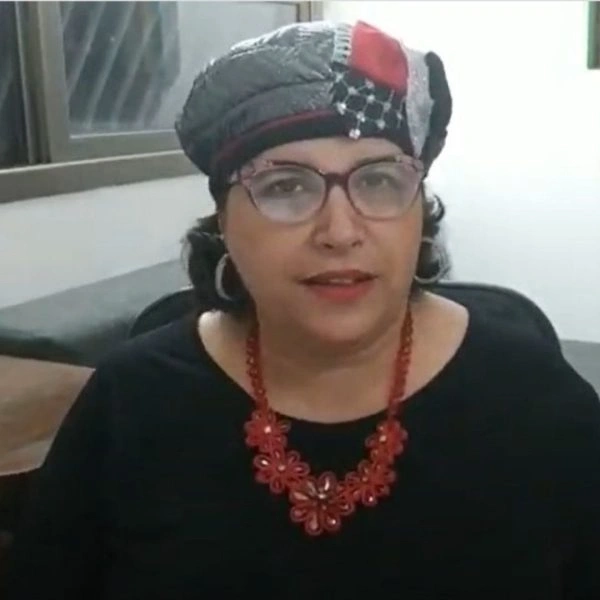
גם אני התחלתי בסבב הנוכחי וב””ה הצלחתי לסיים את רוב המסכתות . בזכות הרבנית מישל משתדלת לפתוח את היום בשיעור הזום בשעה 6:20 .הלימוד הפך להיות חלק משמעותי בחיי ויש ימים בהם אני מצליחה לחזור על הדף עם מלמדים נוספים ששיעוריהם נמצאים במרשתת. שמחה להיות חלק מקהילת לומדות ברחבי העולם. ובמיוחד לשמש דוגמה לנכדותיי שאי””ה יגדלו לדור שלימוד תורה לנשים יהיה משהו שבשגרה. "
נתניה, ישראל
אחרי שראיתי את הסיום הנשי של הדף היומי בבנייני האומה זה ריגש אותי ועורר בי את הרצון להצטרף. לא למדתי גמרא קודם לכן בכלל, אז הכל היה לי חדש, ולכן אני לומדת בעיקר מהשיעורים פה בהדרן, בשוטנשטיין או בחוברות ושיננתם.

בית שמש, ישראל
התחלתי ללמוד לפני כשנתיים בשאיפה לסיים לראשונה מסכת אחת במהלך חופשת הלידה.
אחרי מסכת אחת כבר היה קשה להפסיק…

ירוחם, ישראל
התחלתי ללמוד דף יומי אחרי שחזרתי בתשובה ולמדתי במדרשה במגדל עוז. הלימוד טוב ומספק חומר למחשבה על נושאים הלכתיים ”קטנים” ועד לערכים גדולים ביהדות. חשוב לי להכיר את הגמרא לעומק. והצעד הקטן היום הוא ללמוד אותה בבקיאות, בעזרת השם, ומי יודע אולי גם אגיע לעיון בנושאים מעניינים. נושאים בגמרא מתחברים לחגים, לתפילה, ליחסים שבין אדם לחברו ולמקום ולשאר הדברים שמלווים באורח חיים דתי 🙂

מצפה יריחו, ישראל
התחלתי להשתתף בשיעור נשים פעם בשבוע, תכננתי ללמוד רק דפים בודדים, לא האמנתי שאצליח יותר מכך.
לאט לאט נשאבתי פנימה לעולם הלימוד .משתדלת ללמוד כל בוקר ומתחילה את היום בתחושה של מלאות ומתוך התכווננות נכונה יותר.
הלימוד של הדף היומי ממלא אותי בתחושה של חיבור עמוק לעם היהודי ולכל הלומדים בעבר ובהווה.
אפרת, ישראל
יבמות קיג
מִימַּנְעִי וְלָא נָסְבִי לַהּ.
others would refrain from marrying her at all, as she can issue a declaration of refusal indefinitely, whereas in the case of a minor there is a time limit with regard to her option of a refusal.
וּמַאי שְׁנָא קְטַנָּה דְּאָכְלָה בִּתְרוּמָה, וּמַאי שְׁנָא חֵרֶשֶׁת דְּלָא אָכְלָה בִּתְרוּמָה? דִּתְנַן: הֵעִיד רַבִּי יוֹחָנָן בֶּן גּוּדְגְּדָא עַל הַחֵרֶשֶׁת שֶׁהִשִּׂיאָהּ אָבִיהָ שֶׁיּוֹצְאָה בְּגֵט, וְעַל קְטַנָּה בַּת יִשְׂרָאֵל שֶׁנִּשֵּׂאת לְכֹהֵן שֶׁאוֹכֶלֶת בִּתְרוּמָה, וְאִילּוּ חֵרֶשֶׁת לָא אָכְלָה!
§ The Gemara further asks: What is the difference between a minor girl, that she may partake of teruma when she is married to a priest, and a deaf-mute woman, that she may not partake of teruma when she is married to a priest, despite the fact that both of their marriages apply by rabbinic law? As we learned in a mishna (Gittin 55b): Rabbi Yoḥanan ben Gudgada testified with regard to a female deaf-mute whose father married her off, that she can be divorced with a bill of divorce. And he testified with regard to a minor girl, daughter of an non-priest who was married to a priest, that she may partake of teruma, whereas a deaf-mute woman, it may be inferred, may not partake of teruma.
גְּזֵירָה שֶׁמָּא יַאֲכִיל חֵרֵשׁ בְּחֵרֶשֶׁת. וְלֵיכוֹל, קָטָן אוֹכֵל נְבֵלוֹת הוּא!
The Gemara answers: The reason that a deaf-mute woman may not partake of teruma, even if she is married to a halakhically competent priest, is due to a rabbinic decree lest a deaf-mute priest likewise feed teruma to his deaf-mute wife. The Gemara asks: And which prohibition would that violate? Let him feed her, as he is equivalent to a minor who eats meat from unslaughtered animals. This is referring to the halakha that there is no obligation to prevent minors from committing transgressions. Since a deaf-mute, who is not legally competent, has the status of a minor, the same reasoning should apply in this case. Consequently, the court should be under no obligation to prevent this deaf-mute woman from eating teruma unlawfully.
גְּזֵירָה שֶׁמָּא יַאֲכִיל חֵרֵשׁ בְּפִקַּחַת. וְחֵרֵשׁ בְּפִקַּחַת נָמֵי לֵיכוֹל בִּתְרוּמָה דְּרַבָּנַן! גְּזֵירָה דִּלְמָא אָתֵי לְאוֹכֹלַהּ בִּתְרוּמָה דְּאוֹרָיְיתָא.
Rather, it is a rabbinic decree lest a deaf-mute priest feed teruma to a halakhically competent wife. Since by Torah law her marriage to a deaf-mute man is not valid, she may not eat teruma. The Gemara asks: As well, in the case of a deaf-mute priest who wishes to feed a halakhically competent wife, let her partake of teruma that applies by rabbinic law. There are types of produce from which there is no obligation to separate teruma by Torah law, and one separates teruma from them due to rabbinic decree. Just as the marriage of this woman is by rabbinic law, she should be permitted to eat teruma that applies by rabbinic law. The Gemara answers: It is a rabbinic decree, as perhaps he will come to feed her teruma that applies by Torah law.
וּמַאי שְׁנָא קְטַנָּה דְּאִית לַהּ כְּתוּבָּה, וּמַאי שְׁנָא חֵרֶשֶׁת דְּלֵית לַהּ כְּתוּבָּה? דְּאִם כֵּן — מִימַּנְעִי וְלָא נָסְבִי לַהּ.
The Gemara further asks: And what is the difference between a minor girl, that she has a marriage contract, and a deaf-mute woman, that she does not have a marriage contract? The Gemara answers: The reason is that if so, if the husband of a deaf-mute would be obligated to give her a marriage contract, men would refrain from marrying her at all.
וּקְטַנָּה מְנָלַן דְּאִית לַהּ כְּתוּבָּה? דִּתְנַן: הַמְמָאֶנֶת, וְהַשְּׁנִיָּיה, וְאַיְילוֹנִית — אֵין לָהֶן כְּתוּבָּה. אֲבָל יוֹצְאָה בְּגֵט וּקְטַנָּה — יֵשׁ לָהּ כְּתוּבָּה.
The Gemara asks: And a minor girl, from where do we derive that she has a marriage contract? As we learned in a mishna (Bava Metzia 67a): With regard to a minor who refuses her husband and leaves him, and likewise a woman who is a secondary forbidden relative prohibited by rabbinic law, and a sexually underdeveloped woman who is incapable of bearing children, these women have no marriage contract. The Gemara infers: However, any other woman who can be divorced by means of a bill of divorce, and this includes a minor girl, is entitled to a marriage contract.
וְחֵרֶשֶׁת מְנָלַן דְּלֵית לַהּ כְּתוּבָּה? דְּתַנְיָא: חֵרֵשׁ וְשׁוֹטֶה שֶׁנָּשְׂאוּ פִּקְּחוֹת, אַף עַל פִּי שֶׁנִּתְפַּקֵּחַ הַחֵרֵשׁ, וְנִשְׁתַּפָּה הַשּׁוֹטֶה — אֵין לָהֶם עֲלֵיהֶם כְּלוּם. רָצוּ לְקַיְּימָן — יֵשׁ לָהֶם כְּתוּבָּה.
The Gemara asks: And a deaf-mute woman, from where do we derive that she has no marriage contract? As it is taught in a baraita: A deaf-mute and an imbecile who married halakhically competent women, even if the deaf-mute subsequently regained his senses, and the imbecile regained his competence, their wives have no claim of anything against them, even if their wives received marriage contracts from them. However, if the men wish to maintain these women as their wives after they became fully competent, they have a marriage contract from that point onward.
וּפִקֵּחַ שֶׁנָּשָׂא חֵרֶשֶׁת אוֹ שׁוֹטָה, אֲפִילּוּ כָּתַב לָהּ מֵאָה מָנֶה — כְּתוּבָּתָהּ קַיֶּימֶת, מִפְּנֵי שֶׁרָצָה לִזּוֹק בִּנְכָסָיו. טַעְמָא דְּרָצָה, הָא לֹא רָצָה — אֵין לָהּ, דְּאִם כֵּן מִימַּנְעִי וְלָא נָסְבִי לַהּ.
And in the case of a halakhically competent man who married a deaf-mute or an imbecile, and he decided to write a marriage contract for her, even if he wrote for her one hundred dinars her marriage contract is valid, because he wanted to harm his own property. In other words, as he acted willingly, despite the lack of obligation to do so, this is comparable to one who chooses to harm himself and give away property in any other manner; it is his prerogative. The Gemara infers: The reason for this halakha is that he wanted to write her a marriage contract, from which it may be inferred that if he does not want to write one, she will not have a marriage contract. The logic is as stated above, that if so, men would refrain from marrying her.
אִי הָכִי, פִּקַּחַת לְחֵרֵשׁ לִיתַקֵּן לַהּ כְּתוּבָּה, דְּאִם כֵּן מִימַּנְעִי וְלָא מִינַּסְבִי! יוֹתֵר מִשֶּׁהָאִישׁ רוֹצֶה לִישָּׂא, אִשָּׁה רוֹצָה לְהִנָּשֵׂא.
The Gemara asks: If so, in a case of a halakhically competent woman who was married to a deaf-mute, let the Sages enact a marriage contract for her, for if so, i.e., if women would not receive marriage contracts in this situation, they would refrain from marrying deaf-mute men entirely. The Gemara answers: More than the man wants to get married, a woman wants to be married. Consequently, women will not be too discriminating with regard to marriage with a deaf-mute, even if they are not entitled to a marriage contract.
הָהוּא חֵרֵשׁ דַּהֲוָה בְּשִׁבָבוּתֵיהּ דְּרַב מַלְכִּיּוֹ, אַנְסְבֵיהּ אִיתְּתָא וּכְתַב לַהּ אַרְבַּע מְאָה זוּזֵי מִנִּכְסֵיהּ. אָמַר רָבָא: מַאן חַכִּים כְּרַב מַלְכִּיּוֹ, דְּגַבְרָא רַבָּה הוּא. קָסָבַר: אִילּוּ רָצָה שִׁפְחָה לְשַׁמְּשׁוֹ מִי לָא זָבְנִינַן לֵיהּ? כׇּל שֶׁכֵּן הָכָא, דְּאִיכָּא תַּרְתֵּי.
The Gemara relates: There was a certain deaf-mute man who was in the neighborhood of Rav Malkiyyu. Rav Malkiyyu married him to a woman, and he wrote four-hundred dinars for her from the property of the deaf-mute as her marriage contract. Rava said: Who is as wise as Rav Malkiyyu, as he is a great man who found a way to achieve a desirable result by giving her a marriage contract, despite the fact that the deaf-mute was not obligated to do so. Rav Malkiyyu reasoned as follows: If that deaf-mute man wanted a maidservant to attend to him, would we not acquire one for him? All the more so here, as there are two advantages, for she will attend to his needs both as a maidservant and as a wife.
אָמַר רַב חִיָּיא בַּר אָשֵׁי אָמַר שְׁמוּאֵל: אֵשֶׁת חֵרֵשׁ — אֵין חַיָּיבִין עָלֶיהָ אָשָׁם תָּלוּי.
§ Rav Ḥiyya bar Ashi said that Shmuel said: If a man had unwitting relations with the wife of a deaf-mute, i.e., not knowing that she was married, he is not obligated to bring a guilt-offering for uncertainty on her account. He is not liable to bring an offering that is brought in cases where one is unsure whether he committed a sin that requires a sin-offering. A man who unwittingly has relations with a married woman must bring a sin-offering, whereas if the woman was doubtfully married, he brings a guilt-offering for uncertainty. However, the marriage of a deaf-mute is not even categorized as a doubtful marriage.
לֵימָא מְסַיַּיע לֵיהּ: חֲמִשָּׁה לֹא יִתְרוֹמוּ, וְאִם תָּרְמוּ — אֵין תְּרוּמָתָן תְּרוּמָה. וְאֵלּוּ הֵן: חֵרֵשׁ, שׁוֹטֶה, וְקָטָן, וְהַתּוֹרֵם אֶת שֶׁאֵינוֹ שֶׁלּוֹ, וְגוֹי שֶׁתָּרַם שֶׁל יִשְׂרָאֵל אֲפִילּוּ בִּרְשׁוּת יִשְׂרָאֵל — אֵין תְּרוּמָתוֹ תְּרוּמָה.
The Gemara comments: Let us say that the mishna (Terumot 1:1) supports Shmuel’s opinion: There are five categories of people who may not separate teruma ab initio, and if they separated teruma, their teruma is not considered teruma. They are: A deaf-mute, an imbecile, and a minor, and one who separates teruma from produce that is not his, and a gentile who separated teruma from the produce of a Jew even with the Jew’s permission. In this last case, his teruma is not considered teruma, because a gentile cannot be appointed as an agent to separate teruma, and all the more so he cannot separate teruma on his own. This shows that the actions of a deaf-mute have no effect, and are not even considered of doubtful validity.
הוּא דְּאָמַר כְּרַבִּי אֶלְעָזָר. דְּתַנְיָא: רַבִּי יִצְחָק אוֹמֵר מִשּׁוּם רַבִּי אֶלְעָזָר: תְּרוּמַת חֵרֵשׁ לֹא תֵּצֵא לְחוּלִּין, מִפְּנֵי שֶׁהוּא סָפֵק. אִי סְבִירָא כְּרַבִּי אֶלְעָזָר, אָשָׁם תָּלוּי נָמֵי לִיחַיַּיב!
The Gemara responds: This is no proof, as with regard to teruma, Shmuel said his statement in accordance with the opinion of Rabbi Elazar. As it is taught in a baraita that Rabbi Yitzḥak said in the name of Rabbi Elazar: The teruma of a deaf-mute is not released into a non-sacred status, because it is uncertain. Rabbi Elazar does not maintain that the actions of a deaf-mute have no consequence whatsoever. The Gemara asks: If Shmuel maintains, in accordance with the opinion of Rabbi Elazar, that a deaf-mute is competent, let him also obligate a man who has relations with the wife of a deaf-mute to bring a guilt-offering for uncertainty.
בָּעֵינַן חֲתִיכָה מִשְׁתֵּי חֲתִיכוֹת.
The Gemara answers: We require one piece from two pieces. Shmuel maintains that one is not liable to bring a guilt-offering for uncertainty in every case where there is doubt whether or not there was a transgression, and where one would be liable to bring a sin-offering if it were certain that there was a transgression. Rather, a guilt-offering for uncertainty is brought if, for example, one had two pieces of meat before him, one of which was definitely forbidden while the other was permitted, but he does not know with certainty which one he ate. However, when the doubt involves a single item or action, which may or may not have been prohibited, in that situation one does not bring a guilt-offering for uncertainty. In the case discussed here, the doubt concerning the wife of a deaf-mute does not involve a choice between an action that is prohibited and one that is permitted. Rather, it depends on the status of the woman’s marriage.
וּמִי בָּעֵי רַבִּי אֶלְעָזָר חֲתִיכָה מִשְׁתֵּי חֲתִיכוֹת? וְהָתַנְיָא, רַבִּי אֶלְעָזָר אוֹמֵר: כּוֹי — חַיָּיבִין עַל חֶלְבּוֹ אָשָׁם תָּלוּי.
The Gemara asks: And does Rabbi Elazar need a case involving one piece from two pieces to render one liable to bring a guilt-offering for uncertainty? But isn’t it taught in a baraita that Rabbi Elazar says: With regard to a koy, a kosher animal with characteristics of both a domesticated animal and a non-domesticated animal, one is obligated to bring a guilt-offering for uncertainty for eating its forbidden fat. Certain fats, which are permitted in the case of a wild animal, are prohibited if they are from a domesticated animal, and one who partakes of them is liable to bring a sin-offering. Since a koy is of uncertain status, one must bring a guilt-offering for uncertainty for eating its fat. This shows that Rabbi Elazar maintains that one brings a guilt-offering for uncertainty even for a doubt involving one item or action.
שְׁמוּאֵל סָבַר כְּרַבִּי אֶלְעָזָר בַּחֲדָא, וּפְלִיג עֲלֵיהּ בַּחֲדָא.
The Gemara answers: Shmuel holds in accordance with the opinion of Rabbi Elazar in one matter, the status of a deaf-mute, and disagrees with him in one other matter, the halakha of a guilt-offering for uncertainty.
וְאִיכָּא דְּאָמְרִי, אָמַר רַב חִיָּיא בַּר אָשֵׁי אָמַר שְׁמוּאֵל: אֵשֶׁת חֵרֵשׁ חַיָּיבִין עָלֶיהָ אָשָׁם תָּלוּי. מֵיתִיבִי: חֲמִשָּׁה לֹא יִתְרוֹמוּ! סָבַר לַהּ כְּרַבִּי אֶלְעָזָר.
And there are those who say a different version of the above discussion. Rav Ḥiyya bar Ashi said that Shmuel said: If a man had unwitting relations with the wife of a deaf-mute, he is obligated to bring a guilt-offering for uncertainty on her account, due to the doubt. The Gemara raises an objection: Five categories of people may not separate teruma, etc., which indicates that the actions of a deaf-mute have no legal effect. The Gemara answers that Shmuel maintains his opinion in accordance with the opinion of Rabbi Elazar, that the teruma of a deaf-mute is considered teruma that is of doubtful legal status.
בְּעָא רַב אָשֵׁי: מַאי טַעְמָא דְּרַבִּי אֶלְעָזָר? מִיפְשָׁט פְּשִׁיטָא לֵיהּ דְּחֵרֵשׁ דַּעְתָּא קְלִישְׁתָּא הוּא, וּמִיהוּ מְסַפְּקָא לֵיהּ אִי דַּעְתָּא צִילּוּתָא
Rav Ashi raised a dilemma: What is the reason for the opinion of Rabbi Elazar? One possibility is that it is obvious to him that the mind of a deaf-mute is weak. However, he is uncertain as to whether his mind is clear. In other words, although a deaf-mute is weaker intellectually than an average person, and he does not understand everything, nevertheless he is aware of what he is doing with regard to certain undertakings.
אִי לָאו דַּעְתָּא צִילּוּתָא, וּלְעוֹלָם חֲדָא דַּעְתָּא הוּא. אוֹ דִלְמָא פְּשִׁיטָא לֵיהּ דְּדַעְתֵּיהּ קְלִישְׁתָּא וְלָאו דַּעְתָּא צִילּוּתָא הוּא, וְהָכָא הַיְינוּ טַעְמָא: כֵּיוָן דְּעִתִּים חָלִים וְעִתִּים שׁוֹטֶה.
Or perhaps his mind is not clear, i.e., he cannot achieve full and clear understanding, and yet he is always of one mind. In other words, a deaf-mute functions at the same level of intellectual capacity every day. Rav Ashi explains the other possibility: Or perhaps it is obvious to Rabbi Elazar that the mind of a deaf-mute is weak and his mind is unclear, but in this case here, this is Rabbi Elazar’s reasoning: Since he is at times competent and at times imbecilic, without clarity of mind, i.e., he does not function at the same level of understanding every day, therefore the teruma of a deaf-mute is considered teruma that is of doubtful legal status.
לְמַאי נָפְקָא מִינַּהּ — לְהוֹצִיא אִשְׁתּוֹ בְּגֵט. אִי אָמְרַתְּ חֲדָא דַּעְתָּא הוּא — כְּקִדּוּשִׁין כָּךְ גֵּירוּשִׁין.
The Gemara asks: What is the practical difference how one defines the intellectual capacity of a deaf-mute? The Gemara answers: It makes a difference with respect to divorcing his wife with a bill of divorce. If you say that a deaf-mute has one consistent mind, his divorce is equivalent in status to his betrothal. Since he had a weak mind at the time of his betrothal, he has the same level of competence at his divorce and therefore he may divorce his wife.
וְאִי אָמְרַתְּ עִתִּים חָלִים וְעִתִּים שׁוֹטֶה — קַדּוֹשֵׁי מָצֵי מְקַדֵּשׁ, גָּרוֹשֵׁי לָא מָצֵי מְגָרֵשׁ. מַאי? תֵּיקוּ.
But if you say that he is at times competent and at times imbecilic, he may betroth a woman, as the Sages are stringent and assume that he was healthy and of clear mind at the time; however he cannot divorce her, due to a concern that he was competent when he betrothed her but he is incompetent now. If so, what is Rabbi Elazar’s reasoning? No solution is found, and therefore the Gemara states that the dilemma shall stand unresolved.
נִשְׁתַּטֵּית וְכוּ׳. אָמַר רַבִּי יִצְחָק: דְּבַר תּוֹרָה שׁוֹטָה מִתְגָּרֶשֶׁת, מִידֵּי דְּהָוֵה אַפִּקַּחַת בְּעַל כׇּרְחָהּ. וּמָה טַעַם אָמְרוּ אֵינָהּ מְגוֹרֶשֶׁת? שֶׁלֹּא יִנְהֲגוּ בָּהּ מִנְהַג הֶפְקֵר.
§ The mishna taught that one whose wife became imbecilic may not divorce her. Rabbi Yitzḥak said: By Torah law, an imbecilic woman may be divorced, just as it is in the analogous case of a halakhically competent woman who was divorced against her will. Since there is no need for a woman to agree to receive a bill of divorce, an imbecile’s lack of sound mind does not prevent her from being divorced. And if so, what is the reason that the Sages said that an imbecilic woman may not be divorced? The reason is so that people should not treat her in the manner of ownerless property. Since she is not of sound mind and has no husband to protect her, there is a concern that people might treat her in a disrespectful fashion.
הֵיכִי דָּמֵי? אִילֵּימָא דְּיוֹדַעַת לִשְׁמוֹר גִּיטָּהּ וְיוֹדַעַת לִשְׁמוֹר עַצְמָהּ — מִי נָהֲגִי בָּהּ מִנְהַג הֶפְקֵר? אֶלָּא, דְּאֵין יוֹדַעַת לִשְׁמוֹר לֹא גִּיטָּהּ וְלֹא עַצְמָהּ.
The Gemara inquires: What are the precise circumstances of this case? If we say that this woman knows how to guard her bill of divorce, i.e., she understands the concept of a bill of divorce, and she also knows how to take care of herself, would people treat her in the manner of ownerless property? She is capable of protecting herself. Rather, the mishna is evidently referring to a woman who does not know how to guard her bill of divorce, nor does she know how to take care of herself.
דְּבַר תּוֹרָה שׁוֹטָה מִתְגָּרֶשֶׁת? וְהָא אָמַר דְּבֵי רַבִּי יַנַּאי: ״וְנָתַן בְּיָדָהּ״, מִי שֶׁיֵּשׁ לָהּ יָד לְגָרֵשׁ עַצְמָהּ, יָצְתָה זוֹ, שֶׁאֵין לָהּ יָד לְגָרֵשׁ עַצְמָהּ.
The Gemara asks: Is it correct that by Torah law an imbecilic woman may be divorced? But didn’t a Sage of the school of Rabbi Yannai say, with regard to the verse: “He shall write her a bill of divorce and give it into her hand” (Deuteronomy 24:3), that this refers only to a woman who has a hand, i.e., she has enough intellectual capacity to accept a bill of divorce for herself. This serves to exclude this imbecilic woman, who does not have a hand to accept her divorce for herself.
וְתָנָא דְּבֵי רַבִּי יִשְׁמָעֵאל: ״וְשִׁלְּחָהּ מִבֵּיתוֹ״, מִי שֶׁמְּשַׁלְּחָהּ וְאֵינָהּ חוֹזֶרֶת, יָצְתָה זוֹ, שֶׁמְּשַׁלְּחָהּ וְחוֹזֶרֶת.
And the school of Rabbi Yishmael taught this slightly differently. The verse continues: “And send her out of his house” (Deuteronomy 24:3); this indicates that one may divorce only the type of woman whom he will send away and she will not return. It serves to exclude this imbecilic woman, as he will send her away and she will return, as she does not understand the concept of divorce.
לָא צְרִיכָא, דְּיוֹדַעַת לִשְׁמוֹר גִּיטָּהּ וְאֵינָהּ יוֹדַעַת לִשְׁמוֹר עַצְמָהּ. דְּבַר תּוֹרָה שׁוֹטָה מִתְגָּרֶשֶׁת, דְּהָא יוֹדַעַת לִשְׁמוֹר גִּיטָּהּ. וַאֲמוּר רַבָּנַן לָא לַיפְּקַהּ, שֶׁלֹּא יִנְהֲגוּ בָּהּ מִנְהַג הֶפְקֵר.
The Gemara explains: No, Rabbi Yitzḥak’s halakha is necessary in the case of a woman who knows how to guard her bill of divorce but does not know how to take care of herself. By Torah law this imbecilic woman may be divorced, as she knows how to safeguard her bill of divorce, and yet the Sages said that her husband should not divorce her, so that people should not treat her in the manner of ownerless property, because she does not know how to take care of herself.
אָמַר אַבָּיֵי: דַּיְקָא נָמֵי, דְּקָתָנֵי גַּבֵּי דִידַהּ ״נִשְׁתַּטֵּית לֹא יוֹצִיא״, וְגַבֵּי דִידֵיהּ ״לֹא יוֹצִיא עוֹלָמִית״. מַאי שְׁנָא הָכָא דְּקָתָנֵי ״עוֹלָמִית״ וּמַאי שְׁנָא הָתָם דְּלָא קָתָנֵי ״עוֹלָמִית״? אֶלָּא שְׁמַע מִינַּהּ, הָא — דְּאוֹרָיְיתָא, הָא — דְּרַבָּנַן.
Abaye said: The language of the mishna is also precise in this case, as it teaches with regard to this woman that if she became an imbecile he may not divorce her; and yet, with regard to the husband, the mishna states that if he became an imbecile he may never divorce her. What is different here, that the mishna teaches using the word: Never, and what is different there, that it does not teach: Never? Rather, one can learn from here that this halakha, that an imbecilic man may not give a divorce, applies by Torah law, and this one, that a man may not divorce an imbecilic woman, applies by rabbinic law, and therefore the mishna does not add the phrase: Never.
אָמַר רַבִּי יוֹחָנָן בֶּן נוּרִי וְכוּ׳. אִיבַּעְיָא לְהוּ? רַבִּי יוֹחָנָן בֶּן נוּרִי, אִישׁ פְּשִׁיטָא לֵיהּ, וְאִשָּׁה קָמִיבַּעְיָא לֵיהּ. אוֹ דִלְמָא: אִשָּׁה פְּשִׁיטָא לֵיהּ, וְאִישׁ קָמִיבַּעְיָא לֵיהּ.
§ The mishna taught that Rabbi Yoḥanan ben Nuri said: What is the reason that the husband of a woman who became a deaf-mute may divorce her, whereas a man who becomes a deaf-mute may not divorce his wife? A dilemma was raised before the scholars with regard to the opinion of Rabbi Yoḥanan ben Nuri: Is it obvious to him that a deaf-mute man may not divorce his wife, and he raised his dilemma with regard to a woman, i.e., why she may be divorced if she is a deaf-mute? Or perhaps, it is obvious to him why one may divorce a deaf-mute woman, and he raised his dilemma with regard to a deaf-mute man, i.e., why he may not divorce his wife.
תָּא שְׁמַע, מִדְּקָאָמְרוּ לֵיהּ: אֵינוֹ דּוֹמֶה הָאִישׁ הַמְגָרֵשׁ לָאִשָּׁה הַמִּתְגָּרֶשֶׁת, שֶׁהָאִשָּׁה יוֹצֵאת לִרְצוֹנָהּ וְשֶׁלֹּא לִרְצוֹנָהּ, וְהָאִישׁ אֵינוֹ מוֹצִיא אֶלָּא לִרְצוֹנוֹ — שְׁמַע מִינַּהּ אִישׁ קָמִיבַּעְיָא לֵיהּ. אַדְּרַבָּה, מִדְּקָאָמְרוּ לֵיהּ: אַף זוֹ כַּיּוֹצֵא בָּהּ — שְׁמַע מִינַּהּ אִשָּׁה קָמִיבַּעְיָא לֵיהּ.
The Gemara cites a proof: Come and hear from what the Rabbis said in response to Rabbi Yoḥanan ben Nuri: The man who divorces his wife is not similar to the woman who is divorced, as the woman is divorced whether she is willing or unwilling, and the man divorces his wife only willingly. Learn from here that Rabbi Yoḥanan ben Nuri raised his dilemma with regard to a deaf-mute man, not a woman, as the reply of the Rabbis is referring to the man, not the woman. The Gemara rejects this proof: On the contrary, from the fact that the Rabbis said to him: This woman, too, has a similar status, one can learn from here that he raised his dilemma with regard to a deaf-mute woman.
אֶלָּא, רַבִּי יוֹחָנָן בֶּן נוּרִי לְדִבְרֵיהֶם קָאָמַר לְהוּ: לְדִידִי, כִּי הֵיכִי דְּאִישׁ לָא מָצֵי מְגָרֵשׁ — אִשָּׁה נָמֵי לָא מִיגָּרְשָׁא, אֶלָּא לְדִידְכוּ, מַאי שְׁנָא אִשָּׁה וּמַאי שְׁנָא אִישׁ! אֲמַרוּ לֵיהּ: אֵינוֹ דּוֹמֶה הָאִישׁ הַמְגָרֵשׁ לָאִשָּׁה הַמִּתְגָּרֶשֶׁת.
Rather, Rabbi Yoḥanan ben Nuri spoke to the Rabbis in accordance with their statement, i.e., he formulated his statement so as best to argue with their opinion, as follows: According to my opinion, just as a deaf-mute man cannot divorce his wife, so too a deaf-mute woman cannot be divorced. However, according to your opinion, what is the difference between the case of a deaf-mute woman and the case of a deaf-mute man? They said to him: The man who divorces his wife is not similar to the woman who is divorced.
הֵעִיד רַבִּי יוֹחָנָן וְכוּ׳. אָמַר רָבָא: מֵעֵדוּתוֹ שֶׁל רַבִּי יוֹחָנָן בֶּן גּוּדְגְּדָא, אָמַר לְעֵדִים: ״רְאוּ גֵּט זֶה שֶׁאֲנִי נוֹתֵן״, וְאָמַר לָהּ: ״כִּנְסִי שְׁטַר חוֹב זֶה״ — הֲרֵי זוֹ מְגוֹרֶשֶׁת.
The mishna taught: Rabbi Yoḥanan ben Gudgada testified that in the case of a deaf-mute minor whose father married her off, which is a marriage that is valid by Torah law, she may nevertheless be divorced once she matures. Rava said: From the testimony of Rabbi Yoḥanan ben Gudgada one may learn that if a husband said to witnesses: See this bill of divorce that I am giving my wife, and yet he said to her: Take this promissory note, she is divorced, despite the fact when he gave his wife the bill of divorce she did not know what it was.
מִי לָא אָמַר רַבִּי יוֹחָנָן בֶּן גּוּדְגְּדָא לָא בָּעֵינַן דַּעְתַּהּ, הָכָא נָמֵי לָא בָּעֵינַן דַּעְתַּהּ. פְּשִׁיטָא?
This halakha is derived from Rabbi Yoḥanan ben Gudgada’s statement in the following manner: Didn’t Rabbi Yoḥanan ben Gudgada say that we do not require her consent, as there is no need for the woman to understand that she is receiving a bill of divorce? Here, too, we do not require her consent, and even if she believes that she is receiving a bill of debt, she is divorced. The Gemara asks: Isn’t it obvious that there is no need for the woman’s consent? What is the novel element in Rava’s statement?
מַהוּ דְּתֵימָא: מִדַּאֲמַר לַהּ ״כִּנְסִי שְׁטַר חוֹב זֶה״ — בַּטּוֹלֵי בַּטְּלֵיהּ, קָא מַשְׁמַע לַן. אִי אִיתָא דְּבַטְּלֵיהּ — לְעֵדִים הֲוָה קָאָמַר לְהוּ, וּמִדְּלָא אֲמַר לְעֵדִים — לָא בַּטְּלֵיהּ וְלָא מִידֵּי. וְהַאי דְּקָאָמַר הָכִי — מֵחֲמַת כִּיסּוּפָא הוּא דְּקָאָמַר לְהוּ.
The Gemara answers that Rava’s statement is necessary, lest you say: From the fact that the husband said to her: Take this promissory note, he has thereby nullified the bill of divorce. Rava therefore teaches us that this is not the case, for if it is so, that he nullified the bill of divorce, he would have said so to the witnesses. And from the fact that he did not say this to the witnesses, he evidently did not nullify the bill of divorce at all. And the reason that the husband said this, i.e., that she should take this bill of debt, it was due to shame that he said this to her, as he meant to divorce her all along, but he did not want her to know at the time what he was doing.
רַב יִצְחָק בַּר בִּיסְנָא אִירְכַסוּ לֵיהּ מַפְתְּחֵי דְּבֵי מִדְרְשָׁא בִּרְשׁוּת הָרַבִּים בְּשַׁבְּתָא, אֲתָא לְקַמֵּיהּ דְּרַבִּי פְּדָת. אֲמַר לֵיהּ: זִיל
The Gemara relates a story: Rav Yitzḥak bar Bisna lost the keys to the study hall, and therefore they could not come into the study hall from the public domain on Shabbat. It was impossible to open the synagogue, as they could not bring the key because it is prohibited to carry in the public domain. He came before Rabbi Pedat to ask what to do. Rabbi Pedat said to him: Go

