חיפוש

יומא יד

רוצה להקדיש לימוד?

podcast placeholder

0:00
0:00


תקציר

השיעור היום ניתן במסגרת יום התלמוד הבינלאומי לנשים. יוזמה ששמחנו להיות שותפות אליה ב”הדרן”. אם אתן מעוניינות בעוד שיעורים במסגרת היום הזה, מצ”ב קישור https://www.internationalwomenstalmudday.com/schedule

האם ר’ יהודה באמת גזר שאסור לכהן אונן לעבוד שמא יאכל קדשים? האם זה לא סותר משנתינו? הכהן גדול היה מתאמן כל יום של שבעת ימים אלו בעבודות שרגילות שהיו עושים במקדש. האם המשנה לא כשיטת ר’ עקיבא שטוען שאם מזים מי חטאת (מי פרה אדומה) על מי שטהור, זה מטמא אותו? הגמרא מדייקת מהמשנה שהקטורת היו מקטירים לפני הטבת הנרות. הגמרא מביאה משנה במסכת תמיד וגם ממסכת יומא לג שסותר את זה. איך אפשר לפתור את הסתירה?


יומא יד

לוֹמַר שֶׁאֵינוֹ עוֹבֵד כׇּל הַיּוֹם, גְּזֵירָה שֶׁמָּא יֹאכַל. אֲמַר לֵיהּ רַב אַדָּא בַּר אַהֲבָה לְרָבָא: וּמִי גָּזַר רַבִּי יְהוּדָה שֶׁמָּא יֹאכַל? וְהָתְנַן, רַבִּי יְהוּדָה אוֹמֵר: אַף אִשָּׁה אַחֶרֶת מַתְקִינִין לוֹ, שֶׁמָּא תָּמוּת אִשְׁתּוֹ. וְאִי מָיְיתָא אִשְׁתּוֹ עָבֵיד עֲבוֹדָה, וְלָא גָּזַר רַבִּי יְהוּדָה שֶׁמָּא יֹאכַל! אֲמַר לֵיהּ: הָכִי הַשְׁתָּא?! הָתָם, כֵּיוָן דְּיוֹם הַכִּפּוּרִים הוּא, דְּכוּלֵּי עָלְמָא לָא קָא אָכְלִי, הוּא נָמֵי לָא אָתֵי לְמֵיכַל, הָכָא, דְּכוּלֵּי עָלְמָא אָכְלִי — הוּא נָמֵי אָתֵי לְמֵיכַל.

Rabbi Yehuda means to say that the High Priest does not serve for the entire day even though the Torah allows him to do so, due to a rabbinic decree lest he forget that he is an acute mourner and eat consecrated food forbidden to him. Rav Adda bar Ahava said to Rava: And did Rabbi Yehuda issue a decree lest he eat? But didn’t we learn in the mishna that Rabbi Yehuda says: The Sages would even designate another wife for him lest his wife die? And if his wife dies, he nevertheless performs the Temple service, and Rabbi Yehuda did not issue a decree lest he eat. That contradicts the other statement by Rabbi Yehuda that a High Priest may not serve for the entire day that he is an acute mourner. Rava said to him: How can these cases be compared? There, in the mishna, since it is Yom Kippur, when everyone does not eat, he too will not come to eat. However, here, during the rest of the year, when everyone eats, he too will come to eat. Therefore, a decree was issued.

וְכִי הַאי גַּוְונָא מִי חָיְילָא עֲלֵיהּ אֲנִינוּת? וְהָא מִיגָּרְשָׁא! נְהִי דַּאֲנִינוּת לָא חָיְילָא עֲלֵיהּ, אִטְּרוֹדֵי מִי לָא מִיטְּרִיד?

The Gemara raises a question from a different perspective: And in a case like this, would the halakhic status of acute mourning take effect on him, considering that she is divorced? According to Rabbi Yehuda, the High Priest must give his wife a provisional divorce in which case she is no longer his wife and if she dies he is no longer obligated to mourn her. The Gemara answers: Although the status of acute mourning does not take effect on him, is he not troubled over the death of his wife? Therefore, according to Rabbi Yehuda, it is appropriate to prohibit his performance of the service on that day.

מַתְנִי׳ כׇּל שִׁבְעַת הַיָּמִים הוּא זוֹרֵק אֶת הַדָּם, וּמַקְטִיר אֶת הַקְּטוֹרֶת, וּמֵיטִיב אֶת הַנֵּרוֹת, וּמַקְרִיב אֶת הָרֹאשׁ וְאֶת הָרֶגֶל. וּשְׁאָר כׇּל הַיָּמִים אִם רָצָה לְהַקְרִיב — מַקְרִיב, שֶׁכֹּהֵן גָּדוֹל מַקְרִיב חֵלֶק בָּרֹאשׁ, וְנוֹטֵל חֵלֶק בָּרֹאשׁ.

MISHNA: During all seven days of the High Priest’s sequestering before Yom Kippur, he sprinkles the blood of the daily burnt-offering, and he burns the incense, and he removes the ashes of the lamps of the candelabrum, and he sacrifices the head and the hind leg of the daily offering. The High Priest performs these tasks in order to grow accustomed to the services that he will perform on Yom Kippur. On all the other days of the year, if the High Priest wishes to sacrifice any of the offerings, he sacrifices them, as the High Priest sacrifices any portion that he chooses first and takes any portion that he chooses first.

גְּמָ׳ מַאן תַּנָּא? אָמַר רַב חִסְדָּא, דְּלָא כְּרַבִּי עֲקִיבָא. דְּאִי רַבִּי עֲקִיבָא, הָא אָמַר: טָהוֹר שֶׁנָּפְלָה עָלָיו הַזָּאָה טִמְּאַתּוּ, הֵיכִי עָבֵיד עֲבוֹדָה!

GEMARA: The Gemara asks: Who is the tanna who taught this mishna? Rav Ḥisda said: This mishna is not in accordance with the opinion of Rabbi Akiva, as if it were in accordance with the opinion of Rabbi Akiva, it is difficult. Didn’t Rabbi Akiva say: With regard to a ritually pure person upon whom a sprinkling of purification water fell, it renders him impure? This is based on the enigmatic principle with regard to the water of the red heifer: It purifies the ritually impure and renders impure the ritually pure. If so, how can the High Priest perform the Temple service? The High Priest is sprinkled with purification water on each of the seven days of his sequestering due to the possibility that he was impure with impurity imparted by a corpse. However, it is possible that he is ritually pure. If he is ritually pure, the sprinkling will render him impure.

דְּתַנְיָא: ״וְהִזָּה הַטָּהוֹר עַל הַטָּמֵא״. עַל הַטָּמֵא — טָהוֹר, וְעַל הַטָּהוֹר — טָמֵא, דִּבְרֵי רַבִּי עֲקִיבָא. וַחֲכָמִים אוֹמְרִים: אֵין הַדְּבָרִים הַלָּלוּ אֲמוּרִין אֶלָּא בִּדְבָרִים הַמְקַבְּלִים טוּמְאָה.

As it was taught in a baraita that it is written: “And the pure person will sprinkle it upon the impure person” (Numbers 19:19); this emphasis that he sprinkles the water upon the impure person comes to teach that if he sprinkled on the ritually impure person, that person becomes pure; but if he sprinkled on the pure person, that person becomes ritually impure. This is the statement of Rabbi Akiva. And the Rabbis say: These matters are stated to teach that it is considered sprinkling only if it is performed on items susceptible to impurity, whereas if the water was sprinkled on items not susceptible to impurity, it is not considered sprinkling.

מַאי הִיא — כְּדִתְנַן: נִתְכַּוֵּון לְהַזּוֹת עַל הַבְּהֵמָה וְהִזָּה עַל הָאָדָם, אִם יֵשׁ בָּאֵזוֹב — יִשְׁנֶה. נִתְכַּוֵּון לְהַזּוֹת עַל הָאָדָם וְהִזָּה עַל הַבְּהֵמָה, אִם יֵשׁ בָּאֵזוֹב — לֹא יִשְׁנֶה.

What is the halakhic implication of that statement? It is as we learned in a mishna: With regard to one who mistakenly intended to sprinkle purification water on an animal, which does not become impure when alive, but happened to sprinkle it upon an impure person, if water remains on the hyssop that he used to sprinkle the water, he should repeat the action and sprinkle the purification water on the person to purify him. Since the first sprinkling was onto a person, who can become impure, the water remaining on the hyssop may be reused, and it is not disqualified by improper use. However, with regard to one who intended to sprinkle purification water on a person but happened to sprinkle it upon an animal, even if water remains on the hyssop, he should not repeat the action. Since the first sprinkling was onto an animal, which cannot become impure, the water is disqualified by improper use, and may not be used in a second sprinkling.

מַאי טַעְמָא דְּרַבִּי עֲקִיבָא? נִכְתּוֹב רַחֲמָנָא: ״וְהִזָּה הַטָּהוֹר עָלָיו״, מַאי ״עַל הַטָּמֵא״? שְׁמַע מִינַּהּ עַל הַטָּמֵא — טָהוֹר, וְעַל הַטָּהוֹר — טָמֵא. וְרַבָּנַן: הַאי לִדְבָרִים הַמְּקַבְּלִין טוּמְאָה הוּא דַּאֲתָא. אֲבָל הָכָא, קַל וָחוֹמֶר הוּא: אִם עַל הַטָּמֵא — טָהוֹר, עַל הַטָּהוֹר — לֹא כׇּל שֶׁכֵּן!

The Gemara analyzes the basis of the dispute: What is the reason for the opinion of Rabbi Akiva? Instead of writing: And the pure person will sprinkle it upon the impure person, let the Merciful One write in the Torah: And the pure person will sprinkle it upon him, and it would be clear that it is upon the aforementioned impure person. What is taught by the phrase: Upon the impure person? Learn from it that if he sprinkled on the impure person, that person becomes pure; but if he sprinkled on the pure person, that person becomes impure. And the Rabbis say with regard to that phrase: It comes to teach that it is only considered sprinkling if it is performed on items susceptible to impurity. However, here, with regard to sprinkling purification water on a pure person, it is derived through an a fortiori inference that he remains ritually pure: If the water falls on the impure person, he is pure; if the water falls on the pure person, all the more so is it not clear that he remains pure?

וְרַבִּי עֲקִיבָא? הַיְינוּ דְּקָאָמַר שְׁלֹמֹה ״אָמַרְתִּי אֶחְכָּמָה וְהִיא רְחוֹקָה מִמֶּנִּי״. וְרַבָּנַן? הַהוּא לַמַּזֶּה וְלַמַּזִּין עָלָיו — טָהוֹר, וְנוֹגֵעַ בָּהֶן — טָמֵא.

And Rabbi Akiva would respond to that a fortiori inference: That is what King Solomon said: “I said I would become wise, but it eludes me” (Ecclesiastes 7:23). According to tradition, even Solomon in his great wisdom could not understand the contradictory nature of the sprinkling of purification water that purifies an impure person and impurifies a pure person. And the Rabbis ascribe Solomon’s bewilderment to a different aspect of the halakha: The one who sprinkles the water and the one upon whom one sprinkles the water are pure; but one who touches the water unrelated to sprinkling is impure.

וּמַזֶּה טָהוֹר? וְהָכְתִיב: ״וּמַזֵּה מֵי הַנִּדָּה יְכַבֵּס בְּגָדָיו״. מַאי ״מַזֶּה״ — נוֹגֵעַ. וְהָכְתִיב ״מַזֶּה״, וְהָא כְּתִיב ״נוֹגֵעַ״? וְעוֹד: מַזֶּה בָּעֵי כִּיבּוּס בְּגָדִים, נוֹגֵעַ לָא בָּעֵי כִּבּוּס בְּגָדִים!

The Gemara asks: Is the one who sprinkles the water actually pure? Isn’t it written: “He who sprinkles the purification waters will wash his clothes, and he who touches the purification waters will be unclean until evening” (Numbers 19:21)? The Gemara responds: What is the meaning of the term: He who sprinkles? It means: He who touches. But isn’t it written: He who sprinkles? And isn’t it written in the same verse: And he who touches? And furthermore, in that verse, one who sprinkles requires washing of his clothes, indicating a more severe level of impurity, whereas one who touches does not require washing of his clothes. Apparently, when it is written: He who sprinkles, it is not referring to one who touches.

אֶלָּא: מַאי ״מַזֶּה״ — נוֹשֵׂא. וְנִכְתּוֹב רַחֲמָנָא ״נוֹשֵׂא״, מַאי טַעְמָא כְּתִיב ״מַזֶּה״? הָא קָא מַשְׁמַע לַן דְּבָעֵינַן שִׁיעוּר הַזָּאָה.

Rather, the Rabbis assert: What is the meaning of: He who sprinkles? It refers to one who carries the purification water. The Gemara asks: But if so, let the Merciful One write: One who carries; what is the reason that he who sprinkles is written if the reference is to carrying? The Gemara answers: This use of the term sprinkling to depict carrying teaches us that in order to become impure from carrying purification water, one must carry the measure required for sprinkling.

הָנִיחָא לְמַאן דְּאָמַר: הַזָּאָה צְרִיכָה שִׁיעוּר. אֶלָּא לְמַאן דְּאָמַר: הַזָּאָה אֵין צְרִיכָה שִׁיעוּר, מַאי אִיכָּא לְמֵימַר! אֲפִילּוּ לְמַאן דְּאָמַר הַזָּאָה אֵין צְרִיכָא שִׁיעוּר, הָנֵי מִילֵּי אַגַּבָּא דְגַבְרָא, אֲבָל בְּמָנָא — צְרִיכָה שִׁיעוּר. דִּתְנַן: כַּמָּה יְהֵא בָּהֶן וִיהֵא כְּדֵי הַזָּאָה — כְּדֵי שֶׁיִּטְבּוֹל

The Gemara asks: This works out well according to the one who said that sprinkling requires a minimum measure of water, as then the concept of a measure required for sprinkling has meaning. However, according to the one who said that sprinkling does not require a minimum measure of water, what can be said? There is no concept of a measure required for sprinkling. The Gemara answers: Even according to the one who said that sprinkling does not require a minimum measure of water, that applies only to the measure of purification water that must be sprinkled on the back of the impure man; any amount will suffice. However, in the vessel into which one dips the hyssop in order to sprinkle the water, a certain measure of water is required, as we learned in a mishna: How much water should be in the vessel so that it will be equivalent to the measure required for sprinkling? It must be equivalent to the measure required to dip

רָאשֵׁי גִבְעוֹלִין וְיַזֶּה. אַבָּיֵי אָמַר: אֲפִילּוּ תֵּימָא רַבִּי עֲקִיבָא, דְּעָבֵיד עֲבוֹדָה כּוּלֵּיהּ יוֹמָא, וּלְפַנְיָא מַדּוּ עֲלֵיהּ, וְטָבֵיל וְעָבֵיד הֶעֱרֵב הַשֶּׁמֶשׁ.

the tops of the stems of the hyssop branch into the water and sprinkle it. Apparently, even according to the one who said that there is no minimum measure of water for sprinkling there is a minimum measure of water that must be in the vessel. Abaye said: Even if you say that the mishna is in accordance with the opinion of Rabbi Akiva, who said that the purification water impurifies the pure, the difficulty can be resolved: The High Priest performs the Temple service for the entire day on each of the seven days of sequestering, and toward the evening the priests sprinkle the purification water upon him. Even if he was pure and the sprinkling rendered him impure, he immerses immediately and observes the requirement to wait until sunset, at which point he is purified and prepared to serve the next day.

וּמַקְטִיר אֶת הַקְּטוֹרֶת וּמֵטִיב אֶת הַנֵּרוֹת. אַלְמָא קְטוֹרֶת בְּרֵישָׁא וַהֲדַר נֵרוֹת. וּרְמִינְהוּ: מִי שֶׁזָּכָה בְּדִישּׁוּן מִזְבֵּחַ הַפְּנִימִי, וּמִי שֶׁזָּכָה בַּמְּנוֹרָה, וּמִי שֶׁזָּכָה בַּקְּטוֹרֶת!

§ The mishna teaches that on each of the seven days the High Priest burns the incense and removes the ashes from the lamps. Apparently, incense is burned first, and then the lamps are cleaned. And the Gemara raises a contradiction from a mishna in tractate Tamid that discusses the lottery in which the priests performing the various tasks that constitute the morning Temple service are selected. That mishna first mentions the one who was privileged to be selected to perform removal of the ashes from the inner altar, and then the one who was privileged to be selected to remove the ashes from the lamps of the candelabrum, and only then does it deal with the one who is privileged to be selected to burn the incense. According to that mishna, removing ashes from the candelabrum precedes the burning of the incense.

אָמַר רַב הוּנָא: מַאן תָּנָא תָּמִיד, רַבִּי שִׁמְעוֹן אִישׁ הַמִּצְפָּה הוּא. וְהָא אִיפְּכָא שָׁמְעִינַן לֵיהּ, דִּתְנַן: בָּא לוֹ לְקֶרֶן מִזְרָחִית צְפוֹנִית — נוֹתֵן מִזְרָחָה צָפוֹנָה, מַעֲרָבִית דְּרוֹמִית — נוֹתֵן מַעֲרָבָה דָּרוֹמָה.

Rav Huna said: Who is the tanna who taught the mishnayot in tractate Tamid? It is Rabbi Shimon Ish HaMitzpa, who disagrees with the tanna of the mishna here. The Gemara asks: But didn’t we learn the opposite, as we learned in the mishna in tractate Tamid: The priest sprinkles the blood of the daily offering on the altar. He comes to the northeast corner of the altar and sprinkles once on the northeast corner. From there he proceeds to the southwest corner and sprinkles once on the southwest corner.

וְתָנֵי עֲלַהּ, רַבִּי שִׁמְעוֹן אִישׁ הַמִּצְפָּה מְשַׁנֶּה בַּתָּמִיד: מִזְרָחִית צְפוֹנִית — נוֹתֵן מִזְרָחָה צָפוֹנָה. מַעֲרָבִית דְּרוֹמִית — נוֹתֵן מַעֲרָבָה, וְאַחַר כָּךְ נוֹתֵן דָּרוֹמָה.

And it was taught in the Tosefta concerning this mishna: Rabbi Shimon Ish HaMitzpa changes the sprinkling of the blood of the daily offering relative to the sprinkling of blood of all other burnt-offerings. He agrees with the first tanna with regard to the first sprinkling of the blood; the priest comes to the northeast corner and sprinkles once on the northeast corner. However, when he proceeds to the southwest corner he does not sprinkle once as he would when offering a burnt-offering; rather, he sprinkles on the west side of the altar and then sprinkles on the south side. Since the disputing opinion is that of Rabbi Shimon Ish HaMitzpa, apparently the unattributed opinions in the mishnayot in tractate Tamid are not the opinions of Rabbi Shimon Ish HaMitzpa.

אֶלָּא אָמַר רַבִּי יוֹחָנָן: מַאן תְּנָא סֵדֶר יוֹמָא — רַבִּי שִׁמְעוֹן אִישׁ הַמִּצְפָּה הוּא.

Rather, there must be a different resolution to the contradiction between the mishna here and the one in tractate Tamid. Rabbi Yoḥanan said: Who is the tanna who taught the Yom Kippur service in tractate Yoma? It is Rabbi Shimon Ish HaMitzpa, and tractate Tamid is in accordance with the opinion of the Rabbis who disagree with him.

וּרְמִי סֵדֶר יוֹמָא אַסֵּדֶר יוֹמָא, דִּתְנַן: פַּיִיס הַשֵּׁנִי — מִי שׁוֹחֵט, מִי זוֹרֵק, מִי מְדַשֵּׁן מִזְבֵּחַ הַפְּנִימִי, וּמִי מְדַשֵּׁן אֶת הַמְנוֹרָה, וּמִי מַעֲלֶה אֵבָרִים לַכֶּבֶשׁ. פַּיִיס הַשְּׁלִישִׁי — חֲדָשִׁים לַקְּטוֹרֶת בּוֹאוּ וְהָפִיסוּ!

The Gemara raises a contradiction from one mishna in tractate Yoma against another mishna in tractate Yoma, as we learned in a mishna: The second lottery conducted daily among the priests determined the following: Who slaughters the daily morning offering; who sprinkles its blood; who removes the ashes from the inner altar; and who removes the ashes and burnt wicks from the candelabrum; and who takes the limbs of the daily offering up to the ramp to be burned later. Following the second lottery the priests dispersed, and they later reconvened for the third lottery. Before the third lottery, the appointee declared: Let only those priests who are new to offering the incense come and participate in the lottery for the incense. Apparently, removing the ashes from the lamps of the candelabrum preceded the burning of the incense, which contradicts the mishna here.

אָמַר אַבָּיֵי, לָא קַשְׁיָא: כָּאן בַּהֲטָבַת שְׁתֵּי נֵרוֹת, כָּאן בַּהֲטָבַת חָמֵשׁ נֵרוֹת.

Abaye said: This is not difficult. Here, the mishna is discussing the removal of the ashes from two lamps, which is performed after the burning of the incense; there, the mishna of the lotteries is discussing the removal of the ashes from five lamps, which precedes the burning of the incense. As will be explained, the priest attends to five lamps first, and after a break, he attends to the final two lamps.

לְמֵימְרָא דְּבִקְטוֹרֶת מַפְסֵיק לְהוּ? וְהָא אַבָּיֵי מְסַדֵּר מַעֲרָכָה מִשְּׁמֵיהּ דִּגְמָרָא, בְּדַם הַתָּמִיד מַפְסֵיק לְהוּ! אָמְרִי, לָא קַשְׁיָא: הָהִיא לְאַבָּא שָׁאוּל, הָא לְרַבָּנַן. דְּתַנְיָא: לֹא יֵיטִיב אֶת הַנֵּרוֹת וְאַחַר כָּךְ יַקְטִיר, אֶלָּא יַקְטִיר וְאַחַר כָּךְ יֵיטִיב. אַבָּא שָׁאוּל אוֹמֵר: מֵטִיב, וְאַחַר כָּךְ מַקְטִיר.

The Gemara asks: Is that to say that the burning of the incense interposes between attending to the first five lamps and attending the last two? But when Abaye related the order of the daily priestly functions in the name of tradition, didn’t he state that it was the sprinkling of the blood of the daily offering that interposed between the five lamps and the two, not the burning of the incense? The Sages say in response: This is not difficult. That sequence cited by Abaye is in accordance with the opinion of Abba Shaul, whereas this sequence cited in the mishna is in accordance with the opinion of the Rabbis, as it was taught in a baraita: One should not remove the ashes from the lamps and then burn the incense; rather one should burn the incense and then remove the ashes from the lamps. Abba Shaul says: One removes the ashes from the lamps and then burns the incense. The different sources reflect the dispute cited in the baraita.

מַאי טַעְמָא דְּאַבָּא שָׁאוּל? דִּכְתִיב: ״בַּבֹּקֶר בַּבֹּקֶר בְּהֵיטִיבוֹ אֶת הַנֵּרוֹת״, וַהֲדַר ״יַקְטִירֶנָּה״. וְרַבָּנַן? מַאי קָאָמַר רַחֲמָנָא:

The Gemara asks: What is the rationale for the opinion of Abba Shaul? It is as it is written: “Every morning when he removes the ashes from the lamps, he shall burn it” (Exodus 30:7), and then it is written: “He shall burn it” (Exodus 30:8). First the lamps are cleaned, and only then is the incense burned. And how do the Rabbis, who hold that the incense was burned first, interpret this verse? They say: What is the Merciful One saying?

חדשה בלימוד הגמרא?

זה הדף הראשון שלך? איזו התרגשות עצומה! יש לנו בדיוק את התכנים והכלים שיעזרו לך לעשות את הצעדים הראשונים ללמידה בקצב וברמה שלך, כך תוכלי להרגיש בנוח גם בתוך הסוגיות המורכבות ומאתגרות.

פסיפס הלומדות שלנו

גלי את קהילת הלומדות שלנו, מגוון נשים, רקעים וסיפורים. כולן חלק מתנועה ומסע מרגש ועוצמתי.

באירוע של הדרן בנייני האומה. בהשראתה של אמי שלי שסיימה את הש”ס בסבב הקודם ובעידוד מאיר , אישי, וילדיי וחברותיי ללימוד במכון למנהיגות הלכתית של רשת אור תורה סטון ומורתיי הרבנית ענת נובוסלסקי והרבנית דבורה עברון, ראש המכון למנהיגות הלכתית.
הלימוד מעשיר את יומי, מחזיר אותי גם למסכתות שכבר סיימתי וידוע שאינו דומה מי ששונה פרקו מאה לשונה פרקו מאה ואחת במיוחד מרתקים אותי החיבורים בין המסכתות

Roit Kalech
רוית קלך

מודיעין, ישראל

התחלתי ללמוד דף יומי בתחילת מסכת ברכות, עוד לא ידעתי כלום. נחשפתי לסיום הש״ס, ובעצם להתחלה מחדש בתקשורת, הפתיע אותי לטובה שהיה מקום לעיסוק בתורה.
את המסכתות הראשונות למדתי, אבל לא סיימתי (חוץ מעירובין איכשהו). השנה כשהגעתי למדרשה, נכנסתי ללופ, ואני מצליחה להיות חלק, סיימתי עם החברותא שלי את כל המסכתות הקצרות, גם כשהיינו חולות קורונה ובבידודים, למדנו לבד, העיקר לא לצבור פער, ומחכות ליבמות 🙂

Eden Yeshuron
עדן ישורון

מזכרת בתיה, ישראל

אני לומדת גמרא כעשור במסגרות שונות, ואת הדף היומי התחלתי כשחברה הציעה שאצטרף אליה לסיום בבנייני האומה. מאז אני לומדת עם פודקסט הדרן, משתדלת באופן יומי אך אם לא מספיקה, מדביקה פערים עד ערב שבת. בסבב הזה הלימוד הוא "ממעוף הציפור”, מקשיבה במהירות מוגברת תוך כדי פעילויות כמו בישול או נהיגה, וכך רוכשת היכרות עם הסוגיות ואופן ניתוחם על ידי חז”ל. בע”ה בסבב הבא, ואולי לפני, אצלול לתוכו באופן מעמיק יותר.

Yael Bir
יעל ביר

רמת גן, ישראל

הייתי לפני שנתיים בסיום הדרן נשים בבנייני האומה והחלטתי להתחיל. אפילו רק כמה דפים, אולי רק פרק, אולי רק מסכת… בינתיים סיימתי רבע שס ותכף את כל סדר מועד בה.
הסביבה תומכת ומפרגנת. אני בת יחידה עם ארבעה אחים שכולם לומדים דף יומי. מדי פעם אנחנו עושים סיומים יחד באירועים משפחתיים. ממש מרגש. מסכת שבת סיימנו כולנו יחד עם אבא שלנו!
אני שומעת כל יום פודקאסט בהליכה או בנסיעה ואחכ לומדת את הגמרא.

Edna Gross
עדנה גרוס

מרכז שפירא, ישראל

סיום השס לנשים נתן לי מוטביציה להתחיל ללמוד דף יומי. עד אז למדתי גמרא בשבתות ועשיתי כמה סיומים. אבל לימוד יומיומי זה שונה לגמרי ופתאום כל דבר שקורה בחיים מתקשר לדף היומי.

Fogel Foundation
קרן פוגל

רתמים, ישראל

כבר סיפרתי בסיום של מועד קטן.
הלימוד מאוד משפיעה על היום שלי כי אני לומדת עם רבנית מישל על הבוקר בזום. זה נותן טון לכל היום – בסיס למחשבות שלי .זה זכות גדול להתחיל את היום בלימוד ובתפילה. תודה רבה !

שרה-ברלוביץ
שרה ברלוביץ

ירושלים, ישראל

התחלתי ללמוד דף יומי אחרי שחזרתי בתשובה ולמדתי במדרשה במגדל עוז. הלימוד טוב ומספק חומר למחשבה על נושאים הלכתיים ”קטנים” ועד לערכים גדולים ביהדות. חשוב לי להכיר את הגמרא לעומק. והצעד הקטן היום הוא ללמוד אותה בבקיאות, בעזרת השם, ומי יודע אולי גם אגיע לעיון בנושאים מעניינים. נושאים בגמרא מתחברים לחגים, לתפילה, ליחסים שבין אדם לחברו ולמקום ולשאר הדברים שמלווים באורח חיים דתי 🙂

Gaia Divo
גאיה דיבו

מצפה יריחו, ישראל

התחלתי כשהייתי בחופש, עם הפרסומים על תחילת המחזור, הסביבה קיבלה את זה כמשהו מתמיד ומשמעותי ובהערכה, הלימוד זה עוגן יציב ביום יום, יש שבועות יותר ויש שפחות אבל זה משהו שנמצא שם אמין ובעל משמעות בחיים שלי….

Adi Diamant
עדי דיאמנט

גמזו, ישראל

התחלתי ללמוד לפני 4.5 שנים, כשהודיה חברה שלי פתחה קבוצת ווטסאפ ללימוד דף יומי בתחילת מסכת סנהדרין. מאז לימוד הדף נכנס לתוך היום-יום שלי והפך לאחד ממגדירי הזהות שלי ממש.

Rosenberg Foundation
קרן רוזנברג

ירושלים, ישראל

My explorations into Gemara started a few days into the present cycle. I binged learnt and become addicted. I’m fascinated by the rich "tapestry” of intertwined themes, connections between Masechtot, conversations between generations of Rabbanim and learners past and present all over the world. My life has acquired a golden thread, linking generations with our amazing heritage.
Thank you.

Susan Kasdan
סוזן כשדן

חשמונאים, Israel

התחלתי בסיום הש”ס, יצאתי באורות. נשברתי פעמיים, ובשתיהם הרבנית מישל עודדה להמשיך איפה שכולם בסבב ולהשלים כשאוכל, וכך עשיתי וכיום השלמתי הכל. מדהים אותי שאני לומדת כל יום קצת, אפילו בחדר הלידה, בבידוד או בחו”ל. לאט לאט יותר נינוחה בסוגיות. לא כולם מבינים את הרצון, בפרט כפמניסטית. חשה סיפוק גדול להכיר את המושגים וצורת החשיבה. החלום זה להמשיך ולהתמיד ובמקביל ללמוד איך מהסוגיות נוצרה והתפתחה ההלכה.

Weingarten Sherrington Foundation
קרן וינגרטן שרינגטון

מודיעין, ישראל

התחלתי ללמוד גמרא בבית הספר בגיל צעיר והתאהבתי. המשכתי בכך כל חיי ואף היייתי מורה לגמרא בבית הספר שקד בשדה אליהו (בית הספר בו למדתי בילדותי)בתחילת מחזור דף יומי הנוכחי החלטתי להצטרף ובע”ה מקווה להתמיד ולהמשיך. אני אוהבת את המפגש עם הדף את "דרישות השלום ” שמקבלת מקשרים עם דפים אחרים שלמדתי את הסנכרון שמתחולל בין התכנים.

Ariela Bigman
אריאלה ביגמן

מעלה גלבוע, ישראל

באירוע של הדרן בנייני האומה. בהשראתה של אמי שלי שסיימה את הש”ס בסבב הקודם ובעידוד מאיר , אישי, וילדיי וחברותיי ללימוד במכון למנהיגות הלכתית של רשת אור תורה סטון ומורתיי הרבנית ענת נובוסלסקי והרבנית דבורה עברון, ראש המכון למנהיגות הלכתית.
הלימוד מעשיר את יומי, מחזיר אותי גם למסכתות שכבר סיימתי וידוע שאינו דומה מי ששונה פרקו מאה לשונה פרקו מאה ואחת במיוחד מרתקים אותי החיבורים בין המסכתות

Roit Kalech
רוית קלך

מודיעין, ישראל

בתחילת הסבב הנוכחי של לימוד הדף היומי, נחשפתי לחגיגות המרגשות באירועי הסיום ברחבי העולם. והבטחתי לעצמי שבקרוב אצטרף גם למעגל הלומדות. הסבב התחיל כאשר הייתי בתחילת דרכי בתוכנית קרן אריאל להכשרת יועצות הלכה של נשמ”ת. לא הצלחתי להוסיף את ההתחייבות לדף היומי על הלימוד האינטנסיבי של תוכנית היועצות. בבוקר למחרת המבחן הסופי בנשמ”ת, התחלתי את לימוד הדף במסכת סוכה ומאז לא הפסקתי.

Hana Shaham-Rozby (Dr.)
חנה שחם-רוזבי (ד”ר)

קרית גת, ישראל

A life-changing journey started with a Chanukah family tiyul to Zippori, home of the Sanhedrin 2 years ago and continued with the Syum in Binanei Hauma where I was awed by the energy of 3000 women dedicated to learning daf Yomi. Opening my morning daily with a fresh daf, I am excited with the new insights I find enriching my life and opening new and deeper horizons for me.

Becky Goldstein
בקי גולדשטיין

Elazar gush etzion, Israel

התחלתי לפני כמה שנים אבל רק בסבב הזה זכיתי ללמוד יום יום ולסיים מסכתות

Sigal Tel
סיגל טל

רעננה, ישראל

התחלתי כשהייתי בחופש, עם הפרסומים על תחילת המחזור, הסביבה קיבלה את זה כמשהו מתמיד ומשמעותי ובהערכה, הלימוד זה עוגן יציב ביום יום, יש שבועות יותר ויש שפחות אבל זה משהו שנמצא שם אמין ובעל משמעות בחיים שלי….

Adi Diamant
עדי דיאמנט

גמזו, ישראל

רציתי לקבל ידע בתחום שהרגשתי שהוא גדול וחשוב אך נעלם ממני. הלימוד מעניק אתגר וסיפוק ומעמיק את תחושת השייכות שלי לתורה וליהדות

Ruth Agiv
רות עגיב

עלי זהב – לשם, ישראל

בתחילת הסבב הנוכחי הצטברו אצלי תחושות שאני לא מבינה מספיק מהי ההלכה אותה אני מקיימת בכל יום. כמו כן, כאמא לבנות רציתי לתת להן מודל נשי של לימוד תורה
שתי הסיבות האלו הובילו אותי להתחיל ללמוד. נתקלתי בתגובות מפרגנות וסקרניות איך אישה לומדת גמרא..
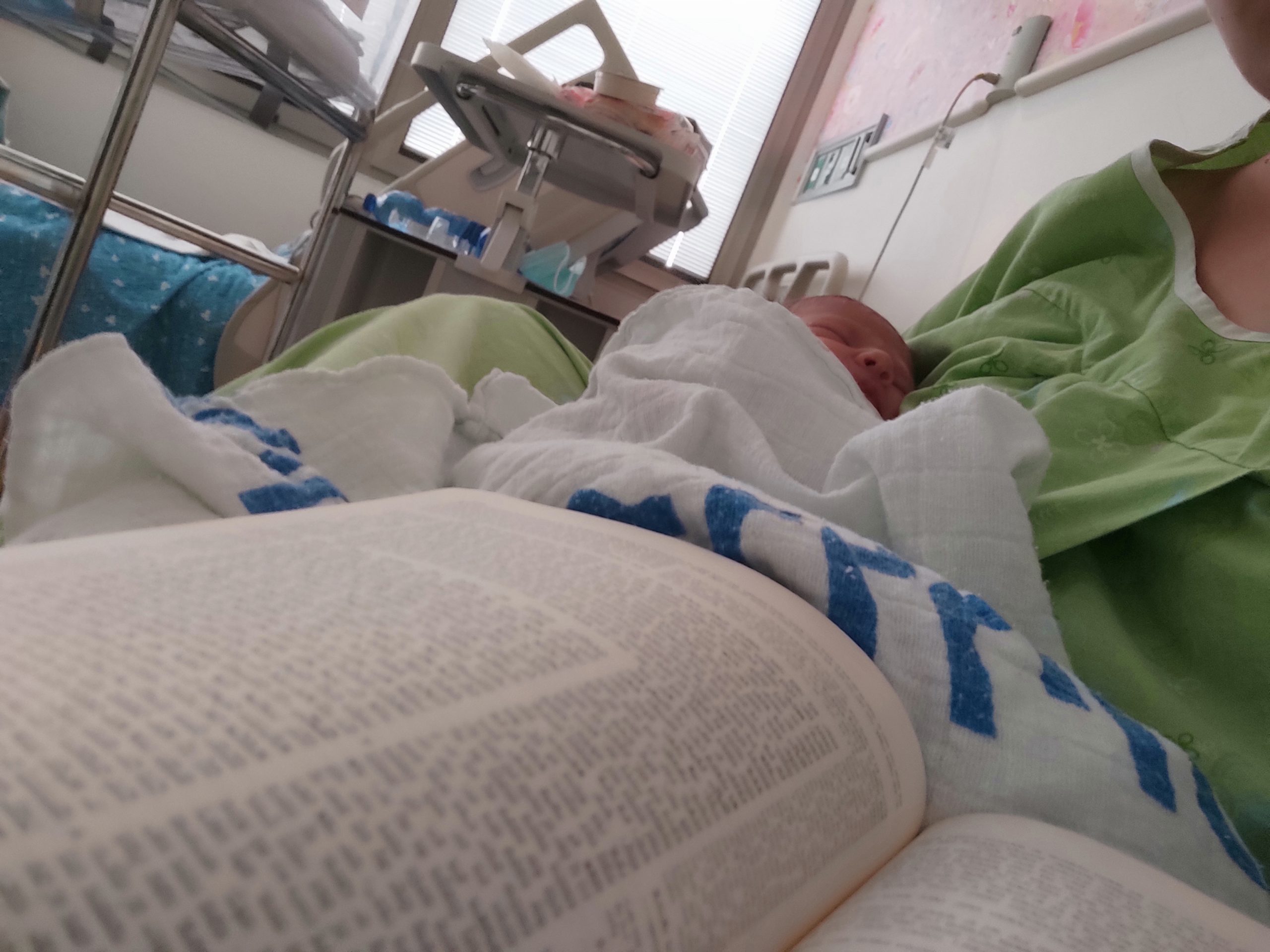
כמו שרואים בתמונה אני ממשיכה ללמוד גם היום ואפילו במחלקת יולדות אחרי לידת ביתי השלישית.

Noa Shiloh
נועה שילה

רבבה, ישראל

"התחלתי ללמוד דף יומי במחזור הזה, בח’ בטבת תש””ף. לקחתי על עצמי את הלימוד כדי ליצור תחום של התמדה יומיומית בחיים, והצטרפתי לקבוצת הלומדים בבית הכנסת בכפר אדומים. המשפחה והסביבה מתפעלים ותומכים.
בלימוד שלי אני מתפעלת בעיקר מכך שכדי ללמוד גמרא יש לדעת ולהכיר את כל הגמרא. זו מעין צבת בצבת עשויה שהיא עצומה בהיקפה.”

Sarah Fox
שרה פוּקס

כפר אדומים, ישראל

יומא יד

לוֹמַר שֶׁאֵינוֹ עוֹבֵד כׇּל הַיּוֹם, גְּזֵירָה שֶׁמָּא יֹאכַל. אֲמַר לֵיהּ רַב אַדָּא בַּר אַהֲבָה לְרָבָא: וּמִי גָּזַר רַבִּי יְהוּדָה שֶׁמָּא יֹאכַל? וְהָתְנַן, רַבִּי יְהוּדָה אוֹמֵר: אַף אִשָּׁה אַחֶרֶת מַתְקִינִין לוֹ, שֶׁמָּא תָּמוּת אִשְׁתּוֹ. וְאִי מָיְיתָא אִשְׁתּוֹ עָבֵיד עֲבוֹדָה, וְלָא גָּזַר רַבִּי יְהוּדָה שֶׁמָּא יֹאכַל! אֲמַר לֵיהּ: הָכִי הַשְׁתָּא?! הָתָם, כֵּיוָן דְּיוֹם הַכִּפּוּרִים הוּא, דְּכוּלֵּי עָלְמָא לָא קָא אָכְלִי, הוּא נָמֵי לָא אָתֵי לְמֵיכַל, הָכָא, דְּכוּלֵּי עָלְמָא אָכְלִי — הוּא נָמֵי אָתֵי לְמֵיכַל.

Rabbi Yehuda means to say that the High Priest does not serve for the entire day even though the Torah allows him to do so, due to a rabbinic decree lest he forget that he is an acute mourner and eat consecrated food forbidden to him. Rav Adda bar Ahava said to Rava: And did Rabbi Yehuda issue a decree lest he eat? But didn’t we learn in the mishna that Rabbi Yehuda says: The Sages would even designate another wife for him lest his wife die? And if his wife dies, he nevertheless performs the Temple service, and Rabbi Yehuda did not issue a decree lest he eat. That contradicts the other statement by Rabbi Yehuda that a High Priest may not serve for the entire day that he is an acute mourner. Rava said to him: How can these cases be compared? There, in the mishna, since it is Yom Kippur, when everyone does not eat, he too will not come to eat. However, here, during the rest of the year, when everyone eats, he too will come to eat. Therefore, a decree was issued.

וְכִי הַאי גַּוְונָא מִי חָיְילָא עֲלֵיהּ אֲנִינוּת? וְהָא מִיגָּרְשָׁא! נְהִי דַּאֲנִינוּת לָא חָיְילָא עֲלֵיהּ, אִטְּרוֹדֵי מִי לָא מִיטְּרִיד?

The Gemara raises a question from a different perspective: And in a case like this, would the halakhic status of acute mourning take effect on him, considering that she is divorced? According to Rabbi Yehuda, the High Priest must give his wife a provisional divorce in which case she is no longer his wife and if she dies he is no longer obligated to mourn her. The Gemara answers: Although the status of acute mourning does not take effect on him, is he not troubled over the death of his wife? Therefore, according to Rabbi Yehuda, it is appropriate to prohibit his performance of the service on that day.

מַתְנִי׳ כׇּל שִׁבְעַת הַיָּמִים הוּא זוֹרֵק אֶת הַדָּם, וּמַקְטִיר אֶת הַקְּטוֹרֶת, וּמֵיטִיב אֶת הַנֵּרוֹת, וּמַקְרִיב אֶת הָרֹאשׁ וְאֶת הָרֶגֶל. וּשְׁאָר כׇּל הַיָּמִים אִם רָצָה לְהַקְרִיב — מַקְרִיב, שֶׁכֹּהֵן גָּדוֹל מַקְרִיב חֵלֶק בָּרֹאשׁ, וְנוֹטֵל חֵלֶק בָּרֹאשׁ.

MISHNA: During all seven days of the High Priest’s sequestering before Yom Kippur, he sprinkles the blood of the daily burnt-offering, and he burns the incense, and he removes the ashes of the lamps of the candelabrum, and he sacrifices the head and the hind leg of the daily offering. The High Priest performs these tasks in order to grow accustomed to the services that he will perform on Yom Kippur. On all the other days of the year, if the High Priest wishes to sacrifice any of the offerings, he sacrifices them, as the High Priest sacrifices any portion that he chooses first and takes any portion that he chooses first.

גְּמָ׳ מַאן תַּנָּא? אָמַר רַב חִסְדָּא, דְּלָא כְּרַבִּי עֲקִיבָא. דְּאִי רַבִּי עֲקִיבָא, הָא אָמַר: טָהוֹר שֶׁנָּפְלָה עָלָיו הַזָּאָה טִמְּאַתּוּ, הֵיכִי עָבֵיד עֲבוֹדָה!

GEMARA: The Gemara asks: Who is the tanna who taught this mishna? Rav Ḥisda said: This mishna is not in accordance with the opinion of Rabbi Akiva, as if it were in accordance with the opinion of Rabbi Akiva, it is difficult. Didn’t Rabbi Akiva say: With regard to a ritually pure person upon whom a sprinkling of purification water fell, it renders him impure? This is based on the enigmatic principle with regard to the water of the red heifer: It purifies the ritually impure and renders impure the ritually pure. If so, how can the High Priest perform the Temple service? The High Priest is sprinkled with purification water on each of the seven days of his sequestering due to the possibility that he was impure with impurity imparted by a corpse. However, it is possible that he is ritually pure. If he is ritually pure, the sprinkling will render him impure.

דְּתַנְיָא: ״וְהִזָּה הַטָּהוֹר עַל הַטָּמֵא״. עַל הַטָּמֵא — טָהוֹר, וְעַל הַטָּהוֹר — טָמֵא, דִּבְרֵי רַבִּי עֲקִיבָא. וַחֲכָמִים אוֹמְרִים: אֵין הַדְּבָרִים הַלָּלוּ אֲמוּרִין אֶלָּא בִּדְבָרִים הַמְקַבְּלִים טוּמְאָה.

As it was taught in a baraita that it is written: “And the pure person will sprinkle it upon the impure person” (Numbers 19:19); this emphasis that he sprinkles the water upon the impure person comes to teach that if he sprinkled on the ritually impure person, that person becomes pure; but if he sprinkled on the pure person, that person becomes ritually impure. This is the statement of Rabbi Akiva. And the Rabbis say: These matters are stated to teach that it is considered sprinkling only if it is performed on items susceptible to impurity, whereas if the water was sprinkled on items not susceptible to impurity, it is not considered sprinkling.

מַאי הִיא — כְּדִתְנַן: נִתְכַּוֵּון לְהַזּוֹת עַל הַבְּהֵמָה וְהִזָּה עַל הָאָדָם, אִם יֵשׁ בָּאֵזוֹב — יִשְׁנֶה. נִתְכַּוֵּון לְהַזּוֹת עַל הָאָדָם וְהִזָּה עַל הַבְּהֵמָה, אִם יֵשׁ בָּאֵזוֹב — לֹא יִשְׁנֶה.

What is the halakhic implication of that statement? It is as we learned in a mishna: With regard to one who mistakenly intended to sprinkle purification water on an animal, which does not become impure when alive, but happened to sprinkle it upon an impure person, if water remains on the hyssop that he used to sprinkle the water, he should repeat the action and sprinkle the purification water on the person to purify him. Since the first sprinkling was onto a person, who can become impure, the water remaining on the hyssop may be reused, and it is not disqualified by improper use. However, with regard to one who intended to sprinkle purification water on a person but happened to sprinkle it upon an animal, even if water remains on the hyssop, he should not repeat the action. Since the first sprinkling was onto an animal, which cannot become impure, the water is disqualified by improper use, and may not be used in a second sprinkling.

מַאי טַעְמָא דְּרַבִּי עֲקִיבָא? נִכְתּוֹב רַחֲמָנָא: ״וְהִזָּה הַטָּהוֹר עָלָיו״, מַאי ״עַל הַטָּמֵא״? שְׁמַע מִינַּהּ עַל הַטָּמֵא — טָהוֹר, וְעַל הַטָּהוֹר — טָמֵא. וְרַבָּנַן: הַאי לִדְבָרִים הַמְּקַבְּלִין טוּמְאָה הוּא דַּאֲתָא. אֲבָל הָכָא, קַל וָחוֹמֶר הוּא: אִם עַל הַטָּמֵא — טָהוֹר, עַל הַטָּהוֹר — לֹא כׇּל שֶׁכֵּן!

The Gemara analyzes the basis of the dispute: What is the reason for the opinion of Rabbi Akiva? Instead of writing: And the pure person will sprinkle it upon the impure person, let the Merciful One write in the Torah: And the pure person will sprinkle it upon him, and it would be clear that it is upon the aforementioned impure person. What is taught by the phrase: Upon the impure person? Learn from it that if he sprinkled on the impure person, that person becomes pure; but if he sprinkled on the pure person, that person becomes impure. And the Rabbis say with regard to that phrase: It comes to teach that it is only considered sprinkling if it is performed on items susceptible to impurity. However, here, with regard to sprinkling purification water on a pure person, it is derived through an a fortiori inference that he remains ritually pure: If the water falls on the impure person, he is pure; if the water falls on the pure person, all the more so is it not clear that he remains pure?

וְרַבִּי עֲקִיבָא? הַיְינוּ דְּקָאָמַר שְׁלֹמֹה ״אָמַרְתִּי אֶחְכָּמָה וְהִיא רְחוֹקָה מִמֶּנִּי״. וְרַבָּנַן? הַהוּא לַמַּזֶּה וְלַמַּזִּין עָלָיו — טָהוֹר, וְנוֹגֵעַ בָּהֶן — טָמֵא.

And Rabbi Akiva would respond to that a fortiori inference: That is what King Solomon said: “I said I would become wise, but it eludes me” (Ecclesiastes 7:23). According to tradition, even Solomon in his great wisdom could not understand the contradictory nature of the sprinkling of purification water that purifies an impure person and impurifies a pure person. And the Rabbis ascribe Solomon’s bewilderment to a different aspect of the halakha: The one who sprinkles the water and the one upon whom one sprinkles the water are pure; but one who touches the water unrelated to sprinkling is impure.

וּמַזֶּה טָהוֹר? וְהָכְתִיב: ״וּמַזֵּה מֵי הַנִּדָּה יְכַבֵּס בְּגָדָיו״. מַאי ״מַזֶּה״ — נוֹגֵעַ. וְהָכְתִיב ״מַזֶּה״, וְהָא כְּתִיב ״נוֹגֵעַ״? וְעוֹד: מַזֶּה בָּעֵי כִּיבּוּס בְּגָדִים, נוֹגֵעַ לָא בָּעֵי כִּבּוּס בְּגָדִים!

The Gemara asks: Is the one who sprinkles the water actually pure? Isn’t it written: “He who sprinkles the purification waters will wash his clothes, and he who touches the purification waters will be unclean until evening” (Numbers 19:21)? The Gemara responds: What is the meaning of the term: He who sprinkles? It means: He who touches. But isn’t it written: He who sprinkles? And isn’t it written in the same verse: And he who touches? And furthermore, in that verse, one who sprinkles requires washing of his clothes, indicating a more severe level of impurity, whereas one who touches does not require washing of his clothes. Apparently, when it is written: He who sprinkles, it is not referring to one who touches.

אֶלָּא: מַאי ״מַזֶּה״ — נוֹשֵׂא. וְנִכְתּוֹב רַחֲמָנָא ״נוֹשֵׂא״, מַאי טַעְמָא כְּתִיב ״מַזֶּה״? הָא קָא מַשְׁמַע לַן דְּבָעֵינַן שִׁיעוּר הַזָּאָה.

Rather, the Rabbis assert: What is the meaning of: He who sprinkles? It refers to one who carries the purification water. The Gemara asks: But if so, let the Merciful One write: One who carries; what is the reason that he who sprinkles is written if the reference is to carrying? The Gemara answers: This use of the term sprinkling to depict carrying teaches us that in order to become impure from carrying purification water, one must carry the measure required for sprinkling.

הָנִיחָא לְמַאן דְּאָמַר: הַזָּאָה צְרִיכָה שִׁיעוּר. אֶלָּא לְמַאן דְּאָמַר: הַזָּאָה אֵין צְרִיכָה שִׁיעוּר, מַאי אִיכָּא לְמֵימַר! אֲפִילּוּ לְמַאן דְּאָמַר הַזָּאָה אֵין צְרִיכָא שִׁיעוּר, הָנֵי מִילֵּי אַגַּבָּא דְגַבְרָא, אֲבָל בְּמָנָא — צְרִיכָה שִׁיעוּר. דִּתְנַן: כַּמָּה יְהֵא בָּהֶן וִיהֵא כְּדֵי הַזָּאָה — כְּדֵי שֶׁיִּטְבּוֹל

The Gemara asks: This works out well according to the one who said that sprinkling requires a minimum measure of water, as then the concept of a measure required for sprinkling has meaning. However, according to the one who said that sprinkling does not require a minimum measure of water, what can be said? There is no concept of a measure required for sprinkling. The Gemara answers: Even according to the one who said that sprinkling does not require a minimum measure of water, that applies only to the measure of purification water that must be sprinkled on the back of the impure man; any amount will suffice. However, in the vessel into which one dips the hyssop in order to sprinkle the water, a certain measure of water is required, as we learned in a mishna: How much water should be in the vessel so that it will be equivalent to the measure required for sprinkling? It must be equivalent to the measure required to dip

רָאשֵׁי גִבְעוֹלִין וְיַזֶּה. אַבָּיֵי אָמַר: אֲפִילּוּ תֵּימָא רַבִּי עֲקִיבָא, דְּעָבֵיד עֲבוֹדָה כּוּלֵּיהּ יוֹמָא, וּלְפַנְיָא מַדּוּ עֲלֵיהּ, וְטָבֵיל וְעָבֵיד הֶעֱרֵב הַשֶּׁמֶשׁ.

the tops of the stems of the hyssop branch into the water and sprinkle it. Apparently, even according to the one who said that there is no minimum measure of water for sprinkling there is a minimum measure of water that must be in the vessel. Abaye said: Even if you say that the mishna is in accordance with the opinion of Rabbi Akiva, who said that the purification water impurifies the pure, the difficulty can be resolved: The High Priest performs the Temple service for the entire day on each of the seven days of sequestering, and toward the evening the priests sprinkle the purification water upon him. Even if he was pure and the sprinkling rendered him impure, he immerses immediately and observes the requirement to wait until sunset, at which point he is purified and prepared to serve the next day.

וּמַקְטִיר אֶת הַקְּטוֹרֶת וּמֵטִיב אֶת הַנֵּרוֹת. אַלְמָא קְטוֹרֶת בְּרֵישָׁא וַהֲדַר נֵרוֹת. וּרְמִינְהוּ: מִי שֶׁזָּכָה בְּדִישּׁוּן מִזְבֵּחַ הַפְּנִימִי, וּמִי שֶׁזָּכָה בַּמְּנוֹרָה, וּמִי שֶׁזָּכָה בַּקְּטוֹרֶת!

§ The mishna teaches that on each of the seven days the High Priest burns the incense and removes the ashes from the lamps. Apparently, incense is burned first, and then the lamps are cleaned. And the Gemara raises a contradiction from a mishna in tractate Tamid that discusses the lottery in which the priests performing the various tasks that constitute the morning Temple service are selected. That mishna first mentions the one who was privileged to be selected to perform removal of the ashes from the inner altar, and then the one who was privileged to be selected to remove the ashes from the lamps of the candelabrum, and only then does it deal with the one who is privileged to be selected to burn the incense. According to that mishna, removing ashes from the candelabrum precedes the burning of the incense.

אָמַר רַב הוּנָא: מַאן תָּנָא תָּמִיד, רַבִּי שִׁמְעוֹן אִישׁ הַמִּצְפָּה הוּא. וְהָא אִיפְּכָא שָׁמְעִינַן לֵיהּ, דִּתְנַן: בָּא לוֹ לְקֶרֶן מִזְרָחִית צְפוֹנִית — נוֹתֵן מִזְרָחָה צָפוֹנָה, מַעֲרָבִית דְּרוֹמִית — נוֹתֵן מַעֲרָבָה דָּרוֹמָה.

Rav Huna said: Who is the tanna who taught the mishnayot in tractate Tamid? It is Rabbi Shimon Ish HaMitzpa, who disagrees with the tanna of the mishna here. The Gemara asks: But didn’t we learn the opposite, as we learned in the mishna in tractate Tamid: The priest sprinkles the blood of the daily offering on the altar. He comes to the northeast corner of the altar and sprinkles once on the northeast corner. From there he proceeds to the southwest corner and sprinkles once on the southwest corner.

וְתָנֵי עֲלַהּ, רַבִּי שִׁמְעוֹן אִישׁ הַמִּצְפָּה מְשַׁנֶּה בַּתָּמִיד: מִזְרָחִית צְפוֹנִית — נוֹתֵן מִזְרָחָה צָפוֹנָה. מַעֲרָבִית דְּרוֹמִית — נוֹתֵן מַעֲרָבָה, וְאַחַר כָּךְ נוֹתֵן דָּרוֹמָה.

And it was taught in the Tosefta concerning this mishna: Rabbi Shimon Ish HaMitzpa changes the sprinkling of the blood of the daily offering relative to the sprinkling of blood of all other burnt-offerings. He agrees with the first tanna with regard to the first sprinkling of the blood; the priest comes to the northeast corner and sprinkles once on the northeast corner. However, when he proceeds to the southwest corner he does not sprinkle once as he would when offering a burnt-offering; rather, he sprinkles on the west side of the altar and then sprinkles on the south side. Since the disputing opinion is that of Rabbi Shimon Ish HaMitzpa, apparently the unattributed opinions in the mishnayot in tractate Tamid are not the opinions of Rabbi Shimon Ish HaMitzpa.

אֶלָּא אָמַר רַבִּי יוֹחָנָן: מַאן תְּנָא סֵדֶר יוֹמָא — רַבִּי שִׁמְעוֹן אִישׁ הַמִּצְפָּה הוּא.

Rather, there must be a different resolution to the contradiction between the mishna here and the one in tractate Tamid. Rabbi Yoḥanan said: Who is the tanna who taught the Yom Kippur service in tractate Yoma? It is Rabbi Shimon Ish HaMitzpa, and tractate Tamid is in accordance with the opinion of the Rabbis who disagree with him.

וּרְמִי סֵדֶר יוֹמָא אַסֵּדֶר יוֹמָא, דִּתְנַן: פַּיִיס הַשֵּׁנִי — מִי שׁוֹחֵט, מִי זוֹרֵק, מִי מְדַשֵּׁן מִזְבֵּחַ הַפְּנִימִי, וּמִי מְדַשֵּׁן אֶת הַמְנוֹרָה, וּמִי מַעֲלֶה אֵבָרִים לַכֶּבֶשׁ. פַּיִיס הַשְּׁלִישִׁי — חֲדָשִׁים לַקְּטוֹרֶת בּוֹאוּ וְהָפִיסוּ!

The Gemara raises a contradiction from one mishna in tractate Yoma against another mishna in tractate Yoma, as we learned in a mishna: The second lottery conducted daily among the priests determined the following: Who slaughters the daily morning offering; who sprinkles its blood; who removes the ashes from the inner altar; and who removes the ashes and burnt wicks from the candelabrum; and who takes the limbs of the daily offering up to the ramp to be burned later. Following the second lottery the priests dispersed, and they later reconvened for the third lottery. Before the third lottery, the appointee declared: Let only those priests who are new to offering the incense come and participate in the lottery for the incense. Apparently, removing the ashes from the lamps of the candelabrum preceded the burning of the incense, which contradicts the mishna here.

אָמַר אַבָּיֵי, לָא קַשְׁיָא: כָּאן בַּהֲטָבַת שְׁתֵּי נֵרוֹת, כָּאן בַּהֲטָבַת חָמֵשׁ נֵרוֹת.

Abaye said: This is not difficult. Here, the mishna is discussing the removal of the ashes from two lamps, which is performed after the burning of the incense; there, the mishna of the lotteries is discussing the removal of the ashes from five lamps, which precedes the burning of the incense. As will be explained, the priest attends to five lamps first, and after a break, he attends to the final two lamps.

לְמֵימְרָא דְּבִקְטוֹרֶת מַפְסֵיק לְהוּ? וְהָא אַבָּיֵי מְסַדֵּר מַעֲרָכָה מִשְּׁמֵיהּ דִּגְמָרָא, בְּדַם הַתָּמִיד מַפְסֵיק לְהוּ! אָמְרִי, לָא קַשְׁיָא: הָהִיא לְאַבָּא שָׁאוּל, הָא לְרַבָּנַן. דְּתַנְיָא: לֹא יֵיטִיב אֶת הַנֵּרוֹת וְאַחַר כָּךְ יַקְטִיר, אֶלָּא יַקְטִיר וְאַחַר כָּךְ יֵיטִיב. אַבָּא שָׁאוּל אוֹמֵר: מֵטִיב, וְאַחַר כָּךְ מַקְטִיר.

The Gemara asks: Is that to say that the burning of the incense interposes between attending to the first five lamps and attending the last two? But when Abaye related the order of the daily priestly functions in the name of tradition, didn’t he state that it was the sprinkling of the blood of the daily offering that interposed between the five lamps and the two, not the burning of the incense? The Sages say in response: This is not difficult. That sequence cited by Abaye is in accordance with the opinion of Abba Shaul, whereas this sequence cited in the mishna is in accordance with the opinion of the Rabbis, as it was taught in a baraita: One should not remove the ashes from the lamps and then burn the incense; rather one should burn the incense and then remove the ashes from the lamps. Abba Shaul says: One removes the ashes from the lamps and then burns the incense. The different sources reflect the dispute cited in the baraita.

מַאי טַעְמָא דְּאַבָּא שָׁאוּל? דִּכְתִיב: ״בַּבֹּקֶר בַּבֹּקֶר בְּהֵיטִיבוֹ אֶת הַנֵּרוֹת״, וַהֲדַר ״יַקְטִירֶנָּה״. וְרַבָּנַן? מַאי קָאָמַר רַחֲמָנָא:

The Gemara asks: What is the rationale for the opinion of Abba Shaul? It is as it is written: “Every morning when he removes the ashes from the lamps, he shall burn it” (Exodus 30:7), and then it is written: “He shall burn it” (Exodus 30:8). First the lamps are cleaned, and only then is the incense burned. And how do the Rabbis, who hold that the incense was burned first, interpret this verse? They say: What is the Merciful One saying?

רוצה לעקוב אחרי התכנים ולהמשיך ללמוד?

ביצירת חשבון עוד היום ניתן לעקוב אחרי ההתקדמות שלך, לסמן מה למדת, ולעקוב אחרי השיעורים שמעניינים אותך.

לנקות את כל הפריטים מהרשימה?

פעולה זו תסיר את כל הפריטים בחלק זה כולל ההתקדמות וההיסטוריה. שימי לב: לא ניתן לשחזר פעולה זו.

ביטול
מחיקה

האם את/ה בטוח/ה שברצונך למחוק פריט זה?

תאבד/י את כל ההתקדמות או ההיסטוריה הקשורות לפריט זה.

ביטול
מחיקה