








רב אדא בריה דרב יצחק מביא הצעה אחרת כיצד לפתור את הסתירה בין המשנה במדות לבין המשנה בתמיד – לשכת הטלאים היה יכול להיתפס גם בצפון וגם בדרום, תלוי בנקודת מבט. אבל באיזה מקום זה באמת היה ממוקם? הגמרא מסיקה כי היא חייבת להיות בצד הדרום-מזרחי מכיוון שהם מסיקים כך מסתירה נוספת בין המשניות בתמיד ובמידות בנוגע למיקום לחם הפנים. רב הונא פתר זאת באמירה שכל משנה מתארת את סדר הלשכות בצורה שונה – האחת הולכת עם כיוון השעון (שמאלה) והשנייה נגד כיוון השעון (מימין). על מנת שהמיקום יתאים על סמך תשובתו של רב הונא, ניתן להסביר זאת רק אם לשכת הטלאים היתה בצד הדרום-מערבי. כיצד ניתן להגיד שמשנה אחת מתארת את הכיוון שמאלה (בכיוון השעון) אם נאמר שכל הפניות בבית המקדש היו דרך ימין? הגמרא מסבירה ביתר פירוט את פסיקת המשנה כי כהן גדול יכול לעשות כל עבודה שהם רוצים ויכול לקחת את כל החלקים מהקרבנות שהם רוצים. כמה הם יכולים לקחת? חכמים ורבי חולקים בנושא.
רוצה להקדיש לימוד?
יומא יז
אֶלָּא לָאו שְׁמַע מִינַּהּ, רַבִּי אֱלִיעֶזֶר בֶּן יַעֲקֹב הִיא. שְׁמַע מִינַּהּ.
Rather, must one not conclude from it that that the mishnayot in tractate Middot are in accordance with the opinion of Rabbi Eliezer ben Ya’akov? The Gemara concludes: Indeed, conclude from it that this is so.
רַב אַדָּא בְּרֵיהּ דְּרַב יִצְחָק אָמַר: הַאי לִשְׁכָּה אַקְצוֹיֵי מַקְצְיָא, וּדְאָתֵי מִצָּפוֹן מִתְחַזְיָא לֵיהּ בְּדָרוֹם, וּדְאָתֵי מִדָּרוֹם מִתְחַזְיָא לֵיהּ בְּצָפוֹן.
§ In an additional attempt to resolve the contradiction with regard to the Chamber of the Lambs, Rav Adda, son of Rav Yitzḥak, said: This chamber was removed from the corner, as it was not actually in the corner of the Hall of the Hearth but was located along the middle of the western side of the hall. And therefore, for one who comes from the north, the chamber appears to him to be in the south of the hall; and for one who comes from the south, the chamber appears to him to be in the north of the hall.
וּמִסְתַּבְּרָא דִּבְמַעֲרָבִית דְּרוֹמִית הֲוַאי. מִמַּאי — מִדְּרָמֵינַן לֶחֶם הַפָּנִים אַלֶּחֶם הַפָּנִים,
The Gemara comments: In any event, it is reasonable to say that this chamber was closer to the southwest corner than it was to the northwest corner. From where does one arrive at that conclusion? From the fact that we raise a contradiction between the mishna in tractate Tamid, where we learned that the chamber in which the shewbread was prepared stood in the northeast corner, and the mishna in tractate Middot, where we learned that the chamber in which the shewbread was prepared stood in the southeast corner.
וּמְשַׁנֵּינַן, אָמַר רַב הוּנָא בְּרֵיהּ דְּרַב יְהוֹשֻׁעַ: מָר קָא חָשֵׁיב דֶּרֶךְ יָמִין, וּמָר קָא חָשֵׁיב דֶּרֶךְ שְׂמֹאל.
And we resolve the contradiction based on what Rav Huna, son of Rav Yehoshua, said: The Master in tractate Middot envisions the chambers as one coming via the right, from the south to the east, then to the north and then to the west. And the Master in tractate Tamid envisions the chambers as one coming via the left, from the south to the west, then to the north and then to the east. Both agree with regard to the location of the chamber in which the shewbread was prepared; they merely describe that location from different perspectives.
אִי אָמְרַתְּ בִּשְׁלָמָא בְּמַעֲרָבִית דְּרוֹמִית הֲוַאי, הַיְינוּ דִּמְתָרֵץ לֶחֶם הַפָּנִים אַלֶּחֶם הַפָּנִים. אֶלָּא אִי אָמְרַתְּ צְפוֹנִית מַעֲרָבִית הֲוַאי, סוֹף סוֹף מַאי תֵּירוּצָא דְּלֶחֶם הַפָּנִים! אֶלָּא לָאו שְׁמַע מִינַּהּ, בְּמַעֲרָבִית דְּרוֹמִית הֲוַאי. שְׁמַע מִינַּהּ.
Granted, if you say that the Chamber of the Lambs was actually closer to the southwest corner, that is how Rav Huna resolves the contradiction between one mishna discussing the shewbread and the other mishna discussing the shewbread. However, if you say that the Chamber of the Lambs was in the northwest corner, ultimately, what is the resolution with regard to the shewbread? Even if you envision the path from the other direction, the Chamber of the Seals interposes between the Chamber of the Lambs and the chamber where the shewbread is prepared. Rather, must one not conclude from it that the Chamber of the Lambs was indeed in the southwest? The Gemara concludes: Indeed, conclude from it that this is so.
וְהָאָמַר מָר: כׇּל פִּינּוֹת שֶׁאַתָּה פּוֹנֶה לֹא יִהְיוּ אֶלָּא דֶּרֶךְ יָמִין לַמִּזְרָח? הָנֵי מִילֵּי בַּעֲבוֹדָה. אֲבָל הָכָא — חוּשְׁבָּנָא בְּעָלְמָא הוּא.
The Gemara questions the assertion that one tanna envisions the chambers as one coming via the left. But didn’t the Master say: All turns that you turn should be only to the right, which in certain cases is to the east? Here the turns are to the left. The Gemara answers: This restriction applies only in the course of performing the Temple service; however, here, it is a mere reckoning, and no priest actually proceeded that way from one chamber to the other.
שֶׁכֹּהֵן גָּדוֹל מַקְרִיב חֵלֶק בָּרֹאשׁ וְנוֹטֵל חֵלֶק בָּרֹאשׁ. תָּנוּ רַבָּנַן: כֵּיצַד מַקְרִיב חֵלֶק בָּרֹאשׁ? אוֹמֵר: עוֹלָה זוֹ אֲנִי מַקְרִיב, מִנְחָה זוֹ אֲנִי מַקְרִיב.
§ It was taught in the mishna: As the High Priest sacrifices any portion that he chooses first and takes any portion that he chooses first. The Sages taught in a baraita: How does the High Priest sacrifice any portion that he chooses first? If the High Priest so desires, he says: This burnt-offering, I am sacrificing, or: This meal-offering, I am sacrificing. That is sufficient, and the High Priest does not participate in a lottery.
כֵּיצַד נוֹטֵל חֵלֶק בָּרֹאשׁ? אוֹמֵר: חַטָּאת זוֹ אֲנִי אוֹכֵל, אָשָׁם זֶה אֲנִי אוֹכֵל. וְנוֹטֵל חַלָּה מִשְׁתֵּי חַלּוֹת, אַרְבַּע אוֹ חָמֵשׁ מִמַּעֲשֵׂה לֶחֶם הַפָּנִים. רַבִּי אוֹמֵר: לְעוֹלָם חָמֵשׁ, שֶׁנֶּאֱמַר: ״וְהָיְתָה לְאַהֲרֹן וּלְבָנָיו״ — מֶחֱצָה לְאַהֲרֹן וּמֶחֱצָה לְבָנָיו.
How does the High Priest take any portion that he chooses first? The High Priest says: This sin-offering, I am eating, or: This guilt-offering, I am eating. And he may even take one loaf of the two loaves offered on the festival of Shavuot. He may take four or five of the twelve shewbread loaves that are distributed to the priests every Shabbat. Rabbi Yehuda HaNasi says: The High Priest always takes five of the twelve shewbread loaves, as it is stated: “It shall be for Aaron and his sons and they shall eat it in a sacred place” (Leviticus 24:9). From the fact that Aaron and his sons are listed separately, it is derived that half of the loaves were given to Aaron, or the High Priests who succeeded him, and half were given to his sons. Since, as explained below, only ten of the loaves were actually distributed, the High Priest received five.
הָא גּוּפַהּ קַשְׁיָא: אָמְרַתְּ נוֹטֵל חַלָּה אַחַת מִשְׁתֵּי חַלּוֹת, מַנִּי — רַבִּי הִיא, דְּאָמַר פַּלְגָא שָׁקֵיל. אֵימָא מְצִיעֲתָא: אַרְבַּע אוֹ חָמֵשׁ מִמַּעֲשֵׂה לֶחֶם הַפָּנִים, אֲתָאן לְרַבָּנַן, דְּאָמְרִי: לָא שָׁקֵיל פַּלְגָא. אֵימָא סֵיפָא, רַבִּי אוֹמֵר: לְעוֹלָם חָמֵשׁ. רֵישָׁא וְסֵיפָא רַבִּי, וּמְצִיעֲתָא רַבָּנַן?
This baraita is itself difficult, as it is self-contradictory. First you said: He takes one loaf of the two loaves offered on the festival of Shavuot. Whose opinion is this? It is the opinion of Rabbi Yehuda HaNasi, who said that the High Priest takes half. Say the middle clause of the baraita as follows: The High Priest takes four or five of the twelve shewbread loaves; we have come to the opinion of the Rabbis, who say that the High Priest does not take half but takes less than half. Say the last clause of the baraita as follows: Rabbi Yehuda HaNasi says that the High Priest always takes five. The Gemara asks: Is that to say that the first clause and the last clause of the baraita are in accordance with the opinion of Rabbi Yehuda HaNasi, and the middle clause is in accordance with the opinion of the Rabbis? That conclusion is difficult.
אָמַר אַבָּיֵי: רֵישָׁא וּמְצִיעֲתָא רַבָּנַן — וּמוֹדוּ רַבָּנַן בִּפְרוּסָה, דְּלָאו אוֹרַח אַרְעָא לְמִיתְּבַהּ לְכֹהֵן גָּדוֹל.
Abaye said: The first clause and the middle clause of the baraita are in accordance with the opinion of the Rabbis, and in the case of the two loaves, the Rabbis concede with regard to a piece of a loaf that it is inappropriate to give it to the High Priest. According to the Rabbis, the High Priest should actually receive less than one loaf, as in their opinion he is entitled to less than half; however, since it is inappropriate to give him a piece of the loaf, he takes an entire loaf as his portion.

חדשה בלימוד הגמרא?
זה הדף הראשון שלך? איזו התרגשות עצומה! יש לנו בדיוק את התכנים והכלים שיעזרו לך לעשות את הצעדים הראשונים ללמידה בקצב וברמה שלך, כך תוכלי להרגיש בנוח גם בתוך הסוגיות המורכבות ומאתגרות.
פסיפס הלומדות שלנו
גלי את קהילת הלומדות שלנו, מגוון נשים, רקעים וסיפורים. כולן חלק מתנועה ומסע מרגש ועוצמתי.
בתחילת הסבב הנוכחי הצטברו אצלי תחושות שאני לא מבינה מספיק מהי ההלכה אותה אני מקיימת בכל יום. כמו כן, כאמא לבנות רציתי לתת להן מודל נשי של לימוד תורה
שתי הסיבות האלו הובילו אותי להתחיל ללמוד. נתקלתי בתגובות מפרגנות וסקרניות איך אישה לומדת גמרא..
כמו שרואים בתמונה אני ממשיכה ללמוד גם היום ואפילו במחלקת יולדות אחרי לידת ביתי השלישית.
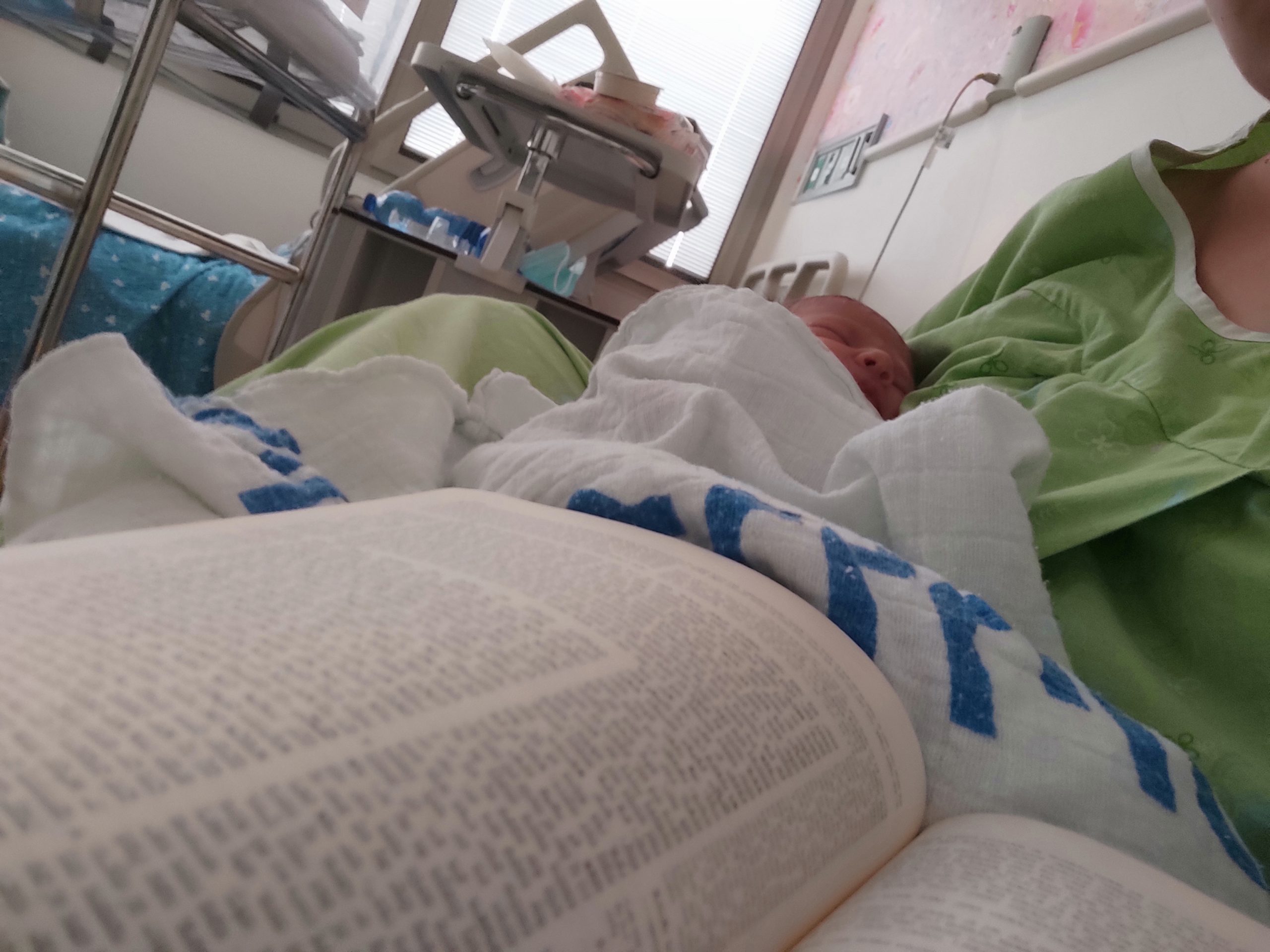
רבבה, ישראל
באירוע של הדרן בנייני האומה. בהשראתה של אמי שלי שסיימה את הש”ס בסבב הקודם ובעידוד מאיר , אישי, וילדיי וחברותיי ללימוד במכון למנהיגות הלכתית של רשת אור תורה סטון ומורתיי הרבנית ענת נובוסלסקי והרבנית דבורה עברון, ראש המכון למנהיגות הלכתית.
הלימוד מעשיר את יומי, מחזיר אותי גם למסכתות שכבר סיימתי וידוע שאינו דומה מי ששונה פרקו מאה לשונה פרקו מאה ואחת במיוחד מרתקים אותי החיבורים בין המסכתות
מודיעין, ישראל
התחלתי ללמוד לפני כשנתיים בשאיפה לסיים לראשונה מסכת אחת במהלך חופשת הלידה.
אחרי מסכת אחת כבר היה קשה להפסיק…
ירוחם, ישראל
התחלתי ללמוד דף יומי בסבב הקודם. זכיתי לסיים אותו במעמד המרגש של הדרן. בסבב הראשון ליווה אותי הספק, שאולי לא אצליח לעמוד בקצב ולהתמיד. בסבב השני אני לומדת ברוגע, מתוך אמונה ביכולתי ללמוד ולסיים. בסבב הלימוד הראשון ליוותה אותי חוויה מסויימת של בדידות. הדרן העניקה לי קהילת לימוד ואחוות נשים. החוויה של סיום הש”ס במעמד כה גדול כשנשים שאינן מכירות אותי, שמחות ומתרגשות עבורי , היתה חוויה מרוממת נפש
קיבוץ מגדל עוז, ישראל
התחלתי ללמוד לפני 4.5 שנים, כשהודיה חברה שלי פתחה קבוצת ווטסאפ ללימוד דף יומי בתחילת מסכת סנהדרין. מאז לימוד הדף נכנס לתוך היום-יום שלי והפך לאחד ממגדירי הזהות שלי ממש.

ירושלים, ישראל
התחלתי ללמוד דף לפני קצת יותר מ-5 שנים, כשלמדתי רבנות בישיבת מהר”ת בניו יורק. בדיעבד, עד אז, הייתי בלימוד הגמרא שלי כמו מישהו שאוסף חרוזים משרשרת שהתפזרה, פה משהו ושם משהו, ומאז נפתח עולם ומלואו…. הדף נותן לי לימוד בצורה מאורגנת, שיטתית, יום-יומית, ומלמד אותי לא רק ידע אלא את השפה ודרך החשיבה שלנו. לשמחתי, יש לי סביבה תומכת וההרגשה שלי היא כמו בציטוט שבחרתי: הדף משפיע לטובה על כל היום שלי.
חיפה, ישראל
הצטרפתי ללומדות בתחילת מסכת תענית. ההתרגשות שלי ושל המשפחה היתה גדולה מאוד, והיא הולכת וגוברת עם כל סיום שאני זוכה לו. במשך שנים רבות רציתי להצטרף ומשום מה זה לא קרה… ב”ה מצאתי לפני מספר חודשים פרסום של הדרן, ומיד הצטרפתי והתאהבתי. הדף היומי שינה את חיי ממש והפך כל יום- ליום של תורה. מודה לכן מקרב ליבי ומאחלת לכולנו לימוד פורה מתוך אהבת התורה ולומדיה.
חיספין רמת הגולן, ישראל
. לא תמיד נהניתי מלימוד גמרא כילדה.,בל כהתבגרתי התחלתי לאהוב את זה שוב. התחלתי ללמוד מסכת סוטה בדף היומי לפני כחמש עשרה שנה ואז הפסקתי.הגעתי לסיום הגדול של הדרן לפני שנתיים וזה נתן לי השראה. והתחלתי ללמוד למשך כמה ימים ואז היתה לי פריצת דיסק והפסקתי…עד אלול השנה. אז התחלתי עם מסכת ביצה וב”ה אני מצליחה לעמוד בקצב. המשפחה מאוד תומכת בי ויש כמה שגם לומדים את זה במקביל. אני אוהבת שיש עוגן כל יום.
בית שמש, ישראל
My explorations into Gemara started a few days into the present cycle. I binged learnt and become addicted. I’m fascinated by the rich "tapestry” of intertwined themes, connections between Masechtot, conversations between generations of Rabbanim and learners past and present all over the world. My life has acquired a golden thread, linking generations with our amazing heritage.
Thank you.
חשמונאים, Israel
בתחילת הסבב הנוכחי של לימוד הדף היומי, נחשפתי לחגיגות המרגשות באירועי הסיום ברחבי העולם. והבטחתי לעצמי שבקרוב אצטרף גם למעגל הלומדות. הסבב התחיל כאשר הייתי בתחילת דרכי בתוכנית קרן אריאל להכשרת יועצות הלכה של נשמ”ת. לא הצלחתי להוסיף את ההתחייבות לדף היומי על הלימוד האינטנסיבי של תוכנית היועצות. בבוקר למחרת המבחן הסופי בנשמ”ת, התחלתי את לימוד הדף במסכת סוכה ומאז לא הפסקתי.
קרית גת, ישראל
התחלתי ללמוד בעידוד שתי חברות אתן למדתי בעבר את הפרק היומי במסגרת 929.
בבית מתלהבים מאוד ובשבת אני לומדת את הדף עם בעלי שזה מפתיע ומשמח מאוד! לימוד הדף הוא חלק בלתי נפרד מהיום שלי. לומדת בצהריים ומחכה לזמן הזה מידי יום…
אפרת, ישראל
התחלתי ללמוד לפני כשנתיים בשאיפה לסיים לראשונה מסכת אחת במהלך חופשת הלידה.
אחרי מסכת אחת כבר היה קשה להפסיק…
ירוחם, ישראל
התחלתי ללמוד גמרא בבית הספר בגיל צעיר והתאהבתי. המשכתי בכך כל חיי ואף היייתי מורה לגמרא בבית הספר שקד בשדה אליהו (בית הספר בו למדתי בילדותי)בתחילת מחזור דף יומי הנוכחי החלטתי להצטרף ובע”ה מקווה להתמיד ולהמשיך. אני אוהבת את המפגש עם הדף את "דרישות השלום ” שמקבלת מקשרים עם דפים אחרים שלמדתי את הסנכרון שמתחולל בין התכנים.
מעלה גלבוע, ישראל
ראיתי את הסיום הגדול בבנייני האומה וכל כך התרשמתי ורציתי לקחת חלק.. אבל לקח לי עוד כשנה וחצי )באמצע מסיכת שבת להצטרף..
הלימוד חשוב לי מאוד.. אני תמיד במרדף אחרי הדף וגונבת כל פעם חצי דף כשהילדים עסוקים ומשלימה אח”כ אחרי שכולם הלכו לישון..
ירושלים, ישראל
אחרי שראיתי את הסיום הנשי של הדף היומי בבנייני האומה זה ריגש אותי ועורר בי את הרצון להצטרף. לא למדתי גמרא קודם לכן בכלל, אז הכל היה לי חדש, ולכן אני לומדת בעיקר מהשיעורים פה בהדרן, בשוטנשטיין או בחוברות ושיננתם.

בית שמש, ישראל
התחלתי ללמוד דף יומי בתחילת מסכת ברכות, עוד לא ידעתי כלום. נחשפתי לסיום הש״ס, ובעצם להתחלה מחדש בתקשורת, הפתיע אותי לטובה שהיה מקום לעיסוק בתורה.
את המסכתות הראשונות למדתי, אבל לא סיימתי (חוץ מעירובין איכשהו). השנה כשהגעתי למדרשה, נכנסתי ללופ, ואני מצליחה להיות חלק, סיימתי עם החברותא שלי את כל המסכתות הקצרות, גם כשהיינו חולות קורונה ובבידודים, למדנו לבד, העיקר לא לצבור פער, ומחכות ליבמות 🙂
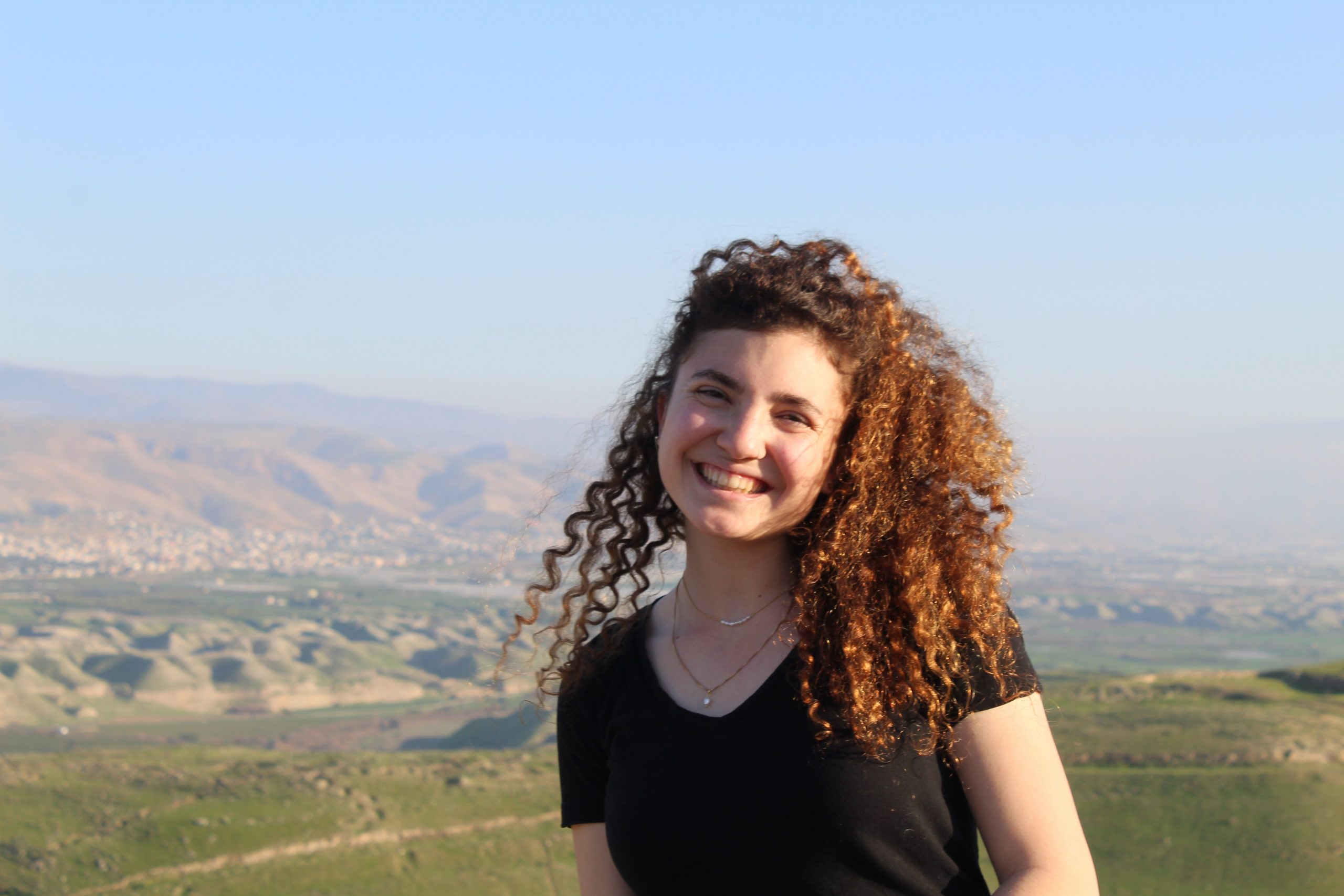
מזכרת בתיה, ישראל
התחלתי ללמוד דף יומי באמצע תקופת הקורונה, שאבא שלי סיפר לי על קבוצה של בנות שתיפתח ביישוב שלנו ותלמד דף יומי כל יום. הרבה זמן רציתי להצטרף לזה וזאת הייתה ההזדמנות בשבילי. הצטרפתי במסכת שקלים ובאמצע הייתה הפסקה קצרה. כיום אני כבר לומדת באולפנה ולומדת דף יומי לבד מתוך גמרא של טיינזלץ.
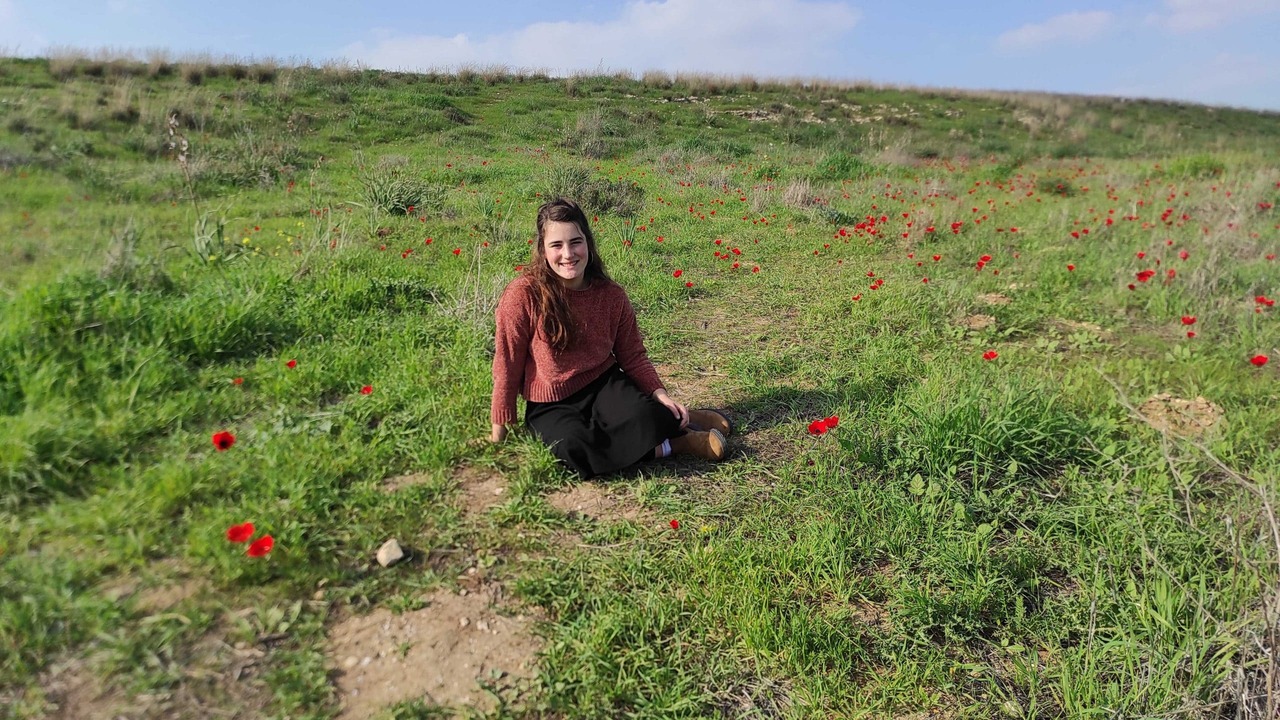
עתניאל, ישראל
התחלתי ללמוד דף יומי שהתחילו מסכת כתובות, לפני 7 שנים, במסגרת קבוצת לימוד שהתפרקה די מהר, ומשם המשכתי לבד בתמיכת האיש שלי. נעזרתי בגמרת שטיינזלץ ובשיעורים מוקלטים.
הסביבה מאד תומכת ואני מקבלת המון מילים טובות לאורך כל הדרך. מאז הסיום הגדול יש תחושה שאני חלק מדבר גדול יותר.
אני לומדת בשיטת ה”7 דפים בשבוע” של הרבנית תרצה קלמן – כלומר, לא נורא אם לא הצלחת ללמוד כל יום, העיקר שגמרת ארבעה דפים בשבוע
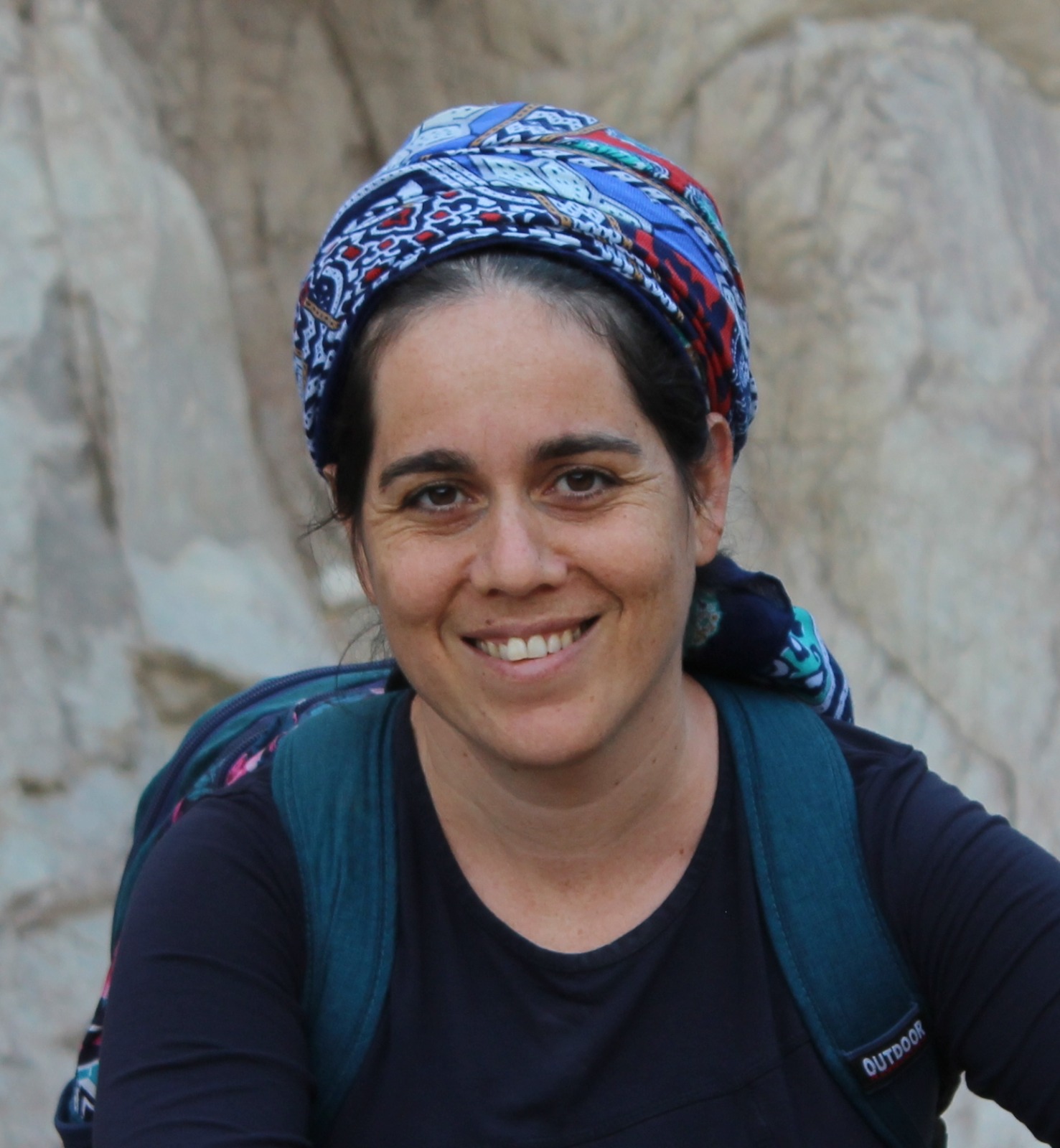
עתניאל, ישראל
אמא שלי למדה איתי ש”ס משנה, והתחילה ללמוד דף יומי. אני החלטתי שאני רוצה ללמוד גם. בהתחלה למדתי איתה, אח”כ הצטרפתי ללימוד דף יומי שהרב דני וינט מעביר לנוער בנים בעתניאל. במסכת עירובין עוד חברה הצטרפה אלי וכשהתחלנו פסחים הרב דני פתח לנו שעור דף יומי לבנות. מאז אנחנו לומדות איתו קבוע כל יום את הדף היומי (ובשבת אבא שלי מחליף אותו). אני נהנית מהלימוד, הוא מאתגר ומעניין
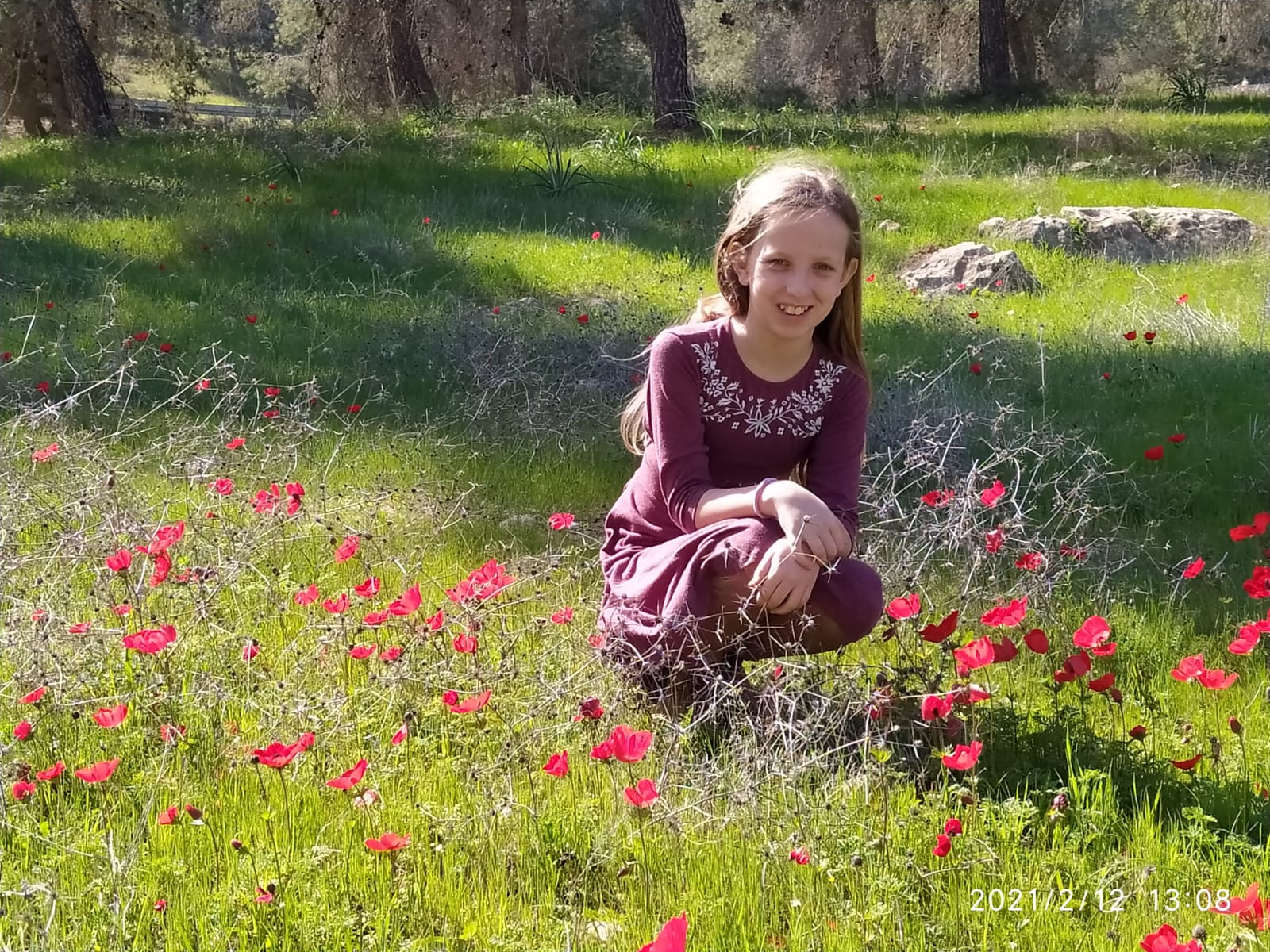
עתניאל, ישראל
אני לומדת גמרא כעשור במסגרות שונות, ואת הדף היומי התחלתי כשחברה הציעה שאצטרף אליה לסיום בבנייני האומה. מאז אני לומדת עם פודקסט הדרן, משתדלת באופן יומי אך אם לא מספיקה, מדביקה פערים עד ערב שבת. בסבב הזה הלימוד הוא "ממעוף הציפור”, מקשיבה במהירות מוגברת תוך כדי פעילויות כמו בישול או נהיגה, וכך רוכשת היכרות עם הסוגיות ואופן ניתוחם על ידי חז”ל. בע”ה בסבב הבא, ואולי לפני, אצלול לתוכו באופן מעמיק יותר.
רמת גן, ישראל
יומא יז
אֶלָּא לָאו שְׁמַע מִינַּהּ, רַבִּי אֱלִיעֶזֶר בֶּן יַעֲקֹב הִיא. שְׁמַע מִינַּהּ.
Rather, must one not conclude from it that that the mishnayot in tractate Middot are in accordance with the opinion of Rabbi Eliezer ben Ya’akov? The Gemara concludes: Indeed, conclude from it that this is so.
רַב אַדָּא בְּרֵיהּ דְּרַב יִצְחָק אָמַר: הַאי לִשְׁכָּה אַקְצוֹיֵי מַקְצְיָא, וּדְאָתֵי מִצָּפוֹן מִתְחַזְיָא לֵיהּ בְּדָרוֹם, וּדְאָתֵי מִדָּרוֹם מִתְחַזְיָא לֵיהּ בְּצָפוֹן.
§ In an additional attempt to resolve the contradiction with regard to the Chamber of the Lambs, Rav Adda, son of Rav Yitzḥak, said: This chamber was removed from the corner, as it was not actually in the corner of the Hall of the Hearth but was located along the middle of the western side of the hall. And therefore, for one who comes from the north, the chamber appears to him to be in the south of the hall; and for one who comes from the south, the chamber appears to him to be in the north of the hall.
וּמִסְתַּבְּרָא דִּבְמַעֲרָבִית דְּרוֹמִית הֲוַאי. מִמַּאי — מִדְּרָמֵינַן לֶחֶם הַפָּנִים אַלֶּחֶם הַפָּנִים,
The Gemara comments: In any event, it is reasonable to say that this chamber was closer to the southwest corner than it was to the northwest corner. From where does one arrive at that conclusion? From the fact that we raise a contradiction between the mishna in tractate Tamid, where we learned that the chamber in which the shewbread was prepared stood in the northeast corner, and the mishna in tractate Middot, where we learned that the chamber in which the shewbread was prepared stood in the southeast corner.
וּמְשַׁנֵּינַן, אָמַר רַב הוּנָא בְּרֵיהּ דְּרַב יְהוֹשֻׁעַ: מָר קָא חָשֵׁיב דֶּרֶךְ יָמִין, וּמָר קָא חָשֵׁיב דֶּרֶךְ שְׂמֹאל.
And we resolve the contradiction based on what Rav Huna, son of Rav Yehoshua, said: The Master in tractate Middot envisions the chambers as one coming via the right, from the south to the east, then to the north and then to the west. And the Master in tractate Tamid envisions the chambers as one coming via the left, from the south to the west, then to the north and then to the east. Both agree with regard to the location of the chamber in which the shewbread was prepared; they merely describe that location from different perspectives.
אִי אָמְרַתְּ בִּשְׁלָמָא בְּמַעֲרָבִית דְּרוֹמִית הֲוַאי, הַיְינוּ דִּמְתָרֵץ לֶחֶם הַפָּנִים אַלֶּחֶם הַפָּנִים. אֶלָּא אִי אָמְרַתְּ צְפוֹנִית מַעֲרָבִית הֲוַאי, סוֹף סוֹף מַאי תֵּירוּצָא דְּלֶחֶם הַפָּנִים! אֶלָּא לָאו שְׁמַע מִינַּהּ, בְּמַעֲרָבִית דְּרוֹמִית הֲוַאי. שְׁמַע מִינַּהּ.
Granted, if you say that the Chamber of the Lambs was actually closer to the southwest corner, that is how Rav Huna resolves the contradiction between one mishna discussing the shewbread and the other mishna discussing the shewbread. However, if you say that the Chamber of the Lambs was in the northwest corner, ultimately, what is the resolution with regard to the shewbread? Even if you envision the path from the other direction, the Chamber of the Seals interposes between the Chamber of the Lambs and the chamber where the shewbread is prepared. Rather, must one not conclude from it that the Chamber of the Lambs was indeed in the southwest? The Gemara concludes: Indeed, conclude from it that this is so.
וְהָאָמַר מָר: כׇּל פִּינּוֹת שֶׁאַתָּה פּוֹנֶה לֹא יִהְיוּ אֶלָּא דֶּרֶךְ יָמִין לַמִּזְרָח? הָנֵי מִילֵּי בַּעֲבוֹדָה. אֲבָל הָכָא — חוּשְׁבָּנָא בְּעָלְמָא הוּא.
The Gemara questions the assertion that one tanna envisions the chambers as one coming via the left. But didn’t the Master say: All turns that you turn should be only to the right, which in certain cases is to the east? Here the turns are to the left. The Gemara answers: This restriction applies only in the course of performing the Temple service; however, here, it is a mere reckoning, and no priest actually proceeded that way from one chamber to the other.
שֶׁכֹּהֵן גָּדוֹל מַקְרִיב חֵלֶק בָּרֹאשׁ וְנוֹטֵל חֵלֶק בָּרֹאשׁ. תָּנוּ רַבָּנַן: כֵּיצַד מַקְרִיב חֵלֶק בָּרֹאשׁ? אוֹמֵר: עוֹלָה זוֹ אֲנִי מַקְרִיב, מִנְחָה זוֹ אֲנִי מַקְרִיב.
§ It was taught in the mishna: As the High Priest sacrifices any portion that he chooses first and takes any portion that he chooses first. The Sages taught in a baraita: How does the High Priest sacrifice any portion that he chooses first? If the High Priest so desires, he says: This burnt-offering, I am sacrificing, or: This meal-offering, I am sacrificing. That is sufficient, and the High Priest does not participate in a lottery.
כֵּיצַד נוֹטֵל חֵלֶק בָּרֹאשׁ? אוֹמֵר: חַטָּאת זוֹ אֲנִי אוֹכֵל, אָשָׁם זֶה אֲנִי אוֹכֵל. וְנוֹטֵל חַלָּה מִשְׁתֵּי חַלּוֹת, אַרְבַּע אוֹ חָמֵשׁ מִמַּעֲשֵׂה לֶחֶם הַפָּנִים. רַבִּי אוֹמֵר: לְעוֹלָם חָמֵשׁ, שֶׁנֶּאֱמַר: ״וְהָיְתָה לְאַהֲרֹן וּלְבָנָיו״ — מֶחֱצָה לְאַהֲרֹן וּמֶחֱצָה לְבָנָיו.
How does the High Priest take any portion that he chooses first? The High Priest says: This sin-offering, I am eating, or: This guilt-offering, I am eating. And he may even take one loaf of the two loaves offered on the festival of Shavuot. He may take four or five of the twelve shewbread loaves that are distributed to the priests every Shabbat. Rabbi Yehuda HaNasi says: The High Priest always takes five of the twelve shewbread loaves, as it is stated: “It shall be for Aaron and his sons and they shall eat it in a sacred place” (Leviticus 24:9). From the fact that Aaron and his sons are listed separately, it is derived that half of the loaves were given to Aaron, or the High Priests who succeeded him, and half were given to his sons. Since, as explained below, only ten of the loaves were actually distributed, the High Priest received five.
הָא גּוּפַהּ קַשְׁיָא: אָמְרַתְּ נוֹטֵל חַלָּה אַחַת מִשְׁתֵּי חַלּוֹת, מַנִּי — רַבִּי הִיא, דְּאָמַר פַּלְגָא שָׁקֵיל. אֵימָא מְצִיעֲתָא: אַרְבַּע אוֹ חָמֵשׁ מִמַּעֲשֵׂה לֶחֶם הַפָּנִים, אֲתָאן לְרַבָּנַן, דְּאָמְרִי: לָא שָׁקֵיל פַּלְגָא. אֵימָא סֵיפָא, רַבִּי אוֹמֵר: לְעוֹלָם חָמֵשׁ. רֵישָׁא וְסֵיפָא רַבִּי, וּמְצִיעֲתָא רַבָּנַן?
This baraita is itself difficult, as it is self-contradictory. First you said: He takes one loaf of the two loaves offered on the festival of Shavuot. Whose opinion is this? It is the opinion of Rabbi Yehuda HaNasi, who said that the High Priest takes half. Say the middle clause of the baraita as follows: The High Priest takes four or five of the twelve shewbread loaves; we have come to the opinion of the Rabbis, who say that the High Priest does not take half but takes less than half. Say the last clause of the baraita as follows: Rabbi Yehuda HaNasi says that the High Priest always takes five. The Gemara asks: Is that to say that the first clause and the last clause of the baraita are in accordance with the opinion of Rabbi Yehuda HaNasi, and the middle clause is in accordance with the opinion of the Rabbis? That conclusion is difficult.
אָמַר אַבָּיֵי: רֵישָׁא וּמְצִיעֲתָא רַבָּנַן — וּמוֹדוּ רַבָּנַן בִּפְרוּסָה, דְּלָאו אוֹרַח אַרְעָא לְמִיתְּבַהּ לְכֹהֵן גָּדוֹל.
Abaye said: The first clause and the middle clause of the baraita are in accordance with the opinion of the Rabbis, and in the case of the two loaves, the Rabbis concede with regard to a piece of a loaf that it is inappropriate to give it to the High Priest. According to the Rabbis, the High Priest should actually receive less than one loaf, as in their opinion he is entitled to less than half; however, since it is inappropriate to give him a piece of the loaf, he takes an entire loaf as his portion.

