חיפוש

יומא כא

רוצה להקדיש לימוד?

podcast placeholder

0:00
0:00


תקציר

השיעור היום מוקדש ע”י אליזבת ג’ייקוב לעילוי נשמתו של דני מוריס ושאר ההרוגים באסון הכבד במירון. יהיה הלימוד לזכותם. שיזכו והמקום ינחם את משפחותיהם בתוך שאר אבלי ציון וירושלים. וגם לעילוי נשמתה של טויבה רייזל בת זלטה, "במלאת שנה לפטירתה על ידי אחותה אלישבע רפפורט. רייזל גרה בארץ ושאבה כוחות מעולמה היהודי והדתי.” 

ברגלים העזרה בבית המקדש הייתה מתמלאת באנשים, אך היה מקום לכולם להשתחוות בצורה מרווחת. זה היה אחד הנסים שהתרחשו בבית המקדש. המשנה מאבות ה:ה מובאת המפרטת את עשרת הנסים. הגמרא מקשה על המשנה שכן ישנם אחרים מלבד אותם עשרה. מובאות תשובות להסביר אילו עשרה הוזכרו ומדוע אלה ולא אחרים.

יומא כא

וְיֵשׁ אוֹמְרִים: אַף רִידְיָיא. וּבְעוֹ רַבָּנַן רַחֲמֵי אַנְּשָׁמָה בְּשָׁעָה שֶׁיּוֹצְאָה מִן הַגּוּף, וּבַטְּלוּהּ.

And some say: The sound of Ridya as well. Ridya is the angel tasked with irrigating the earth, who calls to the heavens and to the aquifers to provide their water. The Gemara comments: And the Sages asked for mercy so that the sound of the soul at the moment that it leaves the body would no longer be heard to that extent, and God eliminated it. In any event, clearly this baraita understands keriat hagever as the proclamation of the Temple crier, in support of the opinion of Rav.

תַּנְיָא כְּווֹתֵיהּ דְּרַבִּי שֵׁילָא: הַיּוֹצֵא לַדֶּרֶךְ קוֹדֶם קְרִיאַת הַגֶּבֶר — דָּמוֹ בְּרֹאשׁוֹ. רַבִּי יֹאשִׁיָּה אוֹמֵר: עַד שֶׁיִּשְׁנֶה, וְיֵשׁ אוֹמְרִים: עַד שֶׁיְּשַׁלֵּשׁ. וּבְאֵיזֶה תַּרְנְגוֹל אָמְרוּ — בְּתַרְנְגוֹל בֵּינוֹנִי.

A baraita was taught in accordance with the opinion of Rabbi Sheila: With regard to one who sets out on the path at night before keriat hagever and is killed by demons, his blood is on his own head, i.e., he is at fault. Rabbi Yoshiya says: The prohibition of traveling at night is in effect until the rooster crows twice. And some say: Until he crows three times. And with regard to what rooster did these Sages state this advisory? It is with regard to a rooster of medium size. Clearly, this baraita understands keriat hagever as the crow of the rooster.

אָמַר רַב יְהוּדָה אָמַר רַב: בְּשָׁעָה שֶׁיִּשְׂרָאֵל עוֹלִין לָרֶגֶל, עוֹמְדִין צְפוּפִין וּמִשְׁתַּחֲוִים רְווֹחִים, וְנִמְשָׁכִין אַחַת עֶשְׂרֵה אַמָּה אֲחוֹרֵי בֵּית הַכַּפּוֹרֶת. מַאי קָאָמַר? הָכִי קָאָמַר: אַף עַל פִּי שֶׁנִּמְשָׁכִין אַחַת עֶשְׂרֵה אַמָּה אֲחוֹרֵי בֵּית הַכַּפּוֹרֶת, וְעוֹמְדִים צְפוּפִין, כְּשֶׁהֵן מִשְׁתַּחֲוִין — מִשְׁתַּחֲוִין רְווֹחִים, וְזֶה אֶחָד מֵעֲשָׂרָה נִסִּים שֶׁנַּעֲשׂוּ בַּמִּקְדָּשׁ.

§ Rav Yehuda said that Rav said: When the Jewish people ascend to Jerusalem for the pilgrimage Festivals they stand crowded, but when they bow during confession they are spaced so that no one hears the confession of another. And due to the large crowd they extend eleven cubits behind the Hall of the Ark Cover, the Holy of Holies. The Gemara asks: What is he saying in the reference to eleven cubits behind the Holy of Holies? The Gemara explains that this is what he is saying: Even though the crowd is so large that the people extend eleven cubits behind the Hall of the Ark Cover and people stand crowded, still, when they bow, they bow spaced. And that is one of the ten miracles that were performed in the Temple.

דִּתְנַן, עֲשָׂרָה נִסִּים נַעֲשׂוּ בְּבֵית הַמִּקְדָּשׁ: לֹא הִפִּילָה אִשָּׁה מֵרֵיחַ בְּשַׂר הַקֹּדֶשׁ. וְלֹא הִסְרִיחַ בְּשַׂר הַקֹּדֶשׁ מֵעוֹלָם. וְלֹא נִרְאָה זְבוּב בְּבֵית הַמִּטְבָּחַיִם. וְלֹא אֵירַע קֶרִי לְכֹהֵן גָּדוֹל בְּיוֹם הַכִּפּוּרִים. וְלֹא נִמְצָא פְּסוּל בָּעוֹמֶר, וּבִשְׁתֵּי הַלֶּחֶם, וּבְלֶחֶם הַפָּנִים. עוֹמְדִים צְפוּפִים, וּמִשְׁתַּחֲוִים רְווֹחִים. וְלֹא הִזִּיק נָחָשׁ וְעַקְרָב בִּירוּשָׁלַיִם מֵעוֹלָם. וְלֹא אָמַר אָדָם לַחֲבֵרוֹ: צַר לִי הַמָּקוֹם שֶׁאָלִין בִּירוּשָׁלַיִם.

As we learned in a mishna: Ten miracles were performed in the Temple. No woman miscarried from the aroma of the sacrificial meat, as a pregnant woman craves various foods and occasionally that craving leads to miscarriage. And the sacrificial meat never putrefied. And no fly was seen in the slaughterhouse, although flies are generally attracted to a place where there is flesh and blood. And a seminal emission did not befall the High Priest on Yom Kippur. And no disqualification was found in the omer or the two loaves, which are communal offerings, or in the shewbread. And the Jewish people stand crowded but bow spaced. And neither a snake nor a scorpion ever harmed anyone in Jerusalem. And a person never said to another: There is no room for me to stay overnight in Jerusalem.

פָּתַח בְּמִקְדָּשׁ, וְסִיֵּים בִּירוּשָׁלַיִם! אִיכָּא תַּרְתֵּי אַחְרָנְיָיתָא בְּמִקְדָּשׁ. דְּתַנְיָא: מֵעוֹלָם לֹא כִּבּוּ גְּשָׁמִים אֵשׁ שֶׁל עֲצֵי הַמַּעֲרָכָה. וַעֲשַׁן הַמַּעֲרָכָה, אֲפִילּוּ כׇּל הָרוּחוֹת שֶׁבָּעוֹלָם בָּאוֹת וּמְנַשְּׁבוֹת בּוֹ — אֵין מְזִיזוֹת אוֹתוֹ מִמְּקוֹמוֹ.

The Gemara notes: This list opened with miracles that occurred in the Temple, and closed with miracles that occurred in Jerusalem. Apparently there were not actually ten miracles performed in the Temple. The Gemara answers: There are two other miracles in the Temple, as it was taught in a baraita: Rain never extinguished the fire of the arrangement of wood on the altar, despite the fact that the altar stood in the courtyard, exposed to the elements. And with regard to the smoke of the arrangement, even if all the winds in the world come and blow it, they do not move it from its place and it rises directly heavenward.

וְתוּ לֵיכָּא? וְהָתַנְיָא רַב שְׁמַעְיָה בְּקַלְנְבוֹ: שִׁבְרֵי כְּלֵי חֶרֶס, נִבְלָעִין בִּמְקוֹמָן, וְאָמַר אַבָּיֵי: מוּרְאָה, וְנוֹצָה, וְדִישּׁוּן מִזְבֵּחַ הַפְּנִימִי, וְדִישּׁוּן הַמְּנוֹרָה — נִבְלָעִין בִּמְקוֹמָן!

The Gemara asks: And are there no more miracles in the Temple? But didn’t Rav Shemaya teach in a baraita in the city of Kalnevo: Shards of earthenware vessels were swallowed in the earth in their places, and there was no need to dispose of them. The vessels used for cooking the meat of the offerings of the most sacred order absorbed some of the meat. The meat that was absorbed became notar when the period during which the offering may be eaten concludes. One was required to break those vessels in which the meat was absorbed. The shards of those vessels were miraculously swallowed in the earth where they were smashed. And similarly, Abaye said: The crop and feathers of sacrificial birds, and the ashes of the inner altar, and the ashes of the candelabrum, which were not removed to the place of ashes outside the Temple like the ashes of the outer altar, were also swallowed in the earth in their places. Apparently, there were more than ten miracles in the Temple.

פְּסוּלֵי תְּלָתָא הָווּ? חַשְׁבִינְהוּ בְּחַד, אַפֵּיק תְּרֵי וְעַיֵּיל תְּרֵי. אִי הָכִי, בְּלוּעִין נָמֵי תְּרֵי הָווּ? חַשְּׁבִינְהוּ בְּחַד. חָסְרוּ לְהוּ! אִיכָּא נָמֵי אַחֲרִיתִי, דְּאָמַר רַבִּי יְהוֹשֻׁעַ בֶּן לֵוִי: נֵס גָּדוֹל הָיָה נַעֲשָׂה בְּלֶחֶם הַפָּנִים, סִלּוּקוֹ כְּסִדּוּרוֹ, שֶׁנֶּאֱמַר: ״לָשׂוּם לֶחֶם חוֹם בְּיוֹם הִלָּקְחוֹ״.

The Gemara answers: The disqualifications mentioned that never occurred in the Temple, in the omer, the two loaves, or the shewbread, were three; consider them as one miracle. Eliminate two from the total and introduce these two to complete the list of ten miracles. The Gemara asks: If similar miracles are combined and considered as one, the swallowing of the earthenware, crops, feathers, and ashes are also two similar miracles that should be considered as one, the result being that they are lacking one miracle to complete the total of ten. The Gemara responds: There is also another miracle, as Rabbi Yehoshua ben Levi said: A great miracle was performed with regard to the shewbread in the Temple, that the bread was as hot at its removal on Shabbat, after a week on the table, as it was at its arrangement, as it is stated: “To put out hot bread on the day it was taken away” (I Samuel 21:7).

וְתוּ לֵיכָּא? וְהָאָמַר רַבִּי לֵוִי: דָּבָר זֶה מָסוֹרֶת בְּיָדֵינוּ מֵאֲבוֹתֵינוּ: מְקוֹם אָרוֹן — אֵינוֹ מִן הַמִּדָּה. וְאָמַר רַבְנַאי אָמַר שְׁמוּאֵל: כְּרוּבִים — בְּנֵס הָיוּ עוֹמְדִין!

The Gemara asks: And were there no more miracles in the Temple? But didn’t Rabbi Levi say that this matter is a tradition that we received from our ancestors: The place of the Ark of the Covenant is not included in the measurement of the Holy of Holies. Based on that measurement, the Ark should not have fit inside the hall. The Holy of Holies measured twenty cubits by twenty cubits (see I Kings 6), and a baraita states that there were ten cubits of space on either side of the Ark. Therefore, it was only through a miracle that the Ark fit in the Holy of Holies. And Rabbenai said that Shmuel said: It was through a miracle that the cherubs that Solomon placed in the Holy of Holies would stand. Their wingspan was twenty cubits, and since the length of the chamber was the same, there was no room for the bodies of the cherubs. There were additional miracles performed in the Temple.

נִיסֵּי דְבָרַאי — קָא חָשֵׁיב, נִיסֵּי דְגַוַּאי — לָא קָא חָשֵׁיב. אִי הָכִי, לֶחֶם הַפָּנִים נָמֵי נִיסֵּי דְגַוַּאי הוּא! לֶחֶם הַפָּנִים נִיסֵּי דְבָרַאי הוּא, דְּאָמַר רֵישׁ לָקִישׁ: מַאי דִּכְתִיב ״עַל הַשֻּׁלְחָן הַטָּהוֹר״, טָהוֹר — מִכְּלָל שֶׁהוּא טָמֵא,

The Gemara responds: The tanna counts miracles that were performed outside the Sanctuary and were visible to all, but he does not count miracles that were performed inside the Sanctuary and were not visible to all. The Gemara asks: If so, the shewbread is also a miracle performed on the table inside the Sanctuary and is not visible to all, yet the miracle that the bread’s heat did not dissipate was listed among the miracles. The Gemara answers: The shewbread was a miracle performed outside, as Reish Lakish said: What is the meaning of that which is written: “Place them on the pure table before the Lord in two rows, six to a row” (Leviticus 24:6)? From the emphasis that the Torah places on the fact that the table was ritually pure, it can be learned by inference that it indicates that it could become impure as well.

כְּלִי עֵץ הֶעָשׂוּי לְנַחַת הוּא, וְכׇל כְּלִי [עֵץ] הֶעָשׂוּי לְנַחַת אֵינוֹ מְקַבֵּל טוּמְאָה, וְחוֹצֵץ בִּפְנֵי טוּמְאָה. אֶלָּא מְלַמֵּד שֶׁמַּגְבִּיהִין אוֹתוֹ לְעוֹלֵי רְגָלִים, וְאוֹמְרִים לָהֶם: רְאוּ חִיבַּתְכֶם לִפְנֵי הַמָּקוֹם, שֶׁסִּילּוּקוֹ כְּסִדּוּרוֹ, שֶׁנֶּאֱמַר: ״לָשׂוּם לֶחֶם חוֹם בְּיוֹם הִלָּקְחוֹ״.

The Gemara asks: How is that possible? It is a wooden vessel designated to rest in a fixed place and not to be moved. And it was taught: Any wooden vessel designated to rest in a fixed place is not susceptible to ritual impurity, and it serves as a barrier before impurity, preventing its transmission. Rather, the fact that the table is described as pure teaches that the priests lift it in order to display the shewbread to the Festival pilgrims, and they say to them: See how beloved you are before the Omnipresent, as the bread is as hot at its removal on Shabbat, after a week on the table, as it was at its arrangement, as it is stated: “To put out hot bread on the day it was taken away” (I Samuel 21:7). Since the table was moved on occasion, it was not considered a wooden vessel designated to rest and was therefore susceptible to impurity. At the same time, it is clear that the miracle of the shewbread was a miracle performed outside the Sanctuary, as it was visible to all.

וְתוּ לֵיכָּא? וְהָאָמַר רַב אוֹשַׁעְיָא: בְּשָׁעָה שֶׁבָּנָה שְׁלֹמֹה בֵּית הַמִּקְדָּשׁ, נָטַע בּוֹ כׇּל מִינֵי מְגָדִים שֶׁל זָהָב, וְהָיוּ מוֹצִיאִין פֵּירוֹתֵיהֶן בִּזְמַנָּן, וּכְשֶׁהָרוּחַ מְנַשֶּׁבֶת בָּהֶן נוֹשְׁרִין, שֶׁנֶּאֱמַר: ״יִרְעַשׁ כַּלְּבָנוֹן פִּרְיוֹ״. וּכְשֶׁנִּכְנְסוּ גּוֹיִם לַהֵיכָל יָבַשׁ, שֶׁנֶּאֱמַר: ״וּפֶרַח לְבָנוֹן אוּמְלָל״, וְעָתִיד הַקָּדוֹשׁ בָּרוּךְ הוּא לְהַחֲזִירָן, שֶׁנֶּאֱמַר: ״פָּרוֹחַ תִּפְרַח וְתָגֵל אַף גִּילַת וְרַנֵּן כְּבוֹד הַלְּבָנוֹן נִתַּן לָהּ״.

The Gemara asks: And are there no more miracles performed in the Temple? But didn’t Rav Oshaya say: When Solomon built the Temple he planted all sorts of precious golden fruits there, and these brought forth their fruit in their appointed season like other trees, and when the wind blew them the fruit would fall, as it is stated: “May his fruits rustle like Lebanon” (Psalms 72:16). This indicates that fruits grew in Lebanon, which the Sages interpreted as a reference to the Temple, which was built with cedar trees from Lebanon. And when the gentiles entered the Sanctuary the golden tree withered, as it stated: “And the blossoms of Lebanon wither” (Nahum 1:4). And the Holy One, Blessed be He, will restore the miraculous trees to Israel in the future, as it is stated: “It shall blossom abundantly, it shall also rejoice and shout, the glory of Lebanon will be given to it” (Isaiah 35:2). Apparently, there were additional miracles in the Temple.

נִיסֵּי דִּקְבִיעִי לָא קָא חָשֵׁיב. הַשְׁתָּא דְּאָתֵית לְהָכִי: אָרוֹן וּכְרוּבִים נָמֵי, נִיסֵּי דִּקְבִיעִי נִינְהוּ.

The Gemara responds: The tanna does not count perpetual miracles on the list. The Gemara comments: Now that you have arrived at this solution, it can resolve an earlier difficulty as well: The Ark and the cherubs are also not counted, since they too were perpetual miracles.

אָמַר מָר: וַעֲשַׁן הַמַּעֲרָכָה. וּמִי הֲוָה עָשָׁן בְּמַעֲרָכָה? וְהָתַנְיָא: חֲמִשָּׁה דְּבָרִים נֶאֶמְרוּ בָּאֵשׁ שֶׁל מַעֲרָכָה: רְבוּצָה כַּאֲרִי, וּבָרָה כַּחַמָּה, וְיֵשׁ בָּהּ מַמָּשׁ, וְאוֹכֶלֶת לַחִין כִּיבֵשִׁין, וְאֵינָהּ מַעֲלָה עָשָׁן!

§ The Master said in listing the miracles that even strong winds were unable to displace the smoke of the arrangement of wood. The Gemara asks: And did smoke rise from the arrangement of wood on the altar? But wasn’t it taught in a baraita: There were five matters stated with regard to the fire of the arrangement of wood: It crouched above the wood like a lion; and it was as clear as the light of the sun; and it had substance to the extent that it could be felt; it was powerful enough to consume wet wood like dry wood; and it did not raise smoke.

כִּי קָא אָמְרִינַן — בִּדְהֶדְיוֹט. דְּתַנְיָא: ״וְנָתְנוּ בְּנֵי אַהֲרֹן הַכֹּהֵן אֵשׁ עַל הַמִּזְבֵּחַ״, אַף עַל פִּי שֶׁאֵשׁ יוֹרֶדֶת מִן הַשָּׁמַיִם, מִצְוָה לְהָבִיא מִן הַהֶדְיוֹט.

The Gemara answers: When we said that the smoke was not displaced, indicating that the wood produced smoke, that was in reference to the fire brought by a person, as it was taught in a baraita: “And the sons of Aaron the priest shall put fire upon the altar” (Leviticus 1:7), indicating that even though fire descends from the heavens, still there is a special mitzva to bring fire by a person. The fire that the priests brought produced smoke, and the miracle related to that smoke.

רְבוּצָה כַּאֲרִי. וְהַתַּנְיָא, אָמַר רַבִּי חֲנִינָא סְגַן הַכֹּהֲנִים: אֲנִי רְאִיתִיהָ, וּרְבוּצָה כְּכֶלֶב! לָא קַשְׁיָא: כָּאן — בְּמִקְדָּשׁ רִאשׁוֹן, כָּאן — בְּמִקְדָּשׁ שֵׁנִי.

The Gemara asks: And was the altar’s fire crouched like a lion? But wasn’t it taught in a baraita: Rabbi Ḥanina, the deputy High Priest, said: I saw the fire in the Temple and it was crouched like a dog and not a lion? The Gemara answers: This is not difficult. Here, where the baraita stated that the fire resembled a lion, it refers to the fire in the First Temple; there, where Rabbi Ḥanina, the deputy High Priest, said that the fire resembled a dog, it refers to the fire in the Second Temple.

וּבְמִקְדָּשׁ שֵׁנִי מִי הֲוַאי? וְהָאָמַר רַב שְׁמוּאֵל בַּר אִינְיָא: מַאי דִּכְתִיב: ״וְאֶרְצֶה בּוֹ וְאֶכָּבֵד״, וְקָרֵינַן ״וְאֶכָּבְדָה״. מַאי שְׁנָא דִּמְחוּסַּר הֵ״א — אֵלּוּ חֲמִשָּׁה דְּבָרִים שֶׁהָיוּ בֵּין מִקְדָּשׁ רִאשׁוֹן לְמִקְדָּשׁ שֵׁנִי, וְאֵלּוּ הֵן: אָרוֹן וְכַפּוֹרֶת וּכְרוּבִים, אֵשׁ, וּשְׁכִינָה, וְרוּחַ הַקּוֹדֶשׁ, וְאוּרִים וְתוּמִּים. אָמְרִי: אִין, מִיהְוָה הֲוָה, סַיּוֹעֵי לָא מְסַיְּיעָא.

The Gemara asks: And was there fire that descended from the heavens in the Second Temple? Didn’t Rav Shmuel bar Inya say: What is the meaning of that which is written with regard to the Second Temple: “Go up to the hills and get wood and build the house; and I will look on it favorably and I will be glorified [ve’ekkaved], said the Lord” (Haggai 1:8)? Even though it is written ve’ekkaved, we read it ve’ikkavda, with an added letter heh. The Gemara explains: What is different that the word is missing the letter heh? This represents five, the numerological value of heh, phenomena that constituted the difference between the First Temple and the Second Temple, in that they were not in the Second Temple. And these are: The Ark of the Covenant, and the Ark cover upon it, and the cherubs that were on the Ark cover; fire; and the Divine Presence; and the Divine Spirit; and the Urim VeTummim. Apparently, there was no fire from heaven in the Second Temple. The Sages say in response: Yes, there was fire from heaven in the Second Temple; however, it did not assist in burning the offerings but was merely visible above the wood.

תָּנוּ רַבָּנַן, שֵׁשׁ אִשּׁוֹת הֵן: יֵשׁ אוֹכֶלֶת וְאֵינָהּ שׁוֹתָה, וְיֵשׁ שׁוֹתָה וְאֵינָהּ אוֹכֶלֶת, וְיֵשׁ אוֹכֶלֶת וְשׁוֹתָה, וְיֵשׁ אוֹכֶלֶת לַחִין כִּיבֵשִׁין, וְיֵשׁ אֵשׁ דּוֹחָה אֵשׁ, וְיֵשׁ אֵשׁ אוֹכֶלֶת אֵשׁ.

Apropos the fire on the altar, the Gemara cites a related baraita. The Sages taught that there are six kinds of fire: There is fire that consumes solids and does not consume liquids; and there is fire that consumes liquids and does not consume solids; and there is fire that consumes solids and consumes liquids; and there is fire that consumes wet objects like dry objects; and there is fire that repels other fire; and there is fire that consumes other fire.

יֵשׁ אֵשׁ אוֹכֶלֶת וְאֵינָהּ שׁוֹתָה — הָא דִּידַן. שׁוֹתָה וְאֵינָהּ אוֹכֶלֶת — דְּחוֹלִין. אוֹכֶלֶת וְשׁוֹתָה — דְּאֵלִיָּהוּ, דִּכְתִיב: ״וְאֶת הַמַּיִם אֲשֶׁר בַּתְּעָלָה לִחֵכָה״. אוֹכֶלֶת לַחִין כִּיבֵשִׁין — דְּמַעֲרָכָה. יֵשׁ אֵשׁ דּוֹחָה אֵשׁ — דְּגַבְרִיאֵל, וְיֵשׁ אֵשׁ אוֹכֶלֶת אֵשׁ — דִּשְׁכִינָה, דְּאָמַר מָר: הוֹשִׁיט אֶצְבָּעוֹ בֵּינֵיהֶם וּשְׂרָפָן.

The Gemara elaborates: There is fire that consumes solids and does not consume liquids; that is our standard fire that consumes dry items but does not dry liquids.
Fire that consumes liquids and does not consume solids is the fever of the sick that dehydrates the body but does not consume the flesh.
Fire that consumes solids and consumes liquids is the fire of Elijah the Prophet, as it is written: “And fire fell from the sky and consumed the offering and the wood and the stones and the earth, and it licked up the water that was in the trench” (I Kings 18:38).
Fire that consumes wet objects like dry objects is the fire of the arrangement of wood.
There is fire that repels other fire; that is the fire of the angel Gabriel. The book of Daniel relates that Gabriel was an angel of fire who descended to the fiery furnace, repelled the fire, and rescued Hananiah, Mishael, and Azariah, who had been cast inside.
And there is fire that consumes other fire; that is the fire of the Divine Presence, as the Master said in another context: The Holy One, Blessed be He, extended His finger between the angels, who are also made of fire, and burned them. The fire of the Divine Presence consumed the fire of the angels.

וַעֲשַׁן הַמַּעֲרָכָה, אֲפִילּוּ כׇּל הָרוּחוֹת שֶׁבָּעוֹלָם אֵין מְזִיזוֹת אוֹתוֹ מִמְּקוֹמוֹ? וְהָאָמַר רַבִּי יִצְחָק בַּר אַבְדִּימִי: בְּמוֹצָאֵי יוֹם טוֹב הָאַחֲרוֹן שֶׁל חַג הַכֹּל צוֹפִין לַעֲשַׁן הַמַּעֲרָכָה. נוֹטֶה כְּלַפֵּי צָפוֹן — עֲנִיִּים שְׂמֵחִין וּבַעֲלֵי בָתִּים עֲצֵבִין, מִפְּנֵי שֶׁגִּשְׁמֵי שָׁנָה מְרוּבִּין וּפֵירוֹתֵיהֶן מַרְקִיבִין. נָטָה כְּלַפֵּי דָרוֹם — עֲנִיִּים עֲצֵבִין, וּבַעֲלֵי בָתִּים שְׂמֵחִין, מִפְּנֵי שֶׁגִּשְׁמֵי שָׁנָה מוּעָטִין, וּפֵירוֹתֵיהֶן מִשְׁתַּמְּרִין.

§ The Gemara asks: And with regard to the smoke of the arrangement, is it so that even if all the winds in the world come and blow it, they do not move it from its place and it rises directly heavenward? Didn’t Rabbi Yitzḥak bar Avdimi say: At the conclusion of the final day of the festival of Sukkot, everyone looks to the smoke of the arrangement of wood; if the wind blew from the south and the smoke tends toward the north, the poor were glad and the homeowners were sad. This is because it was a sign that the year’s rains would be plentiful, producing an abundant crop on the one hand, but on the other hand, the fruit would rot due to the humidity, rendering it impossible to store the abundant harvest. This forced the landowners to sell quickly at a lower price. And if a northern wind caused the smoke to tend toward the south, the poor were sad and the homeowners were glad, because it was an indication that the year’s rains would be sparse. The yield would be low, and it would be easy to store the fruit and sell it at a higher price.

נָטָה כְּלַפֵּי מִזְרָח — הַכֹּל שְׂמֵחִין. כְּלַפֵּי מַעֲרָב — הַכֹּל עֲצֵבִין! דְּאָזֵיל וְאָתֵי כְּדִיקְלֵי, וְאִבַּדּוֹרֵי לָא הֲוָה מִיבַּדַּר.

If a western wind caused the smoke to tend to the east, that was an indication that there would be sufficient rainfall to ensure a substantial crop, and at the same time, it would be possible to store the fruit, and everyone was glad. If an eastern wind caused the smoke to tend to the west that was an indication that there would be a drought because eastern winds do not bring rain, and everyone was sad. Apparently, wind causes the smoke rising from the arrangement of wood to move. The Gemara responds: The smoke comes and goes like a palm tree, swaying in the wind, but it did not disperse.

אָמַר מָר: כְּלַפֵּי מִזְרָח — הַכֹּל שְׂמֵחִין, כְּלַפֵּי מַעֲרָב — הַכֹּל עֲצֵבִין. וּרְמִינְהוּ: מִזְרָחִית — לְעוֹלָם יָפָה, מַעֲרָבִית — לְעוֹלָם קָשָׁה, רוּחַ צְפוֹנִית — יָפָה לַחִטִּין בְּשָׁעָה שֶׁהֵבִיאוּ שְׁלִישׁ, וְקָשָׁה לַזֵּיתִים בִּזְמַן שֶׁהֵן חוֹנְטִין, רוּחַ דְּרוֹמִית — קָשָׁה לַחִטִּין בְּשָׁעָה שֶׁהֵבִיאוּ שְׁלִישׁ, וְיָפָה לַזֵּיתִים בִּזְמַן שֶׁהֵן חוֹנְטִין.

The Master said: If a western wind caused the pillar of smoke to tend to the east everyone is glad; if an eastern wind caused the smoke to tend to the west everyone was sad. And the Gemara raised a contradiction, as the Sages said: An eastern wind is always good; a western wind is always bad; a northern wind is good for wheat when it has reached one-third of its potential growth, and bad for olives when they are ripening; a southern wind is bad for wheat when it has reached one-third of its potential growth, and good for olives when they are ripening.

וְאָמַר רַב יוֹסֵף, וְאִיתֵּימָא מָר זוּטְרָא: וְסִימָנָיךְ — שֻׁלְחָן בַּצָּפוֹן, וּמְנוֹרָה בַּדָּרוֹם. הַאי מְרַבֵּה דִּידֵיהּ, וְהַאי מְרַבֵּה דִּידֵיהּ!

And Rav Yosef said, and some say it was Mar Zutra who said it: And your mnemonic for which is good for wheat and which for olives is that in the Temple the table was in the north and the candelabrum was in the south of the Sanctuary. Bread made out of wheat was placed on the table, and oil made out of olives was burned in the candelabrum. The wind coming from this side, the north, increased its own component, wheat; and the wind coming from this side, the south, increased its own component, olives. In any event, there are contradictory opinions with regard to the effect of western and eastern winds.

לָא קַשְׁיָא: הָא — לַן, וְהָא — לְהוּ.

The Gemara responds: This is not difficult: This opinion that a wind from the east is good is for us, in Babylonia. Babylonia is a land whose water is plentiful, and a dry east wind will not harm the crop at all. This opinion that a wind from the east is harmful is for them, in Eretz Yisrael. That is a land where water is sparse, and the dry east wind will dry the land and ruin the crops.


הֲדַרַן עֲלָךְ שִׁבְעַת יָמִים

חדשה בלימוד הגמרא?

זה הדף הראשון שלך? איזו התרגשות עצומה! יש לנו בדיוק את התכנים והכלים שיעזרו לך לעשות את הצעדים הראשונים ללמידה בקצב וברמה שלך, כך תוכלי להרגיש בנוח גם בתוך הסוגיות המורכבות ומאתגרות.

פסיפס הלומדות שלנו

גלי את קהילת הלומדות שלנו, מגוון נשים, רקעים וסיפורים. כולן חלק מתנועה ומסע מרגש ועוצמתי.

בתחילת הסבב הנוכחי של לימוד הדף היומי, נחשפתי לחגיגות המרגשות באירועי הסיום ברחבי העולם. והבטחתי לעצמי שבקרוב אצטרף גם למעגל הלומדות. הסבב התחיל כאשר הייתי בתחילת דרכי בתוכנית קרן אריאל להכשרת יועצות הלכה של נשמ”ת. לא הצלחתי להוסיף את ההתחייבות לדף היומי על הלימוד האינטנסיבי של תוכנית היועצות. בבוקר למחרת המבחן הסופי בנשמ”ת, התחלתי את לימוד הדף במסכת סוכה ומאז לא הפסקתי.

Hana Shaham-Rozby (Dr.)
חנה שחם-רוזבי (ד”ר)

קרית גת, ישראל

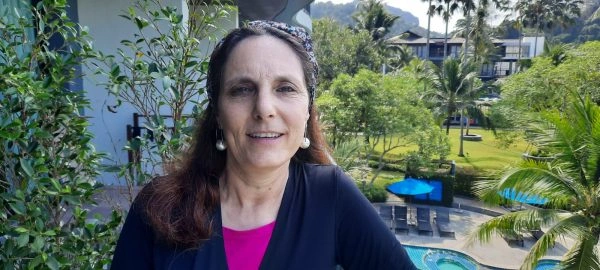
A friend in the SF Bay Area said in Dec 2019 that she might start listening on her morning drive to work. I mentioned to my husband and we decided to try the Daf when it began in Jan 2020 as part of our preparing to make Aliyah in the summer.

Hana Piotrkovsky
חנה פיוטרקובסקי

ירושלים, Israel

A life-changing journey started with a Chanukah family tiyul to Zippori, home of the Sanhedrin 2 years ago and continued with the Syum in Binanei Hauma where I was awed by the energy of 3000 women dedicated to learning daf Yomi. Opening my morning daily with a fresh daf, I am excited with the new insights I find enriching my life and opening new and deeper horizons for me.

Becky Goldstein
בקי גולדשטיין

Elazar gush etzion, Israel

למדתי גמרא מכיתה ז- ט ב Maimonides School ואחרי העליה שלי בגיל 14 לימוד הגמרא, שלא היה כל כך מקובל בימים אלה, היה די ספוראדי. אחרי "ההתגלות” בבנייני האומה התחלתי ללמוד בעיקר בדרך הביתה למדתי מפוקקטסים שונים. לאט לאט ראיתי שאני תמיד חוזרת לרבנית מישל פרבר. באיזה שהוא שלב התחלתי ללמוד בזום בשעה 7:10 .
היום "אין מצב” שאני אתחיל את היום שלי ללא לימוד עם הרבנית מישל עם כוס הקפה שלי!!

selfie-scaled
דבי גביר

חשמונאים, ישראל

התחלתי ללמוד בעידוד שתי חברות אתן למדתי בעבר את הפרק היומי במסגרת 929.
בבית מתלהבים מאוד ובשבת אני לומדת את הדף עם בעלי שזה מפתיע ומשמח מאוד! לימוד הדף הוא חלק בלתי נפרד מהיום שלי. לומדת בצהריים ומחכה לזמן הזה מידי יום…

Miriam Wengerover
מרים ונגרובר

אפרת, ישראל

התחלתי להשתתף בשיעור נשים פעם בשבוע, תכננתי ללמוד רק דפים בודדים, לא האמנתי שאצליח יותר מכך.
לאט לאט נשאבתי פנימה לעולם הלימוד .משתדלת ללמוד כל בוקר ומתחילה את היום בתחושה של מלאות ומתוך התכווננות נכונה יותר.
הלימוד של הדף היומי ממלא אותי בתחושה של חיבור עמוק לעם היהודי ולכל הלומדים בעבר ובהווה.

Neely Hayon
נילי חיון

אפרת, ישראל

התחלתי ללמוד דף יומי באמצע תקופת הקורונה, שאבא שלי סיפר לי על קבוצה של בנות שתיפתח ביישוב שלנו ותלמד דף יומי כל יום. הרבה זמן רציתי להצטרף לזה וזאת הייתה ההזדמנות בשבילי. הצטרפתי במסכת שקלים ובאמצע הייתה הפסקה קצרה. כיום אני כבר לומדת באולפנה ולומדת דף יומי לבד מתוך גמרא של טיינזלץ.

Saturdays in Raleigh
שבות בראלי

עתניאל, ישראל

הצטרפתי ללומדות בתחילת מסכת תענית. ההתרגשות שלי ושל המשפחה היתה גדולה מאוד, והיא הולכת וגוברת עם כל סיום שאני זוכה לו. במשך שנים רבות רציתי להצטרף ומשום מה זה לא קרה… ב”ה מצאתי לפני מספר חודשים פרסום של הדרן, ומיד הצטרפתי והתאהבתי. הדף היומי שינה את חיי ממש והפך כל יום- ליום של תורה. מודה לכן מקרב ליבי ומאחלת לכולנו לימוד פורה מתוך אהבת התורה ולומדיה.

Noa Rosen
נעה רוזן

חיספין רמת הגולן, ישראל

התחלתי מחוג במסכת קידושין שהעבירה הרבנית רייסנר במסגרת בית המדרש כלנה בגבעת שמואל; לאחר מכן התחיל סבב הדף היומי אז הצטרפתי. לסביבה לקח זמן לעכל אבל היום כולם תומכים ומשתתפים איתי. הלימוד לעתים מעניין ומעשיר ולעתים קשה ואף הזוי… אך אני ממשיכה קדימה. הוא משפיע על היומיום שלי קודם כל במרדף אחרי הדף, וגם במושגים הרבים שלמדתי ובידע שהועשרתי בו, חלקו ממש מעשי

Abigail Chrissy
אביגיל כריסי

ראש העין, ישראל

בתחילת הסבב הנוכחי הצטברו אצלי תחושות שאני לא מבינה מספיק מהי ההלכה אותה אני מקיימת בכל יום. כמו כן, כאמא לבנות רציתי לתת להן מודל נשי של לימוד תורה
שתי הסיבות האלו הובילו אותי להתחיל ללמוד. נתקלתי בתגובות מפרגנות וסקרניות איך אישה לומדת גמרא..
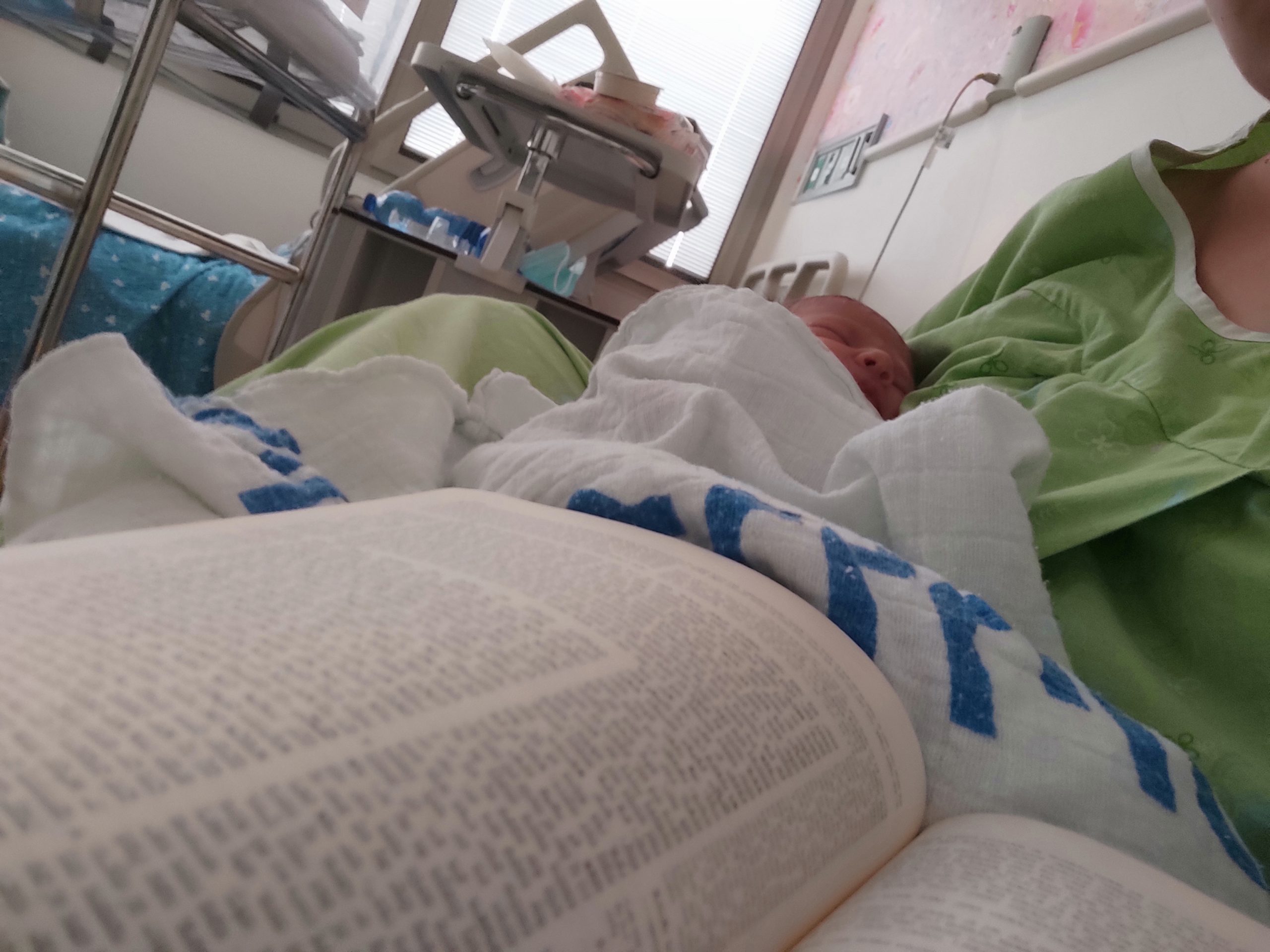
כמו שרואים בתמונה אני ממשיכה ללמוד גם היום ואפילו במחלקת יולדות אחרי לידת ביתי השלישית.

Noa Shiloh
נועה שילה

רבבה, ישראל

באירוע של הדרן בנייני האומה. בהשראתה של אמי שלי שסיימה את הש”ס בסבב הקודם ובעידוד מאיר , אישי, וילדיי וחברותיי ללימוד במכון למנהיגות הלכתית של רשת אור תורה סטון ומורתיי הרבנית ענת נובוסלסקי והרבנית דבורה עברון, ראש המכון למנהיגות הלכתית.
הלימוד מעשיר את יומי, מחזיר אותי גם למסכתות שכבר סיימתי וידוע שאינו דומה מי ששונה פרקו מאה לשונה פרקו מאה ואחת במיוחד מרתקים אותי החיבורים בין המסכתות

Roit Kalech
רוית קלך

מודיעין, ישראל

התחלתי כשהייתי בחופש, עם הפרסומים על תחילת המחזור, הסביבה קיבלה את זה כמשהו מתמיד ומשמעותי ובהערכה, הלימוד זה עוגן יציב ביום יום, יש שבועות יותר ויש שפחות אבל זה משהו שנמצא שם אמין ובעל משמעות בחיים שלי….

Adi Diamant
עדי דיאמנט

גמזו, ישראל

התחלתי לפני כמה שנים אבל רק בסבב הזה זכיתי ללמוד יום יום ולסיים מסכתות

Sigal Tel
סיגל טל

רעננה, ישראל

אחרי שראיתי את הסיום הנשי של הדף היומי בבנייני האומה זה ריגש אותי ועורר בי את הרצון להצטרף. לא למדתי גמרא קודם לכן בכלל, אז הכל היה לי חדש, ולכן אני לומדת בעיקר מהשיעורים פה בהדרן, בשוטנשטיין או בחוברות ושיננתם.

Rebecca Schloss
רבקה שלוס

בית שמש, ישראל

סיום השס לנשים נתן לי מוטביציה להתחיל ללמוד דף יומי. עד אז למדתי גמרא בשבתות ועשיתי כמה סיומים. אבל לימוד יומיומי זה שונה לגמרי ופתאום כל דבר שקורה בחיים מתקשר לדף היומי.

Fogel Foundation
קרן פוגל

רתמים, ישראל

התחלתי ללמוד גמרא בבית הספר בגיל צעיר והתאהבתי. המשכתי בכך כל חיי ואף היייתי מורה לגמרא בבית הספר שקד בשדה אליהו (בית הספר בו למדתי בילדותי)בתחילת מחזור דף יומי הנוכחי החלטתי להצטרף ובע”ה מקווה להתמיד ולהמשיך. אני אוהבת את המפגש עם הדף את "דרישות השלום ” שמקבלת מקשרים עם דפים אחרים שלמדתי את הסנכרון שמתחולל בין התכנים.

Ariela Bigman
אריאלה ביגמן

מעלה גלבוע, ישראל

התחלתי מעט לפני תחילת הסבב הנוכחי. אני נהנית מהאתגר של להמשיך להתמיד, מרגעים של "אהה, מפה זה הגיע!” ומהאתגר האינטלקטואלי

Eilat-Chen and Deller
אילת-חן ודלר

לוד, ישראל

התחלתי ללמוד לפני כשנתיים בשאיפה לסיים לראשונה מסכת אחת במהלך חופשת הלידה.
אחרי מסכת אחת כבר היה קשה להפסיק…

Noa Gallant
נעה גלנט

ירוחם, ישראל

בתחילת הסבב הנוכחי של לימוד הדף היומי, נחשפתי לחגיגות המרגשות באירועי הסיום ברחבי העולם. והבטחתי לעצמי שבקרוב אצטרף גם למעגל הלומדות. הסבב התחיל כאשר הייתי בתחילת דרכי בתוכנית קרן אריאל להכשרת יועצות הלכה של נשמ”ת. לא הצלחתי להוסיף את ההתחייבות לדף היומי על הלימוד האינטנסיבי של תוכנית היועצות. בבוקר למחרת המבחן הסופי בנשמ”ת, התחלתי את לימוד הדף במסכת סוכה ומאז לא הפסקתי.

Hana Shaham-Rozby (Dr.)
חנה שחם-רוזבי (ד”ר)

קרית גת, ישראל

בתחילת הסבב הנוכחי הצטברו אצלי תחושות שאני לא מבינה מספיק מהי ההלכה אותה אני מקיימת בכל יום. כמו כן, כאמא לבנות רציתי לתת להן מודל נשי של לימוד תורה
שתי הסיבות האלו הובילו אותי להתחיל ללמוד. נתקלתי בתגובות מפרגנות וסקרניות איך אישה לומדת גמרא..
כמו שרואים בתמונה אני ממשיכה ללמוד גם היום ואפילו במחלקת יולדות אחרי לידת ביתי השלישית.

Noa Shiloh
נועה שילה

רבבה, ישראל

יומא כא

וְיֵשׁ אוֹמְרִים: אַף רִידְיָיא. וּבְעוֹ רַבָּנַן רַחֲמֵי אַנְּשָׁמָה בְּשָׁעָה שֶׁיּוֹצְאָה מִן הַגּוּף, וּבַטְּלוּהּ.

And some say: The sound of Ridya as well. Ridya is the angel tasked with irrigating the earth, who calls to the heavens and to the aquifers to provide their water. The Gemara comments: And the Sages asked for mercy so that the sound of the soul at the moment that it leaves the body would no longer be heard to that extent, and God eliminated it. In any event, clearly this baraita understands keriat hagever as the proclamation of the Temple crier, in support of the opinion of Rav.

תַּנְיָא כְּווֹתֵיהּ דְּרַבִּי שֵׁילָא: הַיּוֹצֵא לַדֶּרֶךְ קוֹדֶם קְרִיאַת הַגֶּבֶר — דָּמוֹ בְּרֹאשׁוֹ. רַבִּי יֹאשִׁיָּה אוֹמֵר: עַד שֶׁיִּשְׁנֶה, וְיֵשׁ אוֹמְרִים: עַד שֶׁיְּשַׁלֵּשׁ. וּבְאֵיזֶה תַּרְנְגוֹל אָמְרוּ — בְּתַרְנְגוֹל בֵּינוֹנִי.

A baraita was taught in accordance with the opinion of Rabbi Sheila: With regard to one who sets out on the path at night before keriat hagever and is killed by demons, his blood is on his own head, i.e., he is at fault. Rabbi Yoshiya says: The prohibition of traveling at night is in effect until the rooster crows twice. And some say: Until he crows three times. And with regard to what rooster did these Sages state this advisory? It is with regard to a rooster of medium size. Clearly, this baraita understands keriat hagever as the crow of the rooster.

אָמַר רַב יְהוּדָה אָמַר רַב: בְּשָׁעָה שֶׁיִּשְׂרָאֵל עוֹלִין לָרֶגֶל, עוֹמְדִין צְפוּפִין וּמִשְׁתַּחֲוִים רְווֹחִים, וְנִמְשָׁכִין אַחַת עֶשְׂרֵה אַמָּה אֲחוֹרֵי בֵּית הַכַּפּוֹרֶת. מַאי קָאָמַר? הָכִי קָאָמַר: אַף עַל פִּי שֶׁנִּמְשָׁכִין אַחַת עֶשְׂרֵה אַמָּה אֲחוֹרֵי בֵּית הַכַּפּוֹרֶת, וְעוֹמְדִים צְפוּפִין, כְּשֶׁהֵן מִשְׁתַּחֲוִין — מִשְׁתַּחֲוִין רְווֹחִים, וְזֶה אֶחָד מֵעֲשָׂרָה נִסִּים שֶׁנַּעֲשׂוּ בַּמִּקְדָּשׁ.

§ Rav Yehuda said that Rav said: When the Jewish people ascend to Jerusalem for the pilgrimage Festivals they stand crowded, but when they bow during confession they are spaced so that no one hears the confession of another. And due to the large crowd they extend eleven cubits behind the Hall of the Ark Cover, the Holy of Holies. The Gemara asks: What is he saying in the reference to eleven cubits behind the Holy of Holies? The Gemara explains that this is what he is saying: Even though the crowd is so large that the people extend eleven cubits behind the Hall of the Ark Cover and people stand crowded, still, when they bow, they bow spaced. And that is one of the ten miracles that were performed in the Temple.

דִּתְנַן, עֲשָׂרָה נִסִּים נַעֲשׂוּ בְּבֵית הַמִּקְדָּשׁ: לֹא הִפִּילָה אִשָּׁה מֵרֵיחַ בְּשַׂר הַקֹּדֶשׁ. וְלֹא הִסְרִיחַ בְּשַׂר הַקֹּדֶשׁ מֵעוֹלָם. וְלֹא נִרְאָה זְבוּב בְּבֵית הַמִּטְבָּחַיִם. וְלֹא אֵירַע קֶרִי לְכֹהֵן גָּדוֹל בְּיוֹם הַכִּפּוּרִים. וְלֹא נִמְצָא פְּסוּל בָּעוֹמֶר, וּבִשְׁתֵּי הַלֶּחֶם, וּבְלֶחֶם הַפָּנִים. עוֹמְדִים צְפוּפִים, וּמִשְׁתַּחֲוִים רְווֹחִים. וְלֹא הִזִּיק נָחָשׁ וְעַקְרָב בִּירוּשָׁלַיִם מֵעוֹלָם. וְלֹא אָמַר אָדָם לַחֲבֵרוֹ: צַר לִי הַמָּקוֹם שֶׁאָלִין בִּירוּשָׁלַיִם.

As we learned in a mishna: Ten miracles were performed in the Temple. No woman miscarried from the aroma of the sacrificial meat, as a pregnant woman craves various foods and occasionally that craving leads to miscarriage. And the sacrificial meat never putrefied. And no fly was seen in the slaughterhouse, although flies are generally attracted to a place where there is flesh and blood. And a seminal emission did not befall the High Priest on Yom Kippur. And no disqualification was found in the omer or the two loaves, which are communal offerings, or in the shewbread. And the Jewish people stand crowded but bow spaced. And neither a snake nor a scorpion ever harmed anyone in Jerusalem. And a person never said to another: There is no room for me to stay overnight in Jerusalem.

פָּתַח בְּמִקְדָּשׁ, וְסִיֵּים בִּירוּשָׁלַיִם! אִיכָּא תַּרְתֵּי אַחְרָנְיָיתָא בְּמִקְדָּשׁ. דְּתַנְיָא: מֵעוֹלָם לֹא כִּבּוּ גְּשָׁמִים אֵשׁ שֶׁל עֲצֵי הַמַּעֲרָכָה. וַעֲשַׁן הַמַּעֲרָכָה, אֲפִילּוּ כׇּל הָרוּחוֹת שֶׁבָּעוֹלָם בָּאוֹת וּמְנַשְּׁבוֹת בּוֹ — אֵין מְזִיזוֹת אוֹתוֹ מִמְּקוֹמוֹ.

The Gemara notes: This list opened with miracles that occurred in the Temple, and closed with miracles that occurred in Jerusalem. Apparently there were not actually ten miracles performed in the Temple. The Gemara answers: There are two other miracles in the Temple, as it was taught in a baraita: Rain never extinguished the fire of the arrangement of wood on the altar, despite the fact that the altar stood in the courtyard, exposed to the elements. And with regard to the smoke of the arrangement, even if all the winds in the world come and blow it, they do not move it from its place and it rises directly heavenward.

וְתוּ לֵיכָּא? וְהָתַנְיָא רַב שְׁמַעְיָה בְּקַלְנְבוֹ: שִׁבְרֵי כְּלֵי חֶרֶס, נִבְלָעִין בִּמְקוֹמָן, וְאָמַר אַבָּיֵי: מוּרְאָה, וְנוֹצָה, וְדִישּׁוּן מִזְבֵּחַ הַפְּנִימִי, וְדִישּׁוּן הַמְּנוֹרָה — נִבְלָעִין בִּמְקוֹמָן!

The Gemara asks: And are there no more miracles in the Temple? But didn’t Rav Shemaya teach in a baraita in the city of Kalnevo: Shards of earthenware vessels were swallowed in the earth in their places, and there was no need to dispose of them. The vessels used for cooking the meat of the offerings of the most sacred order absorbed some of the meat. The meat that was absorbed became notar when the period during which the offering may be eaten concludes. One was required to break those vessels in which the meat was absorbed. The shards of those vessels were miraculously swallowed in the earth where they were smashed. And similarly, Abaye said: The crop and feathers of sacrificial birds, and the ashes of the inner altar, and the ashes of the candelabrum, which were not removed to the place of ashes outside the Temple like the ashes of the outer altar, were also swallowed in the earth in their places. Apparently, there were more than ten miracles in the Temple.

פְּסוּלֵי תְּלָתָא הָווּ? חַשְׁבִינְהוּ בְּחַד, אַפֵּיק תְּרֵי וְעַיֵּיל תְּרֵי. אִי הָכִי, בְּלוּעִין נָמֵי תְּרֵי הָווּ? חַשְּׁבִינְהוּ בְּחַד. חָסְרוּ לְהוּ! אִיכָּא נָמֵי אַחֲרִיתִי, דְּאָמַר רַבִּי יְהוֹשֻׁעַ בֶּן לֵוִי: נֵס גָּדוֹל הָיָה נַעֲשָׂה בְּלֶחֶם הַפָּנִים, סִלּוּקוֹ כְּסִדּוּרוֹ, שֶׁנֶּאֱמַר: ״לָשׂוּם לֶחֶם חוֹם בְּיוֹם הִלָּקְחוֹ״.

The Gemara answers: The disqualifications mentioned that never occurred in the Temple, in the omer, the two loaves, or the shewbread, were three; consider them as one miracle. Eliminate two from the total and introduce these two to complete the list of ten miracles. The Gemara asks: If similar miracles are combined and considered as one, the swallowing of the earthenware, crops, feathers, and ashes are also two similar miracles that should be considered as one, the result being that they are lacking one miracle to complete the total of ten. The Gemara responds: There is also another miracle, as Rabbi Yehoshua ben Levi said: A great miracle was performed with regard to the shewbread in the Temple, that the bread was as hot at its removal on Shabbat, after a week on the table, as it was at its arrangement, as it is stated: “To put out hot bread on the day it was taken away” (I Samuel 21:7).

וְתוּ לֵיכָּא? וְהָאָמַר רַבִּי לֵוִי: דָּבָר זֶה מָסוֹרֶת בְּיָדֵינוּ מֵאֲבוֹתֵינוּ: מְקוֹם אָרוֹן — אֵינוֹ מִן הַמִּדָּה. וְאָמַר רַבְנַאי אָמַר שְׁמוּאֵל: כְּרוּבִים — בְּנֵס הָיוּ עוֹמְדִין!

The Gemara asks: And were there no more miracles in the Temple? But didn’t Rabbi Levi say that this matter is a tradition that we received from our ancestors: The place of the Ark of the Covenant is not included in the measurement of the Holy of Holies. Based on that measurement, the Ark should not have fit inside the hall. The Holy of Holies measured twenty cubits by twenty cubits (see I Kings 6), and a baraita states that there were ten cubits of space on either side of the Ark. Therefore, it was only through a miracle that the Ark fit in the Holy of Holies. And Rabbenai said that Shmuel said: It was through a miracle that the cherubs that Solomon placed in the Holy of Holies would stand. Their wingspan was twenty cubits, and since the length of the chamber was the same, there was no room for the bodies of the cherubs. There were additional miracles performed in the Temple.

נִיסֵּי דְבָרַאי — קָא חָשֵׁיב, נִיסֵּי דְגַוַּאי — לָא קָא חָשֵׁיב. אִי הָכִי, לֶחֶם הַפָּנִים נָמֵי נִיסֵּי דְגַוַּאי הוּא! לֶחֶם הַפָּנִים נִיסֵּי דְבָרַאי הוּא, דְּאָמַר רֵישׁ לָקִישׁ: מַאי דִּכְתִיב ״עַל הַשֻּׁלְחָן הַטָּהוֹר״, טָהוֹר — מִכְּלָל שֶׁהוּא טָמֵא,

The Gemara responds: The tanna counts miracles that were performed outside the Sanctuary and were visible to all, but he does not count miracles that were performed inside the Sanctuary and were not visible to all. The Gemara asks: If so, the shewbread is also a miracle performed on the table inside the Sanctuary and is not visible to all, yet the miracle that the bread’s heat did not dissipate was listed among the miracles. The Gemara answers: The shewbread was a miracle performed outside, as Reish Lakish said: What is the meaning of that which is written: “Place them on the pure table before the Lord in two rows, six to a row” (Leviticus 24:6)? From the emphasis that the Torah places on the fact that the table was ritually pure, it can be learned by inference that it indicates that it could become impure as well.

כְּלִי עֵץ הֶעָשׂוּי לְנַחַת הוּא, וְכׇל כְּלִי [עֵץ] הֶעָשׂוּי לְנַחַת אֵינוֹ מְקַבֵּל טוּמְאָה, וְחוֹצֵץ בִּפְנֵי טוּמְאָה. אֶלָּא מְלַמֵּד שֶׁמַּגְבִּיהִין אוֹתוֹ לְעוֹלֵי רְגָלִים, וְאוֹמְרִים לָהֶם: רְאוּ חִיבַּתְכֶם לִפְנֵי הַמָּקוֹם, שֶׁסִּילּוּקוֹ כְּסִדּוּרוֹ, שֶׁנֶּאֱמַר: ״לָשׂוּם לֶחֶם חוֹם בְּיוֹם הִלָּקְחוֹ״.

The Gemara asks: How is that possible? It is a wooden vessel designated to rest in a fixed place and not to be moved. And it was taught: Any wooden vessel designated to rest in a fixed place is not susceptible to ritual impurity, and it serves as a barrier before impurity, preventing its transmission. Rather, the fact that the table is described as pure teaches that the priests lift it in order to display the shewbread to the Festival pilgrims, and they say to them: See how beloved you are before the Omnipresent, as the bread is as hot at its removal on Shabbat, after a week on the table, as it was at its arrangement, as it is stated: “To put out hot bread on the day it was taken away” (I Samuel 21:7). Since the table was moved on occasion, it was not considered a wooden vessel designated to rest and was therefore susceptible to impurity. At the same time, it is clear that the miracle of the shewbread was a miracle performed outside the Sanctuary, as it was visible to all.

וְתוּ לֵיכָּא? וְהָאָמַר רַב אוֹשַׁעְיָא: בְּשָׁעָה שֶׁבָּנָה שְׁלֹמֹה בֵּית הַמִּקְדָּשׁ, נָטַע בּוֹ כׇּל מִינֵי מְגָדִים שֶׁל זָהָב, וְהָיוּ מוֹצִיאִין פֵּירוֹתֵיהֶן בִּזְמַנָּן, וּכְשֶׁהָרוּחַ מְנַשֶּׁבֶת בָּהֶן נוֹשְׁרִין, שֶׁנֶּאֱמַר: ״יִרְעַשׁ כַּלְּבָנוֹן פִּרְיוֹ״. וּכְשֶׁנִּכְנְסוּ גּוֹיִם לַהֵיכָל יָבַשׁ, שֶׁנֶּאֱמַר: ״וּפֶרַח לְבָנוֹן אוּמְלָל״, וְעָתִיד הַקָּדוֹשׁ בָּרוּךְ הוּא לְהַחֲזִירָן, שֶׁנֶּאֱמַר: ״פָּרוֹחַ תִּפְרַח וְתָגֵל אַף גִּילַת וְרַנֵּן כְּבוֹד הַלְּבָנוֹן נִתַּן לָהּ״.

The Gemara asks: And are there no more miracles performed in the Temple? But didn’t Rav Oshaya say: When Solomon built the Temple he planted all sorts of precious golden fruits there, and these brought forth their fruit in their appointed season like other trees, and when the wind blew them the fruit would fall, as it is stated: “May his fruits rustle like Lebanon” (Psalms 72:16). This indicates that fruits grew in Lebanon, which the Sages interpreted as a reference to the Temple, which was built with cedar trees from Lebanon. And when the gentiles entered the Sanctuary the golden tree withered, as it stated: “And the blossoms of Lebanon wither” (Nahum 1:4). And the Holy One, Blessed be He, will restore the miraculous trees to Israel in the future, as it is stated: “It shall blossom abundantly, it shall also rejoice and shout, the glory of Lebanon will be given to it” (Isaiah 35:2). Apparently, there were additional miracles in the Temple.

נִיסֵּי דִּקְבִיעִי לָא קָא חָשֵׁיב. הַשְׁתָּא דְּאָתֵית לְהָכִי: אָרוֹן וּכְרוּבִים נָמֵי, נִיסֵּי דִּקְבִיעִי נִינְהוּ.

The Gemara responds: The tanna does not count perpetual miracles on the list. The Gemara comments: Now that you have arrived at this solution, it can resolve an earlier difficulty as well: The Ark and the cherubs are also not counted, since they too were perpetual miracles.

אָמַר מָר: וַעֲשַׁן הַמַּעֲרָכָה. וּמִי הֲוָה עָשָׁן בְּמַעֲרָכָה? וְהָתַנְיָא: חֲמִשָּׁה דְּבָרִים נֶאֶמְרוּ בָּאֵשׁ שֶׁל מַעֲרָכָה: רְבוּצָה כַּאֲרִי, וּבָרָה כַּחַמָּה, וְיֵשׁ בָּהּ מַמָּשׁ, וְאוֹכֶלֶת לַחִין כִּיבֵשִׁין, וְאֵינָהּ מַעֲלָה עָשָׁן!

§ The Master said in listing the miracles that even strong winds were unable to displace the smoke of the arrangement of wood. The Gemara asks: And did smoke rise from the arrangement of wood on the altar? But wasn’t it taught in a baraita: There were five matters stated with regard to the fire of the arrangement of wood: It crouched above the wood like a lion; and it was as clear as the light of the sun; and it had substance to the extent that it could be felt; it was powerful enough to consume wet wood like dry wood; and it did not raise smoke.

כִּי קָא אָמְרִינַן — בִּדְהֶדְיוֹט. דְּתַנְיָא: ״וְנָתְנוּ בְּנֵי אַהֲרֹן הַכֹּהֵן אֵשׁ עַל הַמִּזְבֵּחַ״, אַף עַל פִּי שֶׁאֵשׁ יוֹרֶדֶת מִן הַשָּׁמַיִם, מִצְוָה לְהָבִיא מִן הַהֶדְיוֹט.

The Gemara answers: When we said that the smoke was not displaced, indicating that the wood produced smoke, that was in reference to the fire brought by a person, as it was taught in a baraita: “And the sons of Aaron the priest shall put fire upon the altar” (Leviticus 1:7), indicating that even though fire descends from the heavens, still there is a special mitzva to bring fire by a person. The fire that the priests brought produced smoke, and the miracle related to that smoke.

רְבוּצָה כַּאֲרִי. וְהַתַּנְיָא, אָמַר רַבִּי חֲנִינָא סְגַן הַכֹּהֲנִים: אֲנִי רְאִיתִיהָ, וּרְבוּצָה כְּכֶלֶב! לָא קַשְׁיָא: כָּאן — בְּמִקְדָּשׁ רִאשׁוֹן, כָּאן — בְּמִקְדָּשׁ שֵׁנִי.

The Gemara asks: And was the altar’s fire crouched like a lion? But wasn’t it taught in a baraita: Rabbi Ḥanina, the deputy High Priest, said: I saw the fire in the Temple and it was crouched like a dog and not a lion? The Gemara answers: This is not difficult. Here, where the baraita stated that the fire resembled a lion, it refers to the fire in the First Temple; there, where Rabbi Ḥanina, the deputy High Priest, said that the fire resembled a dog, it refers to the fire in the Second Temple.

וּבְמִקְדָּשׁ שֵׁנִי מִי הֲוַאי? וְהָאָמַר רַב שְׁמוּאֵל בַּר אִינְיָא: מַאי דִּכְתִיב: ״וְאֶרְצֶה בּוֹ וְאֶכָּבֵד״, וְקָרֵינַן ״וְאֶכָּבְדָה״. מַאי שְׁנָא דִּמְחוּסַּר הֵ״א — אֵלּוּ חֲמִשָּׁה דְּבָרִים שֶׁהָיוּ בֵּין מִקְדָּשׁ רִאשׁוֹן לְמִקְדָּשׁ שֵׁנִי, וְאֵלּוּ הֵן: אָרוֹן וְכַפּוֹרֶת וּכְרוּבִים, אֵשׁ, וּשְׁכִינָה, וְרוּחַ הַקּוֹדֶשׁ, וְאוּרִים וְתוּמִּים. אָמְרִי: אִין, מִיהְוָה הֲוָה, סַיּוֹעֵי לָא מְסַיְּיעָא.

The Gemara asks: And was there fire that descended from the heavens in the Second Temple? Didn’t Rav Shmuel bar Inya say: What is the meaning of that which is written with regard to the Second Temple: “Go up to the hills and get wood and build the house; and I will look on it favorably and I will be glorified [ve’ekkaved], said the Lord” (Haggai 1:8)? Even though it is written ve’ekkaved, we read it ve’ikkavda, with an added letter heh. The Gemara explains: What is different that the word is missing the letter heh? This represents five, the numerological value of heh, phenomena that constituted the difference between the First Temple and the Second Temple, in that they were not in the Second Temple. And these are: The Ark of the Covenant, and the Ark cover upon it, and the cherubs that were on the Ark cover; fire; and the Divine Presence; and the Divine Spirit; and the Urim VeTummim. Apparently, there was no fire from heaven in the Second Temple. The Sages say in response: Yes, there was fire from heaven in the Second Temple; however, it did not assist in burning the offerings but was merely visible above the wood.

תָּנוּ רַבָּנַן, שֵׁשׁ אִשּׁוֹת הֵן: יֵשׁ אוֹכֶלֶת וְאֵינָהּ שׁוֹתָה, וְיֵשׁ שׁוֹתָה וְאֵינָהּ אוֹכֶלֶת, וְיֵשׁ אוֹכֶלֶת וְשׁוֹתָה, וְיֵשׁ אוֹכֶלֶת לַחִין כִּיבֵשִׁין, וְיֵשׁ אֵשׁ דּוֹחָה אֵשׁ, וְיֵשׁ אֵשׁ אוֹכֶלֶת אֵשׁ.

Apropos the fire on the altar, the Gemara cites a related baraita. The Sages taught that there are six kinds of fire: There is fire that consumes solids and does not consume liquids; and there is fire that consumes liquids and does not consume solids; and there is fire that consumes solids and consumes liquids; and there is fire that consumes wet objects like dry objects; and there is fire that repels other fire; and there is fire that consumes other fire.

יֵשׁ אֵשׁ אוֹכֶלֶת וְאֵינָהּ שׁוֹתָה — הָא דִּידַן. שׁוֹתָה וְאֵינָהּ אוֹכֶלֶת — דְּחוֹלִין. אוֹכֶלֶת וְשׁוֹתָה — דְּאֵלִיָּהוּ, דִּכְתִיב: ״וְאֶת הַמַּיִם אֲשֶׁר בַּתְּעָלָה לִחֵכָה״. אוֹכֶלֶת לַחִין כִּיבֵשִׁין — דְּמַעֲרָכָה. יֵשׁ אֵשׁ דּוֹחָה אֵשׁ — דְּגַבְרִיאֵל, וְיֵשׁ אֵשׁ אוֹכֶלֶת אֵשׁ — דִּשְׁכִינָה, דְּאָמַר מָר: הוֹשִׁיט אֶצְבָּעוֹ בֵּינֵיהֶם וּשְׂרָפָן.

The Gemara elaborates: There is fire that consumes solids and does not consume liquids; that is our standard fire that consumes dry items but does not dry liquids.
Fire that consumes liquids and does not consume solids is the fever of the sick that dehydrates the body but does not consume the flesh.
Fire that consumes solids and consumes liquids is the fire of Elijah the Prophet, as it is written: “And fire fell from the sky and consumed the offering and the wood and the stones and the earth, and it licked up the water that was in the trench” (I Kings 18:38).
Fire that consumes wet objects like dry objects is the fire of the arrangement of wood.
There is fire that repels other fire; that is the fire of the angel Gabriel. The book of Daniel relates that Gabriel was an angel of fire who descended to the fiery furnace, repelled the fire, and rescued Hananiah, Mishael, and Azariah, who had been cast inside.
And there is fire that consumes other fire; that is the fire of the Divine Presence, as the Master said in another context: The Holy One, Blessed be He, extended His finger between the angels, who are also made of fire, and burned them. The fire of the Divine Presence consumed the fire of the angels.

וַעֲשַׁן הַמַּעֲרָכָה, אֲפִילּוּ כׇּל הָרוּחוֹת שֶׁבָּעוֹלָם אֵין מְזִיזוֹת אוֹתוֹ מִמְּקוֹמוֹ? וְהָאָמַר רַבִּי יִצְחָק בַּר אַבְדִּימִי: בְּמוֹצָאֵי יוֹם טוֹב הָאַחֲרוֹן שֶׁל חַג הַכֹּל צוֹפִין לַעֲשַׁן הַמַּעֲרָכָה. נוֹטֶה כְּלַפֵּי צָפוֹן — עֲנִיִּים שְׂמֵחִין וּבַעֲלֵי בָתִּים עֲצֵבִין, מִפְּנֵי שֶׁגִּשְׁמֵי שָׁנָה מְרוּבִּין וּפֵירוֹתֵיהֶן מַרְקִיבִין. נָטָה כְּלַפֵּי דָרוֹם — עֲנִיִּים עֲצֵבִין, וּבַעֲלֵי בָתִּים שְׂמֵחִין, מִפְּנֵי שֶׁגִּשְׁמֵי שָׁנָה מוּעָטִין, וּפֵירוֹתֵיהֶן מִשְׁתַּמְּרִין.

§ The Gemara asks: And with regard to the smoke of the arrangement, is it so that even if all the winds in the world come and blow it, they do not move it from its place and it rises directly heavenward? Didn’t Rabbi Yitzḥak bar Avdimi say: At the conclusion of the final day of the festival of Sukkot, everyone looks to the smoke of the arrangement of wood; if the wind blew from the south and the smoke tends toward the north, the poor were glad and the homeowners were sad. This is because it was a sign that the year’s rains would be plentiful, producing an abundant crop on the one hand, but on the other hand, the fruit would rot due to the humidity, rendering it impossible to store the abundant harvest. This forced the landowners to sell quickly at a lower price. And if a northern wind caused the smoke to tend toward the south, the poor were sad and the homeowners were glad, because it was an indication that the year’s rains would be sparse. The yield would be low, and it would be easy to store the fruit and sell it at a higher price.

נָטָה כְּלַפֵּי מִזְרָח — הַכֹּל שְׂמֵחִין. כְּלַפֵּי מַעֲרָב — הַכֹּל עֲצֵבִין! דְּאָזֵיל וְאָתֵי כְּדִיקְלֵי, וְאִבַּדּוֹרֵי לָא הֲוָה מִיבַּדַּר.

If a western wind caused the smoke to tend to the east, that was an indication that there would be sufficient rainfall to ensure a substantial crop, and at the same time, it would be possible to store the fruit, and everyone was glad. If an eastern wind caused the smoke to tend to the west that was an indication that there would be a drought because eastern winds do not bring rain, and everyone was sad. Apparently, wind causes the smoke rising from the arrangement of wood to move. The Gemara responds: The smoke comes and goes like a palm tree, swaying in the wind, but it did not disperse.

אָמַר מָר: כְּלַפֵּי מִזְרָח — הַכֹּל שְׂמֵחִין, כְּלַפֵּי מַעֲרָב — הַכֹּל עֲצֵבִין. וּרְמִינְהוּ: מִזְרָחִית — לְעוֹלָם יָפָה, מַעֲרָבִית — לְעוֹלָם קָשָׁה, רוּחַ צְפוֹנִית — יָפָה לַחִטִּין בְּשָׁעָה שֶׁהֵבִיאוּ שְׁלִישׁ, וְקָשָׁה לַזֵּיתִים בִּזְמַן שֶׁהֵן חוֹנְטִין, רוּחַ דְּרוֹמִית — קָשָׁה לַחִטִּין בְּשָׁעָה שֶׁהֵבִיאוּ שְׁלִישׁ, וְיָפָה לַזֵּיתִים בִּזְמַן שֶׁהֵן חוֹנְטִין.

The Master said: If a western wind caused the pillar of smoke to tend to the east everyone is glad; if an eastern wind caused the smoke to tend to the west everyone was sad. And the Gemara raised a contradiction, as the Sages said: An eastern wind is always good; a western wind is always bad; a northern wind is good for wheat when it has reached one-third of its potential growth, and bad for olives when they are ripening; a southern wind is bad for wheat when it has reached one-third of its potential growth, and good for olives when they are ripening.

וְאָמַר רַב יוֹסֵף, וְאִיתֵּימָא מָר זוּטְרָא: וְסִימָנָיךְ — שֻׁלְחָן בַּצָּפוֹן, וּמְנוֹרָה בַּדָּרוֹם. הַאי מְרַבֵּה דִּידֵיהּ, וְהַאי מְרַבֵּה דִּידֵיהּ!

And Rav Yosef said, and some say it was Mar Zutra who said it: And your mnemonic for which is good for wheat and which for olives is that in the Temple the table was in the north and the candelabrum was in the south of the Sanctuary. Bread made out of wheat was placed on the table, and oil made out of olives was burned in the candelabrum. The wind coming from this side, the north, increased its own component, wheat; and the wind coming from this side, the south, increased its own component, olives. In any event, there are contradictory opinions with regard to the effect of western and eastern winds.

לָא קַשְׁיָא: הָא — לַן, וְהָא — לְהוּ.

The Gemara responds: This is not difficult: This opinion that a wind from the east is good is for us, in Babylonia. Babylonia is a land whose water is plentiful, and a dry east wind will not harm the crop at all. This opinion that a wind from the east is harmful is for them, in Eretz Yisrael. That is a land where water is sparse, and the dry east wind will dry the land and ruin the crops.

הֲדַרַן עֲלָךְ שִׁבְעַת יָמִים

רוצה לעקוב אחרי התכנים ולהמשיך ללמוד?

ביצירת חשבון עוד היום ניתן לעקוב אחרי ההתקדמות שלך, לסמן מה למדת, ולעקוב אחרי השיעורים שמעניינים אותך.

לנקות את כל הפריטים מהרשימה?

פעולה זו תסיר את כל הפריטים בחלק זה כולל ההתקדמות וההיסטוריה. שימי לב: לא ניתן לשחזר פעולה זו.

ביטול
מחיקה

האם את/ה בטוח/ה שברצונך למחוק פריט זה?

תאבד/י את כל ההתקדמות או ההיסטוריה הקשורות לפריט זה.

ביטול
מחיקה