








האם המחלוקת בין ריש לקיש לר’ יוחנן בעניין הרמת הדשן (האם נחשבת עבודה או לא) היא מחלוקת תנאים? רב ולוי חולקים על זר שעושה הרמת הדשן – האם חייב מיתה או לא? איך כל אחד לומד את שיטתו מהפסוק? הגמרא מעלה כמה קושיות על לוי וגם על שניהם. אחר כך, מביאים ברייתות לחזק כל אחד. למה עושים ארבע פייסות ולא רק אחד? האם הכהנים לובשים בגדי קודש או בגדי חול כשעושים את הפייס? רב נחמן ורב ששת חולקים בנושא וכל אחד מביא הסבר פסיכולוגי/התנהגותי.
רוצה להקדיש לימוד?
יומא כד
לְרַבּוֹת אֶת הַשְּׁחָקִים.
The phrase comes to include worn out garments, teaching that as long as they have not become tattered they may be used for Temple services.
״וְהִנִּיחָם שָׁם״, מְלַמֵּד שֶׁטְּעוּנִין גְּנִיזָה. רַבִּי דּוֹסָא אוֹמֵר: רְאוּיִן הֵן לְכֹהֵן הֶדְיוֹט, וּמָה תַּלְמוּד לוֹמַר ״וְהִנִּיחָם שָׁם״ — שֶׁלֹּא יִשְׁתַּמֵּשׁ בָּהֶן יוֹם הַכִּפּוּרִים אַחֵר.
The Gemara continues with another baraita connected to this debate. With regard to the garments of the High Priest, the Torah states: “And Aaron shall go into the tent of meeting, and he shall take off the linen garments that he had put on when he went into the Sanctuary, and shall leave them there” (Leviticus 16:23). This verse teaches that the linen garments worn by the High Priest during the Yom Kippur service require storing away, i.e., they may not be used again. Rabbi Dosa says: They do not have to be stored away, because although they may not be used again by the High Priest on a subsequent Yom Kippur, they are acceptable for use for a common priest. And what, then, is the meaning when the verse states: “And shall leave them there,” which implies that they are not to be used again? It means that the High Priest himself may not use them on a subsequent Yom Kippur for service in the Holy of Holies; it does not mean that they may not be used at all.
מַאי לָאו בְּהָא קָא מִיפַּלְגִי, דְּמָר סָבַר: עֲבוֹדָה הִיא, וּמָר סָבַר: לָאו עֲבוֹדָה הִיא.
The Gemara returns to the question of whether or not the removal of the ashes is considered a bona fide Temple service, requiring all four priestly garments, and whether or not this is the subject of debate between tanna’im. What, is it not with regard to this that Rabbi Yehuda and Rabbi Dosa disagree: One Sage, Rabbi Yehuda, who derives from the phrase “he shall wear” that all four garments are required, holds that the removal of the ashes is a bona fide service; and one Sage, Rabbi Dosa, who derives a different teaching from “he shall wear,” holds that it is not a bona fide service, and consequently only two of the four garments are required? Their dispute would therefore be identical to the dispute between Rabbi Yoḥanan and Reish Lakish.
לָא, דְּכוּלֵּי עָלְמָא עֲבוֹדָה הִיא, וְהָכָא בְּהָא קָא מִיפַּלְגִי, מָר סָבַר: צְרִיכָא קְרָא לְרַבּוֹיֵי, וּמָר סָבַר: לָא צְרִיכָא קְרָא לְרַבּוֹיֵי.
The Gemara rejects this suggestion: It is possible to say that this is not the subject of debate between these two tanna’im. Rather, everyone agrees that the removal of ashes is a bona fide Temple service requiring all four garments, and here they disagree about a different point, which is this: One Sage, Rabbi Yehuda, holds that a derivation from the verse is necessary to include the mitre and belt, which are not mentioned explicitly in the verse. And one Sage, Rabbi Dosa, holds that since the removal of the ash is a bona fide Temple service it is obvious that all four garments are required, so a derivation from a verse to include the other two garments is not necessary. Accordingly, both tanna’im are in agreement that the removal of ash is a bona fide service and requires all four priestly garments.
בָּעֵי רַבִּי אָבִין: תְּרוּמַת הַדֶּשֶׁן בְּכַמָּה? מִתְּרוּמַת מַעֲשֵׂר יָלְפִינַן לַהּ, אוֹ מִתְּרוּמַת מִדְיָן יָלְפִינַן לַהּ? תָּא שְׁמַע, דְּתָנֵי רַבִּי חִיָּיא: נֶאֱמַר כָּאן ״וְהֵרִים״, וְנֶאֱמַר לְהַלָּן ״וְהֵרִים״. מָה לְהַלָּן — בְּקוּמְצוֹ, אַף כָּאן — בְּקוּמְצוֹ.
§ Rabbi Avin raised a dilemma: How much ash must be removed in order to fulfill the mitzva of removal of the ashes? Do we derive it from the teruma of the tithe, the portion that the Levite sets aside for the priest, in which case one hundredth of the total is separated, or do we derive it from the donations that were set aside from the spoils of the war with Midian, where one five-hundredth was taken from the spoils of war (see Numbers 31:28)? Come and hear a teaching with regard to this dilemma. As Rabbi Ḥiyya taught in a baraita that it is stated here: “And he shall take up the ashes” (Leviticus 6:3), and it is said elsewhere, with regard to a meal-offering: “And he shall take up a handful of the choice flour of the meal-offering” (Leviticus 6:8). Just as there, the amount he removes is a handful of flour, so too, here, he removes a handful of ash. The amount of ashes removed from the altar is therefore not a fixed percentage of the total ash.
אָמַר רַב: אַרְבַּע עֲבוֹדוֹת זָר חַיָּיב עֲלֵיהֶן מִיתָה: זְרִיקָה, וְהַקְטָרָה, וְנִיסּוּךְ הַמַּיִם, וְנִיסּוּךְ הַיַּיִן. וְלֵוִי אָמַר: אַף תְּרוּמַת הַדֶּשֶׁן. וְכֵן תָּנֵי לֵוִי בְּמַתְנִיתֵיהּ: אַף תְּרוּמַת הַדֶּשֶׁן.
§ Rav said: Although a non-priest may not perform any Temple service, there are only four Temple services for which a non-priest is liable to receive the punishment of death by God’s hand for doing so. They are: Sprinkling sacrificial blood on the altar, and burning incense or parts of sacrificial animals on the altar, and pouring out the water libation on the altar on the festival of Sukkot, and pouring out the wine libation on the altar. And Levi said: This is true also for the removal of the ashes. And similarly, Levi taught in his collection of baraitot: The removal of ashes is also included among those services for which a non-priest incurs the death penalty if he performs them.
מַאי טַעְמָא דְרַב — דִּכְתִיב: ״וְאַתָּה וּבָנֶיךָ אִתְּךָ תִּשְׁמְרוּ אֶת כְּהוּנַּתְכֶם לְכׇל דְּבַר הַמִּזְבֵּחַ וּלְמִבֵּית לַפָּרוֹכֶת וַעֲבַדְתֶּם עֲבוֹדַת מַתָּנָה אֶתֵּן אֶת כְּהוּנַּתְכֶם וְהַזָּר הַקָּרֵב יוּמָת״. ״עֲבוֹדַת מַתָּנָה״ — וְלֹא עֲבוֹדַת סִילּוּק, ״וַעֲבַדְתֶּם״ — עֲבוֹדָה תַּמָּה, וְלֹא עֲבוֹדָה שֶׁיֵּשׁ אַחֲרֶיהָ עֲבוֹדָה.
The Gemara explains: What is the reason for Rav’s opinion? As it is written: “And you and your sons with you shall keep your priesthood in everything pertaining to the altar and to that within the veil; and you shall serve; I give you the priesthood as a service of gift; and the common man that draws near shall be put to death” (Numbers 18:7). Rav interprets this verse as follows: “A service of gift” indicates a service that involves giving, i.e., placing something on the altar, and not a service that involves removal from the altar, to the exclusion of removing the ashes. “And you shall serve [va’avadtem]” is interpreted as referring to a service that is complete [avoda tamma] on its own, such as sprinkling the blood, and not a service that is not complete, i.e., a service that is only a preparatory step and has another service after it that completes its purpose, such as slaughtering the animal or collecting its blood, which are only preparatory steps leading up to the sprinkling of the blood on the altar.
וְלֵוִי — רַבִּי רַחֲמָנָא ״לְכׇל דְּבַר הַמִּזְבֵּחַ״. וְרַב — הַהוּא לְאֵתוֹיֵי שֶׁבַע הַזָּאוֹת שֶׁבִּפְנִים וְשֶׁבִּמְצוֹרָע.
And what is the reason for the opinion of Levi? Why does he include the removal of ashes? According to him, the Merciful One includes this service by adding “in everything pertaining to the altar,” which teaches that all actions performed on the altar, including the removal of ashes, are significant and are prohibited to a non-priest on pain of death. The Gemara asks: And what does Rav learn from the phrase “in everything pertaining to the altar”? The Gemara answers: According to him, the word “everything” in that phrase comes to include the seven sprinklings that are performed inside the Sanctuary, when the blood of certain offerings is sprinkled on the veil of the Holy of Holies, and the seven sprinklings of oil of the leper, which are also performed inside the Sanctuary. Rav learns from the word “everything” that if a non-priest were to perform any of these actions he would be liable to receive the death penalty, despite the fact that they are not performed on the altar.
וְלֵוִי — נָפְקָא לֵיהּ מִ״דְּבַר״ וְ״כׇל דְּבַר״. וְרַב — ״דְּבַר״ וְ״כׇל דְּבַר״ לָא דָּרֵישׁ.
The Gemara asks: And from where does Levi derive these cases? The Gemara answers: He derives them from the superfluous wording of the text. As the entire phrase “pertaining to the altar” is superfluous, he derives from this the inclusion of the removal of the ashes. Additionally, the expression “everything pertaining” implies a further inclusion, from which he derives the internal sprinklings mentioned above. And what does Rav learn from this superfluous wording? Rav does not derive anything particular from the distinction between the expressions “pertaining to the altar” and “everything pertaining to the altar.”
וְאֵימָא: ״לְכׇל דְּבַר הַמִּזְבֵּחַ״ — כָּלַל, ״עֲבוֹדַת מַתָּנָה״ — פָּרַט, כְּלָל וּפְרָט. אֵין בַּכְּלָל אֶלָּא מַה שֶּׁבַּפְּרָט: עֲבוֹדַת מַתָּנָה — אִין, עֲבוֹדַת סִילּוּק — לָא! אָמַר קְרָא:
The Gemara asks about Levi’s position: But say that the verse should be interpreted as follows: “In everything pertaining” is a generalization, and “a service of gift” is a specification, indicating a case of a generalization followed by a specification. One of the principles of hermeneutics states that in such cases, the generalization includes only what is mentioned explicitly in the specification. Following that rule, one would conclude: A service of giving, i.e., placing on the altar, yes, this is included, but a service of removal is not included. This presents a difficulty for Levi. The Gemara responds that the verse states:
״וּלְמִבֵּית לַפָּרוֹכֶת וַעֲבַדְתֶּם״, ״אֶל מִבֵּית לַפָּרוֹכֶת״ הוּא דַּעֲבוֹדַת מַתָּנָה וְלֹא עֲבוֹדַת סִילּוּק. הָא בַּחוּץ — אֲפִילּוּ עֲבוֹדַת סִילּוּק.
“To that within the veil; and you shall serve; I give you the priesthood as a service of gift” (Numbers 18:7), indicating that it is only with regard to services that are performed within the veil, i.e., in the Holy of Holies, that there is a distinction between services, and a non-priest who performs services of giving there, such as sprinkling the blood inside the Holy of Holies on Yom Kippur, is subject to the death penalty, but not one who performs services of removing there, such as the removal of the censer from the Holy of Holies on Yom Kippur. This leads to the conclusion that when it comes to services performed outside of the Holy of Holies, a non-priest would be liable if he performed any service, even a service of removal, such as the removal of ashes from the altar.
אִי הָכִי, ״וַעֲבַדְתֶּם״ נָמֵי, ״אֶל מִבֵּית לַפָּרוֹכֶת״ הוּא דַּעֲבוֹדָה תַּמָּה וְלֹא עֲבוֹדָה שֶׁיֵּשׁ אַחֲרֶיהָ עֲבוֹדָה. הָא בַּחוּץ — אֲפִילּוּ עֲבוֹדָה שֶׁיֵּשׁ אַחֲרֶיהָ עֲבוֹדָה!
The Gemara asks: If it is so that the limitations of the verse apply only to those services performed in the Holy of Holies, one should say that the phrase: “And you shall serve [va’avadtem],” from which it is derived that one is liable only for a service that is complete [avoda tamma] on its own and not incomplete, should also be similarly limited to services performed to what is within the veil. In that case, the liability of the non-priest, which is limited to cases where he performs a complete service and does not apply if he performs a service that is only preparatory and has another service after it that completes its purpose, should apply only to services performed in the Holy of Holies. But for services performed outside the Holy of Holies, a non-priest should be liable even if it is a service that is incomplete and has a service after it.
״וַעֲבַדְתֶּם״ הֲדַר עָרְבֵיהּ קְרָא.
The Gemara answers: The phrase: “And you shall serve [va’avadtem],” which begins with the conjunction vav, meaning: And, indicates that the verse goes back and combines the service performed within the veil to services performed outside of it. This teaches that with regard to this halakha there is no difference between a service performed outside and a service performed inside.
בָּעֵי רָבָא: עֲבוֹדַת סִילּוּק בַּהֵיכָל, מַהוּ? לִפְנִים מְדַמֵּינַן לֵיהּ, אוֹ לְחוּץ מְדַמֵּינַן לֵיהּ?
According to Levi, if a non-priest performs a service involving removal within the veil, i.e., in the Holy of Holies, he does not incur the death penalty, but if he performs a service involving removal outside, such as the removal of the ashes from the external altar, he is liable to the death penalty. Rava raised a dilemma relating to Levi’s approach: What would be the halakha with regard to a service of removal performed in the Sanctuary chamber that is before the Holy of Holies, such as removing the burnt incense from the inner altar, or removing burnt wicks and leftover oil from the candelabrum? Do we compare such an act to a service performed inside the Holy of Holies, so that he would be exempt from the death penalty, or do we compare it to the outer service?
הֲדַר פַּשְׁטַהּ: ״מִבֵּית״, ״וּלְמִבֵּית״.
Rava himself went back and resolved the dilemma: Had the Torah said only: Within the veil, it would have been understood that it is referring only to actions performed in the Holy of Holies. But since the Torah says: And to what is within the veil, the added conjunction: And, teaches that it is referring to something else besides the Holy of Holies, i.e., the Sanctuary.
אֶלָּא מֵעַתָּה, זָר שֶׁסִּידֵּר אֶת הַשֻּׁלְחָן לִיחַיַּיב! אִיכָּא סִידּוּר בָּזִיכִין. סִידֵּר בָּזִיכִין לִיחַיַּיב! אִיכָּא סִילּוּק וְהַקְטָרָה.
The Gemara asks: However, if it is so that a non-priest is liable for performing a service that is complete on its own that takes place in the Sanctuary, one should say that a non-priest who arranges the loaves on the shewbread table should be liable. The Gemara answers: After arranging the bread there is still the arranging of the vessels of frankincense on the table that remains to be done, so the arrangement of the bread is not a service that is complete on its own. The Gemara asks: If so, a non-priest who arranges the vessels of frankincense on the table should be liable. The Gemara rejects this: After arranging the vessels, there is still the removal of these vessels and the burning of their frankincense on the altar that remain to be done; therefore, arranging the vessels is not considered a service that is complete on its own.
זָר שֶׁסִּידֵּר אֶת הַמְנוֹרָה לִיחַיַּיב! אִיכָּא נְתִינַת פְּתִילָה. נָתַן פְּתִילָה לִיחַיַּיב! אִיכָּא נְתִינַת שֶׁמֶן.
The Gemara asks further with regard to the notion that a non-priest is liable for performing a service that is complete on its own that takes place in the Sanctuary: If so, a non-priest who arranges the lamps of the candelabrum should be liable. The Gemara rejects this: There is still the placing of the wicks in the lamps that remains to be done, so arranging the lamps is not considered a service that is complete on its own. The Gemara asks: If so, a non-priest who placed a wick in the candelabrum’s lamps should be liable. The Gemara answers: That too is not a service that is complete on its own, as there is still the necessity of placing the oil.
נָתַן שֶׁמֶן לִיחַיַּיב! אִיכָּא הַדְלָקָה. הִדְלִיק לִיחַיַּיב! הַדְלָקָה לָאו עֲבוֹדָה הִיא.
The Gemara asks: If so, a non-priest who placed the oil should be liable. The Gemara answers: That too is not a service that is complete on its own, as there is still the service of lighting that needs to be done. The Gemara asks: If so, if a non-priest who lit the lamps should be liable. The Gemara answers: Lighting the lamps is not considered a bona fide Temple service, since in doing so nothing is done to the candelabrum itself.
וְלָא? וְהָתַנְיָא: ״וְנָתְנוּ בְּנֵי אַהֲרֹן הַכֹּהֵן אֵשׁ עַל הַמִּזְבֵּחַ וְעָרְכוּ עֵצִים עַל הָאֵשׁ״, לִימֵּד עַל הַצָּתַת אֲלִיתָא שֶׁלֹּא תְּהֵא אֶלָּא בְּכֹהֵן כָּשֵׁר וּבִכְלִי שָׁרֵת! הַצָּתַת אֲלִיתָא — עֲבוֹדָה הִיא, הַדְלָקָה — לָאו עֲבוֹדָה הִיא.
The Gemara asks: And is kindling a fire really not considered a Temple service? But wasn’t it taught in a baraita that it is written: “And the sons of Aaron the priest shall put fire upon the altar and lay out wood in order upon the fire” (Leviticus 1:7), which teaches that the kindling of chips [alita] added to keep the altar’s fire going must be performed only by a proper priest and that he must be wearing the priestly garments? This shows that kindling is considered a service. The Gemara answers: Kindling the chips is a bona fide service, but lighting the candelabrum is not a bona fide service.
אֶלָּא מֵעַתָּה, זָר שֶׁסִּידֵּר אֶת הַמַּעֲרָכָה לִיחַיַּיב! אִיכָּא סִידּוּר שְׁנֵי גְּזִירֵי עֵצִים. סִידֵּר שְׁנֵי גְזִירִין לִיחַיַּיב! אִיכָּא סִידּוּר אֵבָרִים.
The Gemara further asks: However, if it is so that a non-priest is liable for performing any service involving placing, as established above, a non-priest who set up the arrangement of wood on the altar should be liable, since that is a service involving placing. The Gemara answers: There is still the mitzva of the arrangement of two logs on the altar that remains to be done, so that setting up the arrangement of wood is not a service that is complete on its own. The Gemara asks: If so, a non-priest who arranged the two logs should be liable. The Gemara answers: There is still the arrangement of limbs of offerings on the fire that remains to be done, so placing the two logs is also not considered a service that is complete on its own.
וְהָא אָמַר רַב אַסִּי אָמַר רַבִּי יוֹחָנָן: זָר שֶׁסִּידֵּר שְׁנֵי גְּזִירֵי עֵצִים חַיָּיב! בְּהָא פְּלִיגִי, מָר סָבַר: עֲבוֹדָה תַּמָּה הִיא, וּמָר סָבַר: לָאו עֲבוֹדָה תַּמָּה הִיא.
The Gemara asks: But didn’t Rav Asi say that Rabbi Yoḥanan said: A non-priest who arranged the two pieces of wood is liable? This shows that placing the two logs is a complete service and contradicts Rav’s statement that a non-priest is liable only if he performs the four services that he mentioned above. The Gemara answers: Indeed, Rav and Rabbi Yoḥanan disagree on this point. One Sage, Rabbi Yoḥanan, holds that the placement of the two logs is a service that is complete on its own, as the arrangement of limbs that follows is not considered a continuation of the setting up of the wood; and one Sage, Rav, holds that the placement of the two logs is not considered a service that is complete on its own, since it is followed by the arrangement of the limbs on the wood.
תַּנְיָא כְּווֹתֵיהּ דְּרַב, תַּנְיָא כְּווֹתֵיהּ דְּלֵוִי. תַּנְיָא כְּווֹתֵיהּ דְּרַב: עֲבוֹדוֹת שֶׁזָּר חַיָּיב עֲלֵיהֶם מִיתָה: זְרִיקַת דָּם בֵּין לְפָנִים בֵּין לִפְנַי וְלִפְנִים, וְהַמַּזֶּה בְּחַטַּאת הָעוֹף, וְהַמְמַצֶּה, וְהַמַּקְטִיר בְּעוֹלַת הָעוֹף, וְהַמְנַסֵּךְ שְׁלֹשָׁה לוּגִּין מַיִם, וּשְׁלֹשָׁה לוּגִּין יַיִן.
The Gemara returns to the disagreement between Rav and Levi and notes: It was taught in a baraita in accordance with the opinion of Rav, and it was taught in a second baraita in accordance with the opinion of Levi. It was taught in a baraita in accordance with the opinion of Rav: These are the services for which a non-priest who performs them is liable to receive the penalty of death by God’s hand: One who performs the sprinkling of blood, whether inside the Sanctuary; on the golden altar or at the veil; or inside the innermost chamber, the Holy of Holies, on Yom Kippur; or outside on the main altar; and one who sprinkles blood in the case of a bird sin-offering; and one who squeezes the blood of a bird burnt-offering on the wall of the altar or burns the bird on the altar; and one who pours out three log of water on the altar for the Sukkot water libation or three log of wine on the altar for an ordinary libation. The removal of ashes from the altar is not listed here.
תַּנְיָא כְּווֹתֵיהּ דְּלֵוִי: עֲבוֹדוֹת שֶׁזָּר חַיָּיב עֲלֵיהֶן מִיתָה: הַמֵּרִים אֶת הַדֶּשֶׁן, וְשֶׁבַע הַזָּאוֹת שֶׁבִּפְנִים, וְשֶׁבִּמְצוֹרָע, וְהַמַּעֲלֶה עַל גַּבֵּי הַמִּזְבֵּחַ בֵּין דָּבָר כָּשֵׁר בֵּין דָּבָר פָּסוּל.
It was taught in a baraita in accordance with the opinion of Levi: These are the services for which a non-priest who performs them is liable to receive the penalty of death by God’s hand: One who removes the ashes from the altar; one who performs the seven sprinklings that are performed inside the Sanctuary or the sprinklings of the leper; and one who raises up an offering onto the altar, whether it is a proper offering or a disqualified one. In this baraita, the removal of ashes is listed.
לָמָּה מְפַיְּסִין? לָמָּה מְפַיְּסִין?! כְּדַאֲמַרַן! אֶלָּא: לָמָּה מְפַיְּסִין וְחוֹזְרִין וּמְפַיְּסִין!
§ The Gemara returns to its interpretation of the mishna. The mishna states that there were four lotteries held in the Temple every day. One of the Sages asked: Why did the Temple authorities hold lotteries? Before answering the question, the Gemara expresses astonishment at the question itself: Why did they hold lotteries? The reason is as we said clearly in the mishna: To prevent quarrels among the priests. The Gemara explains: Rather, this is the meaning of the question: Why did they assemble all the priests together and hold a lottery, and once again gather them together to hold another lottery, four times, when the priests could be gathered one time and all the necessary lotteries held at that time?
אָמַר רַבִּי יוֹחָנָן: כְּדֵי לְהַרְגִּישׁ כׇּל הָעֲזָרָה, שֶׁנֶּאֱמַר: ״אֲשֶׁר יַחְדָּיו נַמְתִּיק סוֹד בְּבֵית אֱלֹהִים נְהַלֵּךְ בְּרָגֶשׁ״.
Rabbi Yoḥanan said: It was done this way in order to create a commotion throughout the Temple courtyard, as the priests would converge from all over to assemble there, as it is stated: “We took sweet counsel together, in the House of God we walked with the throng” (Psalms 55:15). This verse teaches that it is proper to stir up a commotion and to cause public excitement in the course of the Temple services and the preliminary steps leading up to them, such as the assignment of tasks to the priests.
בַּמֶּה מְפַיְּסִין? רַב נַחְמָן אָמַר: בְּבִגְדֵי חוֹל, וְרַב שֵׁשֶׁת אָמַר: בְּבִגְדֵי קֹדֶשׁ.
The Gemara asks: With what garments were the priests clothed when they held the lottery? Rav Naḥman said: The priests were clothed in their own non-sacred garments. And Rav Sheshet said: The priests were dressed in the priestly sacred garments.
רַב נַחְמָן אָמַר: בְּבִגְדֵי חוֹל, דְּאִי אָמְרַתְּ בְּבִגְדֵי קֹדֶשׁ, אִיכָּא בַּעֲלֵי זְרוֹעוֹת דְּחָמְסִי וְעָבְדִי. רַב שֵׁשֶׁת אָמַר: בְּבִגְדֵי קֹדֶשׁ, דְּאִי אָמְרַתְּ בְּבִגְדֵי חוֹל, אַגַּב חַבִּיבוּתֵיהּ מִיקְּרוּ וְעָבְדִי.
The Gemara explains the two approaches. Rav Naḥman said: The priests were dressed in non-sacred garments, because if you say the lottery was to be held when they were dressed in their sacred garments, there are strong-armed men who might act with force and perform the service even if they did not win the lottery. Since they were already wearing the sacred garments, they would simply force their way into performing the service. Rav Sheshet said: They were wearing the sacred garments, as, if you say they wore their non-sacred garments, due to the fact that the service was so beloved to them, in their excitement over having been granted the privilege to perform the service, it may happen that they would perform the service immediately, forgetting to don their sacred garments, thereby disqualifying the service.
אָמַר רַב נַחְמָן: מְנָא אָמֵינָא לַהּ, דִּתְנַן: מְסָרוּן לַחַזָּנִין וְהָיוּ מַפְשִׁיטִין אוֹתָן אֶת בִּגְדֵיהֶן, וְלֹא הָיוּ מַנִּיחִין עֲלֵיהֶן אֶלָּא מִכְנָסַיִם בִּלְבַד.
Rav Naḥman said: From where do I state my opinion? As we learned in a mishna: After the lottery they gave the priests over to the attendants, and they would take their clothes off them and they would leave only their trousers on them.
לעקוב 
חדשה בלימוד הגמרא?
זה הדף הראשון שלך? איזו התרגשות עצומה! יש לנו בדיוק את התכנים והכלים שיעזרו לך לעשות את הצעדים הראשונים ללמידה בקצב וברמה שלך, כך תוכלי להרגיש בנוח גם בתוך הסוגיות המורכבות ומאתגרות.
פסיפס הלומדות שלנו
גלי את קהילת הלומדות שלנו, מגוון נשים, רקעים וסיפורים. כולן חלק מתנועה ומסע מרגש ועוצמתי.
התחלתי בתחילת הסבב, והתמכרתי. זה נותן משמעות נוספת ליומיום ומאוד מחזק לתת לזה מקום בתוך כל שגרת הבית-עבודה השוטפת.

רעות אברהמי
בית שמש, ישראל
התחלתי בסיום הש”ס, יצאתי באורות. נשברתי פעמיים, ובשתיהם הרבנית מישל עודדה להמשיך איפה שכולם בסבב ולהשלים כשאוכל, וכך עשיתי וכיום השלמתי הכל. מדהים אותי שאני לומדת כל יום קצת, אפילו בחדר הלידה, בבידוד או בחו”ל. לאט לאט יותר נינוחה בסוגיות. לא כולם מבינים את הרצון, בפרט כפמניסטית. חשה סיפוק גדול להכיר את המושגים וצורת החשיבה. החלום זה להמשיך ולהתמיד ובמקביל ללמוד איך מהסוגיות נוצרה והתפתחה ההלכה.

קרן וינגרטן שרינגטון
מודיעין, ישראל
לפני 15 שנה, אחרי עשרות שנים של "ג’ינגול” בין משפחה לקריירה תובענית בהייטק, הצטרפתי לשיעורי גמרא במתן רעננה. הלימוד המעמיק והייחודי של הרבנית אושרה קורן יחד עם קבוצת הנשים המגוונת הייתה חוויה מאלפת ומעשירה. לפני כשמונה שנים כאשר מחזור הדף היומי הגיע למסכת תענית הצטרפתי כ”חברותא” לבעלי. זו השעה היומית שלנו ביחד כאשר דפי הגמרא משתלבים בחיי היום יום, משפיעים ומושפעים, וכשלא מספיקים תמיד משלימים בשבת

יודי אסקוף
רעננה, ישראל
לצערי גדלתי בדור שבו לימוד גמרא לנשים לא היה דבר שבשגרה ושנים שאני חולמת להשלים את הפער הזה.. עד שלפני מספר שבועות, כמעט במקרה, נתקלתי במודעת פרסומת הקוראת להצטרף ללימוד מסכת תענית. כשקראתי את המודעה הרגשתי שהיא כאילו נכתבה עבורי – "תמיד חלמת ללמוד גמרא ולא ידעת איך להתחיל”, "בואי להתנסות במסכת קצרה וקלה” (רק היה חסר שהמודעה תיפתח במילים "מיכי שלום”..). קפצתי למים ו- ב”ה אני בדרך להגשמת החלום:)

מיכי קדוש
מורשת, ישראל
התחלתי ללמוד גמרא בבית הספר בגיל צעיר והתאהבתי. המשכתי בכך כל חיי ואף היייתי מורה לגמרא בבית הספר שקד בשדה אליהו (בית הספר בו למדתי בילדותי)בתחילת מחזור דף יומי הנוכחי החלטתי להצטרף ובע”ה מקווה להתמיד ולהמשיך. אני אוהבת את המפגש עם הדף את "דרישות השלום ” שמקבלת מקשרים עם דפים אחרים שלמדתי את הסנכרון שמתחולל בין התכנים.

אריאלה ביגמן
מעלה גלבוע, ישראל
התחלתי לפני כמה שנים אבל רק בסבב הזה זכיתי ללמוד יום יום ולסיים מסכתות

סיגל טל
רעננה, ישראל
"
גם אני התחלתי בסבב הנוכחי וב””ה הצלחתי לסיים את רוב המסכתות . בזכות הרבנית מישל משתדלת לפתוח את היום בשיעור הזום בשעה 6:20 .הלימוד הפך להיות חלק משמעותי בחיי ויש ימים בהם אני מצליחה לחזור על הדף עם מלמדים נוספים ששיעוריהם נמצאים במרשתת. שמחה להיות חלק מקהילת לומדות ברחבי העולם. ובמיוחד לשמש דוגמה לנכדותיי שאי””ה יגדלו לדור שלימוד תורה לנשים יהיה משהו שבשגרה. "

רונית שביט
נתניה, ישראל
התחלתי ללמוד לפני כשנתיים בשאיפה לסיים לראשונה מסכת אחת במהלך חופשת הלידה.
אחרי מסכת אחת כבר היה קשה להפסיק…

נעה גלנט
ירוחם, ישראל
בתחילת הסבב הנוכחי הצטברו אצלי תחושות שאני לא מבינה מספיק מהי ההלכה אותה אני מקיימת בכל יום. כמו כן, כאמא לבנות רציתי לתת להן מודל נשי של לימוד תורה
שתי הסיבות האלו הובילו אותי להתחיל ללמוד. נתקלתי בתגובות מפרגנות וסקרניות איך אישה לומדת גמרא..
כמו שרואים בתמונה אני ממשיכה ללמוד גם היום ואפילו במחלקת יולדות אחרי לידת ביתי השלישית.
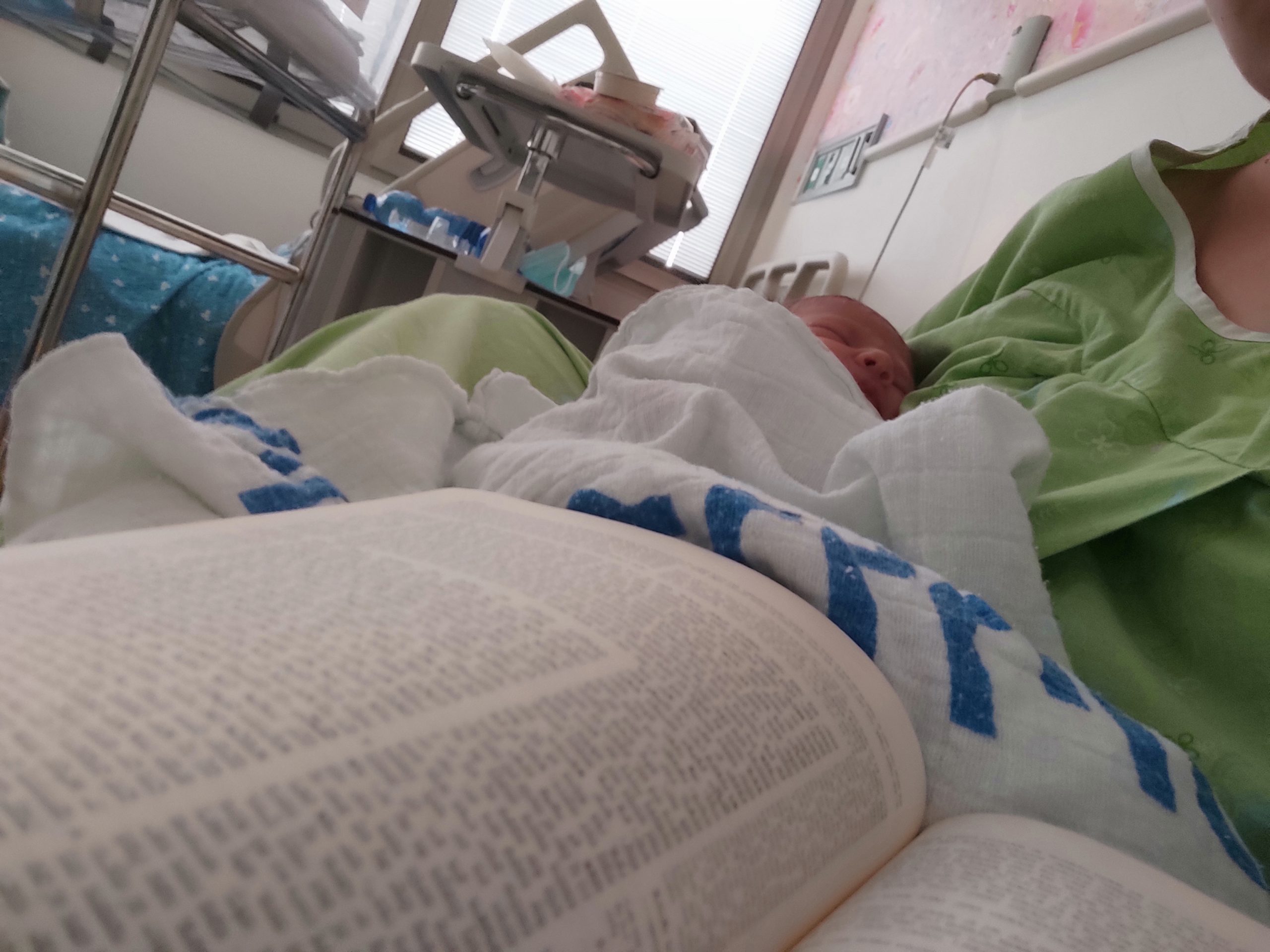
נועה שילה
רבבה, ישראל
התחלתי ללמוד בסבב הנוכחי לפני כשנתיים .הסביבה מתפעלת ותומכת מאוד. אני משתדלת ללמוד מכל ההסכתים הנוספים שיש באתר הדרן. אני עורכת כל סיום מסכת שיעור בביתי לכ20 נשים שמחכות בקוצר רוח למפגשים האלו.

יעל אשר
יהוד, ישראל
A friend in the SF Bay Area said in Dec 2019 that she might start listening on her morning drive to work. I mentioned to my husband and we decided to try the Daf when it began in Jan 2020 as part of our preparing to make Aliyah in the summer.
חנה פיוטרקובסקי
ירושלים, Israel
באירוע של הדרן בנייני האומה. בהשראתה של אמי שלי שסיימה את הש”ס בסבב הקודם ובעידוד מאיר , אישי, וילדיי וחברותיי ללימוד במכון למנהיגות הלכתית של רשת אור תורה סטון ומורתיי הרבנית ענת נובוסלסקי והרבנית דבורה עברון, ראש המכון למנהיגות הלכתית.
הלימוד מעשיר את יומי, מחזיר אותי גם למסכתות שכבר סיימתי וידוע שאינו דומה מי ששונה פרקו מאה לשונה פרקו מאה ואחת במיוחד מרתקים אותי החיבורים בין המסכתות

רוית קלך
מודיעין, ישראל
רציתי לקבל ידע בתחום שהרגשתי שהוא גדול וחשוב אך נעלם ממני. הלימוד מעניק אתגר וסיפוק ומעמיק את תחושת השייכות שלי לתורה וליהדות
רות עגיב
עלי זהב – לשם, ישראל
בסוף הסבב הקודם ראיתי את השמחה הגדולה שבסיום הלימוד, בעלי סיים כבר בפעם השלישית וכמובן הסיום הנשי בבנייני האומה וחשבתי שאולי זו הזדמנות עבורי למשהו חדש.
למרות שאני שונה בסביבה שלי, מי ששומע על הלימוד שלי מפרגן מאוד.
אני מנסה ללמוד קצת בכל יום, גם אם לא את כל הדף ובסך הכל אני בדרך כלל עומדת בקצב.
הלימוד מעניק המון משמעות ליום יום ועושה סדר בלמוד תורה, שתמיד היה (ועדיין) שאיפה. אבל אין כמו קביעות

רחלי מנדלסון
טל מנשה, ישראל
התחלתי ללמוד גמרא בבית הספר בגיל צעיר והתאהבתי. המשכתי בכך כל חיי ואף היייתי מורה לגמרא בבית הספר שקד בשדה אליהו (בית הספר בו למדתי בילדותי)בתחילת מחזור דף יומי הנוכחי החלטתי להצטרף ובע”ה מקווה להתמיד ולהמשיך. אני אוהבת את המפגש עם הדף את "דרישות השלום ” שמקבלת מקשרים עם דפים אחרים שלמדתי את הסנכרון שמתחולל בין התכנים.
אריאלה ביגמן
מעלה גלבוע, ישראל
התחלתי ללמוד דף יומי באמצע תקופת הקורונה, שאבא שלי סיפר לי על קבוצה של בנות שתיפתח ביישוב שלנו ותלמד דף יומי כל יום. הרבה זמן רציתי להצטרף לזה וזאת הייתה ההזדמנות בשבילי. הצטרפתי במסכת שקלים ובאמצע הייתה הפסקה קצרה. כיום אני כבר לומדת באולפנה ולומדת דף יומי לבד מתוך גמרא של טיינזלץ.

שבות בראלי
עתניאל, ישראל
. לא תמיד נהניתי מלימוד גמרא כילדה.,בל כהתבגרתי התחלתי לאהוב את זה שוב. התחלתי ללמוד מסכת סוטה בדף היומי לפני כחמש עשרה שנה ואז הפסקתי.הגעתי לסיום הגדול של הדרן לפני שנתיים וזה נתן לי השראה. והתחלתי ללמוד למשך כמה ימים ואז היתה לי פריצת דיסק והפסקתי…עד אלול השנה. אז התחלתי עם מסכת ביצה וב”ה אני מצליחה לעמוד בקצב. המשפחה מאוד תומכת בי ויש כמה שגם לומדים את זה במקביל. אני אוהבת שיש עוגן כל יום.

רבקה דרשן
בית שמש, ישראל
התחלתי לפני 8 שנים במדרשה. לאחרונה סיימתי מסכת תענית בלמידה עצמית ועכשיו לקראת סיום מסכת מגילה.

דניאלה ברוכים
רעננה, ישראל
כבר סיפרתי בסיום של מועד קטן.
הלימוד מאוד משפיעה על היום שלי כי אני לומדת עם רבנית מישל על הבוקר בזום. זה נותן טון לכל היום – בסיס למחשבות שלי .זה זכות גדול להתחיל את היום בלימוד ובתפילה. תודה רבה !

שרה ברלוביץ
ירושלים, ישראל
סיום השס לנשים נתן לי מוטביציה להתחיל ללמוד דף יומי. עד אז למדתי גמרא בשבתות ועשיתי כמה סיומים. אבל לימוד יומיומי זה שונה לגמרי ופתאום כל דבר שקורה בחיים מתקשר לדף היומי.

קרן פוגל
רתמים, ישראל
יומא כד
לְרַבּוֹת אֶת הַשְּׁחָקִים.
The phrase comes to include worn out garments, teaching that as long as they have not become tattered they may be used for Temple services.
״וְהִנִּיחָם שָׁם״, מְלַמֵּד שֶׁטְּעוּנִין גְּנִיזָה. רַבִּי דּוֹסָא אוֹמֵר: רְאוּיִן הֵן לְכֹהֵן הֶדְיוֹט, וּמָה תַּלְמוּד לוֹמַר ״וְהִנִּיחָם שָׁם״ — שֶׁלֹּא יִשְׁתַּמֵּשׁ בָּהֶן יוֹם הַכִּפּוּרִים אַחֵר.
The Gemara continues with another baraita connected to this debate. With regard to the garments of the High Priest, the Torah states: “And Aaron shall go into the tent of meeting, and he shall take off the linen garments that he had put on when he went into the Sanctuary, and shall leave them there” (Leviticus 16:23). This verse teaches that the linen garments worn by the High Priest during the Yom Kippur service require storing away, i.e., they may not be used again. Rabbi Dosa says: They do not have to be stored away, because although they may not be used again by the High Priest on a subsequent Yom Kippur, they are acceptable for use for a common priest. And what, then, is the meaning when the verse states: “And shall leave them there,” which implies that they are not to be used again? It means that the High Priest himself may not use them on a subsequent Yom Kippur for service in the Holy of Holies; it does not mean that they may not be used at all.
מַאי לָאו בְּהָא קָא מִיפַּלְגִי, דְּמָר סָבַר: עֲבוֹדָה הִיא, וּמָר סָבַר: לָאו עֲבוֹדָה הִיא.
The Gemara returns to the question of whether or not the removal of the ashes is considered a bona fide Temple service, requiring all four priestly garments, and whether or not this is the subject of debate between tanna’im. What, is it not with regard to this that Rabbi Yehuda and Rabbi Dosa disagree: One Sage, Rabbi Yehuda, who derives from the phrase “he shall wear” that all four garments are required, holds that the removal of the ashes is a bona fide service; and one Sage, Rabbi Dosa, who derives a different teaching from “he shall wear,” holds that it is not a bona fide service, and consequently only two of the four garments are required? Their dispute would therefore be identical to the dispute between Rabbi Yoḥanan and Reish Lakish.
לָא, דְּכוּלֵּי עָלְמָא עֲבוֹדָה הִיא, וְהָכָא בְּהָא קָא מִיפַּלְגִי, מָר סָבַר: צְרִיכָא קְרָא לְרַבּוֹיֵי, וּמָר סָבַר: לָא צְרִיכָא קְרָא לְרַבּוֹיֵי.
The Gemara rejects this suggestion: It is possible to say that this is not the subject of debate between these two tanna’im. Rather, everyone agrees that the removal of ashes is a bona fide Temple service requiring all four garments, and here they disagree about a different point, which is this: One Sage, Rabbi Yehuda, holds that a derivation from the verse is necessary to include the mitre and belt, which are not mentioned explicitly in the verse. And one Sage, Rabbi Dosa, holds that since the removal of the ash is a bona fide Temple service it is obvious that all four garments are required, so a derivation from a verse to include the other two garments is not necessary. Accordingly, both tanna’im are in agreement that the removal of ash is a bona fide service and requires all four priestly garments.
בָּעֵי רַבִּי אָבִין: תְּרוּמַת הַדֶּשֶׁן בְּכַמָּה? מִתְּרוּמַת מַעֲשֵׂר יָלְפִינַן לַהּ, אוֹ מִתְּרוּמַת מִדְיָן יָלְפִינַן לַהּ? תָּא שְׁמַע, דְּתָנֵי רַבִּי חִיָּיא: נֶאֱמַר כָּאן ״וְהֵרִים״, וְנֶאֱמַר לְהַלָּן ״וְהֵרִים״. מָה לְהַלָּן — בְּקוּמְצוֹ, אַף כָּאן — בְּקוּמְצוֹ.
§ Rabbi Avin raised a dilemma: How much ash must be removed in order to fulfill the mitzva of removal of the ashes? Do we derive it from the teruma of the tithe, the portion that the Levite sets aside for the priest, in which case one hundredth of the total is separated, or do we derive it from the donations that were set aside from the spoils of the war with Midian, where one five-hundredth was taken from the spoils of war (see Numbers 31:28)? Come and hear a teaching with regard to this dilemma. As Rabbi Ḥiyya taught in a baraita that it is stated here: “And he shall take up the ashes” (Leviticus 6:3), and it is said elsewhere, with regard to a meal-offering: “And he shall take up a handful of the choice flour of the meal-offering” (Leviticus 6:8). Just as there, the amount he removes is a handful of flour, so too, here, he removes a handful of ash. The amount of ashes removed from the altar is therefore not a fixed percentage of the total ash.
אָמַר רַב: אַרְבַּע עֲבוֹדוֹת זָר חַיָּיב עֲלֵיהֶן מִיתָה: זְרִיקָה, וְהַקְטָרָה, וְנִיסּוּךְ הַמַּיִם, וְנִיסּוּךְ הַיַּיִן. וְלֵוִי אָמַר: אַף תְּרוּמַת הַדֶּשֶׁן. וְכֵן תָּנֵי לֵוִי בְּמַתְנִיתֵיהּ: אַף תְּרוּמַת הַדֶּשֶׁן.
§ Rav said: Although a non-priest may not perform any Temple service, there are only four Temple services for which a non-priest is liable to receive the punishment of death by God’s hand for doing so. They are: Sprinkling sacrificial blood on the altar, and burning incense or parts of sacrificial animals on the altar, and pouring out the water libation on the altar on the festival of Sukkot, and pouring out the wine libation on the altar. And Levi said: This is true also for the removal of the ashes. And similarly, Levi taught in his collection of baraitot: The removal of ashes is also included among those services for which a non-priest incurs the death penalty if he performs them.
מַאי טַעְמָא דְרַב — דִּכְתִיב: ״וְאַתָּה וּבָנֶיךָ אִתְּךָ תִּשְׁמְרוּ אֶת כְּהוּנַּתְכֶם לְכׇל דְּבַר הַמִּזְבֵּחַ וּלְמִבֵּית לַפָּרוֹכֶת וַעֲבַדְתֶּם עֲבוֹדַת מַתָּנָה אֶתֵּן אֶת כְּהוּנַּתְכֶם וְהַזָּר הַקָּרֵב יוּמָת״. ״עֲבוֹדַת מַתָּנָה״ — וְלֹא עֲבוֹדַת סִילּוּק, ״וַעֲבַדְתֶּם״ — עֲבוֹדָה תַּמָּה, וְלֹא עֲבוֹדָה שֶׁיֵּשׁ אַחֲרֶיהָ עֲבוֹדָה.
The Gemara explains: What is the reason for Rav’s opinion? As it is written: “And you and your sons with you shall keep your priesthood in everything pertaining to the altar and to that within the veil; and you shall serve; I give you the priesthood as a service of gift; and the common man that draws near shall be put to death” (Numbers 18:7). Rav interprets this verse as follows: “A service of gift” indicates a service that involves giving, i.e., placing something on the altar, and not a service that involves removal from the altar, to the exclusion of removing the ashes. “And you shall serve [va’avadtem]” is interpreted as referring to a service that is complete [avoda tamma] on its own, such as sprinkling the blood, and not a service that is not complete, i.e., a service that is only a preparatory step and has another service after it that completes its purpose, such as slaughtering the animal or collecting its blood, which are only preparatory steps leading up to the sprinkling of the blood on the altar.
וְלֵוִי — רַבִּי רַחֲמָנָא ״לְכׇל דְּבַר הַמִּזְבֵּחַ״. וְרַב — הַהוּא לְאֵתוֹיֵי שֶׁבַע הַזָּאוֹת שֶׁבִּפְנִים וְשֶׁבִּמְצוֹרָע.
And what is the reason for the opinion of Levi? Why does he include the removal of ashes? According to him, the Merciful One includes this service by adding “in everything pertaining to the altar,” which teaches that all actions performed on the altar, including the removal of ashes, are significant and are prohibited to a non-priest on pain of death. The Gemara asks: And what does Rav learn from the phrase “in everything pertaining to the altar”? The Gemara answers: According to him, the word “everything” in that phrase comes to include the seven sprinklings that are performed inside the Sanctuary, when the blood of certain offerings is sprinkled on the veil of the Holy of Holies, and the seven sprinklings of oil of the leper, which are also performed inside the Sanctuary. Rav learns from the word “everything” that if a non-priest were to perform any of these actions he would be liable to receive the death penalty, despite the fact that they are not performed on the altar.
וְלֵוִי — נָפְקָא לֵיהּ מִ״דְּבַר״ וְ״כׇל דְּבַר״. וְרַב — ״דְּבַר״ וְ״כׇל דְּבַר״ לָא דָּרֵישׁ.
The Gemara asks: And from where does Levi derive these cases? The Gemara answers: He derives them from the superfluous wording of the text. As the entire phrase “pertaining to the altar” is superfluous, he derives from this the inclusion of the removal of the ashes. Additionally, the expression “everything pertaining” implies a further inclusion, from which he derives the internal sprinklings mentioned above. And what does Rav learn from this superfluous wording? Rav does not derive anything particular from the distinction between the expressions “pertaining to the altar” and “everything pertaining to the altar.”
וְאֵימָא: ״לְכׇל דְּבַר הַמִּזְבֵּחַ״ — כָּלַל, ״עֲבוֹדַת מַתָּנָה״ — פָּרַט, כְּלָל וּפְרָט. אֵין בַּכְּלָל אֶלָּא מַה שֶּׁבַּפְּרָט: עֲבוֹדַת מַתָּנָה — אִין, עֲבוֹדַת סִילּוּק — לָא! אָמַר קְרָא:
The Gemara asks about Levi’s position: But say that the verse should be interpreted as follows: “In everything pertaining” is a generalization, and “a service of gift” is a specification, indicating a case of a generalization followed by a specification. One of the principles of hermeneutics states that in such cases, the generalization includes only what is mentioned explicitly in the specification. Following that rule, one would conclude: A service of giving, i.e., placing on the altar, yes, this is included, but a service of removal is not included. This presents a difficulty for Levi. The Gemara responds that the verse states:
״וּלְמִבֵּית לַפָּרוֹכֶת וַעֲבַדְתֶּם״, ״אֶל מִבֵּית לַפָּרוֹכֶת״ הוּא דַּעֲבוֹדַת מַתָּנָה וְלֹא עֲבוֹדַת סִילּוּק. הָא בַּחוּץ — אֲפִילּוּ עֲבוֹדַת סִילּוּק.
“To that within the veil; and you shall serve; I give you the priesthood as a service of gift” (Numbers 18:7), indicating that it is only with regard to services that are performed within the veil, i.e., in the Holy of Holies, that there is a distinction between services, and a non-priest who performs services of giving there, such as sprinkling the blood inside the Holy of Holies on Yom Kippur, is subject to the death penalty, but not one who performs services of removing there, such as the removal of the censer from the Holy of Holies on Yom Kippur. This leads to the conclusion that when it comes to services performed outside of the Holy of Holies, a non-priest would be liable if he performed any service, even a service of removal, such as the removal of ashes from the altar.
אִי הָכִי, ״וַעֲבַדְתֶּם״ נָמֵי, ״אֶל מִבֵּית לַפָּרוֹכֶת״ הוּא דַּעֲבוֹדָה תַּמָּה וְלֹא עֲבוֹדָה שֶׁיֵּשׁ אַחֲרֶיהָ עֲבוֹדָה. הָא בַּחוּץ — אֲפִילּוּ עֲבוֹדָה שֶׁיֵּשׁ אַחֲרֶיהָ עֲבוֹדָה!
The Gemara asks: If it is so that the limitations of the verse apply only to those services performed in the Holy of Holies, one should say that the phrase: “And you shall serve [va’avadtem],” from which it is derived that one is liable only for a service that is complete [avoda tamma] on its own and not incomplete, should also be similarly limited to services performed to what is within the veil. In that case, the liability of the non-priest, which is limited to cases where he performs a complete service and does not apply if he performs a service that is only preparatory and has another service after it that completes its purpose, should apply only to services performed in the Holy of Holies. But for services performed outside the Holy of Holies, a non-priest should be liable even if it is a service that is incomplete and has a service after it.
״וַעֲבַדְתֶּם״ הֲדַר עָרְבֵיהּ קְרָא.
The Gemara answers: The phrase: “And you shall serve [va’avadtem],” which begins with the conjunction vav, meaning: And, indicates that the verse goes back and combines the service performed within the veil to services performed outside of it. This teaches that with regard to this halakha there is no difference between a service performed outside and a service performed inside.
בָּעֵי רָבָא: עֲבוֹדַת סִילּוּק בַּהֵיכָל, מַהוּ? לִפְנִים מְדַמֵּינַן לֵיהּ, אוֹ לְחוּץ מְדַמֵּינַן לֵיהּ?
According to Levi, if a non-priest performs a service involving removal within the veil, i.e., in the Holy of Holies, he does not incur the death penalty, but if he performs a service involving removal outside, such as the removal of the ashes from the external altar, he is liable to the death penalty. Rava raised a dilemma relating to Levi’s approach: What would be the halakha with regard to a service of removal performed in the Sanctuary chamber that is before the Holy of Holies, such as removing the burnt incense from the inner altar, or removing burnt wicks and leftover oil from the candelabrum? Do we compare such an act to a service performed inside the Holy of Holies, so that he would be exempt from the death penalty, or do we compare it to the outer service?
הֲדַר פַּשְׁטַהּ: ״מִבֵּית״, ״וּלְמִבֵּית״.
Rava himself went back and resolved the dilemma: Had the Torah said only: Within the veil, it would have been understood that it is referring only to actions performed in the Holy of Holies. But since the Torah says: And to what is within the veil, the added conjunction: And, teaches that it is referring to something else besides the Holy of Holies, i.e., the Sanctuary.
אֶלָּא מֵעַתָּה, זָר שֶׁסִּידֵּר אֶת הַשֻּׁלְחָן לִיחַיַּיב! אִיכָּא סִידּוּר בָּזִיכִין. סִידֵּר בָּזִיכִין לִיחַיַּיב! אִיכָּא סִילּוּק וְהַקְטָרָה.
The Gemara asks: However, if it is so that a non-priest is liable for performing a service that is complete on its own that takes place in the Sanctuary, one should say that a non-priest who arranges the loaves on the shewbread table should be liable. The Gemara answers: After arranging the bread there is still the arranging of the vessels of frankincense on the table that remains to be done, so the arrangement of the bread is not a service that is complete on its own. The Gemara asks: If so, a non-priest who arranges the vessels of frankincense on the table should be liable. The Gemara rejects this: After arranging the vessels, there is still the removal of these vessels and the burning of their frankincense on the altar that remain to be done; therefore, arranging the vessels is not considered a service that is complete on its own.
זָר שֶׁסִּידֵּר אֶת הַמְנוֹרָה לִיחַיַּיב! אִיכָּא נְתִינַת פְּתִילָה. נָתַן פְּתִילָה לִיחַיַּיב! אִיכָּא נְתִינַת שֶׁמֶן.
The Gemara asks further with regard to the notion that a non-priest is liable for performing a service that is complete on its own that takes place in the Sanctuary: If so, a non-priest who arranges the lamps of the candelabrum should be liable. The Gemara rejects this: There is still the placing of the wicks in the lamps that remains to be done, so arranging the lamps is not considered a service that is complete on its own. The Gemara asks: If so, a non-priest who placed a wick in the candelabrum’s lamps should be liable. The Gemara answers: That too is not a service that is complete on its own, as there is still the necessity of placing the oil.
נָתַן שֶׁמֶן לִיחַיַּיב! אִיכָּא הַדְלָקָה. הִדְלִיק לִיחַיַּיב! הַדְלָקָה לָאו עֲבוֹדָה הִיא.
The Gemara asks: If so, a non-priest who placed the oil should be liable. The Gemara answers: That too is not a service that is complete on its own, as there is still the service of lighting that needs to be done. The Gemara asks: If so, if a non-priest who lit the lamps should be liable. The Gemara answers: Lighting the lamps is not considered a bona fide Temple service, since in doing so nothing is done to the candelabrum itself.
וְלָא? וְהָתַנְיָא: ״וְנָתְנוּ בְּנֵי אַהֲרֹן הַכֹּהֵן אֵשׁ עַל הַמִּזְבֵּחַ וְעָרְכוּ עֵצִים עַל הָאֵשׁ״, לִימֵּד עַל הַצָּתַת אֲלִיתָא שֶׁלֹּא תְּהֵא אֶלָּא בְּכֹהֵן כָּשֵׁר וּבִכְלִי שָׁרֵת! הַצָּתַת אֲלִיתָא — עֲבוֹדָה הִיא, הַדְלָקָה — לָאו עֲבוֹדָה הִיא.
The Gemara asks: And is kindling a fire really not considered a Temple service? But wasn’t it taught in a baraita that it is written: “And the sons of Aaron the priest shall put fire upon the altar and lay out wood in order upon the fire” (Leviticus 1:7), which teaches that the kindling of chips [alita] added to keep the altar’s fire going must be performed only by a proper priest and that he must be wearing the priestly garments? This shows that kindling is considered a service. The Gemara answers: Kindling the chips is a bona fide service, but lighting the candelabrum is not a bona fide service.
אֶלָּא מֵעַתָּה, זָר שֶׁסִּידֵּר אֶת הַמַּעֲרָכָה לִיחַיַּיב! אִיכָּא סִידּוּר שְׁנֵי גְּזִירֵי עֵצִים. סִידֵּר שְׁנֵי גְזִירִין לִיחַיַּיב! אִיכָּא סִידּוּר אֵבָרִים.
The Gemara further asks: However, if it is so that a non-priest is liable for performing any service involving placing, as established above, a non-priest who set up the arrangement of wood on the altar should be liable, since that is a service involving placing. The Gemara answers: There is still the mitzva of the arrangement of two logs on the altar that remains to be done, so that setting up the arrangement of wood is not a service that is complete on its own. The Gemara asks: If so, a non-priest who arranged the two logs should be liable. The Gemara answers: There is still the arrangement of limbs of offerings on the fire that remains to be done, so placing the two logs is also not considered a service that is complete on its own.
וְהָא אָמַר רַב אַסִּי אָמַר רַבִּי יוֹחָנָן: זָר שֶׁסִּידֵּר שְׁנֵי גְּזִירֵי עֵצִים חַיָּיב! בְּהָא פְּלִיגִי, מָר סָבַר: עֲבוֹדָה תַּמָּה הִיא, וּמָר סָבַר: לָאו עֲבוֹדָה תַּמָּה הִיא.
The Gemara asks: But didn’t Rav Asi say that Rabbi Yoḥanan said: A non-priest who arranged the two pieces of wood is liable? This shows that placing the two logs is a complete service and contradicts Rav’s statement that a non-priest is liable only if he performs the four services that he mentioned above. The Gemara answers: Indeed, Rav and Rabbi Yoḥanan disagree on this point. One Sage, Rabbi Yoḥanan, holds that the placement of the two logs is a service that is complete on its own, as the arrangement of limbs that follows is not considered a continuation of the setting up of the wood; and one Sage, Rav, holds that the placement of the two logs is not considered a service that is complete on its own, since it is followed by the arrangement of the limbs on the wood.
תַּנְיָא כְּווֹתֵיהּ דְּרַב, תַּנְיָא כְּווֹתֵיהּ דְּלֵוִי. תַּנְיָא כְּווֹתֵיהּ דְּרַב: עֲבוֹדוֹת שֶׁזָּר חַיָּיב עֲלֵיהֶם מִיתָה: זְרִיקַת דָּם בֵּין לְפָנִים בֵּין לִפְנַי וְלִפְנִים, וְהַמַּזֶּה בְּחַטַּאת הָעוֹף, וְהַמְמַצֶּה, וְהַמַּקְטִיר בְּעוֹלַת הָעוֹף, וְהַמְנַסֵּךְ שְׁלֹשָׁה לוּגִּין מַיִם, וּשְׁלֹשָׁה לוּגִּין יַיִן.
The Gemara returns to the disagreement between Rav and Levi and notes: It was taught in a baraita in accordance with the opinion of Rav, and it was taught in a second baraita in accordance with the opinion of Levi. It was taught in a baraita in accordance with the opinion of Rav: These are the services for which a non-priest who performs them is liable to receive the penalty of death by God’s hand: One who performs the sprinkling of blood, whether inside the Sanctuary; on the golden altar or at the veil; or inside the innermost chamber, the Holy of Holies, on Yom Kippur; or outside on the main altar; and one who sprinkles blood in the case of a bird sin-offering; and one who squeezes the blood of a bird burnt-offering on the wall of the altar or burns the bird on the altar; and one who pours out three log of water on the altar for the Sukkot water libation or three log of wine on the altar for an ordinary libation. The removal of ashes from the altar is not listed here.
תַּנְיָא כְּווֹתֵיהּ דְּלֵוִי: עֲבוֹדוֹת שֶׁזָּר חַיָּיב עֲלֵיהֶן מִיתָה: הַמֵּרִים אֶת הַדֶּשֶׁן, וְשֶׁבַע הַזָּאוֹת שֶׁבִּפְנִים, וְשֶׁבִּמְצוֹרָע, וְהַמַּעֲלֶה עַל גַּבֵּי הַמִּזְבֵּחַ בֵּין דָּבָר כָּשֵׁר בֵּין דָּבָר פָּסוּל.
It was taught in a baraita in accordance with the opinion of Levi: These are the services for which a non-priest who performs them is liable to receive the penalty of death by God’s hand: One who removes the ashes from the altar; one who performs the seven sprinklings that are performed inside the Sanctuary or the sprinklings of the leper; and one who raises up an offering onto the altar, whether it is a proper offering or a disqualified one. In this baraita, the removal of ashes is listed.
לָמָּה מְפַיְּסִין? לָמָּה מְפַיְּסִין?! כְּדַאֲמַרַן! אֶלָּא: לָמָּה מְפַיְּסִין וְחוֹזְרִין וּמְפַיְּסִין!
§ The Gemara returns to its interpretation of the mishna. The mishna states that there were four lotteries held in the Temple every day. One of the Sages asked: Why did the Temple authorities hold lotteries? Before answering the question, the Gemara expresses astonishment at the question itself: Why did they hold lotteries? The reason is as we said clearly in the mishna: To prevent quarrels among the priests. The Gemara explains: Rather, this is the meaning of the question: Why did they assemble all the priests together and hold a lottery, and once again gather them together to hold another lottery, four times, when the priests could be gathered one time and all the necessary lotteries held at that time?
אָמַר רַבִּי יוֹחָנָן: כְּדֵי לְהַרְגִּישׁ כׇּל הָעֲזָרָה, שֶׁנֶּאֱמַר: ״אֲשֶׁר יַחְדָּיו נַמְתִּיק סוֹד בְּבֵית אֱלֹהִים נְהַלֵּךְ בְּרָגֶשׁ״.
Rabbi Yoḥanan said: It was done this way in order to create a commotion throughout the Temple courtyard, as the priests would converge from all over to assemble there, as it is stated: “We took sweet counsel together, in the House of God we walked with the throng” (Psalms 55:15). This verse teaches that it is proper to stir up a commotion and to cause public excitement in the course of the Temple services and the preliminary steps leading up to them, such as the assignment of tasks to the priests.
בַּמֶּה מְפַיְּסִין? רַב נַחְמָן אָמַר: בְּבִגְדֵי חוֹל, וְרַב שֵׁשֶׁת אָמַר: בְּבִגְדֵי קֹדֶשׁ.
The Gemara asks: With what garments were the priests clothed when they held the lottery? Rav Naḥman said: The priests were clothed in their own non-sacred garments. And Rav Sheshet said: The priests were dressed in the priestly sacred garments.
רַב נַחְמָן אָמַר: בְּבִגְדֵי חוֹל, דְּאִי אָמְרַתְּ בְּבִגְדֵי קֹדֶשׁ, אִיכָּא בַּעֲלֵי זְרוֹעוֹת דְּחָמְסִי וְעָבְדִי. רַב שֵׁשֶׁת אָמַר: בְּבִגְדֵי קֹדֶשׁ, דְּאִי אָמְרַתְּ בְּבִגְדֵי חוֹל, אַגַּב חַבִּיבוּתֵיהּ מִיקְּרוּ וְעָבְדִי.
The Gemara explains the two approaches. Rav Naḥman said: The priests were dressed in non-sacred garments, because if you say the lottery was to be held when they were dressed in their sacred garments, there are strong-armed men who might act with force and perform the service even if they did not win the lottery. Since they were already wearing the sacred garments, they would simply force their way into performing the service. Rav Sheshet said: They were wearing the sacred garments, as, if you say they wore their non-sacred garments, due to the fact that the service was so beloved to them, in their excitement over having been granted the privilege to perform the service, it may happen that they would perform the service immediately, forgetting to don their sacred garments, thereby disqualifying the service.
אָמַר רַב נַחְמָן: מְנָא אָמֵינָא לַהּ, דִּתְנַן: מְסָרוּן לַחַזָּנִין וְהָיוּ מַפְשִׁיטִין אוֹתָן אֶת בִּגְדֵיהֶן, וְלֹא הָיוּ מַנִּיחִין עֲלֵיהֶן אֶלָּא מִכְנָסַיִם בִּלְבַד.
Rav Naḥman said: From where do I state my opinion? As we learned in a mishna: After the lottery they gave the priests over to the attendants, and they would take their clothes off them and they would leave only their trousers on them.
לעקוב

