








הגמרא הביאה שתי גרסאות שונות לדברי רבי יוחנן האם זר חייב מיתה אם מסדר את המערכה או שני גזירי עצים. וגם יש גרסה שונה לשאלה ששאל רבי זירא על הגרסה המקורית של דברי רבי יוחנן. בבית המקדש, כיצד קבעו מתי החלה השמש לעלות על מנת לאפשר את תחילת הפעילות היומית של המקדש? איזה סוג של בעיות מתעורר בשימוש בצללים או קרני אור שעלולים להיכנס למקדש מבחוץ כדי לקבוע את השעה ביום? תפילת מנחה של אברהם היה מיד לאחר חצות – מדוע אנחנו מאחרים את שעת מנחה? על פי הגמרא, אברהם קיים את כל המצוות, כולל עירוב תבשילין. הכהן הגדול היה מתחיל את יומו ביום כיפור בטבילה במקווה ובקידוש ידיים ורגליים.
רוצה להקדיש לימוד?
יומא כח
וַהֲרֵי אֵבָרִים וּפְדָרִים! סוֹף עֲבוֹדָה דִימָמָא הִיא. וַהֲרֵי תְּרוּמַת הַדֶּשֶׁן! תְּחִילַּת עֲבוֹדָה דִימָמָא הִיא, דְּאָמַר רַבִּי יוֹחָנָן: קִדֵּשׁ יָדָיו לִתְרוּמַת הַדֶּשֶׁן, לְמָחָר אֵינוֹ צָרִיךְ לְקַדֵּשׁ, שֶׁכְּבָר קִדֵּשׁ מִתְּחִלַּת עֲבוֹדָה. אֶלָּא קַשְׁיָא!
The Gemara expresses wonder at Rabbi Zeira’s equation of these two issues: But isn’t there the burning of the limbs and the fats? The Gemara answers: That is not difficult, because the burning of the limbs and the fats is the end of the daytime service. The Gemara asks further: But isn’t there the removal of the ashes? The Gemara rejects that argument: Removing the ashes is the start of the daytime service, as Rabbi Yoḥanan said: If a priest sanctified his hands at night by washing them for the removal of the ashes, the next day, i.e., after daybreak, he need not sanctify his hands again, as he already sanctified them at the start of the service. Rabbi Zeira’s equation between services that are incomplete by themselves and services for which a non-priest does not incur the death penalty therefore remains intact. If so, the question that he asked concerning Rabbi Yoḥanan’s statement remains difficult.
אֶלָּא: אִי אִתְּמַר, הָכִי אִתְּמַר: אָמַר רַבִּי אַסִּי אָמַר רַבִּי יוֹחָנָן: זָר שֶׁסִּידֵּר שְׁנֵי גְּזִירֵי עֵצִים — חַיָּיב, הוֹאִיל וַעֲבוֹדָה תַּמָּה הִיא.
Rather, Rabbi Yoḥanan’s statement must be revised, and one must posit that when it was stated, this is how it was stated: Rabbi Asi said that Rabbi Yoḥanan said: A non-priest who arranges the two logs is liable to receive the death penalty, since it is a service that is complete, i.e., it is not followed and completed by a subsequent service. Although the burning of the limbs upon the altar follows the placement of the logs, that is considered to be an independent act, not the completion of the service of placing the logs. This is because the placing of the logs is done while still night, while the burning of the limbs cannot be done until daybreak.
מַתְקֵיף לַהּ רָבָא: אֶלָּא מֵעַתָּה תִּבְעֵי פַּיִיס! וְלָא בָּעֲיָא פַּיִיס? וְהָתַנְיָא: מִי שֶׁזָּכָה בִּתְרוּמַת הַדֶּשֶׁן — יִזְכֶּה בְּסִידּוּר שְׁנֵי גְּזִירֵי עֵצִים!
Rava strongly objects to this: However, if that is so, the service of placing the two logs should require a lottery. The Gemara expresses surprise at Rava’s comment: And doesn’t it require a lottery? Wasn’t it taught in a baraita: Whoever was privileged to perform the removal of the ashes is also privileged to perform the arrangement of the two logs? There was in fact a lottery for arranging the two logs.
הָכִי קָאָמַר: יְפַיְּיסוּ לָהּ בִּפְנֵי עַצְמָהּ! כִּדְאָמְרִינַן.
Rather, this is what Rava actually said: If placing the logs is considered a complete service and is therefore a task important enough to warrant the death penalty for a non-priest who performs it, they should hold a separate lottery for it by itself. The Gemara answers: It is as we said at the beginning of the chapter, that the task of placing the logs was added to the lottery for the removal of ashes as an incentive for the priests to rise before dawn (Rabbeinu Ḥananel).
לְמֵימְרָא דַּעֲבוֹדָה תַּמָּה וְזָר חַיָּיב עָלֶיהָ מִיתָה — בָּעֲיָא פַּיִיס, אֵין זָר חַיָּיב עָלֶיהָ מִיתָה — לָא בָּעֲיָא פַּיִיס? וַהֲרֵי שְׁחִיטָה! שָׁאנֵי שְׁחִיטָה, דִּתְחִילַּת עֲבוֹדָה דִימָמָא הִיא.
Based on Rava’s comments, the Gemara asks: Is that to say that any service that is a complete service and for which a non-priest would be liable to receive the death penalty requires a lottery, but if a non-priest would not be liable to receive the death penalty it would not require a lottery? But isn’t there slaughtering, which may be performed by non-priest and yet requires a lottery? The Gemara rejects this point: Slaughtering is different, because it is the beginning of the daytime service, which gives it added importance.
לְמֵימְרָא דַּעֲבוֹדָה תַּמָּה — בָּעֲיָא פַּיִיס, עֲבוֹדָה שֶׁיֵּשׁ אַחֲרֶיהָ עֲבוֹדָה — לָא בָּעֲיָא פַּיִיס? וַהֲרֵי אֵבָרִים וּפְדָרִים! סוֹף עֲבוֹדָה דִימָמָא הִיא. הֲרֵי תְּרוּמַת הַדֶּשֶׁן? מִשּׁוּם מַעֲשֶׂה שֶׁהָיָה.
The Gemara asks further on Rava’s statement: Is that to say that a service that is complete requires a lottery, whereas a service which is followed by a subsequent service that completes it does not require a lottery? But isn’t there the burning of the limbs and the fats? The Gemara answers: That is not difficult because the burning of the limbs and the fats is the end of the daytime service. The Gemara asks: Isn’t there the removal of the ashes? The Gemara answers: A lottery was established for that service only due to the incident that occurred when the priests came to danger.
אָמַר מָר זוּטְרָא וְאִיתֵּימָא רַב אָשֵׁי: אַף אֲנַן נָמֵי תְּנֵינָא: אָמַר לָהֶם הַמְמוּנֶּה צְאוּ וּרְאוּ אִם הִגִּיעַ זְמַן הַשְּׁחִיטָה. וְאִילּוּ ״זְמַן סִידּוּר גְּזִירֵי עֵצִים״ לָא קָתָנֵי.
As explained above, the reason Rabbi Yoḥanan holds that the arrangement of the logs is a complete service, and is not considered a prelude to the burning of limbs, is because the former is a nighttime service and the latter is a daytime service. Mar Zutra, and some say Rav Ashi, said: We too have learned in a mishna that the arrangement of the two logs is a nighttime service. As we learned: The appointed priest said to them: Go out and see if the time for slaughtering has arrived, whereas the mishna did not teach: See whether the time for arranging the two logs has arrived. This shows that arranging the logs may be done while it is still night; it is therefore not considered to be connected to, and complemented by, the placing of the limbs the following day.
הָךְ דְּלֵית לַהּ תַּקַּנְתָּא — קָתָנֵי, הָךְ דְּאִית לַהּ תַּקַּנְתָּא — לָא קָתָנֵי.
The Gemara rejects this proof: The reason the mishna mentions slaughtering is that it prefers to teach this statement with regard to that which has no rectification if it is done at night, such as slaughtering the offering, which is rendered irreparably invalid if performed before daybreak. It does not want to teach it with regard to something that has rectification if done at night, such as arranging the two logs, which can always be removed and replaced properly. However, it is possible that the proper time for arranging the logs is daytime, and therefore it may be regarded as a service that is completed by the subsequent burning of limbs on the altar.
הֲדַרַן עֲלָךְ בָּרִאשׁוֹנָה
אָמַר לָהֶם הַמְמוּנֶּה: צְאוּ וּרְאוּ אִם הִגִּיעַ זְמַן הַשְּׁחִיטָה. אִם הִגִּיעַ, הָרוֹאֶה אוֹמֵר: ״בַּרְקַאי״. מַתְיָא בֶּן שְׁמוּאֵל אוֹמֵר: ״הֵאִיר פְּנֵי כׇּל הַמִּזְרָח עַד שֶׁבְּחֶבְרוֹן?״ וְהוּא אוֹמֵר: ״הֵן!״ וְלָמָּה הוּצְרְכוּ לְכָךְ? שֶׁפַּעַם אַחַת עָלָה מְאוֹר הַלְּבָנָה, וְדִימּוּ שֶׁהֵאִיר מִזְרָח, וְשָׁחֲטוּ אֶת הַתָּמִיד, וְהוֹצִיאוּהוּ לְבֵית הַשְּׂרֵיפָה.
MISHNA: The appointed priest said to the other priests: Go out and observe if it is day and the time for slaughter has arrived. If the time has arrived, the observer says: There is light [barkai]. Matya ben Shmuel says that the appointed priest phrased his question differently: Is the entire eastern sky illuminated even to Hebron? And the observer says: Yes. And why did they need to ascertain whether or not it is day, which is typically evident to all? It was necessary, as once, the light of the moon rose, and they imagined that the eastern sky was illuminated with sunlight, and they slaughtered the daily offering before its appropriate time. The animal was later taken out to the place designated for burning and burned because it was slaughtered too early. In order to prevent similar errors in the future, the Sages instituted that they would carefully assess the situation until they were certain that it was day.
הוֹרִידוּ כֹּהֵן גָּדוֹל לְבֵית הַטְּבִילָה. זֶה הַכְּלָל הָיָה בַּמִּקְדָּשׁ: כָּל הַמֵּיסֵךְ אֶת רַגְלָיו — טָעוּן טְבִילָה, וְכׇל הַמֵּטִיל מַיִם — טָעוּן קִידּוּשׁ יָדַיִם וְרַגְלַיִם.
After the priests announced the start of the day, they led the High Priest down to the Hall of Immersion. The Gemara comments: This was the principle in the Temple: Anyone who covers his legs, a euphemism for defecating, requires immersion afterward; and anyone who urinates requires sanctification of the hands and feet with water from the basin afterward.
גְּמָ׳ תַּנְיָא, רַבִּי יִשְׁמָעֵאל אוֹמֵר: ״בָּרַק בַּרְקַאי״. רַבִּי עֲקִיבָא אוֹמֵר: ״עָלָה בַּרְקַאי״. נְחוּמָא בֶּן אַפְקַשְׁיוֹן אוֹמֵר: ״אַף בַּרְקַאי בְּחֶבְרוֹן״. מַתְיָא בֶּן שְׁמוּאֵל (אוֹמֵר): הַמְמוּנֶּה עַל הַפְּיָיסוֹת אוֹמֵר: ״הֵאִיר פְּנֵי כׇּל הַמִּזְרָח עַד שֶׁבְּחֶבְרוֹן״. רַבִּי יְהוּדָה בֶּן בְּתֵירָא אוֹמֵר: ״הֵאִיר פְּנֵי כׇּל הַמִּזְרָח עַד בְּחֶבְרוֹן, וְיָצְאוּ כׇּל הָעָם אִישׁ אִישׁ לִמְלַאכְתּוֹ״.
GEMARA: It was taught in a baraita that the Sages disputed the precise expression that was employed in the Temple. Rabbi Yishmael says that the formula is: The light flashed; Rabbi Akiva says: The light has risen, which is brighter than a mere flash. Naḥuma ben Apakshiyon says: There is even light in Hebron. Matya ben Shmuel says that the appointed priest in charge of the lotteries says: The entire eastern sky is illuminated all the way to Hebron. Rabbi Yehuda ben Beteira says that this is what the appointed priest said: The entire eastern sky is illuminated all the way to Hebron and the entire nation has gone out, each and every person to engage in his labor.
אִי הָכִי, נְגַהּ לֵיהּ טוּבָא? לִשְׂכּוֹר פּוֹעֲלִים קָאָמְרִינַן.
The Gemara questions Rabbi Yehuda ben Beteira’s version of the formula: If it is so that the people have gone to work, it has grown considerably lighter. People go to work after it is light. Apparently, Rabbi Yehuda ben Beteira is referring to a time after sunrise, not a time adjacent to dawn. The Gemara answers: It is that people have gone out to hire workers that we are saying. Owners of fields rose early, adjacent to dawn, to hire workers so that they could begin working when it is light.
אָמַר רַב סָפְרָא: צְלוֹתֵיהּ דְּאַבְרָהָם, מִכִּי מַשְׁחֲרִי כּוּתְלֵי.
§ Rav Safra said: The time for the afternoon prayer of Abraham begins from when the walls begin to blacken from shade. When the sun begins to descend from the middle of the sky, producing shadows on the walls, that marks the beginning of the setting of the sun and then the afternoon prayer may be recited.
אָמַר רַב יוֹסֵף: אֲנַן מֵאַבְרָהָם נֵיקוּם וְנִיגְמַר?! אָמַר רָבָא: תְּנָא גָּמַר מֵאַבְרָהָם וַאֲנַן לָא גָּמְרִינַן מִינֵּיהּ?! דְּתַנְיָא: ״וּבַיּוֹם הַשְּׁמִינִי יִמּוֹל בְּשַׂר עׇרְלָתוֹ״, מְלַמֵּד שֶׁכׇּל הַיּוֹם כָּשֵׁר לְמִילָה, אֶלָּא שֶׁהַזְּרִיזִין מַקְדִּימִין לְמִצְוֹת, שֶׁנֶּאֱמַר: ״וַיַּשְׁכֵּם אַבְרָהָם בַּבֹּקֶר וַיַּחֲבוֹשׁ וְגוֹ׳״.
Rav Yosef said: And will we arise and derive a halakha from Abraham? Didn’t Abraham live before the Torah was given to the Jewish people, and therefore halakhot cannot be derived from his conduct? Rava said: The tanna derived a halakha from Abraham’s conduct, and we do not derive a halakha from his conduct? As it was taught in a baraita with regard to the verse: “And on the eighth day the flesh of his foreskin shall be circumcised” (Leviticus 12:3), this verse teaches that the entire day is suitable for performance of the mitzva of circumcision. However, the vigilant are early in their performance of mitzvot and circumcise in the morning, as it is stated with regard to the binding of Isaac: “And Abraham arose early in the morning and saddled his donkey” (Genesis 22:3). He awakened early to fulfill the mitzva without delay. Apparently, halakha is derived from the conduct of Abraham.
אֶלָּא אָמַר רָבָא: רַב יוֹסֵף הָא קָא קַשְׁיָא לֵיהּ. דִּתְנַן: חָל עַרְבֵי פְּסָחִים לִהְיוֹת בְּעֶרֶב שַׁבָּת, נִשְׁחָט בְּשֵׁשׁ וּמֶחֱצָה, וְקָרֵב בְּשֶׁבַע וּמֶחֱצָה. וְנִשְׁחֲטֵיהּ מִכִּי מַשְׁחֲרִי כּוּתְלֵי!
Rather, Rava said: With regard to Rav Yosef, it was not the matter of deriving halakha from the conduct of Abraham that is difficult. Rather, this is difficult for him, as we learned in a mishna: When Passover eves occur on Shabbat eves, the daily afternoon offering is slaughtered at six and a half hours of the day and sacrificed on the altar at seven and a half hours. The afternoon offering was slaughtered as early as possible to enable all the Paschal lambs, which were slaughtered after the daily afternoon offering was sacrificed, to be slaughtered and roasted before sunset, so that no labor would be performed on Shabbat. Now, if indeed this halakha is derived from the conduct of Abraham, let us slaughter the offering even earlier, from when the walls begin to blacken, just after the end of the sixth hour of the day. Apparently, halakha is not derived from the conduct of Abraham.
מַאי קוּשְׁיָא? וְדִילְמָא כּוּתְלֵי דְּבֵית הַמִּקְדָּשׁ בְּשֵׁשׁ וּמֶחֱצָה מַשְׁחֲרִי, מִשּׁוּם דְּלָא מְכַוְּונִי טוּבָא. אִי נָמֵי, שָׁאנֵי אַבְרָהָם דְּאִיצְטַגְנִינוּת גְּדוֹלָה הָיְתָה בְּלִבּוֹ. אִי נָמֵי, מִשּׁוּם דְּזָקֵן וְיוֹשֵׁב בִּישִׁיבָה הֲוָה. דְּאָמַר רַבִּי חָמָא בְּרַבִּי חֲנִינָא: מִימֵיהֶן שֶׁל אֲבוֹתֵינוּ לֹא פָּרְשָׁה יְשִׁיבָה מֵהֶם.
The Gemara rejects this: What is the difficulty?
Perhaps the walls of the Temple begin to blacken only at six and a half hours of the day because they are not perfectly aligned. The Temple walls were broad at the bottom and gradually narrowed as they reached the top; therefore, the upper part of the wall did not cast a shadow on the wall opposite it until six and a half hours of the day.
Or, alternatively, it is different with regard to Abraham because there was great knowledge of astronomy [itztagninut] in his heart. He was able to precisely calculate the movements of the heavenly bodies and was therefore able to discern immediately after noon that the sun had begun its descent. Others require a half hour to be certain that the descent of the sun has begun.
Or, alternatively Abraham was different because he was an Elder and sat and studied Torah in a yeshiva, where the Divine Presence rests. There he developed the expertise to determine the precise hour. As Rabbi Ḥama, son of Rabbi Ḥanina, said: From the days of our ancestors, yeshiva never left them. Our ancestors were leaders of their generations, who taught Torah to students who came to them.
הָיוּ בְּמִצְרַיִם — יְשִׁיבָה עִמָּהֶם, שֶׁנֶּאֱמַר: ״לֵךְ וְאָסַפְתָּ אֶת זִקְנֵי יִשְׂרָאֵל״. הָיוּ בַּמִּדְבָּר — יְשִׁיבָה עִמָּהֶם, שֶׁנֶּאֱמַר: ״אֶסְפָה לִּי שִׁבְעִים אִישׁ מִזִּקְנֵי יִשְׂרָאֵל״. אַבְרָהָם אָבִינוּ, זָקֵן וְיוֹשֵׁב בִּישִׁיבָה, שֶׁנֶּאֱמַר: ״וְאַבְרָהָם זָקֵן בָּא בַּיָּמִים״. יִצְחָק אָבִינוּ, זָקֵן וְיוֹשֵׁב בִּישִׁיבָה הָיָה, שֶׁנֶּאֱמַר: ״וַיְהִי כִּי זָקֵן יִצְחָק״. יַעֲקֹב אָבִינוּ, זָקֵן וְיוֹשֵׁב בִּישִׁיבָה הָיָה, שֶׁנֶּאֱמַר: ״וְעֵינֵי יִשְׂרָאֵל כָּבְדוּ מִזּוֹקֶן״.
When they were in Egypt there was a yeshiva with them, as it is stated: “Go and gather the Elders of Israel” (Exodus 3:16), indicating that there were Sages among them who studied Torah. And similarly, when they were in the desert, there was a yeshiva with them, as it is stated: “Gather for me seventy men from the Elders of Israel” (Numbers 11:16). Abraham our Patriarch was himself an Elder and would sit in yeshiva, as it is stated: “And Abraham was old, advanced in years” (Genesis 24:1). From the apparent redundancy of the terms old and advanced in years, it is derived that old means that he was a wise Elder and prominent in Torah, and advanced in years means that he was elderly. Similarly, Isaac our Patriarch was an Elder and sat in yeshiva, as it is stated: “And it came to pass when Isaac was old and his eyes were dim” (Genesis 27:1). Similarly, Jacob our Patriarch was an Elder and sat in yeshiva, as it is stated: “And Israel’s eyes were heavy with age” (Genesis 48:10).
אֱלִיעֶזֶר עֶבֶד אַבְרָהָם, זָקֵן וְיוֹשֵׁב בִּישִׁיבָה הָיָה, שֶׁנֶּאֱמַר: ״וַיֹּאמֶר אַבְרָהָם אֶל עַבְדּוֹ זְקַן בֵּיתוֹ הַמֹּשֵׁל בְּכׇל אֲשֶׁר לוֹ״, אָמַר רַבִּי אֶלְעָזָר: שֶׁמּוֹשֵׁל בְּתוֹרַת רַבּוֹ. ״הוּא דַּמֶּשֶׂק אֱלִיעֶזֶר״ — אָמַר רַבִּי אֶלְעָזָר: שֶׁדּוֹלֶה וּמַשְׁקֶה מִתּוֹרָתוֹ שֶׁל רַבּוֹ לַאֲחֵרִים.
Eliezer, servant of Abraham, was an Elder and sat in yeshiva, as it is stated: “And Abraham said to his servant, the elder of his household, who ruled over all he had” (Genesis 24:2). Rabbi Elazar said: The verse means that he had mastery over the Torah of his master, having gained proficiency in all of the Torah of Abraham. That is the meaning of the verse: “He is Damascus [Dammesek] Eliezer” (Genesis 15:2). Rabbi Elazar said: The word Dammesek is a contraction of he who draws [doleh] and gives drink [mashke] to others from his master’s Torah.
אָמַר רַב: קִיֵּים אַבְרָהָם אָבִינוּ כָּל הַתּוֹרָה כּוּלָּהּ, שֶׁנֶּאֱמַר: ״עֵקֶב אֲשֶׁר שָׁמַע אַבְרָהָם בְּקוֹלִי וְגוֹ׳״. אֲמַר לֵיהּ רַב שִׁימִי בַּר חִיָּיא לְרַב: וְאֵימָא שֶׁבַע מִצְוֹת? הָא אִיכָּא נָמֵי מִילָה! וְאֵימָא שֶׁבַע מִצְוֹת וּמִילָה! אֲמַר לֵיהּ: אִם כֵּן ״מִצְוֹתַי וְתוֹרוֹתָי״ לְמָה לִי?
Apropos the previous statement, the Gemara cites that Rav said: Abraham our Patriarch fulfilled the entire Torah before it was given, as it is stated: “Because [ekev] Abraham hearkened to My voice and kept My charge, My mitzvot, My statutes and My Torahs” (Genesis 26:5). Rav Shimi bar Ḥiyya said to Rav: And say that the verse means that he fulfilled only the seven Noahide mitzvot and not the entire Torah. The Gemara asks: But isn’t there also circumcision that Abraham clearly observed, which is not one of the Noahide laws? Apparently, Abraham fulfilled more than just those seven. The Gemara asks: And say that he fulfilled only the seven mitzvot and circumcision. Rav said to him: If so, why do I need the continuation of the verse, that Abraham kept: My mitzvot and My Torah? That is a clear indication that he fulfilled mitzvot beyond the seven Noahide mitzvot, and apparently fulfilled the entire Torah.
אָמַר (רַב), וְאִיתֵּימָא רַב אָשֵׁי: קִיֵּים אַבְרָהָם אָבִינוּ אֲפִילּוּ עֵירוּבֵי תַבְשִׁילִין, שֶׁנֶּאֱמַר: ״תּוֹרוֹתָי״, אַחַת תּוֹרָה שֶׁבִּכְתָב וְאַחַת תּוֹרָה שֶׁבְּעַל פֶּה.
Rav said, and some say Rav Ashi said: Abraham our Patriarch fulfilled the entire Torah, even the mitzva of the joining of cooked foods, a rabbinic ordinance instituted later, as it is stated: My Torahs. Since the term is in the plural, it indicates that Abraham kept two Torahs; one, the Written Torah, and one, the Oral Torah. In the course of fulfilling the Oral Torah, he fulfilled all the details and parameters included therein.
מַתְיָא בֶּן שְׁמוּאֵל אוֹמֵר וְכוּ׳ וְהוּא אוֹמֵר הֵן. מַאן אָמַר ״הֵן״? אִילֵּימָא הָךְ דְּקָאֵי אַאִיגָּרָא — הוּא חָלֵים וְהוּא מְפַשַּׁר?! אֶלָּא הָךְ דְּקָאֵי אַאַרְעָא, מְנָא יָדַע?
§ It was taught in the mishna that Matya ben Shmuel says that the appointed priest asks: Is the entire eastern sky illuminated even to Hebron? And he says: Yes. The Gemara asks: Who said yes? If we say it is that person who is standing on the roof, does he dream and also interpret his dream? Is it reasonable that the one asking the question answers it? Rather, say that it was that person who is standing on the ground who said yes. From where does he know that the sky is illuminated such that he is able to answer yes?
אִיבָּעֵית אֵימָא — הָךְ דְּקָאֵי אַאַרְעָא, וְאִיבָּעֵית אֵימָא — הָךְ דְּקָאֵי אַאִיגָּרָא. אִיבָּעֵית אֵימָא הָךְ דְּקָאֵי אַאִיגָּרָא, אָמַר אִיהוּ: ״הֵאִיר פְּנֵי כׇּל הַמִּזְרָח!״, וְאָמַר לֵיהּ הָךְ דְּקָאֵי אַאַרְעָא: ״עַד שֶׁבְּחֶבְרוֹן?״, וְאָמַר לֵיהּ אִיהוּ: ״הֵן!״.
The Gemara suggests two possible solutions: If you wish, say it was that person who is standing on the ground who answered yes, and if you wish, say it was that person who is standing on the roof who answered. If you wish, say that the person who is standing on the roof said: The entire eastern sky is illuminated. And that person who is standing on the ground said to him: Has it illuminated even to Hebron? And he who is standing on the roof said to him: Yes.
וְאִיבָּעֵית אֵימָא הָךְ דְּקָאֵי אַאַרְעָא, אָמַר אִיהוּ: ״הֵאִיר פְּנֵי כׇּל הַמִּזְרָח?״, וְאָמַר לֵיהּ: ״עַד שֶׁבְּחֶבְרוֹן?״, וְאָמַר לֵיהּ: ״הֵן!״.
And if you wish, say instead that the person who is standing on the ground said: Is the entire eastern sky illuminated? And he who is standing on the roof said to him: Do you mean that it is illuminated even to Hebron? And he who is standing on the ground said to him: Yes, that is what I mean.
וְלָמָּה הוּצְרְכוּ לְכָךְ וְכוּ׳. וּמִי מִיחַלַּף? וְהָתַנְיָא, רַבִּי אוֹמֵר: אֵינוֹ דּוֹמֶה תִּימּוּר שֶׁל לְבָנָה לְתִימּוּר שֶׁל חַמָּה. תִּימּוּר שֶׁל לְבָנָה מִתַּמֵּר וְעוֹלֶה כְּמַקֵּל, תִּימּוּר שֶׁל חַמָּה מַפְצִיעַ לְכָאן וּלְכָאן. תָּנָא דְּבֵי רַבִּי יִשְׁמָעֵאל: יוֹם הַמְעוּנָּן הָיָה, וּמַפְצִיעַ לְכָאן וּלְכָאן. אָמַר רַב פָּפָּא, שְׁמַע מִינַּהּ: יוֹמָא דְעֵיבָא כּוּלֵּיהּ שִׁמְשָׁא.
§ The mishna asks: And why did they need to ascertain this? The mishna answered that there was an incident where they confused the light of the moon with the light of the rising sun and slaughtered the daily morning offering too early. The Gemara asks: And are sunlight and moonlight mistaken for one another? Wasn’t it taught in a baraita that Rabbi Yehuda HaNasi says: A column of the light of the moon is not similar to a column of the light of the sun; a column of the light of the moon rises like a staff in one column while a column of the light of the sun diffuses to here and to there? The Gemara answers that the school of Rabbi Yishmael taught: It was a cloudy day, and then even the moonlight diffuses to here and to there, which caused them to err and believe that it was the rising sun. Rav Pappa said: Learn from this statement of Rabbi Yishmael that a cloudy day is similar to a completely sunny day because the sunlight is further diffused by the clouds.
לְמַאי נָפְקָא מִינַּהּ? לְשַׁטּוֹחֵי עוֹרוֹת. אִי נָמֵי לְכִדְדָרֵשׁ רָבָא: אִשָּׁה לֹא תָּלוּשׁ לֹא בַּחַמָּה וְלֹא בְּחַמֵּי חַמָּה.
The Gemara asks: What are the practical ramifications of the statement that a cloudy day is similar to a completely sunny day? The Gemara explains: The ramifications are with regard to spreading hides to dry them. On a cloudy day, wherever the hides are placed they will be exposed to sunlight. Alternatively, the ramifications are according to that which Rava taught with regard to matza: A woman may neither knead dough for matza for Passover in the light of the sun nor may she prepare the dough with hot water heated in the sun. On a cloudy day, one may not knead the dough anywhere outside since the light of the sun is diffused everywhere.
אָמַר רַב נַחְמָן: זוּהֲמָא דְשִׁימְשָׁא קְשֵׁי מִשִּׁימְשָׁא, וְסִימָנָיךְ: דַּנָּא דְחַלָּא. שַׁבְרִירֵי דְשִׁימְשָׁא קָשׁוּ מִשִּׁימְשָׁא, וְסִימָנָיךְ: דִּילְפָּא.
Apropos a cloudy day, the Gemara cites that Rav Naḥman said: The hazy light of the sun through the clouds is more damaging than the light of the sun itself. And your mnemonic is the cover of a jar of vinegar: As long as the jar is tightly closed, the odor of the vinegar does not spread and it intensifies. Even the slightest opening in the lid releases an odor more powerful than the odor generated by vinegar that was not sealed in a jar. The same is true with regard to the rays of the sun. With regard to sunlight that is obscured behind clouds, when it escapes through breaks in the clouds it is more powerful than direct sunlight. Dazzling sunlight, which shines through cracks in the clouds, is more harmful to the eyes than direct sunlight. And your mnemonic is a drip; water that drips on a person is more bothersome than water in which one completely immerses his body.
לעקוב 
חדשה בלימוד הגמרא?
זה הדף הראשון שלך? איזו התרגשות עצומה! יש לנו בדיוק את התכנים והכלים שיעזרו לך לעשות את הצעדים הראשונים ללמידה בקצב וברמה שלך, כך תוכלי להרגיש בנוח גם בתוך הסוגיות המורכבות ומאתגרות.
פסיפס הלומדות שלנו
גלי את קהילת הלומדות שלנו, מגוון נשים, רקעים וסיפורים. כולן חלק מתנועה ומסע מרגש ועוצמתי.
התחלתי ללמוד גמרא בבית הספר בגיל צעיר והתאהבתי. המשכתי בכך כל חיי ואף היייתי מורה לגמרא בבית הספר שקד בשדה אליהו (בית הספר בו למדתי בילדותי)בתחילת מחזור דף יומי הנוכחי החלטתי להצטרף ובע”ה מקווה להתמיד ולהמשיך. אני אוהבת את המפגש עם הדף את "דרישות השלום ” שמקבלת מקשרים עם דפים אחרים שלמדתי את הסנכרון שמתחולל בין התכנים.
אריאלה ביגמן
מעלה גלבוע, ישראל
בתחילת הסבב הנוכחי של לימוד הדף היומי, נחשפתי לחגיגות המרגשות באירועי הסיום ברחבי העולם. והבטחתי לעצמי שבקרוב אצטרף גם למעגל הלומדות. הסבב התחיל כאשר הייתי בתחילת דרכי בתוכנית קרן אריאל להכשרת יועצות הלכה של נשמ”ת. לא הצלחתי להוסיף את ההתחייבות לדף היומי על הלימוד האינטנסיבי של תוכנית היועצות. בבוקר למחרת המבחן הסופי בנשמ”ת, התחלתי את לימוד הדף במסכת סוכה ומאז לא הפסקתי.
חנה שחם-רוזבי (ד”ר)
קרית גת, ישראל
אחרי שראיתי את הסיום הנשי של הדף היומי בבנייני האומה זה ריגש אותי ועורר בי את הרצון להצטרף. לא למדתי גמרא קודם לכן בכלל, אז הכל היה לי חדש, ולכן אני לומדת בעיקר מהשיעורים פה בהדרן, בשוטנשטיין או בחוברות ושיננתם.

רבקה שלוס
בית שמש, ישראל
התחלתי ללמוד דף יומי שהתחילו מסכת כתובות, לפני 7 שנים, במסגרת קבוצת לימוד שהתפרקה די מהר, ומשם המשכתי לבד בתמיכת האיש שלי. נעזרתי בגמרת שטיינזלץ ובשיעורים מוקלטים.
הסביבה מאד תומכת ואני מקבלת המון מילים טובות לאורך כל הדרך. מאז הסיום הגדול יש תחושה שאני חלק מדבר גדול יותר.
אני לומדת בשיטת ה”7 דפים בשבוע” של הרבנית תרצה קלמן – כלומר, לא נורא אם לא הצלחת ללמוד כל יום, העיקר שגמרת ארבעה דפים בשבוע
רחל גולדשטיין
עתניאל, ישראל
בתחילת הסבב הנוכחי הצטברו אצלי תחושות שאני לא מבינה מספיק מהי ההלכה אותה אני מקיימת בכל יום. כמו כן, כאמא לבנות רציתי לתת להן מודל נשי של לימוד תורה
שתי הסיבות האלו הובילו אותי להתחיל ללמוד. נתקלתי בתגובות מפרגנות וסקרניות איך אישה לומדת גמרא..
כמו שרואים בתמונה אני ממשיכה ללמוד גם היום ואפילו במחלקת יולדות אחרי לידת ביתי השלישית.
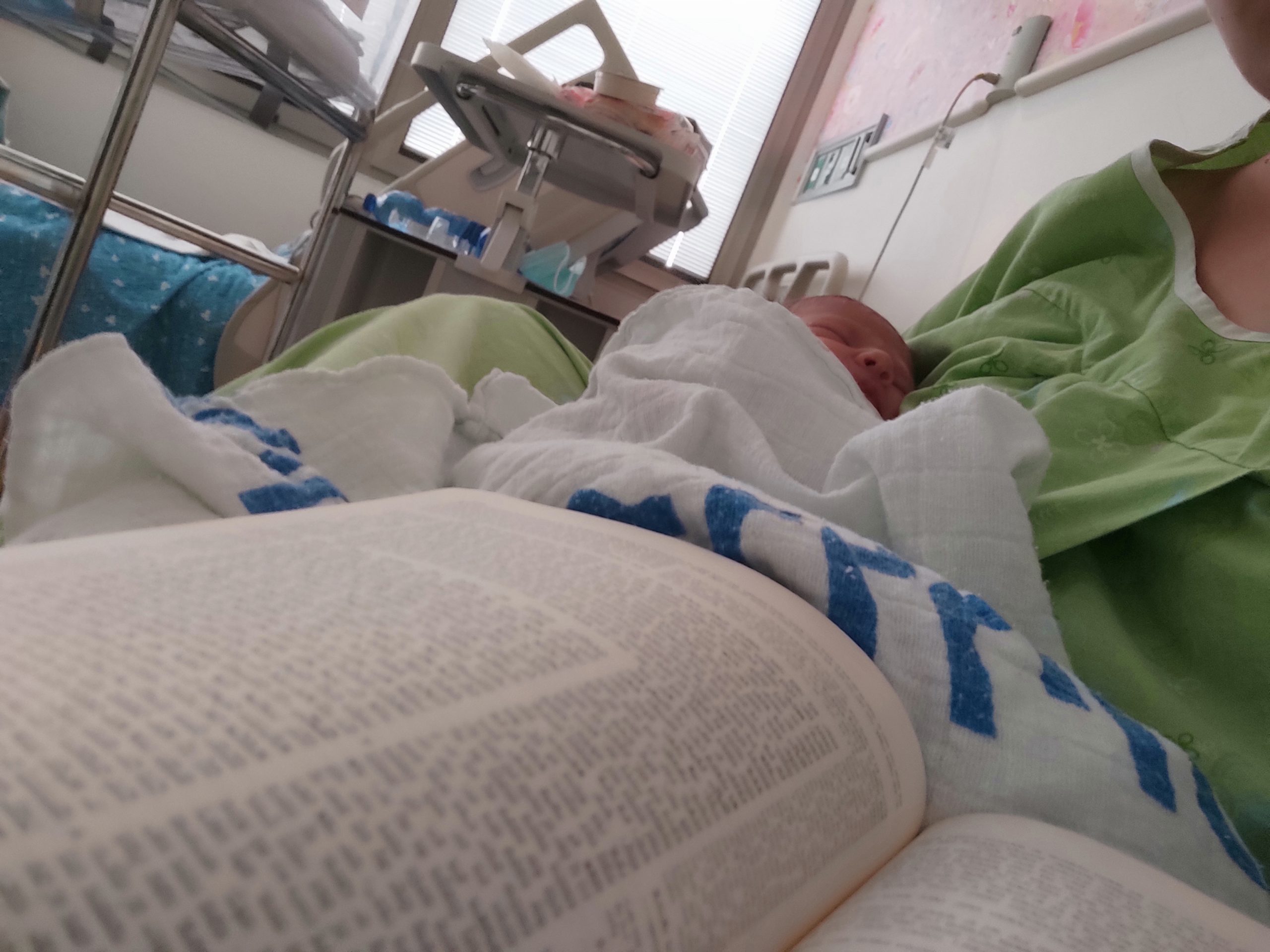
נועה שילה
רבבה, ישראל
התחלתי כשהייתי בחופש, עם הפרסומים על תחילת המחזור, הסביבה קיבלה את זה כמשהו מתמיד ומשמעותי ובהערכה, הלימוד זה עוגן יציב ביום יום, יש שבועות יותר ויש שפחות אבל זה משהו שנמצא שם אמין ובעל משמעות בחיים שלי….
עדי דיאמנט
גמזו, ישראל
התחלתי ללמוד בשנת המדרשה במגדל עוז, בינתיים נהנית מאוד מהלימוד ומהגמרא, מעניין ומשמח מאוד!
משתדלת להצליח לעקוב כל יום, לפעמים משלימה קצת בהמשך השבוע.. מרגישה שיש עוגן מקובע ביום שלי והוא משמח מאוד!

אוריה קסנר
חיפה , ישראל
התחלתי ללמוד דף לפני קצת יותר מ-5 שנים, כשלמדתי רבנות בישיבת מהר”ת בניו יורק. בדיעבד, עד אז, הייתי בלימוד הגמרא שלי כמו מישהו שאוסף חרוזים משרשרת שהתפזרה, פה משהו ושם משהו, ומאז נפתח עולם ומלואו…. הדף נותן לי לימוד בצורה מאורגנת, שיטתית, יום-יומית, ומלמד אותי לא רק ידע אלא את השפה ודרך החשיבה שלנו. לשמחתי, יש לי סביבה תומכת וההרגשה שלי היא כמו בציטוט שבחרתי: הדף משפיע לטובה על כל היום שלי.
מיכל כהנא
חיפה, ישראל
התחלתי ללמוד את הדף היומי מעט אחרי שבני הקטן נולד. בהתחלה בשמיעה ולימוד באמצעות השיעור של הרבנית שפרבר. ובהמשך העזתי וקניתי לעצמי גמרא. מאז ממשיכה יום יום ללמוד עצמאית, ולפעמים בעזרת השיעור של הרבנית, כל יום. כל סיום של מסכת מביא לאושר גדול וסיפוק. הילדים בבית נהיו חלק מהלימוד, אני משתפת בסוגיות מעניינות ונהנית לשמוע את דעתם.
אלירז בלאו
מעלה מכמש, ישראל
. לא תמיד נהניתי מלימוד גמרא כילדה.,בל כהתבגרתי התחלתי לאהוב את זה שוב. התחלתי ללמוד מסכת סוטה בדף היומי לפני כחמש עשרה שנה ואז הפסקתי.הגעתי לסיום הגדול של הדרן לפני שנתיים וזה נתן לי השראה. והתחלתי ללמוד למשך כמה ימים ואז היתה לי פריצת דיסק והפסקתי…עד אלול השנה. אז התחלתי עם מסכת ביצה וב”ה אני מצליחה לעמוד בקצב. המשפחה מאוד תומכת בי ויש כמה שגם לומדים את זה במקביל. אני אוהבת שיש עוגן כל יום.
רבקה דרשן
בית שמש, ישראל
בתחילת הסבב הנוכחי הצטברו אצלי תחושות שאני לא מבינה מספיק מהי ההלכה אותה אני מקיימת בכל יום. כמו כן, כאמא לבנות רציתי לתת להן מודל נשי של לימוד תורה
שתי הסיבות האלו הובילו אותי להתחיל ללמוד. נתקלתי בתגובות מפרגנות וסקרניות איך אישה לומדת גמרא..
כמו שרואים בתמונה אני ממשיכה ללמוד גם היום ואפילו במחלקת יולדות אחרי לידת ביתי השלישית.
נועה שילה
רבבה, ישראל
התחלתי לפני כמה שנים אבל רק בסבב הזה זכיתי ללמוד יום יום ולסיים מסכתות
סיגל טל
רעננה, ישראל
My explorations into Gemara started a few days into the present cycle. I binged learnt and become addicted. I’m fascinated by the rich "tapestry” of intertwined themes, connections between Masechtot, conversations between generations of Rabbanim and learners past and present all over the world. My life has acquired a golden thread, linking generations with our amazing heritage.
Thank you.
סוזן כשדן
חשמונאים, Israel
אחי, שלומד דף יומי ממסכת ברכות, חיפש חברותא ללימוד מסכת ראש השנה והציע לי. החברותא היתה מאתגרת טכנית ורוב הזמן נעשתה דרך הטלפון, כך שבסיום המסכת נפרדו דרכינו. אחי חזר ללמוד לבד, אבל אני כבר נכבשתי בקסם הגמרא ושכנעתי את האיש שלי להצטרף אלי למסכת ביצה. מאז המשכנו הלאה, ועכשיו אנחנו מתרגשים לקראתו של סדר נשים!
שולמית סבן
נוקדים, ישראל
התחלתי ללמוד בשנת המדרשה במגדל עוז, בינתיים נהנית מאוד מהלימוד ומהגמרא, מעניין ומשמח מאוד!
משתדלת להצליח לעקוב כל יום, לפעמים משלימה קצת בהמשך השבוע.. מרגישה שיש עוגן מקובע ביום שלי והוא משמח מאוד!
אוריה קסנר
חיפה , ישראל
רציתי לקבל ידע בתחום שהרגשתי שהוא גדול וחשוב אך נעלם ממני. הלימוד מעניק אתגר וסיפוק ומעמיק את תחושת השייכות שלי לתורה וליהדות
רות עגיב
עלי זהב – לשם, ישראל
"
גם אני התחלתי בסבב הנוכחי וב””ה הצלחתי לסיים את רוב המסכתות . בזכות הרבנית מישל משתדלת לפתוח את היום בשיעור הזום בשעה 6:20 .הלימוד הפך להיות חלק משמעותי בחיי ויש ימים בהם אני מצליחה לחזור על הדף עם מלמדים נוספים ששיעוריהם נמצאים במרשתת. שמחה להיות חלק מקהילת לומדות ברחבי העולם. ובמיוחד לשמש דוגמה לנכדותיי שאי””ה יגדלו לדור שלימוד תורה לנשים יהיה משהו שבשגרה. "

רונית שביט
נתניה, ישראל
התחלתי ללמוד דף יומי בתחילת מסכת ברכות, עוד לא ידעתי כלום. נחשפתי לסיום הש״ס, ובעצם להתחלה מחדש בתקשורת, הפתיע אותי לטובה שהיה מקום לעיסוק בתורה.
את המסכתות הראשונות למדתי, אבל לא סיימתי (חוץ מעירובין איכשהו). השנה כשהגעתי למדרשה, נכנסתי ללופ, ואני מצליחה להיות חלק, סיימתי עם החברותא שלי את כל המסכתות הקצרות, גם כשהיינו חולות קורונה ובבידודים, למדנו לבד, העיקר לא לצבור פער, ומחכות ליבמות 🙂

עדן ישורון
מזכרת בתיה, ישראל
כבר סיפרתי בסיום של מועד קטן.
הלימוד מאוד משפיעה על היום שלי כי אני לומדת עם רבנית מישל על הבוקר בזום. זה נותן טון לכל היום – בסיס למחשבות שלי .זה זכות גדול להתחיל את היום בלימוד ובתפילה. תודה רבה !

שרה ברלוביץ
ירושלים, ישראל
אחרי שראיתי את הסיום הנשי של הדף היומי בבנייני האומה זה ריגש אותי ועורר בי את הרצון להצטרף. לא למדתי גמרא קודם לכן בכלל, אז הכל היה לי חדש, ולכן אני לומדת בעיקר מהשיעורים פה בהדרן, בשוטנשטיין או בחוברות ושיננתם.
רבקה שלוס
בית שמש, ישראל
יומא כח
וַהֲרֵי אֵבָרִים וּפְדָרִים! סוֹף עֲבוֹדָה דִימָמָא הִיא. וַהֲרֵי תְּרוּמַת הַדֶּשֶׁן! תְּחִילַּת עֲבוֹדָה דִימָמָא הִיא, דְּאָמַר רַבִּי יוֹחָנָן: קִדֵּשׁ יָדָיו לִתְרוּמַת הַדֶּשֶׁן, לְמָחָר אֵינוֹ צָרִיךְ לְקַדֵּשׁ, שֶׁכְּבָר קִדֵּשׁ מִתְּחִלַּת עֲבוֹדָה. אֶלָּא קַשְׁיָא!
The Gemara expresses wonder at Rabbi Zeira’s equation of these two issues: But isn’t there the burning of the limbs and the fats? The Gemara answers: That is not difficult, because the burning of the limbs and the fats is the end of the daytime service. The Gemara asks further: But isn’t there the removal of the ashes? The Gemara rejects that argument: Removing the ashes is the start of the daytime service, as Rabbi Yoḥanan said: If a priest sanctified his hands at night by washing them for the removal of the ashes, the next day, i.e., after daybreak, he need not sanctify his hands again, as he already sanctified them at the start of the service. Rabbi Zeira’s equation between services that are incomplete by themselves and services for which a non-priest does not incur the death penalty therefore remains intact. If so, the question that he asked concerning Rabbi Yoḥanan’s statement remains difficult.
אֶלָּא: אִי אִתְּמַר, הָכִי אִתְּמַר: אָמַר רַבִּי אַסִּי אָמַר רַבִּי יוֹחָנָן: זָר שֶׁסִּידֵּר שְׁנֵי גְּזִירֵי עֵצִים — חַיָּיב, הוֹאִיל וַעֲבוֹדָה תַּמָּה הִיא.
Rather, Rabbi Yoḥanan’s statement must be revised, and one must posit that when it was stated, this is how it was stated: Rabbi Asi said that Rabbi Yoḥanan said: A non-priest who arranges the two logs is liable to receive the death penalty, since it is a service that is complete, i.e., it is not followed and completed by a subsequent service. Although the burning of the limbs upon the altar follows the placement of the logs, that is considered to be an independent act, not the completion of the service of placing the logs. This is because the placing of the logs is done while still night, while the burning of the limbs cannot be done until daybreak.
מַתְקֵיף לַהּ רָבָא: אֶלָּא מֵעַתָּה תִּבְעֵי פַּיִיס! וְלָא בָּעֲיָא פַּיִיס? וְהָתַנְיָא: מִי שֶׁזָּכָה בִּתְרוּמַת הַדֶּשֶׁן — יִזְכֶּה בְּסִידּוּר שְׁנֵי גְּזִירֵי עֵצִים!
Rava strongly objects to this: However, if that is so, the service of placing the two logs should require a lottery. The Gemara expresses surprise at Rava’s comment: And doesn’t it require a lottery? Wasn’t it taught in a baraita: Whoever was privileged to perform the removal of the ashes is also privileged to perform the arrangement of the two logs? There was in fact a lottery for arranging the two logs.
הָכִי קָאָמַר: יְפַיְּיסוּ לָהּ בִּפְנֵי עַצְמָהּ! כִּדְאָמְרִינַן.
Rather, this is what Rava actually said: If placing the logs is considered a complete service and is therefore a task important enough to warrant the death penalty for a non-priest who performs it, they should hold a separate lottery for it by itself. The Gemara answers: It is as we said at the beginning of the chapter, that the task of placing the logs was added to the lottery for the removal of ashes as an incentive for the priests to rise before dawn (Rabbeinu Ḥananel).
לְמֵימְרָא דַּעֲבוֹדָה תַּמָּה וְזָר חַיָּיב עָלֶיהָ מִיתָה — בָּעֲיָא פַּיִיס, אֵין זָר חַיָּיב עָלֶיהָ מִיתָה — לָא בָּעֲיָא פַּיִיס? וַהֲרֵי שְׁחִיטָה! שָׁאנֵי שְׁחִיטָה, דִּתְחִילַּת עֲבוֹדָה דִימָמָא הִיא.
Based on Rava’s comments, the Gemara asks: Is that to say that any service that is a complete service and for which a non-priest would be liable to receive the death penalty requires a lottery, but if a non-priest would not be liable to receive the death penalty it would not require a lottery? But isn’t there slaughtering, which may be performed by non-priest and yet requires a lottery? The Gemara rejects this point: Slaughtering is different, because it is the beginning of the daytime service, which gives it added importance.
לְמֵימְרָא דַּעֲבוֹדָה תַּמָּה — בָּעֲיָא פַּיִיס, עֲבוֹדָה שֶׁיֵּשׁ אַחֲרֶיהָ עֲבוֹדָה — לָא בָּעֲיָא פַּיִיס? וַהֲרֵי אֵבָרִים וּפְדָרִים! סוֹף עֲבוֹדָה דִימָמָא הִיא. הֲרֵי תְּרוּמַת הַדֶּשֶׁן? מִשּׁוּם מַעֲשֶׂה שֶׁהָיָה.
The Gemara asks further on Rava’s statement: Is that to say that a service that is complete requires a lottery, whereas a service which is followed by a subsequent service that completes it does not require a lottery? But isn’t there the burning of the limbs and the fats? The Gemara answers: That is not difficult because the burning of the limbs and the fats is the end of the daytime service. The Gemara asks: Isn’t there the removal of the ashes? The Gemara answers: A lottery was established for that service only due to the incident that occurred when the priests came to danger.
אָמַר מָר זוּטְרָא וְאִיתֵּימָא רַב אָשֵׁי: אַף אֲנַן נָמֵי תְּנֵינָא: אָמַר לָהֶם הַמְמוּנֶּה צְאוּ וּרְאוּ אִם הִגִּיעַ זְמַן הַשְּׁחִיטָה. וְאִילּוּ ״זְמַן סִידּוּר גְּזִירֵי עֵצִים״ לָא קָתָנֵי.
As explained above, the reason Rabbi Yoḥanan holds that the arrangement of the logs is a complete service, and is not considered a prelude to the burning of limbs, is because the former is a nighttime service and the latter is a daytime service. Mar Zutra, and some say Rav Ashi, said: We too have learned in a mishna that the arrangement of the two logs is a nighttime service. As we learned: The appointed priest said to them: Go out and see if the time for slaughtering has arrived, whereas the mishna did not teach: See whether the time for arranging the two logs has arrived. This shows that arranging the logs may be done while it is still night; it is therefore not considered to be connected to, and complemented by, the placing of the limbs the following day.
הָךְ דְּלֵית לַהּ תַּקַּנְתָּא — קָתָנֵי, הָךְ דְּאִית לַהּ תַּקַּנְתָּא — לָא קָתָנֵי.
The Gemara rejects this proof: The reason the mishna mentions slaughtering is that it prefers to teach this statement with regard to that which has no rectification if it is done at night, such as slaughtering the offering, which is rendered irreparably invalid if performed before daybreak. It does not want to teach it with regard to something that has rectification if done at night, such as arranging the two logs, which can always be removed and replaced properly. However, it is possible that the proper time for arranging the logs is daytime, and therefore it may be regarded as a service that is completed by the subsequent burning of limbs on the altar.
הֲדַרַן עֲלָךְ בָּרִאשׁוֹנָה
אָמַר לָהֶם הַמְמוּנֶּה: צְאוּ וּרְאוּ אִם הִגִּיעַ זְמַן הַשְּׁחִיטָה. אִם הִגִּיעַ, הָרוֹאֶה אוֹמֵר: ״בַּרְקַאי״. מַתְיָא בֶּן שְׁמוּאֵל אוֹמֵר: ״הֵאִיר פְּנֵי כׇּל הַמִּזְרָח עַד שֶׁבְּחֶבְרוֹן?״ וְהוּא אוֹמֵר: ״הֵן!״ וְלָמָּה הוּצְרְכוּ לְכָךְ? שֶׁפַּעַם אַחַת עָלָה מְאוֹר הַלְּבָנָה, וְדִימּוּ שֶׁהֵאִיר מִזְרָח, וְשָׁחֲטוּ אֶת הַתָּמִיד, וְהוֹצִיאוּהוּ לְבֵית הַשְּׂרֵיפָה.
MISHNA: The appointed priest said to the other priests: Go out and observe if it is day and the time for slaughter has arrived. If the time has arrived, the observer says: There is light [barkai]. Matya ben Shmuel says that the appointed priest phrased his question differently: Is the entire eastern sky illuminated even to Hebron? And the observer says: Yes. And why did they need to ascertain whether or not it is day, which is typically evident to all? It was necessary, as once, the light of the moon rose, and they imagined that the eastern sky was illuminated with sunlight, and they slaughtered the daily offering before its appropriate time. The animal was later taken out to the place designated for burning and burned because it was slaughtered too early. In order to prevent similar errors in the future, the Sages instituted that they would carefully assess the situation until they were certain that it was day.
הוֹרִידוּ כֹּהֵן גָּדוֹל לְבֵית הַטְּבִילָה. זֶה הַכְּלָל הָיָה בַּמִּקְדָּשׁ: כָּל הַמֵּיסֵךְ אֶת רַגְלָיו — טָעוּן טְבִילָה, וְכׇל הַמֵּטִיל מַיִם — טָעוּן קִידּוּשׁ יָדַיִם וְרַגְלַיִם.
After the priests announced the start of the day, they led the High Priest down to the Hall of Immersion. The Gemara comments: This was the principle in the Temple: Anyone who covers his legs, a euphemism for defecating, requires immersion afterward; and anyone who urinates requires sanctification of the hands and feet with water from the basin afterward.
גְּמָ׳ תַּנְיָא, רַבִּי יִשְׁמָעֵאל אוֹמֵר: ״בָּרַק בַּרְקַאי״. רַבִּי עֲקִיבָא אוֹמֵר: ״עָלָה בַּרְקַאי״. נְחוּמָא בֶּן אַפְקַשְׁיוֹן אוֹמֵר: ״אַף בַּרְקַאי בְּחֶבְרוֹן״. מַתְיָא בֶּן שְׁמוּאֵל (אוֹמֵר): הַמְמוּנֶּה עַל הַפְּיָיסוֹת אוֹמֵר: ״הֵאִיר פְּנֵי כׇּל הַמִּזְרָח עַד שֶׁבְּחֶבְרוֹן״. רַבִּי יְהוּדָה בֶּן בְּתֵירָא אוֹמֵר: ״הֵאִיר פְּנֵי כׇּל הַמִּזְרָח עַד בְּחֶבְרוֹן, וְיָצְאוּ כׇּל הָעָם אִישׁ אִישׁ לִמְלַאכְתּוֹ״.
GEMARA: It was taught in a baraita that the Sages disputed the precise expression that was employed in the Temple. Rabbi Yishmael says that the formula is: The light flashed; Rabbi Akiva says: The light has risen, which is brighter than a mere flash. Naḥuma ben Apakshiyon says: There is even light in Hebron. Matya ben Shmuel says that the appointed priest in charge of the lotteries says: The entire eastern sky is illuminated all the way to Hebron. Rabbi Yehuda ben Beteira says that this is what the appointed priest said: The entire eastern sky is illuminated all the way to Hebron and the entire nation has gone out, each and every person to engage in his labor.
אִי הָכִי, נְגַהּ לֵיהּ טוּבָא? לִשְׂכּוֹר פּוֹעֲלִים קָאָמְרִינַן.
The Gemara questions Rabbi Yehuda ben Beteira’s version of the formula: If it is so that the people have gone to work, it has grown considerably lighter. People go to work after it is light. Apparently, Rabbi Yehuda ben Beteira is referring to a time after sunrise, not a time adjacent to dawn. The Gemara answers: It is that people have gone out to hire workers that we are saying. Owners of fields rose early, adjacent to dawn, to hire workers so that they could begin working when it is light.
אָמַר רַב סָפְרָא: צְלוֹתֵיהּ דְּאַבְרָהָם, מִכִּי מַשְׁחֲרִי כּוּתְלֵי.
§ Rav Safra said: The time for the afternoon prayer of Abraham begins from when the walls begin to blacken from shade. When the sun begins to descend from the middle of the sky, producing shadows on the walls, that marks the beginning of the setting of the sun and then the afternoon prayer may be recited.
אָמַר רַב יוֹסֵף: אֲנַן מֵאַבְרָהָם נֵיקוּם וְנִיגְמַר?! אָמַר רָבָא: תְּנָא גָּמַר מֵאַבְרָהָם וַאֲנַן לָא גָּמְרִינַן מִינֵּיהּ?! דְּתַנְיָא: ״וּבַיּוֹם הַשְּׁמִינִי יִמּוֹל בְּשַׂר עׇרְלָתוֹ״, מְלַמֵּד שֶׁכׇּל הַיּוֹם כָּשֵׁר לְמִילָה, אֶלָּא שֶׁהַזְּרִיזִין מַקְדִּימִין לְמִצְוֹת, שֶׁנֶּאֱמַר: ״וַיַּשְׁכֵּם אַבְרָהָם בַּבֹּקֶר וַיַּחֲבוֹשׁ וְגוֹ׳״.
Rav Yosef said: And will we arise and derive a halakha from Abraham? Didn’t Abraham live before the Torah was given to the Jewish people, and therefore halakhot cannot be derived from his conduct? Rava said: The tanna derived a halakha from Abraham’s conduct, and we do not derive a halakha from his conduct? As it was taught in a baraita with regard to the verse: “And on the eighth day the flesh of his foreskin shall be circumcised” (Leviticus 12:3), this verse teaches that the entire day is suitable for performance of the mitzva of circumcision. However, the vigilant are early in their performance of mitzvot and circumcise in the morning, as it is stated with regard to the binding of Isaac: “And Abraham arose early in the morning and saddled his donkey” (Genesis 22:3). He awakened early to fulfill the mitzva without delay. Apparently, halakha is derived from the conduct of Abraham.
אֶלָּא אָמַר רָבָא: רַב יוֹסֵף הָא קָא קַשְׁיָא לֵיהּ. דִּתְנַן: חָל עַרְבֵי פְּסָחִים לִהְיוֹת בְּעֶרֶב שַׁבָּת, נִשְׁחָט בְּשֵׁשׁ וּמֶחֱצָה, וְקָרֵב בְּשֶׁבַע וּמֶחֱצָה. וְנִשְׁחֲטֵיהּ מִכִּי מַשְׁחֲרִי כּוּתְלֵי!
Rather, Rava said: With regard to Rav Yosef, it was not the matter of deriving halakha from the conduct of Abraham that is difficult. Rather, this is difficult for him, as we learned in a mishna: When Passover eves occur on Shabbat eves, the daily afternoon offering is slaughtered at six and a half hours of the day and sacrificed on the altar at seven and a half hours. The afternoon offering was slaughtered as early as possible to enable all the Paschal lambs, which were slaughtered after the daily afternoon offering was sacrificed, to be slaughtered and roasted before sunset, so that no labor would be performed on Shabbat. Now, if indeed this halakha is derived from the conduct of Abraham, let us slaughter the offering even earlier, from when the walls begin to blacken, just after the end of the sixth hour of the day. Apparently, halakha is not derived from the conduct of Abraham.
מַאי קוּשְׁיָא? וְדִילְמָא כּוּתְלֵי דְּבֵית הַמִּקְדָּשׁ בְּשֵׁשׁ וּמֶחֱצָה מַשְׁחֲרִי, מִשּׁוּם דְּלָא מְכַוְּונִי טוּבָא. אִי נָמֵי, שָׁאנֵי אַבְרָהָם דְּאִיצְטַגְנִינוּת גְּדוֹלָה הָיְתָה בְּלִבּוֹ. אִי נָמֵי, מִשּׁוּם דְּזָקֵן וְיוֹשֵׁב בִּישִׁיבָה הֲוָה. דְּאָמַר רַבִּי חָמָא בְּרַבִּי חֲנִינָא: מִימֵיהֶן שֶׁל אֲבוֹתֵינוּ לֹא פָּרְשָׁה יְשִׁיבָה מֵהֶם.
The Gemara rejects this: What is the difficulty?
Perhaps the walls of the Temple begin to blacken only at six and a half hours of the day because they are not perfectly aligned. The Temple walls were broad at the bottom and gradually narrowed as they reached the top; therefore, the upper part of the wall did not cast a shadow on the wall opposite it until six and a half hours of the day.
Or, alternatively, it is different with regard to Abraham because there was great knowledge of astronomy [itztagninut] in his heart. He was able to precisely calculate the movements of the heavenly bodies and was therefore able to discern immediately after noon that the sun had begun its descent. Others require a half hour to be certain that the descent of the sun has begun.
Or, alternatively Abraham was different because he was an Elder and sat and studied Torah in a yeshiva, where the Divine Presence rests. There he developed the expertise to determine the precise hour. As Rabbi Ḥama, son of Rabbi Ḥanina, said: From the days of our ancestors, yeshiva never left them. Our ancestors were leaders of their generations, who taught Torah to students who came to them.
הָיוּ בְּמִצְרַיִם — יְשִׁיבָה עִמָּהֶם, שֶׁנֶּאֱמַר: ״לֵךְ וְאָסַפְתָּ אֶת זִקְנֵי יִשְׂרָאֵל״. הָיוּ בַּמִּדְבָּר — יְשִׁיבָה עִמָּהֶם, שֶׁנֶּאֱמַר: ״אֶסְפָה לִּי שִׁבְעִים אִישׁ מִזִּקְנֵי יִשְׂרָאֵל״. אַבְרָהָם אָבִינוּ, זָקֵן וְיוֹשֵׁב בִּישִׁיבָה, שֶׁנֶּאֱמַר: ״וְאַבְרָהָם זָקֵן בָּא בַּיָּמִים״. יִצְחָק אָבִינוּ, זָקֵן וְיוֹשֵׁב בִּישִׁיבָה הָיָה, שֶׁנֶּאֱמַר: ״וַיְהִי כִּי זָקֵן יִצְחָק״. יַעֲקֹב אָבִינוּ, זָקֵן וְיוֹשֵׁב בִּישִׁיבָה הָיָה, שֶׁנֶּאֱמַר: ״וְעֵינֵי יִשְׂרָאֵל כָּבְדוּ מִזּוֹקֶן״.
When they were in Egypt there was a yeshiva with them, as it is stated: “Go and gather the Elders of Israel” (Exodus 3:16), indicating that there were Sages among them who studied Torah. And similarly, when they were in the desert, there was a yeshiva with them, as it is stated: “Gather for me seventy men from the Elders of Israel” (Numbers 11:16). Abraham our Patriarch was himself an Elder and would sit in yeshiva, as it is stated: “And Abraham was old, advanced in years” (Genesis 24:1). From the apparent redundancy of the terms old and advanced in years, it is derived that old means that he was a wise Elder and prominent in Torah, and advanced in years means that he was elderly. Similarly, Isaac our Patriarch was an Elder and sat in yeshiva, as it is stated: “And it came to pass when Isaac was old and his eyes were dim” (Genesis 27:1). Similarly, Jacob our Patriarch was an Elder and sat in yeshiva, as it is stated: “And Israel’s eyes were heavy with age” (Genesis 48:10).
אֱלִיעֶזֶר עֶבֶד אַבְרָהָם, זָקֵן וְיוֹשֵׁב בִּישִׁיבָה הָיָה, שֶׁנֶּאֱמַר: ״וַיֹּאמֶר אַבְרָהָם אֶל עַבְדּוֹ זְקַן בֵּיתוֹ הַמֹּשֵׁל בְּכׇל אֲשֶׁר לוֹ״, אָמַר רַבִּי אֶלְעָזָר: שֶׁמּוֹשֵׁל בְּתוֹרַת רַבּוֹ. ״הוּא דַּמֶּשֶׂק אֱלִיעֶזֶר״ — אָמַר רַבִּי אֶלְעָזָר: שֶׁדּוֹלֶה וּמַשְׁקֶה מִתּוֹרָתוֹ שֶׁל רַבּוֹ לַאֲחֵרִים.
Eliezer, servant of Abraham, was an Elder and sat in yeshiva, as it is stated: “And Abraham said to his servant, the elder of his household, who ruled over all he had” (Genesis 24:2). Rabbi Elazar said: The verse means that he had mastery over the Torah of his master, having gained proficiency in all of the Torah of Abraham. That is the meaning of the verse: “He is Damascus [Dammesek] Eliezer” (Genesis 15:2). Rabbi Elazar said: The word Dammesek is a contraction of he who draws [doleh] and gives drink [mashke] to others from his master’s Torah.
אָמַר רַב: קִיֵּים אַבְרָהָם אָבִינוּ כָּל הַתּוֹרָה כּוּלָּהּ, שֶׁנֶּאֱמַר: ״עֵקֶב אֲשֶׁר שָׁמַע אַבְרָהָם בְּקוֹלִי וְגוֹ׳״. אֲמַר לֵיהּ רַב שִׁימִי בַּר חִיָּיא לְרַב: וְאֵימָא שֶׁבַע מִצְוֹת? הָא אִיכָּא נָמֵי מִילָה! וְאֵימָא שֶׁבַע מִצְוֹת וּמִילָה! אֲמַר לֵיהּ: אִם כֵּן ״מִצְוֹתַי וְתוֹרוֹתָי״ לְמָה לִי?
Apropos the previous statement, the Gemara cites that Rav said: Abraham our Patriarch fulfilled the entire Torah before it was given, as it is stated: “Because [ekev] Abraham hearkened to My voice and kept My charge, My mitzvot, My statutes and My Torahs” (Genesis 26:5). Rav Shimi bar Ḥiyya said to Rav: And say that the verse means that he fulfilled only the seven Noahide mitzvot and not the entire Torah. The Gemara asks: But isn’t there also circumcision that Abraham clearly observed, which is not one of the Noahide laws? Apparently, Abraham fulfilled more than just those seven. The Gemara asks: And say that he fulfilled only the seven mitzvot and circumcision. Rav said to him: If so, why do I need the continuation of the verse, that Abraham kept: My mitzvot and My Torah? That is a clear indication that he fulfilled mitzvot beyond the seven Noahide mitzvot, and apparently fulfilled the entire Torah.
אָמַר (רַב), וְאִיתֵּימָא רַב אָשֵׁי: קִיֵּים אַבְרָהָם אָבִינוּ אֲפִילּוּ עֵירוּבֵי תַבְשִׁילִין, שֶׁנֶּאֱמַר: ״תּוֹרוֹתָי״, אַחַת תּוֹרָה שֶׁבִּכְתָב וְאַחַת תּוֹרָה שֶׁבְּעַל פֶּה.
Rav said, and some say Rav Ashi said: Abraham our Patriarch fulfilled the entire Torah, even the mitzva of the joining of cooked foods, a rabbinic ordinance instituted later, as it is stated: My Torahs. Since the term is in the plural, it indicates that Abraham kept two Torahs; one, the Written Torah, and one, the Oral Torah. In the course of fulfilling the Oral Torah, he fulfilled all the details and parameters included therein.
מַתְיָא בֶּן שְׁמוּאֵל אוֹמֵר וְכוּ׳ וְהוּא אוֹמֵר הֵן. מַאן אָמַר ״הֵן״? אִילֵּימָא הָךְ דְּקָאֵי אַאִיגָּרָא — הוּא חָלֵים וְהוּא מְפַשַּׁר?! אֶלָּא הָךְ דְּקָאֵי אַאַרְעָא, מְנָא יָדַע?
§ It was taught in the mishna that Matya ben Shmuel says that the appointed priest asks: Is the entire eastern sky illuminated even to Hebron? And he says: Yes. The Gemara asks: Who said yes? If we say it is that person who is standing on the roof, does he dream and also interpret his dream? Is it reasonable that the one asking the question answers it? Rather, say that it was that person who is standing on the ground who said yes. From where does he know that the sky is illuminated such that he is able to answer yes?
אִיבָּעֵית אֵימָא — הָךְ דְּקָאֵי אַאַרְעָא, וְאִיבָּעֵית אֵימָא — הָךְ דְּקָאֵי אַאִיגָּרָא. אִיבָּעֵית אֵימָא הָךְ דְּקָאֵי אַאִיגָּרָא, אָמַר אִיהוּ: ״הֵאִיר פְּנֵי כׇּל הַמִּזְרָח!״, וְאָמַר לֵיהּ הָךְ דְּקָאֵי אַאַרְעָא: ״עַד שֶׁבְּחֶבְרוֹן?״, וְאָמַר לֵיהּ אִיהוּ: ״הֵן!״.
The Gemara suggests two possible solutions: If you wish, say it was that person who is standing on the ground who answered yes, and if you wish, say it was that person who is standing on the roof who answered. If you wish, say that the person who is standing on the roof said: The entire eastern sky is illuminated. And that person who is standing on the ground said to him: Has it illuminated even to Hebron? And he who is standing on the roof said to him: Yes.
וְאִיבָּעֵית אֵימָא הָךְ דְּקָאֵי אַאַרְעָא, אָמַר אִיהוּ: ״הֵאִיר פְּנֵי כׇּל הַמִּזְרָח?״, וְאָמַר לֵיהּ: ״עַד שֶׁבְּחֶבְרוֹן?״, וְאָמַר לֵיהּ: ״הֵן!״.
And if you wish, say instead that the person who is standing on the ground said: Is the entire eastern sky illuminated? And he who is standing on the roof said to him: Do you mean that it is illuminated even to Hebron? And he who is standing on the ground said to him: Yes, that is what I mean.
וְלָמָּה הוּצְרְכוּ לְכָךְ וְכוּ׳. וּמִי מִיחַלַּף? וְהָתַנְיָא, רַבִּי אוֹמֵר: אֵינוֹ דּוֹמֶה תִּימּוּר שֶׁל לְבָנָה לְתִימּוּר שֶׁל חַמָּה. תִּימּוּר שֶׁל לְבָנָה מִתַּמֵּר וְעוֹלֶה כְּמַקֵּל, תִּימּוּר שֶׁל חַמָּה מַפְצִיעַ לְכָאן וּלְכָאן. תָּנָא דְּבֵי רַבִּי יִשְׁמָעֵאל: יוֹם הַמְעוּנָּן הָיָה, וּמַפְצִיעַ לְכָאן וּלְכָאן. אָמַר רַב פָּפָּא, שְׁמַע מִינַּהּ: יוֹמָא דְעֵיבָא כּוּלֵּיהּ שִׁמְשָׁא.
§ The mishna asks: And why did they need to ascertain this? The mishna answered that there was an incident where they confused the light of the moon with the light of the rising sun and slaughtered the daily morning offering too early. The Gemara asks: And are sunlight and moonlight mistaken for one another? Wasn’t it taught in a baraita that Rabbi Yehuda HaNasi says: A column of the light of the moon is not similar to a column of the light of the sun; a column of the light of the moon rises like a staff in one column while a column of the light of the sun diffuses to here and to there? The Gemara answers that the school of Rabbi Yishmael taught: It was a cloudy day, and then even the moonlight diffuses to here and to there, which caused them to err and believe that it was the rising sun. Rav Pappa said: Learn from this statement of Rabbi Yishmael that a cloudy day is similar to a completely sunny day because the sunlight is further diffused by the clouds.
לְמַאי נָפְקָא מִינַּהּ? לְשַׁטּוֹחֵי עוֹרוֹת. אִי נָמֵי לְכִדְדָרֵשׁ רָבָא: אִשָּׁה לֹא תָּלוּשׁ לֹא בַּחַמָּה וְלֹא בְּחַמֵּי חַמָּה.
The Gemara asks: What are the practical ramifications of the statement that a cloudy day is similar to a completely sunny day? The Gemara explains: The ramifications are with regard to spreading hides to dry them. On a cloudy day, wherever the hides are placed they will be exposed to sunlight. Alternatively, the ramifications are according to that which Rava taught with regard to matza: A woman may neither knead dough for matza for Passover in the light of the sun nor may she prepare the dough with hot water heated in the sun. On a cloudy day, one may not knead the dough anywhere outside since the light of the sun is diffused everywhere.
אָמַר רַב נַחְמָן: זוּהֲמָא דְשִׁימְשָׁא קְשֵׁי מִשִּׁימְשָׁא, וְסִימָנָיךְ: דַּנָּא דְחַלָּא. שַׁבְרִירֵי דְשִׁימְשָׁא קָשׁוּ מִשִּׁימְשָׁא, וְסִימָנָיךְ: דִּילְפָּא.
Apropos a cloudy day, the Gemara cites that Rav Naḥman said: The hazy light of the sun through the clouds is more damaging than the light of the sun itself. And your mnemonic is the cover of a jar of vinegar: As long as the jar is tightly closed, the odor of the vinegar does not spread and it intensifies. Even the slightest opening in the lid releases an odor more powerful than the odor generated by vinegar that was not sealed in a jar. The same is true with regard to the rays of the sun. With regard to sunlight that is obscured behind clouds, when it escapes through breaks in the clouds it is more powerful than direct sunlight. Dazzling sunlight, which shines through cracks in the clouds, is more harmful to the eyes than direct sunlight. And your mnemonic is a drip; water that drips on a person is more bothersome than water in which one completely immerses his body.
לעקוב

