








אביי לימד את סדר הפעולות שעשו במקדש על יום כפי שקיבל אותם במסורת לפי גישת אבא שאול. הגמרא מתחילה לעבור על הרשימה אחד אחד ולהסביר למה כל אחד קידם לחבירו.
רוצה להקדיש לימוד?
יומא לג
לְכָךְ שָׁנִינוּ: רוֹב אֶחָד בָּעוֹף וְרוֹב שְׁנַיִם בַּבְּהֵמָה. וְכִי מֵאַחַר דַּאֲפִילּוּ פְּסוּלָא מִדְּרַבָּנַן לֵיכָּא, לְמָה לִי לְמָרֵק! מִצְוָה לְמָרֵק.
therefore, we learned again: The majority of one organ in a bird and the majority of each of two organs in an animal, to teach that slaughtering the majority of each of the signs is sufficient. The Gemara asks: And since there is not even an invalidation by rabbinic law, why do I need another priest to finish cutting the organs? Why not suffice with the High Priest’s slaughter of the majority of each of the two organs? The Gemara answers: It is nevertheless a mitzva to complete the slaughter ab initio to cause the blood to flow more freely.
אַבָּיֵי מְסַדֵּר מַעֲרָכָה מִשְּׁמֵיהּ דִּגְמָרָא וְאַלִּיבָּא דְּאַבָּא שָׁאוּל: מַעֲרָכָה גְּדוֹלָה קוֹדֶמֶת לְמַעֲרָכָה שְׁנִיָּה שֶׁל קְטוֹרֶת, מַעֲרָכָה שְׁנִיָּה שֶׁל קְטוֹרֶת קוֹדֶמֶת לְסִידּוּר שְׁנֵי גְּזִירֵי עֵצִים, וְסִידּוּר שְׁנֵי גְּזִירֵי עֵצִים קוֹדֵם לְדִישּׁוּן מִזְבֵּחַ הַפְּנִימִי, וְדִישּׁוּן מִזְבֵּחַ הַפְּנִימִי קוֹדֵם לַהֲטָבַת חָמֵשׁ נֵרוֹת,
§ Abaye arranged the sequence of the daily services in the Temple based on tradition and in accordance with the opinion of Abba Shaul: Setting up the large arrangement of wood on the altar on which the offerings were burned precedes the second arrangement of wood. This second arrangement was arranged separately near the southwest corner of the altar, and twice every day priests raked coals from it and placed them on the inner altar in order to burn the incense. The second arrangement for the incense precedes setting up the two logs of wood above the large arrangement to fulfill the mitzva of bringing wood. And the setting up of the two logs of wood precedes the removal of ashes from the inner altar. And the removal of ashes from the inner altar precedes the removal of ashes from five of the seven lamps of the candelabrum.
וַהֲטָבַת חָמֵשׁ נֵרוֹת קוֹדֵם לְדַם הַתָּמִיד, וְדַם הַתָּמִיד קוֹדֵם לַהֲטָבַת שְׁתֵּי נֵרוֹת, וַהֲטָבַת שְׁתֵּי נֵרוֹת קוֹדֵם לִקְטוֹרֶת, וּקְטוֹרֶת קוֹדֵם לְאֵבָרִים, וְאֵבָרִים לְמִנְחָה, וּמִנְחָה לַחֲבִיתִּין, וַחֲבִיתִּין לִנְסָכִין,
And removal of ashes from five lamps precedes the slaughter and the receiving and sprinkling of the blood of the daily morning offering. The sprinkling of the blood of the daily offering precedes the removal of ashes from the two remaining lamps of the candelabrum. And the removal of ashes from two lamps precedes the burning of the incense. The burning of the incense on the inner altar precedes the burning of the limbs of the daily offering on the outer altar. The burning of the limbs precedes the sacrifice of the meal-offering which accompanies the daily offering. The sacrifice of the meal-offering precedes the sacrifice of the High Priest’s daily griddle-cake offering, half of which he sacrificed in the morning and half in the afternoon. And the griddle-cake offering precedes the pouring of the libations of the daily offering.
וּנְסָכִין לְמוּסָפִין, וּמוּסָפִין לְבָזִיכִין, וּבָזִיכִין לְתָמִיד שֶׁל בֵּין הָעַרְבַּיִם, שֶׁנֶּאֱמַר: ״וְהִקְטִיר עָלֶיהָ חֶלְבֵי הַשְּׁלָמִים״, ״עָלֶיהָ״ הַשְׁלֵם כׇּל הַקָּרְבָּנוֹת כּוּלָּן.
And the libations precede the sacrifice of the additional offerings on days when the additional offerings are sacrificed. And the additional offerings precede the vessels of frankincense that are offered on Shabbat. And the vessels precede the sacrifice of the daily afternoon offering, as it is stated: “And he shall lay out the burnt-offering on it, and burn on it the fat parts of the peace-offerings” (Leviticus 6:5). The term on it, means complete sacrifice of all other offerings, i.e., after the daily morning offering rather than after the daily afternoon offering. In all cases, the daily afternoon offering is the final offering sacrificed.
אָמַר מָר: מַעֲרָכָה גְּדוֹלָה קוֹדֶמֶת לְמַעֲרָכָה שְׁנִיָּה שֶׁל קְטוֹרֶת. מְנָא לַן? דְּתַנְיָא: ״הִיא הָעוֹלָה עַל מוֹקְדָה עַל הַמִּזְבֵּחַ כׇּל הַלַּיְלָה״ — זוֹ מַעֲרָכָה גְּדוֹלָה. ״וְאֵשׁ הַמִּזְבֵּחַ תּוּקַד בּוֹ״ — זוֹ מַעֲרָכָה שְׁנִיָּה שֶׁל קְטוֹרֶת.
The Gemara proceeds to analyze the items listed by Abaye and seeks biblical or logical sources for each. The Master said: Setting up the large arrangement of wood on the altar on which the offerings were burned precedes the second arrangement of wood for incense. The Gemara asks: From where do we derive this? The Gemara answers: As it was taught in a baraita: The verse states: “The burnt-offering itself shall go up on its bonfire upon the altar all night” (Leviticus 6:2); this is referring to the large arrangement of wood. “And the fire of the altar shall be kept burning on it” (Leviticus 6:2); this is referring to the second arrangement of wood near the corner of the altar, from which coals are taken for the incense.
וְאֵיפוֹךְ אֲנָא! מִסְתַּבְּרָא מַעֲרָכָה גְּדוֹלָה עֲדִיפָא, שֶׁכֵּן כַּפָּרָתָהּ מְרוּבָּה.
The Gemara asks: And perhaps I should reverse them and say that the first verse refers to the arrangement of wood for the incense, and the second verse refers to the large arrangement of wood. The Gemara answers: It is reasonable that the large arrangement of wood takes precedence, as the atonement that it effects is extensive. All of the offerings are sacrificed on the large pile, not just the incense.
אַדְּרַבָּה, מַעֲרָכָה שְׁנִיָּה עֲדִיפָא, שֶׁכֵּן מַכְנִיסִין מִמֶּנָּה לִפְנִים! אֲפִילּוּ הָכִי, כַּפָּרָתָהּ מְרוּבָּה עֲדִיפָא. וְאִיבָּעֵית אֵימָא: אִי לָא מַשְׁכַּח עֵצִים לְמַעֲרָכָה שְׁנִיָּה, מִי לָא מְעַיֵּיל מִמַּעֲרָכָה גְּדוֹלָה?!
The Gemara rejects this: On the contrary, the second arrangement takes precedence, as unlike the large arrangement in which offerings are burned exclusively on the outer altar, coals from it are taken inside the Sanctuary. The Gemara answers: Even so, the contention that the atonement that it effects is extensive takes precedence. And if you wish, say instead: If one does not find wood for the second arrangement, wouldn’t he take coals from the large arrangement into the Sanctuary to burn the incense? There is no fundamental obligation to bring coals from a special arrangement, and the second arrangement is only an addition to the large arrangement on which all the offerings are burned.
מַעֲרָכָה שְׁנִיָּה שֶׁל קְטוֹרֶת קוֹדֶמֶת לְסִידּוּר שְׁנֵי גְּזִירֵי עֵצִים. מְנָא לַן? דִּכְתִיב: ״וּבִעֵר עָלֶיהָ הַכֹּהֵן עֵצִים בַּבֹּקֶר בַּבֹּקֶר״. ״עָלֶיהָ״, וְלֹא עַל חֲבֶרְתָּהּ. מִכְּלָל דְּאִיתָא לַחֲבֶרְתַּהּ.
Abaye continued and said that the second arrangement for incense precedes the setting up of the two logs. The Gemara asks: From where do we derive this? As it is written: “And the priest shall burn wood upon it in the morning, in the morning” (Leviticus 6:5); there is an obligation to place new logs upon the large arrangement. The term upon it underscores that the wood is placed only on the large arrangement, and not on the other arrangement from which coals are taken for the incense. From the fact that this exclusionary term is necessary, it can be derived by inference that there is another pile on the altar, meaning that when the new logs are placed on the altar, the two arrangements are already there.
וְהַאי ״עָלֶיהָ״ מִיבְּעֵי לֵיהּ לְגוּפֵיהּ! תְּרֵי ״עָלֶיהָ״ כְּתִיבִי.
The Gemara asks: But this term: Upon it, is needed for its own sake, to teach the obligation to place the logs on the altar; therefore, how can the timing of their placement be derived from that term? The Gemara answers: The term: Upon it, is written twice in that verse: “And the priest shall burn wood upon it in the morning, in the morning, and he shall place the burnt-offering upon it.” From one instance of this term the fundamental obligation to place the logs is derived, and from the other instance the order of their placement is derived.
סִידּוּר שְׁנֵי גְּזִירֵי עֵצִים קוֹדֵם לְדִישּׁוּן מִזְבֵּחַ הַפְּנִימִי. אַף עַל גַּב דְּהָכָא כְּתִיב ״בַּבֹּקֶר בַּבֹּקֶר״, וְהָכָא כְּתִיב ״בַּבֹּקֶר בַּבֹּקֶר״, אֲפִילּוּ הָכִי מַכְשִׁיר עָדִיף. מַכְשִׁיר מַאי נִיהוּ — שְׁנֵי גְּזִירֵי עֵצִים, וְהָא אָמְרַתְּ שְׁנֵי גְּזִירֵי עֵצִים לְמַעֲרָכָה גְּדוֹלָה אָזְלִי!
Abaye continued: The setting up of the two logs precedes the removal of ashes from the inner altar. Although here, with regard to the two logs, it is written: In the morning, in the morning, meaning that the priest must arise early in the morning to perform this act, and here, with regard to removal of the ashes from the inner altar, it is also written: “In the morning, in the morning” (Exodus 30:7), even so, an action that facilitates another service takes precedence. Therefore, setting up the logs, from which coals are taken, facilitating the burning of the incense, precedes removal of ashes from the inner altar. The Gemara asks: What is the act that facilitates? It is the placement of the two logs. But didn’t you say that the two logs go to the large arrangement of wood and not to the arrangement of wood from which the coals are taken for the incense? These logs in no way facilitate the burning of the incense.
אָמַר רַבִּי יִרְמְיָה: שׁוּם עֵצִים. רָבִינָא אָמַר: הוֹאִיל וְהִתְחִיל בַּמַּעֲרָכָה, גּוֹמֵר. רַב אָשֵׁי אָמַר: אִי לָא מַשְׁכַּח עֵצִים לְמַעֲרָכָה שְׁנִיָּה מִי לָא מְעַיֵּיל מִמַּעֲרָכָה גְּדוֹלָה?!
Rabbi Yirmeya said: The reference is to the category of wood. Although these logs do not facilitate the burning of the incense, wood facilitates its burning, and the two logs are wood. Therefore, they take precedence. Ravina said a different reason: Since he began with the service of setting up the arrangement, he completes it by placing two logs. Only then he moves on to perform a different service. Rav Ashi said: If one does not find wood for the second arrangement, won’t he take coals from the large arrangement into the Sanctuary to burn the incense? This demonstrates that there are circumstances in which placing the logs facilitates the burning of the incense. Therefore, it takes precedence.
וְדִישּׁוּן מִזְבֵּחַ הַפְּנִימִי קוֹדֵם לַהֲטָבַת חָמֵשׁ נֵרוֹת. מַאי טַעְמָא? אָמַר אַבָּיֵי: גְּמָרָא גְּמִירְנָא, סְבָרָא — לָא יָדַעְנָא. וְרָבָא אָמַר: כְּרֵישׁ לָקִישׁ. דְּאָמַר רֵישׁ לָקִישׁ: אֵין מַעֲבִירִין עַל הַמִּצְוֹת,
Abaye continued: And removal of ashes from the inner altar precedes the removal of ashes from five of the seven lamps of the candelabrum. What is the reason for this? Abaye said: I learned this through tradition; however, I do not know the rationale behind it. And Rava said: The reason is in accordance with the statement of Reish Lakish, as Reish Lakish said: One may not forego performance of any of the mitzvot in order to perform another mitzva.
וְכִי עָיֵיל לְהֵיכָל — בְּמִזְבֵּחַ פָּגַע בְּרֵישָׁא. דְּתַנְיָא: שֻׁלְחָן בַּצָּפוֹן מָשׁוּךְ מִן הַכּוֹתֶל שְׁתֵּי אַמּוֹת וּמֶחֱצָה, וּמְנוֹרָה בַּדָּרוֹם מְשׁוּכָה מִן הַכּוֹתֶל שְׁתֵּי אַמּוֹת וּמֶחֱצָה. מִזְבֵּחַ מְמוּצָּע וְעוֹמֵד בְּאֶמְצַע וּמָשׁוּךְ כְּלַפֵּי חוּץ קִימְעָא. וְנוֹקְמֵיהּ, לַהֲדַיְיהוּ? כֵּיוָן דִּכְתִיב: ״וְאֶת הַמְּנוֹרָה נֹכַח הַשֻּׁלְחָן״, בָּעֵינַן דְּחָזוּ אַהֲדָדֵי.
And when he enters the Sanctuary it is the altar that he encounters first, before reaching the candelabrum; therefore, he performs the service of the altar before removing the ashes from the lamps, as it was taught in a baraita: The table stood in the north of the Sanctuary, removed two and a half cubits from the wall. And the candelabrum stood in the south of the Sanctuary, removed two and a half cubits from the wall. The altar was centered and standing in the middle of the Sanctuary, removed a bit outward. Therefore, one encounters the altar first. The Gemara questions the essence of the matter: And let us stand the altar alongside the table and the candelabrum; why was it removed outward? The Gemara answers: It is because it is written: “And the candelabrum opposite the table” (Exodus 26:35); we require that they are visible to each other. Were the altar aligned with the table and the candelabrum, it would interpose between them.
אָמַר רָבָא: שְׁמַע מִינַּהּ מִדְּרֵישׁ לָקִישׁ, עַבּוֹרֵי דְּרָעָא אַטּוֹטֶפְתָּא אָסוּר. הֵיכִי עָבֵיד? מִדְּרָעָא לְטוֹטֶפְתָּא.
Rava said: Conclude from the statement of Reish Lakish that one may not forego performance of any of the mitzvot, that it is prohibited to forego donning the phylacteries of the arm in order to don the phylacteries of the head, as when donning phylacteries, one encounters the arm first. How does he conduct himself? He proceeds from the phylacteries of the arm to the phylacteries of the head.
וַהֲטָבַת חָמֵשׁ נֵרוֹת קוֹדֵם לְדַם הַתָּמִיד, וְדַם הַתָּמִיד קוֹדֵם לַהֲטָבַת שְׁתֵּי נֵרוֹת. מַאי טַעְמָא? אָמַר אַבָּיֵי: הָהוּא ״בַּבֹּקֶר בַּבֹּקֶר״ דִּשְׁנֵי גְּזִירֵי עֵצִים דְּלָא צְרִיכִי, שְׁדִינְהוּ לְהָכָא. חַד שִׁדְיֵיהּ לַהֲטָבַת חָמֵשׁ נֵרוֹת — דְּלִיקְדְּמֵיהּ לְדַם הַתָּמִיד, וְחַד שִׁדְיֵיהּ לְדַם הַתָּמִיד — דְּנִקְדְּמֵיהּ לַהֲטָבַת שְׁתֵּי נֵרוֹת.
§ Abaye continued: And removal of ashes from five lamps precedes the slaughter and the receiving and sprinkling of the blood of the daily morning offering. The sprinkling of the blood of the daily offering precedes the removal of ashes from the two remaining lamps of the candelabrum. The Gemara asks: What is the reason for this? Abaye said: Take that phrase: In the morning, in the morning, written with regard to the two logs, which is unnecessary to establish the time for performance of that service, as its precedence was explained due to its association with the arrangement of wood. And cast that extraneous phrase to here, and apply it to other elements of the morning service. If the phrase is superfluous in its context, apply it elsewhere where a halakha can be derived. Cast one term: In the morning, and apply it to removal of ashes from five lamps so that it will precede the blood of the daily offering. And cast one term: In the morning, and apply it to the blood of the daily offering, so that it will precede the removal of ashes from the two additional lamps.
חַד שִׁדְיֵיהּ לַהֲטָבַת חָמֵשׁ נֵרוֹת, דְּלִיקְדְּמֵיהּ לְדַם הַתָּמִיד — דְּהָכָא תְּלָתָא וְהָכָא תְּרֵי.
The Gemara elaborates: Cast one term: In the morning, and apply it to removal of ashes from five lamps so that it will precede the blood of the daily offering, as here, there are three instances of: In the morning; two instances are written explicitly with regard to removal of ashes from the lamps (see Exodus 30:7) and one is written with regard to the two logs. And here, with regard to the blood of the daily offering, there are two instances of the phrase; one explicit mention in the text (see Exodus 29:39) and one written with regard to the two logs.
וְחַד שִׁדְיֵיהּ לְדַם הַתָּמִיד — דְּנִקְדְּמֵיהּ לַהֲטָבַת שְׁתֵּי נֵרוֹת. אַף עַל גַּב דְּהָכָא תְּרֵי וְהָכָא תְּרֵי — מְכַפֵּר עָדִיף.
And cast one term: In the morning, to the blood of the daily offering so that it will precede the removal of ashes from the two additional lamps. Although here, with regard to removal of ashes from the lamps, there are two instances of the phrase: In the morning, and here, with regard to the blood of the daily offering, there are two instances of the phrase: In the morning, one written and one cast from the portion of two logs, the blood of the daily offering takes precedence because an act that effects atonement, the sprinkling of blood, takes precedence.
אֲמַר לֵיהּ רַב פָּפָּא לְאַבָּיֵי, וְאֵימָא: חַד שִׁדְיֵיהּ לְדִישּׁוּן מִזְבֵּחַ הַפְּנִימִי, דְּנִקְדְּמֵיהּ לְדַם הַתָּמִיד — דְּהָכָא תְּלָתָא וְהָכָא תְּרֵי. וְחַד שִׁדְיֵיהּ לְדַם הַתָּמִיד, דְּנִקְדּוֹם לַהֲטָבַת חָמֵשׁ נֵרוֹת — דְּאַף עַל גַּב דְּהָכָא תְּרֵי וְהָכָא תְּרֵי, מְכַפֵּר עָדִיף! אִם כֵּן אַפְסוֹקֵי בְּמַאי מַפְסְקַתְּ לְהוּ?
Rav Pappa said to Abaye: And say instead, cast one of the extraneous phrases: In the morning, and apply it to the removal of ashes from the inner altar, so that it will precede the blood of the daily offering, as here there are three instances of the phrase and there there are two. And cast one of the extraneous phrases: In the morning, and apply it to the blood of the daily offering so that it will precede the removal of ashes from five lamps, and say that although here there are two instances of the phrase: In the morning, and here there are two instances of the phrase: In the morning, still an act that effects atonement, the sprinkling of blood, takes precedence. Abaye dismisses this question by saying: If the blood of the daily offering precedes the removal of ashes from five lamps, with what will you demarcate between the removal of ashes from five lamps and the removal of ashes from two lamps?
הָנִיחָא לְרֵישׁ לָקִישׁ, דְּאָמַר: לָמָּה מְטִיבִין וְחוֹזְרִים וּמְטִיבִין — כְּדֵי לְהַרְגִּישׁ כׇּל הָעֲזָרָה כּוּלָּהּ, שַׁפִּיר.
That works out well according to the opinion of Reish Lakish, who said: Why does the priest remove the ashes from five lamps of the candelabrum and then return and remove the ashes from two lamps of the candelabrum rather than arrange all seven lamps at once? It is in order to enliven those present in the entire Temple courtyard, since people are coming and going to fulfill this mitzva with great ceremony. It works out well according to the opinion of Reish Lakish, because he says there is no need for any other service to demarcate between removal of ashes from five lamps and removal of ashes from two.
אֶלָּא לְרַבִּי יוֹחָנָן, דְּאָמַר: ״בַּבֹּקֶר בַּבֹּקֶר״ — חַלְּקֵהוּ לִשְׁנֵי בְקָרִים, מַאי אִיכָּא לְמֵימַר?
However, according to Rabbi Yoḥanan, who said the following based on the verse: “And Aaron shall burn upon it incense of sweet spices; in the morning, in the morning, when he removes the ashes from the lamps” (Exodus 30:7); take the term in the morning, in the morning, and divide the service of removal of ashes from the lamps into two mornings, i.e., into two parts, by performing a service in between, what can be said? According to Rabbi Yoḥanan, since the result would be that there is no service demarcating between the five lamps and the two lamps, there is no alternative to interpreting the matter in accordance with the explanation of Abaye.
אֲמַר לֵיהּ רָבִינָא לְרַב אָשֵׁי: הַאי ״בַּבֹּקֶר בַּבֹּקֶר״ דְּעֵצִים, מִי מְיַיתַּר? הָא מִיבְּעֵי לֵיהּ לְגוּפֵיהּ, דְּקָאָמַר רַחֲמָנָא — נִקְדְּמוּ לְמַעֲרָכָה שְׁנִיָּה שֶׁל קְטוֹרֶת! אֲמַר לֵיהּ: וְלָאו מִי אוֹקֵימְנָא ״עָלֶיהָ״ וְלֹא עַל חֲבֶרְתָּהּ, מִכְּלָל דְּאִיתַהּ לַחֲבֶרְתַּהּ.
Ravina said to Rav Ashi with regard to the basis for Abaye’s argument: Is this term: In the morning, in the morning, written with regard to the two logs actually superfluous and therefore available to have other matters derived from it? Isn’t it necessary to teach its own basic halakha, as the Merciful One states in the Torah: Have it precede the second arrangement of wood, from which coals are taken for the incense? Rav Ashi said to him: And did we not establish that it is written: Upon it, underscoring the fact that wood is placed only on the large arrangement and not on the other arrangement from which coals are taken for the incense? From the fact that this exclusionary term is necessary, it can be derived by inference that there is another pile on the altar, meaning that when the new logs are placed on the altar, the two arrangements are already there.
מַאי שְׁנָא דְּעָבֵיד הֲטָבַת חָמֵשׁ נֵרוֹת בְּרֵישָׁא? נֶעְבֵּיד הֲטָבַת שְׁתֵּי נֵרוֹת בְּרֵישָׁא! כֵּיוָן דְּאַתְחֵיל בְּהוּ — עָבֵיד רוּבָּא. וְנֶעְבֵּיד שֵׁית! אָמַר קְרָא: ״בְּהֵיטִיבוֹ אֶת הַנֵּרוֹת יַקְטִירֶנָּה״, וְאֵין נֵרוֹת פְּחוּתוֹת מִשְּׁתַּיִם.
The Gemara asks with regard to the sequence in which the priest removes the ashes from the lamps: What is different that he performs the removal of ashes from five lamps first? Let us perform the removal of ashes from two lamps first. The Gemara answers: Since he begins the service with them, he performs the service on a majority of the lamps. The Gemara asks: If so, let him perform the service on six lamps. The Gemara responds that the verse states: “When he removes the ashes from the lamps, he shall burn it” (Exodus 30:7), and lamps is plural, meaning no fewer than two. Apparently, removal of ashes from lamps must be performed on a minimum of two lamps.
וַהֲטָבַת שְׁתֵּי נֵרוֹת קוֹדֶמֶת לִקְטוֹרֶת, דְּאָמַר קְרָא: ״בְּהֵיטִיבוֹ אֶת הַנֵּרוֹת״, וַהֲדַר ״יַקְטִירֶנָּה״.
Abaye continued: And the removal of ashes from two lamps precedes the burning of the incense, as the verse first states: “When he removes the ashes from the lamps,” and then states: “He shall burn it.” The removal of the ashes precedes the burning of the incense.
וּקְטוֹרֶת לְאֵבָרִים, דְּתַנְיָא: יוּקְדַּם דָּבָר שֶׁנֶּאֱמַר בּוֹ ״בַּבֹּקֶר בַּבֹּקֶר״, לְדָבָר שֶׁלֹּא נֶאֱמַר בּוֹ אֶלָּא ״בֹּקֶר״ אֶחָד בִּלְבַד.
Abaye continued: And the burning of the incense on the inner altar precedes the burning of the limbs of the daily offering on the outer altar, as it was taught in a baraita: Let the matter with regard to which it is stated: In the morning, in the morning, i.e., the burning of the incense, precede the matter with regard to which only one: In the morning, is stated, i.e., the daily morning offering, in the verse: “You shall offer one lamb in the morning” (Exodus 29:39).
וְאֵבָרִים לְמִנְחָה, דְּתַנְיָא: מִנַּיִין שֶׁלֹּא יְהֵא דָּבָר קוֹדֵם לְתָמִיד שֶׁל שַׁחַר?
Abaye continued: The burning of the limbs precedes the sacrifice of the meal-offering that accompanies the daily offering, as it was taught in a baraita: From where is it derived that there may be no item placed on the arrangement of wood prior to the daily morning offering?
לעקוב 
חדשה בלימוד הגמרא?
זה הדף הראשון שלך? איזו התרגשות עצומה! יש לנו בדיוק את התכנים והכלים שיעזרו לך לעשות את הצעדים הראשונים ללמידה בקצב וברמה שלך, כך תוכלי להרגיש בנוח גם בתוך הסוגיות המורכבות ומאתגרות.
פסיפס הלומדות שלנו
גלי את קהילת הלומדות שלנו, מגוון נשים, רקעים וסיפורים. כולן חלק מתנועה ומסע מרגש ועוצמתי.
התחלתי ללמוד לפני 4.5 שנים, כשהודיה חברה שלי פתחה קבוצת ווטסאפ ללימוד דף יומי בתחילת מסכת סנהדרין. מאז לימוד הדף נכנס לתוך היום-יום שלי והפך לאחד ממגדירי הזהות שלי ממש.

קרן רוזנברג
ירושלים, ישראל
התחלתי ללמוד דף יומי שהתחילו מסכת כתובות, לפני 7 שנים, במסגרת קבוצת לימוד שהתפרקה די מהר, ומשם המשכתי לבד בתמיכת האיש שלי. נעזרתי בגמרת שטיינזלץ ובשיעורים מוקלטים.
הסביבה מאד תומכת ואני מקבלת המון מילים טובות לאורך כל הדרך. מאז הסיום הגדול יש תחושה שאני חלק מדבר גדול יותר.
אני לומדת בשיטת ה”7 דפים בשבוע” של הרבנית תרצה קלמן – כלומר, לא נורא אם לא הצלחת ללמוד כל יום, העיקר שגמרת ארבעה דפים בשבוע

רחל גולדשטיין
עתניאל, ישראל
התחלתי ללמוד לפני כשנתיים בשאיפה לסיים לראשונה מסכת אחת במהלך חופשת הלידה.
אחרי מסכת אחת כבר היה קשה להפסיק…

נעה גלנט
ירוחם, ישראל
לפני 15 שנה, אחרי עשרות שנים של "ג’ינגול” בין משפחה לקריירה תובענית בהייטק, הצטרפתי לשיעורי גמרא במתן רעננה. הלימוד המעמיק והייחודי של הרבנית אושרה קורן יחד עם קבוצת הנשים המגוונת הייתה חוויה מאלפת ומעשירה. לפני כשמונה שנים כאשר מחזור הדף היומי הגיע למסכת תענית הצטרפתי כ”חברותא” לבעלי. זו השעה היומית שלנו ביחד כאשר דפי הגמרא משתלבים בחיי היום יום, משפיעים ומושפעים, וכשלא מספיקים תמיד משלימים בשבת

יודי אסקוף
רעננה, ישראל
הצטרפתי ללומדות בתחילת מסכת תענית. ההתרגשות שלי ושל המשפחה היתה גדולה מאוד, והיא הולכת וגוברת עם כל סיום שאני זוכה לו. במשך שנים רבות רציתי להצטרף ומשום מה זה לא קרה… ב”ה מצאתי לפני מספר חודשים פרסום של הדרן, ומיד הצטרפתי והתאהבתי. הדף היומי שינה את חיי ממש והפך כל יום- ליום של תורה. מודה לכן מקרב ליבי ומאחלת לכולנו לימוד פורה מתוך אהבת התורה ולומדיה.

נעה רוזן
חיספין רמת הגולן, ישראל
התחלתי ללמוד דף יומי אחרי שחזרתי בתשובה ולמדתי במדרשה במגדל עוז. הלימוד טוב ומספק חומר למחשבה על נושאים הלכתיים ”קטנים” ועד לערכים גדולים ביהדות. חשוב לי להכיר את הגמרא לעומק. והצעד הקטן היום הוא ללמוד אותה בבקיאות, בעזרת השם, ומי יודע אולי גם אגיע לעיון בנושאים מעניינים. נושאים בגמרא מתחברים לחגים, לתפילה, ליחסים שבין אדם לחברו ולמקום ולשאר הדברים שמלווים באורח חיים דתי 🙂

גאיה דיבו
מצפה יריחו, ישראל
ראיתי את הסיום הגדול בבנייני האומה וכל כך התרשמתי ורציתי לקחת חלק.. אבל לקח לי עוד כשנה וחצי )באמצע מסיכת שבת להצטרף..
הלימוד חשוב לי מאוד.. אני תמיד במרדף אחרי הדף וגונבת כל פעם חצי דף כשהילדים עסוקים ומשלימה אח”כ אחרי שכולם הלכו לישון..
אולגה מזרחי
ירושלים, ישראל
התחלתי ללמוד בשנת המדרשה במגדל עוז, בינתיים נהנית מאוד מהלימוד ומהגמרא, מעניין ומשמח מאוד!
משתדלת להצליח לעקוב כל יום, לפעמים משלימה קצת בהמשך השבוע.. מרגישה שיש עוגן מקובע ביום שלי והוא משמח מאוד!

אוריה קסנר
חיפה , ישראל
באירוע של הדרן בנייני האומה. בהשראתה של אמי שלי שסיימה את הש”ס בסבב הקודם ובעידוד מאיר , אישי, וילדיי וחברותיי ללימוד במכון למנהיגות הלכתית של רשת אור תורה סטון ומורתיי הרבנית ענת נובוסלסקי והרבנית דבורה עברון, ראש המכון למנהיגות הלכתית.
הלימוד מעשיר את יומי, מחזיר אותי גם למסכתות שכבר סיימתי וידוע שאינו דומה מי ששונה פרקו מאה לשונה פרקו מאה ואחת במיוחד מרתקים אותי החיבורים בין המסכתות
רוית קלך
מודיעין, ישראל
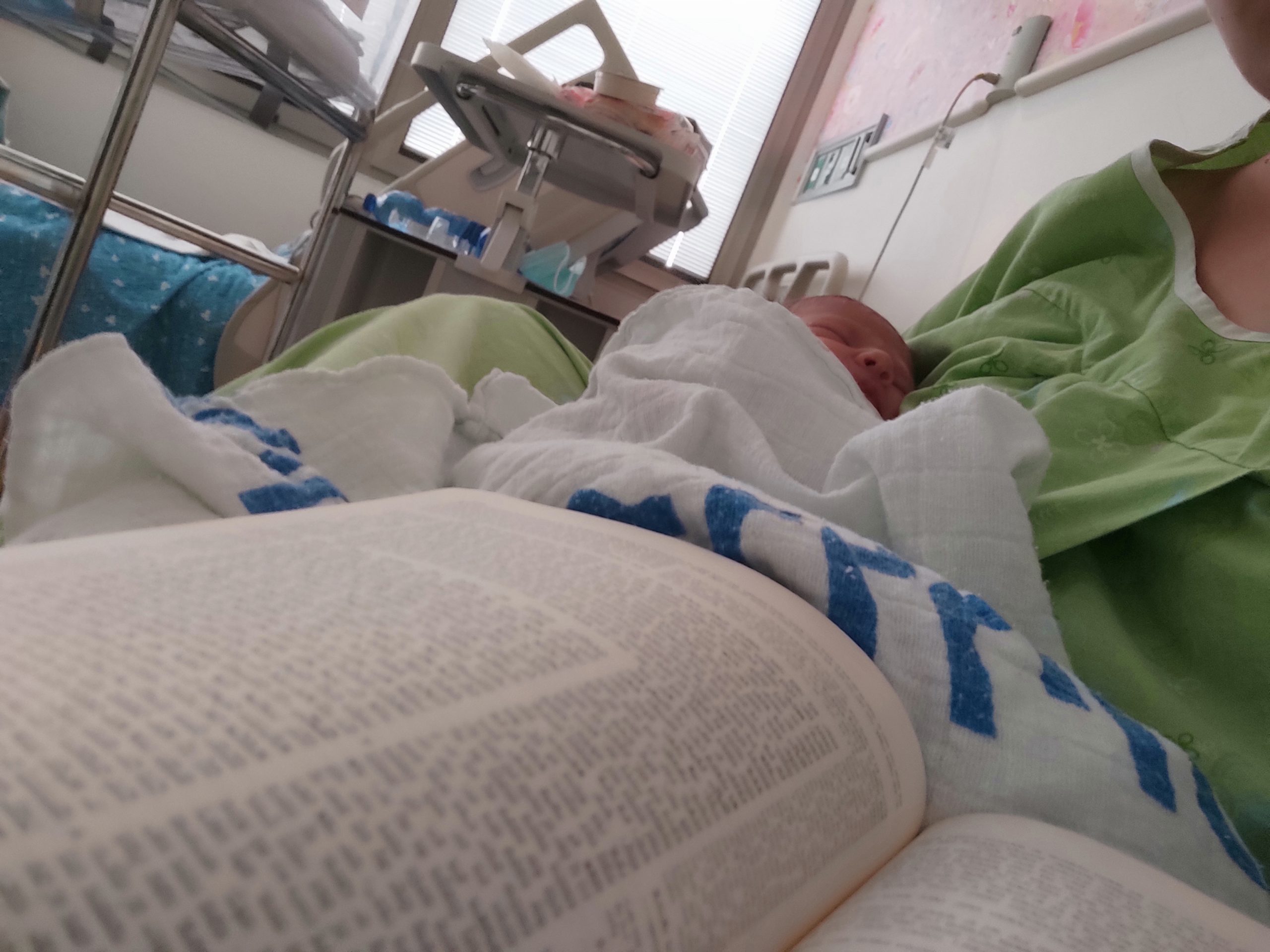
בתחילת הסבב הנוכחי הצטברו אצלי תחושות שאני לא מבינה מספיק מהי ההלכה אותה אני מקיימת בכל יום. כמו כן, כאמא לבנות רציתי לתת להן מודל נשי של לימוד תורה
שתי הסיבות האלו הובילו אותי להתחיל ללמוד. נתקלתי בתגובות מפרגנות וסקרניות איך אישה לומדת גמרא..
כמו שרואים בתמונה אני ממשיכה ללמוד גם היום ואפילו במחלקת יולדות אחרי לידת ביתי השלישית.
נועה שילה
רבבה, ישראל
A life-changing journey started with a Chanukah family tiyul to Zippori, home of the Sanhedrin 2 years ago and continued with the Syum in Binanei Hauma where I was awed by the energy of 3000 women dedicated to learning daf Yomi. Opening my morning daily with a fresh daf, I am excited with the new insights I find enriching my life and opening new and deeper horizons for me.

בקי גולדשטיין
Elazar gush etzion, Israel
התחלתי כשהייתי בחופש, עם הפרסומים על תחילת המחזור, הסביבה קיבלה את זה כמשהו מתמיד ומשמעותי ובהערכה, הלימוד זה עוגן יציב ביום יום, יש שבועות יותר ויש שפחות אבל זה משהו שנמצא שם אמין ובעל משמעות בחיים שלי….

עדי דיאמנט
גמזו, ישראל
רציתי לקבל ידע בתחום שהרגשתי שהוא גדול וחשוב אך נעלם ממני. הלימוד מעניק אתגר וסיפוק ומעמיק את תחושת השייכות שלי לתורה וליהדות
רות עגיב
עלי זהב – לשם, ישראל
באירוע של הדרן בנייני האומה. בהשראתה של אמי שלי שסיימה את הש”ס בסבב הקודם ובעידוד מאיר , אישי, וילדיי וחברותיי ללימוד במכון למנהיגות הלכתית של רשת אור תורה סטון ומורתיי הרבנית ענת נובוסלסקי והרבנית דבורה עברון, ראש המכון למנהיגות הלכתית.
הלימוד מעשיר את יומי, מחזיר אותי גם למסכתות שכבר סיימתי וידוע שאינו דומה מי ששונה פרקו מאה לשונה פרקו מאה ואחת במיוחד מרתקים אותי החיבורים בין המסכתות
רוית קלך
מודיעין, ישראל
התחלתי ללמוד דף יומי בתחילת מסכת ברכות, עוד לא ידעתי כלום. נחשפתי לסיום הש״ס, ובעצם להתחלה מחדש בתקשורת, הפתיע אותי לטובה שהיה מקום לעיסוק בתורה.
את המסכתות הראשונות למדתי, אבל לא סיימתי (חוץ מעירובין איכשהו). השנה כשהגעתי למדרשה, נכנסתי ללופ, ואני מצליחה להיות חלק, סיימתי עם החברותא שלי את כל המסכתות הקצרות, גם כשהיינו חולות קורונה ובבידודים, למדנו לבד, העיקר לא לצבור פער, ומחכות ליבמות 🙂

עדן ישורון
מזכרת בתיה, ישראל
בתחילת הסבב הנוכחי של לימוד הדף היומי, נחשפתי לחגיגות המרגשות באירועי הסיום ברחבי העולם. והבטחתי לעצמי שבקרוב אצטרף גם למעגל הלומדות. הסבב התחיל כאשר הייתי בתחילת דרכי בתוכנית קרן אריאל להכשרת יועצות הלכה של נשמ”ת. לא הצלחתי להוסיף את ההתחייבות לדף היומי על הלימוד האינטנסיבי של תוכנית היועצות. בבוקר למחרת המבחן הסופי בנשמ”ת, התחלתי את לימוד הדף במסכת סוכה ומאז לא הפסקתי.

חנה שחם-רוזבי (ד”ר)
קרית גת, ישראל
רבנית מישל הציתה אש התלמוד בלבבות בביניני האומה ואני נדלקתי. היא פתחה פתח ותמכה במתחילות כמוני ואפשרה לנו להתקדם בצעדים נכונים וטובים. הקימה מערך שלם שמסובב את הלומדות בסביבה תומכת וכך נכנסתי למסלול לימוד מעשיר שאין כמוה. הדרן יצר קהילה גדולה וחזקה שמאפשרת התקדמות מכל נקודת מוצא. יש דיבוק לומדות שמחזק את ההתמדה של כולנו. כל פניה ושאלה נענית בזריזות ויסודיות. תודה גם למגי על כל העזרה.
שרה אבר
נתניה, ישראל
כבר סיפרתי בסיום של מועד קטן.
הלימוד מאוד משפיעה על היום שלי כי אני לומדת עם רבנית מישל על הבוקר בזום. זה נותן טון לכל היום – בסיס למחשבות שלי .זה זכות גדול להתחיל את היום בלימוד ובתפילה. תודה רבה !

שרה ברלוביץ
ירושלים, ישראל
התחלתי ללמוד בסבב הנוכחי לפני כשנתיים .הסביבה מתפעלת ותומכת מאוד. אני משתדלת ללמוד מכל ההסכתים הנוספים שיש באתר הדרן. אני עורכת כל סיום מסכת שיעור בביתי לכ20 נשים שמחכות בקוצר רוח למפגשים האלו.
יעל אשר
יהוד, ישראל
לפני 15 שנה, אחרי עשרות שנים של "ג’ינגול” בין משפחה לקריירה תובענית בהייטק, הצטרפתי לשיעורי גמרא במתן רעננה. הלימוד המעמיק והייחודי של הרבנית אושרה קורן יחד עם קבוצת הנשים המגוונת הייתה חוויה מאלפת ומעשירה. לפני כשמונה שנים כאשר מחזור הדף היומי הגיע למסכת תענית הצטרפתי כ”חברותא” לבעלי. זו השעה היומית שלנו ביחד כאשר דפי הגמרא משתלבים בחיי היום יום, משפיעים ומושפעים, וכשלא מספיקים תמיד משלימים בשבת
יודי אסקוף
רעננה, ישראל
יומא לג
לְכָךְ שָׁנִינוּ: רוֹב אֶחָד בָּעוֹף וְרוֹב שְׁנַיִם בַּבְּהֵמָה. וְכִי מֵאַחַר דַּאֲפִילּוּ פְּסוּלָא מִדְּרַבָּנַן לֵיכָּא, לְמָה לִי לְמָרֵק! מִצְוָה לְמָרֵק.
therefore, we learned again: The majority of one organ in a bird and the majority of each of two organs in an animal, to teach that slaughtering the majority of each of the signs is sufficient. The Gemara asks: And since there is not even an invalidation by rabbinic law, why do I need another priest to finish cutting the organs? Why not suffice with the High Priest’s slaughter of the majority of each of the two organs? The Gemara answers: It is nevertheless a mitzva to complete the slaughter ab initio to cause the blood to flow more freely.
אַבָּיֵי מְסַדֵּר מַעֲרָכָה מִשְּׁמֵיהּ דִּגְמָרָא וְאַלִּיבָּא דְּאַבָּא שָׁאוּל: מַעֲרָכָה גְּדוֹלָה קוֹדֶמֶת לְמַעֲרָכָה שְׁנִיָּה שֶׁל קְטוֹרֶת, מַעֲרָכָה שְׁנִיָּה שֶׁל קְטוֹרֶת קוֹדֶמֶת לְסִידּוּר שְׁנֵי גְּזִירֵי עֵצִים, וְסִידּוּר שְׁנֵי גְּזִירֵי עֵצִים קוֹדֵם לְדִישּׁוּן מִזְבֵּחַ הַפְּנִימִי, וְדִישּׁוּן מִזְבֵּחַ הַפְּנִימִי קוֹדֵם לַהֲטָבַת חָמֵשׁ נֵרוֹת,
§ Abaye arranged the sequence of the daily services in the Temple based on tradition and in accordance with the opinion of Abba Shaul: Setting up the large arrangement of wood on the altar on which the offerings were burned precedes the second arrangement of wood. This second arrangement was arranged separately near the southwest corner of the altar, and twice every day priests raked coals from it and placed them on the inner altar in order to burn the incense. The second arrangement for the incense precedes setting up the two logs of wood above the large arrangement to fulfill the mitzva of bringing wood. And the setting up of the two logs of wood precedes the removal of ashes from the inner altar. And the removal of ashes from the inner altar precedes the removal of ashes from five of the seven lamps of the candelabrum.
וַהֲטָבַת חָמֵשׁ נֵרוֹת קוֹדֵם לְדַם הַתָּמִיד, וְדַם הַתָּמִיד קוֹדֵם לַהֲטָבַת שְׁתֵּי נֵרוֹת, וַהֲטָבַת שְׁתֵּי נֵרוֹת קוֹדֵם לִקְטוֹרֶת, וּקְטוֹרֶת קוֹדֵם לְאֵבָרִים, וְאֵבָרִים לְמִנְחָה, וּמִנְחָה לַחֲבִיתִּין, וַחֲבִיתִּין לִנְסָכִין,
And removal of ashes from five lamps precedes the slaughter and the receiving and sprinkling of the blood of the daily morning offering. The sprinkling of the blood of the daily offering precedes the removal of ashes from the two remaining lamps of the candelabrum. And the removal of ashes from two lamps precedes the burning of the incense. The burning of the incense on the inner altar precedes the burning of the limbs of the daily offering on the outer altar. The burning of the limbs precedes the sacrifice of the meal-offering which accompanies the daily offering. The sacrifice of the meal-offering precedes the sacrifice of the High Priest’s daily griddle-cake offering, half of which he sacrificed in the morning and half in the afternoon. And the griddle-cake offering precedes the pouring of the libations of the daily offering.
וּנְסָכִין לְמוּסָפִין, וּמוּסָפִין לְבָזִיכִין, וּבָזִיכִין לְתָמִיד שֶׁל בֵּין הָעַרְבַּיִם, שֶׁנֶּאֱמַר: ״וְהִקְטִיר עָלֶיהָ חֶלְבֵי הַשְּׁלָמִים״, ״עָלֶיהָ״ הַשְׁלֵם כׇּל הַקָּרְבָּנוֹת כּוּלָּן.
And the libations precede the sacrifice of the additional offerings on days when the additional offerings are sacrificed. And the additional offerings precede the vessels of frankincense that are offered on Shabbat. And the vessels precede the sacrifice of the daily afternoon offering, as it is stated: “And he shall lay out the burnt-offering on it, and burn on it the fat parts of the peace-offerings” (Leviticus 6:5). The term on it, means complete sacrifice of all other offerings, i.e., after the daily morning offering rather than after the daily afternoon offering. In all cases, the daily afternoon offering is the final offering sacrificed.
אָמַר מָר: מַעֲרָכָה גְּדוֹלָה קוֹדֶמֶת לְמַעֲרָכָה שְׁנִיָּה שֶׁל קְטוֹרֶת. מְנָא לַן? דְּתַנְיָא: ״הִיא הָעוֹלָה עַל מוֹקְדָה עַל הַמִּזְבֵּחַ כׇּל הַלַּיְלָה״ — זוֹ מַעֲרָכָה גְּדוֹלָה. ״וְאֵשׁ הַמִּזְבֵּחַ תּוּקַד בּוֹ״ — זוֹ מַעֲרָכָה שְׁנִיָּה שֶׁל קְטוֹרֶת.
The Gemara proceeds to analyze the items listed by Abaye and seeks biblical or logical sources for each. The Master said: Setting up the large arrangement of wood on the altar on which the offerings were burned precedes the second arrangement of wood for incense. The Gemara asks: From where do we derive this? The Gemara answers: As it was taught in a baraita: The verse states: “The burnt-offering itself shall go up on its bonfire upon the altar all night” (Leviticus 6:2); this is referring to the large arrangement of wood. “And the fire of the altar shall be kept burning on it” (Leviticus 6:2); this is referring to the second arrangement of wood near the corner of the altar, from which coals are taken for the incense.
וְאֵיפוֹךְ אֲנָא! מִסְתַּבְּרָא מַעֲרָכָה גְּדוֹלָה עֲדִיפָא, שֶׁכֵּן כַּפָּרָתָהּ מְרוּבָּה.
The Gemara asks: And perhaps I should reverse them and say that the first verse refers to the arrangement of wood for the incense, and the second verse refers to the large arrangement of wood. The Gemara answers: It is reasonable that the large arrangement of wood takes precedence, as the atonement that it effects is extensive. All of the offerings are sacrificed on the large pile, not just the incense.
אַדְּרַבָּה, מַעֲרָכָה שְׁנִיָּה עֲדִיפָא, שֶׁכֵּן מַכְנִיסִין מִמֶּנָּה לִפְנִים! אֲפִילּוּ הָכִי, כַּפָּרָתָהּ מְרוּבָּה עֲדִיפָא. וְאִיבָּעֵית אֵימָא: אִי לָא מַשְׁכַּח עֵצִים לְמַעֲרָכָה שְׁנִיָּה, מִי לָא מְעַיֵּיל מִמַּעֲרָכָה גְּדוֹלָה?!
The Gemara rejects this: On the contrary, the second arrangement takes precedence, as unlike the large arrangement in which offerings are burned exclusively on the outer altar, coals from it are taken inside the Sanctuary. The Gemara answers: Even so, the contention that the atonement that it effects is extensive takes precedence. And if you wish, say instead: If one does not find wood for the second arrangement, wouldn’t he take coals from the large arrangement into the Sanctuary to burn the incense? There is no fundamental obligation to bring coals from a special arrangement, and the second arrangement is only an addition to the large arrangement on which all the offerings are burned.
מַעֲרָכָה שְׁנִיָּה שֶׁל קְטוֹרֶת קוֹדֶמֶת לְסִידּוּר שְׁנֵי גְּזִירֵי עֵצִים. מְנָא לַן? דִּכְתִיב: ״וּבִעֵר עָלֶיהָ הַכֹּהֵן עֵצִים בַּבֹּקֶר בַּבֹּקֶר״. ״עָלֶיהָ״, וְלֹא עַל חֲבֶרְתָּהּ. מִכְּלָל דְּאִיתָא לַחֲבֶרְתַּהּ.
Abaye continued and said that the second arrangement for incense precedes the setting up of the two logs. The Gemara asks: From where do we derive this? As it is written: “And the priest shall burn wood upon it in the morning, in the morning” (Leviticus 6:5); there is an obligation to place new logs upon the large arrangement. The term upon it underscores that the wood is placed only on the large arrangement, and not on the other arrangement from which coals are taken for the incense. From the fact that this exclusionary term is necessary, it can be derived by inference that there is another pile on the altar, meaning that when the new logs are placed on the altar, the two arrangements are already there.
וְהַאי ״עָלֶיהָ״ מִיבְּעֵי לֵיהּ לְגוּפֵיהּ! תְּרֵי ״עָלֶיהָ״ כְּתִיבִי.
The Gemara asks: But this term: Upon it, is needed for its own sake, to teach the obligation to place the logs on the altar; therefore, how can the timing of their placement be derived from that term? The Gemara answers: The term: Upon it, is written twice in that verse: “And the priest shall burn wood upon it in the morning, in the morning, and he shall place the burnt-offering upon it.” From one instance of this term the fundamental obligation to place the logs is derived, and from the other instance the order of their placement is derived.
סִידּוּר שְׁנֵי גְּזִירֵי עֵצִים קוֹדֵם לְדִישּׁוּן מִזְבֵּחַ הַפְּנִימִי. אַף עַל גַּב דְּהָכָא כְּתִיב ״בַּבֹּקֶר בַּבֹּקֶר״, וְהָכָא כְּתִיב ״בַּבֹּקֶר בַּבֹּקֶר״, אֲפִילּוּ הָכִי מַכְשִׁיר עָדִיף. מַכְשִׁיר מַאי נִיהוּ — שְׁנֵי גְּזִירֵי עֵצִים, וְהָא אָמְרַתְּ שְׁנֵי גְּזִירֵי עֵצִים לְמַעֲרָכָה גְּדוֹלָה אָזְלִי!
Abaye continued: The setting up of the two logs precedes the removal of ashes from the inner altar. Although here, with regard to the two logs, it is written: In the morning, in the morning, meaning that the priest must arise early in the morning to perform this act, and here, with regard to removal of the ashes from the inner altar, it is also written: “In the morning, in the morning” (Exodus 30:7), even so, an action that facilitates another service takes precedence. Therefore, setting up the logs, from which coals are taken, facilitating the burning of the incense, precedes removal of ashes from the inner altar. The Gemara asks: What is the act that facilitates? It is the placement of the two logs. But didn’t you say that the two logs go to the large arrangement of wood and not to the arrangement of wood from which the coals are taken for the incense? These logs in no way facilitate the burning of the incense.
אָמַר רַבִּי יִרְמְיָה: שׁוּם עֵצִים. רָבִינָא אָמַר: הוֹאִיל וְהִתְחִיל בַּמַּעֲרָכָה, גּוֹמֵר. רַב אָשֵׁי אָמַר: אִי לָא מַשְׁכַּח עֵצִים לְמַעֲרָכָה שְׁנִיָּה מִי לָא מְעַיֵּיל מִמַּעֲרָכָה גְּדוֹלָה?!
Rabbi Yirmeya said: The reference is to the category of wood. Although these logs do not facilitate the burning of the incense, wood facilitates its burning, and the two logs are wood. Therefore, they take precedence. Ravina said a different reason: Since he began with the service of setting up the arrangement, he completes it by placing two logs. Only then he moves on to perform a different service. Rav Ashi said: If one does not find wood for the second arrangement, won’t he take coals from the large arrangement into the Sanctuary to burn the incense? This demonstrates that there are circumstances in which placing the logs facilitates the burning of the incense. Therefore, it takes precedence.
וְדִישּׁוּן מִזְבֵּחַ הַפְּנִימִי קוֹדֵם לַהֲטָבַת חָמֵשׁ נֵרוֹת. מַאי טַעְמָא? אָמַר אַבָּיֵי: גְּמָרָא גְּמִירְנָא, סְבָרָא — לָא יָדַעְנָא. וְרָבָא אָמַר: כְּרֵישׁ לָקִישׁ. דְּאָמַר רֵישׁ לָקִישׁ: אֵין מַעֲבִירִין עַל הַמִּצְוֹת,
Abaye continued: And removal of ashes from the inner altar precedes the removal of ashes from five of the seven lamps of the candelabrum. What is the reason for this? Abaye said: I learned this through tradition; however, I do not know the rationale behind it. And Rava said: The reason is in accordance with the statement of Reish Lakish, as Reish Lakish said: One may not forego performance of any of the mitzvot in order to perform another mitzva.
וְכִי עָיֵיל לְהֵיכָל — בְּמִזְבֵּחַ פָּגַע בְּרֵישָׁא. דְּתַנְיָא: שֻׁלְחָן בַּצָּפוֹן מָשׁוּךְ מִן הַכּוֹתֶל שְׁתֵּי אַמּוֹת וּמֶחֱצָה, וּמְנוֹרָה בַּדָּרוֹם מְשׁוּכָה מִן הַכּוֹתֶל שְׁתֵּי אַמּוֹת וּמֶחֱצָה. מִזְבֵּחַ מְמוּצָּע וְעוֹמֵד בְּאֶמְצַע וּמָשׁוּךְ כְּלַפֵּי חוּץ קִימְעָא. וְנוֹקְמֵיהּ, לַהֲדַיְיהוּ? כֵּיוָן דִּכְתִיב: ״וְאֶת הַמְּנוֹרָה נֹכַח הַשֻּׁלְחָן״, בָּעֵינַן דְּחָזוּ אַהֲדָדֵי.
And when he enters the Sanctuary it is the altar that he encounters first, before reaching the candelabrum; therefore, he performs the service of the altar before removing the ashes from the lamps, as it was taught in a baraita: The table stood in the north of the Sanctuary, removed two and a half cubits from the wall. And the candelabrum stood in the south of the Sanctuary, removed two and a half cubits from the wall. The altar was centered and standing in the middle of the Sanctuary, removed a bit outward. Therefore, one encounters the altar first. The Gemara questions the essence of the matter: And let us stand the altar alongside the table and the candelabrum; why was it removed outward? The Gemara answers: It is because it is written: “And the candelabrum opposite the table” (Exodus 26:35); we require that they are visible to each other. Were the altar aligned with the table and the candelabrum, it would interpose between them.
אָמַר רָבָא: שְׁמַע מִינַּהּ מִדְּרֵישׁ לָקִישׁ, עַבּוֹרֵי דְּרָעָא אַטּוֹטֶפְתָּא אָסוּר. הֵיכִי עָבֵיד? מִדְּרָעָא לְטוֹטֶפְתָּא.
Rava said: Conclude from the statement of Reish Lakish that one may not forego performance of any of the mitzvot, that it is prohibited to forego donning the phylacteries of the arm in order to don the phylacteries of the head, as when donning phylacteries, one encounters the arm first. How does he conduct himself? He proceeds from the phylacteries of the arm to the phylacteries of the head.
וַהֲטָבַת חָמֵשׁ נֵרוֹת קוֹדֵם לְדַם הַתָּמִיד, וְדַם הַתָּמִיד קוֹדֵם לַהֲטָבַת שְׁתֵּי נֵרוֹת. מַאי טַעְמָא? אָמַר אַבָּיֵי: הָהוּא ״בַּבֹּקֶר בַּבֹּקֶר״ דִּשְׁנֵי גְּזִירֵי עֵצִים דְּלָא צְרִיכִי, שְׁדִינְהוּ לְהָכָא. חַד שִׁדְיֵיהּ לַהֲטָבַת חָמֵשׁ נֵרוֹת — דְּלִיקְדְּמֵיהּ לְדַם הַתָּמִיד, וְחַד שִׁדְיֵיהּ לְדַם הַתָּמִיד — דְּנִקְדְּמֵיהּ לַהֲטָבַת שְׁתֵּי נֵרוֹת.
§ Abaye continued: And removal of ashes from five lamps precedes the slaughter and the receiving and sprinkling of the blood of the daily morning offering. The sprinkling of the blood of the daily offering precedes the removal of ashes from the two remaining lamps of the candelabrum. The Gemara asks: What is the reason for this? Abaye said: Take that phrase: In the morning, in the morning, written with regard to the two logs, which is unnecessary to establish the time for performance of that service, as its precedence was explained due to its association with the arrangement of wood. And cast that extraneous phrase to here, and apply it to other elements of the morning service. If the phrase is superfluous in its context, apply it elsewhere where a halakha can be derived. Cast one term: In the morning, and apply it to removal of ashes from five lamps so that it will precede the blood of the daily offering. And cast one term: In the morning, and apply it to the blood of the daily offering, so that it will precede the removal of ashes from the two additional lamps.
חַד שִׁדְיֵיהּ לַהֲטָבַת חָמֵשׁ נֵרוֹת, דְּלִיקְדְּמֵיהּ לְדַם הַתָּמִיד — דְּהָכָא תְּלָתָא וְהָכָא תְּרֵי.
The Gemara elaborates: Cast one term: In the morning, and apply it to removal of ashes from five lamps so that it will precede the blood of the daily offering, as here, there are three instances of: In the morning; two instances are written explicitly with regard to removal of ashes from the lamps (see Exodus 30:7) and one is written with regard to the two logs. And here, with regard to the blood of the daily offering, there are two instances of the phrase; one explicit mention in the text (see Exodus 29:39) and one written with regard to the two logs.
וְחַד שִׁדְיֵיהּ לְדַם הַתָּמִיד — דְּנִקְדְּמֵיהּ לַהֲטָבַת שְׁתֵּי נֵרוֹת. אַף עַל גַּב דְּהָכָא תְּרֵי וְהָכָא תְּרֵי — מְכַפֵּר עָדִיף.
And cast one term: In the morning, to the blood of the daily offering so that it will precede the removal of ashes from the two additional lamps. Although here, with regard to removal of ashes from the lamps, there are two instances of the phrase: In the morning, and here, with regard to the blood of the daily offering, there are two instances of the phrase: In the morning, one written and one cast from the portion of two logs, the blood of the daily offering takes precedence because an act that effects atonement, the sprinkling of blood, takes precedence.
אֲמַר לֵיהּ רַב פָּפָּא לְאַבָּיֵי, וְאֵימָא: חַד שִׁדְיֵיהּ לְדִישּׁוּן מִזְבֵּחַ הַפְּנִימִי, דְּנִקְדְּמֵיהּ לְדַם הַתָּמִיד — דְּהָכָא תְּלָתָא וְהָכָא תְּרֵי. וְחַד שִׁדְיֵיהּ לְדַם הַתָּמִיד, דְּנִקְדּוֹם לַהֲטָבַת חָמֵשׁ נֵרוֹת — דְּאַף עַל גַּב דְּהָכָא תְּרֵי וְהָכָא תְּרֵי, מְכַפֵּר עָדִיף! אִם כֵּן אַפְסוֹקֵי בְּמַאי מַפְסְקַתְּ לְהוּ?
Rav Pappa said to Abaye: And say instead, cast one of the extraneous phrases: In the morning, and apply it to the removal of ashes from the inner altar, so that it will precede the blood of the daily offering, as here there are three instances of the phrase and there there are two. And cast one of the extraneous phrases: In the morning, and apply it to the blood of the daily offering so that it will precede the removal of ashes from five lamps, and say that although here there are two instances of the phrase: In the morning, and here there are two instances of the phrase: In the morning, still an act that effects atonement, the sprinkling of blood, takes precedence. Abaye dismisses this question by saying: If the blood of the daily offering precedes the removal of ashes from five lamps, with what will you demarcate between the removal of ashes from five lamps and the removal of ashes from two lamps?
הָנִיחָא לְרֵישׁ לָקִישׁ, דְּאָמַר: לָמָּה מְטִיבִין וְחוֹזְרִים וּמְטִיבִין — כְּדֵי לְהַרְגִּישׁ כׇּל הָעֲזָרָה כּוּלָּהּ, שַׁפִּיר.
That works out well according to the opinion of Reish Lakish, who said: Why does the priest remove the ashes from five lamps of the candelabrum and then return and remove the ashes from two lamps of the candelabrum rather than arrange all seven lamps at once? It is in order to enliven those present in the entire Temple courtyard, since people are coming and going to fulfill this mitzva with great ceremony. It works out well according to the opinion of Reish Lakish, because he says there is no need for any other service to demarcate between removal of ashes from five lamps and removal of ashes from two.
אֶלָּא לְרַבִּי יוֹחָנָן, דְּאָמַר: ״בַּבֹּקֶר בַּבֹּקֶר״ — חַלְּקֵהוּ לִשְׁנֵי בְקָרִים, מַאי אִיכָּא לְמֵימַר?
However, according to Rabbi Yoḥanan, who said the following based on the verse: “And Aaron shall burn upon it incense of sweet spices; in the morning, in the morning, when he removes the ashes from the lamps” (Exodus 30:7); take the term in the morning, in the morning, and divide the service of removal of ashes from the lamps into two mornings, i.e., into two parts, by performing a service in between, what can be said? According to Rabbi Yoḥanan, since the result would be that there is no service demarcating between the five lamps and the two lamps, there is no alternative to interpreting the matter in accordance with the explanation of Abaye.
אֲמַר לֵיהּ רָבִינָא לְרַב אָשֵׁי: הַאי ״בַּבֹּקֶר בַּבֹּקֶר״ דְּעֵצִים, מִי מְיַיתַּר? הָא מִיבְּעֵי לֵיהּ לְגוּפֵיהּ, דְּקָאָמַר רַחֲמָנָא — נִקְדְּמוּ לְמַעֲרָכָה שְׁנִיָּה שֶׁל קְטוֹרֶת! אֲמַר לֵיהּ: וְלָאו מִי אוֹקֵימְנָא ״עָלֶיהָ״ וְלֹא עַל חֲבֶרְתָּהּ, מִכְּלָל דְּאִיתַהּ לַחֲבֶרְתַּהּ.
Ravina said to Rav Ashi with regard to the basis for Abaye’s argument: Is this term: In the morning, in the morning, written with regard to the two logs actually superfluous and therefore available to have other matters derived from it? Isn’t it necessary to teach its own basic halakha, as the Merciful One states in the Torah: Have it precede the second arrangement of wood, from which coals are taken for the incense? Rav Ashi said to him: And did we not establish that it is written: Upon it, underscoring the fact that wood is placed only on the large arrangement and not on the other arrangement from which coals are taken for the incense? From the fact that this exclusionary term is necessary, it can be derived by inference that there is another pile on the altar, meaning that when the new logs are placed on the altar, the two arrangements are already there.
מַאי שְׁנָא דְּעָבֵיד הֲטָבַת חָמֵשׁ נֵרוֹת בְּרֵישָׁא? נֶעְבֵּיד הֲטָבַת שְׁתֵּי נֵרוֹת בְּרֵישָׁא! כֵּיוָן דְּאַתְחֵיל בְּהוּ — עָבֵיד רוּבָּא. וְנֶעְבֵּיד שֵׁית! אָמַר קְרָא: ״בְּהֵיטִיבוֹ אֶת הַנֵּרוֹת יַקְטִירֶנָּה״, וְאֵין נֵרוֹת פְּחוּתוֹת מִשְּׁתַּיִם.
The Gemara asks with regard to the sequence in which the priest removes the ashes from the lamps: What is different that he performs the removal of ashes from five lamps first? Let us perform the removal of ashes from two lamps first. The Gemara answers: Since he begins the service with them, he performs the service on a majority of the lamps. The Gemara asks: If so, let him perform the service on six lamps. The Gemara responds that the verse states: “When he removes the ashes from the lamps, he shall burn it” (Exodus 30:7), and lamps is plural, meaning no fewer than two. Apparently, removal of ashes from lamps must be performed on a minimum of two lamps.
וַהֲטָבַת שְׁתֵּי נֵרוֹת קוֹדֶמֶת לִקְטוֹרֶת, דְּאָמַר קְרָא: ״בְּהֵיטִיבוֹ אֶת הַנֵּרוֹת״, וַהֲדַר ״יַקְטִירֶנָּה״.
Abaye continued: And the removal of ashes from two lamps precedes the burning of the incense, as the verse first states: “When he removes the ashes from the lamps,” and then states: “He shall burn it.” The removal of the ashes precedes the burning of the incense.
וּקְטוֹרֶת לְאֵבָרִים, דְּתַנְיָא: יוּקְדַּם דָּבָר שֶׁנֶּאֱמַר בּוֹ ״בַּבֹּקֶר בַּבֹּקֶר״, לְדָבָר שֶׁלֹּא נֶאֱמַר בּוֹ אֶלָּא ״בֹּקֶר״ אֶחָד בִּלְבַד.
Abaye continued: And the burning of the incense on the inner altar precedes the burning of the limbs of the daily offering on the outer altar, as it was taught in a baraita: Let the matter with regard to which it is stated: In the morning, in the morning, i.e., the burning of the incense, precede the matter with regard to which only one: In the morning, is stated, i.e., the daily morning offering, in the verse: “You shall offer one lamb in the morning” (Exodus 29:39).
וְאֵבָרִים לְמִנְחָה, דְּתַנְיָא: מִנַּיִין שֶׁלֹּא יְהֵא דָּבָר קוֹדֵם לְתָמִיד שֶׁל שַׁחַר?
Abaye continued: The burning of the limbs precedes the sacrifice of the meal-offering that accompanies the daily offering, as it was taught in a baraita: From where is it derived that there may be no item placed on the arrangement of wood prior to the daily morning offering?
לעקוב

