חיפוש

יומא לז

רוצה להקדיש לימוד?

podcast placeholder

0:00
0:00


תקציר

השיעור היום מוקדש על ידי מישל ולורנס ברקוביץ לעילוי נשמת ג’וי רוכוורגר בלסם, במלאת 17 שנה לפטירתה. היא האמינה בלימוד תורה לכולם.

למה דווקא אמר "אנא השם” כשהתודה? מה ענו העם ברוך שם כבוד מלכותו לעולם ועד? איפה עמד הכהן גדול כשעשה הגורלות על השעירים? ומי עמד לידו? המשנה מתארת אנשים שעשו דברים מפוארים למקדש.


יומא לז

וּמִנַּיִן שֶׁבְּ״אָנָּא״? נֶאֱמַר כָּאן ״כַּפָּרָה״, וְנֶאֱמַר לְהַלָּן בְּחוֹרֵב ״כַּפָּרָה״. מָה לְהַלָּן בְּ״אָנָּא״, אַף כָּאן בְּ״אָנָּא״. וּמִנַּיִן שֶׁבַּ״שֵּׁם״? נֶאֱמַר כָּאן ״כַּפָּרָה״, וְנֶאֶמְרָה בְּעֶגְלָה עֲרוּפָה ״כַּפָּרָה״. מָה לְהַלָּן בַּ״שֵּׁם״, אַף כָּאן בַּ״שֵּׁם״.

And from where is it derived that the confession must begin with the word please? It is stated here: Atonement, and it is stated there, just before Moses’s plea following the sin of the Golden Calf at Horeb: “Perhaps I may secure atonement for your sin” (Exodus 32:30). Just as there, the prayer includes: “Please, this people is guilty of a great sin” (Exodus 32:31), so too here, the term please should be used. And from where is it derived that the Yom Kippur confession includes the name of God? It is stated here: Atonement, and it is stated with regard to the heifer whose neck is broken: “Atone, O God, for Your nation of Israel whom You redeemed, and do not let guilt for the blood of the innocent remain among Your people Israel, and they will be atoned of bloodguilt” (Deuteronomy 21:8). Just as there, with regard to the heifer, the name of God is mentioned, so too here, the name of God is mentioned.

אָמַר אַבָּיֵי: בִּשְׁלָמָא חוֹרֵב מֵעֶגְלָה עֲרוּפָה לָא יָלֵיף — מַאי דַהֲוָה הֲוָה. אֶלָּא עֶגְלָה עֲרוּפָה תֵּילַיף מֵחוֹרֵב? וְכִי תֵּימָא הָכִי נָמֵי, וְהָתְנַן: ״הַכֹּהֲנִים אוֹמְרִים: כַּפֵּר לְעַמְּךָ יִשְׂרָאֵל״, וְאִילּוּ בְּ״אָנָּא״ לָא קָא אָמַר. קַשְׁיָא.

Abaye said: Granted, the obligation to include the name of God in the confession at Horeb cannot be derived from the heifer whose neck is broken, since what was, was. The sin of the Golden Calf predated the mitzva of the heifer. However, you should derive that the confession in the ritual of the heifer whose neck is broken requires use of the term: Please, from Horeb, where Moses employed that term. And if you say that is so, and the term: Please, should be employed, didn’t we learn in a mishna that the priests say: “Atone, O God, for Your nation, Israel” (Deuteronomy 21:8), while the mishna does not state the term please. Apparently, the formula of confession during the ritual of the heifer is not derived from Horeb. The Gemara says: It is indeed difficult why that is not derived.

וְהֵן עוֹנִין אַחֲרָיו. תַּנְיָא, רַבִּי אוֹמֵר: ״כִּי שֵׁם ה׳ אֶקְרָא הָבוּ גוֹדֶל לֵאלֹהֵינוּ״, אָמַר לָהֶם מֹשֶׁה לְיִשְׂרָאֵל: בְּשָׁעָה שֶׁאֲנִי מַזְכִּיר שְׁמוֹ שֶׁל הַקָּדוֹשׁ בָּרוּךְ הוּא, אַתֶּם הָבוּ גּוֹדֶל. חֲנַנְיָה בֶּן אֲחִי רַבִּי יְהוֹשֻׁעַ אוֹמֵר: ״זֵכֶר צַדִּיק לִבְרָכָה״, אָמַר לָהֶם נָבִיא לְיִשְׂרָאֵל: בְּשָׁעָה שֶׁאֲנִי מַזְכִּיר צַדִּיק עוֹלָמִים, אַתֶּם תְּנוּ בְּרָכָה.

§ The mishna continues: And the priests and the people who were in the courtyard respond after he recites the name of God: Blessed be the name of His glorious kingdom forever and all time. It was taught in a baraita that Rabbi Yehuda HaNasi says the following with regard to the verse: “When I call out the name of the Lord, give glory to our God” (Deuteronomy 32:3). Moses said to the Jewish people: When I mention the name of the Holy One, Blessed be He, you give Him glory and recite praises in his honor. Ḥananya, son of the brother of Rabbi Yehoshua, says that proof for the practice is from a different source: “The memory of the righteous shall be for a blessing” (Proverbs 10:7). The prophet, Solomon, said to the Jewish people: When I mention the Righteous One of all worlds, you accord Him a blessing.

מַתְנִי׳ בָּא לוֹ לְמִזְרַח הָעֲזָרָה לִצְפוֹן הַמִּזְבֵּחַ, הַסְּגָן מִימִינוֹ וְרֹאשׁ בֵּית אָב מִשְּׂמֹאלוֹ. וְשָׁם שְׁנֵי שְׂעִירִים, וְקַלְפִּי הָיְתָה שָׁם, וּבָהּ שְׁנֵי גוֹרָלוֹת, שֶׁל אֶשְׁכְּרוֹעַ הָיוּ, וַעֲשָׂאָן בֶּן גַּמְלָא שֶׁל זָהָב, וְהָיוּ מַזְכִּירִים אוֹתוֹ לְשֶׁבַח.

MISHNA: The priest then came to the eastern side of the Temple courtyard, farthest from the Holy of Holies, to the north of the altar. The deputy was to his right, and the head of the patrilineal family belonging to the priestly watch that was assigned to serve in the Temple that week was to his left. And they arranged two goats there, and there was a lottery receptacle there, and in it were two lots. These were originally made of boxwood, and the High Priest Yehoshua ben Gamla fashioned them of gold, and the people would mention him favorably for what he did.

בֶּן קָטִין עָשָׂה שְׁנֵים עָשָׂר דַּד לַכִּיּוֹר, שֶׁלֹּא הָיָה לוֹ אֶלָּא שְׁנַיִם. וְאַף הוּא עָשָׂה מוּכְנִי לַכִּיּוֹר, שֶׁלֹּא יִהְיוּ מֵימָיו נִפְסָלִין בְּלִינָה.

Since the mishna mentions an item designed to enhance the Temple service, it also lists other such items: The High Priest ben Katin made twelve spigots for the basin so that several priests could sanctify their hands and feet at once, as previously the basin had only two. He also made a machine [mukheni] for sinking the basin into flowing water during the night so that its water would not be disqualified by remaining overnight. Had the water remained in the basin overnight, it would have been necessary to pour it out the following morning. By immersing the basin in flowing water, the water inside remained fit for use the next morning.

מוֹנְבַּז הַמֶּלֶךְ הָיָה עוֹשֶׂה כָּל יְדוֹת הַכֵּלִים שֶׁל יוֹם הַכִּפּוּרִים שֶׁל זָהָב. הֵילֶנִי אִמּוֹ עָשְׂתָה נִבְרֶשֶׁת שֶׁל זָהָב עַל פֶּתַח הֵיכָל, וְאַף הִיא עָשְׂתָה טַבְלָא שֶׁל זָהָב שֶׁפָּרָשַׁת סוֹטָה כְּתוּבָה עָלֶיהָ. נִקָנוֹר נַעֲשׂוּ נִסִּים לְדַלְתוֹתָיו, וְהָיוּ מַזְכִּירִין אוֹתָן לְשֶׁבַח.

King Munbaz would contribute the funds required to make the handles of all the Yom Kippur vessels of gold. Queen Helene, his mother, fashioned a decorative gold chandelier above the entrance of the Sanctuary. She also fashioned a golden tablet [tavla] on which the Torah portion relating to sota was written. The tablet could be utilized to copy this Torah portion, so that a Torah scroll need not be taken out for that purpose. With regard to Nicanor, miracles were performed to his doors, the doors in the gate of the Temple named for him, the Gate of Nicanor. And the people would mention all of those whose contributions were listed favorably.

גְּמָ׳ מִדְּקָאָמַר לִצְפוֹן הַמִּזְבֵּחַ, מִכְּלָל דְּמִזְבֵּחַ לָאו בְּצָפוֹן קָאֵי. מַנִּי? רַבִּי אֱלִיעֶזֶר בֶּן יַעֲקֹב הִיא. דְּתַנְיָא: ״צָפוֹנָה לִפְנֵי ה׳״, שֶׁיְּהֵא צָפוֹן כּוּלּוֹ פָּנוּי, דִּבְרֵי רַבִּי אֱלִיעֶזֶר בֶּן יַעֲקֹב

GEMARA: From the fact that it says in the mishna that the priest comes to the north of the altar, it can be learned by inference that the altar itself does not stand in the north but in the south of the courtyard. The Gemara asks: In accordance with whose opinion is the mishna? The Gemara answers: It is in accordance with the opinion of Rabbi Eliezer ben Ya’akov, as it was taught in a baraita that from the verse: “And he shall slaughter it on the side of the altar northward before God” (Leviticus 1:11), it is derived that the entire north side should be vacant. The altar is in the south, and the north is vacant. This is the statement of Rabbi Eliezer ben Ya’akov.

וְהָא רֵישָׁא אֶלְעָזָר בְּרַבִּי שִׁמְעוֹן הִיא! כּוּלַּהּ רַבִּי אֱלִיעֶזֶר בֶּן יַעֲקֹב הִיא, וּתְנִי בְּבֵין הָאוּלָם וְלַמִּזְבֵּחַ.

The Gemara asks: But isn’t the first clause, the previous mishna, as explained above, in accordance with the opinion of Rabbi Elazar, son of Rabbi Shimon, who holds that the altar was partially in the north? The Gemara rejects this assertion: The entire mishna, including the first clause, is in accordance with the opinion of Rabbi Eliezer ben Ya’akov. Emend the previous mishna and teach it as referring to the space adjacent to the area between the Entrance Hall and the altar and not actually the space between them, north of the altar, where everyone agrees that it is the north.

הַסְּגָן בִּימִינוֹ, וְרֹאשׁ בֵּית אָב בִּשְׂמֹאלוֹ. אָמַר רַב יְהוּדָה: הַמְהַלֵּךְ לִימִין רַבּוֹ הֲרֵי זֶה בּוּר. תְּנַן: הַסְּגָן בִּימִינוֹ, וְרֹאשׁ בֵּית אָב בִּשְׂמֹאלוֹ!

§ The mishna states that the deputy High Priest stands to the right of the High Priest, and the head of the patrilineal family is to his left. Rav Yehuda said with regard to the laws of etiquette: One who walks to the right of his teacher is a boor, in that he hasn’t the slightest notion of good manners. The Gemara asks: Didn’t we learn in the mishna that the deputy, who is like a student to the High Priest, is to the right of the High Priest, and the head of the patrilineal priestly family responsible for the Temple service that day is to his left?

וְעוֹד, תַּנְיָא: שְׁלֹשָׁה שֶׁהָיוּ מְהַלְּכִין בַּדֶּרֶךְ — הָרַב בָּאֶמְצַע, גָּדוֹל בִּימִינוֹ, וְקָטָן מִשְּׂמֹאלוֹ. וְכֵן מָצִינוּ בִּשְׁלֹשָׁה מַלְאֲכֵי הַשָּׁרֵת שֶׁבָּאוּ אֵצֶל אַבְרָהָם, מִיכָאֵל בָּאֶמְצַע, גַּבְרִיאֵל בִּימִינוֹ, וּרְפָאֵל בִּשְׂמֹאלוֹ.

And furthermore, it was taught in a baraita: Three people who were walking on the road should not walk in single file but should walk with the teacher in the middle, the greater of the students on his right, and the lesser of them to his left. And so too do we find with the three ministering angels who came to Abraham: Michael, the greatest of the three, was in the middle, Gabriel was to his right, and Raphael was to his left. Apparently, a student walks to the right of his teacher.

תַּרְגְּמַהּ רַב שְׁמוּאֵל בַּר פָּפָּא קַמֵּיהּ דְּרַב אַדָּא: כְּדֵי שֶׁיִּתְכַּסֶּה בּוֹ רַבּוֹ. וְהָתַנְיָא: הַמְהַלֵּךְ כְּנֶגֶד רַבּוֹ — הֲרֵי זֶה בּוּר, אֲחוֹרֵי רַבּוֹ — הֲרֵי זֶה מִגַּסֵּי הָרוּחַ! דְּמַצְדֵּד אַצְדּוֹדֵי.

Rav Shmuel bar Pappa interpreted it before Rav Adda: He does not walk next to his teacher as an equal, but walks slightly behind him so that he is slightly obscured by his teacher. The Gemara asks: But wasn’t it taught in a baraita: One who walks next to his teacher is a boor; one who walks behind his teacher, allowing his teacher to walk before him, is among the arrogant. The Gemara answers: He does not walk directly beside him but slightly to his side and slightly behind his teacher.

וְקַלְפִּי הָיְתָה שָׁם וּבָהּ שְׁנֵי גוֹרָלוֹת. תָּנוּ רַבָּנַן: ״וְנָתַן אַהֲרֹן עַל שְׁנֵי הַשְּׂעִירִם גּוֹרָלוֹת״, [גּוֹרָלוֹת] שֶׁל כׇּל דָּבָר.

§ The mishna continues: And there was a lottery receptacle in the east of the courtyard there, and in it were two lots. The Sages taught the following in a baraita with regard to the verse: “And Aaron shall place lots on the two goats, one lot for God and one lot for Azazel” (Leviticus 16:8). Lots is a general term; they may be fashioned from any material, as the Torah does not specify the material of which they are made.

יָכוֹל יִתֵּן שְׁנַיִם עַל זֶה וּשְׁנַיִם עַל זֶה, תַּלְמוּד לוֹמַר: ״גּוֹרָל אֶחָד לַה׳ וְגוֹרָל אֶחָד לַעֲזָאזֵל״ — אֵין כָּאן לַשֵּׁם אֶלָּא גּוֹרָל אֶחָד, וְאֵין כָּאן לַעֲזָאזֵל אֶלָּא אֶחָד. יָכוֹל יִתֵּן שֶׁל שֵׁם וְשֶׁל עֲזָאזֵל עַל זֶה וְשֶׁל שֵׁם וְשֶׁל עֲזָאזֵל עַל זֶה, תַּלְמוּד לוֹמַר: ״גּוֹרָל אֶחָד [לַה׳״ — אֵין כָּאן לַה׳ אֶלָּא אֶחָד, וְאֵין כָּאן לַעֲזָאזֵל אֶלָּא אֶחָד]. אִם כֵּן, מָה תַּלְמוּד לוֹמַר ״גּוֹרָלוֹת״ — שֶׁיִּהְיוּ שָׁוִין, שֶׁלֹּא יַעֲשֶׂה אֶחָד שֶׁל זָהָב וְאֶחָד שֶׁל כֶּסֶף, אֶחָד גָּדוֹל וְאֶחָד קָטָן.

One might have thought that he should place two lots on this goat and two lots on that goat; therefore, the verse states: “One lot for God and one lot for Azazel” (Leviticus 16:8), meaning there is only one lot here for God, and there is only one lot here for Azazel. Likewise, one might have thought he should place the lot of God and the lot of Azazel on this goat, and the lot of God and the lot of Azazel on that goat; therefore, the verse states: One lot for God, i.e., there is only one lot here for God, and there is only one lot here for Azazel. If so, what is the meaning when the verse states lots, in the plural, since each of the two goats has one lot not two? It is to teach that the two lots should be identical; that he should not make one of gold and one of silver, or one big and one small.

גּוֹרָלוֹת שֶׁל כׇּל דָּבָר: פְּשִׁיטָא! לָא צְרִיכָא, לְכִדְתַנְיָא: לְפִי שֶׁמָּצִינוּ בַּצִּיץ שֶׁהַשֵּׁם כָּתוּב עָלָיו וְהוּא שֶׁל זָהָב, יָכוֹל אַף זֶה כֵּן — תַּלְמוּד לוֹמַר: ״גּוֹרָל״ ״גּוֹרָל״ רִיבָּה, רִיבָּה שֶׁל זַיִת, רִיבָּה שֶׁל אֱגוֹז, רִיבָּה שֶׁל אֶשְׁכְּרוֹעַ.

It was taught in the baraita that the lots may be fashioned from any material. The Gemara asks: This is obvious, considering that the Torah does not designate a particular material. The Gemara answers: No, it is necessary only due to that which was taught in a baraita: Because we find with regard to the High Priest’s frontplate that the name of God was written upon it and it was made of gold, one might have thought that this lot, too, should be made of gold since it has God’s name on it. Therefore, the verse states: Lot, lot, twice to include other materials and not exclusively gold. It includes lots made of olive wood, and includes lots made of walnut wood, and includes lots made of boxwood.

בֶּן קָטִין עָשָׂה שְׁנֵים עָשָׂר דַּד לַכִּיּוֹר וְכוּ׳. תָּנָא כְּדֵי שֶׁיִּהְיוּ שְׁנֵים עָשָׂר אֶחָיו הַכֹּהֲנִים הָעֲסוּקִין בְּתָמִיד מְקַדְּשִׁין יְדֵיהֶן וְרַגְלֵיהֶן בְּבַת אַחַת. תָּנָא: שַׁחֲרִית בְּמִילּוּאוֹ — מְקַדֵּשׁ יָדָיו וְרַגְלָיו מִן הָעֶלְיוֹן, עַרְבִית בִּירִידָתוֹ — מְקַדֵּשׁ יָדָיו וְרַגְלָיו מִן הַתַּחְתּוֹן.

§ The mishna continues: The High Priest ben Katin made twelve spigots for the basin. It was taught: Ben Katin did this so that twelve of his fellow priests, who are occupied with sacrificing the daily offering as explained above, could sanctify their hands and their feet simultaneously. It was taught: In the morning, when the basin is full, one sanctifies his hands and his feet from the spigots fixed at the top of the basin because the water level is high. And in the afternoon, when the water level is low, he sanctifies his hands and his feet from the spigots fixed at the bottom.

וְאַף הוּא עָשָׂה מוּכְנִי לַכִּיּוֹר וְכוּ׳. מַאי מוּכְנִי? אָמַר אַבָּיֵי: גִּילְגְּלָא דַּהֲוָה מְשַׁקְּעָא לֵיהּ.

The mishna continues with regard to ben Katin: He also made a machine for sinking the basin. The Gemara asks: What is this machine? Abaye said: It is a wheel with which he lowered the basin into the pit.

מוֹנְבַּז הַמֶּלֶךְ עָשָׂה כָּל יְדוֹת הַכֵּלִים וְכוּ׳. נַעְבְּדִינְהוּ לְדִידְהוּ דְּזָהָב!

The mishna continues: King Munbaz would contribute the funds required to make the handles of all the Yom Kippur vessels of gold. The Gemara asks: If he wanted to donate money to beautify the Temple, he should have made the vessels themselves of gold, not just the handles.

אָמַר אַבָּיֵי: בִּידוֹת סַכִּינִין. מֵיתִיבִי: אַף הוּא עָשָׂה כַּנֵּי כֵלִים, וְאוֹגְנֵי כֵלִים, וִידוֹת כֵּלִים, וִידוֹת סַכִּינִין שֶׁל יוֹם הַכִּפּוּרִים שֶׁל זָהָב. תַּרְגְּמַהּ אַבָּיֵי: בְּקַתָּתָא דְּנַרְגֵי וַחֲצִינֵי.

Abaye said: Although gold is not suitable for knife blades, as it is too soft for use in slaughter, the mishna is referring to knife handles. The Gemara raises an objection from a different baraita: King Munbaz also made the bases of vessels, the grips of vessels, the handles of vessels, and the handles of knives of Yom Kippur of gold. Apparently, knives are not categorized as vessels; therefore, the handles of the Yom Kippur vessels that Munbaz donated were not knife handles. The Gemara answers: Abaye interpreted that Munbaz donated gold for the handles of axes and hatchets. The blades of these implements cannot be made of gold; rather, like knives, they require stronger material.

הֵילֶנִי אִמּוֹ עָשְׂתָה נִבְרֶשֶׁת שֶׁל זָהָב וְכוּ׳. תָּנָא: בְּשָׁעָה שֶׁהַחַמָּה זוֹרַחַת נִיצוֹצוֹת יוֹצְאִין מִמֶּנָּה, וְהַכֹּל יוֹדְעִין שֶׁהִגִּיעַ זְמַן קְרִיאַת שְׁמַע.

§ The mishna continues: Queen Helene, his mother, fashioned a decorative gold chandelier above the entrance of the Sanctuary. It was taught in a mishna: When the sun rose, sparks of light would emanate from the chandelier, which was polished, and everyone knew that the time to recite Shema had arrived. The ideal time to recite Shema is at the moment of sunrise.

מֵיתִיבִי: הַקּוֹרֵא אֶת שְׁמַע שַׁחֲרִית עִם אַנְשֵׁי מִשְׁמָר, וְאַנְשֵׁי מַעֲמָד — לֹא יָצָא, מִפְּנֵי שֶׁאַנְשֵׁי מִשְׁמָר מַשְׁכִּימִין וְאַנְשֵׁי מַעֲמָד מֵאֲחֵרִים! אָמַר אַבָּיֵי: לִשְׁאָר עַמָּא דְּבִירוּשְׁלֶם.

The Gemara raises an objection: One who recites Shema in the morning with the men of the priestly watch, who served in the Temple during a given week, or with the men of the non-priestly watch, designated groups of Israelites who accompanied the priestly watch to Jerusalem that week, did not fulfill his obligation. That is because the men of the priestly watch recite Shema too early so that they will have sufficient time to perform the Temple service, and the men of the non-priestly watch, who recite lengthy prayers and stand over the daily morning offering when it is sacrificed, postpone reciting Shema. For whom, then, did the emanating sparks signal the time to recite Shema? Abaye said: It was an indicator for the rest of the people in Jerusalem, who recited Shema at the appropriate time to recite Shema.

וְאַף הִיא עָשְׂתָה טַבְלָא. שָׁמְעַתְּ מִינַּהּ כּוֹתְבִין מְגִילָּה לְתִינוֹק לְהִתְלַמֵּד בָּהּ. אֲמַר רֵישׁ לָקִישׁ מִשּׁוּם רַבִּי יַנַּאי: בְּאָלֶף בֵּית.

§ The mishna relates: Queen Helene also fashioned a golden tablet on which the sota Torah portion was written. The Gemara comments: You learn from this that one may write a scroll that contains only several portions of the Torah, from which a child may be taught. The Sages disputed whether it is permitted to do so even for the purpose of education. Reish Lakish said in the name of Rabbi Yannai: There is no proof from this mishna, as the tablet prepared by Queen Helene consisted of the letters of the alefbeit, i.e., only the first letter of each word was written on the tablet, representing the word.

מֵיתִיבִי: כְּשֶׁהוּא כּוֹתֵב רוֹאֶה וְכוֹתֵב מָה שֶׁכָּתוּב בַּטַּבְלָא! אֵימָא: רוֹאֶה וְכוֹתֵב כְּמָה שֶׁכָּתוּב בַּטַּבְלָא.

The Gemara raises an objection from the halakhot of sota: When the scribe writes the sota scroll, he looks and writes that which is written on the tablet. Apparently, the full text of the passage was written on the tablet. The Gemara rejects this: Emend the baraita and say: He looks and writes like that which is written on the tablet. The tablet aids the scribe in remembering the text that must be written.

מֵיתִיבִי: כְּשֶׁהוּא כּוֹתֵב — רוֹאֶה וְכוֹתֵב מָה שֶׁכָּתוּב בַּטַּבְלָא, וּמָה כָּתוּב בַּטַּבְלָא — ״אִם שָׁכַב אִישׁ אוֹתָךְ״ [״וְאִם לֹא שָׁכַב״], ״אִם שָׂטִית״ ״אִם לֹא שָׂטִית״! הָתָם

The Gemara raises an objection from a different baraita: When he writes, he looks and writes that which is written on the tablet. And what is written on the tablet? If a man lay with you…and if he did not lay with you; if you strayed…if you did not stray (see Numbers 5:19–20). Apparently, the full text of the passage was written on the tablet. The Gemara answers: There, it was written

חדשה בלימוד הגמרא?

זה הדף הראשון שלך? איזו התרגשות עצומה! יש לנו בדיוק את התכנים והכלים שיעזרו לך לעשות את הצעדים הראשונים ללמידה בקצב וברמה שלך, כך תוכלי להרגיש בנוח גם בתוך הסוגיות המורכבות ומאתגרות.

פסיפס הלומדות שלנו

גלי את קהילת הלומדות שלנו, מגוון נשים, רקעים וסיפורים. כולן חלק מתנועה ומסע מרגש ועוצמתי.

רציתי לקבל ידע בתחום שהרגשתי שהוא גדול וחשוב אך נעלם ממני. הלימוד מעניק אתגר וסיפוק ומעמיק את תחושת השייכות שלי לתורה וליהדות

Ruth Agiv
רות עגיב

עלי זהב – לשם, ישראל

. לא תמיד נהניתי מלימוד גמרא כילדה.,בל כהתבגרתי התחלתי לאהוב את זה שוב. התחלתי ללמוד מסכת סוטה בדף היומי לפני כחמש עשרה שנה ואז הפסקתי.הגעתי לסיום הגדול של הדרן לפני שנתיים וזה נתן לי השראה. והתחלתי ללמוד למשך כמה ימים ואז היתה לי פריצת דיסק והפסקתי…עד אלול השנה. אז התחלתי עם מסכת ביצה וב”ה אני מצליחה לעמוד בקצב. המשפחה מאוד תומכת בי ויש כמה שגם לומדים את זה במקביל. אני אוהבת שיש עוגן כל יום.

Rebecca Darshan
רבקה דרשן

בית שמש, ישראל

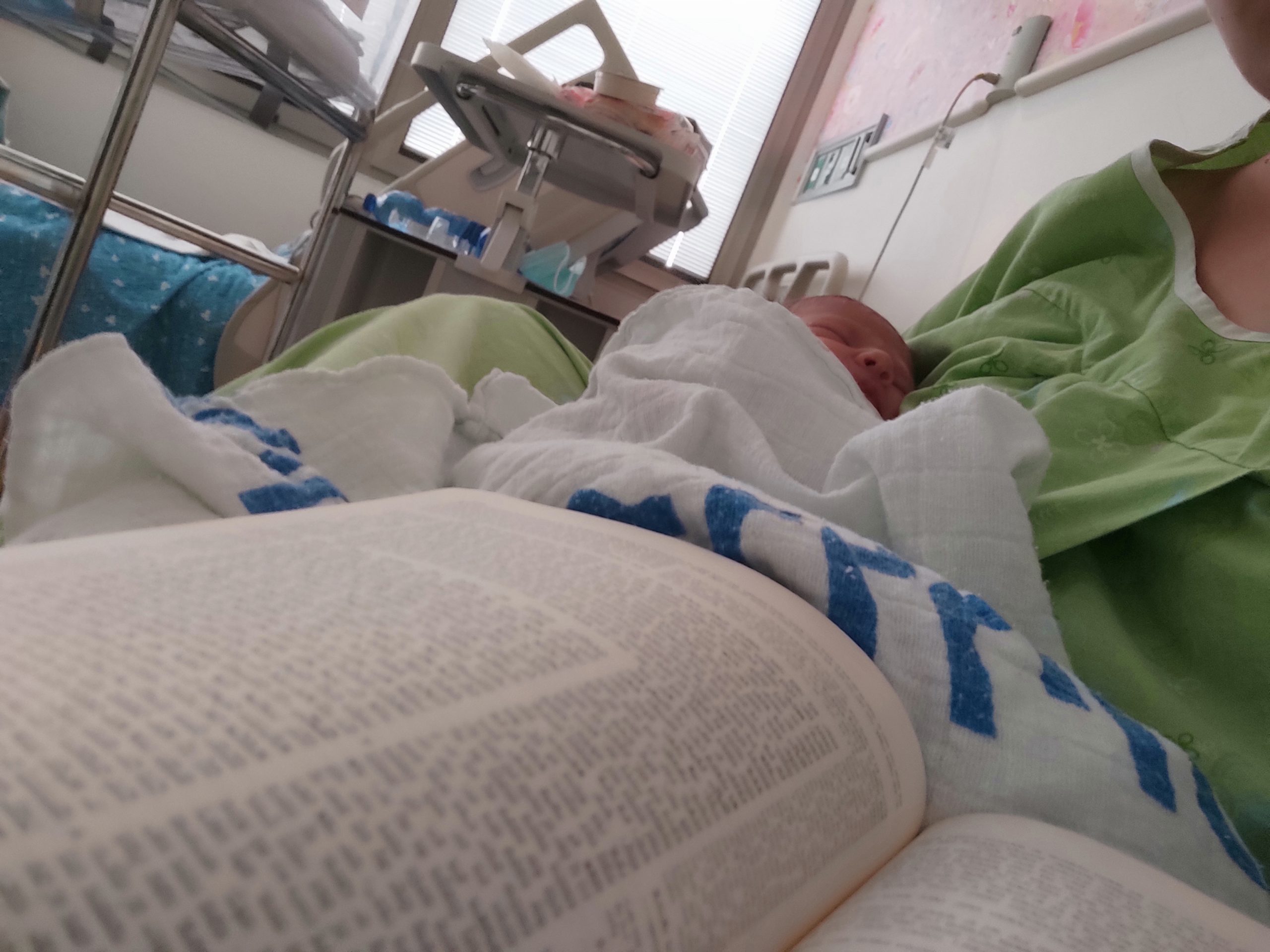
התחלתי בסיום הש”ס, יצאתי באורות. נשברתי פעמיים, ובשתיהם הרבנית מישל עודדה להמשיך איפה שכולם בסבב ולהשלים כשאוכל, וכך עשיתי וכיום השלמתי הכל. מדהים אותי שאני לומדת כל יום קצת, אפילו בחדר הלידה, בבידוד או בחו”ל. לאט לאט יותר נינוחה בסוגיות. לא כולם מבינים את הרצון, בפרט כפמניסטית. חשה סיפוק גדול להכיר את המושגים וצורת החשיבה. החלום זה להמשיך ולהתמיד ובמקביל ללמוד איך מהסוגיות נוצרה והתפתחה ההלכה.

Weingarten Sherrington Foundation
קרן וינגרטן שרינגטון

מודיעין, ישראל

התחלתי לפני 8 שנים במדרשה. לאחרונה סיימתי מסכת תענית בלמידה עצמית ועכשיו לקראת סיום מסכת מגילה.

Daniela Baruchim
דניאלה ברוכים

רעננה, ישראל

התחלתי ללמוד גמרא בבית הספר בגיל צעיר והתאהבתי. המשכתי בכך כל חיי ואף היייתי מורה לגמרא בבית הספר שקד בשדה אליהו (בית הספר בו למדתי בילדותי)בתחילת מחזור דף יומי הנוכחי החלטתי להצטרף ובע”ה מקווה להתמיד ולהמשיך. אני אוהבת את המפגש עם הדף את "דרישות השלום ” שמקבלת מקשרים עם דפים אחרים שלמדתי את הסנכרון שמתחולל בין התכנים.

Ariela Bigman
אריאלה ביגמן

מעלה גלבוע, ישראל

ראיתי את הסיום הגדול בבנייני האומה וכל כך התרשמתי ורציתי לקחת חלק.. אבל לקח לי עוד כשנה וחצי )באמצע מסיכת שבת להצטרף..
הלימוד חשוב לי מאוד.. אני תמיד במרדף אחרי הדף וגונבת כל פעם חצי דף כשהילדים עסוקים ומשלימה אח”כ אחרי שכולם הלכו לישון..

Olga Mizrahi
אולגה מזרחי

ירושלים, ישראל

בתחילת הסבב הנוכחי הצטברו אצלי תחושות שאני לא מבינה מספיק מהי ההלכה אותה אני מקיימת בכל יום. כמו כן, כאמא לבנות רציתי לתת להן מודל נשי של לימוד תורה
שתי הסיבות האלו הובילו אותי להתחיל ללמוד. נתקלתי בתגובות מפרגנות וסקרניות איך אישה לומדת גמרא..
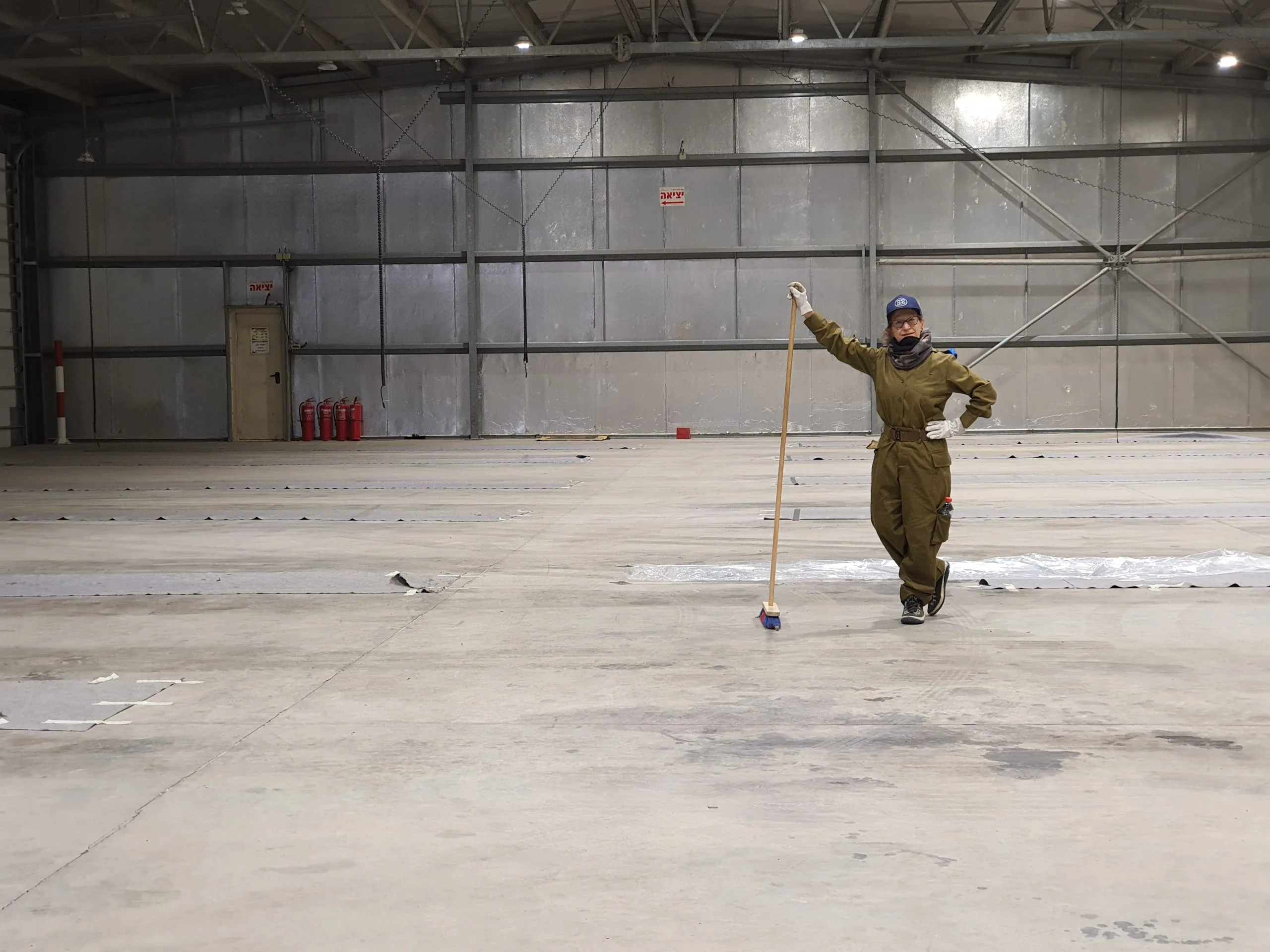
כמו שרואים בתמונה אני ממשיכה ללמוד גם היום ואפילו במחלקת יולדות אחרי לידת ביתי השלישית.

Noa Shiloh
נועה שילה

רבבה, ישראל

התחלתי ללמוד דף יומי שהתחילו מסכת כתובות, לפני 7 שנים, במסגרת קבוצת לימוד שהתפרקה די מהר, ומשם המשכתי לבד בתמיכת האיש שלי. נעזרתי בגמרת שטיינזלץ ובשיעורים מוקלטים.
הסביבה מאד תומכת ואני מקבלת המון מילים טובות לאורך כל הדרך. מאז הסיום הגדול יש תחושה שאני חלק מדבר גדול יותר.
אני לומדת בשיטת ה”7 דפים בשבוע” של הרבנית תרצה קלמן – כלומר, לא נורא אם לא הצלחת ללמוד כל יום, העיקר שגמרת ארבעה דפים בשבוע

Rachel Goldstein
רחל גולדשטיין

עתניאל, ישראל

A friend in the SF Bay Area said in Dec 2019 that she might start listening on her morning drive to work. I mentioned to my husband and we decided to try the Daf when it began in Jan 2020 as part of our preparing to make Aliyah in the summer.

Hana Piotrkovsky
חנה פיוטרקובסקי

ירושלים, Israel

התחלתי ללמוד דף יומי כאשר קיבלתי במייל ממכון שטיינזלץ את הדפים הראשונים של מסכת ברכות במייל. קודם לא ידעתי איך לקרוא אותם עד שנתתי להם להדריך אותי. הסביבה שלי לא מודעת לעניין כי אני לא מדברת על כך בפומבי. למדתי מהדפים דברים חדשים, כמו הקשר בין המבנה של בית המקדש והמשכן לגופו של האדם (יומא מה, ע”א) והקשר שלו למשפט מפורסם שמופיע בספר ההינדי "בהגוד-גיתא”. מתברר שזה רעיון כלל עולמי ולא רק יהודי

Elena Arenburg
אלנה ארנבורג

נשר, ישראל

ראיתי את הסיום הגדול בבנייני האומה וכל כך התרשמתי ורציתי לקחת חלק.. אבל לקח לי עוד כשנה וחצי )באמצע מסיכת שבת להצטרף..
הלימוד חשוב לי מאוד.. אני תמיד במרדף אחרי הדף וגונבת כל פעם חצי דף כשהילדים עסוקים ומשלימה אח”כ אחרי שכולם הלכו לישון..

Olga Mizrahi
אולגה מזרחי

ירושלים, ישראל

. לא תמיד נהניתי מלימוד גמרא כילדה.,בל כהתבגרתי התחלתי לאהוב את זה שוב. התחלתי ללמוד מסכת סוטה בדף היומי לפני כחמש עשרה שנה ואז הפסקתי.הגעתי לסיום הגדול של הדרן לפני שנתיים וזה נתן לי השראה. והתחלתי ללמוד למשך כמה ימים ואז היתה לי פריצת דיסק והפסקתי…עד אלול השנה. אז התחלתי עם מסכת ביצה וב”ה אני מצליחה לעמוד בקצב. המשפחה מאוד תומכת בי ויש כמה שגם לומדים את זה במקביל. אני אוהבת שיש עוגן כל יום.

Rebecca Darshan
רבקה דרשן

בית שמש, ישראל

באירוע של הדרן בנייני האומה. בהשראתה של אמי שלי שסיימה את הש”ס בסבב הקודם ובעידוד מאיר , אישי, וילדיי וחברותיי ללימוד במכון למנהיגות הלכתית של רשת אור תורה סטון ומורתיי הרבנית ענת נובוסלסקי והרבנית דבורה עברון, ראש המכון למנהיגות הלכתית.
הלימוד מעשיר את יומי, מחזיר אותי גם למסכתות שכבר סיימתי וידוע שאינו דומה מי ששונה פרקו מאה לשונה פרקו מאה ואחת במיוחד מרתקים אותי החיבורים בין המסכתות

Roit Kalech
רוית קלך

מודיעין, ישראל

בתחילת הסבב הנוכחי של לימוד הדף היומי, נחשפתי לחגיגות המרגשות באירועי הסיום ברחבי העולם. והבטחתי לעצמי שבקרוב אצטרף גם למעגל הלומדות. הסבב התחיל כאשר הייתי בתחילת דרכי בתוכנית קרן אריאל להכשרת יועצות הלכה של נשמ”ת. לא הצלחתי להוסיף את ההתחייבות לדף היומי על הלימוד האינטנסיבי של תוכנית היועצות. בבוקר למחרת המבחן הסופי בנשמ”ת, התחלתי את לימוד הדף במסכת סוכה ומאז לא הפסקתי.

Hana Shaham-Rozby (Dr.)
חנה שחם-רוזבי (ד”ר)

קרית גת, ישראל

התחלתי להשתתף בשיעור נשים פעם בשבוע, תכננתי ללמוד רק דפים בודדים, לא האמנתי שאצליח יותר מכך.
לאט לאט נשאבתי פנימה לעולם הלימוד .משתדלת ללמוד כל בוקר ומתחילה את היום בתחושה של מלאות ומתוך התכווננות נכונה יותר.
הלימוד של הדף היומי ממלא אותי בתחושה של חיבור עמוק לעם היהודי ולכל הלומדים בעבר ובהווה.

Neely Hayon
נילי חיון

אפרת, ישראל

אחי, שלומד דף יומי ממסכת ברכות, חיפש חברותא ללימוד מסכת ראש השנה והציע לי. החברותא היתה מאתגרת טכנית ורוב הזמן נעשתה דרך הטלפון, כך שבסיום המסכת נפרדו דרכינו. אחי חזר ללמוד לבד, אבל אני כבר נכבשתי בקסם הגמרא ושכנעתי את האיש שלי להצטרף אלי למסכת ביצה. מאז המשכנו הלאה, ועכשיו אנחנו מתרגשים לקראתו של סדר נשים!

Shulamit Saban
שולמית סבן

נוקדים, ישראל

רבנית מישל הציתה אש התלמוד בלבבות בביניני האומה ואני נדלקתי. היא פתחה פתח ותמכה במתחילות כמוני ואפשרה לנו להתקדם בצעדים נכונים וטובים. הקימה מערך שלם שמסובב את הלומדות בסביבה תומכת וכך נכנסתי למסלול לימוד מעשיר שאין כמוה. הדרן יצר קהילה גדולה וחזקה שמאפשרת התקדמות מכל נקודת מוצא. יש דיבוק לומדות שמחזק את ההתמדה של כולנו. כל פניה ושאלה נענית בזריזות ויסודיות. תודה גם למגי על כל העזרה.

Sarah Aber
שרה אבר

נתניה, ישראל

התחלתי ללמוד דף יומי בתחילת מסכת ברכות, עוד לא ידעתי כלום. נחשפתי לסיום הש״ס, ובעצם להתחלה מחדש בתקשורת, הפתיע אותי לטובה שהיה מקום לעיסוק בתורה.
את המסכתות הראשונות למדתי, אבל לא סיימתי (חוץ מעירובין איכשהו). השנה כשהגעתי למדרשה, נכנסתי ללופ, ואני מצליחה להיות חלק, סיימתי עם החברותא שלי את כל המסכתות הקצרות, גם כשהיינו חולות קורונה ובבידודים, למדנו לבד, העיקר לא לצבור פער, ומחכות ליבמות 🙂

Eden Yeshuron
עדן ישורון

מזכרת בתיה, ישראל

רציתי לקבל ידע בתחום שהרגשתי שהוא גדול וחשוב אך נעלם ממני. הלימוד מעניק אתגר וסיפוק ומעמיק את תחושת השייכות שלי לתורה וליהדות

Ruth Agiv
רות עגיב

עלי זהב – לשם, ישראל

שמעתי על הסיום הענק של הדף היומי ע”י נשים בבנייני האומה. רציתי גם.
החלטתי להצטרף. התחלתי ושיכנעתי את בעלי ועוד שתי חברות להצטרף. עכשיו יש לי לימוד משותף איתו בשבת ומפגש חודשי איתן בנושא (והתכתבויות תדירות על דברים מיוחדים שקראנו). הצטרפנו לקבוצות שונות בווטסאפ. אנחנו ממש נהנות. אני שומעת את השיעור מידי יום (בד”כ מהרב יוני גוטמן) וקוראת ומצטרפת לסיומים של הדרן. גם מקפידה על דף משלהן (ונהנית מאד).

Liat Citron
ליאת סיטרון

אפרת, ישראל

יומא לז

וּמִנַּיִן שֶׁבְּ״אָנָּא״? נֶאֱמַר כָּאן ״כַּפָּרָה״, וְנֶאֱמַר לְהַלָּן בְּחוֹרֵב ״כַּפָּרָה״. מָה לְהַלָּן בְּ״אָנָּא״, אַף כָּאן בְּ״אָנָּא״. וּמִנַּיִן שֶׁבַּ״שֵּׁם״? נֶאֱמַר כָּאן ״כַּפָּרָה״, וְנֶאֶמְרָה בְּעֶגְלָה עֲרוּפָה ״כַּפָּרָה״. מָה לְהַלָּן בַּ״שֵּׁם״, אַף כָּאן בַּ״שֵּׁם״.

And from where is it derived that the confession must begin with the word please? It is stated here: Atonement, and it is stated there, just before Moses’s plea following the sin of the Golden Calf at Horeb: “Perhaps I may secure atonement for your sin” (Exodus 32:30). Just as there, the prayer includes: “Please, this people is guilty of a great sin” (Exodus 32:31), so too here, the term please should be used. And from where is it derived that the Yom Kippur confession includes the name of God? It is stated here: Atonement, and it is stated with regard to the heifer whose neck is broken: “Atone, O God, for Your nation of Israel whom You redeemed, and do not let guilt for the blood of the innocent remain among Your people Israel, and they will be atoned of bloodguilt” (Deuteronomy 21:8). Just as there, with regard to the heifer, the name of God is mentioned, so too here, the name of God is mentioned.

אָמַר אַבָּיֵי: בִּשְׁלָמָא חוֹרֵב מֵעֶגְלָה עֲרוּפָה לָא יָלֵיף — מַאי דַהֲוָה הֲוָה. אֶלָּא עֶגְלָה עֲרוּפָה תֵּילַיף מֵחוֹרֵב? וְכִי תֵּימָא הָכִי נָמֵי, וְהָתְנַן: ״הַכֹּהֲנִים אוֹמְרִים: כַּפֵּר לְעַמְּךָ יִשְׂרָאֵל״, וְאִילּוּ בְּ״אָנָּא״ לָא קָא אָמַר. קַשְׁיָא.

Abaye said: Granted, the obligation to include the name of God in the confession at Horeb cannot be derived from the heifer whose neck is broken, since what was, was. The sin of the Golden Calf predated the mitzva of the heifer. However, you should derive that the confession in the ritual of the heifer whose neck is broken requires use of the term: Please, from Horeb, where Moses employed that term. And if you say that is so, and the term: Please, should be employed, didn’t we learn in a mishna that the priests say: “Atone, O God, for Your nation, Israel” (Deuteronomy 21:8), while the mishna does not state the term please. Apparently, the formula of confession during the ritual of the heifer is not derived from Horeb. The Gemara says: It is indeed difficult why that is not derived.

וְהֵן עוֹנִין אַחֲרָיו. תַּנְיָא, רַבִּי אוֹמֵר: ״כִּי שֵׁם ה׳ אֶקְרָא הָבוּ גוֹדֶל לֵאלֹהֵינוּ״, אָמַר לָהֶם מֹשֶׁה לְיִשְׂרָאֵל: בְּשָׁעָה שֶׁאֲנִי מַזְכִּיר שְׁמוֹ שֶׁל הַקָּדוֹשׁ בָּרוּךְ הוּא, אַתֶּם הָבוּ גּוֹדֶל. חֲנַנְיָה בֶּן אֲחִי רַבִּי יְהוֹשֻׁעַ אוֹמֵר: ״זֵכֶר צַדִּיק לִבְרָכָה״, אָמַר לָהֶם נָבִיא לְיִשְׂרָאֵל: בְּשָׁעָה שֶׁאֲנִי מַזְכִּיר צַדִּיק עוֹלָמִים, אַתֶּם תְּנוּ בְּרָכָה.

§ The mishna continues: And the priests and the people who were in the courtyard respond after he recites the name of God: Blessed be the name of His glorious kingdom forever and all time. It was taught in a baraita that Rabbi Yehuda HaNasi says the following with regard to the verse: “When I call out the name of the Lord, give glory to our God” (Deuteronomy 32:3). Moses said to the Jewish people: When I mention the name of the Holy One, Blessed be He, you give Him glory and recite praises in his honor. Ḥananya, son of the brother of Rabbi Yehoshua, says that proof for the practice is from a different source: “The memory of the righteous shall be for a blessing” (Proverbs 10:7). The prophet, Solomon, said to the Jewish people: When I mention the Righteous One of all worlds, you accord Him a blessing.

מַתְנִי׳ בָּא לוֹ לְמִזְרַח הָעֲזָרָה לִצְפוֹן הַמִּזְבֵּחַ, הַסְּגָן מִימִינוֹ וְרֹאשׁ בֵּית אָב מִשְּׂמֹאלוֹ. וְשָׁם שְׁנֵי שְׂעִירִים, וְקַלְפִּי הָיְתָה שָׁם, וּבָהּ שְׁנֵי גוֹרָלוֹת, שֶׁל אֶשְׁכְּרוֹעַ הָיוּ, וַעֲשָׂאָן בֶּן גַּמְלָא שֶׁל זָהָב, וְהָיוּ מַזְכִּירִים אוֹתוֹ לְשֶׁבַח.

MISHNA: The priest then came to the eastern side of the Temple courtyard, farthest from the Holy of Holies, to the north of the altar. The deputy was to his right, and the head of the patrilineal family belonging to the priestly watch that was assigned to serve in the Temple that week was to his left. And they arranged two goats there, and there was a lottery receptacle there, and in it were two lots. These were originally made of boxwood, and the High Priest Yehoshua ben Gamla fashioned them of gold, and the people would mention him favorably for what he did.

בֶּן קָטִין עָשָׂה שְׁנֵים עָשָׂר דַּד לַכִּיּוֹר, שֶׁלֹּא הָיָה לוֹ אֶלָּא שְׁנַיִם. וְאַף הוּא עָשָׂה מוּכְנִי לַכִּיּוֹר, שֶׁלֹּא יִהְיוּ מֵימָיו נִפְסָלִין בְּלִינָה.

Since the mishna mentions an item designed to enhance the Temple service, it also lists other such items: The High Priest ben Katin made twelve spigots for the basin so that several priests could sanctify their hands and feet at once, as previously the basin had only two. He also made a machine [mukheni] for sinking the basin into flowing water during the night so that its water would not be disqualified by remaining overnight. Had the water remained in the basin overnight, it would have been necessary to pour it out the following morning. By immersing the basin in flowing water, the water inside remained fit for use the next morning.

מוֹנְבַּז הַמֶּלֶךְ הָיָה עוֹשֶׂה כָּל יְדוֹת הַכֵּלִים שֶׁל יוֹם הַכִּפּוּרִים שֶׁל זָהָב. הֵילֶנִי אִמּוֹ עָשְׂתָה נִבְרֶשֶׁת שֶׁל זָהָב עַל פֶּתַח הֵיכָל, וְאַף הִיא עָשְׂתָה טַבְלָא שֶׁל זָהָב שֶׁפָּרָשַׁת סוֹטָה כְּתוּבָה עָלֶיהָ. נִקָנוֹר נַעֲשׂוּ נִסִּים לְדַלְתוֹתָיו, וְהָיוּ מַזְכִּירִין אוֹתָן לְשֶׁבַח.

King Munbaz would contribute the funds required to make the handles of all the Yom Kippur vessels of gold. Queen Helene, his mother, fashioned a decorative gold chandelier above the entrance of the Sanctuary. She also fashioned a golden tablet [tavla] on which the Torah portion relating to sota was written. The tablet could be utilized to copy this Torah portion, so that a Torah scroll need not be taken out for that purpose. With regard to Nicanor, miracles were performed to his doors, the doors in the gate of the Temple named for him, the Gate of Nicanor. And the people would mention all of those whose contributions were listed favorably.

גְּמָ׳ מִדְּקָאָמַר לִצְפוֹן הַמִּזְבֵּחַ, מִכְּלָל דְּמִזְבֵּחַ לָאו בְּצָפוֹן קָאֵי. מַנִּי? רַבִּי אֱלִיעֶזֶר בֶּן יַעֲקֹב הִיא. דְּתַנְיָא: ״צָפוֹנָה לִפְנֵי ה׳״, שֶׁיְּהֵא צָפוֹן כּוּלּוֹ פָּנוּי, דִּבְרֵי רַבִּי אֱלִיעֶזֶר בֶּן יַעֲקֹב

GEMARA: From the fact that it says in the mishna that the priest comes to the north of the altar, it can be learned by inference that the altar itself does not stand in the north but in the south of the courtyard. The Gemara asks: In accordance with whose opinion is the mishna? The Gemara answers: It is in accordance with the opinion of Rabbi Eliezer ben Ya’akov, as it was taught in a baraita that from the verse: “And he shall slaughter it on the side of the altar northward before God” (Leviticus 1:11), it is derived that the entire north side should be vacant. The altar is in the south, and the north is vacant. This is the statement of Rabbi Eliezer ben Ya’akov.

וְהָא רֵישָׁא אֶלְעָזָר בְּרַבִּי שִׁמְעוֹן הִיא! כּוּלַּהּ רַבִּי אֱלִיעֶזֶר בֶּן יַעֲקֹב הִיא, וּתְנִי בְּבֵין הָאוּלָם וְלַמִּזְבֵּחַ.

The Gemara asks: But isn’t the first clause, the previous mishna, as explained above, in accordance with the opinion of Rabbi Elazar, son of Rabbi Shimon, who holds that the altar was partially in the north? The Gemara rejects this assertion: The entire mishna, including the first clause, is in accordance with the opinion of Rabbi Eliezer ben Ya’akov. Emend the previous mishna and teach it as referring to the space adjacent to the area between the Entrance Hall and the altar and not actually the space between them, north of the altar, where everyone agrees that it is the north.

הַסְּגָן בִּימִינוֹ, וְרֹאשׁ בֵּית אָב בִּשְׂמֹאלוֹ. אָמַר רַב יְהוּדָה: הַמְהַלֵּךְ לִימִין רַבּוֹ הֲרֵי זֶה בּוּר. תְּנַן: הַסְּגָן בִּימִינוֹ, וְרֹאשׁ בֵּית אָב בִּשְׂמֹאלוֹ!

§ The mishna states that the deputy High Priest stands to the right of the High Priest, and the head of the patrilineal family is to his left. Rav Yehuda said with regard to the laws of etiquette: One who walks to the right of his teacher is a boor, in that he hasn’t the slightest notion of good manners. The Gemara asks: Didn’t we learn in the mishna that the deputy, who is like a student to the High Priest, is to the right of the High Priest, and the head of the patrilineal priestly family responsible for the Temple service that day is to his left?

וְעוֹד, תַּנְיָא: שְׁלֹשָׁה שֶׁהָיוּ מְהַלְּכִין בַּדֶּרֶךְ — הָרַב בָּאֶמְצַע, גָּדוֹל בִּימִינוֹ, וְקָטָן מִשְּׂמֹאלוֹ. וְכֵן מָצִינוּ בִּשְׁלֹשָׁה מַלְאֲכֵי הַשָּׁרֵת שֶׁבָּאוּ אֵצֶל אַבְרָהָם, מִיכָאֵל בָּאֶמְצַע, גַּבְרִיאֵל בִּימִינוֹ, וּרְפָאֵל בִּשְׂמֹאלוֹ.

And furthermore, it was taught in a baraita: Three people who were walking on the road should not walk in single file but should walk with the teacher in the middle, the greater of the students on his right, and the lesser of them to his left. And so too do we find with the three ministering angels who came to Abraham: Michael, the greatest of the three, was in the middle, Gabriel was to his right, and Raphael was to his left. Apparently, a student walks to the right of his teacher.

תַּרְגְּמַהּ רַב שְׁמוּאֵל בַּר פָּפָּא קַמֵּיהּ דְּרַב אַדָּא: כְּדֵי שֶׁיִּתְכַּסֶּה בּוֹ רַבּוֹ. וְהָתַנְיָא: הַמְהַלֵּךְ כְּנֶגֶד רַבּוֹ — הֲרֵי זֶה בּוּר, אֲחוֹרֵי רַבּוֹ — הֲרֵי זֶה מִגַּסֵּי הָרוּחַ! דְּמַצְדֵּד אַצְדּוֹדֵי.

Rav Shmuel bar Pappa interpreted it before Rav Adda: He does not walk next to his teacher as an equal, but walks slightly behind him so that he is slightly obscured by his teacher. The Gemara asks: But wasn’t it taught in a baraita: One who walks next to his teacher is a boor; one who walks behind his teacher, allowing his teacher to walk before him, is among the arrogant. The Gemara answers: He does not walk directly beside him but slightly to his side and slightly behind his teacher.

וְקַלְפִּי הָיְתָה שָׁם וּבָהּ שְׁנֵי גוֹרָלוֹת. תָּנוּ רַבָּנַן: ״וְנָתַן אַהֲרֹן עַל שְׁנֵי הַשְּׂעִירִם גּוֹרָלוֹת״, [גּוֹרָלוֹת] שֶׁל כׇּל דָּבָר.

§ The mishna continues: And there was a lottery receptacle in the east of the courtyard there, and in it were two lots. The Sages taught the following in a baraita with regard to the verse: “And Aaron shall place lots on the two goats, one lot for God and one lot for Azazel” (Leviticus 16:8). Lots is a general term; they may be fashioned from any material, as the Torah does not specify the material of which they are made.

יָכוֹל יִתֵּן שְׁנַיִם עַל זֶה וּשְׁנַיִם עַל זֶה, תַּלְמוּד לוֹמַר: ״גּוֹרָל אֶחָד לַה׳ וְגוֹרָל אֶחָד לַעֲזָאזֵל״ — אֵין כָּאן לַשֵּׁם אֶלָּא גּוֹרָל אֶחָד, וְאֵין כָּאן לַעֲזָאזֵל אֶלָּא אֶחָד. יָכוֹל יִתֵּן שֶׁל שֵׁם וְשֶׁל עֲזָאזֵל עַל זֶה וְשֶׁל שֵׁם וְשֶׁל עֲזָאזֵל עַל זֶה, תַּלְמוּד לוֹמַר: ״גּוֹרָל אֶחָד [לַה׳״ — אֵין כָּאן לַה׳ אֶלָּא אֶחָד, וְאֵין כָּאן לַעֲזָאזֵל אֶלָּא אֶחָד]. אִם כֵּן, מָה תַּלְמוּד לוֹמַר ״גּוֹרָלוֹת״ — שֶׁיִּהְיוּ שָׁוִין, שֶׁלֹּא יַעֲשֶׂה אֶחָד שֶׁל זָהָב וְאֶחָד שֶׁל כֶּסֶף, אֶחָד גָּדוֹל וְאֶחָד קָטָן.

One might have thought that he should place two lots on this goat and two lots on that goat; therefore, the verse states: “One lot for God and one lot for Azazel” (Leviticus 16:8), meaning there is only one lot here for God, and there is only one lot here for Azazel. Likewise, one might have thought he should place the lot of God and the lot of Azazel on this goat, and the lot of God and the lot of Azazel on that goat; therefore, the verse states: One lot for God, i.e., there is only one lot here for God, and there is only one lot here for Azazel. If so, what is the meaning when the verse states lots, in the plural, since each of the two goats has one lot not two? It is to teach that the two lots should be identical; that he should not make one of gold and one of silver, or one big and one small.

גּוֹרָלוֹת שֶׁל כׇּל דָּבָר: פְּשִׁיטָא! לָא צְרִיכָא, לְכִדְתַנְיָא: לְפִי שֶׁמָּצִינוּ בַּצִּיץ שֶׁהַשֵּׁם כָּתוּב עָלָיו וְהוּא שֶׁל זָהָב, יָכוֹל אַף זֶה כֵּן — תַּלְמוּד לוֹמַר: ״גּוֹרָל״ ״גּוֹרָל״ רִיבָּה, רִיבָּה שֶׁל זַיִת, רִיבָּה שֶׁל אֱגוֹז, רִיבָּה שֶׁל אֶשְׁכְּרוֹעַ.

It was taught in the baraita that the lots may be fashioned from any material. The Gemara asks: This is obvious, considering that the Torah does not designate a particular material. The Gemara answers: No, it is necessary only due to that which was taught in a baraita: Because we find with regard to the High Priest’s frontplate that the name of God was written upon it and it was made of gold, one might have thought that this lot, too, should be made of gold since it has God’s name on it. Therefore, the verse states: Lot, lot, twice to include other materials and not exclusively gold. It includes lots made of olive wood, and includes lots made of walnut wood, and includes lots made of boxwood.

בֶּן קָטִין עָשָׂה שְׁנֵים עָשָׂר דַּד לַכִּיּוֹר וְכוּ׳. תָּנָא כְּדֵי שֶׁיִּהְיוּ שְׁנֵים עָשָׂר אֶחָיו הַכֹּהֲנִים הָעֲסוּקִין בְּתָמִיד מְקַדְּשִׁין יְדֵיהֶן וְרַגְלֵיהֶן בְּבַת אַחַת. תָּנָא: שַׁחֲרִית בְּמִילּוּאוֹ — מְקַדֵּשׁ יָדָיו וְרַגְלָיו מִן הָעֶלְיוֹן, עַרְבִית בִּירִידָתוֹ — מְקַדֵּשׁ יָדָיו וְרַגְלָיו מִן הַתַּחְתּוֹן.

§ The mishna continues: The High Priest ben Katin made twelve spigots for the basin. It was taught: Ben Katin did this so that twelve of his fellow priests, who are occupied with sacrificing the daily offering as explained above, could sanctify their hands and their feet simultaneously. It was taught: In the morning, when the basin is full, one sanctifies his hands and his feet from the spigots fixed at the top of the basin because the water level is high. And in the afternoon, when the water level is low, he sanctifies his hands and his feet from the spigots fixed at the bottom.

וְאַף הוּא עָשָׂה מוּכְנִי לַכִּיּוֹר וְכוּ׳. מַאי מוּכְנִי? אָמַר אַבָּיֵי: גִּילְגְּלָא דַּהֲוָה מְשַׁקְּעָא לֵיהּ.

The mishna continues with regard to ben Katin: He also made a machine for sinking the basin. The Gemara asks: What is this machine? Abaye said: It is a wheel with which he lowered the basin into the pit.

מוֹנְבַּז הַמֶּלֶךְ עָשָׂה כָּל יְדוֹת הַכֵּלִים וְכוּ׳. נַעְבְּדִינְהוּ לְדִידְהוּ דְּזָהָב!

The mishna continues: King Munbaz would contribute the funds required to make the handles of all the Yom Kippur vessels of gold. The Gemara asks: If he wanted to donate money to beautify the Temple, he should have made the vessels themselves of gold, not just the handles.

אָמַר אַבָּיֵי: בִּידוֹת סַכִּינִין. מֵיתִיבִי: אַף הוּא עָשָׂה כַּנֵּי כֵלִים, וְאוֹגְנֵי כֵלִים, וִידוֹת כֵּלִים, וִידוֹת סַכִּינִין שֶׁל יוֹם הַכִּפּוּרִים שֶׁל זָהָב. תַּרְגְּמַהּ אַבָּיֵי: בְּקַתָּתָא דְּנַרְגֵי וַחֲצִינֵי.

Abaye said: Although gold is not suitable for knife blades, as it is too soft for use in slaughter, the mishna is referring to knife handles. The Gemara raises an objection from a different baraita: King Munbaz also made the bases of vessels, the grips of vessels, the handles of vessels, and the handles of knives of Yom Kippur of gold. Apparently, knives are not categorized as vessels; therefore, the handles of the Yom Kippur vessels that Munbaz donated were not knife handles. The Gemara answers: Abaye interpreted that Munbaz donated gold for the handles of axes and hatchets. The blades of these implements cannot be made of gold; rather, like knives, they require stronger material.

הֵילֶנִי אִמּוֹ עָשְׂתָה נִבְרֶשֶׁת שֶׁל זָהָב וְכוּ׳. תָּנָא: בְּשָׁעָה שֶׁהַחַמָּה זוֹרַחַת נִיצוֹצוֹת יוֹצְאִין מִמֶּנָּה, וְהַכֹּל יוֹדְעִין שֶׁהִגִּיעַ זְמַן קְרִיאַת שְׁמַע.

§ The mishna continues: Queen Helene, his mother, fashioned a decorative gold chandelier above the entrance of the Sanctuary. It was taught in a mishna: When the sun rose, sparks of light would emanate from the chandelier, which was polished, and everyone knew that the time to recite Shema had arrived. The ideal time to recite Shema is at the moment of sunrise.

מֵיתִיבִי: הַקּוֹרֵא אֶת שְׁמַע שַׁחֲרִית עִם אַנְשֵׁי מִשְׁמָר, וְאַנְשֵׁי מַעֲמָד — לֹא יָצָא, מִפְּנֵי שֶׁאַנְשֵׁי מִשְׁמָר מַשְׁכִּימִין וְאַנְשֵׁי מַעֲמָד מֵאֲחֵרִים! אָמַר אַבָּיֵי: לִשְׁאָר עַמָּא דְּבִירוּשְׁלֶם.

The Gemara raises an objection: One who recites Shema in the morning with the men of the priestly watch, who served in the Temple during a given week, or with the men of the non-priestly watch, designated groups of Israelites who accompanied the priestly watch to Jerusalem that week, did not fulfill his obligation. That is because the men of the priestly watch recite Shema too early so that they will have sufficient time to perform the Temple service, and the men of the non-priestly watch, who recite lengthy prayers and stand over the daily morning offering when it is sacrificed, postpone reciting Shema. For whom, then, did the emanating sparks signal the time to recite Shema? Abaye said: It was an indicator for the rest of the people in Jerusalem, who recited Shema at the appropriate time to recite Shema.

וְאַף הִיא עָשְׂתָה טַבְלָא. שָׁמְעַתְּ מִינַּהּ כּוֹתְבִין מְגִילָּה לְתִינוֹק לְהִתְלַמֵּד בָּהּ. אֲמַר רֵישׁ לָקִישׁ מִשּׁוּם רַבִּי יַנַּאי: בְּאָלֶף בֵּית.

§ The mishna relates: Queen Helene also fashioned a golden tablet on which the sota Torah portion was written. The Gemara comments: You learn from this that one may write a scroll that contains only several portions of the Torah, from which a child may be taught. The Sages disputed whether it is permitted to do so even for the purpose of education. Reish Lakish said in the name of Rabbi Yannai: There is no proof from this mishna, as the tablet prepared by Queen Helene consisted of the letters of the alefbeit, i.e., only the first letter of each word was written on the tablet, representing the word.

מֵיתִיבִי: כְּשֶׁהוּא כּוֹתֵב רוֹאֶה וְכוֹתֵב מָה שֶׁכָּתוּב בַּטַּבְלָא! אֵימָא: רוֹאֶה וְכוֹתֵב כְּמָה שֶׁכָּתוּב בַּטַּבְלָא.

The Gemara raises an objection from the halakhot of sota: When the scribe writes the sota scroll, he looks and writes that which is written on the tablet. Apparently, the full text of the passage was written on the tablet. The Gemara rejects this: Emend the baraita and say: He looks and writes like that which is written on the tablet. The tablet aids the scribe in remembering the text that must be written.

מֵיתִיבִי: כְּשֶׁהוּא כּוֹתֵב — רוֹאֶה וְכוֹתֵב מָה שֶׁכָּתוּב בַּטַּבְלָא, וּמָה כָּתוּב בַּטַּבְלָא — ״אִם שָׁכַב אִישׁ אוֹתָךְ״ [״וְאִם לֹא שָׁכַב״], ״אִם שָׂטִית״ ״אִם לֹא שָׂטִית״! הָתָם

The Gemara raises an objection from a different baraita: When he writes, he looks and writes that which is written on the tablet. And what is written on the tablet? If a man lay with you…and if he did not lay with you; if you strayed…if you did not stray (see Numbers 5:19–20). Apparently, the full text of the passage was written on the tablet. The Gemara answers: There, it was written

רוצה לעקוב אחרי התכנים ולהמשיך ללמוד?

ביצירת חשבון עוד היום ניתן לעקוב אחרי ההתקדמות שלך, לסמן מה למדת, ולעקוב אחרי השיעורים שמעניינים אותך.

לנקות את כל הפריטים מהרשימה?

פעולה זו תסיר את כל הפריטים בחלק זה כולל ההתקדמות וההיסטוריה. שימי לב: לא ניתן לשחזר פעולה זו.

ביטול
מחיקה

האם את/ה בטוח/ה שברצונך למחוק פריט זה?

תאבד/י את כל ההתקדמות או ההיסטוריה הקשורות לפריט זה.

ביטול
מחיקה