








הגמרא דנה בדברי ר’ מאיר (שהייתה מערכה נוספת האברים ופדרים שלא נתעכלו על גבי מזבח ועל הרחבתם על ידי בר קפרא. מה בא בר קפרא להוסיף? האם רב הונא חולק על רב פפא בנושא: האם מותר להעביר למערכה אחרת בשבת? יש שתי הבנות (רבה ורב חסדא) בדברי רב הונא – אחד שהוא הוא לא דוחה שבת והשנייה שהוא לא דוחה טומאה, אבל כן דוחה שבת. אביי מביא קושי על שתי דעות אלו ורבה מתרץ למה יש להבחין בין טומאה לשבת גם לפי דבריו וגם לפי דברי רב חסדא. אסור לכבות גחלים של המזבח. אם מורידים מעל המערכה בכדי לשים במזבח הפנימי להקטיר את הקטורת או להדליק את המנורה, האם עדיין חייבים על כיבוי? רבא ואביי חולקים בנושא. האם חולקים כשכבר הוריד מעל המזבח או כהוא עדיין על המזבח? אם כן, איך דברים אלו מסתדרים עם דברי רב נחמן בשם רבה בר אבוה שאמר שהמוריד גחלת מעל גבי המזבח וכבה חייב?
רוצה להקדיש לימוד?
יומא מו
אֲבָל מֵהַאי גִּיסָא וּמֵהַאי גִּיסָא אֵימָא לָא, צְרִיכָא.
but from this side or from that side of the altar, both of which are not directly in front of the Sanctuary’s entrance, I would say that no, the fire may not be taken from there. Therefore, it is necessary to write both terms in order to teach this halakha.
אָמַר רַבִּי אֶלְעָזָר מִשּׁוּם בַּר קַפָּרָא, אוֹמֵר הָיָה רַבִּי מֵאִיר: אֵיבְרֵי עוֹלָה שֶׁנִּתּוֹתְרוּ — עוֹשֶׂה לָהֶן מַעֲרָכָה בִּפְנֵי עַצְמָהּ וְסוֹדְרָן, וַאֲפִילּוּ בְּשַׁבָּת.
Rabbi Elazar said in the name of bar Kappara: Rabbi Meir would say: With regard to limbs of a burnt-offering that remained on the altar from the previous night and which were not fully consumed, one should make a separate arrangement of wood for them and arrange them upon it to be burned. And this is done even on Shabbat.
מַאי קָא מַשְׁמַע לַן? תְּנֵינָא: בְּכׇל יוֹם הָיוּ שָׁם אַרְבַּע מַעֲרָכוֹת. אָמַר רַבִּי אָבִין: לֹא נִצְרְכָה אֶלָּא לִפְסוּלִין.
What is bar Kappara teaching us when he informs us that Rabbi Meir requires a separate arrangement to be made? Surely, we already learned this in the mishna that cites Rabbi Meir as saying: On every other day, there were four arrangements of wood there, upon the altar. The Gemara answers: Rabbi Avin said: Bar Kappara’s teaching is needed only in order to teach the requirement to set up a fourth arrangement, even though it is only for limbs of disqualified offerings. As certain disqualifications apply only ab initio, if the offering is nevertheless brought upon the altar it should not then be removed. Bar Kappara teaches that Rabbi Meir’s ruling applies in the event that limbs of such an offering were not fully consumed.
וְדַוְקָא שֶׁמָּשְׁלָה בָּהֶן הָאוּר, אֲבָל לֹא מָשְׁלָה בָּהֶן הָאוּר — לֹא.
The Gemara qualifies this: But this applies specifically when the fire has already taken hold of them and they have begun to burn. But if the fire has not yet taken hold of them, no, a separate arrangement is not made in order to burn them.
אִיכָּא דְּאָמְרִי: אֶחָד כְּשֵׁירִין וְאֶחָד פְּסוּלִין, אִי מָשְׁלָה בָּהֶן הָאוּר — אִין, וְאִי לָא — לָא.
There are those who say a different version of this qualification: Both with regard to the limbs of valid offerings and of disqualified offerings, if the fire has already taken hold of them and they have begun to burn, yes, a separate arrangement is made to burn them, but if the fire did not take hold of them, no, a separate arrangement is not made in order to burn them.
וַאֲפִילּוּ בְּשַׁבָּת — תְּנֵינָא: וְהַיּוֹם חָמֵשׁ!
Bar Kappara concluded: And this is done even on Shabbat. But surely, we already learned this in the mishna that cites Rabbi Meir as saying: But on this day, on Yom Kippur, there are five. This means that the arrangement for burning any remaining limbs is made also on Yom Kippur, despite the fact that all the Shabbat prohibitions apply.
אָמַר רַב אַחָא בַּר יַעֲקֹב: אִיצְטְרִיךְ, סָלְקָא דַּעְתָּךְ אָמֵינָא הָנֵי מִילֵּי הֵיכָא דְּחָל יוֹם הַכִּפּוּרִים לִהְיוֹת אַחַר הַשַּׁבָּת, דְּחֶלְבֵי שַׁבָּת קְרֵבִין בְּיוֹם הַכִּפּוּרִים, אֲבָל בְּאֶמְצַע שַׁבָּת — לָא, קָא מַשְׁמַע לַן.
The Gemara answers: Rav Aḥa bar Ya’akov said: Nevertheless, bar Kappara’s teaching is necessary, for it could enter your mind to say that this applies only when Yom Kippur occurs after Shabbat, i.e., on Sunday. Perhaps only in such a case is a separate arrangement made, based on the accepted law that leftover fats of Shabbat offerings are sacrificed and burned on Yom Kippur. However, if Yom Kippur occurs in the middle of the week, then perhaps no, a separate arrangement is not made in order to burn them. Therefore, bar Kappara teaches us that Rabbi Meir’s ruling applies in all cases.
אָמַר רָבָא: מַאן הַאי דְּלָא חָיֵישׁ לְקִמְחֵיהּ? הָא ״בְּכׇל יוֹם״ תְּנַן! קַשְׁיָא.
Rava said: Who is this that does not care about his flour, i.e., he does not truly care about what he says and speaks imprecisely? Did we not learn in the mishna: On every other day. This clearly implies that Rabbi Meir’s ruling applies equally to all days of the week. As such, Rav Aḥa bar Ya’akov’s justification for bar Kappara’s teaching is already implied in Rabbi Meir’s words in the mishna. The Gemara comments: Indeed, it is difficult.
וּפְלִיגָא דְּרַב הוּנָא, דְּאָמַר: תְּחִילָּתוֹ דּוֹחָה, סוֹפוֹ אֵינוֹ דּוֹחֶה.
The Gemara comments: Both Rava and bar Kappara hold that a separate arrangement is made even on Shabbat. This disagrees with the opinion of Rav Huna, who said: The beginning of the sacrificial service of the daily offering, i.e., its slaughter, the sprinkling of its blood, and its burning overrides Shabbat; the end of its service, i.e., the burning of its sacrificial parts, does not override Shabbat.
גּוּפָא. אָמַר רַב הוּנָא: תָּמִיד, תְּחִילָּתוֹ דּוֹחָה, סוֹפוֹ אֵינוֹ דּוֹחֶה.
The Gemara analyzes Rav Huna’s statement: Returning to the matter itself: Rav Huna said: The beginning of the sacrificial service of the daily offering overrides a halakha, whereas the end of its service does not override a halakha.
מַאי אֵינוֹ דּוֹחֶה? רַב חִסְדָּא אָמַר: דּוֹחֶה אֶת הַשַּׁבָּת, וְאֵינוֹ דּוֹחֶה אֶת הַטּוּמְאָה. (וְרָבָא) אָמַר: דּוֹחֶה אֶת הַטּוּמְאָה, וְאֵינוֹ דּוֹחֶה אֶת הַשַּׁבָּת.
Previously, the Gemara assumed that Rav Huna was discussing the possibility that the sacrifice of the daily offering overrides Shabbat. The Gemara now clarifies if this was his intention: What is meant by saying that the end of its service does not override the halakha? Rav Ḥisda said: Although the end of its service does override Shabbat, it does not override the halakha that it should not be brought in a state of ritual impurity. This is true although the beginning of the sacrificial service of the daily offering may, if necessary, be brought in a state of ritual impurity. And Rabba said: The end of its service overrides only the halakha that it should not be brought in a state of ritual impurity, but it does not override Shabbat.
אֲמַר לֵיהּ אַבָּיֵי (לְרָבָא): לְדִידָךְ קַשְׁיָא, וּלְרַב חִסְדָּא קַשְׁיָא. לְדִידָךְ קַשְׁיָא: מַאי שְׁנָא טוּמְאָה, דִּכְתִיב ״בְּמוֹעֲדוֹ״ — וַאֲפִילּוּ בְּטוּמְאָה, שַׁבָּת נָמֵי — ״בְּמוֹעֲדוֹ״, וַאֲפִילּוּ בְּשַׁבָּת!
Abaye said to Rabba: It poses a difficulty to your opinion, and it poses a difficulty to the opinion of Rav Ḥisda. It is difficult to your opinion as follows: What is different about the prohibition of bringing an offering in a state of ritual impurity that the daily offering overrides it? Because it is written with regard to the daily offering “in its season” (Numbers 28:2), to emphasize that it should be brought under all circumstances, even if that means that it will be brought in a state of ritual impurity. But, by that logic, the daily offering should also override Shabbat. Because the term “in its season” emphasizes that it should be brought under all circumstances, this means even on Shabbat.
וּלְרַב חִסְדָּא קַשְׁיָא: מַאי שְׁנָא שַׁבָּת, דִּכְתִיב ״בְּמוֹעֲדוֹ״ — אֲפִילּוּ בְּשַׁבָּת, טוּמְאָה נָמֵי — ״בְּמוֹעֲדוֹ״, וַאֲפִילּוּ בְּטוּמְאָה?
And it is difficult to the opinion of Rav Ḥisda: What is different about Shabbat that the daily offering overrides it? Because it is written “in its season,” to emphasize that it should be brought under all circumstances, even on Shabbat. But by that logic, the daily offering should also override the prohibition of bringing an offering in a state of ritual impurity. Because the term “in its season” emphasizes that it should be brought under all circumstances, this means even in a state of ritual impurity.
אֲמַר לֵיהּ: לָא לְדִידִי קַשְׁיָא, וְלָא לְרַב חִסְדָּא קַשְׁיָא. לְדִידִי לָא קַשְׁיָא: סוֹפוֹ כִּתְחִילָּתוֹ,
Rabba said to him: It is not difficult to my opinion and it does not pose a difficulty to the opinion of Rav Ḥisda. It is not difficult to my opinion, because I hold that the end of its sacrificial rite is like its beginning.
טוּמְאָה, דִּתְחִילָּתוֹ בַּר מִידְחֵא טוּמְאָה הוּא — סוֹפוֹ נָמֵי דָּחֵי. שַׁבָּת, דִּתְחִילָּתוֹ לָאו בַּר מִידְחֵא שַׁבָּת הוּא — סוֹפוֹ נָמֵי לָא דָּחֵי.
Therefore, with regard to overriding the prohibition to bring an offering in a state of ritual impurity, since the beginning of the sacrifice of the daily offering is fit to override the prohibition of offering it in a state of ritual impurity, so too, its end also overrides the prohibition. However, in the case of Shabbat, the beginning of a daily offering of the weekday is not fit to override Shabbat, since by definition it must be brought on its appropriate day. Therefore, its end also does not override Shabbat in the event that limbs remain from Friday’s daily offering.
לְרַב חִסְדָּא לָא קַשְׁיָא: סוֹפוֹ כִּתְחִילָּתוֹ (תְּחִילָּתוֹ) לֵית לֵיהּ. שַׁבָּת דְּהוּתְּרָה הִיא בְּצִיבּוּר — סוֹפוֹ נָמֵי דָּחֵי.
And it is also not difficult to the opinion of Rav Ḥisda, because he does not hold that its end is like its beginning. Rather, he has the following reasoning: The prohibitions of Shabbat are not merely overridden in the case of a communal offering, but they are actually permitted, such that there is no need to try to avoid performing the necessary labors when sacrificing it. Therefore, its end also overrides Shabbat.
טוּמְאָה, דִּדְחוּיָה הִיא בְּצִיבּוּר, תְּחִלָּתוֹ דְּעִיקַּר כַּפָּרָה — דָּחֵי, סוֹפוֹ דְּלָאו עִיקַּר כַּפָּרָה — לָא דָּחֵי.
However, in the case of the prohibition to bring an offering in a state of ritual impurity, which is merely overridden in the case of a communal offering, it is preferable to avoid doing so. Therefore, the beginning of its sacrifice, i.e., its slaughter and the sprinkling of its blood, and its burning, which is the essential stage that provides atonement, overrides the prohibition and should be done even in a state of ritual impurity. However, its end, i.e., the burning of the sacrificial parts, which is not the essential stage that provides atonement, does not override the prohibitions.
אִיתְּמַר: הַמְכַבֶּה אֵשׁ מַחְתָּה וּמְנוֹרָה, אַבָּיֵי אָמַר: חַיָּיב, רָבָא אָמַר: פָּטוּר.
The Torah prohibits the fire on the altar to be extinguished: “A perpetual fire shall be kept burning on the altar, it shall not go out” (Leviticus 6:6). With regard to this prohibition, an amoraic dispute was stated: With regard to one who extinguishes the fire of the coals that are taken with the coal pan for the incense on Yom Kippur or the fire of the coals that are taken in order to light the candelabrum, Abaye said: He is liable. Rava said: He is not liable.
דְּכַבְּיַיהּ בְּרֹאשׁוֹ שֶׁל מִזְבֵּחַ, דְּכוּלֵּי עָלְמָא לָא פְּלִיגִי דְּחַיָּיב. כִּי פְּלִיגִי דְּאַחֲתַיהּ אַאַרְעָא וְכַבְּיַיהּ. אַבָּיֵי אָמַר: חַיָּיב, אֵשׁ הַמִּזְבֵּחַ הוּא, רָבָא אָמַר: פָּטוּר, כֵּיוָן דְּנַתְּקַהּ — נַתְּקַהּ.
The Gemara elaborates on the dispute: In a case where one extinguished a coal while still standing upon the top of the altar, everyone agrees that he is liable. This is because the verse explicitly is referring to extinguishing a flame “upon the altar.” When they disagree, it is in a case where he brought the coals down to ground level and extinguished a coal there. Abaye said: He is liable, since it is still considered fire of the altar. Rava said: He is not liable, because once it has been removed from the altar it is considered removed and no longer part of the altar’s fire. Therefore, the prohibition does not apply to it.
אֶלָּא הָא דְּאָמַר רַב נַחְמָן אָמַר רַבָּה בַּר אֲבוּהּ: הַמּוֹרִיד גַּחֶלֶת מֵעַל גַּבֵּי הַמִּזְבֵּחַ וְכִיבָּהּ חַיָּיב, כְּמַאן? כְּאַבַּיֵּי!
The Gemara asks: But if so, with regard to this ruling that Rav Naḥman said that Rabba bar Avuh said: One who takes down a coal from upon the altar and extinguishes it is liable, in accordance with whose opinion is he ruling? Could he possibly be ruling in accordance with the opinion of Abaye? Certainly not. In disputes between Abaye and Rava, the halakha follows Rava.
אֲפִילּוּ תֵּימָא כְּרָבָא, הָתָם לָא אִינְּתִיק לְמִצְוָתַהּ, הָכָא אִינְּתִיקָה לְמִצְוָתַהּ.
The Gemara explains: You can even say his ruling is in accordance with the opinion of Rava by making the following distinction: There, in the ruling of Rav Naḥman, the coal was not removed to fulfill its mitzva. Therefore, it is still considered to be part of the fire of the altar and the prohibition still applies. Whereas, here, in the dispute between Abaye and Rava, this is a case of coal that was removed to fulfill its mitzva. Therefore, it is associated with its mitzva and no longer considered the fire of the altar.
אִיכָּא דְּאָמְרִי.
There are those who say a different version of the dispute:
דְּאַחֲתַיהּ אַאַרְעָא וְכַבְּיַיהּ, דְּכוּלֵּי עָלְמָא לָא פְּלִיגִי דְּפָטוּר. כִּי פְּלִיגִי, דְּכַבְּיַּיהּ בְּרֹאשׁוֹ שֶׁל מִזְבֵּחַ, אַבָּיֵי אָמַר: חַיָּיב, אֵשׁ הַמִּזְבֵּחַ הוּא, רָבָא אָמַר: פָּטוּר, כֵּיוָן דְּנַתְּקַהּ — נַתְּקַהּ.
In a case where he brought the coals down to the ground and extinguished a coal there, everyone agrees that he is not liable. When they disagree it is in a case where one extinguished a coal while still standing upon the top of the altar. Abaye said: He is liable, since it is still considered fire of the altar. Rava said: He is not liable, because once it has been removed from the altar it is considered removed and no longer part of the altar’s fire. Therefore, the prohibition does not apply to it.
אֶלָּא הָא דְּאָמַר רַב נַחְמָן אָמַר רַבָּה בַּר אֲבוּהּ: הַמּוֹרִיד גַּחֶלֶת מֵעַל גַּבֵּי הַמִּזְבֵּחַ וְכִבָּהּ — חַיָּיב, כְּמַאן? לָא כְּאַבַּיֵּי וְלָא כְּרָבָא! הָתָם לָא אִינְּתִיק לְמִצְוָתַהּ, הָכָא אִינְּתִיק לְמִצְוָתַהּ.
The Gemara asks: But if so, with regard to this ruling that Rav Naḥman said that Rabba bar Avuh said: He who takes down a coal from upon the altar and extinguishes it is liable, in accordance with whose opinion is his ruling? It would appear that it is neither in accordance with the opinion of Abaye, nor in accordance with the opinion of Rava. The Gemara explains: You can even say that his ruling is in accordance with the opinion of Rava by making the following distinction: There, in the ruling of Rav Naḥman, the coal was not removed to fulfill its mitzva; it is therefore still considered to be part of the fire of the altar and the prohibition applies. Whereas, here, in the dispute between Abaye and Rava, this is a case of coal that was removed to fulfill its mitzva, and it is therefore associated with its mitzva and no longer considered the fire of the altar.
הֲדַרַן עֲלָךְ טָרַף בַּקַּלְפִּי
לעקוב 
חדשה בלימוד הגמרא?
זה הדף הראשון שלך? איזו התרגשות עצומה! יש לנו בדיוק את התכנים והכלים שיעזרו לך לעשות את הצעדים הראשונים ללמידה בקצב וברמה שלך, כך תוכלי להרגיש בנוח גם בתוך הסוגיות המורכבות ומאתגרות.
פסיפס הלומדות שלנו
גלי את קהילת הלומדות שלנו, מגוון נשים, רקעים וסיפורים. כולן חלק מתנועה ומסע מרגש ועוצמתי.
התחלתי לפני 8 שנים במדרשה. לאחרונה סיימתי מסכת תענית בלמידה עצמית ועכשיו לקראת סיום מסכת מגילה.
דניאלה ברוכים
רעננה, ישראל
התחלתי ללמוד גמרא בבית הספר בגיל צעיר והתאהבתי. המשכתי בכך כל חיי ואף היייתי מורה לגמרא בבית הספר שקד בשדה אליהו (בית הספר בו למדתי בילדותי)בתחילת מחזור דף יומי הנוכחי החלטתי להצטרף ובע”ה מקווה להתמיד ולהמשיך. אני אוהבת את המפגש עם הדף את "דרישות השלום ” שמקבלת מקשרים עם דפים אחרים שלמדתי את הסנכרון שמתחולל בין התכנים.
אריאלה ביגמן
מעלה גלבוע, ישראל
באירוע של הדרן בנייני האומה. בהשראתה של אמי שלי שסיימה את הש”ס בסבב הקודם ובעידוד מאיר , אישי, וילדיי וחברותיי ללימוד במכון למנהיגות הלכתית של רשת אור תורה סטון ומורתיי הרבנית ענת נובוסלסקי והרבנית דבורה עברון, ראש המכון למנהיגות הלכתית.
הלימוד מעשיר את יומי, מחזיר אותי גם למסכתות שכבר סיימתי וידוע שאינו דומה מי ששונה פרקו מאה לשונה פרקו מאה ואחת במיוחד מרתקים אותי החיבורים בין המסכתות
רוית קלך
מודיעין, ישראל
אמא שלי למדה איתי ש”ס משנה, והתחילה ללמוד דף יומי. אני החלטתי שאני רוצה ללמוד גם. בהתחלה למדתי איתה, אח”כ הצטרפתי ללימוד דף יומי שהרב דני וינט מעביר לנוער בנים בעתניאל. במסכת עירובין עוד חברה הצטרפה אלי וכשהתחלנו פסחים הרב דני פתח לנו שעור דף יומי לבנות. מאז אנחנו לומדות איתו קבוע כל יום את הדף היומי (ובשבת אבא שלי מחליף אותו). אני נהנית מהלימוד, הוא מאתגר ומעניין

רננה הלמן
עתניאל, ישראל
התחלתי ללמוד דף יומי באמצע תקופת הקורונה, שאבא שלי סיפר לי על קבוצה של בנות שתיפתח ביישוב שלנו ותלמד דף יומי כל יום. הרבה זמן רציתי להצטרף לזה וזאת הייתה ההזדמנות בשבילי. הצטרפתי במסכת שקלים ובאמצע הייתה הפסקה קצרה. כיום אני כבר לומדת באולפנה ולומדת דף יומי לבד מתוך גמרא של טיינזלץ.
שבות בראלי
עתניאל, ישראל
. לא תמיד נהניתי מלימוד גמרא כילדה.,בל כהתבגרתי התחלתי לאהוב את זה שוב. התחלתי ללמוד מסכת סוטה בדף היומי לפני כחמש עשרה שנה ואז הפסקתי.הגעתי לסיום הגדול של הדרן לפני שנתיים וזה נתן לי השראה. והתחלתי ללמוד למשך כמה ימים ואז היתה לי פריצת דיסק והפסקתי…עד אלול השנה. אז התחלתי עם מסכת ביצה וב”ה אני מצליחה לעמוד בקצב. המשפחה מאוד תומכת בי ויש כמה שגם לומדים את זה במקביל. אני אוהבת שיש עוגן כל יום.

רבקה דרשן
בית שמש, ישראל
התחלתי ללמוד דף יומי ממסכת נידה כי זה היה חומר הלימוד שלי אז. לאחר הסיום הגדול בבנייני האומה החלטתי להמשיך. וב”ה מאז עם הפסקות קטנות של קורונה ולידה אני משתדלת להמשיך ולהיות חלק.
זה משפיע מאוד על היום יום שלי ועל אף שאני עסוקה בלימודי הלכה ותורה כל יום, זאת המסגרת הקבועה והמחייבת ביותר שיש לי.

מוריה תעסן מיכאלי
גבעת הראל, ישראל
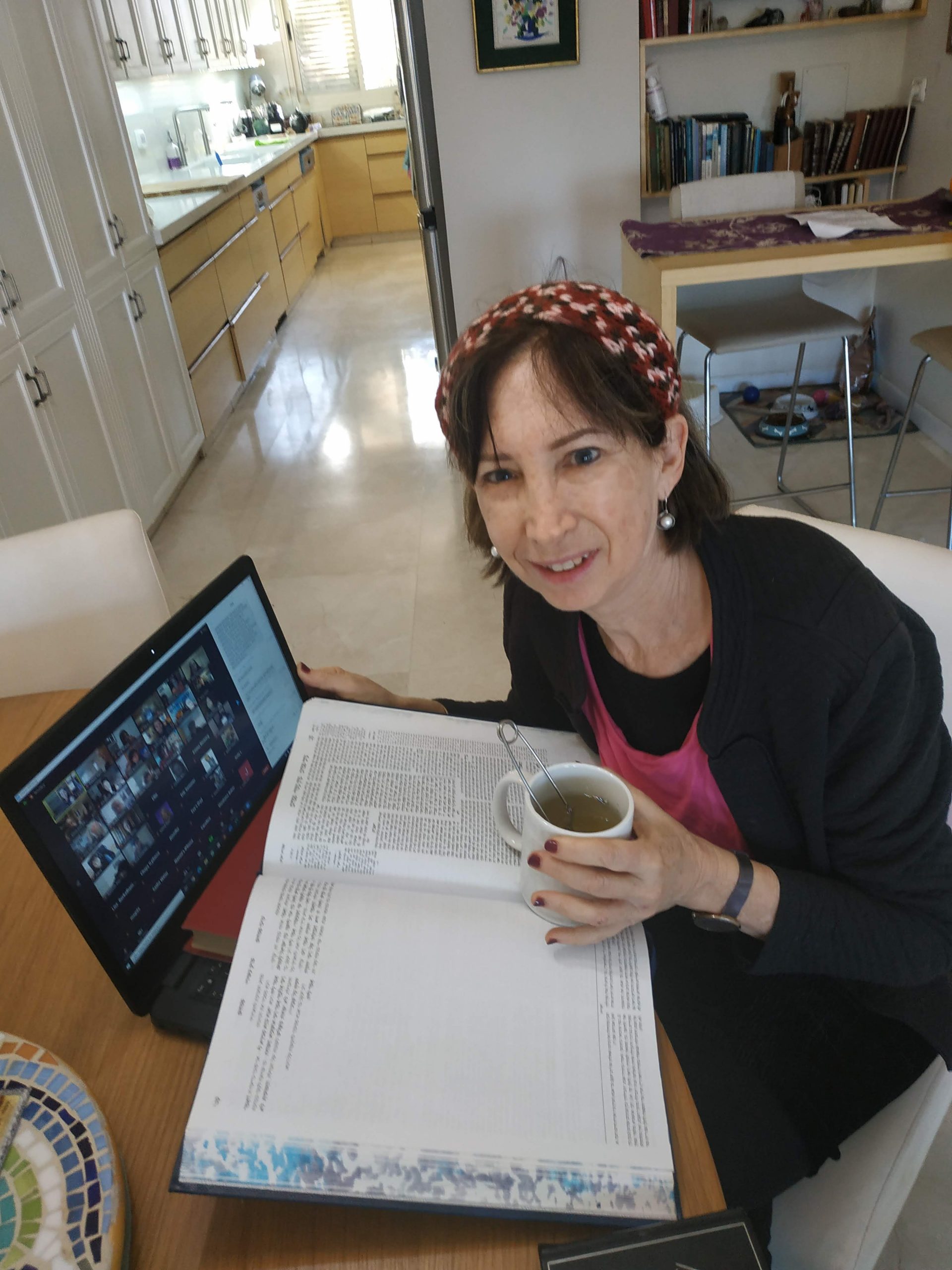
למדתי גמרא מכיתה ז- ט ב Maimonides School ואחרי העליה שלי בגיל 14 לימוד הגמרא, שלא היה כל כך מקובל בימים אלה, היה די ספוראדי. אחרי "ההתגלות” בבנייני האומה התחלתי ללמוד בעיקר בדרך הביתה למדתי מפוקקטסים שונים. לאט לאט ראיתי שאני תמיד חוזרת לרבנית מישל פרבר. באיזה שהוא שלב התחלתי ללמוד בזום בשעה 7:10 .
היום "אין מצב” שאני אתחיל את היום שלי ללא לימוד עם הרבנית מישל עם כוס הקפה שלי!!
דבי גביר
חשמונאים, ישראל
התחלתי ללמוד דף לפני קצת יותר מ-5 שנים, כשלמדתי רבנות בישיבת מהר”ת בניו יורק. בדיעבד, עד אז, הייתי בלימוד הגמרא שלי כמו מישהו שאוסף חרוזים משרשרת שהתפזרה, פה משהו ושם משהו, ומאז נפתח עולם ומלואו…. הדף נותן לי לימוד בצורה מאורגנת, שיטתית, יום-יומית, ומלמד אותי לא רק ידע אלא את השפה ודרך החשיבה שלנו. לשמחתי, יש לי סביבה תומכת וההרגשה שלי היא כמו בציטוט שבחרתי: הדף משפיע לטובה על כל היום שלי.

מיכל כהנא
חיפה, ישראל
בסוף הסבב הקודם ראיתי את השמחה הגדולה שבסיום הלימוד, בעלי סיים כבר בפעם השלישית וכמובן הסיום הנשי בבנייני האומה וחשבתי שאולי זו הזדמנות עבורי למשהו חדש.
למרות שאני שונה בסביבה שלי, מי ששומע על הלימוד שלי מפרגן מאוד.
אני מנסה ללמוד קצת בכל יום, גם אם לא את כל הדף ובסך הכל אני בדרך כלל עומדת בקצב.
הלימוד מעניק המון משמעות ליום יום ועושה סדר בלמוד תורה, שתמיד היה (ועדיין) שאיפה. אבל אין כמו קביעות

רחלי מנדלסון
טל מנשה, ישראל
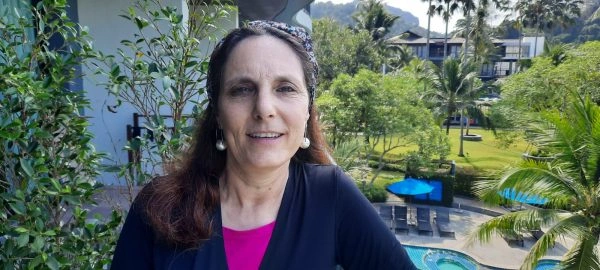
הצטרפתי ללומדות בתחילת מסכת תענית. ההתרגשות שלי ושל המשפחה היתה גדולה מאוד, והיא הולכת וגוברת עם כל סיום שאני זוכה לו. במשך שנים רבות רציתי להצטרף ומשום מה זה לא קרה… ב”ה מצאתי לפני מספר חודשים פרסום של הדרן, ומיד הצטרפתי והתאהבתי. הדף היומי שינה את חיי ממש והפך כל יום- ליום של תורה. מודה לכן מקרב ליבי ומאחלת לכולנו לימוד פורה מתוך אהבת התורה ולומדיה.
נעה רוזן
חיספין רמת הגולן, ישראל
התחלתי ללמוד דף יומי כאשר קיבלתי במייל ממכון שטיינזלץ את הדפים הראשונים של מסכת ברכות במייל. קודם לא ידעתי איך לקרוא אותם עד שנתתי להם להדריך אותי. הסביבה שלי לא מודעת לעניין כי אני לא מדברת על כך בפומבי. למדתי מהדפים דברים חדשים, כמו הקשר בין המבנה של בית המקדש והמשכן לגופו של האדם (יומא מה, ע”א) והקשר שלו למשפט מפורסם שמופיע בספר ההינדי "בהגוד-גיתא”. מתברר שזה רעיון כלל עולמי ולא רק יהודי

אלנה ארנבורג
נשר, ישראל
התחלתי ללמוד לפני 4.5 שנים, כשהודיה חברה שלי פתחה קבוצת ווטסאפ ללימוד דף יומי בתחילת מסכת סנהדרין. מאז לימוד הדף נכנס לתוך היום-יום שלי והפך לאחד ממגדירי הזהות שלי ממש.

קרן רוזנברג
ירושלים, ישראל
A life-changing journey started with a Chanukah family tiyul to Zippori, home of the Sanhedrin 2 years ago and continued with the Syum in Binanei Hauma where I was awed by the energy of 3000 women dedicated to learning daf Yomi. Opening my morning daily with a fresh daf, I am excited with the new insights I find enriching my life and opening new and deeper horizons for me.

בקי גולדשטיין
Elazar gush etzion, Israel
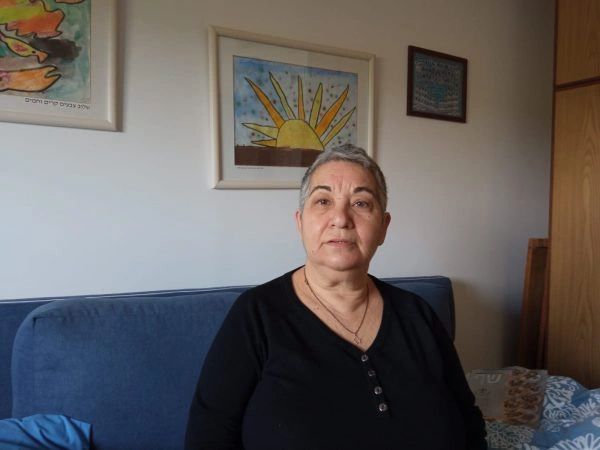
התחלתי ללמוד בסבב הנוכחי לפני כשנתיים .הסביבה מתפעלת ותומכת מאוד. אני משתדלת ללמוד מכל ההסכתים הנוספים שיש באתר הדרן. אני עורכת כל סיום מסכת שיעור בביתי לכ20 נשים שמחכות בקוצר רוח למפגשים האלו.
יעל אשר
יהוד, ישראל
התחלתי ללמוד גמרא בבית הספר בגיל צעיר והתאהבתי. המשכתי בכך כל חיי ואף היייתי מורה לגמרא בבית הספר שקד בשדה אליהו (בית הספר בו למדתי בילדותי)בתחילת מחזור דף יומי הנוכחי החלטתי להצטרף ובע”ה מקווה להתמיד ולהמשיך. אני אוהבת את המפגש עם הדף את "דרישות השלום ” שמקבלת מקשרים עם דפים אחרים שלמדתי את הסנכרון שמתחולל בין התכנים.
אריאלה ביגמן
מעלה גלבוע, ישראל
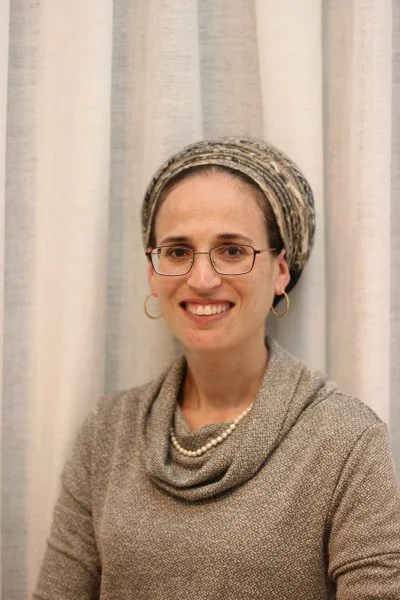
התחלתי ללמוד לפני כשנתיים בשאיפה לסיים לראשונה מסכת אחת במהלך חופשת הלידה.
אחרי מסכת אחת כבר היה קשה להפסיק…
נעה גלנט
ירוחם, ישראל
התחלתי כשהייתי בחופש, עם הפרסומים על תחילת המחזור, הסביבה קיבלה את זה כמשהו מתמיד ומשמעותי ובהערכה, הלימוד זה עוגן יציב ביום יום, יש שבועות יותר ויש שפחות אבל זה משהו שנמצא שם אמין ובעל משמעות בחיים שלי….

עדי דיאמנט
גמזו, ישראל
My explorations into Gemara started a few days into the present cycle. I binged learnt and become addicted. I’m fascinated by the rich "tapestry” of intertwined themes, connections between Masechtot, conversations between generations of Rabbanim and learners past and present all over the world. My life has acquired a golden thread, linking generations with our amazing heritage.
Thank you.

סוזן כשדן
חשמונאים, Israel
למדתי גמרא מכיתה ז- ט ב Maimonides School ואחרי העליה שלי בגיל 14 לימוד הגמרא, שלא היה כל כך מקובל בימים אלה, היה די ספוראדי. אחרי "ההתגלות” בבנייני האומה התחלתי ללמוד בעיקר בדרך הביתה למדתי מפוקקטסים שונים. לאט לאט ראיתי שאני תמיד חוזרת לרבנית מישל פרבר. באיזה שהוא שלב התחלתי ללמוד בזום בשעה 7:10 .
היום "אין מצב” שאני אתחיל את היום שלי ללא לימוד עם הרבנית מישל עם כוס הקפה שלי!!
דבי גביר
חשמונאים, ישראל
יומא מו
אֲבָל מֵהַאי גִּיסָא וּמֵהַאי גִּיסָא אֵימָא לָא, צְרִיכָא.
but from this side or from that side of the altar, both of which are not directly in front of the Sanctuary’s entrance, I would say that no, the fire may not be taken from there. Therefore, it is necessary to write both terms in order to teach this halakha.
אָמַר רַבִּי אֶלְעָזָר מִשּׁוּם בַּר קַפָּרָא, אוֹמֵר הָיָה רַבִּי מֵאִיר: אֵיבְרֵי עוֹלָה שֶׁנִּתּוֹתְרוּ — עוֹשֶׂה לָהֶן מַעֲרָכָה בִּפְנֵי עַצְמָהּ וְסוֹדְרָן, וַאֲפִילּוּ בְּשַׁבָּת.
Rabbi Elazar said in the name of bar Kappara: Rabbi Meir would say: With regard to limbs of a burnt-offering that remained on the altar from the previous night and which were not fully consumed, one should make a separate arrangement of wood for them and arrange them upon it to be burned. And this is done even on Shabbat.
מַאי קָא מַשְׁמַע לַן? תְּנֵינָא: בְּכׇל יוֹם הָיוּ שָׁם אַרְבַּע מַעֲרָכוֹת. אָמַר רַבִּי אָבִין: לֹא נִצְרְכָה אֶלָּא לִפְסוּלִין.
What is bar Kappara teaching us when he informs us that Rabbi Meir requires a separate arrangement to be made? Surely, we already learned this in the mishna that cites Rabbi Meir as saying: On every other day, there were four arrangements of wood there, upon the altar. The Gemara answers: Rabbi Avin said: Bar Kappara’s teaching is needed only in order to teach the requirement to set up a fourth arrangement, even though it is only for limbs of disqualified offerings. As certain disqualifications apply only ab initio, if the offering is nevertheless brought upon the altar it should not then be removed. Bar Kappara teaches that Rabbi Meir’s ruling applies in the event that limbs of such an offering were not fully consumed.
וְדַוְקָא שֶׁמָּשְׁלָה בָּהֶן הָאוּר, אֲבָל לֹא מָשְׁלָה בָּהֶן הָאוּר — לֹא.
The Gemara qualifies this: But this applies specifically when the fire has already taken hold of them and they have begun to burn. But if the fire has not yet taken hold of them, no, a separate arrangement is not made in order to burn them.
אִיכָּא דְּאָמְרִי: אֶחָד כְּשֵׁירִין וְאֶחָד פְּסוּלִין, אִי מָשְׁלָה בָּהֶן הָאוּר — אִין, וְאִי לָא — לָא.
There are those who say a different version of this qualification: Both with regard to the limbs of valid offerings and of disqualified offerings, if the fire has already taken hold of them and they have begun to burn, yes, a separate arrangement is made to burn them, but if the fire did not take hold of them, no, a separate arrangement is not made in order to burn them.
וַאֲפִילּוּ בְּשַׁבָּת — תְּנֵינָא: וְהַיּוֹם חָמֵשׁ!
Bar Kappara concluded: And this is done even on Shabbat. But surely, we already learned this in the mishna that cites Rabbi Meir as saying: But on this day, on Yom Kippur, there are five. This means that the arrangement for burning any remaining limbs is made also on Yom Kippur, despite the fact that all the Shabbat prohibitions apply.
אָמַר רַב אַחָא בַּר יַעֲקֹב: אִיצְטְרִיךְ, סָלְקָא דַּעְתָּךְ אָמֵינָא הָנֵי מִילֵּי הֵיכָא דְּחָל יוֹם הַכִּפּוּרִים לִהְיוֹת אַחַר הַשַּׁבָּת, דְּחֶלְבֵי שַׁבָּת קְרֵבִין בְּיוֹם הַכִּפּוּרִים, אֲבָל בְּאֶמְצַע שַׁבָּת — לָא, קָא מַשְׁמַע לַן.
The Gemara answers: Rav Aḥa bar Ya’akov said: Nevertheless, bar Kappara’s teaching is necessary, for it could enter your mind to say that this applies only when Yom Kippur occurs after Shabbat, i.e., on Sunday. Perhaps only in such a case is a separate arrangement made, based on the accepted law that leftover fats of Shabbat offerings are sacrificed and burned on Yom Kippur. However, if Yom Kippur occurs in the middle of the week, then perhaps no, a separate arrangement is not made in order to burn them. Therefore, bar Kappara teaches us that Rabbi Meir’s ruling applies in all cases.
אָמַר רָבָא: מַאן הַאי דְּלָא חָיֵישׁ לְקִמְחֵיהּ? הָא ״בְּכׇל יוֹם״ תְּנַן! קַשְׁיָא.
Rava said: Who is this that does not care about his flour, i.e., he does not truly care about what he says and speaks imprecisely? Did we not learn in the mishna: On every other day. This clearly implies that Rabbi Meir’s ruling applies equally to all days of the week. As such, Rav Aḥa bar Ya’akov’s justification for bar Kappara’s teaching is already implied in Rabbi Meir’s words in the mishna. The Gemara comments: Indeed, it is difficult.
וּפְלִיגָא דְּרַב הוּנָא, דְּאָמַר: תְּחִילָּתוֹ דּוֹחָה, סוֹפוֹ אֵינוֹ דּוֹחֶה.
The Gemara comments: Both Rava and bar Kappara hold that a separate arrangement is made even on Shabbat. This disagrees with the opinion of Rav Huna, who said: The beginning of the sacrificial service of the daily offering, i.e., its slaughter, the sprinkling of its blood, and its burning overrides Shabbat; the end of its service, i.e., the burning of its sacrificial parts, does not override Shabbat.
גּוּפָא. אָמַר רַב הוּנָא: תָּמִיד, תְּחִילָּתוֹ דּוֹחָה, סוֹפוֹ אֵינוֹ דּוֹחֶה.
The Gemara analyzes Rav Huna’s statement: Returning to the matter itself: Rav Huna said: The beginning of the sacrificial service of the daily offering overrides a halakha, whereas the end of its service does not override a halakha.
מַאי אֵינוֹ דּוֹחֶה? רַב חִסְדָּא אָמַר: דּוֹחֶה אֶת הַשַּׁבָּת, וְאֵינוֹ דּוֹחֶה אֶת הַטּוּמְאָה. (וְרָבָא) אָמַר: דּוֹחֶה אֶת הַטּוּמְאָה, וְאֵינוֹ דּוֹחֶה אֶת הַשַּׁבָּת.
Previously, the Gemara assumed that Rav Huna was discussing the possibility that the sacrifice of the daily offering overrides Shabbat. The Gemara now clarifies if this was his intention: What is meant by saying that the end of its service does not override the halakha? Rav Ḥisda said: Although the end of its service does override Shabbat, it does not override the halakha that it should not be brought in a state of ritual impurity. This is true although the beginning of the sacrificial service of the daily offering may, if necessary, be brought in a state of ritual impurity. And Rabba said: The end of its service overrides only the halakha that it should not be brought in a state of ritual impurity, but it does not override Shabbat.
אֲמַר לֵיהּ אַבָּיֵי (לְרָבָא): לְדִידָךְ קַשְׁיָא, וּלְרַב חִסְדָּא קַשְׁיָא. לְדִידָךְ קַשְׁיָא: מַאי שְׁנָא טוּמְאָה, דִּכְתִיב ״בְּמוֹעֲדוֹ״ — וַאֲפִילּוּ בְּטוּמְאָה, שַׁבָּת נָמֵי — ״בְּמוֹעֲדוֹ״, וַאֲפִילּוּ בְּשַׁבָּת!
Abaye said to Rabba: It poses a difficulty to your opinion, and it poses a difficulty to the opinion of Rav Ḥisda. It is difficult to your opinion as follows: What is different about the prohibition of bringing an offering in a state of ritual impurity that the daily offering overrides it? Because it is written with regard to the daily offering “in its season” (Numbers 28:2), to emphasize that it should be brought under all circumstances, even if that means that it will be brought in a state of ritual impurity. But, by that logic, the daily offering should also override Shabbat. Because the term “in its season” emphasizes that it should be brought under all circumstances, this means even on Shabbat.
וּלְרַב חִסְדָּא קַשְׁיָא: מַאי שְׁנָא שַׁבָּת, דִּכְתִיב ״בְּמוֹעֲדוֹ״ — אֲפִילּוּ בְּשַׁבָּת, טוּמְאָה נָמֵי — ״בְּמוֹעֲדוֹ״, וַאֲפִילּוּ בְּטוּמְאָה?
And it is difficult to the opinion of Rav Ḥisda: What is different about Shabbat that the daily offering overrides it? Because it is written “in its season,” to emphasize that it should be brought under all circumstances, even on Shabbat. But by that logic, the daily offering should also override the prohibition of bringing an offering in a state of ritual impurity. Because the term “in its season” emphasizes that it should be brought under all circumstances, this means even in a state of ritual impurity.
אֲמַר לֵיהּ: לָא לְדִידִי קַשְׁיָא, וְלָא לְרַב חִסְדָּא קַשְׁיָא. לְדִידִי לָא קַשְׁיָא: סוֹפוֹ כִּתְחִילָּתוֹ,
Rabba said to him: It is not difficult to my opinion and it does not pose a difficulty to the opinion of Rav Ḥisda. It is not difficult to my opinion, because I hold that the end of its sacrificial rite is like its beginning.
טוּמְאָה, דִּתְחִילָּתוֹ בַּר מִידְחֵא טוּמְאָה הוּא — סוֹפוֹ נָמֵי דָּחֵי. שַׁבָּת, דִּתְחִילָּתוֹ לָאו בַּר מִידְחֵא שַׁבָּת הוּא — סוֹפוֹ נָמֵי לָא דָּחֵי.
Therefore, with regard to overriding the prohibition to bring an offering in a state of ritual impurity, since the beginning of the sacrifice of the daily offering is fit to override the prohibition of offering it in a state of ritual impurity, so too, its end also overrides the prohibition. However, in the case of Shabbat, the beginning of a daily offering of the weekday is not fit to override Shabbat, since by definition it must be brought on its appropriate day. Therefore, its end also does not override Shabbat in the event that limbs remain from Friday’s daily offering.
לְרַב חִסְדָּא לָא קַשְׁיָא: סוֹפוֹ כִּתְחִילָּתוֹ (תְּחִילָּתוֹ) לֵית לֵיהּ. שַׁבָּת דְּהוּתְּרָה הִיא בְּצִיבּוּר — סוֹפוֹ נָמֵי דָּחֵי.
And it is also not difficult to the opinion of Rav Ḥisda, because he does not hold that its end is like its beginning. Rather, he has the following reasoning: The prohibitions of Shabbat are not merely overridden in the case of a communal offering, but they are actually permitted, such that there is no need to try to avoid performing the necessary labors when sacrificing it. Therefore, its end also overrides Shabbat.
טוּמְאָה, דִּדְחוּיָה הִיא בְּצִיבּוּר, תְּחִלָּתוֹ דְּעִיקַּר כַּפָּרָה — דָּחֵי, סוֹפוֹ דְּלָאו עִיקַּר כַּפָּרָה — לָא דָּחֵי.
However, in the case of the prohibition to bring an offering in a state of ritual impurity, which is merely overridden in the case of a communal offering, it is preferable to avoid doing so. Therefore, the beginning of its sacrifice, i.e., its slaughter and the sprinkling of its blood, and its burning, which is the essential stage that provides atonement, overrides the prohibition and should be done even in a state of ritual impurity. However, its end, i.e., the burning of the sacrificial parts, which is not the essential stage that provides atonement, does not override the prohibitions.
אִיתְּמַר: הַמְכַבֶּה אֵשׁ מַחְתָּה וּמְנוֹרָה, אַבָּיֵי אָמַר: חַיָּיב, רָבָא אָמַר: פָּטוּר.
The Torah prohibits the fire on the altar to be extinguished: “A perpetual fire shall be kept burning on the altar, it shall not go out” (Leviticus 6:6). With regard to this prohibition, an amoraic dispute was stated: With regard to one who extinguishes the fire of the coals that are taken with the coal pan for the incense on Yom Kippur or the fire of the coals that are taken in order to light the candelabrum, Abaye said: He is liable. Rava said: He is not liable.
דְּכַבְּיַיהּ בְּרֹאשׁוֹ שֶׁל מִזְבֵּחַ, דְּכוּלֵּי עָלְמָא לָא פְּלִיגִי דְּחַיָּיב. כִּי פְּלִיגִי דְּאַחֲתַיהּ אַאַרְעָא וְכַבְּיַיהּ. אַבָּיֵי אָמַר: חַיָּיב, אֵשׁ הַמִּזְבֵּחַ הוּא, רָבָא אָמַר: פָּטוּר, כֵּיוָן דְּנַתְּקַהּ — נַתְּקַהּ.
The Gemara elaborates on the dispute: In a case where one extinguished a coal while still standing upon the top of the altar, everyone agrees that he is liable. This is because the verse explicitly is referring to extinguishing a flame “upon the altar.” When they disagree, it is in a case where he brought the coals down to ground level and extinguished a coal there. Abaye said: He is liable, since it is still considered fire of the altar. Rava said: He is not liable, because once it has been removed from the altar it is considered removed and no longer part of the altar’s fire. Therefore, the prohibition does not apply to it.
אֶלָּא הָא דְּאָמַר רַב נַחְמָן אָמַר רַבָּה בַּר אֲבוּהּ: הַמּוֹרִיד גַּחֶלֶת מֵעַל גַּבֵּי הַמִּזְבֵּחַ וְכִיבָּהּ חַיָּיב, כְּמַאן? כְּאַבַּיֵּי!
The Gemara asks: But if so, with regard to this ruling that Rav Naḥman said that Rabba bar Avuh said: One who takes down a coal from upon the altar and extinguishes it is liable, in accordance with whose opinion is he ruling? Could he possibly be ruling in accordance with the opinion of Abaye? Certainly not. In disputes between Abaye and Rava, the halakha follows Rava.
אֲפִילּוּ תֵּימָא כְּרָבָא, הָתָם לָא אִינְּתִיק לְמִצְוָתַהּ, הָכָא אִינְּתִיקָה לְמִצְוָתַהּ.
The Gemara explains: You can even say his ruling is in accordance with the opinion of Rava by making the following distinction: There, in the ruling of Rav Naḥman, the coal was not removed to fulfill its mitzva. Therefore, it is still considered to be part of the fire of the altar and the prohibition still applies. Whereas, here, in the dispute between Abaye and Rava, this is a case of coal that was removed to fulfill its mitzva. Therefore, it is associated with its mitzva and no longer considered the fire of the altar.
אִיכָּא דְּאָמְרִי.
There are those who say a different version of the dispute:
דְּאַחֲתַיהּ אַאַרְעָא וְכַבְּיַיהּ, דְּכוּלֵּי עָלְמָא לָא פְּלִיגִי דְּפָטוּר. כִּי פְּלִיגִי, דְּכַבְּיַּיהּ בְּרֹאשׁוֹ שֶׁל מִזְבֵּחַ, אַבָּיֵי אָמַר: חַיָּיב, אֵשׁ הַמִּזְבֵּחַ הוּא, רָבָא אָמַר: פָּטוּר, כֵּיוָן דְּנַתְּקַהּ — נַתְּקַהּ.
In a case where he brought the coals down to the ground and extinguished a coal there, everyone agrees that he is not liable. When they disagree it is in a case where one extinguished a coal while still standing upon the top of the altar. Abaye said: He is liable, since it is still considered fire of the altar. Rava said: He is not liable, because once it has been removed from the altar it is considered removed and no longer part of the altar’s fire. Therefore, the prohibition does not apply to it.
אֶלָּא הָא דְּאָמַר רַב נַחְמָן אָמַר רַבָּה בַּר אֲבוּהּ: הַמּוֹרִיד גַּחֶלֶת מֵעַל גַּבֵּי הַמִּזְבֵּחַ וְכִבָּהּ — חַיָּיב, כְּמַאן? לָא כְּאַבַּיֵּי וְלָא כְּרָבָא! הָתָם לָא אִינְּתִיק לְמִצְוָתַהּ, הָכָא אִינְּתִיק לְמִצְוָתַהּ.
The Gemara asks: But if so, with regard to this ruling that Rav Naḥman said that Rabba bar Avuh said: He who takes down a coal from upon the altar and extinguishes it is liable, in accordance with whose opinion is his ruling? It would appear that it is neither in accordance with the opinion of Abaye, nor in accordance with the opinion of Rava. The Gemara explains: You can even say that his ruling is in accordance with the opinion of Rava by making the following distinction: There, in the ruling of Rav Naḥman, the coal was not removed to fulfill its mitzva; it is therefore still considered to be part of the fire of the altar and the prohibition applies. Whereas, here, in the dispute between Abaye and Rava, this is a case of coal that was removed to fulfill its mitzva, and it is therefore associated with its mitzva and no longer considered the fire of the altar.
הֲדַרַן עֲלָךְ טָרַף בַּקַּלְפִּי
לעקוב

