





רוצה להקדיש לימוד?
זבחים כ״ג
לְפִי אׇכְלוֹ״! לְמִצְוָה.
according to his eating, you shall make your count for the lamb” (Exodus 12:4)? This teaches that one may bring the Paschal offering only if he is able to partake of it. The Gemara responds: This requirement is also meant as a mitzva ab initio; it does not disqualify the offering if not fulfilled.
וּלְעַכּוֹבֵי לָא?! וְהָתַנְיָא: ״בְּמִכְסַת נְפָשׁוֹת״ – מְלַמֵּד שֶׁאֵין הַפֶּסַח נִשְׁחָט אֶלָּא לִמְנוּיָיו. שְׁחָטוֹ שֶׁלֹּא לִמְנוּיָיו – יָכוֹל יְהֵא כְּעוֹבֵר עַל הַמִּצְוָה? תַּלְמוּד לוֹמַר: ״תָּכֹסּוּ״ – הַכָּתוּב שָׁנָה עָלָיו לְעַכֵּב. וְאִיתַּקַּשׁ אוֹכְלִין לִמְנוּיִין!
The Gemara asks: And is this requirement not indispensable even after the fact? But isn’t it taught in a baraita that the phrase “according to the number of the souls” teaches that the Paschal offering may be slaughtered only for those who registered for it in advance. If the Paschal offering was slaughtered for individuals who did not register for it, one might have thought that it would only be like transgressing a mitzva, but the offering would not be disqualified. Therefore, the verse states: “You shall make your count”; the verse repeats the issue of counting to stress that the halakha is indispensable, and if one slaughters the offering for one who is not registered, it is disqualified. The Gemara concludes: And those who eat the offering are juxtaposed to those registered for it, as the verse states: “According to the number of the souls; a man, according to his eating.” Accordingly, if one slaughters the Paschal offering for one who cannot partake of it, the offering is disqualified.
זִקְנֵי דָרוֹם לָא מַקְּשִׁי. וְכִי לָא מַקְּשִׁי נָמֵי – מֵהָא נָמֵי אִית לְהוּ פִּירְכָא: וּמָה בִּמְקוֹם שֶׁנִּטְמְאוּ בְּעָלִים בְּשֶׁרֶץ, שֶׁמְּשַׁלְּחִין קׇרְבְּנוֹתֵיהֶם לְכַתְּחִילָּה – כֹּהֵן שֶׁנִּטְמָא בְּשֶׁרֶץ אֵינוֹ מְרַצֶּה; מְקוֹם שֶׁנִּטְמְאוּ בְּעָלִים בְּמֵת, שֶׁאֵין מְשַׁלְּחִין קׇרְבְּנוֹתֵיהֶן לְכַתְּחִילָּה – כֹּהֵן שֶׁנִּטְמָא בְּמֵת אֵינוֹ דִּין שֶׁאֵינוֹ מְרַצֶּה?!
The Gemara responds: The Elders of the South do not juxtapose the phrases, i.e., they do not interpret the verse’s juxtaposition of the two phrases as significant. The Gemara asks: But even if they do not juxtapose the phrases, there is a refutation to their statement from this inference as well: And just as in a case where the owner became impure due to a creeping animal, where he may send his offerings for sacrifice ab initio, a priest who became impure due to a creeping animal nevertheless cannot effect acceptance, then in a case where the owner became impure due to a corpse, where he may not send his offerings ab initio, is it not right that a priest who became impure due to a corpse cannot effect acceptance?
מֵיתִיבִי, מִפְּנֵי שֶׁאָמְרוּ: נָזִיר וְעוֹשֵׂה פֶסַח – הַצִּיץ מְרַצֶּה עַל טוּמְאַת דָּם, וְאֵין הַצִּיץ מְרַצֶּה עַל טוּמְאַת הַגּוּף.
Furthermore, the Gemara raises an objection from a mishna (Pesaḥim 80b): As the Sages said that with regard to a nazirite and one who performs the rite of the Paschal offering, the frontplate effects acceptance for offerings sacrificed in a state of impurity of the blood, but the frontplate does not effect acceptance for offerings sacrificed in a state of impurity of the body of the individual bringing it.
בְּמַאי? אִילֵּימָא בְּטוּמְאַת שֶׁרֶץ, הָאָמְרַתְּ: שׁוֹחֲטִין וְזוֹרְקִין עַל טוּמְאַת שֶׁרֶץ! אֶלָּא טוּמְאַת מֵת; וְקָתָנֵי: אֵין הַצִּיץ מְרַצֶּה; אַלְמָא נִטְמְאוּ בְּעָלִים בְּמֵת – אֵין מְשַׁלְּחִין קׇרְבְּנוֹתֵיהֶם!
The Gemara continues: To what impurity is it referring? If we say that it is referring to impurity due to a creeping animal, didn’t you say above that according to the Elders of the South, one may slaughter the Paschal offering and sprinkle its blood for an owner who is in a state of impurity due to a creeping animal? Rather, it must be referring to impurity due to a corpse, and the mishna teaches: The frontplate does not effect acceptance. Evidently, if the owner became impure due to a corpse, he may not send his offerings for sacrifice, contrary to the opinion ascribed to the Elders of the South.
לָא; אִי דְּאִיטַּמּוֹ בְּעָלִים בְּמֵת – הָכִי נָמֵי; הָכָא בְּמַאי עָסְקִינַן – כְּגוֹן שֶׁנִּטְמָא כֹּהֵן בְּשֶׁרֶץ.
The Gemara responds: No, if the owner became impure due to a corpse, the frontplate indeed effects acceptance for the offering. The mishna is not referring to the owners of the offerings at all; rather, here we are dealing with a case where the officiating priest became impure due to a creeping animal.
אִי הָכִי, אֵימָא סֵיפָא: נִיטְמָא טוּמְאַת הַתְּהוֹם – הַצִּיץ מְרַצֶּה. הָא תָּנֵי רַבִּי חִיָּיא: לֹא אָמְרוּ טוּמְאַת הַתְּהוֹם – אֶלָּא לְמֵת בִּלְבַד; לְמֵת לְמַעוֹטֵי מַאי? לָאו לְמַעוֹטֵי טוּמְאַת הַתְּהוֹם דְּשֶׁרֶץ?!
The Gemara asks: If so, say the latter clause of the mishna: If it became known after the offering was brought that he had contracted ritual impurity imparted in the depths, i.e., a source of impurity that had been unknown at the time, the frontplate effects acceptance for the offering. This clause cannot be reconciled with the suggested interpretation of the mishna, since Rabbi Ḥiyya teaches: They stated this halakha of impurity imparted in the depths only with regard to impurity due to a corpse. Now, when he says that it applies only to impurity due to a corpse, he means to exclude what? Does he not mean to exclude impurity imparted by the carcass of a creeping animal in the depths? If so, the mishna cannot be referring to impurity due to a creeping animal.
לָא; לְמַעוֹטֵי טוּמְאַת הַתְּהוֹם דְּזִיבָה.
The Gemara responds: No, Rabbi Ḥiyya means to exclude impurity imparted by a gonorrhea-like discharge [ziva] in the depths. Impurity due to the corpse of a creeping animal, by contrast, is within the scope of the mishna.
וְאֶלָּא הָא דְּבָעֵי רָמֵי בַּר חָמָא: כֹּהֵן הַמְרַצֶּה בְּקׇרְבְּנוֹתֵיהֶם – הוּתְּרָה לוֹ טוּמְאַת הַתְּהוֹם, אוֹ לֹא הוּתְּרָה לוֹ טוּמְאַת הַתְּהוֹם? תִּפְשׁוֹט דְּטוּמְאַת הַתְּהוֹם הוּתְּרָה לוֹ; דְּהָא הָכָא בְּכֹהֵן קָיָימִינָא!
The Gemara asks: But how is one to understand this dilemma that Rami bar Ḥama raises: With regard to a priest who effects acceptance for the offerings of the nazirite and the Paschal offering, was impurity imparted in the depths permitted for him or was impurity imparted in the depths not permitted for him? According to the Elders of the South, why not resolve the dilemma and conclude that impurity imparted in the depths was permitted for him, since they hold that we interpret the mishna here as referring to an impure priest?
דְּרָמֵי בַּר חָמָא וַדַּאי פְּלִיגִי.
The Gemara responds: The premise of this dilemma of Rami bar Ḥama certainly disagrees with the opinion of the Elders of the South, and Rami bar Ḥama does not interpret the mishna in this manner.
תָּא שְׁמַע: ״וְנָשָׂא אַהֲרֹן אֶת עֲוֹן הַקֳּדָשִׁים״ – וְכִי אֵיזֶהוּ עָוֹן נוֹשֵׂא?
The Gemara suggests: Come and hear a proof from a verse written about the frontplate: “And it shall be upon Aaron’s forehead, and Aaron shall bear the sin committed with the sacred items, which the children of Israel shall consecrate, even all their sacred gifts; and it shall be always upon his forehead, that they may be accepted before God” (Exodus 28:38). And the Sages expounded: Which sin does Aaron bear?
אִם עֲוֹן פִּיגּוּל – הֲרֵי כְּבָר נֶאֱמַר ״לֹא יֵחָשֵׁב״! אִם עֲוֹן נוֹתָר – הֲרֵי כְּבָר נֶאֱמַר ״לֹא יֵרָצֶה״!
If the verse means that he bears the sin of piggul, it is already stated: “And if any of the flesh of his peace offerings be at all eaten on the third day, it shall not be accepted, neither shall it be credited to he who offers it” (Leviticus 7:18). If he bears the sin of notar, it is already stated in the same verse: “It shall not be accepted.”
הָא אֵינוֹ נוֹשֵׂא אֶלָּא עֲוֹן טוּמְאָה, שֶׁהוּתְּרָה מִכְּלָלָהּ בְּצִבּוּר.
Rather, the frontplate bears only the sin of impurity, whose general prohibition was permitted in cases involving the public. The verse indicates that the frontplate effects acceptance for individual offerings sacrificed in a state of ritual impurity.
מַאי טוּמְאָה? אִילֵּימָא מִטּוּמְאַת שֶׁרֶץ, הֵיכָא אִישְׁתְּרַי? אֶלָּא טוּמְאַת מֵת. וְלָאו כְּגוֹן שֶׁנִּטְמְאוּ בְּעָלִים בְּמֵת? אַלְמָא נִטְמְאוּ בְּעָלִים בְּמֵת – מְשַׁלְּחִין קׇרְבְּנוֹתֵיהֶן.
The Gemara clarifies: What is the impurity borne by the frontplate? If we say that it effects acceptance for impurity due to a creeping animal, where does one find that the general prohibition was permitted in cases involving the public? Rather, it must be referring to impurity due to a corpse. And is it not referring to a case where the owner of the offerings became impure from a corpse? Evidently, if the owner became impure from a corpse, he may send his offerings for sacrifice, as the frontplate effects acceptance for them.
וּבְמַאי? אִי בְּנָזִיר – ״וְכִי יָמוּת מֵת עָלָיו״ אָמַר רַחֲמָנָא! אֶלָּא לְעוֹשֵׂה פֶסַח! (וְלָאו כְּגוֹן שֶׁנִּטְמְאוּ בְּעָלִים בְּמֵת?)
And to what offering is this statement referring? If it is referring to the offering of a nazirite, doesn’t the Merciful One state: “And if any man die very suddenly beside him, and he defile his consecrated head” (Numbers 6:9)? The passage indicates that even if a nazirite contracts impurity against his will, he still cannot bring his offerings until he is pure. Rather, it must be referring to one who performs the rite of the Paschal offering. This proves the claim of the Elders of the South that one who is impure due to a corpse may send his Paschal offering for sacrifice.
לְעוֹלָם בְּשֶׁרֶץ; וְשֵׁם טוּמְאָה בָּעוֹלָם.
The Gemara responds: Actually, the statement is referring to impurity due to a creeping animal, not due to a corpse. And although the general prohibition with regard to impurity due to a creeping animal was not permitted in cases involving the public, nevertheless, one finds that the category of impurity in general was permitted in such cases.
וְאִיכָּא דְּדָיֵיק וּמַיְיתֵי הָכִי: עֲוֹן הַקֳּדָשִׁים אִין, עֲוֹן מַקְדִּישִׁין לָא; מַאי טוּמְאָה? אִילֵימָא טוּמְאַת שֶׁרֶץ – מִי אִישְׁתְּרַיא בְּצִיבּוּר?! אֶלָּא לָאו טוּמְאַת מֵת? וַעֲוֹן קֳדָשִׁים אִין, עֲוֹן מַקְדִּישִׁים לָא!
The Gemara notes: And some infer the opposite and derive like this: The verse states of the frontplate: “And it shall be upon Aaron’s forehead, and Aaron shall bear the sin committed with the sacred items” (Exodus 28:38). That is, it does bear the iniquity of the sacred items, but it does not bear the iniquity of those who consecrate or sacrifice them, i.e., the owners of the offering or the priests involved in its sacrifice. And to what impurity is this verse referring? If we say that it is referring to impurity due to a creeping animal, is such impurity permitted in cases involving the public? Rather, is it not referring to impurity due to a corpse, and the verse indicates that the frontplate does bear the iniquity of the sacred items but does not bear the iniquity of those who consecrate them? This refutes the opinion of the Elders of the South that owners who are impure due to a corpse may send their offerings.
לְעוֹלָם טוּמְאַת שֶׁרֶץ; וְשֵׁם טוּמְאָה בָּעוֹלָם.
The Gemara responds: Actually, the verse is referring to impurity due to a creeping animal, and although the general prohibition with regard to impurity due to a creeping animal was not permitted in cases involving the public, the category of impurity in general was permitted in such cases.
יוֹשֵׁב מְנָלַן? אָמַר רָבָא אָמַר רַב נַחְמָן, אָמַר קְרָא: ״לַעֲמֹד לְשָׁרֵת״ – לַעֲמִידָה בְּחַרְתִּיו, וְלֹא לִישִׁיבָה.
§ The mishna teaches that a priest who is sitting disqualifies the rites that he performs. The Gemara asks: From where do we derive this? Rava says that Rav Naḥman says: The verse states with regard to the priests: “For the Lord your God has chosen him out of all your tribes, to stand to minister” (Deuteronomy 18:5). The verse indicates that I have chosen him for standing and not for sitting.
תָּנוּ רַבָּנַן: ״לַעֲמֹד לְשָׁרֵת״ – מִצְוָה; כְּשֶׁהוּא אוֹמֵר: ״הָעֹמְדִים״ – שָׁנָה עָלָיו הַכָּתוּב לְעַכֵּב.
The Sages taught: “To stand to minister,” indicates that there is a mitzva to perform the service while standing. When it says: “Then he shall minister in the name of the Lord his God, as all his brethren the Levites do, who stand there before the Lord” (Deuteronomy 18:7), the verse repeats the matter to invalidate rites that are performed while not standing.
אֲמַר לֵיהּ רָבָא לְרַב נַחְמָן: מִכְּדִי יוֹשֵׁב כְּזָר דָּמֵי וּמַחֵיל עֲבוֹדָה, אֵימָא: מָה זָר בְּמִיתָה – אַף יוֹשֵׁב בְּמִיתָה! אַלְּמָה תַּנְיָא: אֲבָל עָרֵל, אוֹנֵן, יוֹשֵׁב – אֵינָן בְּמִיתָה אֶלָּא בְּאַזְהָרָה?
Rava said to Rav Naḥman: Now, one who is sitting is considered like a non-priest and desecrates the service. Therefore, I will say: Just as a non-priest who performs a rite is liable to receive death at the hand of Heaven, so too one who is sitting should be liable to receive death at the hand of Heaven. If so, why is it taught in a baraita: But one who is uncircumcised, an acute mourner, and one who is sitting are not liable to receive death at the hand of Heaven if they performed rites; rather, they simply transgress a prohibition?
מִשּׁוּם דְּהָוֵי מְחוּסַּר בְּגָדִים וְשֶׁלֹּא רָחוּץ יָדַיִם וְרַגְלַיִם – שְׁנֵי כְתוּבִין הַבָּאִין כְּאֶחָד,
The Gemara responds: That is taught because the case of a priest lacking the requisite priestly vestments and that of one whose hands and feet are not washed are two verses that come as one, as the verse states explicitly for each case that if they perform rites they are liable to receive death at the hand of Heaven.

חדשה בלימוד הגמרא?
זה הדף הראשון שלך? איזו התרגשות עצומה! יש לנו בדיוק את התכנים והכלים שיעזרו לך לעשות את הצעדים הראשונים ללמידה בקצב וברמה שלך, כך תוכלי להרגיש בנוח גם בתוך הסוגיות המורכבות ומאתגרות.
פסיפס הלומדות שלנו
גלי את קהילת הלומדות שלנו, מגוון נשים, רקעים וסיפורים. כולן חלק מתנועה ומסע מרגש ועוצמתי.
התחלתי ללמוד דף יומי לפני שנתיים, עם מסכת שבת. בהתחלה ההתמדה היתה קשה אבל בזכות הקורונה והסגרים הצלחתי להדביק את הפערים בשבתות הארוכות, לסיים את מסכת שבת ולהמשיך עם המסכתות הבאות. עכשיו אני מסיימת בהתרגשות רבה את מסכת חגיגה וסדר מועד ומחכה לסדר הבא!

מודיעין, ישראל
התחלתי ללמוד לפני כשנתיים בשאיפה לסיים לראשונה מסכת אחת במהלך חופשת הלידה.
אחרי מסכת אחת כבר היה קשה להפסיק…

ירוחם, ישראל
התחלתי ללמוד את הדף היומי מעט אחרי שבני הקטן נולד. בהתחלה בשמיעה ולימוד באמצעות השיעור של הרבנית שפרבר. ובהמשך העזתי וקניתי לעצמי גמרא. מאז ממשיכה יום יום ללמוד עצמאית, ולפעמים בעזרת השיעור של הרבנית, כל יום. כל סיום של מסכת מביא לאושר גדול וסיפוק. הילדים בבית נהיו חלק מהלימוד, אני משתפת בסוגיות מעניינות ונהנית לשמוע את דעתם.

מעלה מכמש, ישראל
רציתי לקבל ידע בתחום שהרגשתי שהוא גדול וחשוב אך נעלם ממני. הלימוד מעניק אתגר וסיפוק ומעמיק את תחושת השייכות שלי לתורה וליהדות
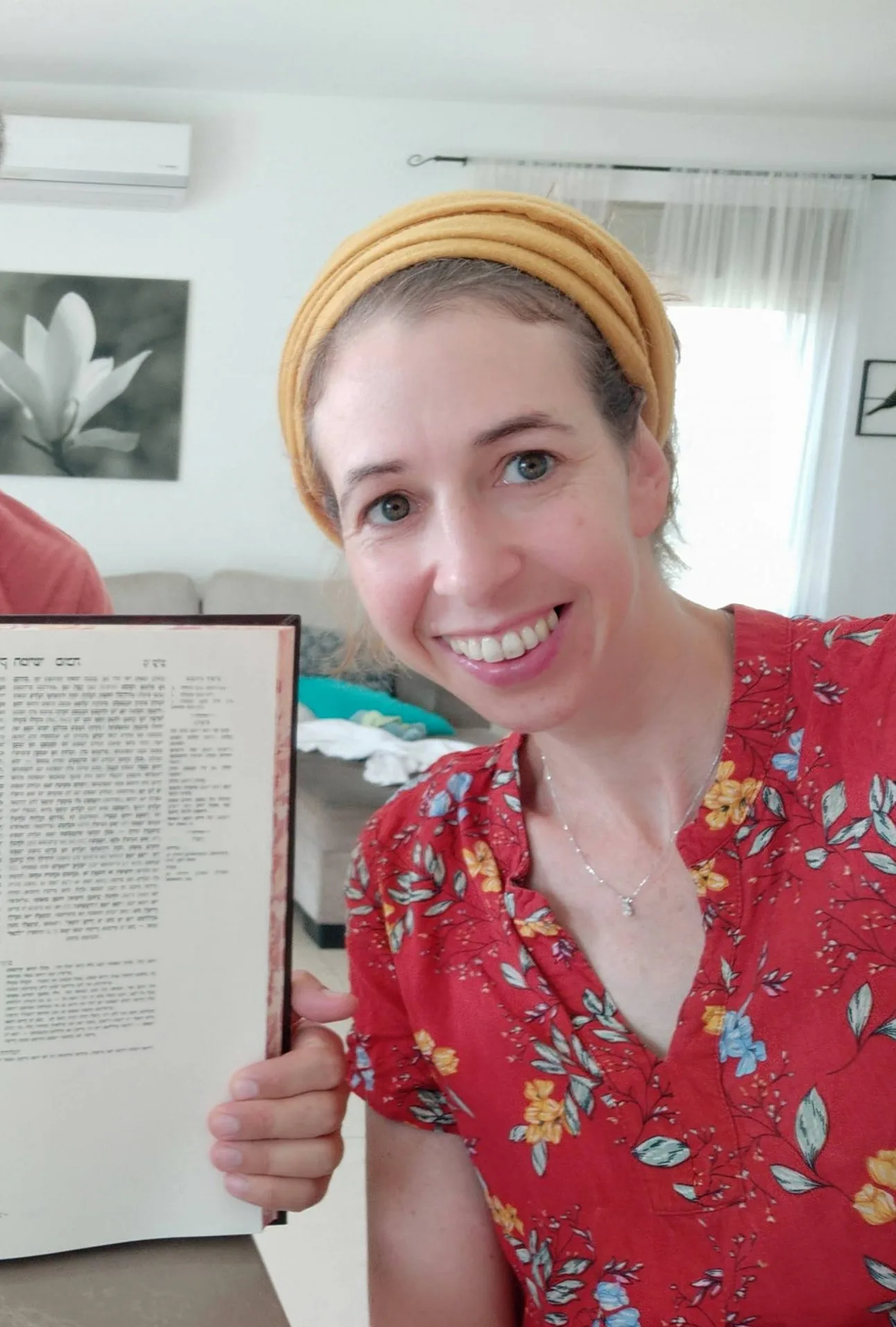
עלי זהב – לשם, ישראל
A friend in the SF Bay Area said in Dec 2019 that she might start listening on her morning drive to work. I mentioned to my husband and we decided to try the Daf when it began in Jan 2020 as part of our preparing to make Aliyah in the summer.

ירושלים, Israel
התחלתי לפני 8 שנים במדרשה. לאחרונה סיימתי מסכת תענית בלמידה עצמית ועכשיו לקראת סיום מסכת מגילה.

רעננה, ישראל
התחלתי ללמוד דף יומי בתחילת מסכת ברכות, עוד לא ידעתי כלום. נחשפתי לסיום הש״ס, ובעצם להתחלה מחדש בתקשורת, הפתיע אותי לטובה שהיה מקום לעיסוק בתורה.
את המסכתות הראשונות למדתי, אבל לא סיימתי (חוץ מעירובין איכשהו). השנה כשהגעתי למדרשה, נכנסתי ללופ, ואני מצליחה להיות חלק, סיימתי עם החברותא שלי את כל המסכתות הקצרות, גם כשהיינו חולות קורונה ובבידודים, למדנו לבד, העיקר לא לצבור פער, ומחכות ליבמות 🙂

מזכרת בתיה, ישראל
כבר סיפרתי בסיום של מועד קטן.
הלימוד מאוד משפיעה על היום שלי כי אני לומדת עם רבנית מישל על הבוקר בזום. זה נותן טון לכל היום – בסיס למחשבות שלי .זה זכות גדול להתחיל את היום בלימוד ובתפילה. תודה רבה !

ירושלים, ישראל
התחלתי מחוג במסכת קידושין שהעבירה הרבנית רייסנר במסגרת בית המדרש כלנה בגבעת שמואל; לאחר מכן התחיל סבב הדף היומי אז הצטרפתי. לסביבה לקח זמן לעכל אבל היום כולם תומכים ומשתתפים איתי. הלימוד לעתים מעניין ומעשיר ולעתים קשה ואף הזוי… אך אני ממשיכה קדימה. הוא משפיע על היומיום שלי קודם כל במרדף אחרי הדף, וגם במושגים הרבים שלמדתי ובידע שהועשרתי בו, חלקו ממש מעשי

ראש העין, ישראל
אחי, שלומד דף יומי ממסכת ברכות, חיפש חברותא ללימוד מסכת ראש השנה והציע לי. החברותא היתה מאתגרת טכנית ורוב הזמן נעשתה דרך הטלפון, כך שבסיום המסכת נפרדו דרכינו. אחי חזר ללמוד לבד, אבל אני כבר נכבשתי בקסם הגמרא ושכנעתי את האיש שלי להצטרף אלי למסכת ביצה. מאז המשכנו הלאה, ועכשיו אנחנו מתרגשים לקראתו של סדר נשים!

נוקדים, ישראל
התחלתי ללמוד לפני כשנתיים בשאיפה לסיים לראשונה מסכת אחת במהלך חופשת הלידה.
אחרי מסכת אחת כבר היה קשה להפסיק…
ירוחם, ישראל
שמעתי על הסיום הענק של הדף היומי ע”י נשים בבנייני האומה. רציתי גם.
החלטתי להצטרף. התחלתי ושיכנעתי את בעלי ועוד שתי חברות להצטרף. עכשיו יש לי לימוד משותף איתו בשבת ומפגש חודשי איתן בנושא (והתכתבויות תדירות על דברים מיוחדים שקראנו). הצטרפנו לקבוצות שונות בווטסאפ. אנחנו ממש נהנות. אני שומעת את השיעור מידי יום (בד”כ מהרב יוני גוטמן) וקוראת ומצטרפת לסיומים של הדרן. גם מקפידה על דף משלהן (ונהנית מאד).

אפרת, ישראל
. לא תמיד נהניתי מלימוד גמרא כילדה.,בל כהתבגרתי התחלתי לאהוב את זה שוב. התחלתי ללמוד מסכת סוטה בדף היומי לפני כחמש עשרה שנה ואז הפסקתי.הגעתי לסיום הגדול של הדרן לפני שנתיים וזה נתן לי השראה. והתחלתי ללמוד למשך כמה ימים ואז היתה לי פריצת דיסק והפסקתי…עד אלול השנה. אז התחלתי עם מסכת ביצה וב”ה אני מצליחה לעמוד בקצב. המשפחה מאוד תומכת בי ויש כמה שגם לומדים את זה במקביל. אני אוהבת שיש עוגן כל יום.

בית שמש, ישראל
התחלתי ללמוד דף יומי באמצע תקופת הקורונה, שאבא שלי סיפר לי על קבוצה של בנות שתיפתח ביישוב שלנו ותלמד דף יומי כל יום. הרבה זמן רציתי להצטרף לזה וזאת הייתה ההזדמנות בשבילי. הצטרפתי במסכת שקלים ובאמצע הייתה הפסקה קצרה. כיום אני כבר לומדת באולפנה ולומדת דף יומי לבד מתוך גמרא של טיינזלץ.

עתניאל, ישראל
התחלתי בסיום הש”ס, יצאתי באורות. נשברתי פעמיים, ובשתיהם הרבנית מישל עודדה להמשיך איפה שכולם בסבב ולהשלים כשאוכל, וכך עשיתי וכיום השלמתי הכל. מדהים אותי שאני לומדת כל יום קצת, אפילו בחדר הלידה, בבידוד או בחו”ל. לאט לאט יותר נינוחה בסוגיות. לא כולם מבינים את הרצון, בפרט כפמניסטית. חשה סיפוק גדול להכיר את המושגים וצורת החשיבה. החלום זה להמשיך ולהתמיד ובמקביל ללמוד איך מהסוגיות נוצרה והתפתחה ההלכה.

מודיעין, ישראל
התחלתי מחוג במסכת קידושין שהעבירה הרבנית רייסנר במסגרת בית המדרש כלנה בגבעת שמואל; לאחר מכן התחיל סבב הדף היומי אז הצטרפתי. לסביבה לקח זמן לעכל אבל היום כולם תומכים ומשתתפים איתי. הלימוד לעתים מעניין ומעשיר ולעתים קשה ואף הזוי… אך אני ממשיכה קדימה. הוא משפיע על היומיום שלי קודם כל במרדף אחרי הדף, וגם במושגים הרבים שלמדתי ובידע שהועשרתי בו, חלקו ממש מעשי
ראש העין, ישראל
התחלתי ללמוד דף יומי בסבב הקודם. זכיתי לסיים אותו במעמד המרגש של הדרן. בסבב הראשון ליווה אותי הספק, שאולי לא אצליח לעמוד בקצב ולהתמיד. בסבב השני אני לומדת ברוגע, מתוך אמונה ביכולתי ללמוד ולסיים. בסבב הלימוד הראשון ליוותה אותי חוויה מסויימת של בדידות. הדרן העניקה לי קהילת לימוד ואחוות נשים. החוויה של סיום הש”ס במעמד כה גדול כשנשים שאינן מכירות אותי, שמחות ומתרגשות עבורי , היתה חוויה מרוממת נפש

קיבוץ מגדל עוז, ישראל
אחרי שראיתי את הסיום הנשי של הדף היומי בבנייני האומה זה ריגש אותי ועורר בי את הרצון להצטרף. לא למדתי גמרא קודם לכן בכלל, אז הכל היה לי חדש, ולכן אני לומדת בעיקר מהשיעורים פה בהדרן, בשוטנשטיין או בחוברות ושיננתם.

בית שמש, ישראל
התחלתי בתחילת הסבב, והתמכרתי. זה נותן משמעות נוספת ליומיום ומאוד מחזק לתת לזה מקום בתוך כל שגרת הבית-עבודה השוטפת.

בית שמש, ישראל
הייתי לפני שנתיים בסיום הדרן נשים בבנייני האומה והחלטתי להתחיל. אפילו רק כמה דפים, אולי רק פרק, אולי רק מסכת… בינתיים סיימתי רבע שס ותכף את כל סדר מועד בה.
הסביבה תומכת ומפרגנת. אני בת יחידה עם ארבעה אחים שכולם לומדים דף יומי. מדי פעם אנחנו עושים סיומים יחד באירועים משפחתיים. ממש מרגש. מסכת שבת סיימנו כולנו יחד עם אבא שלנו!
אני שומעת כל יום פודקאסט בהליכה או בנסיעה ואחכ לומדת את הגמרא.

מרכז שפירא, ישראל
זבחים כ״ג
לְפִי אׇכְלוֹ״! לְמִצְוָה.
according to his eating, you shall make your count for the lamb” (Exodus 12:4)? This teaches that one may bring the Paschal offering only if he is able to partake of it. The Gemara responds: This requirement is also meant as a mitzva ab initio; it does not disqualify the offering if not fulfilled.
וּלְעַכּוֹבֵי לָא?! וְהָתַנְיָא: ״בְּמִכְסַת נְפָשׁוֹת״ – מְלַמֵּד שֶׁאֵין הַפֶּסַח נִשְׁחָט אֶלָּא לִמְנוּיָיו. שְׁחָטוֹ שֶׁלֹּא לִמְנוּיָיו – יָכוֹל יְהֵא כְּעוֹבֵר עַל הַמִּצְוָה? תַּלְמוּד לוֹמַר: ״תָּכֹסּוּ״ – הַכָּתוּב שָׁנָה עָלָיו לְעַכֵּב. וְאִיתַּקַּשׁ אוֹכְלִין לִמְנוּיִין!
The Gemara asks: And is this requirement not indispensable even after the fact? But isn’t it taught in a baraita that the phrase “according to the number of the souls” teaches that the Paschal offering may be slaughtered only for those who registered for it in advance. If the Paschal offering was slaughtered for individuals who did not register for it, one might have thought that it would only be like transgressing a mitzva, but the offering would not be disqualified. Therefore, the verse states: “You shall make your count”; the verse repeats the issue of counting to stress that the halakha is indispensable, and if one slaughters the offering for one who is not registered, it is disqualified. The Gemara concludes: And those who eat the offering are juxtaposed to those registered for it, as the verse states: “According to the number of the souls; a man, according to his eating.” Accordingly, if one slaughters the Paschal offering for one who cannot partake of it, the offering is disqualified.
זִקְנֵי דָרוֹם לָא מַקְּשִׁי. וְכִי לָא מַקְּשִׁי נָמֵי – מֵהָא נָמֵי אִית לְהוּ פִּירְכָא: וּמָה בִּמְקוֹם שֶׁנִּטְמְאוּ בְּעָלִים בְּשֶׁרֶץ, שֶׁמְּשַׁלְּחִין קׇרְבְּנוֹתֵיהֶם לְכַתְּחִילָּה – כֹּהֵן שֶׁנִּטְמָא בְּשֶׁרֶץ אֵינוֹ מְרַצֶּה; מְקוֹם שֶׁנִּטְמְאוּ בְּעָלִים בְּמֵת, שֶׁאֵין מְשַׁלְּחִין קׇרְבְּנוֹתֵיהֶן לְכַתְּחִילָּה – כֹּהֵן שֶׁנִּטְמָא בְּמֵת אֵינוֹ דִּין שֶׁאֵינוֹ מְרַצֶּה?!
The Gemara responds: The Elders of the South do not juxtapose the phrases, i.e., they do not interpret the verse’s juxtaposition of the two phrases as significant. The Gemara asks: But even if they do not juxtapose the phrases, there is a refutation to their statement from this inference as well: And just as in a case where the owner became impure due to a creeping animal, where he may send his offerings for sacrifice ab initio, a priest who became impure due to a creeping animal nevertheless cannot effect acceptance, then in a case where the owner became impure due to a corpse, where he may not send his offerings ab initio, is it not right that a priest who became impure due to a corpse cannot effect acceptance?
מֵיתִיבִי, מִפְּנֵי שֶׁאָמְרוּ: נָזִיר וְעוֹשֵׂה פֶסַח – הַצִּיץ מְרַצֶּה עַל טוּמְאַת דָּם, וְאֵין הַצִּיץ מְרַצֶּה עַל טוּמְאַת הַגּוּף.
Furthermore, the Gemara raises an objection from a mishna (Pesaḥim 80b): As the Sages said that with regard to a nazirite and one who performs the rite of the Paschal offering, the frontplate effects acceptance for offerings sacrificed in a state of impurity of the blood, but the frontplate does not effect acceptance for offerings sacrificed in a state of impurity of the body of the individual bringing it.
בְּמַאי? אִילֵּימָא בְּטוּמְאַת שֶׁרֶץ, הָאָמְרַתְּ: שׁוֹחֲטִין וְזוֹרְקִין עַל טוּמְאַת שֶׁרֶץ! אֶלָּא טוּמְאַת מֵת; וְקָתָנֵי: אֵין הַצִּיץ מְרַצֶּה; אַלְמָא נִטְמְאוּ בְּעָלִים בְּמֵת – אֵין מְשַׁלְּחִין קׇרְבְּנוֹתֵיהֶם!
The Gemara continues: To what impurity is it referring? If we say that it is referring to impurity due to a creeping animal, didn’t you say above that according to the Elders of the South, one may slaughter the Paschal offering and sprinkle its blood for an owner who is in a state of impurity due to a creeping animal? Rather, it must be referring to impurity due to a corpse, and the mishna teaches: The frontplate does not effect acceptance. Evidently, if the owner became impure due to a corpse, he may not send his offerings for sacrifice, contrary to the opinion ascribed to the Elders of the South.
לָא; אִי דְּאִיטַּמּוֹ בְּעָלִים בְּמֵת – הָכִי נָמֵי; הָכָא בְּמַאי עָסְקִינַן – כְּגוֹן שֶׁנִּטְמָא כֹּהֵן בְּשֶׁרֶץ.
The Gemara responds: No, if the owner became impure due to a corpse, the frontplate indeed effects acceptance for the offering. The mishna is not referring to the owners of the offerings at all; rather, here we are dealing with a case where the officiating priest became impure due to a creeping animal.
אִי הָכִי, אֵימָא סֵיפָא: נִיטְמָא טוּמְאַת הַתְּהוֹם – הַצִּיץ מְרַצֶּה. הָא תָּנֵי רַבִּי חִיָּיא: לֹא אָמְרוּ טוּמְאַת הַתְּהוֹם – אֶלָּא לְמֵת בִּלְבַד; לְמֵת לְמַעוֹטֵי מַאי? לָאו לְמַעוֹטֵי טוּמְאַת הַתְּהוֹם דְּשֶׁרֶץ?!
The Gemara asks: If so, say the latter clause of the mishna: If it became known after the offering was brought that he had contracted ritual impurity imparted in the depths, i.e., a source of impurity that had been unknown at the time, the frontplate effects acceptance for the offering. This clause cannot be reconciled with the suggested interpretation of the mishna, since Rabbi Ḥiyya teaches: They stated this halakha of impurity imparted in the depths only with regard to impurity due to a corpse. Now, when he says that it applies only to impurity due to a corpse, he means to exclude what? Does he not mean to exclude impurity imparted by the carcass of a creeping animal in the depths? If so, the mishna cannot be referring to impurity due to a creeping animal.
לָא; לְמַעוֹטֵי טוּמְאַת הַתְּהוֹם דְּזִיבָה.
The Gemara responds: No, Rabbi Ḥiyya means to exclude impurity imparted by a gonorrhea-like discharge [ziva] in the depths. Impurity due to the corpse of a creeping animal, by contrast, is within the scope of the mishna.
וְאֶלָּא הָא דְּבָעֵי רָמֵי בַּר חָמָא: כֹּהֵן הַמְרַצֶּה בְּקׇרְבְּנוֹתֵיהֶם – הוּתְּרָה לוֹ טוּמְאַת הַתְּהוֹם, אוֹ לֹא הוּתְּרָה לוֹ טוּמְאַת הַתְּהוֹם? תִּפְשׁוֹט דְּטוּמְאַת הַתְּהוֹם הוּתְּרָה לוֹ; דְּהָא הָכָא בְּכֹהֵן קָיָימִינָא!
The Gemara asks: But how is one to understand this dilemma that Rami bar Ḥama raises: With regard to a priest who effects acceptance for the offerings of the nazirite and the Paschal offering, was impurity imparted in the depths permitted for him or was impurity imparted in the depths not permitted for him? According to the Elders of the South, why not resolve the dilemma and conclude that impurity imparted in the depths was permitted for him, since they hold that we interpret the mishna here as referring to an impure priest?
דְּרָמֵי בַּר חָמָא וַדַּאי פְּלִיגִי.
The Gemara responds: The premise of this dilemma of Rami bar Ḥama certainly disagrees with the opinion of the Elders of the South, and Rami bar Ḥama does not interpret the mishna in this manner.
תָּא שְׁמַע: ״וְנָשָׂא אַהֲרֹן אֶת עֲוֹן הַקֳּדָשִׁים״ – וְכִי אֵיזֶהוּ עָוֹן נוֹשֵׂא?
The Gemara suggests: Come and hear a proof from a verse written about the frontplate: “And it shall be upon Aaron’s forehead, and Aaron shall bear the sin committed with the sacred items, which the children of Israel shall consecrate, even all their sacred gifts; and it shall be always upon his forehead, that they may be accepted before God” (Exodus 28:38). And the Sages expounded: Which sin does Aaron bear?
אִם עֲוֹן פִּיגּוּל – הֲרֵי כְּבָר נֶאֱמַר ״לֹא יֵחָשֵׁב״! אִם עֲוֹן נוֹתָר – הֲרֵי כְּבָר נֶאֱמַר ״לֹא יֵרָצֶה״!
If the verse means that he bears the sin of piggul, it is already stated: “And if any of the flesh of his peace offerings be at all eaten on the third day, it shall not be accepted, neither shall it be credited to he who offers it” (Leviticus 7:18). If he bears the sin of notar, it is already stated in the same verse: “It shall not be accepted.”
הָא אֵינוֹ נוֹשֵׂא אֶלָּא עֲוֹן טוּמְאָה, שֶׁהוּתְּרָה מִכְּלָלָהּ בְּצִבּוּר.
Rather, the frontplate bears only the sin of impurity, whose general prohibition was permitted in cases involving the public. The verse indicates that the frontplate effects acceptance for individual offerings sacrificed in a state of ritual impurity.
מַאי טוּמְאָה? אִילֵּימָא מִטּוּמְאַת שֶׁרֶץ, הֵיכָא אִישְׁתְּרַי? אֶלָּא טוּמְאַת מֵת. וְלָאו כְּגוֹן שֶׁנִּטְמְאוּ בְּעָלִים בְּמֵת? אַלְמָא נִטְמְאוּ בְּעָלִים בְּמֵת – מְשַׁלְּחִין קׇרְבְּנוֹתֵיהֶן.
The Gemara clarifies: What is the impurity borne by the frontplate? If we say that it effects acceptance for impurity due to a creeping animal, where does one find that the general prohibition was permitted in cases involving the public? Rather, it must be referring to impurity due to a corpse. And is it not referring to a case where the owner of the offerings became impure from a corpse? Evidently, if the owner became impure from a corpse, he may send his offerings for sacrifice, as the frontplate effects acceptance for them.
וּבְמַאי? אִי בְּנָזִיר – ״וְכִי יָמוּת מֵת עָלָיו״ אָמַר רַחֲמָנָא! אֶלָּא לְעוֹשֵׂה פֶסַח! (וְלָאו כְּגוֹן שֶׁנִּטְמְאוּ בְּעָלִים בְּמֵת?)
And to what offering is this statement referring? If it is referring to the offering of a nazirite, doesn’t the Merciful One state: “And if any man die very suddenly beside him, and he defile his consecrated head” (Numbers 6:9)? The passage indicates that even if a nazirite contracts impurity against his will, he still cannot bring his offerings until he is pure. Rather, it must be referring to one who performs the rite of the Paschal offering. This proves the claim of the Elders of the South that one who is impure due to a corpse may send his Paschal offering for sacrifice.
לְעוֹלָם בְּשֶׁרֶץ; וְשֵׁם טוּמְאָה בָּעוֹלָם.
The Gemara responds: Actually, the statement is referring to impurity due to a creeping animal, not due to a corpse. And although the general prohibition with regard to impurity due to a creeping animal was not permitted in cases involving the public, nevertheless, one finds that the category of impurity in general was permitted in such cases.
וְאִיכָּא דְּדָיֵיק וּמַיְיתֵי הָכִי: עֲוֹן הַקֳּדָשִׁים אִין, עֲוֹן מַקְדִּישִׁין לָא; מַאי טוּמְאָה? אִילֵימָא טוּמְאַת שֶׁרֶץ – מִי אִישְׁתְּרַיא בְּצִיבּוּר?! אֶלָּא לָאו טוּמְאַת מֵת? וַעֲוֹן קֳדָשִׁים אִין, עֲוֹן מַקְדִּישִׁים לָא!
The Gemara notes: And some infer the opposite and derive like this: The verse states of the frontplate: “And it shall be upon Aaron’s forehead, and Aaron shall bear the sin committed with the sacred items” (Exodus 28:38). That is, it does bear the iniquity of the sacred items, but it does not bear the iniquity of those who consecrate or sacrifice them, i.e., the owners of the offering or the priests involved in its sacrifice. And to what impurity is this verse referring? If we say that it is referring to impurity due to a creeping animal, is such impurity permitted in cases involving the public? Rather, is it not referring to impurity due to a corpse, and the verse indicates that the frontplate does bear the iniquity of the sacred items but does not bear the iniquity of those who consecrate them? This refutes the opinion of the Elders of the South that owners who are impure due to a corpse may send their offerings.
לְעוֹלָם טוּמְאַת שֶׁרֶץ; וְשֵׁם טוּמְאָה בָּעוֹלָם.
The Gemara responds: Actually, the verse is referring to impurity due to a creeping animal, and although the general prohibition with regard to impurity due to a creeping animal was not permitted in cases involving the public, the category of impurity in general was permitted in such cases.
יוֹשֵׁב מְנָלַן? אָמַר רָבָא אָמַר רַב נַחְמָן, אָמַר קְרָא: ״לַעֲמֹד לְשָׁרֵת״ – לַעֲמִידָה בְּחַרְתִּיו, וְלֹא לִישִׁיבָה.
§ The mishna teaches that a priest who is sitting disqualifies the rites that he performs. The Gemara asks: From where do we derive this? Rava says that Rav Naḥman says: The verse states with regard to the priests: “For the Lord your God has chosen him out of all your tribes, to stand to minister” (Deuteronomy 18:5). The verse indicates that I have chosen him for standing and not for sitting.
תָּנוּ רַבָּנַן: ״לַעֲמֹד לְשָׁרֵת״ – מִצְוָה; כְּשֶׁהוּא אוֹמֵר: ״הָעֹמְדִים״ – שָׁנָה עָלָיו הַכָּתוּב לְעַכֵּב.
The Sages taught: “To stand to minister,” indicates that there is a mitzva to perform the service while standing. When it says: “Then he shall minister in the name of the Lord his God, as all his brethren the Levites do, who stand there before the Lord” (Deuteronomy 18:7), the verse repeats the matter to invalidate rites that are performed while not standing.
אֲמַר לֵיהּ רָבָא לְרַב נַחְמָן: מִכְּדִי יוֹשֵׁב כְּזָר דָּמֵי וּמַחֵיל עֲבוֹדָה, אֵימָא: מָה זָר בְּמִיתָה – אַף יוֹשֵׁב בְּמִיתָה! אַלְּמָה תַּנְיָא: אֲבָל עָרֵל, אוֹנֵן, יוֹשֵׁב – אֵינָן בְּמִיתָה אֶלָּא בְּאַזְהָרָה?
Rava said to Rav Naḥman: Now, one who is sitting is considered like a non-priest and desecrates the service. Therefore, I will say: Just as a non-priest who performs a rite is liable to receive death at the hand of Heaven, so too one who is sitting should be liable to receive death at the hand of Heaven. If so, why is it taught in a baraita: But one who is uncircumcised, an acute mourner, and one who is sitting are not liable to receive death at the hand of Heaven if they performed rites; rather, they simply transgress a prohibition?
מִשּׁוּם דְּהָוֵי מְחוּסַּר בְּגָדִים וְשֶׁלֹּא רָחוּץ יָדַיִם וְרַגְלַיִם – שְׁנֵי כְתוּבִין הַבָּאִין כְּאֶחָד,
The Gemara responds: That is taught because the case of a priest lacking the requisite priestly vestments and that of one whose hands and feet are not washed are two verses that come as one, as the verse states explicitly for each case that if they perform rites they are liable to receive death at the hand of Heaven.

