




רוצה להקדיש לימוד?
זבחים נ״ג
עָלָה בַּכֶּבֶשׁ וּפָנָה לַסּוֹבֵב, וּבָא לוֹ לְקֶרֶן דְּרוֹמִית מִזְרָחִית, מִזְרָחִית צְפוֹנִית, צְפוֹנִית מַעֲרָבִית, מַעֲרָבִית דְּרוֹמִית. שְׁיָרֵי הַדָּם הָיָה שׁוֹפֵךְ עַל יְסוֹד דְּרוֹמִית, וְנֶאֱכָלִין לִפְנִים מִן הַקְּלָעִים לְזִכְרֵי כְהוּנָּה בְּכׇל מַאֲכָל, לְיוֹם וָלַיְלָה עַד חֲצוֹת.
He ascended the ramp of the altar and turned right to the surrounding ledge and he continued east, and he came to the southeast corner and sprinkled the blood of the sin offering there and then to the northeast corner and sprinkled the blood there, and then to the northwest corner and sprinkled the blood there, and the southwest corner, where he performed the fourth sprinkling and descended from the altar. He would pour the remainder of the blood on the southern base of the altar. And the meat portions of the offering are eaten within the curtains, i.e., in the Temple courtyard, by the males of the priesthood. And they are eaten prepared in any form of food preparation, on the day the offering is sacrificed and during the night that follows, until midnight.
גְּמָ׳ הֵיכִי עָבֵיד? רַבִּי יוֹחָנָן וְרַבִּי אֶלְעָזָר; חַד אָמַר: נוֹתֵן אַמָּה אֵילָךְ וְאַמָּה אֵילָךְ, וְחַד אָמַר: מְחַטֵּא וְיוֹרֵד כְּנֶגֶד חוּדּוֹ שֶׁל קֶרֶן.
GEMARA: How does the priest perform the rite of sprinkling the blood on the corners of the altar? There is a dispute between Rabbi Yoḥanan and Rabbi Elazar. One says that the priest places the blood within a cubit on this side or a cubit on that side. He places the blood wherever he wants, provided that it is within one cubit of the corner of the altar. And one says that he sprinkles the blood on the outer edge of the corner of the altar, and it flows down on both sides of the altar.
אַלִּיבָּא דְּרַבִּי אֶלְעָזָר בְּרַבִּי שִׁמְעוֹן, דְּאָמַר: הִיא עַצְמָהּ אֵינָהּ נַעֲשֵׂית אֶלָּא בְּגוּפָהּ שֶׁל קֶרֶן – דְּכוּלֵּי עָלְמָא לָא פְּלִיגִי; כִּי פְּלִיגִי – אַלִּיבָּא דְּרַבִּי. מָר סָבַר: אַמָּה אֵילָךְ וְאַמָּה אֵילָךְ – כְּנֶגֶד קֶרֶן הוּא; וּמָר סָבַר: כְּנֶגֶד חוּדָּהּ אִין, טְפֵי לָא.
The Gemara comments: According to the opinion of Rabbi Elazar, son of Rabbi Shimon, who says that the sprinkling of the blood of a sin offering itself is performed only on the actual corner, the one-by-one-cubit projection above each corner of the altar, everyone agrees that the blood may be sprinkled anywhere on the corner, and this will be a fulfillment of the verse: “And put it upon the corners of the altar of burnt offering” (Leviticus 4:25). When they disagree is only according to the opinion of Rabbi Yehuda HaNasi, who holds that the blood may be sprinkled anywhere above the red line on the edge of the altar. One Sage holds that the blood may be sprinkled on the cubit on either side of the edge, because a cubit on this side and a cubit on that side is still considered to be on the corner. And one Sage holds that on its edge, yes, it is fit, but any further on either side is not.
מֵיתִיבִי: חַטַּאת הַצִּיבּוּר וְהַיָּחִיד – כֵּיצַד מַתַּן דָּמָן? הָיָה עוֹלֶה לַכֶּבֶשׁ וּפָנָה לַסּוֹבֵב, וּבָא לוֹ לְקֶרֶן דְּרוֹמִית מִזְרָחִית; וְטוֹבֵל בְּאֶצְבָּעוֹ הַיְמָנִית – הַמְיוּמֶּנֶת שֶׁבַּיָּמִין – מִן הַדָּם שֶׁבַּמִּזְרָק; וְחוֹמֵר בְּגוּדָלוֹ מִלְּמַעְלָה וּבְאֶצְבָּעוֹ קְטַנָּה מִלְּמַטָּה, וּמְחַטֵּא וְיוֹרֵד כְּנֶגֶד חוּדָּהּ שֶׁל קֶרֶן, עַד שֶׁמְּכַלֶּה כָּל הַדָּם שֶׁבָּאֶצְבַּע. וְכֵן כׇּל קֶרֶן וָקֶרֶן.
The Gemara raises an objection to the opinion that one cubit on either side of the edge is still considered on the edge, from a baraita: With regard to communal sin offerings and individual sin offerings, how is the placement of their blood on the altar performed? The priest would ascend the ramp of the altar and turn right to the surrounding ledge and continue east, and he would come to the southeast corner. And he would then dip with his right [haymanit] finger, the most dexterous [hamyumenet] of the right hand, i.e., the index finger, of the blood that is in the bowl, and would gather the blood with his thumb above and his smallest finger below, so that it would remain on his finger. And he would sprinkle the blood and move his hand down on the outer edge of the corner, until he would finish sprinkling all the blood that was on his finger. And he would act similarly at each and every corner. This baraita states explicitly that the blood must be sprinkled on the actual edge.
הָכִי קָאָמַר: מִצְוָה בְּחוּדָּהּ; אִי עֲבַד אַמָּה אֵילָךְ וְאַמָּה אֵילָךְ – לֵית לַן בַּהּ.
The Gemara answers: This is what the baraita is saying: The optimal manner to perform the mitzva is to sprinkle the blood on the edge of the corner. But if he did the sprinkling on the cubit on this side, or the cubit on that side, we have no problem with it, and he has still fulfilled the mitzva.
מַאי רַבִּי וּמַאי רַבִּי אֶלְעָזָר בְּרַבִּי שִׁמְעוֹן? דְּתַנְיָא: דָּמִים הָעֶלְיוֹנִים נִיתָּנִין מִחוּט הַסִּיקְרָא וּלְמַעְלָה, דָּמִים הַתַּחְתּוֹנִים נִיתָּנִין מִחוּט הַסִּיקְרָא וּלְמַטָּן. דִּבְרֵי רַבִּי.
The Gemara discusses the aforementioned dispute. What is the opinion of Rabbi Yehuda HaNasi, and what is the opinion of Rabbi Elazar, son of Rabbi Shimon? This is as it is taught in a baraita (Tosefta 6:11): The blood that must be placed on the upper half of the altar, e.g., the blood of a sin offering, is placed anywhere from the red line that circumscribed the middle of the altar and above. The blood that must be placed on the lower half of the altar is placed anywhere from the red line or below it. This is the statement of Rabbi Yehuda HaNasi.
רַבִּי אֶלְעָזָר בְּרַבִּי שִׁמְעוֹן אוֹמֵר: בַּמֶּה דְּבָרִים אֲמוּרִין – בְּעוֹלַת הָעוֹף, אֲבָל בְּחַטַּאת בְּהֵמָה – הִיא עַצְמָהּ אֵין נַעֲשֵׂית אֶלָּא עַל גּוּפָהּ שֶׁל קֶרֶן.
The baraita continues: Rabbi Elazar, son of Rabbi Shimon says: In what case is this statement said? It is said with regard to a bird burnt offering, as its blood may be placed anywhere above the red line. But with regard to an animal sin offering, the placement itself may be performed only on the actual corner of the altar. This is based on the verse that states: “And the priest shall take of the blood of the sin offering with his finger, and put it upon the corners of the altar of burnt offering” (Leviticus 4:25).
אָמַר רַבִּי אֲבָהוּ: מַאי טַעְמָא דְּרַבִּי? דִּכְתִיב: ״וְהַהַרְאֵל אַרְבַּע אַמּוֹת, וּמֵהַהַרְאֵל וּלְמַעְלָה וְגוֹ׳״. אַרְבַּע אַמּוֹת הוּא דְּהָוְיָא?! אָמַר רַב אַדָּא בַּר אַהֲבָה: וּמְקוֹם קְרָנוֹת אַרְבַּע. מְקוֹם קְרָנוֹת אַרְבַּע הָוְיָא?! אֶלָּא אֵימָא: רְשׁוּת קְרָנוֹת אַרְבַּע.
Rabbi Abbahu says: What is the reason for the opinion of Rabbi Yehuda HaNasi? As it is written: “And the altar shall be four cubits; and from the altar and above there shall be four corners” (Ezekiel 43:15). The Gemara asks: Was the altar only four cubits wide? Rav Adda bar Ahava said: And the total area of the four corners, which were each one square cubit, was four cubits. The Gemara asks: Was the area of the corners four square cubits? If the four corners would be placed together the area would be only two square cubits. Rather, say that the domain of the corners is four cubits. In other words, the verse means that the blood may be sprinkled up to four cubits beneath the actual corners of the altar.
תְּנַן הָתָם: חוּט שֶׁל סִיקְרָא חוֹגְרוֹ בָּאֶמְצַע, לְהַבְדִּיל בֵּין דָּמִים הָעֶלְיוֹנִים לְדָמִים הַתַּחְתּוֹנִים. מְנָא הָנֵי מִילֵּי? אָמַר רַב אַחָא בַּר רַב קַטִּינָא, שֶׁנֶּאֱמַר: ״וְהָיְתָה הָרֶשֶׁת עַד חֲצִי הַמִּזְבֵּחַ״ – הַתּוֹרָה נָתְנָה מְחִיצָה לְהַבְדִּיל בֵּין דָּמִים הָעֶלְיוֹנִים לְדָמִים הַתַּחְתּוֹנִים.
We learned in a mishna there (Middot 35b): A red line circumscribed the altar in the middle, to separate between the area for the blood that must be placed on the upper part of the altar and the area for the blood that must be placed on the lower part of the altar. The Gemara asks: From where is this matter derived? Rav Aḥa bar Rav Ketina said it is derived from a verse, as it is stated: “And you shall put it under the ledge round the altar beneath, and the net will reach halfway up the altar” (Exodus 27:5). The Torah provided for a separation on the altar, to separate between the area for the blood placed on the upper part of the altar and the area for the blood placed on the lower part of the altar.
שְׁיָרֵי הַדָּם כּוּ׳. תָּנוּ רַבָּנַן: ״אֶל יְסוֹד מִזְבֵּחַ״ – זֶה יְסוֹד דְּרוֹמִי. אַתָּה אוֹמֵר זֶה יְסוֹד דְּרוֹמִי; אוֹ אֵינוֹ אֶלָּא יְסוֹד מַעֲרָבִי,
§ The mishna teaches: He would pour the remainder of the blood on the southern base of the altar. The Sages taught in a baraita: Concerning the phrase: “At the base of the altar” (Leviticus 4:30), mentioned with regard to pouring the remainder of the blood of the sin offering of a king, this is referring to the southern base of the altar. The baraita challenges: Do you say that this is referring to the southern base, or is it referring only to the western base?
וְיִלְמַד סָתוּם מִן הַמְפוֹרָשׁ? אָמַרְתָּ: יִלְמַד יְרִידָתוֹ מִן הַכֶּבֶשׁ לִיצִיאָתוֹ מִן הַהֵיכָל; מָה יְצִיאָתוֹ מִן הַהֵיכָל – בְּסָמוּךְ לוֹ, אַף יְרִידָתוֹ מִן הַכֶּבֶשׁ – בְּסָמוּךְ לוֹ.
The baraita suggests: And one can derive the meaning of this unspecified phrase from the meaning of the explicit phrase, as follows: You said that one can derive the location of the priest’s descent from the ramp of the external altar after sprinkling blood of the sin offering by comparing it to his exit from the Sanctuary with the blood that remained after having sprinkled blood inside the Sanctuary. The verse states with regard to the bull offering of the High Priest: “And all the remaining blood of the bull he shall pour out at the base of the altar of burnt offering, which is at the entrance of the Tent of Meeting” (Leviticus 4:7). Just as upon his exit from the Sanctuary the priest pours the remainder of the blood on the side closest to him, the western side, so too, upon his descent from the ramp of the external altar after sprinkling blood from the sin offering, he pours the blood on the side closest to him, which is the southern side.
תַּנְיָא, רַבִּי יִשְׁמָעֵאל אוֹמֵר: זֶה וָזֶה יְסוֹד מַעֲרָבִי. רַבִּי שִׁמְעוֹן בֶּן יוֹחַאי אוֹמֵר: זֶה וָזֶה יְסוֹד דְּרוֹמִי.
It is taught in another baraita: Rabbi Yishmael says: This and that, both the remainder of the blood sprinkled inside the Sanctuary and the remainder of the blood sprinkled on the external altar, are poured on the western base of the altar. Rabbi Shimon ben Yoḥai says: This and that are poured on the southern base of the altar.
בִּשְׁלָמָא לְמַאן דְּאָמַר יְסוֹד מַעֲרָבִי – קָסָבַר: יִלְמַד סָתוּם מִן הַמְפוֹרָשׁ.
The Gemara clarifies: Granted, according to the one who says that the blood is poured on the western base of the altar, it is clear how he derived his halakha. He holds that one can derive the meaning of an unspecified phrase from the meaning of the explicit phrase. Therefore, just as the remainder of the blood sprinkled inside the Sanctuary is poured on the western base of the external altar, the same is done with the remainder of the blood sprinkled on the external altar.
אֶלָּא לְמַאן דְּאָמַר יְסוֹד דְּרוֹמִי, מַאי טַעְמָא? אָמַר רַבִּי אַסִּי, קָסָבַר הַאי תַּנָּא: כּוּלֵּיהּ מִזְבֵּחַ בְּצָפוֹן קָאֵי. לִישָּׁנָא אַחֲרִינָא: כּוּלֵּיהּ פֶּתַח בְּדָרוֹם קָאֵי.
But according to the one who says that the blood is poured on the southern base of the altar, what is the reason? Rabbi Asi said: This tanna holds that the entire external altar stands in the north of the Temple courtyard. Therefore, the southern base is in the center of the courtyard, opposite the entrance to the Sanctuary. This is what the verse is referring to when it states: “At the entrance of the Tent of Meeting” (Leviticus 4:7). The Gemara presents another formulation of Rabbi Asi’s explanation: The entire entrance of the Sanctuary stands in the south of the altar. Accordingly, when the priest exits the Sanctuary the southern base is the first one he encounters.
תָּנָא דְּבֵי רַבִּי יִשְׁמָעֵאל כְּרַבִּי שִׁמְעוֹן בֶּן יוֹחַי אוֹמְרִים: זֶה וָזֶה יְסוֹד מַעֲרָבִי. וְסִימָנֵיךְ: מָשְׁכוּ גַּבְרֵי לְגַבְרָא.
The school of Rabbi Yishmael, in accordance with the opinion of Rabbi Shimon ben Yoḥai, says: Both this and that, i.e., the blood of an inner sin offering and that of an external sin offering, were poured at the western base of the altar. According to this version, Rabbi Shimon ben Yoḥai agrees with the opinion of Rabbi Yishmael. The Gemara comments: And your mnemonic to remember this change in opinion is: The men pulled the man. In this case, the numerous students of Rabbi Yishmael claim that Rabbi Shimon ben Yoḥai agrees with their teacher.
מַתְנִי’ הָעוֹלָה קׇדְשֵׁי קָדָשִׁים, שְׁחִיטָתָהּ בַּצָּפוֹן, וְקִיבּוּל דָּמָהּ בִּכְלֵי שָׁרֵת בַּצָּפוֹן, וְדָמָהּ טָעוּן שְׁתֵּי מַתָּנוֹת שֶׁהֵן אַרְבַּע, וּטְעוּנָה הֶפְשֵׁט וְנִיתּוּחַ, וְכָלִיל לָאִשִּׁים.
MISHNA: The burnt offering is an offering of the most sacred order. Its slaughter is in the north of the Temple courtyard and the collection of its blood in a service vessel is in the north, and its blood requires two placements that are four, and it requires flaying of its carcass and the cutting of the sacrificial animal into pieces, and it is consumed in its entirety, with the exception of its hide, by the fire of the altar.
גְּמָ׳ עוֹלָה מַאי טַעְמָא תָּנֵי לֵיהּ קׇדְשֵׁי קָדָשִׁים? מִשּׁוּם דְּלָא כְּתִיב בַּהּ ״(לַה׳) קׇדְשֵׁי קָדָשִׁים הִיא״.
GEMARA: What is the reason that the tanna taught that a burnt offering is an offering of the most sacred order, when the mishna earlier (52b) did not mention that a sin offering is of the most sacred order? The Gemara answers: It is because in the Torah it is not written explicitly with regard to the burnt offering: It is most sacred, as it states concerning the sin offering and the guilt offering in a verse concerning a meal offering: “It shall not be baked with leaven. I have given it as their portion of My offerings made by fire; it is most sacred, as the sin offering, and as the guilt offering” (Leviticus 6:10). Consequently, the tanna explicitly states that a burnt offering is likewise of the most sacred order.
וְדָמָהּ טָעוּן שְׁתֵּי מַתָּנוֹת. הֵיכִי עָבֵיד? אָמַר רַב: נוֹתֵן וְחוֹזֵר וְנוֹתֵן. וּשְׁמוּאֵל אָמַר: מַתָּנָה אַחַת כְּמִין גַּמָּא נוֹתֵן.
The mishna teaches: And its blood requires two placements that are four. How does the priest perform the placements? Rav says: He places the blood on one side of the corner of the altar, and places it again on the other side of the corner of the altar. He repeats this on the diagonally opposite corner, so that he places on two corners but on all four sides of the altar. And Shmuel says: He places one placement on each of the two diagonally opposite corners, so that each placement is similar to the shape of the Greek letter gamma, which is bent at a right angle.
כְּתַנָּאֵי – יָכוֹל יִזְרְקֶנּוּ זְרִיקָה אַחַת? תַּלְמוּד לוֹמַר: ״סָבִיב״. אִי סָבִיב, יָכוֹל יַקִּיפֶנּוּ כְּחוּט? תַּלְמוּד לוֹמַר: ״וְזָרְקוּ״. הָא כֵּיצַד? כְּמִין גַּמָּא – וְדָמָהּ טָעוּן שְׁתֵּי מַתָּנוֹת שֶׁהֵן אַרְבַּע.
The Gemara comments: This dispute between Rav and Shmuel is like a dispute between tanna’im: One might have thought that a priest should sprinkle one sprinkling with the blood of a burnt offering. To counter this possibility, the verse states: “And sprinkle the blood around against the altar that is at the entrance of the Tent of Meeting” (Leviticus 1:5). If the blood must be sprinkled around the altar, one might have thought that he should circumscribe the altar as one would do with a thread, and sprinkle the blood all around. To counter this possibility, the verse states: “Shall present the blood, and sprinkle the blood around against the altar” (Leviticus 1:5), and one cannot have the blood circumscribe the altar as a thread would without directly applying it with a finger. How can these verses be reconciled? He applies the blood in a shape that is similar to that of the Greek letter gamma, and its blood requires two sprinklings that are four. This opinion accords with the opinion of Shmuel.
רַבִּי יִשְׁמָעֵאל אוֹמֵר: נֶאֱמַר כָּאן ״סָבִיב״, וְנֶאֱמַר לְהַלָּן ״סָבִיב״; מָה לְהַלָּן – פִּיסּוּק וְאַרְבַּע מַתָּנוֹת, אַף כָּאן – פִּיסּוּק וְאַרְבַּע מַתָּנוֹת.
The baraita continues: Rabbi Yishmael says: It is stated here: “Shall present the blood, and sprinkle the blood around against the altar” (Leviticus 1:5), and it is stated there, with regard to the sin offering sacrificed at the inauguration of the Tabernacle: “And when it was slain, Moses took the blood, and put it upon the corners of the altar around with his finger” (Leviticus 8:15). Just as there, with regard to the sin offering, the blood was placed discretely and with four placements, one on each corner, so too here, with regard to a burnt offering, it must be placed discretely and with four placements. This opinion accords with the opinion of Rav.
אִי – מָה לְהַלָּן אַרְבַּע מַתָּנוֹת עַל אַרְבַּע קְרָנוֹת, אַף כָּאן אַרְבַּע מַתָּנוֹת עַל אַרְבַּע קְרָנוֹת?! אָמַרְתָּ: עוֹלָה טְעוּנָה יְסוֹד; וְקֶרֶן מִזְרָחִית דְּרוֹמִית לֹא הָיָה לָהּ יְסוֹד.
If these offerings are compared to each other, why not say that just as there, the blood of the sin offering must have four placements on the four corners, so too here, the blood of the burnt offering requires four placements on the four corners? You said that a burnt offering requires that the blood be placed on a part of the altar that has a base, and the southeast corner of the altar had no base beneath it. Therefore, the blood had to be placed on the northeast corner and the southwest corner.
מַאי טַעְמָא? אָמַר רַבִּי אֶלְעָזָר: לְפִי שֶׁלֹּא הָיְתָה בְּחֶלְקוֹ שֶׁל טוֹרֵף. דְּאָמַר רַב שְׁמוּאֵל בַּר רַב יִצְחָק: מִזְבֵּחַ אוֹכֵל בְּחֶלְקוֹ שֶׁל יְהוּדָה אַמָּה.
The Gemara asks: What is the reason that there was no base on the southeast corner of the altar? Rabbi Elazar says: Because it was not in the portion of land of the one who tears, i.e., the tribe of Benjamin, as he is described in the following manner: “Benjamin is a wolf that tears apart; in the morning he devours the prey, and in the evening he divides the spoil” (Genesis 49:27). As Rav Shmuel, son of Rav Yitzḥak, says: The altar would consume, i.e., occupy, one cubit of the portion of Judah. The part of the altar in Judah’s portion was the southeast corner of the base, and therefore there was no base on that corner.
אָמַר רַבִּי לֵוִי בַּר חָמָא אָמַר רַבִּי חָמָא בְּרַבִּי חֲנִינָא: רְצוּעָה הָיְתָה יוֹצְאָה מֵחֶלְקוֹ שֶׁל יְהוּדָה וְנִכְנֶסֶת בְּחֶלְקוֹ שֶׁל בִּנְיָמִין, וְהָיָה בִּנְיָמִין הַצַּדִּיק מִצְטַעֵר עָלֶיהָ בְּכׇל יוֹם לְנוֹטְלָהּ, שֶׁנֶּאֱמַר:
Rabbi Levi bar Ḥama says that Rabbi Ḥama, son of Rabbi Ḥanina, says: A strip of land emerged from the portion of Judah and entered into the portion of Benjamin, and the southeast corner of the base was on that strip. And the tribe of Benjamin the righteous would agonize over it every day, desiring to take it into its portion, due to its unique sanctity. As it is stated in Moses’ blessing to the tribe of Benjamin:

חדשה בלימוד הגמרא?
זה הדף הראשון שלך? איזו התרגשות עצומה! יש לנו בדיוק את התכנים והכלים שיעזרו לך לעשות את הצעדים הראשונים ללמידה בקצב וברמה שלך, כך תוכלי להרגיש בנוח גם בתוך הסוגיות המורכבות ומאתגרות.
פסיפס הלומדות שלנו
גלי את קהילת הלומדות שלנו, מגוון נשים, רקעים וסיפורים. כולן חלק מתנועה ומסע מרגש ועוצמתי.
התחלתי בתחילת הסבב, והתמכרתי. זה נותן משמעות נוספת ליומיום ומאוד מחזק לתת לזה מקום בתוך כל שגרת הבית-עבודה השוטפת.
בית שמש, ישראל
התחלתי לפני 8 שנים במדרשה. לאחרונה סיימתי מסכת תענית בלמידה עצמית ועכשיו לקראת סיום מסכת מגילה.
רעננה, ישראל
התחלתי ללמוד דף יומי באמצע תקופת הקורונה, שאבא שלי סיפר לי על קבוצה של בנות שתיפתח ביישוב שלנו ותלמד דף יומי כל יום. הרבה זמן רציתי להצטרף לזה וזאת הייתה ההזדמנות בשבילי. הצטרפתי במסכת שקלים ובאמצע הייתה הפסקה קצרה. כיום אני כבר לומדת באולפנה ולומדת דף יומי לבד מתוך גמרא של טיינזלץ.
עתניאל, ישראל
בסוף הסבב הקודם ראיתי את השמחה הגדולה שבסיום הלימוד, בעלי סיים כבר בפעם השלישית וכמובן הסיום הנשי בבנייני האומה וחשבתי שאולי זו הזדמנות עבורי למשהו חדש.
למרות שאני שונה בסביבה שלי, מי ששומע על הלימוד שלי מפרגן מאוד.
אני מנסה ללמוד קצת בכל יום, גם אם לא את כל הדף ובסך הכל אני בדרך כלל עומדת בקצב.
הלימוד מעניק המון משמעות ליום יום ועושה סדר בלמוד תורה, שתמיד היה (ועדיין) שאיפה. אבל אין כמו קביעות
טל מנשה, ישראל
אני לומדת גמרא כעשור במסגרות שונות, ואת הדף היומי התחלתי כשחברה הציעה שאצטרף אליה לסיום בבנייני האומה. מאז אני לומדת עם פודקסט הדרן, משתדלת באופן יומי אך אם לא מספיקה, מדביקה פערים עד ערב שבת. בסבב הזה הלימוד הוא "ממעוף הציפור”, מקשיבה במהירות מוגברת תוך כדי פעילויות כמו בישול או נהיגה, וכך רוכשת היכרות עם הסוגיות ואופן ניתוחם על ידי חז”ל. בע”ה בסבב הבא, ואולי לפני, אצלול לתוכו באופן מעמיק יותר.
רמת גן, ישראל
התחלתי מחוג במסכת קידושין שהעבירה הרבנית רייסנר במסגרת בית המדרש כלנה בגבעת שמואל; לאחר מכן התחיל סבב הדף היומי אז הצטרפתי. לסביבה לקח זמן לעכל אבל היום כולם תומכים ומשתתפים איתי. הלימוד לעתים מעניין ומעשיר ולעתים קשה ואף הזוי… אך אני ממשיכה קדימה. הוא משפיע על היומיום שלי קודם כל במרדף אחרי הדף, וגם במושגים הרבים שלמדתי ובידע שהועשרתי בו, חלקו ממש מעשי
ראש העין, ישראל
"התחלתי ללמוד דף יומי במחזור הזה, בח’ בטבת תש””ף. לקחתי על עצמי את הלימוד כדי ליצור תחום של התמדה יומיומית בחיים, והצטרפתי לקבוצת הלומדים בבית הכנסת בכפר אדומים. המשפחה והסביבה מתפעלים ותומכים.
בלימוד שלי אני מתפעלת בעיקר מכך שכדי ללמוד גמרא יש לדעת ולהכיר את כל הגמרא. זו מעין צבת בצבת עשויה שהיא עצומה בהיקפה.”
כפר אדומים, ישראל
התחלתי לפני כמה שנים אבל רק בסבב הזה זכיתי ללמוד יום יום ולסיים מסכתות
רעננה, ישראל
רבנית מישל הציתה אש התלמוד בלבבות בביניני האומה ואני נדלקתי. היא פתחה פתח ותמכה במתחילות כמוני ואפשרה לנו להתקדם בצעדים נכונים וטובים. הקימה מערך שלם שמסובב את הלומדות בסביבה תומכת וכך נכנסתי למסלול לימוד מעשיר שאין כמוה. הדרן יצר קהילה גדולה וחזקה שמאפשרת התקדמות מכל נקודת מוצא. יש דיבוק לומדות שמחזק את ההתמדה של כולנו. כל פניה ושאלה נענית בזריזות ויסודיות. תודה גם למגי על כל העזרה.
נתניה, ישראל
התחלתי ללמוד דף יומי לפני שנתיים, עם מסכת שבת. בהתחלה ההתמדה היתה קשה אבל בזכות הקורונה והסגרים הצלחתי להדביק את הפערים בשבתות הארוכות, לסיים את מסכת שבת ולהמשיך עם המסכתות הבאות. עכשיו אני מסיימת בהתרגשות רבה את מסכת חגיגה וסדר מועד ומחכה לסדר הבא!
מודיעין, ישראל
התחלתי ללמוד דף יומי כאשר קיבלתי במייל ממכון שטיינזלץ את הדפים הראשונים של מסכת ברכות במייל. קודם לא ידעתי איך לקרוא אותם עד שנתתי להם להדריך אותי. הסביבה שלי לא מודעת לעניין כי אני לא מדברת על כך בפומבי. למדתי מהדפים דברים חדשים, כמו הקשר בין המבנה של בית המקדש והמשכן לגופו של האדם (יומא מה, ע”א) והקשר שלו למשפט מפורסם שמופיע בספר ההינדי "בהגוד-גיתא”. מתברר שזה רעיון כלל עולמי ולא רק יהודי
נשר, ישראל
התחלתי ללמוד דף יומי בתחילת מסכת ברכות, עוד לא ידעתי כלום. נחשפתי לסיום הש״ס, ובעצם להתחלה מחדש בתקשורת, הפתיע אותי לטובה שהיה מקום לעיסוק בתורה.
את המסכתות הראשונות למדתי, אבל לא סיימתי (חוץ מעירובין איכשהו). השנה כשהגעתי למדרשה, נכנסתי ללופ, ואני מצליחה להיות חלק, סיימתי עם החברותא שלי את כל המסכתות הקצרות, גם כשהיינו חולות קורונה ובבידודים, למדנו לבד, העיקר לא לצבור פער, ומחכות ליבמות 🙂
מזכרת בתיה, ישראל
אחי, שלומד דף יומי ממסכת ברכות, חיפש חברותא ללימוד מסכת ראש השנה והציע לי. החברותא היתה מאתגרת טכנית ורוב הזמן נעשתה דרך הטלפון, כך שבסיום המסכת נפרדו דרכינו. אחי חזר ללמוד לבד, אבל אני כבר נכבשתי בקסם הגמרא ושכנעתי את האיש שלי להצטרף אלי למסכת ביצה. מאז המשכנו הלאה, ועכשיו אנחנו מתרגשים לקראתו של סדר נשים!
נוקדים, ישראל
לצערי גדלתי בדור שבו לימוד גמרא לנשים לא היה דבר שבשגרה ושנים שאני חולמת להשלים את הפער הזה.. עד שלפני מספר שבועות, כמעט במקרה, נתקלתי במודעת פרסומת הקוראת להצטרף ללימוד מסכת תענית. כשקראתי את המודעה הרגשתי שהיא כאילו נכתבה עבורי – "תמיד חלמת ללמוד גמרא ולא ידעת איך להתחיל”, "בואי להתנסות במסכת קצרה וקלה” (רק היה חסר שהמודעה תיפתח במילים "מיכי שלום”..). קפצתי למים ו- ב”ה אני בדרך להגשמת החלום:)
מורשת, ישראל
"
גם אני התחלתי בסבב הנוכחי וב””ה הצלחתי לסיים את רוב המסכתות . בזכות הרבנית מישל משתדלת לפתוח את היום בשיעור הזום בשעה 6:20 .הלימוד הפך להיות חלק משמעותי בחיי ויש ימים בהם אני מצליחה לחזור על הדף עם מלמדים נוספים ששיעוריהם נמצאים במרשתת. שמחה להיות חלק מקהילת לומדות ברחבי העולם. ובמיוחד לשמש דוגמה לנכדותיי שאי””ה יגדלו לדור שלימוד תורה לנשים יהיה משהו שבשגרה. "
נתניה, ישראל
סיום השס לנשים נתן לי מוטביציה להתחיל ללמוד דף יומי. עד אז למדתי גמרא בשבתות ועשיתי כמה סיומים. אבל לימוד יומיומי זה שונה לגמרי ופתאום כל דבר שקורה בחיים מתקשר לדף היומי.
רתמים, ישראל
התחלתי ללמוד דף יומי בסבב הקודם. זכיתי לסיים אותו במעמד המרגש של הדרן. בסבב הראשון ליווה אותי הספק, שאולי לא אצליח לעמוד בקצב ולהתמיד. בסבב השני אני לומדת ברוגע, מתוך אמונה ביכולתי ללמוד ולסיים. בסבב הלימוד הראשון ליוותה אותי חוויה מסויימת של בדידות. הדרן העניקה לי קהילת לימוד ואחוות נשים. החוויה של סיום הש”ס במעמד כה גדול כשנשים שאינן מכירות אותי, שמחות ומתרגשות עבורי , היתה חוויה מרוממת נפש
קיבוץ מגדל עוז, ישראל
למדתי גמרא מכיתה ז- ט ב Maimonides School ואחרי העליה שלי בגיל 14 לימוד הגמרא, שלא היה כל כך מקובל בימים אלה, היה די ספוראדי. אחרי "ההתגלות” בבנייני האומה התחלתי ללמוד בעיקר בדרך הביתה למדתי מפוקקטסים שונים. לאט לאט ראיתי שאני תמיד חוזרת לרבנית מישל פרבר. באיזה שהוא שלב התחלתי ללמוד בזום בשעה 7:10 .
היום "אין מצב” שאני אתחיל את היום שלי ללא לימוד עם הרבנית מישל עם כוס הקפה שלי!!
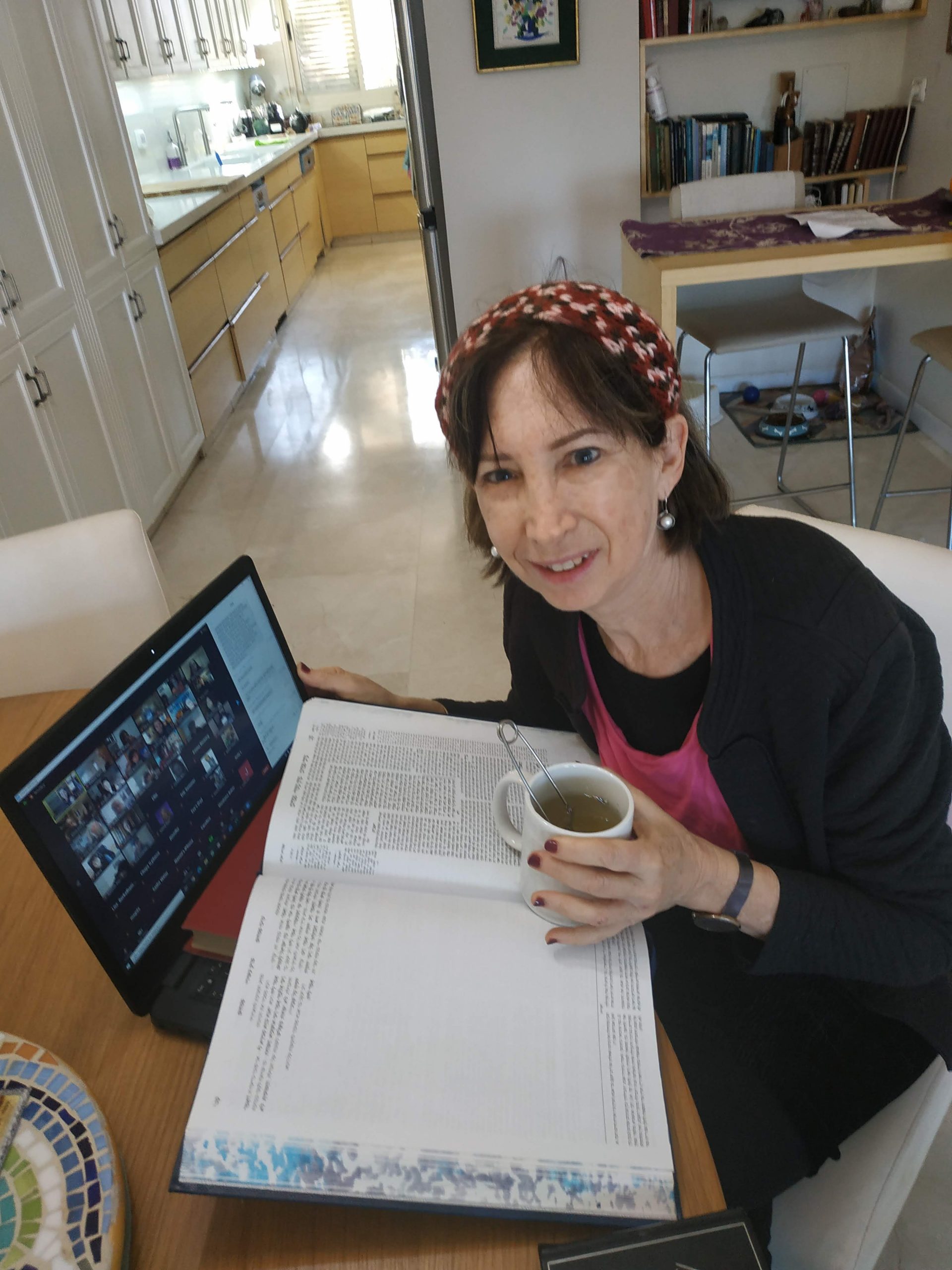
חשמונאים, ישראל
התחלתי בסיום הש”ס, יצאתי באורות. נשברתי פעמיים, ובשתיהם הרבנית מישל עודדה להמשיך איפה שכולם בסבב ולהשלים כשאוכל, וכך עשיתי וכיום השלמתי הכל. מדהים אותי שאני לומדת כל יום קצת, אפילו בחדר הלידה, בבידוד או בחו”ל. לאט לאט יותר נינוחה בסוגיות. לא כולם מבינים את הרצון, בפרט כפמניסטית. חשה סיפוק גדול להכיר את המושגים וצורת החשיבה. החלום זה להמשיך ולהתמיד ובמקביל ללמוד איך מהסוגיות נוצרה והתפתחה ההלכה.
מודיעין, ישראל
התחלתי ללמוד דף יומי שהתחילו מסכת כתובות, לפני 7 שנים, במסגרת קבוצת לימוד שהתפרקה די מהר, ומשם המשכתי לבד בתמיכת האיש שלי. נעזרתי בגמרת שטיינזלץ ובשיעורים מוקלטים.
הסביבה מאד תומכת ואני מקבלת המון מילים טובות לאורך כל הדרך. מאז הסיום הגדול יש תחושה שאני חלק מדבר גדול יותר.
אני לומדת בשיטת ה”7 דפים בשבוע” של הרבנית תרצה קלמן – כלומר, לא נורא אם לא הצלחת ללמוד כל יום, העיקר שגמרת ארבעה דפים בשבוע
עתניאל, ישראל
זבחים נ״ג
עָלָה בַּכֶּבֶשׁ וּפָנָה לַסּוֹבֵב, וּבָא לוֹ לְקֶרֶן דְּרוֹמִית מִזְרָחִית, מִזְרָחִית צְפוֹנִית, צְפוֹנִית מַעֲרָבִית, מַעֲרָבִית דְּרוֹמִית. שְׁיָרֵי הַדָּם הָיָה שׁוֹפֵךְ עַל יְסוֹד דְּרוֹמִית, וְנֶאֱכָלִין לִפְנִים מִן הַקְּלָעִים לְזִכְרֵי כְהוּנָּה בְּכׇל מַאֲכָל, לְיוֹם וָלַיְלָה עַד חֲצוֹת.
He ascended the ramp of the altar and turned right to the surrounding ledge and he continued east, and he came to the southeast corner and sprinkled the blood of the sin offering there and then to the northeast corner and sprinkled the blood there, and then to the northwest corner and sprinkled the blood there, and the southwest corner, where he performed the fourth sprinkling and descended from the altar. He would pour the remainder of the blood on the southern base of the altar. And the meat portions of the offering are eaten within the curtains, i.e., in the Temple courtyard, by the males of the priesthood. And they are eaten prepared in any form of food preparation, on the day the offering is sacrificed and during the night that follows, until midnight.
גְּמָ׳ הֵיכִי עָבֵיד? רַבִּי יוֹחָנָן וְרַבִּי אֶלְעָזָר; חַד אָמַר: נוֹתֵן אַמָּה אֵילָךְ וְאַמָּה אֵילָךְ, וְחַד אָמַר: מְחַטֵּא וְיוֹרֵד כְּנֶגֶד חוּדּוֹ שֶׁל קֶרֶן.
GEMARA: How does the priest perform the rite of sprinkling the blood on the corners of the altar? There is a dispute between Rabbi Yoḥanan and Rabbi Elazar. One says that the priest places the blood within a cubit on this side or a cubit on that side. He places the blood wherever he wants, provided that it is within one cubit of the corner of the altar. And one says that he sprinkles the blood on the outer edge of the corner of the altar, and it flows down on both sides of the altar.
אַלִּיבָּא דְּרַבִּי אֶלְעָזָר בְּרַבִּי שִׁמְעוֹן, דְּאָמַר: הִיא עַצְמָהּ אֵינָהּ נַעֲשֵׂית אֶלָּא בְּגוּפָהּ שֶׁל קֶרֶן – דְּכוּלֵּי עָלְמָא לָא פְּלִיגִי; כִּי פְּלִיגִי – אַלִּיבָּא דְּרַבִּי. מָר סָבַר: אַמָּה אֵילָךְ וְאַמָּה אֵילָךְ – כְּנֶגֶד קֶרֶן הוּא; וּמָר סָבַר: כְּנֶגֶד חוּדָּהּ אִין, טְפֵי לָא.
The Gemara comments: According to the opinion of Rabbi Elazar, son of Rabbi Shimon, who says that the sprinkling of the blood of a sin offering itself is performed only on the actual corner, the one-by-one-cubit projection above each corner of the altar, everyone agrees that the blood may be sprinkled anywhere on the corner, and this will be a fulfillment of the verse: “And put it upon the corners of the altar of burnt offering” (Leviticus 4:25). When they disagree is only according to the opinion of Rabbi Yehuda HaNasi, who holds that the blood may be sprinkled anywhere above the red line on the edge of the altar. One Sage holds that the blood may be sprinkled on the cubit on either side of the edge, because a cubit on this side and a cubit on that side is still considered to be on the corner. And one Sage holds that on its edge, yes, it is fit, but any further on either side is not.
מֵיתִיבִי: חַטַּאת הַצִּיבּוּר וְהַיָּחִיד – כֵּיצַד מַתַּן דָּמָן? הָיָה עוֹלֶה לַכֶּבֶשׁ וּפָנָה לַסּוֹבֵב, וּבָא לוֹ לְקֶרֶן דְּרוֹמִית מִזְרָחִית; וְטוֹבֵל בְּאֶצְבָּעוֹ הַיְמָנִית – הַמְיוּמֶּנֶת שֶׁבַּיָּמִין – מִן הַדָּם שֶׁבַּמִּזְרָק; וְחוֹמֵר בְּגוּדָלוֹ מִלְּמַעְלָה וּבְאֶצְבָּעוֹ קְטַנָּה מִלְּמַטָּה, וּמְחַטֵּא וְיוֹרֵד כְּנֶגֶד חוּדָּהּ שֶׁל קֶרֶן, עַד שֶׁמְּכַלֶּה כָּל הַדָּם שֶׁבָּאֶצְבַּע. וְכֵן כׇּל קֶרֶן וָקֶרֶן.
The Gemara raises an objection to the opinion that one cubit on either side of the edge is still considered on the edge, from a baraita: With regard to communal sin offerings and individual sin offerings, how is the placement of their blood on the altar performed? The priest would ascend the ramp of the altar and turn right to the surrounding ledge and continue east, and he would come to the southeast corner. And he would then dip with his right [haymanit] finger, the most dexterous [hamyumenet] of the right hand, i.e., the index finger, of the blood that is in the bowl, and would gather the blood with his thumb above and his smallest finger below, so that it would remain on his finger. And he would sprinkle the blood and move his hand down on the outer edge of the corner, until he would finish sprinkling all the blood that was on his finger. And he would act similarly at each and every corner. This baraita states explicitly that the blood must be sprinkled on the actual edge.
הָכִי קָאָמַר: מִצְוָה בְּחוּדָּהּ; אִי עֲבַד אַמָּה אֵילָךְ וְאַמָּה אֵילָךְ – לֵית לַן בַּהּ.
The Gemara answers: This is what the baraita is saying: The optimal manner to perform the mitzva is to sprinkle the blood on the edge of the corner. But if he did the sprinkling on the cubit on this side, or the cubit on that side, we have no problem with it, and he has still fulfilled the mitzva.
מַאי רַבִּי וּמַאי רַבִּי אֶלְעָזָר בְּרַבִּי שִׁמְעוֹן? דְּתַנְיָא: דָּמִים הָעֶלְיוֹנִים נִיתָּנִין מִחוּט הַסִּיקְרָא וּלְמַעְלָה, דָּמִים הַתַּחְתּוֹנִים נִיתָּנִין מִחוּט הַסִּיקְרָא וּלְמַטָּן. דִּבְרֵי רַבִּי.
The Gemara discusses the aforementioned dispute. What is the opinion of Rabbi Yehuda HaNasi, and what is the opinion of Rabbi Elazar, son of Rabbi Shimon? This is as it is taught in a baraita (Tosefta 6:11): The blood that must be placed on the upper half of the altar, e.g., the blood of a sin offering, is placed anywhere from the red line that circumscribed the middle of the altar and above. The blood that must be placed on the lower half of the altar is placed anywhere from the red line or below it. This is the statement of Rabbi Yehuda HaNasi.
רַבִּי אֶלְעָזָר בְּרַבִּי שִׁמְעוֹן אוֹמֵר: בַּמֶּה דְּבָרִים אֲמוּרִין – בְּעוֹלַת הָעוֹף, אֲבָל בְּחַטַּאת בְּהֵמָה – הִיא עַצְמָהּ אֵין נַעֲשֵׂית אֶלָּא עַל גּוּפָהּ שֶׁל קֶרֶן.
The baraita continues: Rabbi Elazar, son of Rabbi Shimon says: In what case is this statement said? It is said with regard to a bird burnt offering, as its blood may be placed anywhere above the red line. But with regard to an animal sin offering, the placement itself may be performed only on the actual corner of the altar. This is based on the verse that states: “And the priest shall take of the blood of the sin offering with his finger, and put it upon the corners of the altar of burnt offering” (Leviticus 4:25).
אָמַר רַבִּי אֲבָהוּ: מַאי טַעְמָא דְּרַבִּי? דִּכְתִיב: ״וְהַהַרְאֵל אַרְבַּע אַמּוֹת, וּמֵהַהַרְאֵל וּלְמַעְלָה וְגוֹ׳״. אַרְבַּע אַמּוֹת הוּא דְּהָוְיָא?! אָמַר רַב אַדָּא בַּר אַהֲבָה: וּמְקוֹם קְרָנוֹת אַרְבַּע. מְקוֹם קְרָנוֹת אַרְבַּע הָוְיָא?! אֶלָּא אֵימָא: רְשׁוּת קְרָנוֹת אַרְבַּע.
Rabbi Abbahu says: What is the reason for the opinion of Rabbi Yehuda HaNasi? As it is written: “And the altar shall be four cubits; and from the altar and above there shall be four corners” (Ezekiel 43:15). The Gemara asks: Was the altar only four cubits wide? Rav Adda bar Ahava said: And the total area of the four corners, which were each one square cubit, was four cubits. The Gemara asks: Was the area of the corners four square cubits? If the four corners would be placed together the area would be only two square cubits. Rather, say that the domain of the corners is four cubits. In other words, the verse means that the blood may be sprinkled up to four cubits beneath the actual corners of the altar.
תְּנַן הָתָם: חוּט שֶׁל סִיקְרָא חוֹגְרוֹ בָּאֶמְצַע, לְהַבְדִּיל בֵּין דָּמִים הָעֶלְיוֹנִים לְדָמִים הַתַּחְתּוֹנִים. מְנָא הָנֵי מִילֵּי? אָמַר רַב אַחָא בַּר רַב קַטִּינָא, שֶׁנֶּאֱמַר: ״וְהָיְתָה הָרֶשֶׁת עַד חֲצִי הַמִּזְבֵּחַ״ – הַתּוֹרָה נָתְנָה מְחִיצָה לְהַבְדִּיל בֵּין דָּמִים הָעֶלְיוֹנִים לְדָמִים הַתַּחְתּוֹנִים.
We learned in a mishna there (Middot 35b): A red line circumscribed the altar in the middle, to separate between the area for the blood that must be placed on the upper part of the altar and the area for the blood that must be placed on the lower part of the altar. The Gemara asks: From where is this matter derived? Rav Aḥa bar Rav Ketina said it is derived from a verse, as it is stated: “And you shall put it under the ledge round the altar beneath, and the net will reach halfway up the altar” (Exodus 27:5). The Torah provided for a separation on the altar, to separate between the area for the blood placed on the upper part of the altar and the area for the blood placed on the lower part of the altar.
שְׁיָרֵי הַדָּם כּוּ׳. תָּנוּ רַבָּנַן: ״אֶל יְסוֹד מִזְבֵּחַ״ – זֶה יְסוֹד דְּרוֹמִי. אַתָּה אוֹמֵר זֶה יְסוֹד דְּרוֹמִי; אוֹ אֵינוֹ אֶלָּא יְסוֹד מַעֲרָבִי,
§ The mishna teaches: He would pour the remainder of the blood on the southern base of the altar. The Sages taught in a baraita: Concerning the phrase: “At the base of the altar” (Leviticus 4:30), mentioned with regard to pouring the remainder of the blood of the sin offering of a king, this is referring to the southern base of the altar. The baraita challenges: Do you say that this is referring to the southern base, or is it referring only to the western base?
וְיִלְמַד סָתוּם מִן הַמְפוֹרָשׁ? אָמַרְתָּ: יִלְמַד יְרִידָתוֹ מִן הַכֶּבֶשׁ לִיצִיאָתוֹ מִן הַהֵיכָל; מָה יְצִיאָתוֹ מִן הַהֵיכָל – בְּסָמוּךְ לוֹ, אַף יְרִידָתוֹ מִן הַכֶּבֶשׁ – בְּסָמוּךְ לוֹ.
The baraita suggests: And one can derive the meaning of this unspecified phrase from the meaning of the explicit phrase, as follows: You said that one can derive the location of the priest’s descent from the ramp of the external altar after sprinkling blood of the sin offering by comparing it to his exit from the Sanctuary with the blood that remained after having sprinkled blood inside the Sanctuary. The verse states with regard to the bull offering of the High Priest: “And all the remaining blood of the bull he shall pour out at the base of the altar of burnt offering, which is at the entrance of the Tent of Meeting” (Leviticus 4:7). Just as upon his exit from the Sanctuary the priest pours the remainder of the blood on the side closest to him, the western side, so too, upon his descent from the ramp of the external altar after sprinkling blood from the sin offering, he pours the blood on the side closest to him, which is the southern side.
תַּנְיָא, רַבִּי יִשְׁמָעֵאל אוֹמֵר: זֶה וָזֶה יְסוֹד מַעֲרָבִי. רַבִּי שִׁמְעוֹן בֶּן יוֹחַאי אוֹמֵר: זֶה וָזֶה יְסוֹד דְּרוֹמִי.
It is taught in another baraita: Rabbi Yishmael says: This and that, both the remainder of the blood sprinkled inside the Sanctuary and the remainder of the blood sprinkled on the external altar, are poured on the western base of the altar. Rabbi Shimon ben Yoḥai says: This and that are poured on the southern base of the altar.
בִּשְׁלָמָא לְמַאן דְּאָמַר יְסוֹד מַעֲרָבִי – קָסָבַר: יִלְמַד סָתוּם מִן הַמְפוֹרָשׁ.
The Gemara clarifies: Granted, according to the one who says that the blood is poured on the western base of the altar, it is clear how he derived his halakha. He holds that one can derive the meaning of an unspecified phrase from the meaning of the explicit phrase. Therefore, just as the remainder of the blood sprinkled inside the Sanctuary is poured on the western base of the external altar, the same is done with the remainder of the blood sprinkled on the external altar.
אֶלָּא לְמַאן דְּאָמַר יְסוֹד דְּרוֹמִי, מַאי טַעְמָא? אָמַר רַבִּי אַסִּי, קָסָבַר הַאי תַּנָּא: כּוּלֵּיהּ מִזְבֵּחַ בְּצָפוֹן קָאֵי. לִישָּׁנָא אַחֲרִינָא: כּוּלֵּיהּ פֶּתַח בְּדָרוֹם קָאֵי.
But according to the one who says that the blood is poured on the southern base of the altar, what is the reason? Rabbi Asi said: This tanna holds that the entire external altar stands in the north of the Temple courtyard. Therefore, the southern base is in the center of the courtyard, opposite the entrance to the Sanctuary. This is what the verse is referring to when it states: “At the entrance of the Tent of Meeting” (Leviticus 4:7). The Gemara presents another formulation of Rabbi Asi’s explanation: The entire entrance of the Sanctuary stands in the south of the altar. Accordingly, when the priest exits the Sanctuary the southern base is the first one he encounters.
תָּנָא דְּבֵי רַבִּי יִשְׁמָעֵאל כְּרַבִּי שִׁמְעוֹן בֶּן יוֹחַי אוֹמְרִים: זֶה וָזֶה יְסוֹד מַעֲרָבִי. וְסִימָנֵיךְ: מָשְׁכוּ גַּבְרֵי לְגַבְרָא.
The school of Rabbi Yishmael, in accordance with the opinion of Rabbi Shimon ben Yoḥai, says: Both this and that, i.e., the blood of an inner sin offering and that of an external sin offering, were poured at the western base of the altar. According to this version, Rabbi Shimon ben Yoḥai agrees with the opinion of Rabbi Yishmael. The Gemara comments: And your mnemonic to remember this change in opinion is: The men pulled the man. In this case, the numerous students of Rabbi Yishmael claim that Rabbi Shimon ben Yoḥai agrees with their teacher.
מַתְנִי’ הָעוֹלָה קׇדְשֵׁי קָדָשִׁים, שְׁחִיטָתָהּ בַּצָּפוֹן, וְקִיבּוּל דָּמָהּ בִּכְלֵי שָׁרֵת בַּצָּפוֹן, וְדָמָהּ טָעוּן שְׁתֵּי מַתָּנוֹת שֶׁהֵן אַרְבַּע, וּטְעוּנָה הֶפְשֵׁט וְנִיתּוּחַ, וְכָלִיל לָאִשִּׁים.
MISHNA: The burnt offering is an offering of the most sacred order. Its slaughter is in the north of the Temple courtyard and the collection of its blood in a service vessel is in the north, and its blood requires two placements that are four, and it requires flaying of its carcass and the cutting of the sacrificial animal into pieces, and it is consumed in its entirety, with the exception of its hide, by the fire of the altar.
גְּמָ׳ עוֹלָה מַאי טַעְמָא תָּנֵי לֵיהּ קׇדְשֵׁי קָדָשִׁים? מִשּׁוּם דְּלָא כְּתִיב בַּהּ ״(לַה׳) קׇדְשֵׁי קָדָשִׁים הִיא״.
GEMARA: What is the reason that the tanna taught that a burnt offering is an offering of the most sacred order, when the mishna earlier (52b) did not mention that a sin offering is of the most sacred order? The Gemara answers: It is because in the Torah it is not written explicitly with regard to the burnt offering: It is most sacred, as it states concerning the sin offering and the guilt offering in a verse concerning a meal offering: “It shall not be baked with leaven. I have given it as their portion of My offerings made by fire; it is most sacred, as the sin offering, and as the guilt offering” (Leviticus 6:10). Consequently, the tanna explicitly states that a burnt offering is likewise of the most sacred order.
וְדָמָהּ טָעוּן שְׁתֵּי מַתָּנוֹת. הֵיכִי עָבֵיד? אָמַר רַב: נוֹתֵן וְחוֹזֵר וְנוֹתֵן. וּשְׁמוּאֵל אָמַר: מַתָּנָה אַחַת כְּמִין גַּמָּא נוֹתֵן.
The mishna teaches: And its blood requires two placements that are four. How does the priest perform the placements? Rav says: He places the blood on one side of the corner of the altar, and places it again on the other side of the corner of the altar. He repeats this on the diagonally opposite corner, so that he places on two corners but on all four sides of the altar. And Shmuel says: He places one placement on each of the two diagonally opposite corners, so that each placement is similar to the shape of the Greek letter gamma, which is bent at a right angle.
כְּתַנָּאֵי – יָכוֹל יִזְרְקֶנּוּ זְרִיקָה אַחַת? תַּלְמוּד לוֹמַר: ״סָבִיב״. אִי סָבִיב, יָכוֹל יַקִּיפֶנּוּ כְּחוּט? תַּלְמוּד לוֹמַר: ״וְזָרְקוּ״. הָא כֵּיצַד? כְּמִין גַּמָּא – וְדָמָהּ טָעוּן שְׁתֵּי מַתָּנוֹת שֶׁהֵן אַרְבַּע.
The Gemara comments: This dispute between Rav and Shmuel is like a dispute between tanna’im: One might have thought that a priest should sprinkle one sprinkling with the blood of a burnt offering. To counter this possibility, the verse states: “And sprinkle the blood around against the altar that is at the entrance of the Tent of Meeting” (Leviticus 1:5). If the blood must be sprinkled around the altar, one might have thought that he should circumscribe the altar as one would do with a thread, and sprinkle the blood all around. To counter this possibility, the verse states: “Shall present the blood, and sprinkle the blood around against the altar” (Leviticus 1:5), and one cannot have the blood circumscribe the altar as a thread would without directly applying it with a finger. How can these verses be reconciled? He applies the blood in a shape that is similar to that of the Greek letter gamma, and its blood requires two sprinklings that are four. This opinion accords with the opinion of Shmuel.
רַבִּי יִשְׁמָעֵאל אוֹמֵר: נֶאֱמַר כָּאן ״סָבִיב״, וְנֶאֱמַר לְהַלָּן ״סָבִיב״; מָה לְהַלָּן – פִּיסּוּק וְאַרְבַּע מַתָּנוֹת, אַף כָּאן – פִּיסּוּק וְאַרְבַּע מַתָּנוֹת.
The baraita continues: Rabbi Yishmael says: It is stated here: “Shall present the blood, and sprinkle the blood around against the altar” (Leviticus 1:5), and it is stated there, with regard to the sin offering sacrificed at the inauguration of the Tabernacle: “And when it was slain, Moses took the blood, and put it upon the corners of the altar around with his finger” (Leviticus 8:15). Just as there, with regard to the sin offering, the blood was placed discretely and with four placements, one on each corner, so too here, with regard to a burnt offering, it must be placed discretely and with four placements. This opinion accords with the opinion of Rav.
אִי – מָה לְהַלָּן אַרְבַּע מַתָּנוֹת עַל אַרְבַּע קְרָנוֹת, אַף כָּאן אַרְבַּע מַתָּנוֹת עַל אַרְבַּע קְרָנוֹת?! אָמַרְתָּ: עוֹלָה טְעוּנָה יְסוֹד; וְקֶרֶן מִזְרָחִית דְּרוֹמִית לֹא הָיָה לָהּ יְסוֹד.
If these offerings are compared to each other, why not say that just as there, the blood of the sin offering must have four placements on the four corners, so too here, the blood of the burnt offering requires four placements on the four corners? You said that a burnt offering requires that the blood be placed on a part of the altar that has a base, and the southeast corner of the altar had no base beneath it. Therefore, the blood had to be placed on the northeast corner and the southwest corner.
מַאי טַעְמָא? אָמַר רַבִּי אֶלְעָזָר: לְפִי שֶׁלֹּא הָיְתָה בְּחֶלְקוֹ שֶׁל טוֹרֵף. דְּאָמַר רַב שְׁמוּאֵל בַּר רַב יִצְחָק: מִזְבֵּחַ אוֹכֵל בְּחֶלְקוֹ שֶׁל יְהוּדָה אַמָּה.
The Gemara asks: What is the reason that there was no base on the southeast corner of the altar? Rabbi Elazar says: Because it was not in the portion of land of the one who tears, i.e., the tribe of Benjamin, as he is described in the following manner: “Benjamin is a wolf that tears apart; in the morning he devours the prey, and in the evening he divides the spoil” (Genesis 49:27). As Rav Shmuel, son of Rav Yitzḥak, says: The altar would consume, i.e., occupy, one cubit of the portion of Judah. The part of the altar in Judah’s portion was the southeast corner of the base, and therefore there was no base on that corner.
אָמַר רַבִּי לֵוִי בַּר חָמָא אָמַר רַבִּי חָמָא בְּרַבִּי חֲנִינָא: רְצוּעָה הָיְתָה יוֹצְאָה מֵחֶלְקוֹ שֶׁל יְהוּדָה וְנִכְנֶסֶת בְּחֶלְקוֹ שֶׁל בִּנְיָמִין, וְהָיָה בִּנְיָמִין הַצַּדִּיק מִצְטַעֵר עָלֶיהָ בְּכׇל יוֹם לְנוֹטְלָהּ, שֶׁנֶּאֱמַר:
Rabbi Levi bar Ḥama says that Rabbi Ḥama, son of Rabbi Ḥanina, says: A strip of land emerged from the portion of Judah and entered into the portion of Benjamin, and the southeast corner of the base was on that strip. And the tribe of Benjamin the righteous would agonize over it every day, desiring to take it into its portion, due to its unique sanctity. As it is stated in Moses’ blessing to the tribe of Benjamin:

