








Zevachim 53

Share this shiur:
Want to dedicate learning? Get started here:
Zevachim 53
עָלָה בַּכֶּבֶשׁ וּפָנָה לַסּוֹבֵב, וּבָא לוֹ לְקֶרֶן דְּרוֹמִית מִזְרָחִית, מִזְרָחִית צְפוֹנִית, צְפוֹנִית מַעֲרָבִית, מַעֲרָבִית דְּרוֹמִית. שְׁיָרֵי הַדָּם הָיָה שׁוֹפֵךְ עַל יְסוֹד דְּרוֹמִית, וְנֶאֱכָלִין לִפְנִים מִן הַקְּלָעִים לְזִכְרֵי כְהוּנָּה בְּכׇל מַאֲכָל, לְיוֹם וָלַיְלָה עַד חֲצוֹת.
He ascended the ramp of the altar and turned right to the surrounding ledge and he continued east, and he came to the southeast corner and sprinkled the blood of the sin offering there and then to the northeast corner and sprinkled the blood there, and then to the northwest corner and sprinkled the blood there, and the southwest corner, where he performed the fourth sprinkling and descended from the altar. He would pour the remainder of the blood on the southern base of the altar. And the meat portions of the offering are eaten within the curtains, i.e., in the Temple courtyard, by the males of the priesthood. And they are eaten prepared in any form of food preparation, on the day the offering is sacrificed and during the night that follows, until midnight.
גְּמָ׳ הֵיכִי עָבֵיד? רַבִּי יוֹחָנָן וְרַבִּי אֶלְעָזָר; חַד אָמַר: נוֹתֵן אַמָּה אֵילָךְ וְאַמָּה אֵילָךְ, וְחַד אָמַר: מְחַטֵּא וְיוֹרֵד כְּנֶגֶד חוּדּוֹ שֶׁל קֶרֶן.
GEMARA: How does the priest perform the rite of sprinkling the blood on the corners of the altar? There is a dispute between Rabbi Yoḥanan and Rabbi Elazar. One says that the priest places the blood within a cubit on this side or a cubit on that side. He places the blood wherever he wants, provided that it is within one cubit of the corner of the altar. And one says that he sprinkles the blood on the outer edge of the corner of the altar, and it flows down on both sides of the altar.
אַלִּיבָּא דְּרַבִּי אֶלְעָזָר בְּרַבִּי שִׁמְעוֹן, דְּאָמַר: הִיא עַצְמָהּ אֵינָהּ נַעֲשֵׂית אֶלָּא בְּגוּפָהּ שֶׁל קֶרֶן – דְּכוּלֵּי עָלְמָא לָא פְּלִיגִי; כִּי פְּלִיגִי – אַלִּיבָּא דְּרַבִּי. מָר סָבַר: אַמָּה אֵילָךְ וְאַמָּה אֵילָךְ – כְּנֶגֶד קֶרֶן הוּא; וּמָר סָבַר: כְּנֶגֶד חוּדָּהּ אִין, טְפֵי לָא.
The Gemara comments: According to the opinion of Rabbi Elazar, son of Rabbi Shimon, who says that the sprinkling of the blood of a sin offering itself is performed only on the actual corner, the one-by-one-cubit projection above each corner of the altar, everyone agrees that the blood may be sprinkled anywhere on the corner, and this will be a fulfillment of the verse: “And put it upon the corners of the altar of burnt offering” (Leviticus 4:25). When they disagree is only according to the opinion of Rabbi Yehuda HaNasi, who holds that the blood may be sprinkled anywhere above the red line on the edge of the altar. One Sage holds that the blood may be sprinkled on the cubit on either side of the edge, because a cubit on this side and a cubit on that side is still considered to be on the corner. And one Sage holds that on its edge, yes, it is fit, but any further on either side is not.
מֵיתִיבִי: חַטַּאת הַצִּיבּוּר וְהַיָּחִיד – כֵּיצַד מַתַּן דָּמָן? הָיָה עוֹלֶה לַכֶּבֶשׁ וּפָנָה לַסּוֹבֵב, וּבָא לוֹ לְקֶרֶן דְּרוֹמִית מִזְרָחִית; וְטוֹבֵל בְּאֶצְבָּעוֹ הַיְמָנִית – הַמְיוּמֶּנֶת שֶׁבַּיָּמִין – מִן הַדָּם שֶׁבַּמִּזְרָק; וְחוֹמֵר בְּגוּדָלוֹ מִלְּמַעְלָה וּבְאֶצְבָּעוֹ קְטַנָּה מִלְּמַטָּה, וּמְחַטֵּא וְיוֹרֵד כְּנֶגֶד חוּדָּהּ שֶׁל קֶרֶן, עַד שֶׁמְּכַלֶּה כָּל הַדָּם שֶׁבָּאֶצְבַּע. וְכֵן כׇּל קֶרֶן וָקֶרֶן.
The Gemara raises an objection to the opinion that one cubit on either side of the edge is still considered on the edge, from a baraita: With regard to communal sin offerings and individual sin offerings, how is the placement of their blood on the altar performed? The priest would ascend the ramp of the altar and turn right to the surrounding ledge and continue east, and he would come to the southeast corner. And he would then dip with his right [haymanit] finger, the most dexterous [hamyumenet] of the right hand, i.e., the index finger, of the blood that is in the bowl, and would gather the blood with his thumb above and his smallest finger below, so that it would remain on his finger. And he would sprinkle the blood and move his hand down on the outer edge of the corner, until he would finish sprinkling all the blood that was on his finger. And he would act similarly at each and every corner. This baraita states explicitly that the blood must be sprinkled on the actual edge.
הָכִי קָאָמַר: מִצְוָה בְּחוּדָּהּ; אִי עֲבַד אַמָּה אֵילָךְ וְאַמָּה אֵילָךְ – לֵית לַן בַּהּ.
The Gemara answers: This is what the baraita is saying: The optimal manner to perform the mitzva is to sprinkle the blood on the edge of the corner. But if he did the sprinkling on the cubit on this side, or the cubit on that side, we have no problem with it, and he has still fulfilled the mitzva.
מַאי רַבִּי וּמַאי רַבִּי אֶלְעָזָר בְּרַבִּי שִׁמְעוֹן? דְּתַנְיָא: דָּמִים הָעֶלְיוֹנִים נִיתָּנִין מִחוּט הַסִּיקְרָא וּלְמַעְלָה, דָּמִים הַתַּחְתּוֹנִים נִיתָּנִין מִחוּט הַסִּיקְרָא וּלְמַטָּן. דִּבְרֵי רַבִּי.
The Gemara discusses the aforementioned dispute. What is the opinion of Rabbi Yehuda HaNasi, and what is the opinion of Rabbi Elazar, son of Rabbi Shimon? This is as it is taught in a baraita (Tosefta 6:11): The blood that must be placed on the upper half of the altar, e.g., the blood of a sin offering, is placed anywhere from the red line that circumscribed the middle of the altar and above. The blood that must be placed on the lower half of the altar is placed anywhere from the red line or below it. This is the statement of Rabbi Yehuda HaNasi.
רַבִּי אֶלְעָזָר בְּרַבִּי שִׁמְעוֹן אוֹמֵר: בַּמֶּה דְּבָרִים אֲמוּרִין – בְּעוֹלַת הָעוֹף, אֲבָל בְּחַטַּאת בְּהֵמָה – הִיא עַצְמָהּ אֵין נַעֲשֵׂית אֶלָּא עַל גּוּפָהּ שֶׁל קֶרֶן.
The baraita continues: Rabbi Elazar, son of Rabbi Shimon says: In what case is this statement said? It is said with regard to a bird burnt offering, as its blood may be placed anywhere above the red line. But with regard to an animal sin offering, the placement itself may be performed only on the actual corner of the altar. This is based on the verse that states: “And the priest shall take of the blood of the sin offering with his finger, and put it upon the corners of the altar of burnt offering” (Leviticus 4:25).
אָמַר רַבִּי אֲבָהוּ: מַאי טַעְמָא דְּרַבִּי? דִּכְתִיב: ״וְהַהַרְאֵל אַרְבַּע אַמּוֹת, וּמֵהַהַרְאֵל וּלְמַעְלָה וְגוֹ׳״. אַרְבַּע אַמּוֹת הוּא דְּהָוְיָא?! אָמַר רַב אַדָּא בַּר אַהֲבָה: וּמְקוֹם קְרָנוֹת אַרְבַּע. מְקוֹם קְרָנוֹת אַרְבַּע הָוְיָא?! אֶלָּא אֵימָא: רְשׁוּת קְרָנוֹת אַרְבַּע.
Rabbi Abbahu says: What is the reason for the opinion of Rabbi Yehuda HaNasi? As it is written: “And the altar shall be four cubits; and from the altar and above there shall be four corners” (Ezekiel 43:15). The Gemara asks: Was the altar only four cubits wide? Rav Adda bar Ahava said: And the total area of the four corners, which were each one square cubit, was four cubits. The Gemara asks: Was the area of the corners four square cubits? If the four corners would be placed together the area would be only two square cubits. Rather, say that the domain of the corners is four cubits. In other words, the verse means that the blood may be sprinkled up to four cubits beneath the actual corners of the altar.
תְּנַן הָתָם: חוּט שֶׁל סִיקְרָא חוֹגְרוֹ בָּאֶמְצַע, לְהַבְדִּיל בֵּין דָּמִים הָעֶלְיוֹנִים לְדָמִים הַתַּחְתּוֹנִים. מְנָא הָנֵי מִילֵּי? אָמַר רַב אַחָא בַּר רַב קַטִּינָא, שֶׁנֶּאֱמַר: ״וְהָיְתָה הָרֶשֶׁת עַד חֲצִי הַמִּזְבֵּחַ״ – הַתּוֹרָה נָתְנָה מְחִיצָה לְהַבְדִּיל בֵּין דָּמִים הָעֶלְיוֹנִים לְדָמִים הַתַּחְתּוֹנִים.
We learned in a mishna there (Middot 35b): A red line circumscribed the altar in the middle, to separate between the area for the blood that must be placed on the upper part of the altar and the area for the blood that must be placed on the lower part of the altar. The Gemara asks: From where is this matter derived? Rav Aḥa bar Rav Ketina said it is derived from a verse, as it is stated: “And you shall put it under the ledge round the altar beneath, and the net will reach halfway up the altar” (Exodus 27:5). The Torah provided for a separation on the altar, to separate between the area for the blood placed on the upper part of the altar and the area for the blood placed on the lower part of the altar.
שְׁיָרֵי הַדָּם כּוּ׳. תָּנוּ רַבָּנַן: ״אֶל יְסוֹד מִזְבֵּחַ״ – זֶה יְסוֹד דְּרוֹמִי. אַתָּה אוֹמֵר זֶה יְסוֹד דְּרוֹמִי; אוֹ אֵינוֹ אֶלָּא יְסוֹד מַעֲרָבִי,
§ The mishna teaches: He would pour the remainder of the blood on the southern base of the altar. The Sages taught in a baraita: Concerning the phrase: “At the base of the altar” (Leviticus 4:30), mentioned with regard to pouring the remainder of the blood of the sin offering of a king, this is referring to the southern base of the altar. The baraita challenges: Do you say that this is referring to the southern base, or is it referring only to the western base?
וְיִלְמַד סָתוּם מִן הַמְפוֹרָשׁ? אָמַרְתָּ: יִלְמַד יְרִידָתוֹ מִן הַכֶּבֶשׁ לִיצִיאָתוֹ מִן הַהֵיכָל; מָה יְצִיאָתוֹ מִן הַהֵיכָל – בְּסָמוּךְ לוֹ, אַף יְרִידָתוֹ מִן הַכֶּבֶשׁ – בְּסָמוּךְ לוֹ.
The baraita suggests: And one can derive the meaning of this unspecified phrase from the meaning of the explicit phrase, as follows: You said that one can derive the location of the priest’s descent from the ramp of the external altar after sprinkling blood of the sin offering by comparing it to his exit from the Sanctuary with the blood that remained after having sprinkled blood inside the Sanctuary. The verse states with regard to the bull offering of the High Priest: “And all the remaining blood of the bull he shall pour out at the base of the altar of burnt offering, which is at the entrance of the Tent of Meeting” (Leviticus 4:7). Just as upon his exit from the Sanctuary the priest pours the remainder of the blood on the side closest to him, the western side, so too, upon his descent from the ramp of the external altar after sprinkling blood from the sin offering, he pours the blood on the side closest to him, which is the southern side.
תַּנְיָא, רַבִּי יִשְׁמָעֵאל אוֹמֵר: זֶה וָזֶה יְסוֹד מַעֲרָבִי. רַבִּי שִׁמְעוֹן בֶּן יוֹחַאי אוֹמֵר: זֶה וָזֶה יְסוֹד דְּרוֹמִי.
It is taught in another baraita: Rabbi Yishmael says: This and that, both the remainder of the blood sprinkled inside the Sanctuary and the remainder of the blood sprinkled on the external altar, are poured on the western base of the altar. Rabbi Shimon ben Yoḥai says: This and that are poured on the southern base of the altar.
בִּשְׁלָמָא לְמַאן דְּאָמַר יְסוֹד מַעֲרָבִי – קָסָבַר: יִלְמַד סָתוּם מִן הַמְפוֹרָשׁ.
The Gemara clarifies: Granted, according to the one who says that the blood is poured on the western base of the altar, it is clear how he derived his halakha. He holds that one can derive the meaning of an unspecified phrase from the meaning of the explicit phrase. Therefore, just as the remainder of the blood sprinkled inside the Sanctuary is poured on the western base of the external altar, the same is done with the remainder of the blood sprinkled on the external altar.
אֶלָּא לְמַאן דְּאָמַר יְסוֹד דְּרוֹמִי, מַאי טַעְמָא? אָמַר רַבִּי אַסִּי, קָסָבַר הַאי תַּנָּא: כּוּלֵּיהּ מִזְבֵּחַ בְּצָפוֹן קָאֵי. לִישָּׁנָא אַחֲרִינָא: כּוּלֵּיהּ פֶּתַח בְּדָרוֹם קָאֵי.
But according to the one who says that the blood is poured on the southern base of the altar, what is the reason? Rabbi Asi said: This tanna holds that the entire external altar stands in the north of the Temple courtyard. Therefore, the southern base is in the center of the courtyard, opposite the entrance to the Sanctuary. This is what the verse is referring to when it states: “At the entrance of the Tent of Meeting” (Leviticus 4:7). The Gemara presents another formulation of Rabbi Asi’s explanation: The entire entrance of the Sanctuary stands in the south of the altar. Accordingly, when the priest exits the Sanctuary the southern base is the first one he encounters.
תָּנָא דְּבֵי רַבִּי יִשְׁמָעֵאל כְּרַבִּי שִׁמְעוֹן בֶּן יוֹחַי אוֹמְרִים: זֶה וָזֶה יְסוֹד מַעֲרָבִי. וְסִימָנֵיךְ: מָשְׁכוּ גַּבְרֵי לְגַבְרָא.
The school of Rabbi Yishmael, in accordance with the opinion of Rabbi Shimon ben Yoḥai, says: Both this and that, i.e., the blood of an inner sin offering and that of an external sin offering, were poured at the western base of the altar. According to this version, Rabbi Shimon ben Yoḥai agrees with the opinion of Rabbi Yishmael. The Gemara comments: And your mnemonic to remember this change in opinion is: The men pulled the man. In this case, the numerous students of Rabbi Yishmael claim that Rabbi Shimon ben Yoḥai agrees with their teacher.
מַתְנִי’ הָעוֹלָה קׇדְשֵׁי קָדָשִׁים, שְׁחִיטָתָהּ בַּצָּפוֹן, וְקִיבּוּל דָּמָהּ בִּכְלֵי שָׁרֵת בַּצָּפוֹן, וְדָמָהּ טָעוּן שְׁתֵּי מַתָּנוֹת שֶׁהֵן אַרְבַּע, וּטְעוּנָה הֶפְשֵׁט וְנִיתּוּחַ, וְכָלִיל לָאִשִּׁים.
MISHNA: The burnt offering is an offering of the most sacred order. Its slaughter is in the north of the Temple courtyard and the collection of its blood in a service vessel is in the north, and its blood requires two placements that are four, and it requires flaying of its carcass and the cutting of the sacrificial animal into pieces, and it is consumed in its entirety, with the exception of its hide, by the fire of the altar.
גְּמָ׳ עוֹלָה מַאי טַעְמָא תָּנֵי לֵיהּ קׇדְשֵׁי קָדָשִׁים? מִשּׁוּם דְּלָא כְּתִיב בַּהּ ״(לַה׳) קׇדְשֵׁי קָדָשִׁים הִיא״.
GEMARA: What is the reason that the tanna taught that a burnt offering is an offering of the most sacred order, when the mishna earlier (52b) did not mention that a sin offering is of the most sacred order? The Gemara answers: It is because in the Torah it is not written explicitly with regard to the burnt offering: It is most sacred, as it states concerning the sin offering and the guilt offering in a verse concerning a meal offering: “It shall not be baked with leaven. I have given it as their portion of My offerings made by fire; it is most sacred, as the sin offering, and as the guilt offering” (Leviticus 6:10). Consequently, the tanna explicitly states that a burnt offering is likewise of the most sacred order.
וְדָמָהּ טָעוּן שְׁתֵּי מַתָּנוֹת. הֵיכִי עָבֵיד? אָמַר רַב: נוֹתֵן וְחוֹזֵר וְנוֹתֵן. וּשְׁמוּאֵל אָמַר: מַתָּנָה אַחַת כְּמִין גַּמָּא נוֹתֵן.
The mishna teaches: And its blood requires two placements that are four. How does the priest perform the placements? Rav says: He places the blood on one side of the corner of the altar, and places it again on the other side of the corner of the altar. He repeats this on the diagonally opposite corner, so that he places on two corners but on all four sides of the altar. And Shmuel says: He places one placement on each of the two diagonally opposite corners, so that each placement is similar to the shape of the Greek letter gamma, which is bent at a right angle.
כְּתַנָּאֵי – יָכוֹל יִזְרְקֶנּוּ זְרִיקָה אַחַת? תַּלְמוּד לוֹמַר: ״סָבִיב״. אִי סָבִיב, יָכוֹל יַקִּיפֶנּוּ כְּחוּט? תַּלְמוּד לוֹמַר: ״וְזָרְקוּ״. הָא כֵּיצַד? כְּמִין גַּמָּא – וְדָמָהּ טָעוּן שְׁתֵּי מַתָּנוֹת שֶׁהֵן אַרְבַּע.
The Gemara comments: This dispute between Rav and Shmuel is like a dispute between tanna’im: One might have thought that a priest should sprinkle one sprinkling with the blood of a burnt offering. To counter this possibility, the verse states: “And sprinkle the blood around against the altar that is at the entrance of the Tent of Meeting” (Leviticus 1:5). If the blood must be sprinkled around the altar, one might have thought that he should circumscribe the altar as one would do with a thread, and sprinkle the blood all around. To counter this possibility, the verse states: “Shall present the blood, and sprinkle the blood around against the altar” (Leviticus 1:5), and one cannot have the blood circumscribe the altar as a thread would without directly applying it with a finger. How can these verses be reconciled? He applies the blood in a shape that is similar to that of the Greek letter gamma, and its blood requires two sprinklings that are four. This opinion accords with the opinion of Shmuel.
רַבִּי יִשְׁמָעֵאל אוֹמֵר: נֶאֱמַר כָּאן ״סָבִיב״, וְנֶאֱמַר לְהַלָּן ״סָבִיב״; מָה לְהַלָּן – פִּיסּוּק וְאַרְבַּע מַתָּנוֹת, אַף כָּאן – פִּיסּוּק וְאַרְבַּע מַתָּנוֹת.
The baraita continues: Rabbi Yishmael says: It is stated here: “Shall present the blood, and sprinkle the blood around against the altar” (Leviticus 1:5), and it is stated there, with regard to the sin offering sacrificed at the inauguration of the Tabernacle: “And when it was slain, Moses took the blood, and put it upon the corners of the altar around with his finger” (Leviticus 8:15). Just as there, with regard to the sin offering, the blood was placed discretely and with four placements, one on each corner, so too here, with regard to a burnt offering, it must be placed discretely and with four placements. This opinion accords with the opinion of Rav.
אִי – מָה לְהַלָּן אַרְבַּע מַתָּנוֹת עַל אַרְבַּע קְרָנוֹת, אַף כָּאן אַרְבַּע מַתָּנוֹת עַל אַרְבַּע קְרָנוֹת?! אָמַרְתָּ: עוֹלָה טְעוּנָה יְסוֹד; וְקֶרֶן מִזְרָחִית דְּרוֹמִית לֹא הָיָה לָהּ יְסוֹד.
If these offerings are compared to each other, why not say that just as there, the blood of the sin offering must have four placements on the four corners, so too here, the blood of the burnt offering requires four placements on the four corners? You said that a burnt offering requires that the blood be placed on a part of the altar that has a base, and the southeast corner of the altar had no base beneath it. Therefore, the blood had to be placed on the northeast corner and the southwest corner.
מַאי טַעְמָא? אָמַר רַבִּי אֶלְעָזָר: לְפִי שֶׁלֹּא הָיְתָה בְּחֶלְקוֹ שֶׁל טוֹרֵף. דְּאָמַר רַב שְׁמוּאֵל בַּר רַב יִצְחָק: מִזְבֵּחַ אוֹכֵל בְּחֶלְקוֹ שֶׁל יְהוּדָה אַמָּה.
The Gemara asks: What is the reason that there was no base on the southeast corner of the altar? Rabbi Elazar says: Because it was not in the portion of land of the one who tears, i.e., the tribe of Benjamin, as he is described in the following manner: “Benjamin is a wolf that tears apart; in the morning he devours the prey, and in the evening he divides the spoil” (Genesis 49:27). As Rav Shmuel, son of Rav Yitzḥak, says: The altar would consume, i.e., occupy, one cubit of the portion of Judah. The part of the altar in Judah’s portion was the southeast corner of the base, and therefore there was no base on that corner.
אָמַר רַבִּי לֵוִי בַּר חָמָא אָמַר רַבִּי חָמָא בְּרַבִּי חֲנִינָא: רְצוּעָה הָיְתָה יוֹצְאָה מֵחֶלְקוֹ שֶׁל יְהוּדָה וְנִכְנֶסֶת בְּחֶלְקוֹ שֶׁל בִּנְיָמִין, וְהָיָה בִּנְיָמִין הַצַּדִּיק מִצְטַעֵר עָלֶיהָ בְּכׇל יוֹם לְנוֹטְלָהּ, שֶׁנֶּאֱמַר:
Rabbi Levi bar Ḥama says that Rabbi Ḥama, son of Rabbi Ḥanina, says: A strip of land emerged from the portion of Judah and entered into the portion of Benjamin, and the southeast corner of the base was on that strip. And the tribe of Benjamin the righteous would agonize over it every day, desiring to take it into its portion, due to its unique sanctity. As it is stated in Moses’ blessing to the tribe of Benjamin:

New to Talmud?
Check out our resources designed to help you navigate a page of Talmud – and study at the pace, level and style that fits you.
The Hadran Women’s Tapestry
Meet the diverse women learning Gemara at Hadran and hear their stories.
Palo Alto, CA, United States
New York, United States
In early 2020, I began the process of a stem cell transplant. The required extreme isolation forced me to leave work and normal life but gave me time to delve into Jewish text study. I did not feel isolated. I began Daf Yomi at the start of this cycle, with family members joining me online from my hospital room. I’ve used my newly granted time to to engage, grow and connect through this learning.
Worcester, United States
I attended the Siyum so that I could tell my granddaughter that I had been there. Then I decided to listen on Spotify and after the siyum of Brachot, Covid and zoom began. It gave structure to my day. I learn with people from all over the world who are now my friends – yet most of us have never met. I can’t imagine life without it. Thank you Rabbanit Michelle.
Raanana, Israel
In January 2020, my teaching partner at IDC suggested we do daf yomi. Thanks to her challenge, I started learning daily from Rabbanit Michelle. It’s a joy to be part of the Hadran community. (It’s also a tikkun: in 7th grade, my best friend and I tied for first place in a citywide gemara exam, but we weren’t invited to the celebration because girls weren’t supposed to be learning gemara).
Jerusalem, Israel

Philadelphia, United States
When I began learning Daf Yomi at the beginning of the current cycle, I was preparing for an upcoming surgery and thought that learning the Daf would be something positive I could do each day during my recovery, even if I accomplished nothing else. I had no idea what a lifeline learning the Daf would turn out to be in so many ways.
Lexington, MA, United States
Jerusalem, Israel
Geri Goldstein got me started learning daf yomi when I was in Israel 2 years ago. It’s been a challenge and I’ve learned a lot though I’m sure I miss a lot. I quilt as I listen and I want to share what I’ve been working on.
Ottawa, Canada
I started learning Gemara at the Yeshivah of Flatbush. And I resumed ‘ברוך ה decades later with Rabbanit Michele at Hadran. I started from Brachot and have had an exciting, rewarding experience throughout seder Moed!
Maale Adumim, Israel
3 years ago, I joined Rabbanit Michelle to organize the unprecedented Siyum HaShas event in Jerusalem for thousands of women. The whole experience was so inspiring that I decided then to start learning the daf and see how I would go…. and I’m still at it. I often listen to the Daf on my bike in mornings, surrounded by both the external & the internal beauty of Eretz Yisrael & Am Yisrael!

Raanana, Israel
I began learning the daf in January 2022. I initially “flew under the radar,” sharing my journey with my husband and a few close friends. I was apprehensive – who, me? Gemara? Now, 2 years in, I feel changed. The rigor of a daily commitment frames my days. The intellectual engagement enhances my knowledge. And the virtual community of learners has become a new family, weaving a glorious tapestry.
Far Rockaway, United States
See video
Raanana, Israel
In January 2020, my teaching partner at IDC suggested we do daf yomi. Thanks to her challenge, I started learning daily from Rabbanit Michelle. It’s a joy to be part of the Hadran community. (It’s also a tikkun: in 7th grade, my best friend and I tied for first place in a citywide gemara exam, but we weren’t invited to the celebration because girls weren’t supposed to be learning gemara).
Jerusalem, Israel
I began daf yomi in January 2020 with Brachot. I had made aliya 6 months before, and one of my post-aliya goals was to complete a full cycle. As a life-long Tanach teacher, I wanted to swim from one side of the Yam shel Torah to the other. Daf yomi was also my sanity through COVID. It was the way to marking the progression of time, and feel that I could grow and accomplish while time stopped.
Givat Zev, Israel
In my Shana bet at Migdal Oz I attended the Hadran siyum hash”as. Witnessing so many women so passionate about their Torah learning and connection to God, I knew I had to begin with the coming cycle. My wedding (June 24) was two weeks before the siyum of mesechet yoma so I went a little ahead and was able to make a speech and siyum at my kiseh kallah on my wedding day!
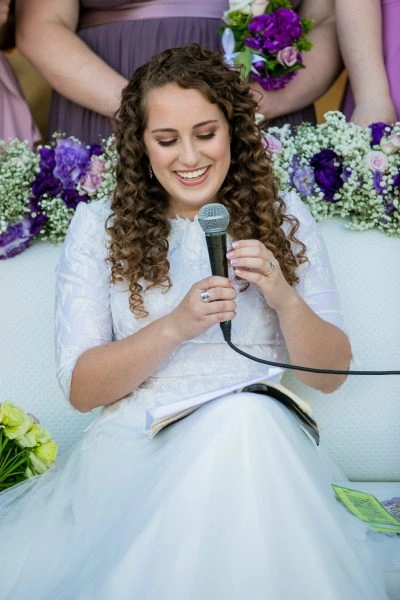
Givat Shmuel, Israel
I started learning after the siyum hashas for women and my daily learning has been a constant over the last two years. It grounded me during the chaos of Corona while providing me with a community of fellow learners. The Daf can be challenging but it’s filled with life’s lessons, struggles and hope for a better world. It’s not about the destination but rather about the journey. Thank you Hadran!
אפרת, Israel
I started my journey on the day I realized that the Siyum was happening in Yerushalayim and I was missing out. What? I told myself. How could I have not known about this? How can I have missed out on this opportunity? I decided that moment, I would start Daf Yomi and Nach Yomi the very next day. I am so grateful to Hadran. I am changed forever because I learn Gemara with women. Thank you.
Mitspe, Israel
After reading the book, “ If All The Seas Were Ink “ by Ileana Kurshan I started studying Talmud. I searched and studied with several teachers until I found Michelle Farber. I have been studying with her for two years. I look forward every day to learn from her.
Virginia, United States
Margo
I started my Talmud journey in 7th grade at Akiba Jewish Day School in Chicago. I started my Daf Yomi journey after hearing Erica Brown speak at the Hadran Siyum about marking the passage of time through Daf Yomi.
Carolyn
I started my Talmud journey post-college in NY with a few classes. I started my Daf Yomi journey after the Hadran Siyum, which inspired both my son and myself.
Merion Station, USA
Beit Shemesh, Israel
Zevachim 53
עָלָה בַּכֶּבֶשׁ וּפָנָה לַסּוֹבֵב, וּבָא לוֹ לְקֶרֶן דְּרוֹמִית מִזְרָחִית, מִזְרָחִית צְפוֹנִית, צְפוֹנִית מַעֲרָבִית, מַעֲרָבִית דְּרוֹמִית. שְׁיָרֵי הַדָּם הָיָה שׁוֹפֵךְ עַל יְסוֹד דְּרוֹמִית, וְנֶאֱכָלִין לִפְנִים מִן הַקְּלָעִים לְזִכְרֵי כְהוּנָּה בְּכׇל מַאֲכָל, לְיוֹם וָלַיְלָה עַד חֲצוֹת.
He ascended the ramp of the altar and turned right to the surrounding ledge and he continued east, and he came to the southeast corner and sprinkled the blood of the sin offering there and then to the northeast corner and sprinkled the blood there, and then to the northwest corner and sprinkled the blood there, and the southwest corner, where he performed the fourth sprinkling and descended from the altar. He would pour the remainder of the blood on the southern base of the altar. And the meat portions of the offering are eaten within the curtains, i.e., in the Temple courtyard, by the males of the priesthood. And they are eaten prepared in any form of food preparation, on the day the offering is sacrificed and during the night that follows, until midnight.
גְּמָ׳ הֵיכִי עָבֵיד? רַבִּי יוֹחָנָן וְרַבִּי אֶלְעָזָר; חַד אָמַר: נוֹתֵן אַמָּה אֵילָךְ וְאַמָּה אֵילָךְ, וְחַד אָמַר: מְחַטֵּא וְיוֹרֵד כְּנֶגֶד חוּדּוֹ שֶׁל קֶרֶן.
GEMARA: How does the priest perform the rite of sprinkling the blood on the corners of the altar? There is a dispute between Rabbi Yoḥanan and Rabbi Elazar. One says that the priest places the blood within a cubit on this side or a cubit on that side. He places the blood wherever he wants, provided that it is within one cubit of the corner of the altar. And one says that he sprinkles the blood on the outer edge of the corner of the altar, and it flows down on both sides of the altar.
אַלִּיבָּא דְּרַבִּי אֶלְעָזָר בְּרַבִּי שִׁמְעוֹן, דְּאָמַר: הִיא עַצְמָהּ אֵינָהּ נַעֲשֵׂית אֶלָּא בְּגוּפָהּ שֶׁל קֶרֶן – דְּכוּלֵּי עָלְמָא לָא פְּלִיגִי; כִּי פְּלִיגִי – אַלִּיבָּא דְּרַבִּי. מָר סָבַר: אַמָּה אֵילָךְ וְאַמָּה אֵילָךְ – כְּנֶגֶד קֶרֶן הוּא; וּמָר סָבַר: כְּנֶגֶד חוּדָּהּ אִין, טְפֵי לָא.
The Gemara comments: According to the opinion of Rabbi Elazar, son of Rabbi Shimon, who says that the sprinkling of the blood of a sin offering itself is performed only on the actual corner, the one-by-one-cubit projection above each corner of the altar, everyone agrees that the blood may be sprinkled anywhere on the corner, and this will be a fulfillment of the verse: “And put it upon the corners of the altar of burnt offering” (Leviticus 4:25). When they disagree is only according to the opinion of Rabbi Yehuda HaNasi, who holds that the blood may be sprinkled anywhere above the red line on the edge of the altar. One Sage holds that the blood may be sprinkled on the cubit on either side of the edge, because a cubit on this side and a cubit on that side is still considered to be on the corner. And one Sage holds that on its edge, yes, it is fit, but any further on either side is not.
מֵיתִיבִי: חַטַּאת הַצִּיבּוּר וְהַיָּחִיד – כֵּיצַד מַתַּן דָּמָן? הָיָה עוֹלֶה לַכֶּבֶשׁ וּפָנָה לַסּוֹבֵב, וּבָא לוֹ לְקֶרֶן דְּרוֹמִית מִזְרָחִית; וְטוֹבֵל בְּאֶצְבָּעוֹ הַיְמָנִית – הַמְיוּמֶּנֶת שֶׁבַּיָּמִין – מִן הַדָּם שֶׁבַּמִּזְרָק; וְחוֹמֵר בְּגוּדָלוֹ מִלְּמַעְלָה וּבְאֶצְבָּעוֹ קְטַנָּה מִלְּמַטָּה, וּמְחַטֵּא וְיוֹרֵד כְּנֶגֶד חוּדָּהּ שֶׁל קֶרֶן, עַד שֶׁמְּכַלֶּה כָּל הַדָּם שֶׁבָּאֶצְבַּע. וְכֵן כׇּל קֶרֶן וָקֶרֶן.
The Gemara raises an objection to the opinion that one cubit on either side of the edge is still considered on the edge, from a baraita: With regard to communal sin offerings and individual sin offerings, how is the placement of their blood on the altar performed? The priest would ascend the ramp of the altar and turn right to the surrounding ledge and continue east, and he would come to the southeast corner. And he would then dip with his right [haymanit] finger, the most dexterous [hamyumenet] of the right hand, i.e., the index finger, of the blood that is in the bowl, and would gather the blood with his thumb above and his smallest finger below, so that it would remain on his finger. And he would sprinkle the blood and move his hand down on the outer edge of the corner, until he would finish sprinkling all the blood that was on his finger. And he would act similarly at each and every corner. This baraita states explicitly that the blood must be sprinkled on the actual edge.
הָכִי קָאָמַר: מִצְוָה בְּחוּדָּהּ; אִי עֲבַד אַמָּה אֵילָךְ וְאַמָּה אֵילָךְ – לֵית לַן בַּהּ.
The Gemara answers: This is what the baraita is saying: The optimal manner to perform the mitzva is to sprinkle the blood on the edge of the corner. But if he did the sprinkling on the cubit on this side, or the cubit on that side, we have no problem with it, and he has still fulfilled the mitzva.
מַאי רַבִּי וּמַאי רַבִּי אֶלְעָזָר בְּרַבִּי שִׁמְעוֹן? דְּתַנְיָא: דָּמִים הָעֶלְיוֹנִים נִיתָּנִין מִחוּט הַסִּיקְרָא וּלְמַעְלָה, דָּמִים הַתַּחְתּוֹנִים נִיתָּנִין מִחוּט הַסִּיקְרָא וּלְמַטָּן. דִּבְרֵי רַבִּי.
The Gemara discusses the aforementioned dispute. What is the opinion of Rabbi Yehuda HaNasi, and what is the opinion of Rabbi Elazar, son of Rabbi Shimon? This is as it is taught in a baraita (Tosefta 6:11): The blood that must be placed on the upper half of the altar, e.g., the blood of a sin offering, is placed anywhere from the red line that circumscribed the middle of the altar and above. The blood that must be placed on the lower half of the altar is placed anywhere from the red line or below it. This is the statement of Rabbi Yehuda HaNasi.
רַבִּי אֶלְעָזָר בְּרַבִּי שִׁמְעוֹן אוֹמֵר: בַּמֶּה דְּבָרִים אֲמוּרִין – בְּעוֹלַת הָעוֹף, אֲבָל בְּחַטַּאת בְּהֵמָה – הִיא עַצְמָהּ אֵין נַעֲשֵׂית אֶלָּא עַל גּוּפָהּ שֶׁל קֶרֶן.
The baraita continues: Rabbi Elazar, son of Rabbi Shimon says: In what case is this statement said? It is said with regard to a bird burnt offering, as its blood may be placed anywhere above the red line. But with regard to an animal sin offering, the placement itself may be performed only on the actual corner of the altar. This is based on the verse that states: “And the priest shall take of the blood of the sin offering with his finger, and put it upon the corners of the altar of burnt offering” (Leviticus 4:25).
אָמַר רַבִּי אֲבָהוּ: מַאי טַעְמָא דְּרַבִּי? דִּכְתִיב: ״וְהַהַרְאֵל אַרְבַּע אַמּוֹת, וּמֵהַהַרְאֵל וּלְמַעְלָה וְגוֹ׳״. אַרְבַּע אַמּוֹת הוּא דְּהָוְיָא?! אָמַר רַב אַדָּא בַּר אַהֲבָה: וּמְקוֹם קְרָנוֹת אַרְבַּע. מְקוֹם קְרָנוֹת אַרְבַּע הָוְיָא?! אֶלָּא אֵימָא: רְשׁוּת קְרָנוֹת אַרְבַּע.
Rabbi Abbahu says: What is the reason for the opinion of Rabbi Yehuda HaNasi? As it is written: “And the altar shall be four cubits; and from the altar and above there shall be four corners” (Ezekiel 43:15). The Gemara asks: Was the altar only four cubits wide? Rav Adda bar Ahava said: And the total area of the four corners, which were each one square cubit, was four cubits. The Gemara asks: Was the area of the corners four square cubits? If the four corners would be placed together the area would be only two square cubits. Rather, say that the domain of the corners is four cubits. In other words, the verse means that the blood may be sprinkled up to four cubits beneath the actual corners of the altar.
תְּנַן הָתָם: חוּט שֶׁל סִיקְרָא חוֹגְרוֹ בָּאֶמְצַע, לְהַבְדִּיל בֵּין דָּמִים הָעֶלְיוֹנִים לְדָמִים הַתַּחְתּוֹנִים. מְנָא הָנֵי מִילֵּי? אָמַר רַב אַחָא בַּר רַב קַטִּינָא, שֶׁנֶּאֱמַר: ״וְהָיְתָה הָרֶשֶׁת עַד חֲצִי הַמִּזְבֵּחַ״ – הַתּוֹרָה נָתְנָה מְחִיצָה לְהַבְדִּיל בֵּין דָּמִים הָעֶלְיוֹנִים לְדָמִים הַתַּחְתּוֹנִים.
We learned in a mishna there (Middot 35b): A red line circumscribed the altar in the middle, to separate between the area for the blood that must be placed on the upper part of the altar and the area for the blood that must be placed on the lower part of the altar. The Gemara asks: From where is this matter derived? Rav Aḥa bar Rav Ketina said it is derived from a verse, as it is stated: “And you shall put it under the ledge round the altar beneath, and the net will reach halfway up the altar” (Exodus 27:5). The Torah provided for a separation on the altar, to separate between the area for the blood placed on the upper part of the altar and the area for the blood placed on the lower part of the altar.
שְׁיָרֵי הַדָּם כּוּ׳. תָּנוּ רַבָּנַן: ״אֶל יְסוֹד מִזְבֵּחַ״ – זֶה יְסוֹד דְּרוֹמִי. אַתָּה אוֹמֵר זֶה יְסוֹד דְּרוֹמִי; אוֹ אֵינוֹ אֶלָּא יְסוֹד מַעֲרָבִי,
§ The mishna teaches: He would pour the remainder of the blood on the southern base of the altar. The Sages taught in a baraita: Concerning the phrase: “At the base of the altar” (Leviticus 4:30), mentioned with regard to pouring the remainder of the blood of the sin offering of a king, this is referring to the southern base of the altar. The baraita challenges: Do you say that this is referring to the southern base, or is it referring only to the western base?
וְיִלְמַד סָתוּם מִן הַמְפוֹרָשׁ? אָמַרְתָּ: יִלְמַד יְרִידָתוֹ מִן הַכֶּבֶשׁ לִיצִיאָתוֹ מִן הַהֵיכָל; מָה יְצִיאָתוֹ מִן הַהֵיכָל – בְּסָמוּךְ לוֹ, אַף יְרִידָתוֹ מִן הַכֶּבֶשׁ – בְּסָמוּךְ לוֹ.
The baraita suggests: And one can derive the meaning of this unspecified phrase from the meaning of the explicit phrase, as follows: You said that one can derive the location of the priest’s descent from the ramp of the external altar after sprinkling blood of the sin offering by comparing it to his exit from the Sanctuary with the blood that remained after having sprinkled blood inside the Sanctuary. The verse states with regard to the bull offering of the High Priest: “And all the remaining blood of the bull he shall pour out at the base of the altar of burnt offering, which is at the entrance of the Tent of Meeting” (Leviticus 4:7). Just as upon his exit from the Sanctuary the priest pours the remainder of the blood on the side closest to him, the western side, so too, upon his descent from the ramp of the external altar after sprinkling blood from the sin offering, he pours the blood on the side closest to him, which is the southern side.
תַּנְיָא, רַבִּי יִשְׁמָעֵאל אוֹמֵר: זֶה וָזֶה יְסוֹד מַעֲרָבִי. רַבִּי שִׁמְעוֹן בֶּן יוֹחַאי אוֹמֵר: זֶה וָזֶה יְסוֹד דְּרוֹמִי.
It is taught in another baraita: Rabbi Yishmael says: This and that, both the remainder of the blood sprinkled inside the Sanctuary and the remainder of the blood sprinkled on the external altar, are poured on the western base of the altar. Rabbi Shimon ben Yoḥai says: This and that are poured on the southern base of the altar.
בִּשְׁלָמָא לְמַאן דְּאָמַר יְסוֹד מַעֲרָבִי – קָסָבַר: יִלְמַד סָתוּם מִן הַמְפוֹרָשׁ.
The Gemara clarifies: Granted, according to the one who says that the blood is poured on the western base of the altar, it is clear how he derived his halakha. He holds that one can derive the meaning of an unspecified phrase from the meaning of the explicit phrase. Therefore, just as the remainder of the blood sprinkled inside the Sanctuary is poured on the western base of the external altar, the same is done with the remainder of the blood sprinkled on the external altar.
אֶלָּא לְמַאן דְּאָמַר יְסוֹד דְּרוֹמִי, מַאי טַעְמָא? אָמַר רַבִּי אַסִּי, קָסָבַר הַאי תַּנָּא: כּוּלֵּיהּ מִזְבֵּחַ בְּצָפוֹן קָאֵי. לִישָּׁנָא אַחֲרִינָא: כּוּלֵּיהּ פֶּתַח בְּדָרוֹם קָאֵי.
But according to the one who says that the blood is poured on the southern base of the altar, what is the reason? Rabbi Asi said: This tanna holds that the entire external altar stands in the north of the Temple courtyard. Therefore, the southern base is in the center of the courtyard, opposite the entrance to the Sanctuary. This is what the verse is referring to when it states: “At the entrance of the Tent of Meeting” (Leviticus 4:7). The Gemara presents another formulation of Rabbi Asi’s explanation: The entire entrance of the Sanctuary stands in the south of the altar. Accordingly, when the priest exits the Sanctuary the southern base is the first one he encounters.
תָּנָא דְּבֵי רַבִּי יִשְׁמָעֵאל כְּרַבִּי שִׁמְעוֹן בֶּן יוֹחַי אוֹמְרִים: זֶה וָזֶה יְסוֹד מַעֲרָבִי. וְסִימָנֵיךְ: מָשְׁכוּ גַּבְרֵי לְגַבְרָא.
The school of Rabbi Yishmael, in accordance with the opinion of Rabbi Shimon ben Yoḥai, says: Both this and that, i.e., the blood of an inner sin offering and that of an external sin offering, were poured at the western base of the altar. According to this version, Rabbi Shimon ben Yoḥai agrees with the opinion of Rabbi Yishmael. The Gemara comments: And your mnemonic to remember this change in opinion is: The men pulled the man. In this case, the numerous students of Rabbi Yishmael claim that Rabbi Shimon ben Yoḥai agrees with their teacher.
מַתְנִי’ הָעוֹלָה קׇדְשֵׁי קָדָשִׁים, שְׁחִיטָתָהּ בַּצָּפוֹן, וְקִיבּוּל דָּמָהּ בִּכְלֵי שָׁרֵת בַּצָּפוֹן, וְדָמָהּ טָעוּן שְׁתֵּי מַתָּנוֹת שֶׁהֵן אַרְבַּע, וּטְעוּנָה הֶפְשֵׁט וְנִיתּוּחַ, וְכָלִיל לָאִשִּׁים.
MISHNA: The burnt offering is an offering of the most sacred order. Its slaughter is in the north of the Temple courtyard and the collection of its blood in a service vessel is in the north, and its blood requires two placements that are four, and it requires flaying of its carcass and the cutting of the sacrificial animal into pieces, and it is consumed in its entirety, with the exception of its hide, by the fire of the altar.
גְּמָ׳ עוֹלָה מַאי טַעְמָא תָּנֵי לֵיהּ קׇדְשֵׁי קָדָשִׁים? מִשּׁוּם דְּלָא כְּתִיב בַּהּ ״(לַה׳) קׇדְשֵׁי קָדָשִׁים הִיא״.
GEMARA: What is the reason that the tanna taught that a burnt offering is an offering of the most sacred order, when the mishna earlier (52b) did not mention that a sin offering is of the most sacred order? The Gemara answers: It is because in the Torah it is not written explicitly with regard to the burnt offering: It is most sacred, as it states concerning the sin offering and the guilt offering in a verse concerning a meal offering: “It shall not be baked with leaven. I have given it as their portion of My offerings made by fire; it is most sacred, as the sin offering, and as the guilt offering” (Leviticus 6:10). Consequently, the tanna explicitly states that a burnt offering is likewise of the most sacred order.
וְדָמָהּ טָעוּן שְׁתֵּי מַתָּנוֹת. הֵיכִי עָבֵיד? אָמַר רַב: נוֹתֵן וְחוֹזֵר וְנוֹתֵן. וּשְׁמוּאֵל אָמַר: מַתָּנָה אַחַת כְּמִין גַּמָּא נוֹתֵן.
The mishna teaches: And its blood requires two placements that are four. How does the priest perform the placements? Rav says: He places the blood on one side of the corner of the altar, and places it again on the other side of the corner of the altar. He repeats this on the diagonally opposite corner, so that he places on two corners but on all four sides of the altar. And Shmuel says: He places one placement on each of the two diagonally opposite corners, so that each placement is similar to the shape of the Greek letter gamma, which is bent at a right angle.
כְּתַנָּאֵי – יָכוֹל יִזְרְקֶנּוּ זְרִיקָה אַחַת? תַּלְמוּד לוֹמַר: ״סָבִיב״. אִי סָבִיב, יָכוֹל יַקִּיפֶנּוּ כְּחוּט? תַּלְמוּד לוֹמַר: ״וְזָרְקוּ״. הָא כֵּיצַד? כְּמִין גַּמָּא – וְדָמָהּ טָעוּן שְׁתֵּי מַתָּנוֹת שֶׁהֵן אַרְבַּע.
The Gemara comments: This dispute between Rav and Shmuel is like a dispute between tanna’im: One might have thought that a priest should sprinkle one sprinkling with the blood of a burnt offering. To counter this possibility, the verse states: “And sprinkle the blood around against the altar that is at the entrance of the Tent of Meeting” (Leviticus 1:5). If the blood must be sprinkled around the altar, one might have thought that he should circumscribe the altar as one would do with a thread, and sprinkle the blood all around. To counter this possibility, the verse states: “Shall present the blood, and sprinkle the blood around against the altar” (Leviticus 1:5), and one cannot have the blood circumscribe the altar as a thread would without directly applying it with a finger. How can these verses be reconciled? He applies the blood in a shape that is similar to that of the Greek letter gamma, and its blood requires two sprinklings that are four. This opinion accords with the opinion of Shmuel.
רַבִּי יִשְׁמָעֵאל אוֹמֵר: נֶאֱמַר כָּאן ״סָבִיב״, וְנֶאֱמַר לְהַלָּן ״סָבִיב״; מָה לְהַלָּן – פִּיסּוּק וְאַרְבַּע מַתָּנוֹת, אַף כָּאן – פִּיסּוּק וְאַרְבַּע מַתָּנוֹת.
The baraita continues: Rabbi Yishmael says: It is stated here: “Shall present the blood, and sprinkle the blood around against the altar” (Leviticus 1:5), and it is stated there, with regard to the sin offering sacrificed at the inauguration of the Tabernacle: “And when it was slain, Moses took the blood, and put it upon the corners of the altar around with his finger” (Leviticus 8:15). Just as there, with regard to the sin offering, the blood was placed discretely and with four placements, one on each corner, so too here, with regard to a burnt offering, it must be placed discretely and with four placements. This opinion accords with the opinion of Rav.
אִי – מָה לְהַלָּן אַרְבַּע מַתָּנוֹת עַל אַרְבַּע קְרָנוֹת, אַף כָּאן אַרְבַּע מַתָּנוֹת עַל אַרְבַּע קְרָנוֹת?! אָמַרְתָּ: עוֹלָה טְעוּנָה יְסוֹד; וְקֶרֶן מִזְרָחִית דְּרוֹמִית לֹא הָיָה לָהּ יְסוֹד.
If these offerings are compared to each other, why not say that just as there, the blood of the sin offering must have four placements on the four corners, so too here, the blood of the burnt offering requires four placements on the four corners? You said that a burnt offering requires that the blood be placed on a part of the altar that has a base, and the southeast corner of the altar had no base beneath it. Therefore, the blood had to be placed on the northeast corner and the southwest corner.
מַאי טַעְמָא? אָמַר רַבִּי אֶלְעָזָר: לְפִי שֶׁלֹּא הָיְתָה בְּחֶלְקוֹ שֶׁל טוֹרֵף. דְּאָמַר רַב שְׁמוּאֵל בַּר רַב יִצְחָק: מִזְבֵּחַ אוֹכֵל בְּחֶלְקוֹ שֶׁל יְהוּדָה אַמָּה.
The Gemara asks: What is the reason that there was no base on the southeast corner of the altar? Rabbi Elazar says: Because it was not in the portion of land of the one who tears, i.e., the tribe of Benjamin, as he is described in the following manner: “Benjamin is a wolf that tears apart; in the morning he devours the prey, and in the evening he divides the spoil” (Genesis 49:27). As Rav Shmuel, son of Rav Yitzḥak, says: The altar would consume, i.e., occupy, one cubit of the portion of Judah. The part of the altar in Judah’s portion was the southeast corner of the base, and therefore there was no base on that corner.
אָמַר רַבִּי לֵוִי בַּר חָמָא אָמַר רַבִּי חָמָא בְּרַבִּי חֲנִינָא: רְצוּעָה הָיְתָה יוֹצְאָה מֵחֶלְקוֹ שֶׁל יְהוּדָה וְנִכְנֶסֶת בְּחֶלְקוֹ שֶׁל בִּנְיָמִין, וְהָיָה בִּנְיָמִין הַצַּדִּיק מִצְטַעֵר עָלֶיהָ בְּכׇל יוֹם לְנוֹטְלָהּ, שֶׁנֶּאֱמַר:
Rabbi Levi bar Ḥama says that Rabbi Ḥama, son of Rabbi Ḥanina, says: A strip of land emerged from the portion of Judah and entered into the portion of Benjamin, and the southeast corner of the base was on that strip. And the tribe of Benjamin the righteous would agonize over it every day, desiring to take it into its portion, due to its unique sanctity. As it is stated in Moses’ blessing to the tribe of Benjamin:

