





This is the daf for Tisha B’Av.
For Friday’s daf please click here.
For Shabbat’s daf click here.
Ready to get started?
Today’s Daf – Zevachim 56 / Jan. 28th, 2026 / י׳ בשבט תשפ״ו



Ready to get started?


Share this shiur:
Masechet Avodah Zarah is sponsored by the Talmud class of Congregation Beth Jacob in Redwood City, CA, in honor of the Hadran staff who make learning possible.
Want to dedicate learning? Get started here:

Masechet Avodah Zarah is sponsored by the Talmud class of Congregation Beth Jacob in Redwood City, CA, in honor of the Hadran staff who make learning possible.
אָמַר לוֹ רַבִּי עֲקִיבָא, וַהֲלֹא כְּבָר נֶאֱמַר: ״אַבֵּד תְּאַבְּדוּן״, אִם כֵּן מָה תַּלְמוּד לוֹמַר: ״וְאִבַּדְתֶּם אֶת שְׁמָם מִן הַמָּקוֹם הַהוּא״? לְכַנּוֹת לָהּ שֵׁם.
Rabbi Akiva said to him: But isn’t it already stated: “You shall destroy” (Deuteronomy 12:2)? This obviously includes rooting out all traces of idols. If so, what is the meaning when the verse states: “And you shall destroy their name out of that place”? This means that it is a mitzva to give it a nickname.
יָכוֹל לְשֶׁבַח? לְשֶׁבַח סָלְקָא דַּעְתָּךְ?! אֶלָּא יָכוֹל לֹא לְשֶׁבַח וְלֹא לִגְנַאי? תַּלְמוּד לוֹמַר: ״שַׁקֵּץ תְּשַׁקְּצֶנּוּ וְתַעֵב תְּתַעֲבֶנּוּ כִּי חֵרֶם הוּא״.
One might have thought that one may give it a positive nickname. The Gemara interjects: Would it enter your mind that one may give a positive nickname to an idol? Rather, the baraita means that one might have thought that the reference is to a nickname that is neither positive nor negative. Therefore, the verse states: “And you shall not bring an abomination into your house, and be accursed like it; you shall detest it, and you shall abhor it; for it is a proscribed item” (Deuteronomy 7:26). This verse clearly indicates that the nickname should be a negative one.
הָא כֵּיצַד? הָיוּ קוֹרִין אוֹתָהּ בֵּית גַּלְיָא — קוֹרִין אוֹתָהּ ״בֵּית כַּרְיָא״, פְּנֵי מֶלֶךְ — ״פְּנֵי כֶּלֶב״, עֵין כֹּל — ״עֵין קוֹץ״.
How so? To what type of nickname is this referring? If the idol worshippers would call their house of worship the house of elevation [beit galya], one should call it the house of digging [beit karya]. If they call it the all-seeing eye [ein kol], one should call it the eye of a thorn [ein kotz].
תָּנֵי תַּנָּא קַמֵּיהּ דְּרַב שֵׁשֶׁת: הַגּוֹיִם הָעוֹבְדִים אֶת הֶהָרִים וְאֶת הַגְּבָעוֹת — הֵן מוּתָּרִין, וְעוֹבְדֵיהֶן בְּסַיִיף, וְאֶת הַזְּרָעִים וְאֶת הַיְּרָקוֹת — הֵן אֲסוּרִין, וְעוֹבְדֵיהֶן בְּסַיִיף.
The tanna who recited mishnayot and baraitot in the study hall taught a baraita before Rav Sheshet: With regard to the halakha in the case of the gentiles who worship the mountains and the hills, the mountains and hills are permitted, but their worshippers are punished with decapitation by the sword. But with regard to gentiles who worship plants and vegetables, the plants and vegetables are forbidden and their worshippers are punished with decapitation by the sword.
אֲמַר לֵיהּ: דְּאָמַר לָךְ, מַנִּי? רַבִּי יוֹסֵי בַּר יְהוּדָה הִיא, דְּאָמַר: אִילָן שֶׁנְּטָעוֹ וּלְבַסּוֹף עֲבָדוֹ — אָסוּר.
Rav Sheshet said to him: Who is the tanna who said this to you? It must be Rabbi Yosei, son of Rabbi Yehuda, who says that a tree that one planted and subsequently worshipped is forbidden.
וְלוֹקְמַהּ בְּאִילָן שֶׁנְּטָעוֹ מִתְּחִלָּה לְכָךְ, וְרַבָּנַן! לָא סָלְקָא דַּעְתָּךְ, דְּקָתָנֵי דּוּמְיָא דְּהַר, מָה הַר שֶׁלֹּא נְטָעוֹ מִתְּחִלָּה לְכָךְ, אַף הַאי נָמֵי שֶׁלֹּא נְטָעוֹ מִתְּחִלָּה לְכָךְ.
The Gemara asks: But why not interpret the baraita as referring to a tree that one initially planted for idol worship, and then the ruling would be consistent with the opinion of the Rabbis as well? The Gemara answers: This should not enter your mind, as the baraita teaches the case of plants and vegetables as being similar to the case of a mountain. Therefore, one can extrapolate that just as with regard to a mountain, it is a case where one did not initially plant it for this purpose, as mountains are not planted by people, so too, this case of plants and vegetables is a case where one did not initially plant it for this purpose.
אִיתְּמַר: אַבְנֵי הַר שֶׁנִּדַּלְדְּלוּ — בְּנֵי רַבִּי חִיָּיא וְרַבִּי יוֹחָנָן, חַד אָמַר: אֲסוּרוֹת, וְחַד אָמַר: מוּתָּרוֹת. מַאי טַעְמָא דְּמַאן דְּאָמַר מוּתָּרוֹת? כְּהַר — מָה הַר שֶׁאֵין בּוֹ תְּפִיסַת יְדֵי אָדָם וּמוּתָּר, אַף הָנֵי שֶׁאֵין בָּהֶן תְּפִיסַת יְדֵי אָדָם וּמוּתָּרִין.
§ It was stated: The halakha in a case where a gentile worships boulders that naturally became dislodged from a mountain is subject to dispute between the sons of Rabbi Ḥiyya on the one hand and Rabbi Yoḥanan on the other. One side says: They are forbidden, and one side says: They are permitted. The Gemara asks: What is the reason of the one who says that they are permitted? The Gemara answers: The status of the dislodged stones is still like the status of the mountain itself. Just as in the case of a mountain, it is not the product of human involvement, and therefore it is permitted to derive benefit from it even after it is worshipped, so too, these boulders, which are not the product of human involvement, are permitted.
מָה לְהַר, שֶׁכֵּן מְחוּבָּר! בְּהֵמָה תּוֹכִיחַ.
The Gemara raises an objection: What is notable about a mountain? It is notable in that it is attached to the ground. This may be the reason for the leniency concerning it, and this does not apply to boulders. The Gemara responds: The case of a worshipped animal can prove that this is not relevant, as it is permitted to derive benefit from a worshipped animal even though it is not attached to the ground.
מָה לִבְהֵמָה, שֶׁכֵּן בַּעֲלַת חַיִּים! הַר יוֹכִיחַ.
The Gemara defends its objection: What is notable about an animal? It is notable in that it is a living, animate being. This may be the reason for the leniency concerning it, and this does not apply to boulders. The Gemara responds: The case of a mountain can prove that this is not relevant, as it is permitted to derive benefit from a mountain that was worshipped, even though it is not a living being.
וְחָזַר הַדִּין, לֹא רְאִי זֶה כִרְאִי זֶה, וְלֹא רְאִי זֶה כִּרְאִי זֶה, הַצַּד הַשָּׁוֶה שֶׁבָּהֶן שֶׁאֵין בָּהֶן תְּפִיסַת יְדֵי אָדָם וּמוּתָּר, אַף כׇּל שֶׁאֵין בָּהֶן תְּפִיסַת יְדֵי אָדָם וּמוּתָּר.
And the inference has reverted to its starting point, and the halakha can be inferred from a combination of the two sources: The aspect of this case, that of a mountain, is not like the aspect of that case, that of an animal, and the aspect of that case is not like the aspect of this case; their common element is that they are not products of human involvement, and it is permitted to derive benefit from them. So too, in any case of worshipped objects that are not the product of human involvement, including boulders, they are permitted.
מָה לְהַצַּד הַשָּׁוֶה שֶׁבָּהֶן, שֶׁכֵּן לֹא נִשְׁתַּנּוּ מִבְּרִיָּיתָן!
The Gemara objects: What is notable about the common element between the case of a mountain and that of an animal that prevents utilizing it as a paradigm for other cases? These worshipped objects are notable in that they were not altered from their natural form. Perhaps that is why their status remains unchanged. By contrast, a dislodged boulder has been moved from its original position.
אֶלָּא אָתְיָא מִבְּהֵמָה בַּעֲלַת מוּם, וּמֵהַר.
Rather, the halakha that a boulder that is dislodged from a mountain is still permitted after it is worshipped is derived from the case of a blemished animal and from the case of a mountain, both of which are permitted after having been worshipped. The notable aspect of a mountain, in that it is an unaltered object and is attached to the ground, is countered by the case of a blemished animal, and the notable aspect of a blemished animal in that it is a living being is countered by the case of a mountain. Therefore, it can be derived from the common element of the two cases that just as these two are not products of human involvement and are not rendered forbidden by worship, so too, a dislodged boulder is not rendered forbidden by worship.
וְאִי נָמֵי, מִבְּהֵמָה תַּמָּה וּמֵאִילָן יָבֵשׁ.
Alternatively, the halakha can be derived from the case of an unblemished animal and from the case of a withered tree, both of which are permitted after having been worshipped. The notable aspect of an unblemished animal, in that it is unaltered and a living being, is countered by the case of a withered tree, and the notable aspect of a withered tree, in that it is attached to the ground, is countered by the case of an unblemished animal.
וּמַאן דְּאָסַר, לְהָכִי כְּתִיב ״שַׁקֵּץ תְּשַׁקְּצֶנּוּ וְתַעֵב תְּתַעֲבֶנּוּ״, דְּאַף עַל גַּב דְּאָתְיָא מִדִּינָא לְהֶיתֵּרָא, לָא תֵּתְיַאּ.
The Gemara asks: And what is the reasoning of the one who deems worshipped boulders forbidden? The Gemara answers: According to that opinion, it is in order to teach this halakha: It is written: “And you shall not bring an abomination into your house, and be accursed like it; you shall detest it, and you shall abhor it; for it is a proscribed item” (Deuteronomy 7:26). This verse teaches that although one may theoretically derive, by logical inference, to permit the boulders, do not derive that halakha.
תִּסְתַּיֵּים, דִּבְנֵי רַבִּי חִיָּיא דְּשָׁרוּ, דְּבָעֵי חִזְקִיָּה: זָקַף בֵּיצָה לְהִשְׁתַּחֲווֹת לָהּ, מַהוּ?
The Gemara introduced the case of a boulder that naturally dislodged from a mountain as the subject of a dispute between the sons of Rabbi Ḥiyya and Rabbi Yoḥanan, but it did not specify who subscribes to which opinion. The Gemara suggests: It may be concluded that it is the sons of Rabbi Ḥiyya who deem it permitted, as Ḥizkiyya, Rabbi Ḥiyya’s son, raises a dilemma: If one erected an egg in order to bow to it as an idol, what is the halakha? Is it then prohibited to derive benefit from the egg?
קָא סָלְקָא דַּעְתָּךְ לְהִשְׁתַּחֲווֹת לָהּ, וְהִשְׁתַּחֲוָה לָהּ, וְקָא מִיבַּעְיָא לֵיהּ הַאי זְקִיפָתָהּ אִי הָוֵי מַעֲשֶׂה אִי לָא הָוֵי מַעֲשֶׂה, אֲבָל לֹא זָקַף — לָא מִיתַּסְרָא, שְׁמַע מִינַּהּ בְּנֵי רַבִּי חִיָּיא דְּשָׁרוּ.
The Gemara explains the proof: It enters your mind that this dilemma is referring to a case where one erected an egg in order to bow to it, and he then bowed to it. And he raises a dilemma as to whether this erecting of the egg is considered a significant act of human involvement that renders the egg forbidden as an object of idol worship, or whether it is not considered a significant act of human involvement. But if he had not erected the egg, there would be no dilemma, as clearly it would not become forbidden. Accordingly, one can conclude from this dilemma that the sons of Rabbi Ḥiyya are the ones who deem the boulder permitted, since it is not a product of human involvement.
לָא, לְעוֹלָם אֵימָא לָךְ: בְּנֵי רַבִּי חִיָּיא דְּאָסְרִי, דְּהִשְׁתַּחֲוָה לָהּ, אַף עַל גַּב דְּלֹא זְקָפָהּ אֲסוּרָה, וְהָכָא בְּמַאי עָסְקִינַן? כְּגוֹן שֶׁזָּקַף בֵּיצָה לְהִשְׁתַּחֲווֹת לָהּ, וְלֹא הִשְׁתַּחֲוָה לָהּ.
The Gemara rejects this proof: No, actually I will say to you that perhaps it is the sons of Rabbi Ḥiyya who deem the dislodged boulder forbidden after it was worshipped, and they similarly hold that in this case of the egg, if he bowed to it, even if did not erect it, the egg is certainly forbidden. And the dilemma is as follows: Here we are dealing with a case where he erected the egg in order to bow to it, but he ultimately did not bow to it. Ḥizkiyya’s dilemma was whether designation of an object as an idol renders it forbidden even without actual worship.
וּלְמַאן? אִי לְמַאן דְּאָמַר: עֲבוֹדָה זָרָה שֶׁל יִשְׂרָאֵל אֲסוּרָה מִיָּד — אֲסוּרָה, אִי לְמַאן דְּאָמַר: עַד שֶׁתֵּיעָבֵד — הָא לָא פַּלְחַהּ!
The Gemara asks: But according to whom does he raise the dilemma? If it is according to the one who says that any object of a Jew who dedicated it to idol worship is immediately rendered forbidden, there is no place for the dilemma; the egg is clearly forbidden. If it is according to the one who says that an object of idol worship is not forbidden until it is actually worshipped, there is also no place for the dilemma, as the egg was not worshipped, and is therefore permitted.
לָא צְרִיכָא, כְּגוֹן שֶׁזָּקַף בֵּיצָה לְהִשְׁתַּחֲווֹת לָהּ, וְלֹא הִשְׁתַּחֲוָה לָהּ, וּבָא גּוֹי וְהִשְׁתַּחֲוָה לָהּ.
The Gemara answers by reformulating the case: No, those are not the cases with regard to which the dilemma is raised. It is necessary to raise it with regard to a case where one erected an egg in order to bow to it, but ultimately he did not bow to it, and then a gentile came along and bowed to it. It is with regard to this case that Ḥizkiyya raises the dilemma.
כִּי הָא דְּאָמַר רַב יְהוּדָה אָמַר שְׁמוּאֵל: יִשְׂרָאֵל שֶׁזָּקַף לְבֵינָה לְהִשְׁתַּחֲווֹת לָהּ, וּבָא גּוֹי וְהִשְׁתַּחֲוָה לָהּ — אֲסוּרָה. וְקָא מִיבַּעְיָא לֵיהּ: לְבֵינָה הוּא דְּמִינַּכְרָא זְקִיפָתָהּ, אֲבָל בֵּיצָה — לָא? אוֹ דִּלְמָא לָא שְׁנָא? תֵּיקוּ.
There is an established principle that one cannot render forbidden an item that is not his. In this case, the egg can be rendered forbidden only by a combination of the Jewish owner’s indicated intention and the gentile’s act of worship. This dilemma assumes that which Rav Yehuda says that Shmuel says: In the case of a Jew who erected a brick in order to bow to it, and a gentile came and bowed to it, it is forbidden. And Ḥizkiyya raises the following dilemma with regard to the case of an egg: Is it specifically a brick that is forbidden, as its being erect is clearly recognizable and is therefore a clear indication of intent on behalf of the Jewish owner, but as for an egg, erecting it is not enough of an indication, and it is therefore permitted? Or perhaps there is no difference, and the egg would similarly be forbidden. The Gemara concludes: The question shall stand unresolved.
בָּעֵי רָמֵי בַּר חָמָא: הַמִּשְׁתַּחֲוֶה לְהַר, אֲבָנָיו מַהוּ לַמִּזְבֵּחַ?
§ Rami bar Ḥama raises a dilemma: In the case of one who bows down to a mountain, what is the halakha with regard to the permissibility of using its stones for building the altar in the Temple?
יֵשׁ נֶעֱבָד בִּמְחוּבָּר אֵצֶל גָּבוֹהַּ, אוֹ אֵין נֶעֱבָד בִּמְחוּבָּר אֵצֶל גָּבוֹהַּ?
The Gemara explains the dilemma: An animal that was worshipped is rendered unfit to be sacrificed as an offering in the Temple. The Gemara previously established a principle that objects attached to the ground are not rendered forbidden by idol worship. The question here is this: With regard to an item that is attached to the ground and that was worshipped, is it rendered unfit for the Most High, i.e., for the Temple, just like an animal? Or is the halakha that with regard to an item that is attached to the ground and that was worshipped, it is not rendered unfit for the Most High, just as it is not forbidden with regard to an individual’s deriving benefit from it?
אִם תִּמְצֵי לוֹמַר יֵשׁ נֶעֱבָד בִּמְחוּבָּר אֵצֶל גָּבוֹהַּ, מַכְשִׁירֵי קׇרְבָּן כְּקׇרְבָּן דָּמוּ אוֹ לָא?
Furthermore, if you say that with regard to an item that is attached to the ground and that was worshipped, it is rendered unfit for the Most High, are the items that merely facilitate the sacrifice of an offering, such as the altar, viewed the same way as an offering itself, or not? Perhaps the principle that items worshipped in idolatrous practice are disqualified for use in the Temple applies only to offerings, and not to the items used to facilitate the bringing of offerings.
אָמַר רָבָא, קַל וָחוֹמֶר: וּמָה אֶתְנַן שֶׁמּוּתָּר בְּתָלוּשׁ לְהֶדְיוֹט, אָסוּר בִּמְחוּבָּר לְגָבוֹהַּ, דִּכְתִיב: ״לֹא תָבִיא אֶתְנַן זוֹנָה וּמְחִיר כֶּלֶב״, לָא שְׁנָא תָּלוּשׁ וְלָא שְׁנָא בִּמְחוּבָּר, נֶעֱבָד שֶׁאָסוּר בְּתָלוּשׁ לְהֶדְיוֹט — אֵינוֹ דִּין שֶׁאָסוּר בִּמְחוּבָּר לְגָבוֹהַּ?
Rava says: The dilemma can be resolved with an a fortiori inference. The Torah prohibits the sacrifice of an animal as an offering or a donation to the Temple if it was given in payment to a prostitute or exchanged in the sale of a dog. And if it is so that concerning deriving benefit from an item that served as payment to a prostitute, which is permitted to an ordinary person even in a case where the item is detached from the ground, nevertheless, such an item is forbidden to use for the Most High even in a case where it is attached to the ground, as it is written: “You shall not bring the payment to a prostitute or the price of a dog into the House of the Lord your God for any vow” (Deuteronomy 23:19), where there is no difference whether the payment is unattached to the ground and there is no difference whether it is attached; concerning an object worshipped in idolatrous practice, which is rendered forbidden in a case where it is detached even for the use of an ordinary person, is it not logical that it should be prohibited to use it for the Most High even in the case of an object attached to the ground?
אֲמַר לֵיהּ רַב הוּנָא בְּרֵיהּ דְּרַב יְהוֹשֻׁעַ לְרָבָא: אוֹ חִילּוּף, וּמָה נֶעֱבָד שֶׁאָסוּר בְּתָלוּשׁ אֵצֶל הֶדְיוֹט — מוּתָּר בִּמְחוּבָּר לְגָבוֹהַּ, שֶׁנֶּאֱמַר: ״אֱלֹהֵיהֶם עַל הֶהָרִים״ וְלֹא הֶהָרִים אֱלֹהֵיהֶם, לָא שְׁנָא לְהֶדְיוֹט וְלָא שְׁנָא לְגָבוֹהַּ; אֶתְנַן שֶׁמּוּתָּר בְּתָלוּשׁ לְהֶדְיוֹט — אֵינוֹ דִּין שֶׁמּוּתָּר בִּמְחוּבָּר לְגָבוֹהַּ?
Rav Huna, son of Rav Yehoshua, said to Rava: Or one can reverse the claim. And if an object that was worshipped, which is forbidden in a case where it is detached from the ground even for the use of an ordinary person, is yet permitted for use even for the Most High in a case where it is attached to the ground, as it is stated that the mitzva is to destroy: “Their gods, upon the high mountains” (Deuteronomy 12:2), but not the mountains themselves that are their gods, and therefore with regard to such items, there is no difference between use for an ordinary person and for the Most High; concerning payment to a prostitute, which is permitted for use for an ordinary person in the case of a detached item, is it not logical that it should be permitted to use for the Most High in a case where the payment is an item attached to the ground?
וְאִי מִשּׁוּם ״בֵּית ה׳ אֱלֹהֶיךָ״ מִיבְּעֵי לֵיהּ לְכִדְתַנְיָא: ״בֵּית ה׳ אֱלֹהֶיךָ״ — פְּרָט לְפָרָה שֶׁאֵינָהּ בָּאָה לַבַּיִת, דִּבְרֵי רַבִּי אֱלִיעֶזֶר. וַחֲכָמִים אוֹמְרִים: לְרַבּוֹת אֶת הָרִיקּוּעִים.
Rav Huna, son of Rav Yehoshua, continues: And if one would say that it should still be prohibited to use it in the Temple due to that which the verse states: “You shall not bring the payment to a prostitute, or the price of a dog, into the House of the Lord your God,” which indicates a blanket prohibition, this verse is already necessary to teach another halakha, namely, that which is taught in a baraita: The phrase “into the House of the Lord your God” excludes its use as a red heifer, which is not brought to the Temple, rather it is sacrificed outside the city on the Mount of Olives; this is the statement of Rabbi Eliezer. And the Rabbis say: It is stated to include the prohibition against hanging in the Temple beaten plates of gold that were used in the payment of a prostitute. Even though they are not used in the Temple service, it is prohibited to hang them up.
אֲמַר לֵיהּ: אֲנָא קָאָמֵינָא לְחוּמְרָא, וְאַתְּ אָמְרַתְּ לְקוּלָּא — קוּלָּא וְחוּמְרָא לְחוּמְרָא פָּרְכִינַן.
Rava said to Rav Huna, son of Rav Yehoshua: I am stating an a fortiori inference that leads to a stringency, and you are stating an opposite a fortiori inference that leads to a leniency. And the principle is that whenever there is the option to employ an a fortiori inference that leads to a leniency or one that leads to a stringency, we infer the stringency.
אֲמַר לֵיהּ רַב פָּפָּא לְרָבָא: וְכֹל הֵיכָא דְּאִיכָּא קוּלָּא וְחוּמְרָא, לְקוּלָּא לָא פָּרְכִינַן? וְהָא הַזָּאָה דְּפֶסַח, דִּפְלִיגִי רַבִּי אֱלִיעֶזֶר וְרַבִּי עֲקִיבָא, דְּרַבִּי אֱלִיעֶזֶר סָבַר לְחוּמְרָא וְקָא מְחַיֵּיב לֵיהּ לְגַבְרָא, וְרַבִּי עֲקִיבָא לְקוּלָּא וּפָטַר, וְקָא פָרֵיךְ רַבִּי עֲקִיבָא לְקוּלָּא!
Rav Pappa said to Rava: And is it so that anywhere that there is an option to employ an a fortiori inference to infer a leniency or a stringency, we do not infer the leniency? But isn’t there the case of sprinkling the purifying water of a red heifer upon one who has contracted ritual impurity through contact with a corpse, in order to thereby obligate him in the sacrificing and eating of the Paschal offering? As Rabbi Eliezer and Rabbi Akiva disagree with regard to whether it is permitted to do this on Shabbat, each of them employing an a fortiori inference to support his opinion. As Rabbi Eliezer holds that a stringency should be inferred and he thereby deems the man obligated to purify himself and bring a Paschal offering, even if he can purify himself only on Shabbat, and Rabbi Akiva infers a leniency and exempts him from the obligation to bring the offering. And clearly, contrary to Rava’s claim, Rabbi Akiva infers a leniency.
דִּתְנַן, הֵשִׁיב רַבִּי עֲקִיבָא: אוֹ חִילּוּף, וּמָה הַזָּאָה שֶׁהִיא מִשּׁוּם שְׁבוּת — אֵינָהּ דּוֹחָה [אֶת] הַשַּׁבָּת, שְׁחִיטָה שֶׁהִיא דְּאוֹרָיְיתָא — לֹא כׇּל שֶׁכֵּן?
This is as we learned in a mishna (see Pesaḥim 65b) that Rabbi Eliezer reasoned: If slaughter, which is generally prohibited on Shabbat by Torah law, is permitted for the sake of sacrificing the Paschal offering, all the more so is it not clear that sprinkling the purifying water of a red heifer, which is prohibited on Shabbat merely due to a rabbinic decree, should override Shabbat? Rabbi Akiva replied: Or one can reverse the claim. And if sprinkling the purifying water on Shabbat, which is prohibited merely due to rabbinic decree, does not override Shabbat, then with regard to slaughter, which is prohibited by Torah law, all the more so is it not clear that it should not override Shabbat? Contrary to Rava’s claim, Rabbi Akiva clearly infers a leniency instead of the stringency inferred by Rabbi Eliezer.
הָתָם, רַבִּי אֱלִיעֶזֶר גַּמְרֵיהּ, וְאִיַּיקַּר לֵיהּ תַּלְמוּדָא, וַאֲתָא רַבִּי עֲקִיבָא לְאַדְכּוֹרֵיהּ. וְהַיְינוּ דַּאֲמַר לֵיהּ: רַבִּי, אַל תַּכְפִּירֵנִי בִּשְׁעַת הַדִּין, כָּךְ מְקוּבָּל אֲנִי מִמְּךָ — הַזָּאָה שְׁבוּת, וְאֵינָהּ דּוֹחָה אֶת הַשַּׁבָּת.
The Gemara answers: There, Rabbi Akiva does not employ a real a fortiori inference. Rabbi Eliezer himself taught him this halakha, which he knew as a tradition, but he had forgotten his own learning and Rabbi Akiva came to remind him of it by drawing an a fortiori inference that would cause Rabbi Eliezer to remember that which he himself had taught. The Gemara offers a support for this interpretation from the continuation of that discussion, which is recorded in a baraita: And this is what Rabbi Akiva said to him: My teacher, do not deny my contention at the time of judgement, i.e., during deliberation of this matter, as this is the tradition I received from you: Sprinkling is prohibited by rabbinic decree and does not override Shabbat.
בָּעֵי רָמֵי בַּר חָמָא: הַמִּשְׁתַּחֲוֶה לְקָמַת חִטִּים, מַהוּ לִמְנָחוֹת? יֵשׁ שִׁינּוּי בְּנֶעֱבָד, אוֹ אֵין שִׁינּוּי בְּנֶעֱבָד?
§ Rami bar Ḥama raises a dilemma: In the case of one who bows to a stalk of wheat, what is the halakha with regard to using it for meal-offerings? Does the wheat lose its forbidden status after it is ground into flour, or not? Does a change in the form of a worshipped object revoke its forbidden status, or does a change in the form of a worshipped object not revoke its forbidden status?
אָמַר מָר זוּטְרָא בְּרֵיהּ דְּרַב נַחְמָן: תָּא שְׁמַע, כׇּל הָאֲסוּרִין לְגַבֵּי מִזְבֵּחַ — וַלְדוֹתֵיהֶן מוּתָּרִים, וְתָנֵי עֲלַהּ: רַבִּי אֱלִיעֶזֶר אוֹסֵר.
Mar Zutra, son of Rav Naḥman, said: Come and hear a resolution from that which is taught in a mishna (Temura 30b): The principle is that concerning all items that are forbidden with regard to sacrificing them the altar, their offspring, i.e., whatever products are derived from them, are permitted. And it is taught with regard to this mishna: Rabbi Eliezer deems the offspring forbidden.
וְלָאו אִתְּמַר עֲלַהּ, אָמַר רַב נַחְמָן אָמַר רַבָּה בַּר אֲבוּהּ: מַחְלוֹקֶת כְּשֶׁנִּרְבְּעוּ וּלְבַסּוֹף עִיבְּרוּ,
The Gemara asks: But wasn’t it stated with regard to this dispute that Rav Naḥman says that Rabba bar Avuh says: The dispute is with regard to a case where it became prohibited to use the animals as offerings because a person engaged in bestiality with them and later they became pregnant.

Check out our resources designed to help you navigate a page of Talmud – and study at the pace, level and style that fits you.
Meet the diverse women learning Gemara at Hadran and hear their stories.
As Jewish educator and as a woman, I’m mindful that Talmud has been kept from women for many centuries. Now that we are privileged to learn, and learning is so accessible, it’s my intent to complete Daf Yomi. I am so excited to keep learning with my Hadran community.
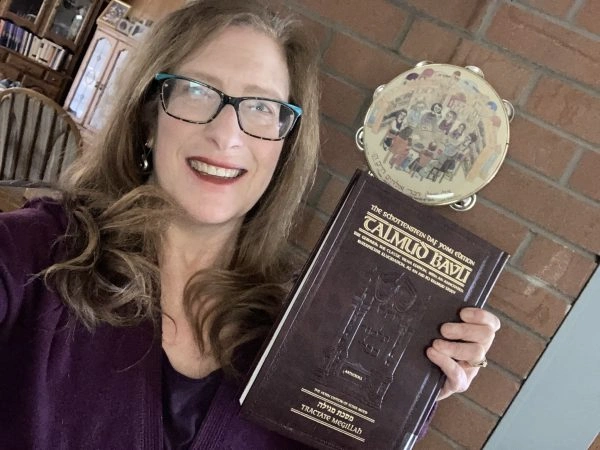
Denver, United States
A beautiful world of Talmudic sages now fill my daily life with discussion and debate.
bringing alive our traditions and texts that has brought new meaning to my life.
I am a מגילת אסתר reader for women . the words in the Mishna of מסכת megillah 17a
הקורא את המגילה למפרע לא יצא were powerful to me.
I hope to have the zchut to complete the cycle for my 70th birthday.

Jerusalem, Israel
Shortly after the death of my father, David Malik z”l, I made the commitment to Daf Yomi. While riding to Ben Gurion airport in January, Siyum HaShas was playing on the radio; that was the nudge I needed to get started. The “everyday-ness” of the Daf has been a meaningful spiritual practice, especial after COVID began & I was temporarily unable to say Kaddish at daily in-person minyanim.

Wynnewood, United States

Palo Alto, CA, United States
I started learning on January 5, 2020. When I complete the 7+ year cycle I will be 70 years old. I had been intimidated by those who said that I needed to study Talmud in a traditional way with a chevruta, but I decided the learning was more important to me than the method. Thankful for Daf Yomi for Women helping me catch up when I fall behind, and also being able to celebrate with each Siyum!

Bakersfield, United States
My Daf journey began in August 2012 after participating in the Siyum Hashas where I was blessed as an “enabler” of others. Galvanized into my own learning I recited the Hadran on Shas in January 2020 with Rabbanit Michelle. That Siyum was a highlight in my life. Now, on round two, Daf has become my spiritual anchor to which I attribute manifold blessings.

Englewood NJ, United States
Hearing and reading about the siyumim at the completion of the 13 th cycle Daf Yomi asked our shul rabbi about starting the Daf – he directed me to another shiur in town he thought would allow a woman to join, and so I did! Love seeing the sources for the Divrei Torah I’ve been hearing for the past decades of living an observant life and raising 5 children .

Pittsburgh, Pennsylvania, United States
Michelle has been an inspiration for years, but I only really started this cycle after the moving and uplifting siyum in Jerusalem. It’s been an wonderful to learn and relearn the tenets of our religion and to understand how the extraordinary efforts of a band of people to preserve Judaism after the fall of the beit hamikdash is still bearing fruits today. I’m proud to be part of the chain!

Raanana, Israel
My curiosity was peaked after seeing posts about the end of the last cycle. I am always looking for opportunities to increase my Jewish literacy & I am someone that is drawn to habit and consistency. Dinnertime includes a “Guess what I learned on the daf” segment for my husband and 18 year old twins. I also love the feelings of connection with my colleagues who are also learning.

Tampa, United States

Berlin, Germany
In my Shana bet at Migdal Oz I attended the Hadran siyum hash”as. Witnessing so many women so passionate about their Torah learning and connection to God, I knew I had to begin with the coming cycle. My wedding (June 24) was two weeks before the siyum of mesechet yoma so I went a little ahead and was able to make a speech and siyum at my kiseh kallah on my wedding day!

Givat Shmuel, Israel

Blacksburg, United States
A beautiful world of Talmudic sages now fill my daily life with discussion and debate.
bringing alive our traditions and texts that has brought new meaning to my life.
I am a מגילת אסתר reader for women . the words in the Mishna of מסכת megillah 17a
הקורא את המגילה למפרע לא יצא were powerful to me.
I hope to have the zchut to complete the cycle for my 70th birthday.
Jerusalem, Israel

Minnesota, United States
I am grateful for the structure of the Daf Yomi. When I am freer to learn to my heart’s content, I learn other passages in addition. But even in times of difficulty, I always know that I can rely on the structure and social support of Daf Yomi learners all over the world.
I am also grateful for this forum. It is very helpful to learn with a group of enthusiastic and committed women.

Beit Shemesh, Israel

Richmond, CA, United States
I began Daf Yomi with the last cycle. I was inspired by the Hadran Siyum in Yerushalayim to continue with this cycle. I have learned Daf Yomi with Rabanit Michelle in over 25 countries on 6 continents ( missing Australia)

Silver Spring, MD, United States
I was moved to tears by the Hadran Siyyum HaShas. I have learned Torah all my life, but never connected to learning Gemara on a regular basis until then. Seeing the sheer joy Talmud Torah at the siyyum, I felt compelled to be part of it, and I haven’t missed a day!
It’s not always easy, but it is so worthwhile, and it has strengthened my love of learning. It is part of my life now.

Beit Shemesh, Israel
Last cycle, I listened to parts of various מסכתות. When the הדרן סיום was advertised, I listened to Michelle on נידה. I knew that בע”ה with the next cycle I was in (ב”נ). As I entered the סיום (early), I saw the signs and was overcome with emotion. I was randomly seated in the front row, and I cried many times that night. My choice to learn דף יומי was affirmed. It is one of the best I have made!

אפרת, Israel
I’ve been learning since January 2020, and in June I started drawing a phrase from each daf. Sometimes it’s easy (e.g. plants), sometimes it’s very hard (e.g. korbanot), and sometimes it’s loads of fun (e.g. bird racing) to find something to draw. I upload my pictures from each masechet to #DafYomiArt. I am enjoying every step of the journey.

Ashdod, Israel
אָמַר לוֹ רַבִּי עֲקִיבָא, וַהֲלֹא כְּבָר נֶאֱמַר: ״אַבֵּד תְּאַבְּדוּן״, אִם כֵּן מָה תַּלְמוּד לוֹמַר: ״וְאִבַּדְתֶּם אֶת שְׁמָם מִן הַמָּקוֹם הַהוּא״? לְכַנּוֹת לָהּ שֵׁם.
Rabbi Akiva said to him: But isn’t it already stated: “You shall destroy” (Deuteronomy 12:2)? This obviously includes rooting out all traces of idols. If so, what is the meaning when the verse states: “And you shall destroy their name out of that place”? This means that it is a mitzva to give it a nickname.
יָכוֹל לְשֶׁבַח? לְשֶׁבַח סָלְקָא דַּעְתָּךְ?! אֶלָּא יָכוֹל לֹא לְשֶׁבַח וְלֹא לִגְנַאי? תַּלְמוּד לוֹמַר: ״שַׁקֵּץ תְּשַׁקְּצֶנּוּ וְתַעֵב תְּתַעֲבֶנּוּ כִּי חֵרֶם הוּא״.
One might have thought that one may give it a positive nickname. The Gemara interjects: Would it enter your mind that one may give a positive nickname to an idol? Rather, the baraita means that one might have thought that the reference is to a nickname that is neither positive nor negative. Therefore, the verse states: “And you shall not bring an abomination into your house, and be accursed like it; you shall detest it, and you shall abhor it; for it is a proscribed item” (Deuteronomy 7:26). This verse clearly indicates that the nickname should be a negative one.
הָא כֵּיצַד? הָיוּ קוֹרִין אוֹתָהּ בֵּית גַּלְיָא — קוֹרִין אוֹתָהּ ״בֵּית כַּרְיָא״, פְּנֵי מֶלֶךְ — ״פְּנֵי כֶּלֶב״, עֵין כֹּל — ״עֵין קוֹץ״.
How so? To what type of nickname is this referring? If the idol worshippers would call their house of worship the house of elevation [beit galya], one should call it the house of digging [beit karya]. If they call it the all-seeing eye [ein kol], one should call it the eye of a thorn [ein kotz].
תָּנֵי תַּנָּא קַמֵּיהּ דְּרַב שֵׁשֶׁת: הַגּוֹיִם הָעוֹבְדִים אֶת הֶהָרִים וְאֶת הַגְּבָעוֹת — הֵן מוּתָּרִין, וְעוֹבְדֵיהֶן בְּסַיִיף, וְאֶת הַזְּרָעִים וְאֶת הַיְּרָקוֹת — הֵן אֲסוּרִין, וְעוֹבְדֵיהֶן בְּסַיִיף.
The tanna who recited mishnayot and baraitot in the study hall taught a baraita before Rav Sheshet: With regard to the halakha in the case of the gentiles who worship the mountains and the hills, the mountains and hills are permitted, but their worshippers are punished with decapitation by the sword. But with regard to gentiles who worship plants and vegetables, the plants and vegetables are forbidden and their worshippers are punished with decapitation by the sword.
אֲמַר לֵיהּ: דְּאָמַר לָךְ, מַנִּי? רַבִּי יוֹסֵי בַּר יְהוּדָה הִיא, דְּאָמַר: אִילָן שֶׁנְּטָעוֹ וּלְבַסּוֹף עֲבָדוֹ — אָסוּר.
Rav Sheshet said to him: Who is the tanna who said this to you? It must be Rabbi Yosei, son of Rabbi Yehuda, who says that a tree that one planted and subsequently worshipped is forbidden.
וְלוֹקְמַהּ בְּאִילָן שֶׁנְּטָעוֹ מִתְּחִלָּה לְכָךְ, וְרַבָּנַן! לָא סָלְקָא דַּעְתָּךְ, דְּקָתָנֵי דּוּמְיָא דְּהַר, מָה הַר שֶׁלֹּא נְטָעוֹ מִתְּחִלָּה לְכָךְ, אַף הַאי נָמֵי שֶׁלֹּא נְטָעוֹ מִתְּחִלָּה לְכָךְ.
The Gemara asks: But why not interpret the baraita as referring to a tree that one initially planted for idol worship, and then the ruling would be consistent with the opinion of the Rabbis as well? The Gemara answers: This should not enter your mind, as the baraita teaches the case of plants and vegetables as being similar to the case of a mountain. Therefore, one can extrapolate that just as with regard to a mountain, it is a case where one did not initially plant it for this purpose, as mountains are not planted by people, so too, this case of plants and vegetables is a case where one did not initially plant it for this purpose.
אִיתְּמַר: אַבְנֵי הַר שֶׁנִּדַּלְדְּלוּ — בְּנֵי רַבִּי חִיָּיא וְרַבִּי יוֹחָנָן, חַד אָמַר: אֲסוּרוֹת, וְחַד אָמַר: מוּתָּרוֹת. מַאי טַעְמָא דְּמַאן דְּאָמַר מוּתָּרוֹת? כְּהַר — מָה הַר שֶׁאֵין בּוֹ תְּפִיסַת יְדֵי אָדָם וּמוּתָּר, אַף הָנֵי שֶׁאֵין בָּהֶן תְּפִיסַת יְדֵי אָדָם וּמוּתָּרִין.
§ It was stated: The halakha in a case where a gentile worships boulders that naturally became dislodged from a mountain is subject to dispute between the sons of Rabbi Ḥiyya on the one hand and Rabbi Yoḥanan on the other. One side says: They are forbidden, and one side says: They are permitted. The Gemara asks: What is the reason of the one who says that they are permitted? The Gemara answers: The status of the dislodged stones is still like the status of the mountain itself. Just as in the case of a mountain, it is not the product of human involvement, and therefore it is permitted to derive benefit from it even after it is worshipped, so too, these boulders, which are not the product of human involvement, are permitted.
מָה לְהַר, שֶׁכֵּן מְחוּבָּר! בְּהֵמָה תּוֹכִיחַ.
The Gemara raises an objection: What is notable about a mountain? It is notable in that it is attached to the ground. This may be the reason for the leniency concerning it, and this does not apply to boulders. The Gemara responds: The case of a worshipped animal can prove that this is not relevant, as it is permitted to derive benefit from a worshipped animal even though it is not attached to the ground.
מָה לִבְהֵמָה, שֶׁכֵּן בַּעֲלַת חַיִּים! הַר יוֹכִיחַ.
The Gemara defends its objection: What is notable about an animal? It is notable in that it is a living, animate being. This may be the reason for the leniency concerning it, and this does not apply to boulders. The Gemara responds: The case of a mountain can prove that this is not relevant, as it is permitted to derive benefit from a mountain that was worshipped, even though it is not a living being.
וְחָזַר הַדִּין, לֹא רְאִי זֶה כִרְאִי זֶה, וְלֹא רְאִי זֶה כִּרְאִי זֶה, הַצַּד הַשָּׁוֶה שֶׁבָּהֶן שֶׁאֵין בָּהֶן תְּפִיסַת יְדֵי אָדָם וּמוּתָּר, אַף כׇּל שֶׁאֵין בָּהֶן תְּפִיסַת יְדֵי אָדָם וּמוּתָּר.
And the inference has reverted to its starting point, and the halakha can be inferred from a combination of the two sources: The aspect of this case, that of a mountain, is not like the aspect of that case, that of an animal, and the aspect of that case is not like the aspect of this case; their common element is that they are not products of human involvement, and it is permitted to derive benefit from them. So too, in any case of worshipped objects that are not the product of human involvement, including boulders, they are permitted.
מָה לְהַצַּד הַשָּׁוֶה שֶׁבָּהֶן, שֶׁכֵּן לֹא נִשְׁתַּנּוּ מִבְּרִיָּיתָן!
The Gemara objects: What is notable about the common element between the case of a mountain and that of an animal that prevents utilizing it as a paradigm for other cases? These worshipped objects are notable in that they were not altered from their natural form. Perhaps that is why their status remains unchanged. By contrast, a dislodged boulder has been moved from its original position.
אֶלָּא אָתְיָא מִבְּהֵמָה בַּעֲלַת מוּם, וּמֵהַר.
Rather, the halakha that a boulder that is dislodged from a mountain is still permitted after it is worshipped is derived from the case of a blemished animal and from the case of a mountain, both of which are permitted after having been worshipped. The notable aspect of a mountain, in that it is an unaltered object and is attached to the ground, is countered by the case of a blemished animal, and the notable aspect of a blemished animal in that it is a living being is countered by the case of a mountain. Therefore, it can be derived from the common element of the two cases that just as these two are not products of human involvement and are not rendered forbidden by worship, so too, a dislodged boulder is not rendered forbidden by worship.
וְאִי נָמֵי, מִבְּהֵמָה תַּמָּה וּמֵאִילָן יָבֵשׁ.
Alternatively, the halakha can be derived from the case of an unblemished animal and from the case of a withered tree, both of which are permitted after having been worshipped. The notable aspect of an unblemished animal, in that it is unaltered and a living being, is countered by the case of a withered tree, and the notable aspect of a withered tree, in that it is attached to the ground, is countered by the case of an unblemished animal.
וּמַאן דְּאָסַר, לְהָכִי כְּתִיב ״שַׁקֵּץ תְּשַׁקְּצֶנּוּ וְתַעֵב תְּתַעֲבֶנּוּ״, דְּאַף עַל גַּב דְּאָתְיָא מִדִּינָא לְהֶיתֵּרָא, לָא תֵּתְיַאּ.
The Gemara asks: And what is the reasoning of the one who deems worshipped boulders forbidden? The Gemara answers: According to that opinion, it is in order to teach this halakha: It is written: “And you shall not bring an abomination into your house, and be accursed like it; you shall detest it, and you shall abhor it; for it is a proscribed item” (Deuteronomy 7:26). This verse teaches that although one may theoretically derive, by logical inference, to permit the boulders, do not derive that halakha.
תִּסְתַּיֵּים, דִּבְנֵי רַבִּי חִיָּיא דְּשָׁרוּ, דְּבָעֵי חִזְקִיָּה: זָקַף בֵּיצָה לְהִשְׁתַּחֲווֹת לָהּ, מַהוּ?
The Gemara introduced the case of a boulder that naturally dislodged from a mountain as the subject of a dispute between the sons of Rabbi Ḥiyya and Rabbi Yoḥanan, but it did not specify who subscribes to which opinion. The Gemara suggests: It may be concluded that it is the sons of Rabbi Ḥiyya who deem it permitted, as Ḥizkiyya, Rabbi Ḥiyya’s son, raises a dilemma: If one erected an egg in order to bow to it as an idol, what is the halakha? Is it then prohibited to derive benefit from the egg?
קָא סָלְקָא דַּעְתָּךְ לְהִשְׁתַּחֲווֹת לָהּ, וְהִשְׁתַּחֲוָה לָהּ, וְקָא מִיבַּעְיָא לֵיהּ הַאי זְקִיפָתָהּ אִי הָוֵי מַעֲשֶׂה אִי לָא הָוֵי מַעֲשֶׂה, אֲבָל לֹא זָקַף — לָא מִיתַּסְרָא, שְׁמַע מִינַּהּ בְּנֵי רַבִּי חִיָּיא דְּשָׁרוּ.
The Gemara explains the proof: It enters your mind that this dilemma is referring to a case where one erected an egg in order to bow to it, and he then bowed to it. And he raises a dilemma as to whether this erecting of the egg is considered a significant act of human involvement that renders the egg forbidden as an object of idol worship, or whether it is not considered a significant act of human involvement. But if he had not erected the egg, there would be no dilemma, as clearly it would not become forbidden. Accordingly, one can conclude from this dilemma that the sons of Rabbi Ḥiyya are the ones who deem the boulder permitted, since it is not a product of human involvement.
לָא, לְעוֹלָם אֵימָא לָךְ: בְּנֵי רַבִּי חִיָּיא דְּאָסְרִי, דְּהִשְׁתַּחֲוָה לָהּ, אַף עַל גַּב דְּלֹא זְקָפָהּ אֲסוּרָה, וְהָכָא בְּמַאי עָסְקִינַן? כְּגוֹן שֶׁזָּקַף בֵּיצָה לְהִשְׁתַּחֲווֹת לָהּ, וְלֹא הִשְׁתַּחֲוָה לָהּ.
The Gemara rejects this proof: No, actually I will say to you that perhaps it is the sons of Rabbi Ḥiyya who deem the dislodged boulder forbidden after it was worshipped, and they similarly hold that in this case of the egg, if he bowed to it, even if did not erect it, the egg is certainly forbidden. And the dilemma is as follows: Here we are dealing with a case where he erected the egg in order to bow to it, but he ultimately did not bow to it. Ḥizkiyya’s dilemma was whether designation of an object as an idol renders it forbidden even without actual worship.
וּלְמַאן? אִי לְמַאן דְּאָמַר: עֲבוֹדָה זָרָה שֶׁל יִשְׂרָאֵל אֲסוּרָה מִיָּד — אֲסוּרָה, אִי לְמַאן דְּאָמַר: עַד שֶׁתֵּיעָבֵד — הָא לָא פַּלְחַהּ!
The Gemara asks: But according to whom does he raise the dilemma? If it is according to the one who says that any object of a Jew who dedicated it to idol worship is immediately rendered forbidden, there is no place for the dilemma; the egg is clearly forbidden. If it is according to the one who says that an object of idol worship is not forbidden until it is actually worshipped, there is also no place for the dilemma, as the egg was not worshipped, and is therefore permitted.
לָא צְרִיכָא, כְּגוֹן שֶׁזָּקַף בֵּיצָה לְהִשְׁתַּחֲווֹת לָהּ, וְלֹא הִשְׁתַּחֲוָה לָהּ, וּבָא גּוֹי וְהִשְׁתַּחֲוָה לָהּ.
The Gemara answers by reformulating the case: No, those are not the cases with regard to which the dilemma is raised. It is necessary to raise it with regard to a case where one erected an egg in order to bow to it, but ultimately he did not bow to it, and then a gentile came along and bowed to it. It is with regard to this case that Ḥizkiyya raises the dilemma.
כִּי הָא דְּאָמַר רַב יְהוּדָה אָמַר שְׁמוּאֵל: יִשְׂרָאֵל שֶׁזָּקַף לְבֵינָה לְהִשְׁתַּחֲווֹת לָהּ, וּבָא גּוֹי וְהִשְׁתַּחֲוָה לָהּ — אֲסוּרָה. וְקָא מִיבַּעְיָא לֵיהּ: לְבֵינָה הוּא דְּמִינַּכְרָא זְקִיפָתָהּ, אֲבָל בֵּיצָה — לָא? אוֹ דִּלְמָא לָא שְׁנָא? תֵּיקוּ.
There is an established principle that one cannot render forbidden an item that is not his. In this case, the egg can be rendered forbidden only by a combination of the Jewish owner’s indicated intention and the gentile’s act of worship. This dilemma assumes that which Rav Yehuda says that Shmuel says: In the case of a Jew who erected a brick in order to bow to it, and a gentile came and bowed to it, it is forbidden. And Ḥizkiyya raises the following dilemma with regard to the case of an egg: Is it specifically a brick that is forbidden, as its being erect is clearly recognizable and is therefore a clear indication of intent on behalf of the Jewish owner, but as for an egg, erecting it is not enough of an indication, and it is therefore permitted? Or perhaps there is no difference, and the egg would similarly be forbidden. The Gemara concludes: The question shall stand unresolved.
בָּעֵי רָמֵי בַּר חָמָא: הַמִּשְׁתַּחֲוֶה לְהַר, אֲבָנָיו מַהוּ לַמִּזְבֵּחַ?
§ Rami bar Ḥama raises a dilemma: In the case of one who bows down to a mountain, what is the halakha with regard to the permissibility of using its stones for building the altar in the Temple?
יֵשׁ נֶעֱבָד בִּמְחוּבָּר אֵצֶל גָּבוֹהַּ, אוֹ אֵין נֶעֱבָד בִּמְחוּבָּר אֵצֶל גָּבוֹהַּ?
The Gemara explains the dilemma: An animal that was worshipped is rendered unfit to be sacrificed as an offering in the Temple. The Gemara previously established a principle that objects attached to the ground are not rendered forbidden by idol worship. The question here is this: With regard to an item that is attached to the ground and that was worshipped, is it rendered unfit for the Most High, i.e., for the Temple, just like an animal? Or is the halakha that with regard to an item that is attached to the ground and that was worshipped, it is not rendered unfit for the Most High, just as it is not forbidden with regard to an individual’s deriving benefit from it?
אִם תִּמְצֵי לוֹמַר יֵשׁ נֶעֱבָד בִּמְחוּבָּר אֵצֶל גָּבוֹהַּ, מַכְשִׁירֵי קׇרְבָּן כְּקׇרְבָּן דָּמוּ אוֹ לָא?
Furthermore, if you say that with regard to an item that is attached to the ground and that was worshipped, it is rendered unfit for the Most High, are the items that merely facilitate the sacrifice of an offering, such as the altar, viewed the same way as an offering itself, or not? Perhaps the principle that items worshipped in idolatrous practice are disqualified for use in the Temple applies only to offerings, and not to the items used to facilitate the bringing of offerings.
אָמַר רָבָא, קַל וָחוֹמֶר: וּמָה אֶתְנַן שֶׁמּוּתָּר בְּתָלוּשׁ לְהֶדְיוֹט, אָסוּר בִּמְחוּבָּר לְגָבוֹהַּ, דִּכְתִיב: ״לֹא תָבִיא אֶתְנַן זוֹנָה וּמְחִיר כֶּלֶב״, לָא שְׁנָא תָּלוּשׁ וְלָא שְׁנָא בִּמְחוּבָּר, נֶעֱבָד שֶׁאָסוּר בְּתָלוּשׁ לְהֶדְיוֹט — אֵינוֹ דִּין שֶׁאָסוּר בִּמְחוּבָּר לְגָבוֹהַּ?
Rava says: The dilemma can be resolved with an a fortiori inference. The Torah prohibits the sacrifice of an animal as an offering or a donation to the Temple if it was given in payment to a prostitute or exchanged in the sale of a dog. And if it is so that concerning deriving benefit from an item that served as payment to a prostitute, which is permitted to an ordinary person even in a case where the item is detached from the ground, nevertheless, such an item is forbidden to use for the Most High even in a case where it is attached to the ground, as it is written: “You shall not bring the payment to a prostitute or the price of a dog into the House of the Lord your God for any vow” (Deuteronomy 23:19), where there is no difference whether the payment is unattached to the ground and there is no difference whether it is attached; concerning an object worshipped in idolatrous practice, which is rendered forbidden in a case where it is detached even for the use of an ordinary person, is it not logical that it should be prohibited to use it for the Most High even in the case of an object attached to the ground?
אֲמַר לֵיהּ רַב הוּנָא בְּרֵיהּ דְּרַב יְהוֹשֻׁעַ לְרָבָא: אוֹ חִילּוּף, וּמָה נֶעֱבָד שֶׁאָסוּר בְּתָלוּשׁ אֵצֶל הֶדְיוֹט — מוּתָּר בִּמְחוּבָּר לְגָבוֹהַּ, שֶׁנֶּאֱמַר: ״אֱלֹהֵיהֶם עַל הֶהָרִים״ וְלֹא הֶהָרִים אֱלֹהֵיהֶם, לָא שְׁנָא לְהֶדְיוֹט וְלָא שְׁנָא לְגָבוֹהַּ; אֶתְנַן שֶׁמּוּתָּר בְּתָלוּשׁ לְהֶדְיוֹט — אֵינוֹ דִּין שֶׁמּוּתָּר בִּמְחוּבָּר לְגָבוֹהַּ?
Rav Huna, son of Rav Yehoshua, said to Rava: Or one can reverse the claim. And if an object that was worshipped, which is forbidden in a case where it is detached from the ground even for the use of an ordinary person, is yet permitted for use even for the Most High in a case where it is attached to the ground, as it is stated that the mitzva is to destroy: “Their gods, upon the high mountains” (Deuteronomy 12:2), but not the mountains themselves that are their gods, and therefore with regard to such items, there is no difference between use for an ordinary person and for the Most High; concerning payment to a prostitute, which is permitted for use for an ordinary person in the case of a detached item, is it not logical that it should be permitted to use for the Most High in a case where the payment is an item attached to the ground?
וְאִי מִשּׁוּם ״בֵּית ה׳ אֱלֹהֶיךָ״ מִיבְּעֵי לֵיהּ לְכִדְתַנְיָא: ״בֵּית ה׳ אֱלֹהֶיךָ״ — פְּרָט לְפָרָה שֶׁאֵינָהּ בָּאָה לַבַּיִת, דִּבְרֵי רַבִּי אֱלִיעֶזֶר. וַחֲכָמִים אוֹמְרִים: לְרַבּוֹת אֶת הָרִיקּוּעִים.
Rav Huna, son of Rav Yehoshua, continues: And if one would say that it should still be prohibited to use it in the Temple due to that which the verse states: “You shall not bring the payment to a prostitute, or the price of a dog, into the House of the Lord your God,” which indicates a blanket prohibition, this verse is already necessary to teach another halakha, namely, that which is taught in a baraita: The phrase “into the House of the Lord your God” excludes its use as a red heifer, which is not brought to the Temple, rather it is sacrificed outside the city on the Mount of Olives; this is the statement of Rabbi Eliezer. And the Rabbis say: It is stated to include the prohibition against hanging in the Temple beaten plates of gold that were used in the payment of a prostitute. Even though they are not used in the Temple service, it is prohibited to hang them up.
אֲמַר לֵיהּ: אֲנָא קָאָמֵינָא לְחוּמְרָא, וְאַתְּ אָמְרַתְּ לְקוּלָּא — קוּלָּא וְחוּמְרָא לְחוּמְרָא פָּרְכִינַן.
Rava said to Rav Huna, son of Rav Yehoshua: I am stating an a fortiori inference that leads to a stringency, and you are stating an opposite a fortiori inference that leads to a leniency. And the principle is that whenever there is the option to employ an a fortiori inference that leads to a leniency or one that leads to a stringency, we infer the stringency.
אֲמַר לֵיהּ רַב פָּפָּא לְרָבָא: וְכֹל הֵיכָא דְּאִיכָּא קוּלָּא וְחוּמְרָא, לְקוּלָּא לָא פָּרְכִינַן? וְהָא הַזָּאָה דְּפֶסַח, דִּפְלִיגִי רַבִּי אֱלִיעֶזֶר וְרַבִּי עֲקִיבָא, דְּרַבִּי אֱלִיעֶזֶר סָבַר לְחוּמְרָא וְקָא מְחַיֵּיב לֵיהּ לְגַבְרָא, וְרַבִּי עֲקִיבָא לְקוּלָּא וּפָטַר, וְקָא פָרֵיךְ רַבִּי עֲקִיבָא לְקוּלָּא!
Rav Pappa said to Rava: And is it so that anywhere that there is an option to employ an a fortiori inference to infer a leniency or a stringency, we do not infer the leniency? But isn’t there the case of sprinkling the purifying water of a red heifer upon one who has contracted ritual impurity through contact with a corpse, in order to thereby obligate him in the sacrificing and eating of the Paschal offering? As Rabbi Eliezer and Rabbi Akiva disagree with regard to whether it is permitted to do this on Shabbat, each of them employing an a fortiori inference to support his opinion. As Rabbi Eliezer holds that a stringency should be inferred and he thereby deems the man obligated to purify himself and bring a Paschal offering, even if he can purify himself only on Shabbat, and Rabbi Akiva infers a leniency and exempts him from the obligation to bring the offering. And clearly, contrary to Rava’s claim, Rabbi Akiva infers a leniency.
דִּתְנַן, הֵשִׁיב רַבִּי עֲקִיבָא: אוֹ חִילּוּף, וּמָה הַזָּאָה שֶׁהִיא מִשּׁוּם שְׁבוּת — אֵינָהּ דּוֹחָה [אֶת] הַשַּׁבָּת, שְׁחִיטָה שֶׁהִיא דְּאוֹרָיְיתָא — לֹא כׇּל שֶׁכֵּן?
This is as we learned in a mishna (see Pesaḥim 65b) that Rabbi Eliezer reasoned: If slaughter, which is generally prohibited on Shabbat by Torah law, is permitted for the sake of sacrificing the Paschal offering, all the more so is it not clear that sprinkling the purifying water of a red heifer, which is prohibited on Shabbat merely due to a rabbinic decree, should override Shabbat? Rabbi Akiva replied: Or one can reverse the claim. And if sprinkling the purifying water on Shabbat, which is prohibited merely due to rabbinic decree, does not override Shabbat, then with regard to slaughter, which is prohibited by Torah law, all the more so is it not clear that it should not override Shabbat? Contrary to Rava’s claim, Rabbi Akiva clearly infers a leniency instead of the stringency inferred by Rabbi Eliezer.
הָתָם, רַבִּי אֱלִיעֶזֶר גַּמְרֵיהּ, וְאִיַּיקַּר לֵיהּ תַּלְמוּדָא, וַאֲתָא רַבִּי עֲקִיבָא לְאַדְכּוֹרֵיהּ. וְהַיְינוּ דַּאֲמַר לֵיהּ: רַבִּי, אַל תַּכְפִּירֵנִי בִּשְׁעַת הַדִּין, כָּךְ מְקוּבָּל אֲנִי מִמְּךָ — הַזָּאָה שְׁבוּת, וְאֵינָהּ דּוֹחָה אֶת הַשַּׁבָּת.
The Gemara answers: There, Rabbi Akiva does not employ a real a fortiori inference. Rabbi Eliezer himself taught him this halakha, which he knew as a tradition, but he had forgotten his own learning and Rabbi Akiva came to remind him of it by drawing an a fortiori inference that would cause Rabbi Eliezer to remember that which he himself had taught. The Gemara offers a support for this interpretation from the continuation of that discussion, which is recorded in a baraita: And this is what Rabbi Akiva said to him: My teacher, do not deny my contention at the time of judgement, i.e., during deliberation of this matter, as this is the tradition I received from you: Sprinkling is prohibited by rabbinic decree and does not override Shabbat.
בָּעֵי רָמֵי בַּר חָמָא: הַמִּשְׁתַּחֲוֶה לְקָמַת חִטִּים, מַהוּ לִמְנָחוֹת? יֵשׁ שִׁינּוּי בְּנֶעֱבָד, אוֹ אֵין שִׁינּוּי בְּנֶעֱבָד?
§ Rami bar Ḥama raises a dilemma: In the case of one who bows to a stalk of wheat, what is the halakha with regard to using it for meal-offerings? Does the wheat lose its forbidden status after it is ground into flour, or not? Does a change in the form of a worshipped object revoke its forbidden status, or does a change in the form of a worshipped object not revoke its forbidden status?
אָמַר מָר זוּטְרָא בְּרֵיהּ דְּרַב נַחְמָן: תָּא שְׁמַע, כׇּל הָאֲסוּרִין לְגַבֵּי מִזְבֵּחַ — וַלְדוֹתֵיהֶן מוּתָּרִים, וְתָנֵי עֲלַהּ: רַבִּי אֱלִיעֶזֶר אוֹסֵר.
Mar Zutra, son of Rav Naḥman, said: Come and hear a resolution from that which is taught in a mishna (Temura 30b): The principle is that concerning all items that are forbidden with regard to sacrificing them the altar, their offspring, i.e., whatever products are derived from them, are permitted. And it is taught with regard to this mishna: Rabbi Eliezer deems the offspring forbidden.
וְלָאו אִתְּמַר עֲלַהּ, אָמַר רַב נַחְמָן אָמַר רַבָּה בַּר אֲבוּהּ: מַחְלוֹקֶת כְּשֶׁנִּרְבְּעוּ וּלְבַסּוֹף עִיבְּרוּ,
The Gemara asks: But wasn’t it stated with regard to this dispute that Rav Naḥman says that Rabba bar Avuh says: The dispute is with regard to a case where it became prohibited to use the animals as offerings because a person engaged in bestiality with them and later they became pregnant.
This will remove ALL the items in this section. You will lose any progress or history connected to them. This is irreversible.
You will lose any progress or history connected to this item.

