Search

Bava Batra 4

Want to dedicate learning? Get started here:

podcast placeholder

0:00
0:00


Summary

Seder Nezikin Kit – Order Form

Bava Batra bookmark

How did Herod, who was a slave, become a king? How did he end up being the one who renovated the Temple? What are the rules for partitions in a garden or in a field where there is no established custom? When one resident cannot force the other to build a wall, the one who wants it builds it exclusively on their property and puts an identifying marker on it. Why does the marker go on the other side of the wall? Why, in the case where both build the wall, do they need to put a marker on both sides? If a neighbor is surrounded on three sides by one landowner and that landowner erected three walls, the inner neighbor does not need to share in the cost of the walls. But if they put up a fourth wall, the inner neighbor must share the costs. There is a debate about whether it matters who put up the fourth wall and whether or not the inner neighbor needs to share the costs of just the fourth wall or all the walls. Does the inner neighbor need to pay according to the actual cost of the wall, only according to the cheapest market rate for a wall, or possibly even only for what it would cost to hire a watchman to protect the field?

Today’s daily daf tools:

Bava Batra 4

אַהְדַּר לֵיהּ כְּלִילָא דְּיָילֵי, נַקְּרִינְהוּ לְעֵינֵיהּ. יוֹמָא חַד אֲתָא וִיתִיב קַמֵּיהּ, אֲמַר: חֲזִי מַר, הַאי עַבְדָּא בִּישָׁא מַאי קָא עָבֵיד! אֲמַר לֵיהּ: מַאי אֶעֱבֵיד לֵיהּ? אֲמַר לֵיהּ: נִלְטְיֵיהּ מָר! אֲמַר לֵיהּ: כְּתִיב ״גַּם בְּמַדָּעֲךָ, מֶלֶךְ אַל תְּקַלֵּל״. אֲמַר לֵיהּ: הַאי לָאו מֶלֶךְ הוּא! אֲמַר לֵיהּ: וְלִיהְוֵי עָשִׁיר בְּעָלְמָא, וּכְתִיב: ״וּבְחַדְרֵי מִשְׁכָּבְךָ אַל תְּקַלֵּל עָשִׁיר״; וְלֹא יְהֵא אֶלָּא נָשִׂיא, וּכְתִיב: ״וְנָשִׂיא בְעַמְּךָ לֹא תָאֹר״.

Herod placed a garland made of porcupine hide on Bava ben Buta’s head, which pricked his eyes out. One day Herod came and sat before him without identifying himself in order to test him. He, Herod, said: See, Master, what this evil slave Herod is doing. Bava ben Buta said to him: What should I do to him? Herod said to him: The Master should curse him. Bava ben Buta said to him: But it is written: “Do not curse the king, not even in your thoughts” (Ecclesiastes 10:20). Herod said to him: He is not a king, since he rules illegally. Bava ben Buta said to him: And even if he were merely a rich man I would not curse him, as it is written: “And do not curse a rich person in your bedchamber” (Ecclesiastes 10:20). And even were he only a leader I would not curse him, as it is written: “And you shall not curse a leader among your people” (Exodus 22:27).

אֲמַר לֵיהּ: בְּעוֹשֶׂה מַעֲשֵׂה עַמְּךָ, וְהַאי לָאו עוֹשֶׂה מַעֲשֵׂה עַמְּךָ! אֲמַר לֵיהּ: מִסְתְּפֵינָא מִינֵּיהּ. אֲמַר לֵיהּ: לֵיכָּא אִינִישׁ דְּאָזֵיל דְּלֵימָא לֵיהּ, דַּאֲנָא וְאַתְּ יָתֵיבְנָא. אֲמַר לֵיהּ, כְּתִיב: ״כִּי עוֹף הַשָּׁמַיִם יוֹלִיךְ אֶת הַקּוֹל וּבַעַל כְּנָפַיִם יַגֵּיד דָּבָר״.

Herod said to him: That halakha stated with regard to “a leader among your people,” that is, to a fit Jew who acts as a member of your people, i.e., in accordance with Torah law, and this one does not do the deeds of your people. Bava ben Buta said to him: Nevertheless, I am afraid of him. Herod said to him: There is nobody who will go and tell him, since you and I are sitting here alone. Bava ben Buta said to him: Nevertheless, it is written: “For a bird of the sky shall carry the sound, and that which has wings shall tell the matter” (Ecclesiastes 10:20).

אֲמַר לֵיהּ: אֲנָא הוּא, אִי הֲוַאי יָדַעְנָא דִּזְהִרִי רַבָּנַן כּוּלֵּי הַאי, לָא הֲוָה קָטֵילְנָא לְהוּ; הַשְׁתָּא מַאי תַּקַּנְתֵּיהּ דְּהָהוּא גַּבְרָא? אֲמַר לֵיהּ: הוּא כִּבָּה אוֹרוֹ שֶׁל עוֹלָם, דִּכְתִיב: ״כִּי נֵר מִצְוָה וְתוֹרָה אוֹר״, יֵלֵךְ וְיַעֲסוֹק בְּאוֹרוֹ שֶׁל עוֹלָם, דִּכְתִיב: ״וְנָהֲרוּ אֵלָיו כָּל הַגּוֹיִם״. אִיכָּא דְּאָמְרִי, הָכִי אֲמַר לֵיהּ: הוּא סִימֵּא עֵינוֹ שֶׁל עוֹלָם, דִּכְתִיב: ״וְהָיָה אִם מֵעֵינֵי הָעֵדָה״, יֵלֵךְ וְיִתְעַסֵּק בְּעֵינוֹ שֶׁל עוֹלָם, דִּכְתִיב: ״הִנְנִי מְחַלֵּל אֶת מִקְדָּשִׁי, גְּאוֹן עֻזְּכֶם מַחְמַד עֵינֵיכֶם״.

Herod said to him: I am he. Had I known that the Sages were so cautious I would not have killed them. Now, what is that man’s remedy, i.e., what can I do to repent for my sinful actions? Bava ben Buta said to him: He who extinguished the light of the world by killing the Torah Sages, as it is written: “For the mitzva is a lamp, and the Torah is light” (Proverbs 6:23), should go and occupy himself with the light of the world, the Temple, as it is written with regard to the Temple: “And all the nations shall flow [venaharu] unto it” (Isaiah 2:2), the word venaharu alluding to light [nehora]. There are those who say that this is what he said to him: He who blinded the eye of the world, as it is written in reference to the Sages: “And if it be committed through ignorance by the eyes of the congregation” (Numbers 15:24), should go and occupy himself with the eye of the world, the Temple, as it is written: “I will desecrate my Temple, the pride of your strength, the delight of your eyes” (Ezekiel 24:21).

אֲמַר לֵיהּ: מִסְתְּפֵינָא מִמַּלְכוּתָא. אֲמַר לֵיהּ: שַׁדַּר שְׁלִיחָא; וְלֵיזִיל שַׁתָּא, וְלִיעַכַּב שַׁתָּא, וְלֶהְדַּר שַׁתָּא; אַדְּהָכִי וְהָכִי סָתְרַיתְּ [לֵיהּ] וּבָנְיַית [לֵיהּ]. עֲבַד הָכִי. שְׁלַחוּ לֵיהּ: אִם לֹא סָתַרְתָּה – אַל תִּסְתּוֹר; וְאִם סָתַרְתָּה – אַל תִּבְנֵי; וְאִם סָתַרְתָּה וּבָנִיתָ – עַבְדֵי בִּישָׁא, בָּתַר דְּעָבְדִין מִתְמַלְכִין. אִם זַיְינָךְ עֲלָךְ, סִפְרָךְ כָּאן – לָא רֵכָא וְלָא בַּר רֵכָא, הוֹרְדוֹס [עַבְדָּא] קָלָנְיָא מִתְעֲבִיד.

Herod said to him: I am afraid of the Roman government, that they will not permit me to make changes in the Temple. Bava ben Buta said to him: Send a messenger who will travel there for a year, and remain there for another year, and take yet another year to return. In the meantime, you can demolish the Temple and rebuild it. He did so. Eventually, they sent a message to Herod from Rome: If you have not yet demolished it, do not demolish it; and if you have already demolished it, do not rebuild it; and if you have demolished it and already rebuilt it, you shall be counted among those who act wickedly, seeking counsel only after they have already acted. Even if you are armed and in command of a military force, your book, i.e., your genealogical record, is here. You are neither a king [reikha] nor the son of a king, but rather Herod the slave who has made himself a freeman [kelonya].

מַאי ״רֵכָא״? מַלְכוּתָא – דִּכְתִיב: ״אָנֹכִי הַיּוֹם רַךְ וּמָשׁוּחַ מֶלֶךְ״. וְאִי בָּעֵית אֵימָא, מֵהָכָא: ״וַיִּקְרְאוּ לְפָנָיו אַבְרֵךְ״.

The Gemara explains: What is the meaning of the word reikha? It denotes royalty, as it is written: “I am today a tender [rakh] and anointed king” (II Samuel 3:39). And if you wish, say that the meaning of the word is learned from here, from the term describing Joseph after he was appointed viceroy to the king: “And they cried before him, Avrekh (Genesis 41:43).

אָמְרִי: מִי שֶׁלֹּא רָאָה בִּנְיַן הוֹרְדוֹס, לֹא רָאָה בִּנְיָן נָאֶה [מִיָּמָיו]. בְּמַאי בַּנְיֵיהּ? אָמַר רַבָּה: בְּאַבְנֵי שִׁישָׁא וּמַרְמְרָא. אִיכָּא דְּאָמְרִי: בְּאַבְנֵי כּוּחְלָא, שִׁישָׁא וּמַרְמְרָא. אַפֵּיק שָׂפָה וְעַיֵּיל שָׂפָה, כִּי הֵיכִי דִּנְקַבֵּיל סִידָא. סְבַר לְמִשְׁעֲיֵיהּ בְּדַהֲבָא, אֲמַרוּ לֵיהּ רַבָּנַן: שִׁבְקֵיהּ, דְּהָכִי שַׁפִּיר טְפֵי, דְּמִיחְזֵי כִּי אִידְווֹתָא דְיַמָּא.

The Sages say: One who has not seen Herod’s building has never seen a beautiful building in his life. The Gemara asks: With what did he build it? Rabba said: With stones of white and green marble [umarmara]. There are those who say that he built it with stones of blue, white, and green marble. Alternate rows of stones sent out an edge a bit and drew in an edge a bit, so that they would better receive and hold the plaster. He considered covering it with gold, but the Rabbis said to him: Leave it, and do not cover it, since it is more beautiful this way, as it looks like the waves of the sea.

וּבָבָא בַּר בּוּטָא הֵיכִי עֲבַד הָכִי? וְהָאָמַר רַב יְהוּדָה אָמַר רַב, וְאִיתֵּימָא רַבִּי יְהוֹשֻׁעַ בֶּן לֵוִי: מִפְּנֵי מָה נֶעֱנַשׁ דָּנִיֵּאל? מִפְּנֵי שֶׁהִשִּׂיא עֵצָה לִנְבוּכַדְנֶצַּר, שֶׁנֶּאֱמַר: ״לָהֵן מַלְכָּא, מִלְכִּי יִשְׁפַּר עֲלָךְ, וַחֲטָאָיךְ בְּצִדְקָה פְרֻק, וַעֲוָיָתָךְ בְּמִחַן עֲנָיִן, הֵן תֶּהֱוֵי אַרְכָא לִשְׁלֵוְתָךְ וְגוֹ׳״, וּכְתִיב: ״כֹּלָּא מְּטָא עַל נְבוּכַדְנֶצַּר מַלְכָּא״, וּכְתִיב: ״וְלִקְצָת יַרְחִין תְּרֵי עֲשַׂר וְגוֹ׳״!

The Gemara asks: And how did Bava ben Buta do this, i.e., give advice to Herod the wicked? But doesn’t Rav Yehuda say that Rav says, and some say it was Rabbi Yehoshua ben Levi who says: For what reason was Daniel punished? Because he offered advice to Nebuchadnezzar, as after sharing a harsh prophecy with him, it is stated: “Therefore, O king, let my counsel be acceptable to you, redeem your sins with charity and your iniquities with graciousness to the poor, that there may be a lengthening of your prosperity” (Daniel 4:24). And it is written: “All this came upon King Nebuchadnezzar (Daniel 4:25). And it is written: “And at the end of twelve months” (Daniel 4:26). Only after a year was the prophecy fulfilled but not before that, apparently because Nebuchadnezzar heeded Daniel’s advice.

אִיבָּעֵית אֵימָא: שָׁאנֵי עַבְדָּא, דְּאִיחַיַּיב בְּמִצְוֹת. וְאִיבָּעֵית אֵימָא: שָׁאנֵי בֵּית הַמִּקְדָּשׁ, דְּאִי לָא מַלְכוּת – לָא מִתְבְּנֵי.

The Gemara answers: If you wish, say that a slave like Herod is different since he is obligated in the mitzvot, and therefore Bava ben Buta had to help him repent. And if you wish, say the Temple is different, as without the help of the government it would not have been built.

וְדָנִיֵּאל – מְנָלַן דְּאִיעֲנַשׁ? אִילֵּימָא מִשּׁוּם דִּכְתִיב: ״וַתִּקְרָא אֶסְתֵּר לַהֲתָךְ״, וְאָמַר רַב: הֲתָךְ – זֶה דָּנִיאֵל; הָנִיחָא לְמַאן דְּאָמַר: ״שֶׁחֲתָכוּהוּ מִגְּדוּלָּתוֹ״, אֶלָּא לְמַאן דְּאָמַר: ״שֶׁכׇּל דִּבְרֵי מַלְכוּת נֶחְתָּכִין עַל פִּיו״, מַאי אִיכָּא לְמֵימַר? דְּשַׁדְיוּהוּ לְגוּבָּא דְאַרְיָיווֹתָא.

The Gemara asks: And from where do we derive that Daniel was punished? If we say we know this because it is written: “And Esther called for Hatach, one of the king’s chamberlains, whom he had appointed to attend upon her” (Esther 4:5), and Rav said: Hatach is Daniel. This works out well according to the one who says Daniel was called Hatach because they cut him down [ḥatakh] from his greatness and turned him into a minor attendant. But according to the one who says he was called Hatach because all governmental matters were determined [ḥatakh] according to his word, what is there to say? What punishment did he receive? The Gemara answers: His punishment was that they threw him into the den of lions.

הַכֹּל כְּמִנְהַג הַמְּדִינָה. ״הַכֹּל״ – לְאֵתוֹיֵי מַאי? לְאֵתוֹיֵי אַתְרָא דִּנְהִיגִי בְּהוּצָא וְדַפְנָא.

§ The mishna teaches: In a place where it is customary to build a wall of non-chiseled stone, or chiseled stone, or small bricks, or large bricks, they must build the partition with that material. Everything is in accordance with the regional custom. The Gemara asks: What does the word everything serve to add? The Gemara answers: It serves to add a place where it is customary to build a partition out of palm and laurel branches. In such a place, the partition is built from those materials.

לְפִיכָךְ, אִם נָפַל הַכּוֹתֶל – הַמָּקוֹם וְהָאֲבָנִים שֶׁל שְׁנֵיהֶם. פְּשִׁיטָא! לָא צְרִיכָא, דִּנְפַל לִרְשׁוּתָא דְּחַד מִינַּיְיהוּ, אִי נָמֵי דְּפַנִּינְהוּ חַד לִרְשׁוּתָא דִידֵיהּ; מַהוּ דְּתֵימָא: נִיהְוֵי אִידַּךְ ״הַמּוֹצִיא מֵחֲבֵירוֹ עָלָיו הָרְאָיָה״, קָא מַשְׁמַע לַן.

The mishna teaches: Therefore, if the wall later falls, the assumption is that the space where the wall stood and the stones belong to both of them, to be divided equally. The Gemara questions the need for this ruling: Isn’t it obvious that this is the case, since both neighbors participated in the construction of the wall? The Gemara answers: No, it is necessary to teach this halakha for a case where the entire wall fell into the domain of one of them. Alternatively, it is necessary in a case where one of them already cleared all the stones into his own domain. Lest you say that the other party should be governed by the principle that the burden of proof rests upon the claimant, that is, if the other party should have to prove that he had been a partner in the construction of the wall, the mishna teaches us that they are presumed to have been partners in the building of the wall, and neither requires further proof.

וְכֵן בְּגִינָּה, מְקוֹם שֶׁנָּהֲגוּ לִגְדּוֹר – מְחַיְּיבִין אוֹתוֹ. הָא גוּפָא קַשְׁיָא – אָמְרַתְּ: וְכֵן בְּגִינָּה, מְקוֹם שֶׁנָּהֲגוּ לִגְדּוֹר – מְחַיְּיבִין אוֹתוֹ; הָא סְתָמָא – אֵין מְחַיְּיבִין אוֹתוֹ;

§ The mishna continues: And similarly with regard to a garden, in a place where it is customary to build a partition in the middle of a garden jointly owned by two people, and one of them wishes to build such a partition, the court obligates his neighbor to join in building the partition. The Gemara comments: This matter itself is difficult. On the one hand, you said: And similarly with regard to a garden, in a place where it is customary to build a partition in the middle of a garden jointly owned by two people, and one of them wishes to build such a partition, the court obligates his neighbor to join in building the partition. One can infer that ordinarily, where there is no custom, the court does not obligate him to build a partition.

אֵימָא סֵיפָא: אֲבָל בִּקְעָה, מְקוֹם שֶׁנָּהֲגוּ שֶׁלֹּא לִגְדּוֹר – אֵין מְחַיְּיבִין אוֹתוֹ; הָא סְתָמָא – מְחַיְּיבִין אוֹתוֹ. הַשְׁתָּא סְתָם גִּינָּה – אָמְרַתְּ לָא, סְתָם בִּקְעָה מִיבַּעְיָא?!

But say the latter clause of the mishna: But with regard to an expanse of fields, in a place where it is customary not to build a partition between two people’s fields, and one person wishes to build a partition between his field and that of his neighbor, the court does not obligate his neighbor to build such a partition. One can infer that ordinarily, where there is no custom, the court obligates him to build a partition. The Gemara explains the difficulty: Now that you said by inference that in an ordinary garden the court does not obligate him to build a partition, is it necessary to say that the court does not obligate him to build a partition in an ordinary field? Clearly in a field there is less of a need for a partition, as there is less damage caused by exposure to the gaze of others.

אָמַר אַבָּיֵי, הָכִי קָאָמַר: וְכֵן סְתָם גִּינָּה, וּבִמְקוֹם שֶׁנָּהֲגוּ לִגְדּוֹר בְּבִקְעָה – מְחַיְּיבִין אוֹתוֹ. אֲמַר לֵיהּ רָבָא: אִם כֵּן, מַאי ״אֲבָל״? אֶלָּא אָמַר רָבָא, הָכִי קָתָנֵי: וְכֵן סְתָם גִּינָּה – כִּמְקוֹם שֶׁנָּהֲגוּ לִגְדּוֹר דָּמֵי, וּמְחַיְּיבִין אוֹתוֹ. אֲבָל סְתָם בִּקְעָה – כִּמְקוֹם שֶׁלֹּא נָהֲגוּ דָּמֵי, וְאֵין מְחַיְּיבִין אוֹתוֹ.

Abaye said that this is what the tanna is saying: And similarly with regard to an ordinary garden, and also in a place where it is customary to build a partition in an expanse of fields, the court obligates him to build a partition. Rava said to him: If so, what is the point of the word: But, mentioned afterward in connection with an expanse of fields, which seems to indicate that the issue of fields had not yet been addressed? Rather, Rava said that this is what the tanna is teaching: And similarly an ordinary garden is treated like a place where it is customary to build a partition, and therefore the court obligates him to build a partition. But an ordinary expanse of fields is treated like a place where it is customary not to build a partition, and therefore the court does not obligate him to build one.

אֶלָּא אִם רָצָה, כּוֹנֵס לְתוֹךְ שֶׁלּוֹ וּבוֹנֶה, וְעוֹשֶׂה חֲזִית. מַאי ״חֲזִית״? אָמַר רַב הוּנָא: אַכְפְּיֵהּ לֵיהּ לְקַרְנָא לְבַר. וְנַעֲבֵיד מִלְּגָיו! עָבֵיד חַבְרֵיהּ נָמֵי מִלְּבַר, וְאָמַר: דִּידִי וְדִידֵיהּ הוּא. אִי הָכִי, הַשְׁתָּא נָמֵי – גָּיֵיז לֵיהּ חַבְרֵיהּ, וַאֲמַר: דִּידִי וְדִידֵיהּ הוּא! גִּיזּוּזָא מִידָּע יְדִיעַ.

§ The mishna teaches: Rather, if one person wishes to erect a partition, he must withdraw into his own field and build the partition there. And he makes a border mark on the outer side of the barrier facing his neighbor’s property, indicating that he built the entire structure of his own materials and on his own land. The Gemara asks: What is the meaning of a border mark? Rav Huna said: He bends the edge of the wall toward the outside. The Gemara suggests: Let him make it on the inside. The Gemara explains: In that case, his neighbor might also make a mark on the outside, that is, on the side facing his own property, and say: The wall is both mine and his. The Gemara responds: If so, that is, there is a concern about such deception, now also when the person who builds the wall makes a border mark on the outer side of the wall, his neighbor might cut it off and say: The wall is both mine and his. The Gemara answers: Such a cut is noticeable and the deception will not work.

אִיכָּא דְּאָמְרִי, אָמַר רַב הוּנָא: מִיכְפָּא לְקַרְנָא מִלְּגָיו. וְנֶעְבַּד מִלְּבַר! גָּיֵיז לֵיהּ חַבְרֵיהּ, וְאָמַר: דִּידִי וְדִידֵיהּ הוּא. אִי הָכִי, הַשְׁתָּא נָמֵי לָיֵיף לֵיהּ חַבְרֵיהּ, וְאָמַר: דִּידִי וְדִידֵיהּ הוּא! לִיפּוּפָא מִידָּע יְדִיעַ. וְהָא ״מִבַּחוּץ״ קָתָנֵי! קַשְׁיָא.

There are those who say that in answer to the question: What is the meaning of a border mark, Rav Huna said: He bends the edge of the wall toward the inside. The Gemara suggests: Let him make it on the outside. The Gemara explains: In that case, his neighbor might cut it off and say: The wall is both mine and his. The Gemara asks: If so, that is, there is a concern for such deception, now also when the person who builds the wall makes a border mark toward the inside, his neighbor might add a border mark on his own side and say: The wall is both mine and his. The Gemara answers: An addition is noticeable and the deception will not work. The Gemara asks: But doesn’t the mishna teach that he makes the border mark on the outside and not on the inside? The Gemara comments: This is a difficulty.

רַבִּי יוֹחָנָן אָמַר:

Rabbi Yoḥanan said:

נִשְׁעֲיֵיהּ בְּאַמְּתָא מִלְּבַר. וְנֶיעֱבַד מִלְּגָיו! עָבֵיד חַבְרֵיהּ מִלְּבַר, וְאָמַר: דִּידִי וְדִידֵיהּ הוּא. אִי הָכִי, הַשְׁתָּא נָמֵי – דְּקָפֵיל לֵיהּ חַבְרֵיהּ, וְאָמַר: דִּידִי וְדִידֵיהּ הוּא! קִילּוּפָא מִידָּע יְדִיעַ.

The party who builds the wall should smear it with clay up to a cubit at the top of the wall on the outside. The Gemara suggests: Let him do this on the inside. The Gemara explains: In that case, his neighbor might also do it on the outside, that is, on the side facing his own property, and say: The wall is both mine and his. The Gemara responds: If so, that is, if there is a concern for such deception, now also when the person who builds the wall smears it with clay on the outside, his neighbor can peel it off and say: The wall is both mine and his. The Gemara explains: Peeling clay is noticeable and the deception will not succeed.

הוּצָא – אָמַר רַב נַחְמָן: סַינּוֹפֵי יְרֵיכֵי מִלְּבַר. וְנֶיעְבַּד מִלְּגָיו! עָבֵיד נָמֵי חַבְרֵיהּ מִלְּבַר, וְאָמַר: דִּידִי וְדִידֵיהּ הוּא. אִי הָכִי, הַשְׁתָּא נָמֵי – גָּיֵיז וְשָׁדֵי לֵיהּ, וְאָמַר: דִּידִי וְדִידֵיהּ הוּא! מַשְׁרֵיק לֵיהּ טִינָא. הַשְׁתָּא נָמֵי – אָתֵי חַבְרֵיהּ וְקָלֵיף לֵיהּ! קִילּוּפָא מִידָּע יְדִיעַ.

The Gemara asks: If he builds a partition of palm branches, how does he make a border mark? Rav Naḥman said: He directs the tips of the branches to the outside. The Gemara suggests: Let him do this to the inside. The Gemara states: If he so directs the branches, his neighbor might also do the same to the outside, that is, to the side facing his own property, and say: The partition is both mine and his. The Gemara objects: If so, that is, if there is concern for such deception, now also when the one who builds the partition directs the tips of the branches to the outside, the neighbor can cut off the tips and throw them away, and say: The partition is both mine and his. The Gemara counsels: He should smear the tips of the palm branches with clay. The Gemara comments: Now also, the neighbor might come and peel the clay off. The Gemara answers: Peeling is noticeable.

אַבָּיֵי אָמַר: הוּצָא לֵית לֵיהּ תַּקַּנְתָּא אֶלָּא בִּשְׁטָרָא.

Abaye said: One who builds a partition of palm branches has no remedy to prove who erected it, except with a written document. The neighbor should draw up a document stating that he has no claim to the space or to the partition, because they belong exclusively to the other neighbor.

אֲבָל אִם עָשׂוּ מִדַּעַת שְׁנֵיהֶם. אֲמַר לֵיהּ רָבָא מִפַּרְזִיקָא לְרַב אָשֵׁי: לָא יַעֲשׂוּ לֹא זֶה וְלֹא זֶה! אֲמַר לֵיהּ: לָא צְרִיכָא, דִּקְדֵים חַד מִנַּיְיהוּ וַעֲבַד דִּידֵיהּ, וְאִי לָא עָבֵיד חַבְרֵיהּ – אָמַר: דִּידֵיהּ הוּא.

§ The mishna teaches: Nevertheless, in a place where it is not customary to build a partition between two people’s fields, if they made such a partition with the agreement of the two of them, they build it in the middle, i.e., on the property line, and make a border mark on the one side and on the other side. Therefore, if the wall later falls, the assumption is that the space where the wall stood and the stones belong to both of them, to be divided equally. Rava from Parzika said to Rav Ashi: Neither this one nor that one should make a border mark. Rav Ashi said to him: No, this ruling is necessary in a case where one of them went ahead and made a border mark for himself, so that if his neighbor does not make one as well, the first one will say that it is entirely his.

וְתַנָּא – תַּקַּנְתָּא לְרַמַּאי קָא מַשְׁמַע לַן?! אֲמַר לֵיהּ: וְרֵישָׁא – לָאו תַּקַּנְתָּא לְרַמַּאי הוּא?!

Rava from Parzika asked him: And is the tanna of the mishna teaching us a remedy to be used against a swindler? Rav Ashi said to him: But isn’t the former clause of the mishna’s ruling also a remedy to be used against a swindler? That clause teaches that one who builds a wall should make a border mark to indicate that the wall is his.

אֲמַר לֵיהּ: בִּשְׁלָמָא רֵישָׁא – תְּנָא דִּינָא, וּמִשּׁוּם דִּינָא תְּנָא תַּקַּנְתָּא; אֶלָּא סֵיפָא, דִּינָא קָתָנֵי – דְּקָתָנֵי תַּקַּנְתָּא?! אָמַר רָבִינָא: הָכָא בְּהוּצֵי עָסְקִינַן, לְאַפּוֹקֵי מִדְּאַבַּיֵּי – דְּאָמַר: הוּצָא לֵית לֵיהּ תַּקַּנְתָּא אֶלָּא בִּשְׁטָרָא; קָא מַשְׁמַע לַן דְּבַחֲזִית סַגִּיא.

Rava from Parzika said to him: Granted, in the former clause the tanna taught the halakha that if one wishes to build a partition between his own field and that of his neighbor, he does so at his own expense and on his own land, and due to the need to teach that halakha he also taught a remedy to be used against a swindler. But does he teach a halakha in the latter clause, so that he also teaches a remedy to be used against a swindler? Ravina said: Here, in the latter clause, we are dealing with a barrier made of palm branches. This is to the exclusion of the opinion of Abaye, who said: One who builds a partition of palm branches has no remedy to prove who erected it, except with a written document. He teaches us that a border mark suffices.

מַתְנִי׳ הַמַּקִּיף אֶת חֲבֵירוֹ מִשָּׁלֹשׁ רוּחוֹתָיו, וְגָדַר אֶת הָרִאשׁוֹנָה וְאֶת הַשְּׁנִיָּה וְאֶת הַשְּׁלִישִׁית – אֵין מְחַיְּיבִין אוֹתוֹ. רַבִּי יוֹסֵי אוֹמֵר: אִם עָמַד וְגָדַר אֶת הָרְבִיעִית – מְגַלְגְּלִין עָלָיו אֶת הַכֹּל.

MISHNA: With regard to one who surrounds another on three sides, that is, he owns parcels of land on three sides of the other person’s field, and he built a partition on the first, the second, and the third sides, the court does not obligate the neighbor who owns the inner field to contribute to the construction of the partition if he does not wish to do so. Rabbi Yosei says: If he arose and built a partition on the fourth side of the field, the court imposes upon the owner of the inner field the responsibility to pay his share for all of the partitions.

גְּמָ׳ אָמַר רַב יְהוּדָה אָמַר שְׁמוּאֵל: הֲלָכָה כְּרַבִּי יוֹסֵי, דְּאָמַר: אִם עָמַד וְגָדַר אֶת הָרְבִיעִית – מְגַלְגְּלִין עָלָיו אֶת הַכֹּל. לָא שְׁנָא עָמַד נִיקָּף, לָא שְׁנָא עָמַד מַקִּיף.

GEMARA: Rav Yehuda says that Shmuel says: The halakha is in accordance with the opinion of Rabbi Yosei, who says that if he arose and built a partition on the fourth side of the field, the court imposes upon the owner of the inner field the responsibility to pay his share for all of the partitions. The Gemara comments: It is no different if it was the owner of the surrounded field who arose and built a partition on the fourth side, and it is no different if it was the owner of the surrounding field who arose and built a partition on the fourth side. The halakha is the same in both cases.

אִיתְּמַר, רַב הוּנָא אָמַר: הַכֹּל לְפִי מַה שֶּׁגָּדַר. חִיָּיא בַּר רַב אָמַר: הַכֹּל לְפִי דְּמֵי קָנִים בְּזוֹל.

It was stated that the amora’im disagreed with regard to the following point. Rav Huna says that when Rabbi Yosei said the court obligates the owner of the inner field to pay his share for all of the partitions, he pays in accordance with what the other person actually spent when he built the partitions. That is, the owner of the inner field must contribute his share according to the cost of the partition his neighbor built. Ḥiyya bar Rav says: He must pay his share for all of the partitions in accordance with a reduced assessment of the price of reeds, and no more. The owner of the surrounded field can claim he had no desire for a more substantial partition.

תְּנַן: הַמַּקִּיף אֶת חֲבֵירוֹ מִשָּׁלֹשׁ רוּחוֹתָיו, וְגָדַר אֶת הָרִאשׁוֹנָה וְאֶת הַשְּׁנִיָּה וְאֶת הַשְּׁלִישִׁית – אֵין מְחַיְּיבִין אוֹתוֹ. הָא רְבִיעִית – מְחַיְּיבִין אוֹתוֹ; אֵימָא סֵיפָא, רַבִּי יוֹסֵי אוֹמֵר: אִם עָמַד וְגָדַר אֶת הָרְבִיעִית – מְגַלְגְּלִין עָלָיו אֶת הַכֹּל.

The Gemara attempts to bring a proof from what we learned in the mishna: With regard to one who surrounds another on three sides, that is, he owns parcels of land on three sides of the other person’s field, and he built a partition on the first, the second, and the third sides, the court does not obligate the neighbor who owns the inner field to contribute to the construction of the partition. By inference, if he also built a partition on the fourth side of the field, the court does obligate the owner of the inner field to contribute to the building of the partition. The Gemara continues with its proof: Say the latter clause of the mishna: Rabbi Yosei says: If he arose and built a partition on the fourth side of the field, the court imposes upon the owner of the inner field the responsibility to pay his share for all of the partitions. The first tanna and Rabbi Yosei seem to be stating the same ruling.

בִּשְׁלָמָא לְרַב הוּנָא, דְּאָמַר: הַכֹּל לְפִי מַה שֶּׁגָּדַר בָּהּ, הַיְינוּ דְּאִיכָּא בֵּין תַּנָּא קַמָּא וְרַבִּי יוֹסֵי – תַּנָּא קַמָּא סָבַר: הַכֹּל לְפִי דְּמֵי קָנִים בְּזוֹל – אִין, וּמַה שֶּׁגָּדַר – לָא; וְרַבִּי יוֹסֵי סָבַר: הַכֹּל לְפִי מַה שֶּׁגָּדַר.

Granted, according to Rav Huna, who says that the owner of the inner field pays for all of the partitions in accordance with what the other person actually spent when he built the partitions, this is the difference between the first tanna and Rabbi Yosei: The first tanna maintains that yes, he pays his share for all of the partitions in accordance with a reduced assessment of the price of reeds, but not a larger sum in accordance with what the other person actually spent when he built the partitions. And Rabbi Yosei maintains that he pays his share for all of the partitions in accordance with what the other person actually spent when he built the partitions.

אֶלָּא לְחִיָּיא בַּר רַב, דְּאָמַר: הַכֹּל לְפִי דְּמֵי קָנִים בְּזוֹל, מַאי אִיכָּא בֵּין תַּנָּא קַמָּא לְרַבִּי יוֹסֵי? אִי דְּמֵי קָנִים בְּזוֹל לָא קָיָהֵיב לֵיהּ, מַאי קָיָהֵיב לֵיהּ?

But according to Ḥiyya bar Rav, who says he pays his share for all of the partitions in accordance with the value of a partition fashioned from inexpensive reeds, what difference is there between the first tanna and Rabbi Yosei? If according to the first tanna he does not give him his share for all of the partitions in accordance with a reduced assessment of the price of reeds, what does he give him?

אִי בָּעֵית אֵימָא: אֲגַר נְטִירָא אִיכָּא בֵּינַיְיהוּ – תַּנָּא קַמָּא סָבַר: אֲגַר נְטִירָא – אִין, דְּמֵי קָנִים בְּזוֹל – לָא; וְרַבִּי יוֹסֵי סָבַר: דְּמֵי קָנִים בְּזוֹל.

The Gemara answers: If you wish, say there is a practical difference between them with regard to the wage of a watchman. The first tanna maintains that yes, since his field is safeguarded by the partition which surrounds it, the one who built the partition can demand payment of the wage of a watchman. He cannot, however, demand the cost of building the partition, not even the other’s share for all of the partitions in accordance with a reduced assessment of the price of reeds. And Rabbi Yosei maintains that he can demand the other’s share for all of the partitions in accordance with a reduced assessment of the price of reeds.

וְאִי בָּעֵית אֵימָא: רִאשׁוֹנָה שְׁנִיָּה וּשְׁלִישִׁית אִיכָּא בֵּינַיְיהוּ – תַּנָּא קַמָּא סָבַר: רְבִיעִית הוּא דְּיָהֵיב לֵיהּ, אֲבָל רִאשׁוֹנָה שְׁנִיָּה וּשְׁלִישִׁית – לָא יָהֵיב לֵיהּ; וְרַבִּי יוֹסֵי סָבַר: רִאשׁוֹנָה שְׁנִיָּיה וּשְׁלִישִׁית נָמֵי יָהֵיב לֵיהּ.

And if you wish, say there is a practical difference between them with regard to the partitions built on the first, second, and third sides of the inner field. The first tanna maintains that the owner of the inner field must give to his neighbor money for the partition built on the fourth side, but he is not required to give him money for the partitions built on the first, second, and third sides. And Rabbi Yosei maintains that he must also give him money for the partitions built on the first, the second, and the third sides.

אִיבָּעֵית אֵימָא: מַקִּיף וְנִיקָּף אִיכָּא בֵּינַיְיהוּ – דְּתַנָּא קַמָּא סוֹבֵר: טַעְמָא דְּעָמַד נִיקָּף דִּמְגַלְגְּלִין עָלָיו אֶת הַכֹּל, אֲבָל עָמַד מַקִּיף – אֵינוֹ נוֹתֵן לוֹ אֶלָּא דְּמֵי רְבִיעִית.

The Gemara suggests another difference between the two opinions: If you wish, say there is a practical difference between them with regard to the issue of whether the partition on the fourth side was built by the owner of the surrounding field or by the owner of the surrounded field. This is because the first tanna maintains that the reason the owner of the surrounded field must contribute his share of the entire expense is that he arose and built a partition on the fourth side of his field. Therefore, the court imposes upon him the responsibility to pay his share for all of the partitions, because his actions demonstrate that he wants the partition between their fields. But if the owner of the surrounding field arose and built a partition on the fourth side of the field, the owner of the surrounded field must give him only his share of the value of the partition of the fourth side.

וְרַבִּי יוֹסֵי סָבַר: לָא שְׁנָא נִיקָּף וְלָא שְׁנָא מַקִּיף, אִם עָמַד וְגָדַר – מְגַלְגְּלִין עָלָיו אֶת הַכֹּל.

And Rabbi Yosei maintains that it is no different if it was the owner of the surrounded field who arose and built a partition on the fourth side, and it is no different if it was the owner of the surrounding field who arose and built a partition on the fourth side. If either one arose and built a partition on the fourth side, the court imposes upon the owner of the inner field the obligation to pay his share for all of the partitions.

לִישָּׁנָא אַחֲרִינָא: מַקִּיף וְנִיקָּף אִיכָּא בֵּינַיְיהוּ – תַּנָּא קַמָּא סָבַר: אִם גָּדַר מַקִּיף אֶת הָרְבִיעִית – נָמֵי יָהֵיב לֵיהּ; וְרַבִּי יוֹסֵי סָבַר: אִם עָמַד נִיקָּף וְגָדַר אֶת הָרְבִיעִית – הוּא דְּיָהֵיב לֵיהּ, דְּגַלִּי דַּעְתֵּיהּ דְּנִיחָא לֵיהּ; אֲבָל אִם גָּדַר מַקִּיף – לָא יָהֵיב לֵיהּ מִידֵּי.

The Gemara reports another version of this last answer: There is a practical difference between them with regard to the issue of whether the partition on the fourth side was built by the owner of the surrounding field or by the owner of the surrounded field. The first tanna maintains that even if the owner of the surrounding field built a partition on the fourth side, the owner of the surrounded field also gives him his share of the cost of the partitions. And Rabbi Yosei maintains that only if the owner of the surrounded field arose and built a partition on the fourth side does he give the owner of the surrounding field his share of the cost of the partitions. Why is that? Because he reveals that he is pleased with the partitions. But if the owner of the surrounding field built a partition on the fourth side, the owner of the surrounded field does not give him anything, as he can continue to claim that he has no interest in the partitions.

Today’s daily daf tools:

New to Talmud?

Check out our resources designed to help you navigate a page of Talmud – and study at the pace, level and style that fits you. 

The Hadran Women’s Tapestry

Meet the diverse women learning Gemara at Hadran and hear their stories. 

I started learning when my brother sent me the news clip of the celebration of the last Daf Yomi cycle. I was so floored to see so many women celebrating that I wanted to be a part of it. It has been an enriching experience studying a text in a language I don’t speak, using background knowledge that I don’t have. It is stretching my learning in unexpected ways, bringing me joy and satisfaction.

Jodi Gladstone
Jodi Gladstone

Warwick, Rhode Island, United States

Hearing and reading about the siyumim at the completion of the 13 th cycle Daf Yomi asked our shul rabbi about starting the Daf – he directed me to another shiur in town he thought would allow a woman to join, and so I did! Love seeing the sources for the Divrei Torah I’ve been hearing for the past decades of living an observant life and raising 5 children .

Jill Felder
Jill Felder

Pittsburgh, Pennsylvania, United States

The start of my journey is not so exceptional. I was between jobs and wanted to be sure to get out every day (this was before corona). Well, I was hooked after about a month and from then on only looked for work-from-home jobs so I could continue learning the Daf. Daf has been a constant in my life, though hurricanes, death, illness/injury, weddings. My new friends are Rav, Shmuel, Ruth, Joanna.
Judi Felber
Judi Felber

Raanana, Israel

3 years ago, I joined Rabbanit Michelle to organize the unprecedented Siyum HaShas event in Jerusalem for thousands of women. The whole experience was so inspiring that I decided then to start learning the daf and see how I would go…. and I’m still at it. I often listen to the Daf on my bike in mornings, surrounded by both the external & the internal beauty of Eretz Yisrael & Am Yisrael!

Lisa Kolodny
Lisa Kolodny

Raanana, Israel

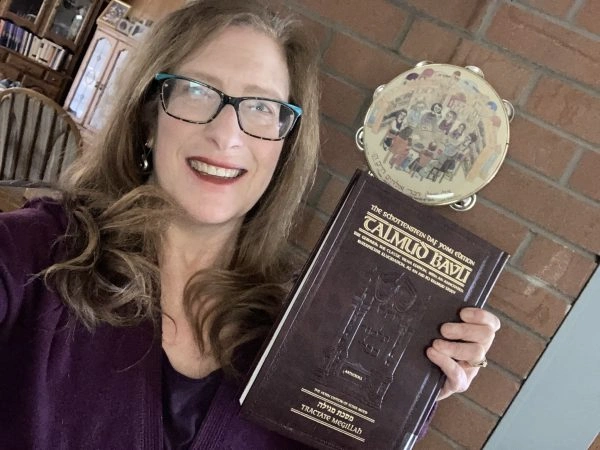
I started to listen to Michelle’s podcasts four years ago. The minute I started I was hooked. I’m so excited to learn the entire Talmud, and think I will continue always. I chose the quote “while a woman is engaged in conversation she also holds the spindle”. (Megillah 14b). It reminds me of all of the amazing women I learn with every day who multi-task, think ahead and accomplish so much.

Julie Mendelsohn
Julie Mendelsohn

Zichron Yakov, Israel

A beautiful world of Talmudic sages now fill my daily life with discussion and debate.
bringing alive our traditions and texts that has brought new meaning to my life.
I am a מגילת אסתר reader for women . the words in the Mishna of מסכת megillah 17a
הקורא את המגילה למפרע לא יצא were powerful to me.
I hope to have the zchut to complete the cycle for my 70th birthday.

Sheila Hauser
Sheila Hauser

Jerusalem, Israel

I was exposed to Talmud in high school, but I was truly inspired after my daughter and I decided to attend the Women’s Siyum Shas in 2020. We knew that this was a historic moment. We were blown away, overcome with emotion at the euphoria of the revolution. Right then, I knew I would continue. My commitment deepened with the every-morning Virtual Beit Midrash on Zoom with R. Michelle.

Adina Hagege
Adina Hagege

Zichron Yaakov, Israel

When I began the previous cycle, I promised myself that if I stuck with it, I would reward myself with a trip to Israel. Little did I know that the trip would involve attending the first ever women’s siyum and being inspired by so many learners. I am now over 2 years into my second cycle and being part of this large, diverse, fascinating learning family has enhanced my learning exponentially.

Shira Krebs
Shira Krebs

Minnesota, United States

I started learning at the beginning of this Daf Yomi cycle because I heard a lot about the previous cycle coming to an end and thought it would be a good thing to start doing. My husband had already bought several of the Koren Talmud Bavli books and they were just sitting on the shelf, not being used, so here was an opportunity to start using them and find out exactly what was in them. Loving it!

Caroline Levison
Caroline Levison

Borehamwood, United Kingdom

About a year into learning more about Judaism on a path to potential conversion, I saw an article about the upcoming Siyum HaShas in January of 2020. My curiosity was piqued and I immediately started investigating what learning the Daf actually meant. Daily learning? Just what I wanted. Seven and a half years? I love a challenge! So I dove in head first and I’ve enjoyed every moment!!
Nickie Matthews
Nickie Matthews

Blacksburg, United States

I started Daf during the pandemic. I listened to a number of podcasts by various Rebbeim until one day, I discovered Rabbanit Farbers podcast. Subsequently I joined the Hadran family in Eruvin. Not the easiest place to begin, Rabbanit Farber made it all understandable and fun. The online live group has bonded together and have really become a supportive, encouraging family.

Leah Goldford
Leah Goldford

Edmonton, Alberta, Canada

Margo
I started my Talmud journey in 7th grade at Akiba Jewish Day School in Chicago. I started my Daf Yomi journey after hearing Erica Brown speak at the Hadran Siyum about marking the passage of time through Daf Yomi.

Carolyn
I started my Talmud journey post-college in NY with a few classes. I started my Daf Yomi journey after the Hadran Siyum, which inspired both my son and myself.

Carolyn Hochstadter and Margo Kossoff Shizgal

Merion Station,  USA

Beit Shemesh, Israel

Inspired by Hadran’s first Siyum ha Shas L’Nashim two years ago, I began daf yomi right after for the next cycle. As to this extraordinary journey together with Hadran..as TS Eliot wrote “We must not cease from exploration and the end of all our exploring will be to arrive where we began and to know the place for the first time.

Susan Handelman
Susan Handelman

Jerusalem, Israel

When I started studying Hebrew at Brown University’s Hillel, I had no idea that almost 38 years later, I’m doing Daf Yomi. My Shabbat haburah is led by Rabbanit Leah Sarna. The women are a hoot. I’m tracking the completion of each tractate by reading Ilana Kurshan’s memoir, If All the Seas Were Ink.

Hannah Lee
Hannah Lee

Pennsylvania, United States

After experiences over the years of asking to join gemara shiurim for men and either being refused by the maggid shiur or being the only women there, sometimes behind a mechitza, I found out about Hadran sometime during the tail end of Masechet Shabbat, I think. Life has been much better since then.

Madeline Cohen
Madeline Cohen

London, United Kingdom

I’ve been wanting to do Daf Yomi for years, but always wanted to start at the beginning and not in the middle of things. When the opportunity came in 2020, I decided: “this is now the time!” I’ve been posting my journey daily on social media, tracking my progress (#DafYomi); now it’s fully integrated into my daily routines. I’ve also inspired my partner to join, too!

Joséphine Altzman
Joséphine Altzman

Teaneck, United States

A beautiful world of Talmudic sages now fill my daily life with discussion and debate.
bringing alive our traditions and texts that has brought new meaning to my life.
I am a מגילת אסתר reader for women . the words in the Mishna of מסכת megillah 17a
הקורא את המגילה למפרע לא יצא were powerful to me.
I hope to have the zchut to complete the cycle for my 70th birthday.

Sheila Hauser
Sheila Hauser

Jerusalem, Israel

The start of my journey is not so exceptional. I was between jobs and wanted to be sure to get out every day (this was before corona). Well, I was hooked after about a month and from then on only looked for work-from-home jobs so I could continue learning the Daf. Daf has been a constant in my life, though hurricanes, death, illness/injury, weddings. My new friends are Rav, Shmuel, Ruth, Joanna.
Judi Felber
Judi Felber

Raanana, Israel

As Jewish educator and as a woman, I’m mindful that Talmud has been kept from women for many centuries. Now that we are privileged to learn, and learning is so accessible, it’s my intent to complete Daf Yomi. I am so excited to keep learning with my Hadran community.

Sue Parker Gerson
Sue Parker Gerson

Denver, United States

I started learning on January 5, 2020. When I complete the 7+ year cycle I will be 70 years old. I had been intimidated by those who said that I needed to study Talmud in a traditional way with a chevruta, but I decided the learning was more important to me than the method. Thankful for Daf Yomi for Women helping me catch up when I fall behind, and also being able to celebrate with each Siyum!

Pamela Elisheva
Pamela Elisheva

Bakersfield, United States

Bava Batra 4

אַהְדַּר לֵיהּ כְּלִילָא דְּיָילֵי, נַקְּרִינְהוּ לְעֵינֵיהּ. יוֹמָא חַד אֲתָא וִיתִיב קַמֵּיהּ, אֲמַר: חֲזִי מַר, הַאי עַבְדָּא בִּישָׁא מַאי קָא עָבֵיד! אֲמַר לֵיהּ: מַאי אֶעֱבֵיד לֵיהּ? אֲמַר לֵיהּ: נִלְטְיֵיהּ מָר! אֲמַר לֵיהּ: כְּתִיב ״גַּם בְּמַדָּעֲךָ, מֶלֶךְ אַל תְּקַלֵּל״. אֲמַר לֵיהּ: הַאי לָאו מֶלֶךְ הוּא! אֲמַר לֵיהּ: וְלִיהְוֵי עָשִׁיר בְּעָלְמָא, וּכְתִיב: ״וּבְחַדְרֵי מִשְׁכָּבְךָ אַל תְּקַלֵּל עָשִׁיר״; וְלֹא יְהֵא אֶלָּא נָשִׂיא, וּכְתִיב: ״וְנָשִׂיא בְעַמְּךָ לֹא תָאֹר״.

Herod placed a garland made of porcupine hide on Bava ben Buta’s head, which pricked his eyes out. One day Herod came and sat before him without identifying himself in order to test him. He, Herod, said: See, Master, what this evil slave Herod is doing. Bava ben Buta said to him: What should I do to him? Herod said to him: The Master should curse him. Bava ben Buta said to him: But it is written: “Do not curse the king, not even in your thoughts” (Ecclesiastes 10:20). Herod said to him: He is not a king, since he rules illegally. Bava ben Buta said to him: And even if he were merely a rich man I would not curse him, as it is written: “And do not curse a rich person in your bedchamber” (Ecclesiastes 10:20). And even were he only a leader I would not curse him, as it is written: “And you shall not curse a leader among your people” (Exodus 22:27).

אֲמַר לֵיהּ: בְּעוֹשֶׂה מַעֲשֵׂה עַמְּךָ, וְהַאי לָאו עוֹשֶׂה מַעֲשֵׂה עַמְּךָ! אֲמַר לֵיהּ: מִסְתְּפֵינָא מִינֵּיהּ. אֲמַר לֵיהּ: לֵיכָּא אִינִישׁ דְּאָזֵיל דְּלֵימָא לֵיהּ, דַּאֲנָא וְאַתְּ יָתֵיבְנָא. אֲמַר לֵיהּ, כְּתִיב: ״כִּי עוֹף הַשָּׁמַיִם יוֹלִיךְ אֶת הַקּוֹל וּבַעַל כְּנָפַיִם יַגֵּיד דָּבָר״.

Herod said to him: That halakha stated with regard to “a leader among your people,” that is, to a fit Jew who acts as a member of your people, i.e., in accordance with Torah law, and this one does not do the deeds of your people. Bava ben Buta said to him: Nevertheless, I am afraid of him. Herod said to him: There is nobody who will go and tell him, since you and I are sitting here alone. Bava ben Buta said to him: Nevertheless, it is written: “For a bird of the sky shall carry the sound, and that which has wings shall tell the matter” (Ecclesiastes 10:20).

אֲמַר לֵיהּ: אֲנָא הוּא, אִי הֲוַאי יָדַעְנָא דִּזְהִרִי רַבָּנַן כּוּלֵּי הַאי, לָא הֲוָה קָטֵילְנָא לְהוּ; הַשְׁתָּא מַאי תַּקַּנְתֵּיהּ דְּהָהוּא גַּבְרָא? אֲמַר לֵיהּ: הוּא כִּבָּה אוֹרוֹ שֶׁל עוֹלָם, דִּכְתִיב: ״כִּי נֵר מִצְוָה וְתוֹרָה אוֹר״, יֵלֵךְ וְיַעֲסוֹק בְּאוֹרוֹ שֶׁל עוֹלָם, דִּכְתִיב: ״וְנָהֲרוּ אֵלָיו כָּל הַגּוֹיִם״. אִיכָּא דְּאָמְרִי, הָכִי אֲמַר לֵיהּ: הוּא סִימֵּא עֵינוֹ שֶׁל עוֹלָם, דִּכְתִיב: ״וְהָיָה אִם מֵעֵינֵי הָעֵדָה״, יֵלֵךְ וְיִתְעַסֵּק בְּעֵינוֹ שֶׁל עוֹלָם, דִּכְתִיב: ״הִנְנִי מְחַלֵּל אֶת מִקְדָּשִׁי, גְּאוֹן עֻזְּכֶם מַחְמַד עֵינֵיכֶם״.

Herod said to him: I am he. Had I known that the Sages were so cautious I would not have killed them. Now, what is that man’s remedy, i.e., what can I do to repent for my sinful actions? Bava ben Buta said to him: He who extinguished the light of the world by killing the Torah Sages, as it is written: “For the mitzva is a lamp, and the Torah is light” (Proverbs 6:23), should go and occupy himself with the light of the world, the Temple, as it is written with regard to the Temple: “And all the nations shall flow [venaharu] unto it” (Isaiah 2:2), the word venaharu alluding to light [nehora]. There are those who say that this is what he said to him: He who blinded the eye of the world, as it is written in reference to the Sages: “And if it be committed through ignorance by the eyes of the congregation” (Numbers 15:24), should go and occupy himself with the eye of the world, the Temple, as it is written: “I will desecrate my Temple, the pride of your strength, the delight of your eyes” (Ezekiel 24:21).

אֲמַר לֵיהּ: מִסְתְּפֵינָא מִמַּלְכוּתָא. אֲמַר לֵיהּ: שַׁדַּר שְׁלִיחָא; וְלֵיזִיל שַׁתָּא, וְלִיעַכַּב שַׁתָּא, וְלֶהְדַּר שַׁתָּא; אַדְּהָכִי וְהָכִי סָתְרַיתְּ [לֵיהּ] וּבָנְיַית [לֵיהּ]. עֲבַד הָכִי. שְׁלַחוּ לֵיהּ: אִם לֹא סָתַרְתָּה – אַל תִּסְתּוֹר; וְאִם סָתַרְתָּה – אַל תִּבְנֵי; וְאִם סָתַרְתָּה וּבָנִיתָ – עַבְדֵי בִּישָׁא, בָּתַר דְּעָבְדִין מִתְמַלְכִין. אִם זַיְינָךְ עֲלָךְ, סִפְרָךְ כָּאן – לָא רֵכָא וְלָא בַּר רֵכָא, הוֹרְדוֹס [עַבְדָּא] קָלָנְיָא מִתְעֲבִיד.

Herod said to him: I am afraid of the Roman government, that they will not permit me to make changes in the Temple. Bava ben Buta said to him: Send a messenger who will travel there for a year, and remain there for another year, and take yet another year to return. In the meantime, you can demolish the Temple and rebuild it. He did so. Eventually, they sent a message to Herod from Rome: If you have not yet demolished it, do not demolish it; and if you have already demolished it, do not rebuild it; and if you have demolished it and already rebuilt it, you shall be counted among those who act wickedly, seeking counsel only after they have already acted. Even if you are armed and in command of a military force, your book, i.e., your genealogical record, is here. You are neither a king [reikha] nor the son of a king, but rather Herod the slave who has made himself a freeman [kelonya].

מַאי ״רֵכָא״? מַלְכוּתָא – דִּכְתִיב: ״אָנֹכִי הַיּוֹם רַךְ וּמָשׁוּחַ מֶלֶךְ״. וְאִי בָּעֵית אֵימָא, מֵהָכָא: ״וַיִּקְרְאוּ לְפָנָיו אַבְרֵךְ״.

The Gemara explains: What is the meaning of the word reikha? It denotes royalty, as it is written: “I am today a tender [rakh] and anointed king” (II Samuel 3:39). And if you wish, say that the meaning of the word is learned from here, from the term describing Joseph after he was appointed viceroy to the king: “And they cried before him, Avrekh (Genesis 41:43).

אָמְרִי: מִי שֶׁלֹּא רָאָה בִּנְיַן הוֹרְדוֹס, לֹא רָאָה בִּנְיָן נָאֶה [מִיָּמָיו]. בְּמַאי בַּנְיֵיהּ? אָמַר רַבָּה: בְּאַבְנֵי שִׁישָׁא וּמַרְמְרָא. אִיכָּא דְּאָמְרִי: בְּאַבְנֵי כּוּחְלָא, שִׁישָׁא וּמַרְמְרָא. אַפֵּיק שָׂפָה וְעַיֵּיל שָׂפָה, כִּי הֵיכִי דִּנְקַבֵּיל סִידָא. סְבַר לְמִשְׁעֲיֵיהּ בְּדַהֲבָא, אֲמַרוּ לֵיהּ רַבָּנַן: שִׁבְקֵיהּ, דְּהָכִי שַׁפִּיר טְפֵי, דְּמִיחְזֵי כִּי אִידְווֹתָא דְיַמָּא.

The Sages say: One who has not seen Herod’s building has never seen a beautiful building in his life. The Gemara asks: With what did he build it? Rabba said: With stones of white and green marble [umarmara]. There are those who say that he built it with stones of blue, white, and green marble. Alternate rows of stones sent out an edge a bit and drew in an edge a bit, so that they would better receive and hold the plaster. He considered covering it with gold, but the Rabbis said to him: Leave it, and do not cover it, since it is more beautiful this way, as it looks like the waves of the sea.

וּבָבָא בַּר בּוּטָא הֵיכִי עֲבַד הָכִי? וְהָאָמַר רַב יְהוּדָה אָמַר רַב, וְאִיתֵּימָא רַבִּי יְהוֹשֻׁעַ בֶּן לֵוִי: מִפְּנֵי מָה נֶעֱנַשׁ דָּנִיֵּאל? מִפְּנֵי שֶׁהִשִּׂיא עֵצָה לִנְבוּכַדְנֶצַּר, שֶׁנֶּאֱמַר: ״לָהֵן מַלְכָּא, מִלְכִּי יִשְׁפַּר עֲלָךְ, וַחֲטָאָיךְ בְּצִדְקָה פְרֻק, וַעֲוָיָתָךְ בְּמִחַן עֲנָיִן, הֵן תֶּהֱוֵי אַרְכָא לִשְׁלֵוְתָךְ וְגוֹ׳״, וּכְתִיב: ״כֹּלָּא מְּטָא עַל נְבוּכַדְנֶצַּר מַלְכָּא״, וּכְתִיב: ״וְלִקְצָת יַרְחִין תְּרֵי עֲשַׂר וְגוֹ׳״!

The Gemara asks: And how did Bava ben Buta do this, i.e., give advice to Herod the wicked? But doesn’t Rav Yehuda say that Rav says, and some say it was Rabbi Yehoshua ben Levi who says: For what reason was Daniel punished? Because he offered advice to Nebuchadnezzar, as after sharing a harsh prophecy with him, it is stated: “Therefore, O king, let my counsel be acceptable to you, redeem your sins with charity and your iniquities with graciousness to the poor, that there may be a lengthening of your prosperity” (Daniel 4:24). And it is written: “All this came upon King Nebuchadnezzar (Daniel 4:25). And it is written: “And at the end of twelve months” (Daniel 4:26). Only after a year was the prophecy fulfilled but not before that, apparently because Nebuchadnezzar heeded Daniel’s advice.

אִיבָּעֵית אֵימָא: שָׁאנֵי עַבְדָּא, דְּאִיחַיַּיב בְּמִצְוֹת. וְאִיבָּעֵית אֵימָא: שָׁאנֵי בֵּית הַמִּקְדָּשׁ, דְּאִי לָא מַלְכוּת – לָא מִתְבְּנֵי.

The Gemara answers: If you wish, say that a slave like Herod is different since he is obligated in the mitzvot, and therefore Bava ben Buta had to help him repent. And if you wish, say the Temple is different, as without the help of the government it would not have been built.

וְדָנִיֵּאל – מְנָלַן דְּאִיעֲנַשׁ? אִילֵּימָא מִשּׁוּם דִּכְתִיב: ״וַתִּקְרָא אֶסְתֵּר לַהֲתָךְ״, וְאָמַר רַב: הֲתָךְ – זֶה דָּנִיאֵל; הָנִיחָא לְמַאן דְּאָמַר: ״שֶׁחֲתָכוּהוּ מִגְּדוּלָּתוֹ״, אֶלָּא לְמַאן דְּאָמַר: ״שֶׁכׇּל דִּבְרֵי מַלְכוּת נֶחְתָּכִין עַל פִּיו״, מַאי אִיכָּא לְמֵימַר? דְּשַׁדְיוּהוּ לְגוּבָּא דְאַרְיָיווֹתָא.

The Gemara asks: And from where do we derive that Daniel was punished? If we say we know this because it is written: “And Esther called for Hatach, one of the king’s chamberlains, whom he had appointed to attend upon her” (Esther 4:5), and Rav said: Hatach is Daniel. This works out well according to the one who says Daniel was called Hatach because they cut him down [ḥatakh] from his greatness and turned him into a minor attendant. But according to the one who says he was called Hatach because all governmental matters were determined [ḥatakh] according to his word, what is there to say? What punishment did he receive? The Gemara answers: His punishment was that they threw him into the den of lions.

הַכֹּל כְּמִנְהַג הַמְּדִינָה. ״הַכֹּל״ – לְאֵתוֹיֵי מַאי? לְאֵתוֹיֵי אַתְרָא דִּנְהִיגִי בְּהוּצָא וְדַפְנָא.

§ The mishna teaches: In a place where it is customary to build a wall of non-chiseled stone, or chiseled stone, or small bricks, or large bricks, they must build the partition with that material. Everything is in accordance with the regional custom. The Gemara asks: What does the word everything serve to add? The Gemara answers: It serves to add a place where it is customary to build a partition out of palm and laurel branches. In such a place, the partition is built from those materials.

לְפִיכָךְ, אִם נָפַל הַכּוֹתֶל – הַמָּקוֹם וְהָאֲבָנִים שֶׁל שְׁנֵיהֶם. פְּשִׁיטָא! לָא צְרִיכָא, דִּנְפַל לִרְשׁוּתָא דְּחַד מִינַּיְיהוּ, אִי נָמֵי דְּפַנִּינְהוּ חַד לִרְשׁוּתָא דִידֵיהּ; מַהוּ דְּתֵימָא: נִיהְוֵי אִידַּךְ ״הַמּוֹצִיא מֵחֲבֵירוֹ עָלָיו הָרְאָיָה״, קָא מַשְׁמַע לַן.

The mishna teaches: Therefore, if the wall later falls, the assumption is that the space where the wall stood and the stones belong to both of them, to be divided equally. The Gemara questions the need for this ruling: Isn’t it obvious that this is the case, since both neighbors participated in the construction of the wall? The Gemara answers: No, it is necessary to teach this halakha for a case where the entire wall fell into the domain of one of them. Alternatively, it is necessary in a case where one of them already cleared all the stones into his own domain. Lest you say that the other party should be governed by the principle that the burden of proof rests upon the claimant, that is, if the other party should have to prove that he had been a partner in the construction of the wall, the mishna teaches us that they are presumed to have been partners in the building of the wall, and neither requires further proof.

וְכֵן בְּגִינָּה, מְקוֹם שֶׁנָּהֲגוּ לִגְדּוֹר – מְחַיְּיבִין אוֹתוֹ. הָא גוּפָא קַשְׁיָא – אָמְרַתְּ: וְכֵן בְּגִינָּה, מְקוֹם שֶׁנָּהֲגוּ לִגְדּוֹר – מְחַיְּיבִין אוֹתוֹ; הָא סְתָמָא – אֵין מְחַיְּיבִין אוֹתוֹ;

§ The mishna continues: And similarly with regard to a garden, in a place where it is customary to build a partition in the middle of a garden jointly owned by two people, and one of them wishes to build such a partition, the court obligates his neighbor to join in building the partition. The Gemara comments: This matter itself is difficult. On the one hand, you said: And similarly with regard to a garden, in a place where it is customary to build a partition in the middle of a garden jointly owned by two people, and one of them wishes to build such a partition, the court obligates his neighbor to join in building the partition. One can infer that ordinarily, where there is no custom, the court does not obligate him to build a partition.

אֵימָא סֵיפָא: אֲבָל בִּקְעָה, מְקוֹם שֶׁנָּהֲגוּ שֶׁלֹּא לִגְדּוֹר – אֵין מְחַיְּיבִין אוֹתוֹ; הָא סְתָמָא – מְחַיְּיבִין אוֹתוֹ. הַשְׁתָּא סְתָם גִּינָּה – אָמְרַתְּ לָא, סְתָם בִּקְעָה מִיבַּעְיָא?!

But say the latter clause of the mishna: But with regard to an expanse of fields, in a place where it is customary not to build a partition between two people’s fields, and one person wishes to build a partition between his field and that of his neighbor, the court does not obligate his neighbor to build such a partition. One can infer that ordinarily, where there is no custom, the court obligates him to build a partition. The Gemara explains the difficulty: Now that you said by inference that in an ordinary garden the court does not obligate him to build a partition, is it necessary to say that the court does not obligate him to build a partition in an ordinary field? Clearly in a field there is less of a need for a partition, as there is less damage caused by exposure to the gaze of others.

אָמַר אַבָּיֵי, הָכִי קָאָמַר: וְכֵן סְתָם גִּינָּה, וּבִמְקוֹם שֶׁנָּהֲגוּ לִגְדּוֹר בְּבִקְעָה – מְחַיְּיבִין אוֹתוֹ. אֲמַר לֵיהּ רָבָא: אִם כֵּן, מַאי ״אֲבָל״? אֶלָּא אָמַר רָבָא, הָכִי קָתָנֵי: וְכֵן סְתָם גִּינָּה – כִּמְקוֹם שֶׁנָּהֲגוּ לִגְדּוֹר דָּמֵי, וּמְחַיְּיבִין אוֹתוֹ. אֲבָל סְתָם בִּקְעָה – כִּמְקוֹם שֶׁלֹּא נָהֲגוּ דָּמֵי, וְאֵין מְחַיְּיבִין אוֹתוֹ.

Abaye said that this is what the tanna is saying: And similarly with regard to an ordinary garden, and also in a place where it is customary to build a partition in an expanse of fields, the court obligates him to build a partition. Rava said to him: If so, what is the point of the word: But, mentioned afterward in connection with an expanse of fields, which seems to indicate that the issue of fields had not yet been addressed? Rather, Rava said that this is what the tanna is teaching: And similarly an ordinary garden is treated like a place where it is customary to build a partition, and therefore the court obligates him to build a partition. But an ordinary expanse of fields is treated like a place where it is customary not to build a partition, and therefore the court does not obligate him to build one.

אֶלָּא אִם רָצָה, כּוֹנֵס לְתוֹךְ שֶׁלּוֹ וּבוֹנֶה, וְעוֹשֶׂה חֲזִית. מַאי ״חֲזִית״? אָמַר רַב הוּנָא: אַכְפְּיֵהּ לֵיהּ לְקַרְנָא לְבַר. וְנַעֲבֵיד מִלְּגָיו! עָבֵיד חַבְרֵיהּ נָמֵי מִלְּבַר, וְאָמַר: דִּידִי וְדִידֵיהּ הוּא. אִי הָכִי, הַשְׁתָּא נָמֵי – גָּיֵיז לֵיהּ חַבְרֵיהּ, וַאֲמַר: דִּידִי וְדִידֵיהּ הוּא! גִּיזּוּזָא מִידָּע יְדִיעַ.

§ The mishna teaches: Rather, if one person wishes to erect a partition, he must withdraw into his own field and build the partition there. And he makes a border mark on the outer side of the barrier facing his neighbor’s property, indicating that he built the entire structure of his own materials and on his own land. The Gemara asks: What is the meaning of a border mark? Rav Huna said: He bends the edge of the wall toward the outside. The Gemara suggests: Let him make it on the inside. The Gemara explains: In that case, his neighbor might also make a mark on the outside, that is, on the side facing his own property, and say: The wall is both mine and his. The Gemara responds: If so, that is, there is a concern about such deception, now also when the person who builds the wall makes a border mark on the outer side of the wall, his neighbor might cut it off and say: The wall is both mine and his. The Gemara answers: Such a cut is noticeable and the deception will not work.

אִיכָּא דְּאָמְרִי, אָמַר רַב הוּנָא: מִיכְפָּא לְקַרְנָא מִלְּגָיו. וְנֶעְבַּד מִלְּבַר! גָּיֵיז לֵיהּ חַבְרֵיהּ, וְאָמַר: דִּידִי וְדִידֵיהּ הוּא. אִי הָכִי, הַשְׁתָּא נָמֵי לָיֵיף לֵיהּ חַבְרֵיהּ, וְאָמַר: דִּידִי וְדִידֵיהּ הוּא! לִיפּוּפָא מִידָּע יְדִיעַ. וְהָא ״מִבַּחוּץ״ קָתָנֵי! קַשְׁיָא.

There are those who say that in answer to the question: What is the meaning of a border mark, Rav Huna said: He bends the edge of the wall toward the inside. The Gemara suggests: Let him make it on the outside. The Gemara explains: In that case, his neighbor might cut it off and say: The wall is both mine and his. The Gemara asks: If so, that is, there is a concern for such deception, now also when the person who builds the wall makes a border mark toward the inside, his neighbor might add a border mark on his own side and say: The wall is both mine and his. The Gemara answers: An addition is noticeable and the deception will not work. The Gemara asks: But doesn’t the mishna teach that he makes the border mark on the outside and not on the inside? The Gemara comments: This is a difficulty.

רַבִּי יוֹחָנָן אָמַר:

Rabbi Yoḥanan said:

נִשְׁעֲיֵיהּ בְּאַמְּתָא מִלְּבַר. וְנֶיעֱבַד מִלְּגָיו! עָבֵיד חַבְרֵיהּ מִלְּבַר, וְאָמַר: דִּידִי וְדִידֵיהּ הוּא. אִי הָכִי, הַשְׁתָּא נָמֵי – דְּקָפֵיל לֵיהּ חַבְרֵיהּ, וְאָמַר: דִּידִי וְדִידֵיהּ הוּא! קִילּוּפָא מִידָּע יְדִיעַ.

The party who builds the wall should smear it with clay up to a cubit at the top of the wall on the outside. The Gemara suggests: Let him do this on the inside. The Gemara explains: In that case, his neighbor might also do it on the outside, that is, on the side facing his own property, and say: The wall is both mine and his. The Gemara responds: If so, that is, if there is a concern for such deception, now also when the person who builds the wall smears it with clay on the outside, his neighbor can peel it off and say: The wall is both mine and his. The Gemara explains: Peeling clay is noticeable and the deception will not succeed.

הוּצָא – אָמַר רַב נַחְמָן: סַינּוֹפֵי יְרֵיכֵי מִלְּבַר. וְנֶיעְבַּד מִלְּגָיו! עָבֵיד נָמֵי חַבְרֵיהּ מִלְּבַר, וְאָמַר: דִּידִי וְדִידֵיהּ הוּא. אִי הָכִי, הַשְׁתָּא נָמֵי – גָּיֵיז וְשָׁדֵי לֵיהּ, וְאָמַר: דִּידִי וְדִידֵיהּ הוּא! מַשְׁרֵיק לֵיהּ טִינָא. הַשְׁתָּא נָמֵי – אָתֵי חַבְרֵיהּ וְקָלֵיף לֵיהּ! קִילּוּפָא מִידָּע יְדִיעַ.

The Gemara asks: If he builds a partition of palm branches, how does he make a border mark? Rav Naḥman said: He directs the tips of the branches to the outside. The Gemara suggests: Let him do this to the inside. The Gemara states: If he so directs the branches, his neighbor might also do the same to the outside, that is, to the side facing his own property, and say: The partition is both mine and his. The Gemara objects: If so, that is, if there is concern for such deception, now also when the one who builds the partition directs the tips of the branches to the outside, the neighbor can cut off the tips and throw them away, and say: The partition is both mine and his. The Gemara counsels: He should smear the tips of the palm branches with clay. The Gemara comments: Now also, the neighbor might come and peel the clay off. The Gemara answers: Peeling is noticeable.

אַבָּיֵי אָמַר: הוּצָא לֵית לֵיהּ תַּקַּנְתָּא אֶלָּא בִּשְׁטָרָא.

Abaye said: One who builds a partition of palm branches has no remedy to prove who erected it, except with a written document. The neighbor should draw up a document stating that he has no claim to the space or to the partition, because they belong exclusively to the other neighbor.

אֲבָל אִם עָשׂוּ מִדַּעַת שְׁנֵיהֶם. אֲמַר לֵיהּ רָבָא מִפַּרְזִיקָא לְרַב אָשֵׁי: לָא יַעֲשׂוּ לֹא זֶה וְלֹא זֶה! אֲמַר לֵיהּ: לָא צְרִיכָא, דִּקְדֵים חַד מִנַּיְיהוּ וַעֲבַד דִּידֵיהּ, וְאִי לָא עָבֵיד חַבְרֵיהּ – אָמַר: דִּידֵיהּ הוּא.

§ The mishna teaches: Nevertheless, in a place where it is not customary to build a partition between two people’s fields, if they made such a partition with the agreement of the two of them, they build it in the middle, i.e., on the property line, and make a border mark on the one side and on the other side. Therefore, if the wall later falls, the assumption is that the space where the wall stood and the stones belong to both of them, to be divided equally. Rava from Parzika said to Rav Ashi: Neither this one nor that one should make a border mark. Rav Ashi said to him: No, this ruling is necessary in a case where one of them went ahead and made a border mark for himself, so that if his neighbor does not make one as well, the first one will say that it is entirely his.

וְתַנָּא – תַּקַּנְתָּא לְרַמַּאי קָא מַשְׁמַע לַן?! אֲמַר לֵיהּ: וְרֵישָׁא – לָאו תַּקַּנְתָּא לְרַמַּאי הוּא?!

Rava from Parzika asked him: And is the tanna of the mishna teaching us a remedy to be used against a swindler? Rav Ashi said to him: But isn’t the former clause of the mishna’s ruling also a remedy to be used against a swindler? That clause teaches that one who builds a wall should make a border mark to indicate that the wall is his.

אֲמַר לֵיהּ: בִּשְׁלָמָא רֵישָׁא – תְּנָא דִּינָא, וּמִשּׁוּם דִּינָא תְּנָא תַּקַּנְתָּא; אֶלָּא סֵיפָא, דִּינָא קָתָנֵי – דְּקָתָנֵי תַּקַּנְתָּא?! אָמַר רָבִינָא: הָכָא בְּהוּצֵי עָסְקִינַן, לְאַפּוֹקֵי מִדְּאַבַּיֵּי – דְּאָמַר: הוּצָא לֵית לֵיהּ תַּקַּנְתָּא אֶלָּא בִּשְׁטָרָא; קָא מַשְׁמַע לַן דְּבַחֲזִית סַגִּיא.

Rava from Parzika said to him: Granted, in the former clause the tanna taught the halakha that if one wishes to build a partition between his own field and that of his neighbor, he does so at his own expense and on his own land, and due to the need to teach that halakha he also taught a remedy to be used against a swindler. But does he teach a halakha in the latter clause, so that he also teaches a remedy to be used against a swindler? Ravina said: Here, in the latter clause, we are dealing with a barrier made of palm branches. This is to the exclusion of the opinion of Abaye, who said: One who builds a partition of palm branches has no remedy to prove who erected it, except with a written document. He teaches us that a border mark suffices.

מַתְנִי׳ הַמַּקִּיף אֶת חֲבֵירוֹ מִשָּׁלֹשׁ רוּחוֹתָיו, וְגָדַר אֶת הָרִאשׁוֹנָה וְאֶת הַשְּׁנִיָּה וְאֶת הַשְּׁלִישִׁית – אֵין מְחַיְּיבִין אוֹתוֹ. רַבִּי יוֹסֵי אוֹמֵר: אִם עָמַד וְגָדַר אֶת הָרְבִיעִית – מְגַלְגְּלִין עָלָיו אֶת הַכֹּל.

MISHNA: With regard to one who surrounds another on three sides, that is, he owns parcels of land on three sides of the other person’s field, and he built a partition on the first, the second, and the third sides, the court does not obligate the neighbor who owns the inner field to contribute to the construction of the partition if he does not wish to do so. Rabbi Yosei says: If he arose and built a partition on the fourth side of the field, the court imposes upon the owner of the inner field the responsibility to pay his share for all of the partitions.

גְּמָ׳ אָמַר רַב יְהוּדָה אָמַר שְׁמוּאֵל: הֲלָכָה כְּרַבִּי יוֹסֵי, דְּאָמַר: אִם עָמַד וְגָדַר אֶת הָרְבִיעִית – מְגַלְגְּלִין עָלָיו אֶת הַכֹּל. לָא שְׁנָא עָמַד נִיקָּף, לָא שְׁנָא עָמַד מַקִּיף.

GEMARA: Rav Yehuda says that Shmuel says: The halakha is in accordance with the opinion of Rabbi Yosei, who says that if he arose and built a partition on the fourth side of the field, the court imposes upon the owner of the inner field the responsibility to pay his share for all of the partitions. The Gemara comments: It is no different if it was the owner of the surrounded field who arose and built a partition on the fourth side, and it is no different if it was the owner of the surrounding field who arose and built a partition on the fourth side. The halakha is the same in both cases.

אִיתְּמַר, רַב הוּנָא אָמַר: הַכֹּל לְפִי מַה שֶּׁגָּדַר. חִיָּיא בַּר רַב אָמַר: הַכֹּל לְפִי דְּמֵי קָנִים בְּזוֹל.

It was stated that the amora’im disagreed with regard to the following point. Rav Huna says that when Rabbi Yosei said the court obligates the owner of the inner field to pay his share for all of the partitions, he pays in accordance with what the other person actually spent when he built the partitions. That is, the owner of the inner field must contribute his share according to the cost of the partition his neighbor built. Ḥiyya bar Rav says: He must pay his share for all of the partitions in accordance with a reduced assessment of the price of reeds, and no more. The owner of the surrounded field can claim he had no desire for a more substantial partition.

תְּנַן: הַמַּקִּיף אֶת חֲבֵירוֹ מִשָּׁלֹשׁ רוּחוֹתָיו, וְגָדַר אֶת הָרִאשׁוֹנָה וְאֶת הַשְּׁנִיָּה וְאֶת הַשְּׁלִישִׁית – אֵין מְחַיְּיבִין אוֹתוֹ. הָא רְבִיעִית – מְחַיְּיבִין אוֹתוֹ; אֵימָא סֵיפָא, רַבִּי יוֹסֵי אוֹמֵר: אִם עָמַד וְגָדַר אֶת הָרְבִיעִית – מְגַלְגְּלִין עָלָיו אֶת הַכֹּל.

The Gemara attempts to bring a proof from what we learned in the mishna: With regard to one who surrounds another on three sides, that is, he owns parcels of land on three sides of the other person’s field, and he built a partition on the first, the second, and the third sides, the court does not obligate the neighbor who owns the inner field to contribute to the construction of the partition. By inference, if he also built a partition on the fourth side of the field, the court does obligate the owner of the inner field to contribute to the building of the partition. The Gemara continues with its proof: Say the latter clause of the mishna: Rabbi Yosei says: If he arose and built a partition on the fourth side of the field, the court imposes upon the owner of the inner field the responsibility to pay his share for all of the partitions. The first tanna and Rabbi Yosei seem to be stating the same ruling.

בִּשְׁלָמָא לְרַב הוּנָא, דְּאָמַר: הַכֹּל לְפִי מַה שֶּׁגָּדַר בָּהּ, הַיְינוּ דְּאִיכָּא בֵּין תַּנָּא קַמָּא וְרַבִּי יוֹסֵי – תַּנָּא קַמָּא סָבַר: הַכֹּל לְפִי דְּמֵי קָנִים בְּזוֹל – אִין, וּמַה שֶּׁגָּדַר – לָא; וְרַבִּי יוֹסֵי סָבַר: הַכֹּל לְפִי מַה שֶּׁגָּדַר.

Granted, according to Rav Huna, who says that the owner of the inner field pays for all of the partitions in accordance with what the other person actually spent when he built the partitions, this is the difference between the first tanna and Rabbi Yosei: The first tanna maintains that yes, he pays his share for all of the partitions in accordance with a reduced assessment of the price of reeds, but not a larger sum in accordance with what the other person actually spent when he built the partitions. And Rabbi Yosei maintains that he pays his share for all of the partitions in accordance with what the other person actually spent when he built the partitions.

אֶלָּא לְחִיָּיא בַּר רַב, דְּאָמַר: הַכֹּל לְפִי דְּמֵי קָנִים בְּזוֹל, מַאי אִיכָּא בֵּין תַּנָּא קַמָּא לְרַבִּי יוֹסֵי? אִי דְּמֵי קָנִים בְּזוֹל לָא קָיָהֵיב לֵיהּ, מַאי קָיָהֵיב לֵיהּ?

But according to Ḥiyya bar Rav, who says he pays his share for all of the partitions in accordance with the value of a partition fashioned from inexpensive reeds, what difference is there between the first tanna and Rabbi Yosei? If according to the first tanna he does not give him his share for all of the partitions in accordance with a reduced assessment of the price of reeds, what does he give him?

אִי בָּעֵית אֵימָא: אֲגַר נְטִירָא אִיכָּא בֵּינַיְיהוּ – תַּנָּא קַמָּא סָבַר: אֲגַר נְטִירָא – אִין, דְּמֵי קָנִים בְּזוֹל – לָא; וְרַבִּי יוֹסֵי סָבַר: דְּמֵי קָנִים בְּזוֹל.

The Gemara answers: If you wish, say there is a practical difference between them with regard to the wage of a watchman. The first tanna maintains that yes, since his field is safeguarded by the partition which surrounds it, the one who built the partition can demand payment of the wage of a watchman. He cannot, however, demand the cost of building the partition, not even the other’s share for all of the partitions in accordance with a reduced assessment of the price of reeds. And Rabbi Yosei maintains that he can demand the other’s share for all of the partitions in accordance with a reduced assessment of the price of reeds.

וְאִי בָּעֵית אֵימָא: רִאשׁוֹנָה שְׁנִיָּה וּשְׁלִישִׁית אִיכָּא בֵּינַיְיהוּ – תַּנָּא קַמָּא סָבַר: רְבִיעִית הוּא דְּיָהֵיב לֵיהּ, אֲבָל רִאשׁוֹנָה שְׁנִיָּה וּשְׁלִישִׁית – לָא יָהֵיב לֵיהּ; וְרַבִּי יוֹסֵי סָבַר: רִאשׁוֹנָה שְׁנִיָּיה וּשְׁלִישִׁית נָמֵי יָהֵיב לֵיהּ.

And if you wish, say there is a practical difference between them with regard to the partitions built on the first, second, and third sides of the inner field. The first tanna maintains that the owner of the inner field must give to his neighbor money for the partition built on the fourth side, but he is not required to give him money for the partitions built on the first, second, and third sides. And Rabbi Yosei maintains that he must also give him money for the partitions built on the first, the second, and the third sides.

אִיבָּעֵית אֵימָא: מַקִּיף וְנִיקָּף אִיכָּא בֵּינַיְיהוּ – דְּתַנָּא קַמָּא סוֹבֵר: טַעְמָא דְּעָמַד נִיקָּף דִּמְגַלְגְּלִין עָלָיו אֶת הַכֹּל, אֲבָל עָמַד מַקִּיף – אֵינוֹ נוֹתֵן לוֹ אֶלָּא דְּמֵי רְבִיעִית.

The Gemara suggests another difference between the two opinions: If you wish, say there is a practical difference between them with regard to the issue of whether the partition on the fourth side was built by the owner of the surrounding field or by the owner of the surrounded field. This is because the first tanna maintains that the reason the owner of the surrounded field must contribute his share of the entire expense is that he arose and built a partition on the fourth side of his field. Therefore, the court imposes upon him the responsibility to pay his share for all of the partitions, because his actions demonstrate that he wants the partition between their fields. But if the owner of the surrounding field arose and built a partition on the fourth side of the field, the owner of the surrounded field must give him only his share of the value of the partition of the fourth side.

וְרַבִּי יוֹסֵי סָבַר: לָא שְׁנָא נִיקָּף וְלָא שְׁנָא מַקִּיף, אִם עָמַד וְגָדַר – מְגַלְגְּלִין עָלָיו אֶת הַכֹּל.

And Rabbi Yosei maintains that it is no different if it was the owner of the surrounded field who arose and built a partition on the fourth side, and it is no different if it was the owner of the surrounding field who arose and built a partition on the fourth side. If either one arose and built a partition on the fourth side, the court imposes upon the owner of the inner field the obligation to pay his share for all of the partitions.

לִישָּׁנָא אַחֲרִינָא: מַקִּיף וְנִיקָּף אִיכָּא בֵּינַיְיהוּ – תַּנָּא קַמָּא סָבַר: אִם גָּדַר מַקִּיף אֶת הָרְבִיעִית – נָמֵי יָהֵיב לֵיהּ; וְרַבִּי יוֹסֵי סָבַר: אִם עָמַד נִיקָּף וְגָדַר אֶת הָרְבִיעִית – הוּא דְּיָהֵיב לֵיהּ, דְּגַלִּי דַּעְתֵּיהּ דְּנִיחָא לֵיהּ; אֲבָל אִם גָּדַר מַקִּיף – לָא יָהֵיב לֵיהּ מִידֵּי.

The Gemara reports another version of this last answer: There is a practical difference between them with regard to the issue of whether the partition on the fourth side was built by the owner of the surrounding field or by the owner of the surrounded field. The first tanna maintains that even if the owner of the surrounding field built a partition on the fourth side, the owner of the surrounded field also gives him his share of the cost of the partitions. And Rabbi Yosei maintains that only if the owner of the surrounded field arose and built a partition on the fourth side does he give the owner of the surrounding field his share of the cost of the partitions. Why is that? Because he reveals that he is pleased with the partitions. But if the owner of the surrounding field built a partition on the fourth side, the owner of the surrounded field does not give him anything, as he can continue to claim that he has no interest in the partitions.

Want to follow content and continue where you left off?

Create an account today to track your progress, mark what you’ve learned, and follow the shiurim that speak to you.

Clear all items from this list?

This will remove ALL the items in this section. You will lose any progress or history connected to them. This is irreversible.

Cancel
Yes, clear all

Are you sure you want to delete this item?

You will lose any progress or history connected to this item.

Cancel
Yes, delete