








Horayot 14a
לֹא הָיָה קָרֵב. אָמַר לוֹ: מִי הֵם הַלָּלוּ שֶׁמֵּימֵיהֶם אָנוּ שׁוֹתִים וּשְׁמוֹתָם אֵין אָנוּ מַזְכִּירִים? אֲמַר לֵיהּ: בְּנֵי אָדָם שֶׁבִּקְּשׁוּ לַעֲקוֹר כְּבוֹדְךָ וּכְבוֹד בֵּית אָבִיךָ.
it would not be sacrificed. Rabbi Yehuda HaNasi’s son said to him: Who are these Sages whose water we drink but whose names we do not mention? Rabbi Yehuda HaNasi said to him: They are people who sought to abolish your honor and the honor of your father’s house.
אֲמַר לֵיהּ: ״גַּם אַהֲבָתָם גַּם שִׂנְאָתָם גַּם קִנְאָתָם כְּבָר אָבָדָה״! אֲמַר לֵיהּ: ״הָאוֹיֵב תַּמּוּ חֳרָבוֹת לָנֶצַח״. אֲמַר לֵיהּ: הָנֵי מִלֵּי הֵיכָא דְּאַהֲנוֹ מַעֲשַׂיְיהוּ, רַבָּנַן לָא אַהֲנוֹ מַעֲשַׂיְיהוּ! הֲדַר אַתְנִי לֵיהּ, אָמְרוּ מִשּׁוּם רַבִּי מֵאִיר: אִילּוּ הָיָה תְּמוּרָה לֹא הָיָה קָרֵב. אָמַר רָבָא: אֲפִילּוּ רַבִּי דְּעִנְוְותָנָא הוּא (תְּנָא), ״אָמְרוּ מִשּׁוּם רַבִּי מֵאִיר״. ״אָמַר רַבִּי מֵאִיר״ לָא אָמַר.
His son said to him, citing the verse: “Their love as well as their hatred and their envy is long ago perished” (Ecclesiastes 9:6): That was long ago and they have already died. Therefore, there is no harm in mentioning their names. Rabbi Yehuda HaNasi said to him: But it is also stated: “The enemy are come to an end; the wasted places are forever” (Psalms 9:7). Although the enemies died, the desolation that they created remains. Therefore, although they are dead, their names should not be mentioned. Rabban Shimon said to his father: These matters apply in a case where their actions were effective. In the case of these Sages, their actions were not effective. Rabbi Yehuda HaNasi then taught him: The Sages said in the name of Rabbi Meir: If it was considered a substitute, it would not be sacrificed. Rava said: Even Rabbi Yehuda HaNasi, who is humble, taught: The Sages said in the name of Rabbi Meir. But he did not say directly: Rabbi Meir said.
אָמַר רַבִּי יוֹחָנָן: פְּלִיגוּ בַּהּ רַבָּן שִׁמְעוֹן בֶּן גַּמְלִיאֵל וְרַבָּנַן, חַד אָמַר: סִינַי עֲדִיף, וְחַד אָמַר: עוֹקֵר הָרִים עֲדִיף.
§ Rabbi Yoḥanan said: Rabban Shimon ben Gamliel and the Rabbis disagreed with regard to this matter. One said: Sinai, i.e., one who is extremely knowledgeable, is preferable; and one said: One who uproots mountains, i.e., one who is extremely incisive, is preferable.
רַב יוֹסֵף סִינַי, רַבָּה עוֹקֵר הָרִים. שְׁלַחוּ לְתַמָּן: אֵיזֶה מֵהֶם קוֹדֵם? שְׁלַחוּ לְהוּ: סִינַי עֲדִיף, דְּאָמַר מָר: הַכֹּל צְרִיכִין לְמָרֵי חִטַּיָּא, וַאֲפִילּוּ הָכִי לָא קַבֵּיל רַב יוֹסֵף עֲלֵיהּ. מְלַךְ רַבָּה עֶשְׂרִין וְתַרְתֵּי שְׁנִין, וַהֲדַר מְלַךְ רַב יוֹסֵף. וְכֹל שְׁנֵי דִּמְלַךְ רַבָּה, רַב יוֹסֵף אֲפִילּוּ אוּמָּנָא לְבֵיתֵיהּ לָא (חֲלֵיף).
The Gemara relates that this is not merely a theoretical dispute; rather, at one point it had practical ramifications. Rav Yosef was Sinai; Rabba was one who uproots mountains. They sent a message from Babylonia to there, Eretz Yisrael: Which takes precedence? They sent in response: Sinai is preferable, as the Master said: Everyone requires the owner of the wheat, i.e., one who is expert in the sources. And even so, Rav Yosef did not accept upon himself the appointment of head of the yeshiva. Rabba reigned for twenty-two years, and then Rav Yosef reigned. The Gemara relates that in all those years that Rabba presided, Rav Yosef did not even call a bloodletter to his home. Rav Yosef did not assume even the slightest air of authority, in deference to Rabba, and would go to seek out the bloodletter rather than expecting that the bloodletter would accommodate him.
אַבָּיֵי וְרָבָא וְרַבִּי זֵירָא וְרַבָּה בַּר מַתְנָה הֲווֹ יָתְבִי וַהֲווֹ צְרִיכִי רֵישָׁא, אָמְרִי: כֹּל דְּאָמַר מִלְּתָא וְלָא מִפְּרִיךְ, לֶהֱוֵי רֵישָׁא. דְּכוּלְּהוּ אִיפְּרִיךְ, דְּאַבָּיֵי לָא אִיפְּרִיךְ. חַזְיֵיהּ רַבָּה לְאַבָּיֵי דִּגְבַהּ רֵישֵׁאּ, אֲמַר לֵיהּ: נַחְמָנִי, פְּתַח וְאֵימָא.
The Gemara relates: Abaye, Rava, Rabbi Zeira, and Rabba bar Mattana were sitting and studying in a group and were in need of a head for their group. They said: Let anyone who will say a matter that is not refuted be the head. Everyone’s statements were refuted, and the statement of Abaye was not refuted. Rabba saw that Abaye raised his head, i.e., he noticed that his statement was not refuted. Rabba said to him: Naḥmani, calling Abaye by his name rather than by his nickname, begin and say your lecture.
אִיבַּעְיָא לְהוּ: רַבִּי זֵירָא וְרַבָּה בַּר רַב מַתְנָה הֵי מִנַּיְיהוּ עֲדִיף? רַבִּי זֵירָא חָרִיף וּמַקְשֶׁה, וְרַבָּה בַּר רַב מַתְנָה מָתוּן וּמַסֵּיק, מַאי? תֵּיקוּ.
A dilemma was raised before the Sages: Between Rabbi Zeira and Rabba bar Rav Mattana, which of them is preferable? Rabbi Zeira is incisive and raises pertinent difficulties, and Rabba bar Rav Mattana is moderate and not so incisive, but ultimately he draws the appropriate conclusions. What is the conclusion? Which is preferable? The Gemara concludes: The dilemma shall stand unresolved.
הֲדַרַן עֲלָךְ כֹּהֵן מָשִׁיחַ, וּסְלִיקָא לַהּ מַסֶּכֶת הוֹרָיוֹת.

New to Talmud?
Check out our resources designed to help you navigate a page of Talmud – and study at the pace, level and style that fits you.
The Hadran Women’s Tapestry
Meet the diverse women learning Gemara at Hadran and hear their stories.
I have joined the community of daf yomi learners at the start of this cycle. I have studied in different ways – by reading the page, translating the page, attending a local shiur and listening to Rabbanit Farber’s podcasts, depending on circumstances and where I was at the time. The reactions have been positive throughout – with no exception!
Guildford, United Kingdom
Phoenix, Arizona, United States
See video
Raanana, Israel
It happened without intent (so am I yotzei?!) – I watched the women’s siyum live and was so moved by it that the next morning, I tuned in to Rabbanit Michelle’s shiur, and here I am, still learning every day, over 2 years later. Some days it all goes over my head, but others I grasp onto an idea or a story, and I ‘get it’ and that’s the best feeling in the world. So proud to be a Hadran learner.
Zichron Yaakov, Israel
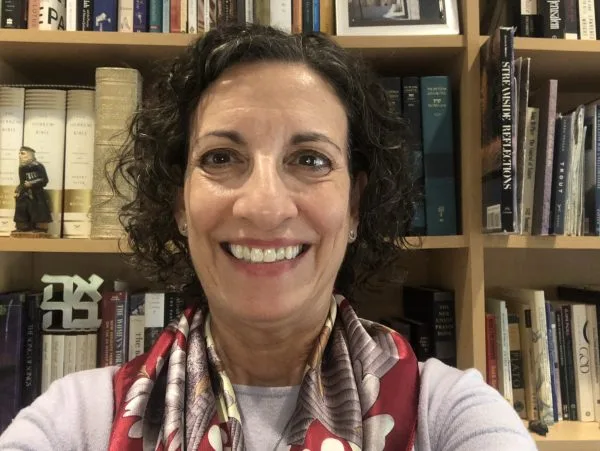
I started learning at the beginning of this cycle more than 2 years ago, and I have not missed a day or a daf. It’s been challenging and enlightening and even mind-numbing at times, but the learning and the shared experience have all been worth it. If you are open to it, there’s no telling what might come into your life.
Phoenix, Arizona, United States

Ontario, Canada
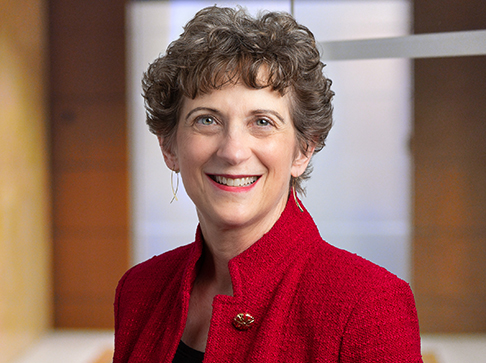
I had no formal learning in Talmud until I began my studies in the Joint Program where in 1976 I was one of the few, if not the only, woman talmud major. It was superior training for law school and enabled me to approach my legal studies with a foundation . In 2018, I began daf yomi listening to Rabbanit MIchelle’s pod cast and my daily talmud studies are one of the highlights of my life.
Minneapolis, United States
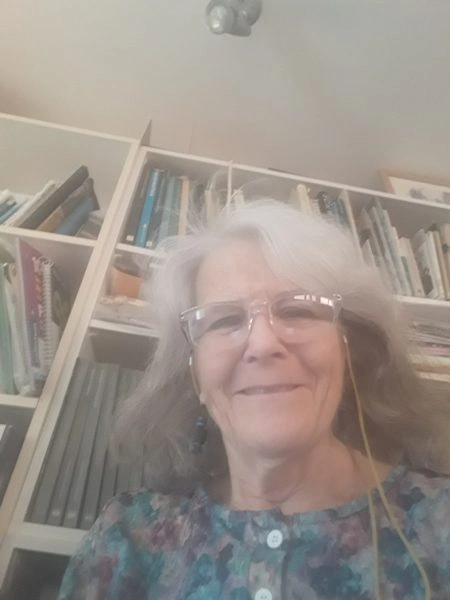
תמיד רציתי. למדתי גמרא בבית ספר בטורונטו קנדה. עליתי ארצה ולמדתי שזה לא מקובל. הופתעתי.
יצאתי לגימלאות לפני שנתיים וזה מאפשר את המחוייבות לדף יומי.
עבורי ההתמדה בלימוד מעגן אותי בקשר שלי ליהדות. אני תמיד מחפשת ותמיד. מוצאת מקור לקשר. ללימוד חדש ומחדש. קשר עם נשים לומדות מעמיק את החוויה ומשמעותית מאוד.
מיתר, ישראל
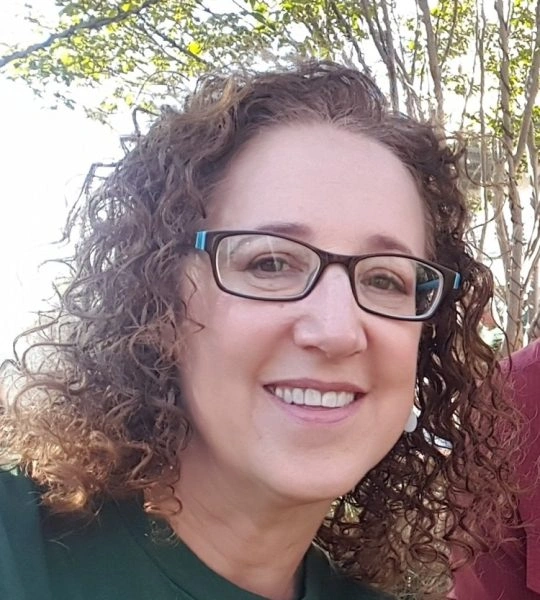
I started learning Jan 2020 when I heard the new cycle was starting. I had tried during the last cycle and didn’t make it past a few weeks. Learning online from old men didn’t speak to my soul and I knew Talmud had to be a soul journey for me. Enter Hadran! Talmud from Rabbanit Michelle Farber from a woman’s perspective, a mother’s perspective and a modern perspective. Motivated to continue!
Brentwood, California, United States

Oceanside NY, United States
Shortly after the death of my father, David Malik z”l, I made the commitment to Daf Yomi. While riding to Ben Gurion airport in January, Siyum HaShas was playing on the radio; that was the nudge I needed to get started. The “everyday-ness” of the Daf has been a meaningful spiritual practice, especial after COVID began & I was temporarily unable to say Kaddish at daily in-person minyanim.
Wynnewood, United States
With Rabbanit Dr. Naomi Cohen in the Women’s Talmud class, over 30 years ago. It was a “known” class and it was accepted, because of who taught. Since then I have also studied with Avigail Gross-Gelman and Dr. Gabriel Hazut for about a year). Years ago, in a shiur in my shul, I did know about Persians doing 3 things with their clothes on. They opened the shiur to woman after that!
Haifa, Israel
I started learning daf yomi at the beginning of this cycle. As the pandemic evolved, it’s been so helpful to me to have this discipline every morning to listen to the daf podcast after I’ve read the daf; learning about the relationships between the rabbis and the ways they were constructing our Jewish religion after the destruction of the Temple. I’m grateful to be on this journey!
Teaneck NJ, United States
I started learning Daf in Jan 2020 with Brachot b/c I had never seen the Jewish people united around something so positive, and I wanted to be a part of it. Also, I wanted to broaden my background in Torah Shebal Peh- Maayanot gave me a great gemara education, but I knew that I could hold a conversation in most parts of tanach but almost no TSB. I’m so thankful for Daf and have gained immensely.

NJ, United States
The first month I learned Daf Yomi by myself in secret, because I wasn’t sure how my husband would react, but after the siyyum on Masechet Brachot I discovered Hadran and now sometimes my husband listens to the daf with me. He and I also learn mishnayot together and are constantly finding connections between the different masechtot.
Silver Spring, Maryland, United States
Ive been learning Gmara since 5th grade and always loved it. Have always wanted to do Daf Yomi and now with Michelle Farber’s online classes it made it much easier to do! Really enjoying the experience thank you!!
Neve Daniel, Israel
When the new cycle began, I thought, If not now, when? I’d just turned 72. I feel like a tourist on a tour bus passing astonishing scenery each day. Rabbanit Michelle is my beloved tour guide. When the cycle ends, I’ll be 80. I pray that I’ll have strength and mind to continue the journey to glimpse a little more. My grandchildren think having a daf-learning savta is cool!
Jerusalem, Israel
Michelle has been an inspiration for years, but I only really started this cycle after the moving and uplifting siyum in Jerusalem. It’s been an wonderful to learn and relearn the tenets of our religion and to understand how the extraordinary efforts of a band of people to preserve Judaism after the fall of the beit hamikdash is still bearing fruits today. I’m proud to be part of the chain!
Raanana, Israel
I started the daf at the beginning of this cycle in January 2020. My husband, my children, grandchildren and siblings have been very supportive. As someone who learned and taught Tanach and mefarshim for many years, it has been an amazing adventure to complete the six sedarim of Mishnah, and now to study Talmud on a daily basis along with Rabbanit Michelle and the wonderful women of Hadran.
Jerusalem, Israel
I began learning the daf in January 2022. I initially “flew under the radar,” sharing my journey with my husband and a few close friends. I was apprehensive – who, me? Gemara? Now, 2 years in, I feel changed. The rigor of a daily commitment frames my days. The intellectual engagement enhances my knowledge. And the virtual community of learners has become a new family, weaving a glorious tapestry.
Far Rockaway, United States
Horayot 14a
לֹא הָיָה קָרֵב. אָמַר לוֹ: מִי הֵם הַלָּלוּ שֶׁמֵּימֵיהֶם אָנוּ שׁוֹתִים וּשְׁמוֹתָם אֵין אָנוּ מַזְכִּירִים? אֲמַר לֵיהּ: בְּנֵי אָדָם שֶׁבִּקְּשׁוּ לַעֲקוֹר כְּבוֹדְךָ וּכְבוֹד בֵּית אָבִיךָ.
it would not be sacrificed. Rabbi Yehuda HaNasi’s son said to him: Who are these Sages whose water we drink but whose names we do not mention? Rabbi Yehuda HaNasi said to him: They are people who sought to abolish your honor and the honor of your father’s house.
אֲמַר לֵיהּ: ״גַּם אַהֲבָתָם גַּם שִׂנְאָתָם גַּם קִנְאָתָם כְּבָר אָבָדָה״! אֲמַר לֵיהּ: ״הָאוֹיֵב תַּמּוּ חֳרָבוֹת לָנֶצַח״. אֲמַר לֵיהּ: הָנֵי מִלֵּי הֵיכָא דְּאַהֲנוֹ מַעֲשַׂיְיהוּ, רַבָּנַן לָא אַהֲנוֹ מַעֲשַׂיְיהוּ! הֲדַר אַתְנִי לֵיהּ, אָמְרוּ מִשּׁוּם רַבִּי מֵאִיר: אִילּוּ הָיָה תְּמוּרָה לֹא הָיָה קָרֵב. אָמַר רָבָא: אֲפִילּוּ רַבִּי דְּעִנְוְותָנָא הוּא (תְּנָא), ״אָמְרוּ מִשּׁוּם רַבִּי מֵאִיר״. ״אָמַר רַבִּי מֵאִיר״ לָא אָמַר.
His son said to him, citing the verse: “Their love as well as their hatred and their envy is long ago perished” (Ecclesiastes 9:6): That was long ago and they have already died. Therefore, there is no harm in mentioning their names. Rabbi Yehuda HaNasi said to him: But it is also stated: “The enemy are come to an end; the wasted places are forever” (Psalms 9:7). Although the enemies died, the desolation that they created remains. Therefore, although they are dead, their names should not be mentioned. Rabban Shimon said to his father: These matters apply in a case where their actions were effective. In the case of these Sages, their actions were not effective. Rabbi Yehuda HaNasi then taught him: The Sages said in the name of Rabbi Meir: If it was considered a substitute, it would not be sacrificed. Rava said: Even Rabbi Yehuda HaNasi, who is humble, taught: The Sages said in the name of Rabbi Meir. But he did not say directly: Rabbi Meir said.
אָמַר רַבִּי יוֹחָנָן: פְּלִיגוּ בַּהּ רַבָּן שִׁמְעוֹן בֶּן גַּמְלִיאֵל וְרַבָּנַן, חַד אָמַר: סִינַי עֲדִיף, וְחַד אָמַר: עוֹקֵר הָרִים עֲדִיף.
§ Rabbi Yoḥanan said: Rabban Shimon ben Gamliel and the Rabbis disagreed with regard to this matter. One said: Sinai, i.e., one who is extremely knowledgeable, is preferable; and one said: One who uproots mountains, i.e., one who is extremely incisive, is preferable.
רַב יוֹסֵף סִינַי, רַבָּה עוֹקֵר הָרִים. שְׁלַחוּ לְתַמָּן: אֵיזֶה מֵהֶם קוֹדֵם? שְׁלַחוּ לְהוּ: סִינַי עֲדִיף, דְּאָמַר מָר: הַכֹּל צְרִיכִין לְמָרֵי חִטַּיָּא, וַאֲפִילּוּ הָכִי לָא קַבֵּיל רַב יוֹסֵף עֲלֵיהּ. מְלַךְ רַבָּה עֶשְׂרִין וְתַרְתֵּי שְׁנִין, וַהֲדַר מְלַךְ רַב יוֹסֵף. וְכֹל שְׁנֵי דִּמְלַךְ רַבָּה, רַב יוֹסֵף אֲפִילּוּ אוּמָּנָא לְבֵיתֵיהּ לָא (חֲלֵיף).
The Gemara relates that this is not merely a theoretical dispute; rather, at one point it had practical ramifications. Rav Yosef was Sinai; Rabba was one who uproots mountains. They sent a message from Babylonia to there, Eretz Yisrael: Which takes precedence? They sent in response: Sinai is preferable, as the Master said: Everyone requires the owner of the wheat, i.e., one who is expert in the sources. And even so, Rav Yosef did not accept upon himself the appointment of head of the yeshiva. Rabba reigned for twenty-two years, and then Rav Yosef reigned. The Gemara relates that in all those years that Rabba presided, Rav Yosef did not even call a bloodletter to his home. Rav Yosef did not assume even the slightest air of authority, in deference to Rabba, and would go to seek out the bloodletter rather than expecting that the bloodletter would accommodate him.
אַבָּיֵי וְרָבָא וְרַבִּי זֵירָא וְרַבָּה בַּר מַתְנָה הֲווֹ יָתְבִי וַהֲווֹ צְרִיכִי רֵישָׁא, אָמְרִי: כֹּל דְּאָמַר מִלְּתָא וְלָא מִפְּרִיךְ, לֶהֱוֵי רֵישָׁא. דְּכוּלְּהוּ אִיפְּרִיךְ, דְּאַבָּיֵי לָא אִיפְּרִיךְ. חַזְיֵיהּ רַבָּה לְאַבָּיֵי דִּגְבַהּ רֵישֵׁאּ, אֲמַר לֵיהּ: נַחְמָנִי, פְּתַח וְאֵימָא.
The Gemara relates: Abaye, Rava, Rabbi Zeira, and Rabba bar Mattana were sitting and studying in a group and were in need of a head for their group. They said: Let anyone who will say a matter that is not refuted be the head. Everyone’s statements were refuted, and the statement of Abaye was not refuted. Rabba saw that Abaye raised his head, i.e., he noticed that his statement was not refuted. Rabba said to him: Naḥmani, calling Abaye by his name rather than by his nickname, begin and say your lecture.
אִיבַּעְיָא לְהוּ: רַבִּי זֵירָא וְרַבָּה בַּר רַב מַתְנָה הֵי מִנַּיְיהוּ עֲדִיף? רַבִּי זֵירָא חָרִיף וּמַקְשֶׁה, וְרַבָּה בַּר רַב מַתְנָה מָתוּן וּמַסֵּיק, מַאי? תֵּיקוּ.
A dilemma was raised before the Sages: Between Rabbi Zeira and Rabba bar Rav Mattana, which of them is preferable? Rabbi Zeira is incisive and raises pertinent difficulties, and Rabba bar Rav Mattana is moderate and not so incisive, but ultimately he draws the appropriate conclusions. What is the conclusion? Which is preferable? The Gemara concludes: The dilemma shall stand unresolved.
הֲדַרַן עֲלָךְ כֹּהֵן מָשִׁיחַ, וּסְלִיקָא לַהּ מַסֶּכֶת הוֹרָיוֹת.

