








Horayot 14

Share this shiur:
Want to dedicate learning? Get started here:
Horayot 14
לֹא הָיָה קָרֵב. אָמַר לוֹ: מִי הֵם הַלָּלוּ שֶׁמֵּימֵיהֶם אָנוּ שׁוֹתִים וּשְׁמוֹתָם אֵין אָנוּ מַזְכִּירִים? אֲמַר לֵיהּ: בְּנֵי אָדָם שֶׁבִּקְּשׁוּ לַעֲקוֹר כְּבוֹדְךָ וּכְבוֹד בֵּית אָבִיךָ.
it would not be sacrificed. Rabbi Yehuda HaNasi’s son said to him: Who are these Sages whose water we drink but whose names we do not mention? Rabbi Yehuda HaNasi said to him: They are people who sought to abolish your honor and the honor of your father’s house.
אֲמַר לֵיהּ: ״גַּם אַהֲבָתָם גַּם שִׂנְאָתָם גַּם קִנְאָתָם כְּבָר אָבָדָה״! אֲמַר לֵיהּ: ״הָאוֹיֵב תַּמּוּ חֳרָבוֹת לָנֶצַח״. אֲמַר לֵיהּ: הָנֵי מִלֵּי הֵיכָא דְּאַהֲנוֹ מַעֲשַׂיְיהוּ, רַבָּנַן לָא אַהֲנוֹ מַעֲשַׂיְיהוּ! הֲדַר אַתְנִי לֵיהּ, אָמְרוּ מִשּׁוּם רַבִּי מֵאִיר: אִילּוּ הָיָה תְּמוּרָה לֹא הָיָה קָרֵב. אָמַר רָבָא: אֲפִילּוּ רַבִּי דְּעִנְוְותָנָא הוּא (תְּנָא), ״אָמְרוּ מִשּׁוּם רַבִּי מֵאִיר״. ״אָמַר רַבִּי מֵאִיר״ לָא אָמַר.
His son said to him, citing the verse: “Their love as well as their hatred and their envy is long ago perished” (Ecclesiastes 9:6): That was long ago and they have already died. Therefore, there is no harm in mentioning their names. Rabbi Yehuda HaNasi said to him: But it is also stated: “The enemy are come to an end; the wasted places are forever” (Psalms 9:7). Although the enemies died, the desolation that they created remains. Therefore, although they are dead, their names should not be mentioned. Rabban Shimon said to his father: These matters apply in a case where their actions were effective. In the case of these Sages, their actions were not effective. Rabbi Yehuda HaNasi then taught him: The Sages said in the name of Rabbi Meir: If it was considered a substitute, it would not be sacrificed. Rava said: Even Rabbi Yehuda HaNasi, who is humble, taught: The Sages said in the name of Rabbi Meir. But he did not say directly: Rabbi Meir said.
אָמַר רַבִּי יוֹחָנָן: פְּלִיגוּ בַּהּ רַבָּן שִׁמְעוֹן בֶּן גַּמְלִיאֵל וְרַבָּנַן, חַד אָמַר: סִינַי עֲדִיף, וְחַד אָמַר: עוֹקֵר הָרִים עֲדִיף.
§ Rabbi Yoḥanan said: Rabban Shimon ben Gamliel and the Rabbis disagreed with regard to this matter. One said: Sinai, i.e., one who is extremely knowledgeable, is preferable; and one said: One who uproots mountains, i.e., one who is extremely incisive, is preferable.
רַב יוֹסֵף סִינַי, רַבָּה עוֹקֵר הָרִים. שְׁלַחוּ לְתַמָּן: אֵיזֶה מֵהֶם קוֹדֵם? שְׁלַחוּ לְהוּ: סִינַי עֲדִיף, דְּאָמַר מָר: הַכֹּל צְרִיכִין לְמָרֵי חִטַּיָּא, וַאֲפִילּוּ הָכִי לָא קַבֵּיל רַב יוֹסֵף עֲלֵיהּ. מְלַךְ רַבָּה עֶשְׂרִין וְתַרְתֵּי שְׁנִין, וַהֲדַר מְלַךְ רַב יוֹסֵף. וְכֹל שְׁנֵי דִּמְלַךְ רַבָּה, רַב יוֹסֵף אֲפִילּוּ אוּמָּנָא לְבֵיתֵיהּ לָא (חֲלֵיף).
The Gemara relates that this is not merely a theoretical dispute; rather, at one point it had practical ramifications. Rav Yosef was Sinai; Rabba was one who uproots mountains. They sent a message from Babylonia to there, Eretz Yisrael: Which takes precedence? They sent in response: Sinai is preferable, as the Master said: Everyone requires the owner of the wheat, i.e., one who is expert in the sources. And even so, Rav Yosef did not accept upon himself the appointment of head of the yeshiva. Rabba reigned for twenty-two years, and then Rav Yosef reigned. The Gemara relates that in all those years that Rabba presided, Rav Yosef did not even call a bloodletter to his home. Rav Yosef did not assume even the slightest air of authority, in deference to Rabba, and would go to seek out the bloodletter rather than expecting that the bloodletter would accommodate him.
אַבָּיֵי וְרָבָא וְרַבִּי זֵירָא וְרַבָּה בַּר מַתְנָה הֲווֹ יָתְבִי וַהֲווֹ צְרִיכִי רֵישָׁא, אָמְרִי: כֹּל דְּאָמַר מִלְּתָא וְלָא מִפְּרִיךְ, לֶהֱוֵי רֵישָׁא. דְּכוּלְּהוּ אִיפְּרִיךְ, דְּאַבָּיֵי לָא אִיפְּרִיךְ. חַזְיֵיהּ רַבָּה לְאַבָּיֵי דִּגְבַהּ רֵישֵׁאּ, אֲמַר לֵיהּ: נַחְמָנִי, פְּתַח וְאֵימָא.
The Gemara relates: Abaye, Rava, Rabbi Zeira, and Rabba bar Mattana were sitting and studying in a group and were in need of a head for their group. They said: Let anyone who will say a matter that is not refuted be the head. Everyone’s statements were refuted, and the statement of Abaye was not refuted. Rabba saw that Abaye raised his head, i.e., he noticed that his statement was not refuted. Rabba said to him: Naḥmani, calling Abaye by his name rather than by his nickname, begin and say your lecture.
אִיבַּעְיָא לְהוּ: רַבִּי זֵירָא וְרַבָּה בַּר רַב מַתְנָה הֵי מִנַּיְיהוּ עֲדִיף? רַבִּי זֵירָא חָרִיף וּמַקְשֶׁה, וְרַבָּה בַּר רַב מַתְנָה מָתוּן וּמַסֵּיק, מַאי? תֵּיקוּ.
A dilemma was raised before the Sages: Between Rabbi Zeira and Rabba bar Rav Mattana, which of them is preferable? Rabbi Zeira is incisive and raises pertinent difficulties, and Rabba bar Rav Mattana is moderate and not so incisive, but ultimately he draws the appropriate conclusions. What is the conclusion? Which is preferable? The Gemara concludes: The dilemma shall stand unresolved.
הֲדַרַן עֲלָךְ כֹּהֵן מָשִׁיחַ, וּסְלִיקָא לַהּ מַסֶּכֶת הוֹרָיוֹת.

New to Talmud?
Check out our resources designed to help you navigate a page of Talmud – and study at the pace, level and style that fits you.
The Hadran Women’s Tapestry
Meet the diverse women learning Gemara at Hadran and hear their stories.
Years ago, I attended the local Siyum HaShas with my high school class. It was inspiring! Through that cycle and the next one, I studied masekhtot on my own and then did “daf yomi practice.” The amazing Hadran Siyum HaShas event firmed my resolve to “really do” Daf Yomi this time. It has become a family goal. We’ve supported each other through challenges, and now we’re at the Siyum of Seder Moed!
Jerusalem, Israel

Richmond, CA, United States
In January 2020 on a Shabbaton to Baltimore I heard about the new cycle of Daf Yomi after the siyum celebration in NYC stadium. I started to read “ a daily dose of Talmud “ and really enjoyed it . It led me to google “ do Orthodox women study Talmud? “ and found HADRAN! Since then I listen to the podcast every morning, participate in classes and siyum. I love to learn, this is amazing! Thank you
Atlanta, United States
I started learning at the start of this cycle, and quickly fell in love. It has become such an important part of my day, enriching every part of my life.

Toronto, Canada
I began daf yomi in January 2020 with Brachot. I had made aliya 6 months before, and one of my post-aliya goals was to complete a full cycle. As a life-long Tanach teacher, I wanted to swim from one side of the Yam shel Torah to the other. Daf yomi was also my sanity through COVID. It was the way to marking the progression of time, and feel that I could grow and accomplish while time stopped.
Givat Zev, Israel
Phoenix, Arizona, United States
See video
Raanana, Israel
I started learning with rabbis. I needed to know more than the stories. My first teacher to show me “the way of the Talmud” as well as the stories was Samara Schwartz.
Michelle Farber started the new cycle 2 yrs ago and I jumped on for the ride.
I do not look back.
Houston, United States
I had dreamed of doing daf yomi since I had my first serious Talmud class 18 years ago at Pardes with Rahel Berkovitz, and then a couple of summers with Leah Rosenthal. There is no way I would be able to do it without another wonderful teacher, Michelle, and the Hadran organization. I wake up and am excited to start each day with the next daf.

Irvine, United States
תמיד רציתי. למדתי גמרא בבית ספר בטורונטו קנדה. עליתי ארצה ולמדתי שזה לא מקובל. הופתעתי.
יצאתי לגימלאות לפני שנתיים וזה מאפשר את המחוייבות לדף יומי.
עבורי ההתמדה בלימוד מעגן אותי בקשר שלי ליהדות. אני תמיד מחפשת ותמיד. מוצאת מקור לקשר. ללימוד חדש ומחדש. קשר עם נשים לומדות מעמיק את החוויה ומשמעותית מאוד.
מיתר, ישראל
Since I started in January of 2020, Daf Yomi has changed my life. It connects me to Jews all over the world, especially learned women. It makes cooking, gardening, and folding laundry into acts of Torah study. Daf Yomi enables me to participate in a conversation with and about our heritage that has been going on for more than 2000 years.
Skokie, IL, United States
I LOVE learning the Daf. I started with Shabbat. I join the morning Zoom with Reb Michelle and it totally grounds my day. When Corona hit us in Israel, I decided that I would use the Daf to keep myself sane, especially during the days when we could not venture out more than 300 m from our home. Now my husband and I have so much new material to talk about! It really is the best part of my day!
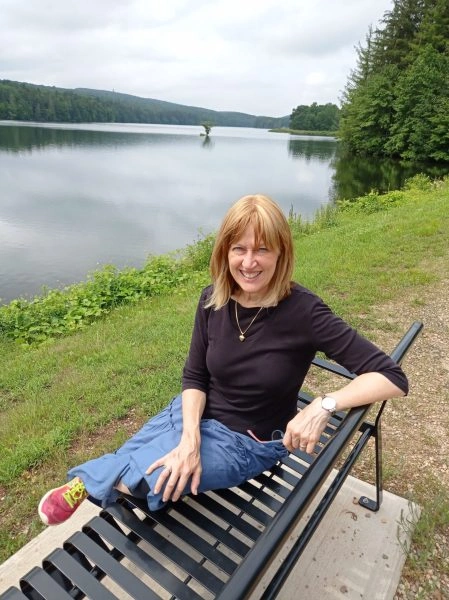
Hashmonaim, Israel
I began learning the daf in January 2022. I initially “flew under the radar,” sharing my journey with my husband and a few close friends. I was apprehensive – who, me? Gemara? Now, 2 years in, I feel changed. The rigor of a daily commitment frames my days. The intellectual engagement enhances my knowledge. And the virtual community of learners has become a new family, weaving a glorious tapestry.
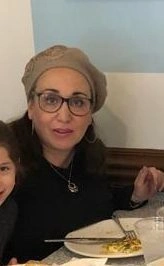
Far Rockaway, United States
Ive been learning Gmara since 5th grade and always loved it. Have always wanted to do Daf Yomi and now with Michelle Farber’s online classes it made it much easier to do! Really enjoying the experience thank you!!
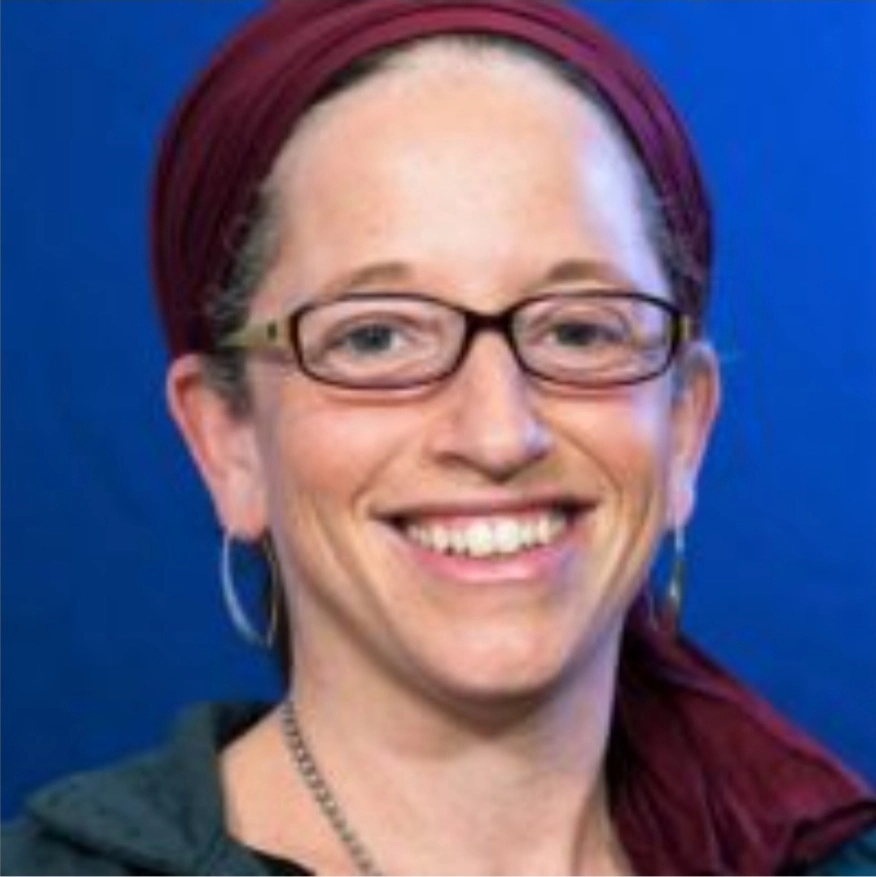
Neve Daniel, Israel
I’ve been wanting to do Daf Yomi for years, but always wanted to start at the beginning and not in the middle of things. When the opportunity came in 2020, I decided: “this is now the time!” I’ve been posting my journey daily on social media, tracking my progress (#DafYomi); now it’s fully integrated into my daily routines. I’ve also inspired my partner to join, too!

Teaneck, United States
I started learning daf in January, 2020, being inspired by watching the Siyyum Hashas in Binyanei Haumah. I wasn’t sure I would be able to keep up with the task. When I went to school, Gemara was not an option. Fast forward to March, 2022, and each day starts with the daf. The challenge is now learning the intricacies of delving into the actual learning. Hadran community, thank you!
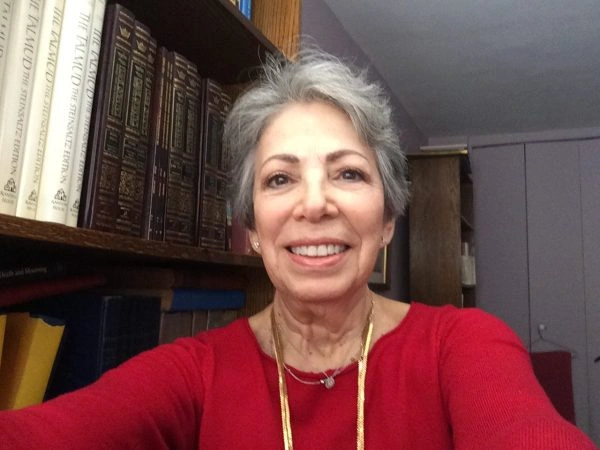
Riverdale, NY, United States
When I was working and taking care of my children, learning was never on the list. Now that I have more time I have two different Gemora classes and the nach yomi as well as the mishna yomi daily.
Jerusalem, Israel
Bronx, United States
I learned daf more off than on 40 years ago. At the beginning of the current cycle, I decided to commit to learning daf regularly. Having Rabanit Michelle available as a learning partner has been amazing. Sometimes I learn with Hadran, sometimes with my husband, and sometimes on my own. It’s been fun to be part of an extended learning community.

Honolulu, Hawaii, United States

Blacksburg, United States
Horayot 14
לֹא הָיָה קָרֵב. אָמַר לוֹ: מִי הֵם הַלָּלוּ שֶׁמֵּימֵיהֶם אָנוּ שׁוֹתִים וּשְׁמוֹתָם אֵין אָנוּ מַזְכִּירִים? אֲמַר לֵיהּ: בְּנֵי אָדָם שֶׁבִּקְּשׁוּ לַעֲקוֹר כְּבוֹדְךָ וּכְבוֹד בֵּית אָבִיךָ.
it would not be sacrificed. Rabbi Yehuda HaNasi’s son said to him: Who are these Sages whose water we drink but whose names we do not mention? Rabbi Yehuda HaNasi said to him: They are people who sought to abolish your honor and the honor of your father’s house.
אֲמַר לֵיהּ: ״גַּם אַהֲבָתָם גַּם שִׂנְאָתָם גַּם קִנְאָתָם כְּבָר אָבָדָה״! אֲמַר לֵיהּ: ״הָאוֹיֵב תַּמּוּ חֳרָבוֹת לָנֶצַח״. אֲמַר לֵיהּ: הָנֵי מִלֵּי הֵיכָא דְּאַהֲנוֹ מַעֲשַׂיְיהוּ, רַבָּנַן לָא אַהֲנוֹ מַעֲשַׂיְיהוּ! הֲדַר אַתְנִי לֵיהּ, אָמְרוּ מִשּׁוּם רַבִּי מֵאִיר: אִילּוּ הָיָה תְּמוּרָה לֹא הָיָה קָרֵב. אָמַר רָבָא: אֲפִילּוּ רַבִּי דְּעִנְוְותָנָא הוּא (תְּנָא), ״אָמְרוּ מִשּׁוּם רַבִּי מֵאִיר״. ״אָמַר רַבִּי מֵאִיר״ לָא אָמַר.
His son said to him, citing the verse: “Their love as well as their hatred and their envy is long ago perished” (Ecclesiastes 9:6): That was long ago and they have already died. Therefore, there is no harm in mentioning their names. Rabbi Yehuda HaNasi said to him: But it is also stated: “The enemy are come to an end; the wasted places are forever” (Psalms 9:7). Although the enemies died, the desolation that they created remains. Therefore, although they are dead, their names should not be mentioned. Rabban Shimon said to his father: These matters apply in a case where their actions were effective. In the case of these Sages, their actions were not effective. Rabbi Yehuda HaNasi then taught him: The Sages said in the name of Rabbi Meir: If it was considered a substitute, it would not be sacrificed. Rava said: Even Rabbi Yehuda HaNasi, who is humble, taught: The Sages said in the name of Rabbi Meir. But he did not say directly: Rabbi Meir said.
אָמַר רַבִּי יוֹחָנָן: פְּלִיגוּ בַּהּ רַבָּן שִׁמְעוֹן בֶּן גַּמְלִיאֵל וְרַבָּנַן, חַד אָמַר: סִינַי עֲדִיף, וְחַד אָמַר: עוֹקֵר הָרִים עֲדִיף.
§ Rabbi Yoḥanan said: Rabban Shimon ben Gamliel and the Rabbis disagreed with regard to this matter. One said: Sinai, i.e., one who is extremely knowledgeable, is preferable; and one said: One who uproots mountains, i.e., one who is extremely incisive, is preferable.
רַב יוֹסֵף סִינַי, רַבָּה עוֹקֵר הָרִים. שְׁלַחוּ לְתַמָּן: אֵיזֶה מֵהֶם קוֹדֵם? שְׁלַחוּ לְהוּ: סִינַי עֲדִיף, דְּאָמַר מָר: הַכֹּל צְרִיכִין לְמָרֵי חִטַּיָּא, וַאֲפִילּוּ הָכִי לָא קַבֵּיל רַב יוֹסֵף עֲלֵיהּ. מְלַךְ רַבָּה עֶשְׂרִין וְתַרְתֵּי שְׁנִין, וַהֲדַר מְלַךְ רַב יוֹסֵף. וְכֹל שְׁנֵי דִּמְלַךְ רַבָּה, רַב יוֹסֵף אֲפִילּוּ אוּמָּנָא לְבֵיתֵיהּ לָא (חֲלֵיף).
The Gemara relates that this is not merely a theoretical dispute; rather, at one point it had practical ramifications. Rav Yosef was Sinai; Rabba was one who uproots mountains. They sent a message from Babylonia to there, Eretz Yisrael: Which takes precedence? They sent in response: Sinai is preferable, as the Master said: Everyone requires the owner of the wheat, i.e., one who is expert in the sources. And even so, Rav Yosef did not accept upon himself the appointment of head of the yeshiva. Rabba reigned for twenty-two years, and then Rav Yosef reigned. The Gemara relates that in all those years that Rabba presided, Rav Yosef did not even call a bloodletter to his home. Rav Yosef did not assume even the slightest air of authority, in deference to Rabba, and would go to seek out the bloodletter rather than expecting that the bloodletter would accommodate him.
אַבָּיֵי וְרָבָא וְרַבִּי זֵירָא וְרַבָּה בַּר מַתְנָה הֲווֹ יָתְבִי וַהֲווֹ צְרִיכִי רֵישָׁא, אָמְרִי: כֹּל דְּאָמַר מִלְּתָא וְלָא מִפְּרִיךְ, לֶהֱוֵי רֵישָׁא. דְּכוּלְּהוּ אִיפְּרִיךְ, דְּאַבָּיֵי לָא אִיפְּרִיךְ. חַזְיֵיהּ רַבָּה לְאַבָּיֵי דִּגְבַהּ רֵישֵׁאּ, אֲמַר לֵיהּ: נַחְמָנִי, פְּתַח וְאֵימָא.
The Gemara relates: Abaye, Rava, Rabbi Zeira, and Rabba bar Mattana were sitting and studying in a group and were in need of a head for their group. They said: Let anyone who will say a matter that is not refuted be the head. Everyone’s statements were refuted, and the statement of Abaye was not refuted. Rabba saw that Abaye raised his head, i.e., he noticed that his statement was not refuted. Rabba said to him: Naḥmani, calling Abaye by his name rather than by his nickname, begin and say your lecture.
אִיבַּעְיָא לְהוּ: רַבִּי זֵירָא וְרַבָּה בַּר רַב מַתְנָה הֵי מִנַּיְיהוּ עֲדִיף? רַבִּי זֵירָא חָרִיף וּמַקְשֶׁה, וְרַבָּה בַּר רַב מַתְנָה מָתוּן וּמַסֵּיק, מַאי? תֵּיקוּ.
A dilemma was raised before the Sages: Between Rabbi Zeira and Rabba bar Rav Mattana, which of them is preferable? Rabbi Zeira is incisive and raises pertinent difficulties, and Rabba bar Rav Mattana is moderate and not so incisive, but ultimately he draws the appropriate conclusions. What is the conclusion? Which is preferable? The Gemara concludes: The dilemma shall stand unresolved.
הֲדַרַן עֲלָךְ כֹּהֵן מָשִׁיחַ, וּסְלִיקָא לַהּ מַסֶּכֶת הוֹרָיוֹת.

