Search

Ketubot 23

Want to dedicate learning? Get started here:

English
עברית
podcast placeholder

0:00
0:00


podcast placeholder

0:00
0:00


Summary

This week’s learning is dedicated by Marcia Baum in loving memory of Chaim Simcha ben Aharon Halevi and Liba on his 19th yahrzeit today. “My father was a larger than life individual whose impact is still felt many years after his petirah. He is missed every day.”

The daughters of Shmuel were taken captive and yet knew how to save themselves from being prohibited to marry a kohen. If two women testify each about the other that they were not raped in captivity are they believed? Do we need to be concerned that they are lying for each other? What about two men testifying each about the other that he is a kohen?

Ketubot 23

מַאי שְׁנָא רֵישָׁא, וּמַאי שְׁנָא סֵיפָא?

The Gemara asks: What is different in the first clause of the baraita with regard to betrothal, where, if she married another, she need not leave her husband; and what is different in the second clause with regard to divorce, where, if she remarried, she must leave her husband?

אָמַר אַבָּיֵי, תַּרְגְּמַהּ בְּעֵד אֶחָד: עֵד אֶחָד אוֹמֵר ״נִתְקַדְּשָׁה״, וְעֵד אֶחָד אוֹמֵר ״לֹא נִתְקַדְּשָׁה״ — תַּרְוַיְיהוּ בִּפְנוּיָה קָמַסְהֲדִי, וְהַאי דְּקָאָמַר ״נִתְקַדְּשָׁה״ — הֲוָה לֵיהּ חַד, וְאֵין דְּבָרָיו שֶׁל אֶחָד בִּמְקוֹם שְׁנַיִם.

Abaye said: Interpret the baraita in a case in which each testimony was given by one witness. If one witness says: She was betrothed, and one witness says: She was not betrothed, they are both testifying that she was unmarried. And that witness who says that she was betrothed is one witness, and the statement of one witness has no validity in a place where there are two witnesses.

סֵיפָא, עֵד אֶחָד אוֹמֵר ״נִתְגָּרְשָׁה״, וְעֵד אֶחָד אוֹמֵר ״לֹא נִתְגָּרְשָׁה״ — תַּרְוַיְיהוּ בְּאֵשֶׁת אִישׁ קָמַסְהֲדִי, וְהַאי דְּקָאָמַר ״נִתְגָּרְשָׁה״ — הָוֵה לֵיהּ חַד, וְאֵין דְּבָרָיו שֶׁל אֶחָד בִּמְקוֹם שְׁנַיִם.

In the latter clause, if one witness says: She was divorced, and one witness says: She was not divorced, they are both testifying that she was a married woman. And that witness who says that she was divorced is one witness, and the statement of one witness has no validity in a place where there are two witnesses. Therefore, even if she remarried she must leave her husband.

רַב אָשֵׁי אָמַר: לְעוֹלָם תְּרֵי וּתְרֵי, וְאֵיפוֹךְ: שְׁנַיִם אוֹמְרִים ״רְאִינוּהָ שֶׁנִּתְקַדְּשָׁה״, וּשְׁנַיִם אוֹמְרִים ״לֹא רְאִינוּהָ שֶׁנִּתְקַדְּשָׁה״ — הֲרֵי זוֹ לֹא תִּנָּשֵׂא, וְאִם נִשֵּׂאת — תֵּצֵא.

Rav Ashi said: Actually it is a case where there are two witnesses testifying that she is betrothed and divorced, and two testifying that she is not betrothed and divorced. And in order to explain the difference between the first and latter clauses, reverse the two rulings. In the first clause, if two witnesses say: We saw her that she was betrothed, and two witnesses say: We did not see her that she was betrothed, this woman may not marry, and if she marries she must leave her husband.

פְּשִׁיטָא: ״לֹא רְאִינוּהָ״ אֵינָהּ רְאָיָה! לָא צְרִיכָא, דְּדָיְירִי בְּחָצֵר אֶחָד. מַהוּ דְּתֵימָא: אִם אִיתָא דְּנִתְקַדְּשָׁה — קָלָא אִית לַהּ לְמִילְּתָא. קָא מַשְׁמַע לַן דְּעָבְדִי אִינָשֵׁי דִּמְקַדְּשִׁי בְּצִנְעָא.

The Gemara asks: In that case, it is obvious that she must leave her husband, as testimony that we did not see her is not effective proof. The Gemara answers: No, it is necessary to teach this halakha in a case where the woman and the witnesses reside in one courtyard. Lest you say: If it is so that she was betrothed, the matter generates publicity, and the fact that the neighbors did not see that she was betrothed indicates that she was not, therefore the baraita teaches us that people are prone to betroth a woman in private, with even their neighbors unaware of the betrothal.

סֵיפָא: שְׁנַיִם אוֹמְרִים ״רְאִינוּהָ שֶׁנִּתְגָּרְשָׁה״, וּשְׁנַיִם אוֹמְרִים ״לֹא רְאִינוּהָ שֶׁנִּתְגָּרְשָׁה״ — הֲרֵי זוֹ לֹא תִּנָּשֵׂא, וְאִם נִשֵּׂאת — לֹא תֵּצֵא. מַאי קָא מַשְׁמַע לַן? אַף עַל גַּב דְּדָיְירִי בְּחָצֵר אֶחָד — הַיְינוּ הָךְ!

In the latter clause of the baraita, if two witnesses say: We saw her that she was divorced, and two witnesses say: We did not see her that she was divorced, this woman may not remarry, and if she remarries, she need not leave her husband. The Gemara asks: What is the baraita teaching us? In this case, too, the fact that the witnesses did not see the divorce proves nothing. The Gemara answers: It teaches that although the witnesses and the woman live in one courtyard and presumably the witnesses would know if she was divorced, their testimony proves nothing. The Gemara asks: This is identical to that novel element taught in the first clause, that neighbors are not necessarily aware of what transpires elsewhere in the courtyard.

מַהוּ דְּתֵימָא: גַּבֵּי קִדּוּשִׁין הוּא דַּעֲבִידִי אִינָשֵׁי דִּמְקַדְּשִׁי בְּצִנְעָא, אֲבָל גַּבֵּי גֵירוּשִׁין, אִם אִיתָא דְּאִיגָּרְשָׁא — קָלָא אִית לַהּ לְמִילְּתָא, קָא מַשְׁמַע לַן דַּעֲבִידִי אִינָשֵׁי דִּמְקַדְּשִׁי וְדִמְגָרְשִׁי בְּצִנְעָא.

The Gemara explains that there is a novel element in this halakha. Lest you say that it is with regard to betrothal that people are prone to betroth a woman in private; however, with regard to divorce, if it is so that she was divorced, it would generate publicity, as divorce is typically the culmination of a period of incompatibility that is often public. Therefore, the latter clause teaches us that people are prone to both betroth and divorce in private. Consequently, the fact that the witnesses did not see that she was betrothed and divorced proves nothing.

וְאִם מִשֶּׁנִּשֵּׂאת בָּאוּ עֵדִים לֹא תֵּצֵא כּוּ׳. רַבִּי אוֹשַׁעְיָא מַתְנֵי לַהּ אַרֵישָׁא, רַבָּה בַּר אָבִין מַתְנֵי לַהּ אַסֵּיפָא.

§ We learned in the mishna: And if the witnesses came after she married, this woman need not leave her husband. Two cases were cited in the mishna, one with regard to a divorcée and one with regard to a woman taken captive, and to which of these cases this halakha is referring is a matter of dispute. Rabbi Oshaya taught this halakha in reference to the first clause of the mishna, where the woman claims that she was divorced. Rabba bar Avin taught this halakha in reference to the latter clause of the mishna, where the woman claims that she was taken captive and remained pure.

מַאן דְּמַתְנֵי לַהּ אַרֵישָׁא — כׇּל שֶׁכֵּן אַסֵּיפָא, דְּבִשְׁבוּיָה הֵקֵילּוּ. וּמַאן דְּמַתְנֵי לַהּ אַסֵּיפָא, אֲבָל אַרֵישָׁא — לָא.

The Gemara notes: The one who taught this halakha in reference to the first clause of the mishna, all the more so would he teach it in reference to the latter clause of the mishna, as, in general, with regard to the status of a captive woman, the Sages were lenient, because the prohibition is the result of suspicion and uncertainty as far as what transpired during her period of captivity. And with regard to the one who taught this halakha in reference to the latter clause of the mishna, however, in reference to the first clause of the mishna, no, he would not necessarily teach this halakha.

לֵימָא בִּדְרַב הַמְנוּנָא קָמִיפַּלְגִי. דְּמַאן דְּמַתְנֵי לַהּ אַרֵישָׁא, אִית לֵיהּ דְּרַב הַמְנוּנָא. וּמַאן דְּמַתְנֵי לַהּ אַסֵּיפָא, לֵית לֵיהּ דְּרַב הַמְנוּנָא.

The Gemara explains: Let us say it is with regard to the presumption of Rav Hamnuna that these amora’im disagree. The one who taught this halakha in reference to the first clause of the mishna and maintains that if the witnesses came after she married, this woman need not leave her husband, he holds in accordance with the presumption of Rav Hamnuna, who said that a woman is not insolent in the presence of her husband, and therefore her claim that she was divorced is accepted. And the one who taught this halakha in reference to the latter clause of the mishna and rules that the woman taken captive need not leave her husband the priest, while the woman who claims that she was divorced must leave her husband, he does not hold in accordance with the presumption of Rav Hamnuna.

לָא, דְּכוּלֵּי עָלְמָא אִית לְהוּ דְּרַב הַמְנוּנָא. וְהָכָא בְּהָא קָמִיפַּלְגִי, דְּמָר סָבַר: כִּי אִיתְּמַר דְּרַב הַמְנוּנָא בְּפָנָיו, אֲבָל שֶׁלֹּא בְּפָנָיו — מְעִיזָּה. וּמָר סָבַר: שֶׁלֹּא בְּפָנָיו נָמֵי אֵינָהּ מְעִיזָּה.

The Gemara rejects that explanation: No, actually everyone holds in accordance with the presumption of Rav Hamnuna, and here it is with regard to this that they disagree, as one Sage, who holds that the woman who claims that she was divorced must leave her husband, maintains that when the presumption of Rav Hamnuna was stated, it was stated specifically in a case where she was in his presence; however, when she is not in his presence, she is insolent. And one Sage, who holds that the woman who claims that she was divorced need not leave her husband, maintains that when not in his presence she is also not insolent. Therefore, her claim that she was divorced is accepted.

וְאִם מִשֶּׁנִּשֵּׂאת בָּאוּ עֵדִים וְכוּ׳. אָמַר אֲבוּהּ דִּשְׁמוּאֵל: לֹא ״נִשֵּׂאת״ נִשֵּׂאת מַמָּשׁ, אֶלָּא כֵּיוָן שֶׁהִתִּירוּהָ לִינָּשֵׂא — אַף עַל פִּי שֶׁלֹּא נִשֵּׂאת. וְהָא ״לֹא תֵּצֵא״ קָתָנֵי! לֹא תֵּצֵא מֵהֶתֵּירָהּ הָרִאשׁוֹן.

§ We learned in the mishna: And if the witnesses came after she married, this woman need not leave her husband. The father of Shmuel said: Married does not mean actually married; rather, once the court permitted her to marry, although she has not yet married, she need not leave her husband. The Gemara asks: But doesn’t the tanna teach: She need not leave, meaning that she need not leave her husband? The Gemara explains: That phrase in this context means that even if witnesses come, she does not emerge from her initial permitted status.

תָּנוּ רַבָּנַן, אָמְרָה: ״נִשְׁבֵּיתִי וּטְהוֹרָה אֲנִי וְיֵשׁ לִי עֵדִים שֶׁטְּהוֹרָה אֲנִי״, אֵין אוֹמְרִים: נַמְתִּין עַד שֶׁיָּבֹאוּ עֵדִים, אֶלָּא מַתִּירִין אוֹתָהּ מִיָּד. הִתִּירוּהָ לִינָּשֵׂא וְאַחַר כָּךְ בָּאוּ עֵדִים, וְאָמְרוּ: לֹא יָדַעְנוּ — הֲרֵי זוֹ לֹא תֵּצֵא. וְאִם בָּאוּ עֵדֵי טוּמְאָה, אֲפִילּוּ יֵשׁ לָהּ כַּמָּה בָּנִים — תֵּצֵא.

The Sages taught that if she said: I was taken captive but I am pure, and I have witnesses who were with me throughout captivity who can testify that I am pure, the court does not say: We will wait until those witnesses come. Rather, the court permits her to marry a priest immediately. If the court permitted her to marry a priest, and witnesses came thereafter and said: We do not know whether or not she remained pure, this woman need not leave her husband, as she was already permitted to marry a priest on the basis of her original statement. And if witnesses that she was violated came and testified, even if she has several children, she must leave the priest to whom she is married.

הָנֵי שְׁבוּיָיתָא דְּאָתְיָין לִנְהַרְדְּעָא. אוֹתֵיב אֲבוּהּ דִּשְׁמוּאֵל נָטוֹרֵי בַּהֲדַיְיהוּ, אֲמַר לֵיהּ שְׁמוּאֵל: וְעַד הָאִידָּנָא מַאן נַטְרִינְהוּ? אֲמַר לֵיהּ: אִילּוּ בְּנָתָךְ הָוְויָן, מִי הֲוֵית מְזַלְזֵל בְּהוּ כּוּלֵּי הַאי?

The Gemara relates: There were these captive women who came to Neharde’a with their captors so that the local residents would redeem them. Shmuel’s father posted guards with them to ensure that they would not enter into seclusion with gentiles. Shmuel said to him: Until now who guarded them? If there is concern about their status, it should be with regard to the possibility that they engaged in intercourse while in captivity before they were brought to Neharde’a. He said to Shmuel: If they were your daughters, would you treat them with contempt to that extent? They are no longer captives and deserve to be treated like any Jewish woman of unflawed lineage.

הֲוַאי ״כִּשְׁגָגָה שֶׁיּוֹצָא מִלִּפְנֵי הַשַּׁלִּיט״, וְאִישְׁתַּבְיָין בְּנָתֵיהּ דְּמָר שְׁמוּאֵל, וְאַסְּקִינְהוּ לְאַרְעָא דְיִשְׂרָאֵל. אוֹקְמָן לְשָׁבוֹיִינְהִי מֵאַבָּרַאי, וְעָיְילִי [אִינְהִי] לְבֵי מִדְרְשָׁא דְּרַבִּי חֲנִינָא. הָא אֲמַרָה: ״נִשְׁבֵּיתִי וּטְהוֹרָה אֲנִי״, וְהָא אֲמַרָה: ״נִשְׁבֵּיתִי וּטְהוֹרָה אֲנִי״ — שְׁרִינְהוּ.

The statement by the father of Shmuel was “Like an error that emerges from before the ruler” (Ecclesiastes 10:5), and it was realized. The daughters of Master Shmuel were taken captive, and their captors took them up to Eretz Yisrael and sought to sell them or ransom them. Shmuel’s daughters left their captors standing outside, so that they would not come before the court, and the women entered the study hall of Rabbi Ḥanina. This daughter said: I was taken captive, and I am pure, and that daughter said: I was taken captive, and I am pure, and the court permitted them to marry into the priesthood.

סוֹף עוּל אֲתוֹ שָׁבוֹיִינְהוּ. אָמַר רַבִּי חֲנִינָא: בְּנָן דְּמוֹרְיָין אִינּוּן. אִיגַּלַּאי מִילְּתָא דִּבְנָתֵיהּ דְּמָר שְׁמוּאֵל הַוְויָן.

Ultimately, their captors came and entered, and it was clear that they were the captors of Shmuel’s daughters. However, since the daughters made their claim first and the court permitted them to marry into the priesthood, this remained permitted to them. This is based on the halakha that if witnesses subsequently arrive, her initial permitted status need not be revoked. Rabbi Ḥanina said: It is clear from their actions that they are the daughters of great halakhic authorities, as they knew how to conduct themselves in order to retain their presumptive status of purity. The Gemara relates: Ultimately, the matter became clear, that they were the daughters of Master Shmuel.

אֲמַר לֵיהּ רַבִּי חֲנִינָא לְרַב שֶׁמֶן בַּר אַבָּא: פּוֹק אִיטַּפַּל בְּקָרִיבָתָיךְ. אֲמַר לֵיהּ לְרַבִּי חֲנִינָא: וְהָאִיכָּא עֵדִים בִּמְדִינַת הַיָּם! הַשְׁתָּא מִיהַת לֵיתַנְהוּ קַמַּן. עֵדִים בְּצַד אִסְתָּן, וְתֵאָסֵר? טַעְמָא דְּלָא אֲתוֹ עֵדִים, הָא אֲתוֹ עֵדִים, מִיתַּסְרָא?

Rabbi Ḥanina said to Rav Shemen bar Abba, who was a priest: Go out and tend to your relatives, the daughters of Shmuel who were taken captive, and marry one of them. Rav Shemen said to Rabbi Ḥanina: But aren’t there witnesses in a country overseas who knew before the daughters appeared in court that they were taken captive? Rabbi Ḥanina said to him: Now, in any event, those witnesses are not before us. He then cited an adage: There are witnesses in the north [astan] side, i.e., in a distant place, and will the woman be forbidden? The Gemara infers from Rabbi Ḥanina’s statement: The reason that their testimony may be ignored is because the witnesses did not come to court. However, were the witnesses to come to court, Shmuel’s daughters would be forbidden to priests.

וְהָאָמַר אֲבוּהּ דִּשְׁמוּאֵל: כֵּיוָן שֶׁהִתִּירוּהָ לִינָּשֵׂא, אַף עַל פִּי שֶׁלֹּא נִשֵּׂאת! אָמַר רַב אָשֵׁי: עֵדֵי טוּמְאָה אִיתְּמַר.

The Gemara asks: But didn’t Shmuel’s father say: Once the court permitted a woman to marry, even if she has not yet married, she remains permitted? Rav Ashi said: The discussion between Rabbi Ḥanina and Rav Shemen was stated with regard to witnesses who witnessed their violation. In that case, were the witnesses to come to court and testify, even if she has several children, she must leave the priest to whom she is married.

מַתְנִי׳ שְׁתֵּי נָשִׁים שֶׁנִּשְׁבּוּ, זֹאת אוֹמֶרֶת ״נִשְׁבֵּיתִי וּטְהוֹרָה אֲנִי״, וְזֹאת אוֹמֶרֶת ״נִשְׁבֵּיתִי וּטְהוֹרָה אֲנִי״ — אֵינָן נֶאֱמָנוֹת. וּבִזְמַן שֶׁהֵן מְעִידוֹת זוֹ אֶת זוֹ — הֲרֵי אֵלּוּ נֶאֱמָנוֹת.

MISHNA: In a case where witnesses testify that there are two women who were taken captive, and this woman says: I was taken captive but I am pure, and that woman says: I was taken captive but I am pure, they are not deemed credible. And when this woman testifies about that woman that she is pure and vice versa, they are deemed credible.

גְּמָ׳ תָּנוּ רַבָּנַן: ״אֲנִי טְמֵאָה וַחֲבֶרְתִּי טְהוֹרָה״ — נֶאֱמֶנֶת. ״אֲנִי טְהוֹרָה וַחֲבֶרְתִּי טְמֵאָה״ — אֵינָהּ נֶאֱמֶנֶת. ״אֲנִי וַחֲבֶרְתִּי טְמֵאָה״ — נֶאֱמֶנֶת עַל עַצְמָהּ, וְאֵינָהּ נֶאֱמֶנֶת עַל חֲבֶרְתָּהּ. ״אֲנִי וַחֲבֶרְתִּי טְהוֹרָה״ — נֶאֱמֶנֶת עַל חֲבֶרְתָּהּ, וְאֵינָהּ נֶאֱמֶנֶת עַל עַצְמָהּ.

GEMARA: The Sages taught in the Tosefta (2:2): If one of the women says: I am tainted and my counterpart is pure, she is deemed credible on both counts. If she says: I am pure and my counterpart is tainted, she is not deemed credible with regard to herself nor with regard to her counterpart. If she says: I and my counterpart are both tainted, she is deemed credible with regard to herself but she is not deemed credible with regard to her counterpart. If she says: I and my counterpart are both pure, she is deemed credible with regard to her counterpart but she is not deemed credible with regard to herself.

אָמַר מָר: ״אֲנִי טְהוֹרָה וַחֲבֶרְתִּי טְמֵאָה״ — אֵינָהּ נֶאֱמֶנֶת. הֵיכִי דָמֵי? אִי דְּלֵיכָּא עֵדִים, עַל עַצְמָהּ אַמַּאי לָא מְהֵימְנָא? ״נִשְׁבֵּיתִי וּטְהוֹרָה אֲנִי״ קָאָמְרָה! אֶלָּא פְּשִׁיטָא דְּאִיכָּא עֵדִים.

The Master said in the baraita that if she says: I am pure and my counterpart is tainted, she is not deemed credible. The Gemara asks: What are the circumstances? If there are no witnesses that she was taken captive, why is she not deemed credible with regard to herself? If she is saying: I was taken captive and I am pure, she is deemed credible based on the principle that the mouth that prohibited is the mouth that permitted. Rather, it is obvious that there are witnesses that she was taken captive.

אֵימָא מְצִיעֲתָא: ״אֲנִי וַחֲבֶרְתִּי טְמֵאָה״ — נֶאֱמֶנֶת עַל עַצְמָהּ, וְאֵינָהּ נֶאֱמֶנֶת עַל חֲבֶרְתָּהּ. וְאִי דְּאִיכָּא עֵדִים — אַמַּאי לָא מְהֵימְנָא? אֶלָּא פְּשִׁיטָא דְּלֵיכָּא עֵדִים.

The Gemara asks: If so, say the middle clause of the baraita: If she says: I and my counterpart are both tainted, she is deemed credible with regard to herself but she is not deemed credible with regard to her counterpart. And if there are witnesses, why is she not deemed credible with regard to her counterpart? Once there is testimony that she was taken captive, she no longer has the presumptive status of purity. Rather, it is obvious that there are no witnesses that she was taken captive, and therefore her presumptive status of purity is intact.

אֵימָא סֵיפָא: ״אֲנִי וַחֲבֶרְתִּי טְהוֹרָה״ — נֶאֱמֶנֶת עַל חֲבֶרְתָּהּ, וְאֵינָהּ נֶאֱמֶנֶת עַל עַצְמָהּ. וְאִי דְּלֵיכָּא עֵדִים — אַעַצְמָהּ אַמַּאי לָא מְהֵימְנָא? אֶלָּא פְּשִׁיטָא דְּאִיכָּא עֵדִים.

The Gemara asks: If so, say the last clause of the baraita: If she says: I and my counterpart are both pure, she is deemed credible with regard to her counterpart but she is not deemed credible with regard to herself. And if there are no witnesses that they were taken captive, why is she not deemed credible with regard to herself? Rather, it is obvious that there are witnesses.

רֵישָׁא וְסֵיפָא דְּאִיכָּא עֵדִים, מְצִיעֲתָא דְּלֵיכָּא עֵדִים! אָמַר אַבָּיֵי: אִין. רֵישָׁא וְסֵיפָא — דְּאִיכָּא עֵדִים, מְצִיעֲתָא — דְּלֵיכָּא עֵדִים.

The Gemara asks: Is that to say that the baraita is formulated in an unusual fashion, with the first clause and the last clause pertaining to cases where there are witnesses, and the middle clause pertaining to a case where there are no witnesses? Abaye said: Yes, the first clause and the last clause pertain to cases where there are witnesses, and the middle clause pertains to a case where there are no witnesses.

רַב פָּפָּא אָמַר: כּוּלָּהּ דְּאִיכָּא עֵדִים, וְאִיכָּא עֵד אֶחָד דְּקָא אָפֵיךְ. אָמְרָה: ״אֲנִי טְמֵאָה וַחֲבֶרְתִּי טְהוֹרָה״, וְאָמַר לַהּ עֵד אֶחָד: ״אַתְּ טְהוֹרָה וַחֲבֶרְתֵּךְ טְמֵאָה״. אִיהִי שַׁוִּיתַהּ לְנַפְשַׁהּ חֲתִיכָה דְּאִיסּוּרָא, חֲבֶרְתָּהּ מִשְׁתַּרְיָא אַפּוּמָּא דִידַהּ.

Rav Pappa said: The baraita in its entirety can be explained in a case where there are witnesses, and there is one witness who is testifying to the reverse of the woman’s claim. If the woman said: I am tainted and my counterpart is pure, and one witness said to her: You are pure and your counterpart is tainted, although the witness testified that she was pure, because she admitted that she was tainted she rendered herself an entity of prohibition. Her counterpart is permitted on the basis of her claim, which is accepted despite being contradicted by the witness.

״אֲנִי טְהוֹרָה וַחֲבֶרְתִּי טְמֵאָה״, וְאָמַר לָהּ עֵד אֶחָד: ״אַתְּ טְמֵאָה וַחֲבֶרְתְּךָ טְהוֹרָה״. אִיהִי, כֵּיוָן דְּאִיכָּא עֵדִים — לָאו כָּל כְּמִינַהּ, חֲבֶרְתַּהּ — מִשְׁתַּרְיָא אַפּוּמָּא דְעֵד.

If the woman said: I am pure and my counterpart is tainted, and one witness said to her: You are tainted and your counterpart is pure, then with regard to her, since there are witnesses testifying that she was taken captive, it is not in her power to permit herself on the basis of her claim. However, her counterpart is permitted on the basis of the testimony of the witness.

״אֲנִי וַחֲבֶרְתִּי טְמֵאָה״, וְאָמַר לַהּ עֵד אֶחָד: ״אַתְּ וַחֲבֶרְתֵּךְ טְהוֹרָה״ — אִיהִי שַׁוִּיתַהּ לְנַפְשַׁהּ חֲתִיכָה דְּאִיסּוּרָא, חֲבֶרְתַּהּ מִשְׁתַּרְיָא אַפּוּמָּא דְעֵד. הָא תּוּ לְמָה לִי? הַיְינוּ רֵישָׁא!

If the woman said: I and my counterpart are both tainted, and one witness said to her: You and your friend are both pure, she rendered herself an entity of prohibition. However, her counterpart is permitted on the basis of the testimony of the witness. The Gemara asks: Why do I need this additional case? This is identical to that which was taught in the in the first clause. The principles governing the first two cases, i.e., she claims that she is tainted and thereby renders herself as an entity of prohibition, and her counterpart is permitted by the testimony of one witness even if that testimony is contradicted, also apply in this case.

מַהוּ דְּתֵימָא: הָנֵי תַּרְוַיְיהוּ טְהוֹרוֹת נִינְהוּ, וְהַאי דְּקָאָמְרָה הָכִי, ״תָּמוֹת נַפְשִׁי עִם פְּלִשְׁתִּים״ הִיא דְּקָא עָבְדָה — קָא מַשְׁמַע לַן.

The Gemara answers: Lest you say that in this case, both of them are deemed untainted in accordance with the testimony of the witness, and the fact that she said that they are both tainted was because she was acting with the intention termed: “Let me die with the Philistines” (Judges 16:30), i.e., she was willing to implicate herself in order to bolster her credibility so that her testimony against her counterpart would be accepted, the tanna therefore teaches us that this is not a consideration.

״אֲנִי וַחֲבֶרְתִּי טְהוֹרָה״, וְאָמַר לָהּ עֵד אֶחָד: ״אַתְּ וַחֲבֶרְתֵּךְ טְמֵאָה״, אִיהִי כֵּיוָן דְּאִיכָּא עֵדִים — לָאו כָּל כְּמִינַּהּ. חֲבֶרְתַּהּ מִשְׁתַּרְיָא אַפּוּמָּא דִידַהּ. הָא תּוּ לְמָה לִי? הַיְינוּ רֵישָׁא דְרֵישָׁא!

If the woman said: I and my counterpart are both pure, and one witness said to her: You and your counterpart are both tainted, with regard to her, since there are witnesses testifying that she was taken captive, it is not in her power to permit herself on the basis of her claim. However, her counterpart is permitted on the basis of her claim. The Gemara asks: Why do I need this additional case? This is identical to that which was taught in the first part of the first clause. The principles governing the first two cases, i.e., her claim that she is pure is not accepted when the fact that she was taken captive was established by witnesses, and her counterpart is permitted on the basis of her claim even if that claim is contradicted, also apply in this case.

מַהוּ דְּתֵימָא: כִּי מְהֵימְנָא — בְּמָקוֹם דְּפָסְלָה נַפְשַׁהּ, אֲבָל בְּמָקוֹם דְּמַכְשְׁרָא נַפְשַׁהּ — אֵימָא לָא מְהֵימְנָא, קָא מַשְׁמַע לַן.

The Gemara answers: Lest you say that when is she deemed credible to permit her counterpart, it is only in a case where she rendered herself unfit to marry a priest, but in a case where she rendered herself fit, say that she is not deemed credible with regard to her counterpart; the tanna therefore teaches us that each segment of the testimony is assessed independently, based on the criteria taught in the first clause.

מַתְנִי׳ וְכֵן שְׁנֵי אֲנָשִׁים, זֶה אוֹמֵר ״כֹּהֵן אֲנִי״, וְזֶה אוֹמֵר ״כֹּהֵן אֲנִי״ — אֵינָן נֶאֱמָנִין. וּבִזְמַן שֶׁהֵן מְעִידִין זֶה אֶת זֶה — הֲרֵי אֵלּוּ נֶאֱמָנִין. רַבִּי יְהוּדָה אוֹמֵר: אֵין מַעֲלִין לִכְהוּנָּה עַל פִּי עֵד אֶחָד. אָמַר רַבִּי אֶלְעָזָר: אֵימָתַי — בִּמְקוֹם שֶׁיֵּשׁ עוֹרְרִין. אֲבָל בִּמְקוֹם שֶׁאֵין עוֹרְרִין — מַעֲלִין לִכְהוּנָּה עַל פִּי עֵד אֶחָד. רַבָּן שִׁמְעוֹן בֶּן גַּמְלִיאֵל אוֹמֵר מִשּׁוּם רַבִּי שִׁמְעוֹן בֶּן הַסְּגָן: מַעֲלִין לִכְהוּנָּה עַל פִּי עֵד אֶחָד.

MISHNA: And likewise, with regard to two men whose lineage is unknown, and this man says: I am a priest, and that man says: I am a priest, they are not deemed credible. And when this man testifies about that man that he is a priest and vice versa, they are deemed credible. Rabbi Yehuda says: One does not elevate a man to priesthood on the basis of one witness. Two witnesses are required for that purpose. Rabbi Elazar says: When is that the ruling? In a case where there are challengers to his claim that he is a priest. However, in a case where there are no challengers, one elevates a man to priesthood on the basis of one witness. Rabban Shimon ben Gamliel says in the name of Rabbi Shimon, son of the deputy High Priest: One elevates a man to priesthood on the basis of one witness.

גְּמָ׳ כֹּל הָנֵי לְמָה לִי! צְרִיכִי, דְּאִי תְּנָא מוֹדֶה רַבִּי יְהוֹשֻׁעַ, מִשּׁוּם דְּאִיכָּא דְּרָרָא דְמָמוֹנָא. אֲבָל עֵדִים, דְּלֵיכָּא דְּרָרָא דְמָמוֹנָא — אֵימָא לָא.

GEMARA: The Gemara asks: Why do I need all these different cases cited in the mishnayot in this chapter? Aren’t they all based on the principle: The mouth that prohibited is the mouth that permitted? The Gemara answers: These cases are all necessary, as, if the tanna had taught only the case where Rabbi Yehoshua concedes, in a case where one says to another: This field, which is currently in my possession, belonged to your father, and I purchased it from him, then one might have thought that his claim is deemed credible due to the fact that there is financial significance [derara] in his contention that it belonged to the other’s father, and he would not have made that claim if it were not true. However, in the case of witnesses authenticating their signatures, where there is no financial significance for them in their testimony, say no, their claim is not accepted.

וְאִי תְּנָא עֵדִים, מִשּׁוּם דִּלְעָלְמָא, אֲבָל אִיהוּ, דִּלְנַפְשֵׁיהּ,

And if the tanna taught only the case of witnesses, one might have thought that their claim is deemed credible due to the fact that their testimony is relevant to others. However, with regard to him, whose testimony is relevant to himself, as he claims that he purchased the field from the other’s father,

New to Talmud?

Check out our resources designed to help you navigate a page of Talmud – and study at the pace, level and style that fits you. 

The Hadran Women’s Tapestry

Meet the diverse women learning Gemara at Hadran and hear their stories. 

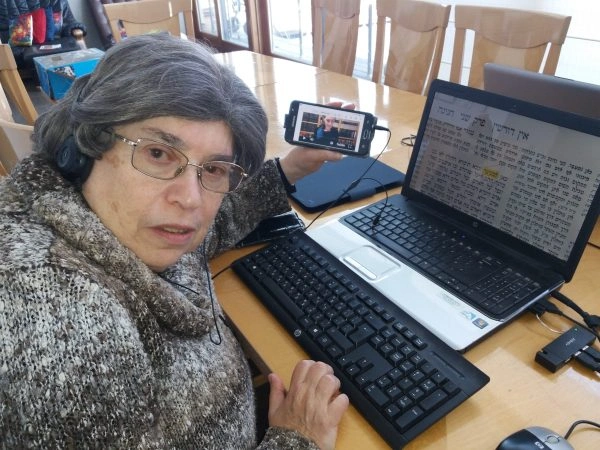
I am grateful for the structure of the Daf Yomi. When I am freer to learn to my heart’s content, I learn other passages in addition. But even in times of difficulty, I always know that I can rely on the structure and social support of Daf Yomi learners all over the world.

I am also grateful for this forum. It is very helpful to learn with a group of enthusiastic and committed women.

Janice Block-2
Janice Block

Beit Shemesh, Israel

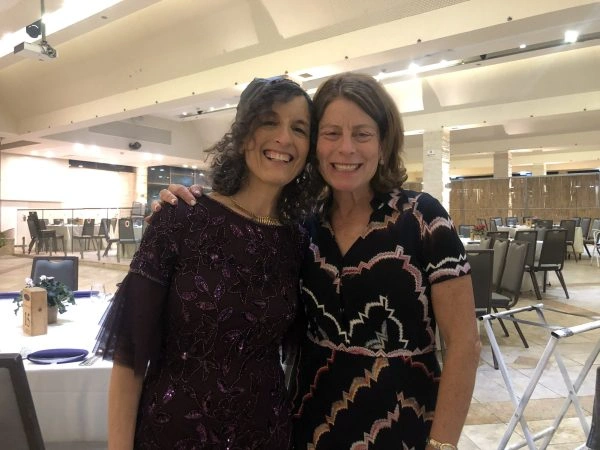
It’s hard to believe it has been over two years. Daf yomi has changed my life in so many ways and has been sustaining during this global sea change. Each day means learning something new, digging a little deeper, adding another lens, seeing worlds with new eyes. Daf has also fostered new friendships and deepened childhood connections, as long time friends have unexpectedly become havruta.

Joanna Rom
Joanna Rom

Northwest Washington, United States

I started learning Gemara at the Yeshivah of Flatbush. And I resumed ‘ברוך ה decades later with Rabbanit Michele at Hadran. I started from Brachot and have had an exciting, rewarding experience throughout seder Moed!

Anne Mirsky (1)
Anne Mirsky

Maale Adumim, Israel

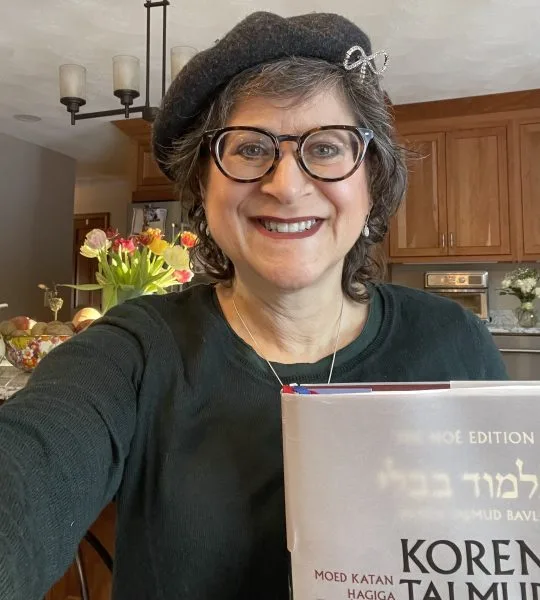
I am a Reform rabbi and took Talmud courses in rabbinical school, but I knew there was so much more to learn. It felt inauthentic to serve as a rabbi without having read the entire Talmud, so when the opportunity arose to start Daf Yomi in 2020, I dove in! Thanks to Hadran, Daf Yomi has enriched my understanding of rabbinic Judaism and deepened my love of Jewish text & tradition. Todah rabbah!

Rabbi Nicki Greninger

California, United States

Years ago, I attended the local Siyum HaShas with my high school class. It was inspiring! Through that cycle and the next one, I studied masekhtot on my own and then did “daf yomi practice.” The amazing Hadran Siyum HaShas event firmed my resolve to “really do” Daf Yomi this time. It has become a family goal. We’ve supported each other through challenges, and now we’re at the Siyum of Seder Moed!

Elisheva Brauner
Elisheva Brauner

Jerusalem, Israel

When the new cycle began, I thought, If not now, when? I’d just turned 72. I feel like a tourist on a tour bus passing astonishing scenery each day. Rabbanit Michelle is my beloved tour guide. When the cycle ends, I’ll be 80. I pray that I’ll have strength and mind to continue the journey to glimpse a little more. My grandchildren think having a daf-learning savta is cool!

Wendy Dickstein
Wendy Dickstein

Jerusalem, Israel

About a year into learning more about Judaism on a path to potential conversion, I saw an article about the upcoming Siyum HaShas in January of 2020. My curiosity was piqued and I immediately started investigating what learning the Daf actually meant. Daily learning? Just what I wanted. Seven and a half years? I love a challenge! So I dove in head first and I’ve enjoyed every moment!!
Nickie Matthews
Nickie Matthews

Blacksburg, United States

After experiences over the years of asking to join gemara shiurim for men and either being refused by the maggid shiur or being the only women there, sometimes behind a mechitza, I found out about Hadran sometime during the tail end of Masechet Shabbat, I think. Life has been much better since then.

Madeline Cohen
Madeline Cohen

London, United Kingdom

It happened without intent (so am I yotzei?!) – I watched the women’s siyum live and was so moved by it that the next morning, I tuned in to Rabbanit Michelle’s shiur, and here I am, still learning every day, over 2 years later. Some days it all goes over my head, but others I grasp onto an idea or a story, and I ‘get it’ and that’s the best feeling in the world. So proud to be a Hadran learner.

Jeanne Yael Klempner

Zichron Yaakov, Israel

I began my Daf Yomi journey on January 5, 2020. I had never learned Talmud before. Initially it struck me as a bunch of inane and arcane details with mind bending logic. I am now smitten. Rabbanit Farber brings the page to life and I am eager to learn with her every day!

Lori Stark
Lori Stark

Highland Park, United States

While vacationing in San Diego, Rabbi Leah Herz asked if I’d be interested in being in hevruta with her to learn Daf Yomi through Hadran. Why not? I had loved learning Gemara in college in 1971 but hadn’t returned. With the onset of covid, Daf Yomi and Rabbanit Michelle centered me each day. Thank-you for helping me grow and enter this amazing world of learning.
Meryll Page
Meryll Page

Minneapolis, MN, United States

Margo
I started my Talmud journey in 7th grade at Akiba Jewish Day School in Chicago. I started my Daf Yomi journey after hearing Erica Brown speak at the Hadran Siyum about marking the passage of time through Daf Yomi.

Carolyn
I started my Talmud journey post-college in NY with a few classes. I started my Daf Yomi journey after the Hadran Siyum, which inspired both my son and myself.

Carolyn Hochstadter and Margo Kossoff Shizgal

Merion Station,  USA

Beit Shemesh, Israel

Hadran entered my life after the last Siyum Hashaas, January 2020. I was inspired and challenged simultaneously, having never thought of learning Gemara. With my family’s encouragement, I googled “daf yomi for women”. A perfecr fit!
I especially enjoy when Rabbanit Michelle connects the daf to contemporary issues to share at the shabbat table e.g: looking at the Kohen during duchaning. Toda rabba

Marsha Wasserman
Marsha Wasserman

Jerusalem, Israel

It happened without intent (so am I yotzei?!) – I watched the women’s siyum live and was so moved by it that the next morning, I tuned in to Rabbanit Michelle’s shiur, and here I am, still learning every day, over 2 years later. Some days it all goes over my head, but others I grasp onto an idea or a story, and I ‘get it’ and that’s the best feeling in the world. So proud to be a Hadran learner.

Jeanne Yael Klempner

Zichron Yaakov, Israel

When we heard that R. Michelle was starting daf yomi, my 11-year-old suggested that I go. Little did she know that she would lose me every morning from then on. I remember standing at the Farbers’ door, almost too shy to enter. After that first class, I said that I would come the next day but couldn’t commit to more. A decade later, I still look forward to learning from R. Michelle every morning.

Ruth Leah Kahan
Ruth Leah Kahan

Ra’anana, Israel

I started learning when my brother sent me the news clip of the celebration of the last Daf Yomi cycle. I was so floored to see so many women celebrating that I wanted to be a part of it. It has been an enriching experience studying a text in a language I don’t speak, using background knowledge that I don’t have. It is stretching my learning in unexpected ways, bringing me joy and satisfaction.

Jodi Gladstone
Jodi Gladstone

Warwick, Rhode Island, United States

I began to learn this cycle of Daf Yomi after my husband passed away 2 1/2 years ago. It seemed a good way to connect to him. Even though I don’t know whether he would have encouraged women learning Gemara, it would have opened wonderful conversations. It also gives me more depth for understanding my frum children and grandchildren. Thank you Hadran and Rabbanit Michelle Farber!!

Harriet Hartman
Harriet Hartman

Tzur Hadassah, Israel

I started learning on January 5, 2020. When I complete the 7+ year cycle I will be 70 years old. I had been intimidated by those who said that I needed to study Talmud in a traditional way with a chevruta, but I decided the learning was more important to me than the method. Thankful for Daf Yomi for Women helping me catch up when I fall behind, and also being able to celebrate with each Siyum!

Pamela Elisheva
Pamela Elisheva

Bakersfield, United States

A Gemara shiur previous to the Hadran Siyum, was the impetus to attend it.It was highly inspirational and I was smitten. The message for me was התלמוד בידינו. I had decided along with my Chahsmonaim group to to do the daf and take it one daf at time- without any expectations at all. There has been a wealth of information, insights and halachik ideas. It is truly exercise of the mind, heart & Soul

Phyllis Hecht.jpeg
Phyllis Hecht

Hashmonaim, Israel

I heard the new Daf Yomi cycle was starting and I was curious, so I searched online for a women’s class and was pleasently surprised to find Rabanit Michelle’s great class reviews in many online articles. It has been a splendid journey. It is a way to fill my days with Torah, learning so many amazing things I have never heard before during my Tanach learning at High School. Thanks so much .

Martha Tarazi
Martha Tarazi

Panama, Panama

Ketubot 23

מַאי שְׁנָא רֵישָׁא, וּמַאי שְׁנָא סֵיפָא?

The Gemara asks: What is different in the first clause of the baraita with regard to betrothal, where, if she married another, she need not leave her husband; and what is different in the second clause with regard to divorce, where, if she remarried, she must leave her husband?

אָמַר אַבָּיֵי, תַּרְגְּמַהּ בְּעֵד אֶחָד: עֵד אֶחָד אוֹמֵר ״נִתְקַדְּשָׁה״, וְעֵד אֶחָד אוֹמֵר ״לֹא נִתְקַדְּשָׁה״ — תַּרְוַיְיהוּ בִּפְנוּיָה קָמַסְהֲדִי, וְהַאי דְּקָאָמַר ״נִתְקַדְּשָׁה״ — הֲוָה לֵיהּ חַד, וְאֵין דְּבָרָיו שֶׁל אֶחָד בִּמְקוֹם שְׁנַיִם.

Abaye said: Interpret the baraita in a case in which each testimony was given by one witness. If one witness says: She was betrothed, and one witness says: She was not betrothed, they are both testifying that she was unmarried. And that witness who says that she was betrothed is one witness, and the statement of one witness has no validity in a place where there are two witnesses.

סֵיפָא, עֵד אֶחָד אוֹמֵר ״נִתְגָּרְשָׁה״, וְעֵד אֶחָד אוֹמֵר ״לֹא נִתְגָּרְשָׁה״ — תַּרְוַיְיהוּ בְּאֵשֶׁת אִישׁ קָמַסְהֲדִי, וְהַאי דְּקָאָמַר ״נִתְגָּרְשָׁה״ — הָוֵה לֵיהּ חַד, וְאֵין דְּבָרָיו שֶׁל אֶחָד בִּמְקוֹם שְׁנַיִם.

In the latter clause, if one witness says: She was divorced, and one witness says: She was not divorced, they are both testifying that she was a married woman. And that witness who says that she was divorced is one witness, and the statement of one witness has no validity in a place where there are two witnesses. Therefore, even if she remarried she must leave her husband.

רַב אָשֵׁי אָמַר: לְעוֹלָם תְּרֵי וּתְרֵי, וְאֵיפוֹךְ: שְׁנַיִם אוֹמְרִים ״רְאִינוּהָ שֶׁנִּתְקַדְּשָׁה״, וּשְׁנַיִם אוֹמְרִים ״לֹא רְאִינוּהָ שֶׁנִּתְקַדְּשָׁה״ — הֲרֵי זוֹ לֹא תִּנָּשֵׂא, וְאִם נִשֵּׂאת — תֵּצֵא.

Rav Ashi said: Actually it is a case where there are two witnesses testifying that she is betrothed and divorced, and two testifying that she is not betrothed and divorced. And in order to explain the difference between the first and latter clauses, reverse the two rulings. In the first clause, if two witnesses say: We saw her that she was betrothed, and two witnesses say: We did not see her that she was betrothed, this woman may not marry, and if she marries she must leave her husband.

פְּשִׁיטָא: ״לֹא רְאִינוּהָ״ אֵינָהּ רְאָיָה! לָא צְרִיכָא, דְּדָיְירִי בְּחָצֵר אֶחָד. מַהוּ דְּתֵימָא: אִם אִיתָא דְּנִתְקַדְּשָׁה — קָלָא אִית לַהּ לְמִילְּתָא. קָא מַשְׁמַע לַן דְּעָבְדִי אִינָשֵׁי דִּמְקַדְּשִׁי בְּצִנְעָא.

The Gemara asks: In that case, it is obvious that she must leave her husband, as testimony that we did not see her is not effective proof. The Gemara answers: No, it is necessary to teach this halakha in a case where the woman and the witnesses reside in one courtyard. Lest you say: If it is so that she was betrothed, the matter generates publicity, and the fact that the neighbors did not see that she was betrothed indicates that she was not, therefore the baraita teaches us that people are prone to betroth a woman in private, with even their neighbors unaware of the betrothal.

סֵיפָא: שְׁנַיִם אוֹמְרִים ״רְאִינוּהָ שֶׁנִּתְגָּרְשָׁה״, וּשְׁנַיִם אוֹמְרִים ״לֹא רְאִינוּהָ שֶׁנִּתְגָּרְשָׁה״ — הֲרֵי זוֹ לֹא תִּנָּשֵׂא, וְאִם נִשֵּׂאת — לֹא תֵּצֵא. מַאי קָא מַשְׁמַע לַן? אַף עַל גַּב דְּדָיְירִי בְּחָצֵר אֶחָד — הַיְינוּ הָךְ!

In the latter clause of the baraita, if two witnesses say: We saw her that she was divorced, and two witnesses say: We did not see her that she was divorced, this woman may not remarry, and if she remarries, she need not leave her husband. The Gemara asks: What is the baraita teaching us? In this case, too, the fact that the witnesses did not see the divorce proves nothing. The Gemara answers: It teaches that although the witnesses and the woman live in one courtyard and presumably the witnesses would know if she was divorced, their testimony proves nothing. The Gemara asks: This is identical to that novel element taught in the first clause, that neighbors are not necessarily aware of what transpires elsewhere in the courtyard.

מַהוּ דְּתֵימָא: גַּבֵּי קִדּוּשִׁין הוּא דַּעֲבִידִי אִינָשֵׁי דִּמְקַדְּשִׁי בְּצִנְעָא, אֲבָל גַּבֵּי גֵירוּשִׁין, אִם אִיתָא דְּאִיגָּרְשָׁא — קָלָא אִית לַהּ לְמִילְּתָא, קָא מַשְׁמַע לַן דַּעֲבִידִי אִינָשֵׁי דִּמְקַדְּשִׁי וְדִמְגָרְשִׁי בְּצִנְעָא.

The Gemara explains that there is a novel element in this halakha. Lest you say that it is with regard to betrothal that people are prone to betroth a woman in private; however, with regard to divorce, if it is so that she was divorced, it would generate publicity, as divorce is typically the culmination of a period of incompatibility that is often public. Therefore, the latter clause teaches us that people are prone to both betroth and divorce in private. Consequently, the fact that the witnesses did not see that she was betrothed and divorced proves nothing.

וְאִם מִשֶּׁנִּשֵּׂאת בָּאוּ עֵדִים לֹא תֵּצֵא כּוּ׳. רַבִּי אוֹשַׁעְיָא מַתְנֵי לַהּ אַרֵישָׁא, רַבָּה בַּר אָבִין מַתְנֵי לַהּ אַסֵּיפָא.

§ We learned in the mishna: And if the witnesses came after she married, this woman need not leave her husband. Two cases were cited in the mishna, one with regard to a divorcée and one with regard to a woman taken captive, and to which of these cases this halakha is referring is a matter of dispute. Rabbi Oshaya taught this halakha in reference to the first clause of the mishna, where the woman claims that she was divorced. Rabba bar Avin taught this halakha in reference to the latter clause of the mishna, where the woman claims that she was taken captive and remained pure.

מַאן דְּמַתְנֵי לַהּ אַרֵישָׁא — כׇּל שֶׁכֵּן אַסֵּיפָא, דְּבִשְׁבוּיָה הֵקֵילּוּ. וּמַאן דְּמַתְנֵי לַהּ אַסֵּיפָא, אֲבָל אַרֵישָׁא — לָא.

The Gemara notes: The one who taught this halakha in reference to the first clause of the mishna, all the more so would he teach it in reference to the latter clause of the mishna, as, in general, with regard to the status of a captive woman, the Sages were lenient, because the prohibition is the result of suspicion and uncertainty as far as what transpired during her period of captivity. And with regard to the one who taught this halakha in reference to the latter clause of the mishna, however, in reference to the first clause of the mishna, no, he would not necessarily teach this halakha.

לֵימָא בִּדְרַב הַמְנוּנָא קָמִיפַּלְגִי. דְּמַאן דְּמַתְנֵי לַהּ אַרֵישָׁא, אִית לֵיהּ דְּרַב הַמְנוּנָא. וּמַאן דְּמַתְנֵי לַהּ אַסֵּיפָא, לֵית לֵיהּ דְּרַב הַמְנוּנָא.

The Gemara explains: Let us say it is with regard to the presumption of Rav Hamnuna that these amora’im disagree. The one who taught this halakha in reference to the first clause of the mishna and maintains that if the witnesses came after she married, this woman need not leave her husband, he holds in accordance with the presumption of Rav Hamnuna, who said that a woman is not insolent in the presence of her husband, and therefore her claim that she was divorced is accepted. And the one who taught this halakha in reference to the latter clause of the mishna and rules that the woman taken captive need not leave her husband the priest, while the woman who claims that she was divorced must leave her husband, he does not hold in accordance with the presumption of Rav Hamnuna.

לָא, דְּכוּלֵּי עָלְמָא אִית לְהוּ דְּרַב הַמְנוּנָא. וְהָכָא בְּהָא קָמִיפַּלְגִי, דְּמָר סָבַר: כִּי אִיתְּמַר דְּרַב הַמְנוּנָא בְּפָנָיו, אֲבָל שֶׁלֹּא בְּפָנָיו — מְעִיזָּה. וּמָר סָבַר: שֶׁלֹּא בְּפָנָיו נָמֵי אֵינָהּ מְעִיזָּה.

The Gemara rejects that explanation: No, actually everyone holds in accordance with the presumption of Rav Hamnuna, and here it is with regard to this that they disagree, as one Sage, who holds that the woman who claims that she was divorced must leave her husband, maintains that when the presumption of Rav Hamnuna was stated, it was stated specifically in a case where she was in his presence; however, when she is not in his presence, she is insolent. And one Sage, who holds that the woman who claims that she was divorced need not leave her husband, maintains that when not in his presence she is also not insolent. Therefore, her claim that she was divorced is accepted.

וְאִם מִשֶּׁנִּשֵּׂאת בָּאוּ עֵדִים וְכוּ׳. אָמַר אֲבוּהּ דִּשְׁמוּאֵל: לֹא ״נִשֵּׂאת״ נִשֵּׂאת מַמָּשׁ, אֶלָּא כֵּיוָן שֶׁהִתִּירוּהָ לִינָּשֵׂא — אַף עַל פִּי שֶׁלֹּא נִשֵּׂאת. וְהָא ״לֹא תֵּצֵא״ קָתָנֵי! לֹא תֵּצֵא מֵהֶתֵּירָהּ הָרִאשׁוֹן.

§ We learned in the mishna: And if the witnesses came after she married, this woman need not leave her husband. The father of Shmuel said: Married does not mean actually married; rather, once the court permitted her to marry, although she has not yet married, she need not leave her husband. The Gemara asks: But doesn’t the tanna teach: She need not leave, meaning that she need not leave her husband? The Gemara explains: That phrase in this context means that even if witnesses come, she does not emerge from her initial permitted status.

תָּנוּ רַבָּנַן, אָמְרָה: ״נִשְׁבֵּיתִי וּטְהוֹרָה אֲנִי וְיֵשׁ לִי עֵדִים שֶׁטְּהוֹרָה אֲנִי״, אֵין אוֹמְרִים: נַמְתִּין עַד שֶׁיָּבֹאוּ עֵדִים, אֶלָּא מַתִּירִין אוֹתָהּ מִיָּד. הִתִּירוּהָ לִינָּשֵׂא וְאַחַר כָּךְ בָּאוּ עֵדִים, וְאָמְרוּ: לֹא יָדַעְנוּ — הֲרֵי זוֹ לֹא תֵּצֵא. וְאִם בָּאוּ עֵדֵי טוּמְאָה, אֲפִילּוּ יֵשׁ לָהּ כַּמָּה בָּנִים — תֵּצֵא.

The Sages taught that if she said: I was taken captive but I am pure, and I have witnesses who were with me throughout captivity who can testify that I am pure, the court does not say: We will wait until those witnesses come. Rather, the court permits her to marry a priest immediately. If the court permitted her to marry a priest, and witnesses came thereafter and said: We do not know whether or not she remained pure, this woman need not leave her husband, as she was already permitted to marry a priest on the basis of her original statement. And if witnesses that she was violated came and testified, even if she has several children, she must leave the priest to whom she is married.

הָנֵי שְׁבוּיָיתָא דְּאָתְיָין לִנְהַרְדְּעָא. אוֹתֵיב אֲבוּהּ דִּשְׁמוּאֵל נָטוֹרֵי בַּהֲדַיְיהוּ, אֲמַר לֵיהּ שְׁמוּאֵל: וְעַד הָאִידָּנָא מַאן נַטְרִינְהוּ? אֲמַר לֵיהּ: אִילּוּ בְּנָתָךְ הָוְויָן, מִי הֲוֵית מְזַלְזֵל בְּהוּ כּוּלֵּי הַאי?

The Gemara relates: There were these captive women who came to Neharde’a with their captors so that the local residents would redeem them. Shmuel’s father posted guards with them to ensure that they would not enter into seclusion with gentiles. Shmuel said to him: Until now who guarded them? If there is concern about their status, it should be with regard to the possibility that they engaged in intercourse while in captivity before they were brought to Neharde’a. He said to Shmuel: If they were your daughters, would you treat them with contempt to that extent? They are no longer captives and deserve to be treated like any Jewish woman of unflawed lineage.

הֲוַאי ״כִּשְׁגָגָה שֶׁיּוֹצָא מִלִּפְנֵי הַשַּׁלִּיט״, וְאִישְׁתַּבְיָין בְּנָתֵיהּ דְּמָר שְׁמוּאֵל, וְאַסְּקִינְהוּ לְאַרְעָא דְיִשְׂרָאֵל. אוֹקְמָן לְשָׁבוֹיִינְהִי מֵאַבָּרַאי, וְעָיְילִי [אִינְהִי] לְבֵי מִדְרְשָׁא דְּרַבִּי חֲנִינָא. הָא אֲמַרָה: ״נִשְׁבֵּיתִי וּטְהוֹרָה אֲנִי״, וְהָא אֲמַרָה: ״נִשְׁבֵּיתִי וּטְהוֹרָה אֲנִי״ — שְׁרִינְהוּ.

The statement by the father of Shmuel was “Like an error that emerges from before the ruler” (Ecclesiastes 10:5), and it was realized. The daughters of Master Shmuel were taken captive, and their captors took them up to Eretz Yisrael and sought to sell them or ransom them. Shmuel’s daughters left their captors standing outside, so that they would not come before the court, and the women entered the study hall of Rabbi Ḥanina. This daughter said: I was taken captive, and I am pure, and that daughter said: I was taken captive, and I am pure, and the court permitted them to marry into the priesthood.

סוֹף עוּל אֲתוֹ שָׁבוֹיִינְהוּ. אָמַר רַבִּי חֲנִינָא: בְּנָן דְּמוֹרְיָין אִינּוּן. אִיגַּלַּאי מִילְּתָא דִּבְנָתֵיהּ דְּמָר שְׁמוּאֵל הַוְויָן.

Ultimately, their captors came and entered, and it was clear that they were the captors of Shmuel’s daughters. However, since the daughters made their claim first and the court permitted them to marry into the priesthood, this remained permitted to them. This is based on the halakha that if witnesses subsequently arrive, her initial permitted status need not be revoked. Rabbi Ḥanina said: It is clear from their actions that they are the daughters of great halakhic authorities, as they knew how to conduct themselves in order to retain their presumptive status of purity. The Gemara relates: Ultimately, the matter became clear, that they were the daughters of Master Shmuel.

אֲמַר לֵיהּ רַבִּי חֲנִינָא לְרַב שֶׁמֶן בַּר אַבָּא: פּוֹק אִיטַּפַּל בְּקָרִיבָתָיךְ. אֲמַר לֵיהּ לְרַבִּי חֲנִינָא: וְהָאִיכָּא עֵדִים בִּמְדִינַת הַיָּם! הַשְׁתָּא מִיהַת לֵיתַנְהוּ קַמַּן. עֵדִים בְּצַד אִסְתָּן, וְתֵאָסֵר? טַעְמָא דְּלָא אֲתוֹ עֵדִים, הָא אֲתוֹ עֵדִים, מִיתַּסְרָא?

Rabbi Ḥanina said to Rav Shemen bar Abba, who was a priest: Go out and tend to your relatives, the daughters of Shmuel who were taken captive, and marry one of them. Rav Shemen said to Rabbi Ḥanina: But aren’t there witnesses in a country overseas who knew before the daughters appeared in court that they were taken captive? Rabbi Ḥanina said to him: Now, in any event, those witnesses are not before us. He then cited an adage: There are witnesses in the north [astan] side, i.e., in a distant place, and will the woman be forbidden? The Gemara infers from Rabbi Ḥanina’s statement: The reason that their testimony may be ignored is because the witnesses did not come to court. However, were the witnesses to come to court, Shmuel’s daughters would be forbidden to priests.

וְהָאָמַר אֲבוּהּ דִּשְׁמוּאֵל: כֵּיוָן שֶׁהִתִּירוּהָ לִינָּשֵׂא, אַף עַל פִּי שֶׁלֹּא נִשֵּׂאת! אָמַר רַב אָשֵׁי: עֵדֵי טוּמְאָה אִיתְּמַר.

The Gemara asks: But didn’t Shmuel’s father say: Once the court permitted a woman to marry, even if she has not yet married, she remains permitted? Rav Ashi said: The discussion between Rabbi Ḥanina and Rav Shemen was stated with regard to witnesses who witnessed their violation. In that case, were the witnesses to come to court and testify, even if she has several children, she must leave the priest to whom she is married.

מַתְנִי׳ שְׁתֵּי נָשִׁים שֶׁנִּשְׁבּוּ, זֹאת אוֹמֶרֶת ״נִשְׁבֵּיתִי וּטְהוֹרָה אֲנִי״, וְזֹאת אוֹמֶרֶת ״נִשְׁבֵּיתִי וּטְהוֹרָה אֲנִי״ — אֵינָן נֶאֱמָנוֹת. וּבִזְמַן שֶׁהֵן מְעִידוֹת זוֹ אֶת זוֹ — הֲרֵי אֵלּוּ נֶאֱמָנוֹת.

MISHNA: In a case where witnesses testify that there are two women who were taken captive, and this woman says: I was taken captive but I am pure, and that woman says: I was taken captive but I am pure, they are not deemed credible. And when this woman testifies about that woman that she is pure and vice versa, they are deemed credible.

גְּמָ׳ תָּנוּ רַבָּנַן: ״אֲנִי טְמֵאָה וַחֲבֶרְתִּי טְהוֹרָה״ — נֶאֱמֶנֶת. ״אֲנִי טְהוֹרָה וַחֲבֶרְתִּי טְמֵאָה״ — אֵינָהּ נֶאֱמֶנֶת. ״אֲנִי וַחֲבֶרְתִּי טְמֵאָה״ — נֶאֱמֶנֶת עַל עַצְמָהּ, וְאֵינָהּ נֶאֱמֶנֶת עַל חֲבֶרְתָּהּ. ״אֲנִי וַחֲבֶרְתִּי טְהוֹרָה״ — נֶאֱמֶנֶת עַל חֲבֶרְתָּהּ, וְאֵינָהּ נֶאֱמֶנֶת עַל עַצְמָהּ.

GEMARA: The Sages taught in the Tosefta (2:2): If one of the women says: I am tainted and my counterpart is pure, she is deemed credible on both counts. If she says: I am pure and my counterpart is tainted, she is not deemed credible with regard to herself nor with regard to her counterpart. If she says: I and my counterpart are both tainted, she is deemed credible with regard to herself but she is not deemed credible with regard to her counterpart. If she says: I and my counterpart are both pure, she is deemed credible with regard to her counterpart but she is not deemed credible with regard to herself.

אָמַר מָר: ״אֲנִי טְהוֹרָה וַחֲבֶרְתִּי טְמֵאָה״ — אֵינָהּ נֶאֱמֶנֶת. הֵיכִי דָמֵי? אִי דְּלֵיכָּא עֵדִים, עַל עַצְמָהּ אַמַּאי לָא מְהֵימְנָא? ״נִשְׁבֵּיתִי וּטְהוֹרָה אֲנִי״ קָאָמְרָה! אֶלָּא פְּשִׁיטָא דְּאִיכָּא עֵדִים.

The Master said in the baraita that if she says: I am pure and my counterpart is tainted, she is not deemed credible. The Gemara asks: What are the circumstances? If there are no witnesses that she was taken captive, why is she not deemed credible with regard to herself? If she is saying: I was taken captive and I am pure, she is deemed credible based on the principle that the mouth that prohibited is the mouth that permitted. Rather, it is obvious that there are witnesses that she was taken captive.

אֵימָא מְצִיעֲתָא: ״אֲנִי וַחֲבֶרְתִּי טְמֵאָה״ — נֶאֱמֶנֶת עַל עַצְמָהּ, וְאֵינָהּ נֶאֱמֶנֶת עַל חֲבֶרְתָּהּ. וְאִי דְּאִיכָּא עֵדִים — אַמַּאי לָא מְהֵימְנָא? אֶלָּא פְּשִׁיטָא דְּלֵיכָּא עֵדִים.

The Gemara asks: If so, say the middle clause of the baraita: If she says: I and my counterpart are both tainted, she is deemed credible with regard to herself but she is not deemed credible with regard to her counterpart. And if there are witnesses, why is she not deemed credible with regard to her counterpart? Once there is testimony that she was taken captive, she no longer has the presumptive status of purity. Rather, it is obvious that there are no witnesses that she was taken captive, and therefore her presumptive status of purity is intact.

אֵימָא סֵיפָא: ״אֲנִי וַחֲבֶרְתִּי טְהוֹרָה״ — נֶאֱמֶנֶת עַל חֲבֶרְתָּהּ, וְאֵינָהּ נֶאֱמֶנֶת עַל עַצְמָהּ. וְאִי דְּלֵיכָּא עֵדִים — אַעַצְמָהּ אַמַּאי לָא מְהֵימְנָא? אֶלָּא פְּשִׁיטָא דְּאִיכָּא עֵדִים.

The Gemara asks: If so, say the last clause of the baraita: If she says: I and my counterpart are both pure, she is deemed credible with regard to her counterpart but she is not deemed credible with regard to herself. And if there are no witnesses that they were taken captive, why is she not deemed credible with regard to herself? Rather, it is obvious that there are witnesses.

רֵישָׁא וְסֵיפָא דְּאִיכָּא עֵדִים, מְצִיעֲתָא דְּלֵיכָּא עֵדִים! אָמַר אַבָּיֵי: אִין. רֵישָׁא וְסֵיפָא — דְּאִיכָּא עֵדִים, מְצִיעֲתָא — דְּלֵיכָּא עֵדִים.

The Gemara asks: Is that to say that the baraita is formulated in an unusual fashion, with the first clause and the last clause pertaining to cases where there are witnesses, and the middle clause pertaining to a case where there are no witnesses? Abaye said: Yes, the first clause and the last clause pertain to cases where there are witnesses, and the middle clause pertains to a case where there are no witnesses.

רַב פָּפָּא אָמַר: כּוּלָּהּ דְּאִיכָּא עֵדִים, וְאִיכָּא עֵד אֶחָד דְּקָא אָפֵיךְ. אָמְרָה: ״אֲנִי טְמֵאָה וַחֲבֶרְתִּי טְהוֹרָה״, וְאָמַר לַהּ עֵד אֶחָד: ״אַתְּ טְהוֹרָה וַחֲבֶרְתֵּךְ טְמֵאָה״. אִיהִי שַׁוִּיתַהּ לְנַפְשַׁהּ חֲתִיכָה דְּאִיסּוּרָא, חֲבֶרְתָּהּ מִשְׁתַּרְיָא אַפּוּמָּא דִידַהּ.

Rav Pappa said: The baraita in its entirety can be explained in a case where there are witnesses, and there is one witness who is testifying to the reverse of the woman’s claim. If the woman said: I am tainted and my counterpart is pure, and one witness said to her: You are pure and your counterpart is tainted, although the witness testified that she was pure, because she admitted that she was tainted she rendered herself an entity of prohibition. Her counterpart is permitted on the basis of her claim, which is accepted despite being contradicted by the witness.

״אֲנִי טְהוֹרָה וַחֲבֶרְתִּי טְמֵאָה״, וְאָמַר לָהּ עֵד אֶחָד: ״אַתְּ טְמֵאָה וַחֲבֶרְתְּךָ טְהוֹרָה״. אִיהִי, כֵּיוָן דְּאִיכָּא עֵדִים — לָאו כָּל כְּמִינַהּ, חֲבֶרְתַּהּ — מִשְׁתַּרְיָא אַפּוּמָּא דְעֵד.

If the woman said: I am pure and my counterpart is tainted, and one witness said to her: You are tainted and your counterpart is pure, then with regard to her, since there are witnesses testifying that she was taken captive, it is not in her power to permit herself on the basis of her claim. However, her counterpart is permitted on the basis of the testimony of the witness.

״אֲנִי וַחֲבֶרְתִּי טְמֵאָה״, וְאָמַר לַהּ עֵד אֶחָד: ״אַתְּ וַחֲבֶרְתֵּךְ טְהוֹרָה״ — אִיהִי שַׁוִּיתַהּ לְנַפְשַׁהּ חֲתִיכָה דְּאִיסּוּרָא, חֲבֶרְתַּהּ מִשְׁתַּרְיָא אַפּוּמָּא דְעֵד. הָא תּוּ לְמָה לִי? הַיְינוּ רֵישָׁא!

If the woman said: I and my counterpart are both tainted, and one witness said to her: You and your friend are both pure, she rendered herself an entity of prohibition. However, her counterpart is permitted on the basis of the testimony of the witness. The Gemara asks: Why do I need this additional case? This is identical to that which was taught in the in the first clause. The principles governing the first two cases, i.e., she claims that she is tainted and thereby renders herself as an entity of prohibition, and her counterpart is permitted by the testimony of one witness even if that testimony is contradicted, also apply in this case.

מַהוּ דְּתֵימָא: הָנֵי תַּרְוַיְיהוּ טְהוֹרוֹת נִינְהוּ, וְהַאי דְּקָאָמְרָה הָכִי, ״תָּמוֹת נַפְשִׁי עִם פְּלִשְׁתִּים״ הִיא דְּקָא עָבְדָה — קָא מַשְׁמַע לַן.

The Gemara answers: Lest you say that in this case, both of them are deemed untainted in accordance with the testimony of the witness, and the fact that she said that they are both tainted was because she was acting with the intention termed: “Let me die with the Philistines” (Judges 16:30), i.e., she was willing to implicate herself in order to bolster her credibility so that her testimony against her counterpart would be accepted, the tanna therefore teaches us that this is not a consideration.

״אֲנִי וַחֲבֶרְתִּי טְהוֹרָה״, וְאָמַר לָהּ עֵד אֶחָד: ״אַתְּ וַחֲבֶרְתֵּךְ טְמֵאָה״, אִיהִי כֵּיוָן דְּאִיכָּא עֵדִים — לָאו כָּל כְּמִינַּהּ. חֲבֶרְתַּהּ מִשְׁתַּרְיָא אַפּוּמָּא דִידַהּ. הָא תּוּ לְמָה לִי? הַיְינוּ רֵישָׁא דְרֵישָׁא!

If the woman said: I and my counterpart are both pure, and one witness said to her: You and your counterpart are both tainted, with regard to her, since there are witnesses testifying that she was taken captive, it is not in her power to permit herself on the basis of her claim. However, her counterpart is permitted on the basis of her claim. The Gemara asks: Why do I need this additional case? This is identical to that which was taught in the first part of the first clause. The principles governing the first two cases, i.e., her claim that she is pure is not accepted when the fact that she was taken captive was established by witnesses, and her counterpart is permitted on the basis of her claim even if that claim is contradicted, also apply in this case.

מַהוּ דְּתֵימָא: כִּי מְהֵימְנָא — בְּמָקוֹם דְּפָסְלָה נַפְשַׁהּ, אֲבָל בְּמָקוֹם דְּמַכְשְׁרָא נַפְשַׁהּ — אֵימָא לָא מְהֵימְנָא, קָא מַשְׁמַע לַן.

The Gemara answers: Lest you say that when is she deemed credible to permit her counterpart, it is only in a case where she rendered herself unfit to marry a priest, but in a case where she rendered herself fit, say that she is not deemed credible with regard to her counterpart; the tanna therefore teaches us that each segment of the testimony is assessed independently, based on the criteria taught in the first clause.

מַתְנִי׳ וְכֵן שְׁנֵי אֲנָשִׁים, זֶה אוֹמֵר ״כֹּהֵן אֲנִי״, וְזֶה אוֹמֵר ״כֹּהֵן אֲנִי״ — אֵינָן נֶאֱמָנִין. וּבִזְמַן שֶׁהֵן מְעִידִין זֶה אֶת זֶה — הֲרֵי אֵלּוּ נֶאֱמָנִין. רַבִּי יְהוּדָה אוֹמֵר: אֵין מַעֲלִין לִכְהוּנָּה עַל פִּי עֵד אֶחָד. אָמַר רַבִּי אֶלְעָזָר: אֵימָתַי — בִּמְקוֹם שֶׁיֵּשׁ עוֹרְרִין. אֲבָל בִּמְקוֹם שֶׁאֵין עוֹרְרִין — מַעֲלִין לִכְהוּנָּה עַל פִּי עֵד אֶחָד. רַבָּן שִׁמְעוֹן בֶּן גַּמְלִיאֵל אוֹמֵר מִשּׁוּם רַבִּי שִׁמְעוֹן בֶּן הַסְּגָן: מַעֲלִין לִכְהוּנָּה עַל פִּי עֵד אֶחָד.

MISHNA: And likewise, with regard to two men whose lineage is unknown, and this man says: I am a priest, and that man says: I am a priest, they are not deemed credible. And when this man testifies about that man that he is a priest and vice versa, they are deemed credible. Rabbi Yehuda says: One does not elevate a man to priesthood on the basis of one witness. Two witnesses are required for that purpose. Rabbi Elazar says: When is that the ruling? In a case where there are challengers to his claim that he is a priest. However, in a case where there are no challengers, one elevates a man to priesthood on the basis of one witness. Rabban Shimon ben Gamliel says in the name of Rabbi Shimon, son of the deputy High Priest: One elevates a man to priesthood on the basis of one witness.

גְּמָ׳ כֹּל הָנֵי לְמָה לִי! צְרִיכִי, דְּאִי תְּנָא מוֹדֶה רַבִּי יְהוֹשֻׁעַ, מִשּׁוּם דְּאִיכָּא דְּרָרָא דְמָמוֹנָא. אֲבָל עֵדִים, דְּלֵיכָּא דְּרָרָא דְמָמוֹנָא — אֵימָא לָא.

GEMARA: The Gemara asks: Why do I need all these different cases cited in the mishnayot in this chapter? Aren’t they all based on the principle: The mouth that prohibited is the mouth that permitted? The Gemara answers: These cases are all necessary, as, if the tanna had taught only the case where Rabbi Yehoshua concedes, in a case where one says to another: This field, which is currently in my possession, belonged to your father, and I purchased it from him, then one might have thought that his claim is deemed credible due to the fact that there is financial significance [derara] in his contention that it belonged to the other’s father, and he would not have made that claim if it were not true. However, in the case of witnesses authenticating their signatures, where there is no financial significance for them in their testimony, say no, their claim is not accepted.

וְאִי תְּנָא עֵדִים, מִשּׁוּם דִּלְעָלְמָא, אֲבָל אִיהוּ, דִּלְנַפְשֵׁיהּ,

And if the tanna taught only the case of witnesses, one might have thought that their claim is deemed credible due to the fact that their testimony is relevant to others. However, with regard to him, whose testimony is relevant to himself, as he claims that he purchased the field from the other’s father,

Want to follow content and continue where you left off?

Create an account today to track your progress, mark what you’ve learned, and follow the shiurim that speak to you.

Clear all items from this list?

This will remove ALL the items in this section. You will lose any progress or history connected to them. This is irreversible.

Cancel
Yes, clear all

Are you sure you want to delete this item?

You will lose any progress or history connected to this item.

Cancel
Yes, delete