








The Gemara continues with suggestions by quoting tannaitic sources that Rav’s statement that a man cannot betroth a woman by canceling a loan is a tannaitic debate. However, each source can be explained in several different ways, showing that the tannaitic debate in the source is not necessarily about the issue that Rav was discussing. If one betrothed woman and said with what item he was betrothing her and it turned out it was not what he said, is the betrothal effective? Does it depend on what item was stated and what item was actually used?
Kiddushin 48

September 30, 2023 | ט״ו בתשרי תשפ״ד
Share this shiur:
Kiddushin
Masechet Kiddushin is sponsored by Julie and Martin Mendelsohn in honor of their two children who were recently married
Want to dedicate learning? Get started here:
English
עברית

0:00
0:00
0:00
0:00
Kiddushin
Masechet Kiddushin is sponsored by Julie and Martin Mendelsohn in honor of their two children who were recently married
Kiddushin 48
הַמּוֹכֵר שְׁטַר חוֹב לַחֲבֵירוֹ, וְחָזַר וּמְחָלוֹ – מָחוּל, וַאֲפִילּוּ יוֹרֵשׁ מוֹחֵל. דְּמָר אִית לֵיהּ דִּשְׁמוּאֵל. וּמָר לֵית לֵיהּ דִּשְׁמוּאֵל.
In the case of one who sells a promissory note to another, and he, the seller, went back and forgave the debtor his debt, it is forgiven, since the debtor essentially had a non-transferable obligation to the creditor alone. And even the creditor’s inheritor can forgive the debt. It can be explained that one Sage, i.e., the Rabbis, is of the opinion that the ruling is in accordance with the opinion of Shmuel. Since the man can forgive the debt, the woman will not rely on her ability to collect using the promissory note she has received for her betrothal. And one Sage, Rabbi Meir, is not of the opinion that the ruling is in accordance with the opinion of Shmuel; the woman relies on her ability to collect using the promissory note and is betrothed.
וְאִיבָּעֵית אֵימָא: דְּכוּלֵּי עָלְמָא אִית לְהוּ דִּשְׁמוּאֵל, וְהָכָא בְּאִשָּׁה קָמִיפַּלְגִי. מָר סָבַר: אִשָּׁה סָמְכָה דַּעְתַּהּ, מֵימָר אָמְרָה: לָא שָׁבֵיק לֵיהּ לְדִידִי וּמָחֵל לֵיהּ לְאַחֲרִינֵי, וּמָר סָבַר: אִשָּׁה נָמֵי לָא סָמְכָה דַּעְתַּהּ
And if you wish, say instead that everyone is of the opinion that the ruling is in accordance with the opinion of Shmuel, and here they disagree with regard to a woman who is becoming betrothed. One Sage, Rabbi Meir, holds that a woman relies on a promissory note she receives, since she says to herself: He would not leave aside my benefit and forgive the debt of others. And one Sage, i.e., the Rabbis, holds that even a woman who received the promissory note for betrothal does not rely on being able to collect the debt, since she is concerned he might forgive it.
בְּמִלְוָה עַל פֶּה. בְּמַאי פְּלִיגִי? בִּדְרַב הוּנָא אָמַר רַב, דְּאָמַר רַב הוּנָא אָמַר רַב: מָנֶה לִי בְּיָדְךָ, תְּנֵהוּ לִפְלוֹנִי בְּמַעֲמַד שְׁלָשְׁתָּן – קָנָה.
Having enumerated several possibilities for the dispute in the case of a loan with a promissory note, the Gemara explains the dispute in the case of a loan by oral agreement: In the case of one who betroths a woman with a loan by oral agreement, with regard to what do they disagree? They disagree with regard to the statement of Rav Huna, who quoted a statement that Rav says, as Rav Huna says that Rav says: If one said to another: I have one hundred dinars in your possession, give it to so-and-so, if he stated this in the presence of all three parties, i.e., the one who had the money, the one who was the owner of the money, and the intended recipient, the intended recipient has acquired it.
מָר סָבַר: כִּי קָאָמַר רַב הָנֵי מִילֵּי בְּפִקָּדוֹן, אֲבָל מִלְוָה – לָא. וּמָר סָבַר: לָא שְׁנָא מִלְוָה וְלָא שְׁנָא פִּקָּדוֹן.
One Sage, i.e., the Rabbis, holds that when Rav said that it can be acquired in the presence of all three parties, this applies in the case of a deposit, since the item is intact. But in the case of a loan, which is meant to be spent, he did not rule that it can be transferred this way, since there is no actual money but merely a debt. And one Sage, Rabbi Meir, holds: There is no difference whether it is a loan or a deposit. The third party acquires it in both cases. A woman is therefore betrothed if he gave her a loan in the above manner.
נֵימָא כְּתַנָּאֵי: ״הִתְקַדְּשִׁי לִי בִּשְׁטָר״ – רַבִּי מֵאִיר אוֹמֵר: אֵינָהּ מְקוּדֶּשֶׁת, וְרַבִּי אֶלְעָזָר אוֹמֵר: מְקוּדֶּשֶׁת, וַחֲכָמִים אוֹמְרִים: שָׁמִין אֶת הַנְּיָיר, אִם יֵשׁ בּוֹ שָׁוֶה פְּרוּטָה – מְקוּדֶּשֶׁת, וְאִם לָאו – אֵינָהּ מְקוּדֶּשֶׁת.
The Gemara again suggests: Let us say that Rav’s statement that one cannot betroth a woman with a loan is subject to a dispute between tanna’im. A baraita teaches: If one says to a woman: Be betrothed to me with a document, Rabbi Meir says she is not betrothed, and Rabbi Elazar says she is betrothed, and the Rabbis say the court appraises the paper the document is written on: If the paper itself has the value of one peruta, she is betrothed. But if not, she is not betrothed.
הַאי שְׁטָר הֵיכִי דָמֵי? אִילֵּימָא שְׁטַר חוֹב דַּאֲחֵרִים – קַשְׁיָא דְּרַבִּי מֵאִיר אַדְּרַבִּי מֵאִיר. אֶלָּא בִּשְׁטַר חוֹב דִּידַהּ, וּבִמְקַדֵּשׁ בְּמִלְוָה קָא מִיפַּלְגִי!
The Gemara clarifies the case of this baraita: What are the circumstances of this document? If we say it is a promissory note of a debt owed him by others, then the statement of Rabbi Meir is difficult in light of another statement of Rabbi Meir, as he stated in the previous baraita that a woman can be betrothed by giving her a promissory note. Rather, this baraita must be referring to a promissory note of a debt owed him by her, and they disagree with regard to the halakha of one who betroths a woman with a loan.
אָמַר רַב נַחְמָן בַּר יִצְחָק, הָכָא בְּמַאי עָסְקִינַן כְּגוֹן שֶׁקִּדְּשָׁהּ בִּשְׁטָר שֶׁאֵין עָלָיו עֵדִים.
Rav Naḥman bar Yitzḥak says that this is not necessarily so. With what are we dealing here? With a case where he betrothed her with a document of betrothal that had no witnesses to it.
וְרַבִּי מֵאִיר לְטַעְמֵיהּ דְּאָמַר: עֵדֵי חֲתִימָה כָּרְתִי, וְרַבִּי אֶלְעָזָר לְטַעְמֵיהּ דְּאָמַר: עֵדֵי מְסִירָה כָּרְתִי, וְרַבָּנַן מְסַפְּקָא לְהוּ אִי כְּרַבִּי מֵאִיר אִי כְּרַבִּי אֶלְעָזָר, הִלְכָּךְ שָׁמִין אֶת הַנְּיָיר, אִם יֵשׁ בּוֹ שָׁוֶה פְּרוּטָה – מְקוּדֶּשֶׁת, וְאִם לָאו אֵינָהּ מְקוּדֶּשֶׁת.
And Rabbi Meir conforms to his standard line of reasoning, as he says with regard to a bill of divorce: Signatory witnesses on the bill of divorce effect the divorce, and the same applies to a document of betrothal. Since no witnesses signed the document, it cannot be used for betrothal. And Rabbi Elazar conforms to his standard line of reasoning, as he says: Witnesses to the transmission of the bill of divorce effect the divorce, and she is betrothed if the document was handed over in the presence of witnesses. And the Rabbis are uncertain if the halakha is in accordance with the opinion of Rabbi Meir or if it is in accordance with the opinion of Rabbi Elazar. Therefore, they rule that the betrothal is not effected by means of the document, but it is betrothal effected by means of giving an item worth money. The court appraises the paper: If it has the value of one peruta, she is betrothed. But if not, she is not betrothed.
וְאִיבָּעֵית אֵימָא, כְּגוֹן שֶׁכְּתָבוֹ שֶׁלֹּא לִשְׁמָהּ, וּבִדְרֵישׁ לָקִישׁ קָמִיפַּלְגִי. דְּבָעֵי רֵישׁ לָקִישׁ: שְׁטַר אֵירוּסִין שֶׁכְּתָבוֹ שֶׁלֹּא לִשְׁמָהּ, מַהוּ? הֲוָיָה לִיצִיאָה מַקְּשִׁינַן, מָה יְצִיאָה בָּעֵינַן לִשְׁמָהּ, אַף הֲוָיָה נָמֵי בָּעֵינַן לִשְׁמָהּ. אוֹ דִלְמָא: הֲוָיוֹת לַהֲדָדֵי מַקְּשִׁינַן, מָה הֲוָיָה דְכֶסֶף לָא בָּעֵינַן לִשְׁמָהּ, אַף הֲוָיָה דִשְׁטָר לָא בָּעֵינַן לִשְׁמָהּ.
And if you wish, say instead that this baraita is referring to a case where he wrote the document of betrothal not for her sake, i.e., not for this particular woman’s sake. And they disagree with regard to a statement of Reish Lakish, as Reish Lakish asks: What is the halakha of a document of betrothal that the scribe wrote not for her sake? The Gemara clarifies the question: Do we juxtapose becoming a wife through betrothal to leaving a marriage through divorce and say: Just as in the document that causes her to leave the marriage we require that it be written for her sake, so too, in the document that causes her to become betrothed we require that it be written for her sake as well. Or perhaps we juxtapose different ways of becoming betrothed to each other: Just as in the act of becoming betrothed by means of money we do not require that money be minted for her sake and he can use any money, so too, with regard to the act of becoming betrothed by means of a document, we do not require that it be written for her sake.
בָּתַר דְּבַעְיַהּ הֲדַר פַּשְׁטַהּ: ״וְיָצְאָה… וְהָיְתָה״, מַקִּישׁ הֲוָיָה לִיצִיאָה. מָר אִית לֵיהּ דְּרֵישׁ לָקִישׁ, וּמָר לֵית לֵיהּ דְּרֵישׁ לָקִישׁ.
After Reish Lakish raised the dilemma, he then resolved it: The verse states: “And she departs out of his house and goes and becomes another man’s wife” (Deuteronomy 24:2). The verse thereby juxtaposes the verb becoming to the verb leaving, so a bill of divorce and a document of betrothal must be written for her sake to be valid. One Sage, Rabbi Meir, is of the opinion that the halakha is in accordance with the opinion of Reish Lakish, and maintains that she is not betrothed if the document was not written for her sake. And one Sage, Rabbi Elazar, is not of the opinion that the halakha is in accordance with the opinion of Reish Lakish. The Rabbis remain uncertain, and therefore view the case as betrothal by means of giving an item worth money.
וְאִי בָּעֵית אֵימָא: דְּכוּלֵּי עָלְמָא אִית לְהוּ דְּרֵישׁ לָקִישׁ, וְהָכָא בְּמַאי עָסְקִינַן, שֶׁכְּתָבוֹ לִשְׁמָהּ וְשֶׁלֹּא מִדַּעְתָּהּ. וּבִפְלוּגְתָּא דְּרָבָא וְרָבִינָא, וְרַב פָּפָּא וְרַב שֵׁרֵבְיָא קָמִיפַּלְגִי. דְּאִיתְּמַר: כְּתָבוֹ לִשְׁמָהּ וְשֶׁלֹּא מִדַּעְתָּהּ, רָבָא וְרָבִינָא אָמְרִי: מְקוּדֶּשֶׁת, רַב פָּפָּא וְרַב שֵׁרֵבְיָא אָמְרִי: אֵינָהּ מְקוּדֶּשֶׁת.
And if you wish, say instead that everyone is of the opinion that the halakha is in accordance with the opinion of Reish Lakish, and with what are we dealing here? With a case where he wrote the document for her sake but unbeknownst to her. And they disagree concerning the dispute between Rava and Ravina, and Rav Pappa and Rav Sherevya, as it was stated that these amora’im engaged in a dispute with regard to the following issue: If he wrote a document of betrothal for her sake but unbeknownst to her and gave it to her for betrothal, Rava and Ravina say she is betrothed; Rav Pappa and Rav Sherevya say she is not betrothed.
נֵימָא כְּהָנֵי תַּנָּאֵי, דְּתַנְיָא: ״עֲשֵׂה לִי שִׁירִים נְזָמִים וְטַבָּעוֹת, וְאֶקַּדֵּשׁ אֲנִי לָךְ״, כֵּיוָן שֶׁעֲשָׂאָן – מְקוּדֶּשֶׁת, דִּבְרֵי רַבִּי מֵאִיר, וַחֲכָמִים אוֹמְרִים: אֵינָהּ מְקוּדֶּשֶׁת עַד שֶׁיַּגִּיעַ מָמוֹן לְיָדָהּ.
The Gemara again suggests: Let us say that Rav’s statement that one cannot betroth a woman with a loan is subject to a dispute between these tanna’im, as it is taught in a baraita: If a woman gave gold to a goldsmith, instructing him: Make bracelets, earrings, and rings for me, and I will be betrothed to you as payment for your work, once he has made them she is betrothed; this is the statement of Rabbi Meir. And the Rabbis say: She is not betrothed until money enters her possession.
הַאי מָמוֹן הֵיכִי דָמֵי? אִילֵּימָא אוֹתוֹ מָמוֹן, מִכְּלָל דְּתַנָּא קַמָּא סָבַר: אֲפִילּוּ אוֹתוֹ מָמוֹן נָמֵי לָא! אֶלָּא בְּמַאי כּוּ מִקַּדְּשָׁא? אֶלָּא לָאו בְּמָמוֹן אַחֵר, וּשְׁמַע מִינַּהּ בִּמְקַדֵּשׁ בְּמִלְוָה קָמִיפַּלְגִי.
The Gemara asks: What are the circumstances of this money mentioned by the Rabbis? If we say it means that very money, i.e., the jewelry she requested, then by inference the first tanna, Rabbi Meir, holds that even that same money is also not required to be given for her to be betrothed, but she is betrothed as soon as he made the jewelry. But with what does he betroth her? It is only with the jewelry that she is betrothed, since he has given her nothing but the jewelry. Rather, is the statement of the Rabbis not referring to when he betroths her with the other money, i.e., the payment she owes him for his service, and they hold that she is not betrothed? And conclude from it that Rabbi Meir and the Rabbis disagree with regard to one who betroths a woman with a loan, since the payment she owes him for making the rings is like a loan.
וְסָבְרִי דְּכוּלֵּי עָלְמָא יֶשְׁנָהּ לִשְׂכִירוּת מִתְּחִלָּה [וְעַד] סוֹף וְהָוֵה מִלְוָה. מַאי לָאו בְּהָא קָמִיפַּלְגִי, דְּמָר סָבַר: הַמְקַדֵּשׁ בְּמִלְוָה מְקוּדֶּשֶׁת, וּמָר סָבַר: הַמְקַדֵּשׁ בְּמִלְוָה אֵינָהּ מְקוּדֶּשֶׁת?
The Gemara clarifies: And it must be they hold that everyone agrees that the obligation to pay a wage is incurred continuously from the beginning of the period he was hired to its end, i.e., the obligation to pay for a service begins when the hired party starts to work, and the sum owed increases as he proceeds. And it is therefore a loan, as when he gives her the finished article she was already obligated to pay for the work he had performed earlier. What, is it not the case that they disagree with regard to this, i.e., that one Sage, Rabbi Meir, holds that in the case of one who betroths a woman with a loan, she is betrothed, and one Sage, the Rabbis, holds that in the case of one who betroths a woman with a loan, she is not betrothed?
לָא, דְּכוּלֵּי עָלְמָא מְקַדֵּשׁ בְּמִלְוָה אֵינָהּ מְקוּדֶּשֶׁת, וְהָכָא – בְּיֶשְׁנָהּ לִשְׂכִירוּת מִתְּחִלָּה וְעַד סוֹף קָמִיפַּלְגִי, מָר סָבַר:
The Gemara rejects this: No, it is possible that everyone agrees that in the case of one who betroths a woman with a loan, she is not betrothed, and here they in fact disagree over the question of whether or not the obligation to pay a wage is incurred continuously from the beginning of the period he was hired to its end. One Sage, Rabbi Meir, holds:
אֵינָהּ לִשְׂכִירוּת אֶלָּא בַּסּוֹף. וּמָר סָבַר: יֶשְׁנָהּ לִשְׂכִירוּת מִתְּחִלָּה וְעַד סוֹף.
The obligation to pay a wage is incurred only at the end of the labor, when he returns the item to her. Since it is at this stage that he forgives the money due him and converts it to money for betrothal, it was never considered to be a loan. And one Sage, i.e., the Rabbis, holds: The obligation to pay a wage is incurred continuously from the beginning of the period he was hired to its end, at which point the debt is viewed as a loan that has accumulated throughout the period of hire.
וְאִיבָּעֵית אֵימָא: דְּכוּלֵּי עָלְמָא יֶשְׁנָהּ לִשְׂכִירוּת מִתְּחִלָּה וְעַד סוֹף, וּמְקַדֵּשׁ בְּמִלְוָה – אֵינָהּ מְקוּדֶּשֶׁת, וְהָכָא, בְּאוּמָּן קוֹנָה בִּשְׁבַח כְּלִי קָמִיפַּלְגִי. מָר סָבַר: אוּמָּן קוֹנָה בִּשְׁבַח כְּלִי, וּמַר סָבַר: אֵין אוּמָּן קוֹנֶה בִּשְׁבַח כְּלִי.
And if you wish, say instead that everyone agrees that the obligation to pay a wage is incurred continuously from the beginning of the period he was hired to its end. And they also agree that in the case of one who betroths a woman with a loan, she is not betrothed. And here the case is not discussing a hired worker but a contractor, who is entitled to payment only upon completion of the job, and they disagree with regard to the question of whether or not a craftsman acquires ownership rights through enhancement of the vessel. Is it viewed that the contractor has acquired the item by improving it, and he is then selling it back to the one who hired him? Or is he merely being paid for his labor? One Sage, Rabbi Meir, holds: A craftsman acquires ownership rights through enhancement of the vessel, and since he partly owns the jewelry he can betroth a woman with it. And one Sage, i.e., the Rabbis, holds: A craftsman does not acquire ownership rights through enhancement of the vessel.
וְאִי בָּעֵית אֵימָא: דְּכוּלֵּי עָלְמָא אֵין אוּמָּן קוֹנָה בִּשְׁבַח כְּלִי, וְיֶשְׁנָהּ לִשְׂכִירוּת מִתְּחִלָּה וְעַד סוֹף, וּמְקַדֵּשׁ בְּמִלְוָה אֵינָהּ מְקוּדֶּשֶׁת, וְהָכָא בְּמַאי עָסְקִינַן – כְּגוֹן שֶׁהוֹסִיף לָהּ נוֹפֶךְ מִשֶּׁלּוֹ. דְּמָר סָבַר: מִלְוָה וּפְרוּטָה, דַּעְתֵּיהּ אַפְּרוּטָה, וּמָר סָבַר: דַּעְתֵּיהּ אַמִּלְוָה.
And if you wish, say instead that everyone agrees that a craftsman does not acquire ownership rights through enhancement of the vessel, and also that the obligation to pay a wage is incurred continuously from the beginning of the period he was hired to its end. And everyone also agrees that in the case of one who betroths a woman with a loan, she is not betrothed. And with what are we dealing here? A case where he added a jewel [nofekh] of his own for her, as one Sage, Rabbi Meir, holds that if a man betroths a woman with a loan and one peruta, his mind is focused on the peruta. And one Sage, i.e., the Rabbis, holds that his mind is focused on the loan. Here too, the question is whether her intention is to become betrothed with the payment for the work, which is a loan, or with the jewel he added.
וּבִפְלוּגְתָּא דְּהָנֵי תַּנָּאֵי, דְּתַנְיָא: ״בִּשְׂכַר שֶׁעָשִׂיתִי עִמָּךְ״ – אֵינָהּ מְקוּדֶּשֶׁת. ״בִּשְׂכַר שֶׁאֶעֱשֶׂה עִמָּךְ״ – מְקוּדֶּשֶׁת. רַבִּי נָתָן אוֹמֵר: ״בִּשְׂכַר שֶׁאֶעֱשֶׂה עִמָּךְ״ – אֵינָהּ מְקוּדֶּשֶׁת, וְכׇל שֶׁכֵּן ״בִּשְׂכַר שֶׁעָשִׂיתִי עִמָּךְ״.
And they disagree in the dispute between these tanna’im. As it is taught in a baraita (Tosefta 3:4): If one says to a woman: Be betrothed to me with the payment for that which I have worked for you, she is not betrothed because it is a loan, since she already owes him the money. But if he said: Be betrothed to me with the payment for that which I will work for you, she is betrothed, as at the moment he becomes entitled to the money it is considered as though he gives it to her for her betrothal. Rabbi Natan says: If he says: With the payment for that which I will work for you, she is not betrothed, as Rabbi Natan holds that the obligation to pay a wage is incurred continuously from the beginning of the period he was hired to its end, which means that by the end of the job it is a loan. And this is all the more so if he says: With the payment for that which I have worked for you.
רַבִּי יְהוּדָה הַנָּשִׂיא אוֹמֵר: בֶּאֱמֶת אָמְרוּ: בֵּין ״בִּשְׂכַר שֶׁעָשִׂיתִי״, בֵּין ״בִּשְׂכַר שֶׁאֶעֱשֶׂה עִמָּךְ״ – אֵינָהּ מְקוּדֶּשֶׁת. וְאִם הוֹסִיף לָהּ נוֹפֶךְ מִשֶּׁלּוֹ – מְקוּדֶּשֶׁת.
The baraita cites a third opinion: Rabbi Yehuda HaNasi says: Actually, they said that the halakha is that whether he said: With the payment for that which I have worked for you, or: With the payment for that which I will work for you, she is not betrothed. But if he added a nofekh of his own for her, she is betrothed.
בֵּין תַּנָּא קַמָּא לְרַבִּי נָתָן – אִיכָּא בֵּינַיְיהוּ שְׂכִירוּת, בֵּין רַבִּי נָתָן לְרַבִּי יְהוּדָה הַנָּשִׂיא – אִיכָּא בֵּינַיְיהוּ מִלְוָה וּפְרוּטָה. מָר סָבַר: מִלְוָה וּפְרוּטָה, דַּעְתֵּיהּ אַמִּלְוָה, וּמָר סָבַר: דַּעְתֵּיהּ אַפְּרוּטָה.
The Gemara clarifies the dispute: The difference between the first tanna and Rabbi Natan concerns a wage: Is the obligation incurred continuously or only at the end? The difference between Rabbi Natan and Rabbi Yehuda HaNasi is the issue of a loan and one peruta. One Sage, Rabbi Natan, holds that if a man betroths a woman with a loan and one peruta his mind is focused on the loan, and his jewel is disregarded. And one Sage, Rabbi Yehuda HaNasi, holds that his mind is focused on the peruta, and she is betrothed with the jewel.
מַתְנִי׳ ״הִתְקַדְּשִׁי לִי בְּכוֹס זֶה שֶׁל יַיִן״ וְנִמְצָא שֶׁל דְּבַשׁ, ״שֶׁל דְּבַשׁ״ וְנִמְצָא שֶׁל יַיִן, ״בְּדִינָר זֶה שֶׁל כֶּסֶף״ וְנִמְצָא שֶׁל זָהָב, ״שֶׁל זָהָב״ וְנִמְצָא שֶׁל כֶּסֶף, ״עַל מְנָת שֶׁאֲנִי עָשִׁיר״ וְנִמְצָא עָנִי, ״עָנִי״ וְנִמְצָא עָשִׁיר – אֵינָהּ מְקוּדֶּשֶׁת. רַבִּי שִׁמְעוֹן אוֹמֵר: אִם הִטְעָהּ לְשֶׁבַח, מְקוּדֶּשֶׁת.
MISHNA: If a man said to a woman: Be betrothed to me with this cup of wine, and it was found to be a cup of honey; or if he said: With this cup of honey, and it was found to be a cup of wine; or if he said: With this dinar made of silver, and it was found to be made of gold; or if he said: With this dinar made of gold, and it was found to be made of silver; or if he said: On the condition that I am wealthy, and he was found to be poor; or if he said: On the condition that I am poor, and he was found to be wealthy, she is not betrothed in any of these cases. Rabbi Shimon says: If he misled her to her advantage by giving her something better than what he stated, or if his status was greater than he claimed, she is betrothed.
גְּמָ׳ תָּנוּ רַבָּנַן: ״הִתְקַדְּשִׁי לִי בְּכוֹס זֶה״, תָּנֵי חֲדָא: בּוֹ וּבַמֶּה שֶׁבְּתוֹכוֹ, וְתַנְיָא אִידַּךְ: בּוֹ וְלֹא בַּמֶּה שֶׁבְּתוֹכוֹ. וְתַנְיָא אִידַּךְ: בַּמֶּה שֶׁבְּתוֹכוֹ וְלֹא בּוֹ. וְלָא קַשְׁיָא: הָא – בְּמַיָּא, הָא – בְּחַמְרָא, הָא – בְּצִיהֲרָא.
GEMARA: The Sages taught: With regard to one who says to a woman: Be betrothed to me with this cup, without further specification, it is taught in one baraita (Tosefta 2:3) that the betrothal is effected with the cup and also with its contents. And it is taught in another baraita that the betrothal is effected with the cup but not with its contents. And it is taught in yet another baraita that the betrothal is effected with its contents but not with it. The Gemara comments: And this is not difficult: The baraitot do not contradict one another since this one is stated with regard to a cup of water, this one is stated with regard to a cup of wine, and this one is stated with regard to a cup of oil.
אִם הִטְעָהּ לְשֶׁבַח הֲרֵי זוֹ מְקוּדֶּשֶׁת. וְלֵית לֵיהּ לְרַבִּי שִׁמְעוֹן יַיִן וְנִמְצָא חוֹמֶץ, חוֹמֶץ וְנִמְצָא יַיִן – שְׁנֵיהֶם יְכוֹלִין לַחֲזוֹר בָּהֶם. אַלְמָא, אִיכָּא דְּנִיחָא לֵיהּ בְּחַלָּא וְאִיכָּא דְּנִיחָא לֵיהּ בְּחַמְרָא. הָכָא נָמֵי: אִיכָּא נִיחָא לֵיהּ בְּכַסְפָּא וְלָא נִיחָא לֵיהּ בְּדַהֲבָא!
§ The mishna teaches that Rabbi Shimon says: If he misled her to her advantage, she is betrothed. The Gemara asks: But doesn’t Rabbi Shimon accept the statement of the mishna (Bava Batra 83a) that if one sells wine and it was found to be vinegar, or if he sold vinegar and it was found to be wine, both the buyer and the seller can retract from the sale? Although wine is more valuable than vinegar, the seller is not considered to have defrauded the buyer, in which case only the buyer could retract. Apparently, this is because there is one for whom it is preferable to have vinegar and there is one for whom it is preferable to have wine. Consequently, receiving wine instead of vinegar is not objectively better. If so, here too, there is one for whom it is preferable to have silver and it is not preferable for him to have gold. Why does Rabbi Shimon say that she is betrothed if he gave her gold instead of silver?
אָמַר רַב שִׁימִי בַּר אָשֵׁי: אַשְׁכַּחְתֵּיהּ לְאַבָּיֵי דְּיָתֵיב וְקָמַסְבַּר לֵיהּ לִבְרֵיהּ: הָכָא בְּמַאי עָסְקִינַן – כְּגוֹן שֶׁאָמַר לִשְׁלוּחוֹ: ״הַלְוֵינִי דִּינָר שֶׁל כֶּסֶף, וְלֵךְ וְקַדֵּשׁ לִי אִשָּׁה פְּלוֹנִית״ וְהָלַךְ וְהִלְוָה שֶׁל זָהָב. מָר סָבַר: קְפֵידָא. וּמָר סָבַר: מַרְאֶה מָקוֹם הוּא לוֹ.
Rav Shimi bar Ashi says: I found Abaye sitting and explaining this mishna to his son: With what are we dealing here? With a case where one said to his agent: Lend me a dinar made of silver and go and betroth for me such and such a woman with it, and he went and lent him a dinar made of gold and betrothed her with that. One Sage, the first tanna, holds that he is particular in his requirement that a silver dinar be used, and consequently she is not betrothed. And one Sage, Rabbi Shimon, holds that he is merely indicating his position to him. He stated silver only as a guideline, but does not care if it is gold.
אִי הָכִי ״הִתְקַדְּשִׁי לִי״? ״הִתְקַדְּשִׁי לוֹ״ מִיבְּעֵי לֵיהּ! הִטְעָהּ לְשֶׁבַח? הִטְעָהוּ לְשֶׁבַח מִיבְּעֵי לֵיהּ! ״נִמְצָא״ מֵעִיקָּרָא נָמֵי דְּזָהָב הֲוָה!
The Gemara raises a difficulty: If so, if the case involves an agent, why does the mishna state: Be betrothed to me? The mishna should have stated: Be betrothed to him. Furthermore, why does it say: He misled her to her advantage? The mishna should have stated: He misled him to his advantage, as the agent did not mislead the woman but the one who designated him. Similarly, there is a difficulty with regard to the wording: If it was found to be made of gold, as according to this explanation, from the outset, when the agent gave it to the woman, it was also known to be made of gold. This fact was not discovered later.
אֶלָּא אָמַר רָבָא: אֲנִי וַאֲרִי שֶׁבַּחֲבוּרָה (תַּרְגֵּימְנָא) [תַּרְגֵּימְנוּהָ] וּמַנּוּ – רַבִּי חִיָּיא בַּר אָבִין, הָכָא בְּמַאי עָסְקִינַן – כְּגוֹן שֶׁאָמְרָה הִיא לִשְׁלוּחָהּ ״צֵא וְקַבֵּל לִי קִדּוּשַׁי מִפְּלוֹנִי שֶׁאָמַר לִי הִתְקַדְּשִׁי לִי בְּדִינָר שֶׁל כֶּסֶף״ וְהָלַךְ וְנָתַן לוֹ דִּינָר שֶׁל זָהָב, מָר סָבַר: קְפֵידָא, וּמָר סָבַר: מַרְאֶה מָקוֹם הִיא לוֹ, וּמַאי ״נִמְצָא״ – דְּקָא צַיִיר בִּבְלִיתָא.
Rather, Rava says: I and the lion of the group explained it, and the Gemara interjects: And who is the lion of the group? It is Rabbi Ḥiyya bar Avin: With what are we dealing here? With a case where she said to her agent: Go and accept my betrothal for me from so-and-so, who said to me: Be betrothed to me with a dinar made of silver, and the prospective husband went and gave the agent a dinar made of gold. One Sage, the first tanna, holds that she is particular about becoming betrothed with a silver dinar rather than a gold one. And one Sage, Rabbi Shimon, holds that she is merely indicating her position to him but does not care what the agent receives from the man. And what is the meaning of: It was found, as it was evident from the outset that it was gold? The mishna is referring to a case where the coin was wrapped in a cloth, and the agent was unaware that he was receiving a different dinar from what she had requested.
אָמַר אַבָּיֵי: רַבִּי שִׁמְעוֹן וְרַבָּן שִׁמְעוֹן בֶּן גַּמְלִיאֵל וְרַבִּי אֶלְעָזָר כּוּלְּהוּ סְבִירָא לְהוּ מַרְאֶה מָקוֹם הוּא לוֹ. רַבִּי שִׁמְעוֹן – הָא דַּאֲמַרַן, רַבָּן שִׁמְעוֹן בֶּן גַּמְלִיאֵל – דִּתְנַן:
Abaye said: With regard to Rabbi Shimon, and Rabban Shimon ben Gamliel, and Rabbi Elazar, they all hold that when one instructs an agent in such a manner he is merely indicating his position to him, as opposed to expressing an insistence on certain details. If the agent makes insignificant changes to the instructions the agency is still fulfilled. Rabbi Shimon holds this, as seen in this mishna that we just said. Rabban Shimon ben Gamliel holds this, as we learned in a mishna (Bava Batra 160a):
Follow 
New to Talmud?
Check out our resources designed to help you navigate a page of Talmud – and study at the pace, level and style that fits you.
The Hadran Women’s Tapestry
Meet the diverse women learning Gemara at Hadran and hear their stories.
After reading the book, “ If All The Seas Were Ink “ by Ileana Kurshan I started studying Talmud. I searched and studied with several teachers until I found Michelle Farber. I have been studying with her for two years. I look forward every day to learn from her.

Janine Rubens
Virginia, United States
As Jewish educator and as a woman, I’m mindful that Talmud has been kept from women for many centuries. Now that we are privileged to learn, and learning is so accessible, it’s my intent to complete Daf Yomi. I am so excited to keep learning with my Hadran community.
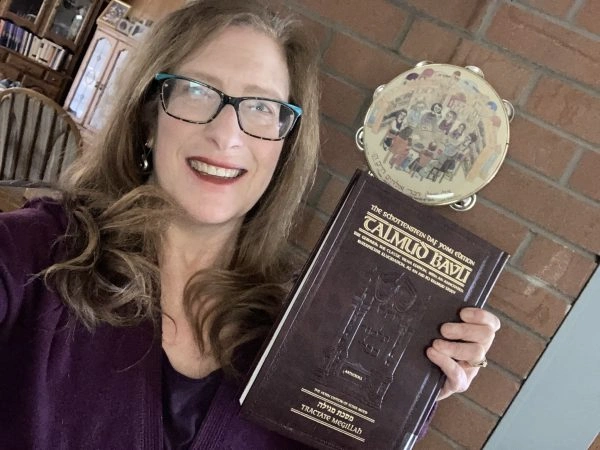
Sue Parker Gerson
Denver, United States
In early January of 2020, I learned about Siyyum HaShas and Daf Yomi via Tablet Magazine’s brief daily podcast about the Daf. I found it compelling and fascinating. Soon I discovered Hadran; since then I have learned the Daf daily with Rabbanit Michelle Cohen Farber. The Daf has permeated my every hour, and has transformed and magnified my place within the Jewish Universe.

Lisa Berkelhammer
San Francisco, CA , United States
Michelle has been an inspiration for years, but I only really started this cycle after the moving and uplifting siyum in Jerusalem. It’s been an wonderful to learn and relearn the tenets of our religion and to understand how the extraordinary efforts of a band of people to preserve Judaism after the fall of the beit hamikdash is still bearing fruits today. I’m proud to be part of the chain!

Judith Weil
Raanana, Israel
What a great experience to learn with Rabbanit Michelle Farber. I began with this cycle in January 2020 and have been comforted by the consistency and energy of this process throughout the isolation period of Covid. Week by week, I feel like I am exploring a treasure chest with sparkling gems and puzzling antiquities. The hunt is exhilarating.
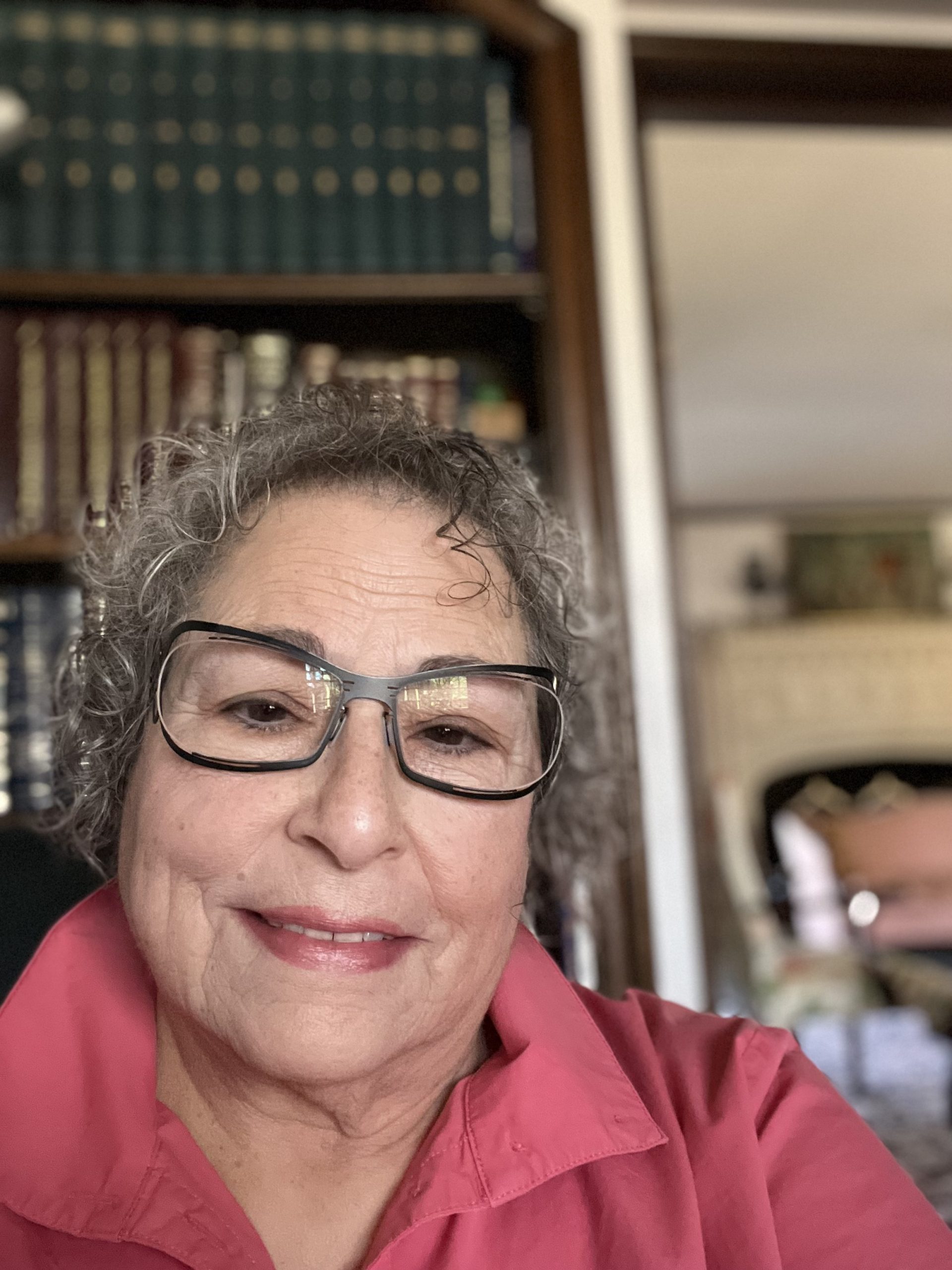
Marian Frankston
Pennsylvania, United States
I learned Talmud as a student in Yeshivat Ramaz and felt at the time that Talmud wasn’t for me. After reading Ilana Kurshan’s book I was intrigued and after watching the great siyum in Yerushalayim it ignited the spark to begin this journey. It has been a transformative life experience for me as a wife, mother, Savta and member of Klal Yisrael.

Elana Storch
Phoenix, Arizona, United States
About a year into learning more about Judaism on a path to potential conversion, I saw an article about the upcoming Siyum HaShas in January of 2020. My curiosity was piqued and I immediately started investigating what learning the Daf actually meant. Daily learning? Just what I wanted. Seven and a half years? I love a challenge! So I dove in head first and I’ve enjoyed every moment!!

Nickie Matthews
Blacksburg, United States
I read Ilana Kurshan’s “If All the Seas Were Ink” which inspired me. Then the Women’s Siyum in Jerusalem in 2020 convinced me, I knew I had to join! I have loved it- it’s been a constant in my life daily, many of the sugiyot connect to our lives. My family and friends all are so supportive. It’s incredible being part of this community and love how diverse it is! I am so excited to learn more!

Shira Jacobowitz
Jerusalem, Israel
I started learning on January 5, 2020. When I complete the 7+ year cycle I will be 70 years old. I had been intimidated by those who said that I needed to study Talmud in a traditional way with a chevruta, but I decided the learning was more important to me than the method. Thankful for Daf Yomi for Women helping me catch up when I fall behind, and also being able to celebrate with each Siyum!

Pamela Elisheva
Bakersfield, United States
I began learning the daf in January 2022. I initially “flew under the radar,” sharing my journey with my husband and a few close friends. I was apprehensive – who, me? Gemara? Now, 2 years in, I feel changed. The rigor of a daily commitment frames my days. The intellectual engagement enhances my knowledge. And the virtual community of learners has become a new family, weaving a glorious tapestry.

Gitta Jaroslawicz-Neufeld
Far Rockaway, United States
3 years ago, I joined Rabbanit Michelle to organize the unprecedented Siyum HaShas event in Jerusalem for thousands of women. The whole experience was so inspiring that I decided then to start learning the daf and see how I would go…. and I’m still at it. I often listen to the Daf on my bike in mornings, surrounded by both the external & the internal beauty of Eretz Yisrael & Am Yisrael!

Lisa Kolodny
Raanana, Israel
After all the hype on the 2020 siyum I became inspired by a friend to begin learning as the new cycle began.with no background in studying Talmud it was a bit daunting in the beginning. my husband began at the same time so we decided to study on shabbat together. The reaction from my 3 daughters has been fantastic. They are very proud. It’s been a great challenge for my brain which is so healthy!

Stacey Goodstein Ashtamker
Modi’in, Israel
I started learning Daf Yomi because my sister, Ruth Leah Kahan, attended Michelle’s class in person and suggested I listen remotely. She always sat near Michelle and spoke up during class so that I could hear her voice. Our mom had just died unexpectedly and it made me feel connected to hear Ruth Leah’s voice, and now to know we are both listening to the same thing daily, continents apart.

Jessica Shklar
Philadelphia, United States
It has been a pleasure keeping pace with this wonderful and scholarly group of women.

Janice Block
Beit Shemesh, Israel
Attending the Siyyum in Jerusalem 26 months ago inspired me to become part of this community of learners. So many aspects of Jewish life have been illuminated by what we have learned in Seder Moed. My day is not complete without daf Yomi. I am so grateful to Rabbanit Michelle and the Hadran Community.

Nancy Kolodny
Newton, United States
Having never learned Talmud before, I started Daf Yomi in hopes of connecting to the Rabbinic tradition, sharing a daily idea on Instagram (@dafyomiadventures). With Hadran and Sefaria, I slowly gained confidence in my skills and understanding. Now, part of the Pardes Jewish Educators Program, I can’t wait to bring this love of learning with me as I continue to pass it on to my future students.

Hannah Greenberg
Pennsylvania, United States
After experiences over the years of asking to join gemara shiurim for men and either being refused by the maggid shiur or being the only women there, sometimes behind a mechitza, I found out about Hadran sometime during the tail end of Masechet Shabbat, I think. Life has been much better since then.
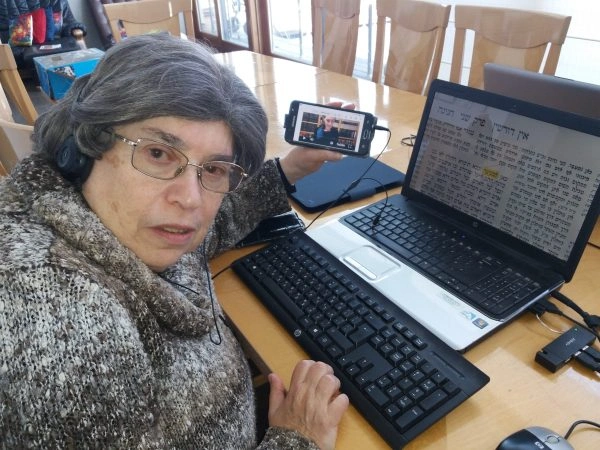
Madeline Cohen
London, United Kingdom
When I started studying Hebrew at Brown University’s Hillel, I had no idea that almost 38 years later, I’m doing Daf Yomi. My Shabbat haburah is led by Rabbanit Leah Sarna. The women are a hoot. I’m tracking the completion of each tractate by reading Ilana Kurshan’s memoir, If All the Seas Were Ink.

Hannah Lee
Pennsylvania, United States
Margo
I started my Talmud journey in 7th grade at Akiba Jewish Day School in Chicago. I started my Daf Yomi journey after hearing Erica Brown speak at the Hadran Siyum about marking the passage of time through Daf Yomi.
Carolyn
I started my Talmud journey post-college in NY with a few classes. I started my Daf Yomi journey after the Hadran Siyum, which inspired both my son and myself.
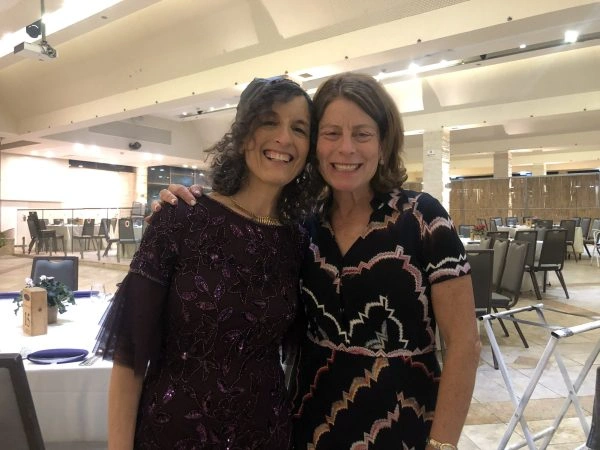
Carolyn Hochstadter and Margo Kossoff Shizgal
Merion Station, USA
Beit Shemesh, Israel
I started learning Daf Yomi in January 2020 after watching my grandfather, Mayer Penstein z”l, finish shas with the previous cycle. My grandfather made learning so much fun was so proud that his grandchildren wanted to join him. I was also inspired by Ilana Kurshan’s book, If All the Seas Were Ink. Two years in, I can say that it has enriched my life in so many ways.

Leeza Hirt Wilner
New York, United States
Kiddushin 48
הַמּוֹכֵר שְׁטַר חוֹב לַחֲבֵירוֹ, וְחָזַר וּמְחָלוֹ – מָחוּל, וַאֲפִילּוּ יוֹרֵשׁ מוֹחֵל. דְּמָר אִית לֵיהּ דִּשְׁמוּאֵל. וּמָר לֵית לֵיהּ דִּשְׁמוּאֵל.
In the case of one who sells a promissory note to another, and he, the seller, went back and forgave the debtor his debt, it is forgiven, since the debtor essentially had a non-transferable obligation to the creditor alone. And even the creditor’s inheritor can forgive the debt. It can be explained that one Sage, i.e., the Rabbis, is of the opinion that the ruling is in accordance with the opinion of Shmuel. Since the man can forgive the debt, the woman will not rely on her ability to collect using the promissory note she has received for her betrothal. And one Sage, Rabbi Meir, is not of the opinion that the ruling is in accordance with the opinion of Shmuel; the woman relies on her ability to collect using the promissory note and is betrothed.
וְאִיבָּעֵית אֵימָא: דְּכוּלֵּי עָלְמָא אִית לְהוּ דִּשְׁמוּאֵל, וְהָכָא בְּאִשָּׁה קָמִיפַּלְגִי. מָר סָבַר: אִשָּׁה סָמְכָה דַּעְתַּהּ, מֵימָר אָמְרָה: לָא שָׁבֵיק לֵיהּ לְדִידִי וּמָחֵל לֵיהּ לְאַחֲרִינֵי, וּמָר סָבַר: אִשָּׁה נָמֵי לָא סָמְכָה דַּעְתַּהּ
And if you wish, say instead that everyone is of the opinion that the ruling is in accordance with the opinion of Shmuel, and here they disagree with regard to a woman who is becoming betrothed. One Sage, Rabbi Meir, holds that a woman relies on a promissory note she receives, since she says to herself: He would not leave aside my benefit and forgive the debt of others. And one Sage, i.e., the Rabbis, holds that even a woman who received the promissory note for betrothal does not rely on being able to collect the debt, since she is concerned he might forgive it.
בְּמִלְוָה עַל פֶּה. בְּמַאי פְּלִיגִי? בִּדְרַב הוּנָא אָמַר רַב, דְּאָמַר רַב הוּנָא אָמַר רַב: מָנֶה לִי בְּיָדְךָ, תְּנֵהוּ לִפְלוֹנִי בְּמַעֲמַד שְׁלָשְׁתָּן – קָנָה.
Having enumerated several possibilities for the dispute in the case of a loan with a promissory note, the Gemara explains the dispute in the case of a loan by oral agreement: In the case of one who betroths a woman with a loan by oral agreement, with regard to what do they disagree? They disagree with regard to the statement of Rav Huna, who quoted a statement that Rav says, as Rav Huna says that Rav says: If one said to another: I have one hundred dinars in your possession, give it to so-and-so, if he stated this in the presence of all three parties, i.e., the one who had the money, the one who was the owner of the money, and the intended recipient, the intended recipient has acquired it.
מָר סָבַר: כִּי קָאָמַר רַב הָנֵי מִילֵּי בְּפִקָּדוֹן, אֲבָל מִלְוָה – לָא. וּמָר סָבַר: לָא שְׁנָא מִלְוָה וְלָא שְׁנָא פִּקָּדוֹן.
One Sage, i.e., the Rabbis, holds that when Rav said that it can be acquired in the presence of all three parties, this applies in the case of a deposit, since the item is intact. But in the case of a loan, which is meant to be spent, he did not rule that it can be transferred this way, since there is no actual money but merely a debt. And one Sage, Rabbi Meir, holds: There is no difference whether it is a loan or a deposit. The third party acquires it in both cases. A woman is therefore betrothed if he gave her a loan in the above manner.
נֵימָא כְּתַנָּאֵי: ״הִתְקַדְּשִׁי לִי בִּשְׁטָר״ – רַבִּי מֵאִיר אוֹמֵר: אֵינָהּ מְקוּדֶּשֶׁת, וְרַבִּי אֶלְעָזָר אוֹמֵר: מְקוּדֶּשֶׁת, וַחֲכָמִים אוֹמְרִים: שָׁמִין אֶת הַנְּיָיר, אִם יֵשׁ בּוֹ שָׁוֶה פְּרוּטָה – מְקוּדֶּשֶׁת, וְאִם לָאו – אֵינָהּ מְקוּדֶּשֶׁת.
The Gemara again suggests: Let us say that Rav’s statement that one cannot betroth a woman with a loan is subject to a dispute between tanna’im. A baraita teaches: If one says to a woman: Be betrothed to me with a document, Rabbi Meir says she is not betrothed, and Rabbi Elazar says she is betrothed, and the Rabbis say the court appraises the paper the document is written on: If the paper itself has the value of one peruta, she is betrothed. But if not, she is not betrothed.
הַאי שְׁטָר הֵיכִי דָמֵי? אִילֵּימָא שְׁטַר חוֹב דַּאֲחֵרִים – קַשְׁיָא דְּרַבִּי מֵאִיר אַדְּרַבִּי מֵאִיר. אֶלָּא בִּשְׁטַר חוֹב דִּידַהּ, וּבִמְקַדֵּשׁ בְּמִלְוָה קָא מִיפַּלְגִי!
The Gemara clarifies the case of this baraita: What are the circumstances of this document? If we say it is a promissory note of a debt owed him by others, then the statement of Rabbi Meir is difficult in light of another statement of Rabbi Meir, as he stated in the previous baraita that a woman can be betrothed by giving her a promissory note. Rather, this baraita must be referring to a promissory note of a debt owed him by her, and they disagree with regard to the halakha of one who betroths a woman with a loan.
אָמַר רַב נַחְמָן בַּר יִצְחָק, הָכָא בְּמַאי עָסְקִינַן כְּגוֹן שֶׁקִּדְּשָׁהּ בִּשְׁטָר שֶׁאֵין עָלָיו עֵדִים.
Rav Naḥman bar Yitzḥak says that this is not necessarily so. With what are we dealing here? With a case where he betrothed her with a document of betrothal that had no witnesses to it.
וְרַבִּי מֵאִיר לְטַעְמֵיהּ דְּאָמַר: עֵדֵי חֲתִימָה כָּרְתִי, וְרַבִּי אֶלְעָזָר לְטַעְמֵיהּ דְּאָמַר: עֵדֵי מְסִירָה כָּרְתִי, וְרַבָּנַן מְסַפְּקָא לְהוּ אִי כְּרַבִּי מֵאִיר אִי כְּרַבִּי אֶלְעָזָר, הִלְכָּךְ שָׁמִין אֶת הַנְּיָיר, אִם יֵשׁ בּוֹ שָׁוֶה פְּרוּטָה – מְקוּדֶּשֶׁת, וְאִם לָאו אֵינָהּ מְקוּדֶּשֶׁת.
And Rabbi Meir conforms to his standard line of reasoning, as he says with regard to a bill of divorce: Signatory witnesses on the bill of divorce effect the divorce, and the same applies to a document of betrothal. Since no witnesses signed the document, it cannot be used for betrothal. And Rabbi Elazar conforms to his standard line of reasoning, as he says: Witnesses to the transmission of the bill of divorce effect the divorce, and she is betrothed if the document was handed over in the presence of witnesses. And the Rabbis are uncertain if the halakha is in accordance with the opinion of Rabbi Meir or if it is in accordance with the opinion of Rabbi Elazar. Therefore, they rule that the betrothal is not effected by means of the document, but it is betrothal effected by means of giving an item worth money. The court appraises the paper: If it has the value of one peruta, she is betrothed. But if not, she is not betrothed.
וְאִיבָּעֵית אֵימָא, כְּגוֹן שֶׁכְּתָבוֹ שֶׁלֹּא לִשְׁמָהּ, וּבִדְרֵישׁ לָקִישׁ קָמִיפַּלְגִי. דְּבָעֵי רֵישׁ לָקִישׁ: שְׁטַר אֵירוּסִין שֶׁכְּתָבוֹ שֶׁלֹּא לִשְׁמָהּ, מַהוּ? הֲוָיָה לִיצִיאָה מַקְּשִׁינַן, מָה יְצִיאָה בָּעֵינַן לִשְׁמָהּ, אַף הֲוָיָה נָמֵי בָּעֵינַן לִשְׁמָהּ. אוֹ דִלְמָא: הֲוָיוֹת לַהֲדָדֵי מַקְּשִׁינַן, מָה הֲוָיָה דְכֶסֶף לָא בָּעֵינַן לִשְׁמָהּ, אַף הֲוָיָה דִשְׁטָר לָא בָּעֵינַן לִשְׁמָהּ.
And if you wish, say instead that this baraita is referring to a case where he wrote the document of betrothal not for her sake, i.e., not for this particular woman’s sake. And they disagree with regard to a statement of Reish Lakish, as Reish Lakish asks: What is the halakha of a document of betrothal that the scribe wrote not for her sake? The Gemara clarifies the question: Do we juxtapose becoming a wife through betrothal to leaving a marriage through divorce and say: Just as in the document that causes her to leave the marriage we require that it be written for her sake, so too, in the document that causes her to become betrothed we require that it be written for her sake as well. Or perhaps we juxtapose different ways of becoming betrothed to each other: Just as in the act of becoming betrothed by means of money we do not require that money be minted for her sake and he can use any money, so too, with regard to the act of becoming betrothed by means of a document, we do not require that it be written for her sake.
בָּתַר דְּבַעְיַהּ הֲדַר פַּשְׁטַהּ: ״וְיָצְאָה… וְהָיְתָה״, מַקִּישׁ הֲוָיָה לִיצִיאָה. מָר אִית לֵיהּ דְּרֵישׁ לָקִישׁ, וּמָר לֵית לֵיהּ דְּרֵישׁ לָקִישׁ.
After Reish Lakish raised the dilemma, he then resolved it: The verse states: “And she departs out of his house and goes and becomes another man’s wife” (Deuteronomy 24:2). The verse thereby juxtaposes the verb becoming to the verb leaving, so a bill of divorce and a document of betrothal must be written for her sake to be valid. One Sage, Rabbi Meir, is of the opinion that the halakha is in accordance with the opinion of Reish Lakish, and maintains that she is not betrothed if the document was not written for her sake. And one Sage, Rabbi Elazar, is not of the opinion that the halakha is in accordance with the opinion of Reish Lakish. The Rabbis remain uncertain, and therefore view the case as betrothal by means of giving an item worth money.
וְאִי בָּעֵית אֵימָא: דְּכוּלֵּי עָלְמָא אִית לְהוּ דְּרֵישׁ לָקִישׁ, וְהָכָא בְּמַאי עָסְקִינַן, שֶׁכְּתָבוֹ לִשְׁמָהּ וְשֶׁלֹּא מִדַּעְתָּהּ. וּבִפְלוּגְתָּא דְּרָבָא וְרָבִינָא, וְרַב פָּפָּא וְרַב שֵׁרֵבְיָא קָמִיפַּלְגִי. דְּאִיתְּמַר: כְּתָבוֹ לִשְׁמָהּ וְשֶׁלֹּא מִדַּעְתָּהּ, רָבָא וְרָבִינָא אָמְרִי: מְקוּדֶּשֶׁת, רַב פָּפָּא וְרַב שֵׁרֵבְיָא אָמְרִי: אֵינָהּ מְקוּדֶּשֶׁת.
And if you wish, say instead that everyone is of the opinion that the halakha is in accordance with the opinion of Reish Lakish, and with what are we dealing here? With a case where he wrote the document for her sake but unbeknownst to her. And they disagree concerning the dispute between Rava and Ravina, and Rav Pappa and Rav Sherevya, as it was stated that these amora’im engaged in a dispute with regard to the following issue: If he wrote a document of betrothal for her sake but unbeknownst to her and gave it to her for betrothal, Rava and Ravina say she is betrothed; Rav Pappa and Rav Sherevya say she is not betrothed.
נֵימָא כְּהָנֵי תַּנָּאֵי, דְּתַנְיָא: ״עֲשֵׂה לִי שִׁירִים נְזָמִים וְטַבָּעוֹת, וְאֶקַּדֵּשׁ אֲנִי לָךְ״, כֵּיוָן שֶׁעֲשָׂאָן – מְקוּדֶּשֶׁת, דִּבְרֵי רַבִּי מֵאִיר, וַחֲכָמִים אוֹמְרִים: אֵינָהּ מְקוּדֶּשֶׁת עַד שֶׁיַּגִּיעַ מָמוֹן לְיָדָהּ.
The Gemara again suggests: Let us say that Rav’s statement that one cannot betroth a woman with a loan is subject to a dispute between these tanna’im, as it is taught in a baraita: If a woman gave gold to a goldsmith, instructing him: Make bracelets, earrings, and rings for me, and I will be betrothed to you as payment for your work, once he has made them she is betrothed; this is the statement of Rabbi Meir. And the Rabbis say: She is not betrothed until money enters her possession.
הַאי מָמוֹן הֵיכִי דָמֵי? אִילֵּימָא אוֹתוֹ מָמוֹן, מִכְּלָל דְּתַנָּא קַמָּא סָבַר: אֲפִילּוּ אוֹתוֹ מָמוֹן נָמֵי לָא! אֶלָּא בְּמַאי כּוּ מִקַּדְּשָׁא? אֶלָּא לָאו בְּמָמוֹן אַחֵר, וּשְׁמַע מִינַּהּ בִּמְקַדֵּשׁ בְּמִלְוָה קָמִיפַּלְגִי.
The Gemara asks: What are the circumstances of this money mentioned by the Rabbis? If we say it means that very money, i.e., the jewelry she requested, then by inference the first tanna, Rabbi Meir, holds that even that same money is also not required to be given for her to be betrothed, but she is betrothed as soon as he made the jewelry. But with what does he betroth her? It is only with the jewelry that she is betrothed, since he has given her nothing but the jewelry. Rather, is the statement of the Rabbis not referring to when he betroths her with the other money, i.e., the payment she owes him for his service, and they hold that she is not betrothed? And conclude from it that Rabbi Meir and the Rabbis disagree with regard to one who betroths a woman with a loan, since the payment she owes him for making the rings is like a loan.
וְסָבְרִי דְּכוּלֵּי עָלְמָא יֶשְׁנָהּ לִשְׂכִירוּת מִתְּחִלָּה [וְעַד] סוֹף וְהָוֵה מִלְוָה. מַאי לָאו בְּהָא קָמִיפַּלְגִי, דְּמָר סָבַר: הַמְקַדֵּשׁ בְּמִלְוָה מְקוּדֶּשֶׁת, וּמָר סָבַר: הַמְקַדֵּשׁ בְּמִלְוָה אֵינָהּ מְקוּדֶּשֶׁת?
The Gemara clarifies: And it must be they hold that everyone agrees that the obligation to pay a wage is incurred continuously from the beginning of the period he was hired to its end, i.e., the obligation to pay for a service begins when the hired party starts to work, and the sum owed increases as he proceeds. And it is therefore a loan, as when he gives her the finished article she was already obligated to pay for the work he had performed earlier. What, is it not the case that they disagree with regard to this, i.e., that one Sage, Rabbi Meir, holds that in the case of one who betroths a woman with a loan, she is betrothed, and one Sage, the Rabbis, holds that in the case of one who betroths a woman with a loan, she is not betrothed?
לָא, דְּכוּלֵּי עָלְמָא מְקַדֵּשׁ בְּמִלְוָה אֵינָהּ מְקוּדֶּשֶׁת, וְהָכָא – בְּיֶשְׁנָהּ לִשְׂכִירוּת מִתְּחִלָּה וְעַד סוֹף קָמִיפַּלְגִי, מָר סָבַר:
The Gemara rejects this: No, it is possible that everyone agrees that in the case of one who betroths a woman with a loan, she is not betrothed, and here they in fact disagree over the question of whether or not the obligation to pay a wage is incurred continuously from the beginning of the period he was hired to its end. One Sage, Rabbi Meir, holds:
אֵינָהּ לִשְׂכִירוּת אֶלָּא בַּסּוֹף. וּמָר סָבַר: יֶשְׁנָהּ לִשְׂכִירוּת מִתְּחִלָּה וְעַד סוֹף.
The obligation to pay a wage is incurred only at the end of the labor, when he returns the item to her. Since it is at this stage that he forgives the money due him and converts it to money for betrothal, it was never considered to be a loan. And one Sage, i.e., the Rabbis, holds: The obligation to pay a wage is incurred continuously from the beginning of the period he was hired to its end, at which point the debt is viewed as a loan that has accumulated throughout the period of hire.
וְאִיבָּעֵית אֵימָא: דְּכוּלֵּי עָלְמָא יֶשְׁנָהּ לִשְׂכִירוּת מִתְּחִלָּה וְעַד סוֹף, וּמְקַדֵּשׁ בְּמִלְוָה – אֵינָהּ מְקוּדֶּשֶׁת, וְהָכָא, בְּאוּמָּן קוֹנָה בִּשְׁבַח כְּלִי קָמִיפַּלְגִי. מָר סָבַר: אוּמָּן קוֹנָה בִּשְׁבַח כְּלִי, וּמַר סָבַר: אֵין אוּמָּן קוֹנֶה בִּשְׁבַח כְּלִי.
And if you wish, say instead that everyone agrees that the obligation to pay a wage is incurred continuously from the beginning of the period he was hired to its end. And they also agree that in the case of one who betroths a woman with a loan, she is not betrothed. And here the case is not discussing a hired worker but a contractor, who is entitled to payment only upon completion of the job, and they disagree with regard to the question of whether or not a craftsman acquires ownership rights through enhancement of the vessel. Is it viewed that the contractor has acquired the item by improving it, and he is then selling it back to the one who hired him? Or is he merely being paid for his labor? One Sage, Rabbi Meir, holds: A craftsman acquires ownership rights through enhancement of the vessel, and since he partly owns the jewelry he can betroth a woman with it. And one Sage, i.e., the Rabbis, holds: A craftsman does not acquire ownership rights through enhancement of the vessel.
וְאִי בָּעֵית אֵימָא: דְּכוּלֵּי עָלְמָא אֵין אוּמָּן קוֹנָה בִּשְׁבַח כְּלִי, וְיֶשְׁנָהּ לִשְׂכִירוּת מִתְּחִלָּה וְעַד סוֹף, וּמְקַדֵּשׁ בְּמִלְוָה אֵינָהּ מְקוּדֶּשֶׁת, וְהָכָא בְּמַאי עָסְקִינַן – כְּגוֹן שֶׁהוֹסִיף לָהּ נוֹפֶךְ מִשֶּׁלּוֹ. דְּמָר סָבַר: מִלְוָה וּפְרוּטָה, דַּעְתֵּיהּ אַפְּרוּטָה, וּמָר סָבַר: דַּעְתֵּיהּ אַמִּלְוָה.
And if you wish, say instead that everyone agrees that a craftsman does not acquire ownership rights through enhancement of the vessel, and also that the obligation to pay a wage is incurred continuously from the beginning of the period he was hired to its end. And everyone also agrees that in the case of one who betroths a woman with a loan, she is not betrothed. And with what are we dealing here? A case where he added a jewel [nofekh] of his own for her, as one Sage, Rabbi Meir, holds that if a man betroths a woman with a loan and one peruta, his mind is focused on the peruta. And one Sage, i.e., the Rabbis, holds that his mind is focused on the loan. Here too, the question is whether her intention is to become betrothed with the payment for the work, which is a loan, or with the jewel he added.
וּבִפְלוּגְתָּא דְּהָנֵי תַּנָּאֵי, דְּתַנְיָא: ״בִּשְׂכַר שֶׁעָשִׂיתִי עִמָּךְ״ – אֵינָהּ מְקוּדֶּשֶׁת. ״בִּשְׂכַר שֶׁאֶעֱשֶׂה עִמָּךְ״ – מְקוּדֶּשֶׁת. רַבִּי נָתָן אוֹמֵר: ״בִּשְׂכַר שֶׁאֶעֱשֶׂה עִמָּךְ״ – אֵינָהּ מְקוּדֶּשֶׁת, וְכׇל שֶׁכֵּן ״בִּשְׂכַר שֶׁעָשִׂיתִי עִמָּךְ״.
And they disagree in the dispute between these tanna’im. As it is taught in a baraita (Tosefta 3:4): If one says to a woman: Be betrothed to me with the payment for that which I have worked for you, she is not betrothed because it is a loan, since she already owes him the money. But if he said: Be betrothed to me with the payment for that which I will work for you, she is betrothed, as at the moment he becomes entitled to the money it is considered as though he gives it to her for her betrothal. Rabbi Natan says: If he says: With the payment for that which I will work for you, she is not betrothed, as Rabbi Natan holds that the obligation to pay a wage is incurred continuously from the beginning of the period he was hired to its end, which means that by the end of the job it is a loan. And this is all the more so if he says: With the payment for that which I have worked for you.
רַבִּי יְהוּדָה הַנָּשִׂיא אוֹמֵר: בֶּאֱמֶת אָמְרוּ: בֵּין ״בִּשְׂכַר שֶׁעָשִׂיתִי״, בֵּין ״בִּשְׂכַר שֶׁאֶעֱשֶׂה עִמָּךְ״ – אֵינָהּ מְקוּדֶּשֶׁת. וְאִם הוֹסִיף לָהּ נוֹפֶךְ מִשֶּׁלּוֹ – מְקוּדֶּשֶׁת.
The baraita cites a third opinion: Rabbi Yehuda HaNasi says: Actually, they said that the halakha is that whether he said: With the payment for that which I have worked for you, or: With the payment for that which I will work for you, she is not betrothed. But if he added a nofekh of his own for her, she is betrothed.
בֵּין תַּנָּא קַמָּא לְרַבִּי נָתָן – אִיכָּא בֵּינַיְיהוּ שְׂכִירוּת, בֵּין רַבִּי נָתָן לְרַבִּי יְהוּדָה הַנָּשִׂיא – אִיכָּא בֵּינַיְיהוּ מִלְוָה וּפְרוּטָה. מָר סָבַר: מִלְוָה וּפְרוּטָה, דַּעְתֵּיהּ אַמִּלְוָה, וּמָר סָבַר: דַּעְתֵּיהּ אַפְּרוּטָה.
The Gemara clarifies the dispute: The difference between the first tanna and Rabbi Natan concerns a wage: Is the obligation incurred continuously or only at the end? The difference between Rabbi Natan and Rabbi Yehuda HaNasi is the issue of a loan and one peruta. One Sage, Rabbi Natan, holds that if a man betroths a woman with a loan and one peruta his mind is focused on the loan, and his jewel is disregarded. And one Sage, Rabbi Yehuda HaNasi, holds that his mind is focused on the peruta, and she is betrothed with the jewel.
מַתְנִי׳ ״הִתְקַדְּשִׁי לִי בְּכוֹס זֶה שֶׁל יַיִן״ וְנִמְצָא שֶׁל דְּבַשׁ, ״שֶׁל דְּבַשׁ״ וְנִמְצָא שֶׁל יַיִן, ״בְּדִינָר זֶה שֶׁל כֶּסֶף״ וְנִמְצָא שֶׁל זָהָב, ״שֶׁל זָהָב״ וְנִמְצָא שֶׁל כֶּסֶף, ״עַל מְנָת שֶׁאֲנִי עָשִׁיר״ וְנִמְצָא עָנִי, ״עָנִי״ וְנִמְצָא עָשִׁיר – אֵינָהּ מְקוּדֶּשֶׁת. רַבִּי שִׁמְעוֹן אוֹמֵר: אִם הִטְעָהּ לְשֶׁבַח, מְקוּדֶּשֶׁת.
MISHNA: If a man said to a woman: Be betrothed to me with this cup of wine, and it was found to be a cup of honey; or if he said: With this cup of honey, and it was found to be a cup of wine; or if he said: With this dinar made of silver, and it was found to be made of gold; or if he said: With this dinar made of gold, and it was found to be made of silver; or if he said: On the condition that I am wealthy, and he was found to be poor; or if he said: On the condition that I am poor, and he was found to be wealthy, she is not betrothed in any of these cases. Rabbi Shimon says: If he misled her to her advantage by giving her something better than what he stated, or if his status was greater than he claimed, she is betrothed.
גְּמָ׳ תָּנוּ רַבָּנַן: ״הִתְקַדְּשִׁי לִי בְּכוֹס זֶה״, תָּנֵי חֲדָא: בּוֹ וּבַמֶּה שֶׁבְּתוֹכוֹ, וְתַנְיָא אִידַּךְ: בּוֹ וְלֹא בַּמֶּה שֶׁבְּתוֹכוֹ. וְתַנְיָא אִידַּךְ: בַּמֶּה שֶׁבְּתוֹכוֹ וְלֹא בּוֹ. וְלָא קַשְׁיָא: הָא – בְּמַיָּא, הָא – בְּחַמְרָא, הָא – בְּצִיהֲרָא.
GEMARA: The Sages taught: With regard to one who says to a woman: Be betrothed to me with this cup, without further specification, it is taught in one baraita (Tosefta 2:3) that the betrothal is effected with the cup and also with its contents. And it is taught in another baraita that the betrothal is effected with the cup but not with its contents. And it is taught in yet another baraita that the betrothal is effected with its contents but not with it. The Gemara comments: And this is not difficult: The baraitot do not contradict one another since this one is stated with regard to a cup of water, this one is stated with regard to a cup of wine, and this one is stated with regard to a cup of oil.
אִם הִטְעָהּ לְשֶׁבַח הֲרֵי זוֹ מְקוּדֶּשֶׁת. וְלֵית לֵיהּ לְרַבִּי שִׁמְעוֹן יַיִן וְנִמְצָא חוֹמֶץ, חוֹמֶץ וְנִמְצָא יַיִן – שְׁנֵיהֶם יְכוֹלִין לַחֲזוֹר בָּהֶם. אַלְמָא, אִיכָּא דְּנִיחָא לֵיהּ בְּחַלָּא וְאִיכָּא דְּנִיחָא לֵיהּ בְּחַמְרָא. הָכָא נָמֵי: אִיכָּא נִיחָא לֵיהּ בְּכַסְפָּא וְלָא נִיחָא לֵיהּ בְּדַהֲבָא!
§ The mishna teaches that Rabbi Shimon says: If he misled her to her advantage, she is betrothed. The Gemara asks: But doesn’t Rabbi Shimon accept the statement of the mishna (Bava Batra 83a) that if one sells wine and it was found to be vinegar, or if he sold vinegar and it was found to be wine, both the buyer and the seller can retract from the sale? Although wine is more valuable than vinegar, the seller is not considered to have defrauded the buyer, in which case only the buyer could retract. Apparently, this is because there is one for whom it is preferable to have vinegar and there is one for whom it is preferable to have wine. Consequently, receiving wine instead of vinegar is not objectively better. If so, here too, there is one for whom it is preferable to have silver and it is not preferable for him to have gold. Why does Rabbi Shimon say that she is betrothed if he gave her gold instead of silver?
אָמַר רַב שִׁימִי בַּר אָשֵׁי: אַשְׁכַּחְתֵּיהּ לְאַבָּיֵי דְּיָתֵיב וְקָמַסְבַּר לֵיהּ לִבְרֵיהּ: הָכָא בְּמַאי עָסְקִינַן – כְּגוֹן שֶׁאָמַר לִשְׁלוּחוֹ: ״הַלְוֵינִי דִּינָר שֶׁל כֶּסֶף, וְלֵךְ וְקַדֵּשׁ לִי אִשָּׁה פְּלוֹנִית״ וְהָלַךְ וְהִלְוָה שֶׁל זָהָב. מָר סָבַר: קְפֵידָא. וּמָר סָבַר: מַרְאֶה מָקוֹם הוּא לוֹ.
Rav Shimi bar Ashi says: I found Abaye sitting and explaining this mishna to his son: With what are we dealing here? With a case where one said to his agent: Lend me a dinar made of silver and go and betroth for me such and such a woman with it, and he went and lent him a dinar made of gold and betrothed her with that. One Sage, the first tanna, holds that he is particular in his requirement that a silver dinar be used, and consequently she is not betrothed. And one Sage, Rabbi Shimon, holds that he is merely indicating his position to him. He stated silver only as a guideline, but does not care if it is gold.
אִי הָכִי ״הִתְקַדְּשִׁי לִי״? ״הִתְקַדְּשִׁי לוֹ״ מִיבְּעֵי לֵיהּ! הִטְעָהּ לְשֶׁבַח? הִטְעָהוּ לְשֶׁבַח מִיבְּעֵי לֵיהּ! ״נִמְצָא״ מֵעִיקָּרָא נָמֵי דְּזָהָב הֲוָה!
The Gemara raises a difficulty: If so, if the case involves an agent, why does the mishna state: Be betrothed to me? The mishna should have stated: Be betrothed to him. Furthermore, why does it say: He misled her to her advantage? The mishna should have stated: He misled him to his advantage, as the agent did not mislead the woman but the one who designated him. Similarly, there is a difficulty with regard to the wording: If it was found to be made of gold, as according to this explanation, from the outset, when the agent gave it to the woman, it was also known to be made of gold. This fact was not discovered later.
אֶלָּא אָמַר רָבָא: אֲנִי וַאֲרִי שֶׁבַּחֲבוּרָה (תַּרְגֵּימְנָא) [תַּרְגֵּימְנוּהָ] וּמַנּוּ – רַבִּי חִיָּיא בַּר אָבִין, הָכָא בְּמַאי עָסְקִינַן – כְּגוֹן שֶׁאָמְרָה הִיא לִשְׁלוּחָהּ ״צֵא וְקַבֵּל לִי קִדּוּשַׁי מִפְּלוֹנִי שֶׁאָמַר לִי הִתְקַדְּשִׁי לִי בְּדִינָר שֶׁל כֶּסֶף״ וְהָלַךְ וְנָתַן לוֹ דִּינָר שֶׁל זָהָב, מָר סָבַר: קְפֵידָא, וּמָר סָבַר: מַרְאֶה מָקוֹם הִיא לוֹ, וּמַאי ״נִמְצָא״ – דְּקָא צַיִיר בִּבְלִיתָא.
Rather, Rava says: I and the lion of the group explained it, and the Gemara interjects: And who is the lion of the group? It is Rabbi Ḥiyya bar Avin: With what are we dealing here? With a case where she said to her agent: Go and accept my betrothal for me from so-and-so, who said to me: Be betrothed to me with a dinar made of silver, and the prospective husband went and gave the agent a dinar made of gold. One Sage, the first tanna, holds that she is particular about becoming betrothed with a silver dinar rather than a gold one. And one Sage, Rabbi Shimon, holds that she is merely indicating her position to him but does not care what the agent receives from the man. And what is the meaning of: It was found, as it was evident from the outset that it was gold? The mishna is referring to a case where the coin was wrapped in a cloth, and the agent was unaware that he was receiving a different dinar from what she had requested.
אָמַר אַבָּיֵי: רַבִּי שִׁמְעוֹן וְרַבָּן שִׁמְעוֹן בֶּן גַּמְלִיאֵל וְרַבִּי אֶלְעָזָר כּוּלְּהוּ סְבִירָא לְהוּ מַרְאֶה מָקוֹם הוּא לוֹ. רַבִּי שִׁמְעוֹן – הָא דַּאֲמַרַן, רַבָּן שִׁמְעוֹן בֶּן גַּמְלִיאֵל – דִּתְנַן:
Abaye said: With regard to Rabbi Shimon, and Rabban Shimon ben Gamliel, and Rabbi Elazar, they all hold that when one instructs an agent in such a manner he is merely indicating his position to him, as opposed to expressing an insistence on certain details. If the agent makes insignificant changes to the instructions the agency is still fulfilled. Rabbi Shimon holds this, as seen in this mishna that we just said. Rabban Shimon ben Gamliel holds this, as we learned in a mishna (Bava Batra 160a):
Follow

