








With whom is yichud allowed and with whom is it not? What professions are ideal? Which ones are frowned upon? As the masechet ends, we discussed similarities between the beginning and end of the masechet and discussed the significance of that.
Kiddushin 82

June 01, 2016 | כ״ד באייר תשע״ו
Share this shiur:
Kiddushin
Masechet Kiddushin is sponsored by Julie and Martin Mendelsohn in honor of their two children who were recently married
Want to dedicate learning? Get started here:

0:00
0:00
Kiddushin
Masechet Kiddushin is sponsored by Julie and Martin Mendelsohn in honor of their two children who were recently married
Kiddushin 82
הַכֹּל לְשֵׁם שָׁמַיִם.
All such actions are permitted for the sake of Heaven. In other words, if one is acting out of familial affection, without any element of licentiousness, they are permitted.
מַתְנִי׳ לֹא יְלַמֵּד אָדָם רַוּוֹק סוֹפְרִים. וְלֹא תְּלַמֵּד אִשָּׁה סוֹפְרִים. רַבִּי אֶלְעָזָר אוֹמֵר: אַף מִי שֶׁאֵין לוֹ אִשָּׁה לֹא יְלַמֵּד סוֹפְרִים. רַבִּי יְהוּדָה אוֹמֵר: לֹא יִרְעֶה רַוּוֹק בְּהֵמָה, וְלֹא יִישְׁנוּ שְׁנֵי רַוּוֹקִין בְּטַלִּית אַחַת, וַחֲכָמִים מַתִּירִים.
MISHNA: A bachelor may not act as a teacher of children, nor may a woman act as a teacher of children. Rabbi Elazar says: Even one who does not have a wife may not act as a teacher of children. Rabbi Yehuda says: A bachelor may not herd cattle, nor may two bachelors sleep with one covering, lest they transgress the prohibition against homosexual intercourse, but the Rabbis permit it.
גְּמָ׳ מַאי טַעְמָא? אִילֵּימָא מִשּׁוּם יָנוֹקֵי, וְהָתַנְיָא: אָמְרוּ לוֹ לְרַבִּי יְהוּדָה: לֹא נֶחְשְׁדוּ יִשְׂרָאֵל עַל מִשְׁכַּב זְכוּר וְלֹא עַל הַבְּהֵמָה! אֶלָּא: רַוּוֹק – מִשּׁוּם אִמָּהָתָא דְיָנוֹקֵי. אִשָּׁה – מִשּׁוּם אֲבָהָתָא דְיָנוֹקֵי.
GEMARA: What is the reason that a bachelor may not teach children? If we say it is due to the children themselves, that it is suspected that he may engage in homosexual intercourse with them, but isn’t it taught in a baraita (Tosefta 5:10): They said to Rabbi Yehuda: Jews are not suspected of engaging in homosexual intercourse nor of engaging in intercourse with an animal. Rather, the reason is as follows: A bachelor may not be a teacher of children due to the mothers of the children, who come to the school from time to time, with whom he might sin. Similarly, a woman may not serve as a teacher to children because she may come to be secluded with the fathers of the children.
רַבִּי אֶלְעָזָר אוֹמֵר אַף מִי שֶׁאֵין כּוּ׳. אִיבַּעְיָא לְהוּ: מִי שֶׁאֵין לוֹ אִשָּׁה כְּלָל, אוֹ דִלְמָא בְּשֶׁאֵינָהּ שְׁרוּיָה אֶצְלוֹ? תָּא שְׁמַע: אַף מִי שֶׁיֵּשׁ לוֹ וְאֵינָהּ שְׁרוּיָה אֶצְלוֹ לֹא יְלַמֵּד סוֹפְרִים.
The mishna teaches that Rabbi Elazar says: Even one who does not have a wife may not act as a teacher of children. A dilemma was raised before the students in the study hall: Does Rabbi Elazar mean one who does not have a wife at all, or perhaps he is referring even to one who has a wife, in a circumstance where she is not residing with him? Come and hear: Even one who has a wife but she is not residing with him may not act as a teacher of children. This statement is in accordance with the opinion of Rabbi Elazar and indicates that his restriction applies even if the man is married.
רַבִּי יְהוּדָה אוֹמֵר לֹא יִרְעֶה כּוּ׳. תַּנְיָא: אָמְרוּ לוֹ לְרַבִּי יְהוּדָה: לֹא נֶחְשְׁדוּ יִשְׂרָאֵל עַל מִשְׁכַּב זְכוּר וְלֹא עַל הַבְּהֵמָה.
The mishna teaches that Rabbi Yehuda says: A bachelor may not herd cattle, nor may two bachelors sleep with one covering. It is taught in the Tosefta (5:10): They said to Rabbi Yehuda: Jews are not suspected of engaging in homosexual intercourse nor of engaging in intercourse with an animal.
מַתְנִי׳ כֹּל שֶׁעֲסָקָיו עִם הַנָּשִׁים לֹא יִתְיַחֵד עִם הַנָּשִׁים, וְלֹא יְלַמֵּד אָדָם אֶת בְּנוֹ אוּמָּנוּת הַנָּשִׁים. רַבִּי מֵאִיר אוֹמֵר: לְעוֹלָם יְלַמֵּד אָדָם אֶת בְּנוֹ אוּמָּנוּת נְקִיָּה וְקַלָּה, וְיִתְפַּלֵּל לְמִי שֶׁהָעוֹשֶׁר וְהַנְּכָסִים שֶׁלּוֹ. שֶׁאֵין אוּמָּנוּת שֶׁאֵין בָּהּ עֲנִיּוּת וַעֲשִׁירוּת, שֶׁלֹּא עֲנִיּוּת מִן הָאוּמָּנוּת, וְלֹא עֲשִׁירוּת מִן הָאוּמָּנוּת, אֶלָּא הַכֹּל לְפִי זְכוּתוֹ.
MISHNA: Anyone who has professional dealings primarily with women may not be secluded with women. There is more of a concern that such a man might sin due to his familiarity with the women. And a person may not teach his son a trade that necessitates frequent interaction with women, for the same reason. With regard to teaching one’s son a trade, Rabbi Meir says: A person should always teach his son a clean and easy trade and pray for success to the One to Whom wealth and property belong, as ultimately there is no trade that does not include both poverty and wealth, since a person can become rich from any profession. Poverty does not come from a particular trade, nor does wealth come from a particular trade, but rather, all is in accordance with a person’s merit. Therefore, one should choose a clean and easy trade, and pray to God for success.
רַבִּי שִׁמְעוֹן בֶּן אֶלְעָזָר אוֹמֵר: רָאִיתָ מִיָּמֶיךָ חַיָּה וָעוֹף שֶׁיֵּשׁ לָהֶם אוּמָּנוּת? וְהֵן מִתְפַּרְנְסִין שֶׁלֹּא בְּצַעַר! וַהֲלֹא לֹא נִבְרְאוּ אֶלָּא לְשַׁמְּשֵׁנִי, וַאֲנִי נִבְרֵאתִי לְשַׁמֵּשׁ אֶת קוֹנִי, אֵינוֹ דִּין שֶׁאֶתְפַּרְנֵס שֶׁלֹּא בְּצַעַר? אֶלָּא שֶׁהוֹרַעְתִּי מַעֲשַׂי, וְקִפַּחְתִּי אֶת פַּרְנָסָתִי.
Rabbi Shimon ben Elazar says: Have you ever seen a beast or a bird that has a trade? And yet they earn their livelihood without anguish. But all these were created only to serve me, and I, a human being, was created to serve the One Who formed me. Is it not right that I should earn my livelihood without anguish? But I, i.e., humanity, have committed evil actions and have lost my livelihood. This is why people must work to earn a living.
אַבָּא גּוּרְיָין אִישׁ צַיְידָן אוֹמֵר מִשּׁוּם אַבָּא גּוּרְיָא: לֹא יְלַמֵּד אָדָם אֶת בְּנוֹ חַמָּר, גַּמָּל, קַדָּר, סַפָּן, רוֹעֶה, וְחֶנְוָנִי – שֶׁאוּמָּנוּתָן אוּמָּנוּת לִיסְטִים. רַבִּי יְהוּדָה אוֹמֵר מִשְּׁמוֹ: הַחַמָּרִין רוּבָּן רְשָׁעִים, וְהַגַּמָּלִין רוּבָּן כְּשֵׁרִין, הַסַּפָּנִין רוּבָּן חֲסִידִים. טוֹב שֶׁבָּרוֹפְאִים – לְגֵיהִנָּם, וְהַכָּשֵׁר שֶׁבַּטַּבָּחִים – שׁוּתָּפוֹ שֶׁל עֲמָלֵק.
Abba Guryan of Tzadyan says in the name of Abba Gurya: A person may not teach his son the trades of a donkey driver, a camel driver, a pot maker, a sailor, a shepherd, or a storekeeper. The reason for all these is the same, as their trades are the trades of robbers; all of these professions involve a measure of dishonesty and are likely to lead to robbery. Rabbi Yehuda says in Abba Gurya’s name: Most donkey drivers are wicked, since they engage in deceit, and most camel drivers, who traverse dangerous places such as deserts, are of fit character, as they pray to God to protect them on their journeys. Most sailors are pious, since the great danger of the seas instills in them the fear of Heaven. The best of doctors is to Gehenna, and even the fittest of butchers is a partner of Amalek.
רַבִּי נְהוֹרַאי אוֹמֵר: מַנִּיחַ אֲנִי כׇּל אוּמָּנוּת שֶׁבָּעוֹלָם וְאֵינִי מְלַמֵּד אֶת בְּנִי אֶלָּא תּוֹרָה, שֶׁאָדָם אוֹכֵל מִשְּׂכָרָהּ בָּעוֹלָם הַזֶּה, וְהַקֶּרֶן קַיֶּימֶת לוֹ לָעוֹלָם הַבָּא, וּשְׁאָר כׇּל אוּמָּנִיּוֹת אֵינָן כֵּן. כְּשֶׁאָדָם בָּא לִידֵי חוֹלִי אוֹ לִידֵי זִקְנָה אוֹ לִידֵי יִסּוּרִין, וְאֵינוֹ יָכוֹל לַעֲסוֹק בִּמְלַאכְתּוֹ – הֲרֵי הוּא מֵת בָּרָעָב. אֲבָל הַתּוֹרָה אֵינָהּ כֵּן, אֶלָּא מְשַׁמַּרְתּוֹ מִכׇּל רַע בְּנַעֲרוּתוֹ, וְנוֹתֶנֶת לוֹ אַחֲרִית וְתִקְוָה בְּזִקְנוּתוֹ.
Rabbi Nehorai says: I set aside all the trades in the world, and I teach my son only Torah, as a person partakes of its reward in this world and the principal reward remains for him in the World-to-Come, which is not true of other professions, whose rewards are only in this world. Furthermore, if a person comes to be ill, or old, or undergoes suffering, and is unable to be involved in his trade, behold, he dies in hunger. But with regard to the Torah it is not so, since one can study it under all circumstances. Rather, it preserves him from all evil and sin in his youth, and provides him with a future and hope in his old age.
בְּנַעֲרוּתוֹ מַהוּ אוֹמֵר? ״וְקוֹיֵ ה׳ יַחֲלִיפוּ כֹחַ״. בְּזִקְנוּתוֹ מַהוּ אוֹמֵר? ״עוֹד יְנוּבוּן בְּשֵׂיבָה״, וְכֵן הוּא אוֹמֵר בְּאַבְרָהָם אָבִינוּ: ״וְאַבְרָהָם זָקֵן… וַה׳ בֵּרַךְ אֶת אַבְרָהָם בַּכֹּל״ – מָצִינוּ שֶׁעָשָׂה אַבְרָהָם אָבִינוּ אֶת כָּל הַתּוֹרָה כּוּלָּהּ עַד שֶׁלֹּא נִיתְּנָה, שֶׁנֶּאֱמַר: ״עֵקֶב אֲשֶׁר שָׁמַע אַבְרָהָם בְּקֹלִי וַיִּשְׁמֹר מִשְׁמַרְתִּי מִצְוֹתַי חֻקּוֹתַי וְתוֹרֹתָי״
The mishna explains: With regard to his youth, what does it say about a Torah scholar? “But they that wait for the Lord shall renew their strength” (Isaiah 40:31). With regard to his old age, what does it say? “They shall still bring forth fruit in old age” (Psalms 92:15), and it likewise states with regard to Abraham our forefather: “And Abraham was old, well stricken in age; and the Lord had blessed Abraham in all things” (Genesis 24:1). We found that Abraham our forefather fulfilled the entire Torah before it was given, as it is stated: “Because that Abraham listened to My voice, and kept My charge, My commandments, My statutes, and My laws” (Genesis 26:5), which indicates that Abraham observed all the mitzvot of his own accord and was rewarded in his old age as a result.
גְּמָ׳ תָּנוּ רַבָּנַן: כׇּל שֶׁעֲסָקָיו עִם הַנָּשִׁים – סוֹרוֹ רַע, כְּגוֹן הַצּוֹרְפִים, וְהַסָּרֵיקִים, וְהַנָּקוֹרוֹת, וְהָרוֹכְלִין, וְהַגַּרְדִּיִּים, וְהַסַּפָּרִים וְהַכּוֹבְסִים, וְהַגָּרָע, וְהַבַּלָּן, וְהַבּוּרְסְקִי – אֵין מַעֲמִידִים מֵהֶם לֹא מֶלֶךְ וְלֹא כֹּהֵן גָּדוֹל. מַאי טַעְמָא? לָא מִשּׁוּם דִּפְסִילִי, אֶלָּא מִשּׁוּם דְּזִיל אוּמָּנוּתַיְהוּ.
GEMARA: The Sages taught: With regard to anyone who has professional dealings primarily with women, his practice and company are bad, and it is best to keep away from him. This category includes, for example, the smiths, and the carders, and the fixers of hand mills of women, and the peddlers of jewelry and perfume to women, and the weavers [gardiyyim], and the barbers, and the launderers, and the bloodletter, and the bathhouse attendant [ballan], and the tanner [burseki]. One may not appoint from among those who have these professions neither a king nor a High Priest. What is the reason for this? It is not because they are disqualified, since there is nothing wrong with these jobs, but because their trades are demeaning, and they would not be respected when appointed to a position of authority.
תָּנוּ רַבָּנַן: עֲשָׂרָה דְּבָרִים נֶאֶמְרוּ בְּגָרָע: מְהַלֵּךְ עַל צִידּוֹ, וְרוּחוֹ גַּסָּה, וְנִתְלֶה וְיוֹשֵׁב, וְעֵינוֹ צָרָה, וְעֵינוֹ רָעָה, אוֹכֵל הַרְבֵּה וּמוֹצִיא קִימְעָא, וְחָשׁוּד עַל הָעֲרָיוֹת וְעַל הַגָּזֵל וְעַל שְׁפִיכוּת דָּמִים.
The Sages taught: Ten things were stated with regard to a bloodletter: He walks on his side, i.e., in a haughty manner; and his spirit is arrogant; and he leans and sits, i.e., he does not sit down like others do but leans on an object in a conceited fashion; and he is stingy; and he is envious; and he eats much and discharges only a little; and he is suspected of engaging in intercourse with those with whom relations are forbidden, and of stealing, and of bloodshed in the course of his work.
דָּרַשׁ בַּר קַפָּרָא: לְעוֹלָם יְלַמֵּד אָדָם אֶת בְּנוֹ אוּמָּנוּת נְקִיָּה וְקַלָּה. מַאי הִיא? אָמַר רַב יְהוּדָה:
Bar Kappara taught: A person should always teach his son a clean and easy trade. The Gemara asks: What is such a profession? Rav Yehuda said:
מַחְטָא דְתַלְמִיּוּתָא.
Needlework for embroidery is a clean and easy trade.
תַּנְיָא, רַבִּי אוֹמֵר: אֵין לְךָ אוּמָּנוּת שֶׁעוֹבֶרֶת מִן הָעוֹלָם. אַשְׁרֵי מִי שֶׁרוֹאֶה אֶת הוֹרָיו בְּאוּמָּנוּת מְעוּלָּה, אוֹי לוֹ לְמִי שֶׁרוֹאֶה אֶת הוֹרָיו בְּאוּמָּנוּת פְּגוּמָה. אִי אֶפְשָׁר לָעוֹלָם בְּלֹא בַּסָּם וּבְלֹא בּוּרְסְקִי. אַשְׁרֵי מִי שֶׁאוּמָּנוּתוֹ בַּסָּם, וְאוֹי לוֹ [לְ]מִי שֶׁאוּמָּנוּתוֹ בּוּרְסְקִי. אִי אֶפְשָׁר לְעוֹלָם בְּלֹא זְכָרִים וּבְלֹא נְקֵבוֹת, אַשְׁרֵי מִי שֶׁבָּנָיו זְכָרִים וְאוֹי לוֹ לְמִי שֶׁבָּנָיו נְקֵיבוֹת.
It is taught in the Tosefta (5:12): Rabbi Yehuda HaNasi says: There is no trade that disappears from the world, since all occupations are needed, but fortunate is he who sees his parents in an elevated trade; woe is he who sees his parents in a lowly trade and follows them into their trade. Similarly, it is impossible for the world to continue without a perfumer and without a tanner. Fortunate is he whose trade is as a perfumer, and woe is he whose trade is as a tanner, who works with materials that have a foul smell. Likewise, it is impossible for the world to exist without males and without females, yet fortunate is he whose children are males, and woe is he whose children are females.
רַבִּי מֵאִיר אוֹמֵר: לְעוֹלָם יְלַמֵּד אָדָם לִבְנוֹ אוּמָּנוּת נְקִיָּה וְקַלָּה, וִיבַקֵּשׁ רַחֲמִים לְמִי שֶׁהָעוֹשֶׁר וְהַנְּכָסִים שֶׁלּוֹ, שֶׁאֵין עֲנִיּוּת מִן הָאוּמָּנוּת וְאֵין עֲשִׁירוּת מִן הָאוּמָּנוּת, אֶלָּא – לְמִי שֶׁהָעוֹשֶׁר שֶׁלּוֹ, שֶׁנֶּאֱמַר: ״לִי הַכֶּסֶף וְלִי הַזָּהָב נְאֻם ה׳ צְבָאוֹת״.
Rabbi Meir says: A person should always teach his son a clean and easy trade, and he should request compassion from the One to Whom wealth and property belong, as poverty does not come from a trade, nor does wealth come from a trade; rather, they come from the One to Whom wealth belongs, as it is stated: “Mine is the silver, and Mine the gold, says the Lord of hosts” (Haggai 2:8).
רַבִּי שִׁמְעוֹן בֶּן אֶלְעָזָר אוֹמֵר: אִם רָאִיתָ מִיָּמֶיךָ. תַּנְיָא, רַבִּי שִׁמְעוֹן בֶּן אֶלְעָזָר אוֹמֵר: מִיָּמַי לֹא רָאִיתִי צְבִי קַיָּיץ, וַאֲרִי סַבָּל, וְשׁוּעָל חֶנְוָנִי, וְהֵם מִתְפַּרְנְסִים שֶׁלֹּא בְּצַעַר. וְהֵם לֹא נִבְרְאוּ אֶלָּא לְשַׁמְּשֵׁנִי, וַאֲנִי נִבְרֵאתִי לְשַׁמֵּשׁ אֶת קוֹנִי. מָה אֵלּוּ שֶׁלֹּא נִבְרְאוּ אֶלָּא לְשַׁמְּשֵׁנִי מִתְפַּרְנְסִים שֶׁלֹּא בְּצַעַר, וַאֲנִי שֶׁנִּבְרֵאתִי לְשַׁמֵּשׁ אֶת קוֹנִי – אֵינוֹ דִּין שֶׁאֶתְפַּרְנֵס שֶׁלֹּא בְּצַעַר? אֶלָּא שֶׁהֲרֵעוֹתִי אֶת מַעֲשַׂי וְקִיפַּחְתִּי אֶת פַּרְנָסָתִי, שֶׁנֶּאֱמַר: ״עֲוֹנוֹתֵיכֶם הִטּוּ״.
The mishna taught that Rabbi Shimon ben Elazar says: Have you ever seen a beast or a bird that has a trade? It is taught in the Tosefta (5:13): Rabbi Shimon ben Elazar says: I never saw a deer work as one who dries figs, nor a lion work as a porter, nor a fox work as a storekeeper. And yet they earn their livelihood without anguish. But all these were created only to serve me, and I, a human being, was created to serve the One Who formed me. If these, who were created only to serve me, earn their livelihood without anguish, then is it not right that I, who was created to serve the One Who formed me, should earn my livelihood without anguish? But I, i.e., humanity, have committed evil actions and have lost my livelihood, as it is stated: “Your iniquities have turned away these things, and your sins have held back good from you” (Jeremiah 5:25).
רַבִּי נְהוֹרַאי אוֹמֵר: מַנִּיחַ אֲנִי כׇּל אוּמָּנוּת וְכוּ׳. תַּנְיָא: רַבִּי נְהוֹרַאי אוֹמֵר: מַנִּיחַ אֲנִי כׇּל אוּמָּנוּת שֶׁבָּעוֹלָם וְאֵינִי מְלַמֵּד אֶת בְּנִי אֶלָּא תּוֹרָה, שֶׁכׇּל אוּמָּנוּת שֶׁבָּעוֹלָם אֵין עוֹמֶדֶת לוֹ אֶלָּא בִּימֵי יַלְדוּתוֹ, אֲבָל בִּימֵי זִקְנוּתוֹ הֲרֵי הוּא מוּטָּל בָּרָעָב. אֲבָל תּוֹרָה אֵינָהּ כֵּן – עוֹמֶדֶת לוֹ לָאָדָם בְּעֵת יַלְדוּתוֹ, וְנוֹתֶנֶת לוֹ אַחֲרִית וְתִקְוָה בְּעֵת זִקְנוּתוֹ. בְּעֵת יַלְדוּתוֹ מַהוּ אוֹמֵר? ״וְקוֹיֵ ה׳ יַחֲלִיפוּ כֹחַ יַעֲלוּ אֵבֶר כַּנְּשָׁרִים״ בְּזִקְנוּתוֹ מַהוּ אוֹמֵר? ״עוֹד יְנוּבוּן בְּשֵׂיבָה דְּשֵׁנִים וְרַעֲנַנִּים יִהְיוּ״.
The mishna taught that Rabbi Nehorai says: I set aside all the trades and I teach my son only Torah. It is taught in the Tosefta (5:14): Rabbi Nehorai says: I set aside all the trades in the world, and I teach my son only Torah, as all other trades serve one only in the days of his youth, when he has enough strength to work, but in the days of his old age, behold, he is left to lie in hunger. But Torah is not like this: It serves a person in the time of his youth and provides him with a future and hope in the time of his old age. With regard to the time of his youth, what does it say about a Torah scholar? “But they that wait for the Lord shall renew their strength” (Isaiah 40:31). With regard to the time of his old age, what does it say? “They shall still bring forth fruit in old age, they shall be full of sap and richness” (Psalms 92:15).
הֲדַרַן עֲלָךְ עֲשָׂרָה יוּחֲסִין וּסְלִיקָא לַהּ מַסֶּכֶת קִידּוּשִׁין
Follow 
New to Talmud?
Check out our resources designed to help you navigate a page of Talmud – and study at the pace, level and style that fits you.
The Hadran Women’s Tapestry
Meet the diverse women learning Gemara at Hadran and hear their stories.
I started learning at the beginning of the cycle after a friend persuaded me that it would be right up my alley. I was lucky enough to learn at Rabbanit Michelle’s house before it started on zoom and it was quickly part of my daily routine. I find it so important to see for myself where halachot were derived, where stories were told and to get more insight into how the Rabbis interacted.

Deborah Dickson
Ra’anana, Israel
I started learning daf yomi at the beginning of this cycle. As the pandemic evolved, it’s been so helpful to me to have this discipline every morning to listen to the daf podcast after I’ve read the daf; learning about the relationships between the rabbis and the ways they were constructing our Jewish religion after the destruction of the Temple. I’m grateful to be on this journey!
Mona Fishbane
Teaneck NJ, United States
I had never heard of Daf Yomi and after reading the book, The Weight of Ink, I explored more about it. I discovered that it was only 6 months before a whole new cycle started and I was determined to give it a try. I tried to get a friend to join me on the journey but after the first few weeks they all dropped it. I haven’t missed a day of reading and of listening to the podcast.

Anne Rubin
Elkins Park, United States
I started learning at the start of this cycle, and quickly fell in love. It has become such an important part of my day, enriching every part of my life.

Naomi Niederhoffer
Toronto, Canada
My husband learns Daf, my son learns Daf, my son-in-law learns Daf.
When I read about Hadran’s Siyyum HaShas 2 years ago, I thought- I can learn Daf too!
I had learned Gemara in Hillel HS in NJ, & I remembered loving it.
Rabbanit Michelle & Hadran have opened my eyes & expanding my learning so much in the past few years. We can now discuss Gemara as a family.
This was a life saver during Covid

Renee Braha
Brooklyn, NY, United States
Years ago, I attended the local Siyum HaShas with my high school class. It was inspiring! Through that cycle and the next one, I studied masekhtot on my own and then did “daf yomi practice.” The amazing Hadran Siyum HaShas event firmed my resolve to “really do” Daf Yomi this time. It has become a family goal. We’ve supported each other through challenges, and now we’re at the Siyum of Seder Moed!

Elisheva Brauner
Jerusalem, Israel
“I got my job through the NY Times” was an ad campaign when I was growing up. I can headline “I got my daily Daf shiur and Hadran through the NY Times”. I read the January 4, 2020 feature on Reb. Michelle Farber and Hadran and I have been participating ever since. Thanks NY Times & Hadran!

Deborah Aschheim
New York, United States
Studying has changed my life view on הלכה and יהדות and time. It has taught me bonudaries of the human nature and honesty of our sages in their discourse to try and build a nation of caring people .

Goldie Gilad
Kfar Saba, Israel
It happened without intent (so am I yotzei?!) – I watched the women’s siyum live and was so moved by it that the next morning, I tuned in to Rabbanit Michelle’s shiur, and here I am, still learning every day, over 2 years later. Some days it all goes over my head, but others I grasp onto an idea or a story, and I ‘get it’ and that’s the best feeling in the world. So proud to be a Hadran learner.

Jeanne Yael Klempner
Zichron Yaakov, Israel
What a great experience to learn with Rabbanit Michelle Farber. I began with this cycle in January 2020 and have been comforted by the consistency and energy of this process throughout the isolation period of Covid. Week by week, I feel like I am exploring a treasure chest with sparkling gems and puzzling antiquities. The hunt is exhilarating.

Marian Frankston
Pennsylvania, United States
In early 2020, I began the process of a stem cell transplant. The required extreme isolation forced me to leave work and normal life but gave me time to delve into Jewish text study. I did not feel isolated. I began Daf Yomi at the start of this cycle, with family members joining me online from my hospital room. I’ve used my newly granted time to to engage, grow and connect through this learning.
Reena Slovin
Worcester, United States
I began my Daf Yomi journey on January 5, 2020. I had never learned Talmud before. Initially it struck me as a bunch of inane and arcane details with mind bending logic. I am now smitten. Rabbanit Farber brings the page to life and I am eager to learn with her every day!
Lori Stark
Highland Park, United States
3 years ago, I joined Rabbanit Michelle to organize the unprecedented Siyum HaShas event in Jerusalem for thousands of women. The whole experience was so inspiring that I decided then to start learning the daf and see how I would go…. and I’m still at it. I often listen to the Daf on my bike in mornings, surrounded by both the external & the internal beauty of Eretz Yisrael & Am Yisrael!

Lisa Kolodny
Raanana, Israel
I started learning at the beginning of the cycle after a friend persuaded me that it would be right up my alley. I was lucky enough to learn at Rabbanit Michelle’s house before it started on zoom and it was quickly part of my daily routine. I find it so important to see for myself where halachot were derived, where stories were told and to get more insight into how the Rabbis interacted.
Deborah Dickson
Ra’anana, Israel
In July, 2012 I wrote for Tablet about the first all women’s siyum at Matan in Jerusalem, with 100 women. At the time, I thought, I would like to start with the next cycle – listening to a podcast at different times of day makes it possible. It is incredible that after 10 years, so many women are so engaged!

Beth Kissileff
Pittsburgh, United States
I began my journey with Rabbanit Michelle more than five years ago. My friend came up with a great idea for about 15 of us to learn the daf and one of us would summarize weekly what we learned.
It was fun but after 2-3 months people began to leave. I have continued. Since the cycle began Again I have joined the Teaneck women.. I find it most rewarding in so many ways. Thank you

Dena Heller
New Jersey, United States
I started learning at the start of this cycle, and quickly fell in love. It has become such an important part of my day, enriching every part of my life.
Naomi Niederhoffer
Toronto, Canada
I went to day school in Toronto but really began to learn when I attended Brovenders back in the early 1980’s. Last year after talking to my sister who was learning Daf Yomi, inspired, I looked on the computer and the Hadran site came up. I have been listening to each days shiur in the morning as I work. I emphasis listening since I am not sitting with a Gamara. I listen while I work in my studio.
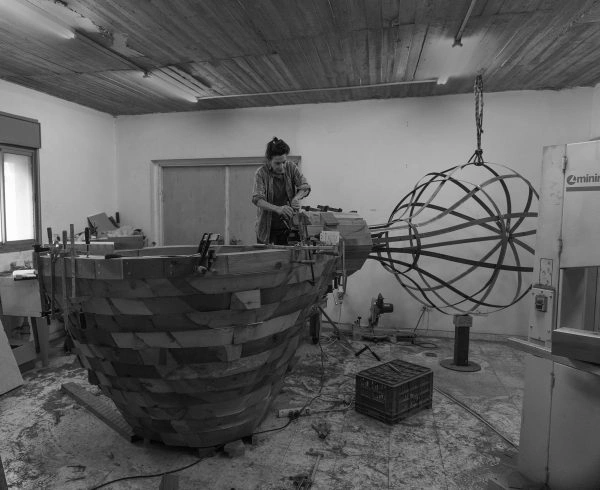
Rachel Rotenberg
Tekoa, Israel
I was inspired to start learning after attending the 2020 siyum in Binyanei Hauma. It has been a great experience for me. It’s amazing to see the origins of stories I’ve heard and rituals I’ve participated in my whole life. Even when I don’t understand the daf itself, I believe that the commitment to learning every day is valuable and has multiple benefits. And there will be another daf tomorrow!

Khaya Eisenberg
Jerusalem, Israel
Ive been learning Gmara since 5th grade and always loved it. Have always wanted to do Daf Yomi and now with Michelle Farber’s online classes it made it much easier to do! Really enjoying the experience thank you!!

Lisa Lawrence
Neve Daniel, Israel
Kiddushin 82
הַכֹּל לְשֵׁם שָׁמַיִם.
All such actions are permitted for the sake of Heaven. In other words, if one is acting out of familial affection, without any element of licentiousness, they are permitted.
מַתְנִי׳ לֹא יְלַמֵּד אָדָם רַוּוֹק סוֹפְרִים. וְלֹא תְּלַמֵּד אִשָּׁה סוֹפְרִים. רַבִּי אֶלְעָזָר אוֹמֵר: אַף מִי שֶׁאֵין לוֹ אִשָּׁה לֹא יְלַמֵּד סוֹפְרִים. רַבִּי יְהוּדָה אוֹמֵר: לֹא יִרְעֶה רַוּוֹק בְּהֵמָה, וְלֹא יִישְׁנוּ שְׁנֵי רַוּוֹקִין בְּטַלִּית אַחַת, וַחֲכָמִים מַתִּירִים.
MISHNA: A bachelor may not act as a teacher of children, nor may a woman act as a teacher of children. Rabbi Elazar says: Even one who does not have a wife may not act as a teacher of children. Rabbi Yehuda says: A bachelor may not herd cattle, nor may two bachelors sleep with one covering, lest they transgress the prohibition against homosexual intercourse, but the Rabbis permit it.
גְּמָ׳ מַאי טַעְמָא? אִילֵּימָא מִשּׁוּם יָנוֹקֵי, וְהָתַנְיָא: אָמְרוּ לוֹ לְרַבִּי יְהוּדָה: לֹא נֶחְשְׁדוּ יִשְׂרָאֵל עַל מִשְׁכַּב זְכוּר וְלֹא עַל הַבְּהֵמָה! אֶלָּא: רַוּוֹק – מִשּׁוּם אִמָּהָתָא דְיָנוֹקֵי. אִשָּׁה – מִשּׁוּם אֲבָהָתָא דְיָנוֹקֵי.
GEMARA: What is the reason that a bachelor may not teach children? If we say it is due to the children themselves, that it is suspected that he may engage in homosexual intercourse with them, but isn’t it taught in a baraita (Tosefta 5:10): They said to Rabbi Yehuda: Jews are not suspected of engaging in homosexual intercourse nor of engaging in intercourse with an animal. Rather, the reason is as follows: A bachelor may not be a teacher of children due to the mothers of the children, who come to the school from time to time, with whom he might sin. Similarly, a woman may not serve as a teacher to children because she may come to be secluded with the fathers of the children.
רַבִּי אֶלְעָזָר אוֹמֵר אַף מִי שֶׁאֵין כּוּ׳. אִיבַּעְיָא לְהוּ: מִי שֶׁאֵין לוֹ אִשָּׁה כְּלָל, אוֹ דִלְמָא בְּשֶׁאֵינָהּ שְׁרוּיָה אֶצְלוֹ? תָּא שְׁמַע: אַף מִי שֶׁיֵּשׁ לוֹ וְאֵינָהּ שְׁרוּיָה אֶצְלוֹ לֹא יְלַמֵּד סוֹפְרִים.
The mishna teaches that Rabbi Elazar says: Even one who does not have a wife may not act as a teacher of children. A dilemma was raised before the students in the study hall: Does Rabbi Elazar mean one who does not have a wife at all, or perhaps he is referring even to one who has a wife, in a circumstance where she is not residing with him? Come and hear: Even one who has a wife but she is not residing with him may not act as a teacher of children. This statement is in accordance with the opinion of Rabbi Elazar and indicates that his restriction applies even if the man is married.
רַבִּי יְהוּדָה אוֹמֵר לֹא יִרְעֶה כּוּ׳. תַּנְיָא: אָמְרוּ לוֹ לְרַבִּי יְהוּדָה: לֹא נֶחְשְׁדוּ יִשְׂרָאֵל עַל מִשְׁכַּב זְכוּר וְלֹא עַל הַבְּהֵמָה.
The mishna teaches that Rabbi Yehuda says: A bachelor may not herd cattle, nor may two bachelors sleep with one covering. It is taught in the Tosefta (5:10): They said to Rabbi Yehuda: Jews are not suspected of engaging in homosexual intercourse nor of engaging in intercourse with an animal.
מַתְנִי׳ כֹּל שֶׁעֲסָקָיו עִם הַנָּשִׁים לֹא יִתְיַחֵד עִם הַנָּשִׁים, וְלֹא יְלַמֵּד אָדָם אֶת בְּנוֹ אוּמָּנוּת הַנָּשִׁים. רַבִּי מֵאִיר אוֹמֵר: לְעוֹלָם יְלַמֵּד אָדָם אֶת בְּנוֹ אוּמָּנוּת נְקִיָּה וְקַלָּה, וְיִתְפַּלֵּל לְמִי שֶׁהָעוֹשֶׁר וְהַנְּכָסִים שֶׁלּוֹ. שֶׁאֵין אוּמָּנוּת שֶׁאֵין בָּהּ עֲנִיּוּת וַעֲשִׁירוּת, שֶׁלֹּא עֲנִיּוּת מִן הָאוּמָּנוּת, וְלֹא עֲשִׁירוּת מִן הָאוּמָּנוּת, אֶלָּא הַכֹּל לְפִי זְכוּתוֹ.
MISHNA: Anyone who has professional dealings primarily with women may not be secluded with women. There is more of a concern that such a man might sin due to his familiarity with the women. And a person may not teach his son a trade that necessitates frequent interaction with women, for the same reason. With regard to teaching one’s son a trade, Rabbi Meir says: A person should always teach his son a clean and easy trade and pray for success to the One to Whom wealth and property belong, as ultimately there is no trade that does not include both poverty and wealth, since a person can become rich from any profession. Poverty does not come from a particular trade, nor does wealth come from a particular trade, but rather, all is in accordance with a person’s merit. Therefore, one should choose a clean and easy trade, and pray to God for success.
רַבִּי שִׁמְעוֹן בֶּן אֶלְעָזָר אוֹמֵר: רָאִיתָ מִיָּמֶיךָ חַיָּה וָעוֹף שֶׁיֵּשׁ לָהֶם אוּמָּנוּת? וְהֵן מִתְפַּרְנְסִין שֶׁלֹּא בְּצַעַר! וַהֲלֹא לֹא נִבְרְאוּ אֶלָּא לְשַׁמְּשֵׁנִי, וַאֲנִי נִבְרֵאתִי לְשַׁמֵּשׁ אֶת קוֹנִי, אֵינוֹ דִּין שֶׁאֶתְפַּרְנֵס שֶׁלֹּא בְּצַעַר? אֶלָּא שֶׁהוֹרַעְתִּי מַעֲשַׂי, וְקִפַּחְתִּי אֶת פַּרְנָסָתִי.
Rabbi Shimon ben Elazar says: Have you ever seen a beast or a bird that has a trade? And yet they earn their livelihood without anguish. But all these were created only to serve me, and I, a human being, was created to serve the One Who formed me. Is it not right that I should earn my livelihood without anguish? But I, i.e., humanity, have committed evil actions and have lost my livelihood. This is why people must work to earn a living.
אַבָּא גּוּרְיָין אִישׁ צַיְידָן אוֹמֵר מִשּׁוּם אַבָּא גּוּרְיָא: לֹא יְלַמֵּד אָדָם אֶת בְּנוֹ חַמָּר, גַּמָּל, קַדָּר, סַפָּן, רוֹעֶה, וְחֶנְוָנִי – שֶׁאוּמָּנוּתָן אוּמָּנוּת לִיסְטִים. רַבִּי יְהוּדָה אוֹמֵר מִשְּׁמוֹ: הַחַמָּרִין רוּבָּן רְשָׁעִים, וְהַגַּמָּלִין רוּבָּן כְּשֵׁרִין, הַסַּפָּנִין רוּבָּן חֲסִידִים. טוֹב שֶׁבָּרוֹפְאִים – לְגֵיהִנָּם, וְהַכָּשֵׁר שֶׁבַּטַּבָּחִים – שׁוּתָּפוֹ שֶׁל עֲמָלֵק.
Abba Guryan of Tzadyan says in the name of Abba Gurya: A person may not teach his son the trades of a donkey driver, a camel driver, a pot maker, a sailor, a shepherd, or a storekeeper. The reason for all these is the same, as their trades are the trades of robbers; all of these professions involve a measure of dishonesty and are likely to lead to robbery. Rabbi Yehuda says in Abba Gurya’s name: Most donkey drivers are wicked, since they engage in deceit, and most camel drivers, who traverse dangerous places such as deserts, are of fit character, as they pray to God to protect them on their journeys. Most sailors are pious, since the great danger of the seas instills in them the fear of Heaven. The best of doctors is to Gehenna, and even the fittest of butchers is a partner of Amalek.
רַבִּי נְהוֹרַאי אוֹמֵר: מַנִּיחַ אֲנִי כׇּל אוּמָּנוּת שֶׁבָּעוֹלָם וְאֵינִי מְלַמֵּד אֶת בְּנִי אֶלָּא תּוֹרָה, שֶׁאָדָם אוֹכֵל מִשְּׂכָרָהּ בָּעוֹלָם הַזֶּה, וְהַקֶּרֶן קַיֶּימֶת לוֹ לָעוֹלָם הַבָּא, וּשְׁאָר כׇּל אוּמָּנִיּוֹת אֵינָן כֵּן. כְּשֶׁאָדָם בָּא לִידֵי חוֹלִי אוֹ לִידֵי זִקְנָה אוֹ לִידֵי יִסּוּרִין, וְאֵינוֹ יָכוֹל לַעֲסוֹק בִּמְלַאכְתּוֹ – הֲרֵי הוּא מֵת בָּרָעָב. אֲבָל הַתּוֹרָה אֵינָהּ כֵּן, אֶלָּא מְשַׁמַּרְתּוֹ מִכׇּל רַע בְּנַעֲרוּתוֹ, וְנוֹתֶנֶת לוֹ אַחֲרִית וְתִקְוָה בְּזִקְנוּתוֹ.
Rabbi Nehorai says: I set aside all the trades in the world, and I teach my son only Torah, as a person partakes of its reward in this world and the principal reward remains for him in the World-to-Come, which is not true of other professions, whose rewards are only in this world. Furthermore, if a person comes to be ill, or old, or undergoes suffering, and is unable to be involved in his trade, behold, he dies in hunger. But with regard to the Torah it is not so, since one can study it under all circumstances. Rather, it preserves him from all evil and sin in his youth, and provides him with a future and hope in his old age.
בְּנַעֲרוּתוֹ מַהוּ אוֹמֵר? ״וְקוֹיֵ ה׳ יַחֲלִיפוּ כֹחַ״. בְּזִקְנוּתוֹ מַהוּ אוֹמֵר? ״עוֹד יְנוּבוּן בְּשֵׂיבָה״, וְכֵן הוּא אוֹמֵר בְּאַבְרָהָם אָבִינוּ: ״וְאַבְרָהָם זָקֵן… וַה׳ בֵּרַךְ אֶת אַבְרָהָם בַּכֹּל״ – מָצִינוּ שֶׁעָשָׂה אַבְרָהָם אָבִינוּ אֶת כָּל הַתּוֹרָה כּוּלָּהּ עַד שֶׁלֹּא נִיתְּנָה, שֶׁנֶּאֱמַר: ״עֵקֶב אֲשֶׁר שָׁמַע אַבְרָהָם בְּקֹלִי וַיִּשְׁמֹר מִשְׁמַרְתִּי מִצְוֹתַי חֻקּוֹתַי וְתוֹרֹתָי״
The mishna explains: With regard to his youth, what does it say about a Torah scholar? “But they that wait for the Lord shall renew their strength” (Isaiah 40:31). With regard to his old age, what does it say? “They shall still bring forth fruit in old age” (Psalms 92:15), and it likewise states with regard to Abraham our forefather: “And Abraham was old, well stricken in age; and the Lord had blessed Abraham in all things” (Genesis 24:1). We found that Abraham our forefather fulfilled the entire Torah before it was given, as it is stated: “Because that Abraham listened to My voice, and kept My charge, My commandments, My statutes, and My laws” (Genesis 26:5), which indicates that Abraham observed all the mitzvot of his own accord and was rewarded in his old age as a result.
גְּמָ׳ תָּנוּ רַבָּנַן: כׇּל שֶׁעֲסָקָיו עִם הַנָּשִׁים – סוֹרוֹ רַע, כְּגוֹן הַצּוֹרְפִים, וְהַסָּרֵיקִים, וְהַנָּקוֹרוֹת, וְהָרוֹכְלִין, וְהַגַּרְדִּיִּים, וְהַסַּפָּרִים וְהַכּוֹבְסִים, וְהַגָּרָע, וְהַבַּלָּן, וְהַבּוּרְסְקִי – אֵין מַעֲמִידִים מֵהֶם לֹא מֶלֶךְ וְלֹא כֹּהֵן גָּדוֹל. מַאי טַעְמָא? לָא מִשּׁוּם דִּפְסִילִי, אֶלָּא מִשּׁוּם דְּזִיל אוּמָּנוּתַיְהוּ.
GEMARA: The Sages taught: With regard to anyone who has professional dealings primarily with women, his practice and company are bad, and it is best to keep away from him. This category includes, for example, the smiths, and the carders, and the fixers of hand mills of women, and the peddlers of jewelry and perfume to women, and the weavers [gardiyyim], and the barbers, and the launderers, and the bloodletter, and the bathhouse attendant [ballan], and the tanner [burseki]. One may not appoint from among those who have these professions neither a king nor a High Priest. What is the reason for this? It is not because they are disqualified, since there is nothing wrong with these jobs, but because their trades are demeaning, and they would not be respected when appointed to a position of authority.
תָּנוּ רַבָּנַן: עֲשָׂרָה דְּבָרִים נֶאֶמְרוּ בְּגָרָע: מְהַלֵּךְ עַל צִידּוֹ, וְרוּחוֹ גַּסָּה, וְנִתְלֶה וְיוֹשֵׁב, וְעֵינוֹ צָרָה, וְעֵינוֹ רָעָה, אוֹכֵל הַרְבֵּה וּמוֹצִיא קִימְעָא, וְחָשׁוּד עַל הָעֲרָיוֹת וְעַל הַגָּזֵל וְעַל שְׁפִיכוּת דָּמִים.
The Sages taught: Ten things were stated with regard to a bloodletter: He walks on his side, i.e., in a haughty manner; and his spirit is arrogant; and he leans and sits, i.e., he does not sit down like others do but leans on an object in a conceited fashion; and he is stingy; and he is envious; and he eats much and discharges only a little; and he is suspected of engaging in intercourse with those with whom relations are forbidden, and of stealing, and of bloodshed in the course of his work.
דָּרַשׁ בַּר קַפָּרָא: לְעוֹלָם יְלַמֵּד אָדָם אֶת בְּנוֹ אוּמָּנוּת נְקִיָּה וְקַלָּה. מַאי הִיא? אָמַר רַב יְהוּדָה:
Bar Kappara taught: A person should always teach his son a clean and easy trade. The Gemara asks: What is such a profession? Rav Yehuda said:
מַחְטָא דְתַלְמִיּוּתָא.
Needlework for embroidery is a clean and easy trade.
תַּנְיָא, רַבִּי אוֹמֵר: אֵין לְךָ אוּמָּנוּת שֶׁעוֹבֶרֶת מִן הָעוֹלָם. אַשְׁרֵי מִי שֶׁרוֹאֶה אֶת הוֹרָיו בְּאוּמָּנוּת מְעוּלָּה, אוֹי לוֹ לְמִי שֶׁרוֹאֶה אֶת הוֹרָיו בְּאוּמָּנוּת פְּגוּמָה. אִי אֶפְשָׁר לָעוֹלָם בְּלֹא בַּסָּם וּבְלֹא בּוּרְסְקִי. אַשְׁרֵי מִי שֶׁאוּמָּנוּתוֹ בַּסָּם, וְאוֹי לוֹ [לְ]מִי שֶׁאוּמָּנוּתוֹ בּוּרְסְקִי. אִי אֶפְשָׁר לְעוֹלָם בְּלֹא זְכָרִים וּבְלֹא נְקֵבוֹת, אַשְׁרֵי מִי שֶׁבָּנָיו זְכָרִים וְאוֹי לוֹ לְמִי שֶׁבָּנָיו נְקֵיבוֹת.
It is taught in the Tosefta (5:12): Rabbi Yehuda HaNasi says: There is no trade that disappears from the world, since all occupations are needed, but fortunate is he who sees his parents in an elevated trade; woe is he who sees his parents in a lowly trade and follows them into their trade. Similarly, it is impossible for the world to continue without a perfumer and without a tanner. Fortunate is he whose trade is as a perfumer, and woe is he whose trade is as a tanner, who works with materials that have a foul smell. Likewise, it is impossible for the world to exist without males and without females, yet fortunate is he whose children are males, and woe is he whose children are females.
רַבִּי מֵאִיר אוֹמֵר: לְעוֹלָם יְלַמֵּד אָדָם לִבְנוֹ אוּמָּנוּת נְקִיָּה וְקַלָּה, וִיבַקֵּשׁ רַחֲמִים לְמִי שֶׁהָעוֹשֶׁר וְהַנְּכָסִים שֶׁלּוֹ, שֶׁאֵין עֲנִיּוּת מִן הָאוּמָּנוּת וְאֵין עֲשִׁירוּת מִן הָאוּמָּנוּת, אֶלָּא – לְמִי שֶׁהָעוֹשֶׁר שֶׁלּוֹ, שֶׁנֶּאֱמַר: ״לִי הַכֶּסֶף וְלִי הַזָּהָב נְאֻם ה׳ צְבָאוֹת״.
Rabbi Meir says: A person should always teach his son a clean and easy trade, and he should request compassion from the One to Whom wealth and property belong, as poverty does not come from a trade, nor does wealth come from a trade; rather, they come from the One to Whom wealth belongs, as it is stated: “Mine is the silver, and Mine the gold, says the Lord of hosts” (Haggai 2:8).
רַבִּי שִׁמְעוֹן בֶּן אֶלְעָזָר אוֹמֵר: אִם רָאִיתָ מִיָּמֶיךָ. תַּנְיָא, רַבִּי שִׁמְעוֹן בֶּן אֶלְעָזָר אוֹמֵר: מִיָּמַי לֹא רָאִיתִי צְבִי קַיָּיץ, וַאֲרִי סַבָּל, וְשׁוּעָל חֶנְוָנִי, וְהֵם מִתְפַּרְנְסִים שֶׁלֹּא בְּצַעַר. וְהֵם לֹא נִבְרְאוּ אֶלָּא לְשַׁמְּשֵׁנִי, וַאֲנִי נִבְרֵאתִי לְשַׁמֵּשׁ אֶת קוֹנִי. מָה אֵלּוּ שֶׁלֹּא נִבְרְאוּ אֶלָּא לְשַׁמְּשֵׁנִי מִתְפַּרְנְסִים שֶׁלֹּא בְּצַעַר, וַאֲנִי שֶׁנִּבְרֵאתִי לְשַׁמֵּשׁ אֶת קוֹנִי – אֵינוֹ דִּין שֶׁאֶתְפַּרְנֵס שֶׁלֹּא בְּצַעַר? אֶלָּא שֶׁהֲרֵעוֹתִי אֶת מַעֲשַׂי וְקִיפַּחְתִּי אֶת פַּרְנָסָתִי, שֶׁנֶּאֱמַר: ״עֲוֹנוֹתֵיכֶם הִטּוּ״.
The mishna taught that Rabbi Shimon ben Elazar says: Have you ever seen a beast or a bird that has a trade? It is taught in the Tosefta (5:13): Rabbi Shimon ben Elazar says: I never saw a deer work as one who dries figs, nor a lion work as a porter, nor a fox work as a storekeeper. And yet they earn their livelihood without anguish. But all these were created only to serve me, and I, a human being, was created to serve the One Who formed me. If these, who were created only to serve me, earn their livelihood without anguish, then is it not right that I, who was created to serve the One Who formed me, should earn my livelihood without anguish? But I, i.e., humanity, have committed evil actions and have lost my livelihood, as it is stated: “Your iniquities have turned away these things, and your sins have held back good from you” (Jeremiah 5:25).
רַבִּי נְהוֹרַאי אוֹמֵר: מַנִּיחַ אֲנִי כׇּל אוּמָּנוּת וְכוּ׳. תַּנְיָא: רַבִּי נְהוֹרַאי אוֹמֵר: מַנִּיחַ אֲנִי כׇּל אוּמָּנוּת שֶׁבָּעוֹלָם וְאֵינִי מְלַמֵּד אֶת בְּנִי אֶלָּא תּוֹרָה, שֶׁכׇּל אוּמָּנוּת שֶׁבָּעוֹלָם אֵין עוֹמֶדֶת לוֹ אֶלָּא בִּימֵי יַלְדוּתוֹ, אֲבָל בִּימֵי זִקְנוּתוֹ הֲרֵי הוּא מוּטָּל בָּרָעָב. אֲבָל תּוֹרָה אֵינָהּ כֵּן – עוֹמֶדֶת לוֹ לָאָדָם בְּעֵת יַלְדוּתוֹ, וְנוֹתֶנֶת לוֹ אַחֲרִית וְתִקְוָה בְּעֵת זִקְנוּתוֹ. בְּעֵת יַלְדוּתוֹ מַהוּ אוֹמֵר? ״וְקוֹיֵ ה׳ יַחֲלִיפוּ כֹחַ יַעֲלוּ אֵבֶר כַּנְּשָׁרִים״ בְּזִקְנוּתוֹ מַהוּ אוֹמֵר? ״עוֹד יְנוּבוּן בְּשֵׂיבָה דְּשֵׁנִים וְרַעֲנַנִּים יִהְיוּ״.
The mishna taught that Rabbi Nehorai says: I set aside all the trades and I teach my son only Torah. It is taught in the Tosefta (5:14): Rabbi Nehorai says: I set aside all the trades in the world, and I teach my son only Torah, as all other trades serve one only in the days of his youth, when he has enough strength to work, but in the days of his old age, behold, he is left to lie in hunger. But Torah is not like this: It serves a person in the time of his youth and provides him with a future and hope in the time of his old age. With regard to the time of his youth, what does it say about a Torah scholar? “But they that wait for the Lord shall renew their strength” (Isaiah 40:31). With regard to the time of his old age, what does it say? “They shall still bring forth fruit in old age, they shall be full of sap and richness” (Psalms 92:15).
הֲדַרַן עֲלָךְ עֲשָׂרָה יוּחֲסִין וּסְלִיקָא לַהּ מַסֶּכֶת קִידּוּשִׁין
Follow

