








Study Guide Sanhedrin 112. What happens to all the items that have holiness to them that are in the city of idol worshippers? Can the city be used for gardens and fields? Or can it never be rebuilt for any purpose? The city of Jericho can also never be rebuilt. The incident in sefer melachim where Chial rebuilt Jericho (or according to the gemara rebuilt a different city but called it Jericho) is quoted and analyzed and is related to Eliahu receiving the “key” for rain from God and bringing a huge drought. The masechet ends with a discussion of good and evil and their effects on the world.
Sanhedrin 113

November 06, 2017 | י״ז בחשון תשע״ח
Share this shiur:
Sanhedrin
Masechet Sanhedrin is sponsored by Jina Davidovich in loving memory of her father and greatest chevruta, Vladimir Davidovich, Zev ben Yitzchak v’Chana, on his first yahrzeit.
Want to dedicate learning? Get started here:

0:00
0:00
Sanhedrin
Masechet Sanhedrin is sponsored by Jina Davidovich in loving memory of her father and greatest chevruta, Vladimir Davidovich, Zev ben Yitzchak v’Chana, on his first yahrzeit.
Sanhedrin 113
וְלִיפְרְקֵיהּ, דִּתְנַן: הַלָּקוּחַ בְּכֶסֶף מַעֲשֵׂר שֶׁנִּטְמָא – יִפָּדֶה. כְּרַבִּי יְהוּדָה, דְּאָמַר: יִקָּבֵר. אִי הָכִי, מַאי אִירְיָא עִיר הַנִּדַּחַת? אֲפִילּוּ דְּעָלְמָא נָמֵי!
The Gemara challenges: And let him redeem that which was purchased with second-tithe money and became ritually impure, as we learned in a mishna (Ma’aser Sheni 3:10): An item that is purchased with second-tithe money and that became ritually impure shall be redeemed. The Gemara answers: The mishna is in accordance with the opinion of Rabbi Yehuda, who says: An item that is purchased with second-tithe money and that became ritually impure shall be buried, and it may no longer be redeemed. The Gemara asks: If so, and the mishna is referring to an item purchased with second-tithe money that became ritually impure, why did the mishna cite this halakha specifically in the case of an idolatrous city? The same would hold true even in cities in general as well, as in Rabbi Yehuda’s opinion, the halakha there too is that the item is buried.
אֶלָּא לְעוֹלָם בְּטָהוֹר, וּכְגוֹן דִּנְפוּל מְחִיצוֹת, וְכִדְרָבָא דְּאָמַר רָבָא: מְחִיצָה לֶאֱכוֹל – דְּאוֹרָיְיתָא, לִקְלוֹט – דְּרַבָּנַן. וְכִי גְּזוּר רַבָּנַן כִּי אִתַנְהוּ לִמְחִיצוֹת, כִּי לֵיתַנְהוּ לִמְחִיצוֹת – לָא.
Rather, actually, the case in the mishna is with regard to pure second-tithe produce of an idolatrous city that was taken into Jerusalem, and it is a case where the walls of Jerusalem then fell. And this halakha is in accordance with the opinion of Rava, as Rava says: The capacity of the wall of Jerusalem to enable one to partake of second-tithe produce is by Torah law. By contrast, the capacity of the wall of Jerusalem to admit second-tithe produce, in the sense that once it enters Jerusalem the produce assumes the status of the property of the Most High and may no longer be redeemed, is by rabbinic law. And the case where the Sages issue the decree that entry into Jerusalem admits the produce is where the wall is intact; however, in a case where the wall is not intact, no, the Sages did not issue a decree, and the second tithe remains the spoils of the idolatrous city.
כִּתְבֵי הַקֹּדֶשׁ יִגָּנְזוּ. מַתְנִיתִין דְּלָא כְּרַבִּי אֱלִיעֶזֶר, דְּתַנְיָא: רַבִּי אֱלִיעֶזֶר אוֹמֵר, כׇּל עִיר שֶׁיֵּשׁ בָּהּ אֲפִילּוּ מְזוּזָה אַחַת אֵינָהּ נַעֲשֵׂית עִיר הַנִּדַּחַת, שֶׁנֶּאֱמַר: ״וְשָׂרַפְתָּ בָאֵשׁ אֶת הָעִיר וְאֶת כׇּל שְׁלָלָהּ כָּלִיל״. וְהֵיכָא דְּאִיכָּא מְזוּזָה לָא אֶפְשָׁר, דִּכְתִיב: ״לֹא תַעֲשׂוּן כֵּן לַה׳ אֱלֹהֵיכֶם״.
§ The mishna teaches: Sacred scrolls must be interred. The Gemara comments: The halakha cited in the mishna is not in accordance with the opinion of Rabbi Eliezer, as it is taught in a baraita that Rabbi Eliezer says: Any city in which there is even one mezuza is not rendered an idolatrous city, as it is stated: “And you shall burn it with fire, both the city and all its spoils, entirely for the Lord your God” (Deuteronomy 13:17). And in a city where there is a mezuza it is not possible to burn all its spoils, as it is written: “You shall not do so to the Lord your God” (Deuteronomy 12:4), from which it is derived that it is prohibited to destroy any item upon which the name of God appears.
רַבִּי שִׁמְעוֹן אוֹמֵר: אָמַר הַקָּדוֹשׁ בָּרוּךְ הוּא וְכוּ׳. לֵימָא בִּדְרַבִּי אָבִין אָמַר רַבִּי אִילְעָא קָמִיפַּלְגִי? דְּאָמַר רַבִּי אָבִין אָמַר רַבִּי אִילְעָא: כׇּל מָקוֹם שֶׁאַתָּה מוֹצֵא כְּלָל בַּעֲשֵׂה וּפְרָט בְּלֹא תַעֲשֶׂה, אֵין דָּנִין אוֹתוֹ בִּכְלָל וּפְרָט.
The mishna teaches that Rabbi Shimon says: The Holy One, Blessed be He, says: If you implement judgment on an idolatrous city, I ascribe you credit as though you have sacrificed an entirely burnt offering before Me, and Rabbi Akiva and Rabbi Yosei HaGelili disagree as to whether one may convert the ruins of the idolatrous city into gardens and orchards. The Gemara posits: Let us say that it is with regard to the statement that Rabbi Avin says that Rabbi Ile’a says that these tanna’im disagree, as Rabbi Avin says that Rabbi Ile’a says: Anywhere that you find a generalization formulated as a positive mitzva followed by a detail formulated as a prohibition, one does not deduce from it that the generalization includes only the detail based on the hermeneutical principle of a generalization and a detail; rather, one interprets them as two independent halakhot.
דְּמָר אִית לֵיהּ דְּרַבִּי אָבִין, וּמָר לֵית לֵיהּ דְּרַבִּי אָבִין.
On that basis, say that the dispute is that one Sage, Rabbi Yosei HaGelili, is of the opinion that the ruling is in accordance with the opinion of Rabbi Avin, and one Sage, Rabbi Akiva, is of the opinion that the ruling is not in accordance with the opinion of Rabbi Avin. Rabbi Yosei HaGelili holds that the positive mitzva: “And it shall be a heap forever,” and the succeeding prohibition: “It shall not be built again” (Deuteronomy 13:17), are independent mitzvot. The result is that the city must remain a heap and may not be converted into gardens and orchards. Rabbi Akiva employs the hermeneutical principle and deduces that the generalization “and it shall be a heap forever” means only that “it shall not be built again,” but converting the ruins of the idolatrous city into gardens and orchards is permitted.
לָא, דְּכוּלֵּי עָלְמָא אִית לְהוּ דְּרַבִּי אָבִין, וְהָכָא בְּהָא קָמִיפַּלְגִי: מָר סָבַר ״עוֹד״ לִגְמָרֵי מַשְׁמַע, וּמָר סָבַר ״עוֹד״ – לִכְמָה שֶׁהָיְתָה אֵינָהּ נִבְנֵית, אֲבָל נַעֲשֵׂית הִיא גַּנּוֹת וּפַרְדֵּסִים.
The Gemara rejects this: No, everyone is of the opinion that the ruling is in accordance with the opinion of Rabbi Avin, and here, they disagree about this: One Sage, Rabbi Yosei HaGelili, holds that the term “again” indicates that it is entirely prohibited to rebuild it at all. And one Sage, Rabbi Akiva, holds that the term “again” indicates that it is not built to be as it was, but it may be converted into gardens and orchards.
תָּנוּ רַבָּנַן: הָיוּ בָּהּ אִילָנוֹת תְּלוּשִׁין – אֲסוּרִין, מְחוּבָּרִין – מוּתָּרִין. שֶׁל עִיר אַחֶרֶת, בֵּין תְּלוּשִׁין בֵּין מְחוּבָּרִין – אֲסוּרִין. מַאי ״עִיר אַחֶרֶת״? אָמַר רַב חִסְדָּא: יְרִיחוֹ, דִּכְתִיב: ״וְהָיְתָה הָעִיר חֵרֶם לַה׳… וַיַּשְׁבַּע יְהוֹשֻׁעַ בָּעֵת הַהִיא לֵאמֹר אָרוּר הָאִישׁ לִפְנֵי ה׳ אֲשֶׁר יָקוּם וּבָנָה אֶת הָעִיר הַזֹּאת אֶת יְרִיחוֹ בִּבְכֹרוֹ יְיַסְּדֶנָּה וּבִצְעִירוֹ יַצִּיב דְּלָתֶיהָ״.
§ The Sages taught in a baraita: In a case where there were trees in the city, if they are detached from the ground, they are forbidden and must be burned as the spoils of an idolatrous city; if they are attached to the ground they are permitted, i.e., they are not destroyed. By contrast, trees of another city, whether detached or attached, are forbidden. The Gemara asks: To what is the baraita referring with the phrase: Another city? Rav Ḥisda says: The reference is to Jericho, as it is written: “And the city shall be devoted, it and all that is in it, to the Lord…And Joshua charged them at that time by oath, saying: Cursed be the man before the Lord, that rises up to build this city Jericho; he shall lay its foundation with his firstborn, and with his youngest son shall he set up the gates of it” (Joshua 6:17, 26).
תַּנְיָא: לֹא יְרִיחוֹ עַל שֵׁם עִיר אַחֶרֶת, וְלֹא עִיר אַחֶרֶת עַל שֵׁם יְרִיחוֹ, דִּכְתִיב: ״בָּנָה חִיאֵל בֵּית הָאֱלִי אֶת יְרִיחֹה בַּאֲבִירָם בְּכֹרוֹ יִסְּדָהּ וּבִשְׂגוּב צְעִירוֹ הִצִּיב דְּלָתֶיהָ״.
It is taught in a baraita that this includes a prohibition not to build Jericho even after changing its name to the name of another city, and not to build another city after giving it the name of Jericho, as it is written: “Hiel the Bethelite built Jericho; with Abiram, his firstborn, he laid its foundation, and with his young son Segub set up its gates” (I Kings 16:34).
תַּנְיָא: בַּאֲבִירָם בְּכוֹרוֹ, רָשָׁע, לֹא הָיָה לוֹ לִלְמוֹד. בִּשְׂגוּב צְעִירוֹ, הָיָה לוֹ לִלְמוֹד.
It is taught in a baraita: From the death of Abiram, his firstborn, the wicked, it was not incumbent upon him to learn not to build Jericho, as Abiram’s death could be attributed to chance. But with the death of Segub his young son, it was incumbent upon him to learn that it was due to Joshua’s curse that they died.
אֲבִירָם וּשְׂגוּב מַאי עֲבוּד? מַאי קָאָמַר? הָכִי קָאָמַר: בַּאֲבִירָם בְּכוֹרוֹ הָיָה לוֹ לִלְמוֹד לְאוֹתוֹ רָשָׁע, בִּשְׂגוּב צְעִירוֹ. מִמַּשְׁמָע שֶׁנֶּאֱמַר ״בַּאֲבִירָם בְּכוֹרוֹ״ אֵינִי יוֹדֵעַ שֶׁשְּׂגוּב צְעִירוֹ? מָה תַּלְמוּד לוֹמַר ״שְׂגוּב צְעִירוֹ״? מְלַמֵּד שֶׁהָיָה מְקַבֵּר וְהוֹלֵךְ מֵאֲבִירָם עַד שְׂגוּב.
The Gemara asks: What did Abiram and Segub do that they are characterized as wicked, and what is the baraita saying? The Gemara answers that this is what the baraita is saying: From the death of Abiram, his firstborn, that wicked man Hiel should have learned about the cause of the death of Segub his young son. By inference from that which is stated: “With Abiram, his firstborn,” do I not know that Segub was his young son? Rather, what is the meaning when the verse states: “His young son Segub”? It teaches that he gradually buried all his sons from Abiram through Segub, and he should have suspected that Joshua’s curse caused the deaths.
אַחְאָב שׁוֹשְׁבִינֵיהּ הֲוָה. אֲתָא אִיהוּ וְאֵלִיָּהוּ לְמִשְׁאַל בִּשְׁלָמָא בֵּי טַמְיָא. יָתֵיב וְקָאָמַר: דִּילְמָא כִּי לָט יְהוֹשֻׁעַ הָכִי לָט – לֹא יְרִיחוֹ עַל שֵׁם עִיר אַחֶרֶת, וְלֹא עִיר אַחֶרֶת עַל שֵׁם יְרִיחוֹ? אָמַר לֵיהּ אֵלִיָּהוּ: אִין. אֲמַר לֵיהּ: הַשְׁתָּא לְוָוטְתָא דְּמֹשֶׁה לָא קָא מִקַּיְימָא, דִּכְתִיב ״וְסַרְתֶּם וַעֲבַדְתֶּם וְגוֹ׳״ וּכְתִיב ״וְחָרָה אַף ה׳ בָּכֶם וְעָצַר אֶת הַשָּׁמַיִם וְגוֹ׳״, וְהָהוּא גַּבְרָא אוֹקֵים לֵיהּ עֲבוֹדָה זָרָה עַל כׇּל תֶּלֶם וְתֶלֶם וְלָא שָׁבֵיק לֵיהּ מִיטְרָא לְמֵיזַל מִיסְגָּד לֵיהּ. לְוָוטְתָא דִּיהוֹשֻׁעַ תַּלְמִידֵיהּ מִקַּיְימָא?
Ahab was Hiel’s close friend and groomsman. He and Elijah came to inquire about Hiel’s welfare in the house of mourning [bei tamya]. Hiel sat and said: Perhaps when Joshua cursed, this is what he cursed: Not to build Jericho even after changing its name to the name of another city, and not to build another city after giving it the name of Jericho. Elijah said to him: Yes, that is the curse. Ahab said to Elijah: Now the curse of Moses is not fulfilled, as it is written: “And you go astray and worship other gods,” and it is written: “Then the Lord’s anger will flare against you, and He will close the heavens, and there will be no rain” (Deuteronomy 11:16–17). And that man, referring to himself, established an object of idol worship on each and every furrow in the kingdom of Israel, and the rain is so plentiful that it does not allow him to go and worship it; will the curse of his student, Joshua, be fulfilled?
מִיָּד: ״וַיֹּאמֶר אֵלִיָּהוּ הַתִּשְׁבִּי מִתֹּשָׁבֵי גִלְעָד חַי ה׳ אֱלֹהֵי יִשְׂרָאֵל אִם יִהְיֶה טַל וּמָטָר וְגוֹ׳״. בָּעֵי רַחֲמֵי, וִיהַבוּ לֵיהּ אַקְלִידָא דְּמִטְרָא, וְקָם וַאֲזַל.
The verse relates Elijah’s reaction: Immediately: “And Elijah the Tishbite, who was of the inhabitants of Gilead, said to Ahab: As the Lord God of Israel lives, before whom I stand, there shall not be dew or rain these years, but according to my word” (I Kings 17:1). Elijah prayed for mercy and they gave him the key to rainfall enabling him to dictate when it would rain, and he arose and went.
״וַיְהִי דְבַר ה׳ אֵלָיו לֵאמֹר. לֵךְ מִזֶּה וּפָנִיתָ לְּךָ קֵדְמָה וְנִסְתַּרְתָּ בְּנַחַל כְּרִית״. ״וְהָעֹרְבִים מְבִיאִים לוֹ לֶחֶם וּבָשָׂר בַּבֹּקֶר וְגוֹ׳״. מֵהֵיכָא? אָמַר רַב יְהוּדָה אָמַר רַב: מִבֵּי טַבָּחֵי דְאַחְאָב. ״וַיְהִי מִקֵּץ יָמִים וַיִּיבַשׁ הַנָּחַל כִּי לֹא הָיָה גֶשֶׁם בָּאָרֶץ״. כֵּיוָן דַּחֲזָא דְּאִיכָּא צַעֲרָא בְּעָלְמָא, כְּתִיב: ״וַיְהִי דְבַר ה׳ אֵלָיו לֵאמֹר. קוּם לֵךְ צָרְפַתָה״.
It is written about Elijah: “And the word of the Lord came to him, saying: Go from here, and turn eastward, and hide yourself by Wadi Cherith…And the ravens brought him bread and meat in the morning” (I Kings 17:2–3, 6). The Gemara asks: From where did they bring him bread and meat? Rabbi Yehuda says that Rav says: They brought it from the slaughterhouse of Ahab. And it is written: “And it came to pass after some days, that the wadi dried up, because there was no rain in the land” (I Kings 17:7). Since God saw that there is suffering in the world and Elijah was insensitive to it, it is written: “And the word of the Lord came to him, saying: Arise, go to Zarephath” (I Kings 17:8–9), to initiate a chain of events that would lead Elijah to return the key to rainfall to God.
וּכְתִיב: ״וַיְהִי אַחַר הַדְּבָרִים הָאֵלֶּה חָלָה בֶּן הָאִשָּׁה בַּעֲלַת הַבָּיִת״. בְּעָא רַחֲמֵי לְמִיתַּן לֵיהּ אַקְלִידָא דִּתְחִיַּית הַמֵּתִים. אָמְרִי לֵיהּ: שָׁלֹשׁ מַפְתְּחוֹת לֹא נִמְסְרוּ לְשָׁלִיחַ: שֶׁל חַיָּה, וְשֶׁל גְּשָׁמִים, וְשֶׁל תְּחִיַּית הַמֵּתִים. יֹאמְרוּ: שְׁתַּיִם בְּיַד תַּלְמִיד וְאַחַת בְּיַד הָרַב! אַיְיתִי הָא וּשְׁקֵיל הַאי. דִּכְתִיב: ״לֵךְ הֵרָאֵה אֶל אַחְאָב וְאֶתְּנָה מָטָר״.
And it is written: “And it came to pass after these matters, that the son of the woman, the mistress of the house, became sick” (I Kings 17:17). Elijah prayed for mercy, for God to give him the key to the resurrection of the dead. They said to him from Heaven: Three keys were not typically passed to an agent: The key to a woman in childbirth, the key to rainfall, and the key to the resurrection of the dead. You already have the key to rainfall; do you also request the key to the resurrection of the dead? People will say: Two keys are in the possession of the student and one key is in the possession of the Master. Bring Me this key to rainfall, and take this key to the resurrection of the dead. Due to Elijah’s request, he was forced to revoke his oath, as it is written: “Go, appear before Ahab; and I will give rain” (I Kings 18:1).
דְּרַשׁ הַהוּא גָּלִילָאָה קַמֵּיהּ דְּרַב חִסְדָּא: מָשָׁל דְּאֵלִיָּהוּ, לָמָּה הַדָּבָר דּוֹמֶה? לְגַבְרָא דְּטַרְקֵיהּ לְגַלֵּיהּ וְאַבְּדֵיהּ לְמַפְתְּחֵיהּ.
A certain Galilean taught before Rav Ḥisda: There is a parable for the actions of Elijah; to what is this matter comparable? It is comparable to a man who slammed his door and lost his key. Elijah first prevented the rain from falling, and then no longer had possession of the key to enable it to fall again.
דָּרֵשׁ רַבִּי יוֹסֵי בְּצִיפּוֹרִי: אַבָּא אֵלִיָּהוּ
Rabbi Yosei of Tzippori taught: Father Elijah, a deferential and affectionate characterization for Elijah the prophet,
קַפְּדָן הֲוָה. רְגִיל לְמֵיתֵי גַּבֵּיהּ. אִיכַּסִּי מִינֵּיהּ תְּלָתָא יוֹמֵי, וְלָא אֲתָא. כִּי אֲתָא, אֲמַר לֵיהּ: אַמַּאי לָא אֲתָא מָר? אֲמַר לֵיהּ: קַפְּדָן קָרֵית לִי! אֲמַר לֵיהּ: הָא דְּקַמַּן, דְּקָא קָפֵיד מָר!
was difficult. Elijah was accustomed to coming and revealing himself before Rabbi Yosei each day. He was obscured from him for three days and did not come. When he came again, Rabbi Yosei said to him: Why did the Master not come? Elijah said to him: You denigrated me when you called me difficult. Rabbi Yosei said to Elijah: This example that is before us illustrates the point, as my Master was being difficult by not coming during those days.
״וְלֹא יִדְבַּק בְּיָדְךָ מְאוּמָה מִן הַחֵרֶם״ – כׇּל זְמַן שֶׁרְשָׁעִים בָּעוֹלָם, חֲרוֹן אַף בָּעוֹלָם וְכוּ׳. מַאן רְשָׁעִים? אָמַר רַב יוֹסֵף: גַּנָּבֵי.
§ The mishna teaches with regard to the verse: “And there shall cleave nothing of that which was devoted to your hand” (Deuteronomy 13:18), as long as the wicked exist in the world, there is wrath in the world. The Gemara asks: Who are these wicked people mentioned in the mishna? Rav Yosef said: They are thieves.
תָּנוּ רַבָּנַן: רָשָׁע בָּא לָעוֹלָם – חָרוֹן בָּא לְעוֹלָם, שֶׁנֶּאֱמַר: ״בְּבוֹא רָשָׁע בָּא גַם בּוּז וְעִם קָלוֹן חֶרְפָּה״. רָשָׁע אָבֵד מִן הָעוֹלָם – טוֹבָה בָּאָה לְעוֹלָם, שֶׁנֶּאֱמַר: ״וּבַאֲבֹד רְשָׁעִים רִנָּה״. צַדִּיק נִפְטָר מִן הָעוֹלָם – רָעָה בָּאָה לְעוֹלָם, שֶׁנֶּאֱמַר: ״הַצַּדִּיק אָבָד וְאֵין אִישׁ שָׂם עַל לֵב וְאַנְשֵׁי חֶסֶד נֶאֱסָפִים בְּאֵין מֵבִין כִּי מִפְּנֵי הָרָעָה נֶאֱסַף הַצַּדִּיק״. צַדִּיק בָּא לָעוֹלָם – טוֹבָה בָּאָה לְעוֹלָם, שֶׁנֶּאֱמַר: ״זֶה יְנַחֲמֵנוּ מִמַּעֲשֵׂנוּ וּמֵעִצְּבוֹן יָדֵינוּ״.
The Sages taught in a baraita: When a wicked person comes into the world, wrath comes into the world, as it is stated: “When the wicked comes into the world, contempt also comes, and with ignominy, reproach” (Proverbs 18:3). When a wicked person is eliminated from the world, good comes into the world, as it is stated: “And when the wicked perish there is jubilation” (Proverbs 11:10). When a righteous person passes from the world, evil comes into the world, as it is stated: “The righteous perishes and no man lays it to heart; and merciful men are taken, none understand that due to the evil the righteous is taken” (Isaiah 57:1) When a righteous person comes into the world, good comes into the world with him, as it is stated with regard to Noah: “This is one who shall comfort us for our work and the toil of our hands” (Genesis 5:29).
הֲדַרַן עֲלָךְ כׇּל יִשְׂרָאֵל יֵשׁ לָהֶם חֵלֶק וּסְלִיקָא לַהּ מַסֶּכֶת סַנְהֶדְרִין
Follow 
New to Talmud?
Check out our resources designed to help you navigate a page of Talmud – and study at the pace, level and style that fits you.
The Hadran Women’s Tapestry
Meet the diverse women learning Gemara at Hadran and hear their stories.
I decided to give daf yomi a try when I heard about the siyum hashas in 2020. Once the pandemic hit, the daily commitment gave my days some much-needed structure. There have been times when I’ve felt like quitting- especially when encountering very technical details in the text. But then I tell myself, “Look how much you’ve done. You can’t stop now!” So I keep going & my Koren bookshelf grows…

Miriam Eckstein-Koas
Huntington, United States
I began daf yomi in January 2020 with Brachot. I had made aliya 6 months before, and one of my post-aliya goals was to complete a full cycle. As a life-long Tanach teacher, I wanted to swim from one side of the Yam shel Torah to the other. Daf yomi was also my sanity through COVID. It was the way to marking the progression of time, and feel that I could grow and accomplish while time stopped.
Leah Herzog
Givat Zev, Israel
I LOVE learning the Daf. I started with Shabbat. I join the morning Zoom with Reb Michelle and it totally grounds my day. When Corona hit us in Israel, I decided that I would use the Daf to keep myself sane, especially during the days when we could not venture out more than 300 m from our home. Now my husband and I have so much new material to talk about! It really is the best part of my day!

Batsheva Pava
Hashmonaim, Israel
I started last year after completing the Pesach Sugiyot class. Masechet Yoma might seem like a difficult set of topics, but for me made Yom Kippur and the Beit HaMikdash come alive. Liturgy I’d always had trouble connecting with took on new meaning as I gained a sense of real people moving through specific spaces in particular ways. It was the perfect introduction; I am so grateful for Hadran!

Debbie Engelen-Eigles
Minnesota, United States
What a great experience to learn with Rabbanit Michelle Farber. I began with this cycle in January 2020 and have been comforted by the consistency and energy of this process throughout the isolation period of Covid. Week by week, I feel like I am exploring a treasure chest with sparkling gems and puzzling antiquities. The hunt is exhilarating.
Marian Frankston
Pennsylvania, United States
I was inspired to start learning after attending the 2020 siyum in Binyanei Hauma. It has been a great experience for me. It’s amazing to see the origins of stories I’ve heard and rituals I’ve participated in my whole life. Even when I don’t understand the daf itself, I believe that the commitment to learning every day is valuable and has multiple benefits. And there will be another daf tomorrow!

Khaya Eisenberg
Jerusalem, Israel
Last cycle, I listened to parts of various מסכתות. When the הדרן סיום was advertised, I listened to Michelle on נידה. I knew that בע”ה with the next cycle I was in (ב”נ). As I entered the סיום (early), I saw the signs and was overcome with emotion. I was randomly seated in the front row, and I cried many times that night. My choice to learn דף יומי was affirmed. It is one of the best I have made!
Miriam Tannenbaum
אפרת, Israel
I graduated college in December 2019 and received a set of shas as a present from my husband. With my long time dream of learning daf yomi, I had no idea that a new cycle was beginning just one month later, in January 2020. I have been learning the daf ever since with Michelle Farber… Through grad school, my first job, my first baby, and all the other incredible journeys over the past few years!

Sigal Spitzer Flamholz
Bronx, United States
Retirement and Covid converged to provide me with the opportunity to commit to daily Talmud study in October 2020. I dove into the middle of Eruvin and continued to navigate Seder Moed, with Rabannit Michelle as my guide. I have developed more confidence in my learning as I completed each masechet and look forward to completing the Daf Yomi cycle so that I can begin again!

Rhona Fink
San Diego, United States
I started with Ze Kollel in Berlin, directed by Jeremy Borowitz for Hillel Deutschland. We read Masechet Megillah chapter 4 and each participant wrote his commentary on a Sugia that particularly impressed him. I wrote six poems about different Sugiot! Fascinated by the discussions on Talmud I continued to learn with Rabanit Michelle Farber and am currently taking part in the Tikun Olam course.

Yael Merlini
Berlin, Germany
In January 2020, my teaching partner at IDC suggested we do daf yomi. Thanks to her challenge, I started learning daily from Rabbanit Michelle. It’s a joy to be part of the Hadran community. (It’s also a tikkun: in 7th grade, my best friend and I tied for first place in a citywide gemara exam, but we weren’t invited to the celebration because girls weren’t supposed to be learning gemara).

Sara Averick
Jerusalem, Israel
My husband learns Daf, my son learns Daf, my son-in-law learns Daf.
When I read about Hadran’s Siyyum HaShas 2 years ago, I thought- I can learn Daf too!
I had learned Gemara in Hillel HS in NJ, & I remembered loving it.
Rabbanit Michelle & Hadran have opened my eyes & expanding my learning so much in the past few years. We can now discuss Gemara as a family.
This was a life saver during Covid

Renee Braha
Brooklyn, NY, United States
When we heard that R. Michelle was starting daf yomi, my 11-year-old suggested that I go. Little did she know that she would lose me every morning from then on. I remember standing at the Farbers’ door, almost too shy to enter. After that first class, I said that I would come the next day but couldn’t commit to more. A decade later, I still look forward to learning from R. Michelle every morning.
Ruth Leah Kahan
Ra’anana, Israel
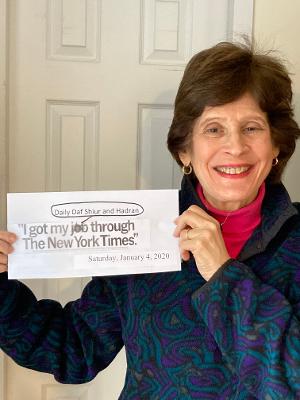
“I got my job through the NY Times” was an ad campaign when I was growing up. I can headline “I got my daily Daf shiur and Hadran through the NY Times”. I read the January 4, 2020 feature on Reb. Michelle Farber and Hadran and I have been participating ever since. Thanks NY Times & Hadran!
Deborah Aschheim
New York, United States
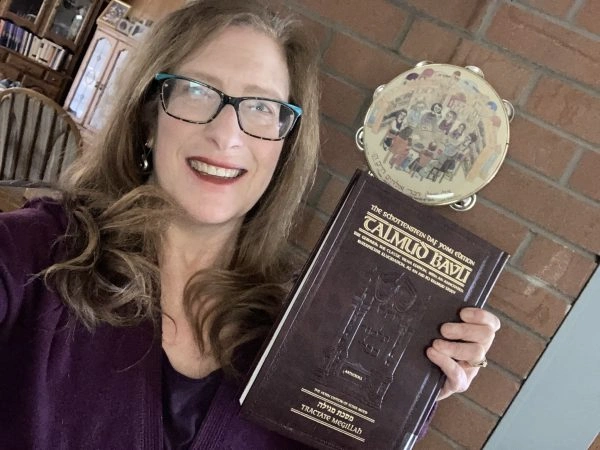
As Jewish educator and as a woman, I’m mindful that Talmud has been kept from women for many centuries. Now that we are privileged to learn, and learning is so accessible, it’s my intent to complete Daf Yomi. I am so excited to keep learning with my Hadran community.
Sue Parker Gerson
Denver, United States
I started last year after completing the Pesach Sugiyot class. Masechet Yoma might seem like a difficult set of topics, but for me made Yom Kippur and the Beit HaMikdash come alive. Liturgy I’d always had trouble connecting with took on new meaning as I gained a sense of real people moving through specific spaces in particular ways. It was the perfect introduction; I am so grateful for Hadran!
Debbie Engelen-Eigles
Minnesota, United States
I started my Daf Yomi journey at the beginning of the COVID19 pandemic.

Karena Perry
Los Angeles, United States
A Gemara shiur previous to the Hadran Siyum, was the impetus to attend it.It was highly inspirational and I was smitten. The message for me was התלמוד בידינו. I had decided along with my Chahsmonaim group to to do the daf and take it one daf at time- without any expectations at all. There has been a wealth of information, insights and halachik ideas. It is truly exercise of the mind, heart & Soul

Phyllis Hecht
Hashmonaim, Israel
I started learning on January 5, 2020. When I complete the 7+ year cycle I will be 70 years old. I had been intimidated by those who said that I needed to study Talmud in a traditional way with a chevruta, but I decided the learning was more important to me than the method. Thankful for Daf Yomi for Women helping me catch up when I fall behind, and also being able to celebrate with each Siyum!
Pamela Elisheva
Bakersfield, United States
I had dreamed of doing daf yomi since I had my first serious Talmud class 18 years ago at Pardes with Rahel Berkovitz, and then a couple of summers with Leah Rosenthal. There is no way I would be able to do it without another wonderful teacher, Michelle, and the Hadran organization. I wake up and am excited to start each day with the next daf.

Beth Elster
Irvine, United States
Sanhedrin 113
וְלִיפְרְקֵיהּ, דִּתְנַן: הַלָּקוּחַ בְּכֶסֶף מַעֲשֵׂר שֶׁנִּטְמָא – יִפָּדֶה. כְּרַבִּי יְהוּדָה, דְּאָמַר: יִקָּבֵר. אִי הָכִי, מַאי אִירְיָא עִיר הַנִּדַּחַת? אֲפִילּוּ דְּעָלְמָא נָמֵי!
The Gemara challenges: And let him redeem that which was purchased with second-tithe money and became ritually impure, as we learned in a mishna (Ma’aser Sheni 3:10): An item that is purchased with second-tithe money and that became ritually impure shall be redeemed. The Gemara answers: The mishna is in accordance with the opinion of Rabbi Yehuda, who says: An item that is purchased with second-tithe money and that became ritually impure shall be buried, and it may no longer be redeemed. The Gemara asks: If so, and the mishna is referring to an item purchased with second-tithe money that became ritually impure, why did the mishna cite this halakha specifically in the case of an idolatrous city? The same would hold true even in cities in general as well, as in Rabbi Yehuda’s opinion, the halakha there too is that the item is buried.
אֶלָּא לְעוֹלָם בְּטָהוֹר, וּכְגוֹן דִּנְפוּל מְחִיצוֹת, וְכִדְרָבָא דְּאָמַר רָבָא: מְחִיצָה לֶאֱכוֹל – דְּאוֹרָיְיתָא, לִקְלוֹט – דְּרַבָּנַן. וְכִי גְּזוּר רַבָּנַן כִּי אִתַנְהוּ לִמְחִיצוֹת, כִּי לֵיתַנְהוּ לִמְחִיצוֹת – לָא.
Rather, actually, the case in the mishna is with regard to pure second-tithe produce of an idolatrous city that was taken into Jerusalem, and it is a case where the walls of Jerusalem then fell. And this halakha is in accordance with the opinion of Rava, as Rava says: The capacity of the wall of Jerusalem to enable one to partake of second-tithe produce is by Torah law. By contrast, the capacity of the wall of Jerusalem to admit second-tithe produce, in the sense that once it enters Jerusalem the produce assumes the status of the property of the Most High and may no longer be redeemed, is by rabbinic law. And the case where the Sages issue the decree that entry into Jerusalem admits the produce is where the wall is intact; however, in a case where the wall is not intact, no, the Sages did not issue a decree, and the second tithe remains the spoils of the idolatrous city.
כִּתְבֵי הַקֹּדֶשׁ יִגָּנְזוּ. מַתְנִיתִין דְּלָא כְּרַבִּי אֱלִיעֶזֶר, דְּתַנְיָא: רַבִּי אֱלִיעֶזֶר אוֹמֵר, כׇּל עִיר שֶׁיֵּשׁ בָּהּ אֲפִילּוּ מְזוּזָה אַחַת אֵינָהּ נַעֲשֵׂית עִיר הַנִּדַּחַת, שֶׁנֶּאֱמַר: ״וְשָׂרַפְתָּ בָאֵשׁ אֶת הָעִיר וְאֶת כׇּל שְׁלָלָהּ כָּלִיל״. וְהֵיכָא דְּאִיכָּא מְזוּזָה לָא אֶפְשָׁר, דִּכְתִיב: ״לֹא תַעֲשׂוּן כֵּן לַה׳ אֱלֹהֵיכֶם״.
§ The mishna teaches: Sacred scrolls must be interred. The Gemara comments: The halakha cited in the mishna is not in accordance with the opinion of Rabbi Eliezer, as it is taught in a baraita that Rabbi Eliezer says: Any city in which there is even one mezuza is not rendered an idolatrous city, as it is stated: “And you shall burn it with fire, both the city and all its spoils, entirely for the Lord your God” (Deuteronomy 13:17). And in a city where there is a mezuza it is not possible to burn all its spoils, as it is written: “You shall not do so to the Lord your God” (Deuteronomy 12:4), from which it is derived that it is prohibited to destroy any item upon which the name of God appears.
רַבִּי שִׁמְעוֹן אוֹמֵר: אָמַר הַקָּדוֹשׁ בָּרוּךְ הוּא וְכוּ׳. לֵימָא בִּדְרַבִּי אָבִין אָמַר רַבִּי אִילְעָא קָמִיפַּלְגִי? דְּאָמַר רַבִּי אָבִין אָמַר רַבִּי אִילְעָא: כׇּל מָקוֹם שֶׁאַתָּה מוֹצֵא כְּלָל בַּעֲשֵׂה וּפְרָט בְּלֹא תַעֲשֶׂה, אֵין דָּנִין אוֹתוֹ בִּכְלָל וּפְרָט.
The mishna teaches that Rabbi Shimon says: The Holy One, Blessed be He, says: If you implement judgment on an idolatrous city, I ascribe you credit as though you have sacrificed an entirely burnt offering before Me, and Rabbi Akiva and Rabbi Yosei HaGelili disagree as to whether one may convert the ruins of the idolatrous city into gardens and orchards. The Gemara posits: Let us say that it is with regard to the statement that Rabbi Avin says that Rabbi Ile’a says that these tanna’im disagree, as Rabbi Avin says that Rabbi Ile’a says: Anywhere that you find a generalization formulated as a positive mitzva followed by a detail formulated as a prohibition, one does not deduce from it that the generalization includes only the detail based on the hermeneutical principle of a generalization and a detail; rather, one interprets them as two independent halakhot.
דְּמָר אִית לֵיהּ דְּרַבִּי אָבִין, וּמָר לֵית לֵיהּ דְּרַבִּי אָבִין.
On that basis, say that the dispute is that one Sage, Rabbi Yosei HaGelili, is of the opinion that the ruling is in accordance with the opinion of Rabbi Avin, and one Sage, Rabbi Akiva, is of the opinion that the ruling is not in accordance with the opinion of Rabbi Avin. Rabbi Yosei HaGelili holds that the positive mitzva: “And it shall be a heap forever,” and the succeeding prohibition: “It shall not be built again” (Deuteronomy 13:17), are independent mitzvot. The result is that the city must remain a heap and may not be converted into gardens and orchards. Rabbi Akiva employs the hermeneutical principle and deduces that the generalization “and it shall be a heap forever” means only that “it shall not be built again,” but converting the ruins of the idolatrous city into gardens and orchards is permitted.
לָא, דְּכוּלֵּי עָלְמָא אִית לְהוּ דְּרַבִּי אָבִין, וְהָכָא בְּהָא קָמִיפַּלְגִי: מָר סָבַר ״עוֹד״ לִגְמָרֵי מַשְׁמַע, וּמָר סָבַר ״עוֹד״ – לִכְמָה שֶׁהָיְתָה אֵינָהּ נִבְנֵית, אֲבָל נַעֲשֵׂית הִיא גַּנּוֹת וּפַרְדֵּסִים.
The Gemara rejects this: No, everyone is of the opinion that the ruling is in accordance with the opinion of Rabbi Avin, and here, they disagree about this: One Sage, Rabbi Yosei HaGelili, holds that the term “again” indicates that it is entirely prohibited to rebuild it at all. And one Sage, Rabbi Akiva, holds that the term “again” indicates that it is not built to be as it was, but it may be converted into gardens and orchards.
תָּנוּ רַבָּנַן: הָיוּ בָּהּ אִילָנוֹת תְּלוּשִׁין – אֲסוּרִין, מְחוּבָּרִין – מוּתָּרִין. שֶׁל עִיר אַחֶרֶת, בֵּין תְּלוּשִׁין בֵּין מְחוּבָּרִין – אֲסוּרִין. מַאי ״עִיר אַחֶרֶת״? אָמַר רַב חִסְדָּא: יְרִיחוֹ, דִּכְתִיב: ״וְהָיְתָה הָעִיר חֵרֶם לַה׳… וַיַּשְׁבַּע יְהוֹשֻׁעַ בָּעֵת הַהִיא לֵאמֹר אָרוּר הָאִישׁ לִפְנֵי ה׳ אֲשֶׁר יָקוּם וּבָנָה אֶת הָעִיר הַזֹּאת אֶת יְרִיחוֹ בִּבְכֹרוֹ יְיַסְּדֶנָּה וּבִצְעִירוֹ יַצִּיב דְּלָתֶיהָ״.
§ The Sages taught in a baraita: In a case where there were trees in the city, if they are detached from the ground, they are forbidden and must be burned as the spoils of an idolatrous city; if they are attached to the ground they are permitted, i.e., they are not destroyed. By contrast, trees of another city, whether detached or attached, are forbidden. The Gemara asks: To what is the baraita referring with the phrase: Another city? Rav Ḥisda says: The reference is to Jericho, as it is written: “And the city shall be devoted, it and all that is in it, to the Lord…And Joshua charged them at that time by oath, saying: Cursed be the man before the Lord, that rises up to build this city Jericho; he shall lay its foundation with his firstborn, and with his youngest son shall he set up the gates of it” (Joshua 6:17, 26).
תַּנְיָא: לֹא יְרִיחוֹ עַל שֵׁם עִיר אַחֶרֶת, וְלֹא עִיר אַחֶרֶת עַל שֵׁם יְרִיחוֹ, דִּכְתִיב: ״בָּנָה חִיאֵל בֵּית הָאֱלִי אֶת יְרִיחֹה בַּאֲבִירָם בְּכֹרוֹ יִסְּדָהּ וּבִשְׂגוּב צְעִירוֹ הִצִּיב דְּלָתֶיהָ״.
It is taught in a baraita that this includes a prohibition not to build Jericho even after changing its name to the name of another city, and not to build another city after giving it the name of Jericho, as it is written: “Hiel the Bethelite built Jericho; with Abiram, his firstborn, he laid its foundation, and with his young son Segub set up its gates” (I Kings 16:34).
תַּנְיָא: בַּאֲבִירָם בְּכוֹרוֹ, רָשָׁע, לֹא הָיָה לוֹ לִלְמוֹד. בִּשְׂגוּב צְעִירוֹ, הָיָה לוֹ לִלְמוֹד.
It is taught in a baraita: From the death of Abiram, his firstborn, the wicked, it was not incumbent upon him to learn not to build Jericho, as Abiram’s death could be attributed to chance. But with the death of Segub his young son, it was incumbent upon him to learn that it was due to Joshua’s curse that they died.
אֲבִירָם וּשְׂגוּב מַאי עֲבוּד? מַאי קָאָמַר? הָכִי קָאָמַר: בַּאֲבִירָם בְּכוֹרוֹ הָיָה לוֹ לִלְמוֹד לְאוֹתוֹ רָשָׁע, בִּשְׂגוּב צְעִירוֹ. מִמַּשְׁמָע שֶׁנֶּאֱמַר ״בַּאֲבִירָם בְּכוֹרוֹ״ אֵינִי יוֹדֵעַ שֶׁשְּׂגוּב צְעִירוֹ? מָה תַּלְמוּד לוֹמַר ״שְׂגוּב צְעִירוֹ״? מְלַמֵּד שֶׁהָיָה מְקַבֵּר וְהוֹלֵךְ מֵאֲבִירָם עַד שְׂגוּב.
The Gemara asks: What did Abiram and Segub do that they are characterized as wicked, and what is the baraita saying? The Gemara answers that this is what the baraita is saying: From the death of Abiram, his firstborn, that wicked man Hiel should have learned about the cause of the death of Segub his young son. By inference from that which is stated: “With Abiram, his firstborn,” do I not know that Segub was his young son? Rather, what is the meaning when the verse states: “His young son Segub”? It teaches that he gradually buried all his sons from Abiram through Segub, and he should have suspected that Joshua’s curse caused the deaths.
אַחְאָב שׁוֹשְׁבִינֵיהּ הֲוָה. אֲתָא אִיהוּ וְאֵלִיָּהוּ לְמִשְׁאַל בִּשְׁלָמָא בֵּי טַמְיָא. יָתֵיב וְקָאָמַר: דִּילְמָא כִּי לָט יְהוֹשֻׁעַ הָכִי לָט – לֹא יְרִיחוֹ עַל שֵׁם עִיר אַחֶרֶת, וְלֹא עִיר אַחֶרֶת עַל שֵׁם יְרִיחוֹ? אָמַר לֵיהּ אֵלִיָּהוּ: אִין. אֲמַר לֵיהּ: הַשְׁתָּא לְוָוטְתָא דְּמֹשֶׁה לָא קָא מִקַּיְימָא, דִּכְתִיב ״וְסַרְתֶּם וַעֲבַדְתֶּם וְגוֹ׳״ וּכְתִיב ״וְחָרָה אַף ה׳ בָּכֶם וְעָצַר אֶת הַשָּׁמַיִם וְגוֹ׳״, וְהָהוּא גַּבְרָא אוֹקֵים לֵיהּ עֲבוֹדָה זָרָה עַל כׇּל תֶּלֶם וְתֶלֶם וְלָא שָׁבֵיק לֵיהּ מִיטְרָא לְמֵיזַל מִיסְגָּד לֵיהּ. לְוָוטְתָא דִּיהוֹשֻׁעַ תַּלְמִידֵיהּ מִקַּיְימָא?
Ahab was Hiel’s close friend and groomsman. He and Elijah came to inquire about Hiel’s welfare in the house of mourning [bei tamya]. Hiel sat and said: Perhaps when Joshua cursed, this is what he cursed: Not to build Jericho even after changing its name to the name of another city, and not to build another city after giving it the name of Jericho. Elijah said to him: Yes, that is the curse. Ahab said to Elijah: Now the curse of Moses is not fulfilled, as it is written: “And you go astray and worship other gods,” and it is written: “Then the Lord’s anger will flare against you, and He will close the heavens, and there will be no rain” (Deuteronomy 11:16–17). And that man, referring to himself, established an object of idol worship on each and every furrow in the kingdom of Israel, and the rain is so plentiful that it does not allow him to go and worship it; will the curse of his student, Joshua, be fulfilled?
מִיָּד: ״וַיֹּאמֶר אֵלִיָּהוּ הַתִּשְׁבִּי מִתֹּשָׁבֵי גִלְעָד חַי ה׳ אֱלֹהֵי יִשְׂרָאֵל אִם יִהְיֶה טַל וּמָטָר וְגוֹ׳״. בָּעֵי רַחֲמֵי, וִיהַבוּ לֵיהּ אַקְלִידָא דְּמִטְרָא, וְקָם וַאֲזַל.
The verse relates Elijah’s reaction: Immediately: “And Elijah the Tishbite, who was of the inhabitants of Gilead, said to Ahab: As the Lord God of Israel lives, before whom I stand, there shall not be dew or rain these years, but according to my word” (I Kings 17:1). Elijah prayed for mercy and they gave him the key to rainfall enabling him to dictate when it would rain, and he arose and went.
״וַיְהִי דְבַר ה׳ אֵלָיו לֵאמֹר. לֵךְ מִזֶּה וּפָנִיתָ לְּךָ קֵדְמָה וְנִסְתַּרְתָּ בְּנַחַל כְּרִית״. ״וְהָעֹרְבִים מְבִיאִים לוֹ לֶחֶם וּבָשָׂר בַּבֹּקֶר וְגוֹ׳״. מֵהֵיכָא? אָמַר רַב יְהוּדָה אָמַר רַב: מִבֵּי טַבָּחֵי דְאַחְאָב. ״וַיְהִי מִקֵּץ יָמִים וַיִּיבַשׁ הַנָּחַל כִּי לֹא הָיָה גֶשֶׁם בָּאָרֶץ״. כֵּיוָן דַּחֲזָא דְּאִיכָּא צַעֲרָא בְּעָלְמָא, כְּתִיב: ״וַיְהִי דְבַר ה׳ אֵלָיו לֵאמֹר. קוּם לֵךְ צָרְפַתָה״.
It is written about Elijah: “And the word of the Lord came to him, saying: Go from here, and turn eastward, and hide yourself by Wadi Cherith…And the ravens brought him bread and meat in the morning” (I Kings 17:2–3, 6). The Gemara asks: From where did they bring him bread and meat? Rabbi Yehuda says that Rav says: They brought it from the slaughterhouse of Ahab. And it is written: “And it came to pass after some days, that the wadi dried up, because there was no rain in the land” (I Kings 17:7). Since God saw that there is suffering in the world and Elijah was insensitive to it, it is written: “And the word of the Lord came to him, saying: Arise, go to Zarephath” (I Kings 17:8–9), to initiate a chain of events that would lead Elijah to return the key to rainfall to God.
וּכְתִיב: ״וַיְהִי אַחַר הַדְּבָרִים הָאֵלֶּה חָלָה בֶּן הָאִשָּׁה בַּעֲלַת הַבָּיִת״. בְּעָא רַחֲמֵי לְמִיתַּן לֵיהּ אַקְלִידָא דִּתְחִיַּית הַמֵּתִים. אָמְרִי לֵיהּ: שָׁלֹשׁ מַפְתְּחוֹת לֹא נִמְסְרוּ לְשָׁלִיחַ: שֶׁל חַיָּה, וְשֶׁל גְּשָׁמִים, וְשֶׁל תְּחִיַּית הַמֵּתִים. יֹאמְרוּ: שְׁתַּיִם בְּיַד תַּלְמִיד וְאַחַת בְּיַד הָרַב! אַיְיתִי הָא וּשְׁקֵיל הַאי. דִּכְתִיב: ״לֵךְ הֵרָאֵה אֶל אַחְאָב וְאֶתְּנָה מָטָר״.
And it is written: “And it came to pass after these matters, that the son of the woman, the mistress of the house, became sick” (I Kings 17:17). Elijah prayed for mercy, for God to give him the key to the resurrection of the dead. They said to him from Heaven: Three keys were not typically passed to an agent: The key to a woman in childbirth, the key to rainfall, and the key to the resurrection of the dead. You already have the key to rainfall; do you also request the key to the resurrection of the dead? People will say: Two keys are in the possession of the student and one key is in the possession of the Master. Bring Me this key to rainfall, and take this key to the resurrection of the dead. Due to Elijah’s request, he was forced to revoke his oath, as it is written: “Go, appear before Ahab; and I will give rain” (I Kings 18:1).
דְּרַשׁ הַהוּא גָּלִילָאָה קַמֵּיהּ דְּרַב חִסְדָּא: מָשָׁל דְּאֵלִיָּהוּ, לָמָּה הַדָּבָר דּוֹמֶה? לְגַבְרָא דְּטַרְקֵיהּ לְגַלֵּיהּ וְאַבְּדֵיהּ לְמַפְתְּחֵיהּ.
A certain Galilean taught before Rav Ḥisda: There is a parable for the actions of Elijah; to what is this matter comparable? It is comparable to a man who slammed his door and lost his key. Elijah first prevented the rain from falling, and then no longer had possession of the key to enable it to fall again.
דָּרֵשׁ רַבִּי יוֹסֵי בְּצִיפּוֹרִי: אַבָּא אֵלִיָּהוּ
Rabbi Yosei of Tzippori taught: Father Elijah, a deferential and affectionate characterization for Elijah the prophet,
קַפְּדָן הֲוָה. רְגִיל לְמֵיתֵי גַּבֵּיהּ. אִיכַּסִּי מִינֵּיהּ תְּלָתָא יוֹמֵי, וְלָא אֲתָא. כִּי אֲתָא, אֲמַר לֵיהּ: אַמַּאי לָא אֲתָא מָר? אֲמַר לֵיהּ: קַפְּדָן קָרֵית לִי! אֲמַר לֵיהּ: הָא דְּקַמַּן, דְּקָא קָפֵיד מָר!
was difficult. Elijah was accustomed to coming and revealing himself before Rabbi Yosei each day. He was obscured from him for three days and did not come. When he came again, Rabbi Yosei said to him: Why did the Master not come? Elijah said to him: You denigrated me when you called me difficult. Rabbi Yosei said to Elijah: This example that is before us illustrates the point, as my Master was being difficult by not coming during those days.
״וְלֹא יִדְבַּק בְּיָדְךָ מְאוּמָה מִן הַחֵרֶם״ – כׇּל זְמַן שֶׁרְשָׁעִים בָּעוֹלָם, חֲרוֹן אַף בָּעוֹלָם וְכוּ׳. מַאן רְשָׁעִים? אָמַר רַב יוֹסֵף: גַּנָּבֵי.
§ The mishna teaches with regard to the verse: “And there shall cleave nothing of that which was devoted to your hand” (Deuteronomy 13:18), as long as the wicked exist in the world, there is wrath in the world. The Gemara asks: Who are these wicked people mentioned in the mishna? Rav Yosef said: They are thieves.
תָּנוּ רַבָּנַן: רָשָׁע בָּא לָעוֹלָם – חָרוֹן בָּא לְעוֹלָם, שֶׁנֶּאֱמַר: ״בְּבוֹא רָשָׁע בָּא גַם בּוּז וְעִם קָלוֹן חֶרְפָּה״. רָשָׁע אָבֵד מִן הָעוֹלָם – טוֹבָה בָּאָה לְעוֹלָם, שֶׁנֶּאֱמַר: ״וּבַאֲבֹד רְשָׁעִים רִנָּה״. צַדִּיק נִפְטָר מִן הָעוֹלָם – רָעָה בָּאָה לְעוֹלָם, שֶׁנֶּאֱמַר: ״הַצַּדִּיק אָבָד וְאֵין אִישׁ שָׂם עַל לֵב וְאַנְשֵׁי חֶסֶד נֶאֱסָפִים בְּאֵין מֵבִין כִּי מִפְּנֵי הָרָעָה נֶאֱסַף הַצַּדִּיק״. צַדִּיק בָּא לָעוֹלָם – טוֹבָה בָּאָה לְעוֹלָם, שֶׁנֶּאֱמַר: ״זֶה יְנַחֲמֵנוּ מִמַּעֲשֵׂנוּ וּמֵעִצְּבוֹן יָדֵינוּ״.
The Sages taught in a baraita: When a wicked person comes into the world, wrath comes into the world, as it is stated: “When the wicked comes into the world, contempt also comes, and with ignominy, reproach” (Proverbs 18:3). When a wicked person is eliminated from the world, good comes into the world, as it is stated: “And when the wicked perish there is jubilation” (Proverbs 11:10). When a righteous person passes from the world, evil comes into the world, as it is stated: “The righteous perishes and no man lays it to heart; and merciful men are taken, none understand that due to the evil the righteous is taken” (Isaiah 57:1) When a righteous person comes into the world, good comes into the world with him, as it is stated with regard to Noah: “This is one who shall comfort us for our work and the toil of our hands” (Genesis 5:29).
הֲדַרַן עֲלָךְ כׇּל יִשְׂרָאֵל יֵשׁ לָהֶם חֵלֶק וּסְלִיקָא לַהּ מַסֶּכֶת סַנְהֶדְרִין
Follow

