Search

Shabbat 6

Want to dedicate learning? Get started here:

English
עברית
podcast placeholder

0:00
0:00


podcast placeholder

0:00
0:00


Summary

Today’s shiur is sponsored by Meryl and Harold Sasnowitz in memory of Malka bat Chaya Ettel and Mordechai and Toba Raizel bat Rochel and Zvi. Refuah Sheleima to Zvi ben Freida.  

If one removes an item from the public domain to the private domain (or the reverse) through a collonade (status of karmelit), is one obligated or not? Debate between Ben Azai and the rabbis. The gemara questions the rabbis opinion who obligates – where do we have a precedent for obligated in a case like this? The gemara brings three answers – the first two are rejected as they are not similar enough. Rabbi Yochanan narrows Ben Azai’s opinion and said he agrees with the rabbis that one would be obligated if one threw it and it only passed through the airspace of the collonade. The gemara quotes the Tosefta which defines each of the four domains and what is allowed or not by Torah and rabbinic law. The gemara then analyzes the wording – questions and then provides answers.

Shabbat 6

מִידֵּי דְּהָוֵה אַמַּעֲבִיר חֵפֶץ בִּרְשׁוּת הָרַבִּים. הָתָם, לָאו אַף עַל גַּב דְּכַמָּה דְּנָקֵיט לֵיהּ וְאָזֵיל פָּטוּר, כִּי מַנַּח לֵיהּ — חַיָּיב. הָכָא נָמֵי לָא שְׁנָא.

as the halakha there is just as it is in the case of one who transfers an object in the public domain. There, even though as long as he takes it and walks and does not place the object he is exempt, is it not the case that when he places it he is liable? Obviously, between the place where he lifted the object and the place where he placed the object, where there is liability, there lies an undefined area where, as long as he continues walking, he is exempt. Here too, it is no different, as in both cases an identical situation exists: If he places the object at the end of his path he is liable, despite the fact that the area in the middle is an exempt place.

מִי דָּמֵי?! הָתָם כׇּל הֵיכָא דְּמַנַּח לֵיהּ מְקוֹם חִיּוּב הוּא. הָכָא, אִי מַנַּח לֵיהּ בִּסְטָיו מְקוֹם פְּטוּר הוּא.

The Gemara rejects this comparison: Is this comparable? There, anywhere that he places the object is a place of potential liability. That cannot be described as two places of liability with an exempt domain between them, as the area between them is also a place of potential liability if he were to place the object there. On the other hand, here, if he places it in the colonnade, it is an absolute exempt domain.

אֶלָּא מִידֵּי דְּהָוֵה אַמַּעֲבִיר חֵפֶץ מִתְּחִלַּת אַרְבַּע לְסוֹף אַרְבַּע. הָתָם לָאו אַף עַל גַּב דְּאִי מַנַּח לֵיהּ בְּתוֹךְ אַרְבַּע אַמּוֹת פָּטוּר, כִּי מַנַּח לֵיהּ בְּסוֹף אַרְבַּע אַמּוֹת חַיָּיב, הָכָא נָמֵי לָא שְׁנָא.

Again the question arises: Where is there a precedent of liability for transferring an object through an exempt domain? The Gemara answers: Rather, it is possible to cite a different precedent: The halakha here is just as it is in the case of one who transfers an object in the public domain from the beginning of four cubits to the end of four cubits exactly. There, is it not the case that, even though were he to place it within four cubits of where he stands, he is not liable because within four cubits, the complete prohibited labor of carrying in the public domain was not performed; and nevertheless, when he places it at the end of four cubits he is liable? Here too, it is no different. It can be said that there is a strip of exempt domain between the lifting and the placement.

מִי דָּמֵי?! הָתָם, לְגַבֵּי דְּהַאי גַּבְרָא מְקוֹם פְּטוּר הוּא, לְכוּלֵּי עָלְמָא מְקוֹם חִיּוּב הוּא. הָכָא לְכוּלֵּי עָלְמָא מְקוֹם פְּטוּר הוּא.

Again the Gemara rejects the analogy: Is that similar? There, in the public domain, for this man it is an exempt domain, as it is within four cubits of the place that he lifted the object. However, for the entire world, it is a place of potential liability, as the space itself is a public domain and it could be beyond four cubits for someone else who placed it there, and he would be liable. Here, on the other hand, the colonnade is an exempt domain for the entire world. There is no comparison between an absence of liability that stems from the fact that the prohibited labor was not completed and an unconditional exemption dependent solely on the nature of the domain in question.

אֶלָּא מִידֵּי דְּהָוֵה אַמּוֹצִיא מֵרְשׁוּת הַיָּחִיד לִרְשׁוּת הָרַבִּים דֶּרֶךְ צִדֵּי רְשׁוּת הָרַבִּים. הָתָם, לָאו אַף עַל גַּב דְּאִי מַנַּח לֵיהּ אַצִּדֵּי רְשׁוּת הָרַבִּים — פָּטוּר, וְכִי מַנַּח לֵיהּ בִּרְשׁוּת הָרַבִּים — חַיָּיב, הָכָא נָמֵי לָא שְׁנָא.

Rather, it is possible to cite a different precedent: The halakha here is just as it is in the case of one who carries out an object from the private domain to the public domain through the sides of the public domain. The sides of a public domain are narrow strips located adjacent to the houses where the multitudes do not congregate. There, is it not the case that, even though if one were to place an object on the sides of the public domain, he is exempt and, nevertheless, when he places it in the public domain he is liable? If so, here too, it is no different.

מַתְקִיף לַהּ רַב פָּפָּא: הָנִיחָא לְרַבָּנַן דְּאָמְרִי צִדֵּי רְשׁוּת הָרַבִּים לָאו כִּרְשׁוּת הָרַבִּים דָּמֵי. אֶלָּא לְרַבִּי אֱלִיעֶזֶר בֶּן יַעֲקֹב דְּאָמַר צִדֵּי רְשׁוּת הָרַבִּים כִּרְשׁוּת הָרַבִּים דָּמֵי, מַאי אִיכָּא לְמֵימַר?

Rav Pappa strongly objects to this explanation: Granted, according to the opinion of the Rabbis, who say that the sides of the public domain are a type of independent domain and not considered the public domain, that precedent is similar to our case. However, according to the opinion of Rabbi Eliezer ben Ya’akov, who said that the sides of the public domain are considered a full-fledged public domain, what is there to say?

אָמַר לֵיהּ רַב אַחָא בְּרֵיהּ דְּרַב אִיקָא: אֵימוֹר דְּשָׁמְעַתְּ לְרַבִּי אֱלִיעֶזֶר בֶּן יַעֲקֹב דְּאָמַר צִדֵּי רְשׁוּת הָרַבִּים כִּרְשׁוּת הָרַבִּים דָּמֵי הֵיכָא דְּלֵיכָּא חִיפּוּפֵי. אֲבָל הֵיכָא דְּאִיכָּא חִיפּוּפֵי מִי שָׁמְעַתְּ לֵיהּ? הִלְכָּךְ לְהָא דָּמְיָא.

Rav Aḥa, son of Rav Ika, said to him: Say that you heard that Rabbi Eliezer ben Ya’akov said that the sides of the public domain are considered a public domain in a place where there are no stakes [ḥipufei] separating the houses and the courtyards from the actual public domain to prevent the public from damaging the walls of the houses. However, in a place where there are stakes, did you hear him say that the legal status of the sides is that of the public domain itself? Therefore, it is similar to that case of the colonnade, and consequently it serves as a precedent for liability when carrying through an exempt domain.

אָמַר רַבִּי יוֹחָנָן: וּמוֹדֶה בֶּן עַזַּאי בְּזוֹרֵק. תַּנְיָא נָמֵי הָכִי: הַמּוֹצִיא מֵחֲנוּת לִפְלַטְיָא דֶּרֶךְ סְטָיו — חַיָּיב. אֶחָד הַמּוֹצִיא, וְאֶחָד הַמַּכְנִיס, וְאֶחָד הַזּוֹרֵק, וְאֶחָד הַמּוֹשִׁיט. בֶּן עַזַּאי אוֹמֵר: הַמּוֹצִיא וְהַמַּכְנִיס פָּטוּר, הַמּוֹשִׁיט וְהַזּוֹרֵק — חַיָּיב.

Rabbi Yoḥanan said: Ben Azzai disagreed with regard to carrying out the object while walking through the colonnade. In his opinion one who carries it out is exempt. Yet, he agrees with the Rabbis that in a case where one throws an object from the private domain to the public domain through a colonnade he is liable, as it is tantamount to carrying out directly from domain to domain. That opinion was also taught in a baraita: One who carries out an object on Shabbat from a store to a plaza via a colonnade is liable. The halakha is identical with regard to all means of transferring an object from domain to domain via a colonnade. The same is true for one who carries out, and one who carries in, and one who throws, and one who extends his hand from domain to domain. Ben Azzai says: One who walks and carries out and one who walks and carries in are exempt, as he is considered to have come to rest in the colonnade. On the other hand, one who extends his hand with the object and one who throws the object, whose actions are uninterrupted, are liable.

תָּנוּ רַבָּנַן, אַרְבַּע רְשׁוּיוֹת לַשַּׁבָּת: רְשׁוּת הַיָּחִיד, וּרְשׁוּת הָרַבִּים, וְכַרְמְלִית, וּמְקוֹם פְּטוּר.

In order to explain the essence of the laws of domains on Shabbat, the Gemara cites what the Sages taught in the Tosefta, that there are four domains for the halakhot of Shabbat: The private domain, and the public domain, and two additional domains: The karmelit, which is like neither the public domain nor the private domain, and an exempt domain, which does not fall into the category of domains.

וְאֵיזוֹ הִיא רְשׁוּת הַיָּחִיד? — חָרִיץ שֶׁהוּא עָמוֹק עֲשָׂרָה וְרָחָב אַרְבָּעָה, וְכֵן גָּדֵר שֶׁהוּא גָּבוֹהַּ עֲשָׂרָה וְרָחָב אַרְבָּעָה — זוֹ הִיא רְשׁוּת הַיָּחִיד גְּמוּרָה.

The Gemara elaborates: And what is the private domain? A ditch which is ten handbreadths deep and four handbreadths wide, as well as a fence which is ten handbreadths high and four handbreadths wide; that is a full-fledged private domain. The criteria for a private domain are that it must be an area of four by four handbreadths, with a ten-handbreadth difference in elevation from the surrounding environment.

וְאֵיזוֹ הִיא רְשׁוּת הָרַבִּים? סְרַטְיָא וּפְלַטְיָא גְּדוֹלָה, וּמְבוֹאוֹת הַמְפוּלָּשִׁין — זוֹ הִיא רְשׁוּת הָרַבִּים גְּמוּרָה. אֵין מוֹצִיאִין מֵרְשׁוּת הַיָּחִיד זוֹ לִרְשׁוּת הָרַבִּים זוֹ, וְאֵין מַכְנִיסִין מֵרְשׁוּת הָרַבִּים זוֹ לִרְשׁוּת הַיָּחִיד זוֹ, וְאִם הוֹצִיא וְהִכְנִיס בְּשׁוֹגֵג — חַיָּיב חַטָּאת, בְּמֵזִיד — עָנוּשׁ כָּרֵת, וְנִסְקָל.

And what is the public domain? A main street [seratia] and a large plaza as well as alleyways [mevo’ot], which are open on both ends to the public domain, connecting between main streets; that is a full-fledged public domain. With regard to those domains: One may not carry out from the private domain of this kind to the public domain of this kind, and one may not carry in from the public domain of this kind to the private domain of this kind. If he did so unwittingly, he is liable to bring a sin-offering. If he did so intentionally, and there were no witnesses to his act, and he was not forewarned, he is liable to receive the punishment of excision [karet]. If he was forewarned and there were witnesses to his transgression, he is punished with the court-imposed capital punishment and stoned.

אֲבָל יָם וּבִקְעָה וְאִיסְטְווֹנִית וְהַכַּרְמְלִית — אֵינָהּ לֹא כִּרְשׁוּת הָרַבִּים וְלֹא כִּרְשׁוּת הַיָּחִיד. וְאֵין נוֹשְׂאִין וְנוֹתְנִין בְּתוֹכָהּ. וְאִם נָשָׂא וְנָתַן בְּתוֹכָהּ — פָּטוּר. וְאֵין מוֹצִיאִין מִתּוֹכָהּ לִרְשׁוּת הָרַבִּים, וְלֹא מֵרְשׁוּת הָרַבִּים לְתוֹכָהּ. וְאֵין מַכְנִיסִין מֵרְשׁוּת הַיָּחִיד לְתוֹכָהּ, וְלֹא מִתּוֹכָהּ לִרְשׁוּת הַיָּחִיד. וְאִם הוֹצִיא וְהִכְנִיס פָּטוּר.

However, a sea and a valley and a colonnade and the karmelit all enter into the general category of karmelit, which is neither like the public domain, because the multitudes are not congregated there, nor like the private domain, as it has no partitions. Rather, the Sages instituted that cases like these should be considered an independent domain. One may not carry and place an object in it beyond four cubits, just as it is prohibited to do so in the public domain. And if he nevertheless carried and placed an object in it, he is exempt, as it involves no Torah prohibition. And one may neither carry from it into the public domain nor from the public domain into it, as it is not the public domain. And one may neither carry from the private domain into it nor from it into the private domain, as it is not the private domain. And if he carried out from the private domain or carried in from the public domain, he is exempt, as it involves is no Torah prohibition.

חֲצֵרוֹת שֶׁל רַבִּים וּמְבוֹאוֹת שֶׁאֵינָן מְפוּלָּשִׁין, עֵירְבוּ — מוּתָּרִין. לֹא עֵירְבוּ — אֲסוּרִים.

Similarly, there is a type of private domain which, by rabbinic law, has the legal status of a karmelit or a public domain. Courtyards shared by many and alleyways that are not open on both sides are private domains that are somewhat similar to the public domain because many people congregate there. For this reason, the Sages issued a decree prohibiting carrying within them. However, if they placed an eiruv, i.e., a joining of courtyards, to transform a common courtyard into a single domain, or a merging of alleyways to merge a common alleyway shared by several courtyards into a single domain, they are all permitted to carry objects from their houses into the courtyard or from the courtyard into the alleyway, respectively. However, if they did not place an eiruv, they are prohibited to do so.

אָדָם עוֹמֵד עַל הָאִיסְקוּפָּה, נוֹטֵל מִבַּעַל הַבַּיִת וְנוֹתֵן לוֹ, נוֹטֵל מֵעָנִי וְנוֹתֵן לוֹ, וּבִלְבַד שֶׁלֹּא יִטּוֹל מִבַּעַל הַבַּיִת וְנוֹתֵן לְעָנִי, מֵעָנִי וְנוֹתֵן לְבַעַל הַבַּיִת. וְאִם נָטַל וְנָתַן — שְׁלָשְׁתָּן פְּטוּרִים.

An example of the fourth domain listed in the baraita, the exempt domain is: A person standing on the threshold may take an object from the homeowner standing in the private domain and may give an object to him. Similarly, while standing there, he may take an object from a poor person standing in the public domain and may give an object to him because there is no element of prohibition or liability in carrying and carrying out in an exempt domain on Shabbat. There is no prohibition as long as he does not take the object from the homeowner in the private domain and give it to a poor person in the public domain, or from a poor person and give to the homeowner, as by doing so he facilitated transfer from domain to domain. And, however, if he took an object from one and gave it to the other, certainly no labor prohibited by Torah law was performed, and all three of them are exempt.

אֲחֵרִים אוֹמְרִים: אִיסְקוּפָּה מְשַׁמֶּשֶׁת שְׁתֵּי רְשׁוּיוֹת. בִּזְמַן שֶׁהַפֶּתַח פָּתוּחַ — כְּלִפְנִים, פֶּתַח נָעוּל — כְּלַחוּץ. וְאִם הָיְתָה אִיסְקוּפָּה גְּבוֹהָה עֲשָׂרָה וּרְחָבָה אַרְבָּעָה — הֲרֵי זֶה רְשׁוּת לְעַצְמָהּ.

Aḥerim say: Not every threshold is an exempt domain. Some are not sufficiently isolated from the surrounding domains. Sometimes, a threshold serves as two domains; at times the public domain and at times the private domain, as in different circumstances it is subsumed within the adjacent domain. Therefore, when the doorway is open, the threshold is an extension of the house and considered to be a private domain. If the doorway was locked, it is considered like the outside, like part of the public domain. This applies when the threshold is not an independent domain. And if the threshold was ten handbreadths high above the public domain and four handbreadths wide, it is a domain unto itself, i.e., a full-fledged private domain discrete from the house.

אָמַר מָר: ״זוֹ הִיא רְשׁוּת הַיָּחִיד״. לְמַעוֹטֵי מַאי? לְמַעוֹטֵי הָא דְּרַבִּי יְהוּדָה. דְּתַנְיָא, יֶתֶר עַל כֵּן אָמַר רַבִּי יְהוּדָה: מִי שֶׁיֵּשׁ לוֹ שְׁנֵי בָתִּים בִּשְׁנֵי צִדֵּי רְשׁוּת הָרַבִּים, עוֹשֶׂה

It was taught in the Tosefta with regard to the definition of a private domain that the Master said, with added emphasis: This is the private domain. The Gemara asks: What was this emphasis added to exclude? The Gemara answers: To exclude this halakha of Rabbi Yehuda, as it was taught in a baraita: Furthermore, Rabbi Yehuda said: One who has two houses opposite each other on two sides of the public domain, if he chooses, he may create a private domain for himself in the public domain. He may place

לֶחִי מִכָּאן, וְלֶחִי מִכָּאן, אוֹ קוֹרָה מִכָּאן וְקוֹרָה מִכָּאן, וְנוֹשֵׂא וְנוֹתֵן בָּאֶמְצַע. אָמְרוּ לוֹ: אֵין מְעָרְבִין רְשׁוּת הָרַבִּים בְּכָךְ!

a ten-handbreadth high post from here, perpendicular to the public domain. This creates a symbolic wall which, in the halakhot of alleyways, has the legal status of a wall. And, he may place an additional post from here, on the other side, and that has the same legal status as if he closed the public domain on all of its sides. Or, he can implement a different solution appropriate for alleyways by placing a beam extending from here, from one end of one house, to the end of the house opposite it. This creates a symbolic partition across the width of the street. And, he may place a beam extending from here, from the other side of the house. According to Rabbi Yehuda, in that way, one is permitted to carry objects and place them in the area between the symbolic partitions, as he would in a private domain. The Rabbis said to him: One may not place an eiruv in the public domain in that way. One who seeks to transform a public domain into a private domain must erect actual partitions.

וְאַמַּאי קָרוּ לֵיהּ ״גְּמוּרָה״? מַהוּ דְתֵימָא: כִּי פְּלִיגִי רַבָּנַן עֲלֵיהּ דְּרַבִּי יְהוּדָה דְּלָא הָוֵי רְשׁוּת הַיָּחִיד, הָנֵי מִילֵּי לְטַלְטֵל, אֲבָל לִזְרוֹק מוֹדוּ לֵיהּ — קָא מַשְׁמַע לַן.

The Gemara questions the language of the Tosefta: This is a full-fledged private domain. And why did they call it full-fledged? The Gemara answers: Lest you say: When do the Rabbis disagree with Rabbi Yehuda and say that it is not the private domain? This applies only with regard to the prohibition to carry there on Shabbat. By means of these partitions, it was not rendered a full-fledged private domain to the point that one is permitted to carry there. However, conceivably, with regard to the prohibition of throwing from the public domain to this place, the Rabbis agree with Rabbi Yehuda that the area between the partitions would be considered a private domain by Torah law and it would be prohibited. Therefore, the tanna taught us that according to the Rabbis it is not a private domain at all.

אָמַר מָר: ״זוֹ הִיא רְשׁוּת הָרַבִּים״. לְמַעוֹטֵי מַאי? לְמַעוֹטֵי אִידַּךְ דְּרַבִּי יְהוּדָה. דִּתְנַן, רַבִּי יְהוּדָה אוֹמֵר: אִם הָיְתָה דֶּרֶךְ רְשׁוּת הָרַבִּים מַפְסַקְתָּן — יְסַלְּקֶנָּה לִצְדָדִין. וַחֲכָמִים אוֹמְרִים: אֵינוֹ צָרִיךְ.

It was also taught in the Tosefta with regard to the definition of a public domain that the Master said, with added emphasis: This is the public domain. The Gemara asks: What was this emphasis added to exclude? The Gemara answers: Here, the Tosefta came to exclude another halakha of Rabbi Yehuda. As we learned in a mishna: The Sages permitted those ascending to Jerusalem on the Festival pilgrimage to place posts serving as symbolic boundaries around the wells, in order to render the wells and their surroundings a private domain. That way, the pilgrims could draw water from the wells even on Shabbat, as they became private domains. Rabbi Yehuda says: If the path of the public domain passes through the area of the wells and the posts and obstructs them, he must divert it to the sides, so that the passersby will not pass through there. In his opinion, many people passing through that area negates the private domain formed merely by means of symbolic boundaries. And the Rabbis say: He need not divert the path of the public domain. The emphasis in the Tosefta: This is the public domain, teaches that only the specific areas listed there fall into the category of a public domain; however, a well around which partitions were established is no longer in the realm of public domain, even if the multitudes continue to walk through that area.

וְאַמַּאי קָרוּ לֵיהּ ״גְּמוּרָה״? אַיְּידֵי דִּתְנָא רֵישָׁא ״גְּמוּרָה״, תְּנָא נָמֵי סֵיפָא ״גְּמוּרָה״.

The Gemara asks: And why do they call it full-fledged? The Gemara answers: This emphasis was unnecessary. But, since he taught the first clause of the Tosefta employing the term full-fledged, he also taught the latter section employing the term full-fledged in the interest of uniformity.

וְלַחֲשׁוֹב נָמֵי מִדְבָּר, דְּהָא תַּנְיָא: אֵיזוֹ הִיא רְשׁוּת הָרַבִּים? — סְרַטְיָא וּפְלַטְיָא גְּדוֹלָה, וּמְבוֹאוֹת הַמְפוּלָּשִׁין, וְהַמִּדְבָּר! אָמַר אַבָּיֵי: לָא קַשְׁיָא, כָּאן בִּזְמַן שֶׁיִּשְׂרָאֵל שְׁרוּיִין בַּמִּדְבָּר. כָּאן בִּזְמַן הַזֶּה.

With regard to the places characterized as the public domain, the Gemara asks: And include the desert among the places considered a public domain? Wasn’t it taught in a different baraita: What is the public domain? A main street, and a large plaza, and open alleyways, and the desert? Abaye said: This is not difficult, as here, where it enumerated the desert among the public domains, it refers to the time when Israel was dwelling in the desert, and it was an area frequented by the multitudes. And here, where the desert was not enumerated among the public domains, refers to this time, when multitudes do not congregate there.

אָמַר מָר: אִם הוֹצִיא וְהִכְנִיס בְּשׁוֹגֵג — חַיָּיב חַטָּאת, בְּמֵזִיד — עָנוּשׁ כָּרֵת, וְנִסְקָל. בְּשׁוֹגֵג חַיָּיב חַטָּאת, פְּשִׁיטָא! בְּמֵזִיד עָנוּשׁ כָּרֵת וְנִסְקָל אִצְטְרִיכָא לֵיהּ.

It was also taught in the Tosefta that the Master said: If he carried out an object on Shabbat from the private domain to the public domain or vice versa, if he carried in, if he did so unwittingly, he is liable to bring a sin-offering. If he did so intentionally and there were no witnesses to his act and he was not forewarned, he is punishable from the hand of Heaven with the punishment of karet. If he was forewarned and there were witnesses to his transgression, he is punished by the court and stoned. The Gemara asks: Unwittingly, he is liable to bring a sin-offering; it is obvious that one who violates the serious transgression of desecrating the Shabbat unwittingly is liable to bring a sin-offering. The Gemara answers: It was necessary for the tanna to teach that if he did so intentionally he is punishable with karet and stoned. Since he needed to cite those cases because they involve a novel element, he also cited the case where he performed the transgression unwittingly, in order to complete the picture.

הָא נָמֵי פְּשִׁיטָא! הָא קָא מַשְׁמַע לַן כִּדְרַב, דְּאָמַר רַב: מָצָאתִי מְגִלַּת סְתָרִים בֵּי רַבִּי חִיָּיא וְכָתוּב בָּהּ: אִיסִי בֶּן יְהוּדָה אוֹמֵר: אֲבוֹת מְלָאכוֹת אַרְבָּעִים חָסֵר אַחַת, וְאֵינוֹ חַיָּיב אֶלָּא אַחַת.

The Gemara asks: That is also obvious, as the Torah states explicitly that one who desecrates Shabbat intentionally without witnesses and forewarning is punishable by karet, and that when there are witnesses and forewarning he is executed by stoning. The Gemara answers: This came to teach us in accordance with the statement of Rav, as Rav said: I found a hidden scroll in the house of Rabbi Ḥiyya in which matters of Oral Torah were briefly summarized, and in it was written: Isi ben Yehuda says: The primary categories of prohibited labor on Shabbat are forty-less-one, and he is liable only for one. This expression is unclear, and it would seem that it means that one who performs all of the prohibited labors is only liable to bring one sin-offering.

אִינִי?! וְהָתְנַן: אֲבוֹת מְלָאכוֹת אַרְבָּעִים חָסֵר אַחַת. וְהָוֵינַן בַּהּ: מִנְיָנָא לְמָה לִי? וְאָמַר רַבִּי יוֹחָנָן: שֶׁאִם עֲשָׂאָן כּוּלָּן בְּהֶעְלֵם אַחַת — חַיָּיב עַל כׇּל אַחַת וְאַחַת.

The Gemara asks: Is that so? Didn’t we learn in the mishna: The primary categories of prohibited labor are forty-less-one? The mishna proceeded to enumerate those labors. And we discussed it: Why do I need this tally of forty-less-one? It would have been sufficient for the mishna to merely list the prohibited labors. And Rabbi Yoḥanan said: The number is also significant, in order to teach us that if he performed all of the prohibited labors within one lapse of awareness, during which he remained unaware of the prohibition involved, he is liable to bring a sin-offering for each and every one of the prohibited labors separately. Consequently, the statement of Isi ben Yehuda cannot be understood as suggested above.

אֶלָּא אֵימָא: אֵינוֹ חַיָּיב עַל אַחַת מֵהֶן. וְהָא קָא מַשְׁמַע לַן: הָא מֵהָנָךְ דְּלָא מְסַפְּקָן.

Rather, say as follows: There are forty prohibited labors less one, and he is not liable for one of them. Among those labors, there is one unspecified exception for which one is not liable to be executed by stoning and merely violates a negative prohibition. That which the Tosefta mentioned with regard to one carrying out on Shabbat being liable for karet and stoning, teaches us: This labor of carrying out from domain to domain, is among those prohibited labors with regard to which there is no uncertainty and it is clear that one is liable for karet and stoning for its violation.

אָמַר מָר: אֲבָל יָם וּבִקְעָה וְהָאִיסְטְווֹנִית וְהַכַּרְמְלִית אֵינָן לֹא כִּרְשׁוּת הַיָּחִיד וְלֹא כִּרְשׁוּת הָרַבִּים. וּבִקְעָה אֵינוֹ לֹא כִּרְשׁוּת הַיָּחִיד וְלֹא כִּרְשׁוּת הָרַבִּים? וְהָא תְּנַן הַבִּקְעָה בִּימוֹת הַחַמָּה, רְשׁוּת הַיָּחִיד לַשַּׁבָּת וּרְשׁוּת הָרַבִּים לַטּוּמְאָה. בִּימוֹת הַגְּשָׁמִים, רְשׁוּת הַיָּחִיד לְכָאן וּלְכָאן!

It was also taught in the Tosefta that the Master said: However, a sea, and a valley, and the colonnade, and the karmelit all enter into the general category of karmelit, which is neither like the public domain nor like the private domain. The Gemara asks: And is a valley neither like the private domain nor like the public domain? Didn’t we learn in a mishna in tractate Teharot: The valley, in the days of summer, which is a time when the multitudes frequent it, nevertheless, it is considered the private domain with regard to the halakhot of Shabbat, as according to the parameters of domains of Shabbat it remains in the realm of a private domain. And, still, it is considered like the public domain with regard to the halakhot of ritual impurity, where there is a distinction between a place frequented by the multitudes and a place that the multitudes do not frequent. While in the rainy season, the winter, when multitudes do not frequent the fields, the valley is considered like the private domain for this, Shabbat, and for that, ritual purity. A valley is a private domain and not a karmelit.

אָמַר עוּלָּא: לְעוֹלָם כַּרְמְלִית הָוְיָא, וְאַמַּאי קָרֵי לַהּ רְשׁוּת הַיָּחִיד — לְפִי שֶׁאֵינָהּ רְשׁוּת הָרַבִּים.

Ulla said: Actually, the valley is a karmelit; and why does the mishna call it the private domain? In order to emphasize that it is not the public domain, as the mishna in tractate Teharot did not enter into the details of the halakhot of Shabbat. It merely underscored the distinction between the halakhot of Shabbat and the halakhot of ritual purity.

רַב אָשֵׁי אָמַר:

Rav Ashi said:

New to Talmud?

Check out our resources designed to help you navigate a page of Talmud – and study at the pace, level and style that fits you. 

The Hadran Women’s Tapestry

Meet the diverse women learning Gemara at Hadran and hear their stories. 

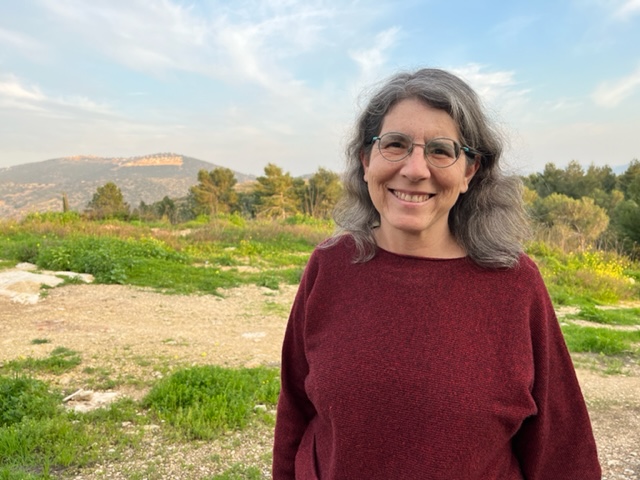
When I was working and taking care of my children, learning was never on the list. Now that I have more time I have two different Gemora classes and the nach yomi as well as the mishna yomi daily.

Shoshana Shinnar
Shoshana Shinnar

Jerusalem, Israel

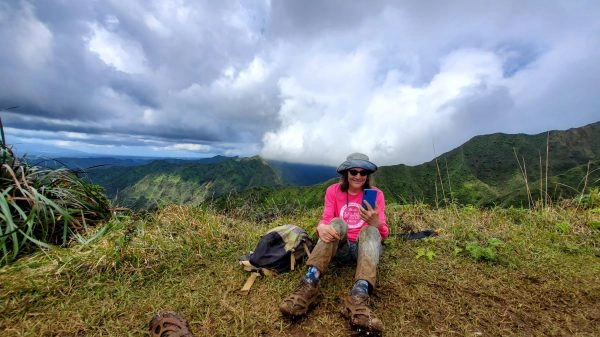
I started learning on January 5, 2020. When I complete the 7+ year cycle I will be 70 years old. I had been intimidated by those who said that I needed to study Talmud in a traditional way with a chevruta, but I decided the learning was more important to me than the method. Thankful for Daf Yomi for Women helping me catch up when I fall behind, and also being able to celebrate with each Siyum!

Pamela Elisheva
Pamela Elisheva

Bakersfield, United States

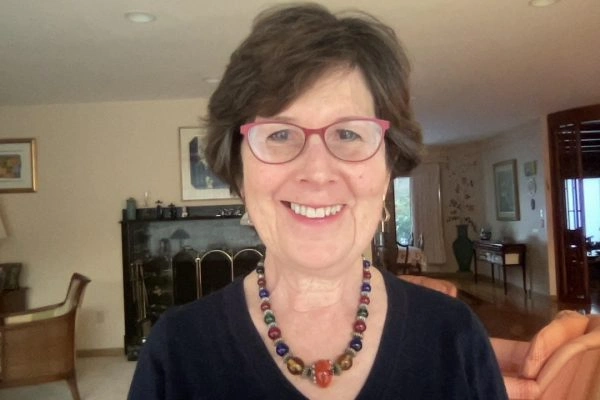
What a great experience to learn with Rabbanit Michelle Farber. I began with this cycle in January 2020 and have been comforted by the consistency and energy of this process throughout the isolation period of Covid. Week by week, I feel like I am exploring a treasure chest with sparkling gems and puzzling antiquities. The hunt is exhilarating.

Marian Frankston
Marian Frankston

Pennsylvania, United States

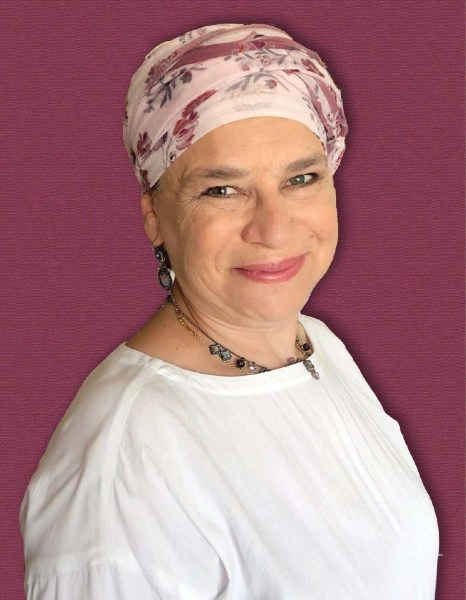
I was moved to tears by the Hadran Siyyum HaShas. I have learned Torah all my life, but never connected to learning Gemara on a regular basis until then. Seeing the sheer joy Talmud Torah at the siyyum, I felt compelled to be part of it, and I haven’t missed a day!
It’s not always easy, but it is so worthwhile, and it has strengthened my love of learning. It is part of my life now.

Michelle Lewis
Michelle Lewis

Beit Shemesh, Israel

The first month I learned Daf Yomi by myself in secret, because I wasn’t sure how my husband would react, but after the siyyum on Masechet Brachot I discovered Hadran and now sometimes my husband listens to the daf with me. He and I also learn mishnayot together and are constantly finding connections between the different masechtot.

Laura Warshawsky
Laura Warshawsky

Silver Spring, Maryland, United States

I’ve been learning since January 2020, and in June I started drawing a phrase from each daf. Sometimes it’s easy (e.g. plants), sometimes it’s very hard (e.g. korbanot), and sometimes it’s loads of fun (e.g. bird racing) to find something to draw. I upload my pictures from each masechet to #DafYomiArt. I am enjoying every step of the journey.

Gila Loike
Gila Loike

Ashdod, Israel

Last cycle, I listened to parts of various מסכתות. When the הדרן סיום was advertised, I listened to Michelle on נידה. I knew that בע”ה with the next cycle I was in (ב”נ). As I entered the סיום (early), I saw the signs and was overcome with emotion. I was randomly seated in the front row, and I cried many times that night. My choice to learn דף יומי was affirmed. It is one of the best I have made!

Miriam Tannenbaum
Miriam Tannenbaum

אפרת, Israel

After all the hype on the 2020 siyum I became inspired by a friend to begin learning as the new cycle began.with no background in studying Talmud it was a bit daunting in the beginning. my husband began at the same time so we decided to study on shabbat together. The reaction from my 3 daughters has been fantastic. They are very proud. It’s been a great challenge for my brain which is so healthy!

Stacey Goodstein Ashtamker

Modi’in, Israel

Studying has changed my life view on הלכה and יהדות and time. It has taught me bonudaries of the human nature and honesty of our sages in their discourse to try and build a nation of caring people .

Goldie Gilad
Goldie Gilad

Kfar Saba, Israel

I went to day school in Toronto but really began to learn when I attended Brovenders back in the early 1980’s. Last year after talking to my sister who was learning Daf Yomi, inspired, I looked on the computer and the Hadran site came up. I have been listening to each days shiur in the morning as I work. I emphasis listening since I am not sitting with a Gamara. I listen while I work in my studio.

Rachel Rotenberg
Rachel Rotenberg

Tekoa, Israel

I started learning Daf Yomi in January 2020 after watching my grandfather, Mayer Penstein z”l, finish shas with the previous cycle. My grandfather made learning so much fun was so proud that his grandchildren wanted to join him. I was also inspired by Ilana Kurshan’s book, If All the Seas Were Ink. Two years in, I can say that it has enriched my life in so many ways.

Leeza Hirt Wilner
Leeza Hirt Wilner

New York, United States

I heard about the syium in January 2020 & I was excited to start learning then the pandemic started. Learning Daf became something to focus on but also something stressful. As the world changed around me & my family I had to adjust my expectations for myself & the world. Daf Yomi & the Hadran podcast has been something I look forward to every day. It gives me a moment of centering & Judaism daily.

Talia Haykin
Talia Haykin

Denver, United States

After all the hype on the 2020 siyum I became inspired by a friend to begin learning as the new cycle began.with no background in studying Talmud it was a bit daunting in the beginning. my husband began at the same time so we decided to study on shabbat together. The reaction from my 3 daughters has been fantastic. They are very proud. It’s been a great challenge for my brain which is so healthy!

Stacey Goodstein Ashtamker

Modi’in, Israel

Retirement and Covid converged to provide me with the opportunity to commit to daily Talmud study in October 2020. I dove into the middle of Eruvin and continued to navigate Seder Moed, with Rabannit Michelle as my guide. I have developed more confidence in my learning as I completed each masechet and look forward to completing the Daf Yomi cycle so that I can begin again!

Rhona Fink
Rhona Fink

San Diego, United States

I am grateful for the structure of the Daf Yomi. When I am freer to learn to my heart’s content, I learn other passages in addition. But even in times of difficulty, I always know that I can rely on the structure and social support of Daf Yomi learners all over the world.

I am also grateful for this forum. It is very helpful to learn with a group of enthusiastic and committed women.

Janice Block-2
Janice Block

Beit Shemesh, Israel

I started Daf during the pandemic. I listened to a number of podcasts by various Rebbeim until one day, I discovered Rabbanit Farbers podcast. Subsequently I joined the Hadran family in Eruvin. Not the easiest place to begin, Rabbanit Farber made it all understandable and fun. The online live group has bonded together and have really become a supportive, encouraging family.

Leah Goldford
Leah Goldford

Edmonton, Alberta, Canada

I started learning at the beginning of this cycle more than 2 years ago, and I have not missed a day or a daf. It’s been challenging and enlightening and even mind-numbing at times, but the learning and the shared experience have all been worth it. If you are open to it, there’s no telling what might come into your life.

Patti Evans
Patti Evans

Phoenix, Arizona, United States

I started learning Gemara at the Yeshivah of Flatbush. And I resumed ‘ברוך ה decades later with Rabbanit Michele at Hadran. I started from Brachot and have had an exciting, rewarding experience throughout seder Moed!

Anne Mirsky (1)
Anne Mirsky

Maale Adumim, Israel

I had tried to start after being inspired by the hadran siyum, but did not manage to stick to it. However, just before masechet taanit, our rav wrote a message to the shul WhatsApp encouraging people to start with masechet taanit, so I did! And this time, I’m hooked! I listen to the shiur every day , and am also trying to improve my skills.

Laura Major
Laura Major

Yad Binyamin, Israel

I started learning Daf in Jan 2020 with Brachot b/c I had never seen the Jewish people united around something so positive, and I wanted to be a part of it. Also, I wanted to broaden my background in Torah Shebal Peh- Maayanot gave me a great gemara education, but I knew that I could hold a conversation in most parts of tanach but almost no TSB. I’m so thankful for Daf and have gained immensely.

Meira Shapiro
Meira Shapiro

NJ, United States

Shabbat 6

מִידֵּי דְּהָוֵה אַמַּעֲבִיר חֵפֶץ בִּרְשׁוּת הָרַבִּים. הָתָם, לָאו אַף עַל גַּב דְּכַמָּה דְּנָקֵיט לֵיהּ וְאָזֵיל פָּטוּר, כִּי מַנַּח לֵיהּ — חַיָּיב. הָכָא נָמֵי לָא שְׁנָא.

as the halakha there is just as it is in the case of one who transfers an object in the public domain. There, even though as long as he takes it and walks and does not place the object he is exempt, is it not the case that when he places it he is liable? Obviously, between the place where he lifted the object and the place where he placed the object, where there is liability, there lies an undefined area where, as long as he continues walking, he is exempt. Here too, it is no different, as in both cases an identical situation exists: If he places the object at the end of his path he is liable, despite the fact that the area in the middle is an exempt place.

מִי דָּמֵי?! הָתָם כׇּל הֵיכָא דְּמַנַּח לֵיהּ מְקוֹם חִיּוּב הוּא. הָכָא, אִי מַנַּח לֵיהּ בִּסְטָיו מְקוֹם פְּטוּר הוּא.

The Gemara rejects this comparison: Is this comparable? There, anywhere that he places the object is a place of potential liability. That cannot be described as two places of liability with an exempt domain between them, as the area between them is also a place of potential liability if he were to place the object there. On the other hand, here, if he places it in the colonnade, it is an absolute exempt domain.

אֶלָּא מִידֵּי דְּהָוֵה אַמַּעֲבִיר חֵפֶץ מִתְּחִלַּת אַרְבַּע לְסוֹף אַרְבַּע. הָתָם לָאו אַף עַל גַּב דְּאִי מַנַּח לֵיהּ בְּתוֹךְ אַרְבַּע אַמּוֹת פָּטוּר, כִּי מַנַּח לֵיהּ בְּסוֹף אַרְבַּע אַמּוֹת חַיָּיב, הָכָא נָמֵי לָא שְׁנָא.

Again the question arises: Where is there a precedent of liability for transferring an object through an exempt domain? The Gemara answers: Rather, it is possible to cite a different precedent: The halakha here is just as it is in the case of one who transfers an object in the public domain from the beginning of four cubits to the end of four cubits exactly. There, is it not the case that, even though were he to place it within four cubits of where he stands, he is not liable because within four cubits, the complete prohibited labor of carrying in the public domain was not performed; and nevertheless, when he places it at the end of four cubits he is liable? Here too, it is no different. It can be said that there is a strip of exempt domain between the lifting and the placement.

מִי דָּמֵי?! הָתָם, לְגַבֵּי דְּהַאי גַּבְרָא מְקוֹם פְּטוּר הוּא, לְכוּלֵּי עָלְמָא מְקוֹם חִיּוּב הוּא. הָכָא לְכוּלֵּי עָלְמָא מְקוֹם פְּטוּר הוּא.

Again the Gemara rejects the analogy: Is that similar? There, in the public domain, for this man it is an exempt domain, as it is within four cubits of the place that he lifted the object. However, for the entire world, it is a place of potential liability, as the space itself is a public domain and it could be beyond four cubits for someone else who placed it there, and he would be liable. Here, on the other hand, the colonnade is an exempt domain for the entire world. There is no comparison between an absence of liability that stems from the fact that the prohibited labor was not completed and an unconditional exemption dependent solely on the nature of the domain in question.

אֶלָּא מִידֵּי דְּהָוֵה אַמּוֹצִיא מֵרְשׁוּת הַיָּחִיד לִרְשׁוּת הָרַבִּים דֶּרֶךְ צִדֵּי רְשׁוּת הָרַבִּים. הָתָם, לָאו אַף עַל גַּב דְּאִי מַנַּח לֵיהּ אַצִּדֵּי רְשׁוּת הָרַבִּים — פָּטוּר, וְכִי מַנַּח לֵיהּ בִּרְשׁוּת הָרַבִּים — חַיָּיב, הָכָא נָמֵי לָא שְׁנָא.

Rather, it is possible to cite a different precedent: The halakha here is just as it is in the case of one who carries out an object from the private domain to the public domain through the sides of the public domain. The sides of a public domain are narrow strips located adjacent to the houses where the multitudes do not congregate. There, is it not the case that, even though if one were to place an object on the sides of the public domain, he is exempt and, nevertheless, when he places it in the public domain he is liable? If so, here too, it is no different.

מַתְקִיף לַהּ רַב פָּפָּא: הָנִיחָא לְרַבָּנַן דְּאָמְרִי צִדֵּי רְשׁוּת הָרַבִּים לָאו כִּרְשׁוּת הָרַבִּים דָּמֵי. אֶלָּא לְרַבִּי אֱלִיעֶזֶר בֶּן יַעֲקֹב דְּאָמַר צִדֵּי רְשׁוּת הָרַבִּים כִּרְשׁוּת הָרַבִּים דָּמֵי, מַאי אִיכָּא לְמֵימַר?

Rav Pappa strongly objects to this explanation: Granted, according to the opinion of the Rabbis, who say that the sides of the public domain are a type of independent domain and not considered the public domain, that precedent is similar to our case. However, according to the opinion of Rabbi Eliezer ben Ya’akov, who said that the sides of the public domain are considered a full-fledged public domain, what is there to say?

אָמַר לֵיהּ רַב אַחָא בְּרֵיהּ דְּרַב אִיקָא: אֵימוֹר דְּשָׁמְעַתְּ לְרַבִּי אֱלִיעֶזֶר בֶּן יַעֲקֹב דְּאָמַר צִדֵּי רְשׁוּת הָרַבִּים כִּרְשׁוּת הָרַבִּים דָּמֵי הֵיכָא דְּלֵיכָּא חִיפּוּפֵי. אֲבָל הֵיכָא דְּאִיכָּא חִיפּוּפֵי מִי שָׁמְעַתְּ לֵיהּ? הִלְכָּךְ לְהָא דָּמְיָא.

Rav Aḥa, son of Rav Ika, said to him: Say that you heard that Rabbi Eliezer ben Ya’akov said that the sides of the public domain are considered a public domain in a place where there are no stakes [ḥipufei] separating the houses and the courtyards from the actual public domain to prevent the public from damaging the walls of the houses. However, in a place where there are stakes, did you hear him say that the legal status of the sides is that of the public domain itself? Therefore, it is similar to that case of the colonnade, and consequently it serves as a precedent for liability when carrying through an exempt domain.

אָמַר רַבִּי יוֹחָנָן: וּמוֹדֶה בֶּן עַזַּאי בְּזוֹרֵק. תַּנְיָא נָמֵי הָכִי: הַמּוֹצִיא מֵחֲנוּת לִפְלַטְיָא דֶּרֶךְ סְטָיו — חַיָּיב. אֶחָד הַמּוֹצִיא, וְאֶחָד הַמַּכְנִיס, וְאֶחָד הַזּוֹרֵק, וְאֶחָד הַמּוֹשִׁיט. בֶּן עַזַּאי אוֹמֵר: הַמּוֹצִיא וְהַמַּכְנִיס פָּטוּר, הַמּוֹשִׁיט וְהַזּוֹרֵק — חַיָּיב.

Rabbi Yoḥanan said: Ben Azzai disagreed with regard to carrying out the object while walking through the colonnade. In his opinion one who carries it out is exempt. Yet, he agrees with the Rabbis that in a case where one throws an object from the private domain to the public domain through a colonnade he is liable, as it is tantamount to carrying out directly from domain to domain. That opinion was also taught in a baraita: One who carries out an object on Shabbat from a store to a plaza via a colonnade is liable. The halakha is identical with regard to all means of transferring an object from domain to domain via a colonnade. The same is true for one who carries out, and one who carries in, and one who throws, and one who extends his hand from domain to domain. Ben Azzai says: One who walks and carries out and one who walks and carries in are exempt, as he is considered to have come to rest in the colonnade. On the other hand, one who extends his hand with the object and one who throws the object, whose actions are uninterrupted, are liable.

תָּנוּ רַבָּנַן, אַרְבַּע רְשׁוּיוֹת לַשַּׁבָּת: רְשׁוּת הַיָּחִיד, וּרְשׁוּת הָרַבִּים, וְכַרְמְלִית, וּמְקוֹם פְּטוּר.

In order to explain the essence of the laws of domains on Shabbat, the Gemara cites what the Sages taught in the Tosefta, that there are four domains for the halakhot of Shabbat: The private domain, and the public domain, and two additional domains: The karmelit, which is like neither the public domain nor the private domain, and an exempt domain, which does not fall into the category of domains.

וְאֵיזוֹ הִיא רְשׁוּת הַיָּחִיד? — חָרִיץ שֶׁהוּא עָמוֹק עֲשָׂרָה וְרָחָב אַרְבָּעָה, וְכֵן גָּדֵר שֶׁהוּא גָּבוֹהַּ עֲשָׂרָה וְרָחָב אַרְבָּעָה — זוֹ הִיא רְשׁוּת הַיָּחִיד גְּמוּרָה.

The Gemara elaborates: And what is the private domain? A ditch which is ten handbreadths deep and four handbreadths wide, as well as a fence which is ten handbreadths high and four handbreadths wide; that is a full-fledged private domain. The criteria for a private domain are that it must be an area of four by four handbreadths, with a ten-handbreadth difference in elevation from the surrounding environment.

וְאֵיזוֹ הִיא רְשׁוּת הָרַבִּים? סְרַטְיָא וּפְלַטְיָא גְּדוֹלָה, וּמְבוֹאוֹת הַמְפוּלָּשִׁין — זוֹ הִיא רְשׁוּת הָרַבִּים גְּמוּרָה. אֵין מוֹצִיאִין מֵרְשׁוּת הַיָּחִיד זוֹ לִרְשׁוּת הָרַבִּים זוֹ, וְאֵין מַכְנִיסִין מֵרְשׁוּת הָרַבִּים זוֹ לִרְשׁוּת הַיָּחִיד זוֹ, וְאִם הוֹצִיא וְהִכְנִיס בְּשׁוֹגֵג — חַיָּיב חַטָּאת, בְּמֵזִיד — עָנוּשׁ כָּרֵת, וְנִסְקָל.

And what is the public domain? A main street [seratia] and a large plaza as well as alleyways [mevo’ot], which are open on both ends to the public domain, connecting between main streets; that is a full-fledged public domain. With regard to those domains: One may not carry out from the private domain of this kind to the public domain of this kind, and one may not carry in from the public domain of this kind to the private domain of this kind. If he did so unwittingly, he is liable to bring a sin-offering. If he did so intentionally, and there were no witnesses to his act, and he was not forewarned, he is liable to receive the punishment of excision [karet]. If he was forewarned and there were witnesses to his transgression, he is punished with the court-imposed capital punishment and stoned.

אֲבָל יָם וּבִקְעָה וְאִיסְטְווֹנִית וְהַכַּרְמְלִית — אֵינָהּ לֹא כִּרְשׁוּת הָרַבִּים וְלֹא כִּרְשׁוּת הַיָּחִיד. וְאֵין נוֹשְׂאִין וְנוֹתְנִין בְּתוֹכָהּ. וְאִם נָשָׂא וְנָתַן בְּתוֹכָהּ — פָּטוּר. וְאֵין מוֹצִיאִין מִתּוֹכָהּ לִרְשׁוּת הָרַבִּים, וְלֹא מֵרְשׁוּת הָרַבִּים לְתוֹכָהּ. וְאֵין מַכְנִיסִין מֵרְשׁוּת הַיָּחִיד לְתוֹכָהּ, וְלֹא מִתּוֹכָהּ לִרְשׁוּת הַיָּחִיד. וְאִם הוֹצִיא וְהִכְנִיס פָּטוּר.

However, a sea and a valley and a colonnade and the karmelit all enter into the general category of karmelit, which is neither like the public domain, because the multitudes are not congregated there, nor like the private domain, as it has no partitions. Rather, the Sages instituted that cases like these should be considered an independent domain. One may not carry and place an object in it beyond four cubits, just as it is prohibited to do so in the public domain. And if he nevertheless carried and placed an object in it, he is exempt, as it involves no Torah prohibition. And one may neither carry from it into the public domain nor from the public domain into it, as it is not the public domain. And one may neither carry from the private domain into it nor from it into the private domain, as it is not the private domain. And if he carried out from the private domain or carried in from the public domain, he is exempt, as it involves is no Torah prohibition.

חֲצֵרוֹת שֶׁל רַבִּים וּמְבוֹאוֹת שֶׁאֵינָן מְפוּלָּשִׁין, עֵירְבוּ — מוּתָּרִין. לֹא עֵירְבוּ — אֲסוּרִים.

Similarly, there is a type of private domain which, by rabbinic law, has the legal status of a karmelit or a public domain. Courtyards shared by many and alleyways that are not open on both sides are private domains that are somewhat similar to the public domain because many people congregate there. For this reason, the Sages issued a decree prohibiting carrying within them. However, if they placed an eiruv, i.e., a joining of courtyards, to transform a common courtyard into a single domain, or a merging of alleyways to merge a common alleyway shared by several courtyards into a single domain, they are all permitted to carry objects from their houses into the courtyard or from the courtyard into the alleyway, respectively. However, if they did not place an eiruv, they are prohibited to do so.

אָדָם עוֹמֵד עַל הָאִיסְקוּפָּה, נוֹטֵל מִבַּעַל הַבַּיִת וְנוֹתֵן לוֹ, נוֹטֵל מֵעָנִי וְנוֹתֵן לוֹ, וּבִלְבַד שֶׁלֹּא יִטּוֹל מִבַּעַל הַבַּיִת וְנוֹתֵן לְעָנִי, מֵעָנִי וְנוֹתֵן לְבַעַל הַבַּיִת. וְאִם נָטַל וְנָתַן — שְׁלָשְׁתָּן פְּטוּרִים.

An example of the fourth domain listed in the baraita, the exempt domain is: A person standing on the threshold may take an object from the homeowner standing in the private domain and may give an object to him. Similarly, while standing there, he may take an object from a poor person standing in the public domain and may give an object to him because there is no element of prohibition or liability in carrying and carrying out in an exempt domain on Shabbat. There is no prohibition as long as he does not take the object from the homeowner in the private domain and give it to a poor person in the public domain, or from a poor person and give to the homeowner, as by doing so he facilitated transfer from domain to domain. And, however, if he took an object from one and gave it to the other, certainly no labor prohibited by Torah law was performed, and all three of them are exempt.

אֲחֵרִים אוֹמְרִים: אִיסְקוּפָּה מְשַׁמֶּשֶׁת שְׁתֵּי רְשׁוּיוֹת. בִּזְמַן שֶׁהַפֶּתַח פָּתוּחַ — כְּלִפְנִים, פֶּתַח נָעוּל — כְּלַחוּץ. וְאִם הָיְתָה אִיסְקוּפָּה גְּבוֹהָה עֲשָׂרָה וּרְחָבָה אַרְבָּעָה — הֲרֵי זֶה רְשׁוּת לְעַצְמָהּ.

Aḥerim say: Not every threshold is an exempt domain. Some are not sufficiently isolated from the surrounding domains. Sometimes, a threshold serves as two domains; at times the public domain and at times the private domain, as in different circumstances it is subsumed within the adjacent domain. Therefore, when the doorway is open, the threshold is an extension of the house and considered to be a private domain. If the doorway was locked, it is considered like the outside, like part of the public domain. This applies when the threshold is not an independent domain. And if the threshold was ten handbreadths high above the public domain and four handbreadths wide, it is a domain unto itself, i.e., a full-fledged private domain discrete from the house.

אָמַר מָר: ״זוֹ הִיא רְשׁוּת הַיָּחִיד״. לְמַעוֹטֵי מַאי? לְמַעוֹטֵי הָא דְּרַבִּי יְהוּדָה. דְּתַנְיָא, יֶתֶר עַל כֵּן אָמַר רַבִּי יְהוּדָה: מִי שֶׁיֵּשׁ לוֹ שְׁנֵי בָתִּים בִּשְׁנֵי צִדֵּי רְשׁוּת הָרַבִּים, עוֹשֶׂה

It was taught in the Tosefta with regard to the definition of a private domain that the Master said, with added emphasis: This is the private domain. The Gemara asks: What was this emphasis added to exclude? The Gemara answers: To exclude this halakha of Rabbi Yehuda, as it was taught in a baraita: Furthermore, Rabbi Yehuda said: One who has two houses opposite each other on two sides of the public domain, if he chooses, he may create a private domain for himself in the public domain. He may place

לֶחִי מִכָּאן, וְלֶחִי מִכָּאן, אוֹ קוֹרָה מִכָּאן וְקוֹרָה מִכָּאן, וְנוֹשֵׂא וְנוֹתֵן בָּאֶמְצַע. אָמְרוּ לוֹ: אֵין מְעָרְבִין רְשׁוּת הָרַבִּים בְּכָךְ!

a ten-handbreadth high post from here, perpendicular to the public domain. This creates a symbolic wall which, in the halakhot of alleyways, has the legal status of a wall. And, he may place an additional post from here, on the other side, and that has the same legal status as if he closed the public domain on all of its sides. Or, he can implement a different solution appropriate for alleyways by placing a beam extending from here, from one end of one house, to the end of the house opposite it. This creates a symbolic partition across the width of the street. And, he may place a beam extending from here, from the other side of the house. According to Rabbi Yehuda, in that way, one is permitted to carry objects and place them in the area between the symbolic partitions, as he would in a private domain. The Rabbis said to him: One may not place an eiruv in the public domain in that way. One who seeks to transform a public domain into a private domain must erect actual partitions.

וְאַמַּאי קָרוּ לֵיהּ ״גְּמוּרָה״? מַהוּ דְתֵימָא: כִּי פְּלִיגִי רַבָּנַן עֲלֵיהּ דְּרַבִּי יְהוּדָה דְּלָא הָוֵי רְשׁוּת הַיָּחִיד, הָנֵי מִילֵּי לְטַלְטֵל, אֲבָל לִזְרוֹק מוֹדוּ לֵיהּ — קָא מַשְׁמַע לַן.

The Gemara questions the language of the Tosefta: This is a full-fledged private domain. And why did they call it full-fledged? The Gemara answers: Lest you say: When do the Rabbis disagree with Rabbi Yehuda and say that it is not the private domain? This applies only with regard to the prohibition to carry there on Shabbat. By means of these partitions, it was not rendered a full-fledged private domain to the point that one is permitted to carry there. However, conceivably, with regard to the prohibition of throwing from the public domain to this place, the Rabbis agree with Rabbi Yehuda that the area between the partitions would be considered a private domain by Torah law and it would be prohibited. Therefore, the tanna taught us that according to the Rabbis it is not a private domain at all.

אָמַר מָר: ״זוֹ הִיא רְשׁוּת הָרַבִּים״. לְמַעוֹטֵי מַאי? לְמַעוֹטֵי אִידַּךְ דְּרַבִּי יְהוּדָה. דִּתְנַן, רַבִּי יְהוּדָה אוֹמֵר: אִם הָיְתָה דֶּרֶךְ רְשׁוּת הָרַבִּים מַפְסַקְתָּן — יְסַלְּקֶנָּה לִצְדָדִין. וַחֲכָמִים אוֹמְרִים: אֵינוֹ צָרִיךְ.

It was also taught in the Tosefta with regard to the definition of a public domain that the Master said, with added emphasis: This is the public domain. The Gemara asks: What was this emphasis added to exclude? The Gemara answers: Here, the Tosefta came to exclude another halakha of Rabbi Yehuda. As we learned in a mishna: The Sages permitted those ascending to Jerusalem on the Festival pilgrimage to place posts serving as symbolic boundaries around the wells, in order to render the wells and their surroundings a private domain. That way, the pilgrims could draw water from the wells even on Shabbat, as they became private domains. Rabbi Yehuda says: If the path of the public domain passes through the area of the wells and the posts and obstructs them, he must divert it to the sides, so that the passersby will not pass through there. In his opinion, many people passing through that area negates the private domain formed merely by means of symbolic boundaries. And the Rabbis say: He need not divert the path of the public domain. The emphasis in the Tosefta: This is the public domain, teaches that only the specific areas listed there fall into the category of a public domain; however, a well around which partitions were established is no longer in the realm of public domain, even if the multitudes continue to walk through that area.

וְאַמַּאי קָרוּ לֵיהּ ״גְּמוּרָה״? אַיְּידֵי דִּתְנָא רֵישָׁא ״גְּמוּרָה״, תְּנָא נָמֵי סֵיפָא ״גְּמוּרָה״.

The Gemara asks: And why do they call it full-fledged? The Gemara answers: This emphasis was unnecessary. But, since he taught the first clause of the Tosefta employing the term full-fledged, he also taught the latter section employing the term full-fledged in the interest of uniformity.

וְלַחֲשׁוֹב נָמֵי מִדְבָּר, דְּהָא תַּנְיָא: אֵיזוֹ הִיא רְשׁוּת הָרַבִּים? — סְרַטְיָא וּפְלַטְיָא גְּדוֹלָה, וּמְבוֹאוֹת הַמְפוּלָּשִׁין, וְהַמִּדְבָּר! אָמַר אַבָּיֵי: לָא קַשְׁיָא, כָּאן בִּזְמַן שֶׁיִּשְׂרָאֵל שְׁרוּיִין בַּמִּדְבָּר. כָּאן בִּזְמַן הַזֶּה.

With regard to the places characterized as the public domain, the Gemara asks: And include the desert among the places considered a public domain? Wasn’t it taught in a different baraita: What is the public domain? A main street, and a large plaza, and open alleyways, and the desert? Abaye said: This is not difficult, as here, where it enumerated the desert among the public domains, it refers to the time when Israel was dwelling in the desert, and it was an area frequented by the multitudes. And here, where the desert was not enumerated among the public domains, refers to this time, when multitudes do not congregate there.

אָמַר מָר: אִם הוֹצִיא וְהִכְנִיס בְּשׁוֹגֵג — חַיָּיב חַטָּאת, בְּמֵזִיד — עָנוּשׁ כָּרֵת, וְנִסְקָל. בְּשׁוֹגֵג חַיָּיב חַטָּאת, פְּשִׁיטָא! בְּמֵזִיד עָנוּשׁ כָּרֵת וְנִסְקָל אִצְטְרִיכָא לֵיהּ.

It was also taught in the Tosefta that the Master said: If he carried out an object on Shabbat from the private domain to the public domain or vice versa, if he carried in, if he did so unwittingly, he is liable to bring a sin-offering. If he did so intentionally and there were no witnesses to his act and he was not forewarned, he is punishable from the hand of Heaven with the punishment of karet. If he was forewarned and there were witnesses to his transgression, he is punished by the court and stoned. The Gemara asks: Unwittingly, he is liable to bring a sin-offering; it is obvious that one who violates the serious transgression of desecrating the Shabbat unwittingly is liable to bring a sin-offering. The Gemara answers: It was necessary for the tanna to teach that if he did so intentionally he is punishable with karet and stoned. Since he needed to cite those cases because they involve a novel element, he also cited the case where he performed the transgression unwittingly, in order to complete the picture.

הָא נָמֵי פְּשִׁיטָא! הָא קָא מַשְׁמַע לַן כִּדְרַב, דְּאָמַר רַב: מָצָאתִי מְגִלַּת סְתָרִים בֵּי רַבִּי חִיָּיא וְכָתוּב בָּהּ: אִיסִי בֶּן יְהוּדָה אוֹמֵר: אֲבוֹת מְלָאכוֹת אַרְבָּעִים חָסֵר אַחַת, וְאֵינוֹ חַיָּיב אֶלָּא אַחַת.

The Gemara asks: That is also obvious, as the Torah states explicitly that one who desecrates Shabbat intentionally without witnesses and forewarning is punishable by karet, and that when there are witnesses and forewarning he is executed by stoning. The Gemara answers: This came to teach us in accordance with the statement of Rav, as Rav said: I found a hidden scroll in the house of Rabbi Ḥiyya in which matters of Oral Torah were briefly summarized, and in it was written: Isi ben Yehuda says: The primary categories of prohibited labor on Shabbat are forty-less-one, and he is liable only for one. This expression is unclear, and it would seem that it means that one who performs all of the prohibited labors is only liable to bring one sin-offering.

אִינִי?! וְהָתְנַן: אֲבוֹת מְלָאכוֹת אַרְבָּעִים חָסֵר אַחַת. וְהָוֵינַן בַּהּ: מִנְיָנָא לְמָה לִי? וְאָמַר רַבִּי יוֹחָנָן: שֶׁאִם עֲשָׂאָן כּוּלָּן בְּהֶעְלֵם אַחַת — חַיָּיב עַל כׇּל אַחַת וְאַחַת.

The Gemara asks: Is that so? Didn’t we learn in the mishna: The primary categories of prohibited labor are forty-less-one? The mishna proceeded to enumerate those labors. And we discussed it: Why do I need this tally of forty-less-one? It would have been sufficient for the mishna to merely list the prohibited labors. And Rabbi Yoḥanan said: The number is also significant, in order to teach us that if he performed all of the prohibited labors within one lapse of awareness, during which he remained unaware of the prohibition involved, he is liable to bring a sin-offering for each and every one of the prohibited labors separately. Consequently, the statement of Isi ben Yehuda cannot be understood as suggested above.

אֶלָּא אֵימָא: אֵינוֹ חַיָּיב עַל אַחַת מֵהֶן. וְהָא קָא מַשְׁמַע לַן: הָא מֵהָנָךְ דְּלָא מְסַפְּקָן.

Rather, say as follows: There are forty prohibited labors less one, and he is not liable for one of them. Among those labors, there is one unspecified exception for which one is not liable to be executed by stoning and merely violates a negative prohibition. That which the Tosefta mentioned with regard to one carrying out on Shabbat being liable for karet and stoning, teaches us: This labor of carrying out from domain to domain, is among those prohibited labors with regard to which there is no uncertainty and it is clear that one is liable for karet and stoning for its violation.

אָמַר מָר: אֲבָל יָם וּבִקְעָה וְהָאִיסְטְווֹנִית וְהַכַּרְמְלִית אֵינָן לֹא כִּרְשׁוּת הַיָּחִיד וְלֹא כִּרְשׁוּת הָרַבִּים. וּבִקְעָה אֵינוֹ לֹא כִּרְשׁוּת הַיָּחִיד וְלֹא כִּרְשׁוּת הָרַבִּים? וְהָא תְּנַן הַבִּקְעָה בִּימוֹת הַחַמָּה, רְשׁוּת הַיָּחִיד לַשַּׁבָּת וּרְשׁוּת הָרַבִּים לַטּוּמְאָה. בִּימוֹת הַגְּשָׁמִים, רְשׁוּת הַיָּחִיד לְכָאן וּלְכָאן!

It was also taught in the Tosefta that the Master said: However, a sea, and a valley, and the colonnade, and the karmelit all enter into the general category of karmelit, which is neither like the public domain nor like the private domain. The Gemara asks: And is a valley neither like the private domain nor like the public domain? Didn’t we learn in a mishna in tractate Teharot: The valley, in the days of summer, which is a time when the multitudes frequent it, nevertheless, it is considered the private domain with regard to the halakhot of Shabbat, as according to the parameters of domains of Shabbat it remains in the realm of a private domain. And, still, it is considered like the public domain with regard to the halakhot of ritual impurity, where there is a distinction between a place frequented by the multitudes and a place that the multitudes do not frequent. While in the rainy season, the winter, when multitudes do not frequent the fields, the valley is considered like the private domain for this, Shabbat, and for that, ritual purity. A valley is a private domain and not a karmelit.

אָמַר עוּלָּא: לְעוֹלָם כַּרְמְלִית הָוְיָא, וְאַמַּאי קָרֵי לַהּ רְשׁוּת הַיָּחִיד — לְפִי שֶׁאֵינָהּ רְשׁוּת הָרַבִּים.

Ulla said: Actually, the valley is a karmelit; and why does the mishna call it the private domain? In order to emphasize that it is not the public domain, as the mishna in tractate Teharot did not enter into the details of the halakhot of Shabbat. It merely underscored the distinction between the halakhot of Shabbat and the halakhot of ritual purity.

רַב אָשֵׁי אָמַר:

Rav Ashi said:

Want to follow content and continue where you left off?

Create an account today to track your progress, mark what you’ve learned, and follow the shiurim that speak to you.

Clear all items from this list?

This will remove ALL the items in this section. You will lose any progress or history connected to them. This is irreversible.

Cancel
Yes, clear all

Are you sure you want to delete this item?

You will lose any progress or history connected to this item.

Cancel
Yes, delete