Search

Shevuot 2

Want to dedicate learning? Get started here:

English
עברית
podcast placeholder

0:00
0:00


podcast placeholder

0:00
0:00


Summary

Shevuot bookmark

Masechet Shevuot is sponsored by Janet Hod, “With immense gratitude to Hashem and also to Michelle and the Hadran team for all that they do.”

The Mishna lists four topics, each with four types of cases – two mentioned explicitly in the Torah and two that are extensions of the rabbis. the first topic is an oath of expression, when one takes an oath to either do or not to do something. The second is a person who is impure and forgets about their impure status and goes into the Temple or eats sacrificial items. The third and fourth relate to laws of carrying from one domain to another and a leprous mark. The first two cases incur the same type of sacrifice – a sliding scale offering, what one brings depends on the financial means of the one obligated to bring the sacrifice.

The Mishna elaborates on the second category – one who goes to the Temple while impure and forgets momentarily about being impure or ate sacrificial items while being in a state of impurity. The process of atonement is through an individual sin offering. If one never realizes one’s mistake or one does not even know that one became impure, one receives atonement from communal sin offerings. There are several communal sin offerings – brought on Rosh Chodesh, the three holidays (regalim) and Yom Kippur. For what sins do each of them atone? Are they meant to atone for the same transgressions or for different ones? What do the other sacrifices brought on Yom Kippur atone for (the two goats that are determined by a lottery – one is offered inside the Temple and one sent to Azazel)? There are several opinions about the purpose of each of the above sacrifices. For what purpose is the bull offering of the High Priest on Yom Kippur?

Shevuot 2

מַתְנִי׳ שְׁבוּעוֹת – שְׁתַּיִם שֶׁהֵן אַרְבַּע.

MISHNA: With regard to oaths on an utterance of the lips, there are two types that are actually four types. The Torah specifies only two types of oaths whose violation renders one liable to bring a sliding-scale offering to atone for his transgression (see Leviticus 5:4): Where a person takes an oath to perform some action, and where he takes an oath to refrain from performing some action. With regard to both types, the Torah explicitly mentions liability only for an oath pertaining to one’s future behavior. Nevertheless, the Sages derive that one is also liable for a violation of both types of oaths when they pertain to one’s past behavior. Accordingly, although only two types are explicitly mentioned in the Torah, the Sages derive that there are actually four types.

יְדִיעוֹת הַטּוּמְאָה – שְׁתַּיִם שֶׁהֵן אַרְבַּע.

The mishna lists similar groups of halakhot. With regard to cases of awareness of the defiling of the Temple by entering it while one is ritually impure, or defiling its sacrificial foods by partaking of them while one is ritually impure, there are two types that are actually four. It is prohibited for an impure person to enter the Temple (see Numbers 19:20) or to partake of its sacrificial foods (see Leviticus 7:19–20). If one transgressed either prohibition during a lapse of awareness, then upon becoming aware of his transgression, he is liable to bring a sliding-scale offering (see Leviticus 5:2). The Torah specifies that one is liable to bring the offering only in the case in which he had a lapse of awareness of the fact that he was impure. The Sages derive that one is liable not only in these two cases, but also where he was aware of his personal status but had a lapse of awareness concerning the identity of the place he was entering or the status of the foods he ate.

יְצִיאוֹת הַשַּׁבָּת – שְׁתַּיִם שֶׁהֵן אַרְבַּע.

With regard to acts of carrying out that are prohibited on Shabbat, there are two types that are actually four. On Shabbat, it is prohibited to transfer an item from domain to domain. The Torah explicitly refers to only two cases, both of which involve an item being transferred from a private domain to a public domain: Where the transfer is made by a person who remains in the public domain, and where the transfer is made by a person who remains in the private domain. The Sages derive that liability is incurred in these cases also if the item is transferred from the public domain to the private domain. Although only two types are mentioned by the Torah, the Sages derive that there are actually four types.

מַרְאוֹת נְגָעִים – שְׁנַיִם שֶׁהֵן אַרְבָּעָה.

With regard to shades of leprous marks on a person’s skin, there are two types that are actually four. The Torah specifies that if a leprous mark appears on a person’s skin, the afflicted person must undergo a process of purification and then bring various offerings. Part of the classification of these types of leprosy is based on their shade of white. Two types of marks are explicitly mentioned in the Torah, and the Sages derive that each of these two types has a secondary mark.

אֶת שֶׁיֵּשׁ בָּהּ יְדִיעָה בַּתְּחִלָּה וִידִיעָה בַּסּוֹף וְהֶעְלֵם בֵּינָתַיִם – הֲרֵי זֶה בְּעוֹלֶה וְיוֹרֵד.

The mishna returns to the subject of defiling the Temple or its sacrificial foods. It elaborates on which offerings atone for different cases of defiling the Temple or its sacrificial foods: In cases in which one had awareness, i.e., he knew he was ritually impure and was aware of the sanctity of the Temple or foods involved at the beginning, i.e., before he transgressed, and had awareness at the end, i.e., after the transgression, but had a lapse of awareness of one of those two components in between, while he actually transgressed, this person is liable to bring a sliding-scale offering.

יֵשׁ בָּהּ יְדִיעָה בַּתְּחִלָּה וְאֵין בָּהּ יְדִיעָה בַּסּוֹף – שָׂעִיר הַנַּעֲשֶׂה בִּפְנִים וְיוֹם הַכִּפּוּרִים תּוֹלֶה, עַד שֶׁיִּוָּדַע לוֹ וְיָבִיא בְּעוֹלֶה וְיוֹרֵד.

For cases in which one had awareness at the beginning, transgressed during a lapse of awareness, and still had no awareness at the end, the goat whose blood presentation is performed inside the Sanctuary on Yom Kippur, and Yom Kippur itself, suspend any punishment that he deserves until he becomes aware of his transgression; and then to achieve atonement he brings a sliding-scale offering.

אֵין בָּהּ יְדִיעָה בַּתְּחִלָּה אֲבָל יֵשׁ בָּהּ יְדִיעָה בַּסּוֹף – שָׂעִיר הַנַּעֲשֶׂה בַּחוּץ וְיוֹם הַכִּפּוּרִים מְכַפֵּר. שֶׁנֶּאֱמַר: ״מִלְּבַד חַטַּאת הַכִּפּוּרִים״ – עַל מַה שֶּׁזֶּה מְכַפֵּר, זֶה מְכַפֵּר; מַה הַפְּנִימִי אֵין מְכַפֵּר אֶלָּא עַל דָּבָר שֶׁיֵּשׁ בָּהּ יְדִיעָה, אַף הַחִיצוֹן אֵין מְכַפֵּר אֶלָּא עַל דָּבָר שֶׁיֵּשׁ בָּהּ יְדִיעָה.

For cases in which one did not have awareness at the beginning but had awareness at the end, the goat whose blood presentation is performed outside the Sanctuary, i.e., the goat of the additional offerings of Yom Kippur, and Yom Kippur itself, atone, as it is stated with regard to the offerings brought on Yom Kippur: “One goat for a sin-offering aside from the sin-offering of the atonements” (Numbers 29:11). The verse juxtaposes the internal and external goats together to teach that for that which this one atones, that one atones. Just as the internal goat, i.e., the one whose blood presentation is performed inside the Sanctuary, atones only for a case in which there was awareness of the components of the transgression at some point, i.e., at the beginning, so too, the external goat, i.e., the goat of the additional offerings of Yom Kippur, atones only for a case in which there was awareness at some point, i.e., at the end.

וְעַל שֶׁאֵין בָּהּ יְדִיעָה לֹא בַּתְּחִלָּה וְלֹא בַּסּוֹף – שְׂעִירֵי הָרְגָלִים וּשְׂעִירֵי רָאשֵׁי חֳדָשִׁים מְכַפְּרִין, דִּבְרֵי רַבִּי יְהוּדָה. רַבִּי שִׁמְעוֹן אוֹמֵר: שְׂעִירֵי הָרְגָלִים מְכַפְּרִין, אֲבָל לֹא שְׂעִירֵי רָאשֵׁי חֳדָשִׁים. וְעַל מַה שְּׂעִירֵי רָאשֵׁי חֳדָשִׁים מְכַפְּרִין?

And for cases in which one did not have awareness, neither at the beginning nor at the end, the goats brought as sin-offerings for the additional offerings of the Festivals and the goats brought as sin-offerings for the additional offerings of the New Moons atone. This is the statement of Rabbi Yehuda. Rabbi Shimon says: The goats of the Festivals atone for cases in which one never had awareness of the transgression, but the goats of the New Moons do not. But if so, for what do the goats of the New Moons atone?

עַל הַטָּהוֹר שֶׁאָכַל אֶת הַטָּמֵא.

They atone for a ritually pure person who unwittingly partook of ritually impure sacrificial food.

רַבִּי מֵאִיר אוֹמֵר: כָּל הַשְׂעִירִין כַּפָּרָתָן שָׁוָה, עַל טוּמְאַת מִקְדָּשׁ וְקָדָשָׁיו.

Rabbi Meir says: With regard to all the goats offered as additional offerings, those of the New Moons, Festivals, and Yom Kippur, their atonement, i.e., the atonement that they effect, is the same; they all atone for the defiling of the Temple by entering it while impure, or for the defiling of its sacrificial foods by partaking of them while impure.

הָיָה רַבִּי שִׁמְעוֹן אוֹמֵר: שְׂעִירֵי רָאשֵׁי חֳדָשִׁים מְכַפְּרִים עַל הַטָּהוֹר שֶׁאָכַל אֶת הַטָּמֵא, וְשֶׁל רְגָלִים מְכַפְּרִין עַל שֶׁאֵין בָּהּ יְדִיעָה לֹא בַּתְּחִלָּה וְלֹא בַּסּוֹף, וְשֶׁל יוֹם הַכִּפּוּרִים מְכַפֵּר עַל שֶׁאֵין בָּהּ יְדִיעָה בַּתְּחִלָּה אֲבָל יֵשׁ בָּהּ יְדִיעָה בַּסּוֹף.

Rabbi Shimon would say, delineating his opinion as the mishna expresses it above: The goats of the New Moons atone for a ritually pure person who unwittingly partook of ritually impure sacrificial food. And with regard to the defiling of the Temple or its sacrificial foods, the goats of the Festivals atone for cases in which one did not have awareness, neither at the beginning nor at the end, and the goats of the additional offerings of Yom Kippur atone for cases in which one did not have awareness at the beginning but did have awareness at the end.

אָמְרוּ לוֹ: מַהוּ שֶׁיִּקְרְבוּ זֶה בָּזֶה? אָמַר לָהֶן: יִקְרְבוּ. אָמְרוּ לוֹ: הוֹאִיל וְאֵין כַּפָּרָתָן שָׁוָה, הֵיאַךְ קְרֵבִין זֶה בְּזֶה? אָמַר לָהֶם: כּוּלָּן בָּאִין לְכַפֵּר עַל טוּמְאַת מִקְדָּשׁ וְקָדָשָׁיו.

The Rabbis said to him: What is the halakha with regard to whether goats consecrated for different days may be sacrificed, this one in place of that one? For example, if a goat was initially consecrated to be sacrificed as part of the Yom Kippur additional offerings, may it be sacrificed as part of the Festival additional offerings instead? Rabbi Shimon said to them: They may be sacrificed. They said to him: Since, according to you, their atonement is not the same, how could they possibly be sacrificed, this one in place of that one? Rabbi Shimon said to them: They can be interchanged, since ultimately all of them come to atone for the defiling of the Temple or its sacrificial foods.

רַבִּי שִׁמְעוֹן בֶּן יְהוּדָה אוֹמֵר מִשְּׁמוֹ: שְׂעִירֵי רָאשֵׁי חֳדָשִׁים – מְכַפְּרִין עַל הַטָּהוֹר שֶׁאָכַל אֶת הַטָּמֵא. מוֹסִיף עֲלֵיהֶן שֶׁל רְגָלִים – שֶׁמְּכַפְּרִין עַל טָהוֹר שֶׁאָכַל אֶת הַטָּמֵא, וְעַל שֶׁאֵין בָּהּ יְדִיעָה לֹא בַּתְּחִלָּה וְלֹא בַּסּוֹף.

Rabbi Shimon ben Yehuda says in the name of Rabbi Shimon a tradition of his opinion that differs from the way the mishna expresses it above: The goats of the New Moons atone for a ritually pure person who unwittingly partook of ritually impure sacrificial food. The goats of the Festivals exceed them, as they atone both for a pure person who partook of impure sacrificial food and also for cases of defiling the Temple or its sacrificial foods in which one did not have awareness, neither at the beginning nor at the end.

מוֹסִיף עֲלֵיהֶן שֶׁל יוֹם הַכִּפּוּרִים – שֶׁהֵן מְכַפְּרִין עַל הַטָּהוֹר שֶׁאָכַל אֶת הַטָּמֵא, וְעַל שֶׁאֵין בָּהּ יְדִיעָה לֹא בַּתְּחִלָּה וְלֹא בַּסּוֹף, וְעַל שֶׁאֵין בָּהּ יְדִיעָה בַּתְּחִלָּה אֲבָל יֵשׁ בָּהּ יְדִיעָה בַּסּוֹף.

The goats of Yom Kippur further exceed them, as they atone both for a ritually pure person who partook of ritually impure sacrificial food and for cases of defiling the Temple or its sacrificial foods in which one did not have awareness, neither at the beginning nor at the end; and they also atone for cases in which one did not have awareness at the beginning but did have awareness at the end.

אָמְרוּ לוֹ: מַהוּ שֶׁיִּקְרְבוּ זֶה בָּזֶה? אָמַר לָהֶם: הֵן. אָמְרוּ לוֹ: אִם כֵּן, יִהְיוּ שֶׁל יוֹם הַכִּפּוּרִים קְרֵבִין בְּרָאשֵׁי חֳדָשִׁים; אֲבָל הֵיאַךְ שֶׁל רָאשֵׁי חֳדָשִׁים קְרֵבִין בְּיוֹם הַכִּפּוּרִים – לְכַפֵּר כַּפָּרָה שֶׁאֵינָהּ שֶׁלָּהּ? אָמַר לָהֶם: כּוּלָּן בָּאִין לְכַפֵּר עַל טוּמְאַת מִקְדָּשׁ וְקָדָשָׁיו.

The Rabbis said to him: What is the halakha with regard to whether goats consecrated for different days may be sacrificed, this one in place of that one? Rabbi Shimon said to them: Yes, they can be interchanged. They said to him: If what you say is so, granted that the goats of Yom Kippur may be sacrificed on the New Moons, but how could the goats of the New Moons be sacrificed on Yom Kippur when they will need to effect atonement for that which they were not consecrated for? Rabbi Shimon said to them: They can all be interchanged, since ultimately all of them come to atone for the defiling of the Temple or its sacrificial foods, even if each one atones for a different case.

וְעַל זְדוֹן טוּמְאַת מִקְדָּשׁ וְקָדָשָׁיו – שָׂעִיר הַנַּעֲשֶׂה בִּפְנִים וְיוֹם הַכִּפּוּרִים מְכַפְּרִין.

§ And for the intentional defiling of the Temple or its sacrificial foods, both the goat whose blood presentation is performed inside the Sanctuary on Yom Kippur, and Yom Kippur itself, atone.

עַל שְׁאָר עֲבֵירוֹת שֶׁבַּתּוֹרָה; הַקַּלּוֹת וְהַחֲמוּרוֹת, הַזְּדוֹנוֹת וְהַשְּׁגָגוֹת, הוֹדַע וְלֹא הוֹדַע, עֲשֵׂה וְלֹא תַעֲשֶׂה, כָּרֵיתוֹת וּמִיתוֹת בֵּית דִּין – שָׂעִיר הַמִּשְׁתַּלֵּחַ מְכַפֵּר.

The mishna delineates how atonement is effected for other transgressions: For all other transgressions that are stated in the Torah, whether they are the minor ones or the major ones, whether they were intentional or unwitting, whether one became aware of them before Yom Kippur or did not become aware of them until after Yom Kippur, whether they involve a positive mitzva or a prohibition, whether the transgressors are subject to excision from the World-to-Come [karet] or to one of the court-imposed death penalties, the scapegoat sent to Azazel on Yom Kippur atones.

אֶחָד יִשְׂרְאֵלִים וְאֶחָד כֹּהֲנִים וְאֶחָד כֹּהֵן מָשׁוּחַ. מָה בֵּין יִשְׂרְאֵלִים לְכֹהֲנִים וּלְכֹהֵן מָשׁוּחַ? אֶלָּא שֶׁהַפָּר מְכַפֵּר עַל הַכֹּהֲנִים – עַל טוּמְאַת מִקְדָּשׁ וְקָדָשָׁיו.

Israelites and priests and the anointed priest, i.e., the High Priest, achieve atonement from the scapegoat equally. What is the difference between Israelites, priests, and the anointed priest? The difference is only that the priests achieve atonement for their defiling of the Temple or its sacrificial foods through the bull that the High Priest offers on Yom Kippur, whereas the Israelites achieve atonement for defiling caused by them through the goats that are sacrificed on Yom Kippur.

רַבִּי שִׁמְעוֹן אוֹמֵר: כְּשֵׁם שֶׁדַּם הַשָּׂעִיר הַנַּעֲשֶׂה בִּפְנִים מְכַפֵּר עַל יִשְׂרָאֵל, כָּךְ דַּם הַפָּר מְכַפֵּר עַל הַכֹּהֲנִים; כְּשֵׁם שֶׁוִּידּוּיוֹ שֶׁל שָׂעִיר הַמִּשְׁתַּלֵּחַ מְכַפֵּר עַל יִשְׂרָאֵל, כָּךְ וִידּוּיוֹ שֶׁל פָּר מְכַפֵּר עַל הַכֹּהֲנִים.

Rabbi Shimon says: With regard to the defiling of the Temple or its sacrificial foods, just as the blood of the goat, whose blood presentation is performed inside the Sanctuary, atones for Israelites, so too, the blood of the bull of the High Priest, whose blood presentation is also performed inside the Sanctuary, atones for the priests. And for all other transgressions, just as the confession made over the scapegoat atones for Israelites, so too, the confession made over the bull atones for the priests.

גְּמָ׳ מִכְּדֵי תַּנָּא מִמַּכּוֹת סָלֵיק, מַאי שְׁנָא דְּתָנֵי שְׁבוּעוֹת? מִשּׁוּם דְּתָנֵי: חַיָּיב עַל הָרֹאשׁ שְׁתַּיִם – אַחַת מִיכָּן וְאַחַת מִיכָּן,

GEMARA: The Gemara inquires: Now, the tanna is leaving tractate Makkot, the tractate that precedes tractate Shevuot in the mishnaic order. What is distinctive about tractate Shevuot that he teaches tractate Shevuot after tractate Makkot? The Gemara answers: It is due to the fact that he teaches in a mishna at the end of tractate Makkot (20a): For rounding the edges of his head one is liable to receive two sets of lashes: One from here, the hair adjacent to one ear, and one from there, the hair adjacent to the other ear.

New to Talmud?

Check out our resources designed to help you navigate a page of Talmud – and study at the pace, level and style that fits you. 

The Hadran Women’s Tapestry

Meet the diverse women learning Gemara at Hadran and hear their stories. 

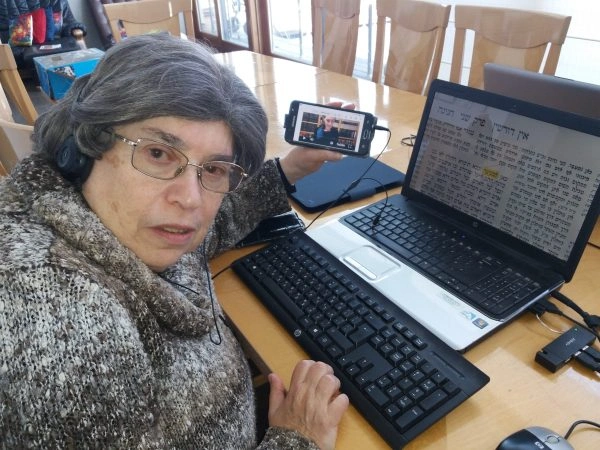
I’ve been studying Talmud since the ’90s, and decided to take on Daf Yomi two years ago. I wanted to attempt the challenge of a day-to-day, very Jewish activity. Some days are so interesting and some days are so boring. But I’m still here.
Sarene Shanus
Sarene Shanus

Mamaroneck, NY, United States

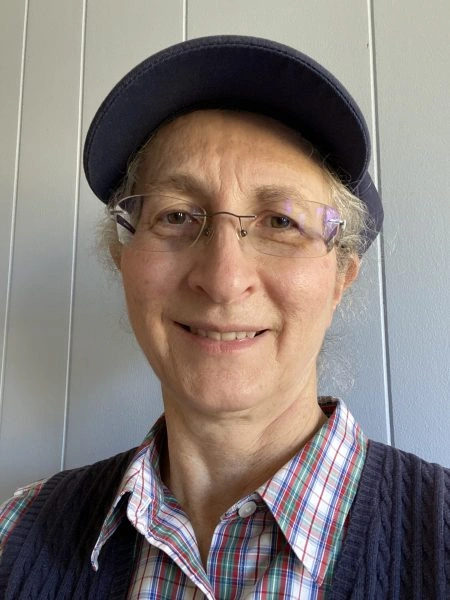
I started learning Jan 2020 when I heard the new cycle was starting. I had tried during the last cycle and didn’t make it past a few weeks. Learning online from old men didn’t speak to my soul and I knew Talmud had to be a soul journey for me. Enter Hadran! Talmud from Rabbanit Michelle Farber from a woman’s perspective, a mother’s perspective and a modern perspective. Motivated to continue!

Keren Carter
Keren Carter

Brentwood, California, United States

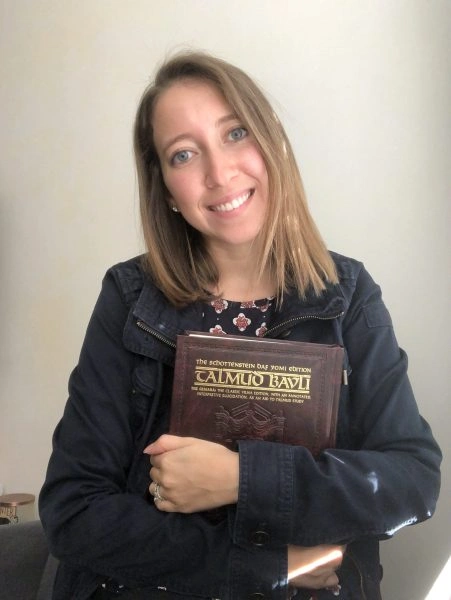
I started learning Daf Yomi inspired by תָּפַסְתָּ מְרוּבֶּה לֹא תָּפַסְתָּ, תָּפַסְתָּ מוּעָט תָּפַסְתָּ. I thought I’d start the first page, and then see. I was swept up into the enthusiasm of the Hadran Siyum, and from there the momentum kept building. Rabbanit Michelle’s shiur gives me an anchor, a connection to an incredible virtual community, and an energy to face whatever the day brings.

Medinah Korn
Medinah Korn

בית שמש, Israel

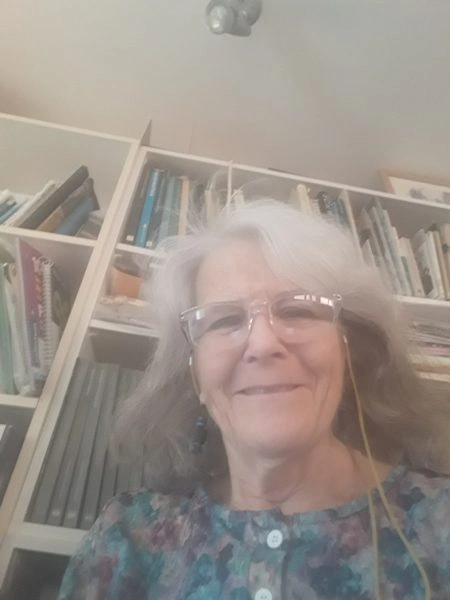
Inspired by Hadran’s first Siyum ha Shas L’Nashim two years ago, I began daf yomi right after for the next cycle. As to this extraordinary journey together with Hadran..as TS Eliot wrote “We must not cease from exploration and the end of all our exploring will be to arrive where we began and to know the place for the first time.

Susan Handelman
Susan Handelman

Jerusalem, Israel

After enthusing to my friend Ruth Kahan about how much I had enjoyed remote Jewish learning during the earlier part of the pandemic, she challenged me to join her in learning the daf yomi cycle. I had always wanted to do daf yomi but now had no excuse. The beginning was particularly hard as I had never studied Talmud but has become easier, as I have gained some familiarity with it.

Susan-Vishner-Hadran-photo-scaled
Susan Vishner

Brookline, United States

With Rabbanit Dr. Naomi Cohen in the Women’s Talmud class, over 30 years ago. It was a “known” class and it was accepted, because of who taught. Since then I have also studied with Avigail Gross-Gelman and Dr. Gabriel Hazut for about a year). Years ago, in a shiur in my shul, I did know about Persians doing 3 things with their clothes on. They opened the shiur to woman after that!

Sharon Mink
Sharon Mink

Haifa, Israel

I had no formal learning in Talmud until I began my studies in the Joint Program where in 1976 I was one of the few, if not the only, woman talmud major. It was superior training for law school and enabled me to approach my legal studies with a foundation . In 2018, I began daf yomi listening to Rabbanit MIchelle’s pod cast and my daily talmud studies are one of the highlights of my life.

Krivosha_Terri_Bio
Terri Krivosha

Minneapolis, United States

I started learning with rabbis. I needed to know more than the stories. My first teacher to show me “the way of the Talmud” as well as the stories was Samara Schwartz.
Michelle Farber started the new cycle 2 yrs ago and I jumped on for the ride.
I do not look back.

Jenifer Nech
Jenifer Nech

Houston, United States

I started learning at the start of this cycle, and quickly fell in love. It has become such an important part of my day, enriching every part of my life.

Naomi Niederhoffer
Naomi Niederhoffer

Toronto, Canada

I began Daf Yomi with the last cycle. I was inspired by the Hadran Siyum in Yerushalayim to continue with this cycle. I have learned Daf Yomi with Rabanit Michelle in over 25 countries on 6 continents ( missing Australia)

Barbara-Goldschlag
Barbara Goldschlag

Silver Spring, MD, United States

I start learning Daf Yomi in January 2020. The daily learning with Rabbanit Michelle has kept me grounded in this very uncertain time. Despite everything going on – the Pandemic, my personal life, climate change, war, etc… I know I can count on Hadran’s podcast to bring a smile to my face.
Deb Engel
Deb Engel

Los Angeles, United States

I had dreamed of doing daf yomi since I had my first serious Talmud class 18 years ago at Pardes with Rahel Berkovitz, and then a couple of summers with Leah Rosenthal. There is no way I would be able to do it without another wonderful teacher, Michelle, and the Hadran organization. I wake up and am excited to start each day with the next daf.

Beth Elster
Beth Elster

Irvine, United States

I started learning at the beginning of this Daf Yomi cycle because I heard a lot about the previous cycle coming to an end and thought it would be a good thing to start doing. My husband had already bought several of the Koren Talmud Bavli books and they were just sitting on the shelf, not being used, so here was an opportunity to start using them and find out exactly what was in them. Loving it!

Caroline Levison
Caroline Levison

Borehamwood, United Kingdom

I had no formal learning in Talmud until I began my studies in the Joint Program where in 1976 I was one of the few, if not the only, woman talmud major. It was superior training for law school and enabled me to approach my legal studies with a foundation . In 2018, I began daf yomi listening to Rabbanit MIchelle’s pod cast and my daily talmud studies are one of the highlights of my life.

Krivosha_Terri_Bio
Terri Krivosha

Minneapolis, United States

In January 2020 on a Shabbaton to Baltimore I heard about the new cycle of Daf Yomi after the siyum celebration in NYC stadium. I started to read “ a daily dose of Talmud “ and really enjoyed it . It led me to google “ do Orthodox women study Talmud? “ and found HADRAN! Since then I listen to the podcast every morning, participate in classes and siyum. I love to learn, this is amazing! Thank you

Sandrine Simons
Sandrine Simons

Atlanta, United States

I heard about the syium in January 2020 & I was excited to start learning then the pandemic started. Learning Daf became something to focus on but also something stressful. As the world changed around me & my family I had to adjust my expectations for myself & the world. Daf Yomi & the Hadran podcast has been something I look forward to every day. It gives me a moment of centering & Judaism daily.

Talia Haykin
Talia Haykin

Denver, United States

I tried Daf Yomi in the middle of the last cycle after realizing I could listen to Michelle’s shiurim online. It lasted all of 2 days! Then the new cycle started just days before my father’s first yahrzeit and my youngest daughter’s bat mitzvah. It seemed the right time for a new beginning. My family, friends, colleagues are immensely supportive!

Catriella-Freedman-jpeg
Catriella Freedman

Zichron Yaakov, Israel

I started learning Daf Yomi in January 2020 after watching my grandfather, Mayer Penstein z”l, finish shas with the previous cycle. My grandfather made learning so much fun was so proud that his grandchildren wanted to join him. I was also inspired by Ilana Kurshan’s book, If All the Seas Were Ink. Two years in, I can say that it has enriched my life in so many ways.

Leeza Hirt Wilner
Leeza Hirt Wilner

New York, United States

I went to day school in Toronto but really began to learn when I attended Brovenders back in the early 1980’s. Last year after talking to my sister who was learning Daf Yomi, inspired, I looked on the computer and the Hadran site came up. I have been listening to each days shiur in the morning as I work. I emphasis listening since I am not sitting with a Gamara. I listen while I work in my studio.

Rachel Rotenberg
Rachel Rotenberg

Tekoa, Israel

Shortly after the death of my father, David Malik z”l, I made the commitment to Daf Yomi. While riding to Ben Gurion airport in January, Siyum HaShas was playing on the radio; that was the nudge I needed to get started. The “everyday-ness” of the Daf has been a meaningful spiritual practice, especial after COVID began & I was temporarily unable to say Kaddish at daily in-person minyanim.

Lisa S. Malik
Lisa S. Malik

Wynnewood, United States

Shevuot 2

מַתְנִי׳ שְׁבוּעוֹת – שְׁתַּיִם שֶׁהֵן אַרְבַּע.

MISHNA: With regard to oaths on an utterance of the lips, there are two types that are actually four types. The Torah specifies only two types of oaths whose violation renders one liable to bring a sliding-scale offering to atone for his transgression (see Leviticus 5:4): Where a person takes an oath to perform some action, and where he takes an oath to refrain from performing some action. With regard to both types, the Torah explicitly mentions liability only for an oath pertaining to one’s future behavior. Nevertheless, the Sages derive that one is also liable for a violation of both types of oaths when they pertain to one’s past behavior. Accordingly, although only two types are explicitly mentioned in the Torah, the Sages derive that there are actually four types.

יְדִיעוֹת הַטּוּמְאָה – שְׁתַּיִם שֶׁהֵן אַרְבַּע.

The mishna lists similar groups of halakhot. With regard to cases of awareness of the defiling of the Temple by entering it while one is ritually impure, or defiling its sacrificial foods by partaking of them while one is ritually impure, there are two types that are actually four. It is prohibited for an impure person to enter the Temple (see Numbers 19:20) or to partake of its sacrificial foods (see Leviticus 7:19–20). If one transgressed either prohibition during a lapse of awareness, then upon becoming aware of his transgression, he is liable to bring a sliding-scale offering (see Leviticus 5:2). The Torah specifies that one is liable to bring the offering only in the case in which he had a lapse of awareness of the fact that he was impure. The Sages derive that one is liable not only in these two cases, but also where he was aware of his personal status but had a lapse of awareness concerning the identity of the place he was entering or the status of the foods he ate.

יְצִיאוֹת הַשַּׁבָּת – שְׁתַּיִם שֶׁהֵן אַרְבַּע.

With regard to acts of carrying out that are prohibited on Shabbat, there are two types that are actually four. On Shabbat, it is prohibited to transfer an item from domain to domain. The Torah explicitly refers to only two cases, both of which involve an item being transferred from a private domain to a public domain: Where the transfer is made by a person who remains in the public domain, and where the transfer is made by a person who remains in the private domain. The Sages derive that liability is incurred in these cases also if the item is transferred from the public domain to the private domain. Although only two types are mentioned by the Torah, the Sages derive that there are actually four types.

מַרְאוֹת נְגָעִים – שְׁנַיִם שֶׁהֵן אַרְבָּעָה.

With regard to shades of leprous marks on a person’s skin, there are two types that are actually four. The Torah specifies that if a leprous mark appears on a person’s skin, the afflicted person must undergo a process of purification and then bring various offerings. Part of the classification of these types of leprosy is based on their shade of white. Two types of marks are explicitly mentioned in the Torah, and the Sages derive that each of these two types has a secondary mark.

אֶת שֶׁיֵּשׁ בָּהּ יְדִיעָה בַּתְּחִלָּה וִידִיעָה בַּסּוֹף וְהֶעְלֵם בֵּינָתַיִם – הֲרֵי זֶה בְּעוֹלֶה וְיוֹרֵד.

The mishna returns to the subject of defiling the Temple or its sacrificial foods. It elaborates on which offerings atone for different cases of defiling the Temple or its sacrificial foods: In cases in which one had awareness, i.e., he knew he was ritually impure and was aware of the sanctity of the Temple or foods involved at the beginning, i.e., before he transgressed, and had awareness at the end, i.e., after the transgression, but had a lapse of awareness of one of those two components in between, while he actually transgressed, this person is liable to bring a sliding-scale offering.

יֵשׁ בָּהּ יְדִיעָה בַּתְּחִלָּה וְאֵין בָּהּ יְדִיעָה בַּסּוֹף – שָׂעִיר הַנַּעֲשֶׂה בִּפְנִים וְיוֹם הַכִּפּוּרִים תּוֹלֶה, עַד שֶׁיִּוָּדַע לוֹ וְיָבִיא בְּעוֹלֶה וְיוֹרֵד.

For cases in which one had awareness at the beginning, transgressed during a lapse of awareness, and still had no awareness at the end, the goat whose blood presentation is performed inside the Sanctuary on Yom Kippur, and Yom Kippur itself, suspend any punishment that he deserves until he becomes aware of his transgression; and then to achieve atonement he brings a sliding-scale offering.

אֵין בָּהּ יְדִיעָה בַּתְּחִלָּה אֲבָל יֵשׁ בָּהּ יְדִיעָה בַּסּוֹף – שָׂעִיר הַנַּעֲשֶׂה בַּחוּץ וְיוֹם הַכִּפּוּרִים מְכַפֵּר. שֶׁנֶּאֱמַר: ״מִלְּבַד חַטַּאת הַכִּפּוּרִים״ – עַל מַה שֶּׁזֶּה מְכַפֵּר, זֶה מְכַפֵּר; מַה הַפְּנִימִי אֵין מְכַפֵּר אֶלָּא עַל דָּבָר שֶׁיֵּשׁ בָּהּ יְדִיעָה, אַף הַחִיצוֹן אֵין מְכַפֵּר אֶלָּא עַל דָּבָר שֶׁיֵּשׁ בָּהּ יְדִיעָה.

For cases in which one did not have awareness at the beginning but had awareness at the end, the goat whose blood presentation is performed outside the Sanctuary, i.e., the goat of the additional offerings of Yom Kippur, and Yom Kippur itself, atone, as it is stated with regard to the offerings brought on Yom Kippur: “One goat for a sin-offering aside from the sin-offering of the atonements” (Numbers 29:11). The verse juxtaposes the internal and external goats together to teach that for that which this one atones, that one atones. Just as the internal goat, i.e., the one whose blood presentation is performed inside the Sanctuary, atones only for a case in which there was awareness of the components of the transgression at some point, i.e., at the beginning, so too, the external goat, i.e., the goat of the additional offerings of Yom Kippur, atones only for a case in which there was awareness at some point, i.e., at the end.

וְעַל שֶׁאֵין בָּהּ יְדִיעָה לֹא בַּתְּחִלָּה וְלֹא בַּסּוֹף – שְׂעִירֵי הָרְגָלִים וּשְׂעִירֵי רָאשֵׁי חֳדָשִׁים מְכַפְּרִין, דִּבְרֵי רַבִּי יְהוּדָה. רַבִּי שִׁמְעוֹן אוֹמֵר: שְׂעִירֵי הָרְגָלִים מְכַפְּרִין, אֲבָל לֹא שְׂעִירֵי רָאשֵׁי חֳדָשִׁים. וְעַל מַה שְּׂעִירֵי רָאשֵׁי חֳדָשִׁים מְכַפְּרִין?

And for cases in which one did not have awareness, neither at the beginning nor at the end, the goats brought as sin-offerings for the additional offerings of the Festivals and the goats brought as sin-offerings for the additional offerings of the New Moons atone. This is the statement of Rabbi Yehuda. Rabbi Shimon says: The goats of the Festivals atone for cases in which one never had awareness of the transgression, but the goats of the New Moons do not. But if so, for what do the goats of the New Moons atone?

עַל הַטָּהוֹר שֶׁאָכַל אֶת הַטָּמֵא.

They atone for a ritually pure person who unwittingly partook of ritually impure sacrificial food.

רַבִּי מֵאִיר אוֹמֵר: כָּל הַשְׂעִירִין כַּפָּרָתָן שָׁוָה, עַל טוּמְאַת מִקְדָּשׁ וְקָדָשָׁיו.

Rabbi Meir says: With regard to all the goats offered as additional offerings, those of the New Moons, Festivals, and Yom Kippur, their atonement, i.e., the atonement that they effect, is the same; they all atone for the defiling of the Temple by entering it while impure, or for the defiling of its sacrificial foods by partaking of them while impure.

הָיָה רַבִּי שִׁמְעוֹן אוֹמֵר: שְׂעִירֵי רָאשֵׁי חֳדָשִׁים מְכַפְּרִים עַל הַטָּהוֹר שֶׁאָכַל אֶת הַטָּמֵא, וְשֶׁל רְגָלִים מְכַפְּרִין עַל שֶׁאֵין בָּהּ יְדִיעָה לֹא בַּתְּחִלָּה וְלֹא בַּסּוֹף, וְשֶׁל יוֹם הַכִּפּוּרִים מְכַפֵּר עַל שֶׁאֵין בָּהּ יְדִיעָה בַּתְּחִלָּה אֲבָל יֵשׁ בָּהּ יְדִיעָה בַּסּוֹף.

Rabbi Shimon would say, delineating his opinion as the mishna expresses it above: The goats of the New Moons atone for a ritually pure person who unwittingly partook of ritually impure sacrificial food. And with regard to the defiling of the Temple or its sacrificial foods, the goats of the Festivals atone for cases in which one did not have awareness, neither at the beginning nor at the end, and the goats of the additional offerings of Yom Kippur atone for cases in which one did not have awareness at the beginning but did have awareness at the end.

אָמְרוּ לוֹ: מַהוּ שֶׁיִּקְרְבוּ זֶה בָּזֶה? אָמַר לָהֶן: יִקְרְבוּ. אָמְרוּ לוֹ: הוֹאִיל וְאֵין כַּפָּרָתָן שָׁוָה, הֵיאַךְ קְרֵבִין זֶה בְּזֶה? אָמַר לָהֶם: כּוּלָּן בָּאִין לְכַפֵּר עַל טוּמְאַת מִקְדָּשׁ וְקָדָשָׁיו.

The Rabbis said to him: What is the halakha with regard to whether goats consecrated for different days may be sacrificed, this one in place of that one? For example, if a goat was initially consecrated to be sacrificed as part of the Yom Kippur additional offerings, may it be sacrificed as part of the Festival additional offerings instead? Rabbi Shimon said to them: They may be sacrificed. They said to him: Since, according to you, their atonement is not the same, how could they possibly be sacrificed, this one in place of that one? Rabbi Shimon said to them: They can be interchanged, since ultimately all of them come to atone for the defiling of the Temple or its sacrificial foods.

רַבִּי שִׁמְעוֹן בֶּן יְהוּדָה אוֹמֵר מִשְּׁמוֹ: שְׂעִירֵי רָאשֵׁי חֳדָשִׁים – מְכַפְּרִין עַל הַטָּהוֹר שֶׁאָכַל אֶת הַטָּמֵא. מוֹסִיף עֲלֵיהֶן שֶׁל רְגָלִים – שֶׁמְּכַפְּרִין עַל טָהוֹר שֶׁאָכַל אֶת הַטָּמֵא, וְעַל שֶׁאֵין בָּהּ יְדִיעָה לֹא בַּתְּחִלָּה וְלֹא בַּסּוֹף.

Rabbi Shimon ben Yehuda says in the name of Rabbi Shimon a tradition of his opinion that differs from the way the mishna expresses it above: The goats of the New Moons atone for a ritually pure person who unwittingly partook of ritually impure sacrificial food. The goats of the Festivals exceed them, as they atone both for a pure person who partook of impure sacrificial food and also for cases of defiling the Temple or its sacrificial foods in which one did not have awareness, neither at the beginning nor at the end.

מוֹסִיף עֲלֵיהֶן שֶׁל יוֹם הַכִּפּוּרִים – שֶׁהֵן מְכַפְּרִין עַל הַטָּהוֹר שֶׁאָכַל אֶת הַטָּמֵא, וְעַל שֶׁאֵין בָּהּ יְדִיעָה לֹא בַּתְּחִלָּה וְלֹא בַּסּוֹף, וְעַל שֶׁאֵין בָּהּ יְדִיעָה בַּתְּחִלָּה אֲבָל יֵשׁ בָּהּ יְדִיעָה בַּסּוֹף.

The goats of Yom Kippur further exceed them, as they atone both for a ritually pure person who partook of ritually impure sacrificial food and for cases of defiling the Temple or its sacrificial foods in which one did not have awareness, neither at the beginning nor at the end; and they also atone for cases in which one did not have awareness at the beginning but did have awareness at the end.

אָמְרוּ לוֹ: מַהוּ שֶׁיִּקְרְבוּ זֶה בָּזֶה? אָמַר לָהֶם: הֵן. אָמְרוּ לוֹ: אִם כֵּן, יִהְיוּ שֶׁל יוֹם הַכִּפּוּרִים קְרֵבִין בְּרָאשֵׁי חֳדָשִׁים; אֲבָל הֵיאַךְ שֶׁל רָאשֵׁי חֳדָשִׁים קְרֵבִין בְּיוֹם הַכִּפּוּרִים – לְכַפֵּר כַּפָּרָה שֶׁאֵינָהּ שֶׁלָּהּ? אָמַר לָהֶם: כּוּלָּן בָּאִין לְכַפֵּר עַל טוּמְאַת מִקְדָּשׁ וְקָדָשָׁיו.

The Rabbis said to him: What is the halakha with regard to whether goats consecrated for different days may be sacrificed, this one in place of that one? Rabbi Shimon said to them: Yes, they can be interchanged. They said to him: If what you say is so, granted that the goats of Yom Kippur may be sacrificed on the New Moons, but how could the goats of the New Moons be sacrificed on Yom Kippur when they will need to effect atonement for that which they were not consecrated for? Rabbi Shimon said to them: They can all be interchanged, since ultimately all of them come to atone for the defiling of the Temple or its sacrificial foods, even if each one atones for a different case.

וְעַל זְדוֹן טוּמְאַת מִקְדָּשׁ וְקָדָשָׁיו – שָׂעִיר הַנַּעֲשֶׂה בִּפְנִים וְיוֹם הַכִּפּוּרִים מְכַפְּרִין.

§ And for the intentional defiling of the Temple or its sacrificial foods, both the goat whose blood presentation is performed inside the Sanctuary on Yom Kippur, and Yom Kippur itself, atone.

עַל שְׁאָר עֲבֵירוֹת שֶׁבַּתּוֹרָה; הַקַּלּוֹת וְהַחֲמוּרוֹת, הַזְּדוֹנוֹת וְהַשְּׁגָגוֹת, הוֹדַע וְלֹא הוֹדַע, עֲשֵׂה וְלֹא תַעֲשֶׂה, כָּרֵיתוֹת וּמִיתוֹת בֵּית דִּין – שָׂעִיר הַמִּשְׁתַּלֵּחַ מְכַפֵּר.

The mishna delineates how atonement is effected for other transgressions: For all other transgressions that are stated in the Torah, whether they are the minor ones or the major ones, whether they were intentional or unwitting, whether one became aware of them before Yom Kippur or did not become aware of them until after Yom Kippur, whether they involve a positive mitzva or a prohibition, whether the transgressors are subject to excision from the World-to-Come [karet] or to one of the court-imposed death penalties, the scapegoat sent to Azazel on Yom Kippur atones.

אֶחָד יִשְׂרְאֵלִים וְאֶחָד כֹּהֲנִים וְאֶחָד כֹּהֵן מָשׁוּחַ. מָה בֵּין יִשְׂרְאֵלִים לְכֹהֲנִים וּלְכֹהֵן מָשׁוּחַ? אֶלָּא שֶׁהַפָּר מְכַפֵּר עַל הַכֹּהֲנִים – עַל טוּמְאַת מִקְדָּשׁ וְקָדָשָׁיו.

Israelites and priests and the anointed priest, i.e., the High Priest, achieve atonement from the scapegoat equally. What is the difference between Israelites, priests, and the anointed priest? The difference is only that the priests achieve atonement for their defiling of the Temple or its sacrificial foods through the bull that the High Priest offers on Yom Kippur, whereas the Israelites achieve atonement for defiling caused by them through the goats that are sacrificed on Yom Kippur.

רַבִּי שִׁמְעוֹן אוֹמֵר: כְּשֵׁם שֶׁדַּם הַשָּׂעִיר הַנַּעֲשֶׂה בִּפְנִים מְכַפֵּר עַל יִשְׂרָאֵל, כָּךְ דַּם הַפָּר מְכַפֵּר עַל הַכֹּהֲנִים; כְּשֵׁם שֶׁוִּידּוּיוֹ שֶׁל שָׂעִיר הַמִּשְׁתַּלֵּחַ מְכַפֵּר עַל יִשְׂרָאֵל, כָּךְ וִידּוּיוֹ שֶׁל פָּר מְכַפֵּר עַל הַכֹּהֲנִים.

Rabbi Shimon says: With regard to the defiling of the Temple or its sacrificial foods, just as the blood of the goat, whose blood presentation is performed inside the Sanctuary, atones for Israelites, so too, the blood of the bull of the High Priest, whose blood presentation is also performed inside the Sanctuary, atones for the priests. And for all other transgressions, just as the confession made over the scapegoat atones for Israelites, so too, the confession made over the bull atones for the priests.

גְּמָ׳ מִכְּדֵי תַּנָּא מִמַּכּוֹת סָלֵיק, מַאי שְׁנָא דְּתָנֵי שְׁבוּעוֹת? מִשּׁוּם דְּתָנֵי: חַיָּיב עַל הָרֹאשׁ שְׁתַּיִם – אַחַת מִיכָּן וְאַחַת מִיכָּן,

GEMARA: The Gemara inquires: Now, the tanna is leaving tractate Makkot, the tractate that precedes tractate Shevuot in the mishnaic order. What is distinctive about tractate Shevuot that he teaches tractate Shevuot after tractate Makkot? The Gemara answers: It is due to the fact that he teaches in a mishna at the end of tractate Makkot (20a): For rounding the edges of his head one is liable to receive two sets of lashes: One from here, the hair adjacent to one ear, and one from there, the hair adjacent to the other ear.

Want to follow content and continue where you left off?

Create an account today to track your progress, mark what you’ve learned, and follow the shiurim that speak to you.

Clear all items from this list?

This will remove ALL the items in this section. You will lose any progress or history connected to them. This is irreversible.

Cancel
Yes, clear all

Are you sure you want to delete this item?

You will lose any progress or history connected to this item.

Cancel
Yes, delete