Search

Shevuot 20

Want to dedicate learning? Get started here:

podcast placeholder

0:00
0:00


Summary

Today’s daf is sponsored by Helen Danczak in memory of her beloved mother on her 28th yahrzeit. “Her love of family is a guiding force for me.”

Today’s daf is sponsored by Debbie and Yossi Gevir on the birth of two new grandchildren. “With joy and gratitude to Hashem! Mazal Tov to our beloved children Elazar and Sarah on the birth, two months ago. of their daughter, Shaked Tova. And to our beloved children Eliav and Noya, upon the birth of their son Ofek Shalom, whose Brit was yesterday. שירבו שמחות בישראל!”

A contradiction is brought between a braita and the Mishna regarding the language “I take an oath that I will eat.” This contradiction is resolved in two different ways.

A braita explains what “mivta” is and what “isar” is. They are both languages of oaths. But an isar can be liable a sacrifice and also not necessarily. The meaning of this braita is a subject of debate between Abaye and Rava who disagree about whether isar is a language of being matpis on an oath or not.

Rav Dimi explains in the name of Rabbi Yochanan what negative commandments are transgressed by different types of oath of expression (past and future) and for vows. He explains that oaths about something that one will do in the future are “false oaths” and in the past are “vain oaths.” However, there is a braita that says that false and vain oaths are the same. How can this braita be explained in light of Rav Dimi’s statement?

Shevuot 20

מְסָרְבִין בּוֹ לֶאֱכוֹל.

importuning [mesarevin] him to eat.

מַתְנִיתִין – בְּשֶׁאֵין מְסָרְבִין בּוֹ לֶאֱכוֹל; בָּרַיְיתָא – בִּמְסָרְבִין בּוֹ לֶאֱכוֹל, וְקָאָמַר ״לָא אָכֵילְנָא״ וְ״לָא אָכֵילְנָא״, דְּכִי קָא מִשְׁתְּבַע הָכִי קָאָמַר: ״שְׁבוּעָה שֶׁלֹּא אוֹכַל״.

The Gemara explains: The mishna here is referring to a case where others are not importuning him to eat; therefore, his oath should be understood literally, as obligating himself to eat. The external mishna, in tractate Nedarim, is referring to a case where others are importuning him to eat and he is saying: I will not eat, I will not eat. Under those circumstances, when he takes an oath, this is what he is saying: On my oath I will not eat.

רַב אָשֵׁי אָמַר: תְּנִי ״שְׁבוּעָה שֶׁאִי אוֹכַל לָךְ״. אִי הָכִי, מַאי לְמֵימְרָא? מַהוּ דְּתֵימָא: לִישָּׁנֵיהּ (דאיתקילא) [אִיתְּקִילא] לֵיהּ, קָא מַשְׁמַע לַן.

Rav Ashi, offering a different resolution of the contradiction, says: Teach, i.e., revise the mishna in tractate Nedarim to say in the middle oath: On my oath I will not [she’i] eat of yours, i.e., using a different formulation for: On my oath I will not eat of yours. The Gemara asks: If so, what is the purpose of stating what is effectively the same oath twice? The Gemara answers: Lest you say that there is a concern that the oath was a slip of his tongue and he meant to take an oath that he will eat and instead said: I will not eat, the mishna teaches us that one need not be concerned that this is what occurred.

תָּנוּ רַבָּנַן: ״מִבְטָא״ – שְׁבוּעָה. ״אִיסָּר״ – שְׁבוּעָה. אִיסּוּר אִיסָּר: אִם אַתָּה אוֹמֵר ״אִיסָּר״ – שְׁבוּעָה, חַיָּיב; וְאִם לָאו, פָּטוּר. ״אִם אַתָּה אוֹמֵר אִיסָּר שְׁבוּעָה״?! וְהָא אָמְרַתְּ: אִיסָּר – שְׁבוּעָה הוּא!

§ The Sages taught: “The clear utterance of her lips, with which she has bound her soul” (Numbers 30:7), is referring to an oath, and: “A bond with which she has bound her soul” (Numbers 30:5), is also referring to an oath. With regard to the prohibition invoked by the word “bond,” if you say a bond is an oath, he is liable, but if not, he is exempt. The Gemara seeks to explicate this baraita: If you say a bond is an oath? But you already said that a bond is an oath.

אָמַר אַבָּיֵי: הָכִי קָאָמַר, ״מִבְטָא״ – שְׁבוּעָה. ״אִיסָּר״ – מִיתְּפֵיס בִּשְׁבוּעָה. אִיסּוּר אִיסָּר – אִם אַתָּה אוֹמֵר: מִיתְּפֵיס בִּשְׁבוּעָה כְּמוֹצִיא שְׁבוּעָה מִפִּיו דָּמֵי, חַיָּיב; וְאִם לָאו, פָּטוּר.

Abaye said: This is what the baraita is saying: “Clear utterance” is an oath, whereas “bond” is the association of some object or action with a matter that has already been prohibited by an oath. What is the prohibition invoked by the word “bond”? If you say that creating an association with an oath is like explicitly expressing an oath with his own mouth then he is liable to bring an offering for unwittingly violating the oath and to receive lashes for doing so intentionally. But if it is not like stating an oath explicitly, he is exempt.

מִמַּאי דְּמִבְטָא שְׁבוּעָה – דִּכְתִיב: ״אוֹ נֶפֶשׁ כִּי תִשָּׁבַע לְבַטֵּא בִשְׂפָתַיִם״; אִיסָּר נָמֵי – דִּכְתִיב: ״כׇּל נֵדֶר וְכׇל שְׁבֻעַת אִסָּר״;

The Gemara analyzes Abaye’s explanation: From where may one derive that “clear utterance” is an oath? One derives it from the verse written with regard to an oath on an utterance, as it is written: “Or if anyone take an oath to clearly utter with his lips” (Leviticus 5:4). The Gemara asks: Isn’t “bond” also referring to an oath, as it is written: “Every vow, and every oath of a bond to afflict the soul, her husband may let it stand, or her husband may make it void” (Numbers 30:14)?

אֶלָּא מִמַּאי דְּאִיסָּר מִיתְּפֵס בִּשְׁבוּעָה הוּא? דִּכְתִיב: ״אוֹ אָסְרָה אִסָּר עַל נַפְשָׁהּ בִּשְׁבֻעָה״.

Rather, from where may one derive that a bond is the association of some object or action with another matter that has been prohibited by an oath? One may derive it from the verse, as it is written: “Or bound her soul by a bond with an oath” (Numbers 30:11), which indicates that the bond is associated with a preexisting oath.

מְבַטֵּא נָמֵי – הָכְתִיב: ״לְכֹל אֲשֶׁר יְבַטֵּא הָאָדָם בִּשְׁבֻעָה״!

The Gemara asks: Isn’t the term “clear utterance” also associated with an oath in a verse, as it is written: “Whatsoever it be that a man shall utter clearly with an oath” (Leviticus 5:4)?

אֶלָּא אָמַר אַבָּיֵי: מִבְטָא שְׁבוּעָה מֵהָכָא: ״וְאִם הָיוֹ תִהְיֶה לְאִישׁ וּנְדָרֶיהָ עָלֶיהָ, אוֹ מִבְטָא שְׂפָתֶיהָ אֲשֶׁר אָסְרָה עַל נַפְשָׁהּ״ – וְאִילּוּ שְׁבוּעָה לָא קָאָמַר; בְּמַאי אָסְרָה עַצְמָהּ? בְּמִבְטָא.

Rather, Abaye said: The fact that “clear utterance” means an oath is derived from here: “And if she be married to a husband, while her vows are upon her, or the clear utterance of her lips, with which she has bound her soul” (Numbers 30:7). While in that verse, it does not state: Oath. With what does she impose a prohibition upon herself? She does so with “clear utterance,” indicating that “clear utterance” is referring to an oath.

רָבָא אָמַר: לְעוֹלָם אֵימָא לָךְ, מִיתְּפֵיס בִּשְׁבוּעָה לָאו כְּמוֹצִיא שְׁבוּעָה מִפִּיו דָּמֵי; וְהָכִי קָאָמַר: ״מִבְטָא״ – שְׁבוּעָה. ״אִיסָּר״ – נָמֵי שְׁבוּעָה. אִסָּרֵיהּ דְּאִיסָּר – הִטִּילוֹ הַכָּתוּב בֵּין נֶדֶר לִשְׁבוּעָה; הוֹצִיאוֹ בִּלְשׁוֹן נֶדֶר – נֶדֶר, בִּלְשׁוֹן שְׁבוּעָה – שְׁבוּעָה.

Rava said: Actually, I will say to you that association with an oath is not like expressing an oath with one’s own mouth, and this is what the baraita is saying: “Clear utterance” is an oath. “Bond” can also be an oath, but it is ambiguous. The verse placed the wording of the prohibition of a bond between that of a vow and that of an oath. Therefore, if one expressed a bond with the language of a vow, it is a vow. If one expressed it with the language of an oath, it is an oath.

הֵיכָן הִטִּילוֹ? ״וְאִם בֵּית אִישָׁהּ נָדָרָה אוֹ אָסְרָה אִסָּר עַל נַפְשָׁהּ בִּשְׁבֻעָה וְגוֹ׳״

The Gemara asks: Where did the verse place the word for “bond” between a vow and an oath? The verse says: “And if she vowed in her husband’s house or bound her soul by a bond with an oath” (Numbers 30:11).

וְאָזְדוּ לְטַעְמַיְיהוּ; דְּאִיתְּמַר: מַתְפִּיס בִּשְׁבוּעָה – אַבָּיֵי אָמַר: כְּמוֹצִיא שְׁבוּעָה מִפִּיו דָּמֵי, וְרָבָא אָמַר: לָאו כְּמוֹצִיא שְׁבוּעָה מִפִּיו דָּמֵי.

The Gemara comments: Abaye and Rava both follow their own lines of reasoning, as it was stated: With regard to one who associates some object or action with another matter that has been prohibited by an oath, Abaye says: It is like explicitly expressing an oath with his mouth, and Rava says: It is not like explicitly expressing an oath with his mouth.

מֵיתִיבִי: אֵיזֶה אִיסָּר הָאָמוּר בַּתּוֹרָה? הָאוֹמֵר: ״הֲרֵי עָלַי שֶׁלֹּא אוֹכַל בָּשָׂר וְשֶׁלֹּא אֶשְׁתֶּה יַיִן״ כַּיּוֹם שֶׁמֵּת בּוֹ אָבִיו, כַּיּוֹם שֶׁמֵּת בּוֹ פְּלוֹנִי, כְּיוֹם שֶׁנֶּהֱרַג בּוֹ גְּדַלְיָה בֶּן אֲחִיקָם, כַּיּוֹם שֶׁרָאָה יְרוּשָׁלַיִם בְּחוּרְבָּנָהּ – אָסוּר. וְאָמַר שְׁמוּאֵל: וְהוּא שֶׁנָּדוּר וּבָא מֵאוֹתוֹ הַיּוֹם.

The Gemara raises an objection from a baraita: What is the bond mentioned in the Torah? A bond applies to one who says: It is incumbent upon me that I will not eat meat and that I will not drink wine like on the day that his, i.e., my, father died, or: Like on the day that so-and-so died, or: Like on the day that Gedaliah ben Ahikam was killed, or: Like on the day on which he saw Jerusalem in its destruction. One who makes one of these pronouncements is prohibited from eating meat and drinking wine. And Shmuel says: This is the case only when he is prohibited from eating meat and drinking wine by vow since that day, e.g., the day his father died.

בִּשְׁלָמָא לְאַבָּיֵי, מִדְּמַתְפִּיס בְּנֶדֶר – נֶדֶר, מַתְפִּיס בִּשְׁבוּעָה – שְׁבוּעָה.

The Gemara explains the objection: Granted, according to the opinion of Abaye, from the fact that a vow that one associates with another vow is considered a vow, as Shmuel’s ruling demonstrates, one may conclude that an oath that one associates with another oath is considered an oath.

אֶלָּא לְרָבָא קַשְׁיָא!

But according to Rava’s opinion, that association with an oath is not considered an oath, the baraita poses a difficulty, as it indicates that association with a vow is considered a vow; a corresponding rule should apply to an oath.

אָמַר לָךְ רָבָא, תָּרֵיץ וְאֵימָא הָכִי: אֵיזֶהוּ אִיסַּר נֶדֶר הָאָמוּר בַּתּוֹרָה? הָאוֹמֵר: ״הֲרֵי עָלַי שֶׁלֹּא אוֹכַל בָּשָׂר וְשֶׁלֹּא אֶשְׁתֶּה יַיִן״ כַּיּוֹם שֶׁמֵּת בּוֹ אָבִיו, כַּיּוֹם שֶׁנֶּהֱרַג בּוֹ פְּלוֹנִי. וְאָמַר שְׁמוּאֵל: וְהוּא שֶׁנָּדוּר וּבָא מֵאוֹתוֹ הַיּוֹם.

The Gemara answers: Rava could say to you: Resolve the difficulty posed by the baraita and say that the baraita teaches this: Which is the bond of a vow mentioned in the Torah? When is a bond, i.e., the acceptance of a prohibition on oneself, considered a vow? According to Rava, “bond” in the verse is not referring to association. Rather, it is referring to one who says: It is incumbent upon me that I will not eat meat and that I will not drink wine like on the day that his, i.e., my, father died, or: Like on the day that so-and-so was killed. And Shmuel says: This is the halakha only when he is prohibited from eating meat and drinking wine by vow since that day, e.g., the day his father died.

מַאי טַעְמָא? אָמַר קְרָא: ״אִישׁ כִּי יִדֹּר נֶדֶר לַה׳״ – עַד שֶׁיִּדּוֹר בְּדָבָר הַנָּדוּר.

What is the reason for Shmuel’s caveat? The verse states: “When a man vows a vow to the Lord” (Numbers 30:3). The redundancy in the phrase “vows a vow” teaches that when one associates a vow with another prohibition, it does not take effect unless he vows by associating it with an item forbidden by means of a vow. Association is derived from this verse and is limited to vows.

כַּיּוֹם שֶׁמֵּת בּוֹ אָבִיו. פְּשִׁיטָא! כְּיוֹם שֶׁנֶּהֱרַג בּוֹ גְּדַלְיָה בֶּן אֲחִיקָם אִיצְטְרִיךְ לֵיהּ, סָלְקָא דַּעְתָּךְ אָמֵינָא: כֵּיוָן דְּכִי לָא נָדַר נָמֵי אָסוּר – כִּי נָדַר נָמֵי לָא הָוְיָא עֲלֵיהּ אִיסּוּר, וְהַאי לָאו מִיתְּפֵיס בְּנֶדֶר הוּא; קָא מַשְׁמַע לַן.

The Gemara discusses the baraita: One who says: It is incumbent upon me that I will not eat meat and that I will not drink wine like on the day that his father died. The Gemara asks: Isn’t it obvious that he is prohibited from eating meat and drinking wine? Why does the baraita need to mention the specific example of a vow concerning the day his father died? The Gemara answers: It was necessary that the baraita state that the vow takes effect for the sake of the other example: Like on the day that Gedaliah ben Ahikam was killed. Otherwise, it may enter your mind to say: Since, even if he did not vow to refrain from eating meat or drinking wine on that day they would be prohibited to him anyway, as it is a public fast day, when he did vow to refrain from eating and drinking on that day, the prohibition of the vow would not take effect on him, and that subsequent vow would then not be associated with a vow, but with an ordinary prohibition. Therefore, the baraita teaches us that the vow made on the fast day takes effect and the second vow can be associated with it.

וְאַף רַבִּי יוֹחָנָן סָבַר לַהּ לְהָא דְּרָבָא; דְּכִי אֲתָא רָבִין אָמַר רַבִּי יוֹחָנָן: ״מִבְטָא לֹא אוֹכַל לָךְ״, ״אִיסָּר לֹא אוֹכַל לָךְ״ – שְׁבוּעָה.

The Gemara comments: And Rabbi Yoḥanan also holds in accordance with this opinion of Rava that a bond is not an association with an oath, but an oath itself, as when Ravin came from Eretz Yisrael to Babylonia he reported that Rabbi Yoḥanan says: If one says: By my clear utterance I will not eat of yours, or: On my bond I will not eat of yours, it is an oath.

כִּי אֲתָא רַב דִּימִי אָמַר רַבִּי יוֹחָנָן: ״אוֹכַל״ וְ״לֹא אוֹכַל״ – שֶׁקֶר, וְאַזְהַרְתֵּיהּ מֵהָכָא: ״לָא תִשָּׁבְעוּ בִשְׁמִי לַשָּׁקֶר״. ״אָכַלְתִּי״ וְ״לֹא אָכַלְתִּי״ – שָׁוְא, וְאַזְהַרְתֵּיהּ מֵהָכָא: ״לֹא תִשָּׂא אֶת שֵׁם ה׳ אֱלֹהֶיךָ לַשָּׁוְא״.

§ When Rav Dimi came from Eretz Yisrael, he reported that Rabbi Yoḥanan says: If one takes an oath, saying: I will eat, or: I will not eat, relating to the future, and does not fulfill it, it is a false oath. And its prohibition in the Torah is from here: “And you shall not take an oath by My name falsely, so that you profane the name of your God; I am the Lord” (Leviticus 19:12). If one takes an oath, saying: I ate, or: I did not eat, relating to past actions, and it is a lie, it is an oath taken in vain, and its prohibition in the Torah is from here: “You shall not take the name of the Lord your God in vain; for the Lord will not absolve of guilt he that takes His name in vain” (Exodus 20:7).

קוּנָּמוֹת – עוֹבֵר בְּ״לֹא יַחֵל דְּבָרוֹ״.

Rav Dimi continued: With regard to vows where one states that an item is forbidden like an offering [konamot], if he subsequently derives benefit from that item, one violates the prohibition: “When a man vows a vow to the Lord, or takes an oath to bind his soul with a bond, he shall not break his word; he shall do according to all that proceeds out of his mouth” (Numbers 30:3).

מֵיתִיבִי: שָׁוְא וְשֶׁקֶר אֶחָד הֵן. מַאי, לָאו מִדְּשָׁוְא לְשֶׁעָבַר – אַף שֶׁקֶר נָמֵי לְשֶׁעָבַר? אַלְמָא ״אָכַלְתִּי״ וְ״לֹא אָכַלְתִּי״ שֶׁקֶר הוּא!

The Gemara raises an objection from a baraita: The prohibitions against taking an oath in vain and taking a false oath are one. The Gemara suggests: What, is the baraita not teaching that if an oath taken in vain refers to the past, a false oath also refers to the past? Apparently, the statements: I ate, and: I did not eat, are both false oaths, contrary to Rabbi Yoḥanan’s statement that a false oath is one that relates to the future.

מִידֵּי אִירְיָא?! הָא כִּדְאִיתָא, וְהָא כִּדְאִיתָא. וּמַאי ״דָּבָר אֶחָד הֵן״? דִּבְדִיבּוּר אֶחָד נֶאֶמְרוּ, כִּדְתַנְיָא: ״זָכוֹר״ וְ״שָׁמוֹר״ בְּדִיבּוּר אֶחָד נֶאֶמְרוּ – מַה שֶּׁאֵין יָכוֹל הַפֶּה לְדַבֵּר, וּמָה שֶׁאֵין הָאוֹזֶן יָכוֹל לִשְׁמוֹעַ.

The Gemara answers: Are the cases comparable? This case, of a false oath, is as it is and that case, of an oath taken in vain, is as it is. What, then, is the meaning of the assertion of the baraita that they are one? It is that both were spoken in a single utterance at the giving of the Torah, like that which is taught in a baraita: “Remember the Sabbath day, to keep it holy” (Exodus 20:8), and: “Observe the Sabbath day, to keep it holy” (Deuteronomy 5:12), were spoken in one utterance, in a manner that the human mouth cannot say and that the human ear cannot hear.

בִּשְׁלָמָא הָתָם בְּדִיבּוּר אֶחָד נֶאֶמְרוּ, כִּדְרַב אַדָּא בַּר אַהֲבָה – דְּאָמַר רַב אַדָּא בַּר אַהֲבָה: נָשִׁים חַיָּיבוֹת בְּקִידּוּשׁ הַיּוֹם דְּבַר תּוֹרָה, דְּאָמַר קְרָא ״זָכוֹר״ וְ״שָׁמוֹר״ – כׇּל שֶׁיֶּשְׁנוֹ בִּשְׁמִירָה יֶשְׁנוֹ בִּזְכִירָה, וְהָנֵי נְשֵׁי הוֹאִיל וְאִיתַנְהוּ בִּשְׁמִירָה אִיתַנְהוּ נָמֵי בִּזְכִירָה. אֶלָּא הָכָא לְמַאי הִלְכְתָא מִיבְּעֵי לֵיהּ?

The Gemara asks: Granted, there, “remember” and “observe” were spoken in a single utterance in order to teach the halakha that Rav Adda bar Ahava says; as Rav Adda bar Ahava says: Women are obligated to recite kiddush sanctifying the seventh day, by Torah law, even though it is a positive, time-bound mitzva, since the verses state: “Remember,” and: “Observe,” indicating that anyone who is obligated to observe, i.e., is prohibited from performing labor on Shabbat, is obligated to remember, by reciting kiddush. And these women, since they are obligated to observe, they also are obligated to remember. But here, with regard to the prohibitions against taking a false oath and taking an oath in vain, for what halakha is it necessary for them to have been spoken in a single utterance?

אֶלָּא כְּשֵׁם שֶׁלּוֹקֶה עַל שָׁוְא, כָּךְ לוֹקֶה נָמֵי עַל שֶׁקֶר.

The Gemara explains: Rather, the baraita states that these two oaths are one to teach that just as one is flogged for taking an oath in vain, so is one also flogged for taking a false oath.

כְּלַפֵּי לְיָיא? אֶלָּא אֵימָא: כְּשֵׁם שֶׁלּוֹקֶה עַל שֶׁקֶר, כָּךְ לוֹקֶה נָמֵי עַל שָׁוְא.

The Gemara asks: Isn’t it the opposite [kelapei layya]? It is clear that one receives lashes for taking a false oath about the future, which one violates with an action, but an oath taken in vain about the past is merely a verbal pronouncement. Rather, say like this: Just as one is flogged for taking a false oath, i.e., violating one’s oath about the future, so is one also flogged for taking an oath in vain.

פְּשִׁיטָא – הַאי לָאו וְהַאי לָאו! מַהוּ דְּתֵימָא כְּדַאֲמַר לֵיהּ רַב פָּפָּא לְאַבָּיֵי: ״לֹא יִנָּקֶה״ כְּלָל;

The Gemara asks: Why must the baraita state that one is flogged for either type of oath? Isn’t it obvious? This is a prohibition and that is a prohibition, and for both one is liable to receive lashes. The Gemara answers: Lest you say as Rav Pappa said to Abaye, that the verse: “For the Lord will not absolve of guilt he that takes His name in vain” (Exodus 20:7), might indicate that God will not absolve him at all, and even if he is punished he cannot atone for his sin,

New to Talmud?

Check out our resources designed to help you navigate a page of Talmud – and study at the pace, level and style that fits you. 

The Hadran Women’s Tapestry

Meet the diverse women learning Gemara at Hadran and hear their stories. 

I am grateful for the structure of the Daf Yomi. When I am freer to learn to my heart’s content, I learn other passages in addition. But even in times of difficulty, I always know that I can rely on the structure and social support of Daf Yomi learners all over the world.

I am also grateful for this forum. It is very helpful to learn with a group of enthusiastic and committed women.

Janice Block-2
Janice Block

Beit Shemesh, Israel

At almost 70 I am just beginning my journey with Talmud and Hadran. I began not late, but right when I was called to learn. It is never too late to begin! The understanding patience of staff and participants with more experience and knowledge has been fabulous. The joy of learning never stops and for me. It is a new life, a new light, a new depth of love of The Holy One, Blessed be He.
Deborah Hoffman-Wade

Richmond, CA, United States

I started learning with rabbis. I needed to know more than the stories. My first teacher to show me “the way of the Talmud” as well as the stories was Samara Schwartz.
Michelle Farber started the new cycle 2 yrs ago and I jumped on for the ride.
I do not look back.

Jenifer Nech
Jenifer Nech

Houston, United States

I attended the Siyum so that I could tell my granddaughter that I had been there. Then I decided to listen on Spotify and after the siyum of Brachot, Covid and zoom began. It gave structure to my day. I learn with people from all over the world who are now my friends – yet most of us have never met. I can’t imagine life without it. Thank you Rabbanit Michelle.

Emma Rinberg
Emma Rinberg

Raanana, Israel

I began daf yomi in January 2020 with Brachot. I had made aliya 6 months before, and one of my post-aliya goals was to complete a full cycle. As a life-long Tanach teacher, I wanted to swim from one side of the Yam shel Torah to the other. Daf yomi was also my sanity through COVID. It was the way to marking the progression of time, and feel that I could grow and accomplish while time stopped.

Leah Herzog
Leah Herzog

Givat Zev, Israel

Attending the Siyyum in Jerusalem 26 months ago inspired me to become part of this community of learners. So many aspects of Jewish life have been illuminated by what we have learned in Seder Moed. My day is not complete without daf Yomi. I am so grateful to Rabbanit Michelle and the Hadran Community.

Nancy Kolodny
Nancy Kolodny

Newton, United States

It’s hard to believe it has been over two years. Daf yomi has changed my life in so many ways and has been sustaining during this global sea change. Each day means learning something new, digging a little deeper, adding another lens, seeing worlds with new eyes. Daf has also fostered new friendships and deepened childhood connections, as long time friends have unexpectedly become havruta.

Joanna Rom
Joanna Rom

Northwest Washington, United States

It happened without intent (so am I yotzei?!) – I watched the women’s siyum live and was so moved by it that the next morning, I tuned in to Rabbanit Michelle’s shiur, and here I am, still learning every day, over 2 years later. Some days it all goes over my head, but others I grasp onto an idea or a story, and I ‘get it’ and that’s the best feeling in the world. So proud to be a Hadran learner.

Jeanne Yael Klempner

Zichron Yaakov, Israel

I started learning daf in January, 2020, being inspired by watching the Siyyum Hashas in Binyanei Haumah. I wasn’t sure I would be able to keep up with the task. When I went to school, Gemara was not an option. Fast forward to March, 2022, and each day starts with the daf. The challenge is now learning the intricacies of delving into the actual learning. Hadran community, thank you!

Rochel Cheifetz
Rochel Cheifetz

Riverdale, NY, United States

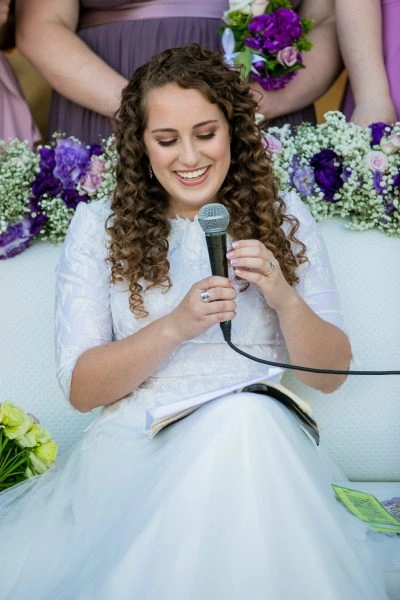
In my Shana bet at Migdal Oz I attended the Hadran siyum hash”as. Witnessing so many women so passionate about their Torah learning and connection to God, I knew I had to begin with the coming cycle. My wedding (June 24) was two weeks before the siyum of mesechet yoma so I went a little ahead and was able to make a speech and siyum at my kiseh kallah on my wedding day!

Sharona Guggenheim Plumb

Givat Shmuel, Israel

At almost 70 I am just beginning my journey with Talmud and Hadran. I began not late, but right when I was called to learn. It is never too late to begin! The understanding patience of staff and participants with more experience and knowledge has been fabulous. The joy of learning never stops and for me. It is a new life, a new light, a new depth of love of The Holy One, Blessed be He.
Deborah Hoffman-Wade

Richmond, CA, United States

I began learning the daf in January 2022. I initially “flew under the radar,” sharing my journey with my husband and a few close friends. I was apprehensive – who, me? Gemara? Now, 2 years in, I feel changed. The rigor of a daily commitment frames my days. The intellectual engagement enhances my knowledge. And the virtual community of learners has become a new family, weaving a glorious tapestry.

Gitta Jaroslawicz-Neufeld

Far Rockaway, United States

After enthusing to my friend Ruth Kahan about how much I had enjoyed remote Jewish learning during the earlier part of the pandemic, she challenged me to join her in learning the daf yomi cycle. I had always wanted to do daf yomi but now had no excuse. The beginning was particularly hard as I had never studied Talmud but has become easier, as I have gained some familiarity with it.

Susan-Vishner-Hadran-photo-scaled
Susan Vishner

Brookline, United States

3 years ago, I joined Rabbanit Michelle to organize the unprecedented Siyum HaShas event in Jerusalem for thousands of women. The whole experience was so inspiring that I decided then to start learning the daf and see how I would go…. and I’m still at it. I often listen to the Daf on my bike in mornings, surrounded by both the external & the internal beauty of Eretz Yisrael & Am Yisrael!

Lisa Kolodny
Lisa Kolodny

Raanana, Israel

I’ve been learning since January 2020, and in June I started drawing a phrase from each daf. Sometimes it’s easy (e.g. plants), sometimes it’s very hard (e.g. korbanot), and sometimes it’s loads of fun (e.g. bird racing) to find something to draw. I upload my pictures from each masechet to #DafYomiArt. I am enjoying every step of the journey.

Gila Loike
Gila Loike

Ashdod, Israel

I learned Talmud as a student in Yeshivat Ramaz and felt at the time that Talmud wasn’t for me. After reading Ilana Kurshan’s book I was intrigued and after watching the great siyum in Yerushalayim it ignited the spark to begin this journey. It has been a transformative life experience for me as a wife, mother, Savta and member of Klal Yisrael.
Elana Storch
Elana Storch

Phoenix, Arizona, United States

In early 2020, I began the process of a stem cell transplant. The required extreme isolation forced me to leave work and normal life but gave me time to delve into Jewish text study. I did not feel isolated. I began Daf Yomi at the start of this cycle, with family members joining me online from my hospital room. I’ve used my newly granted time to to engage, grow and connect through this learning.

Reena Slovin
Reena Slovin

Worcester, United States

In early January of 2020, I learned about Siyyum HaShas and Daf Yomi via Tablet Magazine’s brief daily podcast about the Daf. I found it compelling and fascinating. Soon I discovered Hadran; since then I have learned the Daf daily with Rabbanit Michelle Cohen Farber. The Daf has permeated my every hour, and has transformed and magnified my place within the Jewish Universe.

Lisa Berkelhammer
Lisa Berkelhammer

San Francisco, CA , United States

I had dreamed of doing daf yomi since I had my first serious Talmud class 18 years ago at Pardes with Rahel Berkovitz, and then a couple of summers with Leah Rosenthal. There is no way I would be able to do it without another wonderful teacher, Michelle, and the Hadran organization. I wake up and am excited to start each day with the next daf.

Beth Elster
Beth Elster

Irvine, United States

I’ve been studying Talmud since the ’90s, and decided to take on Daf Yomi two years ago. I wanted to attempt the challenge of a day-to-day, very Jewish activity. Some days are so interesting and some days are so boring. But I’m still here.
Wendy Rozov
Wendy Rozov

Phoenix, AZ, United States

Shevuot 20

ΧžΦ°Χ‘ΦΈΧ¨Φ°Χ‘Φ΄Χ™ΧŸ Χ‘ΦΌΧ•ΦΉ ΧœΦΆΧΦ±Χ›Χ•ΦΉΧœ.

importuning [mesarevin] him to eat.

מַΧͺΦ°Χ Φ΄Χ™ΧͺΦ΄Χ™ΧŸ – Χ‘ΦΌΦ°Χ©ΧΦΆΧΦ΅Χ™ΧŸ ΧžΦ°Χ‘ΦΈΧ¨Φ°Χ‘Φ΄Χ™ΧŸ Χ‘ΦΌΧ•ΦΉ ΧœΦΆΧΦ±Χ›Χ•ΦΉΧœ; Χ‘ΦΌΦΈΧ¨Φ·Χ™Φ°Χ™Χͺָא – Χ‘ΦΌΦ΄ΧžΦ°Χ‘ΦΈΧ¨Φ°Χ‘Φ΄Χ™ΧŸ Χ‘ΦΌΧ•ΦΉ ΧœΦΆΧΦ±Χ›Χ•ΦΉΧœ, Χ•Φ°Χ§ΦΈΧΦΈΧžΦ·Χ¨ ״לָא ΧΦΈΧ›Φ΅Χ™ΧœΦ°Χ ΦΈΧΧ΄ Χ•Φ°Χ΄ΧœΦΈΧ ΧΦΈΧ›Φ΅Χ™ΧœΦ°Χ ΦΈΧΧ΄, Χ“ΦΌΦ°Χ›Φ΄Χ™ קָא מִשְׁΧͺΦΌΦ°Χ‘Φ·Χ’ Χ”ΦΈΧ›Φ΄Χ™ קָאָמַר: ״שְׁבוּגָה שׁ֢לֹּא ΧΧ•ΦΉΧ›Φ·ΧœΧ΄.

The Gemara explains: The mishna here is referring to a case where others are not importuning him to eat; therefore, his oath should be understood literally, as obligating himself to eat. The external mishna, in tractate Nedarim, is referring to a case where others are importuning him to eat and he is saying: I will not eat, I will not eat. Under those circumstances, when he takes an oath, this is what he is saying: On my oath I will not eat.

Χ¨Φ·Χ‘ אָשׁ֡י אָמַר: ΧͺΦΌΦ°Χ Φ΄Χ™ ״שְׁבוּגָה שׁ֢אִי ΧΧ•ΦΉΧ›Φ·Χœ לָךְ״. אִי Χ”ΦΈΧ›Φ΄Χ™, ΧžΦ·ΧΧ™ ΧœΦ°ΧžΦ΅Χ™ΧžΦ°Χ¨ΦΈΧ? ΧžΦ·Χ”Χ•ΦΌ Χ“ΦΌΦ°ΧͺΦ΅Χ™ΧžΦΈΧ: ΧœΦ΄Χ™Χ©ΦΌΧΦΈΧ Φ΅Χ™Χ”ΦΌ (דאיΧͺΧ§Χ™ΧœΧ) [אִיΧͺΦΌΦ°Χ§Φ΄Χ™ΧœΧ] ΧœΦ΅Χ™Χ”ΦΌ, קָא מַשְׁמַג לַן.

Rav Ashi, offering a different resolution of the contradiction, says: Teach, i.e., revise the mishna in tractate Nedarim to say in the middle oath: On my oath I will not [she’i] eat of yours, i.e., using a different formulation for: On my oath I will not eat of yours. The Gemara asks: If so, what is the purpose of stating what is effectively the same oath twice? The Gemara answers: Lest you say that there is a concern that the oath was a slip of his tongue and he meant to take an oath that he will eat and instead said: I will not eat, the mishna teaches us that one need not be concerned that this is what occurred.

ΧͺΦΌΦΈΧ Χ•ΦΌ Χ¨Φ·Χ‘ΦΌΦΈΧ Φ·ΧŸ: Χ΄ΧžΦ΄Χ‘Φ°Χ˜ΦΈΧΧ΄ – שְׁבוּגָה. ״אִיבָּר״ – שְׁבוּגָה. אִיבּוּר אִיבָּר: אִם אַΧͺΦΌΦΈΧ” ΧΧ•ΦΉΧžΦ΅Χ¨ ״אִיבָּר״ – שְׁבוּגָה, Χ—Φ·Χ™ΦΌΦΈΧ™Χ‘; וְאִם ΧœΦΈΧΧ•, Χ€ΦΌΦΈΧ˜Χ•ΦΌΧ¨. ״אִם אַΧͺΦΌΦΈΧ” ΧΧ•ΦΉΧžΦ΅Χ¨ אִיבָּר שְׁבוּגָה״?! וְהָא אָמְרַΧͺΦΌΦ°: אִיבָּר – שְׁבוּגָה הוּא!

Β§ The Sages taught: β€œThe clear utterance of her lips, with which she has bound her soul” (Numbers 30:7), is referring to an oath, and: β€œA bond with which she has bound her soul” (Numbers 30:5), is also referring to an oath. With regard to the prohibition invoked by the word β€œbond,” if you say a bond is an oath, he is liable, but if not, he is exempt. The Gemara seeks to explicate this baraita: If you say a bond is an oath? But you already said that a bond is an oath.

אָמַר אַבָּי֡י: Χ”ΦΈΧ›Φ΄Χ™ קָאָמַר, Χ΄ΧžΦ΄Χ‘Φ°Χ˜ΦΈΧΧ΄ – שְׁבוּגָה. ״אִיבָּר״ – ΧžΦ΄Χ™ΧͺΦΌΦ°Χ€Φ΅Χ™Χ‘ בִּשְׁבוּגָה. אִיבּוּר אִיבָּר – אִם אַΧͺΦΌΦΈΧ” ΧΧ•ΦΉΧžΦ΅Χ¨: ΧžΦ΄Χ™ΧͺΦΌΦ°Χ€Φ΅Χ™Χ‘ בִּשְׁבוּגָה Χ›ΦΌΦ°ΧžΧ•ΦΉΧ¦Φ΄Χ™Χ שְׁבוּגָה ΧžΦ΄Χ€ΦΌΦ΄Χ™Χ• Χ“ΦΌΦΈΧžΦ΅Χ™, Χ—Φ·Χ™ΦΌΦΈΧ™Χ‘; וְאִם ΧœΦΈΧΧ•, Χ€ΦΌΦΈΧ˜Χ•ΦΌΧ¨.

Abaye said: This is what the baraita is saying: β€œClear utterance” is an oath, whereas β€œbond” is the association of some object or action with a matter that has already been prohibited by an oath. What is the prohibition invoked by the word β€œbond”? If you say that creating an association with an oath is like explicitly expressing an oath with his own mouth then he is liable to bring an offering for unwittingly violating the oath and to receive lashes for doing so intentionally. But if it is not like stating an oath explicitly, he is exempt.

ΧžΦ΄ΧžΦΌΦ·ΧΧ™ Χ“ΦΌΦ°ΧžΦ΄Χ‘Φ°Χ˜ΦΈΧ שְׁבוּגָה – Χ“ΦΌΦ΄Χ›Φ°ΧͺΦ΄Χ™Χ‘: ״אוֹ נ֢׀֢שׁ Χ›ΦΌΦ΄Χ™ Χͺִשָּׁבַג ΧœΦ°Χ‘Φ·Χ˜ΦΌΦ΅Χ Χ‘Φ΄Χ©Χ‚Φ°Χ€ΦΈΧͺַיִם״; אִיבָּר Χ ΦΈΧžΦ΅Χ™ – Χ“ΦΌΦ΄Χ›Φ°ΧͺΦ΄Χ™Χ‘: Χ΄Χ›ΦΌΧ‡Χœ Χ Φ΅Χ“ΦΆΧ¨ Χ•Φ°Χ›Χ‡Χœ שְׁבֻגַΧͺ אִבָּר״;

The Gemara analyzes Abaye’s explanation: From where may one derive that β€œclear utterance” is an oath? One derives it from the verse written with regard to an oath on an utterance, as it is written: β€œOr if anyone take an oath to clearly utter with his lips” (Leviticus 5:4). The Gemara asks: Isn’t β€œbond” also referring to an oath, as it is written: β€œEvery vow, and every oath of a bond to afflict the soul, her husband may let it stand, or her husband may make it void” (Numbers 30:14)?

א֢לָּא ΧžΦ΄ΧžΦΌΦ·ΧΧ™ דְּאִיבָּר ΧžΦ΄Χ™ΧͺΦΌΦ°Χ€Φ΅Χ‘ בִּשְׁבוּגָה הוּא? Χ“ΦΌΦ΄Χ›Φ°ΧͺΦ΄Χ™Χ‘: ״אוֹ אָבְרָה אִבָּר גַל נַ׀ְשָׁהּ בִּשְׁבֻגָה״.

Rather, from where may one derive that a bond is the association of some object or action with another matter that has been prohibited by an oath? One may derive it from the verse, as it is written: β€œOr bound her soul by a bond with an oath” (Numbers 30:11), which indicates that the bond is associated with a preexisting oath.

ΧžΦ°Χ‘Φ·Χ˜ΦΌΦ΅Χ Χ ΦΈΧžΦ΅Χ™ – Χ”ΦΈΧ›Φ°ΧͺΦ΄Χ™Χ‘: Χ΄ΧœΦ°Χ›ΦΉΧœ אֲשׁ֢ר Χ™Φ°Χ‘Φ·Χ˜ΦΌΦ΅Χ הָאָדָם בִּשְׁבֻגָה״!

The Gemara asks: Isn’t the term β€œclear utterance” also associated with an oath in a verse, as it is written: β€œWhatsoever it be that a man shall utter clearly with an oath” (Leviticus 5:4)?

א֢לָּא אָמַר אַבָּי֡י: ΧžΦ΄Χ‘Φ°Χ˜ΦΈΧ שְׁבוּגָה ΧžΦ΅Χ”ΦΈΧ›ΦΈΧ: ״וְאִם Χ”ΦΈΧ™Χ•ΦΉ ΧͺΦ΄Χ”Φ°Χ™ΦΆΧ” ΧœΦ°ΧΦ΄Χ™Χ©Χ Χ•ΦΌΧ Φ°Χ“ΦΈΧ¨ΦΆΧ™Χ”ΦΈ Χ’ΦΈΧœΦΆΧ™Χ”ΦΈ, אוֹ ΧžΦ΄Χ‘Φ°Χ˜ΦΈΧ Χ©Χ‚Φ°Χ€ΦΈΧͺΦΆΧ™Χ”ΦΈ אֲשׁ֢ר אָבְרָה גַל נַ׀ְשָׁהּ״ – Χ•Φ°ΧΦ΄Χ™ΧœΦΌΧ•ΦΌ שְׁבוּגָה לָא קָאָמַר; Χ‘ΦΌΦ°ΧžΦ·ΧΧ™ אָבְרָה Χ’Φ·Χ¦Φ°ΧžΦΈΧ”ΦΌ? Χ‘ΦΌΦ°ΧžΦ΄Χ‘Φ°Χ˜ΦΈΧ.

Rather, Abaye said: The fact that β€œclear utterance” means an oath is derived from here: β€œAnd if she be married to a husband, while her vows are upon her, or the clear utterance of her lips, with which she has bound her soul” (Numbers 30:7). While in that verse, it does not state: Oath. With what does she impose a prohibition upon herself? She does so with β€œclear utterance,” indicating that β€œclear utterance” is referring to an oath.

רָבָא אָמַר: ΧœΦ°Χ’Χ•ΦΉΧœΦΈΧ ΧΦ΅Χ™ΧžΦΈΧ לָךְ, ΧžΦ΄Χ™ΧͺΦΌΦ°Χ€Φ΅Χ™Χ‘ בִּשְׁבוּגָה ΧœΦΈΧΧ• Χ›ΦΌΦ°ΧžΧ•ΦΉΧ¦Φ΄Χ™Χ שְׁבוּגָה ΧžΦ΄Χ€ΦΌΦ΄Χ™Χ• Χ“ΦΌΦΈΧžΦ΅Χ™; Χ•Φ°Χ”ΦΈΧ›Φ΄Χ™ קָאָמַר: Χ΄ΧžΦ΄Χ‘Φ°Χ˜ΦΈΧΧ΄ – שְׁבוּגָה. ״אִיבָּר״ – Χ ΦΈΧžΦ΅Χ™ שְׁבוּגָה. אִבָּר֡יהּ דְּאִיבָּר – Χ”Φ΄Χ˜ΦΌΦ΄Χ™ΧœΧ•ΦΉ Χ”Φ·Χ›ΦΌΦΈΧͺΧ•ΦΌΧ‘ Χ‘ΦΌΦ΅Χ™ΧŸ Χ ΦΆΧ“ΦΆΧ¨ ΧœΦ΄Χ©ΧΦ°Χ‘Χ•ΦΌΧ’ΦΈΧ”; הוֹצִיאוֹ Χ‘ΦΌΦ΄ΧœΦ°Χ©ΧΧ•ΦΉΧŸ Χ ΦΆΧ“ΦΆΧ¨ – Χ ΦΆΧ“ΦΆΧ¨, Χ‘ΦΌΦ΄ΧœΦ°Χ©ΧΧ•ΦΉΧŸ שְׁבוּגָה – שְׁבוּגָה.

Rava said: Actually, I will say to you that association with an oath is not like expressing an oath with one’s own mouth, and this is what the baraita is saying: β€œClear utterance” is an oath. β€œBond” can also be an oath, but it is ambiguous. The verse placed the wording of the prohibition of a bond between that of a vow and that of an oath. Therefore, if one expressed a bond with the language of a vow, it is a vow. If one expressed it with the language of an oath, it is an oath.

Χ”Φ΅Χ™Χ›ΦΈΧŸ Χ”Φ΄Χ˜ΦΌΦ΄Χ™ΧœΧ•ΦΉ? ״וְאִם Χ‘ΦΌΦ΅Χ™Χͺ אִישָׁהּ Χ ΦΈΧ“ΦΈΧ¨ΦΈΧ” אוֹ אָבְרָה אִבָּר גַל נַ׀ְשָׁהּ בִּשְׁבֻגָה Χ•Φ°Χ’Χ•ΦΉΧ³Χ΄

The Gemara asks: Where did the verse place the word for β€œbond” between a vow and an oath? The verse says: β€œAnd if she vowed in her husband’s house or bound her soul by a bond with an oath” (Numbers 30:11).

וְאָזְדוּ ΧœΦ°Χ˜Φ·Χ’Φ°ΧžΦ·Χ™Φ°Χ™Χ”Χ•ΦΌ; דְּאִיΧͺְּמַר: מַΧͺΦ°Χ€ΦΌΦ΄Χ™Χ‘ בִּשְׁבוּגָה – אַבָּי֡י אָמַר: Χ›ΦΌΦ°ΧžΧ•ΦΉΧ¦Φ΄Χ™Χ שְׁבוּגָה ΧžΦ΄Χ€ΦΌΦ΄Χ™Χ• Χ“ΦΌΦΈΧžΦ΅Χ™, וְרָבָא אָמַר: ΧœΦΈΧΧ• Χ›ΦΌΦ°ΧžΧ•ΦΉΧ¦Φ΄Χ™Χ שְׁבוּגָה ΧžΦ΄Χ€ΦΌΦ΄Χ™Χ• Χ“ΦΌΦΈΧžΦ΅Χ™.

The Gemara comments: Abaye and Rava both follow their own lines of reasoning, as it was stated: With regard to one who associates some object or action with another matter that has been prohibited by an oath, Abaye says: It is like explicitly expressing an oath with his mouth, and Rava says: It is not like explicitly expressing an oath with his mouth.

ΧžΦ΅Χ™ΧͺΦ΄Χ™Χ‘Φ΄Χ™: א֡יז֢ה אִיבָּר Χ”ΦΈΧΦΈΧžΧ•ΦΌΧ¨ Χ‘ΦΌΦ·ΧͺΦΌΧ•ΦΉΧ¨ΦΈΧ”? Χ”ΦΈΧΧ•ΦΉΧžΦ΅Χ¨: Χ΄Χ”Φ²Χ¨Φ΅Χ™ Χ’ΦΈΧœΦ·Χ™ שׁ֢לֹּא ΧΧ•ΦΉΧ›Φ·Χœ Χ‘ΦΌΦΈΧ©Χ‚ΦΈΧ¨ Χ•Φ°Χ©ΧΦΆΧœΦΌΦΉΧ א֢שְׁΧͺΦΌΦΆΧ” Χ™Φ·Χ™Φ΄ΧŸΧ΄ כַּיּוֹם שׁ֢מּ֡Χͺ Χ‘ΦΌΧ•ΦΉ אָבִיו, כַּיּוֹם שׁ֢מּ֡Χͺ Χ‘ΦΌΧ•ΦΉ Χ€ΦΌΦ°ΧœΧ•ΦΉΧ Φ΄Χ™, כְּיוֹם שׁ֢נּ֢הֱרַג Χ‘ΦΌΧ•ΦΉ Χ’ΦΌΦ°Χ“Φ·ΧœΦ°Χ™ΦΈΧ” Χ‘ΦΌΦΆΧŸ אֲחִיקָם, כַּיּוֹם שׁ֢רָאָה Χ™Φ°Χ¨Χ•ΦΌΧ©ΧΦΈΧœΦ·Χ™Φ΄Χ Χ‘ΦΌΦ°Χ—Χ•ΦΌΧ¨Φ°Χ‘ΦΌΦΈΧ ΦΈΧ”ΦΌ – אָבוּר. Χ•Φ°ΧΦΈΧžΦ·Χ¨ Χ©ΧΦ°ΧžΧ•ΦΌΧΦ΅Χœ: וְהוּא שׁ֢נָּדוּר וּבָא ΧžΦ΅ΧΧ•ΦΉΧͺΧ•ΦΉ הַיּוֹם.

The Gemara raises an objection from a baraita: What is the bond mentioned in the Torah? A bond applies to one who says: It is incumbent upon me that I will not eat meat and that I will not drink wine like on the day that his, i.e., my, father died, or: Like on the day that so-and-so died, or: Like on the day that Gedaliah ben Ahikam was killed, or: Like on the day on which he saw Jerusalem in its destruction. One who makes one of these pronouncements is prohibited from eating meat and drinking wine. And Shmuel says: This is the case only when he is prohibited from eating meat and drinking wine by vow since that day, e.g., the day his father died.

Χ‘ΦΌΦ΄Χ©ΧΦ°ΧœΦΈΧžΦΈΧ ΧœΦ°ΧΦ·Χ‘ΦΌΦΈΧ™Φ΅Χ™, ΧžΦ΄Χ“ΦΌΦ°ΧžΦ·ΧͺΦ°Χ€ΦΌΦ΄Χ™Χ‘ Χ‘ΦΌΦ°Χ ΦΆΧ“ΦΆΧ¨ – Χ ΦΆΧ“ΦΆΧ¨, מַΧͺΦ°Χ€ΦΌΦ΄Χ™Χ‘ בִּשְׁבוּגָה – שְׁבוּגָה.

The Gemara explains the objection: Granted, according to the opinion of Abaye, from the fact that a vow that one associates with another vow is considered a vow, as Shmuel’s ruling demonstrates, one may conclude that an oath that one associates with another oath is considered an oath.

א֢לָּא ΧœΦ°Χ¨ΦΈΧ‘ΦΈΧ קַשְׁיָא!

But according to Rava’s opinion, that association with an oath is not considered an oath, the baraita poses a difficulty, as it indicates that association with a vow is considered a vow; a corresponding rule should apply to an oath.

אָמַר לָךְ רָבָא, ΧͺΦΌΦΈΧ¨Φ΅Χ™Χ₯ Χ•Φ°ΧΦ΅Χ™ΧžΦΈΧ Χ”ΦΈΧ›Φ΄Χ™: א֡יז֢הוּ אִיבַּר Χ ΦΆΧ“ΦΆΧ¨ Χ”ΦΈΧΦΈΧžΧ•ΦΌΧ¨ Χ‘ΦΌΦ·ΧͺΦΌΧ•ΦΉΧ¨ΦΈΧ”? Χ”ΦΈΧΧ•ΦΉΧžΦ΅Χ¨: Χ΄Χ”Φ²Χ¨Φ΅Χ™ Χ’ΦΈΧœΦ·Χ™ שׁ֢לֹּא ΧΧ•ΦΉΧ›Φ·Χœ Χ‘ΦΌΦΈΧ©Χ‚ΦΈΧ¨ Χ•Φ°Χ©ΧΦΆΧœΦΌΦΉΧ א֢שְׁΧͺΦΌΦΆΧ” Χ™Φ·Χ™Φ΄ΧŸΧ΄ כַּיּוֹם שׁ֢מּ֡Χͺ Χ‘ΦΌΧ•ΦΉ אָבִיו, כַּיּוֹם שׁ֢נּ֢הֱרַג Χ‘ΦΌΧ•ΦΉ Χ€ΦΌΦ°ΧœΧ•ΦΉΧ Φ΄Χ™. Χ•Φ°ΧΦΈΧžΦ·Χ¨ Χ©ΧΦ°ΧžΧ•ΦΌΧΦ΅Χœ: וְהוּא שׁ֢נָּדוּר וּבָא ΧžΦ΅ΧΧ•ΦΉΧͺΧ•ΦΉ הַיּוֹם.

The Gemara answers: Rava could say to you: Resolve the difficulty posed by the baraita and say that the baraita teaches this: Which is the bond of a vow mentioned in the Torah? When is a bond, i.e., the acceptance of a prohibition on oneself, considered a vow? According to Rava, β€œbond” in the verse is not referring to association. Rather, it is referring to one who says: It is incumbent upon me that I will not eat meat and that I will not drink wine like on the day that his, i.e., my, father died, or: Like on the day that so-and-so was killed. And Shmuel says: This is the halakha only when he is prohibited from eating meat and drinking wine by vow since that day, e.g., the day his father died.

ΧžΦ·ΧΧ™ טַגְמָא? אָמַר קְרָא: ״אִישׁ Χ›ΦΌΦ΄Χ™ Χ™Φ΄Χ“ΦΌΦΉΧ¨ Χ ΦΆΧ“ΦΆΧ¨ ΧœΦ·Χ”Χ³Χ΄ – Χ’Φ·Χ“ שׁ֢יִּדּוֹר Χ‘ΦΌΦ°Χ“ΦΈΧ‘ΦΈΧ¨ Χ”Φ·Χ ΦΌΦΈΧ“Χ•ΦΌΧ¨.

What is the reason for Shmuel’s caveat? The verse states: β€œWhen a man vows a vow to the Lord” (Numbers 30:3). The redundancy in the phrase β€œvows a vow” teaches that when one associates a vow with another prohibition, it does not take effect unless he vows by associating it with an item forbidden by means of a vow. Association is derived from this verse and is limited to vows.

כַּיּוֹם שׁ֢מּ֡Χͺ Χ‘ΦΌΧ•ΦΉ אָבִיו. Χ€ΦΌΦ°Χ©ΧΦ΄Χ™Χ˜ΦΈΧ! כְּיוֹם שׁ֢נּ֢הֱרַג Χ‘ΦΌΧ•ΦΉ Χ’ΦΌΦ°Χ“Φ·ΧœΦ°Χ™ΦΈΧ” Χ‘ΦΌΦΆΧŸ אֲחִיקָם ΧΦ΄Χ™Χ¦Φ°Χ˜Φ°Χ¨Φ΄Χ™ΧšΦ° ΧœΦ΅Χ™Χ”ΦΌ, בָלְקָא Χ“ΦΌΦ·Χ’Φ°Χͺָּךְ ΧΦΈΧžΦ΅Χ™Χ ΦΈΧ: Χ›ΦΌΦ΅Χ™Χ•ΦΈΧŸ Χ“ΦΌΦ°Χ›Φ΄Χ™ לָא Χ ΦΈΧ“Φ·Χ¨ Χ ΦΈΧžΦ΅Χ™ אָבוּר – Χ›ΦΌΦ΄Χ™ Χ ΦΈΧ“Φ·Χ¨ Χ ΦΈΧžΦ΅Χ™ לָא הָוְיָא Χ’Φ²ΧœΦ΅Χ™Χ”ΦΌ אִיבּוּר, וְהַאי ΧœΦΈΧΧ• ΧžΦ΄Χ™ΧͺΦΌΦ°Χ€Φ΅Χ™Χ‘ Χ‘ΦΌΦ°Χ ΦΆΧ“ΦΆΧ¨ הוּא; קָא מַשְׁמַג לַן.

The Gemara discusses the baraita: One who says: It is incumbent upon me that I will not eat meat and that I will not drink wine like on the day that his father died. The Gemara asks: Isn’t it obvious that he is prohibited from eating meat and drinking wine? Why does the baraita need to mention the specific example of a vow concerning the day his father died? The Gemara answers: It was necessary that the baraita state that the vow takes effect for the sake of the other example: Like on the day that Gedaliah ben Ahikam was killed. Otherwise, it may enter your mind to say: Since, even if he did not vow to refrain from eating meat or drinking wine on that day they would be prohibited to him anyway, as it is a public fast day, when he did vow to refrain from eating and drinking on that day, the prohibition of the vow would not take effect on him, and that subsequent vow would then not be associated with a vow, but with an ordinary prohibition. Therefore, the baraita teaches us that the vow made on the fast day takes effect and the second vow can be associated with it.

וְאַף Χ¨Φ·Χ‘ΦΌΦ΄Χ™ Χ™Χ•ΦΉΧ—ΦΈΧ ΦΈΧŸ Χ‘ΦΈΧ‘Φ·Χ¨ ΧœΦ·Χ”ΦΌ ΧœΦ°Χ”ΦΈΧ דְּרָבָא; Χ“ΦΌΦ°Χ›Φ΄Χ™ אֲΧͺָא Χ¨ΦΈΧ‘Φ΄Χ™ΧŸ אָמַר Χ¨Φ·Χ‘ΦΌΦ΄Χ™ Χ™Χ•ΦΉΧ—ΦΈΧ ΦΈΧŸ: Χ΄ΧžΦ΄Χ‘Φ°Χ˜ΦΈΧ לֹא ΧΧ•ΦΉΧ›Φ·Χœ לָךְ״, ״אִיבָּר לֹא ΧΧ•ΦΉΧ›Φ·Χœ לָךְ״ – שְׁבוּגָה.

The Gemara comments: And Rabbi YoαΈ₯anan also holds in accordance with this opinion of Rava that a bond is not an association with an oath, but an oath itself, as when Ravin came from Eretz Yisrael to Babylonia he reported that Rabbi YoαΈ₯anan says: If one says: By my clear utterance I will not eat of yours, or: On my bond I will not eat of yours, it is an oath.

Χ›ΦΌΦ΄Χ™ אֲΧͺָא Χ¨Φ·Χ‘ Χ“ΦΌΦ΄Χ™ΧžΦ΄Χ™ אָמַר Χ¨Φ·Χ‘ΦΌΦ΄Χ™ Χ™Χ•ΦΉΧ—ΦΈΧ ΦΈΧŸ: Χ΄ΧΧ•ΦΉΧ›Φ·ΧœΧ΄ Χ•Φ°Χ΄ΧœΦΉΧ ΧΧ•ΦΉΧ›Φ·ΧœΧ΄ – שׁ֢ק֢ר, וְאַזְהַרְΧͺΦΌΦ΅Χ™Χ”ΦΌ ΧžΦ΅Χ”ΦΈΧ›ΦΈΧ: ״לָא Χͺִשָּׁבְגוּ Χ‘Φ΄Χ©ΧΦ°ΧžΦ΄Χ™ לַשָּׁק֢ר״. Χ΄ΧΦΈΧ›Φ·ΧœΦ°ΧͺΦΌΦ΄Χ™Χ΄ Χ•Φ°Χ΄ΧœΦΉΧ ΧΦΈΧ›Φ·ΧœΦ°ΧͺΦΌΦ΄Χ™Χ΄ – שָׁוְא, וְאַזְהַרְΧͺΦΌΦ΅Χ™Χ”ΦΌ ΧžΦ΅Χ”ΦΈΧ›ΦΈΧ: ״לֹא Χͺִשָּׂא א֢Χͺ שׁ֡ם Χ”Χ³ ΧΦ±ΧœΦΉΧ”ΦΆΧ™ΧšΦΈ ΧœΦ·Χ©ΦΌΧΦΈΧ•Φ°ΧΧ΄.

Β§ When Rav Dimi came from Eretz Yisrael, he reported that Rabbi YoαΈ₯anan says: If one takes an oath, saying: I will eat, or: I will not eat, relating to the future, and does not fulfill it, it is a false oath. And its prohibition in the Torah is from here: β€œAnd you shall not take an oath by My name falsely, so that you profane the name of your God; I am the Lord” (Leviticus 19:12). If one takes an oath, saying: I ate, or: I did not eat, relating to past actions, and it is a lie, it is an oath taken in vain, and its prohibition in the Torah is from here: β€œYou shall not take the name of the Lord your God in vain; for the Lord will not absolve of guilt he that takes His name in vain” (Exodus 20:7).

Χ§Χ•ΦΌΧ ΦΌΦΈΧžΧ•ΦΉΧͺ – Χ’Χ•ΦΉΧ‘Φ΅Χ¨ Χ‘ΦΌΦ°Χ΄ΧœΦΉΧ Χ™Φ·Χ—Φ΅Χœ Χ“ΦΌΦ°Χ‘ΦΈΧ¨Χ•ΦΉΧ΄.

Rav Dimi continued: With regard to vows where one states that an item is forbidden like an offering [konamot], if he subsequently derives benefit from that item, one violates the prohibition: β€œWhen a man vows a vow to the Lord, or takes an oath to bind his soul with a bond, he shall not break his word; he shall do according to all that proceeds out of his mouth” (Numbers 30:3).

ΧžΦ΅Χ™ΧͺΦ΄Χ™Χ‘Φ΄Χ™: שָׁוְא וְשׁ֢ק֢ר א֢חָד Χ”Φ΅ΧŸ. ΧžΦ·ΧΧ™, ΧœΦΈΧΧ• ΧžΦ΄Χ“ΦΌΦ°Χ©ΧΦΈΧ•Φ°Χ ΧœΦ°Χ©ΧΦΆΧ’ΦΈΧ‘Φ·Χ¨ – אַף שׁ֢ק֢ר Χ ΦΈΧžΦ΅Χ™ ΧœΦ°Χ©ΧΦΆΧ’ΦΈΧ‘Φ·Χ¨? אַלְמָא Χ΄ΧΦΈΧ›Φ·ΧœΦ°ΧͺΦΌΦ΄Χ™Χ΄ Χ•Φ°Χ΄ΧœΦΉΧ ΧΦΈΧ›Φ·ΧœΦ°ΧͺΦΌΦ΄Χ™Χ΄ שׁ֢ק֢ר הוּא!

The Gemara raises an objection from a baraita: The prohibitions against taking an oath in vain and taking a false oath are one. The Gemara suggests: What, is the baraita not teaching that if an oath taken in vain refers to the past, a false oath also refers to the past? Apparently, the statements: I ate, and: I did not eat, are both false oaths, contrary to Rabbi YoαΈ₯anan’s statement that a false oath is one that relates to the future.

ΧžΦ΄Χ™Χ“ΦΌΦ΅Χ™ אִירְיָא?! הָא כִּדְאִיΧͺָא, וְהָא כִּדְאִיΧͺָא. Χ•ΦΌΧžΦ·ΧΧ™ Χ΄Χ“ΦΌΦΈΧ‘ΦΈΧ¨ א֢חָד Χ”Φ΅ΧŸΧ΄? Χ“ΦΌΦ΄Χ‘Φ°Χ“Φ΄Χ™Χ‘ΦΌΧ•ΦΌΧ¨ א֢חָד Χ ΦΆΧΦΆΧžΦ°Χ¨Χ•ΦΌ, Χ›ΦΌΦ΄Χ“Φ°Χͺַנְיָא: Χ΄Χ–ΦΈΧ›Χ•ΦΉΧ¨Χ΄ Χ•Φ°Χ΄Χ©ΧΦΈΧžΧ•ΦΉΧ¨Χ΄ Χ‘ΦΌΦ°Χ“Φ΄Χ™Χ‘ΦΌΧ•ΦΌΧ¨ א֢חָד Χ ΦΆΧΦΆΧžΦ°Χ¨Χ•ΦΌ – ΧžΦ·Χ” Χ©ΦΌΧΦΆΧΦ΅Χ™ΧŸ Χ™ΦΈΧ›Χ•ΦΉΧœ Χ”Φ·Χ€ΦΌΦΆΧ” ΧœΦ°Χ“Φ·Χ‘ΦΌΦ΅Χ¨, Χ•ΦΌΧžΦΈΧ” Χ©ΧΦΆΧΦ΅Χ™ΧŸ Χ”ΦΈΧΧ•ΦΉΧ–ΦΆΧŸ Χ™ΦΈΧ›Χ•ΦΉΧœ ΧœΦ΄Χ©ΧΦ°ΧžΧ•ΦΉΧ’Φ·.

The Gemara answers: Are the cases comparable? This case, of a false oath, is as it is and that case, of an oath taken in vain, is as it is. What, then, is the meaning of the assertion of the baraita that they are one? It is that both were spoken in a single utterance at the giving of the Torah, like that which is taught in a baraita: β€œRemember the Sabbath day, to keep it holy” (Exodus 20:8), and: β€œObserve the Sabbath day, to keep it holy” (Deuteronomy 5:12), were spoken in one utterance, in a manner that the human mouth cannot say and that the human ear cannot hear.

Χ‘ΦΌΦ΄Χ©ΧΦ°ΧœΦΈΧžΦΈΧ Χ”ΦΈΧͺָם Χ‘ΦΌΦ°Χ“Φ΄Χ™Χ‘ΦΌΧ•ΦΌΧ¨ א֢חָד Χ ΦΆΧΦΆΧžΦ°Χ¨Χ•ΦΌ, Χ›ΦΌΦ΄Χ“Φ°Χ¨Φ·Χ‘ אַדָּא Χ‘ΦΌΦ·Χ¨ אַהֲבָה – Χ“ΦΌΦ°ΧΦΈΧžΦ·Χ¨ Χ¨Φ·Χ‘ אַדָּא Χ‘ΦΌΦ·Χ¨ אַהֲבָה: נָשִׁים Χ—Φ·Χ™ΦΌΦΈΧ™Χ‘Χ•ΦΉΧͺ בְּקִידּוּשׁ הַיּוֹם Χ“ΦΌΦ°Χ‘Φ·Χ¨ ΧͺΦΌΧ•ΦΉΧ¨ΦΈΧ”, Χ“ΦΌΦ°ΧΦΈΧžΦ·Χ¨ קְרָא Χ΄Χ–ΦΈΧ›Χ•ΦΉΧ¨Χ΄ Χ•Φ°Χ΄Χ©ΧΦΈΧžΧ•ΦΉΧ¨Χ΄ – Χ›ΦΌΧ‡Χœ שׁ֢יּ֢שְׁנוֹ Χ‘ΦΌΦ΄Χ©ΧΦ°ΧžΦ΄Χ™Χ¨ΦΈΧ” י֢שְׁנוֹ Χ‘ΦΌΦ΄Χ–Φ°Χ›Φ΄Χ™Χ¨ΦΈΧ”, Χ•Φ°Χ”ΦΈΧ Φ΅Χ™ נְשׁ֡י Χ”Χ•ΦΉΧΦ΄Χ™Χœ וְאִיΧͺΦ·Χ Φ°Χ”Χ•ΦΌ Χ‘ΦΌΦ΄Χ©ΧΦ°ΧžΦ΄Χ™Χ¨ΦΈΧ” אִיΧͺΦ·Χ Φ°Χ”Χ•ΦΌ Χ ΦΈΧžΦ΅Χ™ Χ‘ΦΌΦ΄Χ–Φ°Χ›Φ΄Χ™Χ¨ΦΈΧ”. א֢לָּא הָכָא ΧœΦ°ΧžΦ·ΧΧ™ Χ”Φ΄ΧœΦ°Χ›Φ°Χͺָא ΧžΦ΄Χ™Χ‘ΦΌΦ°Χ’Φ΅Χ™ ΧœΦ΅Χ™Χ”ΦΌ?

The Gemara asks: Granted, there, β€œremember” and β€œobserve” were spoken in a single utterance in order to teach the halakha that Rav Adda bar Ahava says; as Rav Adda bar Ahava says: Women are obligated to recite kiddush sanctifying the seventh day, by Torah law, even though it is a positive, time-bound mitzva, since the verses state: β€œRemember,” and: β€œObserve,” indicating that anyone who is obligated to observe, i.e., is prohibited from performing labor on Shabbat, is obligated to remember, by reciting kiddush. And these women, since they are obligated to observe, they also are obligated to remember. But here, with regard to the prohibitions against taking a false oath and taking an oath in vain, for what halakha is it necessary for them to have been spoken in a single utterance?

א֢לָּא כְּשׁ֡ם Χ©ΧΦΆΧœΦΌΧ•ΦΉΧ§ΦΆΧ” גַל שָׁוְא, Χ›ΦΌΦΈΧšΦ° ΧœΧ•ΦΉΧ§ΦΆΧ” Χ ΦΈΧžΦ΅Χ™ גַל שׁ֢ק֢ר.

The Gemara explains: Rather, the baraita states that these two oaths are one to teach that just as one is flogged for taking an oath in vain, so is one also flogged for taking a false oath.

Χ›ΦΌΦ°ΧœΦ·Χ€ΦΌΦ΅Χ™ ΧœΦ°Χ™ΦΈΧ™Χ? א֢לָּא ΧΦ΅Χ™ΧžΦΈΧ: כְּשׁ֡ם Χ©ΧΦΆΧœΦΌΧ•ΦΉΧ§ΦΆΧ” גַל שׁ֢ק֢ר, Χ›ΦΌΦΈΧšΦ° ΧœΧ•ΦΉΧ§ΦΆΧ” Χ ΦΈΧžΦ΅Χ™ גַל שָׁוְא.

The Gemara asks: Isn’t it the opposite [kelapei layya]? It is clear that one receives lashes for taking a false oath about the future, which one violates with an action, but an oath taken in vain about the past is merely a verbal pronouncement. Rather, say like this: Just as one is flogged for taking a false oath, i.e., violating one’s oath about the future, so is one also flogged for taking an oath in vain.

Χ€ΦΌΦ°Χ©ΧΦ΄Χ™Χ˜ΦΈΧ – הַאי ΧœΦΈΧΧ• וְהַאי ΧœΦΈΧΧ•! ΧžΦ·Χ”Χ•ΦΌ Χ“ΦΌΦ°ΧͺΦ΅Χ™ΧžΦΈΧ Χ›ΦΌΦ°Χ“Φ·ΧΦ²ΧžΦ·Χ¨ ΧœΦ΅Χ™Χ”ΦΌ Χ¨Φ·Χ‘ ׀ָּ׀ָּא ΧœΦ°ΧΦ·Χ‘ΦΌΦΈΧ™Φ΅Χ™: ״לֹא Χ™Φ΄Χ ΦΌΦΈΧ§ΦΆΧ”Χ΄ Χ›ΦΌΦ°ΧœΦΈΧœ;

The Gemara asks: Why must the baraita state that one is flogged for either type of oath? Isn’t it obvious? This is a prohibition and that is a prohibition, and for both one is liable to receive lashes. The Gemara answers: Lest you say as Rav Pappa said to Abaye, that the verse: β€œFor the Lord will not absolve of guilt he that takes His name in vain” (Exodus 20:7), might indicate that God will not absolve him at all, and even if he is punished he cannot atone for his sin,

Want to follow content and continue where you left off?

Create an account today to track your progress, mark what you’ve learned, and follow the shiurim that speak to you.

Clear all items from this list?

This will remove ALL the items in this section. You will lose any progress or history connected to them. This is irreversible.

Cancel
Yes, clear all

Are you sure you want to delete this item?

You will lose any progress or history connected to this item.

Cancel
Yes, delete