








Study Guide Zevachim 99b-100. Can an onen eat kodashim at night? If regular kodashim are not allowed, can one eat the pashal sacrifice? Is aninut at night by Torah law or rabbinic law? A few contradictory sources are brought regarding these issues and several answers are brought.
Zevachim 99b

07.22.2018 | י׳ באב תשע״ח
Share this shiur:
Want to dedicate learning? Get started here:
Zevachim 99b
וּמַגְרֵיפָה בְּתוֹכוֹ, וְאָמַר: ״לִבִּי עַל הַסַּל וְאֵין לִבִּי עַל הַמַּגְרֵיפָה״ – הַסַּל טָהוֹר וְהַמַּגְרֵיפָה טְמֵאָה.
and a shovel was in the basket, and he said: I am minding the basket, that it not become impure, but I am not minding the shovel, then the basket is pure, and the shovel is impure.
וּתְטַמֵּא מַגְרֵיפָה לְסַל! אֵין כְּלִי מְטַמֵּא כְּלִי. וּתְטַמֵּא מַה שֶּׁבְּתוֹכוֹ! אָמַר רָבָא: בְּאוֹמֵר שְׁמַרְתִּיהָ מִדָּבָר הַמְטַמְּאָהּ, וְלֹא שְׁמַרְתִּיהָ מִדָּבָר הַפּוֹסְלָהּ.
The Gemara challenges the ruling of the baraita: But wouldn’t the shovel render the basket impure? The Gemara answers: There is a principle that a vessel does not render another vessel ritually impure. The Gemara challenges: But wouldn’t the shovel render that which is in the basket, e.g., figs, impure? Rava said: The case is where he says: I safeguarded it, the shovel, from anything that would allow it to render another item impure, but I did not safeguard it from anything that would render it itself unfit, i.e., impure.
אִיגַּלְגַּל מִילְּתָא, וּמְטַאי לְקַמֵּיהּ דְּרַבִּי אַבָּא בַּר מֶמֶל. אֲמַר לְהוּ, לָא שְׁמִיעַ לְהוּ הָא דְּאָמַר רַבִּי יוֹחָנָן אָמַר רַבִּי: הָאוֹכֵל שְׁלִישִׁי שֶׁל תְּרוּמָה – אָסוּר לֶאֱכוֹל וּמוּתָּר לִיגַּע?
The Gemara returns to discuss the contradiction between the mishna, which permits an acute mourner to touch sacrificial meat, and the mishna in tractate Ḥagiga, which requires him to immerse. The Gemara relates: The matter circulated and came before Rabbi Abba bar Memel. He said to the Sages before him: Have they not heard that which Rabbi Yoḥanan says that Rabbi Yehuda HaNasi says: One who partakes of teruma that has third-degree impurity, i.e., teruma disqualified through contact with an item with second-degree impurity, is prohibited from partaking of teruma, but permitted to touch teruma.
אַלְמָא בַּאֲכִילָה עֲבוּד רַבָּנַן מַעֲלָה, בִּנְגִיעָה לָא עֲבוּד רַבָּנַן מַעֲלָה!
Rabbi Abba bar Memel continued: Apparently, in a case of partaking, the Sages imposed a higher standard, whereas in a case of touching, the Sages did not impose a higher standard. Similarly, in a case of an acute mourner, the Sages require him to immerse before he may partake of sacrificial meat, as taught in tractate Ḥagiga, but they do not impose this standard for touching the meat, as taught in the mishna here.
וְאֵינוֹ חוֹלֵק לֶאֱכוֹל כּוּ׳. מִיפְלָג הוּא דְּלָא פְּלִיג, וְכִי מְזַמְּנִי לֵיהּ – אָכֵיל;
§ The mishna teaches with regard to an acute mourner: And he does not receive a share of sacrificial meat in order to partake of it in the evening. The Gemara comments: The mishna indicates only that he may not receive a share of the meat, but when other priests invite him to join in their portions, he may partake of them in the evening.
וּרְמִינְהִי: אוֹנֵן (וּמְחוּסַּר כִּיפּוּרִים) – טוֹבֵל וְאוֹכֵל אֶת פִּסְחוֹ לָעֶרֶב, אֲבָל לֹא בְּקָדָשִׁים!
And the Gemara raises a contradiction from a mishna (Pesaḥim 91b): An acute mourner immerses and partakes of his Paschal offering in the evening, but he may not partake of other sacrificial meat.
אָמַר רַב יִרְמְיָה מִדִּיפְתִּי: לָא קַשְׁיָא; כָּאן בְּפֶסַח, כָּאן בִּשְׁאָר יְמוֹת הַשָּׁנָה.
Rav Yirmeya of Difti said: This is not difficult. Here, the ruling of the mishna is stated with regard to the first night of Passover, whereas there, in tractate Pesaḥim, the ruling of the mishna is stated with regard to the rest of the days of the year.
בְּפֶסַח – אַיְּידֵי דְּאָכֵיל פֶּסַח, אָכֵיל נָמֵי קָדָשִׁים. בִּשְׁאָר יְמוֹת הַשָּׁנָה – דְּלָא חֲזֵי, לָא חֲזֵי. וּמַאי ״אֲבָל לֹא בְּקָדָשִׁים״? אֲבָל לֹא בְּקָדָשִׁים שֶׁל כׇּל הַשָּׁנָה.
What is the reason for the distinction between the two? On the first night of Passover, since he partakes of the Paschal offering, he may also partake of other sacrificial meat. But on the rest of the days of the year, when he is unfit to partake of sacrificial meat, he is unfit. And what does the mishna in Pesaḥim mean when it states: But he may not partake of other sacrificial meat? It means: But he may not partake of sacrificial meat of all of the rest of the year, other than the first night of Passover.
רַב אַסִּי אָמַר: לָא קַשְׁיָא; כָּאן שֶׁמֵּת לוֹ מֵת בְּאַרְבָּעָה עָשָׂר וּקְבָרוֹ בְּאַרְבָּעָה עָשָׂר, כָּאן שֶׁמֵּת לוֹ מֵת בִּשְׁלֹשָׁה עָשָׂר וּקְבָרוֹ בְּאַרְבָּעָה עָשָׂר; יוֹם קְבוּרָה לָא תָּפֵיס לֵילוֹ מִדְּרַבָּנַן.
Rav Asi said there is a different resolution to the contradiction between the mishnayot: This is not difficult. Here, in the ruling of the mishna in tractate Pesaḥim, which prohibits an acute mourner from partaking of sacrificial meat, it is referring to a case where his relative died on the fourteenth day of Nisan, and he buried him on the fourteenth itself, in which case he is still considered an acute mourner by rabbinic law that evening. There, in the ruling of the mishna in this chapter, it is referring to a case where his relative died on the thirteenth of Nisan, and he buried him on the fourteenth of Nisan. The reason the mourner may partake is that since the day of burial is not the day of death, it does not take hold of its following night by rabbinic law.
מַאן תַּנָּא אֲנִינוּת לַיְלָה מִדְּרַבָּנַן? רַבִּי שִׁמְעוֹן הִיא. דְּתַנְיָא: אֲנִינוּת לַיְלָה מִדִּבְרֵי תוֹרָה. דִּבְרֵי רַבִּי יְהוּדָה. רַבִּי שִׁמְעוֹן אוֹמֵר: אוֹנֵן אֵינוֹ מִדִּבְרֵי תוֹרָה, אֶלָּא מִדִּבְרֵי סוֹפְרִים. תֵּדַע – שֶׁהֲרֵי אָמְרוּ: אוֹנֵן טוֹבֵל וְאוֹכֵל אֶת פִּסְחוֹ לָעֶרֶב, אֲבָל לֹא בַּקֳּדָשִׁים.
The Gemara clarifies: Who is the tanna who taught that acute mourning the following night is by rabbinic law, as opposed to by Torah law? This is the opinion of Rabbi Shimon, as it is taught in a baraita: Acute mourning at night is by Torah law; this is the statement of Rabbi Yehuda. Rabbi Shimon says: His status as an acute mourner at night is not by Torah law, but by rabbinic law. Know that this so, as the Sages said: An acute mourner immerses and partakes of his Paschal offering in the evening, but he may still not partake of other sacrificial meat. If acute mourning at night were by Torah law, he would not be permitted to partake of the Paschal offering.
וְסָבַר רַבִּי שִׁמְעוֹן אֲנִינוּת לַיְלָה מִדְּרַבָּנַן?! וְהָתַנְיָא, רַבִּי שִׁמְעוֹן אוֹמֵר: אוֹנֵן אֵינוֹ מְשַׁלֵּחַ קׇרְבְּנוֹתָיו. מַאי, לָאו וַאֲפִילּוּ בְּפֶסַח? לָא; לְבַר מִפֶּסַח.
The Gemara asks: And does Rabbi Shimon hold that acute mourning at night is by rabbinic law and that consequently an acute mourner partakes of his Paschal offering in the evening? But isn’t it taught in a baraita: Rabbi Shimon says: An acute mourner does not send his offerings to the Temple to be sacrificed? What, is it not referring even to a Paschal offering? The Gemara rejects this: No, the baraita is referring to all offerings other than a Paschal offering.
וְהָתַנְיָא, רַבִּי שִׁמְעוֹן אוֹמֵר: ״שְׁלָמִים״ – כְּשֶׁהוּא שָׁלֵם מֵבִיא, וְאֵינוֹ מֵבִיא כְּשֶׁהוּא אוֹנֵן. מִנַּיִן לְרַבּוֹת אֶת הַתּוֹדָה? מְרַבֶּה אֲנִי אֶת הַתּוֹדָה, שֶׁכֵּן נֶאֱכֶלֶת בְּשִׂמְחָה כִּשְׁלָמִים.
The Gemara counters: But isn’t it taught in a baraita: With regard to the verse: “And if his offering be a sacrifice of peace offerings [shelamim]” (Leviticus 3:1), Rabbi Shimon says: The offering is called shelamim to teach that when a person is whole [shalem], i.e., in a state of contentment, he brings his offering, but he does not bring it when he is an acute mourner. From where is it derived to include that an acute mourner does not bring even a thanks offering? I include the thanks offering because it is consumed in a state of joy, like a peace offering.
מִנַּיִן לְרַבּוֹת אֶת הָעוֹלָה? מְרַבֶּה אֲנִי אֶת הָעוֹלָה, שֶׁכֵּן בָּאָה בְּנֶדֶר וּבִנְדָבָה כִּשְׁלָמִים. מִנַּיִן לְרַבּוֹת בְּכוֹר וּמַעֲשֵׂר וָפֶסַח? מְרַבֶּה אֲנִי בְּכוֹר וּמַעֲשֵׂר וָפֶסַח, שֶׁכֵּן אֵינָן בָּאִין עַל חֵטְא. מִנַּיִן לְרַבּוֹת חַטָּאת וְאָשָׁם? תַּלְמוּד לוֹמַר: ״זֶבַח״.
From where is it derived that the verse also serves to include a burnt offering? I include the burnt offering because it comes as a vow offering and as a gift offering, like a peace offering. From where is it derived that the verse also serves to include a firstborn offering, and an animal tithe offering, and a Paschal offering, which are not brought voluntarily? I include a firstborn offering, and an animal tithe offering, and a Paschal offering, because they too, like a peace offering, do not come to atone for a sin. From where is it derived to include a sin offering and a guilt offering, which atone for sins? The verse states: “And if his offering be a sacrifice [zevaḥ] of peace offerings,” which teaches that an acute mourner may not sacrifice any slaughtered offering [zevaḥ].
מִנַּיִן לְרַבּוֹת הָעוֹפוֹת וְהַמְּנָחוֹת וְהַיַּיִן וְהָעֵצִים וְהַלְּבוֹנָה? תַּלְמוּד לוֹמַר: ״שְׁלָמִים קׇרְבָּנוֹ״; כׇּל קׇרְבְּנוֹת שֶׁהוּא מֵבִיא – כְּשֶׁהוּא שָׁלֵם מֵבִיא, וְאֵינוֹ מֵבִיא כְּשֶׁהוּא אוֹנֵן.
From where is it derived to include even the bird offerings, and the meal offerings, and the wine, and the wood, and the frankincense brought for the Temple service? The verse states: “And if his offering be a sacrifice of peace offerings [shelamim korbano],” teaching that for all offerings [korbanot] that a person brings, he brings them when he is whole [shalem], but he does not bring them when he is an acute mourner.
קָתָנֵי מִיהָא פֶּסַח!
The Gemara explains: In any event, Rabbi Shimon teaches that it is prohibited for an acute mourner to bring a Paschal offering, even though he will cease to be an acute mourner that night; this contradicts the first baraita.
אָמַר רַב חִסְדָּא: פֶּסַח – כְּדִי נַסְבֵיהּ.
Rav Ḥisda said: The latter baraita mentions a Paschal offering for no purpose. In other words, the halakha that an acute mourner does not bring an offering does not actually apply to a Paschal offering, and the baraita mentions it only out of habit, since a firstborn-animal offering, the animal tithe offering, and a Paschal offering are frequently mentioned together.
רַב שֵׁשֶׁת אָמַר: מַאי פֶּסַח – שַׁלְמֵי פֶסַח. אִי הָכִי, הַיְינוּ שְׁלָמִים! תְּנָא שְׁלָמִים הַבָּאִין מֵחֲמַת פֶּסַח, וּתְנָא שְׁלָמִים הַבָּאִין מֵחֲמַת עַצְמָן.
Rav Sheshet said: What is meant in this baraita by the term: Paschal offering? It is referring to the peace offerings of Passover, i.e., the peace offering that is sacrificed along with the Paschal offering. The Gemara objects: If so, that is the same as a peace offering, which Rabbi Shimon already mentioned. The Gemara answers: He taught the halakha with regard to peace offerings that come on account of the Paschal offering, and he taught separately the halakha with regard to peace offerings that come on their own account.
דְּאִי לָא תְּנָא שְׁלָמִים הַבָּאִין מֵחֲמַת פֶּסַח, סָלְקָא דַּעְתָּךְ אָמֵינָא: הוֹאִיל וּמֵחֲמַת פֶּסַח אָתֵי – כְּגוּפֵיהּ דְּפֶסַח דָּמֵי; קָא מַשְׁמַע לַן.
The Gemara explains: Rabbi Shimon needed to teach both cases explicitly, because if he did not teach the halakha with regard to peace offerings that come on account of the Paschal offering, it would enter your mind to say: Since they come on account of the Paschal offering, they are considered like the Paschal offering itself, and the acute mourner offers them as well. Therefore, Rabbi Shimon teaches us that these peace offerings are also forbidden to an acute mourner.
רַב מָרִי אָמַר:
Rav Mari said a different resolution to the contradiction between the statements of Rabbi Shimon:
Follow 
New to Talmud?
Check out our resources designed to help you navigate a page of Talmud – and study at the pace, level and style that fits you.
The Hadran Women’s Tapestry
Meet the diverse women learning Gemara at Hadran and hear their stories.
Hadran entered my life after the last Siyum Hashaas, January 2020. I was inspired and challenged simultaneously, having never thought of learning Gemara. With my family’s encouragement, I googled “daf yomi for women”. A perfecr fit!
I especially enjoy when Rabbanit Michelle connects the daf to contemporary issues to share at the shabbat table e.g: looking at the Kohen during duchaning. Toda rabba

Marsha Wasserman
Jerusalem, Israel
Shortly after the death of my father, David Malik z”l, I made the commitment to Daf Yomi. While riding to Ben Gurion airport in January, Siyum HaShas was playing on the radio; that was the nudge I needed to get started. The “everyday-ness” of the Daf has been a meaningful spiritual practice, especial after COVID began & I was temporarily unable to say Kaddish at daily in-person minyanim.

Lisa S. Malik
Wynnewood, United States
Studying has changed my life view on הלכה and יהדות and time. It has taught me bonudaries of the human nature and honesty of our sages in their discourse to try and build a nation of caring people .
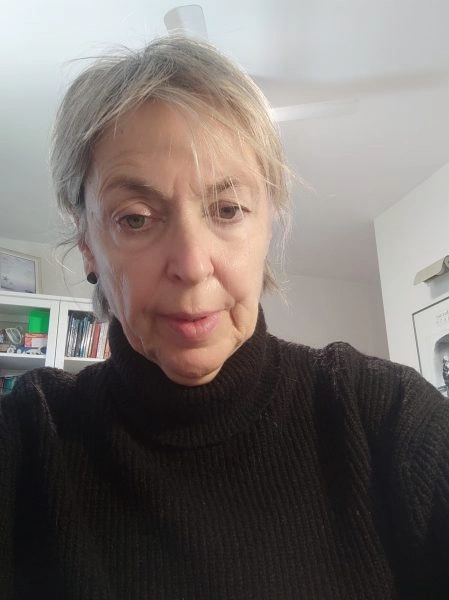
Goldie Gilad
Kfar Saba, Israel
Having never learned Talmud before, I started Daf Yomi in hopes of connecting to the Rabbinic tradition, sharing a daily idea on Instagram (@dafyomiadventures). With Hadran and Sefaria, I slowly gained confidence in my skills and understanding. Now, part of the Pardes Jewish Educators Program, I can’t wait to bring this love of learning with me as I continue to pass it on to my future students.

Hannah Greenberg
Pennsylvania, United States
In early January of 2020, I learned about Siyyum HaShas and Daf Yomi via Tablet Magazine’s brief daily podcast about the Daf. I found it compelling and fascinating. Soon I discovered Hadran; since then I have learned the Daf daily with Rabbanit Michelle Cohen Farber. The Daf has permeated my every hour, and has transformed and magnified my place within the Jewish Universe.
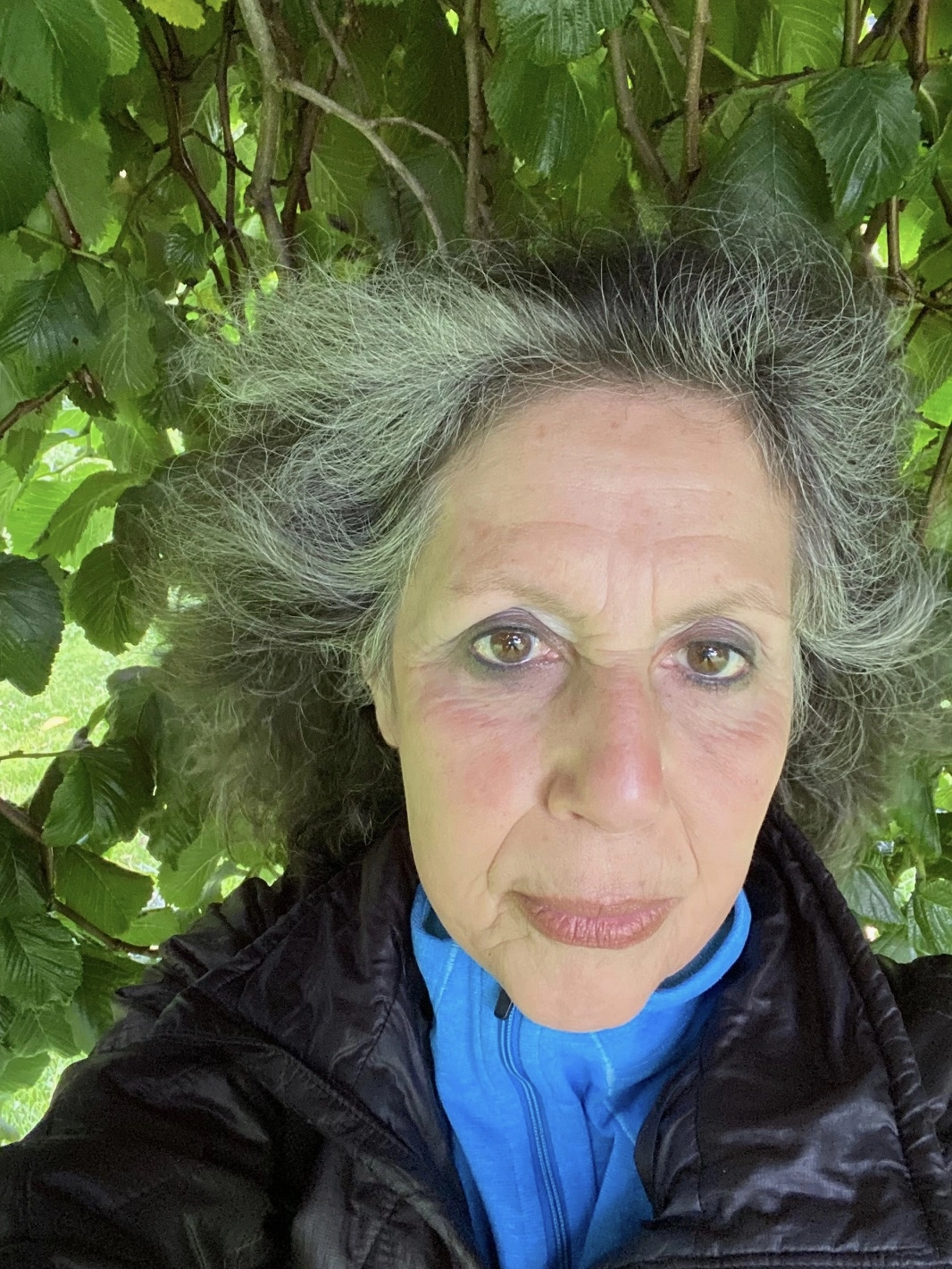
Lisa Berkelhammer
San Francisco, CA , United States
I was inspired to start learning after attending the 2020 siyum in Binyanei Hauma. It has been a great experience for me. It’s amazing to see the origins of stories I’ve heard and rituals I’ve participated in my whole life. Even when I don’t understand the daf itself, I believe that the commitment to learning every day is valuable and has multiple benefits. And there will be another daf tomorrow!
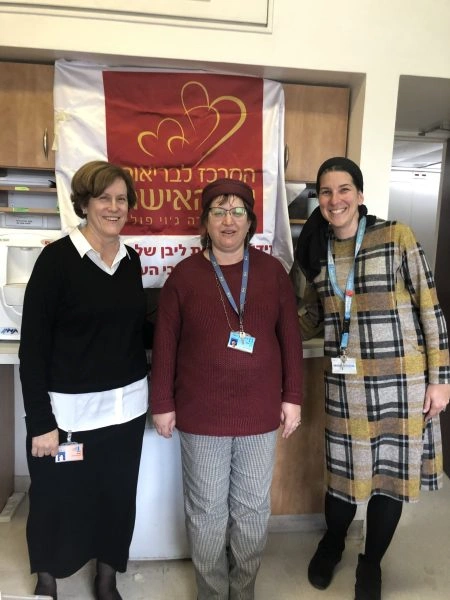
Khaya Eisenberg
Jerusalem, Israel
I started with Ze Kollel in Berlin, directed by Jeremy Borowitz for Hillel Deutschland. We read Masechet Megillah chapter 4 and each participant wrote his commentary on a Sugia that particularly impressed him. I wrote six poems about different Sugiot! Fascinated by the discussions on Talmud I continued to learn with Rabanit Michelle Farber and am currently taking part in the Tikun Olam course.
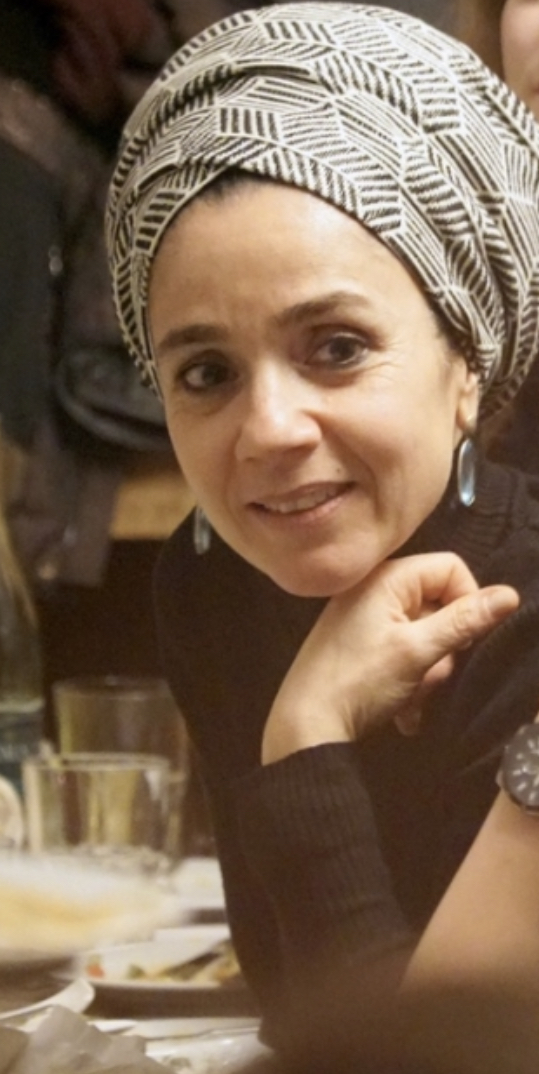
Yael Merlini
Berlin, Germany
I graduated college in December 2019 and received a set of shas as a present from my husband. With my long time dream of learning daf yomi, I had no idea that a new cycle was beginning just one month later, in January 2020. I have been learning the daf ever since with Michelle Farber… Through grad school, my first job, my first baby, and all the other incredible journeys over the past few years!

Sigal Spitzer Flamholz
Bronx, United States
A Gemara shiur previous to the Hadran Siyum, was the impetus to attend it.It was highly inspirational and I was smitten. The message for me was התלמוד בידינו. I had decided along with my Chahsmonaim group to to do the daf and take it one daf at time- without any expectations at all. There has been a wealth of information, insights and halachik ideas. It is truly exercise of the mind, heart & Soul
Phyllis Hecht
Hashmonaim, Israel
My Daf journey began in August 2012 after participating in the Siyum Hashas where I was blessed as an “enabler” of others. Galvanized into my own learning I recited the Hadran on Shas in January 2020 with Rabbanit Michelle. That Siyum was a highlight in my life. Now, on round two, Daf has become my spiritual anchor to which I attribute manifold blessings.

Rina Goldberg
Englewood NJ, United States
A friend mentioned that she was starting Daf Yomi in January 2020. I had heard of it and thought, why not? I decided to try it – go day by day and not think about the seven plus year commitment. Fast forward today, over two years in and I can’t imagine my life without Daf Yomi. It’s part of my morning ritual. If I have a busy day ahead of me I set my alarm to get up early to finish the day’s daf

Debbie Fitzerman
Ontario, Canada
It happened without intent (so am I yotzei?!) – I watched the women’s siyum live and was so moved by it that the next morning, I tuned in to Rabbanit Michelle’s shiur, and here I am, still learning every day, over 2 years later. Some days it all goes over my head, but others I grasp onto an idea or a story, and I ‘get it’ and that’s the best feeling in the world. So proud to be a Hadran learner.

Jeanne Yael Klempner
Zichron Yaakov, Israel
A few years back, after reading Ilana Kurshan’s book, “If All The Seas Were Ink,” I began pondering the crazy, outlandish idea of beginning the Daf Yomi cycle. Beginning in December, 2019, a month before the previous cycle ended, I “auditioned” 30 different podcasts in 30 days, and ultimately chose to take the plunge with Hadran and Rabbanit Michelle. Such joy!

Cindy Dolgin
HUNTINGTON, United States
I graduated college in December 2019 and received a set of shas as a present from my husband. With my long time dream of learning daf yomi, I had no idea that a new cycle was beginning just one month later, in January 2020. I have been learning the daf ever since with Michelle Farber… Through grad school, my first job, my first baby, and all the other incredible journeys over the past few years!
Sigal Spitzer Flamholz
Bronx, United States
I started learning Daf Yomi inspired by תָּפַסְתָּ מְרוּבֶּה לֹא תָּפַסְתָּ, תָּפַסְתָּ מוּעָט תָּפַסְתָּ. I thought I’d start the first page, and then see. I was swept up into the enthusiasm of the Hadran Siyum, and from there the momentum kept building. Rabbanit Michelle’s shiur gives me an anchor, a connection to an incredible virtual community, and an energy to face whatever the day brings.

Medinah Korn
בית שמש, Israel
I started learning Jan 2020 when I heard the new cycle was starting. I had tried during the last cycle and didn’t make it past a few weeks. Learning online from old men didn’t speak to my soul and I knew Talmud had to be a soul journey for me. Enter Hadran! Talmud from Rabbanit Michelle Farber from a woman’s perspective, a mother’s perspective and a modern perspective. Motivated to continue!

Keren Carter
Brentwood, California, United States
I began daf yomi in January 2020 with Brachot. I had made aliya 6 months before, and one of my post-aliya goals was to complete a full cycle. As a life-long Tanach teacher, I wanted to swim from one side of the Yam shel Torah to the other. Daf yomi was also my sanity through COVID. It was the way to marking the progression of time, and feel that I could grow and accomplish while time stopped.
Leah Herzog
Givat Zev, Israel
Margo
I started my Talmud journey in 7th grade at Akiba Jewish Day School in Chicago. I started my Daf Yomi journey after hearing Erica Brown speak at the Hadran Siyum about marking the passage of time through Daf Yomi.
Carolyn
I started my Talmud journey post-college in NY with a few classes. I started my Daf Yomi journey after the Hadran Siyum, which inspired both my son and myself.

Carolyn Hochstadter and Margo Kossoff Shizgal
Merion Station, USA
Beit Shemesh, Israel
Ive been learning Gmara since 5th grade and always loved it. Have always wanted to do Daf Yomi and now with Michelle Farber’s online classes it made it much easier to do! Really enjoying the experience thank you!!

Lisa Lawrence
Neve Daniel, Israel
When I began the previous cycle, I promised myself that if I stuck with it, I would reward myself with a trip to Israel. Little did I know that the trip would involve attending the first ever women’s siyum and being inspired by so many learners. I am now over 2 years into my second cycle and being part of this large, diverse, fascinating learning family has enhanced my learning exponentially.

Shira Krebs
Minnesota, United States
Zevachim 99b
וּמַגְרֵיפָה בְּתוֹכוֹ, וְאָמַר: ״לִבִּי עַל הַסַּל וְאֵין לִבִּי עַל הַמַּגְרֵיפָה״ – הַסַּל טָהוֹר וְהַמַּגְרֵיפָה טְמֵאָה.
and a shovel was in the basket, and he said: I am minding the basket, that it not become impure, but I am not minding the shovel, then the basket is pure, and the shovel is impure.
וּתְטַמֵּא מַגְרֵיפָה לְסַל! אֵין כְּלִי מְטַמֵּא כְּלִי. וּתְטַמֵּא מַה שֶּׁבְּתוֹכוֹ! אָמַר רָבָא: בְּאוֹמֵר שְׁמַרְתִּיהָ מִדָּבָר הַמְטַמְּאָהּ, וְלֹא שְׁמַרְתִּיהָ מִדָּבָר הַפּוֹסְלָהּ.
The Gemara challenges the ruling of the baraita: But wouldn’t the shovel render the basket impure? The Gemara answers: There is a principle that a vessel does not render another vessel ritually impure. The Gemara challenges: But wouldn’t the shovel render that which is in the basket, e.g., figs, impure? Rava said: The case is where he says: I safeguarded it, the shovel, from anything that would allow it to render another item impure, but I did not safeguard it from anything that would render it itself unfit, i.e., impure.
אִיגַּלְגַּל מִילְּתָא, וּמְטַאי לְקַמֵּיהּ דְּרַבִּי אַבָּא בַּר מֶמֶל. אֲמַר לְהוּ, לָא שְׁמִיעַ לְהוּ הָא דְּאָמַר רַבִּי יוֹחָנָן אָמַר רַבִּי: הָאוֹכֵל שְׁלִישִׁי שֶׁל תְּרוּמָה – אָסוּר לֶאֱכוֹל וּמוּתָּר לִיגַּע?
The Gemara returns to discuss the contradiction between the mishna, which permits an acute mourner to touch sacrificial meat, and the mishna in tractate Ḥagiga, which requires him to immerse. The Gemara relates: The matter circulated and came before Rabbi Abba bar Memel. He said to the Sages before him: Have they not heard that which Rabbi Yoḥanan says that Rabbi Yehuda HaNasi says: One who partakes of teruma that has third-degree impurity, i.e., teruma disqualified through contact with an item with second-degree impurity, is prohibited from partaking of teruma, but permitted to touch teruma.
אַלְמָא בַּאֲכִילָה עֲבוּד רַבָּנַן מַעֲלָה, בִּנְגִיעָה לָא עֲבוּד רַבָּנַן מַעֲלָה!
Rabbi Abba bar Memel continued: Apparently, in a case of partaking, the Sages imposed a higher standard, whereas in a case of touching, the Sages did not impose a higher standard. Similarly, in a case of an acute mourner, the Sages require him to immerse before he may partake of sacrificial meat, as taught in tractate Ḥagiga, but they do not impose this standard for touching the meat, as taught in the mishna here.
וְאֵינוֹ חוֹלֵק לֶאֱכוֹל כּוּ׳. מִיפְלָג הוּא דְּלָא פְּלִיג, וְכִי מְזַמְּנִי לֵיהּ – אָכֵיל;
§ The mishna teaches with regard to an acute mourner: And he does not receive a share of sacrificial meat in order to partake of it in the evening. The Gemara comments: The mishna indicates only that he may not receive a share of the meat, but when other priests invite him to join in their portions, he may partake of them in the evening.
וּרְמִינְהִי: אוֹנֵן (וּמְחוּסַּר כִּיפּוּרִים) – טוֹבֵל וְאוֹכֵל אֶת פִּסְחוֹ לָעֶרֶב, אֲבָל לֹא בְּקָדָשִׁים!
And the Gemara raises a contradiction from a mishna (Pesaḥim 91b): An acute mourner immerses and partakes of his Paschal offering in the evening, but he may not partake of other sacrificial meat.
אָמַר רַב יִרְמְיָה מִדִּיפְתִּי: לָא קַשְׁיָא; כָּאן בְּפֶסַח, כָּאן בִּשְׁאָר יְמוֹת הַשָּׁנָה.
Rav Yirmeya of Difti said: This is not difficult. Here, the ruling of the mishna is stated with regard to the first night of Passover, whereas there, in tractate Pesaḥim, the ruling of the mishna is stated with regard to the rest of the days of the year.
בְּפֶסַח – אַיְּידֵי דְּאָכֵיל פֶּסַח, אָכֵיל נָמֵי קָדָשִׁים. בִּשְׁאָר יְמוֹת הַשָּׁנָה – דְּלָא חֲזֵי, לָא חֲזֵי. וּמַאי ״אֲבָל לֹא בְּקָדָשִׁים״? אֲבָל לֹא בְּקָדָשִׁים שֶׁל כׇּל הַשָּׁנָה.
What is the reason for the distinction between the two? On the first night of Passover, since he partakes of the Paschal offering, he may also partake of other sacrificial meat. But on the rest of the days of the year, when he is unfit to partake of sacrificial meat, he is unfit. And what does the mishna in Pesaḥim mean when it states: But he may not partake of other sacrificial meat? It means: But he may not partake of sacrificial meat of all of the rest of the year, other than the first night of Passover.
רַב אַסִּי אָמַר: לָא קַשְׁיָא; כָּאן שֶׁמֵּת לוֹ מֵת בְּאַרְבָּעָה עָשָׂר וּקְבָרוֹ בְּאַרְבָּעָה עָשָׂר, כָּאן שֶׁמֵּת לוֹ מֵת בִּשְׁלֹשָׁה עָשָׂר וּקְבָרוֹ בְּאַרְבָּעָה עָשָׂר; יוֹם קְבוּרָה לָא תָּפֵיס לֵילוֹ מִדְּרַבָּנַן.
Rav Asi said there is a different resolution to the contradiction between the mishnayot: This is not difficult. Here, in the ruling of the mishna in tractate Pesaḥim, which prohibits an acute mourner from partaking of sacrificial meat, it is referring to a case where his relative died on the fourteenth day of Nisan, and he buried him on the fourteenth itself, in which case he is still considered an acute mourner by rabbinic law that evening. There, in the ruling of the mishna in this chapter, it is referring to a case where his relative died on the thirteenth of Nisan, and he buried him on the fourteenth of Nisan. The reason the mourner may partake is that since the day of burial is not the day of death, it does not take hold of its following night by rabbinic law.
מַאן תַּנָּא אֲנִינוּת לַיְלָה מִדְּרַבָּנַן? רַבִּי שִׁמְעוֹן הִיא. דְּתַנְיָא: אֲנִינוּת לַיְלָה מִדִּבְרֵי תוֹרָה. דִּבְרֵי רַבִּי יְהוּדָה. רַבִּי שִׁמְעוֹן אוֹמֵר: אוֹנֵן אֵינוֹ מִדִּבְרֵי תוֹרָה, אֶלָּא מִדִּבְרֵי סוֹפְרִים. תֵּדַע – שֶׁהֲרֵי אָמְרוּ: אוֹנֵן טוֹבֵל וְאוֹכֵל אֶת פִּסְחוֹ לָעֶרֶב, אֲבָל לֹא בַּקֳּדָשִׁים.
The Gemara clarifies: Who is the tanna who taught that acute mourning the following night is by rabbinic law, as opposed to by Torah law? This is the opinion of Rabbi Shimon, as it is taught in a baraita: Acute mourning at night is by Torah law; this is the statement of Rabbi Yehuda. Rabbi Shimon says: His status as an acute mourner at night is not by Torah law, but by rabbinic law. Know that this so, as the Sages said: An acute mourner immerses and partakes of his Paschal offering in the evening, but he may still not partake of other sacrificial meat. If acute mourning at night were by Torah law, he would not be permitted to partake of the Paschal offering.
וְסָבַר רַבִּי שִׁמְעוֹן אֲנִינוּת לַיְלָה מִדְּרַבָּנַן?! וְהָתַנְיָא, רַבִּי שִׁמְעוֹן אוֹמֵר: אוֹנֵן אֵינוֹ מְשַׁלֵּחַ קׇרְבְּנוֹתָיו. מַאי, לָאו וַאֲפִילּוּ בְּפֶסַח? לָא; לְבַר מִפֶּסַח.
The Gemara asks: And does Rabbi Shimon hold that acute mourning at night is by rabbinic law and that consequently an acute mourner partakes of his Paschal offering in the evening? But isn’t it taught in a baraita: Rabbi Shimon says: An acute mourner does not send his offerings to the Temple to be sacrificed? What, is it not referring even to a Paschal offering? The Gemara rejects this: No, the baraita is referring to all offerings other than a Paschal offering.
וְהָתַנְיָא, רַבִּי שִׁמְעוֹן אוֹמֵר: ״שְׁלָמִים״ – כְּשֶׁהוּא שָׁלֵם מֵבִיא, וְאֵינוֹ מֵבִיא כְּשֶׁהוּא אוֹנֵן. מִנַּיִן לְרַבּוֹת אֶת הַתּוֹדָה? מְרַבֶּה אֲנִי אֶת הַתּוֹדָה, שֶׁכֵּן נֶאֱכֶלֶת בְּשִׂמְחָה כִּשְׁלָמִים.
The Gemara counters: But isn’t it taught in a baraita: With regard to the verse: “And if his offering be a sacrifice of peace offerings [shelamim]” (Leviticus 3:1), Rabbi Shimon says: The offering is called shelamim to teach that when a person is whole [shalem], i.e., in a state of contentment, he brings his offering, but he does not bring it when he is an acute mourner. From where is it derived to include that an acute mourner does not bring even a thanks offering? I include the thanks offering because it is consumed in a state of joy, like a peace offering.
מִנַּיִן לְרַבּוֹת אֶת הָעוֹלָה? מְרַבֶּה אֲנִי אֶת הָעוֹלָה, שֶׁכֵּן בָּאָה בְּנֶדֶר וּבִנְדָבָה כִּשְׁלָמִים. מִנַּיִן לְרַבּוֹת בְּכוֹר וּמַעֲשֵׂר וָפֶסַח? מְרַבֶּה אֲנִי בְּכוֹר וּמַעֲשֵׂר וָפֶסַח, שֶׁכֵּן אֵינָן בָּאִין עַל חֵטְא. מִנַּיִן לְרַבּוֹת חַטָּאת וְאָשָׁם? תַּלְמוּד לוֹמַר: ״זֶבַח״.
From where is it derived that the verse also serves to include a burnt offering? I include the burnt offering because it comes as a vow offering and as a gift offering, like a peace offering. From where is it derived that the verse also serves to include a firstborn offering, and an animal tithe offering, and a Paschal offering, which are not brought voluntarily? I include a firstborn offering, and an animal tithe offering, and a Paschal offering, because they too, like a peace offering, do not come to atone for a sin. From where is it derived to include a sin offering and a guilt offering, which atone for sins? The verse states: “And if his offering be a sacrifice [zevaḥ] of peace offerings,” which teaches that an acute mourner may not sacrifice any slaughtered offering [zevaḥ].
מִנַּיִן לְרַבּוֹת הָעוֹפוֹת וְהַמְּנָחוֹת וְהַיַּיִן וְהָעֵצִים וְהַלְּבוֹנָה? תַּלְמוּד לוֹמַר: ״שְׁלָמִים קׇרְבָּנוֹ״; כׇּל קׇרְבְּנוֹת שֶׁהוּא מֵבִיא – כְּשֶׁהוּא שָׁלֵם מֵבִיא, וְאֵינוֹ מֵבִיא כְּשֶׁהוּא אוֹנֵן.
From where is it derived to include even the bird offerings, and the meal offerings, and the wine, and the wood, and the frankincense brought for the Temple service? The verse states: “And if his offering be a sacrifice of peace offerings [shelamim korbano],” teaching that for all offerings [korbanot] that a person brings, he brings them when he is whole [shalem], but he does not bring them when he is an acute mourner.
קָתָנֵי מִיהָא פֶּסַח!
The Gemara explains: In any event, Rabbi Shimon teaches that it is prohibited for an acute mourner to bring a Paschal offering, even though he will cease to be an acute mourner that night; this contradicts the first baraita.
אָמַר רַב חִסְדָּא: פֶּסַח – כְּדִי נַסְבֵיהּ.
Rav Ḥisda said: The latter baraita mentions a Paschal offering for no purpose. In other words, the halakha that an acute mourner does not bring an offering does not actually apply to a Paschal offering, and the baraita mentions it only out of habit, since a firstborn-animal offering, the animal tithe offering, and a Paschal offering are frequently mentioned together.
רַב שֵׁשֶׁת אָמַר: מַאי פֶּסַח – שַׁלְמֵי פֶסַח. אִי הָכִי, הַיְינוּ שְׁלָמִים! תְּנָא שְׁלָמִים הַבָּאִין מֵחֲמַת פֶּסַח, וּתְנָא שְׁלָמִים הַבָּאִין מֵחֲמַת עַצְמָן.
Rav Sheshet said: What is meant in this baraita by the term: Paschal offering? It is referring to the peace offerings of Passover, i.e., the peace offering that is sacrificed along with the Paschal offering. The Gemara objects: If so, that is the same as a peace offering, which Rabbi Shimon already mentioned. The Gemara answers: He taught the halakha with regard to peace offerings that come on account of the Paschal offering, and he taught separately the halakha with regard to peace offerings that come on their own account.
דְּאִי לָא תְּנָא שְׁלָמִים הַבָּאִין מֵחֲמַת פֶּסַח, סָלְקָא דַּעְתָּךְ אָמֵינָא: הוֹאִיל וּמֵחֲמַת פֶּסַח אָתֵי – כְּגוּפֵיהּ דְּפֶסַח דָּמֵי; קָא מַשְׁמַע לַן.
The Gemara explains: Rabbi Shimon needed to teach both cases explicitly, because if he did not teach the halakha with regard to peace offerings that come on account of the Paschal offering, it would enter your mind to say: Since they come on account of the Paschal offering, they are considered like the Paschal offering itself, and the acute mourner offers them as well. Therefore, Rabbi Shimon teaches us that these peace offerings are also forbidden to an acute mourner.
רַב מָרִי אָמַר:
Rav Mari said a different resolution to the contradiction between the statements of Rabbi Shimon:
Follow

