








Study Guide Zevachim 99b-100. Can an onen eat kodashim at night? If regular kodashim are not allowed, can one eat the pashal sacrifice? Is aninut at night by Torah law or rabbinic law? A few contradictory sources are brought regarding these issues and several answers are brought.
Zevachim 99b

07.22.2018 | י׳ באב תשע״ח
Share this shiur:
Want to dedicate learning? Get started here:
Zevachim 99b
וּמַגְרֵיפָה בְּתוֹכוֹ, וְאָמַר: ״לִבִּי עַל הַסַּל וְאֵין לִבִּי עַל הַמַּגְרֵיפָה״ – הַסַּל טָהוֹר וְהַמַּגְרֵיפָה טְמֵאָה.
and a shovel was in the basket, and he said: I am minding the basket, that it not become impure, but I am not minding the shovel, then the basket is pure, and the shovel is impure.
וּתְטַמֵּא מַגְרֵיפָה לְסַל! אֵין כְּלִי מְטַמֵּא כְּלִי. וּתְטַמֵּא מַה שֶּׁבְּתוֹכוֹ! אָמַר רָבָא: בְּאוֹמֵר שְׁמַרְתִּיהָ מִדָּבָר הַמְטַמְּאָהּ, וְלֹא שְׁמַרְתִּיהָ מִדָּבָר הַפּוֹסְלָהּ.
The Gemara challenges the ruling of the baraita: But wouldn’t the shovel render the basket impure? The Gemara answers: There is a principle that a vessel does not render another vessel ritually impure. The Gemara challenges: But wouldn’t the shovel render that which is in the basket, e.g., figs, impure? Rava said: The case is where he says: I safeguarded it, the shovel, from anything that would allow it to render another item impure, but I did not safeguard it from anything that would render it itself unfit, i.e., impure.
אִיגַּלְגַּל מִילְּתָא, וּמְטַאי לְקַמֵּיהּ דְּרַבִּי אַבָּא בַּר מֶמֶל. אֲמַר לְהוּ, לָא שְׁמִיעַ לְהוּ הָא דְּאָמַר רַבִּי יוֹחָנָן אָמַר רַבִּי: הָאוֹכֵל שְׁלִישִׁי שֶׁל תְּרוּמָה – אָסוּר לֶאֱכוֹל וּמוּתָּר לִיגַּע?
The Gemara returns to discuss the contradiction between the mishna, which permits an acute mourner to touch sacrificial meat, and the mishna in tractate Ḥagiga, which requires him to immerse. The Gemara relates: The matter circulated and came before Rabbi Abba bar Memel. He said to the Sages before him: Have they not heard that which Rabbi Yoḥanan says that Rabbi Yehuda HaNasi says: One who partakes of teruma that has third-degree impurity, i.e., teruma disqualified through contact with an item with second-degree impurity, is prohibited from partaking of teruma, but permitted to touch teruma.
אַלְמָא בַּאֲכִילָה עֲבוּד רַבָּנַן מַעֲלָה, בִּנְגִיעָה לָא עֲבוּד רַבָּנַן מַעֲלָה!
Rabbi Abba bar Memel continued: Apparently, in a case of partaking, the Sages imposed a higher standard, whereas in a case of touching, the Sages did not impose a higher standard. Similarly, in a case of an acute mourner, the Sages require him to immerse before he may partake of sacrificial meat, as taught in tractate Ḥagiga, but they do not impose this standard for touching the meat, as taught in the mishna here.
וְאֵינוֹ חוֹלֵק לֶאֱכוֹל כּוּ׳. מִיפְלָג הוּא דְּלָא פְּלִיג, וְכִי מְזַמְּנִי לֵיהּ – אָכֵיל;
§ The mishna teaches with regard to an acute mourner: And he does not receive a share of sacrificial meat in order to partake of it in the evening. The Gemara comments: The mishna indicates only that he may not receive a share of the meat, but when other priests invite him to join in their portions, he may partake of them in the evening.
וּרְמִינְהִי: אוֹנֵן (וּמְחוּסַּר כִּיפּוּרִים) – טוֹבֵל וְאוֹכֵל אֶת פִּסְחוֹ לָעֶרֶב, אֲבָל לֹא בְּקָדָשִׁים!
And the Gemara raises a contradiction from a mishna (Pesaḥim 91b): An acute mourner immerses and partakes of his Paschal offering in the evening, but he may not partake of other sacrificial meat.
אָמַר רַב יִרְמְיָה מִדִּיפְתִּי: לָא קַשְׁיָא; כָּאן בְּפֶסַח, כָּאן בִּשְׁאָר יְמוֹת הַשָּׁנָה.
Rav Yirmeya of Difti said: This is not difficult. Here, the ruling of the mishna is stated with regard to the first night of Passover, whereas there, in tractate Pesaḥim, the ruling of the mishna is stated with regard to the rest of the days of the year.
בְּפֶסַח – אַיְּידֵי דְּאָכֵיל פֶּסַח, אָכֵיל נָמֵי קָדָשִׁים. בִּשְׁאָר יְמוֹת הַשָּׁנָה – דְּלָא חֲזֵי, לָא חֲזֵי. וּמַאי ״אֲבָל לֹא בְּקָדָשִׁים״? אֲבָל לֹא בְּקָדָשִׁים שֶׁל כׇּל הַשָּׁנָה.
What is the reason for the distinction between the two? On the first night of Passover, since he partakes of the Paschal offering, he may also partake of other sacrificial meat. But on the rest of the days of the year, when he is unfit to partake of sacrificial meat, he is unfit. And what does the mishna in Pesaḥim mean when it states: But he may not partake of other sacrificial meat? It means: But he may not partake of sacrificial meat of all of the rest of the year, other than the first night of Passover.
רַב אַסִּי אָמַר: לָא קַשְׁיָא; כָּאן שֶׁמֵּת לוֹ מֵת בְּאַרְבָּעָה עָשָׂר וּקְבָרוֹ בְּאַרְבָּעָה עָשָׂר, כָּאן שֶׁמֵּת לוֹ מֵת בִּשְׁלֹשָׁה עָשָׂר וּקְבָרוֹ בְּאַרְבָּעָה עָשָׂר; יוֹם קְבוּרָה לָא תָּפֵיס לֵילוֹ מִדְּרַבָּנַן.
Rav Asi said there is a different resolution to the contradiction between the mishnayot: This is not difficult. Here, in the ruling of the mishna in tractate Pesaḥim, which prohibits an acute mourner from partaking of sacrificial meat, it is referring to a case where his relative died on the fourteenth day of Nisan, and he buried him on the fourteenth itself, in which case he is still considered an acute mourner by rabbinic law that evening. There, in the ruling of the mishna in this chapter, it is referring to a case where his relative died on the thirteenth of Nisan, and he buried him on the fourteenth of Nisan. The reason the mourner may partake is that since the day of burial is not the day of death, it does not take hold of its following night by rabbinic law.
מַאן תַּנָּא אֲנִינוּת לַיְלָה מִדְּרַבָּנַן? רַבִּי שִׁמְעוֹן הִיא. דְּתַנְיָא: אֲנִינוּת לַיְלָה מִדִּבְרֵי תוֹרָה. דִּבְרֵי רַבִּי יְהוּדָה. רַבִּי שִׁמְעוֹן אוֹמֵר: אוֹנֵן אֵינוֹ מִדִּבְרֵי תוֹרָה, אֶלָּא מִדִּבְרֵי סוֹפְרִים. תֵּדַע – שֶׁהֲרֵי אָמְרוּ: אוֹנֵן טוֹבֵל וְאוֹכֵל אֶת פִּסְחוֹ לָעֶרֶב, אֲבָל לֹא בַּקֳּדָשִׁים.
The Gemara clarifies: Who is the tanna who taught that acute mourning the following night is by rabbinic law, as opposed to by Torah law? This is the opinion of Rabbi Shimon, as it is taught in a baraita: Acute mourning at night is by Torah law; this is the statement of Rabbi Yehuda. Rabbi Shimon says: His status as an acute mourner at night is not by Torah law, but by rabbinic law. Know that this so, as the Sages said: An acute mourner immerses and partakes of his Paschal offering in the evening, but he may still not partake of other sacrificial meat. If acute mourning at night were by Torah law, he would not be permitted to partake of the Paschal offering.
וְסָבַר רַבִּי שִׁמְעוֹן אֲנִינוּת לַיְלָה מִדְּרַבָּנַן?! וְהָתַנְיָא, רַבִּי שִׁמְעוֹן אוֹמֵר: אוֹנֵן אֵינוֹ מְשַׁלֵּחַ קׇרְבְּנוֹתָיו. מַאי, לָאו וַאֲפִילּוּ בְּפֶסַח? לָא; לְבַר מִפֶּסַח.
The Gemara asks: And does Rabbi Shimon hold that acute mourning at night is by rabbinic law and that consequently an acute mourner partakes of his Paschal offering in the evening? But isn’t it taught in a baraita: Rabbi Shimon says: An acute mourner does not send his offerings to the Temple to be sacrificed? What, is it not referring even to a Paschal offering? The Gemara rejects this: No, the baraita is referring to all offerings other than a Paschal offering.
וְהָתַנְיָא, רַבִּי שִׁמְעוֹן אוֹמֵר: ״שְׁלָמִים״ – כְּשֶׁהוּא שָׁלֵם מֵבִיא, וְאֵינוֹ מֵבִיא כְּשֶׁהוּא אוֹנֵן. מִנַּיִן לְרַבּוֹת אֶת הַתּוֹדָה? מְרַבֶּה אֲנִי אֶת הַתּוֹדָה, שֶׁכֵּן נֶאֱכֶלֶת בְּשִׂמְחָה כִּשְׁלָמִים.
The Gemara counters: But isn’t it taught in a baraita: With regard to the verse: “And if his offering be a sacrifice of peace offerings [shelamim]” (Leviticus 3:1), Rabbi Shimon says: The offering is called shelamim to teach that when a person is whole [shalem], i.e., in a state of contentment, he brings his offering, but he does not bring it when he is an acute mourner. From where is it derived to include that an acute mourner does not bring even a thanks offering? I include the thanks offering because it is consumed in a state of joy, like a peace offering.
מִנַּיִן לְרַבּוֹת אֶת הָעוֹלָה? מְרַבֶּה אֲנִי אֶת הָעוֹלָה, שֶׁכֵּן בָּאָה בְּנֶדֶר וּבִנְדָבָה כִּשְׁלָמִים. מִנַּיִן לְרַבּוֹת בְּכוֹר וּמַעֲשֵׂר וָפֶסַח? מְרַבֶּה אֲנִי בְּכוֹר וּמַעֲשֵׂר וָפֶסַח, שֶׁכֵּן אֵינָן בָּאִין עַל חֵטְא. מִנַּיִן לְרַבּוֹת חַטָּאת וְאָשָׁם? תַּלְמוּד לוֹמַר: ״זֶבַח״.
From where is it derived that the verse also serves to include a burnt offering? I include the burnt offering because it comes as a vow offering and as a gift offering, like a peace offering. From where is it derived that the verse also serves to include a firstborn offering, and an animal tithe offering, and a Paschal offering, which are not brought voluntarily? I include a firstborn offering, and an animal tithe offering, and a Paschal offering, because they too, like a peace offering, do not come to atone for a sin. From where is it derived to include a sin offering and a guilt offering, which atone for sins? The verse states: “And if his offering be a sacrifice [zevaḥ] of peace offerings,” which teaches that an acute mourner may not sacrifice any slaughtered offering [zevaḥ].
מִנַּיִן לְרַבּוֹת הָעוֹפוֹת וְהַמְּנָחוֹת וְהַיַּיִן וְהָעֵצִים וְהַלְּבוֹנָה? תַּלְמוּד לוֹמַר: ״שְׁלָמִים קׇרְבָּנוֹ״; כׇּל קׇרְבְּנוֹת שֶׁהוּא מֵבִיא – כְּשֶׁהוּא שָׁלֵם מֵבִיא, וְאֵינוֹ מֵבִיא כְּשֶׁהוּא אוֹנֵן.
From where is it derived to include even the bird offerings, and the meal offerings, and the wine, and the wood, and the frankincense brought for the Temple service? The verse states: “And if his offering be a sacrifice of peace offerings [shelamim korbano],” teaching that for all offerings [korbanot] that a person brings, he brings them when he is whole [shalem], but he does not bring them when he is an acute mourner.
קָתָנֵי מִיהָא פֶּסַח!
The Gemara explains: In any event, Rabbi Shimon teaches that it is prohibited for an acute mourner to bring a Paschal offering, even though he will cease to be an acute mourner that night; this contradicts the first baraita.
אָמַר רַב חִסְדָּא: פֶּסַח – כְּדִי נַסְבֵיהּ.
Rav Ḥisda said: The latter baraita mentions a Paschal offering for no purpose. In other words, the halakha that an acute mourner does not bring an offering does not actually apply to a Paschal offering, and the baraita mentions it only out of habit, since a firstborn-animal offering, the animal tithe offering, and a Paschal offering are frequently mentioned together.
רַב שֵׁשֶׁת אָמַר: מַאי פֶּסַח – שַׁלְמֵי פֶסַח. אִי הָכִי, הַיְינוּ שְׁלָמִים! תְּנָא שְׁלָמִים הַבָּאִין מֵחֲמַת פֶּסַח, וּתְנָא שְׁלָמִים הַבָּאִין מֵחֲמַת עַצְמָן.
Rav Sheshet said: What is meant in this baraita by the term: Paschal offering? It is referring to the peace offerings of Passover, i.e., the peace offering that is sacrificed along with the Paschal offering. The Gemara objects: If so, that is the same as a peace offering, which Rabbi Shimon already mentioned. The Gemara answers: He taught the halakha with regard to peace offerings that come on account of the Paschal offering, and he taught separately the halakha with regard to peace offerings that come on their own account.
דְּאִי לָא תְּנָא שְׁלָמִים הַבָּאִין מֵחֲמַת פֶּסַח, סָלְקָא דַּעְתָּךְ אָמֵינָא: הוֹאִיל וּמֵחֲמַת פֶּסַח אָתֵי – כְּגוּפֵיהּ דְּפֶסַח דָּמֵי; קָא מַשְׁמַע לַן.
The Gemara explains: Rabbi Shimon needed to teach both cases explicitly, because if he did not teach the halakha with regard to peace offerings that come on account of the Paschal offering, it would enter your mind to say: Since they come on account of the Paschal offering, they are considered like the Paschal offering itself, and the acute mourner offers them as well. Therefore, Rabbi Shimon teaches us that these peace offerings are also forbidden to an acute mourner.
רַב מָרִי אָמַר:
Rav Mari said a different resolution to the contradiction between the statements of Rabbi Shimon:
Follow 
New to Talmud?
Check out our resources designed to help you navigate a page of Talmud – and study at the pace, level and style that fits you.
The Hadran Women’s Tapestry
Meet the diverse women learning Gemara at Hadran and hear their stories.
I decided to learn one masechet, Brachot, but quickly fell in love and never stopped! It has been great, everyone is always asking how it’s going and chering me on, and my students are always making sure I did the day’s daf.
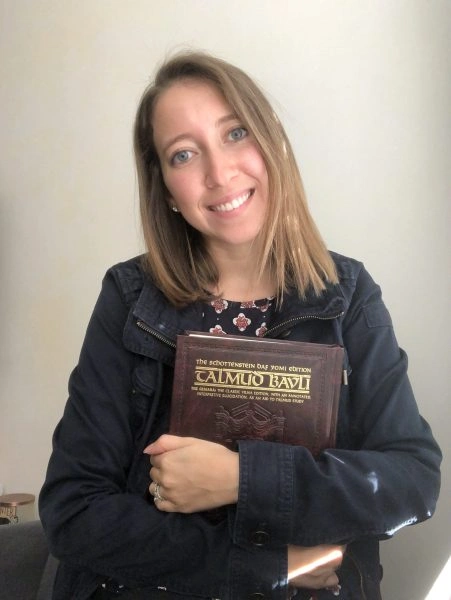
Yafit Fishbach
Memphis, Tennessee, United States
In my Shana bet at Migdal Oz I attended the Hadran siyum hash”as. Witnessing so many women so passionate about their Torah learning and connection to God, I knew I had to begin with the coming cycle. My wedding (June 24) was two weeks before the siyum of mesechet yoma so I went a little ahead and was able to make a speech and siyum at my kiseh kallah on my wedding day!

Sharona Guggenheim Plumb
Givat Shmuel, Israel
I started learning Daf Yomi inspired by תָּפַסְתָּ מְרוּבֶּה לֹא תָּפַסְתָּ, תָּפַסְתָּ מוּעָט תָּפַסְתָּ. I thought I’d start the first page, and then see. I was swept up into the enthusiasm of the Hadran Siyum, and from there the momentum kept building. Rabbanit Michelle’s shiur gives me an anchor, a connection to an incredible virtual community, and an energy to face whatever the day brings.

Medinah Korn
בית שמש, Israel
After reading the book, “ If All The Seas Were Ink “ by Ileana Kurshan I started studying Talmud. I searched and studied with several teachers until I found Michelle Farber. I have been studying with her for two years. I look forward every day to learn from her.

Janine Rubens
Virginia, United States
3 years ago, I joined Rabbanit Michelle to organize the unprecedented Siyum HaShas event in Jerusalem for thousands of women. The whole experience was so inspiring that I decided then to start learning the daf and see how I would go…. and I’m still at it. I often listen to the Daf on my bike in mornings, surrounded by both the external & the internal beauty of Eretz Yisrael & Am Yisrael!

Lisa Kolodny
Raanana, Israel
I started learning Daf Yomi in January 2020 after watching my grandfather, Mayer Penstein z”l, finish shas with the previous cycle. My grandfather made learning so much fun was so proud that his grandchildren wanted to join him. I was also inspired by Ilana Kurshan’s book, If All the Seas Were Ink. Two years in, I can say that it has enriched my life in so many ways.

Leeza Hirt Wilner
New York, United States
Hadran entered my life after the last Siyum Hashaas, January 2020. I was inspired and challenged simultaneously, having never thought of learning Gemara. With my family’s encouragement, I googled “daf yomi for women”. A perfecr fit!
I especially enjoy when Rabbanit Michelle connects the daf to contemporary issues to share at the shabbat table e.g: looking at the Kohen during duchaning. Toda rabba

Marsha Wasserman
Jerusalem, Israel
I have joined the community of daf yomi learners at the start of this cycle. I have studied in different ways – by reading the page, translating the page, attending a local shiur and listening to Rabbanit Farber’s podcasts, depending on circumstances and where I was at the time. The reactions have been positive throughout – with no exception!

Silke Goldberg
Guildford, United Kingdom
About a year into learning more about Judaism on a path to potential conversion, I saw an article about the upcoming Siyum HaShas in January of 2020. My curiosity was piqued and I immediately started investigating what learning the Daf actually meant. Daily learning? Just what I wanted. Seven and a half years? I love a challenge! So I dove in head first and I’ve enjoyed every moment!!

Nickie Matthews
Blacksburg, United States
I started Daf during the pandemic. I listened to a number of podcasts by various Rebbeim until one day, I discovered Rabbanit Farbers podcast. Subsequently I joined the Hadran family in Eruvin. Not the easiest place to begin, Rabbanit Farber made it all understandable and fun. The online live group has bonded together and have really become a supportive, encouraging family.

Leah Goldford
Edmonton, Alberta, Canada
Retirement and Covid converged to provide me with the opportunity to commit to daily Talmud study in October 2020. I dove into the middle of Eruvin and continued to navigate Seder Moed, with Rabannit Michelle as my guide. I have developed more confidence in my learning as I completed each masechet and look forward to completing the Daf Yomi cycle so that I can begin again!

Rhona Fink
San Diego, United States
In January 2020, my teaching partner at IDC suggested we do daf yomi. Thanks to her challenge, I started learning daily from Rabbanit Michelle. It’s a joy to be part of the Hadran community. (It’s also a tikkun: in 7th grade, my best friend and I tied for first place in a citywide gemara exam, but we weren’t invited to the celebration because girls weren’t supposed to be learning gemara).

Sara Averick
Jerusalem, Israel

Jill Shames
Jerusalem, Israel
I began daf yomi in January 2020 with Brachot. I had made aliya 6 months before, and one of my post-aliya goals was to complete a full cycle. As a life-long Tanach teacher, I wanted to swim from one side of the Yam shel Torah to the other. Daf yomi was also my sanity through COVID. It was the way to marking the progression of time, and feel that I could grow and accomplish while time stopped.
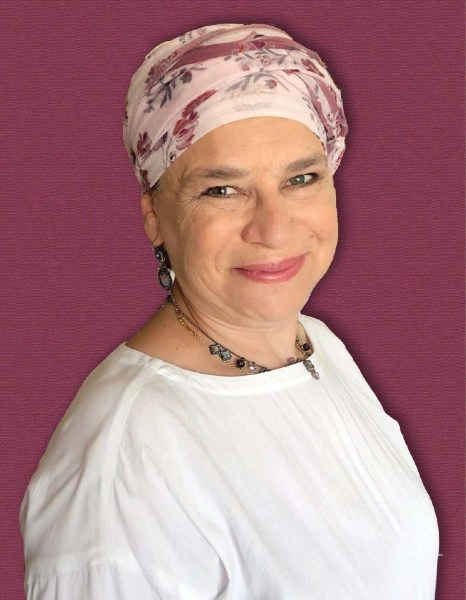
Leah Herzog
Givat Zev, Israel
I LOVE learning the Daf. I started with Shabbat. I join the morning Zoom with Reb Michelle and it totally grounds my day. When Corona hit us in Israel, I decided that I would use the Daf to keep myself sane, especially during the days when we could not venture out more than 300 m from our home. Now my husband and I have so much new material to talk about! It really is the best part of my day!

Batsheva Pava
Hashmonaim, Israel
I started learning Talmud with R’ Haramati in Yeshivah of Flatbush. But after a respite of 60 years, Rabbanit Michelle lit my fire – after attending the last three world siyumim in Miami Beach, Meadowlands and Boca Raton, and now that I’m retired, I decided – “I can do this!” It has been an incredible journey so far, and I look forward to learning Daf everyday – Mazal Tov to everyone!

Roslyn Jaffe
Florida, United States
I tried Daf Yomi in the middle of the last cycle after realizing I could listen to Michelle’s shiurim online. It lasted all of 2 days! Then the new cycle started just days before my father’s first yahrzeit and my youngest daughter’s bat mitzvah. It seemed the right time for a new beginning. My family, friends, colleagues are immensely supportive!

Catriella Freedman
Zichron Yaakov, Israel
It’s hard to believe it has been over two years. Daf yomi has changed my life in so many ways and has been sustaining during this global sea change. Each day means learning something new, digging a little deeper, adding another lens, seeing worlds with new eyes. Daf has also fostered new friendships and deepened childhood connections, as long time friends have unexpectedly become havruta.

Joanna Rom
Northwest Washington, United States
With Rabbanit Dr. Naomi Cohen in the Women’s Talmud class, over 30 years ago. It was a “known” class and it was accepted, because of who taught. Since then I have also studied with Avigail Gross-Gelman and Dr. Gabriel Hazut for about a year). Years ago, in a shiur in my shul, I did know about Persians doing 3 things with their clothes on. They opened the shiur to woman after that!

Sharon Mink
Haifa, Israel
A beautiful world of Talmudic sages now fill my daily life with discussion and debate.
bringing alive our traditions and texts that has brought new meaning to my life.
I am a מגילת אסתר reader for women . the words in the Mishna of מסכת megillah 17a
הקורא את המגילה למפרע לא יצא were powerful to me.
I hope to have the zchut to complete the cycle for my 70th birthday.

Sheila Hauser
Jerusalem, Israel
Zevachim 99b
וּמַגְרֵיפָה בְּתוֹכוֹ, וְאָמַר: ״לִבִּי עַל הַסַּל וְאֵין לִבִּי עַל הַמַּגְרֵיפָה״ – הַסַּל טָהוֹר וְהַמַּגְרֵיפָה טְמֵאָה.
and a shovel was in the basket, and he said: I am minding the basket, that it not become impure, but I am not minding the shovel, then the basket is pure, and the shovel is impure.
וּתְטַמֵּא מַגְרֵיפָה לְסַל! אֵין כְּלִי מְטַמֵּא כְּלִי. וּתְטַמֵּא מַה שֶּׁבְּתוֹכוֹ! אָמַר רָבָא: בְּאוֹמֵר שְׁמַרְתִּיהָ מִדָּבָר הַמְטַמְּאָהּ, וְלֹא שְׁמַרְתִּיהָ מִדָּבָר הַפּוֹסְלָהּ.
The Gemara challenges the ruling of the baraita: But wouldn’t the shovel render the basket impure? The Gemara answers: There is a principle that a vessel does not render another vessel ritually impure. The Gemara challenges: But wouldn’t the shovel render that which is in the basket, e.g., figs, impure? Rava said: The case is where he says: I safeguarded it, the shovel, from anything that would allow it to render another item impure, but I did not safeguard it from anything that would render it itself unfit, i.e., impure.
אִיגַּלְגַּל מִילְּתָא, וּמְטַאי לְקַמֵּיהּ דְּרַבִּי אַבָּא בַּר מֶמֶל. אֲמַר לְהוּ, לָא שְׁמִיעַ לְהוּ הָא דְּאָמַר רַבִּי יוֹחָנָן אָמַר רַבִּי: הָאוֹכֵל שְׁלִישִׁי שֶׁל תְּרוּמָה – אָסוּר לֶאֱכוֹל וּמוּתָּר לִיגַּע?
The Gemara returns to discuss the contradiction between the mishna, which permits an acute mourner to touch sacrificial meat, and the mishna in tractate Ḥagiga, which requires him to immerse. The Gemara relates: The matter circulated and came before Rabbi Abba bar Memel. He said to the Sages before him: Have they not heard that which Rabbi Yoḥanan says that Rabbi Yehuda HaNasi says: One who partakes of teruma that has third-degree impurity, i.e., teruma disqualified through contact with an item with second-degree impurity, is prohibited from partaking of teruma, but permitted to touch teruma.
אַלְמָא בַּאֲכִילָה עֲבוּד רַבָּנַן מַעֲלָה, בִּנְגִיעָה לָא עֲבוּד רַבָּנַן מַעֲלָה!
Rabbi Abba bar Memel continued: Apparently, in a case of partaking, the Sages imposed a higher standard, whereas in a case of touching, the Sages did not impose a higher standard. Similarly, in a case of an acute mourner, the Sages require him to immerse before he may partake of sacrificial meat, as taught in tractate Ḥagiga, but they do not impose this standard for touching the meat, as taught in the mishna here.
וְאֵינוֹ חוֹלֵק לֶאֱכוֹל כּוּ׳. מִיפְלָג הוּא דְּלָא פְּלִיג, וְכִי מְזַמְּנִי לֵיהּ – אָכֵיל;
§ The mishna teaches with regard to an acute mourner: And he does not receive a share of sacrificial meat in order to partake of it in the evening. The Gemara comments: The mishna indicates only that he may not receive a share of the meat, but when other priests invite him to join in their portions, he may partake of them in the evening.
וּרְמִינְהִי: אוֹנֵן (וּמְחוּסַּר כִּיפּוּרִים) – טוֹבֵל וְאוֹכֵל אֶת פִּסְחוֹ לָעֶרֶב, אֲבָל לֹא בְּקָדָשִׁים!
And the Gemara raises a contradiction from a mishna (Pesaḥim 91b): An acute mourner immerses and partakes of his Paschal offering in the evening, but he may not partake of other sacrificial meat.
אָמַר רַב יִרְמְיָה מִדִּיפְתִּי: לָא קַשְׁיָא; כָּאן בְּפֶסַח, כָּאן בִּשְׁאָר יְמוֹת הַשָּׁנָה.
Rav Yirmeya of Difti said: This is not difficult. Here, the ruling of the mishna is stated with regard to the first night of Passover, whereas there, in tractate Pesaḥim, the ruling of the mishna is stated with regard to the rest of the days of the year.
בְּפֶסַח – אַיְּידֵי דְּאָכֵיל פֶּסַח, אָכֵיל נָמֵי קָדָשִׁים. בִּשְׁאָר יְמוֹת הַשָּׁנָה – דְּלָא חֲזֵי, לָא חֲזֵי. וּמַאי ״אֲבָל לֹא בְּקָדָשִׁים״? אֲבָל לֹא בְּקָדָשִׁים שֶׁל כׇּל הַשָּׁנָה.
What is the reason for the distinction between the two? On the first night of Passover, since he partakes of the Paschal offering, he may also partake of other sacrificial meat. But on the rest of the days of the year, when he is unfit to partake of sacrificial meat, he is unfit. And what does the mishna in Pesaḥim mean when it states: But he may not partake of other sacrificial meat? It means: But he may not partake of sacrificial meat of all of the rest of the year, other than the first night of Passover.
רַב אַסִּי אָמַר: לָא קַשְׁיָא; כָּאן שֶׁמֵּת לוֹ מֵת בְּאַרְבָּעָה עָשָׂר וּקְבָרוֹ בְּאַרְבָּעָה עָשָׂר, כָּאן שֶׁמֵּת לוֹ מֵת בִּשְׁלֹשָׁה עָשָׂר וּקְבָרוֹ בְּאַרְבָּעָה עָשָׂר; יוֹם קְבוּרָה לָא תָּפֵיס לֵילוֹ מִדְּרַבָּנַן.
Rav Asi said there is a different resolution to the contradiction between the mishnayot: This is not difficult. Here, in the ruling of the mishna in tractate Pesaḥim, which prohibits an acute mourner from partaking of sacrificial meat, it is referring to a case where his relative died on the fourteenth day of Nisan, and he buried him on the fourteenth itself, in which case he is still considered an acute mourner by rabbinic law that evening. There, in the ruling of the mishna in this chapter, it is referring to a case where his relative died on the thirteenth of Nisan, and he buried him on the fourteenth of Nisan. The reason the mourner may partake is that since the day of burial is not the day of death, it does not take hold of its following night by rabbinic law.
מַאן תַּנָּא אֲנִינוּת לַיְלָה מִדְּרַבָּנַן? רַבִּי שִׁמְעוֹן הִיא. דְּתַנְיָא: אֲנִינוּת לַיְלָה מִדִּבְרֵי תוֹרָה. דִּבְרֵי רַבִּי יְהוּדָה. רַבִּי שִׁמְעוֹן אוֹמֵר: אוֹנֵן אֵינוֹ מִדִּבְרֵי תוֹרָה, אֶלָּא מִדִּבְרֵי סוֹפְרִים. תֵּדַע – שֶׁהֲרֵי אָמְרוּ: אוֹנֵן טוֹבֵל וְאוֹכֵל אֶת פִּסְחוֹ לָעֶרֶב, אֲבָל לֹא בַּקֳּדָשִׁים.
The Gemara clarifies: Who is the tanna who taught that acute mourning the following night is by rabbinic law, as opposed to by Torah law? This is the opinion of Rabbi Shimon, as it is taught in a baraita: Acute mourning at night is by Torah law; this is the statement of Rabbi Yehuda. Rabbi Shimon says: His status as an acute mourner at night is not by Torah law, but by rabbinic law. Know that this so, as the Sages said: An acute mourner immerses and partakes of his Paschal offering in the evening, but he may still not partake of other sacrificial meat. If acute mourning at night were by Torah law, he would not be permitted to partake of the Paschal offering.
וְסָבַר רַבִּי שִׁמְעוֹן אֲנִינוּת לַיְלָה מִדְּרַבָּנַן?! וְהָתַנְיָא, רַבִּי שִׁמְעוֹן אוֹמֵר: אוֹנֵן אֵינוֹ מְשַׁלֵּחַ קׇרְבְּנוֹתָיו. מַאי, לָאו וַאֲפִילּוּ בְּפֶסַח? לָא; לְבַר מִפֶּסַח.
The Gemara asks: And does Rabbi Shimon hold that acute mourning at night is by rabbinic law and that consequently an acute mourner partakes of his Paschal offering in the evening? But isn’t it taught in a baraita: Rabbi Shimon says: An acute mourner does not send his offerings to the Temple to be sacrificed? What, is it not referring even to a Paschal offering? The Gemara rejects this: No, the baraita is referring to all offerings other than a Paschal offering.
וְהָתַנְיָא, רַבִּי שִׁמְעוֹן אוֹמֵר: ״שְׁלָמִים״ – כְּשֶׁהוּא שָׁלֵם מֵבִיא, וְאֵינוֹ מֵבִיא כְּשֶׁהוּא אוֹנֵן. מִנַּיִן לְרַבּוֹת אֶת הַתּוֹדָה? מְרַבֶּה אֲנִי אֶת הַתּוֹדָה, שֶׁכֵּן נֶאֱכֶלֶת בְּשִׂמְחָה כִּשְׁלָמִים.
The Gemara counters: But isn’t it taught in a baraita: With regard to the verse: “And if his offering be a sacrifice of peace offerings [shelamim]” (Leviticus 3:1), Rabbi Shimon says: The offering is called shelamim to teach that when a person is whole [shalem], i.e., in a state of contentment, he brings his offering, but he does not bring it when he is an acute mourner. From where is it derived to include that an acute mourner does not bring even a thanks offering? I include the thanks offering because it is consumed in a state of joy, like a peace offering.
מִנַּיִן לְרַבּוֹת אֶת הָעוֹלָה? מְרַבֶּה אֲנִי אֶת הָעוֹלָה, שֶׁכֵּן בָּאָה בְּנֶדֶר וּבִנְדָבָה כִּשְׁלָמִים. מִנַּיִן לְרַבּוֹת בְּכוֹר וּמַעֲשֵׂר וָפֶסַח? מְרַבֶּה אֲנִי בְּכוֹר וּמַעֲשֵׂר וָפֶסַח, שֶׁכֵּן אֵינָן בָּאִין עַל חֵטְא. מִנַּיִן לְרַבּוֹת חַטָּאת וְאָשָׁם? תַּלְמוּד לוֹמַר: ״זֶבַח״.
From where is it derived that the verse also serves to include a burnt offering? I include the burnt offering because it comes as a vow offering and as a gift offering, like a peace offering. From where is it derived that the verse also serves to include a firstborn offering, and an animal tithe offering, and a Paschal offering, which are not brought voluntarily? I include a firstborn offering, and an animal tithe offering, and a Paschal offering, because they too, like a peace offering, do not come to atone for a sin. From where is it derived to include a sin offering and a guilt offering, which atone for sins? The verse states: “And if his offering be a sacrifice [zevaḥ] of peace offerings,” which teaches that an acute mourner may not sacrifice any slaughtered offering [zevaḥ].
מִנַּיִן לְרַבּוֹת הָעוֹפוֹת וְהַמְּנָחוֹת וְהַיַּיִן וְהָעֵצִים וְהַלְּבוֹנָה? תַּלְמוּד לוֹמַר: ״שְׁלָמִים קׇרְבָּנוֹ״; כׇּל קׇרְבְּנוֹת שֶׁהוּא מֵבִיא – כְּשֶׁהוּא שָׁלֵם מֵבִיא, וְאֵינוֹ מֵבִיא כְּשֶׁהוּא אוֹנֵן.
From where is it derived to include even the bird offerings, and the meal offerings, and the wine, and the wood, and the frankincense brought for the Temple service? The verse states: “And if his offering be a sacrifice of peace offerings [shelamim korbano],” teaching that for all offerings [korbanot] that a person brings, he brings them when he is whole [shalem], but he does not bring them when he is an acute mourner.
קָתָנֵי מִיהָא פֶּסַח!
The Gemara explains: In any event, Rabbi Shimon teaches that it is prohibited for an acute mourner to bring a Paschal offering, even though he will cease to be an acute mourner that night; this contradicts the first baraita.
אָמַר רַב חִסְדָּא: פֶּסַח – כְּדִי נַסְבֵיהּ.
Rav Ḥisda said: The latter baraita mentions a Paschal offering for no purpose. In other words, the halakha that an acute mourner does not bring an offering does not actually apply to a Paschal offering, and the baraita mentions it only out of habit, since a firstborn-animal offering, the animal tithe offering, and a Paschal offering are frequently mentioned together.
רַב שֵׁשֶׁת אָמַר: מַאי פֶּסַח – שַׁלְמֵי פֶסַח. אִי הָכִי, הַיְינוּ שְׁלָמִים! תְּנָא שְׁלָמִים הַבָּאִין מֵחֲמַת פֶּסַח, וּתְנָא שְׁלָמִים הַבָּאִין מֵחֲמַת עַצְמָן.
Rav Sheshet said: What is meant in this baraita by the term: Paschal offering? It is referring to the peace offerings of Passover, i.e., the peace offering that is sacrificed along with the Paschal offering. The Gemara objects: If so, that is the same as a peace offering, which Rabbi Shimon already mentioned. The Gemara answers: He taught the halakha with regard to peace offerings that come on account of the Paschal offering, and he taught separately the halakha with regard to peace offerings that come on their own account.
דְּאִי לָא תְּנָא שְׁלָמִים הַבָּאִין מֵחֲמַת פֶּסַח, סָלְקָא דַּעְתָּךְ אָמֵינָא: הוֹאִיל וּמֵחֲמַת פֶּסַח אָתֵי – כְּגוּפֵיהּ דְּפֶסַח דָּמֵי; קָא מַשְׁמַע לַן.
The Gemara explains: Rabbi Shimon needed to teach both cases explicitly, because if he did not teach the halakha with regard to peace offerings that come on account of the Paschal offering, it would enter your mind to say: Since they come on account of the Paschal offering, they are considered like the Paschal offering itself, and the acute mourner offers them as well. Therefore, Rabbi Shimon teaches us that these peace offerings are also forbidden to an acute mourner.
רַב מָרִי אָמַר:
Rav Mari said a different resolution to the contradiction between the statements of Rabbi Shimon:
Follow

