חיפוש

בבא בתרא קב

רוצה להקדיש לימוד?

podcast placeholder

0:00
0:00


תקציר

מובאת משנה ממסכתות אוהלות ונזיר שנראה כי יש בה מידות של מערות קבורה שאינן תואמות את דעותיהם של תנא קמא או רבי שמעון במשנה שלנו. הגמרא מנסה להבין כיצד להתאים את הדעה במשנה עם אחת משתי הדעות.

אם מישהו מוכר שדה ומציין את גודלו, אך חלק מהשדה אינו ראוי לזריעה, האם שטח זה נכלל בגודל השדה? במה זה תלוי?

בבא בתרא קב

מָצָא שְׁלֹשָׁה – אִם יֵשׁ בֵּינֵיהֶן מֵאַרְבַּע עַד שְׁמוֹנֶה, הֲרֵי זוֹ שְׁכוּנַת קְבָרוֹת, וּבוֹדֵק מִמֶּנּוּ וּלְהַלָּן עֶשְׂרִים אַמָּה. מָצָא אֶחָד בְּסוֹף עֶשְׂרִים אַמָּה – בּוֹדֵק מִמֶּנּוּ וּלְהַלָּן עֶשְׂרִים אַמָּה, שֶׁרַגְלַיִם לַדָּבָר. שֶׁאִילּוּ מִתְּחִלָּה מְצָאוֹ – נוֹטְלוֹ וְאֶת תְּפוּסָתוֹ.

If he found three corpses lying parallel to each other, then if there is between them, i.e., the outer two corpses, a distance of four to eight cubits, then this is presumed to be a graveyard and the corpses may not be removed, and he must examine from that spot outward twenty cubits to discover whether there are other corpses buried there. If he finds even one corpse up to the distance of twenty cubits, he must continue to examine from the place he finds that corpse outward another twenty cubits. He continues to search for additional corpses, even if only one corpse was found within the twenty cubits, as there is a basis for anticipating the matter; it is probable that he has stumbled upon an ancient cemetery. He is not permitted to relocate the corpses, despite that fact that if he had found the single corpse by itself at first, without being aware of the gravesite, he would have been permitted to remove it and its surrounding earth.

אָמַר מָר: מֵאַרְבַּע וְעַד שְׁמוֹנֶה. מַנִּי? אִי רַבָּנַן – הָא אָמְרִי: אַרְבַּע אַמּוֹת עַל שֵׁשׁ! אִי רַבִּי שִׁמְעוֹן – הָא אָמַר: שֵׁשׁ עַל שְׁמוֹנֶה!

The Gemara analyzes that mishna. The Master said: If there is between them a distance of four to eight cubits, then it is presumed to be a graveyard. The reason is that corpses buried in this manner are indicative of the standard layout of a burial chamber. The fact that this is said only when the distance between the corpses is between four and eight cubits assumes that the size of a burial chamber is four cubits by eight cubits. Based on this, the Gemara asks: Whose opinion is this? If it is the opinion of the Rabbis in the mishna above (100b), didn’t they say that the size of a burial chamber is four cubits by six cubits? If it is the opinion of Rabbi Shimon, didn’t he say that a burial cave is six cubits by eight cubits?

לְעוֹלָם רַבִּי שִׁמְעוֹן הִיא, וְהַאי תַּנָּא הוּא – דְּתַנְיָא: מְצָאָן רְצוּפִין, וְאֵין בֵּינֵיהֶן מֵאַרְבַּע אַמּוֹת עַד שְׁמוֹנֶה – יֵשׁ לָהֶן תְּפוּסָה, וְאֵין לָהֶן שְׁכוּנַת קְבָרוֹת. רַבִּי שִׁמְעוֹן בֶּן יְהוּדָה אוֹמֵר מִשּׁוּם רַבִּי שִׁמְעוֹן: רוֹאִין אֶת הָאֶמְצָעִיִּים כְּאִילּוּ אֵינָן, וְהַשְּׁאָר מִצְטָרְפִין מֵאַרְבַּע אַמּוֹת וְעַד שְׁמוֹנֶה.

The Gemara answers: Actually this mishna is in accordance with the opinion of Rabbi Shimon, and it is in accordance with another version of Rabbi Shimon’s opinion, which is cited by this tanna, as it is taught in a baraita: If one found three corpses lying in close succession, and there is not a distance of four cubits to eight cubits between them, i.e., they are lying closer together, they have the halakha of the requirement to move their surrounding earth in which they are buried. But they are not considered to be part of a graveyard, since permanent graves are not placed so closely together. Perforce, their corpses were originally buried there on a temporary basis, but then they were never reinterred. Rabbi Shimon ben Yehuda says in the name of Rabbi Shimon: The corpses in the middle are viewed as if they are not there, i.e., as if they were buried there incidentally, and the other corpses thereby combine to form a graveyard in which corpses are found with a distance of four cubits to eight cubits between them.

בְּמַאי אוֹקֵימְתָּא – כְּרַבִּי שִׁמְעוֹן? אֵימָא סֵיפָא: בּוֹדֵק הֵימֶנּוּ וּלְהַלָּן עֶשְׂרִים אַמָּה. מַנִּי? אִי רַבִּי שִׁמְעוֹן, עֶשְׂרִים וְתַרְתֵּין הָוְיָין! אִי רַבָּנַן, תַּמְנֵי סְרֵי הָוְיָין!

The Gemara asks: In accordance with which opinion did you interpret the mishna? If it is in accordance with the opinion of Rabbi Shimon, then say the latter clause of that mishna: If he finds an area of graves, he must examine from there outward twenty cubits to discover whether there are other corpses buried there. Since the burial formation is indicative of burial within a burial chamber of a catacomb, he should continue to investigate the whole area that would be occupied by a catacomb. The Gemara asks: Whose opinion is this? If it is the opinion of Rabbi Shimon, the distance one should be required to examine would be twenty-two cubits, which is the total length of a catacomb, i.e., two chambers of eight cubits with a courtyard of six cubits between them. If it is the opinion of the Rabbis, the distance one should be required to examine would be eighteen cubits, as each catacomb consists of two chambers of six cubits long with a chamber of six cubits between them.

לְעוֹלָם רַבָּנַן הִיא, וּכְגוֹן דִּבְדַק בַּאֲלַכְסוֹנָא.

The Gemara answers: Actually, the mishna is in accordance with the opinion of the Rabbis, and it is necessary to examine twenty cubits in a case where he examined along the diagonal of the catacomb, which is longer than its length.

וּמִדְּהָא בַּאֲלַכְסוֹנָא – הָא נָמֵי בַּאֲלַכְסוֹנָא; עֶשְׂרִים וְתַרְתֵּי הָוְיָין! חֲדָא בַּאֲלַכְסוֹנָא אָמְרִינַן, תְּרֵי בַּאֲלַכְסוֹן לָא אָמְרִינַן.

The Gemara asks: But since he examined this chamber along the diagonal, this second chamber on the other side of the courtyard should also be examined along the diagonal. If so, that would be twenty-two cubits. The Gemara answers: We say he should examine one chamber along the diagonal, but we do not say he should examine two chambers along the diagonal.

רַב שִׁישָׁא בְּרֵיהּ דְּרַב אִידִי אָמַר: לְעוֹלָם רַבִּי שִׁמְעוֹן הִיא, וְהָכָא בְּמַאי עָסְקִינַן – בְּנִיפְלֵי.

Rav Sheisha, son of Rav Idi, said: Actually, the mishna is in accordance with the opinion of Rabbi Shimon, and here we are dealing with a case where the corpses found were of non-viable newborns buried in a smaller chamber only six cubits long. Adding a courtyard of six cubits and another regular-sized chamber of eight cubits yields a total length of the catacomb of twenty cubits.

וּמִדְּהָא בְּנִיפְלֵי – הָא נָמֵי בְּנִיפְלֵי; תַּמְנֵי סְרֵי הָוְיָין! חֲדָא בְּנִיפְלֵי אָמְרִינַן, תַּרְתֵּי בְּנִיפְלֵי לָא אָמְרִינַן.

The Gemara asks: But since this is dealing with a chamber that was created for burying non-viable newborns, there too, with regard to that chamber, on the other side of the courtyard, we are dealing with a chamber created for non-viable newborns as well. Therefore, the total length of the catacomb would be eighteen cubits. The Gemara answers: We say that perhaps one of the chambers is for non-viable newborns, but we do not say that two chambers might have been constructed for non-viable newborns.

וְרָמֵי דְּרַבָּנַן אַדְּרַבָּנַן, וְרָמֵי דְּרַבִּי שִׁמְעוֹן אַדְּרַבִּי שִׁמְעוֹן –

§ Above, the Gemara cited a baraita that relates a dispute between Rabbi Shimon and the Rabbis with regard to three corpses buried close together. The Rabbis hold that this is not considered a graveyard, whereas Rabbi Shimon maintains that it can be. And the Gemara raises a contradiction from another ruling of the Rabbis against this ruling of the Rabbis, and it also raises a contradiction from another ruling of Rabbi Shimon against this ruling of Rabbi Shimon.

דְּתַנְיָא: כֶּרֶם הַנָּטוּעַ עַל פָּחוֹת מֵאַרְבַּע אַמּוֹת – רַבִּי שִׁמְעוֹן אוֹמֵר: אֵינוֹ כֶּרֶם. וַחֲכָמִים אוֹמְרִים: הֲרֵי זֶה כֶּרֶם, וְרוֹאִין אֶת הָאֶמְצָעִיִּם כְּאִילּוּ אֵינָן.

As it is taught in a mishna (Kilayim 5:2): With regard to a vineyard that is planted on an area where there is less than four cubits of open space between the vines, Rabbi Shimon says: It is not considered to be a vineyard with regard to the prohibition of diverse kinds and other halakhot, as it is overcrowded. And the Rabbis say: This is considered to be a vineyard, and the reason for this is that the middle vines are viewed as if they are not there, and the outer vines meet the requirements for a vineyard. Therefore, it is prohibited to plant other crops anywhere in that area.

קַשְׁיָא דְּרַבָּנַן אַדְּרַבָּנַן, וְקַשְׁיָא דְּרַבִּי שִׁמְעוֹן אַדְּרַבִּי שִׁמְעוֹן!

The ruling of the Rabbis in this mishna is difficult, as it is contradicted by the ruling of the Rabbis in the baraita, as there the Rabbis did not say: The middle ones are viewed as if they are not there. And the ruling of Rabbi Shimon in this mishna is difficult, as it is contradicted by the ruling of Rabbi Shimon in the baraita, as there he did say: The corpses in the middle are viewed as if they are not there.

דְּרַבִּי שִׁמְעוֹן אַדְּרַבִּי שִׁמְעוֹן לָא קַשְׁיָא – הָתָם, לָא נָטְעִי אִינָשֵׁי אַדַּעְתָּא לְמִיעְקַר; הָכָא, זִימְנִין דְּמִיתְרְמֵא לֵיהּ בֵּין הַשְּׁמָשׁוֹת, וּמִיקְּרֵי וּמַנְּחִי לֵיהּ.

The Gemara answers: The fact that one ruling of Rabbi Shimon is contradicted by the other ruling of Rabbi Shimon is not difficult. There, with regard to vineyards, Rabbi Shimon holds that middle vines cannot be disregarded, as people do not plant vines with the intention of uprooting them. But here, with regard to burial, sometimes it happens that one has to bury a corpse at twilight just before the onset of Shabbat, and indiscriminately inters the body between other corpses with the intention of reburying it at a later date.

דְּרַבָּנַן אַדְּרַבָּנַן נָמֵי לָא קַשְׁיָא – הָכָא, כֵּיוָן דְּמִינַּוַּל – לָא מִקְּרֵי קֶבֶר; הָתָם, מֵימָר אָמַר: הֵי מִינַּיְיהוּ דְּשַׁפִּיר – שַׁפִּיר, וּדְלָא שַׁפִּיר – לֶיהֱוֵי לְצִיבֵי.

Similarly, the fact that one ruling of the Rabbis is contradicted by the other ruling of the Rabbis is not difficult. Here, with regard to burial, since it is a disgrace to bury bodies so close together, it is not called an area of graves. But there, with regard to vineyards, the owner of the vineyard says to himself: Whichever of the vines will flourish, will flourish and I will leave them, and whichever ones do not flourish, I will uproot them and they will be for firewood.


הֲדַרַן עֲלָךְ הַמּוֹכֵר פֵּירוֹת

הָאוֹמֵר לַחֲבֵירוֹ: ״בֵּית כּוֹר עָפָר אֲנִי מוֹכֵר לָךְ״ – הָיוּ שָׁם נְקָעִים עֲמוּקִּים עֲשָׂרָה טְפָחִים, אוֹ סְלָעִים גְּבוֹהִין עֲשָׂרָה טְפָחִים – אֵינָן נִמְדָּדִין עִמָּהּ. פָּחוֹת מִכָּאן – נִמְדָּדִין עִמָּהּ. וְאִם אָמַר לוֹ: ״כְּבֵית כּוֹר עָפָר״ – אֲפִילּוּ הָיוּ שָׁם נְקָעִים עֲמוּקִּים יוֹתֵר מֵעֲשָׂרָה טְפָחִים, אוֹ סְלָעִים גְּבוֹהִין יוֹתֵר מֵעֲשָׂרָה טְפָחִים, הֲרֵי אֵלּוּ נִמְדָּדִין עִמָּהּ.

MISHNA: If one says to another: I am selling you a plot of earth of the size required for sowing one kor of seed [beit kor], and there on that plot there were crevices [neka’im] ten handbreadths deep or rocks ten handbreadths high, they are not measured together with the rest of the field. Rather, the buyer must be provided with land measuring a beit kor exclusive of those crevices or rocks. If the crevices or rocks measured less than ten handbreadths, they are measured together with the rest of the field. But if the seller said to the buyer: I am selling you a plot of earth that is about the size of a beit kor, then even if there on that plot there were crevices deeper than ten handbreadths or rocks higher than ten handbreadths, they are measured together with the rest of the field.

גְּמָ׳ תְּנַן הָתָם: הַמַּקְדִּישׁ שָׂדֵהוּ בִּשְׁעַת הַיּוֹבֵל, נוֹתֵן לוֹ לְבֵית זֶרַע חוֹמֶר שְׂעוֹרִים – חֲמִשִּׁים שֶׁקֶל כָּסֶף. הָיוּ שָׁם נְקָעִים עֲמוּקִּים עֲשָׂרָה טְפָחִים, אוֹ סְלָעִים גְּבוֹהִין עֲשָׂרָה טְפָחִים –

GEMARA: We learned in a mishna elsewhere (Arakhin 25a): With regard to one who consecrates his ancestral field during the time that the halakhot of the Jubilee Year are practiced, if he wishes to redeem the field he must give the Temple treasurer fifty silver shekels for every place that is fit for sowing a ḥomer of barley seed, which is the biblical equivalent of a kor, for all the years of the Jubilee cycle, as this is the sum fixed by the Torah for this purpose (see Leviticus 27:16). But if there were crevices ten handbreadths deep there, in the field, or rocks ten handbreadths high,

חדשה בלימוד הגמרא?

זה הדף הראשון שלך? איזו התרגשות עצומה! יש לנו בדיוק את התכנים והכלים שיעזרו לך לעשות את הצעדים הראשונים ללמידה בקצב וברמה שלך, כך תוכלי להרגיש בנוח גם בתוך הסוגיות המורכבות ומאתגרות.

פסיפס הלומדות שלנו

גלי את קהילת הלומדות שלנו, מגוון נשים, רקעים וסיפורים. כולן חלק מתנועה ומסע מרגש ועוצמתי.

באירוע של הדרן בנייני האומה. בהשראתה של אמי שלי שסיימה את הש”ס בסבב הקודם ובעידוד מאיר , אישי, וילדיי וחברותיי ללימוד במכון למנהיגות הלכתית של רשת אור תורה סטון ומורתיי הרבנית ענת נובוסלסקי והרבנית דבורה עברון, ראש המכון למנהיגות הלכתית.
הלימוד מעשיר את יומי, מחזיר אותי גם למסכתות שכבר סיימתי וידוע שאינו דומה מי ששונה פרקו מאה לשונה פרקו מאה ואחת במיוחד מרתקים אותי החיבורים בין המסכתות

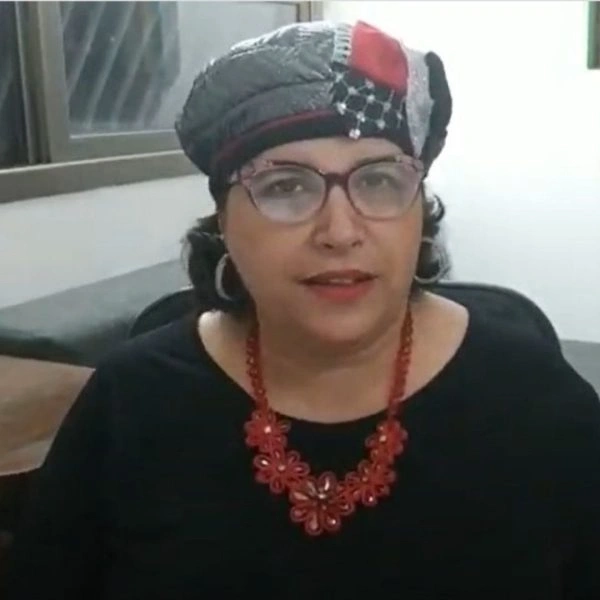
Roit Kalech
רוית קלך

מודיעין, ישראל

שמעתי על הסיום הענק של הדף היומי ע”י נשים בבנייני האומה. רציתי גם.
החלטתי להצטרף. התחלתי ושיכנעתי את בעלי ועוד שתי חברות להצטרף. עכשיו יש לי לימוד משותף איתו בשבת ומפגש חודשי איתן בנושא (והתכתבויות תדירות על דברים מיוחדים שקראנו). הצטרפנו לקבוצות שונות בווטסאפ. אנחנו ממש נהנות. אני שומעת את השיעור מידי יום (בד”כ מהרב יוני גוטמן) וקוראת ומצטרפת לסיומים של הדרן. גם מקפידה על דף משלהן (ונהנית מאד).

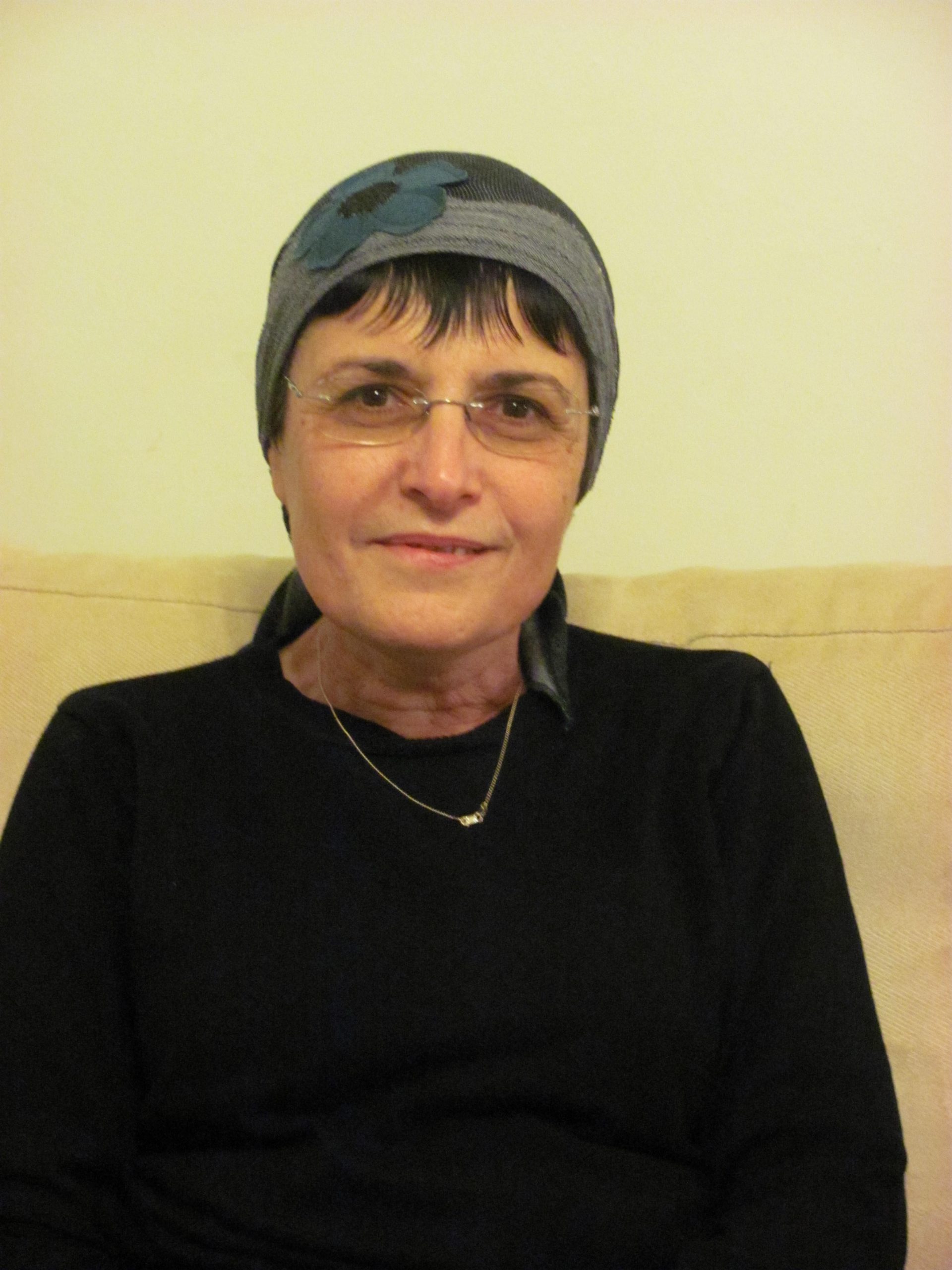
Liat Citron
ליאת סיטרון

אפרת, ישראל

התחלתי ללמוד לפני 4.5 שנים, כשהודיה חברה שלי פתחה קבוצת ווטסאפ ללימוד דף יומי בתחילת מסכת סנהדרין. מאז לימוד הדף נכנס לתוך היום-יום שלי והפך לאחד ממגדירי הזהות שלי ממש.

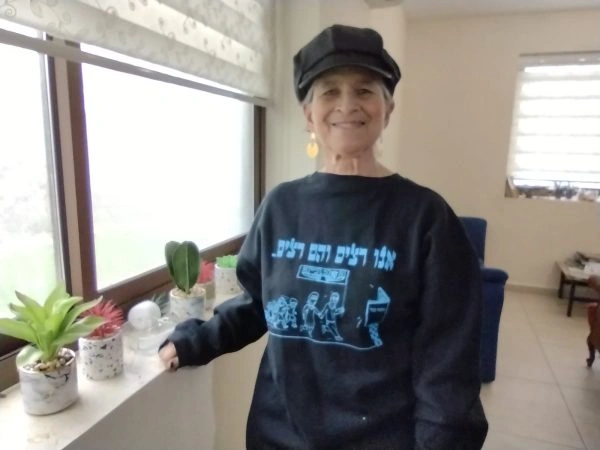
Rosenberg Foundation
קרן רוזנברג

ירושלים, ישראל

לפני 15 שנה, אחרי עשרות שנים של "ג’ינגול” בין משפחה לקריירה תובענית בהייטק, הצטרפתי לשיעורי גמרא במתן רעננה. הלימוד המעמיק והייחודי של הרבנית אושרה קורן יחד עם קבוצת הנשים המגוונת הייתה חוויה מאלפת ומעשירה. לפני כשמונה שנים כאשר מחזור הדף היומי הגיע למסכת תענית הצטרפתי כ”חברותא” לבעלי. זו השעה היומית שלנו ביחד כאשר דפי הגמרא משתלבים בחיי היום יום, משפיעים ומושפעים, וכשלא מספיקים תמיד משלימים בשבת

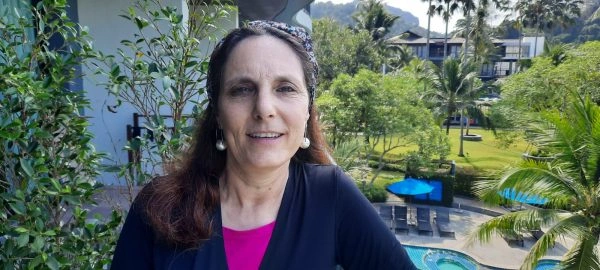
Yodi Askoff
יודי אסקוף

רעננה, ישראל

התחלתי ללמוד את הדף היומי מעט אחרי שבני הקטן נולד. בהתחלה בשמיעה ולימוד באמצעות השיעור של הרבנית שפרבר. ובהמשך העזתי וקניתי לעצמי גמרא. מאז ממשיכה יום יום ללמוד עצמאית, ולפעמים בעזרת השיעור של הרבנית, כל יום. כל סיום של מסכת מביא לאושר גדול וסיפוק. הילדים בבית נהיו חלק מהלימוד, אני משתפת בסוגיות מעניינות ונהנית לשמוע את דעתם.

Eliraz Blau
אלירז בלאו

מעלה מכמש, ישראל

התחלתי מעט לפני תחילת הסבב הנוכחי. אני נהנית מהאתגר של להמשיך להתמיד, מרגעים של "אהה, מפה זה הגיע!” ומהאתגר האינטלקטואלי

Eilat-Chen and Deller
אילת-חן ודלר

לוד, ישראל

לצערי גדלתי בדור שבו לימוד גמרא לנשים לא היה דבר שבשגרה ושנים שאני חולמת להשלים את הפער הזה.. עד שלפני מספר שבועות, כמעט במקרה, נתקלתי במודעת פרסומת הקוראת להצטרף ללימוד מסכת תענית. כשקראתי את המודעה הרגשתי שהיא כאילו נכתבה עבורי – "תמיד חלמת ללמוד גמרא ולא ידעת איך להתחיל”, "בואי להתנסות במסכת קצרה וקלה” (רק היה חסר שהמודעה תיפתח במילים "מיכי שלום”..). קפצתי למים ו- ב”ה אני בדרך להגשמת החלום:)

Micah Kadosh
מיכי קדוש

מורשת, ישראל

My explorations into Gemara started a few days into the present cycle. I binged learnt and become addicted. I’m fascinated by the rich "tapestry” of intertwined themes, connections between Masechtot, conversations between generations of Rabbanim and learners past and present all over the world. My life has acquired a golden thread, linking generations with our amazing heritage.
Thank you.

Susan Kasdan
סוזן כשדן

חשמונאים, Israel

התחלתי בסיום הש”ס, יצאתי באורות. נשברתי פעמיים, ובשתיהם הרבנית מישל עודדה להמשיך איפה שכולם בסבב ולהשלים כשאוכל, וכך עשיתי וכיום השלמתי הכל. מדהים אותי שאני לומדת כל יום קצת, אפילו בחדר הלידה, בבידוד או בחו”ל. לאט לאט יותר נינוחה בסוגיות. לא כולם מבינים את הרצון, בפרט כפמניסטית. חשה סיפוק גדול להכיר את המושגים וצורת החשיבה. החלום זה להמשיך ולהתמיד ובמקביל ללמוד איך מהסוגיות נוצרה והתפתחה ההלכה.

Weingarten Sherrington Foundation
קרן וינגרטן שרינגטון

מודיעין, ישראל

"
גם אני התחלתי בסבב הנוכחי וב””ה הצלחתי לסיים את רוב המסכתות . בזכות הרבנית מישל משתדלת לפתוח את היום בשיעור הזום בשעה 6:20 .הלימוד הפך להיות חלק משמעותי בחיי ויש ימים בהם אני מצליחה לחזור על הדף עם מלמדים נוספים ששיעוריהם נמצאים במרשתת. שמחה להיות חלק מקהילת לומדות ברחבי העולם. ובמיוחד לשמש דוגמה לנכדותיי שאי””ה יגדלו לדור שלימוד תורה לנשים יהיה משהו שבשגרה. "

Ronit Shavit
רונית שביט

נתניה, ישראל

סיום השס לנשים נתן לי מוטביציה להתחיל ללמוד דף יומי. עד אז למדתי גמרא בשבתות ועשיתי כמה סיומים. אבל לימוד יומיומי זה שונה לגמרי ופתאום כל דבר שקורה בחיים מתקשר לדף היומי.

Fogel Foundation
קרן פוגל

רתמים, ישראל

התחלתי בתחילת הסבב, והתמכרתי. זה נותן משמעות נוספת ליומיום ומאוד מחזק לתת לזה מקום בתוך כל שגרת הבית-עבודה השוטפת.

Reut Abrahami
רעות אברהמי

בית שמש, ישראל

A friend in the SF Bay Area said in Dec 2019 that she might start listening on her morning drive to work. I mentioned to my husband and we decided to try the Daf when it began in Jan 2020 as part of our preparing to make Aliyah in the summer.

Hana Piotrkovsky
חנה פיוטרקובסקי

ירושלים, Israel

התחלתי ללמוד את הדף היומי מעט אחרי שבני הקטן נולד. בהתחלה בשמיעה ולימוד באמצעות השיעור של הרבנית שפרבר. ובהמשך העזתי וקניתי לעצמי גמרא. מאז ממשיכה יום יום ללמוד עצמאית, ולפעמים בעזרת השיעור של הרבנית, כל יום. כל סיום של מסכת מביא לאושר גדול וסיפוק. הילדים בבית נהיו חלק מהלימוד, אני משתפת בסוגיות מעניינות ונהנית לשמוע את דעתם.

Eliraz Blau
אלירז בלאו

מעלה מכמש, ישראל

. לא תמיד נהניתי מלימוד גמרא כילדה.,בל כהתבגרתי התחלתי לאהוב את זה שוב. התחלתי ללמוד מסכת סוטה בדף היומי לפני כחמש עשרה שנה ואז הפסקתי.הגעתי לסיום הגדול של הדרן לפני שנתיים וזה נתן לי השראה. והתחלתי ללמוד למשך כמה ימים ואז היתה לי פריצת דיסק והפסקתי…עד אלול השנה. אז התחלתי עם מסכת ביצה וב”ה אני מצליחה לעמוד בקצב. המשפחה מאוד תומכת בי ויש כמה שגם לומדים את זה במקביל. אני אוהבת שיש עוגן כל יום.

Rebecca Darshan
רבקה דרשן

בית שמש, ישראל

התחלתי מעט לפני תחילת הסבב הנוכחי. אני נהנית מהאתגר של להמשיך להתמיד, מרגעים של "אהה, מפה זה הגיע!” ומהאתגר האינטלקטואלי

Eilat-Chen and Deller
אילת-חן ודלר

לוד, ישראל

בתחילת הסבב הנוכחי של לימוד הדף היומי, נחשפתי לחגיגות המרגשות באירועי הסיום ברחבי העולם. והבטחתי לעצמי שבקרוב אצטרף גם למעגל הלומדות. הסבב התחיל כאשר הייתי בתחילת דרכי בתוכנית קרן אריאל להכשרת יועצות הלכה של נשמ”ת. לא הצלחתי להוסיף את ההתחייבות לדף היומי על הלימוד האינטנסיבי של תוכנית היועצות. בבוקר למחרת המבחן הסופי בנשמ”ת, התחלתי את לימוד הדף במסכת סוכה ומאז לא הפסקתי.

Hana Shaham-Rozby (Dr.)
חנה שחם-רוזבי (ד”ר)

קרית גת, ישראל

התחלתי ללמוד בסבב הנוכחי לפני כשנתיים .הסביבה מתפעלת ותומכת מאוד. אני משתדלת ללמוד מכל ההסכתים הנוספים שיש באתר הדרן. אני עורכת כל סיום מסכת שיעור בביתי לכ20 נשים שמחכות בקוצר רוח למפגשים האלו.

Yael Asher
יעל אשר

יהוד, ישראל

התחלתי ללמוד דף יומי אחרי שחזרתי בתשובה ולמדתי במדרשה במגדל עוז. הלימוד טוב ומספק חומר למחשבה על נושאים הלכתיים ”קטנים” ועד לערכים גדולים ביהדות. חשוב לי להכיר את הגמרא לעומק. והצעד הקטן היום הוא ללמוד אותה בבקיאות, בעזרת השם, ומי יודע אולי גם אגיע לעיון בנושאים מעניינים. נושאים בגמרא מתחברים לחגים, לתפילה, ליחסים שבין אדם לחברו ולמקום ולשאר הדברים שמלווים באורח חיים דתי 🙂

Gaia Divo
גאיה דיבו

מצפה יריחו, ישראל

ראיתי את הסיום הגדול בבנייני האומה וכל כך התרשמתי ורציתי לקחת חלק.. אבל לקח לי עוד כשנה וחצי )באמצע מסיכת שבת להצטרף..
הלימוד חשוב לי מאוד.. אני תמיד במרדף אחרי הדף וגונבת כל פעם חצי דף כשהילדים עסוקים ומשלימה אח”כ אחרי שכולם הלכו לישון..

Olga Mizrahi
אולגה מזרחי

ירושלים, ישראל

בבא בתרא קב

מָצָא שְׁלֹשָׁה – אִם יֵשׁ בֵּינֵיהֶן מֵאַרְבַּע עַד שְׁמוֹנֶה, הֲרֵי זוֹ שְׁכוּנַת קְבָרוֹת, וּבוֹדֵק מִמֶּנּוּ וּלְהַלָּן עֶשְׂרִים אַמָּה. מָצָא אֶחָד בְּסוֹף עֶשְׂרִים אַמָּה – בּוֹדֵק מִמֶּנּוּ וּלְהַלָּן עֶשְׂרִים אַמָּה, שֶׁרַגְלַיִם לַדָּבָר. שֶׁאִילּוּ מִתְּחִלָּה מְצָאוֹ – נוֹטְלוֹ וְאֶת תְּפוּסָתוֹ.

If he found three corpses lying parallel to each other, then if there is between them, i.e., the outer two corpses, a distance of four to eight cubits, then this is presumed to be a graveyard and the corpses may not be removed, and he must examine from that spot outward twenty cubits to discover whether there are other corpses buried there. If he finds even one corpse up to the distance of twenty cubits, he must continue to examine from the place he finds that corpse outward another twenty cubits. He continues to search for additional corpses, even if only one corpse was found within the twenty cubits, as there is a basis for anticipating the matter; it is probable that he has stumbled upon an ancient cemetery. He is not permitted to relocate the corpses, despite that fact that if he had found the single corpse by itself at first, without being aware of the gravesite, he would have been permitted to remove it and its surrounding earth.

אָמַר מָר: מֵאַרְבַּע וְעַד שְׁמוֹנֶה. מַנִּי? אִי רַבָּנַן – הָא אָמְרִי: אַרְבַּע אַמּוֹת עַל שֵׁשׁ! אִי רַבִּי שִׁמְעוֹן – הָא אָמַר: שֵׁשׁ עַל שְׁמוֹנֶה!

The Gemara analyzes that mishna. The Master said: If there is between them a distance of four to eight cubits, then it is presumed to be a graveyard. The reason is that corpses buried in this manner are indicative of the standard layout of a burial chamber. The fact that this is said only when the distance between the corpses is between four and eight cubits assumes that the size of a burial chamber is four cubits by eight cubits. Based on this, the Gemara asks: Whose opinion is this? If it is the opinion of the Rabbis in the mishna above (100b), didn’t they say that the size of a burial chamber is four cubits by six cubits? If it is the opinion of Rabbi Shimon, didn’t he say that a burial cave is six cubits by eight cubits?

לְעוֹלָם רַבִּי שִׁמְעוֹן הִיא, וְהַאי תַּנָּא הוּא – דְּתַנְיָא: מְצָאָן רְצוּפִין, וְאֵין בֵּינֵיהֶן מֵאַרְבַּע אַמּוֹת עַד שְׁמוֹנֶה – יֵשׁ לָהֶן תְּפוּסָה, וְאֵין לָהֶן שְׁכוּנַת קְבָרוֹת. רַבִּי שִׁמְעוֹן בֶּן יְהוּדָה אוֹמֵר מִשּׁוּם רַבִּי שִׁמְעוֹן: רוֹאִין אֶת הָאֶמְצָעִיִּים כְּאִילּוּ אֵינָן, וְהַשְּׁאָר מִצְטָרְפִין מֵאַרְבַּע אַמּוֹת וְעַד שְׁמוֹנֶה.

The Gemara answers: Actually this mishna is in accordance with the opinion of Rabbi Shimon, and it is in accordance with another version of Rabbi Shimon’s opinion, which is cited by this tanna, as it is taught in a baraita: If one found three corpses lying in close succession, and there is not a distance of four cubits to eight cubits between them, i.e., they are lying closer together, they have the halakha of the requirement to move their surrounding earth in which they are buried. But they are not considered to be part of a graveyard, since permanent graves are not placed so closely together. Perforce, their corpses were originally buried there on a temporary basis, but then they were never reinterred. Rabbi Shimon ben Yehuda says in the name of Rabbi Shimon: The corpses in the middle are viewed as if they are not there, i.e., as if they were buried there incidentally, and the other corpses thereby combine to form a graveyard in which corpses are found with a distance of four cubits to eight cubits between them.

בְּמַאי אוֹקֵימְתָּא – כְּרַבִּי שִׁמְעוֹן? אֵימָא סֵיפָא: בּוֹדֵק הֵימֶנּוּ וּלְהַלָּן עֶשְׂרִים אַמָּה. מַנִּי? אִי רַבִּי שִׁמְעוֹן, עֶשְׂרִים וְתַרְתֵּין הָוְיָין! אִי רַבָּנַן, תַּמְנֵי סְרֵי הָוְיָין!

The Gemara asks: In accordance with which opinion did you interpret the mishna? If it is in accordance with the opinion of Rabbi Shimon, then say the latter clause of that mishna: If he finds an area of graves, he must examine from there outward twenty cubits to discover whether there are other corpses buried there. Since the burial formation is indicative of burial within a burial chamber of a catacomb, he should continue to investigate the whole area that would be occupied by a catacomb. The Gemara asks: Whose opinion is this? If it is the opinion of Rabbi Shimon, the distance one should be required to examine would be twenty-two cubits, which is the total length of a catacomb, i.e., two chambers of eight cubits with a courtyard of six cubits between them. If it is the opinion of the Rabbis, the distance one should be required to examine would be eighteen cubits, as each catacomb consists of two chambers of six cubits long with a chamber of six cubits between them.

לְעוֹלָם רַבָּנַן הִיא, וּכְגוֹן דִּבְדַק בַּאֲלַכְסוֹנָא.

The Gemara answers: Actually, the mishna is in accordance with the opinion of the Rabbis, and it is necessary to examine twenty cubits in a case where he examined along the diagonal of the catacomb, which is longer than its length.

וּמִדְּהָא בַּאֲלַכְסוֹנָא – הָא נָמֵי בַּאֲלַכְסוֹנָא; עֶשְׂרִים וְתַרְתֵּי הָוְיָין! חֲדָא בַּאֲלַכְסוֹנָא אָמְרִינַן, תְּרֵי בַּאֲלַכְסוֹן לָא אָמְרִינַן.

The Gemara asks: But since he examined this chamber along the diagonal, this second chamber on the other side of the courtyard should also be examined along the diagonal. If so, that would be twenty-two cubits. The Gemara answers: We say he should examine one chamber along the diagonal, but we do not say he should examine two chambers along the diagonal.

רַב שִׁישָׁא בְּרֵיהּ דְּרַב אִידִי אָמַר: לְעוֹלָם רַבִּי שִׁמְעוֹן הִיא, וְהָכָא בְּמַאי עָסְקִינַן – בְּנִיפְלֵי.

Rav Sheisha, son of Rav Idi, said: Actually, the mishna is in accordance with the opinion of Rabbi Shimon, and here we are dealing with a case where the corpses found were of non-viable newborns buried in a smaller chamber only six cubits long. Adding a courtyard of six cubits and another regular-sized chamber of eight cubits yields a total length of the catacomb of twenty cubits.

וּמִדְּהָא בְּנִיפְלֵי – הָא נָמֵי בְּנִיפְלֵי; תַּמְנֵי סְרֵי הָוְיָין! חֲדָא בְּנִיפְלֵי אָמְרִינַן, תַּרְתֵּי בְּנִיפְלֵי לָא אָמְרִינַן.

The Gemara asks: But since this is dealing with a chamber that was created for burying non-viable newborns, there too, with regard to that chamber, on the other side of the courtyard, we are dealing with a chamber created for non-viable newborns as well. Therefore, the total length of the catacomb would be eighteen cubits. The Gemara answers: We say that perhaps one of the chambers is for non-viable newborns, but we do not say that two chambers might have been constructed for non-viable newborns.

וְרָמֵי דְּרַבָּנַן אַדְּרַבָּנַן, וְרָמֵי דְּרַבִּי שִׁמְעוֹן אַדְּרַבִּי שִׁמְעוֹן –

§ Above, the Gemara cited a baraita that relates a dispute between Rabbi Shimon and the Rabbis with regard to three corpses buried close together. The Rabbis hold that this is not considered a graveyard, whereas Rabbi Shimon maintains that it can be. And the Gemara raises a contradiction from another ruling of the Rabbis against this ruling of the Rabbis, and it also raises a contradiction from another ruling of Rabbi Shimon against this ruling of Rabbi Shimon.

דְּתַנְיָא: כֶּרֶם הַנָּטוּעַ עַל פָּחוֹת מֵאַרְבַּע אַמּוֹת – רַבִּי שִׁמְעוֹן אוֹמֵר: אֵינוֹ כֶּרֶם. וַחֲכָמִים אוֹמְרִים: הֲרֵי זֶה כֶּרֶם, וְרוֹאִין אֶת הָאֶמְצָעִיִּם כְּאִילּוּ אֵינָן.

As it is taught in a mishna (Kilayim 5:2): With regard to a vineyard that is planted on an area where there is less than four cubits of open space between the vines, Rabbi Shimon says: It is not considered to be a vineyard with regard to the prohibition of diverse kinds and other halakhot, as it is overcrowded. And the Rabbis say: This is considered to be a vineyard, and the reason for this is that the middle vines are viewed as if they are not there, and the outer vines meet the requirements for a vineyard. Therefore, it is prohibited to plant other crops anywhere in that area.

קַשְׁיָא דְּרַבָּנַן אַדְּרַבָּנַן, וְקַשְׁיָא דְּרַבִּי שִׁמְעוֹן אַדְּרַבִּי שִׁמְעוֹן!

The ruling of the Rabbis in this mishna is difficult, as it is contradicted by the ruling of the Rabbis in the baraita, as there the Rabbis did not say: The middle ones are viewed as if they are not there. And the ruling of Rabbi Shimon in this mishna is difficult, as it is contradicted by the ruling of Rabbi Shimon in the baraita, as there he did say: The corpses in the middle are viewed as if they are not there.

דְּרַבִּי שִׁמְעוֹן אַדְּרַבִּי שִׁמְעוֹן לָא קַשְׁיָא – הָתָם, לָא נָטְעִי אִינָשֵׁי אַדַּעְתָּא לְמִיעְקַר; הָכָא, זִימְנִין דְּמִיתְרְמֵא לֵיהּ בֵּין הַשְּׁמָשׁוֹת, וּמִיקְּרֵי וּמַנְּחִי לֵיהּ.

The Gemara answers: The fact that one ruling of Rabbi Shimon is contradicted by the other ruling of Rabbi Shimon is not difficult. There, with regard to vineyards, Rabbi Shimon holds that middle vines cannot be disregarded, as people do not plant vines with the intention of uprooting them. But here, with regard to burial, sometimes it happens that one has to bury a corpse at twilight just before the onset of Shabbat, and indiscriminately inters the body between other corpses with the intention of reburying it at a later date.

דְּרַבָּנַן אַדְּרַבָּנַן נָמֵי לָא קַשְׁיָא – הָכָא, כֵּיוָן דְּמִינַּוַּל – לָא מִקְּרֵי קֶבֶר; הָתָם, מֵימָר אָמַר: הֵי מִינַּיְיהוּ דְּשַׁפִּיר – שַׁפִּיר, וּדְלָא שַׁפִּיר – לֶיהֱוֵי לְצִיבֵי.

Similarly, the fact that one ruling of the Rabbis is contradicted by the other ruling of the Rabbis is not difficult. Here, with regard to burial, since it is a disgrace to bury bodies so close together, it is not called an area of graves. But there, with regard to vineyards, the owner of the vineyard says to himself: Whichever of the vines will flourish, will flourish and I will leave them, and whichever ones do not flourish, I will uproot them and they will be for firewood.

הֲדַרַן עֲלָךְ הַמּוֹכֵר פֵּירוֹת

הָאוֹמֵר לַחֲבֵירוֹ: ״בֵּית כּוֹר עָפָר אֲנִי מוֹכֵר לָךְ״ – הָיוּ שָׁם נְקָעִים עֲמוּקִּים עֲשָׂרָה טְפָחִים, אוֹ סְלָעִים גְּבוֹהִין עֲשָׂרָה טְפָחִים – אֵינָן נִמְדָּדִין עִמָּהּ. פָּחוֹת מִכָּאן – נִמְדָּדִין עִמָּהּ. וְאִם אָמַר לוֹ: ״כְּבֵית כּוֹר עָפָר״ – אֲפִילּוּ הָיוּ שָׁם נְקָעִים עֲמוּקִּים יוֹתֵר מֵעֲשָׂרָה טְפָחִים, אוֹ סְלָעִים גְּבוֹהִין יוֹתֵר מֵעֲשָׂרָה טְפָחִים, הֲרֵי אֵלּוּ נִמְדָּדִין עִמָּהּ.

MISHNA: If one says to another: I am selling you a plot of earth of the size required for sowing one kor of seed [beit kor], and there on that plot there were crevices [neka’im] ten handbreadths deep or rocks ten handbreadths high, they are not measured together with the rest of the field. Rather, the buyer must be provided with land measuring a beit kor exclusive of those crevices or rocks. If the crevices or rocks measured less than ten handbreadths, they are measured together with the rest of the field. But if the seller said to the buyer: I am selling you a plot of earth that is about the size of a beit kor, then even if there on that plot there were crevices deeper than ten handbreadths or rocks higher than ten handbreadths, they are measured together with the rest of the field.

גְּמָ׳ תְּנַן הָתָם: הַמַּקְדִּישׁ שָׂדֵהוּ בִּשְׁעַת הַיּוֹבֵל, נוֹתֵן לוֹ לְבֵית זֶרַע חוֹמֶר שְׂעוֹרִים – חֲמִשִּׁים שֶׁקֶל כָּסֶף. הָיוּ שָׁם נְקָעִים עֲמוּקִּים עֲשָׂרָה טְפָחִים, אוֹ סְלָעִים גְּבוֹהִין עֲשָׂרָה טְפָחִים –

GEMARA: We learned in a mishna elsewhere (Arakhin 25a): With regard to one who consecrates his ancestral field during the time that the halakhot of the Jubilee Year are practiced, if he wishes to redeem the field he must give the Temple treasurer fifty silver shekels for every place that is fit for sowing a ḥomer of barley seed, which is the biblical equivalent of a kor, for all the years of the Jubilee cycle, as this is the sum fixed by the Torah for this purpose (see Leviticus 27:16). But if there were crevices ten handbreadths deep there, in the field, or rocks ten handbreadths high,

רוצה לעקוב אחרי התכנים ולהמשיך ללמוד?

ביצירת חשבון עוד היום ניתן לעקוב אחרי ההתקדמות שלך, לסמן מה למדת, ולעקוב אחרי השיעורים שמעניינים אותך.

לנקות את כל הפריטים מהרשימה?

פעולה זו תסיר את כל הפריטים בחלק זה כולל ההתקדמות וההיסטוריה. שימי לב: לא ניתן לשחזר פעולה זו.

ביטול
מחיקה

האם את/ה בטוח/ה שברצונך למחוק פריט זה?

תאבד/י את כל ההתקדמות או ההיסטוריה הקשורות לפריט זה.

ביטול
מחיקה