חיפוש

בבא בתרא קז

רוצה להקדיש לימוד?

podcast placeholder

0:00
0:00


תקציר

אם אחים חילקו את ירושתם ובעל חוב של אביהם תופס את הקרקע של אחד מהם כפירעון לחוב, האם יכול אותו אח לדרוש חצי מהקרקע של האח השני? מובאות שלוש דעות – רב אומר שהירושה מתחלקת מחדש, כי כאשר אחים מחלקים ירושה, הם נחשבים כיורשים, כלומר הם חולקים במשותף בחובות אביהם. שמואל סובר שהאח שרכושו נתפס מפסיד ואינו יכול לדרוש דבר מהאח השני, כי אחים המחלקים רכוש נחשבים כלקוחות, כאילו קנו את חלקם מהשני ללא אחריות. רב אסי שהאח השני חייב לתת רבע מחלקו לאחר (לפי עמדת סומכוס שממון המוטל בספק חולקים), אך הוא יכול להחליט אם לתת זאת בקרקע או במזומן, כלומר, ידו על העליונה, כי רב אסי מסופק האם אחים נחשבים כיורשים או כלקוחות.

אם שלושה דיינים מעריכים קרקע בסכומים שונים, לפי איזה דיין אנו פוסקים? תנא קמא סובר שאנו הולכים אחר העמדה האמצעית. רבי אליעזר ברבי צדוק הולך אחר הממוצע בין שני הסכומים הנמוכים. אחרים סוברים שמחשבים את ההפרש בין ההערכה הגבוהה ביותר לנמוכה ביותר, מחלקים אותו לשלוש ומוסיפים סכום זה להערכה הנמוכה ביותר. הגמרא מסבירה את ההיגיון של כל אחת מעמדות אלה. תנא קמא סובר שאיננו מניחים שכל הדיינים טעו ולכן מניחים שהדעה האמצעית היא הנכונה. שתי הדעות האחרות סוברות שכולם טעו אך חולקות לגבי האם ההערכה הגבוהה ביותר נלקחת בחשבון בחישוב הטעות. שתי עמדות אלה נותנות משקל כבד יותר לשתי ההערכות הנמוכות.

אם אדם מכר חצי שדהו לאחר, המוכר יכול לתת לקונה קרקע כחושה ולשמור לעצמו את הקרקע הטובה יותר, אך המוכר חייב לתת לקונה קרקע ששווה מחצית מכל השדה.

בבא בתרא קז

הָתָם, עֲבוּד רַבָּנַן מִילְּתָא דְּנִיחָא לֵיהּ לְמוֹכֵר וְנִיחָא לֵיהּ לְלוֹקֵחַ.

The Gemara answers: The cases cannot be compared because there, in the case of the sale of grain, the Sages instituted a matter that is suitable for the seller and also suitable for the buyer. Since the price of grain fluctuates, neither party wants the sale to be considered complete until the last se’a is measured out, so that they each are able to renege on the sale should the price rise or fall. This reasoning does not apply in cases of division of property.

אִיתְּמַר: אַחִין שֶׁחָלְקוּ, וּבָא בַּעַל חוֹב וְנָטַל חֶלְקוֹ שֶׁל אֶחָד מֵהֶן; רַב אָמַר: בָּטְלָה מַחְלוֹקֶת. וּשְׁמוּאֵל אָמַר: וִיתֵּר. וְרַב אַסִּי אָמַר: נוֹטֵל רְבִיעַ בְּקַרְקַע וּרְבִיעַ בְּמָעוֹת.

§ It was stated that the amora’im disagreed about another related matter: If two brothers divided their father’s estate between them, and then their father’s creditor came and took the portion of one of them as repayment for the father’s debt, Rav says: The original division of the property is void, and the brothers must now redivide the remaining assets. Shmuel says: Each brother, upon receiving his portion, has foregone his right to be reimbursed if his portion is lost. Rav Asi says: The brother whose portion was seized is entitled to half the remaining inheritance: He takes one-quarter in land and one-quarter in money.

רַב אָמַר: בָּטְלָה מַחְלוֹקֶת – קָא סָבַר: הָאַחִין שֶׁחָלְקוּ, יוֹרְשִׁין הֵן.

The Gemara explains the rationale for each opinion: Rav says that the original division of the property is void. This is because he holds that brothers who divided property received as an inheritance are still considered to be heirs with regard to the inheritance as if they never divided the property, so that they continue to share joint responsibility for their father’s debts. Therefore, if a creditor seizes the portion received by one of them, it is as if he repaid the debt on behalf of all the heirs. Accordingly, they must once again divide the remaining property between them.

וּשְׁמוּאֵל אָמַר: וִיתֵּר – קָא סָבַר: הָאַחִין שֶׁחָלְקוּ לָקוֹחוֹת הָווּ, וּכְלוֹקֵחַ שֶׁלֹּא בְּאַחְרָיוּת דָּמֵי.

And Shmuel says that each brother, upon receiving his portion, has foregone his right to be reimbursed if his portion is lost, as he holds that brothers who divided property received as an inheritance are considered as purchasers from each other. And each one is considered like a purchaser who bought his portion without a guarantee that if the field is seized in payment of a debt, the seller will compensate the buyer for his loss. Accordingly, the brother whose portion of the estate was seized by the creditor has no claim against the brother whose portion remained untouched.

רַב אַסִּי – מְסַפְּקָא לֵיהּ אִי יוֹרְשִׁין הָווּ אִי לָקוֹחוֹת הָווּ, הִלְכָּךְ נוֹטֵל רְבִיעַ בְּקַרְקַע וּרְבִיעַ בְּמָעוֹת.

Rav Asi is uncertain whether brothers who divided property received as an inheritance are still considered to be heirs or are considered to be like purchasers who bought their property with a guarantee of compensation should the property be repossessed. Therefore, the brother whose portion was seized by the creditor is entitled to half the remaining inheritance, and he takes one-quarter in land like an heir and one-quarter he receives in money, like a purchaser with a guarantee, who is compensated with money for his loss.

אָמַר רַב פָּפָּא: הִלְכְתָא בְּכׇל הָנֵי שְׁמַעְתָּתָא – מְקַמְּצִין. אַמֵּימָר אָמַר: בָּטְלָה מַחְלוֹקֶת. וְהִלְכְתָא: בָּטְלָה מַחְלוֹקֶת.

Rav Pappa says: The halakha in all the cases dealt with in these statements recording disagreements between Rav and Shmuel is that the brothers must each take off a share from their portion in accordance with the opinion of Shmuel. Rather, any brother currently in possession of his portion must give part of it to his brother who lacks a portion, so that in the end they have equal shares. Ameimar says: The halakha in all of these cases is that the original division of the property is void, in accordance with the opinion of Rav. The Gemara concludes: The halakha is in fact that the original division of the property is void, in accordance with the opinion of Rav.

תָּנוּ רַבָּנַן: שְׁלֹשָׁה שֶׁיָּרְדוּ לָשׁוּם – אֶחָד אוֹמֵר בְּמָנֶה, וּשְׁנַיִם אוֹמְרִים בְּמָאתַיִם; אֶחָד אוֹמֵר בְּמָאתַיִם, וּשְׁנַיִם אוֹמְרִים בְּמָנֶה – בָּטֵל יָחִיד בְּמִיעוּטוֹ.

§ The Sages taught in a baraita (Tosefta, Ketubot 11:2): In a case of three experts who went down to assess a certain property in order to determine the amount to be collected from it for repayment of a debt, and one says it is worth one hundred dinars, and the other two say it is worth two hundred, or one says it is worth two hundred dinars and the other two say it is worth one hundred, the assessment of the single expert is nullified, since his is the minority opinion, and the assessment of the two others is accepted.

אֶחָד אוֹמֵר בְּמָנֶה, וְאֶחָד אוֹמֵר בְּעֶשְׂרִים, וְאֶחָד אוֹמֵר בִּשְׁלֹשִׁים – נִדּוֹן בְּמָנֶה. רַבִּי אֱלִיעֶזֶר בְּרַבִּי צָדוֹק אוֹמֵר: נִדּוֹן בְּתִשְׁעִים. אֲחֵרִים אוֹמְרִים: עוֹשִׂין שׁוּמָא בֵּינֵיהֶן, וּמְשַׁלְּשִׁין.

If one says the property is worth one hundred dinars, and another says it is worth twenty sela, which is equivalent to eighty dinars, since four dinars equal a sela, and yet another says it is worth thirty sela, which is equivalent to one hundred and twenty dinars, it is assessed at one hundred dinars, which is the average of the assessments, as it is equivalent to twenty-five sela. Rabbi Eliezer, son of Rabbi Tzadok, says: It is assessed at ninety dinars, as will be explained below. Aḥerim say: An appraisal is performed of the sum between the two most extreme assessments and then divided by three. This sum is then added to the lowest assessment.

מַאן דְּאָמַר נִדּוֹן בְּמָנֶה – מִילְּתָא מְצִיעֲתָא. רַבִּי אֱלִיעֶזֶר בְּרַבִּי צָדוֹק אוֹמֵר: נִדּוֹן בְּתִשְׁעִים – קָא סָבַר: הָא אַרְעָא –

The Gemara clarifies the various opinions: The one who says that the property is assessed at one hundred dinars holds that the middle of the two extreme assessments is followed. Rabbi Eliezer, son of Rabbi Tzadok, says that it is assessed at ninety dinars because he holds that this land

תִּשְׁעִין שָׁוְיָא; וְהַאי דְּקָאָמַר עֶשְׂרִים, דְּקָא טָעֵי עַשְׂרָה לַאֲחוֹרֵיהּ; וְהַאי דְּקָא אָמַר מָנֶה, קָא טָעֵי עַשְׂרָה לְקַמֵּיהּ.

is in fact worth ninety dinars, and the one who says it is worth twenty sela, which is equivalent to eighty dinars errs with an assessment that is ten dinars behind, i.e., too low, and the one who says it is worth one hundred dinars errs with an assessment that is ten dinars ahead, i.e., too high. Therefore, the average of these two assessments is followed.

אַדְּרַבָּה! הַאי אַרְעָא מְאָה וְעַשְׂרָה שָׁוְיָא; וְהַאי דְּקָאָמַר מָנֶה – קָא טָעֵי עַשְׂרָה לַאֲחוֹרֵיהּ, וְהַאי דְּקָאָמַר שְׁלֹשִׁים – קָא טָעֵי עַשְׂרָה לְקַמֵּיהּ! נְקוֹט מִיהַת תְּרֵי קַמָּאֵי בִּידָךְ, דְּמִתּוֹרַת מָנֶה לָא מַפְּקִי לֵיהּ.

The Gemara raises a difficulty: On the contrary, say that this land is in fact worth one hundred and ten dinars, and the one who says it is worth one hundred dinars errs with an assessment that is ten dinars behind, and the one who says it is worth thirty sela, which is equivalent to one hundred and twenty dinars, errs with an assessment that is ten dinars ahead. If so, the average of these two assessments, one hundred and ten dinars, should be followed. The Gemara replies: In any event, grasp the first two assessments in your hand, as neither of them takes the assessment beyond the sum of one hundred dinars.

אֲחֵרִים אוֹמְרִים: עוֹשִׂין שׁוּמָא בֵּינֵיהֶן, וּמְשַׁלְּשִׁין – קָא סָבְרִי: הַאי אַרְעָא – תִּשְׁעִין וּתְלָתָא וְתִילְתָּא שָׁוְיָא; הַאי דְּקָא אָמַר עֶשְׂרִים – קָא טָעֵי תְּלֵיסַר וְתִילְתָּא לַאֲחוֹרֵיהּ, וְהַאי דְּקָאָמַר מָנֶה – קָא טָעֵי תְּלֵיסַר וְתִילְתָּא לְקַמֵּיהּ; וּבְדִין הוּא דְּלֵימָא טְפֵי, וְהַאי דְּלָא קָאָמַר, סָבַר: מִיסָּתַאי דְּקָא מְטַפֵּינָא כּוּלֵּי הַאי אַחַבְרַאי.

The baraita teaches that Aḥerim say that an appraisal is performed of the sum between the two most extreme assessments and then divided by three. This sum is then added to the lowest assessment. The Gemara explains this opinion: Aḥerim hold that this land is in fact worth ninety-three and one-third dinars. The one who says it is worth twenty sela, the equivalent of eighty dinars, errs with an assessment that is thirteen dinars and one-third behind, and the one who says it is worth one hundred dinars errs with an assessment that is thirteen dinars and one-third ahead. By right, that assessor should have said more, i.e., quoted a higher sum, since according to this calculation, he should have said it is worth one hundred and six and two-thirds dinars. And the reason that he did not do so is that he thinks as follows: It is enough that I add this much above and beyond the assessment of my colleague who says it is worth eighty dinars. Therefore, he lowers the sum of his assessment to one hundred dinars.

אַדְּרַבָּה, הָא אַרְעָא – מְאָה וּתְלֵיסַר וּתְלָתָא שָׁוְיָא; הַאי דְּקָאָמַר מָנֶה – קָא טָעֵי תְּלֵיסַר וּתְלָתָא לַאֲחוֹרֵיהּ, וְהַאי דְּקָאָמַר שְׁלֹשִׁים – טָעֵי תְּלֵיסַר וּתְלָתָא לְקַמֵּיהּ; וּבְדִין הוּא דְּקָאָמַר טְפֵי, סָבַר: מִיסָּתַאי דְּקָא מְטַפֵּינָא כּוּלֵּי הַאי אַחַבְרַאי! נְקוֹט מִיהַת תְּרֵי קַמָּאֵי בִּידָךְ, דְּמִתּוֹרַת מְאָה לָא מַפְּקִי לֵיהּ.

The Gemara raises a difficulty: On the contrary, say that this land is in fact worth one hundred and thirteen dinars and one-third, and the one who says it is worth one hundred dinars errs with an assessment that is thirteen dinars and one-third behind, and the one who says it is worth thirty sela, which is equal to one hundred and twenty dinars, errs with an assessment that is thirteen dinars and one-third ahead. By right, he should have said more, i.e., quoted a higher sum, since according to this calculation, he should have said it is worth one hundred and twenty-six dinars and two-thirds. And the reason he did not do so is that he thinks as follows: It is enough that I add this much above and beyond the assessment of my colleague who says it is worth one hundred dinars. The Gemara answers: In any event, grasp the first two assessments in your hand, as neither of them take the assessment beyond the sum of one hundred dinars.

אָמַר רַב הוּנָא: הֲלָכָה כַּאֲחֵרִים. אָמַר רַב אָשֵׁי: טַעְמָא דַּאֲחֵרִים לָא יָדְעִינַן, הִלְכְתָא עָבְדִינַן כְּווֹתַיְיהוּ?! תָּנוּ דַּיָּינֵי גוֹלָה: עוֹשִׂין שׁוּמָא בֵּינֵיהֶן, וּמְשַׁלְּשִׁין. אָמַר רַב הוּנָא: הִלְכְתָא כְּדַיָּינֵי גוֹלָה. אָמַר רַב אָשֵׁי: טַעְמָא דְּדַיָּינֵי גוֹלָה לָא יָדְעִינַן, הִלְכְתָא עָבְדִינַן כְּווֹתַיְיהוּ?!

Rav Huna said: The halakha is in accordance with the opinion of Aḥerim, who say that the sum of the difference between the two most extreme assessments is calculated and then divided by three, and this sum is then added to the lowest assessment. Rav Ashi said: We do not even understand the reason of Aḥerim; shall we then establish the halakha in accordance with their opinion? The judges of the Diaspora taught a baraita that accords with the opinion of Aḥerim in the previously cited baraita: An appraisal is performed to determine the sum of the difference between the two most extreme assessments and then that sum is divided by three and added to the lowest assessment. Rav Huna said: The halakha is in accordance with the judges of the Diaspora. Rav Ashi said: We do not even understand the reasoning of the judges of the Diaspora; shall we then establish the halakha in accordance with their opinion?

מַתְנִי׳ הָאוֹמֵר לַחֲבֵירוֹ: ״חֲצִי שָׂדֶה אֲנִי מוֹכֵר לָךְ״ – מְשַׁמְּנִין בֵּינֵיהֶן, וְנוֹטֵל חֲצִי שָׂדֵהוּ. ״חֶצְיָהּ בַּדָּרוֹם אֲנִי מוֹכֵר לָךְ״ – מְשַׁמְּנִין בֵּינֵיהֶן, וְנוֹטֵל חֶצְיָהּ בַּדָּרוֹם. וְהוּא מְקַבֵּל עָלָיו מְקוֹם הַגָּדֵר, חָרִיץ וּבֶן חָרִיץ. וְכַמָּה הוּא חָרִיץ? שִׁשָּׁה טְפָחִים. וּבֶן חָרִיץ – שְׁלֹשָׁה.

MISHNA: If one says to another: I am selling you half a field, without specifying which half he is selling, an assessment is made of the field, which is then divided between them, and the buyer takes half of the seller’s field. If the seller says: I am selling you the half that is on the southern side of the field, an assessment is made of the northern and the southern sides of the field, which is then divided between them, and he takes the half on the southern side. And he accepts upon himself to provide the space for the fence between the two halves of the field out of his own property. He also accepts to provide out of his own property the space for the larger ditch and the smaller ditch, which are meant to keep animals out of the field. And how wide is the larger ditch? Six handbreadths. And how wide is the smaller ditch? Three handbreadths.

גְּמָ׳ אָמַר רַבִּי חִיָּיא בַּר אַבָּא אָמַר רַבִּי יוֹחָנָן: לוֹקֵחַ נוֹטֵל כָּחוּשׁ שֶׁבּוֹ. אָמַר לֵיהּ רַבִּי חִיָּיא בַּר אַבָּא לְרַבִּי יוֹחָנָן: וְהָא אֲנַן ״מְשַׁמְּנִין בֵּינֵיהֶן״ תְּנַן! אָמַר לֵיהּ: אַדַּאֲכַלְתְּ כַּפְנְיָיתָא בְּבָבֶל – תַּרְגֵּימְנָא מִסֵּיפָא,

GEMARA: Rabbi Ḥiyya bar Abba says that Rabbi Yoḥanan says: When one sells half of his field to another person, the buyer takes the leaner part of the field, the part that is of lower quality. Rabbi Ḥiyya bar Abba said to Rabbi Yoḥanan: But didn’t we learn in the mishna that in such a case an assessment is made of the field, which is then divided between them, which indicates that the buyer and the seller are given similar parcels of land? How then can you say that the buyer takes the leaner part? Rabbi Yoḥanan said to him in a sarcastic manner: While you were eating dates in Babylonia and neglecting your studies, we explained the matter based on the latter clause of the mishna, which proves that my understanding is correct.

דְּקָתָנֵי סֵיפָא: ״חֶצְיָהּ בַּדָּרוֹם אֲנִי מוֹכֵר לָךְ״ – מְשַׁמְּנִין בֵּינֵיהֶן וְנוֹטֵל חֶצְיָהּ בַּדָּרוֹם. וְאַמַּאי מְשַׁמְּנִין בֵּינֵיהֶן? וְהָא ״חֶצְיָהּ בַּדָּרוֹם״ אָמַר לֵיהּ! אֶלָּא לִדְמֵי; הָכָא נָמֵי לִדְמֵי.

As the latter clause teaches: If the seller says: I am selling you the half that is on the southern side of the field, an assessment is made of the northern and the southern sides of the field, which is then divided between them, and he takes the half on the southern side. If taken literally, this passage gives rise to a difficulty: Why is an assessment made of the northern and the southern sides of the field, which is then divided between them? In any case, didn’t he say to him that he is selling him the southern half? Let the seller give the buyer the southern half of the field. Why is an assessment necessary? Rather, it must be that the matter is more complicated than it seems, and the mishna is referring to money. That is to say, the buyer takes the southern half, but the seller must reimburse him with money for the difference in value between the two halves of the field. Here too, in the first case, the mishna is referring to money: The buyer takes the leaner half, but the seller must reimburse him with money for the difference in value between the two halves of the field.

מְקַבֵּל עָלָיו מְקוֹם גָּדֵר כּוּ׳. תָּאנָא: חָרִיץ מִבַּחוּץ, וּבֶן חָרִיץ מִבִּפְנִים. וְזֶה וָזֶה אֲחוֹרֵי גָדֵר,

§ The mishna teaches that the buyer accepts upon himself to provide out of his own property the space for the fence between the two halves of the field and for the larger and smaller ditches. A Sage taught in a baraita: The larger ditch is dug on the outside, while the smaller ditch is dug on the inside, closer to the field. Both this and that are dug behind the fence,

חדשה בלימוד הגמרא?

זה הדף הראשון שלך? איזו התרגשות עצומה! יש לנו בדיוק את התכנים והכלים שיעזרו לך לעשות את הצעדים הראשונים ללמידה בקצב וברמה שלך, כך תוכלי להרגיש בנוח גם בתוך הסוגיות המורכבות ומאתגרות.

פסיפס הלומדות שלנו

גלי את קהילת הלומדות שלנו, מגוון נשים, רקעים וסיפורים. כולן חלק מתנועה ומסע מרגש ועוצמתי.

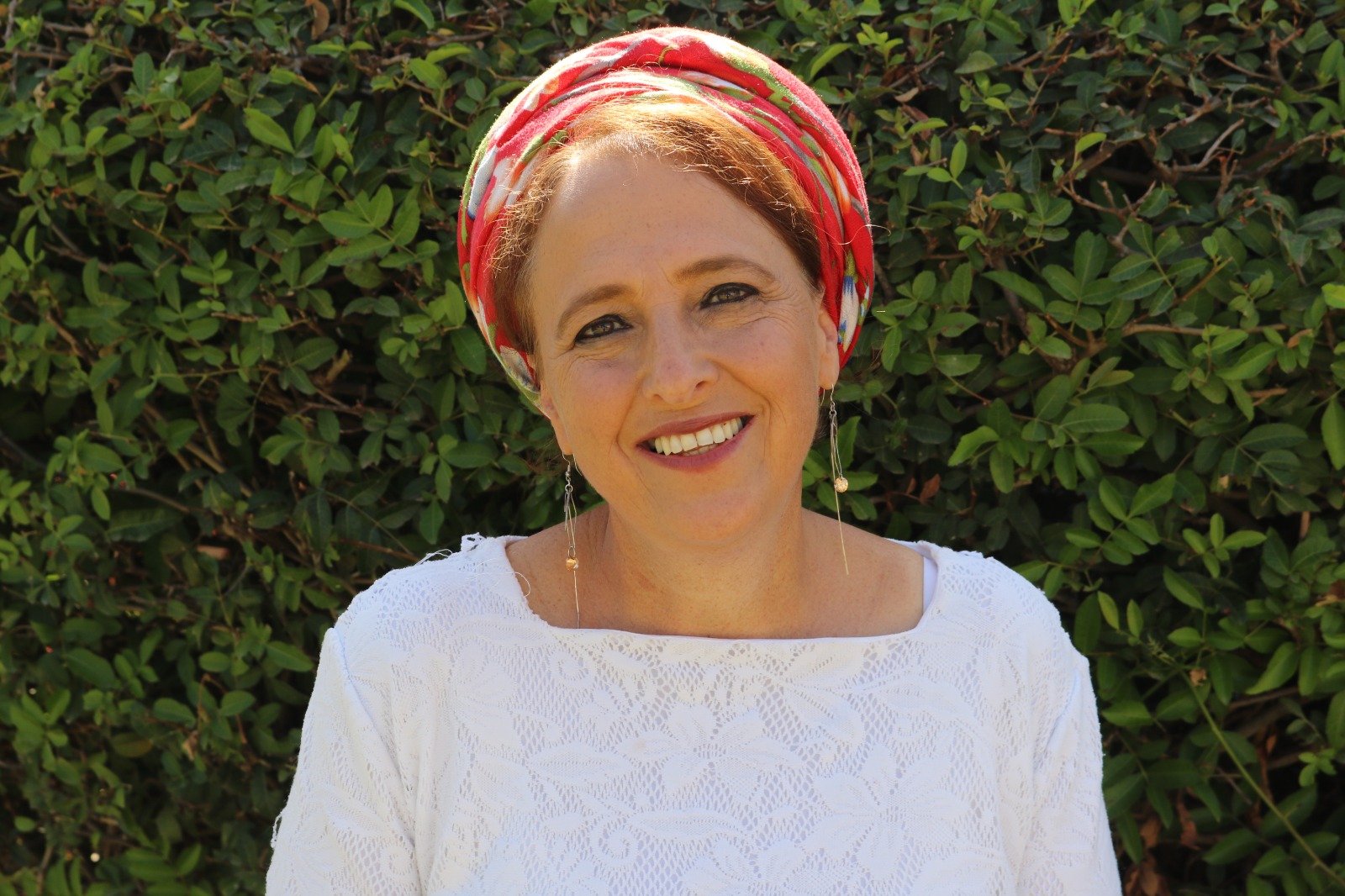
"התחלתי ללמוד דף יומי במחזור הזה, בח’ בטבת תש””ף. לקחתי על עצמי את הלימוד כדי ליצור תחום של התמדה יומיומית בחיים, והצטרפתי לקבוצת הלומדים בבית הכנסת בכפר אדומים. המשפחה והסביבה מתפעלים ותומכים.
בלימוד שלי אני מתפעלת בעיקר מכך שכדי ללמוד גמרא יש לדעת ולהכיר את כל הגמרא. זו מעין צבת בצבת עשויה שהיא עצומה בהיקפה.”

Sarah Fox
שרה פוּקס

כפר אדומים, ישראל

לצערי גדלתי בדור שבו לימוד גמרא לנשים לא היה דבר שבשגרה ושנים שאני חולמת להשלים את הפער הזה.. עד שלפני מספר שבועות, כמעט במקרה, נתקלתי במודעת פרסומת הקוראת להצטרף ללימוד מסכת תענית. כשקראתי את המודעה הרגשתי שהיא כאילו נכתבה עבורי – "תמיד חלמת ללמוד גמרא ולא ידעת איך להתחיל”, "בואי להתנסות במסכת קצרה וקלה” (רק היה חסר שהמודעה תיפתח במילים "מיכי שלום”..). קפצתי למים ו- ב”ה אני בדרך להגשמת החלום:)

Micah Kadosh
מיכי קדוש

מורשת, ישראל

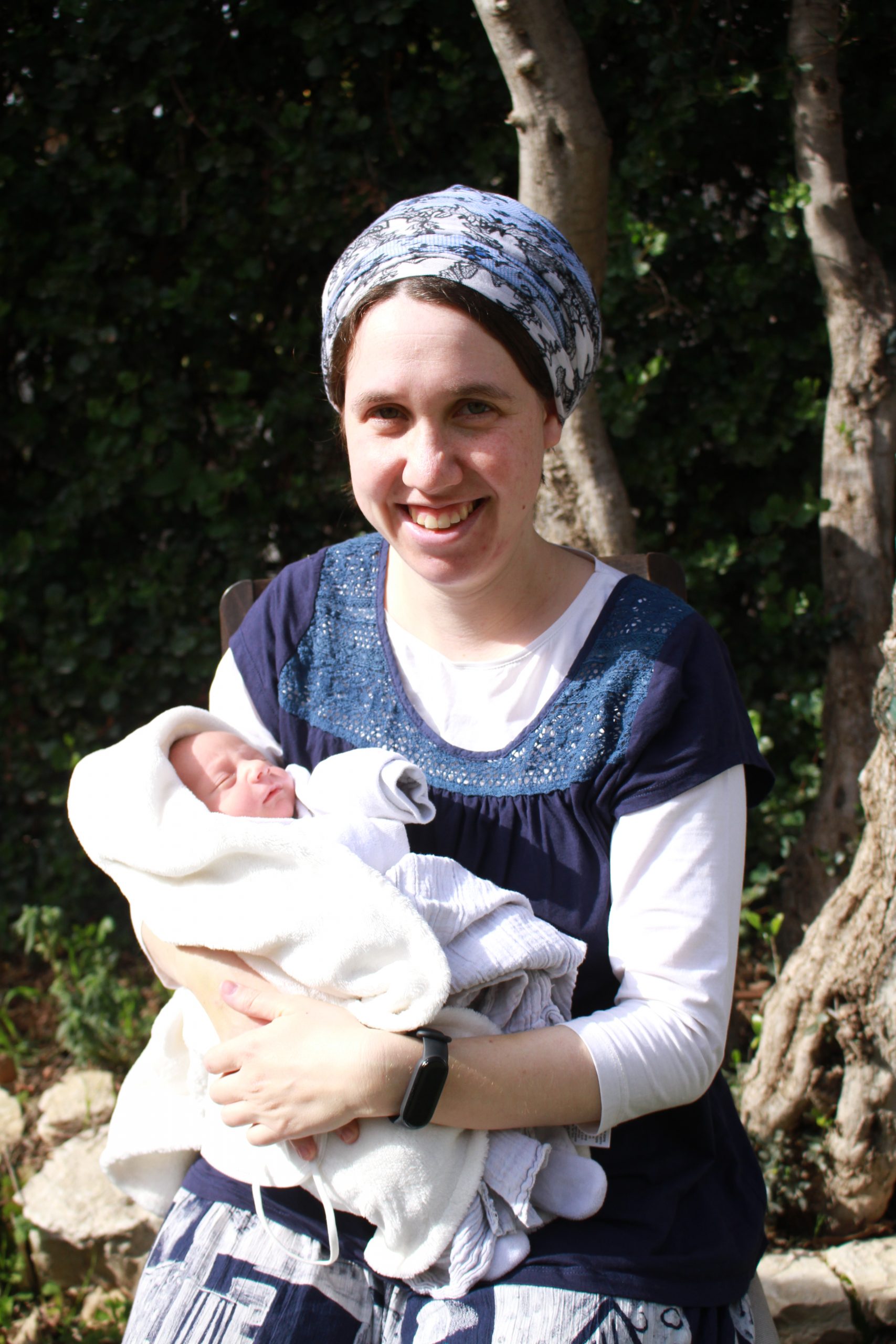
התחלתי ללמוד דף יומי שהתחילו מסכת כתובות, לפני 7 שנים, במסגרת קבוצת לימוד שהתפרקה די מהר, ומשם המשכתי לבד בתמיכת האיש שלי. נעזרתי בגמרת שטיינזלץ ובשיעורים מוקלטים.
הסביבה מאד תומכת ואני מקבלת המון מילים טובות לאורך כל הדרך. מאז הסיום הגדול יש תחושה שאני חלק מדבר גדול יותר.
אני לומדת בשיטת ה”7 דפים בשבוע” של הרבנית תרצה קלמן – כלומר, לא נורא אם לא הצלחת ללמוד כל יום, העיקר שגמרת ארבעה דפים בשבוע

Rachel Goldstein
רחל גולדשטיין

עתניאל, ישראל

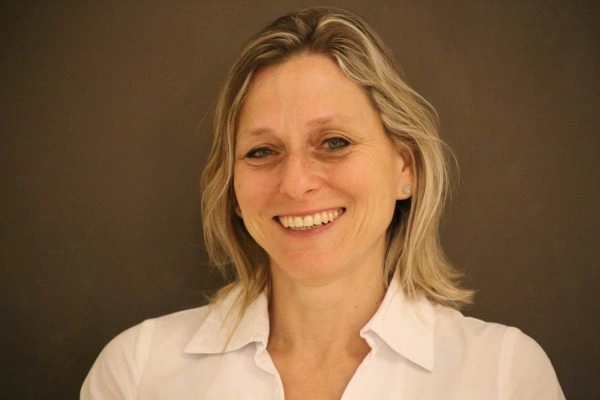
התחלתי מעט לפני תחילת הסבב הנוכחי. אני נהנית מהאתגר של להמשיך להתמיד, מרגעים של "אהה, מפה זה הגיע!” ומהאתגר האינטלקטואלי

Eilat-Chen and Deller
אילת-חן ודלר

לוד, ישראל

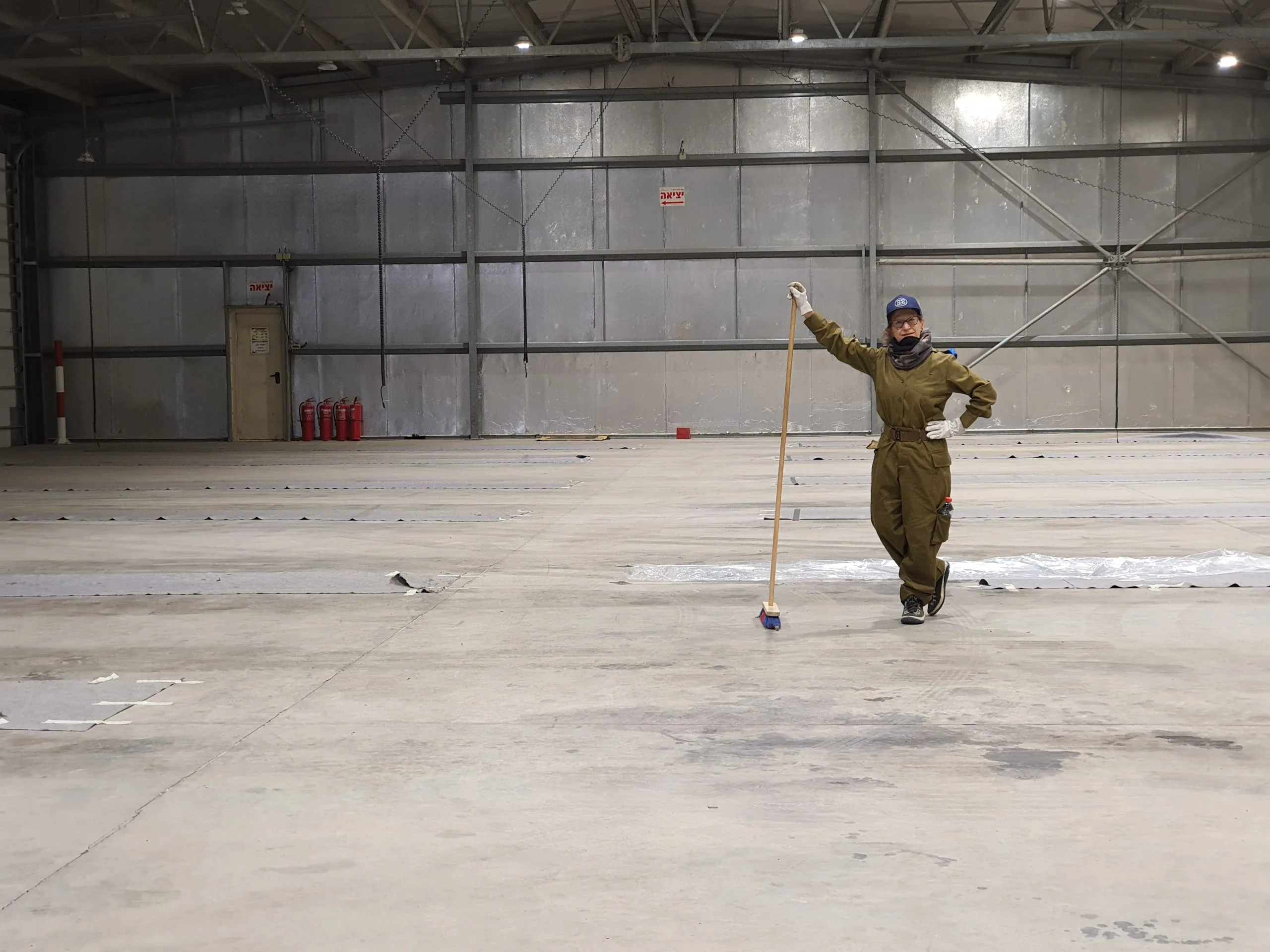
התחלתי בסיום הש”ס, יצאתי באורות. נשברתי פעמיים, ובשתיהם הרבנית מישל עודדה להמשיך איפה שכולם בסבב ולהשלים כשאוכל, וכך עשיתי וכיום השלמתי הכל. מדהים אותי שאני לומדת כל יום קצת, אפילו בחדר הלידה, בבידוד או בחו”ל. לאט לאט יותר נינוחה בסוגיות. לא כולם מבינים את הרצון, בפרט כפמניסטית. חשה סיפוק גדול להכיר את המושגים וצורת החשיבה. החלום זה להמשיך ולהתמיד ובמקביל ללמוד איך מהסוגיות נוצרה והתפתחה ההלכה.

Weingarten Sherrington Foundation
קרן וינגרטן שרינגטון

מודיעין, ישראל

התחלתי ללמוד דף יומי אחרי שחזרתי בתשובה ולמדתי במדרשה במגדל עוז. הלימוד טוב ומספק חומר למחשבה על נושאים הלכתיים ”קטנים” ועד לערכים גדולים ביהדות. חשוב לי להכיר את הגמרא לעומק. והצעד הקטן היום הוא ללמוד אותה בבקיאות, בעזרת השם, ומי יודע אולי גם אגיע לעיון בנושאים מעניינים. נושאים בגמרא מתחברים לחגים, לתפילה, ליחסים שבין אדם לחברו ולמקום ולשאר הדברים שמלווים באורח חיים דתי 🙂

Gaia Divo
גאיה דיבו

מצפה יריחו, ישראל

התחלתי מחוג במסכת קידושין שהעבירה הרבנית רייסנר במסגרת בית המדרש כלנה בגבעת שמואל; לאחר מכן התחיל סבב הדף היומי אז הצטרפתי. לסביבה לקח זמן לעכל אבל היום כולם תומכים ומשתתפים איתי. הלימוד לעתים מעניין ומעשיר ולעתים קשה ואף הזוי… אך אני ממשיכה קדימה. הוא משפיע על היומיום שלי קודם כל במרדף אחרי הדף, וגם במושגים הרבים שלמדתי ובידע שהועשרתי בו, חלקו ממש מעשי

Abigail Chrissy
אביגיל כריסי

ראש העין, ישראל

התחלתי ללמוד דף יומי באמצע תקופת הקורונה, שאבא שלי סיפר לי על קבוצה של בנות שתיפתח ביישוב שלנו ותלמד דף יומי כל יום. הרבה זמן רציתי להצטרף לזה וזאת הייתה ההזדמנות בשבילי. הצטרפתי במסכת שקלים ובאמצע הייתה הפסקה קצרה. כיום אני כבר לומדת באולפנה ולומדת דף יומי לבד מתוך גמרא של טיינזלץ.

Saturdays in Raleigh
שבות בראלי

עתניאל, ישראל

התחלתי ללמוד בסבב הנוכחי לפני כשנתיים .הסביבה מתפעלת ותומכת מאוד. אני משתדלת ללמוד מכל ההסכתים הנוספים שיש באתר הדרן. אני עורכת כל סיום מסכת שיעור בביתי לכ20 נשים שמחכות בקוצר רוח למפגשים האלו.

Yael Asher
יעל אשר

יהוד, ישראל

A life-changing journey started with a Chanukah family tiyul to Zippori, home of the Sanhedrin 2 years ago and continued with the Syum in Binanei Hauma where I was awed by the energy of 3000 women dedicated to learning daf Yomi. Opening my morning daily with a fresh daf, I am excited with the new insights I find enriching my life and opening new and deeper horizons for me.

Becky Goldstein
בקי גולדשטיין

Elazar gush etzion, Israel

"
גם אני התחלתי בסבב הנוכחי וב””ה הצלחתי לסיים את רוב המסכתות . בזכות הרבנית מישל משתדלת לפתוח את היום בשיעור הזום בשעה 6:20 .הלימוד הפך להיות חלק משמעותי בחיי ויש ימים בהם אני מצליחה לחזור על הדף עם מלמדים נוספים ששיעוריהם נמצאים במרשתת. שמחה להיות חלק מקהילת לומדות ברחבי העולם. ובמיוחד לשמש דוגמה לנכדותיי שאי””ה יגדלו לדור שלימוד תורה לנשים יהיה משהו שבשגרה. "

Ronit Shavit
רונית שביט

נתניה, ישראל

התחלתי ללמוד דף יומי בסבב הקודם. זכיתי לסיים אותו במעמד המרגש של הדרן. בסבב הראשון ליווה אותי הספק, שאולי לא אצליח לעמוד בקצב ולהתמיד. בסבב השני אני לומדת ברוגע, מתוך אמונה ביכולתי ללמוד ולסיים. בסבב הלימוד הראשון ליוותה אותי חוויה מסויימת של בדידות. הדרן העניקה לי קהילת לימוד ואחוות נשים. החוויה של סיום הש”ס במעמד כה גדול כשנשים שאינן מכירות אותי, שמחות ומתרגשות עבורי , היתה חוויה מרוממת נפש

Ilanit Weil
אילנית ווייל

קיבוץ מגדל עוז, ישראל

הצטרפתי ללומדות בתחילת מסכת תענית. ההתרגשות שלי ושל המשפחה היתה גדולה מאוד, והיא הולכת וגוברת עם כל סיום שאני זוכה לו. במשך שנים רבות רציתי להצטרף ומשום מה זה לא קרה… ב”ה מצאתי לפני מספר חודשים פרסום של הדרן, ומיד הצטרפתי והתאהבתי. הדף היומי שינה את חיי ממש והפך כל יום- ליום של תורה. מודה לכן מקרב ליבי ומאחלת לכולנו לימוד פורה מתוך אהבת התורה ולומדיה.

Noa Rosen
נעה רוזן

חיספין רמת הגולן, ישראל

התחלתי ללמוד דף יומי לפני שנתיים, עם מסכת שבת. בהתחלה ההתמדה היתה קשה אבל בזכות הקורונה והסגרים הצלחתי להדביק את הפערים בשבתות הארוכות, לסיים את מסכת שבת ולהמשיך עם המסכתות הבאות. עכשיו אני מסיימת בהתרגשות רבה את מסכת חגיגה וסדר מועד ומחכה לסדר הבא!

Ilana-Shachnowitz
אילנה שכנוביץ

מודיעין, ישראל

A friend in the SF Bay Area said in Dec 2019 that she might start listening on her morning drive to work. I mentioned to my husband and we decided to try the Daf when it began in Jan 2020 as part of our preparing to make Aliyah in the summer.

Hana Piotrkovsky
חנה פיוטרקובסקי

ירושלים, Israel

לצערי גדלתי בדור שבו לימוד גמרא לנשים לא היה דבר שבשגרה ושנים שאני חולמת להשלים את הפער הזה.. עד שלפני מספר שבועות, כמעט במקרה, נתקלתי במודעת פרסומת הקוראת להצטרף ללימוד מסכת תענית. כשקראתי את המודעה הרגשתי שהיא כאילו נכתבה עבורי – "תמיד חלמת ללמוד גמרא ולא ידעת איך להתחיל”, "בואי להתנסות במסכת קצרה וקלה” (רק היה חסר שהמודעה תיפתח במילים "מיכי שלום”..). קפצתי למים ו- ב”ה אני בדרך להגשמת החלום:)

Micah Kadosh
מיכי קדוש

מורשת, ישראל

שמעתי על הסיום הענק של הדף היומי ע”י נשים בבנייני האומה. רציתי גם.
החלטתי להצטרף. התחלתי ושיכנעתי את בעלי ועוד שתי חברות להצטרף. עכשיו יש לי לימוד משותף איתו בשבת ומפגש חודשי איתן בנושא (והתכתבויות תדירות על דברים מיוחדים שקראנו). הצטרפנו לקבוצות שונות בווטסאפ. אנחנו ממש נהנות. אני שומעת את השיעור מידי יום (בד”כ מהרב יוני גוטמן) וקוראת ומצטרפת לסיומים של הדרן. גם מקפידה על דף משלהן (ונהנית מאד).

Liat Citron
ליאת סיטרון

אפרת, ישראל

"התחלתי ללמוד דף יומי במחזור הזה, בח’ בטבת תש””ף. לקחתי על עצמי את הלימוד כדי ליצור תחום של התמדה יומיומית בחיים, והצטרפתי לקבוצת הלומדים בבית הכנסת בכפר אדומים. המשפחה והסביבה מתפעלים ותומכים.
בלימוד שלי אני מתפעלת בעיקר מכך שכדי ללמוד גמרא יש לדעת ולהכיר את כל הגמרא. זו מעין צבת בצבת עשויה שהיא עצומה בהיקפה.”

Sarah Fox
שרה פוּקס

כפר אדומים, ישראל

התחלתי מחוג במסכת קידושין שהעבירה הרבנית רייסנר במסגרת בית המדרש כלנה בגבעת שמואל; לאחר מכן התחיל סבב הדף היומי אז הצטרפתי. לסביבה לקח זמן לעכל אבל היום כולם תומכים ומשתתפים איתי. הלימוד לעתים מעניין ומעשיר ולעתים קשה ואף הזוי… אך אני ממשיכה קדימה. הוא משפיע על היומיום שלי קודם כל במרדף אחרי הדף, וגם במושגים הרבים שלמדתי ובידע שהועשרתי בו, חלקו ממש מעשי

Abigail Chrissy
אביגיל כריסי

ראש העין, ישראל

רציתי לקבל ידע בתחום שהרגשתי שהוא גדול וחשוב אך נעלם ממני. הלימוד מעניק אתגר וסיפוק ומעמיק את תחושת השייכות שלי לתורה וליהדות

Ruth Agiv
רות עגיב

עלי זהב – לשם, ישראל

בבא בתרא קז

הָתָם, עֲבוּד רַבָּנַן מִילְּתָא דְּנִיחָא לֵיהּ לְמוֹכֵר וְנִיחָא לֵיהּ לְלוֹקֵחַ.

The Gemara answers: The cases cannot be compared because there, in the case of the sale of grain, the Sages instituted a matter that is suitable for the seller and also suitable for the buyer. Since the price of grain fluctuates, neither party wants the sale to be considered complete until the last se’a is measured out, so that they each are able to renege on the sale should the price rise or fall. This reasoning does not apply in cases of division of property.

אִיתְּמַר: אַחִין שֶׁחָלְקוּ, וּבָא בַּעַל חוֹב וְנָטַל חֶלְקוֹ שֶׁל אֶחָד מֵהֶן; רַב אָמַר: בָּטְלָה מַחְלוֹקֶת. וּשְׁמוּאֵל אָמַר: וִיתֵּר. וְרַב אַסִּי אָמַר: נוֹטֵל רְבִיעַ בְּקַרְקַע וּרְבִיעַ בְּמָעוֹת.

§ It was stated that the amora’im disagreed about another related matter: If two brothers divided their father’s estate between them, and then their father’s creditor came and took the portion of one of them as repayment for the father’s debt, Rav says: The original division of the property is void, and the brothers must now redivide the remaining assets. Shmuel says: Each brother, upon receiving his portion, has foregone his right to be reimbursed if his portion is lost. Rav Asi says: The brother whose portion was seized is entitled to half the remaining inheritance: He takes one-quarter in land and one-quarter in money.

רַב אָמַר: בָּטְלָה מַחְלוֹקֶת – קָא סָבַר: הָאַחִין שֶׁחָלְקוּ, יוֹרְשִׁין הֵן.

The Gemara explains the rationale for each opinion: Rav says that the original division of the property is void. This is because he holds that brothers who divided property received as an inheritance are still considered to be heirs with regard to the inheritance as if they never divided the property, so that they continue to share joint responsibility for their father’s debts. Therefore, if a creditor seizes the portion received by one of them, it is as if he repaid the debt on behalf of all the heirs. Accordingly, they must once again divide the remaining property between them.

וּשְׁמוּאֵל אָמַר: וִיתֵּר – קָא סָבַר: הָאַחִין שֶׁחָלְקוּ לָקוֹחוֹת הָווּ, וּכְלוֹקֵחַ שֶׁלֹּא בְּאַחְרָיוּת דָּמֵי.

And Shmuel says that each brother, upon receiving his portion, has foregone his right to be reimbursed if his portion is lost, as he holds that brothers who divided property received as an inheritance are considered as purchasers from each other. And each one is considered like a purchaser who bought his portion without a guarantee that if the field is seized in payment of a debt, the seller will compensate the buyer for his loss. Accordingly, the brother whose portion of the estate was seized by the creditor has no claim against the brother whose portion remained untouched.

רַב אַסִּי – מְסַפְּקָא לֵיהּ אִי יוֹרְשִׁין הָווּ אִי לָקוֹחוֹת הָווּ, הִלְכָּךְ נוֹטֵל רְבִיעַ בְּקַרְקַע וּרְבִיעַ בְּמָעוֹת.

Rav Asi is uncertain whether brothers who divided property received as an inheritance are still considered to be heirs or are considered to be like purchasers who bought their property with a guarantee of compensation should the property be repossessed. Therefore, the brother whose portion was seized by the creditor is entitled to half the remaining inheritance, and he takes one-quarter in land like an heir and one-quarter he receives in money, like a purchaser with a guarantee, who is compensated with money for his loss.

אָמַר רַב פָּפָּא: הִלְכְתָא בְּכׇל הָנֵי שְׁמַעְתָּתָא – מְקַמְּצִין. אַמֵּימָר אָמַר: בָּטְלָה מַחְלוֹקֶת. וְהִלְכְתָא: בָּטְלָה מַחְלוֹקֶת.

Rav Pappa says: The halakha in all the cases dealt with in these statements recording disagreements between Rav and Shmuel is that the brothers must each take off a share from their portion in accordance with the opinion of Shmuel. Rather, any brother currently in possession of his portion must give part of it to his brother who lacks a portion, so that in the end they have equal shares. Ameimar says: The halakha in all of these cases is that the original division of the property is void, in accordance with the opinion of Rav. The Gemara concludes: The halakha is in fact that the original division of the property is void, in accordance with the opinion of Rav.

תָּנוּ רַבָּנַן: שְׁלֹשָׁה שֶׁיָּרְדוּ לָשׁוּם – אֶחָד אוֹמֵר בְּמָנֶה, וּשְׁנַיִם אוֹמְרִים בְּמָאתַיִם; אֶחָד אוֹמֵר בְּמָאתַיִם, וּשְׁנַיִם אוֹמְרִים בְּמָנֶה – בָּטֵל יָחִיד בְּמִיעוּטוֹ.

§ The Sages taught in a baraita (Tosefta, Ketubot 11:2): In a case of three experts who went down to assess a certain property in order to determine the amount to be collected from it for repayment of a debt, and one says it is worth one hundred dinars, and the other two say it is worth two hundred, or one says it is worth two hundred dinars and the other two say it is worth one hundred, the assessment of the single expert is nullified, since his is the minority opinion, and the assessment of the two others is accepted.

אֶחָד אוֹמֵר בְּמָנֶה, וְאֶחָד אוֹמֵר בְּעֶשְׂרִים, וְאֶחָד אוֹמֵר בִּשְׁלֹשִׁים – נִדּוֹן בְּמָנֶה. רַבִּי אֱלִיעֶזֶר בְּרַבִּי צָדוֹק אוֹמֵר: נִדּוֹן בְּתִשְׁעִים. אֲחֵרִים אוֹמְרִים: עוֹשִׂין שׁוּמָא בֵּינֵיהֶן, וּמְשַׁלְּשִׁין.

If one says the property is worth one hundred dinars, and another says it is worth twenty sela, which is equivalent to eighty dinars, since four dinars equal a sela, and yet another says it is worth thirty sela, which is equivalent to one hundred and twenty dinars, it is assessed at one hundred dinars, which is the average of the assessments, as it is equivalent to twenty-five sela. Rabbi Eliezer, son of Rabbi Tzadok, says: It is assessed at ninety dinars, as will be explained below. Aḥerim say: An appraisal is performed of the sum between the two most extreme assessments and then divided by three. This sum is then added to the lowest assessment.

מַאן דְּאָמַר נִדּוֹן בְּמָנֶה – מִילְּתָא מְצִיעֲתָא. רַבִּי אֱלִיעֶזֶר בְּרַבִּי צָדוֹק אוֹמֵר: נִדּוֹן בְּתִשְׁעִים – קָא סָבַר: הָא אַרְעָא –

The Gemara clarifies the various opinions: The one who says that the property is assessed at one hundred dinars holds that the middle of the two extreme assessments is followed. Rabbi Eliezer, son of Rabbi Tzadok, says that it is assessed at ninety dinars because he holds that this land

תִּשְׁעִין שָׁוְיָא; וְהַאי דְּקָאָמַר עֶשְׂרִים, דְּקָא טָעֵי עַשְׂרָה לַאֲחוֹרֵיהּ; וְהַאי דְּקָא אָמַר מָנֶה, קָא טָעֵי עַשְׂרָה לְקַמֵּיהּ.

is in fact worth ninety dinars, and the one who says it is worth twenty sela, which is equivalent to eighty dinars errs with an assessment that is ten dinars behind, i.e., too low, and the one who says it is worth one hundred dinars errs with an assessment that is ten dinars ahead, i.e., too high. Therefore, the average of these two assessments is followed.

אַדְּרַבָּה! הַאי אַרְעָא מְאָה וְעַשְׂרָה שָׁוְיָא; וְהַאי דְּקָאָמַר מָנֶה – קָא טָעֵי עַשְׂרָה לַאֲחוֹרֵיהּ, וְהַאי דְּקָאָמַר שְׁלֹשִׁים – קָא טָעֵי עַשְׂרָה לְקַמֵּיהּ! נְקוֹט מִיהַת תְּרֵי קַמָּאֵי בִּידָךְ, דְּמִתּוֹרַת מָנֶה לָא מַפְּקִי לֵיהּ.

The Gemara raises a difficulty: On the contrary, say that this land is in fact worth one hundred and ten dinars, and the one who says it is worth one hundred dinars errs with an assessment that is ten dinars behind, and the one who says it is worth thirty sela, which is equivalent to one hundred and twenty dinars, errs with an assessment that is ten dinars ahead. If so, the average of these two assessments, one hundred and ten dinars, should be followed. The Gemara replies: In any event, grasp the first two assessments in your hand, as neither of them takes the assessment beyond the sum of one hundred dinars.

אֲחֵרִים אוֹמְרִים: עוֹשִׂין שׁוּמָא בֵּינֵיהֶן, וּמְשַׁלְּשִׁין – קָא סָבְרִי: הַאי אַרְעָא – תִּשְׁעִין וּתְלָתָא וְתִילְתָּא שָׁוְיָא; הַאי דְּקָא אָמַר עֶשְׂרִים – קָא טָעֵי תְּלֵיסַר וְתִילְתָּא לַאֲחוֹרֵיהּ, וְהַאי דְּקָאָמַר מָנֶה – קָא טָעֵי תְּלֵיסַר וְתִילְתָּא לְקַמֵּיהּ; וּבְדִין הוּא דְּלֵימָא טְפֵי, וְהַאי דְּלָא קָאָמַר, סָבַר: מִיסָּתַאי דְּקָא מְטַפֵּינָא כּוּלֵּי הַאי אַחַבְרַאי.

The baraita teaches that Aḥerim say that an appraisal is performed of the sum between the two most extreme assessments and then divided by three. This sum is then added to the lowest assessment. The Gemara explains this opinion: Aḥerim hold that this land is in fact worth ninety-three and one-third dinars. The one who says it is worth twenty sela, the equivalent of eighty dinars, errs with an assessment that is thirteen dinars and one-third behind, and the one who says it is worth one hundred dinars errs with an assessment that is thirteen dinars and one-third ahead. By right, that assessor should have said more, i.e., quoted a higher sum, since according to this calculation, he should have said it is worth one hundred and six and two-thirds dinars. And the reason that he did not do so is that he thinks as follows: It is enough that I add this much above and beyond the assessment of my colleague who says it is worth eighty dinars. Therefore, he lowers the sum of his assessment to one hundred dinars.

אַדְּרַבָּה, הָא אַרְעָא – מְאָה וּתְלֵיסַר וּתְלָתָא שָׁוְיָא; הַאי דְּקָאָמַר מָנֶה – קָא טָעֵי תְּלֵיסַר וּתְלָתָא לַאֲחוֹרֵיהּ, וְהַאי דְּקָאָמַר שְׁלֹשִׁים – טָעֵי תְּלֵיסַר וּתְלָתָא לְקַמֵּיהּ; וּבְדִין הוּא דְּקָאָמַר טְפֵי, סָבַר: מִיסָּתַאי דְּקָא מְטַפֵּינָא כּוּלֵּי הַאי אַחַבְרַאי! נְקוֹט מִיהַת תְּרֵי קַמָּאֵי בִּידָךְ, דְּמִתּוֹרַת מְאָה לָא מַפְּקִי לֵיהּ.

The Gemara raises a difficulty: On the contrary, say that this land is in fact worth one hundred and thirteen dinars and one-third, and the one who says it is worth one hundred dinars errs with an assessment that is thirteen dinars and one-third behind, and the one who says it is worth thirty sela, which is equal to one hundred and twenty dinars, errs with an assessment that is thirteen dinars and one-third ahead. By right, he should have said more, i.e., quoted a higher sum, since according to this calculation, he should have said it is worth one hundred and twenty-six dinars and two-thirds. And the reason he did not do so is that he thinks as follows: It is enough that I add this much above and beyond the assessment of my colleague who says it is worth one hundred dinars. The Gemara answers: In any event, grasp the first two assessments in your hand, as neither of them take the assessment beyond the sum of one hundred dinars.

אָמַר רַב הוּנָא: הֲלָכָה כַּאֲחֵרִים. אָמַר רַב אָשֵׁי: טַעְמָא דַּאֲחֵרִים לָא יָדְעִינַן, הִלְכְתָא עָבְדִינַן כְּווֹתַיְיהוּ?! תָּנוּ דַּיָּינֵי גוֹלָה: עוֹשִׂין שׁוּמָא בֵּינֵיהֶן, וּמְשַׁלְּשִׁין. אָמַר רַב הוּנָא: הִלְכְתָא כְּדַיָּינֵי גוֹלָה. אָמַר רַב אָשֵׁי: טַעְמָא דְּדַיָּינֵי גוֹלָה לָא יָדְעִינַן, הִלְכְתָא עָבְדִינַן כְּווֹתַיְיהוּ?!

Rav Huna said: The halakha is in accordance with the opinion of Aḥerim, who say that the sum of the difference between the two most extreme assessments is calculated and then divided by three, and this sum is then added to the lowest assessment. Rav Ashi said: We do not even understand the reason of Aḥerim; shall we then establish the halakha in accordance with their opinion? The judges of the Diaspora taught a baraita that accords with the opinion of Aḥerim in the previously cited baraita: An appraisal is performed to determine the sum of the difference between the two most extreme assessments and then that sum is divided by three and added to the lowest assessment. Rav Huna said: The halakha is in accordance with the judges of the Diaspora. Rav Ashi said: We do not even understand the reasoning of the judges of the Diaspora; shall we then establish the halakha in accordance with their opinion?

מַתְנִי׳ הָאוֹמֵר לַחֲבֵירוֹ: ״חֲצִי שָׂדֶה אֲנִי מוֹכֵר לָךְ״ – מְשַׁמְּנִין בֵּינֵיהֶן, וְנוֹטֵל חֲצִי שָׂדֵהוּ. ״חֶצְיָהּ בַּדָּרוֹם אֲנִי מוֹכֵר לָךְ״ – מְשַׁמְּנִין בֵּינֵיהֶן, וְנוֹטֵל חֶצְיָהּ בַּדָּרוֹם. וְהוּא מְקַבֵּל עָלָיו מְקוֹם הַגָּדֵר, חָרִיץ וּבֶן חָרִיץ. וְכַמָּה הוּא חָרִיץ? שִׁשָּׁה טְפָחִים. וּבֶן חָרִיץ – שְׁלֹשָׁה.

MISHNA: If one says to another: I am selling you half a field, without specifying which half he is selling, an assessment is made of the field, which is then divided between them, and the buyer takes half of the seller’s field. If the seller says: I am selling you the half that is on the southern side of the field, an assessment is made of the northern and the southern sides of the field, which is then divided between them, and he takes the half on the southern side. And he accepts upon himself to provide the space for the fence between the two halves of the field out of his own property. He also accepts to provide out of his own property the space for the larger ditch and the smaller ditch, which are meant to keep animals out of the field. And how wide is the larger ditch? Six handbreadths. And how wide is the smaller ditch? Three handbreadths.

גְּמָ׳ אָמַר רַבִּי חִיָּיא בַּר אַבָּא אָמַר רַבִּי יוֹחָנָן: לוֹקֵחַ נוֹטֵל כָּחוּשׁ שֶׁבּוֹ. אָמַר לֵיהּ רַבִּי חִיָּיא בַּר אַבָּא לְרַבִּי יוֹחָנָן: וְהָא אֲנַן ״מְשַׁמְּנִין בֵּינֵיהֶן״ תְּנַן! אָמַר לֵיהּ: אַדַּאֲכַלְתְּ כַּפְנְיָיתָא בְּבָבֶל – תַּרְגֵּימְנָא מִסֵּיפָא,

GEMARA: Rabbi Ḥiyya bar Abba says that Rabbi Yoḥanan says: When one sells half of his field to another person, the buyer takes the leaner part of the field, the part that is of lower quality. Rabbi Ḥiyya bar Abba said to Rabbi Yoḥanan: But didn’t we learn in the mishna that in such a case an assessment is made of the field, which is then divided between them, which indicates that the buyer and the seller are given similar parcels of land? How then can you say that the buyer takes the leaner part? Rabbi Yoḥanan said to him in a sarcastic manner: While you were eating dates in Babylonia and neglecting your studies, we explained the matter based on the latter clause of the mishna, which proves that my understanding is correct.

דְּקָתָנֵי סֵיפָא: ״חֶצְיָהּ בַּדָּרוֹם אֲנִי מוֹכֵר לָךְ״ – מְשַׁמְּנִין בֵּינֵיהֶן וְנוֹטֵל חֶצְיָהּ בַּדָּרוֹם. וְאַמַּאי מְשַׁמְּנִין בֵּינֵיהֶן? וְהָא ״חֶצְיָהּ בַּדָּרוֹם״ אָמַר לֵיהּ! אֶלָּא לִדְמֵי; הָכָא נָמֵי לִדְמֵי.

As the latter clause teaches: If the seller says: I am selling you the half that is on the southern side of the field, an assessment is made of the northern and the southern sides of the field, which is then divided between them, and he takes the half on the southern side. If taken literally, this passage gives rise to a difficulty: Why is an assessment made of the northern and the southern sides of the field, which is then divided between them? In any case, didn’t he say to him that he is selling him the southern half? Let the seller give the buyer the southern half of the field. Why is an assessment necessary? Rather, it must be that the matter is more complicated than it seems, and the mishna is referring to money. That is to say, the buyer takes the southern half, but the seller must reimburse him with money for the difference in value between the two halves of the field. Here too, in the first case, the mishna is referring to money: The buyer takes the leaner half, but the seller must reimburse him with money for the difference in value between the two halves of the field.

מְקַבֵּל עָלָיו מְקוֹם גָּדֵר כּוּ׳. תָּאנָא: חָרִיץ מִבַּחוּץ, וּבֶן חָרִיץ מִבִּפְנִים. וְזֶה וָזֶה אֲחוֹרֵי גָדֵר,

§ The mishna teaches that the buyer accepts upon himself to provide out of his own property the space for the fence between the two halves of the field and for the larger and smaller ditches. A Sage taught in a baraita: The larger ditch is dug on the outside, while the smaller ditch is dug on the inside, closer to the field. Both this and that are dug behind the fence,

רוצה לעקוב אחרי התכנים ולהמשיך ללמוד?

ביצירת חשבון עוד היום ניתן לעקוב אחרי ההתקדמות שלך, לסמן מה למדת, ולעקוב אחרי השיעורים שמעניינים אותך.

לנקות את כל הפריטים מהרשימה?

פעולה זו תסיר את כל הפריטים בחלק זה כולל ההתקדמות וההיסטוריה. שימי לב: לא ניתן לשחזר פעולה זו.

ביטול
מחיקה

האם את/ה בטוח/ה שברצונך למחוק פריט זה?

תאבד/י את כל ההתקדמות או ההיסטוריה הקשורות לפריט זה.

ביטול
מחיקה