חיפוש

בבא בתרא קי

רוצה להקדיש לימוד?

podcast placeholder

0:00
0:00


תקציר

הלימוד השבוע מוקדש ע”י רונה פינק לע”נ אמה, מלכה בת אברהם ושרה.

רבא מציע שבבחירת אישה לנישואין, כדאי לבדוק את אחיה כי זה יהיה סימן להתנהגות בניהם העתידיים, שכן בנים בדרך כלל דומים בהתנהגותם לדוד מצד האם. זה נלמד מהפסוק המתאר את נישואי אהרן לאלישבע שמוצגת בפסוק כבת עמינדב, אחות נחשון.

יהונתן, הלוי שעזר למיכה בסיפור פסל מיכה, היה צאצא של משה, על פי פרשנות של הפסוק. כאשר האנשים תהו על התנהגותו ומדוע עבד עם אלילים אם הוא צאצא של משה, הוא הסביר שלימדו אותו שעדיף לעבוד עבודה זרה (אלילים) מאשר להיות תלוי באחרים לפרנסה. אולם, הוא פירש לא נכון את מה שלימדו שכן הפירוש האמיתי הוא שעדיף לעבוד בעבודה זרה, כלומר, אפילו משהו זר לך, משפיל, מאשר לקחת צדקה. מפסוק בדברי הימים המיוחס ליהונתן, לומדים שהוא חזר בתשובה בימי המלך דוד וניתן לו תפקיד ראש האוצרות.

היכן בתורה המקור לכך שבת יורשת רק אם אין בנים? הגמרא מנתחת ארבע אפשרויות שונות – שתיים נדחות.

היכן בתורה המקור לכך שרק אחים עם אותו אב יורשים ומורישים זה לזה ולא אחים מן האם?

בבא בתרא קי

אֶלָּא אִי אֲבוּהּ דְּאִמֵּיהּ מִיּוֹסֵף – אִמַּהּ דְּאִמֵּיהּ מִיִּתְרוֹ; אִי אֲבוּהּ דְּאִמֵּיהּ מִיִּתְרוֹ – אִמַּהּ דְּאִמֵּיהּ מִיּוֹסֵף. דַּיְקָא נָמֵי, דִּכְתִיב: ״מִבְּנוֹת פּוּטִיאֵל״ – תַּרְתֵּי שְׁמַע מִינַּהּ.

Rather, this is how the matter should be resolved: If his mother’s father came from the family of Joseph, his mother’s mother came from the family of Yitro, and if his mother’s father came from the family of Yitro, his mother’s mother came from the family of Joseph, so while his mother was descended from Joseph on one side and from Yitro on the other, Pinehas was a more distant relative to Yitro than Jonathan was. Based on this conclusion, the language of the verse is also precise, as it is written: “And Elazar, Aaron’s son, took one of the daughters of Putiel” (Exodus 6:25). Conclude from the wording of the verse that Pinehas was descended from two men who were referred to as Puti: Yitro and Joseph.

אָמַר רָבָא: הַנּוֹשֵׂא אִשָּׁה, צָרִיךְ שֶׁיִּבְדּוֹק בְּאַחֶיהָ, שֶׁנֶּאֱמַר: ״וַיִּקַּח אַהֲרֹן אֶת אֱלִישֶׁבַע בַּת עַמִּינָדָב אֲחוֹת נַחְשׁוֹן״ – מִמַּשְׁמַע שֶׁנֶּאֱמַר ״בַּת עַמִּינָדָב״, אֵינִי יוֹדֵעַ שֶׁאֲחוֹת נַחְשׁוֹן הִיא? מָה תַּלְמוּד לוֹמַר: ״אֲחוֹת נַחְשׁוֹן״? מִכָּאן שֶׁהַנּוֹשֵׂא אִשָּׁה צָרִיךְ שֶׁיִּבְדּוֹק בְּאַחֶיהָ. תָּנָא: רוֹב בָּנִים דּוֹמִין לַאֲחֵי הָאֵם.

Rava says: One who marries a woman needs to first examine her brothers so that he will know in advance what character his children will have, as it is stated: “And Aaron took Elisheva, the daughter of Amminadav, the sister of Nahshon” (Exodus 6:23). By inference from that which is stated: “The daughter of Amminadav,” do I not know that she is the sister of Nahshon, as Nahshon was the son of Amminadav? What is the meaning when the verse states: “The sister of Nahshon”? From here one learns that one who marries a woman needs to examine her brothers. The reason is as the Sages taught: Most sons resemble the mother’s brothers.

״וַיָּסוּרוּ שָׁמָּה, וַיֹּאמֶר: מִי הֱבִיאֲךָ הֲלֹם, וּמָה אַתָּה עוֹשֶׂה בָּזֶה, וּמַה לְּךָ פֹה?״. אָמְרוּ לוֹ: לָאו מִמֹּשֶׁה קָא אָתֵית, דִּכְתִיב בֵּיהּ: ״אַל תִּקְרַב הֲלֹם״? לָאו מִמֹּשֶׁה קָא אָתֵית, דִּכְתִיב בֵּיהּ: ״מַה זֶּה בְּיָדְךָ״? לָאו מִמֹּשֶׁה קָא אָתֵית, דִּכְתִיב בֵּיהּ: ״וְאַתָּה פֹּה עֲמֹד עִמָּדִי״? תֵּעָשֶׂה כּוֹמֶר לַעֲבוֹדָה זָרָה?!

In connection with the Gemara’s mention of Jonathan, who served as a priest for Micah, the Gemara quotes additional statements of the Sages concerning that episode. Describing when the men from the tribe of Dan passed through Micah’s house, the verse states: “And they turned aside there and said to him: Who brought you here [halom], and what [ma] are you doing in this place, and what do you have here [po]?” (Judges 18:3). The Sages interpret their multiple questions. They said to him: Do you not come from Moses, about whom it is written: “Do not draw close to here [halom]” (Exodus 3:5)? Do you not come from Moses, about whom it is written: “What [ma] is that in your hand” (Exodus 4:2)? Do you not come from Moses, about whom it is written: “But as for you, stand here [po] with me” (Deuteronomy 5:27)? Shall you, a descendant of our teacher Moses, become a priest for idol worship?

אָמַר לָהֶן, כָּךְ מְקוּבְּלַנִי מִבֵּית אֲבִי אַבָּא: לְעוֹלָם יַשְׂכִּיר אָדָם עַצְמוֹ לַעֲבוֹדָה זָרָה, וְאַל יִצְטָרֵךְ לַבְּרִיּוֹת.

Jonathan said to them: This is the tradition that I received from the house of my father’s father: A person should always hire himself out to idol worship and not require the help of people by receiving charity, and I took this position in order to avoid having to take charity.

וְהוּא סָבַר – לַעֲבוֹדָה זָרָה מַמָּשׁ; וְלָא הִיא, אֶלָּא ״עֲבוֹדָה זָרָה״ – עֲבוֹדָה שֶׁזָּרָה לוֹ, כְּדַאֲמַר לֵיהּ רַב לְרַב כָּהֲנָא: נְטוֹשׁ נְבֵילְתָּא בְּשׁוּקָא וּשְׁקוֹל אַגְרָא, וְלָא תֵּימָא: גַּבְרָא רַבָּא אֲנָא וְזִילָא בִּי מִילְּתָא.

The Gemara comments: And he, Jonathan, thought that this referred to actual idol worship, but that is not so, that was not the intent of the tradition. Rather, here the term idol worship, literally: Strange service, is referring to service, i.e., labor, that is strange, i.e., unsuitable, for him. In other words, one should be willing to perform labor that is difficult and humiliating in his eyes rather than become a recipient of charity. As Rav said to Rav Kahana, his student: Skin a carcass in the market and take payment, but do not say: I am a great man and this matter is beneath me.

כֵּיוָן שֶׁרָאָה דָּוִד שֶׁמָּמוֹן חָבִיב עָלָיו בְּיוֹתֵר, מִינָּהוּ עַל הָאוֹצָרוֹת, שֶׁנֶּאֱמַר: ״וּשְׁבֻאֵל בֶּן גֵּרְשׁוֹם בֶּן מְנַשֶּׁה נָגִיד עַל הָאֹצָרוֹת״. וְכִי שְׁבוּאֵל שְׁמוֹ? וַהֲלֹא יְהוֹנָתָן שְׁמוֹ! אָמַר רַבִּי יוֹחָנָן: שֶׁשָּׁב לָאֵל בְּכׇל לִבּוֹ.

The Gemara continues its discussion of that episode. Later, when King David saw that money was excessively precious to Jonathan, he appointed him as director of the treasuries of the Temple, as it is stated: “And Shebuel, the son of Gershom, the son of Moses, was ruler over the treasuries” (I Chronicles 26:24). The Gemara asks: And was his name really Shebuel; but wasn’t his name Jonathan? Rabbi Yoḥanan says: He is called Shebuel in order to allude to the fact that he repented and returned to God [shav la’el ] with all his heart.

וְהַבָּנִים אֶת הָאָב. מְנָלַן? דִּכְתִיב: ״אִישׁ כִּי יָמוּת וְגוֹ׳״. טַעְמָא דְּאֵין לוֹ בֵּן, הָא יֵשׁ לוֹ בֵּן – בֵּן קוֹדֵם. אֲמַר לֵיהּ רַב פָּפָּא לְאַבָּיֵי, אֵימָא: אִי אִיכָּא בֵּן – לֵירוֹת בֵּן, אִיכָּא בַּת – תֵּירוֹת בַּת, אִיכָּא בֵּן וּבַת – לָא הַאי לֵירוֹת וְלָא הַאי לֵירוֹת!

§ The mishna teaches in the list of those who inherit from and bequeath to each other: Sons with regard to their father. The Gemara asks: From where do we derive this halakha that sons inherit the entire estate and daughters do not receive a share along with them? As it is written: “If a man dies, and has no son, then you shall pass his inheritance to his daughter” (Numbers 27:8). The reason the inheritance would be passed to a daughter is that he has no son, but if he has a son, the son takes precedence. Rav Pappa said to Abaye: Why not say the following: If there is only a son, let the son inherit the father’s estate; if there is only a daughter, let the daughter inherit the father’s estate; and if there is both a son and a daughter, neither this one should inherit nor that one should inherit.

וְאֶלָּא

Abaye asked Rav Pappa: And rather,

מַאן כּוּ׳ לֵירוֹת? אַטּוּ בַּר קַשָּׁא דְּמָתָא לֵירוֹת?! הָכִי קָא אָמֵינָא: אִיכָּא בֵּן וּבַת – לָא הַאי לֵירוֹת כּוּלֵּיהּ וְלָא הַאי לֵירוֹת כּוּלֵּיהּ, אֶלָּא כִּי הֲדָדֵי לֵירְתוּ!

who then should inherit? Is that to say that the ruler of the city should inherit? Rav Pappa said to him: This is what I meant to say: If there is a son and a daughter, this one should not inherit all of the estate, and that one should not inherit all of the estate, but they should inherit it in equal portions to one another.

אֲמַר לֵיהּ אַבָּיֵי: וְאִצְטְרִיךְ קְרָא לְאַשְׁמוֹעִינַן הֵיכָא דְּלֵית לֵיהּ אֶלָּא חַד בְּרָא, לֵירְתִינְהוּ לְכוּלְּהוּ נִכְסֵי?! וְדִלְמָא הָא קָא מַשְׁמַע לַן – דְּבַת נָמֵי בַּת יְרוּשָּׁה הִיא? הָהוּא מִ״וְּכׇל בַּת יֹרֶשֶׁת נַחֲלָה״ נָפְקָא.

Abaye said to him: But is the verse necessary in order to teach us that when he has only one child, that child should inherit all of his property? If you say that the right of the son and daughter to the inheritance is equal, then the verse: “If a man dies, and has no son” (Numbers 27:8), which teaches that when there is no son his daughter inherits, is superfluous. Rav Pappa responded: And perhaps this verse teaches us this: That a daughter is also subject to receiving inheritance. The Gemara replies: No, the verse does not need to teach us this, since that halakha is derived from the verse: “And every daughter who possesses an inheritance” (Numbers 36:8), which clearly states that a daughter is subject to receiving inheritance.

רַב אַחָא בַּר יַעֲקֹב אָמַר, מֵהָכָא: ״לָמָּה יִגָּרַע שֵׁם אָבִינוּ מִתּוֹךְ מִשְׁפַּחְתּוֹ, כִּי אֵין לוֹ בֵּן״. טַעְמָא דְּאֵין לוֹ בֵּן, הָא יֵשׁ לוֹ בֵּן – בֵּן קוֹדֵם.

Rav Aḥa bar Ya’akov said: The halakha that a son inherits his father’s estate and precedes a daughter is derived from here, in the passage in the Torah where the daughters of Zelophehad request their father’s inheritance in Eretz Yisrael. They said to Moses: “Why should the name of our father be done away from among his family, because he has no son?” (Numbers 27:4). Rabbi Aḥa ben Ya’akov infers: The reason they requested the inheritance is that, as they said: He has no son. One can infer: But if he has a son, the son takes precedence and the daughters would not have requested an inheritance.

וְדִלְמָא בְּנוֹת צְלָפְחָד הוּא דְּקָאָמְרָן הָכִי; נִיתְּנָה תּוֹרָה – וְנִתְחַדְּשָׁה הֲלָכָה! אֶלָּא מְחַוַּורְתָּא כִּדְשַׁנִּין מֵעִיקָּרָא.

The Gemara raises a difficulty: But perhaps it was the daughters of Zelophehad who said this, i.e., that they were entitled to an inheritance only because their father had no son. They thought that this was the halakha based on the custom at that time, but after God spoke to Moses, the Torah was given and a halakha was initiated that a daughter’s right to inherit is equal to that of the son. The Gemara accepts this difficulty and states: Rather, it is clear that the source for this halakha is as we answered initially, i.e., as Abaya derived from the verse of: “If a man dies, and has no son, then you shall pass his inheritance to his daughter” (Numbers 27:8).

רָבִינָא אָמַר, מֵהָכָא: ״הַקָּרֹב אֵלָיו״; ״הַקָּרוֹב״ – קָרוֹב קוֹדֵם.

Ravina said: The source for the halakha that a son precedes a daughter is from here: “Who is next to him [hakkarov elav]” (Numbers 27:11), teaching that the closer [karov] one is to the deceased, the earlier one is in the order of inheritance, and a son of the deceased is considered to be a closer relative to the deceased than the daughter.

וּמַאי קוּרְבֵהּ דְּבֵן מִבַּת – שֶׁבֵּן קָם תַּחַת אָבִיו לִיעִדָה וְלִשְׂדֵה אֲחוּזָּה? יְעִדָה – בַּת לָאו בַּת יְעִדָה הִיא! שְׂדֵה אֲחוּזָּה נָמֵי – מֵהַאי פִּירְכָא גּוּפַהּ הוּא, דְּהָא קַיְימָא לֵיהּ לְתַנָּא, כְּלוּם יֵשׁ יִבּוּם – אֶלָּא בְּמָקוֹם שֶׁאֵין בֵּן! אֶלָּא מְחַוַּורְתָּא כִּדְשַׁנִּין מֵעִיקָּרָא.

The Gemara asks: And what demonstrates the closeness of a son more than that of a daughter? That a son stands in place of his father to designate a Hebrew maidservant as a wife for himself and with regard to an ancestral field. The Gemara rejects this: This is not a valid proof, as designation cannot demonstrate that a son is a closer relative; a daughter is not subject to designation, because she obviously cannot marry the Hebrew maidservant. With regard to an ancestral field as well, the tanna establishes his ruling that a son is a closer relative than others from this same refutation: Is there levirate marriage except in a case where there is no son? And this applies also where there is no daughter. Rather, it is clear that the source for this halakha is as we answered initially.

וְאִי בָּעֵית אֵימָא, מֵהָכָא: ״וְהִתְנַחַלְתֶּם אֹתָם לִבְנֵיכֶם אַחֲרֵיכֶם״; ״בְּנֵיכֶם״ – וְלֹא בְּנוֹתֵיכֶם. אֶלָּא מֵעַתָּה, ״לְמַעַן יִרְבּוּ יְמֵיכֶם וִימֵי בְנֵיכֶם״, הָכִי נָמֵי ״בְּנֵיכֶם״ – וְלֹא בְּנוֹתֵיכֶם?

And if you wish, say instead that the halakha that a son precedes a daughter is derived from here, in the passage in the Torah addressing the inheritance of slaves, which states: “And you may make them an inheritance for your sons [livneikhem] after you” (Leviticus 25:46). One can infer: “Your sons,” but not your daughters. The Gemara asks: If that is so, then when the verse states: “That your days may be multiplied, and the days of your sons [beneikhem]” (Deuteronomy 11:21), should one infer that this too means: “Your sons,” but not your daughters? Is it not obvious that daughters are also worthy of receiving the blessing of longevity?

בְּרָכָה שָׁאנֵי.

The Gemara answers: A blessing is different. In a verse that speaks of blessings, the term beneikhem should be understood in its broader sense, as “your children.” In a verse that speaks of a halakha, it is to be understood in the narrower sense of “your sons.”

וְהָאַחִין מִן הָאָב נוֹחֲלִין וּמַנְחִילִין וְכוּ׳. מְנָלַן? אָמַר רַבָּה: אַתְיָא ״אַחְוָה״–״אַחְוָה״ מִבְּנֵי יַעֲקֹב; מַה לְהַלָּן, מִן הָאָב וְלֹא מִן הָאֵם; אַף כָּאן, מִן הָאָב וְלֹא מִן הָאֵם.

§ The mishna teaches: And paternal brothers inherit from one another and bequeath to each other. From where do we derive this halakha? Rabba said: It is derived from a verbal analogy between the word: Brothers, stated with regard to inheritance, and the word: Brothers, found in the verses concerning Jacob’s sons. When Jacob’s sons speak to Joseph, they state: “We, your servants, are twelve brothers, the sons of one man in the land of Canaan” (Genesis 42:13), and in the passage discussing inheritance the verse states: “And if he has no brothers, then you shall give his inheritance to his father’s brothers” (Numbers 27:10). Just as there, in the verse concerning Jacob’s sons, the word brothers is referring to paternal brothers and not maternal brothers, as the twelve of them shared only the same father, so too here, where this term is used with regard to inheritance, the verse is referring to paternal brothers and not maternal brothers.

וּלְמָה לִי? ״מִמִּשְׁפַּחְתּוֹ וְיָרַשׁ אֹתָהּ״ כְּתִיב – מִשְׁפַּחַת אָב קְרוּיָה ״מִשְׁפָּחָה״, מִשְׁפַּחַת אֵם אֵינָהּ קְרוּיָה ״מִשְׁפָּחָה״!

The Gemara asks: But why do I need this proof from the verse concerning Jacob’s sons? It is written in the passage concerning inheritance: “Then you shall give his inheritance to his kinsman who is next to him of his family, and he shall inherit it” (Numbers 27:11). When the term “family” is used in the Bible, one’s father’s family is called one’s family, while one’s mother’s family is not called one’s family, so that in all matters of inheritance, it is the patrilineal relatives who are taken into account.

אִין הָכִי נָמֵי; וְכִי אִיתְּמַר דְּרַבָּה, לְעִנְיַן יִבּוּם אִיתְּמַר.

The Gemara answers: Yes, it is indeed so that the verbal analogy is not needed to teach the halakha of inheritance, and when Rabba’s explanation was stated, it was stated with regard to the matter of levirate marriage, teaching that levirate marriage is performed only by a paternal brother but not by a maternal brother.

וְהָאִישׁ אֶת אִמּוֹ וְכוּ׳. מְנָא הָנֵי מִילֵּי? דְּתָנוּ רַבָּנַן:

§ The mishna teaches: And a man with regard to his mother inherits from her relatives but does not bequeath to her. The Gemara asks: From where are these matters derived? The Gemara answers: As the Sages taught:

חדשה בלימוד הגמרא?

זה הדף הראשון שלך? איזו התרגשות עצומה! יש לנו בדיוק את התכנים והכלים שיעזרו לך לעשות את הצעדים הראשונים ללמידה בקצב וברמה שלך, כך תוכלי להרגיש בנוח גם בתוך הסוגיות המורכבות ומאתגרות.

פסיפס הלומדות שלנו

גלי את קהילת הלומדות שלנו, מגוון נשים, רקעים וסיפורים. כולן חלק מתנועה ומסע מרגש ועוצמתי.

התחלתי ללמוד גמרא בבית הספר בגיל צעיר והתאהבתי. המשכתי בכך כל חיי ואף היייתי מורה לגמרא בבית הספר שקד בשדה אליהו (בית הספר בו למדתי בילדותי)בתחילת מחזור דף יומי הנוכחי החלטתי להצטרף ובע”ה מקווה להתמיד ולהמשיך. אני אוהבת את המפגש עם הדף את "דרישות השלום ” שמקבלת מקשרים עם דפים אחרים שלמדתי את הסנכרון שמתחולל בין התכנים.

Ariela Bigman
אריאלה ביגמן

מעלה גלבוע, ישראל

רבנית מישל הציתה אש התלמוד בלבבות בביניני האומה ואני נדלקתי. היא פתחה פתח ותמכה במתחילות כמוני ואפשרה לנו להתקדם בצעדים נכונים וטובים. הקימה מערך שלם שמסובב את הלומדות בסביבה תומכת וכך נכנסתי למסלול לימוד מעשיר שאין כמוה. הדרן יצר קהילה גדולה וחזקה שמאפשרת התקדמות מכל נקודת מוצא. יש דיבוק לומדות שמחזק את ההתמדה של כולנו. כל פניה ושאלה נענית בזריזות ויסודיות. תודה גם למגי על כל העזרה.

Sarah Aber
שרה אבר

נתניה, ישראל

התחלתי ללמוד בעידוד שתי חברות אתן למדתי בעבר את הפרק היומי במסגרת 929.
בבית מתלהבים מאוד ובשבת אני לומדת את הדף עם בעלי שזה מפתיע ומשמח מאוד! לימוד הדף הוא חלק בלתי נפרד מהיום שלי. לומדת בצהריים ומחכה לזמן הזה מידי יום…

Miriam Wengerover
מרים ונגרובר

אפרת, ישראל

ראיתי את הסיום הגדול בבנייני האומה וכל כך התרשמתי ורציתי לקחת חלק.. אבל לקח לי עוד כשנה וחצי )באמצע מסיכת שבת להצטרף..
הלימוד חשוב לי מאוד.. אני תמיד במרדף אחרי הדף וגונבת כל פעם חצי דף כשהילדים עסוקים ומשלימה אח”כ אחרי שכולם הלכו לישון..

Olga Mizrahi
אולגה מזרחי

ירושלים, ישראל

התחלתי ללמוד בסבב הנוכחי לפני כשנתיים .הסביבה מתפעלת ותומכת מאוד. אני משתדלת ללמוד מכל ההסכתים הנוספים שיש באתר הדרן. אני עורכת כל סיום מסכת שיעור בביתי לכ20 נשים שמחכות בקוצר רוח למפגשים האלו.

Yael Asher
יעל אשר

יהוד, ישראל

. לא תמיד נהניתי מלימוד גמרא כילדה.,בל כהתבגרתי התחלתי לאהוב את זה שוב. התחלתי ללמוד מסכת סוטה בדף היומי לפני כחמש עשרה שנה ואז הפסקתי.הגעתי לסיום הגדול של הדרן לפני שנתיים וזה נתן לי השראה. והתחלתי ללמוד למשך כמה ימים ואז היתה לי פריצת דיסק והפסקתי…עד אלול השנה. אז התחלתי עם מסכת ביצה וב”ה אני מצליחה לעמוד בקצב. המשפחה מאוד תומכת בי ויש כמה שגם לומדים את זה במקביל. אני אוהבת שיש עוגן כל יום.

Rebecca Darshan
רבקה דרשן

בית שמש, ישראל

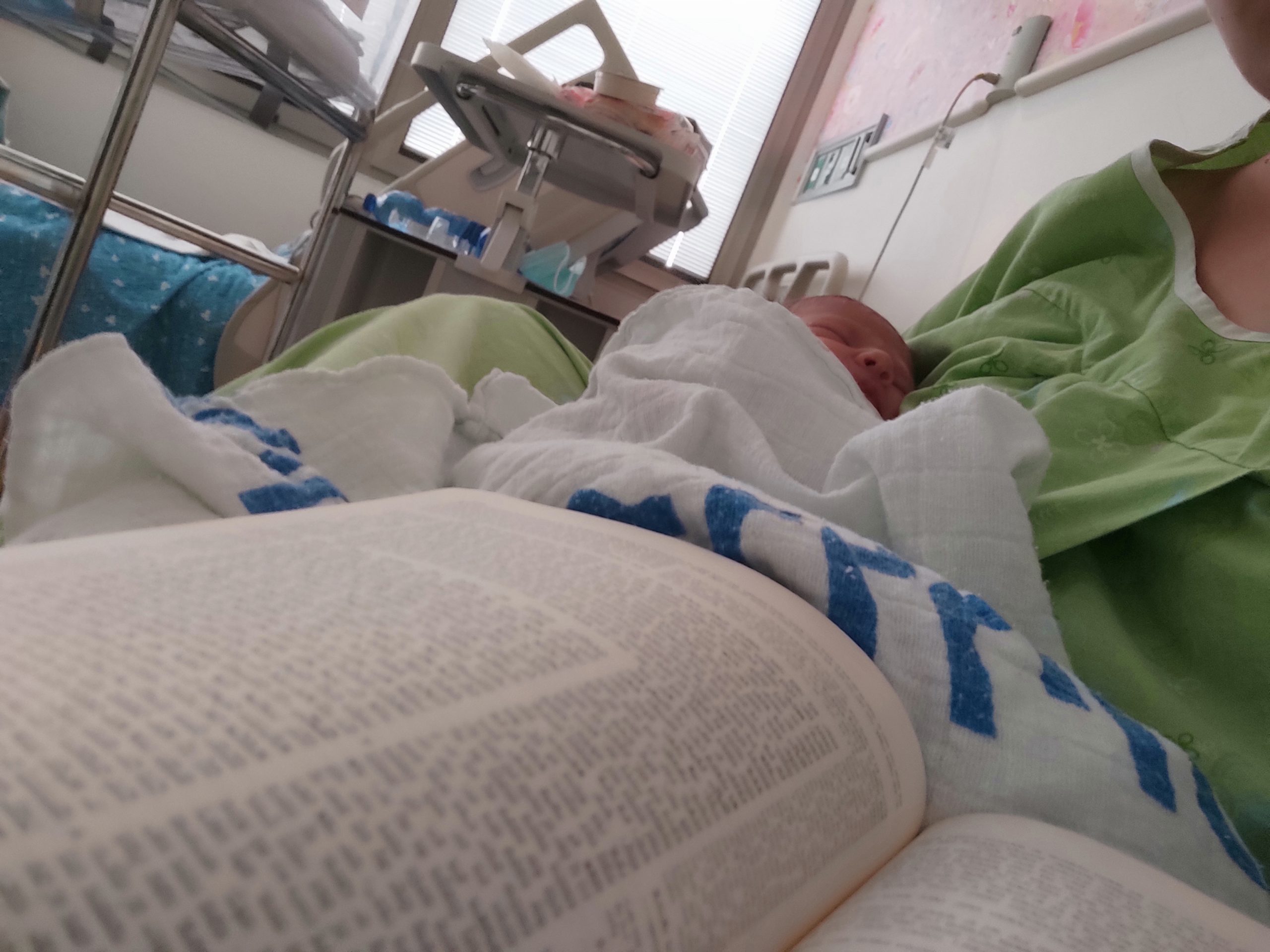
בתחילת הסבב הנוכחי הצטברו אצלי תחושות שאני לא מבינה מספיק מהי ההלכה אותה אני מקיימת בכל יום. כמו כן, כאמא לבנות רציתי לתת להן מודל נשי של לימוד תורה
שתי הסיבות האלו הובילו אותי להתחיל ללמוד. נתקלתי בתגובות מפרגנות וסקרניות איך אישה לומדת גמרא..
כמו שרואים בתמונה אני ממשיכה ללמוד גם היום ואפילו במחלקת יולדות אחרי לידת ביתי השלישית.

Noa Shiloh
נועה שילה

רבבה, ישראל

התחלתי ללמוד דף יומי אחרי שחזרתי בתשובה ולמדתי במדרשה במגדל עוז. הלימוד טוב ומספק חומר למחשבה על נושאים הלכתיים ”קטנים” ועד לערכים גדולים ביהדות. חשוב לי להכיר את הגמרא לעומק. והצעד הקטן היום הוא ללמוד אותה בבקיאות, בעזרת השם, ומי יודע אולי גם אגיע לעיון בנושאים מעניינים. נושאים בגמרא מתחברים לחגים, לתפילה, ליחסים שבין אדם לחברו ולמקום ולשאר הדברים שמלווים באורח חיים דתי 🙂

Gaia Divo
גאיה דיבו

מצפה יריחו, ישראל

הצטרפתי ללומדות בתחילת מסכת תענית. ההתרגשות שלי ושל המשפחה היתה גדולה מאוד, והיא הולכת וגוברת עם כל סיום שאני זוכה לו. במשך שנים רבות רציתי להצטרף ומשום מה זה לא קרה… ב”ה מצאתי לפני מספר חודשים פרסום של הדרן, ומיד הצטרפתי והתאהבתי. הדף היומי שינה את חיי ממש והפך כל יום- ליום של תורה. מודה לכן מקרב ליבי ומאחלת לכולנו לימוד פורה מתוך אהבת התורה ולומדיה.

Noa Rosen
נעה רוזן

חיספין רמת הגולן, ישראל

אחי, שלומד דף יומי ממסכת ברכות, חיפש חברותא ללימוד מסכת ראש השנה והציע לי. החברותא היתה מאתגרת טכנית ורוב הזמן נעשתה דרך הטלפון, כך שבסיום המסכת נפרדו דרכינו. אחי חזר ללמוד לבד, אבל אני כבר נכבשתי בקסם הגמרא ושכנעתי את האיש שלי להצטרף אלי למסכת ביצה. מאז המשכנו הלאה, ועכשיו אנחנו מתרגשים לקראתו של סדר נשים!

Shulamit Saban
שולמית סבן

נוקדים, ישראל

אחי, שלומד דף יומי ממסכת ברכות, חיפש חברותא ללימוד מסכת ראש השנה והציע לי. החברותא היתה מאתגרת טכנית ורוב הזמן נעשתה דרך הטלפון, כך שבסיום המסכת נפרדו דרכינו. אחי חזר ללמוד לבד, אבל אני כבר נכבשתי בקסם הגמרא ושכנעתי את האיש שלי להצטרף אלי למסכת ביצה. מאז המשכנו הלאה, ועכשיו אנחנו מתרגשים לקראתו של סדר נשים!

Shulamit Saban
שולמית סבן

נוקדים, ישראל

התחלתי ללמוד דף יומי שהתחילו מסכת כתובות, לפני 7 שנים, במסגרת קבוצת לימוד שהתפרקה די מהר, ומשם המשכתי לבד בתמיכת האיש שלי. נעזרתי בגמרת שטיינזלץ ובשיעורים מוקלטים.
הסביבה מאד תומכת ואני מקבלת המון מילים טובות לאורך כל הדרך. מאז הסיום הגדול יש תחושה שאני חלק מדבר גדול יותר.
אני לומדת בשיטת ה”7 דפים בשבוע” של הרבנית תרצה קלמן – כלומר, לא נורא אם לא הצלחת ללמוד כל יום, העיקר שגמרת ארבעה דפים בשבוע

Rachel Goldstein
רחל גולדשטיין

עתניאל, ישראל

A life-changing journey started with a Chanukah family tiyul to Zippori, home of the Sanhedrin 2 years ago and continued with the Syum in Binanei Hauma where I was awed by the energy of 3000 women dedicated to learning daf Yomi. Opening my morning daily with a fresh daf, I am excited with the new insights I find enriching my life and opening new and deeper horizons for me.

Becky Goldstein
בקי גולדשטיין

Elazar gush etzion, Israel

בסוף הסבב הקודם ראיתי את השמחה הגדולה שבסיום הלימוד, בעלי סיים כבר בפעם השלישית וכמובן הסיום הנשי בבנייני האומה וחשבתי שאולי זו הזדמנות עבורי למשהו חדש.
למרות שאני שונה בסביבה שלי, מי ששומע על הלימוד שלי מפרגן מאוד.
אני מנסה ללמוד קצת בכל יום, גם אם לא את כל הדף ובסך הכל אני בדרך כלל עומדת בקצב.
הלימוד מעניק המון משמעות ליום יום ועושה סדר בלמוד תורה, שתמיד היה (ועדיין) שאיפה. אבל אין כמו קביעות

Racheli-Mendelson
רחלי מנדלסון

טל מנשה, ישראל

בתחילת הסבב הנוכחי של לימוד הדף היומי, נחשפתי לחגיגות המרגשות באירועי הסיום ברחבי העולם. והבטחתי לעצמי שבקרוב אצטרף גם למעגל הלומדות. הסבב התחיל כאשר הייתי בתחילת דרכי בתוכנית קרן אריאל להכשרת יועצות הלכה של נשמ”ת. לא הצלחתי להוסיף את ההתחייבות לדף היומי על הלימוד האינטנסיבי של תוכנית היועצות. בבוקר למחרת המבחן הסופי בנשמ”ת, התחלתי את לימוד הדף במסכת סוכה ומאז לא הפסקתי.

Hana Shaham-Rozby (Dr.)
חנה שחם-רוזבי (ד”ר)

קרית גת, ישראל

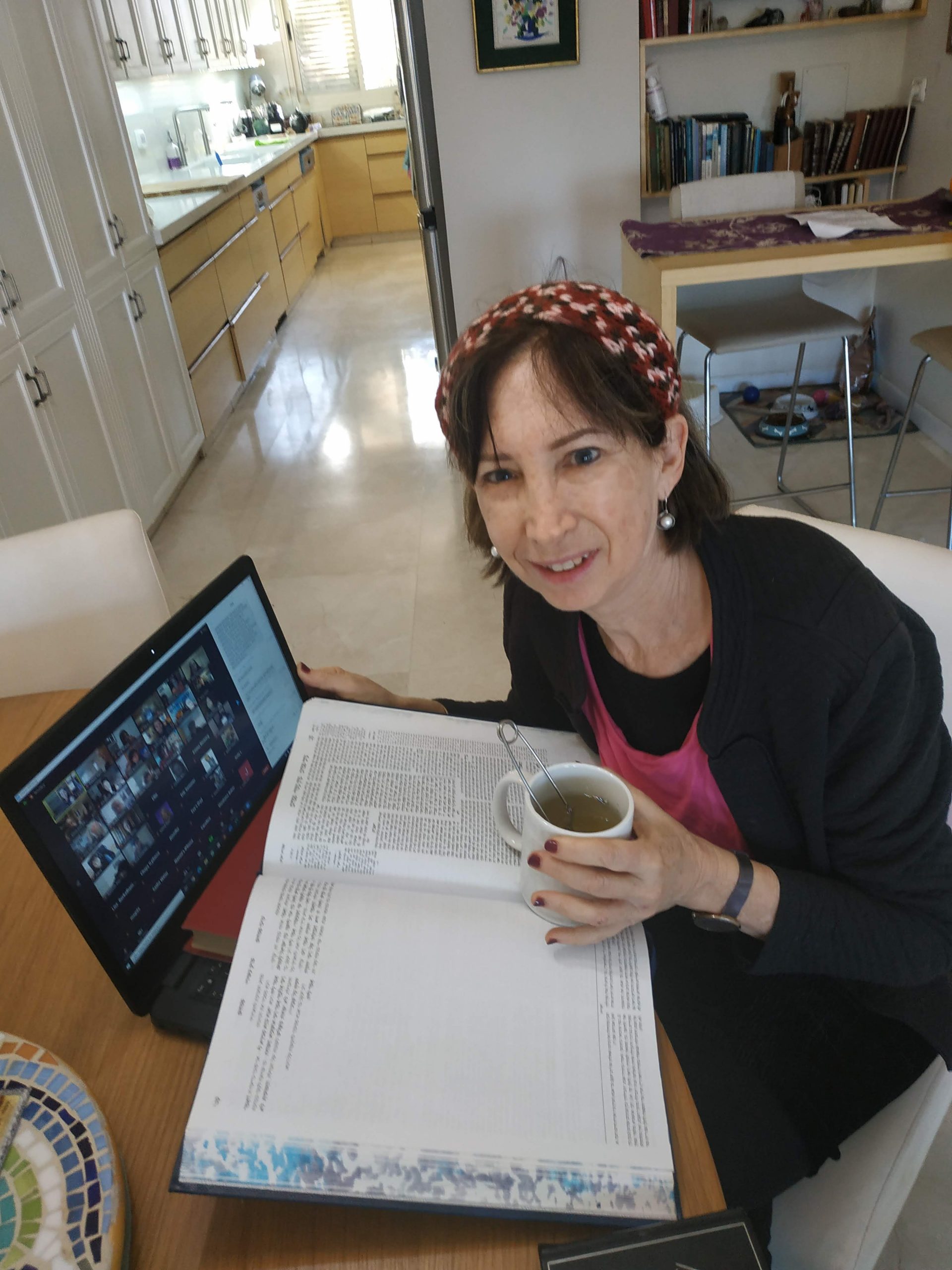
למדתי גמרא מכיתה ז- ט ב Maimonides School ואחרי העליה שלי בגיל 14 לימוד הגמרא, שלא היה כל כך מקובל בימים אלה, היה די ספוראדי. אחרי "ההתגלות” בבנייני האומה התחלתי ללמוד בעיקר בדרך הביתה למדתי מפוקקטסים שונים. לאט לאט ראיתי שאני תמיד חוזרת לרבנית מישל פרבר. באיזה שהוא שלב התחלתי ללמוד בזום בשעה 7:10 .
היום "אין מצב” שאני אתחיל את היום שלי ללא לימוד עם הרבנית מישל עם כוס הקפה שלי!!

selfie-scaled
דבי גביר

חשמונאים, ישראל

הייתי לפני שנתיים בסיום הדרן נשים בבנייני האומה והחלטתי להתחיל. אפילו רק כמה דפים, אולי רק פרק, אולי רק מסכת… בינתיים סיימתי רבע שס ותכף את כל סדר מועד בה.
הסביבה תומכת ומפרגנת. אני בת יחידה עם ארבעה אחים שכולם לומדים דף יומי. מדי פעם אנחנו עושים סיומים יחד באירועים משפחתיים. ממש מרגש. מסכת שבת סיימנו כולנו יחד עם אבא שלנו!
אני שומעת כל יום פודקאסט בהליכה או בנסיעה ואחכ לומדת את הגמרא.

Edna Gross
עדנה גרוס

מרכז שפירא, ישראל

התחלתי ללמוד דף יומי בסבב הקודם. זכיתי לסיים אותו במעמד המרגש של הדרן. בסבב הראשון ליווה אותי הספק, שאולי לא אצליח לעמוד בקצב ולהתמיד. בסבב השני אני לומדת ברוגע, מתוך אמונה ביכולתי ללמוד ולסיים. בסבב הלימוד הראשון ליוותה אותי חוויה מסויימת של בדידות. הדרן העניקה לי קהילת לימוד ואחוות נשים. החוויה של סיום הש”ס במעמד כה גדול כשנשים שאינן מכירות אותי, שמחות ומתרגשות עבורי , היתה חוויה מרוממת נפש

Ilanit Weil
אילנית ווייל

קיבוץ מגדל עוז, ישראל

לפני 15 שנה, אחרי עשרות שנים של "ג’ינגול” בין משפחה לקריירה תובענית בהייטק, הצטרפתי לשיעורי גמרא במתן רעננה. הלימוד המעמיק והייחודי של הרבנית אושרה קורן יחד עם קבוצת הנשים המגוונת הייתה חוויה מאלפת ומעשירה. לפני כשמונה שנים כאשר מחזור הדף היומי הגיע למסכת תענית הצטרפתי כ”חברותא” לבעלי. זו השעה היומית שלנו ביחד כאשר דפי הגמרא משתלבים בחיי היום יום, משפיעים ומושפעים, וכשלא מספיקים תמיד משלימים בשבת

Yodi Askoff
יודי אסקוף

רעננה, ישראל

התחלתי ללמוד דף יומי ממסכת נידה כי זה היה חומר הלימוד שלי אז. לאחר הסיום הגדול בבנייני האומה החלטתי להמשיך. וב”ה מאז עם הפסקות קטנות של קורונה ולידה אני משתדלת להמשיך ולהיות חלק.

זה משפיע מאוד על היום יום שלי ועל אף שאני עסוקה בלימודי הלכה ותורה כל יום, זאת המסגרת הקבועה והמחייבת ביותר שיש לי.

Moriah Taesan Michaeli
מוריה תעסן מיכאלי

גבעת הראל, ישראל

בבא בתרא קי

אֶלָּא אִי אֲבוּהּ דְּאִמֵּיהּ מִיּוֹסֵף – אִמַּהּ דְּאִמֵּיהּ מִיִּתְרוֹ; אִי אֲבוּהּ דְּאִמֵּיהּ מִיִּתְרוֹ – אִמַּהּ דְּאִמֵּיהּ מִיּוֹסֵף. דַּיְקָא נָמֵי, דִּכְתִיב: ״מִבְּנוֹת פּוּטִיאֵל״ – תַּרְתֵּי שְׁמַע מִינַּהּ.

Rather, this is how the matter should be resolved: If his mother’s father came from the family of Joseph, his mother’s mother came from the family of Yitro, and if his mother’s father came from the family of Yitro, his mother’s mother came from the family of Joseph, so while his mother was descended from Joseph on one side and from Yitro on the other, Pinehas was a more distant relative to Yitro than Jonathan was. Based on this conclusion, the language of the verse is also precise, as it is written: “And Elazar, Aaron’s son, took one of the daughters of Putiel” (Exodus 6:25). Conclude from the wording of the verse that Pinehas was descended from two men who were referred to as Puti: Yitro and Joseph.

אָמַר רָבָא: הַנּוֹשֵׂא אִשָּׁה, צָרִיךְ שֶׁיִּבְדּוֹק בְּאַחֶיהָ, שֶׁנֶּאֱמַר: ״וַיִּקַּח אַהֲרֹן אֶת אֱלִישֶׁבַע בַּת עַמִּינָדָב אֲחוֹת נַחְשׁוֹן״ – מִמַּשְׁמַע שֶׁנֶּאֱמַר ״בַּת עַמִּינָדָב״, אֵינִי יוֹדֵעַ שֶׁאֲחוֹת נַחְשׁוֹן הִיא? מָה תַּלְמוּד לוֹמַר: ״אֲחוֹת נַחְשׁוֹן״? מִכָּאן שֶׁהַנּוֹשֵׂא אִשָּׁה צָרִיךְ שֶׁיִּבְדּוֹק בְּאַחֶיהָ. תָּנָא: רוֹב בָּנִים דּוֹמִין לַאֲחֵי הָאֵם.

Rava says: One who marries a woman needs to first examine her brothers so that he will know in advance what character his children will have, as it is stated: “And Aaron took Elisheva, the daughter of Amminadav, the sister of Nahshon” (Exodus 6:23). By inference from that which is stated: “The daughter of Amminadav,” do I not know that she is the sister of Nahshon, as Nahshon was the son of Amminadav? What is the meaning when the verse states: “The sister of Nahshon”? From here one learns that one who marries a woman needs to examine her brothers. The reason is as the Sages taught: Most sons resemble the mother’s brothers.

״וַיָּסוּרוּ שָׁמָּה, וַיֹּאמֶר: מִי הֱבִיאֲךָ הֲלֹם, וּמָה אַתָּה עוֹשֶׂה בָּזֶה, וּמַה לְּךָ פֹה?״. אָמְרוּ לוֹ: לָאו מִמֹּשֶׁה קָא אָתֵית, דִּכְתִיב בֵּיהּ: ״אַל תִּקְרַב הֲלֹם״? לָאו מִמֹּשֶׁה קָא אָתֵית, דִּכְתִיב בֵּיהּ: ״מַה זֶּה בְּיָדְךָ״? לָאו מִמֹּשֶׁה קָא אָתֵית, דִּכְתִיב בֵּיהּ: ״וְאַתָּה פֹּה עֲמֹד עִמָּדִי״? תֵּעָשֶׂה כּוֹמֶר לַעֲבוֹדָה זָרָה?!

In connection with the Gemara’s mention of Jonathan, who served as a priest for Micah, the Gemara quotes additional statements of the Sages concerning that episode. Describing when the men from the tribe of Dan passed through Micah’s house, the verse states: “And they turned aside there and said to him: Who brought you here [halom], and what [ma] are you doing in this place, and what do you have here [po]?” (Judges 18:3). The Sages interpret their multiple questions. They said to him: Do you not come from Moses, about whom it is written: “Do not draw close to here [halom]” (Exodus 3:5)? Do you not come from Moses, about whom it is written: “What [ma] is that in your hand” (Exodus 4:2)? Do you not come from Moses, about whom it is written: “But as for you, stand here [po] with me” (Deuteronomy 5:27)? Shall you, a descendant of our teacher Moses, become a priest for idol worship?

אָמַר לָהֶן, כָּךְ מְקוּבְּלַנִי מִבֵּית אֲבִי אַבָּא: לְעוֹלָם יַשְׂכִּיר אָדָם עַצְמוֹ לַעֲבוֹדָה זָרָה, וְאַל יִצְטָרֵךְ לַבְּרִיּוֹת.

Jonathan said to them: This is the tradition that I received from the house of my father’s father: A person should always hire himself out to idol worship and not require the help of people by receiving charity, and I took this position in order to avoid having to take charity.

וְהוּא סָבַר – לַעֲבוֹדָה זָרָה מַמָּשׁ; וְלָא הִיא, אֶלָּא ״עֲבוֹדָה זָרָה״ – עֲבוֹדָה שֶׁזָּרָה לוֹ, כְּדַאֲמַר לֵיהּ רַב לְרַב כָּהֲנָא: נְטוֹשׁ נְבֵילְתָּא בְּשׁוּקָא וּשְׁקוֹל אַגְרָא, וְלָא תֵּימָא: גַּבְרָא רַבָּא אֲנָא וְזִילָא בִּי מִילְּתָא.

The Gemara comments: And he, Jonathan, thought that this referred to actual idol worship, but that is not so, that was not the intent of the tradition. Rather, here the term idol worship, literally: Strange service, is referring to service, i.e., labor, that is strange, i.e., unsuitable, for him. In other words, one should be willing to perform labor that is difficult and humiliating in his eyes rather than become a recipient of charity. As Rav said to Rav Kahana, his student: Skin a carcass in the market and take payment, but do not say: I am a great man and this matter is beneath me.

כֵּיוָן שֶׁרָאָה דָּוִד שֶׁמָּמוֹן חָבִיב עָלָיו בְּיוֹתֵר, מִינָּהוּ עַל הָאוֹצָרוֹת, שֶׁנֶּאֱמַר: ״וּשְׁבֻאֵל בֶּן גֵּרְשׁוֹם בֶּן מְנַשֶּׁה נָגִיד עַל הָאֹצָרוֹת״. וְכִי שְׁבוּאֵל שְׁמוֹ? וַהֲלֹא יְהוֹנָתָן שְׁמוֹ! אָמַר רַבִּי יוֹחָנָן: שֶׁשָּׁב לָאֵל בְּכׇל לִבּוֹ.

The Gemara continues its discussion of that episode. Later, when King David saw that money was excessively precious to Jonathan, he appointed him as director of the treasuries of the Temple, as it is stated: “And Shebuel, the son of Gershom, the son of Moses, was ruler over the treasuries” (I Chronicles 26:24). The Gemara asks: And was his name really Shebuel; but wasn’t his name Jonathan? Rabbi Yoḥanan says: He is called Shebuel in order to allude to the fact that he repented and returned to God [shav la’el ] with all his heart.

וְהַבָּנִים אֶת הָאָב. מְנָלַן? דִּכְתִיב: ״אִישׁ כִּי יָמוּת וְגוֹ׳״. טַעְמָא דְּאֵין לוֹ בֵּן, הָא יֵשׁ לוֹ בֵּן – בֵּן קוֹדֵם. אֲמַר לֵיהּ רַב פָּפָּא לְאַבָּיֵי, אֵימָא: אִי אִיכָּא בֵּן – לֵירוֹת בֵּן, אִיכָּא בַּת – תֵּירוֹת בַּת, אִיכָּא בֵּן וּבַת – לָא הַאי לֵירוֹת וְלָא הַאי לֵירוֹת!

§ The mishna teaches in the list of those who inherit from and bequeath to each other: Sons with regard to their father. The Gemara asks: From where do we derive this halakha that sons inherit the entire estate and daughters do not receive a share along with them? As it is written: “If a man dies, and has no son, then you shall pass his inheritance to his daughter” (Numbers 27:8). The reason the inheritance would be passed to a daughter is that he has no son, but if he has a son, the son takes precedence. Rav Pappa said to Abaye: Why not say the following: If there is only a son, let the son inherit the father’s estate; if there is only a daughter, let the daughter inherit the father’s estate; and if there is both a son and a daughter, neither this one should inherit nor that one should inherit.

וְאֶלָּא

Abaye asked Rav Pappa: And rather,

מַאן כּוּ׳ לֵירוֹת? אַטּוּ בַּר קַשָּׁא דְּמָתָא לֵירוֹת?! הָכִי קָא אָמֵינָא: אִיכָּא בֵּן וּבַת – לָא הַאי לֵירוֹת כּוּלֵּיהּ וְלָא הַאי לֵירוֹת כּוּלֵּיהּ, אֶלָּא כִּי הֲדָדֵי לֵירְתוּ!

who then should inherit? Is that to say that the ruler of the city should inherit? Rav Pappa said to him: This is what I meant to say: If there is a son and a daughter, this one should not inherit all of the estate, and that one should not inherit all of the estate, but they should inherit it in equal portions to one another.

אֲמַר לֵיהּ אַבָּיֵי: וְאִצְטְרִיךְ קְרָא לְאַשְׁמוֹעִינַן הֵיכָא דְּלֵית לֵיהּ אֶלָּא חַד בְּרָא, לֵירְתִינְהוּ לְכוּלְּהוּ נִכְסֵי?! וְדִלְמָא הָא קָא מַשְׁמַע לַן – דְּבַת נָמֵי בַּת יְרוּשָּׁה הִיא? הָהוּא מִ״וְּכׇל בַּת יֹרֶשֶׁת נַחֲלָה״ נָפְקָא.

Abaye said to him: But is the verse necessary in order to teach us that when he has only one child, that child should inherit all of his property? If you say that the right of the son and daughter to the inheritance is equal, then the verse: “If a man dies, and has no son” (Numbers 27:8), which teaches that when there is no son his daughter inherits, is superfluous. Rav Pappa responded: And perhaps this verse teaches us this: That a daughter is also subject to receiving inheritance. The Gemara replies: No, the verse does not need to teach us this, since that halakha is derived from the verse: “And every daughter who possesses an inheritance” (Numbers 36:8), which clearly states that a daughter is subject to receiving inheritance.

רַב אַחָא בַּר יַעֲקֹב אָמַר, מֵהָכָא: ״לָמָּה יִגָּרַע שֵׁם אָבִינוּ מִתּוֹךְ מִשְׁפַּחְתּוֹ, כִּי אֵין לוֹ בֵּן״. טַעְמָא דְּאֵין לוֹ בֵּן, הָא יֵשׁ לוֹ בֵּן – בֵּן קוֹדֵם.

Rav Aḥa bar Ya’akov said: The halakha that a son inherits his father’s estate and precedes a daughter is derived from here, in the passage in the Torah where the daughters of Zelophehad request their father’s inheritance in Eretz Yisrael. They said to Moses: “Why should the name of our father be done away from among his family, because he has no son?” (Numbers 27:4). Rabbi Aḥa ben Ya’akov infers: The reason they requested the inheritance is that, as they said: He has no son. One can infer: But if he has a son, the son takes precedence and the daughters would not have requested an inheritance.

וְדִלְמָא בְּנוֹת צְלָפְחָד הוּא דְּקָאָמְרָן הָכִי; נִיתְּנָה תּוֹרָה – וְנִתְחַדְּשָׁה הֲלָכָה! אֶלָּא מְחַוַּורְתָּא כִּדְשַׁנִּין מֵעִיקָּרָא.

The Gemara raises a difficulty: But perhaps it was the daughters of Zelophehad who said this, i.e., that they were entitled to an inheritance only because their father had no son. They thought that this was the halakha based on the custom at that time, but after God spoke to Moses, the Torah was given and a halakha was initiated that a daughter’s right to inherit is equal to that of the son. The Gemara accepts this difficulty and states: Rather, it is clear that the source for this halakha is as we answered initially, i.e., as Abaya derived from the verse of: “If a man dies, and has no son, then you shall pass his inheritance to his daughter” (Numbers 27:8).

רָבִינָא אָמַר, מֵהָכָא: ״הַקָּרֹב אֵלָיו״; ״הַקָּרוֹב״ – קָרוֹב קוֹדֵם.

Ravina said: The source for the halakha that a son precedes a daughter is from here: “Who is next to him [hakkarov elav]” (Numbers 27:11), teaching that the closer [karov] one is to the deceased, the earlier one is in the order of inheritance, and a son of the deceased is considered to be a closer relative to the deceased than the daughter.

וּמַאי קוּרְבֵהּ דְּבֵן מִבַּת – שֶׁבֵּן קָם תַּחַת אָבִיו לִיעִדָה וְלִשְׂדֵה אֲחוּזָּה? יְעִדָה – בַּת לָאו בַּת יְעִדָה הִיא! שְׂדֵה אֲחוּזָּה נָמֵי – מֵהַאי פִּירְכָא גּוּפַהּ הוּא, דְּהָא קַיְימָא לֵיהּ לְתַנָּא, כְּלוּם יֵשׁ יִבּוּם – אֶלָּא בְּמָקוֹם שֶׁאֵין בֵּן! אֶלָּא מְחַוַּורְתָּא כִּדְשַׁנִּין מֵעִיקָּרָא.

The Gemara asks: And what demonstrates the closeness of a son more than that of a daughter? That a son stands in place of his father to designate a Hebrew maidservant as a wife for himself and with regard to an ancestral field. The Gemara rejects this: This is not a valid proof, as designation cannot demonstrate that a son is a closer relative; a daughter is not subject to designation, because she obviously cannot marry the Hebrew maidservant. With regard to an ancestral field as well, the tanna establishes his ruling that a son is a closer relative than others from this same refutation: Is there levirate marriage except in a case where there is no son? And this applies also where there is no daughter. Rather, it is clear that the source for this halakha is as we answered initially.

וְאִי בָּעֵית אֵימָא, מֵהָכָא: ״וְהִתְנַחַלְתֶּם אֹתָם לִבְנֵיכֶם אַחֲרֵיכֶם״; ״בְּנֵיכֶם״ – וְלֹא בְּנוֹתֵיכֶם. אֶלָּא מֵעַתָּה, ״לְמַעַן יִרְבּוּ יְמֵיכֶם וִימֵי בְנֵיכֶם״, הָכִי נָמֵי ״בְּנֵיכֶם״ – וְלֹא בְּנוֹתֵיכֶם?

And if you wish, say instead that the halakha that a son precedes a daughter is derived from here, in the passage in the Torah addressing the inheritance of slaves, which states: “And you may make them an inheritance for your sons [livneikhem] after you” (Leviticus 25:46). One can infer: “Your sons,” but not your daughters. The Gemara asks: If that is so, then when the verse states: “That your days may be multiplied, and the days of your sons [beneikhem]” (Deuteronomy 11:21), should one infer that this too means: “Your sons,” but not your daughters? Is it not obvious that daughters are also worthy of receiving the blessing of longevity?

בְּרָכָה שָׁאנֵי.

The Gemara answers: A blessing is different. In a verse that speaks of blessings, the term beneikhem should be understood in its broader sense, as “your children.” In a verse that speaks of a halakha, it is to be understood in the narrower sense of “your sons.”

וְהָאַחִין מִן הָאָב נוֹחֲלִין וּמַנְחִילִין וְכוּ׳. מְנָלַן? אָמַר רַבָּה: אַתְיָא ״אַחְוָה״–״אַחְוָה״ מִבְּנֵי יַעֲקֹב; מַה לְהַלָּן, מִן הָאָב וְלֹא מִן הָאֵם; אַף כָּאן, מִן הָאָב וְלֹא מִן הָאֵם.

§ The mishna teaches: And paternal brothers inherit from one another and bequeath to each other. From where do we derive this halakha? Rabba said: It is derived from a verbal analogy between the word: Brothers, stated with regard to inheritance, and the word: Brothers, found in the verses concerning Jacob’s sons. When Jacob’s sons speak to Joseph, they state: “We, your servants, are twelve brothers, the sons of one man in the land of Canaan” (Genesis 42:13), and in the passage discussing inheritance the verse states: “And if he has no brothers, then you shall give his inheritance to his father’s brothers” (Numbers 27:10). Just as there, in the verse concerning Jacob’s sons, the word brothers is referring to paternal brothers and not maternal brothers, as the twelve of them shared only the same father, so too here, where this term is used with regard to inheritance, the verse is referring to paternal brothers and not maternal brothers.

וּלְמָה לִי? ״מִמִּשְׁפַּחְתּוֹ וְיָרַשׁ אֹתָהּ״ כְּתִיב – מִשְׁפַּחַת אָב קְרוּיָה ״מִשְׁפָּחָה״, מִשְׁפַּחַת אֵם אֵינָהּ קְרוּיָה ״מִשְׁפָּחָה״!

The Gemara asks: But why do I need this proof from the verse concerning Jacob’s sons? It is written in the passage concerning inheritance: “Then you shall give his inheritance to his kinsman who is next to him of his family, and he shall inherit it” (Numbers 27:11). When the term “family” is used in the Bible, one’s father’s family is called one’s family, while one’s mother’s family is not called one’s family, so that in all matters of inheritance, it is the patrilineal relatives who are taken into account.

אִין הָכִי נָמֵי; וְכִי אִיתְּמַר דְּרַבָּה, לְעִנְיַן יִבּוּם אִיתְּמַר.

The Gemara answers: Yes, it is indeed so that the verbal analogy is not needed to teach the halakha of inheritance, and when Rabba’s explanation was stated, it was stated with regard to the matter of levirate marriage, teaching that levirate marriage is performed only by a paternal brother but not by a maternal brother.

וְהָאִישׁ אֶת אִמּוֹ וְכוּ׳. מְנָא הָנֵי מִילֵּי? דְּתָנוּ רַבָּנַן:

§ The mishna teaches: And a man with regard to his mother inherits from her relatives but does not bequeath to her. The Gemara asks: From where are these matters derived? The Gemara answers: As the Sages taught:

רוצה לעקוב אחרי התכנים ולהמשיך ללמוד?

ביצירת חשבון עוד היום ניתן לעקוב אחרי ההתקדמות שלך, לסמן מה למדת, ולעקוב אחרי השיעורים שמעניינים אותך.

לנקות את כל הפריטים מהרשימה?

פעולה זו תסיר את כל הפריטים בחלק זה כולל ההתקדמות וההיסטוריה. שימי לב: לא ניתן לשחזר פעולה זו.

ביטול
מחיקה

האם את/ה בטוח/ה שברצונך למחוק פריט זה?

תאבד/י את כל ההתקדמות או ההיסטוריה הקשורות לפריט זה.

ביטול
מחיקה