חיפוש

בבא בתרא קיח

רוצה להקדיש לימוד?

podcast placeholder

0:00
0:00


תקציר

הדף היום מוקדש ע”י טינה ושלום לם לכבוד הולדת הנכד, אייל נחום.

הדף היום מוקדש  על ידי דבי ויוסי גביר עבור שנים מביניהם, אלעזר ואליאב, וחתננם בועז המשרתים כעת  את עם ישראל –  "מגבול הלבנון” ומעבר לו. "בתקוה שה’ ישמור עליהם ועל כל עם ישראל "והעמידנו לשלום ופרוס עלינו "סוכת שלומך”- כן יהי רצון!”

רב פפא מעלה קושי שני ושלישי על הדעה שהארץ חולקה בין הנכנסים לארץ. ראשית, מדוע התלוננו בנות צלפחד – אביהן לא היה ראוי לקבל כל חלק מכיוון שכבר לא היה בחיים כשנכנסו לארץ? שנית, מדוע בספר יהושע יז:יד, התלוננו בני יוסף שאין להם מספיק קרקע לאנשי שבטם כי היו שבט גדול? אם הארץ חולקה בין הנכנסים, שבט יוסף היה צריך לקבל יותר נחלה, בהתאם למספר האנשים! אביי עונה על שתי שאלות אלה.

מסיפוריהן של בנות צלפחד ובני יוסף, אביי מסיק שכולם קיבלו חלק בכניסה לארץ, שכן אם חלק לא קיבלו, הם היו מתלוננים. עם זאת, הגמרא מסיקה שייתכן שאחרים התלוננו אך מכיוון שתלונותיהם לא הועילו, לא היה צורך לרשום אותן. תלונת בני יוסף גם היא לא הועילה אך הובאה מסיבה אחרת – ללמד שאנשים צריכים לנסות להימנע מעין הרע. הם מסבירים את חילופי הדברים בין בני יוסף ליהושע לפי ההבנה הזאת.

האם האנשים שהתלוננו ואלה שהצטרפו לקורח קיבלו חלק בארץ אך הוא ניתן ליהושע וכלב בדיוק כמו חלקם של המרגלים, או שהם לא קיבלו חלק כלל? זהו מקור למחלוקת ואחת הדעות נלמדת מהפסוק במדבר כז:ג, מדברי בנות צלפחד. רב פפא מעלה קושי עם הדעה שיהושע וכלב ירשו את כל חלקיהם, שכן הם היו יורשים את רוב הנחלה, מכיוון שכל כך הרבה התלוננו במדבר! אביי משיב שהמתלוננים היו אלה שהתלוננו עם קורח.

שאלתו החמישית של רב פפא היא שוב נגד הדעה שהארץ חולקה בין הנכנסים לארץ, על בסיס פסוק מיהושע יז:ה – שמנשה קיבל עשרה חלקים, שישה לכל משפחה וארבעה לבנות צלפחד. זה מסתדר עם הדעה שהארץ חולקה בין יוצאי מצרים. עם זאת, אביי מסביר את הארבעה גם כדי להתאים פסוק זה לדעה שהארץ חולקה בין הנכנסים לארץ.

בבא בתרא קיח

אֶלָּא לְמַאן דְּאָמַר לְבָאֵי הָאָרֶץ, מַאי ״לָרַב תַּרְבּוּ נַחֲלָתוֹ״? קַשְׁיָא.

But according to the one who says that Eretz Yisrael was divided among those who entered Eretz Yisrael, what does the verse: “To the more you shall give the more inheritance” teach? It is obvious that larger families will receive more land due to their greater numbers. The Gemara concludes: This poses a difficulty to one who holds that opinion.

וַאֲמַר לֵיהּ רַב פָּפָּא לְאַבָּיֵי: בִּשְׁלָמָא לְמַאן דְּאָמַר לְיוֹצְאֵי מִצְרַיִם, הַיְינוּ דְּקָא צָוְוחָן בְּנוֹת צְלָפְחָד. אֶלָּא לְמַאן דְּאָמַר לְבָאֵי הָאָרֶץ, אַמַּאי צָוְוחָן? הָא לֵיתֵיהּ דְּלִשְׁקוֹל!

The Gemara presents the second question. And Rav Pappa said to Abaye: Granted, according to the one who says that Eretz Yisrael was divided among those who left Egypt, this is why the daughters of Zelophehad cried out in protest of the fact that they would be denied their father’s portion, to which he was entitled as one who left Egypt. But according to the one who says that Eretz Yisrael was divided among those who entered Eretz Yisrael, why did they cry out in protest; after all, Zelophehad was not there to take his portion, so his daughters should have no claim to the land?

אֶלָּא לַחֲזָרָה, וְלִיטּוֹל בְּנִכְסֵי חֵפֶר.

Abaye answers: Rather, according to this opinion, the protest of Zelophehad’s daughters was in reference to the returning of the portions from the generation that entered Eretz Yisrael to the generation that left Egypt, as described in the baraita above. And accordingly, Zelophehad’s daughters demanded to take their portion in the property of their grandfather Hepher, who received land posthumously through his children, their uncles.

בִּשְׁלָמָא לְמַאן דְּאָמַר לְיוֹצְאֵי מִצְרַיִם, הַיְינוּ דְּקָא צָוְוחָן בְּנֵי יוֹסֵף – דִּכְתִיב: ״וַיְדַבְּרוּ בְּנֵי יוֹסֵף״. אֶלָּא לְמַאן דְּאָמַר לְבָאֵי הָאָרֶץ, מַאי קָא צָוְוחִי? כּוּלְּהוּ שְׁקוּל!

The Gemara presents Rav Pappa’s third question: Granted, according to the one who says that Eretz Yisrael was divided among those who left Egypt, this is why the descendants of Joseph cried out in protest of the fact that they would receive an inadequate portion of land due to the fact that they had proliferated greatly in the wilderness. As it is written: “And the children of Joseph spoke to Joshua, saying: Why have you given me but one lot and one part for an inheritance, seeing I am a great people, because the Lord has blessed me thus” (Joshua 17:14). But according to the one who says that Eretz Yisrael was divided among those who entered Eretz Yisrael, what is the reason they were crying out? They were all entitled to take their own portion of land and should have had no cause for complaint.

מִשּׁוּם טְפָלִים דַּהֲווֹ נְפִישִׁי לְהוּ.

The Gemara answers: They protested due to the children, as they had many children who were not entitled to a portion of the land.

אָמַר אַבָּיֵי: שְׁמַע מִינַּהּ, לָא הֲוָה חַד דְּלָא שָׁקֵיל; דְּאִי סָלְקָא דַּעְתָּךְ הֲוָה חַד דְּלָא שָׁקֵיל, אִיבְּעִי לֵיהּ לְמִצְוַוח! וְכִי תֵּימָא: דִּצְוַוח וְאַהֲנִי – כַּתְבֵיהּ קְרָא, דִּצְוַוח וְלָא אַהֲנִי – לָא כַּתְבֵיהּ קְרָא; הָא בְּנֵי יוֹסֵף – דְּצָוְוחִי וְלָא אַהֲנִי, וְכַתְבִינְהוּ קְרָא!

Abaye said: Learn from the fact that the Bible records the complaints of only the daughters of Zelophehad and the descendants of Joseph that there was not one other individual who did not take a portion of land; as if it enters your mind that there was even one other who did not take a portion of land, he should have cried out in protest. And if you would say: The verse wrote about one who cried out and his protest was effective, and the verse did not write about one who cried out and his protest was not effective, that is difficult. But there is the counterexample of the descendants of Joseph, who cried out and their protest was not effective, and the verse wrote about them.

הָתָם עֵצָה טוֹבָה קָא מַשְׁמַע לַן, דְּאִיבְּעִי לֵיהּ לְאִינִישׁ לְאִיזְדְּהוֹרֵי מֵעֵינָא בִּישָׁא. וְהַיְינוּ דְּקָאָמַר לְהוּ יְהוֹשֻׁעַ – דִּכְתִיב: ״וַיֹּאמֶר אֲלֵיהֶם יְהוֹשֻׁעַ, אִם עַם רַב אַתָּה, עֲלֵה לְךָ הַיַּעְרָה״. אֲמַר לְהוּ: לְכוּ וְהַחְבִּאוּ עַצְמְכֶם בִּיעָרִים, שֶׁלֹּא תִּשְׁלוֹט בָּכֶם עַיִן רַע.

The Gemara rejects Abaye’s inference: Generally, the verse would not record an instance where one cried out if his protest was not effective, and there, the verse includes the protest of Joseph’s descendants in order to teach us a measure of good advice: That a person should be wary of the evil eye. And this is what Joshua said to them, as it is written: “And Joshua said unto them: If you be a great people, go up to the forest, and cut down for yourself there in the land of the Perizzites and of the Rephaim” (Joshua 17:15). Joshua said to them: Go and conceal yourselves in the forests so that the evil eye will not have dominion over you.

אֲמַרוּ לֵיהּ: אֲנַן מִזַּרְעָא דְּיוֹסֵף, דְּלָא שָׁלְטָא בֵּיהּ עֵינָא בִּישָׁא – דִּכְתִיב: ״בֵּן פֹּרָת יוֹסֵף, בֵּן פֹּרָת עֲלֵי עָיִן״, וְאָמַר רַבִּי אֲבָהוּ: אַל תִּקְרֵי ״עֲלֵי עָיִן״, אֶלָּא ״עוֹלֵי עָיִן״.

Joseph’s descendants said to him: We are of the descendants of Joseph, upon whom the evil eye had no dominion, as it is written: “Joseph is a fruitful vine, a fruitful vine by a fountain [alei ayin]” (Genesis 49:22), and Rabbi Abbahu states a homiletic interpretation: Do not read it as alei ayin,” rather read it as olei ayin, above the eye, i.e., he transcended the influence of the evil eye. Joseph’s descendants were saying that they also do not need to be wary.

רַבִּי יוֹסֵי בְּרַבִּי חֲנִינָא אֲמַר מֵהָכָא: ״וְיִדְגּוּ לָרוֹב בְּקֶרֶב הָאָרֶץ״; מָה דָּגִים שֶׁבַּיָּם – מַיִם מְכַסִּים עֲלֵיהֶם וְאֵין הָעַיִן שׁוֹלֶטֶת בָּהֶם, אַף זַרְעוֹ שֶׁל יוֹסֵף – אֵין הָעַיִן שׁוֹלֶטֶת בָּהֶם.

Rabbi Yosei, son of Rabbi Ḥanina, said that a proof for the notion that the evil eye holds no sway over Joseph and his descendants, is from here, Jacob’s blessing of Joseph’s sons, Ephraim and Manasseh: “The angel who has redeemed me from all evil, bless the lads; and let my name be named in them, and the name of my fathers, Abraham and Isaac; and let them grow into a multitude [veyidgu] in the midst of the earth” (Genesis 48:16). Veyidgu is related etymologically to the word for fish [dag]. Just as with regard to the fish in the sea, water covers them and the evil eye has no dominion over them, so too, the seed of Joseph, the evil eye has no dominion over them.

מְרַגְּלִים – יְהוֹשֻׁעַ וְכָלֵב נָטְלוּ חֶלְקָם. מְנָהָנֵי מִילֵּי? אָמַר עוּלָּא, דְּאָמַר קְרָא: ״וִיהוֹשֻׁעַ בִּן נוּן וְכָלֵב בֶּן יְפֻנֶּה חָיוּ מִן הָאֲנָשִׁים הָהֵם״ – מַאי ״חָיוּ״? אִילֵּימָא חָיוּ מַמָּשׁ, וְהָא כְּתִיב קְרָא אַחֲרִינָא: ״וְלֹא נוֹתַר מֵהֶם אִישׁ, כִּי אִם כָּלֵב בֶּן יְפֻנֶּה וִיהוֹשֻׁעַ בִּן נוּן״! אֶלָּא מַאי ״חָיוּ״ – שֶׁחָיוּ בְּחֶלְקָם.

§ The Gemara analyzes the next section of the baraita, which states: With regard to the twelve spies sent to survey Eretz Yisrael prior to the Jewish people’s entry into the land, Joshua and Caleb took all of the spies’ portions of the land. The Gemara asks: From where is this matter derived? Ulla said: It is as the verse states: “But Joshua, son of Nun, and Caleb, son of Jephunneh, lived of those men that went to spy out the land” (Numbers 14:38). What does the term “lived” mean? If we say that it means literally that they lived, but there is another verse that states: “And there was not left a man of them, save Caleb, son of Jephunneh, and Joshua, son of Nun (Numbers 26:65), so why would the Torah state it twice? Rather, what does the term “lived” mean? That Joshua and Caleb lived in the other spies’ portion of the land.

מִתְלוֹנְנִין וַעֲדַת קֹרַח – לֹא הָיָה לָהֶן חֵלֶק בָּאָרֶץ. וְהָתַנְיָא: מְרַגְּלִים, מִתְלוֹנְנִים וַעֲדַת קֹרַח – יְהוֹשֻׁעַ וְכָלֵב נָטְלוּ חֶלְקָם! לָא קַשְׁיָא; מָר מַקֵּישׁ מִתְלוֹנְנִים לִמְרַגְּלִים, מָר לָא מַקֵּישׁ מִתְלוֹנְנִים לִמְרַגְּלִים.

The baraita teaches that the protesters and the assembly of Korah did not possess a portion of Eretz Yisrael. The Gemara asks: But isn’t it taught otherwise in a baraita: With regard to the spies, the protesters, and the assembly of Korah, Joshua and Caleb took their portions of the land? Apparently, the protesters and the assembly of Korah were assigned portions in Eretz Yisrael, which were then given to Joshua and Caleb. The Gemara answers: It is not difficult: One Sage, the tanna of the baraita quoted earlier, juxtaposes the protesters to the spies, teaching that just as the spies were assigned a portion of Eretz Yisrael, so were the protesters. And one Sage, the tanna of the baraita quoted here, does not juxtapose the protesters to the spies. Although the spies were assigned a portion, the protesters were not.

דְּתַנְיָא: ״אָבִינוּ מֵת בַּמִּדְבָּר״ – זֶה צְלָפְחָד. ״וְהוּא לֹא הָיָה בְּתוֹךְ הָעֵדָה״ – זֶה עֲדַת מְרַגְּלִים. ״הַנּוֹעָדִים עַל ה׳״ – אֵלּוּ מִתְלוֹנְנִים. ״בַּעֲדַת קֹרַח״ – כְּמַשְׁמָעוֹ.

The Gemara quotes a related baraita. As it is taught in a baraita that the verse quotes the daughters of Zelophehad: “Our father died in the wilderness, and he was not among the assembly of them that gathered themselves together against the Lord in the assembly of Korah, but he died in his own sin; and he had no sons” (Numbers 27:3), and the daughters of Zelophehad therefore claim they are entitled to his portion. “Our father died in the wilderness,” this is referring to Zelophehad. “And he was not among the assembly,” this is referring to the assembly of spies. “That gathered themselves together against the Lord,” these are the protesters. “In the assembly of Korah,” this is in accordance with its straightforward meaning. It is clear from this verse that those in these categories were not entitled to a portion in Eretz Yisrael.

מָר מַקֵּישׁ מִתְלוֹנְנִים לִמְרַגְּלִים, וּמָר לָא מַקֵּישׁ מִתְלוֹנְנִים לִמְרַגְּלִים.

The Gemara concludes: One Sage juxtaposes the protesters to the spies, so that Joshua and Caleb inherited the portions of both; and one Sage does not juxtapose the protesters to the spies.

וַאֲמַר לֵיהּ רַב פָּפָּא לְאַבָּיֵי: וּלְמַאן דְּמַקֵּישׁ מִתְלוֹנְנִים לִמְרַגְּלִים, אִיכְּפוּל יְהוֹשֻׁעַ וְכָלֵב וִירִתוּ לְכוּלַּהּ אֶרֶץ יִשְׂרָאֵל?! אֲמַר לֵיהּ: מִתְלוֹנְנִים שֶׁבַּעֲדַת קֹרַח קָאָמְרִינַן.

The Gemara presents Rav Pappa’s fourth question. And Rav Pappa said to Abaye: And according to the one who juxtaposes the protesters to the spies, is it reasonable that Joshua and Caleb contested the spies and inherited all of Eretz Yisrael? Many of the Jewish people protested in the wilderness at one point or another, and it cannot be that Joshua and Caleb received all of their portions by virtue of not participating in the sin of the spies. Abaye said to him: We are referring to the protesters who were among the assembly of Korah. This term is not referring to all those who protested, but rather to the 250 individuals who protested along with Korah, and it is their portions of land that Joshua and Caleb received.

וַאֲמַר לֵיהּ רַב פָּפָּא לְאַבָּיֵי: בִּשְׁלָמָא לְמַאן דְּאָמַר לְיוֹצְאֵי מִצְרַיִם נִתְחַלְּקָה הָאָרֶץ, הַיְינוּ דִּכְתִיב: ״וַיִּפְּלוּ חַבְלֵי מְנַשֶּׁה עֲשָׂרָה״ – שִׁיתָּא דְּשִׁיתָּא בָּתֵּי אָבוֹת, וְאַרְבְּעָה דִּידְהוּ – הָא עֲשָׂרָה.

The Gemara returns to the baraita and presents the fifth question. And Rav Pappa said to Abaye: Granted, according to the one who says that Eretz Yisrael was divided among those who left Egypt, this is as it is written with regard to the inheritance of the tribe of Manasseh: “And ten parts fell to Manasseh, beside the land of Gilead and Bashan, which is beyond the Jordan; because the daughters of Manasseh had an inheritance among his sons” (Joshua 17:5–6). Six were the portions of the six fathers’ houses of Manasseh listed in a previous verse (Joshua 17:2), and four parts of the daughters of Zelophehad; that is ten parts.

אֶלָּא לְמַאן דְּאָמַר לְבָאֵי הָאָרֶץ, תְּמָנְיָא הוּא דַּהֲווֹ – שִׁיתָּא דְּשִׁיתָּא בָּתֵּי אָבוֹת, וּתְרֵי דִּידְהוּ – הָא תְּמָנְיָא!

But according to the one who says that Eretz Yisrael was divided among those who entered Eretz Yisrael, there were eight parts, as follows: Six were the portions of the six fathers’ houses, and two of theirs, which they received from the estate of their grandfather Hepher, of whom Zelophehad was the firstborn; that is eight. Zelophehad himself, by contrast, was not entitled to a portion, as he did not enter Eretz Yisrael.

וְלִיטַעְמָיךְ, וּלְמַאן דְּאָמַר לְיוֹצְאֵי מִצְרַיִם נִתְחַלְּקָה הָאָרֶץ, תִּשְׁעָה הֲווֹ! אֶלָּא מַאי אִית לָךְ לְמֵימַר – חַד אַחָא דְאַבָּא הֲוָה לְהוּ; הָכִי נָמֵי, תְּרֵי אַחֵי דְאַבָּא הֲוָה לְהוּ –

The Gemara objects: And according to your reasoning, but even according to the one who says that Eretz Yisrael was divided among those who left Egypt, there are only nine parts, as the mishna (116b) states that Zelophehad’s daughters took three parts. Rather, what have you to say? How can the mishna be reconciled with the verse? One must say that according to the opinion that Eretz Yisrael was divided among those who left Egypt, they had one unmentioned paternal uncle who died without children, and Zelophehad’s estate received a share of his portion. So too, according to the opinion that Eretz Yisrael was divided among those who entered Eretz Yisrael, it could be said that they had two unmentioned paternal uncles, so that they received two additional portions of land.

דְּתַנְיָא: ״נָתֹן תִּתֵּן לָהֶם״ זוֹ נַחֲלַת אֲבִיהֶן. ״בְּתוֹךְ אֲחֵי אֲבִיהֶן״ – זוֹ נַחֲלַת אֲבִי אֲבִיהֶן. ״וְהַעֲבַרְתָּ אֶת נַחֲלַת אֲבִיהֶן לָהֶן״ – זוֹ חֵלֶק בְּכוֹרָה.

The fact that they received a portion from an uncle may be derived from a verse. As it is taught in a baraita that the verse states: “You shall give [naton titten] them a possession of an inheritance” (Numbers 27:7). This is referring to the inheritance of their father. The verse continues: “Among their father’s brothers”; this is referring to the inheritance of their father’s father. The verse continues: “And you shall pass the inheritance of their father to them”; this is referring to the portion of the firstborn to which Zelophehad was entitled.

רַבִּי אֱלִיעֶזֶר בֶּן יַעֲקֹב אוֹמֵר: אַף חֵלֶק אֲחִי אֲבִיהֶם נָטְלוּ, שֶׁנֶּאֱמַר: ״נָתֹן תִּתֵּן״. וּלְמַאן דְּאָמַר תְּרֵי אַחֵי דְּאַבָּא הֲוָה לְהוּ, הַהוּא מֵ״אֲחֻזַּת נַחֲלָה״ נָפְקָא.

The baraita continues. Rabbi Eliezer ben Ya’akov says: They also took a portion of their father’s brother, as it is stated: “You shall give [naton titten].” The double expression indicates that they received an additional portion. The Gemara notes: And according to the one who says that they had two paternal uncles, that additional portion is derived from the phrase: “You shall give them a possession of an inheritance,” which would be superfluous were it not to indicate an additional portion.

וַאֲמַר לֵיהּ רַב פָּפָּא לְאַבָּיֵי: קְרָא מַאי קָא חָשֵׁיב? אִי טְפָלִים קָא חָשֵׁיב, טוּבָא הֲווֹ! אִי בָּתֵּי אָבוֹת קָחָשֵׁיב, שִׁיתָּא הֲווֹ!

The Gemara presents the sixth question. And Rav Pappa said to Abaye: In the verse quoted above, what portions is it counting? If the verse is counting children, i.e., the portions of those who inherited from their antecedents, as with the daughters of Zelophehad, there were many such portions, and the verse did not enumerate all portions inherited by all members of the tribe. And if the verse is counting fathers’ houses, there are only six, as Hepher is included among the six enumerated in Joshua 17:2. Why, then, does the verse count the portions of the daughters of Zelophehad separately?

חדשה בלימוד הגמרא?

זה הדף הראשון שלך? איזו התרגשות עצומה! יש לנו בדיוק את התכנים והכלים שיעזרו לך לעשות את הצעדים הראשונים ללמידה בקצב וברמה שלך, כך תוכלי להרגיש בנוח גם בתוך הסוגיות המורכבות ומאתגרות.

פסיפס הלומדות שלנו

גלי את קהילת הלומדות שלנו, מגוון נשים, רקעים וסיפורים. כולן חלק מתנועה ומסע מרגש ועוצמתי.

התחלתי ללמוד דף יומי שהתחילו מסכת כתובות, לפני 7 שנים, במסגרת קבוצת לימוד שהתפרקה די מהר, ומשם המשכתי לבד בתמיכת האיש שלי. נעזרתי בגמרת שטיינזלץ ובשיעורים מוקלטים.
הסביבה מאד תומכת ואני מקבלת המון מילים טובות לאורך כל הדרך. מאז הסיום הגדול יש תחושה שאני חלק מדבר גדול יותר.
אני לומדת בשיטת ה”7 דפים בשבוע” של הרבנית תרצה קלמן – כלומר, לא נורא אם לא הצלחת ללמוד כל יום, העיקר שגמרת ארבעה דפים בשבוע

Rachel Goldstein
רחל גולדשטיין

עתניאל, ישראל

אחי, שלומד דף יומי ממסכת ברכות, חיפש חברותא ללימוד מסכת ראש השנה והציע לי. החברותא היתה מאתגרת טכנית ורוב הזמן נעשתה דרך הטלפון, כך שבסיום המסכת נפרדו דרכינו. אחי חזר ללמוד לבד, אבל אני כבר נכבשתי בקסם הגמרא ושכנעתי את האיש שלי להצטרף אלי למסכת ביצה. מאז המשכנו הלאה, ועכשיו אנחנו מתרגשים לקראתו של סדר נשים!

Shulamit Saban
שולמית סבן

נוקדים, ישראל

כבר סיפרתי בסיום של מועד קטן.
הלימוד מאוד משפיעה על היום שלי כי אני לומדת עם רבנית מישל על הבוקר בזום. זה נותן טון לכל היום – בסיס למחשבות שלי .זה זכות גדול להתחיל את היום בלימוד ובתפילה. תודה רבה !

שרה-ברלוביץ
שרה ברלוביץ

ירושלים, ישראל

התחלתי ללמוד דף יומי ממסכת נידה כי זה היה חומר הלימוד שלי אז. לאחר הסיום הגדול בבנייני האומה החלטתי להמשיך. וב”ה מאז עם הפסקות קטנות של קורונה ולידה אני משתדלת להמשיך ולהיות חלק.

זה משפיע מאוד על היום יום שלי ועל אף שאני עסוקה בלימודי הלכה ותורה כל יום, זאת המסגרת הקבועה והמחייבת ביותר שיש לי.

Moriah Taesan Michaeli
מוריה תעסן מיכאלי

גבעת הראל, ישראל

. לא תמיד נהניתי מלימוד גמרא כילדה.,בל כהתבגרתי התחלתי לאהוב את זה שוב. התחלתי ללמוד מסכת סוטה בדף היומי לפני כחמש עשרה שנה ואז הפסקתי.הגעתי לסיום הגדול של הדרן לפני שנתיים וזה נתן לי השראה. והתחלתי ללמוד למשך כמה ימים ואז היתה לי פריצת דיסק והפסקתי…עד אלול השנה. אז התחלתי עם מסכת ביצה וב”ה אני מצליחה לעמוד בקצב. המשפחה מאוד תומכת בי ויש כמה שגם לומדים את זה במקביל. אני אוהבת שיש עוגן כל יום.

Rebecca Darshan
רבקה דרשן

בית שמש, ישראל

התחלתי ללמוד בשנת המדרשה במגדל עוז, בינתיים נהנית מאוד מהלימוד ומהגמרא, מעניין ומשמח מאוד!
משתדלת להצליח לעקוב כל יום, לפעמים משלימה קצת בהמשך השבוע.. מרגישה שיש עוגן מקובע ביום שלי והוא משמח מאוד!

Uriah Kesner
אוריה קסנר

חיפה , ישראל

באירוע של הדרן בנייני האומה. בהשראתה של אמי שלי שסיימה את הש”ס בסבב הקודם ובעידוד מאיר , אישי, וילדיי וחברותיי ללימוד במכון למנהיגות הלכתית של רשת אור תורה סטון ומורתיי הרבנית ענת נובוסלסקי והרבנית דבורה עברון, ראש המכון למנהיגות הלכתית.
הלימוד מעשיר את יומי, מחזיר אותי גם למסכתות שכבר סיימתי וידוע שאינו דומה מי ששונה פרקו מאה לשונה פרקו מאה ואחת במיוחד מרתקים אותי החיבורים בין המסכתות

Roit Kalech
רוית קלך

מודיעין, ישראל

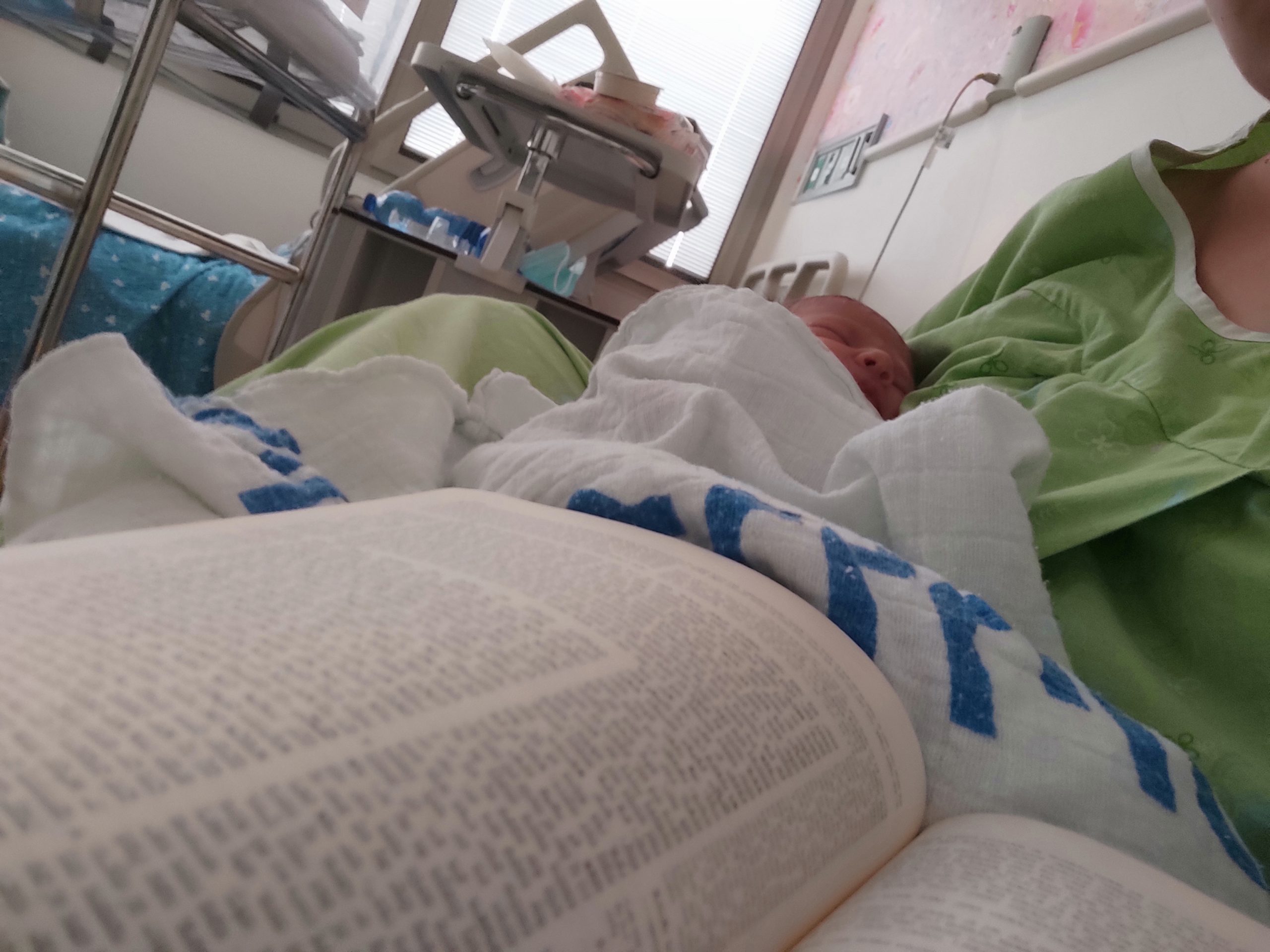
התחלתי בסיום הש”ס, יצאתי באורות. נשברתי פעמיים, ובשתיהם הרבנית מישל עודדה להמשיך איפה שכולם בסבב ולהשלים כשאוכל, וכך עשיתי וכיום השלמתי הכל. מדהים אותי שאני לומדת כל יום קצת, אפילו בחדר הלידה, בבידוד או בחו”ל. לאט לאט יותר נינוחה בסוגיות. לא כולם מבינים את הרצון, בפרט כפמניסטית. חשה סיפוק גדול להכיר את המושגים וצורת החשיבה. החלום זה להמשיך ולהתמיד ובמקביל ללמוד איך מהסוגיות נוצרה והתפתחה ההלכה.

Weingarten Sherrington Foundation
קרן וינגרטן שרינגטון

מודיעין, ישראל

בסוף הסבב הקודם ראיתי את השמחה הגדולה שבסיום הלימוד, בעלי סיים כבר בפעם השלישית וכמובן הסיום הנשי בבנייני האומה וחשבתי שאולי זו הזדמנות עבורי למשהו חדש.
למרות שאני שונה בסביבה שלי, מי ששומע על הלימוד שלי מפרגן מאוד.
אני מנסה ללמוד קצת בכל יום, גם אם לא את כל הדף ובסך הכל אני בדרך כלל עומדת בקצב.
הלימוד מעניק המון משמעות ליום יום ועושה סדר בלמוד תורה, שתמיד היה (ועדיין) שאיפה. אבל אין כמו קביעות

Racheli-Mendelson
רחלי מנדלסון

טל מנשה, ישראל

לפני 15 שנה, אחרי עשרות שנים של "ג’ינגול” בין משפחה לקריירה תובענית בהייטק, הצטרפתי לשיעורי גמרא במתן רעננה. הלימוד המעמיק והייחודי של הרבנית אושרה קורן יחד עם קבוצת הנשים המגוונת הייתה חוויה מאלפת ומעשירה. לפני כשמונה שנים כאשר מחזור הדף היומי הגיע למסכת תענית הצטרפתי כ”חברותא” לבעלי. זו השעה היומית שלנו ביחד כאשר דפי הגמרא משתלבים בחיי היום יום, משפיעים ומושפעים, וכשלא מספיקים תמיד משלימים בשבת

Yodi Askoff
יודי אסקוף

רעננה, ישראל

התחלתי ללמוד דף יומי בסבב הקודם. זכיתי לסיים אותו במעמד המרגש של הדרן. בסבב הראשון ליווה אותי הספק, שאולי לא אצליח לעמוד בקצב ולהתמיד. בסבב השני אני לומדת ברוגע, מתוך אמונה ביכולתי ללמוד ולסיים. בסבב הלימוד הראשון ליוותה אותי חוויה מסויימת של בדידות. הדרן העניקה לי קהילת לימוד ואחוות נשים. החוויה של סיום הש”ס במעמד כה גדול כשנשים שאינן מכירות אותי, שמחות ומתרגשות עבורי , היתה חוויה מרוממת נפש

Ilanit Weil
אילנית ווייל

קיבוץ מגדל עוז, ישראל

התחלתי ללמוד דף יומי כאשר קיבלתי במייל ממכון שטיינזלץ את הדפים הראשונים של מסכת ברכות במייל. קודם לא ידעתי איך לקרוא אותם עד שנתתי להם להדריך אותי. הסביבה שלי לא מודעת לעניין כי אני לא מדברת על כך בפומבי. למדתי מהדפים דברים חדשים, כמו הקשר בין המבנה של בית המקדש והמשכן לגופו של האדם (יומא מה, ע”א) והקשר שלו למשפט מפורסם שמופיע בספר ההינדי "בהגוד-גיתא”. מתברר שזה רעיון כלל עולמי ולא רק יהודי

Elena Arenburg
אלנה ארנבורג

נשר, ישראל

התחלתי כשהייתי בחופש, עם הפרסומים על תחילת המחזור, הסביבה קיבלה את זה כמשהו מתמיד ומשמעותי ובהערכה, הלימוד זה עוגן יציב ביום יום, יש שבועות יותר ויש שפחות אבל זה משהו שנמצא שם אמין ובעל משמעות בחיים שלי….

Adi Diamant
עדי דיאמנט

גמזו, ישראל

אני לומדת גמרא כעשור במסגרות שונות, ואת הדף היומי התחלתי כשחברה הציעה שאצטרף אליה לסיום בבנייני האומה. מאז אני לומדת עם פודקסט הדרן, משתדלת באופן יומי אך אם לא מספיקה, מדביקה פערים עד ערב שבת. בסבב הזה הלימוד הוא "ממעוף הציפור”, מקשיבה במהירות מוגברת תוך כדי פעילויות כמו בישול או נהיגה, וכך רוכשת היכרות עם הסוגיות ואופן ניתוחם על ידי חז”ל. בע”ה בסבב הבא, ואולי לפני, אצלול לתוכו באופן מעמיק יותר.

Yael Bir
יעל ביר

רמת גן, ישראל

התחלתי ללמוד גמרא בבית הספר בגיל צעיר והתאהבתי. המשכתי בכך כל חיי ואף היייתי מורה לגמרא בבית הספר שקד בשדה אליהו (בית הספר בו למדתי בילדותי)בתחילת מחזור דף יומי הנוכחי החלטתי להצטרף ובע”ה מקווה להתמיד ולהמשיך. אני אוהבת את המפגש עם הדף את "דרישות השלום ” שמקבלת מקשרים עם דפים אחרים שלמדתי את הסנכרון שמתחולל בין התכנים.

Ariela Bigman
אריאלה ביגמן

מעלה גלבוע, ישראל

רבנית מישל הציתה אש התלמוד בלבבות בביניני האומה ואני נדלקתי. היא פתחה פתח ותמכה במתחילות כמוני ואפשרה לנו להתקדם בצעדים נכונים וטובים. הקימה מערך שלם שמסובב את הלומדות בסביבה תומכת וכך נכנסתי למסלול לימוד מעשיר שאין כמוה. הדרן יצר קהילה גדולה וחזקה שמאפשרת התקדמות מכל נקודת מוצא. יש דיבוק לומדות שמחזק את ההתמדה של כולנו. כל פניה ושאלה נענית בזריזות ויסודיות. תודה גם למגי על כל העזרה.

Sarah Aber
שרה אבר

נתניה, ישראל

התחלתי ללמוד דף יומי ממסכת נידה כי זה היה חומר הלימוד שלי אז. לאחר הסיום הגדול בבנייני האומה החלטתי להמשיך. וב”ה מאז עם הפסקות קטנות של קורונה ולידה אני משתדלת להמשיך ולהיות חלק.

זה משפיע מאוד על היום יום שלי ועל אף שאני עסוקה בלימודי הלכה ותורה כל יום, זאת המסגרת הקבועה והמחייבת ביותר שיש לי.

Moriah Taesan Michaeli
מוריה תעסן מיכאלי

גבעת הראל, ישראל

אחרי שראיתי את הסיום הנשי של הדף היומי בבנייני האומה זה ריגש אותי ועורר בי את הרצון להצטרף. לא למדתי גמרא קודם לכן בכלל, אז הכל היה לי חדש, ולכן אני לומדת בעיקר מהשיעורים פה בהדרן, בשוטנשטיין או בחוברות ושיננתם.

Rebecca Schloss
רבקה שלוס

בית שמש, ישראל

הייתי לפני שנתיים בסיום הדרן נשים בבנייני האומה והחלטתי להתחיל. אפילו רק כמה דפים, אולי רק פרק, אולי רק מסכת… בינתיים סיימתי רבע שס ותכף את כל סדר מועד בה.
הסביבה תומכת ומפרגנת. אני בת יחידה עם ארבעה אחים שכולם לומדים דף יומי. מדי פעם אנחנו עושים סיומים יחד באירועים משפחתיים. ממש מרגש. מסכת שבת סיימנו כולנו יחד עם אבא שלנו!
אני שומעת כל יום פודקאסט בהליכה או בנסיעה ואחכ לומדת את הגמרא.

Edna Gross
עדנה גרוס

מרכז שפירא, ישראל

אחי, שלומד דף יומי ממסכת ברכות, חיפש חברותא ללימוד מסכת ראש השנה והציע לי. החברותא היתה מאתגרת טכנית ורוב הזמן נעשתה דרך הטלפון, כך שבסיום המסכת נפרדו דרכינו. אחי חזר ללמוד לבד, אבל אני כבר נכבשתי בקסם הגמרא ושכנעתי את האיש שלי להצטרף אלי למסכת ביצה. מאז המשכנו הלאה, ועכשיו אנחנו מתרגשים לקראתו של סדר נשים!

Shulamit Saban
שולמית סבן

נוקדים, ישראל

בבא בתרא קיח

אֶלָּא לְמַאן דְּאָמַר לְבָאֵי הָאָרֶץ, מַאי ״לָרַב תַּרְבּוּ נַחֲלָתוֹ״? קַשְׁיָא.

But according to the one who says that Eretz Yisrael was divided among those who entered Eretz Yisrael, what does the verse: “To the more you shall give the more inheritance” teach? It is obvious that larger families will receive more land due to their greater numbers. The Gemara concludes: This poses a difficulty to one who holds that opinion.

וַאֲמַר לֵיהּ רַב פָּפָּא לְאַבָּיֵי: בִּשְׁלָמָא לְמַאן דְּאָמַר לְיוֹצְאֵי מִצְרַיִם, הַיְינוּ דְּקָא צָוְוחָן בְּנוֹת צְלָפְחָד. אֶלָּא לְמַאן דְּאָמַר לְבָאֵי הָאָרֶץ, אַמַּאי צָוְוחָן? הָא לֵיתֵיהּ דְּלִשְׁקוֹל!

The Gemara presents the second question. And Rav Pappa said to Abaye: Granted, according to the one who says that Eretz Yisrael was divided among those who left Egypt, this is why the daughters of Zelophehad cried out in protest of the fact that they would be denied their father’s portion, to which he was entitled as one who left Egypt. But according to the one who says that Eretz Yisrael was divided among those who entered Eretz Yisrael, why did they cry out in protest; after all, Zelophehad was not there to take his portion, so his daughters should have no claim to the land?

אֶלָּא לַחֲזָרָה, וְלִיטּוֹל בְּנִכְסֵי חֵפֶר.

Abaye answers: Rather, according to this opinion, the protest of Zelophehad’s daughters was in reference to the returning of the portions from the generation that entered Eretz Yisrael to the generation that left Egypt, as described in the baraita above. And accordingly, Zelophehad’s daughters demanded to take their portion in the property of their grandfather Hepher, who received land posthumously through his children, their uncles.

בִּשְׁלָמָא לְמַאן דְּאָמַר לְיוֹצְאֵי מִצְרַיִם, הַיְינוּ דְּקָא צָוְוחָן בְּנֵי יוֹסֵף – דִּכְתִיב: ״וַיְדַבְּרוּ בְּנֵי יוֹסֵף״. אֶלָּא לְמַאן דְּאָמַר לְבָאֵי הָאָרֶץ, מַאי קָא צָוְוחִי? כּוּלְּהוּ שְׁקוּל!

The Gemara presents Rav Pappa’s third question: Granted, according to the one who says that Eretz Yisrael was divided among those who left Egypt, this is why the descendants of Joseph cried out in protest of the fact that they would receive an inadequate portion of land due to the fact that they had proliferated greatly in the wilderness. As it is written: “And the children of Joseph spoke to Joshua, saying: Why have you given me but one lot and one part for an inheritance, seeing I am a great people, because the Lord has blessed me thus” (Joshua 17:14). But according to the one who says that Eretz Yisrael was divided among those who entered Eretz Yisrael, what is the reason they were crying out? They were all entitled to take their own portion of land and should have had no cause for complaint.

מִשּׁוּם טְפָלִים דַּהֲווֹ נְפִישִׁי לְהוּ.

The Gemara answers: They protested due to the children, as they had many children who were not entitled to a portion of the land.

אָמַר אַבָּיֵי: שְׁמַע מִינַּהּ, לָא הֲוָה חַד דְּלָא שָׁקֵיל; דְּאִי סָלְקָא דַּעְתָּךְ הֲוָה חַד דְּלָא שָׁקֵיל, אִיבְּעִי לֵיהּ לְמִצְוַוח! וְכִי תֵּימָא: דִּצְוַוח וְאַהֲנִי – כַּתְבֵיהּ קְרָא, דִּצְוַוח וְלָא אַהֲנִי – לָא כַּתְבֵיהּ קְרָא; הָא בְּנֵי יוֹסֵף – דְּצָוְוחִי וְלָא אַהֲנִי, וְכַתְבִינְהוּ קְרָא!

Abaye said: Learn from the fact that the Bible records the complaints of only the daughters of Zelophehad and the descendants of Joseph that there was not one other individual who did not take a portion of land; as if it enters your mind that there was even one other who did not take a portion of land, he should have cried out in protest. And if you would say: The verse wrote about one who cried out and his protest was effective, and the verse did not write about one who cried out and his protest was not effective, that is difficult. But there is the counterexample of the descendants of Joseph, who cried out and their protest was not effective, and the verse wrote about them.

הָתָם עֵצָה טוֹבָה קָא מַשְׁמַע לַן, דְּאִיבְּעִי לֵיהּ לְאִינִישׁ לְאִיזְדְּהוֹרֵי מֵעֵינָא בִּישָׁא. וְהַיְינוּ דְּקָאָמַר לְהוּ יְהוֹשֻׁעַ – דִּכְתִיב: ״וַיֹּאמֶר אֲלֵיהֶם יְהוֹשֻׁעַ, אִם עַם רַב אַתָּה, עֲלֵה לְךָ הַיַּעְרָה״. אֲמַר לְהוּ: לְכוּ וְהַחְבִּאוּ עַצְמְכֶם בִּיעָרִים, שֶׁלֹּא תִּשְׁלוֹט בָּכֶם עַיִן רַע.

The Gemara rejects Abaye’s inference: Generally, the verse would not record an instance where one cried out if his protest was not effective, and there, the verse includes the protest of Joseph’s descendants in order to teach us a measure of good advice: That a person should be wary of the evil eye. And this is what Joshua said to them, as it is written: “And Joshua said unto them: If you be a great people, go up to the forest, and cut down for yourself there in the land of the Perizzites and of the Rephaim” (Joshua 17:15). Joshua said to them: Go and conceal yourselves in the forests so that the evil eye will not have dominion over you.

אֲמַרוּ לֵיהּ: אֲנַן מִזַּרְעָא דְּיוֹסֵף, דְּלָא שָׁלְטָא בֵּיהּ עֵינָא בִּישָׁא – דִּכְתִיב: ״בֵּן פֹּרָת יוֹסֵף, בֵּן פֹּרָת עֲלֵי עָיִן״, וְאָמַר רַבִּי אֲבָהוּ: אַל תִּקְרֵי ״עֲלֵי עָיִן״, אֶלָּא ״עוֹלֵי עָיִן״.

Joseph’s descendants said to him: We are of the descendants of Joseph, upon whom the evil eye had no dominion, as it is written: “Joseph is a fruitful vine, a fruitful vine by a fountain [alei ayin]” (Genesis 49:22), and Rabbi Abbahu states a homiletic interpretation: Do not read it as alei ayin,” rather read it as olei ayin, above the eye, i.e., he transcended the influence of the evil eye. Joseph’s descendants were saying that they also do not need to be wary.

רַבִּי יוֹסֵי בְּרַבִּי חֲנִינָא אֲמַר מֵהָכָא: ״וְיִדְגּוּ לָרוֹב בְּקֶרֶב הָאָרֶץ״; מָה דָּגִים שֶׁבַּיָּם – מַיִם מְכַסִּים עֲלֵיהֶם וְאֵין הָעַיִן שׁוֹלֶטֶת בָּהֶם, אַף זַרְעוֹ שֶׁל יוֹסֵף – אֵין הָעַיִן שׁוֹלֶטֶת בָּהֶם.

Rabbi Yosei, son of Rabbi Ḥanina, said that a proof for the notion that the evil eye holds no sway over Joseph and his descendants, is from here, Jacob’s blessing of Joseph’s sons, Ephraim and Manasseh: “The angel who has redeemed me from all evil, bless the lads; and let my name be named in them, and the name of my fathers, Abraham and Isaac; and let them grow into a multitude [veyidgu] in the midst of the earth” (Genesis 48:16). Veyidgu is related etymologically to the word for fish [dag]. Just as with regard to the fish in the sea, water covers them and the evil eye has no dominion over them, so too, the seed of Joseph, the evil eye has no dominion over them.

מְרַגְּלִים – יְהוֹשֻׁעַ וְכָלֵב נָטְלוּ חֶלְקָם. מְנָהָנֵי מִילֵּי? אָמַר עוּלָּא, דְּאָמַר קְרָא: ״וִיהוֹשֻׁעַ בִּן נוּן וְכָלֵב בֶּן יְפֻנֶּה חָיוּ מִן הָאֲנָשִׁים הָהֵם״ – מַאי ״חָיוּ״? אִילֵּימָא חָיוּ מַמָּשׁ, וְהָא כְּתִיב קְרָא אַחֲרִינָא: ״וְלֹא נוֹתַר מֵהֶם אִישׁ, כִּי אִם כָּלֵב בֶּן יְפֻנֶּה וִיהוֹשֻׁעַ בִּן נוּן״! אֶלָּא מַאי ״חָיוּ״ – שֶׁחָיוּ בְּחֶלְקָם.

§ The Gemara analyzes the next section of the baraita, which states: With regard to the twelve spies sent to survey Eretz Yisrael prior to the Jewish people’s entry into the land, Joshua and Caleb took all of the spies’ portions of the land. The Gemara asks: From where is this matter derived? Ulla said: It is as the verse states: “But Joshua, son of Nun, and Caleb, son of Jephunneh, lived of those men that went to spy out the land” (Numbers 14:38). What does the term “lived” mean? If we say that it means literally that they lived, but there is another verse that states: “And there was not left a man of them, save Caleb, son of Jephunneh, and Joshua, son of Nun (Numbers 26:65), so why would the Torah state it twice? Rather, what does the term “lived” mean? That Joshua and Caleb lived in the other spies’ portion of the land.

מִתְלוֹנְנִין וַעֲדַת קֹרַח – לֹא הָיָה לָהֶן חֵלֶק בָּאָרֶץ. וְהָתַנְיָא: מְרַגְּלִים, מִתְלוֹנְנִים וַעֲדַת קֹרַח – יְהוֹשֻׁעַ וְכָלֵב נָטְלוּ חֶלְקָם! לָא קַשְׁיָא; מָר מַקֵּישׁ מִתְלוֹנְנִים לִמְרַגְּלִים, מָר לָא מַקֵּישׁ מִתְלוֹנְנִים לִמְרַגְּלִים.

The baraita teaches that the protesters and the assembly of Korah did not possess a portion of Eretz Yisrael. The Gemara asks: But isn’t it taught otherwise in a baraita: With regard to the spies, the protesters, and the assembly of Korah, Joshua and Caleb took their portions of the land? Apparently, the protesters and the assembly of Korah were assigned portions in Eretz Yisrael, which were then given to Joshua and Caleb. The Gemara answers: It is not difficult: One Sage, the tanna of the baraita quoted earlier, juxtaposes the protesters to the spies, teaching that just as the spies were assigned a portion of Eretz Yisrael, so were the protesters. And one Sage, the tanna of the baraita quoted here, does not juxtapose the protesters to the spies. Although the spies were assigned a portion, the protesters were not.

דְּתַנְיָא: ״אָבִינוּ מֵת בַּמִּדְבָּר״ – זֶה צְלָפְחָד. ״וְהוּא לֹא הָיָה בְּתוֹךְ הָעֵדָה״ – זֶה עֲדַת מְרַגְּלִים. ״הַנּוֹעָדִים עַל ה׳״ – אֵלּוּ מִתְלוֹנְנִים. ״בַּעֲדַת קֹרַח״ – כְּמַשְׁמָעוֹ.

The Gemara quotes a related baraita. As it is taught in a baraita that the verse quotes the daughters of Zelophehad: “Our father died in the wilderness, and he was not among the assembly of them that gathered themselves together against the Lord in the assembly of Korah, but he died in his own sin; and he had no sons” (Numbers 27:3), and the daughters of Zelophehad therefore claim they are entitled to his portion. “Our father died in the wilderness,” this is referring to Zelophehad. “And he was not among the assembly,” this is referring to the assembly of spies. “That gathered themselves together against the Lord,” these are the protesters. “In the assembly of Korah,” this is in accordance with its straightforward meaning. It is clear from this verse that those in these categories were not entitled to a portion in Eretz Yisrael.

מָר מַקֵּישׁ מִתְלוֹנְנִים לִמְרַגְּלִים, וּמָר לָא מַקֵּישׁ מִתְלוֹנְנִים לִמְרַגְּלִים.

The Gemara concludes: One Sage juxtaposes the protesters to the spies, so that Joshua and Caleb inherited the portions of both; and one Sage does not juxtapose the protesters to the spies.

וַאֲמַר לֵיהּ רַב פָּפָּא לְאַבָּיֵי: וּלְמַאן דְּמַקֵּישׁ מִתְלוֹנְנִים לִמְרַגְּלִים, אִיכְּפוּל יְהוֹשֻׁעַ וְכָלֵב וִירִתוּ לְכוּלַּהּ אֶרֶץ יִשְׂרָאֵל?! אֲמַר לֵיהּ: מִתְלוֹנְנִים שֶׁבַּעֲדַת קֹרַח קָאָמְרִינַן.

The Gemara presents Rav Pappa’s fourth question. And Rav Pappa said to Abaye: And according to the one who juxtaposes the protesters to the spies, is it reasonable that Joshua and Caleb contested the spies and inherited all of Eretz Yisrael? Many of the Jewish people protested in the wilderness at one point or another, and it cannot be that Joshua and Caleb received all of their portions by virtue of not participating in the sin of the spies. Abaye said to him: We are referring to the protesters who were among the assembly of Korah. This term is not referring to all those who protested, but rather to the 250 individuals who protested along with Korah, and it is their portions of land that Joshua and Caleb received.

וַאֲמַר לֵיהּ רַב פָּפָּא לְאַבָּיֵי: בִּשְׁלָמָא לְמַאן דְּאָמַר לְיוֹצְאֵי מִצְרַיִם נִתְחַלְּקָה הָאָרֶץ, הַיְינוּ דִּכְתִיב: ״וַיִּפְּלוּ חַבְלֵי מְנַשֶּׁה עֲשָׂרָה״ – שִׁיתָּא דְּשִׁיתָּא בָּתֵּי אָבוֹת, וְאַרְבְּעָה דִּידְהוּ – הָא עֲשָׂרָה.

The Gemara returns to the baraita and presents the fifth question. And Rav Pappa said to Abaye: Granted, according to the one who says that Eretz Yisrael was divided among those who left Egypt, this is as it is written with regard to the inheritance of the tribe of Manasseh: “And ten parts fell to Manasseh, beside the land of Gilead and Bashan, which is beyond the Jordan; because the daughters of Manasseh had an inheritance among his sons” (Joshua 17:5–6). Six were the portions of the six fathers’ houses of Manasseh listed in a previous verse (Joshua 17:2), and four parts of the daughters of Zelophehad; that is ten parts.

אֶלָּא לְמַאן דְּאָמַר לְבָאֵי הָאָרֶץ, תְּמָנְיָא הוּא דַּהֲווֹ – שִׁיתָּא דְּשִׁיתָּא בָּתֵּי אָבוֹת, וּתְרֵי דִּידְהוּ – הָא תְּמָנְיָא!

But according to the one who says that Eretz Yisrael was divided among those who entered Eretz Yisrael, there were eight parts, as follows: Six were the portions of the six fathers’ houses, and two of theirs, which they received from the estate of their grandfather Hepher, of whom Zelophehad was the firstborn; that is eight. Zelophehad himself, by contrast, was not entitled to a portion, as he did not enter Eretz Yisrael.

וְלִיטַעְמָיךְ, וּלְמַאן דְּאָמַר לְיוֹצְאֵי מִצְרַיִם נִתְחַלְּקָה הָאָרֶץ, תִּשְׁעָה הֲווֹ! אֶלָּא מַאי אִית לָךְ לְמֵימַר – חַד אַחָא דְאַבָּא הֲוָה לְהוּ; הָכִי נָמֵי, תְּרֵי אַחֵי דְאַבָּא הֲוָה לְהוּ –

The Gemara objects: And according to your reasoning, but even according to the one who says that Eretz Yisrael was divided among those who left Egypt, there are only nine parts, as the mishna (116b) states that Zelophehad’s daughters took three parts. Rather, what have you to say? How can the mishna be reconciled with the verse? One must say that according to the opinion that Eretz Yisrael was divided among those who left Egypt, they had one unmentioned paternal uncle who died without children, and Zelophehad’s estate received a share of his portion. So too, according to the opinion that Eretz Yisrael was divided among those who entered Eretz Yisrael, it could be said that they had two unmentioned paternal uncles, so that they received two additional portions of land.

דְּתַנְיָא: ״נָתֹן תִּתֵּן לָהֶם״ זוֹ נַחֲלַת אֲבִיהֶן. ״בְּתוֹךְ אֲחֵי אֲבִיהֶן״ – זוֹ נַחֲלַת אֲבִי אֲבִיהֶן. ״וְהַעֲבַרְתָּ אֶת נַחֲלַת אֲבִיהֶן לָהֶן״ – זוֹ חֵלֶק בְּכוֹרָה.

The fact that they received a portion from an uncle may be derived from a verse. As it is taught in a baraita that the verse states: “You shall give [naton titten] them a possession of an inheritance” (Numbers 27:7). This is referring to the inheritance of their father. The verse continues: “Among their father’s brothers”; this is referring to the inheritance of their father’s father. The verse continues: “And you shall pass the inheritance of their father to them”; this is referring to the portion of the firstborn to which Zelophehad was entitled.

רַבִּי אֱלִיעֶזֶר בֶּן יַעֲקֹב אוֹמֵר: אַף חֵלֶק אֲחִי אֲבִיהֶם נָטְלוּ, שֶׁנֶּאֱמַר: ״נָתֹן תִּתֵּן״. וּלְמַאן דְּאָמַר תְּרֵי אַחֵי דְּאַבָּא הֲוָה לְהוּ, הַהוּא מֵ״אֲחֻזַּת נַחֲלָה״ נָפְקָא.

The baraita continues. Rabbi Eliezer ben Ya’akov says: They also took a portion of their father’s brother, as it is stated: “You shall give [naton titten].” The double expression indicates that they received an additional portion. The Gemara notes: And according to the one who says that they had two paternal uncles, that additional portion is derived from the phrase: “You shall give them a possession of an inheritance,” which would be superfluous were it not to indicate an additional portion.

וַאֲמַר לֵיהּ רַב פָּפָּא לְאַבָּיֵי: קְרָא מַאי קָא חָשֵׁיב? אִי טְפָלִים קָא חָשֵׁיב, טוּבָא הֲווֹ! אִי בָּתֵּי אָבוֹת קָחָשֵׁיב, שִׁיתָּא הֲווֹ!

The Gemara presents the sixth question. And Rav Pappa said to Abaye: In the verse quoted above, what portions is it counting? If the verse is counting children, i.e., the portions of those who inherited from their antecedents, as with the daughters of Zelophehad, there were many such portions, and the verse did not enumerate all portions inherited by all members of the tribe. And if the verse is counting fathers’ houses, there are only six, as Hepher is included among the six enumerated in Joshua 17:2. Why, then, does the verse count the portions of the daughters of Zelophehad separately?

רוצה לעקוב אחרי התכנים ולהמשיך ללמוד?

ביצירת חשבון עוד היום ניתן לעקוב אחרי ההתקדמות שלך, לסמן מה למדת, ולעקוב אחרי השיעורים שמעניינים אותך.

לנקות את כל הפריטים מהרשימה?

פעולה זו תסיר את כל הפריטים בחלק זה כולל ההתקדמות וההיסטוריה. שימי לב: לא ניתן לשחזר פעולה זו.

ביטול
מחיקה

האם את/ה בטוח/ה שברצונך למחוק פריט זה?

תאבד/י את כל ההתקדמות או ההיסטוריה הקשורות לפריט זה.

ביטול
מחיקה