חיפוש

בבא בתרא כה

רוצה להקדיש לימוד?

podcast placeholder

0:00
0:00


תקציר

כחלק מדיון על המשנה המתארת באיזה כיוון של העיר מותר/אסור להקים בית בורסקאות ודברים אחרים בגלל הריח הרע וכיוון הרוחות, הגמרא דנה בעוצמות של כל אחת מהרוחות (רוחות מכל ארבעת הכיוונים). ברייתא מנסה להסביר מדוע אנו רואים את השמש רק במהלך היום וגם מדוע ימי הקיץ וימי החורף יש בהם יותר/פחות שעות אור/יום. יש להרחיק עץ מבורו של השכן כי השורשים יזיקו לבור. פרטי דין זה נידונים.


בבא בתרא כה

שֶׁעוֹשֶׂה אוֹתוֹ גָּלָל.

he turns it into manure, i.e., the chaff acts like manure, and an excessive amount of manure damages the seeds.

מַתְנִי׳ מַרְחִיקִין אֶת הַנְּבֵלוֹת וְאֶת הַקְּבָרוֹת וְאֶת הַבּוּרְסְקִי מִן הָעִיר – חֲמִשִּׁים אַמָּה. אֵין עוֹשִׂין בּוּרְסְקִי אֶלָּא לְמִזְרַח הָעִיר. רַבִּי עֲקִיבָא אוֹמֵר: לְכׇל רוּחַ הוּא עוֹשֶׂה, חוּץ מִמַּעֲרָבָהּ; וּמַרְחִיק חֲמִשִּׁים אַמָּה. וּמֵרְחִיקִין אֶת הַמִּשְׁרָה מִן הַיָּרָק, וְאֶת הַכְּרֵישִׁין מִן הַבְּצָלִים, וְאֶת הַחַרְדָּל מִן הַדְּבוֹרִים. וְרַבִּי יוֹסֵי מַתִּיר בְּחַרְדָּל.

MISHNA: One must distance animal carcasses, and graves, and a tannery [haburseki], a place where hides are processed, fifty cubits from the city. One may establish a tannery only on the east side of the city, because winds usually blow from the west and the foul smells would therefore be blown away from the residential area. Rabbi Akiva says: One may establish a tannery on any side of a city except for the west, as the winds blowing from that direction will bring the odors into the city, and one must distance it fifty cubits from the city. One must distance from vegetables water in which flax is steeped, because this water ruins them; and likewise one must distance leeks from onions, and mustard from bees. And Rabbi Yosei permits one not to do so in the case of mustard.

גְּמָ׳ אִיבַּעְיָא לְהוּ: רַבִּי עֲקִיבָא הֵיכִי קָאָמַר? לְכׇל רוּחַ הוּא עוֹשֶׂה וְסוֹמֵךְ, חוּץ מִמַּעֲרָבָהּ – דְּמַרְחִיק חֲמִשִּׁים אַמָּה וְעוֹשֶׂה; אוֹ דִּלְמָא: לְכׇל רוּחַ הוּא עוֹשֶׂה וּמַרְחִיק חֲמִשִּׁים אַמָּה, חוּץ מִמַּעֲרָבָהּ – דְּאֵינוֹ עוֹשֶׂה כְּלָל?

GEMARA: A dilemma was raised before the Sages: With regard to what case is Rabbi Akiva speaking? Did he mean that one may establish a tannery on any side of a city, and one may even place the tannery close to the city, except for the west side, where one must establish it at a distance of fifty cubits? Or perhaps he meant that one may establish a tannery on any side and distance it fifty cubits, except for the west side, where one may not establish a tannery at all.

תָּא שְׁמַע: דְּתַנְיָא, רַבִּי עֲקִיבָא אוֹמֵר: לְכׇל רוּחַ הוּא עוֹשֶׂה וּמַרְחִיק חֲמִשִּׁים אַמָּה, חוּץ מִמַּעֲרָבָהּ דְּאֵינוֹ עוֹשֶׂה כׇּל עִיקָּר, מִפְּנֵי שֶׁהִיא תְּדִירָא.

The Gemara cites a proof: Come and hear, as it is taught in a baraita: Rabbi Akiva says that one may establish a tannery on any side of the city and distance it fifty cubits, except for the west side, where one may not establish a tannery at all, because the western wind is frequent.

אֲמַר לֵיהּ רָבָא לְרַב נַחְמָן: מַאי תְּדִירָא? אִילֵּימָא תְּדִירָא בְּרוּחוֹת, וְהָא אָמַר רַב חָנָן בַּר אַבָּא אָמַר רַב: אַרְבַּע רוּחוֹת מְנַשְּׁבוֹת בְּכׇל יוֹם, וְרוּחַ צְפוֹנִית עִם כּוּלָּן; שֶׁאִילְמָלֵא כֵּן – אֵין הָעוֹלָם מִתְקַיֵּים אֲפִילּוּ שָׁעָה אַחַת. וְרוּחַ דְּרוֹמִית קָשָׁה מִכּוּלָּן, וְאִילְמָלֵא בֶּן נֵץ שֶׁמַּעֲמִידָהּ – מַחְרֶבֶת אֶת הָעוֹלָם, שֶׁנֶּאֱמַר: ״הֲמִבִּינָתְךָ יַאֲבֶר נֵץ, יִפְרֹשׂ כְּנָפָו לְתֵימָן״!

§ With regard to the last statement of the baraita, Rava said to Rav Naḥman: What does frequent mean in this context? If we say it means frequent among the winds, i.e., this wind blows all the time, that is difficult. But doesn’t Rav Ḥanan bar Abba say that Rav says: Four winds blow every day from different directions, and the northern wind blows with each of the other three; as, if this were not so, i.e., if it did not blow, the world would not exist for even one hour, as the northern wind is pleasant and tempers the bitter effects of the other winds. And the southern wind is harsher than all of them, and were it not for the angel named Ben Netz, who stops it from blowing even harder, it would destroy the entire world, as it is stated: “Does the hawk [netz] soar by your wisdom, and stretch her wings toward the south?” (Job 39:26). This indicates that the northern wind is the most constant, not the western wind.

אֶלָּא מַאי תְּדִירָא – תְּדִירָא בִּשְׁכִינָה. דְּאָמַר רַבִּי יְהוֹשֻׁעַ בֶּן לֵוִי: בּוֹאוּ וְנַחֲזִיק טוֹבָה לַאֲבוֹתֵינוּ, שֶׁהוֹדִיעוּ מְקוֹם תְּפִלָּה – דִּכְתִיב: ״וּצְבָא הַשָּׁמַיִם לְךָ מִשְׁתַּחֲוִים״.

Rather, what is the meaning of frequent? It means frequent with the Divine Presence, i.e., the Divine Presence is found on the western side, and therefore it is inappropriate to set up a tannery there with its foul odors. As Rabbi Yehoshua ben Levi says: Come and let us be grateful to our ancestors who revealed to us the place of prayer, as it is written: “And the hosts of heaven bow down to You” (Nehemiah 9:6). Since the celestial bodies move from east to west, they bow in that direction, which indicates that the Divine Presence is in the west.

מַתְקֵיף לַהּ רַב אַחָא בַּר יַעֲקֹב: וְדִלְמָא כְּעֶבֶד שֶׁנּוֹטֵל פְּרָס מֵרַבּוֹ, וְחוֹזֵר לַאֲחוֹרָיו וּמִשְׁתַּחֲוֶה! קַשְׁיָא.

Rav Aḥa bar Ya’akov objects to this: But perhaps the celestial bodies are like a servant who receives a gift from his master and walks backward while bowing. If so, the Divine Presence is in the east and the celestial bodies are moving backward. The Gemara comments: Indeed, this is difficult, i.e., the verse does not provide a definitive proof.

וְרַבִּי אוֹשַׁעְיָא סָבַר: שְׁכִינָה בְּכׇל מָקוֹם. דְּאָמַר רַבִּי אוֹשַׁעְיָא, מַאי דִּכְתִיב: ״אַתָּה הוּא ה׳ לְבַדֶּךָ, אַתָּה עָשִׂיתָ אֶת הַשָּׁמַיִם וְגוֹ׳״? שְׁלוּחֶיךָ לֹא כִּשְׁלוּחֵי בָּשָׂר וָדָם; שְׁלוּחֵי בָּשָׂר וָדָם, מִמָּקוֹם שֶׁמִּשְׁתַּלְּחִים – לְשָׁם מַחֲזִירִים שְׁלִיחוּתָן; אֲבָל שְׁלוּחֶיךָ, לְמָקוֹם שֶׁמִּשְׁתַּלְּחִין – מִשָּׁם מַחְזִירִין שְׁלִיחוּתָן, שֶׁנֶּאֱמַר: ״הַתְשַׁלַּח בְּרָקִים וְיֵלֵכוּ וְיֹאמְרוּ לְךָ הִנֵּנוּ״ – ״יָבוֹאוּ וְיֹאמְרוּ״ לֹא נֶאֱמַר, אֶלָּא ״וְיֵלֵכוּ וְיֹאמְרוּ״, מְלַמֵּד שֶׁהַשְּׁכִינָה בְּכׇל מָקוֹם.

The Gemara comments: And Rabbi Oshaya holds that the Divine Presence is found in every place, as Rabbi Oshaya says: What is the meaning of that which is written: “You are the Lord, even You alone, You have made heaven…You preserve them all alive and the hosts of heaven bow down to You” (Nehemiah 9:6)? This indicates that Your messengers are not like the messengers of flesh and blood. The messengers of flesh and blood return to the place from where they were sent to report on their mission. But Your messengers return and report on their mission from the very same place to which they are sent, as it is stated “Can you send forth lightnings, that they may go out and say to you: Here we are?” (Job 38:35). The verse does not state: They will come and say, i.e., they do not return to their point of departure, but: “They may go out and say,” which teaches that the Divine Presence is found in every place.

וְאַף רַבִּי יִשְׁמָעֵאל סָבַר שְׁכִינָה בְּכׇל מָקוֹם. דְּתָנָא דְּבֵי רַבִּי יִשְׁמָעֵאל: מִנַּיִן שֶׁשְּׁכִינָה בְּכׇל מָקוֹם? שֶׁנֶּאֱמַר: ״הִנֵּה הַמַּלְאָךְ הַדֹּבֵר בִּי יֹצֵא, וּמַלְאָךְ אַחֵר יֹצֵא לִקְרָאתוֹ״ – ״אַחֲרָיו״ לֹא נֶאֱמַר, אֶלָּא ״לִקְרָאתוֹ״, מְלַמֵּד שֶׁשְּׁכִינָה בְּכׇל מָקוֹם.

The Gemara comments: And Rabbi Yishmael, too, holds that the Divine Presence is in every place, as one of the Sages of the school of Rabbi Yishmael taught: From where is it derived that the Divine Presence is in every place? As it is stated: “And behold the angel who spoke with me went forth, and another angel went out to meet him” (Zechariah 2:7). Although both angels were coming from the Divine Presence, the verse does not state: After him, but: “To meet him,” which teaches that the Divine Presence is in every place, and therefore the angels depart for their missions from every place.

וְאַף רַב שֵׁשֶׁת סָבַר שְׁכִינָה בְּכׇל מָקוֹם. דַּאֲמַר לֵיהּ רַב שֵׁשֶׁת לְשַׁמָּעֵיהּ: לְכׇל רוּחָתָא אוֹקְמַן, לְבַר מִמִּזְרָח. וְלָאו מִשּׁוּם דְּלֵית בֵּיהּ שְׁכִינָה, אֶלָּא מִשּׁוּם דְּמוֹרוּ בֵּהּ מִינֵי.

And Rav Sheshet, too, holds that the Divine Presence is in every place, as Rav Sheshet said to his servant: Set me facing any direction to pray except for the east. Rav Sheshet, who was blind, required the assistance of his aide to prepare for prayer. He explained to his servant: And the reason I do not wish to face east is not because it does not contain the Divine Presence, but because the heretics instruct people to pray in that direction.

וְרַבִּי אֲבָהוּ אָמַר: שְׁכִינָה בַּמַּעֲרָב – דְּאָמַר רַבִּי אֲבָהוּ: מַאי ״אוֹרְיָה״? אֲוִיר יָהּ.

But Rabbi Abbahu says: The Divine Presence is in the west, as Rabbi Abbahu says: What is the meaning of oriyya, which is a name for the west? It means the air of God [avir Yah], i.e., this is the place of the Divine Presence.

אָמַר רַב יְהוּדָה, מַאי דִּכְתִיב ״יַעֲרֹף כַּמָּטָר לִקְחִי״? זוֹ רוּחַ מַעֲרָבִית, שֶׁבָּאָה מֵעׇרְפּוֹ שֶׁל עוֹלָם.

The Gemara cites a statement connected to the four winds. Rav Yehuda said: What is the meaning of that which is written: “My doctrine shall drop as the rain, my speech shall distill as the dew; as the small rain upon the tender growth, and as the showers upon the herb” (Deuteronomy 32:2)? “My doctrine shall drop [ya’arof ] as the rain”; this is the western wind, which comes from the back of [me’orpo] the world, as the west is also referred to as the back.

״תִּזַּל כַּטַּל אִמְרָתִי״ – זוֹ רוּחַ צְפוֹנִית, שֶׁמַּזֶּלֶת אֶת הַזָּהָב. וְכֵן הוּא אוֹמֵר: ״הַזָּלִים זָהָב מִכִּיס״.

“My speech shall distill [tizzal] as the dew”; this is the northern wind, which brings dry air that reduces the rain and grain and thereby devalues [mazzelet] gold. When grain crops are reduced their price appreciates, and consequently the value of gold decreases. And in addition, it says: “You who lavish [hazzalim] gold out of the bag” (Isaiah 46:6).

״כִּשְׂעִירִם עֲלֵי דֶשֶׁא״ – זוֹ רוּחַ מִזְרָחִית, שֶׁמַּסְעֶרֶת אֶת כׇּל הָעוֹלָם כְּשָׂעִיר. ״וְכִרְבִיבִים עֲלֵי עֵשֶׂב״ – זוֹ רוּחַ דְּרוֹמִית, שֶׁהִיא מַעֲלָה רְבִיבִים וּמְגַדֶּלֶת עֲשָׂבִים.

“As the small rain [kisirim] upon the tender growth”; this is the eastern wind that rages through [maseret] the entire world like a demon [sa’ir] when it blows strongly. “And as the showers upon the herb”; this is the southern wind, which raises showers and causes herbs to grow.

תַּנְיָא, רַבִּי אֱלִיעֶזֶר אוֹמֵר: עוֹלָם

It is taught in a baraita that Rabbi Eliezer says: The world

לְאַכְסַדְרָה הוּא דּוֹמֶה, וְרוּחַ צְפוֹנִית אֵינָהּ מְסוּבֶּבֶת, וְכֵיוָן שֶׁהִגִּיעָה חַמָּה אֵצֶל קֶרֶן מַעֲרָבִית צְפוֹנִית – נִכְפֶּפֶת וְעוֹלֶה לְמַעְלָה מִן הָרָקִיעַ. וְרַבִּי יְהוֹשֻׁעַ אוֹמֵר: עוֹלָם לְקוּבָּה הוּא דּוֹמֶה, וְרוּחַ צְפוֹנִית מְסוּבֶּבֶת, וְכֵיוָן שֶׁחַמָּה מַגַּעַת לְקֶרֶן מַעֲרָבִית צְפוֹנִית – מַקֶּפֶת וְחוֹזֶרֶת אֲחוֹרֵי כִיפָּה;

is similar to a partially enclosed veranda [le’akhsadra], enclosed on three sides, and the northern side of the world is not enclosed with a partition like the other directions. The sun begins its revolution in the east and passes to the south and the west, and once the sun reaches the northwestern corner it turns around and ascends throughout the night above the sky to the east side and does not pass the north side. And Rabbi Yehoshua says: The world is similar to a small tent [lekubba], and the north side is enclosed with a partition as well, but once the sun reaches the northwestern corner it emerges from this small tent, and circles and passes behind the dome, i.e., outside the northern partition, until it reaches the east.

שֶׁנֶּאֱמַר: ״הוֹלֵךְ אֶל דָּרוֹם, וְסוֹבֵב אֶל צָפוֹן וְגוֹ׳״; ״הוֹלֵךְ אֶל דָּרוֹם״ – בַּיּוֹם. ״וְסוֹבֵב אֶל צָפוֹן״ – בַּלַּיְלָה. ״סוֹבֵב סֹבֵב הוֹלֵךְ הָרוּחַ וְעַל סְבִיבֹתָיו שָׁב הָרוּחַ״ – אֵלּוּ פְּנֵי מִזְרָח וּפְנֵי מַעֲרָב, שֶׁפְּעָמִים מְסַבַּבְתָּן וּפְעָמִים מְהַלַּכְתָּן.

As it is stated: “The sun also rises and the sun goes down, and hastens to its place, where it rises again. It goes toward the south, and turns about to the north; round and round goes the wind, and on its circuits the wind returns” (Ecclesiastes 1:5–6). The verse is understood as describing the sun’s movements, as follows: “It goes toward the south” during the day, “and turns about to the north,” on the outside of the firmament, at night. “Round and round goes the wind [ruaḥ] and the wind returns again to its circuits”; as the word ruaḥ can also mean direction or side, Rabbi Yehoshua explains that these are the face of the east and the face of the west. Sometimes, in the short winter days, the sun turns about them without being seen, and sometimes, in the long summer days, it traverses them visibly.

הוּא הָיָה אוֹמֵר – אֲתָאן לְרַבִּי אֱלִיעֶזֶר: ״מִן הַחֶדֶר תָּבֹא סוּפָה״ – זוֹ רוּחַ דְּרוֹמִית. ״וּמִמְּזָרִים קָרָה״ – זוֹ רוּחַ צְפוֹנִית. ״מִנִּשְׁמַת אֵל יִתֶּן קָרַח״ – זוֹ רוּחַ מַעֲרָבִית. ״וְרֹחַב מַיִם בְּמוּצָק״ – זוֹ רוּחַ מִזְרָחִית.

The baraita continues: He would say. Before continuing its citation, the Gemara interjects: In this statement, we arrive at the opinion of Rabbi Eliezer that the world is like a partially enclosed veranda. The Gemara resumes its citation of the baraita: There is proof from a verse that the north side is open: “Out of the chamber comes the storm”; this is the southern side that forms a room with the other two sides. “And cold out of the dispersed parts” (Job 37:9); this is the northern side, which is open, and from which a cold wind comes. “By the breath of God ice is given”; this is the western side. “And the breadth of the waters is straitened” (Job 37:10); this is the eastern side, from which the rains come.

וְהָאָמַר מָר: רוּחַ דְּרוֹמִית מַעֲלָה רְבִיבִים וּמְגַדֶּלֶת עֲשָׂבִים! לָא קַשְׁיָא; הָא דְּאָתְיָא מִטְרָא בְּנִיחוּתָא, הָא בִּשְׁפִיכוּתָא.

The Gemara asks: But doesn’t the Master say that the southern wind raises showers and causes herbs to grow? The Gemara answers that this is not difficult: This is referring to rain that falls gently, which waters plants and brings growth; that is referring to a downpour of rain that causes damage.

אָמַר רַב חִסְדָּא, מַאי דִּכְתִיב: ״מִצָּפוֹן זָהָב יֶאֱתֶה״? זוֹ רוּחַ צְפוֹנִית שֶׁמַּזֶּלֶת אֶת הַזָּהָב. וְכֵן הוּא אוֹמֵר: ״הַזָּלִים זָהָב מִכִּיס״.

Rav Ḥisda said: What is the meaning of that which is written: “Out of the north comes gold” (Job 37:22)? This is the northern wind, which devalues gold by causing a drought that raises the price of grain. And, in addition, it says: “You who lavish gold out of the bag” (Isaiah 46:6).

אָמַר רַפְרָם בַּר פָּפָּא אָמַר רַב חִסְדָּא: מִיּוֹם שֶׁחָרַב בֵּית הַמִּקְדָּשׁ לֹא הוּגְשְׁמָה רוּחַ דְּרוֹמִית, שֶׁנֶּאֱמַר: ״וַיִּגְזֹר עַל יָמִין וְרָעֵב, וַיֹּאכַל עַל שְׂמֹאל וְלֹא שָׂבֵעוּ״, וּכְתִיב: ״צָפוֹן וְיָמִין אַתָּה בְרָאתָם״.

§ Rafram bar Pappa says that Rav Ḥisda says: From the day the Temple was destroyed the southern wind has not brought rain, as it is stated in the description of the destruction of the Temple: “He decrees on the right and there is hunger, and consumes on the left and they are not satisfied” (Isaiah 9:19). This means that God decreed that the southern wind, which is called right, shall bring famine with it. And it is written: “North and right, You have created them” (Psalms 89:13). This proves that the term right means south.

וְאָמַר רַפְרָם בַּר פָּפָּא אָמַר רַב חִסְדָּא: מִיּוֹם שֶׁחָרַב בֵּית הַמִּקְדָּשׁ אֵין הַגְּשָׁמִים יוֹרְדִין מֵאוֹצָר טוֹב, שֶׁנֶּאֱמַר: ״יִפְתַּח ה׳ לְךָ אֶת אוֹצָרוֹ הַטּוֹב״ – בִּזְמַן שֶׁיִּשְׂרָאֵל עוֹשִׂין רְצוֹנוֹ שֶׁל מָקוֹם, וְיִשְׂרָאֵל שְׁרוּיִין עַל אַדְמָתָם – גְּשָׁמִים יוֹרְדִין מֵאוֹצָר טוֹב; בִּזְמַן שֶׁאֵין יִשְׂרָאֵל שְׁרוּיִין עַל אַדְמָתָם – אֵין גְּשָׁמִים יוֹרְדִין מֵאוֹצָר טוֹב.

And Rafram bar Pappa says that Rav Ḥisda says: From the day the Temple was destroyed, the rains no longer descend from the good storehouse, as it is stated: “The Lord will open to you His good storehouse, the skies, to give the rain of your land in its season” (Deuteronomy 28:12). In a time when the Jewish people perform God’s will, and the Jewish people are settled in their land, rain descends from the good storehouse. In a time when the Jewish people are not settled in their land, rain does not descend from the good storehouse.

אָמַר רַבִּי יִצְחָק: הָרוֹצֶה שֶׁיַּחְכִּים – יַדְרִים, וְשֶׁיַּעֲשִׁיר – יַצְפִּין, וְסִימָנָיךְ: שֻׁלְחָן בַּצָּפוֹן וּמְנוֹרָה בַּדָּרוֹם. וְרַבִּי יְהוֹשֻׁעַ בֶּן לֵוִי אָמַר: לְעוֹלָם יַדְרִים, שֶׁמִּתּוֹךְ שֶׁמִּתְחַכֵּם מִתְעַשֵּׁר – שֶׁנֶּאֱמַר: אֹרֶךְ יָמִים בִּימִינָהּ, בִּשְׂמֹאלָהּ עֹשֶׁר וְכָבוֹד״.

Rabbi Yitzḥak says: One who wishes to become wise should face south, and one who wishes to become wealthy should face north. And your mnemonic for this is that in the Temple the Table, which symbolized blessing and abundance, was in the north, and the Candelabrum, which symbolized the light of wisdom, was in the south of the Sanctuary. And Rabbi Yehoshua ben Levi says: One should always face south, as once he becomes wise he will subsequently also become wealthy, as it is stated with regard to the Torah: “Length of days is in her right hand; in her left hand are riches and honor” (Proverbs 3:16).

וְהָא רַבִּי יְהוֹשֻׁעַ בֶּן לֵוִי אָמַר: שְׁכִינָה בַּמַּעֲרָב! דְּמַצְדֵּד אַצְדּוֹדֵי. אֲמַר לֵיהּ רַבִּי חֲנִינָא לְרַב אָשֵׁי: כְּגוֹן אַתּוּן, דְּיָתְבִיתוּ בִּצְפוֹנָהּ דְּאֶרֶץ יִשְׂרָאֵל – אַדְרִימוּ אַדְרוֹמֵי. וּמְנָא לַן דְּבָבֶל לִצְפוֹנָהּ דְּאֶרֶץ יִשְׂרָאֵל קָיְימָא? דִּכְתִיב: ״מִצָּפוֹן תִּפָּתַח הָרָעָה עַל כׇּל יֹשְׁבֵי הָאָרֶץ״.

The Gemara asks: But Rabbi Yehoshua ben Levi says that the Divine Presence is in the west. How, then, can one pray facing south? The Gemara explains that one should turn aside slightly, so that he faces southwest. Rabbi Ḥanina said to Rav Ashi: An individual such as you, who lives to the north of Eretz Yisrael, should face south when you pray. And from where do we derive that Babylonia is located to the north of Eretz Yisrael? As it is written in a prophecy concerning the destruction of Jerusalem by the Babylonians: “Out of the north evil shall break forth upon all the inhabitants of the land” (Jeremiah 1:14).

מַרְחִיקִין אֶת הַמִּשְׁרָה מִן הַיָּרָק וְכוּ׳. תָּנָא: רַבִּי יוֹסֵי מַתִּיר בַּחַרְדָּל, שֶׁיָּכוֹל לוֹמַר לוֹ: עַד שֶׁאַתָּה אוֹמֵר לִי הַרְחֵק חַרְדָּלֶךָ מִן דְּבוֹרַיי; הַרְחֵק דְּבוֹרֶךָ מִן חַרְדָּלַיי, שֶׁבָּאוֹת וְאוֹכְלוֹת לִגְלוּגֵי חַרְדָּלַיי.

§ The mishna teaches that one must distance from vegetables the water in which flax is steeped, and distance mustard from bees. A Sage taught that Rabbi Yosei permits one not to do so in the case of mustard because he can say to the beekeeper: Before you tell me: Distance your mustard from my bees, I can tell you: Distance your bees from my mustard, as they come and eat my mustard plants. In other words, you are also causing damage to my property. Since they each cause damage to the other, neither can force his neighbor to move.

מַתְנִי׳ מַרְחִיקִין אֶת הָאִילָן מִן הַבּוֹר עֶשְׂרִים וְחָמֵשׁ אַמָּה, וּבְחָרוּב וּבַשִּׁקְמָה – חֲמִשִּׁים אַמָּה; בֵּין מִלְּמַעְלָה בֵּין מִן הַצַּד. אִם הַבּוֹר קָדְמָה – קוֹצֵץ וְנוֹתֵן דָּמִים, וְאִם אִילָן קָדַם – לֹא יָקוֹץ. סָפֵק זֶה קָדַם וְסָפֵק זֶה קָדַם – לֹא יָקוֹץ. רַבִּי יוֹסֵי אוֹמֵר: אַף עַל פִּי שֶׁהַבּוֹר קוֹדֶמֶת לָאִילָן – לֹא יָקוֹץ, שֶׁזֶּה חוֹפֵר בְּתוֹךְ שֶׁלּוֹ וְזֶה נוֹטֵעַ בְּתוֹךְ שֶׁלּוֹ.

MISHNA: One must distance a tree twenty-five cubits from a cistern, and in the case of a carob and of a sycamore tree, whose roots extend farther, one must distance the tree fifty cubits. This is the halakha whether the cistern or tree is located above or to the side of the other. If the digging of the cistern preceded the tree, the owner of the tree cuts down the tree and the owner of the cistern pays him money. And if the tree preceded the cistern the owner of the tree need not cut down the tree. If it is uncertain whether this came first or that came first, the owner of the tree need not cut down the tree. Rabbi Yosei says: Even if the cistern preceded the tree, the owner of the tree need not cut down the tree. This is due to the fact that this one digs in his own property, and that one plants in his own property.

גְּמָ׳ תָּנָא: בֵּין שֶׁהַבּוֹר לְמַטָּה וְאִילָן לְמַעְלָה, בֵּין שֶׁהַבּוֹר לְמַעְלָה וְאִילָן לְמַטָּה. בִּשְׁלָמָא בּוֹר לְמַטָּה וְאִילָן לְמַעְלָה – קָא אָזְלִין שׇׁרָשִׁין מַזְּקִי לַהּ לְבוֹר. אֶלָּא בּוֹר לְמַעְלָה וְאִילָן לְמַטָּה, אַמַּאי? אָמַר רַבִּי חַגָּא בְּשֵׁם רַבִּי יוֹסֵי: מִפְּנֵי שֶׁמַּחְלִידִין אֶת הַקַּרְקַע וּמַלְקִין קַרְקָעִיתָהּ שֶׁל בּוֹר.

GEMARA: The Gemara discusses the mishna’s statement that a tree must be distanced if it is above a cistern. A Sage taught: This is the halakha whether the cistern is below and the tree is above, or whether the cistern is above and the tree is below. The Gemara asks: Granted, if the cistern is below and the tree is above, it will cause damage, as the roots extend and damage the cistern when they breach its walls. But if the cistern is above and the tree is below, why should he have to distance the tree, considering that the roots extend downward? Rabbi Ḥagga says in the name of Rabbi Yosei: He must distance the tree because its roots form holes in the ground and ruin the floor of the cistern.

רַבִּי יוֹסֵי אוֹמֵר: אַף עַל פִּי שֶׁהַבּוֹר קוֹדֶמֶת לְאִילָן – לֹא יָקוֹץ, שֶׁזֶּה חוֹפֵר בְּתוֹךְ שֶׁלּוֹ וְזֶה נוֹטֵעַ בְּתוֹךְ שֶׁלּוֹ. אָמַר רַב יְהוּדָה אָמַר שְׁמוּאֵל: הֲלָכָה כְּרַבִּי יוֹסֵי. אָמַר רַב אָשֵׁי: כִּי הֲוָאן בֵּי רַב כָּהֲנָא הֲוָה אָמְרִינַן: מוֹדֵי רַבִּי יוֹסֵי בְּגִירֵי דִידֵיהּ.

Rabbi Yosei says: Even if the cistern preceded the tree, the owner of the tree need not cut down the tree. This is due to the fact that this one digs in his own property, and that one plants in his own property. Rav Yehuda says that Shmuel says: The halakha is in accordance with the opinion of Rabbi Yosei. Rav Ashi said: When we were studying in the study hall of Rav Kahana, we would say that Rabbi Yosei concedes with regard to one’s arrows, i.e., one must distance his activities from his neighbor if his actions will cause immediate damage to his neighbor, even if he is acting on his own property.

פָּאפִּי יוֹנָאָה עָנִי וְהֶעֱשִׁיר הֲוָה. בְּנָה אַפַּדְנָא. הֲווֹ הָנָךְ עָצוֹרֵי בְּשִׁיבָבוּתֵיהּ, דְּכִי הֲווֹ דָּיְיקִי שׁוּמְשְׁמֵי הֲוָה נָיְידָא אַפַּדְנֵיהּ. אֲתָא לְקַמֵּיהּ דְּרַב אָשֵׁי, אֲמַר לֵיהּ: כִּי הֲוָאן בֵּי רַב כָּהֲנָא הֲוָה אָמְרִינַן: מוֹדֵי רַבִּי יוֹסֵי בְּגִירֵי דִילֵיהּ.

The Gemara relates that a man called Pappei Yona’a was poor and became wealthy. He built a mansion [appadna] on his land. There were these sesame seed pressers in his neighborhood who would work, and when they would press the sesame seeds their activity would shake his mansion. He came before Rav Ashi to complain. Rav Ashi said to him: When we were studying in the study hall of Rav Kahana, we would say that Rabbi Yosei concedes with regard to one’s arrows. Here too, because the sesame seed pressers cause immediate damage they must distance themselves.

וְכַמָּה?

The Gemara asks: And how much must the mansion shake for the owner to have the right to compel the sesame seed pressers to distance themselves?

חדשה בלימוד הגמרא?

זה הדף הראשון שלך? איזו התרגשות עצומה! יש לנו בדיוק את התכנים והכלים שיעזרו לך לעשות את הצעדים הראשונים ללמידה בקצב וברמה שלך, כך תוכלי להרגיש בנוח גם בתוך הסוגיות המורכבות ומאתגרות.

פסיפס הלומדות שלנו

גלי את קהילת הלומדות שלנו, מגוון נשים, רקעים וסיפורים. כולן חלק מתנועה ומסע מרגש ועוצמתי.

באירוע של הדרן בנייני האומה. בהשראתה של אמי שלי שסיימה את הש”ס בסבב הקודם ובעידוד מאיר , אישי, וילדיי וחברותיי ללימוד במכון למנהיגות הלכתית של רשת אור תורה סטון ומורתיי הרבנית ענת נובוסלסקי והרבנית דבורה עברון, ראש המכון למנהיגות הלכתית.
הלימוד מעשיר את יומי, מחזיר אותי גם למסכתות שכבר סיימתי וידוע שאינו דומה מי ששונה פרקו מאה לשונה פרקו מאה ואחת במיוחד מרתקים אותי החיבורים בין המסכתות

Roit Kalech
רוית קלך

מודיעין, ישראל

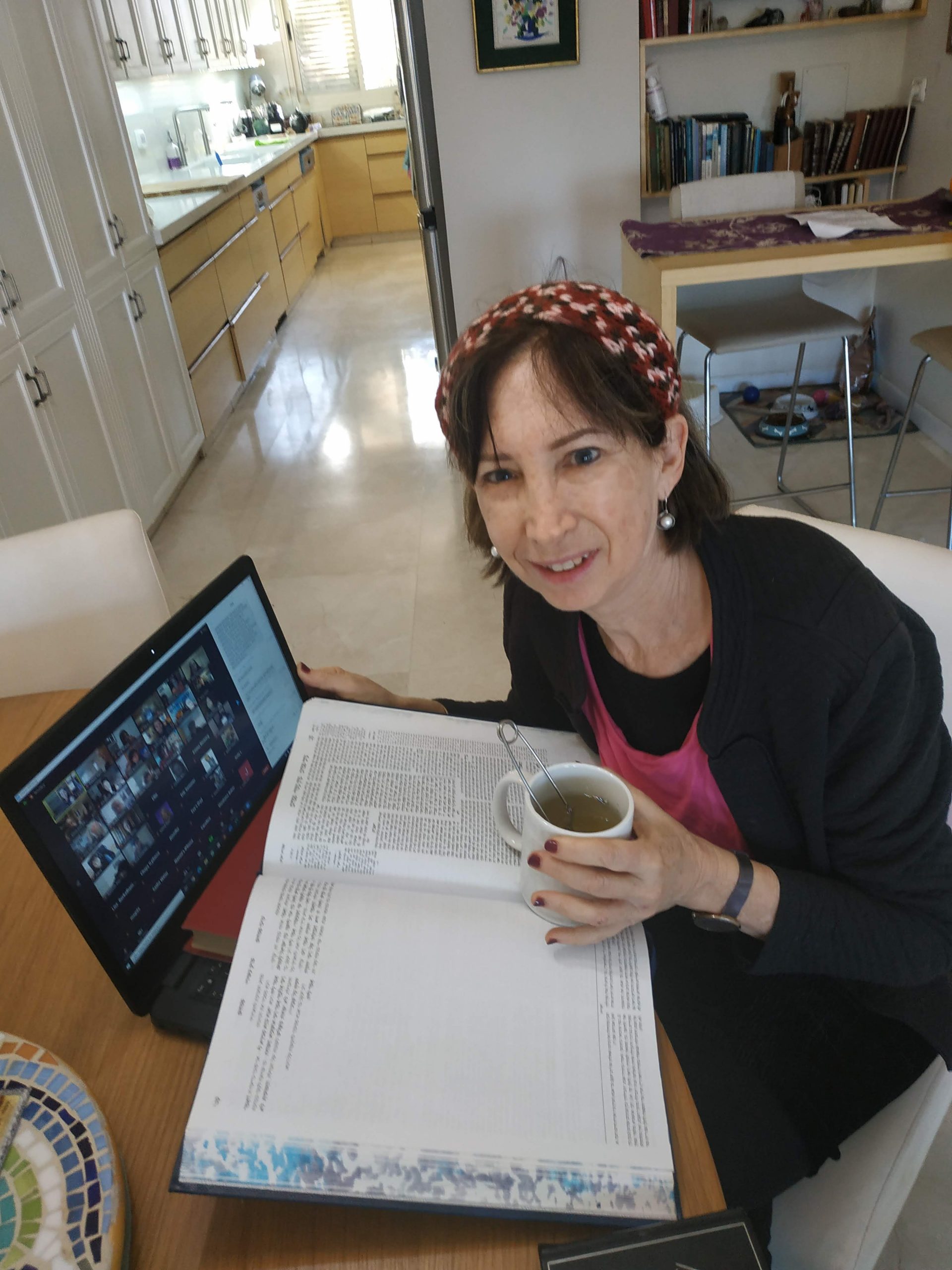
למדתי גמרא מכיתה ז- ט ב Maimonides School ואחרי העליה שלי בגיל 14 לימוד הגמרא, שלא היה כל כך מקובל בימים אלה, היה די ספוראדי. אחרי "ההתגלות” בבנייני האומה התחלתי ללמוד בעיקר בדרך הביתה למדתי מפוקקטסים שונים. לאט לאט ראיתי שאני תמיד חוזרת לרבנית מישל פרבר. באיזה שהוא שלב התחלתי ללמוד בזום בשעה 7:10 .
היום "אין מצב” שאני אתחיל את היום שלי ללא לימוד עם הרבנית מישל עם כוס הקפה שלי!!

selfie-scaled
דבי גביר

חשמונאים, ישראל

"
גם אני התחלתי בסבב הנוכחי וב””ה הצלחתי לסיים את רוב המסכתות . בזכות הרבנית מישל משתדלת לפתוח את היום בשיעור הזום בשעה 6:20 .הלימוד הפך להיות חלק משמעותי בחיי ויש ימים בהם אני מצליחה לחזור על הדף עם מלמדים נוספים ששיעוריהם נמצאים במרשתת. שמחה להיות חלק מקהילת לומדות ברחבי העולם. ובמיוחד לשמש דוגמה לנכדותיי שאי””ה יגדלו לדור שלימוד תורה לנשים יהיה משהו שבשגרה. "

Ronit Shavit
רונית שביט

נתניה, ישראל

A life-changing journey started with a Chanukah family tiyul to Zippori, home of the Sanhedrin 2 years ago and continued with the Syum in Binanei Hauma where I was awed by the energy of 3000 women dedicated to learning daf Yomi. Opening my morning daily with a fresh daf, I am excited with the new insights I find enriching my life and opening new and deeper horizons for me.

Becky Goldstein
בקי גולדשטיין

Elazar gush etzion, Israel

בסוף הסבב הקודם ראיתי את השמחה הגדולה שבסיום הלימוד, בעלי סיים כבר בפעם השלישית וכמובן הסיום הנשי בבנייני האומה וחשבתי שאולי זו הזדמנות עבורי למשהו חדש.
למרות שאני שונה בסביבה שלי, מי ששומע על הלימוד שלי מפרגן מאוד.
אני מנסה ללמוד קצת בכל יום, גם אם לא את כל הדף ובסך הכל אני בדרך כלל עומדת בקצב.
הלימוד מעניק המון משמעות ליום יום ועושה סדר בלמוד תורה, שתמיד היה (ועדיין) שאיפה. אבל אין כמו קביעות

Racheli-Mendelson
רחלי מנדלסון

טל מנשה, ישראל

אחי, שלומד דף יומי ממסכת ברכות, חיפש חברותא ללימוד מסכת ראש השנה והציע לי. החברותא היתה מאתגרת טכנית ורוב הזמן נעשתה דרך הטלפון, כך שבסיום המסכת נפרדו דרכינו. אחי חזר ללמוד לבד, אבל אני כבר נכבשתי בקסם הגמרא ושכנעתי את האיש שלי להצטרף אלי למסכת ביצה. מאז המשכנו הלאה, ועכשיו אנחנו מתרגשים לקראתו של סדר נשים!

Shulamit Saban
שולמית סבן

נוקדים, ישראל

התחלתי מחוג במסכת קידושין שהעבירה הרבנית רייסנר במסגרת בית המדרש כלנה בגבעת שמואל; לאחר מכן התחיל סבב הדף היומי אז הצטרפתי. לסביבה לקח זמן לעכל אבל היום כולם תומכים ומשתתפים איתי. הלימוד לעתים מעניין ומעשיר ולעתים קשה ואף הזוי… אך אני ממשיכה קדימה. הוא משפיע על היומיום שלי קודם כל במרדף אחרי הדף, וגם במושגים הרבים שלמדתי ובידע שהועשרתי בו, חלקו ממש מעשי

Abigail Chrissy
אביגיל כריסי

ראש העין, ישראל

שמעתי על הסיום הענק של הדף היומי ע”י נשים בבנייני האומה. רציתי גם.
החלטתי להצטרף. התחלתי ושיכנעתי את בעלי ועוד שתי חברות להצטרף. עכשיו יש לי לימוד משותף איתו בשבת ומפגש חודשי איתן בנושא (והתכתבויות תדירות על דברים מיוחדים שקראנו). הצטרפנו לקבוצות שונות בווטסאפ. אנחנו ממש נהנות. אני שומעת את השיעור מידי יום (בד”כ מהרב יוני גוטמן) וקוראת ומצטרפת לסיומים של הדרן. גם מקפידה על דף משלהן (ונהנית מאד).

Liat Citron
ליאת סיטרון

אפרת, ישראל

הייתי לפני שנתיים בסיום הדרן נשים בבנייני האומה והחלטתי להתחיל. אפילו רק כמה דפים, אולי רק פרק, אולי רק מסכת… בינתיים סיימתי רבע שס ותכף את כל סדר מועד בה.
הסביבה תומכת ומפרגנת. אני בת יחידה עם ארבעה אחים שכולם לומדים דף יומי. מדי פעם אנחנו עושים סיומים יחד באירועים משפחתיים. ממש מרגש. מסכת שבת סיימנו כולנו יחד עם אבא שלנו!
אני שומעת כל יום פודקאסט בהליכה או בנסיעה ואחכ לומדת את הגמרא.

Edna Gross
עדנה גרוס

מרכז שפירא, ישראל

התחלתי ללמוד דף יומי שהתחילו מסכת כתובות, לפני 7 שנים, במסגרת קבוצת לימוד שהתפרקה די מהר, ומשם המשכתי לבד בתמיכת האיש שלי. נעזרתי בגמרת שטיינזלץ ובשיעורים מוקלטים.
הסביבה מאד תומכת ואני מקבלת המון מילים טובות לאורך כל הדרך. מאז הסיום הגדול יש תחושה שאני חלק מדבר גדול יותר.
אני לומדת בשיטת ה”7 דפים בשבוע” של הרבנית תרצה קלמן – כלומר, לא נורא אם לא הצלחת ללמוד כל יום, העיקר שגמרת ארבעה דפים בשבוע

Rachel Goldstein
רחל גולדשטיין

עתניאל, ישראל

התחלתי ללמוד בסבב הנוכחי לפני כשנתיים .הסביבה מתפעלת ותומכת מאוד. אני משתדלת ללמוד מכל ההסכתים הנוספים שיש באתר הדרן. אני עורכת כל סיום מסכת שיעור בביתי לכ20 נשים שמחכות בקוצר רוח למפגשים האלו.

Yael Asher
יעל אשר

יהוד, ישראל

לצערי גדלתי בדור שבו לימוד גמרא לנשים לא היה דבר שבשגרה ושנים שאני חולמת להשלים את הפער הזה.. עד שלפני מספר שבועות, כמעט במקרה, נתקלתי במודעת פרסומת הקוראת להצטרף ללימוד מסכת תענית. כשקראתי את המודעה הרגשתי שהיא כאילו נכתבה עבורי – "תמיד חלמת ללמוד גמרא ולא ידעת איך להתחיל”, "בואי להתנסות במסכת קצרה וקלה” (רק היה חסר שהמודעה תיפתח במילים "מיכי שלום”..). קפצתי למים ו- ב”ה אני בדרך להגשמת החלום:)

Micah Kadosh
מיכי קדוש

מורשת, ישראל

כבר סיפרתי בסיום של מועד קטן.
הלימוד מאוד משפיעה על היום שלי כי אני לומדת עם רבנית מישל על הבוקר בזום. זה נותן טון לכל היום – בסיס למחשבות שלי .זה זכות גדול להתחיל את היום בלימוד ובתפילה. תודה רבה !

שרה-ברלוביץ
שרה ברלוביץ

ירושלים, ישראל

התחלתי ללמוד דף לפני קצת יותר מ-5 שנים, כשלמדתי רבנות בישיבת מהר”ת בניו יורק. בדיעבד, עד אז, הייתי בלימוד הגמרא שלי כמו מישהו שאוסף חרוזים משרשרת שהתפזרה, פה משהו ושם משהו, ומאז נפתח עולם ומלואו…. הדף נותן לי לימוד בצורה מאורגנת, שיטתית, יום-יומית, ומלמד אותי לא רק ידע אלא את השפה ודרך החשיבה שלנו. לשמחתי, יש לי סביבה תומכת וההרגשה שלי היא כמו בציטוט שבחרתי: הדף משפיע לטובה על כל היום שלי.

Michal Kahana
מיכל כהנא

חיפה, ישראל

שמעתי על הסיום הענק של הדף היומי ע”י נשים בבנייני האומה. רציתי גם.
החלטתי להצטרף. התחלתי ושיכנעתי את בעלי ועוד שתי חברות להצטרף. עכשיו יש לי לימוד משותף איתו בשבת ומפגש חודשי איתן בנושא (והתכתבויות תדירות על דברים מיוחדים שקראנו). הצטרפנו לקבוצות שונות בווטסאפ. אנחנו ממש נהנות. אני שומעת את השיעור מידי יום (בד”כ מהרב יוני גוטמן) וקוראת ומצטרפת לסיומים של הדרן. גם מקפידה על דף משלהן (ונהנית מאד).

Liat Citron
ליאת סיטרון

אפרת, ישראל

התחלתי בסיום הש”ס, יצאתי באורות. נשברתי פעמיים, ובשתיהם הרבנית מישל עודדה להמשיך איפה שכולם בסבב ולהשלים כשאוכל, וכך עשיתי וכיום השלמתי הכל. מדהים אותי שאני לומדת כל יום קצת, אפילו בחדר הלידה, בבידוד או בחו”ל. לאט לאט יותר נינוחה בסוגיות. לא כולם מבינים את הרצון, בפרט כפמניסטית. חשה סיפוק גדול להכיר את המושגים וצורת החשיבה. החלום זה להמשיך ולהתמיד ובמקביל ללמוד איך מהסוגיות נוצרה והתפתחה ההלכה.

Weingarten Sherrington Foundation
קרן וינגרטן שרינגטון

מודיעין, ישראל

התחלתי לפני 8 שנים במדרשה. לאחרונה סיימתי מסכת תענית בלמידה עצמית ועכשיו לקראת סיום מסכת מגילה.

Daniela Baruchim
דניאלה ברוכים

רעננה, ישראל

למדתי גמרא מכיתה ז- ט ב Maimonides School ואחרי העליה שלי בגיל 14 לימוד הגמרא, שלא היה כל כך מקובל בימים אלה, היה די ספוראדי. אחרי "ההתגלות” בבנייני האומה התחלתי ללמוד בעיקר בדרך הביתה למדתי מפוקקטסים שונים. לאט לאט ראיתי שאני תמיד חוזרת לרבנית מישל פרבר. באיזה שהוא שלב התחלתי ללמוד בזום בשעה 7:10 .
היום "אין מצב” שאני אתחיל את היום שלי ללא לימוד עם הרבנית מישל עם כוס הקפה שלי!!

selfie-scaled
דבי גביר

חשמונאים, ישראל

אמא שלי למדה איתי ש”ס משנה, והתחילה ללמוד דף יומי. אני החלטתי שאני רוצה ללמוד גם. בהתחלה למדתי איתה, אח”כ הצטרפתי ללימוד דף יומי שהרב דני וינט מעביר לנוער בנים בעתניאל. במסכת עירובין עוד חברה הצטרפה אלי וכשהתחלנו פסחים הרב דני פתח לנו שעור דף יומי לבנות. מאז אנחנו לומדות איתו קבוע כל יום את הדף היומי (ובשבת אבא שלי מחליף אותו). אני נהנית מהלימוד, הוא מאתגר ומעניין

Renana Hellman
רננה הלמן

עתניאל, ישראל

הייתי לפני שנתיים בסיום הדרן נשים בבנייני האומה והחלטתי להתחיל. אפילו רק כמה דפים, אולי רק פרק, אולי רק מסכת… בינתיים סיימתי רבע שס ותכף את כל סדר מועד בה.
הסביבה תומכת ומפרגנת. אני בת יחידה עם ארבעה אחים שכולם לומדים דף יומי. מדי פעם אנחנו עושים סיומים יחד באירועים משפחתיים. ממש מרגש. מסכת שבת סיימנו כולנו יחד עם אבא שלנו!
אני שומעת כל יום פודקאסט בהליכה או בנסיעה ואחכ לומדת את הגמרא.

Edna Gross
עדנה גרוס

מרכז שפירא, ישראל

בבא בתרא כה

שֶׁעוֹשֶׂה אוֹתוֹ גָּלָל.

he turns it into manure, i.e., the chaff acts like manure, and an excessive amount of manure damages the seeds.

מַתְנִי׳ מַרְחִיקִין אֶת הַנְּבֵלוֹת וְאֶת הַקְּבָרוֹת וְאֶת הַבּוּרְסְקִי מִן הָעִיר – חֲמִשִּׁים אַמָּה. אֵין עוֹשִׂין בּוּרְסְקִי אֶלָּא לְמִזְרַח הָעִיר. רַבִּי עֲקִיבָא אוֹמֵר: לְכׇל רוּחַ הוּא עוֹשֶׂה, חוּץ מִמַּעֲרָבָהּ; וּמַרְחִיק חֲמִשִּׁים אַמָּה. וּמֵרְחִיקִין אֶת הַמִּשְׁרָה מִן הַיָּרָק, וְאֶת הַכְּרֵישִׁין מִן הַבְּצָלִים, וְאֶת הַחַרְדָּל מִן הַדְּבוֹרִים. וְרַבִּי יוֹסֵי מַתִּיר בְּחַרְדָּל.

MISHNA: One must distance animal carcasses, and graves, and a tannery [haburseki], a place where hides are processed, fifty cubits from the city. One may establish a tannery only on the east side of the city, because winds usually blow from the west and the foul smells would therefore be blown away from the residential area. Rabbi Akiva says: One may establish a tannery on any side of a city except for the west, as the winds blowing from that direction will bring the odors into the city, and one must distance it fifty cubits from the city. One must distance from vegetables water in which flax is steeped, because this water ruins them; and likewise one must distance leeks from onions, and mustard from bees. And Rabbi Yosei permits one not to do so in the case of mustard.

גְּמָ׳ אִיבַּעְיָא לְהוּ: רַבִּי עֲקִיבָא הֵיכִי קָאָמַר? לְכׇל רוּחַ הוּא עוֹשֶׂה וְסוֹמֵךְ, חוּץ מִמַּעֲרָבָהּ – דְּמַרְחִיק חֲמִשִּׁים אַמָּה וְעוֹשֶׂה; אוֹ דִּלְמָא: לְכׇל רוּחַ הוּא עוֹשֶׂה וּמַרְחִיק חֲמִשִּׁים אַמָּה, חוּץ מִמַּעֲרָבָהּ – דְּאֵינוֹ עוֹשֶׂה כְּלָל?

GEMARA: A dilemma was raised before the Sages: With regard to what case is Rabbi Akiva speaking? Did he mean that one may establish a tannery on any side of a city, and one may even place the tannery close to the city, except for the west side, where one must establish it at a distance of fifty cubits? Or perhaps he meant that one may establish a tannery on any side and distance it fifty cubits, except for the west side, where one may not establish a tannery at all.

תָּא שְׁמַע: דְּתַנְיָא, רַבִּי עֲקִיבָא אוֹמֵר: לְכׇל רוּחַ הוּא עוֹשֶׂה וּמַרְחִיק חֲמִשִּׁים אַמָּה, חוּץ מִמַּעֲרָבָהּ דְּאֵינוֹ עוֹשֶׂה כׇּל עִיקָּר, מִפְּנֵי שֶׁהִיא תְּדִירָא.

The Gemara cites a proof: Come and hear, as it is taught in a baraita: Rabbi Akiva says that one may establish a tannery on any side of the city and distance it fifty cubits, except for the west side, where one may not establish a tannery at all, because the western wind is frequent.

אֲמַר לֵיהּ רָבָא לְרַב נַחְמָן: מַאי תְּדִירָא? אִילֵּימָא תְּדִירָא בְּרוּחוֹת, וְהָא אָמַר רַב חָנָן בַּר אַבָּא אָמַר רַב: אַרְבַּע רוּחוֹת מְנַשְּׁבוֹת בְּכׇל יוֹם, וְרוּחַ צְפוֹנִית עִם כּוּלָּן; שֶׁאִילְמָלֵא כֵּן – אֵין הָעוֹלָם מִתְקַיֵּים אֲפִילּוּ שָׁעָה אַחַת. וְרוּחַ דְּרוֹמִית קָשָׁה מִכּוּלָּן, וְאִילְמָלֵא בֶּן נֵץ שֶׁמַּעֲמִידָהּ – מַחְרֶבֶת אֶת הָעוֹלָם, שֶׁנֶּאֱמַר: ״הֲמִבִּינָתְךָ יַאֲבֶר נֵץ, יִפְרֹשׂ כְּנָפָו לְתֵימָן״!

§ With regard to the last statement of the baraita, Rava said to Rav Naḥman: What does frequent mean in this context? If we say it means frequent among the winds, i.e., this wind blows all the time, that is difficult. But doesn’t Rav Ḥanan bar Abba say that Rav says: Four winds blow every day from different directions, and the northern wind blows with each of the other three; as, if this were not so, i.e., if it did not blow, the world would not exist for even one hour, as the northern wind is pleasant and tempers the bitter effects of the other winds. And the southern wind is harsher than all of them, and were it not for the angel named Ben Netz, who stops it from blowing even harder, it would destroy the entire world, as it is stated: “Does the hawk [netz] soar by your wisdom, and stretch her wings toward the south?” (Job 39:26). This indicates that the northern wind is the most constant, not the western wind.

אֶלָּא מַאי תְּדִירָא – תְּדִירָא בִּשְׁכִינָה. דְּאָמַר רַבִּי יְהוֹשֻׁעַ בֶּן לֵוִי: בּוֹאוּ וְנַחֲזִיק טוֹבָה לַאֲבוֹתֵינוּ, שֶׁהוֹדִיעוּ מְקוֹם תְּפִלָּה – דִּכְתִיב: ״וּצְבָא הַשָּׁמַיִם לְךָ מִשְׁתַּחֲוִים״.

Rather, what is the meaning of frequent? It means frequent with the Divine Presence, i.e., the Divine Presence is found on the western side, and therefore it is inappropriate to set up a tannery there with its foul odors. As Rabbi Yehoshua ben Levi says: Come and let us be grateful to our ancestors who revealed to us the place of prayer, as it is written: “And the hosts of heaven bow down to You” (Nehemiah 9:6). Since the celestial bodies move from east to west, they bow in that direction, which indicates that the Divine Presence is in the west.

מַתְקֵיף לַהּ רַב אַחָא בַּר יַעֲקֹב: וְדִלְמָא כְּעֶבֶד שֶׁנּוֹטֵל פְּרָס מֵרַבּוֹ, וְחוֹזֵר לַאֲחוֹרָיו וּמִשְׁתַּחֲוֶה! קַשְׁיָא.

Rav Aḥa bar Ya’akov objects to this: But perhaps the celestial bodies are like a servant who receives a gift from his master and walks backward while bowing. If so, the Divine Presence is in the east and the celestial bodies are moving backward. The Gemara comments: Indeed, this is difficult, i.e., the verse does not provide a definitive proof.

וְרַבִּי אוֹשַׁעְיָא סָבַר: שְׁכִינָה בְּכׇל מָקוֹם. דְּאָמַר רַבִּי אוֹשַׁעְיָא, מַאי דִּכְתִיב: ״אַתָּה הוּא ה׳ לְבַדֶּךָ, אַתָּה עָשִׂיתָ אֶת הַשָּׁמַיִם וְגוֹ׳״? שְׁלוּחֶיךָ לֹא כִּשְׁלוּחֵי בָּשָׂר וָדָם; שְׁלוּחֵי בָּשָׂר וָדָם, מִמָּקוֹם שֶׁמִּשְׁתַּלְּחִים – לְשָׁם מַחֲזִירִים שְׁלִיחוּתָן; אֲבָל שְׁלוּחֶיךָ, לְמָקוֹם שֶׁמִּשְׁתַּלְּחִין – מִשָּׁם מַחְזִירִין שְׁלִיחוּתָן, שֶׁנֶּאֱמַר: ״הַתְשַׁלַּח בְּרָקִים וְיֵלֵכוּ וְיֹאמְרוּ לְךָ הִנֵּנוּ״ – ״יָבוֹאוּ וְיֹאמְרוּ״ לֹא נֶאֱמַר, אֶלָּא ״וְיֵלֵכוּ וְיֹאמְרוּ״, מְלַמֵּד שֶׁהַשְּׁכִינָה בְּכׇל מָקוֹם.

The Gemara comments: And Rabbi Oshaya holds that the Divine Presence is found in every place, as Rabbi Oshaya says: What is the meaning of that which is written: “You are the Lord, even You alone, You have made heaven…You preserve them all alive and the hosts of heaven bow down to You” (Nehemiah 9:6)? This indicates that Your messengers are not like the messengers of flesh and blood. The messengers of flesh and blood return to the place from where they were sent to report on their mission. But Your messengers return and report on their mission from the very same place to which they are sent, as it is stated “Can you send forth lightnings, that they may go out and say to you: Here we are?” (Job 38:35). The verse does not state: They will come and say, i.e., they do not return to their point of departure, but: “They may go out and say,” which teaches that the Divine Presence is found in every place.

וְאַף רַבִּי יִשְׁמָעֵאל סָבַר שְׁכִינָה בְּכׇל מָקוֹם. דְּתָנָא דְּבֵי רַבִּי יִשְׁמָעֵאל: מִנַּיִן שֶׁשְּׁכִינָה בְּכׇל מָקוֹם? שֶׁנֶּאֱמַר: ״הִנֵּה הַמַּלְאָךְ הַדֹּבֵר בִּי יֹצֵא, וּמַלְאָךְ אַחֵר יֹצֵא לִקְרָאתוֹ״ – ״אַחֲרָיו״ לֹא נֶאֱמַר, אֶלָּא ״לִקְרָאתוֹ״, מְלַמֵּד שֶׁשְּׁכִינָה בְּכׇל מָקוֹם.

The Gemara comments: And Rabbi Yishmael, too, holds that the Divine Presence is in every place, as one of the Sages of the school of Rabbi Yishmael taught: From where is it derived that the Divine Presence is in every place? As it is stated: “And behold the angel who spoke with me went forth, and another angel went out to meet him” (Zechariah 2:7). Although both angels were coming from the Divine Presence, the verse does not state: After him, but: “To meet him,” which teaches that the Divine Presence is in every place, and therefore the angels depart for their missions from every place.

וְאַף רַב שֵׁשֶׁת סָבַר שְׁכִינָה בְּכׇל מָקוֹם. דַּאֲמַר לֵיהּ רַב שֵׁשֶׁת לְשַׁמָּעֵיהּ: לְכׇל רוּחָתָא אוֹקְמַן, לְבַר מִמִּזְרָח. וְלָאו מִשּׁוּם דְּלֵית בֵּיהּ שְׁכִינָה, אֶלָּא מִשּׁוּם דְּמוֹרוּ בֵּהּ מִינֵי.

And Rav Sheshet, too, holds that the Divine Presence is in every place, as Rav Sheshet said to his servant: Set me facing any direction to pray except for the east. Rav Sheshet, who was blind, required the assistance of his aide to prepare for prayer. He explained to his servant: And the reason I do not wish to face east is not because it does not contain the Divine Presence, but because the heretics instruct people to pray in that direction.

וְרַבִּי אֲבָהוּ אָמַר: שְׁכִינָה בַּמַּעֲרָב – דְּאָמַר רַבִּי אֲבָהוּ: מַאי ״אוֹרְיָה״? אֲוִיר יָהּ.

But Rabbi Abbahu says: The Divine Presence is in the west, as Rabbi Abbahu says: What is the meaning of oriyya, which is a name for the west? It means the air of God [avir Yah], i.e., this is the place of the Divine Presence.

אָמַר רַב יְהוּדָה, מַאי דִּכְתִיב ״יַעֲרֹף כַּמָּטָר לִקְחִי״? זוֹ רוּחַ מַעֲרָבִית, שֶׁבָּאָה מֵעׇרְפּוֹ שֶׁל עוֹלָם.

The Gemara cites a statement connected to the four winds. Rav Yehuda said: What is the meaning of that which is written: “My doctrine shall drop as the rain, my speech shall distill as the dew; as the small rain upon the tender growth, and as the showers upon the herb” (Deuteronomy 32:2)? “My doctrine shall drop [ya’arof ] as the rain”; this is the western wind, which comes from the back of [me’orpo] the world, as the west is also referred to as the back.

״תִּזַּל כַּטַּל אִמְרָתִי״ – זוֹ רוּחַ צְפוֹנִית, שֶׁמַּזֶּלֶת אֶת הַזָּהָב. וְכֵן הוּא אוֹמֵר: ״הַזָּלִים זָהָב מִכִּיס״.

“My speech shall distill [tizzal] as the dew”; this is the northern wind, which brings dry air that reduces the rain and grain and thereby devalues [mazzelet] gold. When grain crops are reduced their price appreciates, and consequently the value of gold decreases. And in addition, it says: “You who lavish [hazzalim] gold out of the bag” (Isaiah 46:6).

״כִּשְׂעִירִם עֲלֵי דֶשֶׁא״ – זוֹ רוּחַ מִזְרָחִית, שֶׁמַּסְעֶרֶת אֶת כׇּל הָעוֹלָם כְּשָׂעִיר. ״וְכִרְבִיבִים עֲלֵי עֵשֶׂב״ – זוֹ רוּחַ דְּרוֹמִית, שֶׁהִיא מַעֲלָה רְבִיבִים וּמְגַדֶּלֶת עֲשָׂבִים.

“As the small rain [kisirim] upon the tender growth”; this is the eastern wind that rages through [maseret] the entire world like a demon [sa’ir] when it blows strongly. “And as the showers upon the herb”; this is the southern wind, which raises showers and causes herbs to grow.

תַּנְיָא, רַבִּי אֱלִיעֶזֶר אוֹמֵר: עוֹלָם

It is taught in a baraita that Rabbi Eliezer says: The world

לְאַכְסַדְרָה הוּא דּוֹמֶה, וְרוּחַ צְפוֹנִית אֵינָהּ מְסוּבֶּבֶת, וְכֵיוָן שֶׁהִגִּיעָה חַמָּה אֵצֶל קֶרֶן מַעֲרָבִית צְפוֹנִית – נִכְפֶּפֶת וְעוֹלֶה לְמַעְלָה מִן הָרָקִיעַ. וְרַבִּי יְהוֹשֻׁעַ אוֹמֵר: עוֹלָם לְקוּבָּה הוּא דּוֹמֶה, וְרוּחַ צְפוֹנִית מְסוּבֶּבֶת, וְכֵיוָן שֶׁחַמָּה מַגַּעַת לְקֶרֶן מַעֲרָבִית צְפוֹנִית – מַקֶּפֶת וְחוֹזֶרֶת אֲחוֹרֵי כִיפָּה;

is similar to a partially enclosed veranda [le’akhsadra], enclosed on three sides, and the northern side of the world is not enclosed with a partition like the other directions. The sun begins its revolution in the east and passes to the south and the west, and once the sun reaches the northwestern corner it turns around and ascends throughout the night above the sky to the east side and does not pass the north side. And Rabbi Yehoshua says: The world is similar to a small tent [lekubba], and the north side is enclosed with a partition as well, but once the sun reaches the northwestern corner it emerges from this small tent, and circles and passes behind the dome, i.e., outside the northern partition, until it reaches the east.

שֶׁנֶּאֱמַר: ״הוֹלֵךְ אֶל דָּרוֹם, וְסוֹבֵב אֶל צָפוֹן וְגוֹ׳״; ״הוֹלֵךְ אֶל דָּרוֹם״ – בַּיּוֹם. ״וְסוֹבֵב אֶל צָפוֹן״ – בַּלַּיְלָה. ״סוֹבֵב סֹבֵב הוֹלֵךְ הָרוּחַ וְעַל סְבִיבֹתָיו שָׁב הָרוּחַ״ – אֵלּוּ פְּנֵי מִזְרָח וּפְנֵי מַעֲרָב, שֶׁפְּעָמִים מְסַבַּבְתָּן וּפְעָמִים מְהַלַּכְתָּן.

As it is stated: “The sun also rises and the sun goes down, and hastens to its place, where it rises again. It goes toward the south, and turns about to the north; round and round goes the wind, and on its circuits the wind returns” (Ecclesiastes 1:5–6). The verse is understood as describing the sun’s movements, as follows: “It goes toward the south” during the day, “and turns about to the north,” on the outside of the firmament, at night. “Round and round goes the wind [ruaḥ] and the wind returns again to its circuits”; as the word ruaḥ can also mean direction or side, Rabbi Yehoshua explains that these are the face of the east and the face of the west. Sometimes, in the short winter days, the sun turns about them without being seen, and sometimes, in the long summer days, it traverses them visibly.

הוּא הָיָה אוֹמֵר – אֲתָאן לְרַבִּי אֱלִיעֶזֶר: ״מִן הַחֶדֶר תָּבֹא סוּפָה״ – זוֹ רוּחַ דְּרוֹמִית. ״וּמִמְּזָרִים קָרָה״ – זוֹ רוּחַ צְפוֹנִית. ״מִנִּשְׁמַת אֵל יִתֶּן קָרַח״ – זוֹ רוּחַ מַעֲרָבִית. ״וְרֹחַב מַיִם בְּמוּצָק״ – זוֹ רוּחַ מִזְרָחִית.

The baraita continues: He would say. Before continuing its citation, the Gemara interjects: In this statement, we arrive at the opinion of Rabbi Eliezer that the world is like a partially enclosed veranda. The Gemara resumes its citation of the baraita: There is proof from a verse that the north side is open: “Out of the chamber comes the storm”; this is the southern side that forms a room with the other two sides. “And cold out of the dispersed parts” (Job 37:9); this is the northern side, which is open, and from which a cold wind comes. “By the breath of God ice is given”; this is the western side. “And the breadth of the waters is straitened” (Job 37:10); this is the eastern side, from which the rains come.

וְהָאָמַר מָר: רוּחַ דְּרוֹמִית מַעֲלָה רְבִיבִים וּמְגַדֶּלֶת עֲשָׂבִים! לָא קַשְׁיָא; הָא דְּאָתְיָא מִטְרָא בְּנִיחוּתָא, הָא בִּשְׁפִיכוּתָא.

The Gemara asks: But doesn’t the Master say that the southern wind raises showers and causes herbs to grow? The Gemara answers that this is not difficult: This is referring to rain that falls gently, which waters plants and brings growth; that is referring to a downpour of rain that causes damage.

אָמַר רַב חִסְדָּא, מַאי דִּכְתִיב: ״מִצָּפוֹן זָהָב יֶאֱתֶה״? זוֹ רוּחַ צְפוֹנִית שֶׁמַּזֶּלֶת אֶת הַזָּהָב. וְכֵן הוּא אוֹמֵר: ״הַזָּלִים זָהָב מִכִּיס״.

Rav Ḥisda said: What is the meaning of that which is written: “Out of the north comes gold” (Job 37:22)? This is the northern wind, which devalues gold by causing a drought that raises the price of grain. And, in addition, it says: “You who lavish gold out of the bag” (Isaiah 46:6).

אָמַר רַפְרָם בַּר פָּפָּא אָמַר רַב חִסְדָּא: מִיּוֹם שֶׁחָרַב בֵּית הַמִּקְדָּשׁ לֹא הוּגְשְׁמָה רוּחַ דְּרוֹמִית, שֶׁנֶּאֱמַר: ״וַיִּגְזֹר עַל יָמִין וְרָעֵב, וַיֹּאכַל עַל שְׂמֹאל וְלֹא שָׂבֵעוּ״, וּכְתִיב: ״צָפוֹן וְיָמִין אַתָּה בְרָאתָם״.

§ Rafram bar Pappa says that Rav Ḥisda says: From the day the Temple was destroyed the southern wind has not brought rain, as it is stated in the description of the destruction of the Temple: “He decrees on the right and there is hunger, and consumes on the left and they are not satisfied” (Isaiah 9:19). This means that God decreed that the southern wind, which is called right, shall bring famine with it. And it is written: “North and right, You have created them” (Psalms 89:13). This proves that the term right means south.

וְאָמַר רַפְרָם בַּר פָּפָּא אָמַר רַב חִסְדָּא: מִיּוֹם שֶׁחָרַב בֵּית הַמִּקְדָּשׁ אֵין הַגְּשָׁמִים יוֹרְדִין מֵאוֹצָר טוֹב, שֶׁנֶּאֱמַר: ״יִפְתַּח ה׳ לְךָ אֶת אוֹצָרוֹ הַטּוֹב״ – בִּזְמַן שֶׁיִּשְׂרָאֵל עוֹשִׂין רְצוֹנוֹ שֶׁל מָקוֹם, וְיִשְׂרָאֵל שְׁרוּיִין עַל אַדְמָתָם – גְּשָׁמִים יוֹרְדִין מֵאוֹצָר טוֹב; בִּזְמַן שֶׁאֵין יִשְׂרָאֵל שְׁרוּיִין עַל אַדְמָתָם – אֵין גְּשָׁמִים יוֹרְדִין מֵאוֹצָר טוֹב.

And Rafram bar Pappa says that Rav Ḥisda says: From the day the Temple was destroyed, the rains no longer descend from the good storehouse, as it is stated: “The Lord will open to you His good storehouse, the skies, to give the rain of your land in its season” (Deuteronomy 28:12). In a time when the Jewish people perform God’s will, and the Jewish people are settled in their land, rain descends from the good storehouse. In a time when the Jewish people are not settled in their land, rain does not descend from the good storehouse.

אָמַר רַבִּי יִצְחָק: הָרוֹצֶה שֶׁיַּחְכִּים – יַדְרִים, וְשֶׁיַּעֲשִׁיר – יַצְפִּין, וְסִימָנָיךְ: שֻׁלְחָן בַּצָּפוֹן וּמְנוֹרָה בַּדָּרוֹם. וְרַבִּי יְהוֹשֻׁעַ בֶּן לֵוִי אָמַר: לְעוֹלָם יַדְרִים, שֶׁמִּתּוֹךְ שֶׁמִּתְחַכֵּם מִתְעַשֵּׁר – שֶׁנֶּאֱמַר: אֹרֶךְ יָמִים בִּימִינָהּ, בִּשְׂמֹאלָהּ עֹשֶׁר וְכָבוֹד״.

Rabbi Yitzḥak says: One who wishes to become wise should face south, and one who wishes to become wealthy should face north. And your mnemonic for this is that in the Temple the Table, which symbolized blessing and abundance, was in the north, and the Candelabrum, which symbolized the light of wisdom, was in the south of the Sanctuary. And Rabbi Yehoshua ben Levi says: One should always face south, as once he becomes wise he will subsequently also become wealthy, as it is stated with regard to the Torah: “Length of days is in her right hand; in her left hand are riches and honor” (Proverbs 3:16).

וְהָא רַבִּי יְהוֹשֻׁעַ בֶּן לֵוִי אָמַר: שְׁכִינָה בַּמַּעֲרָב! דְּמַצְדֵּד אַצְדּוֹדֵי. אֲמַר לֵיהּ רַבִּי חֲנִינָא לְרַב אָשֵׁי: כְּגוֹן אַתּוּן, דְּיָתְבִיתוּ בִּצְפוֹנָהּ דְּאֶרֶץ יִשְׂרָאֵל – אַדְרִימוּ אַדְרוֹמֵי. וּמְנָא לַן דְּבָבֶל לִצְפוֹנָהּ דְּאֶרֶץ יִשְׂרָאֵל קָיְימָא? דִּכְתִיב: ״מִצָּפוֹן תִּפָּתַח הָרָעָה עַל כׇּל יֹשְׁבֵי הָאָרֶץ״.

The Gemara asks: But Rabbi Yehoshua ben Levi says that the Divine Presence is in the west. How, then, can one pray facing south? The Gemara explains that one should turn aside slightly, so that he faces southwest. Rabbi Ḥanina said to Rav Ashi: An individual such as you, who lives to the north of Eretz Yisrael, should face south when you pray. And from where do we derive that Babylonia is located to the north of Eretz Yisrael? As it is written in a prophecy concerning the destruction of Jerusalem by the Babylonians: “Out of the north evil shall break forth upon all the inhabitants of the land” (Jeremiah 1:14).

מַרְחִיקִין אֶת הַמִּשְׁרָה מִן הַיָּרָק וְכוּ׳. תָּנָא: רַבִּי יוֹסֵי מַתִּיר בַּחַרְדָּל, שֶׁיָּכוֹל לוֹמַר לוֹ: עַד שֶׁאַתָּה אוֹמֵר לִי הַרְחֵק חַרְדָּלֶךָ מִן דְּבוֹרַיי; הַרְחֵק דְּבוֹרֶךָ מִן חַרְדָּלַיי, שֶׁבָּאוֹת וְאוֹכְלוֹת לִגְלוּגֵי חַרְדָּלַיי.

§ The mishna teaches that one must distance from vegetables the water in which flax is steeped, and distance mustard from bees. A Sage taught that Rabbi Yosei permits one not to do so in the case of mustard because he can say to the beekeeper: Before you tell me: Distance your mustard from my bees, I can tell you: Distance your bees from my mustard, as they come and eat my mustard plants. In other words, you are also causing damage to my property. Since they each cause damage to the other, neither can force his neighbor to move.

מַתְנִי׳ מַרְחִיקִין אֶת הָאִילָן מִן הַבּוֹר עֶשְׂרִים וְחָמֵשׁ אַמָּה, וּבְחָרוּב וּבַשִּׁקְמָה – חֲמִשִּׁים אַמָּה; בֵּין מִלְּמַעְלָה בֵּין מִן הַצַּד. אִם הַבּוֹר קָדְמָה – קוֹצֵץ וְנוֹתֵן דָּמִים, וְאִם אִילָן קָדַם – לֹא יָקוֹץ. סָפֵק זֶה קָדַם וְסָפֵק זֶה קָדַם – לֹא יָקוֹץ. רַבִּי יוֹסֵי אוֹמֵר: אַף עַל פִּי שֶׁהַבּוֹר קוֹדֶמֶת לָאִילָן – לֹא יָקוֹץ, שֶׁזֶּה חוֹפֵר בְּתוֹךְ שֶׁלּוֹ וְזֶה נוֹטֵעַ בְּתוֹךְ שֶׁלּוֹ.

MISHNA: One must distance a tree twenty-five cubits from a cistern, and in the case of a carob and of a sycamore tree, whose roots extend farther, one must distance the tree fifty cubits. This is the halakha whether the cistern or tree is located above or to the side of the other. If the digging of the cistern preceded the tree, the owner of the tree cuts down the tree and the owner of the cistern pays him money. And if the tree preceded the cistern the owner of the tree need not cut down the tree. If it is uncertain whether this came first or that came first, the owner of the tree need not cut down the tree. Rabbi Yosei says: Even if the cistern preceded the tree, the owner of the tree need not cut down the tree. This is due to the fact that this one digs in his own property, and that one plants in his own property.

גְּמָ׳ תָּנָא: בֵּין שֶׁהַבּוֹר לְמַטָּה וְאִילָן לְמַעְלָה, בֵּין שֶׁהַבּוֹר לְמַעְלָה וְאִילָן לְמַטָּה. בִּשְׁלָמָא בּוֹר לְמַטָּה וְאִילָן לְמַעְלָה – קָא אָזְלִין שׇׁרָשִׁין מַזְּקִי לַהּ לְבוֹר. אֶלָּא בּוֹר לְמַעְלָה וְאִילָן לְמַטָּה, אַמַּאי? אָמַר רַבִּי חַגָּא בְּשֵׁם רַבִּי יוֹסֵי: מִפְּנֵי שֶׁמַּחְלִידִין אֶת הַקַּרְקַע וּמַלְקִין קַרְקָעִיתָהּ שֶׁל בּוֹר.

GEMARA: The Gemara discusses the mishna’s statement that a tree must be distanced if it is above a cistern. A Sage taught: This is the halakha whether the cistern is below and the tree is above, or whether the cistern is above and the tree is below. The Gemara asks: Granted, if the cistern is below and the tree is above, it will cause damage, as the roots extend and damage the cistern when they breach its walls. But if the cistern is above and the tree is below, why should he have to distance the tree, considering that the roots extend downward? Rabbi Ḥagga says in the name of Rabbi Yosei: He must distance the tree because its roots form holes in the ground and ruin the floor of the cistern.

רַבִּי יוֹסֵי אוֹמֵר: אַף עַל פִּי שֶׁהַבּוֹר קוֹדֶמֶת לְאִילָן – לֹא יָקוֹץ, שֶׁזֶּה חוֹפֵר בְּתוֹךְ שֶׁלּוֹ וְזֶה נוֹטֵעַ בְּתוֹךְ שֶׁלּוֹ. אָמַר רַב יְהוּדָה אָמַר שְׁמוּאֵל: הֲלָכָה כְּרַבִּי יוֹסֵי. אָמַר רַב אָשֵׁי: כִּי הֲוָאן בֵּי רַב כָּהֲנָא הֲוָה אָמְרִינַן: מוֹדֵי רַבִּי יוֹסֵי בְּגִירֵי דִידֵיהּ.

Rabbi Yosei says: Even if the cistern preceded the tree, the owner of the tree need not cut down the tree. This is due to the fact that this one digs in his own property, and that one plants in his own property. Rav Yehuda says that Shmuel says: The halakha is in accordance with the opinion of Rabbi Yosei. Rav Ashi said: When we were studying in the study hall of Rav Kahana, we would say that Rabbi Yosei concedes with regard to one’s arrows, i.e., one must distance his activities from his neighbor if his actions will cause immediate damage to his neighbor, even if he is acting on his own property.

פָּאפִּי יוֹנָאָה עָנִי וְהֶעֱשִׁיר הֲוָה. בְּנָה אַפַּדְנָא. הֲווֹ הָנָךְ עָצוֹרֵי בְּשִׁיבָבוּתֵיהּ, דְּכִי הֲווֹ דָּיְיקִי שׁוּמְשְׁמֵי הֲוָה נָיְידָא אַפַּדְנֵיהּ. אֲתָא לְקַמֵּיהּ דְּרַב אָשֵׁי, אֲמַר לֵיהּ: כִּי הֲוָאן בֵּי רַב כָּהֲנָא הֲוָה אָמְרִינַן: מוֹדֵי רַבִּי יוֹסֵי בְּגִירֵי דִילֵיהּ.

The Gemara relates that a man called Pappei Yona’a was poor and became wealthy. He built a mansion [appadna] on his land. There were these sesame seed pressers in his neighborhood who would work, and when they would press the sesame seeds their activity would shake his mansion. He came before Rav Ashi to complain. Rav Ashi said to him: When we were studying in the study hall of Rav Kahana, we would say that Rabbi Yosei concedes with regard to one’s arrows. Here too, because the sesame seed pressers cause immediate damage they must distance themselves.

וְכַמָּה?

The Gemara asks: And how much must the mansion shake for the owner to have the right to compel the sesame seed pressers to distance themselves?

רוצה לעקוב אחרי התכנים ולהמשיך ללמוד?

ביצירת חשבון עוד היום ניתן לעקוב אחרי ההתקדמות שלך, לסמן מה למדת, ולעקוב אחרי השיעורים שמעניינים אותך.

לנקות את כל הפריטים מהרשימה?

פעולה זו תסיר את כל הפריטים בחלק זה כולל ההתקדמות וההיסטוריה. שימי לב: לא ניתן לשחזר פעולה זו.

ביטול
מחיקה

האם את/ה בטוח/ה שברצונך למחוק פריט זה?

תאבד/י את כל ההתקדמות או ההיסטוריה הקשורות לפריט זה.

ביטול
מחיקה