








אם בעל הקרקע מוחה על כך שמחזיק מרוויח מהקרקע, אך אומר לעדים לא לספר למחזיק, האם המחאה יעילה? הגמרא מביאה מספר וריאציות של מצב מסוג זה ואת הפסיקות של רבנים שונים בכל אחת מהן, בהתאם ללשון של המחאה. בפני כמה אנשים צריך למחות – שניים או שלושה? האם זה דומה לדיני לשון הרע? מה עומד בשורש המחלוקת? האם מספיק למחות פעם אחת בשנה הראשונה או שצריך למחות פעם אחת בכל שלוש שנים? אילו דברים אחרים דורשים נוכחות של שני אנשים ואילו דורשים שלושה?
רוצה להקדיש לימוד?
בבא בתרא לט
וְלִמְחַר תָּבַעְנָא לֵיהּ בְּדִינָא״ – הָוְיָא מֶחָאָה.
and tomorrow, i.e., in the future, I will bring a claim against him in court, it is a valid protest.
אָמַר ״לָא תֵּימְרוּ לֵיהּ״, מַאי? אָמַר רַב זְבִיד: הָא קָאָמַר ״לָא תֵּימְרוּ לֵיהּ״! רַב פָּפָּא אָמַר: לְדִידֵיהּ לָא תֵּימְרוּ לֵיהּ, לְאַחֲרִינֵי אֵימַרוּ לְהוּ – חַבְרָךְ חַבְרָא אִית לֵיהּ, חַבְרָא דְחַבְרָךְ חַבְרָא אִית לֵיהּ.
If the one lodging a protest also said: Do not tell the possessor of the protest, what is the halakha? Rav Zevid said: It is not a valid protest, because isn’t he saying: Do not tell him? Therefore, word of the protest will not reach the possessor and it is meaningless. Rav Pappa disagreed and said that the owner merely meant: Do not tell him personally, but they, i.e. the witnesses, should tell others. In that case, word of the protest will reach the possessor, since your friend has a friend whom he tells about the protest, and your friend’s friend has a friend whom he tells about the protest; therefore, it is a valid protest.
אֲמַרוּ לֵיהּ: ״לָא אָמְרִינַן לֵיהּ״ – אָמַר רַב זְבִיד: הָא קָא אֲמַרוּ לֵיהּ ״לָא אָמְרִינַן לֵיהּ״! רַב פָּפָּא אָמַר: לְדִידֵיהּ לָא אָמְרִינַן לֵיהּ, לְאַחֲרִינֵי אָמְרִי לְהוּ – חַבְרָךְ חַבְרָא אִית לֵיהּ, וְחַבְרָא דְחַבְרָךְ חַבְרָא אִית לֵיהּ.
If the witnesses before whom the owner lodged the protest said to him: We are not going to tell the possessor about your protest, what is the halakha? Rav Zevid said: It is not a valid protest, and he has to lodge a protest before other witnesses, as are they not saying to him: We are not going to tell him about your protest? Rav Pappa disagreed and said that they merely meant: We are not going to tell him personally, but we are going to tell others. In that case, word of the protest will reach the possessor, since your friend has a friend whom he tells about the protest, and your friend’s friend has a friend whom he tells about the protest; therefore, it is a valid protest.
אֲמַר לְהוּ: ״לָא תִּיפּוֹק לְכוּ שׁוּתָא״ – אָמַר רַב זְבִיד: הָא קָאָמַר ״לָא תִּיפּוֹק לְכוּ שׁוּתָא״! אֲמַרוּ לֵיהּ: ״לָא מַפְּקִינַן שׁוּתָא״ – אָמַר רַב פָּפָּא: הָא קָאָמְרִי לֵיהּ ״לָא מַפְּקִינַן שׁוּתָא״! רַב הוּנָא בְּרֵיהּ דְּרַב יְהוֹשֻׁעַ אָמַר: כֹּל מִילְּתָא דְלָא רַמְיָא עֲלֵיהּ דְּאִינִישׁ, אָמַר לַהּ וְלָאו אַדַּעְתֵּיהּ.
If the one lodging the protest also said to them: A word [shuta] should not emerge from you about this, what is the halakha? Rav Zevid said: It is not a valid protest, as isn’t he saying to them: A word should not emerge from you? Similarly, if the people before whom he protested said to him: We will not have a word emerge from us, Rav Pappa said: It is not a valid protest, as aren’t they saying to him: We will not have a word emerge from us? Rav Huna, the son of Rav Yehoshua, disagreed and said: It is a valid protest, because with regard to any matter that is not actually incumbent on a person to keep secret, it is likely that he will say it to others unawares, and therefore the presumption is that word will reach the possessor.
אָמַר רָבָא אָמַר רַב נַחְמָן: מֶחָאָה שֶׁלֹּא בְּפָנָיו הָוְיָא מֶחָאָה. אֵיתִיבֵיהּ רָבָא לְרַב נַחְמָן – אָמַר רַבִּי יְהוּדָה: לֹא אָמְרוּ שָׁלֹשׁ שָׁנִים, אֶלָּא כְּדֵי שֶׁיְּהֵא בְּאַסְפַּמְיָא וְיַחְזִיק שָׁנָה, וְיֵלְכוּ וְיוֹדִיעוּהוּ שָׁנָה, וְיָבֹא לְשָׁנָה אַחֶרֶת. וְאִי סָלְקָא דַעְתָּךְ מֶחָאָה שֶׁלֹּא בְּפָנָיו הָוְיָא מֶחָאָה, לְמָה לִי לְמֵיתֵי? לִיתֵּיב הָתָם אַדּוּכְתֵּיהּ, וְלִימַחֵי! הָתָם עֵצָה טוֹבָה קָא מַשְׁמַע לַן, דְּנֵיתֵי וְנִשְׁקוֹל אַרְעָא וּפֵירֵי.
§ Rava says that Rav Naḥman says: A protest that is lodged not in the presence of the possessor is a valid protest. Rava raised an objection to what Rav Naḥman said from the mishna: Rabbi Yehuda says: The Sages said that establishing the presumption of ownership requires three years only in order that if the owner will be in Spain and another possesses his field for a year, people will go and inform the owner by the end of the next year, and the owner will come back in the following year and take the possessor to court. And if it enters your mind that a protest that is lodged not in his presence is a valid protest, why do I need the owner to come? Let him remain there in his place and protest. The Gemara answers: There, Rabbi Yehuda wishes to teach us good advice, that he should come and collect the land and its produce.
מִדְּקָא מוֹתֵיב לֵיהּ רָבָא לְרַב נַחְמָן – מִכְּלָל דְּלָא סְבִירָא לֵיהּ דְּמֶחָאָה שֶׁלֹּא בְּפָנָיו הָוְיָא מֶחָאָה; וְהָאָמַר רָבָא: מֶחָאָה שֶׁלֹּא בְּפָנָיו הָוְיָא מֶחָאָה! בָּתַר דְּשַׁמְעַהּ מֵרַב נַחְמָן, סַבְרַהּ.
The Gemara asks: From the fact that Rava raised an objection to Rav Naḥman, it may be inferred that he does not hold that a protest that is lodged not in his presence is a valid protest. But doesn’t Rava say: A protest that is lodged not in his presence is a valid protest? The Gemara answers: He held that conclusion only after he heard this halakha from Rav Naḥman.
אַשְׁכְּחִינְהוּ רַבִּי יוֹסֵי בְּרַבִּי חֲנִינָא לְתַלְמִידָיו דְּרַבִּי יוֹחָנָן, אֲמַר לְהוּ: מִי אָמַר רַבִּי יוֹחָנָן מֶחָאָה – בְּכַמָּה? רַבִּי חִיָּיא בַּר אַבָּא אָמַר רַבִּי יוֹחָנָן: מֶחָאָה בִּפְנֵי שְׁנַיִם. רַבִּי אֲבָהוּ אָמַר רַבִּי יוֹחָנָן: מֶחָאָה בִּפְנֵי שְׁלֹשָׁה.
§ The Gemara relates: Rabbi Yosei, son of Rabbi Ḥanina, encountered the students of Rabbi Yoḥanan and said to them: Did Rabbi Yoḥanan say in the presence of how many people a protest must be lodged? Rabbi Ḥiyya bar Abba says that Rabbi Yoḥanan says: A protest must be lodged in the presence of two people. Rabbi Abbahu said that Rabbi Yoḥanan said: A protest must be lodged in the presence of three people.
לֵימָא בִּדְרַבָּה בַּר רַב הוּנָא קָא מִיפַּלְגִי – דְּאָמַר רַבָּה בַּר רַב הוּנָא: כֹּל מִילְּתָא דְּמִתְאַמְרָא בְּאַפֵּי תְּלָתָא,
The Gemara suggests: Shall we say that they disagree with regard to the halakha of Rabba bar Rav Huna? As Rabba bar Rav Huna says: Any matter that is said in the presence of three people
לֵית בָּהּ מִשּׁוּם לִישָּׁנָא בִּישָׁא; מַאן דְּאָמַר בִּפְנֵי שְׁנַיִם – לֵית לֵיהּ דְּרַבָּה בַּר רַב הוּנָא, וּמַאן דְּאָמַר בִּפְנֵי שְׁלֹשָׁה – אִית לֵיהּ דְּרַבָּה בַּר רַב הוּנָא?
is not subject to the prohibition of malicious speech, as it is already public knowledge. The Gemara elaborates on the suggestion that the dispute hinges upon this point: The one who says that a protest can be lodged in the presence of two people is not of the opinion that the ruling is in accordance with the opinion of Rabba bar Rav Huna and holds that even if only two people hear of a matter it will become a matter of public knowledge. Therefore, it is sufficient to protest in the presence of two witnesses. And the one who says that a protest must be lodged in the presence of three people is of the opinion that the ruling is in accordance with the opinion of Rabba bar Rav Huna.
לָא, דְּכוּלֵּי עָלְמָא אִית לְהוּ דְּרַבָּה בַּר רַב הוּנָא; וְהָכָא בְּהָא קָא מִיפַּלְגִי – מַאן דְּאָמַר בִּפְנֵי שְׁנַיִם, קָסָבַר: מֶחָאָה שֶׁלֹּא בְּפָנָיו לָא הָוְיָא מֶחָאָה. וּמַאן דְּאָמַר בִּפְנֵי שְׁלֹשָׁה, קָסָבַר: מֶחָאָה שֶׁלֹּא בְּפָנָיו הָוְיָא מֶחָאָה.
The Gemara rejects this suggestion: No, everyone is of the opinion that the ruling is in accordance with the opinion of Rabba bar Rav Huna, and here they disagree with regard to this: The one who says that a protest can be lodged in the presence of two people holds that a protest that is lodged not in his presence is not a valid protest. Therefore, two witnesses suffice, as they are needed to attest only to the fact that the owner protested. And the one who says that a protest must be lodged in the presence of three people holds that a protest that is lodged not in his presence is a valid protest. Since the protest can be lodged not in the possessor’s presence, three people are needed to ensure that word of the protest will reach him.
אִי בָּעֵית אֵימָא: דְּכוּלֵּי עָלְמָא – מֶחָאָה שֶׁלֹּא בְּפָנָיו הָוְיָא מֶחָאָה; וְהָכָא בְּהָא קָמִיפַּלְגִי – מַאן דְּאָמַר בִּפְנֵי שְׁנַיִם, סָבַר: סָהֲדוּתָא בָּעֵינַן. וּמַאן דְּאָמַר בִּפְנֵי שְׁלֹשָׁה, קָסָבַר: גַּלּוֹיֵי מִילְּתָא בָּעֵינַן.
If you wish, say instead that everyone holds that a protest that is lodged not in his presence is a valid protest, and here they disagree with regard to this: The one who says that a protest can be lodged in the presence of only two people holds that we require testimony, and two are sufficient for testimony. And the one who says that a protest must be lodged in the presence of three people holds that we require that the matter of the protest be revealed, and for that purpose three people are needed.
גִּידֵּל בַּר מִנְיוֹמֵי הֲוָה לֵיהּ מַחוּיָאתָה לְמַחוֹיֵי. אַשְׁכְּחִינְהוּ לְרַב הוּנָא וּלְחִיָּיא בַּר רַב וּלְרַב חִלְקִיָּה בַּר טוֹבִי דַּהֲווֹ יָתְבִי, וּמַחָה קַמַּיְיהוּ. לְשָׁנָה – הֲדַר אֲתָא לְמַחוֹיֵי, אֲמַרוּ לֵיהּ: לָא צְרִיכַתְּ, הָכִי אָמַר רַב: כֵּיוָן שֶׁמִּיחָה שָׁנָה רִאשׁוֹנָה, שׁוּב אֵינוֹ צָרִיךְ לְמַחוֹת. וְאִיכָּא דְאָמְרִי, אֲמַר לֵיהּ חִיָּיא בַּר רַב: כֵּיוָן שֶׁמִּיחָה שָׁנָה רִאשׁוֹנָה, שׁוּב אֵין צָרִיךְ לְמַחוֹת.
§ The Gemara relates: Giddel bar Minyumi had a protest to lodge with regard to his property. He found Rav Huna and Ḥiyya bar Rav and Rav Ḥilkiya bar Tuvi, who were sitting, and he protested before them. After a year, he came to them again to protest. They said to him: You do not need to do so; this is what Rav says: Once the owner protested in the first year, he no longer needs to protest. And there are those who say that Ḥiyya bar Rav said to him, not in the name of Rav: Once the owner protested in the first year, he no longer needs to protest.
אָמַר רֵישׁ לָקִישׁ מִשּׁוּם בַּר קַפָּרָא: וְצָרִיךְ לְמַחוֹת בְּסוֹף כׇּל שָׁלֹשׁ וְשָׁלֹשׁ. תָּהֵי בַּהּ רַבִּי יוֹחָנָן: וְכִי גַּזְלָן יֵשׁ לוֹ חֲזָקָה?! ״גַּזְלָן״ סָלְקָא דַּעְתָּךְ?! אֶלָּא ״כְּגַזְלָן״ יֵשׁ לוֹ חֲזָקָה.
Reish Lakish says in the name of bar Kappara: And he needs to protest at the end of each and every period of three years, so that the possessor will not hold his property for three consecutive years uncontested. Rabbi Yoḥanan expressed surprise at this ruling of Reish Lakish and said: But does a robber have the ability to establish the presumption of ownership? Once the owner lodged one protest, he demonstrated that the possessor occupied his land unlawfully. Therefore, the possessor should never be able to establish the presumption of ownership. The Gemara clarifies: Does it enter your mind that the possessor is actually a robber? There is no evidence that he robbed, there is only a protest by the prior owner. Rather, emend his question as follows: Does one who is akin to a robber have the ability to establish the presumption of ownership?
אָמַר רָבָא: הִלְכְתָא – צָרִיךְ לְמַחוֹת בְּסוֹף כׇּל שָׁלֹשׁ וְשָׁלֹשׁ. תָּנֵי בַּר קַפָּרָא: עִרְעֵר, חָזַר וְעִרְעֵר, חָזַר וְעִרְעֵר – אִם מֵחֲמַת טַעֲנָה רִאשׁוֹנָה עִרְעֵר, אֵין לוֹ חֲזָקָה. וְאִם לָאו – יֵשׁ לוֹ חֲזָקָה.
Rava says that the halakha is: The owner needs to protest at the end of each and every period of three years. Bar Kappara teaches: If the owner protested, returned and protested, and then returned and protested, if, when he protested the later times, his protest was based on the same claim as the initial claim, the possessor has no presumptive ownership. But if the later protests were not based on the same claim as the initial protest, the possessor has presumptive ownership since each time the owner advanced a new claim, he thereby nullified his earlier claims.
אָמַר רָבָא אָמַר רַב נַחְמָן: מֶחָאָה – בִּפְנֵי שְׁנַיִם,
§ Rava says that Rav Naḥman says: A protest can be lodged in the presence of two witnesses,
לעקוב 
חדשה בלימוד הגמרא?
זה הדף הראשון שלך? איזו התרגשות עצומה! יש לנו בדיוק את התכנים והכלים שיעזרו לך לעשות את הצעדים הראשונים ללמידה בקצב וברמה שלך, כך תוכלי להרגיש בנוח גם בתוך הסוגיות המורכבות ומאתגרות.
פסיפס הלומדות שלנו
גלי את קהילת הלומדות שלנו, מגוון נשים, רקעים וסיפורים. כולן חלק מתנועה ומסע מרגש ועוצמתי.
התחלתי להשתתף בשיעור נשים פעם בשבוע, תכננתי ללמוד רק דפים בודדים, לא האמנתי שאצליח יותר מכך.
לאט לאט נשאבתי פנימה לעולם הלימוד .משתדלת ללמוד כל בוקר ומתחילה את היום בתחושה של מלאות ומתוך התכווננות נכונה יותר.
הלימוד של הדף היומי ממלא אותי בתחושה של חיבור עמוק לעם היהודי ולכל הלומדים בעבר ובהווה.

נילי חיון
אפרת, ישראל
התחלתי ללמוד גמרא בבית הספר בגיל צעיר והתאהבתי. המשכתי בכך כל חיי ואף היייתי מורה לגמרא בבית הספר שקד בשדה אליהו (בית הספר בו למדתי בילדותי)בתחילת מחזור דף יומי הנוכחי החלטתי להצטרף ובע”ה מקווה להתמיד ולהמשיך. אני אוהבת את המפגש עם הדף את "דרישות השלום ” שמקבלת מקשרים עם דפים אחרים שלמדתי את הסנכרון שמתחולל בין התכנים.
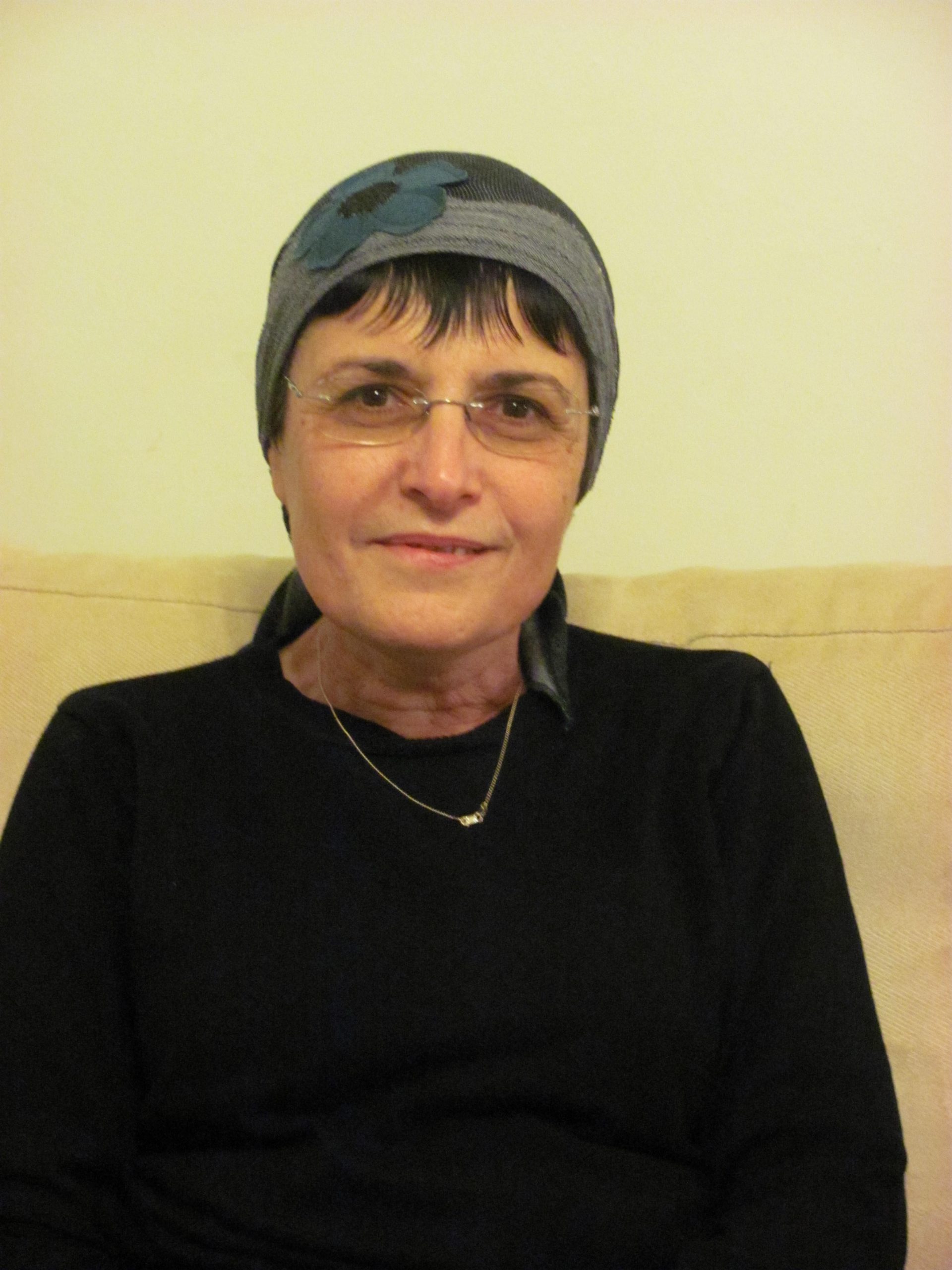
אריאלה ביגמן
מעלה גלבוע, ישראל
התחלתי בסיום הש”ס, יצאתי באורות. נשברתי פעמיים, ובשתיהם הרבנית מישל עודדה להמשיך איפה שכולם בסבב ולהשלים כשאוכל, וכך עשיתי וכיום השלמתי הכל. מדהים אותי שאני לומדת כל יום קצת, אפילו בחדר הלידה, בבידוד או בחו”ל. לאט לאט יותר נינוחה בסוגיות. לא כולם מבינים את הרצון, בפרט כפמניסטית. חשה סיפוק גדול להכיר את המושגים וצורת החשיבה. החלום זה להמשיך ולהתמיד ובמקביל ללמוד איך מהסוגיות נוצרה והתפתחה ההלכה.

קרן וינגרטן שרינגטון
מודיעין, ישראל
אמא שלי למדה איתי ש”ס משנה, והתחילה ללמוד דף יומי. אני החלטתי שאני רוצה ללמוד גם. בהתחלה למדתי איתה, אח”כ הצטרפתי ללימוד דף יומי שהרב דני וינט מעביר לנוער בנים בעתניאל. במסכת עירובין עוד חברה הצטרפה אלי וכשהתחלנו פסחים הרב דני פתח לנו שעור דף יומי לבנות. מאז אנחנו לומדות איתו קבוע כל יום את הדף היומי (ובשבת אבא שלי מחליף אותו). אני נהנית מהלימוד, הוא מאתגר ומעניין
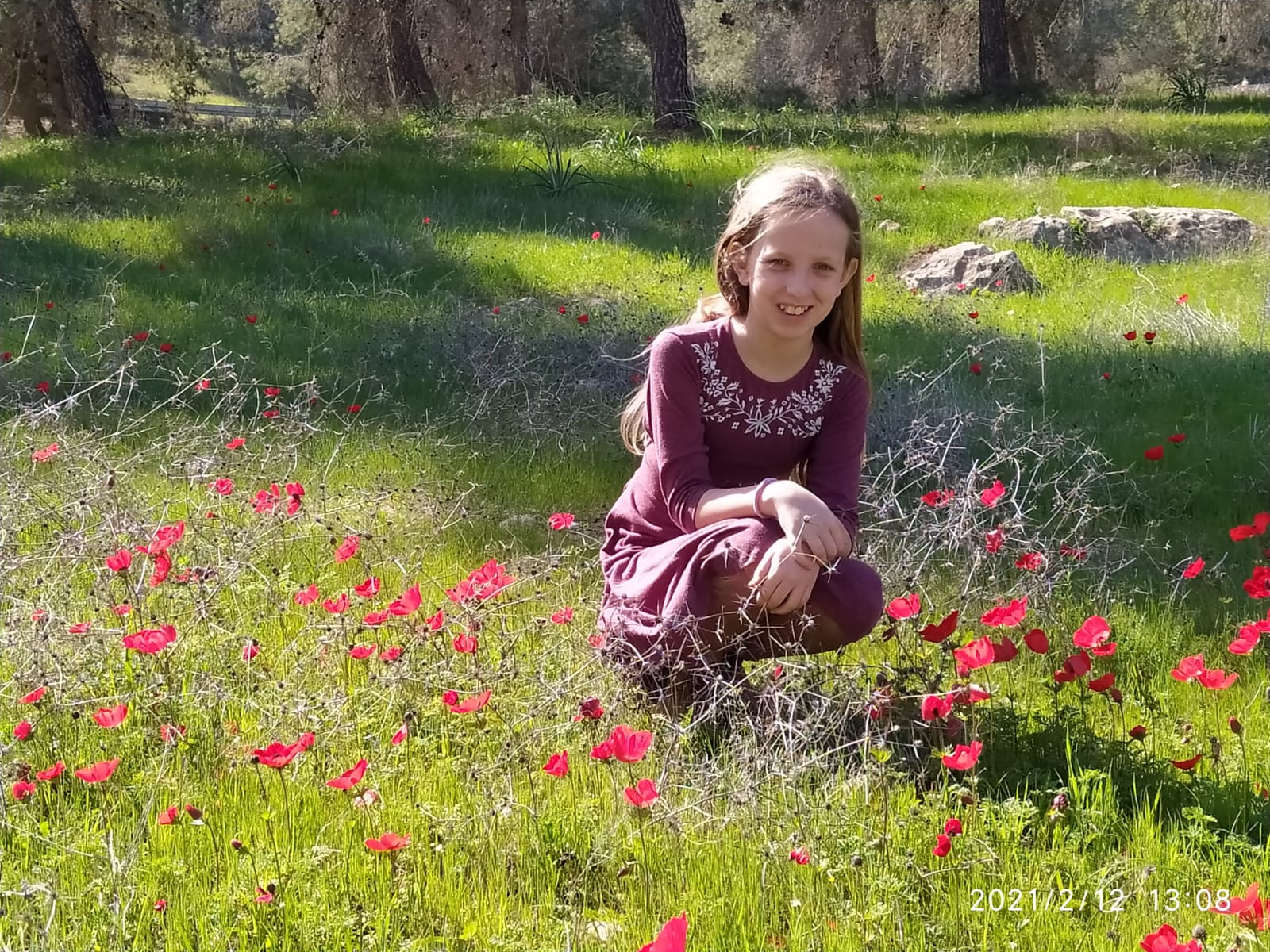
רננה הלמן
עתניאל, ישראל
התחלתי ללמוד דף יומי כאשר קיבלתי במייל ממכון שטיינזלץ את הדפים הראשונים של מסכת ברכות במייל. קודם לא ידעתי איך לקרוא אותם עד שנתתי להם להדריך אותי. הסביבה שלי לא מודעת לעניין כי אני לא מדברת על כך בפומבי. למדתי מהדפים דברים חדשים, כמו הקשר בין המבנה של בית המקדש והמשכן לגופו של האדם (יומא מה, ע”א) והקשר שלו למשפט מפורסם שמופיע בספר ההינדי "בהגוד-גיתא”. מתברר שזה רעיון כלל עולמי ולא רק יהודי

אלנה ארנבורג
נשר, ישראל
התחלתי ללמוד בסבב הנוכחי לפני כשנתיים .הסביבה מתפעלת ותומכת מאוד. אני משתדלת ללמוד מכל ההסכתים הנוספים שיש באתר הדרן. אני עורכת כל סיום מסכת שיעור בביתי לכ20 נשים שמחכות בקוצר רוח למפגשים האלו.
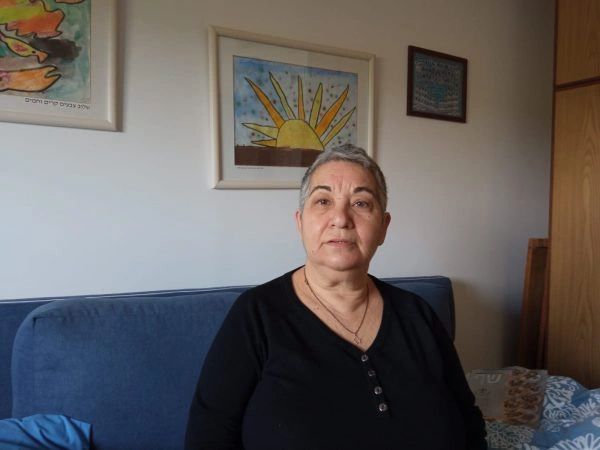
יעל אשר
יהוד, ישראל
התחלתי לפני 8 שנים במדרשה. לאחרונה סיימתי מסכת תענית בלמידה עצמית ועכשיו לקראת סיום מסכת מגילה.
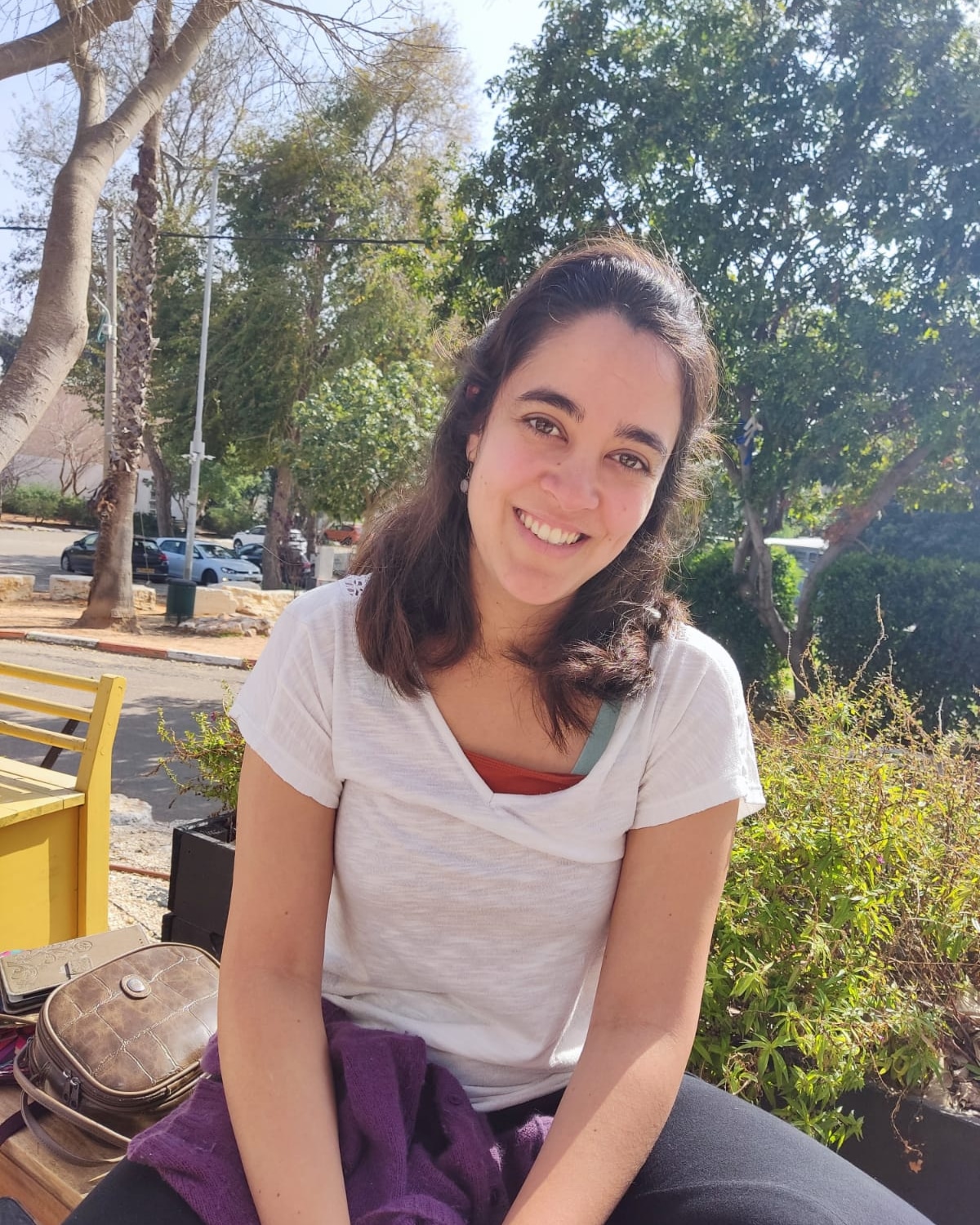
דניאלה ברוכים
רעננה, ישראל
הצטרפתי ללומדות בתחילת מסכת תענית. ההתרגשות שלי ושל המשפחה היתה גדולה מאוד, והיא הולכת וגוברת עם כל סיום שאני זוכה לו. במשך שנים רבות רציתי להצטרף ומשום מה זה לא קרה… ב”ה מצאתי לפני מספר חודשים פרסום של הדרן, ומיד הצטרפתי והתאהבתי. הדף היומי שינה את חיי ממש והפך כל יום- ליום של תורה. מודה לכן מקרב ליבי ומאחלת לכולנו לימוד פורה מתוך אהבת התורה ולומדיה.
נעה רוזן
חיספין רמת הגולן, ישראל
באירוע של הדרן בנייני האומה. בהשראתה של אמי שלי שסיימה את הש”ס בסבב הקודם ובעידוד מאיר , אישי, וילדיי וחברותיי ללימוד במכון למנהיגות הלכתית של רשת אור תורה סטון ומורתיי הרבנית ענת נובוסלסקי והרבנית דבורה עברון, ראש המכון למנהיגות הלכתית.
הלימוד מעשיר את יומי, מחזיר אותי גם למסכתות שכבר סיימתי וידוע שאינו דומה מי ששונה פרקו מאה לשונה פרקו מאה ואחת במיוחד מרתקים אותי החיבורים בין המסכתות
רוית קלך
מודיעין, ישראל
"התחלתי ללמוד דף יומי במחזור הזה, בח’ בטבת תש””ף. לקחתי על עצמי את הלימוד כדי ליצור תחום של התמדה יומיומית בחיים, והצטרפתי לקבוצת הלומדים בבית הכנסת בכפר אדומים. המשפחה והסביבה מתפעלים ותומכים.
בלימוד שלי אני מתפעלת בעיקר מכך שכדי ללמוד גמרא יש לדעת ולהכיר את כל הגמרא. זו מעין צבת בצבת עשויה שהיא עצומה בהיקפה.”

שרה פוּקס
כפר אדומים, ישראל
התחלתי ללמוד לפני כשנתיים בשאיפה לסיים לראשונה מסכת אחת במהלך חופשת הלידה.
אחרי מסכת אחת כבר היה קשה להפסיק…
נעה גלנט
ירוחם, ישראל
רבנית מישל הציתה אש התלמוד בלבבות בביניני האומה ואני נדלקתי. היא פתחה פתח ותמכה במתחילות כמוני ואפשרה לנו להתקדם בצעדים נכונים וטובים. הקימה מערך שלם שמסובב את הלומדות בסביבה תומכת וכך נכנסתי למסלול לימוד מעשיר שאין כמוה. הדרן יצר קהילה גדולה וחזקה שמאפשרת התקדמות מכל נקודת מוצא. יש דיבוק לומדות שמחזק את ההתמדה של כולנו. כל פניה ושאלה נענית בזריזות ויסודיות. תודה גם למגי על כל העזרה.
שרה אבר
נתניה, ישראל
שמעתי על הסיום הענק של הדף היומי ע”י נשים בבנייני האומה. רציתי גם.
החלטתי להצטרף. התחלתי ושיכנעתי את בעלי ועוד שתי חברות להצטרף. עכשיו יש לי לימוד משותף איתו בשבת ומפגש חודשי איתן בנושא (והתכתבויות תדירות על דברים מיוחדים שקראנו). הצטרפנו לקבוצות שונות בווטסאפ. אנחנו ממש נהנות. אני שומעת את השיעור מידי יום (בד”כ מהרב יוני גוטמן) וקוראת ומצטרפת לסיומים של הדרן. גם מקפידה על דף משלהן (ונהנית מאד).
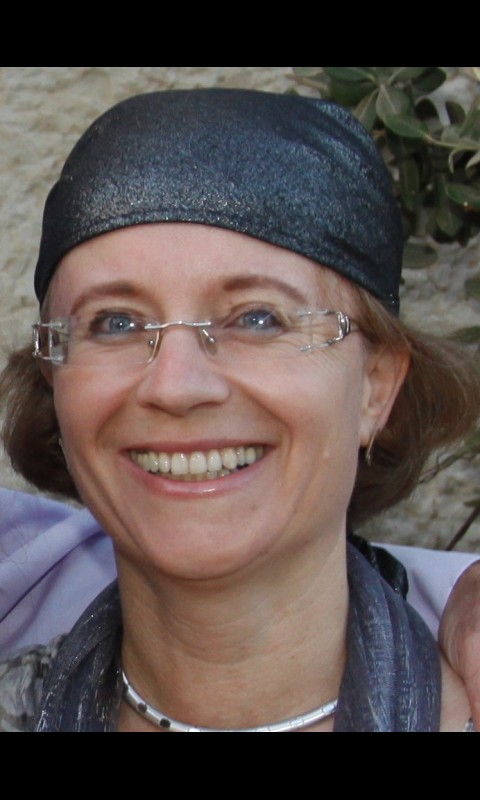
ליאת סיטרון
אפרת, ישראל
לפני 15 שנה, אחרי עשרות שנים של "ג’ינגול” בין משפחה לקריירה תובענית בהייטק, הצטרפתי לשיעורי גמרא במתן רעננה. הלימוד המעמיק והייחודי של הרבנית אושרה קורן יחד עם קבוצת הנשים המגוונת הייתה חוויה מאלפת ומעשירה. לפני כשמונה שנים כאשר מחזור הדף היומי הגיע למסכת תענית הצטרפתי כ”חברותא” לבעלי. זו השעה היומית שלנו ביחד כאשר דפי הגמרא משתלבים בחיי היום יום, משפיעים ומושפעים, וכשלא מספיקים תמיד משלימים בשבת
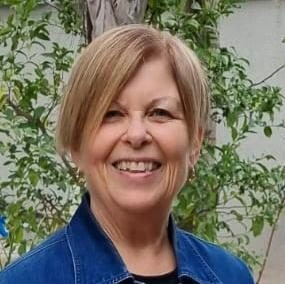
יודי אסקוף
רעננה, ישראל
ראיתי את הסיום הגדול בבנייני האומה וכל כך התרשמתי ורציתי לקחת חלק.. אבל לקח לי עוד כשנה וחצי )באמצע מסיכת שבת להצטרף..
הלימוד חשוב לי מאוד.. אני תמיד במרדף אחרי הדף וגונבת כל פעם חצי דף כשהילדים עסוקים ומשלימה אח”כ אחרי שכולם הלכו לישון..
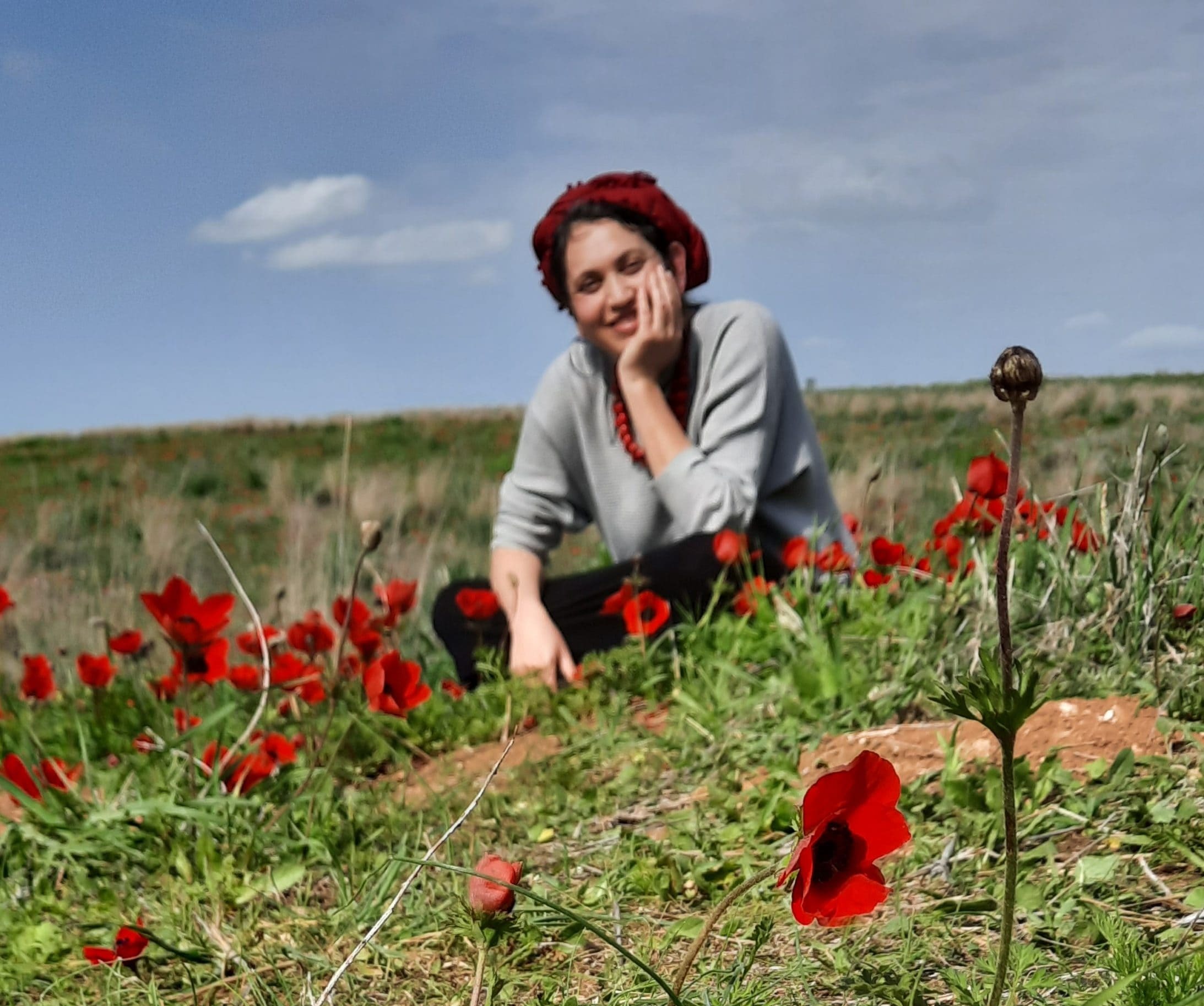
אולגה מזרחי
ירושלים, ישראל
בתחילת הסבב הנוכחי הצטברו אצלי תחושות שאני לא מבינה מספיק מהי ההלכה אותה אני מקיימת בכל יום. כמו כן, כאמא לבנות רציתי לתת להן מודל נשי של לימוד תורה
שתי הסיבות האלו הובילו אותי להתחיל ללמוד. נתקלתי בתגובות מפרגנות וסקרניות איך אישה לומדת גמרא..
כמו שרואים בתמונה אני ממשיכה ללמוד גם היום ואפילו במחלקת יולדות אחרי לידת ביתי השלישית.
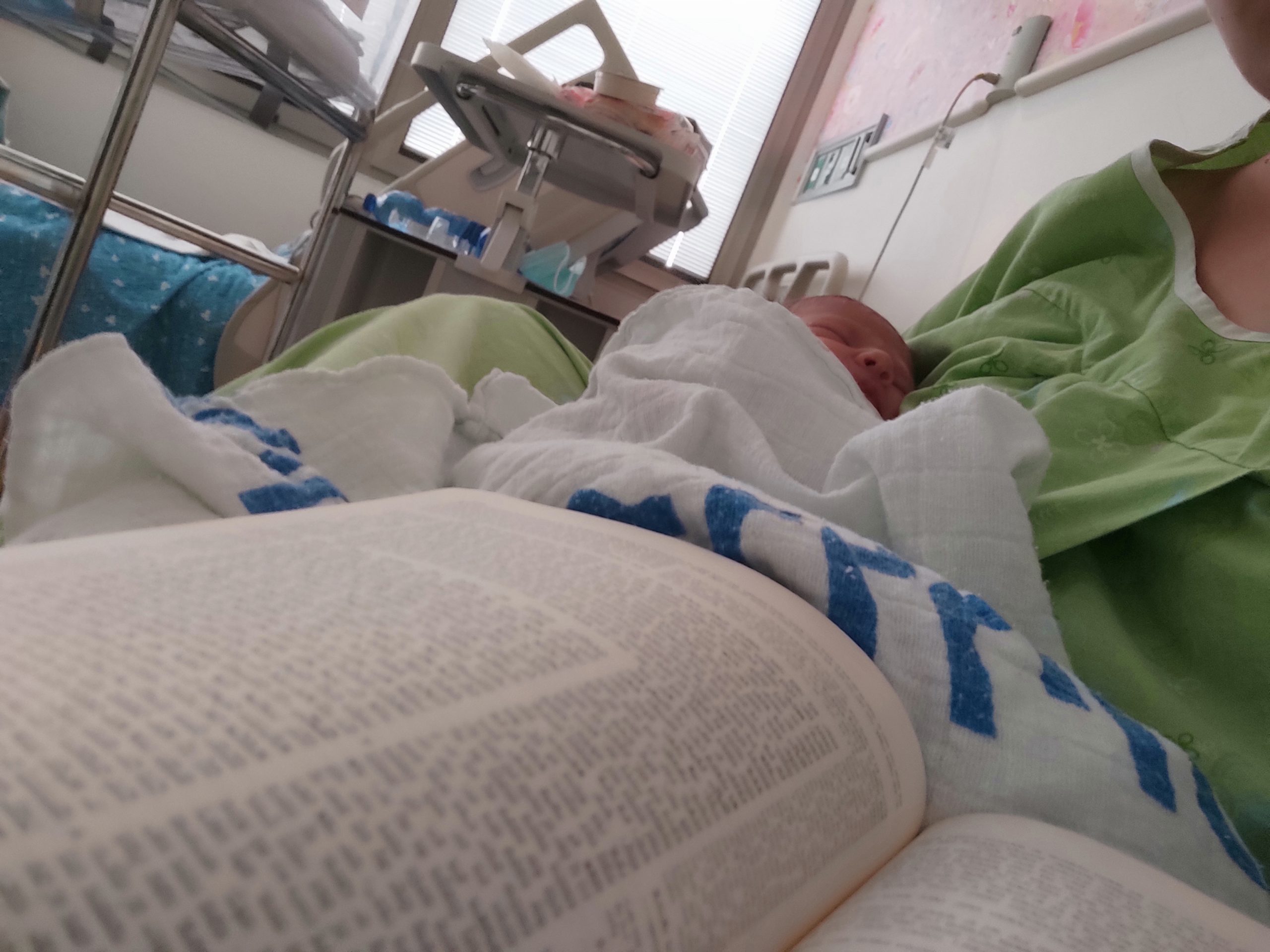
נועה שילה
רבבה, ישראל
התחלתי ללמוד דף יומי באמצע תקופת הקורונה, שאבא שלי סיפר לי על קבוצה של בנות שתיפתח ביישוב שלנו ותלמד דף יומי כל יום. הרבה זמן רציתי להצטרף לזה וזאת הייתה ההזדמנות בשבילי. הצטרפתי במסכת שקלים ובאמצע הייתה הפסקה קצרה. כיום אני כבר לומדת באולפנה ולומדת דף יומי לבד מתוך גמרא של טיינזלץ.
שבות בראלי
עתניאל, ישראל
התחלתי ללמוד דף יומי לפני שנתיים, עם מסכת שבת. בהתחלה ההתמדה היתה קשה אבל בזכות הקורונה והסגרים הצלחתי להדביק את הפערים בשבתות הארוכות, לסיים את מסכת שבת ולהמשיך עם המסכתות הבאות. עכשיו אני מסיימת בהתרגשות רבה את מסכת חגיגה וסדר מועד ומחכה לסדר הבא!

אילנה שכנוביץ
מודיעין, ישראל
התחלתי ללמוד בעידוד שתי חברות אתן למדתי בעבר את הפרק היומי במסגרת 929.
בבית מתלהבים מאוד ובשבת אני לומדת את הדף עם בעלי שזה מפתיע ומשמח מאוד! לימוד הדף הוא חלק בלתי נפרד מהיום שלי. לומדת בצהריים ומחכה לזמן הזה מידי יום…

מרים ונגרובר
אפרת, ישראל
התחלתי לפני כמה שנים אבל רק בסבב הזה זכיתי ללמוד יום יום ולסיים מסכתות
סיגל טל
רעננה, ישראל
בבא בתרא לט
וְלִמְחַר תָּבַעְנָא לֵיהּ בְּדִינָא״ – הָוְיָא מֶחָאָה.
and tomorrow, i.e., in the future, I will bring a claim against him in court, it is a valid protest.
אָמַר ״לָא תֵּימְרוּ לֵיהּ״, מַאי? אָמַר רַב זְבִיד: הָא קָאָמַר ״לָא תֵּימְרוּ לֵיהּ״! רַב פָּפָּא אָמַר: לְדִידֵיהּ לָא תֵּימְרוּ לֵיהּ, לְאַחֲרִינֵי אֵימַרוּ לְהוּ – חַבְרָךְ חַבְרָא אִית לֵיהּ, חַבְרָא דְחַבְרָךְ חַבְרָא אִית לֵיהּ.
If the one lodging a protest also said: Do not tell the possessor of the protest, what is the halakha? Rav Zevid said: It is not a valid protest, because isn’t he saying: Do not tell him? Therefore, word of the protest will not reach the possessor and it is meaningless. Rav Pappa disagreed and said that the owner merely meant: Do not tell him personally, but they, i.e. the witnesses, should tell others. In that case, word of the protest will reach the possessor, since your friend has a friend whom he tells about the protest, and your friend’s friend has a friend whom he tells about the protest; therefore, it is a valid protest.
אֲמַרוּ לֵיהּ: ״לָא אָמְרִינַן לֵיהּ״ – אָמַר רַב זְבִיד: הָא קָא אֲמַרוּ לֵיהּ ״לָא אָמְרִינַן לֵיהּ״! רַב פָּפָּא אָמַר: לְדִידֵיהּ לָא אָמְרִינַן לֵיהּ, לְאַחֲרִינֵי אָמְרִי לְהוּ – חַבְרָךְ חַבְרָא אִית לֵיהּ, וְחַבְרָא דְחַבְרָךְ חַבְרָא אִית לֵיהּ.
If the witnesses before whom the owner lodged the protest said to him: We are not going to tell the possessor about your protest, what is the halakha? Rav Zevid said: It is not a valid protest, and he has to lodge a protest before other witnesses, as are they not saying to him: We are not going to tell him about your protest? Rav Pappa disagreed and said that they merely meant: We are not going to tell him personally, but we are going to tell others. In that case, word of the protest will reach the possessor, since your friend has a friend whom he tells about the protest, and your friend’s friend has a friend whom he tells about the protest; therefore, it is a valid protest.
אֲמַר לְהוּ: ״לָא תִּיפּוֹק לְכוּ שׁוּתָא״ – אָמַר רַב זְבִיד: הָא קָאָמַר ״לָא תִּיפּוֹק לְכוּ שׁוּתָא״! אֲמַרוּ לֵיהּ: ״לָא מַפְּקִינַן שׁוּתָא״ – אָמַר רַב פָּפָּא: הָא קָאָמְרִי לֵיהּ ״לָא מַפְּקִינַן שׁוּתָא״! רַב הוּנָא בְּרֵיהּ דְּרַב יְהוֹשֻׁעַ אָמַר: כֹּל מִילְּתָא דְלָא רַמְיָא עֲלֵיהּ דְּאִינִישׁ, אָמַר לַהּ וְלָאו אַדַּעְתֵּיהּ.
If the one lodging the protest also said to them: A word [shuta] should not emerge from you about this, what is the halakha? Rav Zevid said: It is not a valid protest, as isn’t he saying to them: A word should not emerge from you? Similarly, if the people before whom he protested said to him: We will not have a word emerge from us, Rav Pappa said: It is not a valid protest, as aren’t they saying to him: We will not have a word emerge from us? Rav Huna, the son of Rav Yehoshua, disagreed and said: It is a valid protest, because with regard to any matter that is not actually incumbent on a person to keep secret, it is likely that he will say it to others unawares, and therefore the presumption is that word will reach the possessor.
אָמַר רָבָא אָמַר רַב נַחְמָן: מֶחָאָה שֶׁלֹּא בְּפָנָיו הָוְיָא מֶחָאָה. אֵיתִיבֵיהּ רָבָא לְרַב נַחְמָן – אָמַר רַבִּי יְהוּדָה: לֹא אָמְרוּ שָׁלֹשׁ שָׁנִים, אֶלָּא כְּדֵי שֶׁיְּהֵא בְּאַסְפַּמְיָא וְיַחְזִיק שָׁנָה, וְיֵלְכוּ וְיוֹדִיעוּהוּ שָׁנָה, וְיָבֹא לְשָׁנָה אַחֶרֶת. וְאִי סָלְקָא דַעְתָּךְ מֶחָאָה שֶׁלֹּא בְּפָנָיו הָוְיָא מֶחָאָה, לְמָה לִי לְמֵיתֵי? לִיתֵּיב הָתָם אַדּוּכְתֵּיהּ, וְלִימַחֵי! הָתָם עֵצָה טוֹבָה קָא מַשְׁמַע לַן, דְּנֵיתֵי וְנִשְׁקוֹל אַרְעָא וּפֵירֵי.
§ Rava says that Rav Naḥman says: A protest that is lodged not in the presence of the possessor is a valid protest. Rava raised an objection to what Rav Naḥman said from the mishna: Rabbi Yehuda says: The Sages said that establishing the presumption of ownership requires three years only in order that if the owner will be in Spain and another possesses his field for a year, people will go and inform the owner by the end of the next year, and the owner will come back in the following year and take the possessor to court. And if it enters your mind that a protest that is lodged not in his presence is a valid protest, why do I need the owner to come? Let him remain there in his place and protest. The Gemara answers: There, Rabbi Yehuda wishes to teach us good advice, that he should come and collect the land and its produce.
מִדְּקָא מוֹתֵיב לֵיהּ רָבָא לְרַב נַחְמָן – מִכְּלָל דְּלָא סְבִירָא לֵיהּ דְּמֶחָאָה שֶׁלֹּא בְּפָנָיו הָוְיָא מֶחָאָה; וְהָאָמַר רָבָא: מֶחָאָה שֶׁלֹּא בְּפָנָיו הָוְיָא מֶחָאָה! בָּתַר דְּשַׁמְעַהּ מֵרַב נַחְמָן, סַבְרַהּ.
The Gemara asks: From the fact that Rava raised an objection to Rav Naḥman, it may be inferred that he does not hold that a protest that is lodged not in his presence is a valid protest. But doesn’t Rava say: A protest that is lodged not in his presence is a valid protest? The Gemara answers: He held that conclusion only after he heard this halakha from Rav Naḥman.
אַשְׁכְּחִינְהוּ רַבִּי יוֹסֵי בְּרַבִּי חֲנִינָא לְתַלְמִידָיו דְּרַבִּי יוֹחָנָן, אֲמַר לְהוּ: מִי אָמַר רַבִּי יוֹחָנָן מֶחָאָה – בְּכַמָּה? רַבִּי חִיָּיא בַּר אַבָּא אָמַר רַבִּי יוֹחָנָן: מֶחָאָה בִּפְנֵי שְׁנַיִם. רַבִּי אֲבָהוּ אָמַר רַבִּי יוֹחָנָן: מֶחָאָה בִּפְנֵי שְׁלֹשָׁה.
§ The Gemara relates: Rabbi Yosei, son of Rabbi Ḥanina, encountered the students of Rabbi Yoḥanan and said to them: Did Rabbi Yoḥanan say in the presence of how many people a protest must be lodged? Rabbi Ḥiyya bar Abba says that Rabbi Yoḥanan says: A protest must be lodged in the presence of two people. Rabbi Abbahu said that Rabbi Yoḥanan said: A protest must be lodged in the presence of three people.
לֵימָא בִּדְרַבָּה בַּר רַב הוּנָא קָא מִיפַּלְגִי – דְּאָמַר רַבָּה בַּר רַב הוּנָא: כֹּל מִילְּתָא דְּמִתְאַמְרָא בְּאַפֵּי תְּלָתָא,
The Gemara suggests: Shall we say that they disagree with regard to the halakha of Rabba bar Rav Huna? As Rabba bar Rav Huna says: Any matter that is said in the presence of three people
לֵית בָּהּ מִשּׁוּם לִישָּׁנָא בִּישָׁא; מַאן דְּאָמַר בִּפְנֵי שְׁנַיִם – לֵית לֵיהּ דְּרַבָּה בַּר רַב הוּנָא, וּמַאן דְּאָמַר בִּפְנֵי שְׁלֹשָׁה – אִית לֵיהּ דְּרַבָּה בַּר רַב הוּנָא?
is not subject to the prohibition of malicious speech, as it is already public knowledge. The Gemara elaborates on the suggestion that the dispute hinges upon this point: The one who says that a protest can be lodged in the presence of two people is not of the opinion that the ruling is in accordance with the opinion of Rabba bar Rav Huna and holds that even if only two people hear of a matter it will become a matter of public knowledge. Therefore, it is sufficient to protest in the presence of two witnesses. And the one who says that a protest must be lodged in the presence of three people is of the opinion that the ruling is in accordance with the opinion of Rabba bar Rav Huna.
לָא, דְּכוּלֵּי עָלְמָא אִית לְהוּ דְּרַבָּה בַּר רַב הוּנָא; וְהָכָא בְּהָא קָא מִיפַּלְגִי – מַאן דְּאָמַר בִּפְנֵי שְׁנַיִם, קָסָבַר: מֶחָאָה שֶׁלֹּא בְּפָנָיו לָא הָוְיָא מֶחָאָה. וּמַאן דְּאָמַר בִּפְנֵי שְׁלֹשָׁה, קָסָבַר: מֶחָאָה שֶׁלֹּא בְּפָנָיו הָוְיָא מֶחָאָה.
The Gemara rejects this suggestion: No, everyone is of the opinion that the ruling is in accordance with the opinion of Rabba bar Rav Huna, and here they disagree with regard to this: The one who says that a protest can be lodged in the presence of two people holds that a protest that is lodged not in his presence is not a valid protest. Therefore, two witnesses suffice, as they are needed to attest only to the fact that the owner protested. And the one who says that a protest must be lodged in the presence of three people holds that a protest that is lodged not in his presence is a valid protest. Since the protest can be lodged not in the possessor’s presence, three people are needed to ensure that word of the protest will reach him.
אִי בָּעֵית אֵימָא: דְּכוּלֵּי עָלְמָא – מֶחָאָה שֶׁלֹּא בְּפָנָיו הָוְיָא מֶחָאָה; וְהָכָא בְּהָא קָמִיפַּלְגִי – מַאן דְּאָמַר בִּפְנֵי שְׁנַיִם, סָבַר: סָהֲדוּתָא בָּעֵינַן. וּמַאן דְּאָמַר בִּפְנֵי שְׁלֹשָׁה, קָסָבַר: גַּלּוֹיֵי מִילְּתָא בָּעֵינַן.
If you wish, say instead that everyone holds that a protest that is lodged not in his presence is a valid protest, and here they disagree with regard to this: The one who says that a protest can be lodged in the presence of only two people holds that we require testimony, and two are sufficient for testimony. And the one who says that a protest must be lodged in the presence of three people holds that we require that the matter of the protest be revealed, and for that purpose three people are needed.
גִּידֵּל בַּר מִנְיוֹמֵי הֲוָה לֵיהּ מַחוּיָאתָה לְמַחוֹיֵי. אַשְׁכְּחִינְהוּ לְרַב הוּנָא וּלְחִיָּיא בַּר רַב וּלְרַב חִלְקִיָּה בַּר טוֹבִי דַּהֲווֹ יָתְבִי, וּמַחָה קַמַּיְיהוּ. לְשָׁנָה – הֲדַר אֲתָא לְמַחוֹיֵי, אֲמַרוּ לֵיהּ: לָא צְרִיכַתְּ, הָכִי אָמַר רַב: כֵּיוָן שֶׁמִּיחָה שָׁנָה רִאשׁוֹנָה, שׁוּב אֵינוֹ צָרִיךְ לְמַחוֹת. וְאִיכָּא דְאָמְרִי, אֲמַר לֵיהּ חִיָּיא בַּר רַב: כֵּיוָן שֶׁמִּיחָה שָׁנָה רִאשׁוֹנָה, שׁוּב אֵין צָרִיךְ לְמַחוֹת.
§ The Gemara relates: Giddel bar Minyumi had a protest to lodge with regard to his property. He found Rav Huna and Ḥiyya bar Rav and Rav Ḥilkiya bar Tuvi, who were sitting, and he protested before them. After a year, he came to them again to protest. They said to him: You do not need to do so; this is what Rav says: Once the owner protested in the first year, he no longer needs to protest. And there are those who say that Ḥiyya bar Rav said to him, not in the name of Rav: Once the owner protested in the first year, he no longer needs to protest.
אָמַר רֵישׁ לָקִישׁ מִשּׁוּם בַּר קַפָּרָא: וְצָרִיךְ לְמַחוֹת בְּסוֹף כׇּל שָׁלֹשׁ וְשָׁלֹשׁ. תָּהֵי בַּהּ רַבִּי יוֹחָנָן: וְכִי גַּזְלָן יֵשׁ לוֹ חֲזָקָה?! ״גַּזְלָן״ סָלְקָא דַּעְתָּךְ?! אֶלָּא ״כְּגַזְלָן״ יֵשׁ לוֹ חֲזָקָה.
Reish Lakish says in the name of bar Kappara: And he needs to protest at the end of each and every period of three years, so that the possessor will not hold his property for three consecutive years uncontested. Rabbi Yoḥanan expressed surprise at this ruling of Reish Lakish and said: But does a robber have the ability to establish the presumption of ownership? Once the owner lodged one protest, he demonstrated that the possessor occupied his land unlawfully. Therefore, the possessor should never be able to establish the presumption of ownership. The Gemara clarifies: Does it enter your mind that the possessor is actually a robber? There is no evidence that he robbed, there is only a protest by the prior owner. Rather, emend his question as follows: Does one who is akin to a robber have the ability to establish the presumption of ownership?
אָמַר רָבָא: הִלְכְתָא – צָרִיךְ לְמַחוֹת בְּסוֹף כׇּל שָׁלֹשׁ וְשָׁלֹשׁ. תָּנֵי בַּר קַפָּרָא: עִרְעֵר, חָזַר וְעִרְעֵר, חָזַר וְעִרְעֵר – אִם מֵחֲמַת טַעֲנָה רִאשׁוֹנָה עִרְעֵר, אֵין לוֹ חֲזָקָה. וְאִם לָאו – יֵשׁ לוֹ חֲזָקָה.
Rava says that the halakha is: The owner needs to protest at the end of each and every period of three years. Bar Kappara teaches: If the owner protested, returned and protested, and then returned and protested, if, when he protested the later times, his protest was based on the same claim as the initial claim, the possessor has no presumptive ownership. But if the later protests were not based on the same claim as the initial protest, the possessor has presumptive ownership since each time the owner advanced a new claim, he thereby nullified his earlier claims.
אָמַר רָבָא אָמַר רַב נַחְמָן: מֶחָאָה – בִּפְנֵי שְׁנַיִם,
§ Rava says that Rav Naḥman says: A protest can be lodged in the presence of two witnesses,
לעקוב

