








הדף היום מוקדש ע”י ריקי ואלן זיביט לע”נ יצחק אייסיג בן אאלי הכוהן.
רוצה להקדיש לימוד?
בבא בתרא מט
אֵין נֶאֱמָנִים; ״מוֹדָעָא הָיוּ דְּבָרֵינוּ״ – אֵין נֶאֱמָנִין!
they are not deemed credible. And similarly, witnesses who said: Our statement that we signed was accompanied by a preemptive declaration, are not deemed credible. They cannot negate the testimony of the document that they themselves signed by claiming that there had been a preemptive declaration. Similarly, how could Rabba bar bar Ḥana’s signing of the preemptive declaration override his signing the bill of sale?
הָנֵי מִילֵּי עַל פֶּה – דְּלָא אָתֵי עַל פֶּה וּמַרַע לִשְׁטָרָא, אֲבָל בִּשְׁטָרָא – אָתֵי שְׁטָרָא וּמַרַע לִשְׁטָרָא.
The Gemara answers: That matter of witnesses not being deemed credible to nullify a document applies only when the witnesses attempt to nullify the document by means of an oral declaration, as an oral declaration cannot come and weaken a written document. But if the witnesses attempt to nullify the bill of sale by means of testimony in another document, e.g., by signing the preemptive declaration, then this preemptive document can come and weaken a written document, in this case, the bill of sale.
גּוּפָא – אָמַר רַב נַחְמָן: ״אֲמָנָה הָיוּ דְּבָרֵינוּ״ – אֵין נֶאֱמָנִין, ״מוֹדָעָא הָיוּ דְּבָרֵינוּ״ – אֵין נֶאֱמָנִין.
The Gemara returns to discuss the matter itself: Rav Naḥman says that witnesses who said: Our statement that we signed was a document of trust, are not deemed credible. And similarly, witnesses who said: Our statement that we signed was accompanied by a preemptive declaration, are not deemed credible.
וּמָר בַּר רַב אָשֵׁי אָמַר: ״אֲמָנָה הָיוּ דְּבָרֵינוּ״ – אֵין נֶאֱמָנִין, ״מוֹדָעָא הָיוּ דְּבָרֵינוּ״ – נֶאֱמָנִין. מַאי טַעְמָא? שֶׁזֶּה נִיתַּן לִיכָּתֵב, וְזֶה לֹא נִיתַּן לִיכָּתֵב.
And Mar bar Rav Ashi says that witnesses who said: Our statement that we signed was a statement of trust, are not deemed credible; but witnesses who said: Our statement that we signed was accompanied by a preemptive declaration, are deemed credible. What is the reason for the difference between the cases? The reason is that this document that was accompanied by a preemptive declaration may be written, as it is merely written under duress, but that document of trust may not be written, as it is a false document. Testifying that they wrote it is self-incriminating, and the witnesses are not deemed credible to incriminate themselves.
וְלֹא לָאִישׁ חֲזָקָה בְּנִכְסֵי אִשְׁתּוֹ וְכוּ׳. פְּשִׁיטָא – כֵּיוָן דְּאִית לֵיהּ לְפֵירָא, פֵּירָא הוּא דְּקָאָכֵיל!
§ The mishna teaches that a man does not have the ability to establish the presumption of ownership with regard to his wife’s property and a wife does not have the ability to establish the presumption of ownership with regard to her husband’s property. The Gemara asks: Isn’t this obvious? Since he has the right to enjoy the profits of her property while they are married, it is known that he is only enjoying the profits and that he has no claim to the field itself. On what grounds, then, would he establish the presumption of ownership?
לָא צְרִיכָא, דִּכְתַב לַהּ: ״דִּין וּדְבָרִים אֵין לִי בִּנְכָסַיִיךְ״.
The Gemara responds: No, it is necessary to teach this halakha in a case where the husband wrote to his wife: I do not have any legal dealings or involvement with your property, i.e., he forfeits his right to enjoy the profits of her property, and therefore if he subsequently did enjoy the profits of her field, one might assume that it is because he acquired the land from her. It was therefore necessary for the mishna to teach that this does not indicate that he owns the land, since it is possible that she does not prevent him from enjoying the profits, due to their relationship.
וְכִי כְּתַב לַהּ – מַאי הָוֵי? וְהָתַנְיָא, הָאוֹמֵר לַחֲבֵירוֹ: ״דִּין וּדְבָרִים אֵין לִי עַל שָׂדֶה זוֹ״, וְ״אֵין לִי עֵסֶק בָּהּ״, וְ״יָדַי מְסוּלָּקוֹת מִמֶּנָּה״ – לֹא אָמַר כְּלוּם!
The Gemara asks: And if he wrote this to her, what of it? And isn’t it taught in a baraita: One who says to another: I do not have any legal dealings or involvement concerning this field, or: I have no dealings with it, or: My hands are removed from it, has not said anything. That is to say, these statements have no legal standing.
אָמְרִי לַהּ דְּבֵי רַבִּי יַנַּאי: מַתְנִיתִין בְּכוֹתֵב לָהּ וְעוֹדָהּ אֲרוּסָה – וְכִדְרַב כָּהֲנָא, דְּאָמַר רַב כָּהֲנָא:
The scholars of the school of Rabbi Yannai said with regard to this: The mishna states its ruling with regard to one who writes this formulation to her while she is still only betrothed, before he had any rights to her property. Therefore, he is able to prevent his rights from taking effect after the marriage. And this is in accordance with the statement of Rav Kahana, as Rav Kahana says:
נַחֲלָה הַבָּאָה לוֹ לְאָדָם מִמָּקוֹם אַחֵר, אָדָם מַתְנֶה עָלֶיהָ שֶׁלֹּא יִירָשֶׁנָּה. וְכִדְרָבָא – דְּאָמַר רָבָא: כׇּל הָאוֹמֵר ״אִי אֶפְשִׁי בְּתַקָּנַת חֲכָמִים״ כְּגוֹן זֹאת, שׁוֹמְעִין לוֹ.
With regard to an inheritance that comes to a person from another place, i.e., an inheritance one will receive in the future, a person can make a condition about it from the outset that he will not inherit it, since one can waive his future rights to property that is not currently his. And this ruling is in accordance with the opinion of Rava, as Rava said that with regard to anyone who says: I do not want to avail myself of an ordinance of the Sages such as this one that was instituted for my benefit, one listens to him.
מַאי ״כְּגוֹן זֹאת״? כִּדְרַב הוּנָא אָמַר רַב – דְּאָמַר רַב הוּנָא אָמַר רַב: יְכוֹלָה אִשָּׁה שֶׁתֹּאמַר לְבַעְלָהּ: ״אֵינִי נִיזּוֹנֶת וְאֵינִי עוֹשָׂה״.
The Gemara asks: What is meant by: Such as this one? The Gemara explains: Rava is referring to that statement of Rav Huna, who said that Rav says a certain ruling. As Rav Huna says that Rav says: A woman can say to her husband: I will not be sustained by you and, in turn, I will not work, i.e., you will not keep my earnings. The Sages instituted that a husband must provide sustenance for his wife, and in exchange is entitled to her wages. Since this was instituted for the benefit of wives, the wife is able to opt out of this arrangement. Similarly, the husband may waive his rights to the profits from his wife’s land. It is in such a circumstance that the mishna rules that even if he relinquished his rights, he does not establish the presumption of ownership by enjoying the profits.
הָא רְאָיָה – יֵשׁ? תֵּימָא: ״נַחַת רוּחַ עָשִׂיתִי לְבַעְלִי״!
§ The mishna teaches that a husband does not establish the presumption of ownership of his wife’s field by enjoying its profits. The Gemara suggests: By inference, the husband has the ability to bring proof that he purchased the field from his wife or received it as a gift from her and consequently be regarded as the owner of the field. The Gemara asks: Why is this proof decisive? Let her say: I did it, i.e., I gave or sold the field to my husband, only to please my husband, but I did not mean it.
מִי לָא תְּנַן: לָקַח מִן הָאִישׁ, וְחָזַר וְלָקַח מִן הָאִשָּׁה – מִקָּחוֹ בָּטֵל; אַלְמָא אָמְרָה: ״נַחַת רוּחַ עָשִׂיתִי לְבַעְלִי״, הָכָא נָמֵי תֵּימָא: ״נַחַת רוּחַ עָשִׂיתִי לְבַעְלִי״!
The Gemara quotes a source for this claim: Didn’t we learn in a mishna (Gittin 55b): If one first purchased land from the husband and afterward returned and purchased it from the wife, i.e., he purchased her rights to this land for after the death of her husband or in the event of their divorce, as stipulated in her marriage contract, then his transaction is void. Apparently, she said: I did it, i.e., signed this bill of sale, only to please my husband, but I did not mean it. Here too let her say: I did it only to please my husband but did not mean to give or sell the field to him.
הָא אִיתְּמַר עֲלַהּ, אָמַר רַבָּה בַּר רַב הוּנָא: לֹא נִצְרְכָה אֶלָּא בְּאוֹתָן שָׁלֹשׁ שָׂדוֹת – אַחַת שֶׁכָּתַב לָהּ בִּכְתוּבָּתָהּ,
The Gemara answers: But wasn’t it stated with regard to that mishna that Rabba bar Rav Huna says: The halakha that a woman can claim that she acted only in order to please her husband is not stated with regard to all of her property, but is necessary only with regard to those three types of fields that have special status: One field about which he wrote to her in her marriage contract that it would serve as payment of her marriage contract;
לעקוב 
חדשה בלימוד הגמרא?
זה הדף הראשון שלך? איזו התרגשות עצומה! יש לנו בדיוק את התכנים והכלים שיעזרו לך לעשות את הצעדים הראשונים ללמידה בקצב וברמה שלך, כך תוכלי להרגיש בנוח גם בתוך הסוגיות המורכבות ומאתגרות.
פסיפס הלומדות שלנו
גלי את קהילת הלומדות שלנו, מגוון נשים, רקעים וסיפורים. כולן חלק מתנועה ומסע מרגש ועוצמתי.
התחלתי בתחילת הסבב, והתמכרתי. זה נותן משמעות נוספת ליומיום ומאוד מחזק לתת לזה מקום בתוך כל שגרת הבית-עבודה השוטפת.
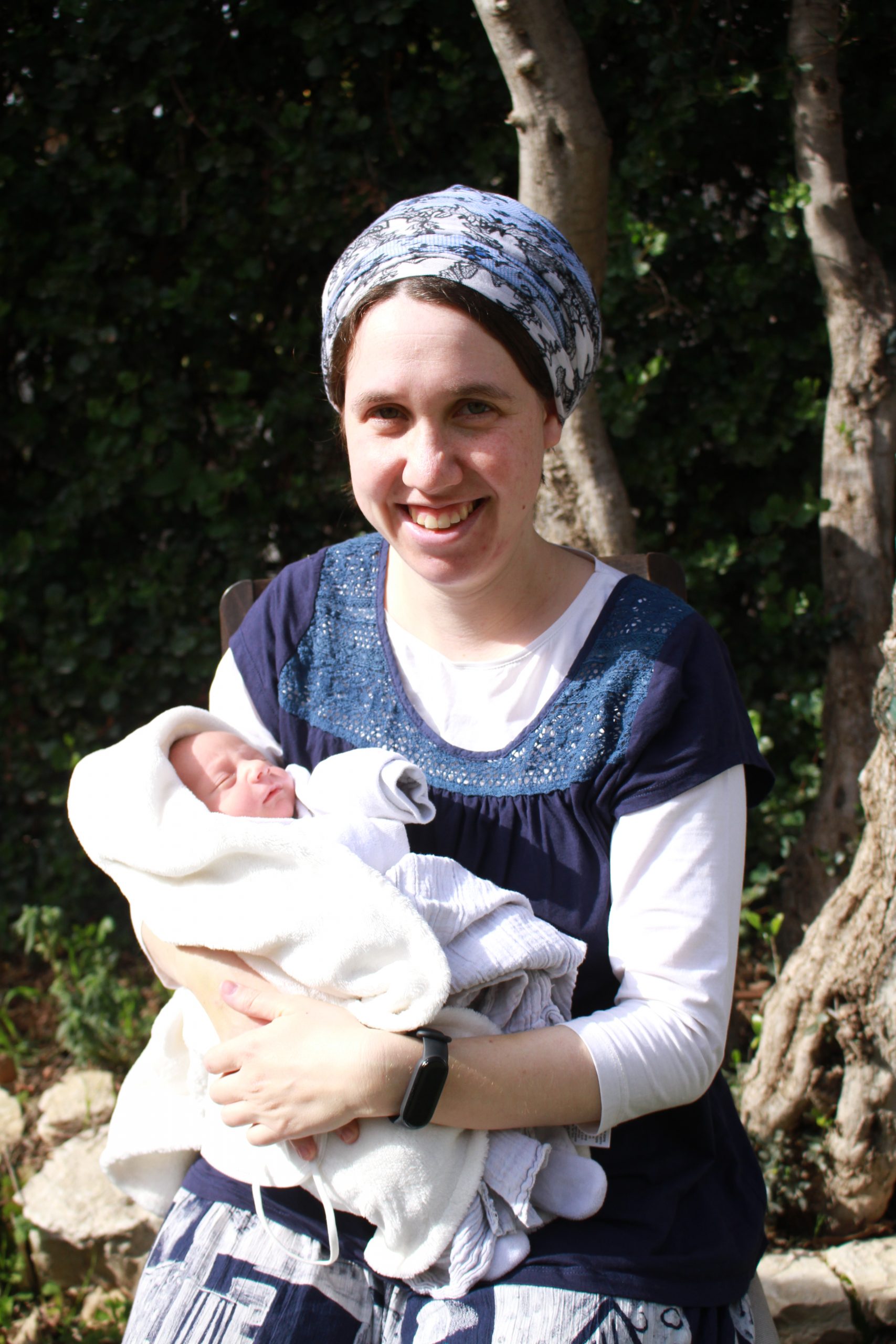
רעות אברהמי
בית שמש, ישראל
אחי, שלומד דף יומי ממסכת ברכות, חיפש חברותא ללימוד מסכת ראש השנה והציע לי. החברותא היתה מאתגרת טכנית ורוב הזמן נעשתה דרך הטלפון, כך שבסיום המסכת נפרדו דרכינו. אחי חזר ללמוד לבד, אבל אני כבר נכבשתי בקסם הגמרא ושכנעתי את האיש שלי להצטרף אלי למסכת ביצה. מאז המשכנו הלאה, ועכשיו אנחנו מתרגשים לקראתו של סדר נשים!

שולמית סבן
נוקדים, ישראל
הצטרפתי ללומדות בתחילת מסכת תענית. ההתרגשות שלי ושל המשפחה היתה גדולה מאוד, והיא הולכת וגוברת עם כל סיום שאני זוכה לו. במשך שנים רבות רציתי להצטרף ומשום מה זה לא קרה… ב”ה מצאתי לפני מספר חודשים פרסום של הדרן, ומיד הצטרפתי והתאהבתי. הדף היומי שינה את חיי ממש והפך כל יום- ליום של תורה. מודה לכן מקרב ליבי ומאחלת לכולנו לימוד פורה מתוך אהבת התורה ולומדיה.
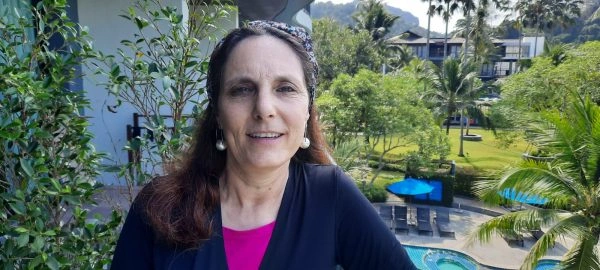
נעה רוזן
חיספין רמת הגולן, ישראל
ראיתי את הסיום הגדול בבנייני האומה וכל כך התרשמתי ורציתי לקחת חלק.. אבל לקח לי עוד כשנה וחצי )באמצע מסיכת שבת להצטרף..
הלימוד חשוב לי מאוד.. אני תמיד במרדף אחרי הדף וגונבת כל פעם חצי דף כשהילדים עסוקים ומשלימה אח”כ אחרי שכולם הלכו לישון..

אולגה מזרחי
ירושלים, ישראל
"
גם אני התחלתי בסבב הנוכחי וב””ה הצלחתי לסיים את רוב המסכתות . בזכות הרבנית מישל משתדלת לפתוח את היום בשיעור הזום בשעה 6:20 .הלימוד הפך להיות חלק משמעותי בחיי ויש ימים בהם אני מצליחה לחזור על הדף עם מלמדים נוספים ששיעוריהם נמצאים במרשתת. שמחה להיות חלק מקהילת לומדות ברחבי העולם. ובמיוחד לשמש דוגמה לנכדותיי שאי””ה יגדלו לדור שלימוד תורה לנשים יהיה משהו שבשגרה. "
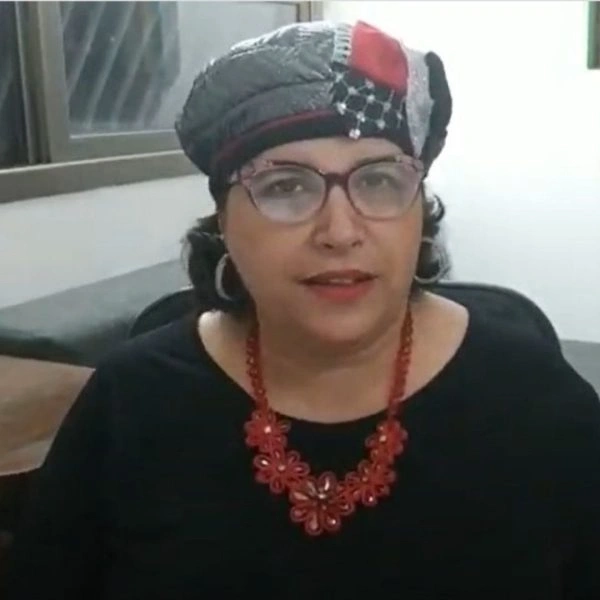
רונית שביט
נתניה, ישראל
התחלתי ללמוד דף יומי שהתחילו מסכת כתובות, לפני 7 שנים, במסגרת קבוצת לימוד שהתפרקה די מהר, ומשם המשכתי לבד בתמיכת האיש שלי. נעזרתי בגמרת שטיינזלץ ובשיעורים מוקלטים.
הסביבה מאד תומכת ואני מקבלת המון מילים טובות לאורך כל הדרך. מאז הסיום הגדול יש תחושה שאני חלק מדבר גדול יותר.
אני לומדת בשיטת ה”7 דפים בשבוע” של הרבנית תרצה קלמן – כלומר, לא נורא אם לא הצלחת ללמוד כל יום, העיקר שגמרת ארבעה דפים בשבוע

רחל גולדשטיין
עתניאל, ישראל
A life-changing journey started with a Chanukah family tiyul to Zippori, home of the Sanhedrin 2 years ago and continued with the Syum in Binanei Hauma where I was awed by the energy of 3000 women dedicated to learning daf Yomi. Opening my morning daily with a fresh daf, I am excited with the new insights I find enriching my life and opening new and deeper horizons for me.

בקי גולדשטיין
Elazar gush etzion, Israel
"התחלתי ללמוד דף יומי במחזור הזה, בח’ בטבת תש””ף. לקחתי על עצמי את הלימוד כדי ליצור תחום של התמדה יומיומית בחיים, והצטרפתי לקבוצת הלומדים בבית הכנסת בכפר אדומים. המשפחה והסביבה מתפעלים ותומכים.
בלימוד שלי אני מתפעלת בעיקר מכך שכדי ללמוד גמרא יש לדעת ולהכיר את כל הגמרא. זו מעין צבת בצבת עשויה שהיא עצומה בהיקפה.”

שרה פוּקס
כפר אדומים, ישראל
התחלתי ללמוד את הדף היומי מעט אחרי שבני הקטן נולד. בהתחלה בשמיעה ולימוד באמצעות השיעור של הרבנית שפרבר. ובהמשך העזתי וקניתי לעצמי גמרא. מאז ממשיכה יום יום ללמוד עצמאית, ולפעמים בעזרת השיעור של הרבנית, כל יום. כל סיום של מסכת מביא לאושר גדול וסיפוק. הילדים בבית נהיו חלק מהלימוד, אני משתפת בסוגיות מעניינות ונהנית לשמוע את דעתם.

אלירז בלאו
מעלה מכמש, ישראל
התחלתי לפני 8 שנים במדרשה. לאחרונה סיימתי מסכת תענית בלמידה עצמית ועכשיו לקראת סיום מסכת מגילה.
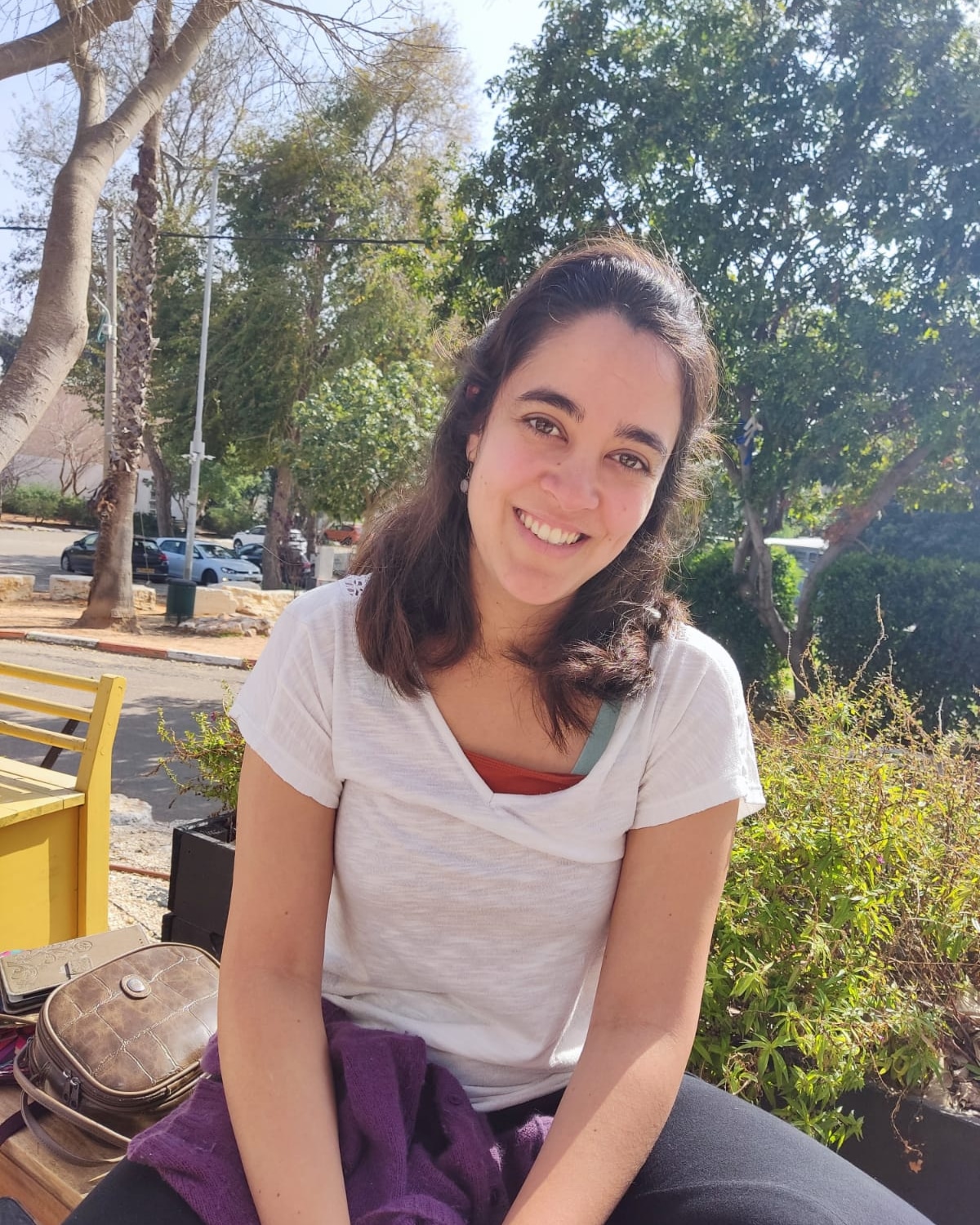
דניאלה ברוכים
רעננה, ישראל
לצערי גדלתי בדור שבו לימוד גמרא לנשים לא היה דבר שבשגרה ושנים שאני חולמת להשלים את הפער הזה.. עד שלפני מספר שבועות, כמעט במקרה, נתקלתי במודעת פרסומת הקוראת להצטרף ללימוד מסכת תענית. כשקראתי את המודעה הרגשתי שהיא כאילו נכתבה עבורי – "תמיד חלמת ללמוד גמרא ולא ידעת איך להתחיל”, "בואי להתנסות במסכת קצרה וקלה” (רק היה חסר שהמודעה תיפתח במילים "מיכי שלום”..). קפצתי למים ו- ב”ה אני בדרך להגשמת החלום:)
מיכי קדוש
מורשת, ישראל
התחלתי ללמוד דף יומי אחרי שחזרתי בתשובה ולמדתי במדרשה במגדל עוז. הלימוד טוב ומספק חומר למחשבה על נושאים הלכתיים ”קטנים” ועד לערכים גדולים ביהדות. חשוב לי להכיר את הגמרא לעומק. והצעד הקטן היום הוא ללמוד אותה בבקיאות, בעזרת השם, ומי יודע אולי גם אגיע לעיון בנושאים מעניינים. נושאים בגמרא מתחברים לחגים, לתפילה, ליחסים שבין אדם לחברו ולמקום ולשאר הדברים שמלווים באורח חיים דתי 🙂

גאיה דיבו
מצפה יריחו, ישראל
שמעתי על הסיום הענק של הדף היומי ע”י נשים בבנייני האומה. רציתי גם.
החלטתי להצטרף. התחלתי ושיכנעתי את בעלי ועוד שתי חברות להצטרף. עכשיו יש לי לימוד משותף איתו בשבת ומפגש חודשי איתן בנושא (והתכתבויות תדירות על דברים מיוחדים שקראנו). הצטרפנו לקבוצות שונות בווטסאפ. אנחנו ממש נהנות. אני שומעת את השיעור מידי יום (בד”כ מהרב יוני גוטמן) וקוראת ומצטרפת לסיומים של הדרן. גם מקפידה על דף משלהן (ונהנית מאד).

ליאת סיטרון
אפרת, ישראל
התחלתי כשהייתי בחופש, עם הפרסומים על תחילת המחזור, הסביבה קיבלה את זה כמשהו מתמיד ומשמעותי ובהערכה, הלימוד זה עוגן יציב ביום יום, יש שבועות יותר ויש שפחות אבל זה משהו שנמצא שם אמין ובעל משמעות בחיים שלי….

עדי דיאמנט
גמזו, ישראל
בתחילת הסבב הנוכחי של לימוד הדף היומי, נחשפתי לחגיגות המרגשות באירועי הסיום ברחבי העולם. והבטחתי לעצמי שבקרוב אצטרף גם למעגל הלומדות. הסבב התחיל כאשר הייתי בתחילת דרכי בתוכנית קרן אריאל להכשרת יועצות הלכה של נשמ”ת. לא הצלחתי להוסיף את ההתחייבות לדף היומי על הלימוד האינטנסיבי של תוכנית היועצות. בבוקר למחרת המבחן הסופי בנשמ”ת, התחלתי את לימוד הדף במסכת סוכה ומאז לא הפסקתי.

חנה שחם-רוזבי (ד”ר)
קרית גת, ישראל
סיום השס לנשים נתן לי מוטביציה להתחיל ללמוד דף יומי. עד אז למדתי גמרא בשבתות ועשיתי כמה סיומים. אבל לימוד יומיומי זה שונה לגמרי ופתאום כל דבר שקורה בחיים מתקשר לדף היומי.
קרן פוגל
רתמים, ישראל
התחלתי ללמוד גמרא בבית הספר בגיל צעיר והתאהבתי. המשכתי בכך כל חיי ואף היייתי מורה לגמרא בבית הספר שקד בשדה אליהו (בית הספר בו למדתי בילדותי)בתחילת מחזור דף יומי הנוכחי החלטתי להצטרף ובע”ה מקווה להתמיד ולהמשיך. אני אוהבת את המפגש עם הדף את "דרישות השלום ” שמקבלת מקשרים עם דפים אחרים שלמדתי את הסנכרון שמתחולל בין התכנים.
אריאלה ביגמן
מעלה גלבוע, ישראל
התחלתי ללמוד דף לפני קצת יותר מ-5 שנים, כשלמדתי רבנות בישיבת מהר”ת בניו יורק. בדיעבד, עד אז, הייתי בלימוד הגמרא שלי כמו מישהו שאוסף חרוזים משרשרת שהתפזרה, פה משהו ושם משהו, ומאז נפתח עולם ומלואו…. הדף נותן לי לימוד בצורה מאורגנת, שיטתית, יום-יומית, ומלמד אותי לא רק ידע אלא את השפה ודרך החשיבה שלנו. לשמחתי, יש לי סביבה תומכת וההרגשה שלי היא כמו בציטוט שבחרתי: הדף משפיע לטובה על כל היום שלי.

מיכל כהנא
חיפה, ישראל
התחלתי ללמוד דף יומי בתחילת מסכת ברכות, עוד לא ידעתי כלום. נחשפתי לסיום הש״ס, ובעצם להתחלה מחדש בתקשורת, הפתיע אותי לטובה שהיה מקום לעיסוק בתורה.
את המסכתות הראשונות למדתי, אבל לא סיימתי (חוץ מעירובין איכשהו). השנה כשהגעתי למדרשה, נכנסתי ללופ, ואני מצליחה להיות חלק, סיימתי עם החברותא שלי את כל המסכתות הקצרות, גם כשהיינו חולות קורונה ובבידודים, למדנו לבד, העיקר לא לצבור פער, ומחכות ליבמות 🙂

עדן ישורון
מזכרת בתיה, ישראל
"התחלתי ללמוד דף יומי במחזור הזה, בח’ בטבת תש””ף. לקחתי על עצמי את הלימוד כדי ליצור תחום של התמדה יומיומית בחיים, והצטרפתי לקבוצת הלומדים בבית הכנסת בכפר אדומים. המשפחה והסביבה מתפעלים ותומכים.
בלימוד שלי אני מתפעלת בעיקר מכך שכדי ללמוד גמרא יש לדעת ולהכיר את כל הגמרא. זו מעין צבת בצבת עשויה שהיא עצומה בהיקפה.”
שרה פוּקס
כפר אדומים, ישראל
בבא בתרא מט
אֵין נֶאֱמָנִים; ״מוֹדָעָא הָיוּ דְּבָרֵינוּ״ – אֵין נֶאֱמָנִין!
they are not deemed credible. And similarly, witnesses who said: Our statement that we signed was accompanied by a preemptive declaration, are not deemed credible. They cannot negate the testimony of the document that they themselves signed by claiming that there had been a preemptive declaration. Similarly, how could Rabba bar bar Ḥana’s signing of the preemptive declaration override his signing the bill of sale?
הָנֵי מִילֵּי עַל פֶּה – דְּלָא אָתֵי עַל פֶּה וּמַרַע לִשְׁטָרָא, אֲבָל בִּשְׁטָרָא – אָתֵי שְׁטָרָא וּמַרַע לִשְׁטָרָא.
The Gemara answers: That matter of witnesses not being deemed credible to nullify a document applies only when the witnesses attempt to nullify the document by means of an oral declaration, as an oral declaration cannot come and weaken a written document. But if the witnesses attempt to nullify the bill of sale by means of testimony in another document, e.g., by signing the preemptive declaration, then this preemptive document can come and weaken a written document, in this case, the bill of sale.
גּוּפָא – אָמַר רַב נַחְמָן: ״אֲמָנָה הָיוּ דְּבָרֵינוּ״ – אֵין נֶאֱמָנִין, ״מוֹדָעָא הָיוּ דְּבָרֵינוּ״ – אֵין נֶאֱמָנִין.
The Gemara returns to discuss the matter itself: Rav Naḥman says that witnesses who said: Our statement that we signed was a document of trust, are not deemed credible. And similarly, witnesses who said: Our statement that we signed was accompanied by a preemptive declaration, are not deemed credible.
וּמָר בַּר רַב אָשֵׁי אָמַר: ״אֲמָנָה הָיוּ דְּבָרֵינוּ״ – אֵין נֶאֱמָנִין, ״מוֹדָעָא הָיוּ דְּבָרֵינוּ״ – נֶאֱמָנִין. מַאי טַעְמָא? שֶׁזֶּה נִיתַּן לִיכָּתֵב, וְזֶה לֹא נִיתַּן לִיכָּתֵב.
And Mar bar Rav Ashi says that witnesses who said: Our statement that we signed was a statement of trust, are not deemed credible; but witnesses who said: Our statement that we signed was accompanied by a preemptive declaration, are deemed credible. What is the reason for the difference between the cases? The reason is that this document that was accompanied by a preemptive declaration may be written, as it is merely written under duress, but that document of trust may not be written, as it is a false document. Testifying that they wrote it is self-incriminating, and the witnesses are not deemed credible to incriminate themselves.
וְלֹא לָאִישׁ חֲזָקָה בְּנִכְסֵי אִשְׁתּוֹ וְכוּ׳. פְּשִׁיטָא – כֵּיוָן דְּאִית לֵיהּ לְפֵירָא, פֵּירָא הוּא דְּקָאָכֵיל!
§ The mishna teaches that a man does not have the ability to establish the presumption of ownership with regard to his wife’s property and a wife does not have the ability to establish the presumption of ownership with regard to her husband’s property. The Gemara asks: Isn’t this obvious? Since he has the right to enjoy the profits of her property while they are married, it is known that he is only enjoying the profits and that he has no claim to the field itself. On what grounds, then, would he establish the presumption of ownership?
לָא צְרִיכָא, דִּכְתַב לַהּ: ״דִּין וּדְבָרִים אֵין לִי בִּנְכָסַיִיךְ״.
The Gemara responds: No, it is necessary to teach this halakha in a case where the husband wrote to his wife: I do not have any legal dealings or involvement with your property, i.e., he forfeits his right to enjoy the profits of her property, and therefore if he subsequently did enjoy the profits of her field, one might assume that it is because he acquired the land from her. It was therefore necessary for the mishna to teach that this does not indicate that he owns the land, since it is possible that she does not prevent him from enjoying the profits, due to their relationship.
וְכִי כְּתַב לַהּ – מַאי הָוֵי? וְהָתַנְיָא, הָאוֹמֵר לַחֲבֵירוֹ: ״דִּין וּדְבָרִים אֵין לִי עַל שָׂדֶה זוֹ״, וְ״אֵין לִי עֵסֶק בָּהּ״, וְ״יָדַי מְסוּלָּקוֹת מִמֶּנָּה״ – לֹא אָמַר כְּלוּם!
The Gemara asks: And if he wrote this to her, what of it? And isn’t it taught in a baraita: One who says to another: I do not have any legal dealings or involvement concerning this field, or: I have no dealings with it, or: My hands are removed from it, has not said anything. That is to say, these statements have no legal standing.
אָמְרִי לַהּ דְּבֵי רַבִּי יַנַּאי: מַתְנִיתִין בְּכוֹתֵב לָהּ וְעוֹדָהּ אֲרוּסָה – וְכִדְרַב כָּהֲנָא, דְּאָמַר רַב כָּהֲנָא:
The scholars of the school of Rabbi Yannai said with regard to this: The mishna states its ruling with regard to one who writes this formulation to her while she is still only betrothed, before he had any rights to her property. Therefore, he is able to prevent his rights from taking effect after the marriage. And this is in accordance with the statement of Rav Kahana, as Rav Kahana says:
נַחֲלָה הַבָּאָה לוֹ לְאָדָם מִמָּקוֹם אַחֵר, אָדָם מַתְנֶה עָלֶיהָ שֶׁלֹּא יִירָשֶׁנָּה. וְכִדְרָבָא – דְּאָמַר רָבָא: כׇּל הָאוֹמֵר ״אִי אֶפְשִׁי בְּתַקָּנַת חֲכָמִים״ כְּגוֹן זֹאת, שׁוֹמְעִין לוֹ.
With regard to an inheritance that comes to a person from another place, i.e., an inheritance one will receive in the future, a person can make a condition about it from the outset that he will not inherit it, since one can waive his future rights to property that is not currently his. And this ruling is in accordance with the opinion of Rava, as Rava said that with regard to anyone who says: I do not want to avail myself of an ordinance of the Sages such as this one that was instituted for my benefit, one listens to him.
מַאי ״כְּגוֹן זֹאת״? כִּדְרַב הוּנָא אָמַר רַב – דְּאָמַר רַב הוּנָא אָמַר רַב: יְכוֹלָה אִשָּׁה שֶׁתֹּאמַר לְבַעְלָהּ: ״אֵינִי נִיזּוֹנֶת וְאֵינִי עוֹשָׂה״.
The Gemara asks: What is meant by: Such as this one? The Gemara explains: Rava is referring to that statement of Rav Huna, who said that Rav says a certain ruling. As Rav Huna says that Rav says: A woman can say to her husband: I will not be sustained by you and, in turn, I will not work, i.e., you will not keep my earnings. The Sages instituted that a husband must provide sustenance for his wife, and in exchange is entitled to her wages. Since this was instituted for the benefit of wives, the wife is able to opt out of this arrangement. Similarly, the husband may waive his rights to the profits from his wife’s land. It is in such a circumstance that the mishna rules that even if he relinquished his rights, he does not establish the presumption of ownership by enjoying the profits.
הָא רְאָיָה – יֵשׁ? תֵּימָא: ״נַחַת רוּחַ עָשִׂיתִי לְבַעְלִי״!
§ The mishna teaches that a husband does not establish the presumption of ownership of his wife’s field by enjoying its profits. The Gemara suggests: By inference, the husband has the ability to bring proof that he purchased the field from his wife or received it as a gift from her and consequently be regarded as the owner of the field. The Gemara asks: Why is this proof decisive? Let her say: I did it, i.e., I gave or sold the field to my husband, only to please my husband, but I did not mean it.
מִי לָא תְּנַן: לָקַח מִן הָאִישׁ, וְחָזַר וְלָקַח מִן הָאִשָּׁה – מִקָּחוֹ בָּטֵל; אַלְמָא אָמְרָה: ״נַחַת רוּחַ עָשִׂיתִי לְבַעְלִי״, הָכָא נָמֵי תֵּימָא: ״נַחַת רוּחַ עָשִׂיתִי לְבַעְלִי״!
The Gemara quotes a source for this claim: Didn’t we learn in a mishna (Gittin 55b): If one first purchased land from the husband and afterward returned and purchased it from the wife, i.e., he purchased her rights to this land for after the death of her husband or in the event of their divorce, as stipulated in her marriage contract, then his transaction is void. Apparently, she said: I did it, i.e., signed this bill of sale, only to please my husband, but I did not mean it. Here too let her say: I did it only to please my husband but did not mean to give or sell the field to him.
הָא אִיתְּמַר עֲלַהּ, אָמַר רַבָּה בַּר רַב הוּנָא: לֹא נִצְרְכָה אֶלָּא בְּאוֹתָן שָׁלֹשׁ שָׂדוֹת – אַחַת שֶׁכָּתַב לָהּ בִּכְתוּבָּתָהּ,
The Gemara answers: But wasn’t it stated with regard to that mishna that Rabba bar Rav Huna says: The halakha that a woman can claim that she acted only in order to please her husband is not stated with regard to all of her property, but is necessary only with regard to those three types of fields that have special status: One field about which he wrote to her in her marriage contract that it would serve as payment of her marriage contract;
לעקוב

