






רוצה להקדיש לימוד?


בבא בתרא נה
לֶיעְבַּד לִי מָר כְּאִידַּךְ דִּשְׁמוּאֵל, דְּאָמַר שְׁמוּאֵל: לֹא קָנָה אֶלָּא מְקוֹם מַכּוֹשׁוֹ בִּלְבַד! אֲמַר לֵיהּ: בְּהַאי, אֲנָא כִּשְׁמַעְתִּין סְבִירָא לִי – דְּאָמַר רַב הוּנָא אָמַר רַב: כֵּיוָן שֶׁנִּיכֵּשׁ בָּהּ מַכּוֹשׁ אֶחָד – קָנָה כּוּלָּהּ.
If so, the Master should do for me in accordance with another statement of Shmuel, as Shmuel says that one who hoes ownerless property has acquired only the place that he struck with the hoe. Rav Naḥman said to him: In this matter I hold in accordance with our halakha, as Rav Huna says that Rav says: Once he struck the land with a hoe one time, he acquired the entire property.
שְׁלַח רַב הוּנָא בַּר אָבִין: יִשְׂרָאֵל שֶׁלָּקַח שָׂדֶה מִגּוֹי, וּבָא יִשְׂרָאֵל אַחֵר וְהֶחֱזִיק בָּהּ – אֵין מוֹצִיאִים אוֹתָהּ מִיָּדוֹ. וְכֵן הָיָה רַבִּי אָבִין וְרַבִּי אִילְעָא וְכׇל רַבּוֹתֵינוּ שָׁוִין בַּדָּבָר.
The Gemara relates that Rav Huna bar Avin sent a ruling: In the case of a Jew who purchased a field from a gentile, and then another Jew came and took possession of it, it is not removed from the possession of the second Jew. And so too, Rabbi Avin, and Rabbi Ile’a, and all of our Rabbis agree with regard to this matter.
אָמַר רַבָּה: הָנֵי תְּלָת מִילֵּי, אִישְׁתַּעִי לִי עוּקְבָן בַּר נְחֶמְיָה רֵישׁ גָּלוּתָא, מִשְּׁמֵיהּ דִּשְׁמוּאֵל: דִּינָא דְמַלְכוּתָא דִּינָא, וַאֲרִיסוּתָא דְפָרְסָאֵי – עַד אַרְבְּעִין שְׁנִין, וְהָנֵי זַהֲרוּרֵי דְּזָבֵין אַרְעָא לְטַסְקָא – זְבִינַיְהוּ זְבִינֵי.
§ Rabba said: These three statements were told to me by Ukvan bar Neḥemya the Exilarch in the name of Shmuel: The law of the kingdom is the law; and the term of Persian sharecropping [arisuta] is for up to forty years, since according to Persian laws the presumption of ownership is established after forty years of use; and in the case of these tax officials [zaharurei] who sold land in order to pay the land tax, the sale is valid, as the tax officials were justified in seizing it, and one may purchase the land from them.
וְהָנֵי מִילֵּי לְטַסְקָא, אֲבָל לִכְרָגָא – לָא. מַאי טַעְמָא? כְּרָגָא – אַקַּרְקַף דְּגַבְרֵי מַנַּח. רַב הוּנָא בְּרֵיהּ דְּרַב יְהוֹשֻׁעַ אָמַר: אֲפִילּוּ שְׂעָרֵי דְכַדָּא מִשְׁתַּעְבְּדִי לִכְרָגָא.
The Gemara notes: And this statement applies to land seized to pay the land tax, but not to land seized to pay the head tax. What is the reason for this? The head tax is placed on a man’s head, i.e., the obligation of this tax is on the individual and is unrelated to his property. It is therefore theft for the tax officials to sell land for this purpose. Rav Huna, son of Rav Yehoshua, said: Everything, even the barley in the pitcher, is mortgaged for the payment of the head tax.
אָמַר רַב אָשֵׁי: אֲמַר לִי הוּנָא בַּר נָתָן, קָשֵׁי בַּהּ אַמֵּימָר: אִם כֵּן, בִּטַּלְתָּ יְרוּשַּׁת בְּנוֹ הַבְּכוֹר – דְּהָוֵה לֵיהּ רָאוּי, וְאֵין הַבְּכוֹר נוֹטֵל בָּרָאוּי כְּבַמּוּחְזָק.
Rav Ashi said: Huna bar Natan said to me that Ameimar raised a difficulty with regard to this statement of Rav Huna, son of Rav Yehoshua: If so, you have abolished the inheritance of the firstborn son of one who owes taxes to the kingdom. If everything can be seized by the tax collectors to pay the father’s debt, any property that he left behind is only a potential inheritance, not actually property of the heirs, and the halakha is that the firstborn does not take a double share in a potential inheritance as he does in property that the deceased possessed.
אָמְרִי לֵיהּ: אִי הָכִי, אֲפִילּוּ טַסְקָא נָמֵי! אֶלָּא מָה אִית לָךְ לְמֵימַר – דִּיהַיב טַסְקָא וּמִית; הָכָא נָמֵי – דִּיהַיב כְּרָגָא וּמִית.
The Gemara continues the statement of Huna bar Natan: And I said to Ameimar: If it is so that this presents a difficulty, then even if the property can be seized as payment for the land tax this difficulty would present itself as well, as the sons would not inherit their father’s estate in the event that it is seized to pay the land tax. Rather, what have you to say to deflect this question? That the firstborn son’s right is not negated in a case where the father gave the land tax and then died, so that he is no longer indebted to the government and the field is completely his. Here too, the firstborn son maintains his rights in a case where the father gave the head tax and then died.
אָמַר רַב אָשֵׁי, אָמַר לִי הוּנָא בַּר נָתָן: שְׁאֵילְתִּינְהוּ לְסָפְרֵי דְרָבָא, וַאֲמַרוּ לִי: הִלְכְתָא כְּרַב הוּנָא בְּרֵיהּ דְּרַב יְהוֹשֻׁעַ. וְלָא הִיא, הָתָם – לְאוֹקוֹמֵי מִילְּתֵיהּ הוּא דְּאָמַר.
Rav Ashi said: Huna bar Natan said to me: I asked the scribes who wrote documents and recorded halakhic rulings in the court of Rava, and they said to me that the halakha is in accordance with the opinion of Rav Huna, son of Rav Yehoshua, who states that one’s possessions are all mortgaged for the payment of the head tax. The Gemara notes: But that is not so, as there, Huna bar Natan said that in order to buttress his previous statement.
וְאָמַר רַב אָשֵׁי: פַּרְדָּכְתְּ – מְסַיַּיע מָתָא. וְהָנֵי מִילֵּי דְּאַצֵּילְתֵּיהּ מָתָא, אֲבָל אַנְדִּיסְקֵי – סִיַּעְתָּא דִשְׁמַיָּא הִיא.
And Rav Ashi said: An idler [pardakht] must assist the town by paying taxes even though he has no income in that town. And this matter applies in a case where the town saved him from his obligation by asking for a reduction on his behalf. But if the tax collectors [andisekei] do not seek to collect his debt this is regarded as heavenly assistance, and he is not obligated to volunteer to pay his share.
אָמַר רַב אַסִּי אָמַר רַבִּי יוֹחָנָן: הַמֶּצֶר וְהֶחָצָב מַפְסִיקִין בְּנִכְסֵי הַגֵּר, אֲבָל לְעִנְיַן פֵּאָה וְטוּמְאָה – לָא. כִּי אֲתָא רָבִין אָמַר רַבִּי יוֹחָנָן: אֲפִילּוּ לְפֵאָה וְטוּמְאָה.
§ Rav Asi says that Rabbi Yoḥanan says: The boundary between fields and the sea squill that was planted to demarcate the border between fields serve as a barrier between fields with regard to the property of a convert who died without heirs, so that one who takes possession of the property acquires land only until the boundary or the sea squill, but not other land the convert had possessed beyond that point. But they do not serve as a barrier between fields with regard to the matter of produce in the corner of the field, which is given to the poor [pe’a], and ritual impurity, and even the area beyond it is considered to be part of the same field. When Ravin came to Babylonia from Eretz Yisrael, he said in the name of Rabbi Yoḥanan: They serve as a barrier between the fields even with regard to the halakhot of pe’a and ritual impurity.
פֵּאָה – מַאי הִיא? דִּתְנַן: וְאֵלּוּ מַפְסִיקִין לַפֵּאָה – הַנַּחַל, וְהַשְּׁלוּלִית,
The Gemara explains: What is the halakha of pe’a that is affected by determining whether it is one or two fields? As we learned in a mishna (Pe’a 2:1): And these serve as a barrier for the purpose of pe’a, i.e., the presence of any of these divides a field so that each section constitutes a distinct field from which pe’a must be given independently: A stream that passes through the field; and a canal;
וְדֶרֶךְ הָרַבִּים, וְדֶרֶךְ הַיָּחִיד, וּשְׁבִיל הָרַבִּים, וּשְׁבִיל הַיָּחִיד הַקָּבוּעַ בֵּין בִּימוֹת הַחַמָּה וּבֵין בִּימוֹת הַגְּשָׁמִים.
and a public road that is at least sixteen cubits wide; and a private road that is four cubits wide; and a public trail; and a permanent private trail that is used whether in the summer or in the rainy season, i.e., winter. Rav Asi and Ravin disagree with regard to whether Rabbi Yoḥanan held that a boundary or sea squill also serves to subdivide a field for the purpose of pe’a.
טוּמְאָה – מַאי הִיא? דִּתְנַן: הַנִּכְנָס לְבִקְעָה בִּימוֹת הַגְּשָׁמִים, וְטוּמְאָה בְּשָׂדֶה פְּלוֹנִית, וְאָמַר: הָלַכְתִּי לַמָּקוֹם הַלָּז, וְאֵינִי יוֹדֵעַ אִם נִכְנַסְתִּי לְאוֹתוֹ מָקוֹם וְאִם לָאו – רַבִּי אֱלִיעֶזֶר מְטַהֵר, וַחֲכָמִים מְטַמְּאִין.
The Gemara further clarifies: What is the halakha of ritual impurity that is affected by determining whether an area is one or two fields? As we learned in a mishna (Teharot 6:5): With regard to one who enters into a valley during the rainy season, i.e., winter, when people generally do not enter this area, and therefore for the purpose of this halakha it is considered a private domain, and there is a principle that in a case of uncertainty concerning whether one contracted ritual impurity in a private domain he is ritually impure; and there was ritual impurity in such and such a field, and he said: I know I walked to that place, i.e., I walked in the valley, but I do not know whether I entered that place where the ritual impurity was or whether I did not enter, Rabbi Eliezer deems him pure and the Rabbis deem him impure.
שֶׁהָיָה רַבִּי אֱלִיעֶזֶר אוֹמֵר: סְפֵק בִּיאָה – טָהוֹר, סְפֵק מַגַּע טוּמְאָה – טָמֵא.
Rabbi Eliezer deems him pure, as Rabbi Eliezer would say: Concerning uncertainty with regard to entry, i.e., it is uncertain whether he entered the area where the ritual impurity is located, he is ritually pure. But if he certainly entered the area where the ritual impurity is located and the uncertainty is with regard to contact with ritual impurity, he is ritually impure. It is with regard to this halakha that Ravin said in the name of Rabbi Yoḥanan that a boundary or sea squill defines these fields as distinct areas.
אֲבָל לְשַׁבָּת לֹא.
The Gemara infers, though, that even Ravin holds that a boundary or sea squill serves as a barrier only with regard to pe’a and ritual impurity, but with regard to the halakhot of Shabbat, they do not serve as a barrier between fields.
רָבָא אָמַר: אֲפִילּוּ לְעִנְיַן שַׁבָּת, דְּתַנְיָא: הוֹצִיא חֲצִי גְרוֹגֶרֶת לִרְשׁוּת הָרַבִּים וְהִנִּיחָה, וְחָזַר וְהוֹצִיא חֲצִי גְרוֹגֶרֶת אַחֶרֶת; בְּהֶעְלֵם אֶחָד – חַיָּיב. בִּשְׁנֵי הֶעְלֵמוֹת – פָּטוּר.
Rava says: They serve as a barrier between fields even with regard to the matter of Shabbat, as it is taught in a baraita: With regard to one who carried out half of a dried fig from a private domain into the public domain and placed it there, and then returned and carried out another half of a dried fig, if it was done within one lapse of awareness, i.e., he did not remember in the interim that this act is prohibited or that it was Shabbat, the two acts are considered as one, and since the two items together equal the size of a dried fig, he is liable to bring a sin-offering. But if it was done within two lapses of awareness, i.e., after he carried out the first half of a dried fig he remembered that this act is prohibited or that it was Shabbat, but subsequently forgot again and carried out the second half of a dried fig, he is exempt.
רַבִּי יוֹסֵי אוֹמֵר: בְּהֶעְלֵם אֶחָד;
The baraita continues. Rabbi Yosei says: If it was done within one lapse of awareness,

חדשה בלימוד הגמרא?
זה הדף הראשון שלך? איזו התרגשות עצומה! יש לנו בדיוק את התכנים והכלים שיעזרו לך לעשות את הצעדים הראשונים ללמידה בקצב וברמה שלך, כך תוכלי להרגיש בנוח גם בתוך הסוגיות המורכבות ומאתגרות.
פסיפס הלומדות שלנו
גלי את קהילת הלומדות שלנו, מגוון נשים, רקעים וסיפורים. כולן חלק מתנועה ומסע מרגש ועוצמתי.
התחלתי ללמוד בסבב הנוכחי לפני כשנתיים .הסביבה מתפעלת ותומכת מאוד. אני משתדלת ללמוד מכל ההסכתים הנוספים שיש באתר הדרן. אני עורכת כל סיום מסכת שיעור בביתי לכ20 נשים שמחכות בקוצר רוח למפגשים האלו.
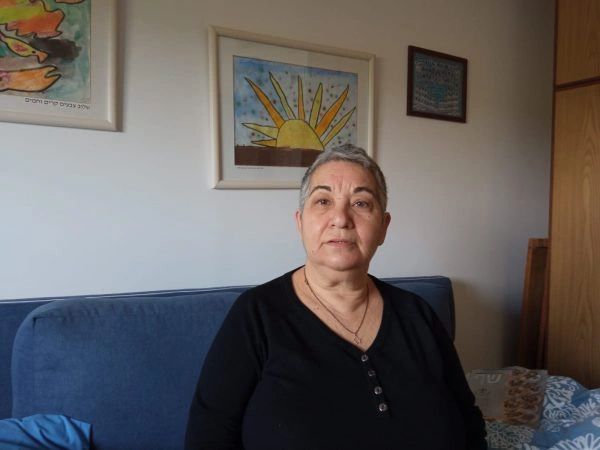
יהוד, ישראל
התחלתי מחוג במסכת קידושין שהעבירה הרבנית רייסנר במסגרת בית המדרש כלנה בגבעת שמואל; לאחר מכן התחיל סבב הדף היומי אז הצטרפתי. לסביבה לקח זמן לעכל אבל היום כולם תומכים ומשתתפים איתי. הלימוד לעתים מעניין ומעשיר ולעתים קשה ואף הזוי… אך אני ממשיכה קדימה. הוא משפיע על היומיום שלי קודם כל במרדף אחרי הדף, וגם במושגים הרבים שלמדתי ובידע שהועשרתי בו, חלקו ממש מעשי
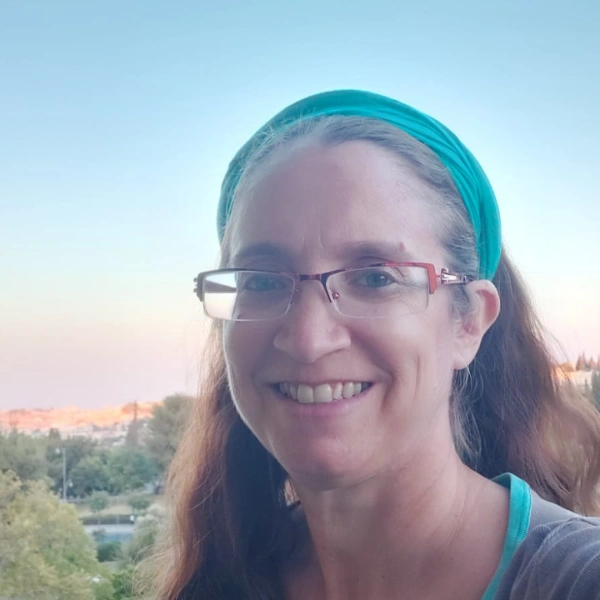
ראש העין, ישראל
. לא תמיד נהניתי מלימוד גמרא כילדה.,בל כהתבגרתי התחלתי לאהוב את זה שוב. התחלתי ללמוד מסכת סוטה בדף היומי לפני כחמש עשרה שנה ואז הפסקתי.הגעתי לסיום הגדול של הדרן לפני שנתיים וזה נתן לי השראה. והתחלתי ללמוד למשך כמה ימים ואז היתה לי פריצת דיסק והפסקתי…עד אלול השנה. אז התחלתי עם מסכת ביצה וב”ה אני מצליחה לעמוד בקצב. המשפחה מאוד תומכת בי ויש כמה שגם לומדים את זה במקביל. אני אוהבת שיש עוגן כל יום.
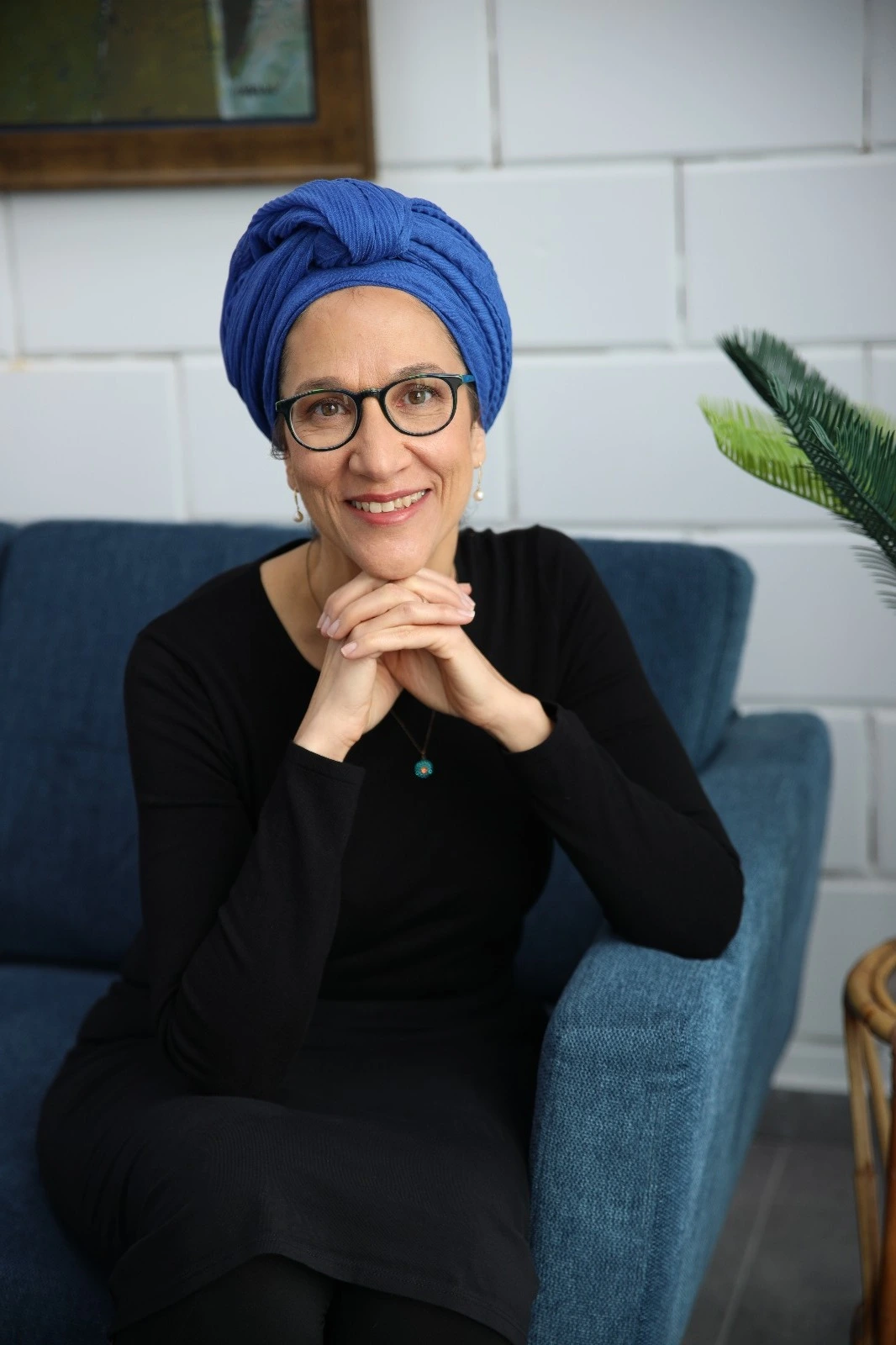
בית שמש, ישראל
לצערי גדלתי בדור שבו לימוד גמרא לנשים לא היה דבר שבשגרה ושנים שאני חולמת להשלים את הפער הזה.. עד שלפני מספר שבועות, כמעט במקרה, נתקלתי במודעת פרסומת הקוראת להצטרף ללימוד מסכת תענית. כשקראתי את המודעה הרגשתי שהיא כאילו נכתבה עבורי – "תמיד חלמת ללמוד גמרא ולא ידעת איך להתחיל”, "בואי להתנסות במסכת קצרה וקלה” (רק היה חסר שהמודעה תיפתח במילים "מיכי שלום”..). קפצתי למים ו- ב”ה אני בדרך להגשמת החלום:)
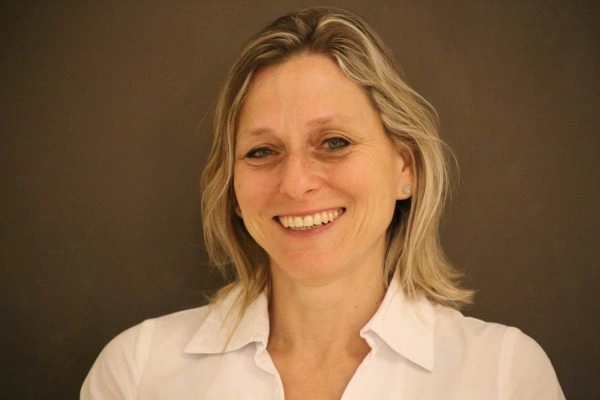
מורשת, ישראל
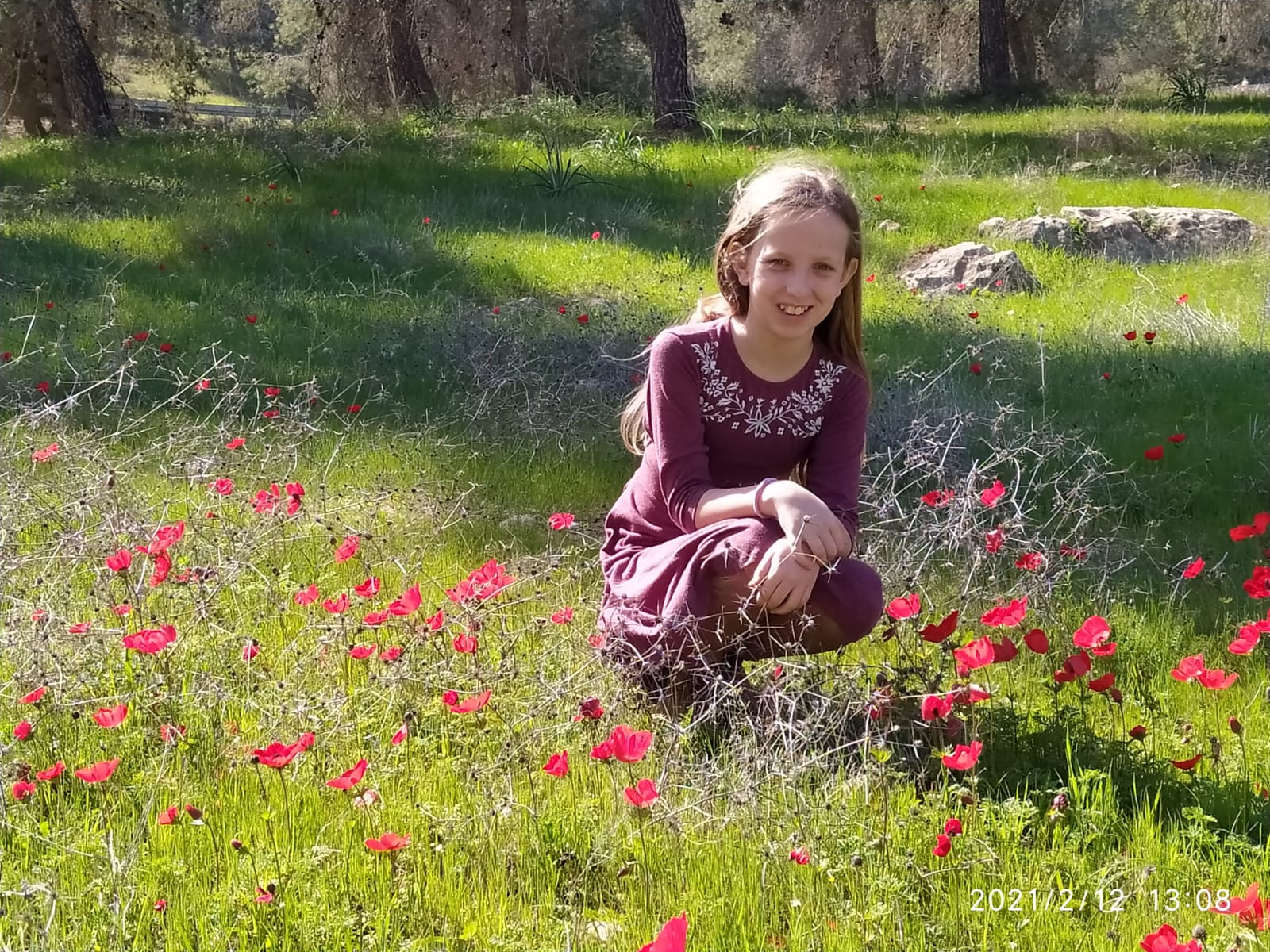
אמא שלי למדה איתי ש”ס משנה, והתחילה ללמוד דף יומי. אני החלטתי שאני רוצה ללמוד גם. בהתחלה למדתי איתה, אח”כ הצטרפתי ללימוד דף יומי שהרב דני וינט מעביר לנוער בנים בעתניאל. במסכת עירובין עוד חברה הצטרפה אלי וכשהתחלנו פסחים הרב דני פתח לנו שעור דף יומי לבנות. מאז אנחנו לומדות איתו קבוע כל יום את הדף היומי (ובשבת אבא שלי מחליף אותו). אני נהנית מהלימוד, הוא מאתגר ומעניין
עתניאל, ישראל
התחלתי ללמוד לפני 4.5 שנים, כשהודיה חברה שלי פתחה קבוצת ווטסאפ ללימוד דף יומי בתחילת מסכת סנהדרין. מאז לימוד הדף נכנס לתוך היום-יום שלי והפך לאחד ממגדירי הזהות שלי ממש.

ירושלים, ישראל
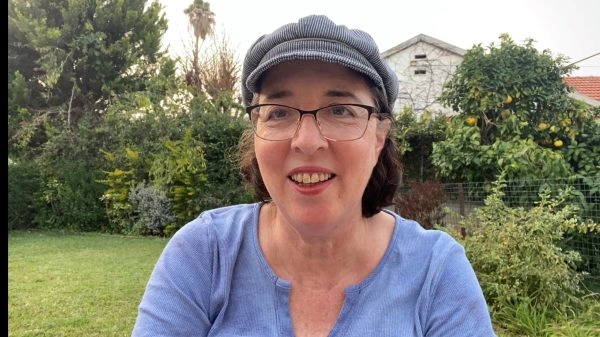
אני לומדת גמרא כעשור במסגרות שונות, ואת הדף היומי התחלתי כשחברה הציעה שאצטרף אליה לסיום בבנייני האומה. מאז אני לומדת עם פודקסט הדרן, משתדלת באופן יומי אך אם לא מספיקה, מדביקה פערים עד ערב שבת. בסבב הזה הלימוד הוא "ממעוף הציפור”, מקשיבה במהירות מוגברת תוך כדי פעילויות כמו בישול או נהיגה, וכך רוכשת היכרות עם הסוגיות ואופן ניתוחם על ידי חז”ל. בע”ה בסבב הבא, ואולי לפני, אצלול לתוכו באופן מעמיק יותר.
רמת גן, ישראל
כבר סיפרתי בסיום של מועד קטן.
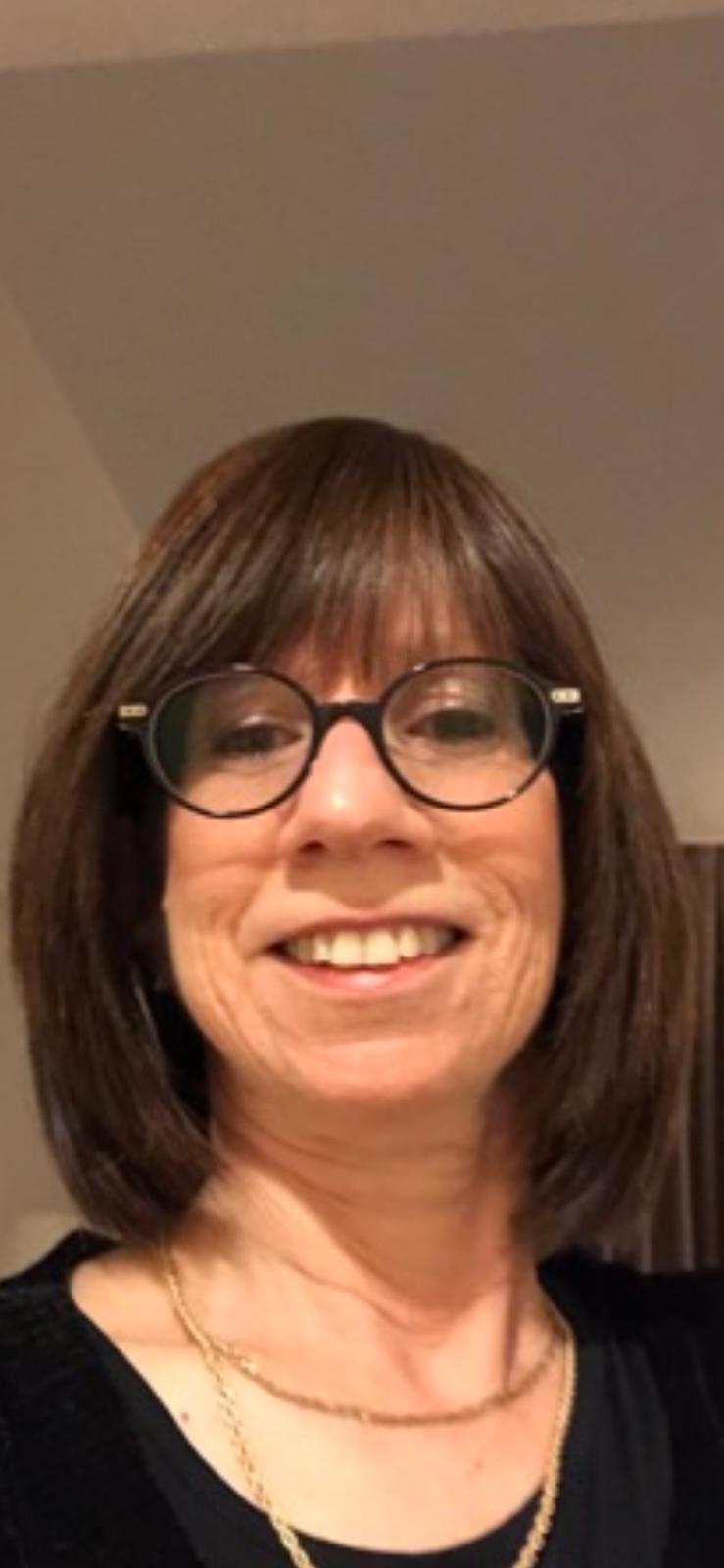
הלימוד מאוד משפיעה על היום שלי כי אני לומדת עם רבנית מישל על הבוקר בזום. זה נותן טון לכל היום – בסיס למחשבות שלי .זה זכות גדול להתחיל את היום בלימוד ובתפילה. תודה רבה !
ירושלים, ישראל
אחרי שראיתי את הסיום הנשי של הדף היומי בבנייני האומה זה ריגש אותי ועורר בי את הרצון להצטרף. לא למדתי גמרא קודם לכן בכלל, אז הכל היה לי חדש, ולכן אני לומדת בעיקר מהשיעורים פה בהדרן, בשוטנשטיין או בחוברות ושיננתם.

בית שמש, ישראל
התחלתי ללמוד בעידוד שתי חברות אתן למדתי בעבר את הפרק היומי במסגרת 929.
בבית מתלהבים מאוד ובשבת אני לומדת את הדף עם בעלי שזה מפתיע ומשמח מאוד! לימוד הדף הוא חלק בלתי נפרד מהיום שלי. לומדת בצהריים ומחכה לזמן הזה מידי יום…

אפרת, ישראל
התחלתי ללמוד בעידוד שתי חברות אתן למדתי בעבר את הפרק היומי במסגרת 929.
בבית מתלהבים מאוד ובשבת אני לומדת את הדף עם בעלי שזה מפתיע ומשמח מאוד! לימוד הדף הוא חלק בלתי נפרד מהיום שלי. לומדת בצהריים ומחכה לזמן הזה מידי יום…
אפרת, ישראל
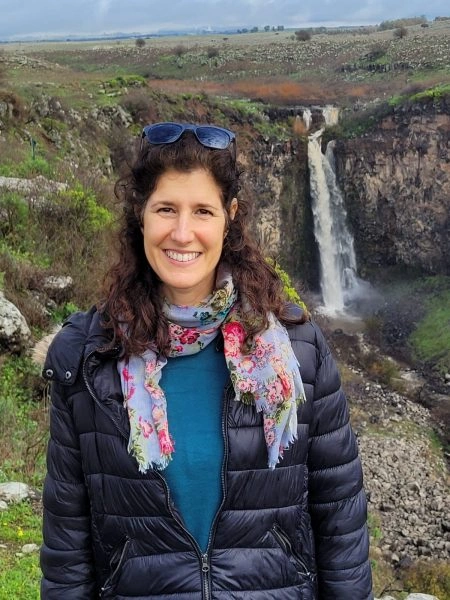
התחלתי לפני כמה שנים אבל רק בסבב הזה זכיתי ללמוד יום יום ולסיים מסכתות
רעננה, ישראל
התחלתי להשתתף בשיעור נשים פעם בשבוע, תכננתי ללמוד רק דפים בודדים, לא האמנתי שאצליח יותר מכך.
לאט לאט נשאבתי פנימה לעולם הלימוד .משתדלת ללמוד כל בוקר ומתחילה את היום בתחושה של מלאות ומתוך התכווננות נכונה יותר.
הלימוד של הדף היומי ממלא אותי בתחושה של חיבור עמוק לעם היהודי ולכל הלומדים בעבר ובהווה.

אפרת, ישראל
לצערי גדלתי בדור שבו לימוד גמרא לנשים לא היה דבר שבשגרה ושנים שאני חולמת להשלים את הפער הזה.. עד שלפני מספר שבועות, כמעט במקרה, נתקלתי במודעת פרסומת הקוראת להצטרף ללימוד מסכת תענית. כשקראתי את המודעה הרגשתי שהיא כאילו נכתבה עבורי – "תמיד חלמת ללמוד גמרא ולא ידעת איך להתחיל”, "בואי להתנסות במסכת קצרה וקלה” (רק היה חסר שהמודעה תיפתח במילים "מיכי שלום”..). קפצתי למים ו- ב”ה אני בדרך להגשמת החלום:)
מורשת, ישראל
אחי, שלומד דף יומי ממסכת ברכות, חיפש חברותא ללימוד מסכת ראש השנה והציע לי. החברותא היתה מאתגרת טכנית ורוב הזמן נעשתה דרך הטלפון, כך שבסיום המסכת נפרדו דרכינו. אחי חזר ללמוד לבד, אבל אני כבר נכבשתי בקסם הגמרא ושכנעתי את האיש שלי להצטרף אלי למסכת ביצה. מאז המשכנו הלאה, ועכשיו אנחנו מתרגשים לקראתו של סדר נשים!
נוקדים, ישראל
התחלתי כשהייתי בחופש, עם הפרסומים על תחילת המחזור, הסביבה קיבלה את זה כמשהו מתמיד ומשמעותי ובהערכה, הלימוד זה עוגן יציב ביום יום, יש שבועות יותר ויש שפחות אבל זה משהו שנמצא שם אמין ובעל משמעות בחיים שלי….
גמזו, ישראל
סיום השס לנשים נתן לי מוטביציה להתחיל ללמוד דף יומי. עד אז למדתי גמרא בשבתות ועשיתי כמה סיומים. אבל לימוד יומיומי זה שונה לגמרי ופתאום כל דבר שקורה בחיים מתקשר לדף היומי.
רתמים, ישראל
התחלתי ללמוד דף יומי אחרי שחזרתי בתשובה ולמדתי במדרשה במגדל עוז. הלימוד טוב ומספק חומר למחשבה על נושאים הלכתיים ”קטנים” ועד לערכים גדולים ביהדות. חשוב לי להכיר את הגמרא לעומק. והצעד הקטן היום הוא ללמוד אותה בבקיאות, בעזרת השם, ומי יודע אולי גם אגיע לעיון בנושאים מעניינים. נושאים בגמרא מתחברים לחגים, לתפילה, ליחסים שבין אדם לחברו ולמקום ולשאר הדברים שמלווים באורח חיים דתי 🙂
מצפה יריחו, ישראל
בסוף הסבב הקודם ראיתי את השמחה הגדולה שבסיום הלימוד, בעלי סיים כבר בפעם השלישית וכמובן הסיום הנשי בבנייני האומה וחשבתי שאולי זו הזדמנות עבורי למשהו חדש.
למרות שאני שונה בסביבה שלי, מי ששומע על הלימוד שלי מפרגן מאוד.
אני מנסה ללמוד קצת בכל יום, גם אם לא את כל הדף ובסך הכל אני בדרך כלל עומדת בקצב.
הלימוד מעניק המון משמעות ליום יום ועושה סדר בלמוד תורה, שתמיד היה (ועדיין) שאיפה. אבל אין כמו קביעות
טל מנשה, ישראל
. לא תמיד נהניתי מלימוד גמרא כילדה.,בל כהתבגרתי התחלתי לאהוב את זה שוב. התחלתי ללמוד מסכת סוטה בדף היומי לפני כחמש עשרה שנה ואז הפסקתי.הגעתי לסיום הגדול של הדרן לפני שנתיים וזה נתן לי השראה. והתחלתי ללמוד למשך כמה ימים ואז היתה לי פריצת דיסק והפסקתי…עד אלול השנה. אז התחלתי עם מסכת ביצה וב”ה אני מצליחה לעמוד בקצב. המשפחה מאוד תומכת בי ויש כמה שגם לומדים את זה במקביל. אני אוהבת שיש עוגן כל יום.
בית שמש, ישראל
בבא בתרא נה
לֶיעְבַּד לִי מָר כְּאִידַּךְ דִּשְׁמוּאֵל, דְּאָמַר שְׁמוּאֵל: לֹא קָנָה אֶלָּא מְקוֹם מַכּוֹשׁוֹ בִּלְבַד! אֲמַר לֵיהּ: בְּהַאי, אֲנָא כִּשְׁמַעְתִּין סְבִירָא לִי – דְּאָמַר רַב הוּנָא אָמַר רַב: כֵּיוָן שֶׁנִּיכֵּשׁ בָּהּ מַכּוֹשׁ אֶחָד – קָנָה כּוּלָּהּ.
If so, the Master should do for me in accordance with another statement of Shmuel, as Shmuel says that one who hoes ownerless property has acquired only the place that he struck with the hoe. Rav Naḥman said to him: In this matter I hold in accordance with our halakha, as Rav Huna says that Rav says: Once he struck the land with a hoe one time, he acquired the entire property.
שְׁלַח רַב הוּנָא בַּר אָבִין: יִשְׂרָאֵל שֶׁלָּקַח שָׂדֶה מִגּוֹי, וּבָא יִשְׂרָאֵל אַחֵר וְהֶחֱזִיק בָּהּ – אֵין מוֹצִיאִים אוֹתָהּ מִיָּדוֹ. וְכֵן הָיָה רַבִּי אָבִין וְרַבִּי אִילְעָא וְכׇל רַבּוֹתֵינוּ שָׁוִין בַּדָּבָר.
The Gemara relates that Rav Huna bar Avin sent a ruling: In the case of a Jew who purchased a field from a gentile, and then another Jew came and took possession of it, it is not removed from the possession of the second Jew. And so too, Rabbi Avin, and Rabbi Ile’a, and all of our Rabbis agree with regard to this matter.
אָמַר רַבָּה: הָנֵי תְּלָת מִילֵּי, אִישְׁתַּעִי לִי עוּקְבָן בַּר נְחֶמְיָה רֵישׁ גָּלוּתָא, מִשְּׁמֵיהּ דִּשְׁמוּאֵל: דִּינָא דְמַלְכוּתָא דִּינָא, וַאֲרִיסוּתָא דְפָרְסָאֵי – עַד אַרְבְּעִין שְׁנִין, וְהָנֵי זַהֲרוּרֵי דְּזָבֵין אַרְעָא לְטַסְקָא – זְבִינַיְהוּ זְבִינֵי.
§ Rabba said: These three statements were told to me by Ukvan bar Neḥemya the Exilarch in the name of Shmuel: The law of the kingdom is the law; and the term of Persian sharecropping [arisuta] is for up to forty years, since according to Persian laws the presumption of ownership is established after forty years of use; and in the case of these tax officials [zaharurei] who sold land in order to pay the land tax, the sale is valid, as the tax officials were justified in seizing it, and one may purchase the land from them.
וְהָנֵי מִילֵּי לְטַסְקָא, אֲבָל לִכְרָגָא – לָא. מַאי טַעְמָא? כְּרָגָא – אַקַּרְקַף דְּגַבְרֵי מַנַּח. רַב הוּנָא בְּרֵיהּ דְּרַב יְהוֹשֻׁעַ אָמַר: אֲפִילּוּ שְׂעָרֵי דְכַדָּא מִשְׁתַּעְבְּדִי לִכְרָגָא.
The Gemara notes: And this statement applies to land seized to pay the land tax, but not to land seized to pay the head tax. What is the reason for this? The head tax is placed on a man’s head, i.e., the obligation of this tax is on the individual and is unrelated to his property. It is therefore theft for the tax officials to sell land for this purpose. Rav Huna, son of Rav Yehoshua, said: Everything, even the barley in the pitcher, is mortgaged for the payment of the head tax.
אָמַר רַב אָשֵׁי: אֲמַר לִי הוּנָא בַּר נָתָן, קָשֵׁי בַּהּ אַמֵּימָר: אִם כֵּן, בִּטַּלְתָּ יְרוּשַּׁת בְּנוֹ הַבְּכוֹר – דְּהָוֵה לֵיהּ רָאוּי, וְאֵין הַבְּכוֹר נוֹטֵל בָּרָאוּי כְּבַמּוּחְזָק.
Rav Ashi said: Huna bar Natan said to me that Ameimar raised a difficulty with regard to this statement of Rav Huna, son of Rav Yehoshua: If so, you have abolished the inheritance of the firstborn son of one who owes taxes to the kingdom. If everything can be seized by the tax collectors to pay the father’s debt, any property that he left behind is only a potential inheritance, not actually property of the heirs, and the halakha is that the firstborn does not take a double share in a potential inheritance as he does in property that the deceased possessed.
אָמְרִי לֵיהּ: אִי הָכִי, אֲפִילּוּ טַסְקָא נָמֵי! אֶלָּא מָה אִית לָךְ לְמֵימַר – דִּיהַיב טַסְקָא וּמִית; הָכָא נָמֵי – דִּיהַיב כְּרָגָא וּמִית.
The Gemara continues the statement of Huna bar Natan: And I said to Ameimar: If it is so that this presents a difficulty, then even if the property can be seized as payment for the land tax this difficulty would present itself as well, as the sons would not inherit their father’s estate in the event that it is seized to pay the land tax. Rather, what have you to say to deflect this question? That the firstborn son’s right is not negated in a case where the father gave the land tax and then died, so that he is no longer indebted to the government and the field is completely his. Here too, the firstborn son maintains his rights in a case where the father gave the head tax and then died.
אָמַר רַב אָשֵׁי, אָמַר לִי הוּנָא בַּר נָתָן: שְׁאֵילְתִּינְהוּ לְסָפְרֵי דְרָבָא, וַאֲמַרוּ לִי: הִלְכְתָא כְּרַב הוּנָא בְּרֵיהּ דְּרַב יְהוֹשֻׁעַ. וְלָא הִיא, הָתָם – לְאוֹקוֹמֵי מִילְּתֵיהּ הוּא דְּאָמַר.
Rav Ashi said: Huna bar Natan said to me: I asked the scribes who wrote documents and recorded halakhic rulings in the court of Rava, and they said to me that the halakha is in accordance with the opinion of Rav Huna, son of Rav Yehoshua, who states that one’s possessions are all mortgaged for the payment of the head tax. The Gemara notes: But that is not so, as there, Huna bar Natan said that in order to buttress his previous statement.
וְאָמַר רַב אָשֵׁי: פַּרְדָּכְתְּ – מְסַיַּיע מָתָא. וְהָנֵי מִילֵּי דְּאַצֵּילְתֵּיהּ מָתָא, אֲבָל אַנְדִּיסְקֵי – סִיַּעְתָּא דִשְׁמַיָּא הִיא.
And Rav Ashi said: An idler [pardakht] must assist the town by paying taxes even though he has no income in that town. And this matter applies in a case where the town saved him from his obligation by asking for a reduction on his behalf. But if the tax collectors [andisekei] do not seek to collect his debt this is regarded as heavenly assistance, and he is not obligated to volunteer to pay his share.
אָמַר רַב אַסִּי אָמַר רַבִּי יוֹחָנָן: הַמֶּצֶר וְהֶחָצָב מַפְסִיקִין בְּנִכְסֵי הַגֵּר, אֲבָל לְעִנְיַן פֵּאָה וְטוּמְאָה – לָא. כִּי אֲתָא רָבִין אָמַר רַבִּי יוֹחָנָן: אֲפִילּוּ לְפֵאָה וְטוּמְאָה.
§ Rav Asi says that Rabbi Yoḥanan says: The boundary between fields and the sea squill that was planted to demarcate the border between fields serve as a barrier between fields with regard to the property of a convert who died without heirs, so that one who takes possession of the property acquires land only until the boundary or the sea squill, but not other land the convert had possessed beyond that point. But they do not serve as a barrier between fields with regard to the matter of produce in the corner of the field, which is given to the poor [pe’a], and ritual impurity, and even the area beyond it is considered to be part of the same field. When Ravin came to Babylonia from Eretz Yisrael, he said in the name of Rabbi Yoḥanan: They serve as a barrier between the fields even with regard to the halakhot of pe’a and ritual impurity.
פֵּאָה – מַאי הִיא? דִּתְנַן: וְאֵלּוּ מַפְסִיקִין לַפֵּאָה – הַנַּחַל, וְהַשְּׁלוּלִית,
The Gemara explains: What is the halakha of pe’a that is affected by determining whether it is one or two fields? As we learned in a mishna (Pe’a 2:1): And these serve as a barrier for the purpose of pe’a, i.e., the presence of any of these divides a field so that each section constitutes a distinct field from which pe’a must be given independently: A stream that passes through the field; and a canal;
וְדֶרֶךְ הָרַבִּים, וְדֶרֶךְ הַיָּחִיד, וּשְׁבִיל הָרַבִּים, וּשְׁבִיל הַיָּחִיד הַקָּבוּעַ בֵּין בִּימוֹת הַחַמָּה וּבֵין בִּימוֹת הַגְּשָׁמִים.
and a public road that is at least sixteen cubits wide; and a private road that is four cubits wide; and a public trail; and a permanent private trail that is used whether in the summer or in the rainy season, i.e., winter. Rav Asi and Ravin disagree with regard to whether Rabbi Yoḥanan held that a boundary or sea squill also serves to subdivide a field for the purpose of pe’a.
טוּמְאָה – מַאי הִיא? דִּתְנַן: הַנִּכְנָס לְבִקְעָה בִּימוֹת הַגְּשָׁמִים, וְטוּמְאָה בְּשָׂדֶה פְּלוֹנִית, וְאָמַר: הָלַכְתִּי לַמָּקוֹם הַלָּז, וְאֵינִי יוֹדֵעַ אִם נִכְנַסְתִּי לְאוֹתוֹ מָקוֹם וְאִם לָאו – רַבִּי אֱלִיעֶזֶר מְטַהֵר, וַחֲכָמִים מְטַמְּאִין.
The Gemara further clarifies: What is the halakha of ritual impurity that is affected by determining whether an area is one or two fields? As we learned in a mishna (Teharot 6:5): With regard to one who enters into a valley during the rainy season, i.e., winter, when people generally do not enter this area, and therefore for the purpose of this halakha it is considered a private domain, and there is a principle that in a case of uncertainty concerning whether one contracted ritual impurity in a private domain he is ritually impure; and there was ritual impurity in such and such a field, and he said: I know I walked to that place, i.e., I walked in the valley, but I do not know whether I entered that place where the ritual impurity was or whether I did not enter, Rabbi Eliezer deems him pure and the Rabbis deem him impure.
שֶׁהָיָה רַבִּי אֱלִיעֶזֶר אוֹמֵר: סְפֵק בִּיאָה – טָהוֹר, סְפֵק מַגַּע טוּמְאָה – טָמֵא.
Rabbi Eliezer deems him pure, as Rabbi Eliezer would say: Concerning uncertainty with regard to entry, i.e., it is uncertain whether he entered the area where the ritual impurity is located, he is ritually pure. But if he certainly entered the area where the ritual impurity is located and the uncertainty is with regard to contact with ritual impurity, he is ritually impure. It is with regard to this halakha that Ravin said in the name of Rabbi Yoḥanan that a boundary or sea squill defines these fields as distinct areas.
אֲבָל לְשַׁבָּת לֹא.
The Gemara infers, though, that even Ravin holds that a boundary or sea squill serves as a barrier only with regard to pe’a and ritual impurity, but with regard to the halakhot of Shabbat, they do not serve as a barrier between fields.
רָבָא אָמַר: אֲפִילּוּ לְעִנְיַן שַׁבָּת, דְּתַנְיָא: הוֹצִיא חֲצִי גְרוֹגֶרֶת לִרְשׁוּת הָרַבִּים וְהִנִּיחָה, וְחָזַר וְהוֹצִיא חֲצִי גְרוֹגֶרֶת אַחֶרֶת; בְּהֶעְלֵם אֶחָד – חַיָּיב. בִּשְׁנֵי הֶעְלֵמוֹת – פָּטוּר.
Rava says: They serve as a barrier between fields even with regard to the matter of Shabbat, as it is taught in a baraita: With regard to one who carried out half of a dried fig from a private domain into the public domain and placed it there, and then returned and carried out another half of a dried fig, if it was done within one lapse of awareness, i.e., he did not remember in the interim that this act is prohibited or that it was Shabbat, the two acts are considered as one, and since the two items together equal the size of a dried fig, he is liable to bring a sin-offering. But if it was done within two lapses of awareness, i.e., after he carried out the first half of a dried fig he remembered that this act is prohibited or that it was Shabbat, but subsequently forgot again and carried out the second half of a dried fig, he is exempt.
רַבִּי יוֹסֵי אוֹמֵר: בְּהֶעְלֵם אֶחָד;
The baraita continues. Rabbi Yosei says: If it was done within one lapse of awareness,

