






רוצה להקדיש לימוד?


בבא בתרא נו
בִּרְשׁוּת אַחַת – חַיָּיב, בִּשְׁתֵּי רְשׁוּיוֹת – פָּטוּר.
and in one domain, i.e., he carried half the dried fig into the same public domain each time, he is liable, but if it was in two domains, i.e., he carried the item into two separate public domains, he is exempt.
וְאָמַר רַבָּה: וְהוּא שֶׁיֵּשׁ חִיּוּב חַטָּאת בֵּינֵיהֶם, אֲבָל כַּרְמְלִית – לֹא. אַבָּיֵי אָמַר: אֲפִילּוּ כַּרְמְלִית, אֲבָל פִּיסְלָא – לֹא. רָבָא אָמַר: אֲפִילּוּ פִּיסְלָא.
And Rabba says in explanation of Rabbi Yosei’s opinion: And this division of the public domain applies only where there is a property where one would incur liability to bring a sin-offering if one unintentionally carried out of it or into it, i.e., a private domain, between the two sections. But if there was only a karmelit, i.e., an area that is not defined as either a private domain or public domain and to and from which the prohibition against carrying is only of rabbinic origin, it does not divide the public domain. Abaye says: Even a karmelit divides the public domain into separate sections, but a beam [pisela] does not. Rava says: Even a beam divides the public domain, since it is no less than a boundary or sea squill, which do serve as a barrier between fields.
וְאַזְדָּא רָבָא לְטַעְמֵיהּ, דְּאָמַר רָבָא: רְשׁוּת שַׁבָּת כִּרְשׁוּת גִּיטִּין דָּמֵי.
The Gemara notes: And Rava follows his own line of reasoning, as Rava says: The definition of a domain for the purpose of Shabbat is like the definition of a domain for the purpose of bills of divorce: Just as a beam is defined as a distinct domain for the purpose of bills of divorce, so too it is considered a distinct domain for the purpose of Shabbat.
אֵין שָׁם לֹא מֶצֶר וְלֹא חָצָב, מַאי? פֵּירֵשׁ רַבִּי מָרִינוּס מִשְּׁמוֹ: כׇּל שֶׁנִּקְרֵאת עַל שְׁמוֹ. הֵיכִי דָּמֵי? אָמַר רַב פָּפָּא: דְּקָרוּ לֵיהּ ״בֵּי גַרְגּוּתָא דִּפְלָנְיָא״.
The Gemara returns to discuss the acquisition of a field that belonged to a convert who died without heirs. The Gemara asks: If there was no boundary and there was no sea squill, what are the limits to the acquisition? Rabbi Marinus explains in the name of Rabbi Yoḥanan: Any area that is called by his name. The Gemara asks: What are the circumstances where it is called by his name? Rav Pappa said: Where it is called: The place that is irrigated by so-and-so’s well. The entire area referred to as such would be considered one section with regard to acquisition.
יָתֵיב רַב אַחָא בַּר עַוְיָא קַמֵּיהּ דְּרַבִּי אַסִּי, וְיָתֵיב וְקָאָמַר מִשְּׁמֵיהּ דְּרַבִּי אַסִּי בַּר חֲנִינָא: חֲצוּבָא מַפְסֵיק בְּנִכְסֵי הַגֵּר.
Rav Aḥa bar Avya sat before Rabbi Asi, and he sat and was saying the following in the name of Rabbi Asi bar Ḥanina: A row of sea squill serves as a barrier with regard to the property of a convert who died without heirs, so that each section is considered a distinct field.
מַאי חֲצוּבָא? אָמַר רַב יְהוּדָה אָמַר רַב: שֶׁבּוֹ תִּיחֵם יְהוֹשֻׁעַ לְיִשְׂרָאֵל אֶת הָאָרֶץ.
The Gemara asks: What is sea squill? Rav Yehuda says that Rav says: It is the growth by which Joshua established the boundaries of Eretz Yisrael for the Jews.
וְאָמַר רַב יְהוּדָה אָמַר רַב: לֹא מָנָה יְהוֹשֻׁעַ אֶלָּא עֲיָירוֹת הָעוֹמְדוֹת עַל הַגְּבוּלִין.
The Gemara teaches a related statement. And Rav Yehuda says that Rav says: In his book, Joshua enumerated only the towns that stand upon the borders, but not the towns that were within the portions of each tribe.
אָמַר רַב יְהוּדָה אָמַר שְׁמוּאֵל: כֹּל שֶׁהֶרְאָהוּ הַקָּדוֹשׁ בָּרוּךְ הוּא לְמֹשֶׁה – חַיָּיב בְּמַעֲשֵׂר.
On the subject of the boundaries of Eretz Yisrael, Rav Yehuda says that Shmuel says: Any area that the Holy One, Blessed be He, showed to Moses before his death, as it is written: “And the Lord showed him all the land, Gilead…as far as Zoar” (Deuteronomy 34:1–3), is within the boundaries of Eretz Yisrael, and therefore produce that grows there is obligated in tithe.
לְאַפּוֹקֵי מַאי? לְאַפּוֹקֵי קֵינִי, קְנִיזִּי וְקַדְמוֹנִי. תַּנְיָא, רַבִּי מֵאִיר אוֹמֵר: נַפְתּוֹחָא, עַרְבָאָה וְשַׁלְמָאָה. רַבִּי יְהוּדָה אוֹמֵר: הַר שֵׂעִיר, עַמּוֹן וּמוֹאָב. רַבִּי שִׁמְעוֹן אוֹמֵר: עַרְדִּיסָקִיס, אַסְיָא וְאַסְפַּמְיָא.
The Gemara asks: To exclude what area? The Gemara answers: To exclude the lands of the Kenite, Kenizzite, and Kadmonite, as God had promised to Abraham at the Covenant between the Pieces: “To your offspring have I given this land…to…the Kenite, and the Kenizzite, and the Kadmonite” (Genesis 15:18–19). These areas are not obligated in tithe. What are these three areas? It is taught in a baraita that Rabbi Meir says: They are Naftuḥa, Arva’a, and Shalma’a. Rabbi Yehuda says: They are Mount Seir, Ammon, and Moab. Rabbi Shimon says: They are Ardisekis, Asya, and Aspamya.
מַתְנִי׳ הָיוּ שְׁנַיִם מְעִידִין אוֹתוֹ שֶׁאֲכָלָהּ שָׁלֹשׁ שָׁנִים, וְנִמְצְאוּ זוֹמְמִים – מְשַׁלְּמִין לוֹ אֶת הַכֹּל. שְׁנַיִם בָּרִאשׁוֹנָה, שְׁנַיִם בַּשְּׁנִיָּה, וּשְׁנַיִם בַּשְּׁלִישִׁית –
MISHNA: If there were two witnesses testifying on his behalf that he, the possessor of the land, worked and profited from a field for three years, and therefore has presumptive ownership, and they were found to be conspiring witnesses, as it was proven that they were not present to witness the matter about which they had testified, they must pay the true owner of the field the full value of the field that they attempted, through their testimony, to remove from his possession, as it is written in the Torah: “Then shall you do to him, as he had planned to do to his brother” (Deuteronomy 19:19). If two witnesses testify that he worked and profited from the field during the first year, another two testify that he worked and profited from it during the second year, and another two testify that he worked and profited from it during the third, and all were found to be conspiring witnesses,
מְשַׁלְּשִׁין בֵּינֵיהֶם.
payment of the value of the field to the owner is divided among them.
שְׁלֹשָׁה אַחִים, וְאֶחָד מִצְטָרֵף עִמָּהֶם – הֲרֵי אֵלּוּ שָׁלֹשׁ עֵדֻיוֹת, וְהֵן עֵדוּת אַחַת לַהֲזָמָה.
If the testimony was given by three brothers, each of whom testify about one year, and another unrelated individual joined with each of the brothers as the second witness, these are three distinct testimonies and they are accepted by the court. If they were to be considered one testimony, it would not be accepted, as brothers may not testify together. But they are one testimony for the purpose of rendering them as conspiring witnesses, and the payment is divided among them.
גְּמָ׳ מַתְנִיתִין דְּלָא כְּרַבִּי עֲקִיבָא – דְּתַנְיָא, אָמַר רַבִּי יוֹסֵי: כְּשֶׁהָלַךְ אַבָּא חֲלַפְתָּא אֵצֶל רַבִּי יוֹחָנָן בֶּן נוּרִי לִלְמוֹד תּוֹרָה, וְאָמְרִי לַהּ: רַבִּי יוֹחָנָן בֶּן נוּרִי אֵצֶל אַבָּא חֲלַפְתָּא לִלְמוֹד תּוֹרָה, אָמַר לוֹ: הֲרֵי שֶׁאֲכָלָהּ שָׁנָה רִאשׁוֹנָה בִּפְנֵי שְׁנַיִם, שְׁנִיָּה בִּפְנֵי שְׁנַיִם, שְׁלִישִׁית בִּפְנֵי שְׁנַיִם – מַהוּ? אָמַר לוֹ: הֲרֵי זוֹ חֲזָקָה.
GEMARA: The Gemara notes: The mishna is not in accordance with the opinion of Rabbi Akiva, as it is taught in a baraita (Tosefta, 2:10) that Rabbi Yosei said: When Abba Ḥalafta, Rabbi Yosei’s father, went to Rabbi Yoḥanan ben Nuri to study Torah, and some say: When Rabbi Yoḥanan ben Nuri went to Abba Ḥalafta to study Torah, he said to him: What is the halakha if there is one who worked and profited from a field in the presence of two witnesses during the first year, then in the presence of two other witnesses during the second year, and finally in the presence of two other witnesses during the third year? He said to him: This is sufficient for establishing the presumption of ownership.
אָמַר לוֹ: אַף אֲנִי אוֹמֵר כֵּן, אֶלָּא שֶׁרַבִּי עֲקִיבָא חוֹלֵק בְּדָבָר זֶה; שֶׁהָיָה רַבִּי עֲקִיבָא אוֹמֵר: ״דָּבָר״ – וְלֹא חֲצִי דָבָר.
The latter said to him: I say this as well, but Rabbi Akiva disagrees with regard to this matter, as Rabbi Akiva would say that since the verse states: “At the mouth of two witnesses, or at the mouth of three witnesses, shall a matter be established” (Deuteronomy 19:15), one can derive that testimony is accepted only with regard to a complete matter, and not with regard to half of a matter. In this mishna, although presumptive ownership requires testimony that the property had been worked and profited from for three years, testimony is accepted from each pair of witnesses with regard to one year. Consequently, the ruling of the mishna does not accord with the opinion of Rabbi Akiva.
וְרַבָּנַן – הַאי ״דָּבָר״ וְלֹא חֲצִי דָבָר, מַאי עָבְדִי לֵיהּ? אִילֵּימָא לְמַעוֹטֵי אֶחָד אוֹמֵר אַחַת בְּגַבָּהּ וְאֶחָד אוֹמֵר אַחַת בִּכְרֵיסָהּ; הַאי חֲצִי דָבָר וַחֲצִי עֵדוּת הִיא!
The Gemara asks: And with regard to the Rabbis, who accept the testimony of each of the three pairs of witnesses, what do they do with this derivation of: A complete matter, and not half of a matter, i.e., what type of testimony is disqualified based on this derivation? If we say that it serves to exclude a case where two witnesses testify that a young woman has two pubic hairs and has therefore reached maturity, where one says she has one hair on her back and one says she has one hair on her lower abdomen, i.e., they are testifying to two different pubic hairs, and in this case the Rabbis say this testimony is not accepted, since they each testify with regard to only half of the matter, that is difficult. But this is both half of a matter and half of a testimony, as there is only one witness with regard to each pubic hair. This testimony would not be valid even without the derivation.
אֶלָּא לְמַעוֹטֵי שְׁנַיִם אוֹמְרִים אַחַת בְּגַבָּהּ, וּשְׁנַיִם אוֹמְרִים אַחַת בִּכְרֵסָהּ.
Rather, in the opinion of the Rabbis the derivation serves to exclude a case where two witnesses say she has one hair on her back and two witnesses say she has one hair on her lower abdomen. In this case, each group of witnesses gives full testimony with regard to half of a matter, i.e., one pubic hair, as both hairs must be present concurrently in order for her to assume the status of an adult. By contrast, in the case of the mishna, the years are by definition not concurrent. Therefore, the Rabbis rule that testimony with regard to one year is accepted.
אָמַר רַב יְהוּדָה: אֶחָד אוֹמֵר אֲכָלָהּ חִטִּים, וְאֶחָד אוֹמֵר אֲכָלָהּ שְׂעוֹרִים – הֲרֵי זוֹ חֲזָקָה. מַתְקֵיף לַהּ רַב נַחְמָן: אֶלָּא מֵעַתָּה, אֶחָד אוֹמֵר: אֲכָלָהּ רִאשׁוֹנָה שְׁלִישִׁית וַחֲמִישִׁית, וְאֶחָד אוֹמֵר: אֲכָלָהּ שְׁנִיָּה רְבִיעִית וְשִׁשִּׁית, הָכִי נָמֵי דְּהָוְיָא חֲזָקָה?!
§ In a related matter, Rav Yehuda says: If two witnesses testify that one had worked and profited from a field for three years, where one witness says he consumed wheat from the field, and one says he consumed barley from it, this is sufficient for establishing the presumption of ownership. Rav Naḥman objects to this ruling: If that is so, then if one witness says he worked and profited from the field during the first, third, and fifth years; and one witness says he worked and profited from it during the second, fourth, and sixth years, would you also say that this is sufficient for establishing the presumption of ownership? What is the difference between testifying about different crops and testifying about different years?
אֲמַר לֵיהּ רַב יְהוּדָה: הָכִי הַשְׁתָּא?! הָתָם, בְּשַׁתָּא דְּקָא מַסְהֵיד מָר – לָא קָא מַסְהֵיד מָר; הָכָא, תַּרְוַיְיהוּ בַּחֲדָא שַׁתָּא קָא מַסְהֲדִי. מַאי אִיכָּא לְמֵימַר – בֵּין חִיטֵּי לִשְׂעָרֵי? לָאו אַדַּעְתַּיְיהוּ דְּאִינָשֵׁי.
Rav Yehuda said to him: How can these cases be compared? There, i.e., in your example, with regard to the year about which one Master, i.e., witness, is testifying, the other Master is not testifying about it, while here, both are testifying with regard to one year. What is there to say, that there is a contradiction in their testimonies between wheat and barley? It does not enter people’s minds to note this distinction. Two witnesses did, however, testify that he worked and profited from the field for three years.
שְׁלֹשָׁה אַחִין, וְאֶחָד מִצְטָרֵף עִמָּהֶן – הֲרֵי אֵלּוּ שָׁלֹשׁ עֵדֻיוֹת, וְהֵן עֵדוּת אַחַת לַהֲזָמָה.
§ The mishna teaches that if the testimony was given by three brothers, each of whom testified about one year, and another, unrelated individual joined with each of the brothers as the second witness, these are three distinct testimonies and they are accepted by the court. But they are one testimony for the purpose of rendering them as conspiring witnesses.

חדשה בלימוד הגמרא?
זה הדף הראשון שלך? איזו התרגשות עצומה! יש לנו בדיוק את התכנים והכלים שיעזרו לך לעשות את הצעדים הראשונים ללמידה בקצב וברמה שלך, כך תוכלי להרגיש בנוח גם בתוך הסוגיות המורכבות ומאתגרות.
פסיפס הלומדות שלנו
גלי את קהילת הלומדות שלנו, מגוון נשים, רקעים וסיפורים. כולן חלק מתנועה ומסע מרגש ועוצמתי.
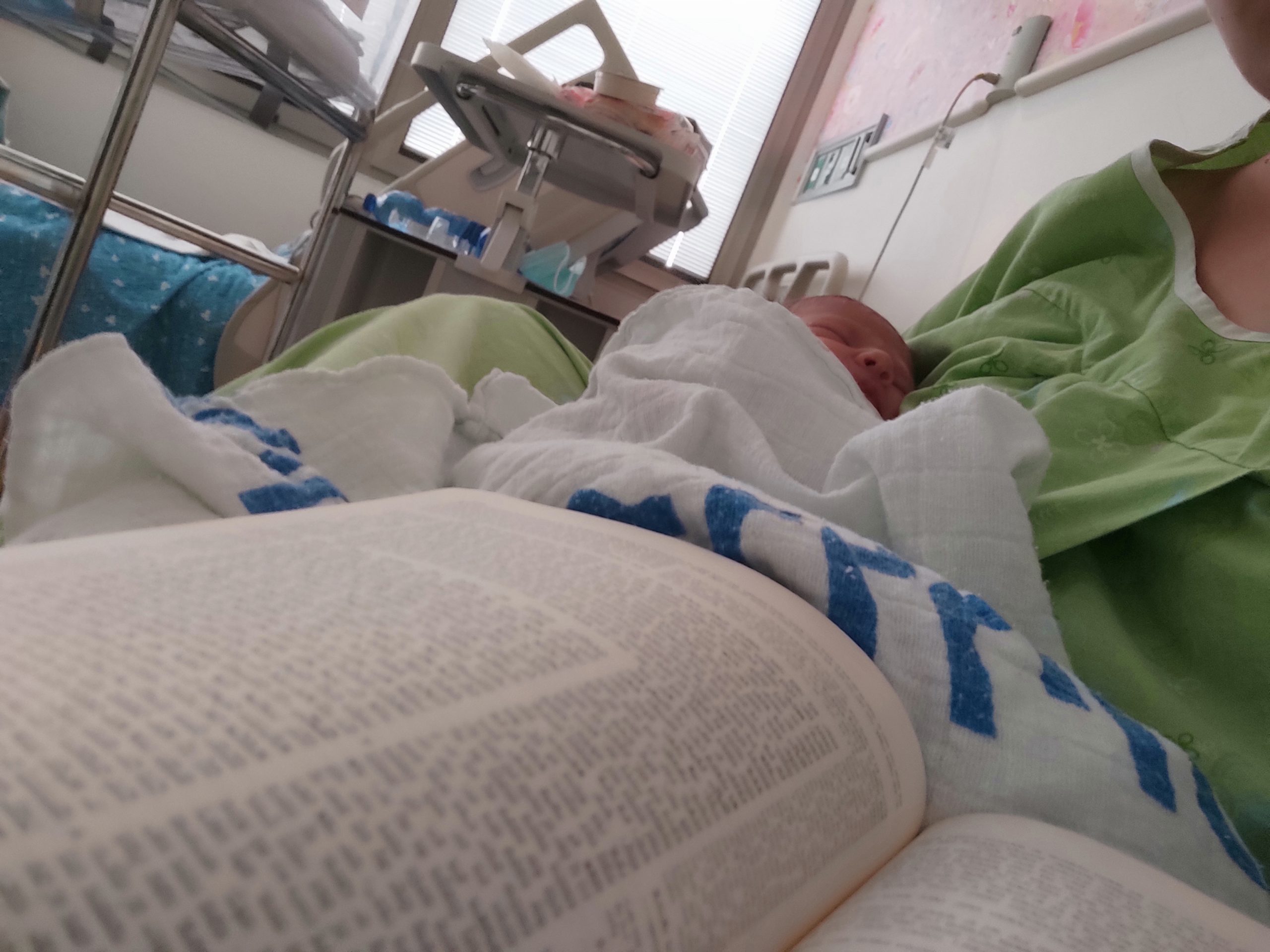
בתחילת הסבב הנוכחי הצטברו אצלי תחושות שאני לא מבינה מספיק מהי ההלכה אותה אני מקיימת בכל יום. כמו כן, כאמא לבנות רציתי לתת להן מודל נשי של לימוד תורה
שתי הסיבות האלו הובילו אותי להתחיל ללמוד. נתקלתי בתגובות מפרגנות וסקרניות איך אישה לומדת גמרא..
כמו שרואים בתמונה אני ממשיכה ללמוד גם היום ואפילו במחלקת יולדות אחרי לידת ביתי השלישית.
רבבה, ישראל
אני לומדת גמרא כעשור במסגרות שונות, ואת הדף היומי התחלתי כשחברה הציעה שאצטרף אליה לסיום בבנייני האומה. מאז אני לומדת עם פודקסט הדרן, משתדלת באופן יומי אך אם לא מספיקה, מדביקה פערים עד ערב שבת. בסבב הזה הלימוד הוא "ממעוף הציפור”, מקשיבה במהירות מוגברת תוך כדי פעילויות כמו בישול או נהיגה, וכך רוכשת היכרות עם הסוגיות ואופן ניתוחם על ידי חז”ל. בע”ה בסבב הבא, ואולי לפני, אצלול לתוכו באופן מעמיק יותר.
רמת גן, ישראל
A friend in the SF Bay Area said in Dec 2019 that she might start listening on her morning drive to work. I mentioned to my husband and we decided to try the Daf when it began in Jan 2020 as part of our preparing to make Aliyah in the summer.
ירושלים, Israel
רציתי לקבל ידע בתחום שהרגשתי שהוא גדול וחשוב אך נעלם ממני. הלימוד מעניק אתגר וסיפוק ומעמיק את תחושת השייכות שלי לתורה וליהדות
עלי זהב – לשם, ישראל
לפני 15 שנה, אחרי עשרות שנים של "ג’ינגול” בין משפחה לקריירה תובענית בהייטק, הצטרפתי לשיעורי גמרא במתן רעננה. הלימוד המעמיק והייחודי של הרבנית אושרה קורן יחד עם קבוצת הנשים המגוונת הייתה חוויה מאלפת ומעשירה. לפני כשמונה שנים כאשר מחזור הדף היומי הגיע למסכת תענית הצטרפתי כ”חברותא” לבעלי. זו השעה היומית שלנו ביחד כאשר דפי הגמרא משתלבים בחיי היום יום, משפיעים ומושפעים, וכשלא מספיקים תמיד משלימים בשבת
רעננה, ישראל
התחלתי לפני 8 שנים במדרשה. לאחרונה סיימתי מסכת תענית בלמידה עצמית ועכשיו לקראת סיום מסכת מגילה.
רעננה, ישראל
כבר סיפרתי בסיום של מועד קטן.
הלימוד מאוד משפיעה על היום שלי כי אני לומדת עם רבנית מישל על הבוקר בזום. זה נותן טון לכל היום – בסיס למחשבות שלי .זה זכות גדול להתחיל את היום בלימוד ובתפילה. תודה רבה !

ירושלים, ישראל
My explorations into Gemara started a few days into the present cycle. I binged learnt and become addicted. I’m fascinated by the rich "tapestry” of intertwined themes, connections between Masechtot, conversations between generations of Rabbanim and learners past and present all over the world. My life has acquired a golden thread, linking generations with our amazing heritage.
Thank you.
חשמונאים, Israel
התחלתי ללמוד את הדף היומי מעט אחרי שבני הקטן נולד. בהתחלה בשמיעה ולימוד באמצעות השיעור של הרבנית שפרבר. ובהמשך העזתי וקניתי לעצמי גמרא. מאז ממשיכה יום יום ללמוד עצמאית, ולפעמים בעזרת השיעור של הרבנית, כל יום. כל סיום של מסכת מביא לאושר גדול וסיפוק. הילדים בבית נהיו חלק מהלימוד, אני משתפת בסוגיות מעניינות ונהנית לשמוע את דעתם.
מעלה מכמש, ישראל
בתחילת הסבב הנוכחי של לימוד הדף היומי, נחשפתי לחגיגות המרגשות באירועי הסיום ברחבי העולם. והבטחתי לעצמי שבקרוב אצטרף גם למעגל הלומדות. הסבב התחיל כאשר הייתי בתחילת דרכי בתוכנית קרן אריאל להכשרת יועצות הלכה של נשמ”ת. לא הצלחתי להוסיף את ההתחייבות לדף היומי על הלימוד האינטנסיבי של תוכנית היועצות. בבוקר למחרת המבחן הסופי בנשמ”ת, התחלתי את לימוד הדף במסכת סוכה ומאז לא הפסקתי.
קרית גת, ישראל
התחלתי מעט לפני תחילת הסבב הנוכחי. אני נהנית מהאתגר של להמשיך להתמיד, מרגעים של "אהה, מפה זה הגיע!” ומהאתגר האינטלקטואלי

לוד, ישראל
התחלתי בתחילת הסבב, והתמכרתי. זה נותן משמעות נוספת ליומיום ומאוד מחזק לתת לזה מקום בתוך כל שגרת הבית-עבודה השוטפת.
בית שמש, ישראל
התחלתי ללמוד גמרא בבית הספר בגיל צעיר והתאהבתי. המשכתי בכך כל חיי ואף היייתי מורה לגמרא בבית הספר שקד בשדה אליהו (בית הספר בו למדתי בילדותי)בתחילת מחזור דף יומי הנוכחי החלטתי להצטרף ובע”ה מקווה להתמיד ולהמשיך. אני אוהבת את המפגש עם הדף את "דרישות השלום ” שמקבלת מקשרים עם דפים אחרים שלמדתי את הסנכרון שמתחולל בין התכנים.
מעלה גלבוע, ישראל
אני לומדת גמרא כעשור במסגרות שונות, ואת הדף היומי התחלתי כשחברה הציעה שאצטרף אליה לסיום בבנייני האומה. מאז אני לומדת עם פודקסט הדרן, משתדלת באופן יומי אך אם לא מספיקה, מדביקה פערים עד ערב שבת. בסבב הזה הלימוד הוא "ממעוף הציפור”, מקשיבה במהירות מוגברת תוך כדי פעילויות כמו בישול או נהיגה, וכך רוכשת היכרות עם הסוגיות ואופן ניתוחם על ידי חז”ל. בע”ה בסבב הבא, ואולי לפני, אצלול לתוכו באופן מעמיק יותר.
רמת גן, ישראל
התחלתי ללמוד דף יומי באמצע תקופת הקורונה, שאבא שלי סיפר לי על קבוצה של בנות שתיפתח ביישוב שלנו ותלמד דף יומי כל יום. הרבה זמן רציתי להצטרף לזה וזאת הייתה ההזדמנות בשבילי. הצטרפתי במסכת שקלים ובאמצע הייתה הפסקה קצרה. כיום אני כבר לומדת באולפנה ולומדת דף יומי לבד מתוך גמרא של טיינזלץ.
עתניאל, ישראל
התחלתי להשתתף בשיעור נשים פעם בשבוע, תכננתי ללמוד רק דפים בודדים, לא האמנתי שאצליח יותר מכך.
לאט לאט נשאבתי פנימה לעולם הלימוד .משתדלת ללמוד כל בוקר ומתחילה את היום בתחושה של מלאות ומתוך התכווננות נכונה יותר.
הלימוד של הדף היומי ממלא אותי בתחושה של חיבור עמוק לעם היהודי ולכל הלומדים בעבר ובהווה.

אפרת, ישראל
רבנית מישל הציתה אש התלמוד בלבבות בביניני האומה ואני נדלקתי. היא פתחה פתח ותמכה במתחילות כמוני ואפשרה לנו להתקדם בצעדים נכונים וטובים. הקימה מערך שלם שמסובב את הלומדות בסביבה תומכת וכך נכנסתי למסלול לימוד מעשיר שאין כמוה. הדרן יצר קהילה גדולה וחזקה שמאפשרת התקדמות מכל נקודת מוצא. יש דיבוק לומדות שמחזק את ההתמדה של כולנו. כל פניה ושאלה נענית בזריזות ויסודיות. תודה גם למגי על כל העזרה.
נתניה, ישראל
התחלתי ללמוד בסבב הנוכחי לפני כשנתיים .הסביבה מתפעלת ותומכת מאוד. אני משתדלת ללמוד מכל ההסכתים הנוספים שיש באתר הדרן. אני עורכת כל סיום מסכת שיעור בביתי לכ20 נשים שמחכות בקוצר רוח למפגשים האלו.
יהוד, ישראל
My explorations into Gemara started a few days into the present cycle. I binged learnt and become addicted. I’m fascinated by the rich "tapestry” of intertwined themes, connections between Masechtot, conversations between generations of Rabbanim and learners past and present all over the world. My life has acquired a golden thread, linking generations with our amazing heritage.
Thank you.
חשמונאים, Israel
התחלתי ללמוד דף יומי בתחילת מסכת ברכות, עוד לא ידעתי כלום. נחשפתי לסיום הש״ס, ובעצם להתחלה מחדש בתקשורת, הפתיע אותי לטובה שהיה מקום לעיסוק בתורה.
את המסכתות הראשונות למדתי, אבל לא סיימתי (חוץ מעירובין איכשהו). השנה כשהגעתי למדרשה, נכנסתי ללופ, ואני מצליחה להיות חלק, סיימתי עם החברותא שלי את כל המסכתות הקצרות, גם כשהיינו חולות קורונה ובבידודים, למדנו לבד, העיקר לא לצבור פער, ומחכות ליבמות 🙂

מזכרת בתיה, ישראל
בבא בתרא נו
בִּרְשׁוּת אַחַת – חַיָּיב, בִּשְׁתֵּי רְשׁוּיוֹת – פָּטוּר.
and in one domain, i.e., he carried half the dried fig into the same public domain each time, he is liable, but if it was in two domains, i.e., he carried the item into two separate public domains, he is exempt.
וְאָמַר רַבָּה: וְהוּא שֶׁיֵּשׁ חִיּוּב חַטָּאת בֵּינֵיהֶם, אֲבָל כַּרְמְלִית – לֹא. אַבָּיֵי אָמַר: אֲפִילּוּ כַּרְמְלִית, אֲבָל פִּיסְלָא – לֹא. רָבָא אָמַר: אֲפִילּוּ פִּיסְלָא.
And Rabba says in explanation of Rabbi Yosei’s opinion: And this division of the public domain applies only where there is a property where one would incur liability to bring a sin-offering if one unintentionally carried out of it or into it, i.e., a private domain, between the two sections. But if there was only a karmelit, i.e., an area that is not defined as either a private domain or public domain and to and from which the prohibition against carrying is only of rabbinic origin, it does not divide the public domain. Abaye says: Even a karmelit divides the public domain into separate sections, but a beam [pisela] does not. Rava says: Even a beam divides the public domain, since it is no less than a boundary or sea squill, which do serve as a barrier between fields.
וְאַזְדָּא רָבָא לְטַעְמֵיהּ, דְּאָמַר רָבָא: רְשׁוּת שַׁבָּת כִּרְשׁוּת גִּיטִּין דָּמֵי.
The Gemara notes: And Rava follows his own line of reasoning, as Rava says: The definition of a domain for the purpose of Shabbat is like the definition of a domain for the purpose of bills of divorce: Just as a beam is defined as a distinct domain for the purpose of bills of divorce, so too it is considered a distinct domain for the purpose of Shabbat.
אֵין שָׁם לֹא מֶצֶר וְלֹא חָצָב, מַאי? פֵּירֵשׁ רַבִּי מָרִינוּס מִשְּׁמוֹ: כׇּל שֶׁנִּקְרֵאת עַל שְׁמוֹ. הֵיכִי דָּמֵי? אָמַר רַב פָּפָּא: דְּקָרוּ לֵיהּ ״בֵּי גַרְגּוּתָא דִּפְלָנְיָא״.
The Gemara returns to discuss the acquisition of a field that belonged to a convert who died without heirs. The Gemara asks: If there was no boundary and there was no sea squill, what are the limits to the acquisition? Rabbi Marinus explains in the name of Rabbi Yoḥanan: Any area that is called by his name. The Gemara asks: What are the circumstances where it is called by his name? Rav Pappa said: Where it is called: The place that is irrigated by so-and-so’s well. The entire area referred to as such would be considered one section with regard to acquisition.
יָתֵיב רַב אַחָא בַּר עַוְיָא קַמֵּיהּ דְּרַבִּי אַסִּי, וְיָתֵיב וְקָאָמַר מִשְּׁמֵיהּ דְּרַבִּי אַסִּי בַּר חֲנִינָא: חֲצוּבָא מַפְסֵיק בְּנִכְסֵי הַגֵּר.
Rav Aḥa bar Avya sat before Rabbi Asi, and he sat and was saying the following in the name of Rabbi Asi bar Ḥanina: A row of sea squill serves as a barrier with regard to the property of a convert who died without heirs, so that each section is considered a distinct field.
מַאי חֲצוּבָא? אָמַר רַב יְהוּדָה אָמַר רַב: שֶׁבּוֹ תִּיחֵם יְהוֹשֻׁעַ לְיִשְׂרָאֵל אֶת הָאָרֶץ.
The Gemara asks: What is sea squill? Rav Yehuda says that Rav says: It is the growth by which Joshua established the boundaries of Eretz Yisrael for the Jews.
וְאָמַר רַב יְהוּדָה אָמַר רַב: לֹא מָנָה יְהוֹשֻׁעַ אֶלָּא עֲיָירוֹת הָעוֹמְדוֹת עַל הַגְּבוּלִין.
The Gemara teaches a related statement. And Rav Yehuda says that Rav says: In his book, Joshua enumerated only the towns that stand upon the borders, but not the towns that were within the portions of each tribe.
אָמַר רַב יְהוּדָה אָמַר שְׁמוּאֵל: כֹּל שֶׁהֶרְאָהוּ הַקָּדוֹשׁ בָּרוּךְ הוּא לְמֹשֶׁה – חַיָּיב בְּמַעֲשֵׂר.
On the subject of the boundaries of Eretz Yisrael, Rav Yehuda says that Shmuel says: Any area that the Holy One, Blessed be He, showed to Moses before his death, as it is written: “And the Lord showed him all the land, Gilead…as far as Zoar” (Deuteronomy 34:1–3), is within the boundaries of Eretz Yisrael, and therefore produce that grows there is obligated in tithe.
לְאַפּוֹקֵי מַאי? לְאַפּוֹקֵי קֵינִי, קְנִיזִּי וְקַדְמוֹנִי. תַּנְיָא, רַבִּי מֵאִיר אוֹמֵר: נַפְתּוֹחָא, עַרְבָאָה וְשַׁלְמָאָה. רַבִּי יְהוּדָה אוֹמֵר: הַר שֵׂעִיר, עַמּוֹן וּמוֹאָב. רַבִּי שִׁמְעוֹן אוֹמֵר: עַרְדִּיסָקִיס, אַסְיָא וְאַסְפַּמְיָא.
The Gemara asks: To exclude what area? The Gemara answers: To exclude the lands of the Kenite, Kenizzite, and Kadmonite, as God had promised to Abraham at the Covenant between the Pieces: “To your offspring have I given this land…to…the Kenite, and the Kenizzite, and the Kadmonite” (Genesis 15:18–19). These areas are not obligated in tithe. What are these three areas? It is taught in a baraita that Rabbi Meir says: They are Naftuḥa, Arva’a, and Shalma’a. Rabbi Yehuda says: They are Mount Seir, Ammon, and Moab. Rabbi Shimon says: They are Ardisekis, Asya, and Aspamya.
מַתְנִי׳ הָיוּ שְׁנַיִם מְעִידִין אוֹתוֹ שֶׁאֲכָלָהּ שָׁלֹשׁ שָׁנִים, וְנִמְצְאוּ זוֹמְמִים – מְשַׁלְּמִין לוֹ אֶת הַכֹּל. שְׁנַיִם בָּרִאשׁוֹנָה, שְׁנַיִם בַּשְּׁנִיָּה, וּשְׁנַיִם בַּשְּׁלִישִׁית –
MISHNA: If there were two witnesses testifying on his behalf that he, the possessor of the land, worked and profited from a field for three years, and therefore has presumptive ownership, and they were found to be conspiring witnesses, as it was proven that they were not present to witness the matter about which they had testified, they must pay the true owner of the field the full value of the field that they attempted, through their testimony, to remove from his possession, as it is written in the Torah: “Then shall you do to him, as he had planned to do to his brother” (Deuteronomy 19:19). If two witnesses testify that he worked and profited from the field during the first year, another two testify that he worked and profited from it during the second year, and another two testify that he worked and profited from it during the third, and all were found to be conspiring witnesses,
מְשַׁלְּשִׁין בֵּינֵיהֶם.
payment of the value of the field to the owner is divided among them.
שְׁלֹשָׁה אַחִים, וְאֶחָד מִצְטָרֵף עִמָּהֶם – הֲרֵי אֵלּוּ שָׁלֹשׁ עֵדֻיוֹת, וְהֵן עֵדוּת אַחַת לַהֲזָמָה.
If the testimony was given by three brothers, each of whom testify about one year, and another unrelated individual joined with each of the brothers as the second witness, these are three distinct testimonies and they are accepted by the court. If they were to be considered one testimony, it would not be accepted, as brothers may not testify together. But they are one testimony for the purpose of rendering them as conspiring witnesses, and the payment is divided among them.
גְּמָ׳ מַתְנִיתִין דְּלָא כְּרַבִּי עֲקִיבָא – דְּתַנְיָא, אָמַר רַבִּי יוֹסֵי: כְּשֶׁהָלַךְ אַבָּא חֲלַפְתָּא אֵצֶל רַבִּי יוֹחָנָן בֶּן נוּרִי לִלְמוֹד תּוֹרָה, וְאָמְרִי לַהּ: רַבִּי יוֹחָנָן בֶּן נוּרִי אֵצֶל אַבָּא חֲלַפְתָּא לִלְמוֹד תּוֹרָה, אָמַר לוֹ: הֲרֵי שֶׁאֲכָלָהּ שָׁנָה רִאשׁוֹנָה בִּפְנֵי שְׁנַיִם, שְׁנִיָּה בִּפְנֵי שְׁנַיִם, שְׁלִישִׁית בִּפְנֵי שְׁנַיִם – מַהוּ? אָמַר לוֹ: הֲרֵי זוֹ חֲזָקָה.
GEMARA: The Gemara notes: The mishna is not in accordance with the opinion of Rabbi Akiva, as it is taught in a baraita (Tosefta, 2:10) that Rabbi Yosei said: When Abba Ḥalafta, Rabbi Yosei’s father, went to Rabbi Yoḥanan ben Nuri to study Torah, and some say: When Rabbi Yoḥanan ben Nuri went to Abba Ḥalafta to study Torah, he said to him: What is the halakha if there is one who worked and profited from a field in the presence of two witnesses during the first year, then in the presence of two other witnesses during the second year, and finally in the presence of two other witnesses during the third year? He said to him: This is sufficient for establishing the presumption of ownership.
אָמַר לוֹ: אַף אֲנִי אוֹמֵר כֵּן, אֶלָּא שֶׁרַבִּי עֲקִיבָא חוֹלֵק בְּדָבָר זֶה; שֶׁהָיָה רַבִּי עֲקִיבָא אוֹמֵר: ״דָּבָר״ – וְלֹא חֲצִי דָבָר.
The latter said to him: I say this as well, but Rabbi Akiva disagrees with regard to this matter, as Rabbi Akiva would say that since the verse states: “At the mouth of two witnesses, or at the mouth of three witnesses, shall a matter be established” (Deuteronomy 19:15), one can derive that testimony is accepted only with regard to a complete matter, and not with regard to half of a matter. In this mishna, although presumptive ownership requires testimony that the property had been worked and profited from for three years, testimony is accepted from each pair of witnesses with regard to one year. Consequently, the ruling of the mishna does not accord with the opinion of Rabbi Akiva.
וְרַבָּנַן – הַאי ״דָּבָר״ וְלֹא חֲצִי דָבָר, מַאי עָבְדִי לֵיהּ? אִילֵּימָא לְמַעוֹטֵי אֶחָד אוֹמֵר אַחַת בְּגַבָּהּ וְאֶחָד אוֹמֵר אַחַת בִּכְרֵיסָהּ; הַאי חֲצִי דָבָר וַחֲצִי עֵדוּת הִיא!
The Gemara asks: And with regard to the Rabbis, who accept the testimony of each of the three pairs of witnesses, what do they do with this derivation of: A complete matter, and not half of a matter, i.e., what type of testimony is disqualified based on this derivation? If we say that it serves to exclude a case where two witnesses testify that a young woman has two pubic hairs and has therefore reached maturity, where one says she has one hair on her back and one says she has one hair on her lower abdomen, i.e., they are testifying to two different pubic hairs, and in this case the Rabbis say this testimony is not accepted, since they each testify with regard to only half of the matter, that is difficult. But this is both half of a matter and half of a testimony, as there is only one witness with regard to each pubic hair. This testimony would not be valid even without the derivation.
אֶלָּא לְמַעוֹטֵי שְׁנַיִם אוֹמְרִים אַחַת בְּגַבָּהּ, וּשְׁנַיִם אוֹמְרִים אַחַת בִּכְרֵסָהּ.
Rather, in the opinion of the Rabbis the derivation serves to exclude a case where two witnesses say she has one hair on her back and two witnesses say she has one hair on her lower abdomen. In this case, each group of witnesses gives full testimony with regard to half of a matter, i.e., one pubic hair, as both hairs must be present concurrently in order for her to assume the status of an adult. By contrast, in the case of the mishna, the years are by definition not concurrent. Therefore, the Rabbis rule that testimony with regard to one year is accepted.
אָמַר רַב יְהוּדָה: אֶחָד אוֹמֵר אֲכָלָהּ חִטִּים, וְאֶחָד אוֹמֵר אֲכָלָהּ שְׂעוֹרִים – הֲרֵי זוֹ חֲזָקָה. מַתְקֵיף לַהּ רַב נַחְמָן: אֶלָּא מֵעַתָּה, אֶחָד אוֹמֵר: אֲכָלָהּ רִאשׁוֹנָה שְׁלִישִׁית וַחֲמִישִׁית, וְאֶחָד אוֹמֵר: אֲכָלָהּ שְׁנִיָּה רְבִיעִית וְשִׁשִּׁית, הָכִי נָמֵי דְּהָוְיָא חֲזָקָה?!
§ In a related matter, Rav Yehuda says: If two witnesses testify that one had worked and profited from a field for three years, where one witness says he consumed wheat from the field, and one says he consumed barley from it, this is sufficient for establishing the presumption of ownership. Rav Naḥman objects to this ruling: If that is so, then if one witness says he worked and profited from the field during the first, third, and fifth years; and one witness says he worked and profited from it during the second, fourth, and sixth years, would you also say that this is sufficient for establishing the presumption of ownership? What is the difference between testifying about different crops and testifying about different years?
אֲמַר לֵיהּ רַב יְהוּדָה: הָכִי הַשְׁתָּא?! הָתָם, בְּשַׁתָּא דְּקָא מַסְהֵיד מָר – לָא קָא מַסְהֵיד מָר; הָכָא, תַּרְוַיְיהוּ בַּחֲדָא שַׁתָּא קָא מַסְהֲדִי. מַאי אִיכָּא לְמֵימַר – בֵּין חִיטֵּי לִשְׂעָרֵי? לָאו אַדַּעְתַּיְיהוּ דְּאִינָשֵׁי.
Rav Yehuda said to him: How can these cases be compared? There, i.e., in your example, with regard to the year about which one Master, i.e., witness, is testifying, the other Master is not testifying about it, while here, both are testifying with regard to one year. What is there to say, that there is a contradiction in their testimonies between wheat and barley? It does not enter people’s minds to note this distinction. Two witnesses did, however, testify that he worked and profited from the field for three years.
שְׁלֹשָׁה אַחִין, וְאֶחָד מִצְטָרֵף עִמָּהֶן – הֲרֵי אֵלּוּ שָׁלֹשׁ עֵדֻיוֹת, וְהֵן עֵדוּת אַחַת לַהֲזָמָה.
§ The mishna teaches that if the testimony was given by three brothers, each of whom testified about one year, and another, unrelated individual joined with each of the brothers as the second witness, these are three distinct testimonies and they are accepted by the court. But they are one testimony for the purpose of rendering them as conspiring witnesses.

