חיפוש

בבא קמא נב

רוצה להקדיש לימוד?

podcast placeholder

0:00
0:00


תקציר

הלימוד השבוע מוקדש ע”י מישל פייגלין לע”נ נתן בן דבורה ושלמה אלימלך, ולרפואת נכדה נריה יוסף הושע בן אביטל.

הלימוד השבוע מוקדש לרפואת שלי בת שרה נינה בתוך שאר חולי ישראל.

קרקע נקנית בשלוש דרכים, בכסף, בשטר או בחזקה (שימוש בקרקע באופן שמראה בעלות). מתי ניתן לרכוש בור או בית (שנחשבים שניהם כקרקע) על ידי העברת חפץ? עם איזה חפץ ניתן ואיך זה יכול להוות קניין? אפשר לקנות עדר גם על ידי מעבר של פריט מסוים – איזה פריט ואיך עובד הקניין? אם יש בור של שני שותפים והראשון כיסה אותו והשני עבר ומצא אותו גלוי ולא כיסהו, הבעל השני חייב. באיזה שלב יחזור הבעל הראשון להיות אחראי יחד עם הבעל השני? האם זה יהיה רק ​​אם השותף הראשון יראה את הבור מגולה או ישמע שהוא גלוי או האם הוא גם מקבל זמן נוסף לשכור אנשים לסגור אותו לאחר ששמע שהבור מגולה? המשנה מסבירה שאם הבעל מכסה אותה והבהמה נופלת, הוא פטור. אם זה היה מכוסה, איך יכול להיות מצב שהבהמה נופלת לתוך הבור? רבי יצחק אומר שהמכסה התליע. מובאות שתי גרסאות שונות של שאלה והגמרא מנסה לענות על השאלה ממשנתנו אך לא מצליחה. הגרסה הראשונה של השאלה היא על מי שכיסה בור בכיסוי שיכול לעמוד בפני שוורים אך לא בפני גמלים. אם גמל החליש אותו ואז השור נפל פנימה, האם הבעל חייב? הגרסה השנייה היא שהשאלה הייתה לגבי כיסוי שיכול לעמוד בפני שוורים אבל לא בפני גמלים, ובדרך כלל עוברים גמלים במקום. אך הכיסוי לא נחלש על ידי גמלים אלא התליע. האם הדין הוא שמאחר שהבעל התרשל כיוון שהכיסוי לא היה עמיד בפני גמלים, נחשב הבעל כי מי שהתרשל גם בפני התלעה, למרות שזה משהו לא מצוי שיקרה? או שמא ההלכה שמאחר שההתלעה היתה בלתי צפוי, הבעל פטור? הגרסה השנייה של השאלה נענית בסופו של דבר מברייתא.

בבא קמא נב

כֵּיוָן שֶׁמָּסַר לוֹ מַפְתֵּחַ – קָנָה.

once he has conveyed the key to him, he has acquired it.

הֵיכִי דָמֵי? אִי בְּכַסְפָּא – לִיקְנֵי בְּכַסְפָּא! אִי בַּחֲזָקָה – לִיקְנֵי בַּחֲזָקָה! לְעוֹלָם בַּחֲזָקָה, וּבָעֵי לְמֵימַר לֵיהּ ״לֵךְ חֲזֵק וּקְנֵי״; וְכֵיוָן שֶׁמָּסַר לוֹ מַפְתֵּחַ, כְּמַאן דַּאֲמַר לֵיהּ ״לֵךְ חֲזֵק וּקְנֵי״ דָּמֵי.

Here too, the Gemara asks: What are the circumstances involving this sale? If it was a transaction by payment of money, then let him acquire it by paying money. If it was by taking possession of it, let him acquire it by taking possession. What is the significance of transferring the key? The Gemara answers: Actually, the transaction occurred by taking possession, and in that case, the seller usually must say to him: Go, take possession, and thereby acquire it for yourself. And in this case, once he conveys the key to him, he is considered like one who says to him: Go, take possession, and thereby acquire it.

אָמַר רֵישׁ לָקִישׁ מִשּׁוּם רַבִּי יַנַּאי: הַמּוֹכֵר עֵדֶר לַחֲבֵירוֹ, כֵּיוָן שֶׁמָּסַר לוֹ מַשְׁכּוּכִית – קָנָה.

Similarly, Reish Lakish says in the name of Rabbi Yannai: With regard to one who sells a flock of sheep to another, once he conveys the mashkukhit to the buyer, he has acquired the flock.

הֵיכִי דָמֵי? אִי בִּמְשִׁיכָה – לִיקְנֵי בִּמְשִׁיכָה! אִי בִּמְסִירָה – לִיקְנֵי בִּמְסִירָה! לְעוֹלָם בִּמְשִׁיכָה, וּבָעֵי לְמֵימַר לֵיהּ: ״לֵךְ מְשׁוֹךְ וּקְנֵי״, וְכֵיוָן דְּמָסַר לוֹ מַשְׁכּוּכִית – כְּמַאן דְּאָמַר לֵיהּ: ״לֵךְ מְשׁוֹךְ וּקְנֵי״ דָּמֵי.

The Gemara asks: What are the circumstances of this case? If the transaction occurred by pulling the flock into his possession, then let the buyer acquire it by pulling. If it was by conveying it, let the buyer acquire it by the seller conveying it. The Gemara answers: Actually, it was a transaction by pulling, and in that case, the seller usually must say to him: Go, pull it and acquire it for yourself. And in this case, once he conveys the mashkukhit to him, he is like one who says to him: Go, pull it and acquire it.

מַאי מַשְׁכּוּכִית? הָכָא תַּרְגִּמוּ: קַרְקַשְׁתָּא. רַבִּי יַעֲקֹב אוֹמֵר: עִיזָּא דְּאָזְלָא בְּרֵישׁ עֶדְרָא – כְּדִדְרַשׁ הַהוּא גָּלִילָאָה עֲלֵיהּ דְּרַב חִסְדָּא: כַּד רָגֵיז רָעֲיָא עַל עָנָא, עָבֵיד לְנַגָּדָא סַמְוָתָא.

The Gemara asks: What is this mashkukhit? Here, in Babylonia, they translate it as a bell [karkashta] that the shepherd rings and whose sound the flock follows. Rabbi Ya’akov says: It is referring to the goat that goes at the front of the flock that they follow. The Gemara notes: This explanation of Rabbi Ya’akov is similar to that which a certain Galilean taught in the presence of Rav Ḥisda concerning this goat: When a shepherd is angry with his flock, he renders the goat leading [lenaggada] them, i.e., the mashkukhit, blind. Similarly, when God is angry with the Jewish people, he appoints unsuitable leaders for them.

מַתְנִי׳ כִּסָּהוּ הָרִאשׁוֹן, וּבָא הַשֵּׁנִי וּמְצָאוֹ מְגוּלֶּה, וְלֹא כִּסָּהוּ – הַשֵּׁנִי חַיָּיב. כִּסָּהוּ כָּרָאוּי, וְנָפַל לְתוֹכוֹ שׁוֹר אוֹ חֲמוֹר, וָמֵת – פָּטוּר. לֹא כִּסָּהוּ כָּרָאוּי, וְנָפַל לְתוֹכוֹ שׁוֹר אוֹ חֲמוֹר, וָמֵת – חַיָּיב.

MISHNA: The mishna lists several halakhot that pertain to damage classified as Pit: In the case of a pit that the first person who passed by covered after using it, and then the second came to use it and found it uncovered after the cover fell off or was damaged, and he did not cover it, the second one is liable for damage caused by the pit. If the owner covered the pit appropriately and an ox or a donkey fell into it and died, he is exempt. If he did not cover the pit appropriately and an ox or a donkey fell into it and died, he is liable.

נָפַל לְפָנָיו מִקּוֹל הַכְּרִיָּיה – חַיָּיב, לְאַחֲרָיו מִקּוֹל הַכְּרִיָּיה – פָּטוּר.

If a man was digging or widening a pit, and an ox passing by fell forward into it in fright due to the sound of the digging, he is liable. If it fell backward into the pit due to the sound of the digging, he is exempt.

נָפַל לְתוֹכוֹ שׁוֹר וְכֵלָיו – וְנִשְׁתַּבְּרוּ, חֲמוֹר וְכֵלָיו – וְנִתְקָרְעוּ; חַיָּיב עַל הַבְּהֵמָה, וּפָטוּר עַל הַכֵּלִים.

If an ox and its accoutrements, i.e., the vessels it was carrying, fell into the pit and the vessels were broken, or if a donkey and its accoutrements fell in and the accoutrements were torn, the owner of the pit is liable for damage to the animal caused by the pit, but he is exempt from liability for damage caused to the vessels, by Torah edict.

נָפַל לְתוֹכוֹ שׁוֹר חֵרֵשׁ שׁוֹטֶה וְקָטָן – חַיָּיב. בֵּן אוֹ בַּת, עֶבֶד אוֹ אָמָה – פָּטוּר.

If an ox that was impaired by being deaf, or an ox that was an imbecile, or an ox that was very young fell into the pit, he is liable. If a boy or a girl, a Canaanite slave or a Canaanite maidservant fell in, he is exempt, since there is a Torah edict that the digger of a pit is liable only for damage caused to an animal.

גְּמָ׳ וְרִאשׁוֹן עַד אֵימַת מִיפְּטַר? אָמַר רַב: בִּכְדֵי שֶׁיֵּדַע. וּשְׁמוּאֵל אָמַר: בִּכְדֵי שֶׁיּוֹדִיעוּהוּ. וְרַבִּי יוֹחָנָן אָמַר: בִּכְדִי שֶׁיּוֹדִיעוּהוּ, וְיִשְׂכּוֹר פּוֹעֲלִים, וְיִכְרוֹת אֲרָזִים וִיכַסֶּנּוּ.

GEMARA: With regard to the first case in the mishna, the Gemara asks: And until when is the first person exempt if the pit is later uncovered? Rav says: He is exempt from liability for the time necessary for him to become aware that it became uncovered. Once this time has passed, he bears responsibility. And Shmuel says: He is exempt for the time necessary for others to realize that the pit is uncovered and inform him. And Rabbi Yoḥanan says: He is exempt for the time necessary for others to inform him that the cover has fallen down and for him to hire workers and cut cedar trees to make a suitable cover and cover it. After this period of time has passed, the first bears responsibility.

כִּסָּהוּ כָּרָאוּי, וְנָפַל לְתוֹכוֹ שׁוֹר אוֹ חֲמוֹר, וָמֵת – פָּטוּר. כֵּיוָן דְּכִסָּהוּ כָּרָאוּי, הֵיכִי נְפַל? אָמַר רַבִּי יִצְחָק בַּר בַּר חָנָה: שֶׁהִתְלִיעַ מִתּוֹכוֹ.

§ The mishna teaches: If he covered the pit appropriately and an ox or a donkey fell inside and died, he is exempt. The Gemara asks: Since he covered the pit appropriately, how did it fall in? Rabbi Yitzḥak bar bar Ḥana says: This is a case where the cover rotted from the inside, and he could not have known that the cover was damaged. Therefore, he is not responsible for damage caused as a result.

אִיבַּעְיָא לְהוּ: כִּסָּהוּ כִּסּוּי שֶׁיָּכוֹל לַעֲמוֹד לִפְנֵי שְׁווֹרִים, וְאֵין יָכוֹל לַעֲמוֹד בִּפְנֵי גְמַלִּים; וַאֲתוֹ גְּמַלִּים וְאָרְעוּהּ, וְאָתוּ שְׁווֹרִים וְנָפְלִי בֵּיהּ – מַאי? אָמְרִי: הֵיכִי דָמֵי? אִי דִּשְׁכִיחִי גְּמַלִּים – פּוֹשֵׁעַ הוּא! וְאִי דְּלָא שְׁכִיחִי גְּמַלִּים – אָנוּס הוּא!

A dilemma was raised before the Sages: If he covered it with a cover that is able to withstand the weight of oxen but cannot withstand the weight of camels, which are heavier, and camels came and weakened it, and subsequently oxen came and broke the weakened cover and fell into the pit, what is the halakha? The Sages said in response: What are the circumstances? If camels are commonly found there, he is negligent, since he should have constructed the cover suitably for camels as well. And if camels are not commonly found there, then he is a victim of circumstances beyond his control if by chance they did come and weaken the cover.

לָא צְרִיכָא, דַּאֲתוֹ לִפְרָקִים; מִי אָמְרִינַן כֵּיוָן דְּאָתַיִין לִפְרָקִים – פּוֹשֵׁעַ הוּא, דְּאִיבְּעִי לֵיהּ אַסּוֹקֵי אַדַּעְתֵּיהּ; אוֹ דִלְמָא, כֵּיוָן דְּהַשְׁתָּא מִיהַת לֵיכָּא – אָנוּס הוּא?

The Gemara answers: No, it is necessary in a case where camels come occasionally, in which case the question effectively becomes: Do we say that since they come occasionally, he is considered negligent, since he should have anticipated their coming? Or perhaps since now, in any event, there are no camels, he is a victim of circumstances beyond his control.

תָּא שְׁמַע: כִּסָּהוּ כָּרָאוּי, וְנָפַל לְתוֹכוֹ שׁוֹר אוֹ חֲמוֹר, וָמֵת – פָּטוּר. הֵיכִי דָמֵי? אִילֵּימָא כָּרָאוּי לִשְׁווֹרִים וְכָרָאוּי לִגְמַלִּים – הֵיכִי נְפוּל? אֶלָּא לָאו כָּרָאוּי לִשְׁווֹרִים,

Come and hear a possible proof from the mishna: If he covered the pit appropriately, and an ox or a donkey fell into it and died, he is exempt. Now what are the circumstances? If we say that he covered it appropriately for oxen and appropriately for camels, then how did they fall in? Rather, is it not the case that he covered it with a covering that was appropriate for oxen

וְלֹא כָּרָאוּי לִגְמַלִּים? וְאִי דִּשְׁכִיחִי גְּמַלִּים, אַמַּאי פָּטוּר? פּוֹשֵׁעַ הוּא! וְאִי דְּלָא שְׁכִיחִי גְּמַלִּים – פְּשִׁיטָא, אָנוּס הוּא! אֶלָּא לָאו דְּאָתַיִין לִפְרָקִים, וַאֲתוֹ גְּמַלִּים וְאָרְעוּהּ, וַאֲתוֹ שְׁווֹרִים וּנְפַלוּ בֵּיהּ – וְקָתָנֵי פָּטוּר? אַלְמָא, כֵּיוָן דְּהַשְׁתָּא לֵיכָּא – אָנוּס הוּא!

but not appropriate for camels? In this case, the following must be clarified: If it is a location where camels are commonly found, why is he exempt? He is negligent. And if camels are not commonly found there, it is obvious that he is exempt, since he is clearly a victim of circumstances beyond his control. Rather, is it not the case that this is a location where camels come occasionally, and camels came and weakened the covering, after which oxen came and fell into it? And with regard to this case, it teaches that he is exempt. Apparently, since now, in any event, the camels are not there, he is considered a victim of circumstances beyond his control.

אָמְרִי: לָא, לְעוֹלָם כָּרָאוּי לִשְׁווֹרִים וְכָרָאוּי לִגְמַלִּים; וּדְקָא קַשְׁיָא לָךְ – הֵיכִי נְפוּל? אָמַר רַבִּי יִצְחָק בַּר בַּר חָנָה: שֶׁהִתְלִיעַ מִתּוֹכוֹ.

They said in reply: No; actually, the scenario is where he covered it appropriately for oxen and appropriately for camels, and as for what was difficult for you to explain: How did they fall? Rabbi Yitzḥak bar bar Ḥana says: It is where the cover rotted from the inside, and so nothing can be derived from here with regard to the question posed above with regard to the camels.

תָּא שְׁמַע: לֹא כִּסָּהוּ כָּרָאוּי, וְנָפַל לְתוֹכוֹ שׁוֹר אוֹ חֲמוֹר, וָמֵת – חַיָּיב. הֵיכִי דָמֵי? אִילֵּימָא לֹא כָּרָאוּי לִשְׁווֹרִים וְלֹא כָּרָאוּי לִגְמַלִּים, פְּשִׁיטָא – צְרִיכָא לְמֵימַר דְּחַיָּיב?! אֶלָּא לָאו כָּרָאוּי לִשְׁווֹרִים וְלֹא כָּרָאוּי לִגְמַלִּים? הֵיכִי דָמֵי? אִי דִּשְׁכִיחִי גְּמַלִּים – פּוֹשֵׁעַ הוּא! וְאִי דְּלָא שְׁכִיחִי גְּמַלִּים – אָנוּס הוּא!

The Gemara suggests: Come and hear a different proof from the mishna: If he did not cover the pit appropriately, and an ox or a donkey fell in and died, he is liable. Now, what are the circumstances? If we say that he did not cover it appropriately for oxen and he did not cover it appropriately for camels, and they fell in, it is obvious. Does it need to be said that he is liable in that case? Rather, is it not referring to a case where he covered it appropriately for oxen but not appropriately for camels? And if this is the case, the following point must be clarified: What are the circumstances? If camels are commonly found there, he is clearly negligent, but if camels are not commonly found there, he is a victim of circumstances beyond his control.

אֶלָּא לָאו דְּאָתַיִין לִפְרָקִים, וַאֲתוֹ גְּמַלִּים וְאָרְעוּהּ, וַאֲתוֹ שְׁווֹרִים וּנְפַלוּ בֵּיהּ – וְקָתָנֵי חַיָּיב? אַלְמָא כֵּיוָן דְּאָתַיִין לִפְרָקִים – פּוֹשֵׁעַ הוּא, דְּאִיבְּעִי לֵיהּ אַסּוֹקֵי אַדַּעְתֵּיהּ!

Rather, is it not referring to a case where camels come occasionally, and camels came and weakened it, and subsequently oxen came and fell into it? And in this case, it teaches that he is liable. Apparently, since they do come occasionally, he is considered negligent, since he should have anticipated that they would come.

לְעוֹלָם כָּרָאוּי לִשְׁווֹרִים וְלֹא כָּרָאוּי לִגְמַלִּים, וּשְׁכִיחִי גְּמַלִּים; וּדְקָא קַשְׁיָא לָךְ – פּוֹשֵׁעַ הוּא! אַיְּידֵי דִּנְסֵיב רֵישָׁא ״כִּסָּהוּ כָּרָאוּי״, נְסֵיב סֵיפָא נָמֵי ״לֹא כִּסָּהוּ כָּרָאוּי״.

The Gemara responds: Actually, it is possible that he covered it appropriately for oxen but not appropriately for camels, and camels are commonly found there. And as for what was difficult for you to explain: In such a case he is considered negligent and should be liable, rendering the ruling in the mishna superfluous, one may answer that since the tanna needs to cite the first clause with regard to the halakha if he covered it appropriately, he cites the latter clause as well, with regard to the halakha that if he did not cover it appropriately, he is liable.

אִיכָּא דְאָמְרִי: הָא נָמֵי וַדַּאי לָא אִיבַּעְיָא לַן; דְּכֵיוָן דְּאָתַיִין לִפְרָקִים – פּוֹשֵׁעַ הוּא, דְּאִיבְּעִי לֵיהּ אַסּוֹקֵי אַדַּעְתֵּיהּ;

There are those who say that the discussion is as follows: With regard to this also we certainly did not raise the dilemma, because since they occasionally come, he is considered negligent, as he should have anticipated this possibility.

כִּי אִיבְּעִי לַן – הָכִי הוּא דְּאִיבַּעְיָא לַן: כִּסָּהוּ כִּסּוּי שֶׁיָּכוֹל לַעֲמוֹד בִּפְנֵי שְׁווֹרִים וְאֵינוֹ יָכוֹל לַעֲמוֹד בִּפְנֵי גְמַלִּים, וּשְׁכִיחִי גְּמַלִּים; וְהִתְלִיעַ מִתּוֹכוֹ – מַהוּ? מִי אָמְרִינַן: מִגּוֹ דְּהָוֵי פּוֹשֵׁעַ אֵצֶל גְּמַלִּים, הָוֵי פּוֹשֵׁעַ נָמֵי לְעִנְיַן הַתְלָעָה; אוֹ דִלְמָא לָא אָמְרִינַן מִגּוֹ?

When we raised the dilemma, this is the dilemma that we raised: He covered it with a cover that is able to withstand the presence of oxen but is unable to withstand the presence of camels, and camels are commonly found in that location. What actually transpired was that the cover rotted from the inside. In this case, what is the halakha? Do we say: Since he was negligent concerning camels, he is considered negligent also concerning the rotting? Or perhaps we do not say that since he was negligent concerning camels he is considered negligent concerning rotting, and since in practice he is not to blame for the incident, he is not held liable?

תָּא שְׁמַע: כִּסָּהוּ כָּרָאוּי, וְנָפַל לְתוֹכוֹ שׁוֹר אוֹ חֲמוֹר, וָמֵת – פָּטוּר. וְאִתְּמַר עֲלַהּ, אָמַר רַבִּי יִצְחָק בַּר בַּר חָנָה: שֶׁהִתְלִיעַ מִתּוֹכוֹ. הֵיכִי דָמֵי? אִילֵּימָא כָּרָאוּי לִשְׁווֹרִים וְכָרָאוּי לִגְמַלִּים, וְהִתְלִיעַ מִתּוֹכוֹ – פְּשִׁיטָא דְּפָטוּר, מַאי הֲוָה לֵיהּ לְמֶעְבַּד?

The Gemara suggests: Come and hear a proof from the mishna: If he covered the pit appropriately and an ox or a donkey fell into it and died, he is exempt. And it was stated with regard to this that Rabbi Yitzḥak bar bar Ḥana says: This halakha applies where the cover rotted from the inside. The Gemara clarifies: What are the circumstances? If we say that it is referring to where he covered it in a manner appropriate for oxen and appropriate for camels and it rotted from the inside, isn’t it obvious that he is exempt? Being unaware of this, what should he have done?

אֶלָּא לָאו כָּרָאוּי לִשְׁווֹרִים וְלֹא כָּרָאוּי לִגְמַלִּים, וּשְׁכִיחִי גְּמַלִּים, וְהִתְלִיעַ מִתּוֹכוֹ – וְקָתָנֵי פָּטוּר? אַלְמָא לָא אָמְרִינַן מִגּוֹ דְּהָוֵי פּוֹשֵׁעַ לְעִנְיַן גְּמַלִּים הָוֵי פּוֹשֵׁעַ לְעִנְיַן הַתְלָעָה!

Rather, is it not referring to a case where he covered it appropriately for oxen but not appropriately for camels, and camels are commonly found in that location? And the strength of the cover vis-à-vis oxen and camels is not relevant to the halakha here because the cover rotted from the inside. And the mishna teaches that he is exempt. Apparently, we do not say that since he is considered negligent concerning camels, he is also considered negligent with regard to the rotting.

לָא; לְעוֹלָם כָּרָאוּי לִגְמַלִּים וּכְרָאוּי לִשְׁווֹרִים, וְהִתְלִיעַ מִתּוֹכוֹ. וּדְקָא קַשְׁיָא לָךְ – כִּי הִתְלִיעַ מַאי הֲוָה לֵיהּ לְמֶעְבַּד? מַהוּ דְּתֵימָא: אִיבְּעִי לֵיהּ לְמֵיזַל וּמִנְקַשׁ עֲלֵיהּ; קָא מַשְׁמַע לַן.

The Gemara rejects this: No; actually, the case is where the cover was appropriate for camels and appropriate for oxen, and it rotted from the inside. And as for what was difficult for you to explain: When it rotted from the inside, what should he have done, and shouldn’t he be exempt? There is, nevertheless, a novelty in this ruling: It is necessary lest you say that he should have gone and knocked on the covering to ensure it was not hollow on the inside. Therefore, the mishna teaches us that he is not required to check to this extent.

תָּא שְׁמַע: לֹא כִּסָּהוּ כָּרָאוּי, וְנָפַל לְתוֹכוֹ שׁוֹר אוֹ חֲמוֹר, וָמֵת – חַיָּיב. הֵיכִי דָמֵי? אִילֵּימָא לֹא כָּרָאוּי לִשְׁווֹרִים וְלֹא כָּרָאוּי לִגְמַלִּים – צְרִיכָא לְמֵימַר דְּחַיָּיב?

The Gemara suggests: Come and hear a proof from the continuation of the mishna: If he did not cover the pit appropriately and an ox or a donkey fell into it and died, he is liable. The Gemara clarifies: What are the circumstances? If we say that it is referring to where he did not cover it appropriately for oxen and did not cover it appropriately for camels, does it need to be said that he is liable?

אֶלָּא לָאו כָּרָאוּי לִשְׁווֹרִים וְלֹא כָּרָאוּי לִגְמַלִּים? וְאִי דִּשְׁכִיחִי גְּמַלִּים – פּוֹשֵׁעַ הוּא, וְאִי דְּלָא שְׁכִיחִי גְּמַלִּים – אָנוּס הוּא! אֶלָּא לָאו דִּשְׁכִיחִי גְּמַלִּים, וְהִתְלִיעַ מִתּוֹכוֹ – וְקָתָנֵי חַיָּיב? אַלְמָא אָמְרִינַן מִגּוֹ דְּהָוֵי פּוֹשֵׁעַ לְעִנְיַן גְּמַלִּים – הָוֵי פּוֹשֵׁעַ לְעִנְיַן הַתְלָעָה!

Rather, is it not a case where he covered it appropriately for oxen but not appropriately for camels? In this case, the following point needs clarification: If camels are commonly found there, he is negligent and should be liable. And if camels are not commonly found there, he is a victim of circumstances beyond his control. Rather, is it not a case where camels are commonly found there, and it rotted from the inside, and the mishna teaches that he is liable? Apparently, we do say that since he is negligent concerning the camels, he is considered negligent concerning the rotting, and he is therefore liable.

אָמְרִי: לָא; לְעוֹלָם כָּרָאוּי לִשְׁווֹרִים וְלֹא כָּרָאוּי לִגְמַלִּים, וּשְׁכִיחִי גְּמַלִּים; וַאֲתוֹ גְּמַלִּים וְאָרְעוּהּ, וַאֲתוֹ שְׁווֹרִים וּנְפַלוּ בֵּיהּ. וּדְקָא קַשְׁיָא לָךְ – פְּשִׁיטָא, פּוֹשֵׁעַ הוּא! אַיְּידֵי דִּנְסֵיב רֵישָׁא ״כִּסָּהוּ כָּרָאוּי״, נְסֵיב סֵיפָא נָמֵי ״לֹא כִּסָּהוּ״.

They said in response: No; actually it is referring to where he covered the pit appropriately for oxen but not appropriately for camels; and camels are commonly found there, and camels came and weakened the cover. And, subsequently, oxen came and fell in. And as for what was difficult for you to explain: It is obvious that he is liable, since he is clearly negligent, so what novelty is being introduced? The answer is that since he needs to cite the first clause of the mishna, i.e., where he covered the pit appropriately, he therefore cites the latter clause as well, i.e., where he did not cover it.

תָּא שְׁמַע: נָפַל לְתוֹכוֹ שׁוֹר חֵרֵשׁ, שׁוֹטֶה וְקָטָן, סוֹמֵא וּמְהַלֵּךְ בַּלַּיְלָה – חַיָּיב. פִּקֵּחַ וּמְהַלֵּךְ בַּיּוֹם – פָּטוּר. וְאַמַּאי? נֵימָא מִדְּהָוֵי פּוֹשֵׁעַ לְעִנְיַן חֵרֵשׁ, הָוֵי נָמֵי פּוֹשֵׁעַ לְעִנְיַן פִּקֵּחַ! אֶלָּא לָאו שְׁמַע מִינַּהּ – לָא אָמְרִינַן מִגּוֹ? שְׁמַע מִינַּהּ.

The Gemara suggests: Come and hear a different proof from a baraita: With regard to an ox that was impaired by being deaf, or an ox that was an imbecile, or an ox that was very young, or a blind ox, or an ox that is walking at night and unable to see, if it fell into the pit, he is liable. If the ox was of standard intelligence for its species and was walking in the day, the owner of the pit is exempt, since the ox should have been aware of the pit. The Gemara asks: But why is he exempt? Let us say that since he is considered negligent concerning a deaf ox, he is also negligent concerning an ox of standard intelligence. Rather, is it not correct to conclude the following principle from here: We do not say that since he is negligent with regard to one matter, it is also considered negligence with regard to another matter, but he is held liable only for the damage actually attributable to his negligence? The Gemara affirms: Yes, conclude from the mishna that this is so.

נָפַל לְפָנָיו כּוּ׳. אָמַר רַב: ״לְפָנָיו״ – לְפָנָיו מַמָּשׁ, ״לְאַחֲרָיו״ – אַחֲרָיו מַמָּשׁ.

§ The mishna teaches: If a man was digging or widening a pit, and an ox passing by fell forward into it in fright due to the sound of the digging, he is liable. If it fell backward into the pit due to the sound of the digging, he is exempt. Rav says: The term forward means literally forward, and the term backward means literally backward,

חדשה בלימוד הגמרא?

זה הדף הראשון שלך? איזו התרגשות עצומה! יש לנו בדיוק את התכנים והכלים שיעזרו לך לעשות את הצעדים הראשונים ללמידה בקצב וברמה שלך, כך תוכלי להרגיש בנוח גם בתוך הסוגיות המורכבות ומאתגרות.

פסיפס הלומדות שלנו

גלי את קהילת הלומדות שלנו, מגוון נשים, רקעים וסיפורים. כולן חלק מתנועה ומסע מרגש ועוצמתי.

התחלתי ללמוד דף יומי בתחילת מסכת ברכות, עוד לא ידעתי כלום. נחשפתי לסיום הש״ס, ובעצם להתחלה מחדש בתקשורת, הפתיע אותי לטובה שהיה מקום לעיסוק בתורה.
את המסכתות הראשונות למדתי, אבל לא סיימתי (חוץ מעירובין איכשהו). השנה כשהגעתי למדרשה, נכנסתי ללופ, ואני מצליחה להיות חלק, סיימתי עם החברותא שלי את כל המסכתות הקצרות, גם כשהיינו חולות קורונה ובבידודים, למדנו לבד, העיקר לא לצבור פער, ומחכות ליבמות 🙂

Eden Yeshuron
עדן ישורון

מזכרת בתיה, ישראל

בתחילת הסבב הנוכחי של לימוד הדף היומי, נחשפתי לחגיגות המרגשות באירועי הסיום ברחבי העולם. והבטחתי לעצמי שבקרוב אצטרף גם למעגל הלומדות. הסבב התחיל כאשר הייתי בתחילת דרכי בתוכנית קרן אריאל להכשרת יועצות הלכה של נשמ”ת. לא הצלחתי להוסיף את ההתחייבות לדף היומי על הלימוד האינטנסיבי של תוכנית היועצות. בבוקר למחרת המבחן הסופי בנשמ”ת, התחלתי את לימוד הדף במסכת סוכה ומאז לא הפסקתי.

Hana Shaham-Rozby (Dr.)
חנה שחם-רוזבי (ד”ר)

קרית גת, ישראל

התחלתי ללמוד דף יומי שהתחילו מסכת כתובות, לפני 7 שנים, במסגרת קבוצת לימוד שהתפרקה די מהר, ומשם המשכתי לבד בתמיכת האיש שלי. נעזרתי בגמרת שטיינזלץ ובשיעורים מוקלטים.
הסביבה מאד תומכת ואני מקבלת המון מילים טובות לאורך כל הדרך. מאז הסיום הגדול יש תחושה שאני חלק מדבר גדול יותר.
אני לומדת בשיטת ה”7 דפים בשבוע” של הרבנית תרצה קלמן – כלומר, לא נורא אם לא הצלחת ללמוד כל יום, העיקר שגמרת ארבעה דפים בשבוע

Rachel Goldstein
רחל גולדשטיין

עתניאל, ישראל

רציתי לקבל ידע בתחום שהרגשתי שהוא גדול וחשוב אך נעלם ממני. הלימוד מעניק אתגר וסיפוק ומעמיק את תחושת השייכות שלי לתורה וליהדות

Ruth Agiv
רות עגיב

עלי זהב – לשם, ישראל

אמא שלי למדה איתי ש”ס משנה, והתחילה ללמוד דף יומי. אני החלטתי שאני רוצה ללמוד גם. בהתחלה למדתי איתה, אח”כ הצטרפתי ללימוד דף יומי שהרב דני וינט מעביר לנוער בנים בעתניאל. במסכת עירובין עוד חברה הצטרפה אלי וכשהתחלנו פסחים הרב דני פתח לנו שעור דף יומי לבנות. מאז אנחנו לומדות איתו קבוע כל יום את הדף היומי (ובשבת אבא שלי מחליף אותו). אני נהנית מהלימוד, הוא מאתגר ומעניין

Renana Hellman
רננה הלמן

עתניאל, ישראל

הצטרפתי ללומדות בתחילת מסכת תענית. ההתרגשות שלי ושל המשפחה היתה גדולה מאוד, והיא הולכת וגוברת עם כל סיום שאני זוכה לו. במשך שנים רבות רציתי להצטרף ומשום מה זה לא קרה… ב”ה מצאתי לפני מספר חודשים פרסום של הדרן, ומיד הצטרפתי והתאהבתי. הדף היומי שינה את חיי ממש והפך כל יום- ליום של תורה. מודה לכן מקרב ליבי ומאחלת לכולנו לימוד פורה מתוך אהבת התורה ולומדיה.

Noa Rosen
נעה רוזן

חיספין רמת הגולן, ישראל

התחלתי ללמוד דף יומי לפני שנתיים, עם מסכת שבת. בהתחלה ההתמדה היתה קשה אבל בזכות הקורונה והסגרים הצלחתי להדביק את הפערים בשבתות הארוכות, לסיים את מסכת שבת ולהמשיך עם המסכתות הבאות. עכשיו אני מסיימת בהתרגשות רבה את מסכת חגיגה וסדר מועד ומחכה לסדר הבא!

Ilana-Shachnowitz
אילנה שכנוביץ

מודיעין, ישראל

התחלתי לפני 8 שנים במדרשה. לאחרונה סיימתי מסכת תענית בלמידה עצמית ועכשיו לקראת סיום מסכת מגילה.

Daniela Baruchim
דניאלה ברוכים

רעננה, ישראל

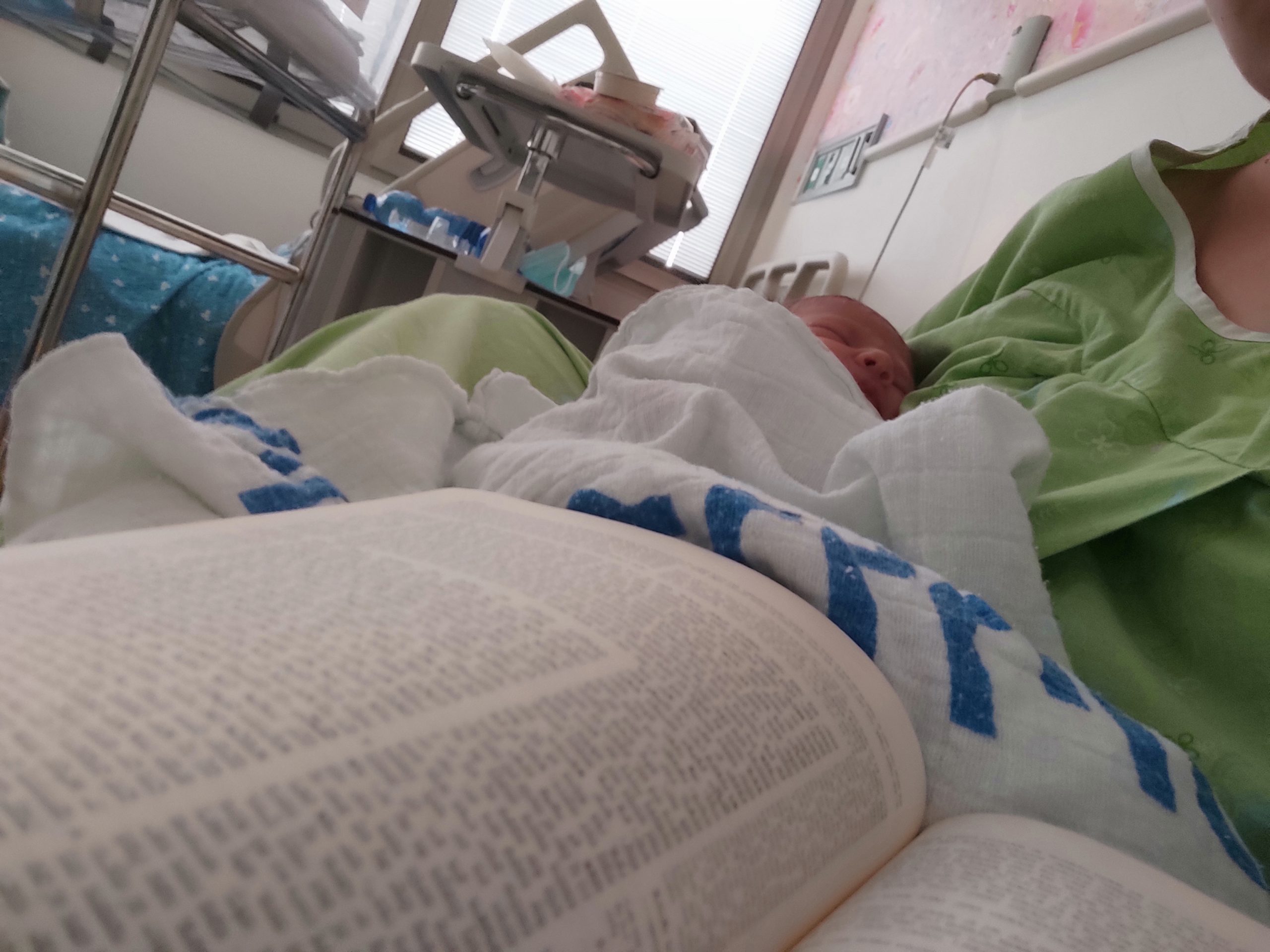
בתחילת הסבב הנוכחי הצטברו אצלי תחושות שאני לא מבינה מספיק מהי ההלכה אותה אני מקיימת בכל יום. כמו כן, כאמא לבנות רציתי לתת להן מודל נשי של לימוד תורה
שתי הסיבות האלו הובילו אותי להתחיל ללמוד. נתקלתי בתגובות מפרגנות וסקרניות איך אישה לומדת גמרא..
כמו שרואים בתמונה אני ממשיכה ללמוד גם היום ואפילו במחלקת יולדות אחרי לידת ביתי השלישית.

Noa Shiloh
נועה שילה

רבבה, ישראל

התחלתי ללמוד בשנת המדרשה במגדל עוז, בינתיים נהנית מאוד מהלימוד ומהגמרא, מעניין ומשמח מאוד!
משתדלת להצליח לעקוב כל יום, לפעמים משלימה קצת בהמשך השבוע.. מרגישה שיש עוגן מקובע ביום שלי והוא משמח מאוד!

Uriah Kesner
אוריה קסנר

חיפה , ישראל

התחלתי ללמוד דף יומי בתחילת מסכת ברכות, עוד לא ידעתי כלום. נחשפתי לסיום הש״ס, ובעצם להתחלה מחדש בתקשורת, הפתיע אותי לטובה שהיה מקום לעיסוק בתורה.
את המסכתות הראשונות למדתי, אבל לא סיימתי (חוץ מעירובין איכשהו). השנה כשהגעתי למדרשה, נכנסתי ללופ, ואני מצליחה להיות חלק, סיימתי עם החברותא שלי את כל המסכתות הקצרות, גם כשהיינו חולות קורונה ובבידודים, למדנו לבד, העיקר לא לצבור פער, ומחכות ליבמות 🙂

Eden Yeshuron
עדן ישורון

מזכרת בתיה, ישראל

התחלתי להשתתף בשיעור נשים פעם בשבוע, תכננתי ללמוד רק דפים בודדים, לא האמנתי שאצליח יותר מכך.
לאט לאט נשאבתי פנימה לעולם הלימוד .משתדלת ללמוד כל בוקר ומתחילה את היום בתחושה של מלאות ומתוך התכווננות נכונה יותר.
הלימוד של הדף היומי ממלא אותי בתחושה של חיבור עמוק לעם היהודי ולכל הלומדים בעבר ובהווה.

Neely Hayon
נילי חיון

אפרת, ישראל

התחלתי ללמוד דף יומי אחרי שחזרתי בתשובה ולמדתי במדרשה במגדל עוז. הלימוד טוב ומספק חומר למחשבה על נושאים הלכתיים ”קטנים” ועד לערכים גדולים ביהדות. חשוב לי להכיר את הגמרא לעומק. והצעד הקטן היום הוא ללמוד אותה בבקיאות, בעזרת השם, ומי יודע אולי גם אגיע לעיון בנושאים מעניינים. נושאים בגמרא מתחברים לחגים, לתפילה, ליחסים שבין אדם לחברו ולמקום ולשאר הדברים שמלווים באורח חיים דתי 🙂

Gaia Divo
גאיה דיבו

מצפה יריחו, ישראל

התחלתי ללמוד לפני כשנתיים בשאיפה לסיים לראשונה מסכת אחת במהלך חופשת הלידה.
אחרי מסכת אחת כבר היה קשה להפסיק…

Noa Gallant
נעה גלנט

ירוחם, ישראל

לפני 15 שנה, אחרי עשרות שנים של "ג’ינגול” בין משפחה לקריירה תובענית בהייטק, הצטרפתי לשיעורי גמרא במתן רעננה. הלימוד המעמיק והייחודי של הרבנית אושרה קורן יחד עם קבוצת הנשים המגוונת הייתה חוויה מאלפת ומעשירה. לפני כשמונה שנים כאשר מחזור הדף היומי הגיע למסכת תענית הצטרפתי כ”חברותא” לבעלי. זו השעה היומית שלנו ביחד כאשר דפי הגמרא משתלבים בחיי היום יום, משפיעים ומושפעים, וכשלא מספיקים תמיד משלימים בשבת

Yodi Askoff
יודי אסקוף

רעננה, ישראל

התחלתי כשהייתי בחופש, עם הפרסומים על תחילת המחזור, הסביבה קיבלה את זה כמשהו מתמיד ומשמעותי ובהערכה, הלימוד זה עוגן יציב ביום יום, יש שבועות יותר ויש שפחות אבל זה משהו שנמצא שם אמין ובעל משמעות בחיים שלי….

Adi Diamant
עדי דיאמנט

גמזו, ישראל

כבר סיפרתי בסיום של מועד קטן.
הלימוד מאוד משפיעה על היום שלי כי אני לומדת עם רבנית מישל על הבוקר בזום. זה נותן טון לכל היום – בסיס למחשבות שלי .זה זכות גדול להתחיל את היום בלימוד ובתפילה. תודה רבה !

שרה-ברלוביץ
שרה ברלוביץ

ירושלים, ישראל

התחלתי ללמוד את הדף היומי מעט אחרי שבני הקטן נולד. בהתחלה בשמיעה ולימוד באמצעות השיעור של הרבנית שפרבר. ובהמשך העזתי וקניתי לעצמי גמרא. מאז ממשיכה יום יום ללמוד עצמאית, ולפעמים בעזרת השיעור של הרבנית, כל יום. כל סיום של מסכת מביא לאושר גדול וסיפוק. הילדים בבית נהיו חלק מהלימוד, אני משתפת בסוגיות מעניינות ונהנית לשמוע את דעתם.

Eliraz Blau
אלירז בלאו

מעלה מכמש, ישראל

My explorations into Gemara started a few days into the present cycle. I binged learnt and become addicted. I’m fascinated by the rich "tapestry” of intertwined themes, connections between Masechtot, conversations between generations of Rabbanim and learners past and present all over the world. My life has acquired a golden thread, linking generations with our amazing heritage.
Thank you.

Susan Kasdan
סוזן כשדן

חשמונאים, Israel

A friend in the SF Bay Area said in Dec 2019 that she might start listening on her morning drive to work. I mentioned to my husband and we decided to try the Daf when it began in Jan 2020 as part of our preparing to make Aliyah in the summer.

Hana Piotrkovsky
חנה פיוטרקובסקי

ירושלים, Israel

בבא קמא נב

כֵּיוָן שֶׁמָּסַר לוֹ מַפְתֵּחַ – קָנָה.

once he has conveyed the key to him, he has acquired it.

הֵיכִי דָמֵי? אִי בְּכַסְפָּא – לִיקְנֵי בְּכַסְפָּא! אִי בַּחֲזָקָה – לִיקְנֵי בַּחֲזָקָה! לְעוֹלָם בַּחֲזָקָה, וּבָעֵי לְמֵימַר לֵיהּ ״לֵךְ חֲזֵק וּקְנֵי״; וְכֵיוָן שֶׁמָּסַר לוֹ מַפְתֵּחַ, כְּמַאן דַּאֲמַר לֵיהּ ״לֵךְ חֲזֵק וּקְנֵי״ דָּמֵי.

Here too, the Gemara asks: What are the circumstances involving this sale? If it was a transaction by payment of money, then let him acquire it by paying money. If it was by taking possession of it, let him acquire it by taking possession. What is the significance of transferring the key? The Gemara answers: Actually, the transaction occurred by taking possession, and in that case, the seller usually must say to him: Go, take possession, and thereby acquire it for yourself. And in this case, once he conveys the key to him, he is considered like one who says to him: Go, take possession, and thereby acquire it.

אָמַר רֵישׁ לָקִישׁ מִשּׁוּם רַבִּי יַנַּאי: הַמּוֹכֵר עֵדֶר לַחֲבֵירוֹ, כֵּיוָן שֶׁמָּסַר לוֹ מַשְׁכּוּכִית – קָנָה.

Similarly, Reish Lakish says in the name of Rabbi Yannai: With regard to one who sells a flock of sheep to another, once he conveys the mashkukhit to the buyer, he has acquired the flock.

הֵיכִי דָמֵי? אִי בִּמְשִׁיכָה – לִיקְנֵי בִּמְשִׁיכָה! אִי בִּמְסִירָה – לִיקְנֵי בִּמְסִירָה! לְעוֹלָם בִּמְשִׁיכָה, וּבָעֵי לְמֵימַר לֵיהּ: ״לֵךְ מְשׁוֹךְ וּקְנֵי״, וְכֵיוָן דְּמָסַר לוֹ מַשְׁכּוּכִית – כְּמַאן דְּאָמַר לֵיהּ: ״לֵךְ מְשׁוֹךְ וּקְנֵי״ דָּמֵי.

The Gemara asks: What are the circumstances of this case? If the transaction occurred by pulling the flock into his possession, then let the buyer acquire it by pulling. If it was by conveying it, let the buyer acquire it by the seller conveying it. The Gemara answers: Actually, it was a transaction by pulling, and in that case, the seller usually must say to him: Go, pull it and acquire it for yourself. And in this case, once he conveys the mashkukhit to him, he is like one who says to him: Go, pull it and acquire it.

מַאי מַשְׁכּוּכִית? הָכָא תַּרְגִּמוּ: קַרְקַשְׁתָּא. רַבִּי יַעֲקֹב אוֹמֵר: עִיזָּא דְּאָזְלָא בְּרֵישׁ עֶדְרָא – כְּדִדְרַשׁ הַהוּא גָּלִילָאָה עֲלֵיהּ דְּרַב חִסְדָּא: כַּד רָגֵיז רָעֲיָא עַל עָנָא, עָבֵיד לְנַגָּדָא סַמְוָתָא.

The Gemara asks: What is this mashkukhit? Here, in Babylonia, they translate it as a bell [karkashta] that the shepherd rings and whose sound the flock follows. Rabbi Ya’akov says: It is referring to the goat that goes at the front of the flock that they follow. The Gemara notes: This explanation of Rabbi Ya’akov is similar to that which a certain Galilean taught in the presence of Rav Ḥisda concerning this goat: When a shepherd is angry with his flock, he renders the goat leading [lenaggada] them, i.e., the mashkukhit, blind. Similarly, when God is angry with the Jewish people, he appoints unsuitable leaders for them.

מַתְנִי׳ כִּסָּהוּ הָרִאשׁוֹן, וּבָא הַשֵּׁנִי וּמְצָאוֹ מְגוּלֶּה, וְלֹא כִּסָּהוּ – הַשֵּׁנִי חַיָּיב. כִּסָּהוּ כָּרָאוּי, וְנָפַל לְתוֹכוֹ שׁוֹר אוֹ חֲמוֹר, וָמֵת – פָּטוּר. לֹא כִּסָּהוּ כָּרָאוּי, וְנָפַל לְתוֹכוֹ שׁוֹר אוֹ חֲמוֹר, וָמֵת – חַיָּיב.

MISHNA: The mishna lists several halakhot that pertain to damage classified as Pit: In the case of a pit that the first person who passed by covered after using it, and then the second came to use it and found it uncovered after the cover fell off or was damaged, and he did not cover it, the second one is liable for damage caused by the pit. If the owner covered the pit appropriately and an ox or a donkey fell into it and died, he is exempt. If he did not cover the pit appropriately and an ox or a donkey fell into it and died, he is liable.

נָפַל לְפָנָיו מִקּוֹל הַכְּרִיָּיה – חַיָּיב, לְאַחֲרָיו מִקּוֹל הַכְּרִיָּיה – פָּטוּר.

If a man was digging or widening a pit, and an ox passing by fell forward into it in fright due to the sound of the digging, he is liable. If it fell backward into the pit due to the sound of the digging, he is exempt.

נָפַל לְתוֹכוֹ שׁוֹר וְכֵלָיו – וְנִשְׁתַּבְּרוּ, חֲמוֹר וְכֵלָיו – וְנִתְקָרְעוּ; חַיָּיב עַל הַבְּהֵמָה, וּפָטוּר עַל הַכֵּלִים.

If an ox and its accoutrements, i.e., the vessels it was carrying, fell into the pit and the vessels were broken, or if a donkey and its accoutrements fell in and the accoutrements were torn, the owner of the pit is liable for damage to the animal caused by the pit, but he is exempt from liability for damage caused to the vessels, by Torah edict.

נָפַל לְתוֹכוֹ שׁוֹר חֵרֵשׁ שׁוֹטֶה וְקָטָן – חַיָּיב. בֵּן אוֹ בַּת, עֶבֶד אוֹ אָמָה – פָּטוּר.

If an ox that was impaired by being deaf, or an ox that was an imbecile, or an ox that was very young fell into the pit, he is liable. If a boy or a girl, a Canaanite slave or a Canaanite maidservant fell in, he is exempt, since there is a Torah edict that the digger of a pit is liable only for damage caused to an animal.

גְּמָ׳ וְרִאשׁוֹן עַד אֵימַת מִיפְּטַר? אָמַר רַב: בִּכְדֵי שֶׁיֵּדַע. וּשְׁמוּאֵל אָמַר: בִּכְדֵי שֶׁיּוֹדִיעוּהוּ. וְרַבִּי יוֹחָנָן אָמַר: בִּכְדִי שֶׁיּוֹדִיעוּהוּ, וְיִשְׂכּוֹר פּוֹעֲלִים, וְיִכְרוֹת אֲרָזִים וִיכַסֶּנּוּ.

GEMARA: With regard to the first case in the mishna, the Gemara asks: And until when is the first person exempt if the pit is later uncovered? Rav says: He is exempt from liability for the time necessary for him to become aware that it became uncovered. Once this time has passed, he bears responsibility. And Shmuel says: He is exempt for the time necessary for others to realize that the pit is uncovered and inform him. And Rabbi Yoḥanan says: He is exempt for the time necessary for others to inform him that the cover has fallen down and for him to hire workers and cut cedar trees to make a suitable cover and cover it. After this period of time has passed, the first bears responsibility.

כִּסָּהוּ כָּרָאוּי, וְנָפַל לְתוֹכוֹ שׁוֹר אוֹ חֲמוֹר, וָמֵת – פָּטוּר. כֵּיוָן דְּכִסָּהוּ כָּרָאוּי, הֵיכִי נְפַל? אָמַר רַבִּי יִצְחָק בַּר בַּר חָנָה: שֶׁהִתְלִיעַ מִתּוֹכוֹ.

§ The mishna teaches: If he covered the pit appropriately and an ox or a donkey fell inside and died, he is exempt. The Gemara asks: Since he covered the pit appropriately, how did it fall in? Rabbi Yitzḥak bar bar Ḥana says: This is a case where the cover rotted from the inside, and he could not have known that the cover was damaged. Therefore, he is not responsible for damage caused as a result.

אִיבַּעְיָא לְהוּ: כִּסָּהוּ כִּסּוּי שֶׁיָּכוֹל לַעֲמוֹד לִפְנֵי שְׁווֹרִים, וְאֵין יָכוֹל לַעֲמוֹד בִּפְנֵי גְמַלִּים; וַאֲתוֹ גְּמַלִּים וְאָרְעוּהּ, וְאָתוּ שְׁווֹרִים וְנָפְלִי בֵּיהּ – מַאי? אָמְרִי: הֵיכִי דָמֵי? אִי דִּשְׁכִיחִי גְּמַלִּים – פּוֹשֵׁעַ הוּא! וְאִי דְּלָא שְׁכִיחִי גְּמַלִּים – אָנוּס הוּא!

A dilemma was raised before the Sages: If he covered it with a cover that is able to withstand the weight of oxen but cannot withstand the weight of camels, which are heavier, and camels came and weakened it, and subsequently oxen came and broke the weakened cover and fell into the pit, what is the halakha? The Sages said in response: What are the circumstances? If camels are commonly found there, he is negligent, since he should have constructed the cover suitably for camels as well. And if camels are not commonly found there, then he is a victim of circumstances beyond his control if by chance they did come and weaken the cover.

לָא צְרִיכָא, דַּאֲתוֹ לִפְרָקִים; מִי אָמְרִינַן כֵּיוָן דְּאָתַיִין לִפְרָקִים – פּוֹשֵׁעַ הוּא, דְּאִיבְּעִי לֵיהּ אַסּוֹקֵי אַדַּעְתֵּיהּ; אוֹ דִלְמָא, כֵּיוָן דְּהַשְׁתָּא מִיהַת לֵיכָּא – אָנוּס הוּא?

The Gemara answers: No, it is necessary in a case where camels come occasionally, in which case the question effectively becomes: Do we say that since they come occasionally, he is considered negligent, since he should have anticipated their coming? Or perhaps since now, in any event, there are no camels, he is a victim of circumstances beyond his control.

תָּא שְׁמַע: כִּסָּהוּ כָּרָאוּי, וְנָפַל לְתוֹכוֹ שׁוֹר אוֹ חֲמוֹר, וָמֵת – פָּטוּר. הֵיכִי דָמֵי? אִילֵּימָא כָּרָאוּי לִשְׁווֹרִים וְכָרָאוּי לִגְמַלִּים – הֵיכִי נְפוּל? אֶלָּא לָאו כָּרָאוּי לִשְׁווֹרִים,

Come and hear a possible proof from the mishna: If he covered the pit appropriately, and an ox or a donkey fell into it and died, he is exempt. Now what are the circumstances? If we say that he covered it appropriately for oxen and appropriately for camels, then how did they fall in? Rather, is it not the case that he covered it with a covering that was appropriate for oxen

וְלֹא כָּרָאוּי לִגְמַלִּים? וְאִי דִּשְׁכִיחִי גְּמַלִּים, אַמַּאי פָּטוּר? פּוֹשֵׁעַ הוּא! וְאִי דְּלָא שְׁכִיחִי גְּמַלִּים – פְּשִׁיטָא, אָנוּס הוּא! אֶלָּא לָאו דְּאָתַיִין לִפְרָקִים, וַאֲתוֹ גְּמַלִּים וְאָרְעוּהּ, וַאֲתוֹ שְׁווֹרִים וּנְפַלוּ בֵּיהּ – וְקָתָנֵי פָּטוּר? אַלְמָא, כֵּיוָן דְּהַשְׁתָּא לֵיכָּא – אָנוּס הוּא!

but not appropriate for camels? In this case, the following must be clarified: If it is a location where camels are commonly found, why is he exempt? He is negligent. And if camels are not commonly found there, it is obvious that he is exempt, since he is clearly a victim of circumstances beyond his control. Rather, is it not the case that this is a location where camels come occasionally, and camels came and weakened the covering, after which oxen came and fell into it? And with regard to this case, it teaches that he is exempt. Apparently, since now, in any event, the camels are not there, he is considered a victim of circumstances beyond his control.

אָמְרִי: לָא, לְעוֹלָם כָּרָאוּי לִשְׁווֹרִים וְכָרָאוּי לִגְמַלִּים; וּדְקָא קַשְׁיָא לָךְ – הֵיכִי נְפוּל? אָמַר רַבִּי יִצְחָק בַּר בַּר חָנָה: שֶׁהִתְלִיעַ מִתּוֹכוֹ.

They said in reply: No; actually, the scenario is where he covered it appropriately for oxen and appropriately for camels, and as for what was difficult for you to explain: How did they fall? Rabbi Yitzḥak bar bar Ḥana says: It is where the cover rotted from the inside, and so nothing can be derived from here with regard to the question posed above with regard to the camels.

תָּא שְׁמַע: לֹא כִּסָּהוּ כָּרָאוּי, וְנָפַל לְתוֹכוֹ שׁוֹר אוֹ חֲמוֹר, וָמֵת – חַיָּיב. הֵיכִי דָמֵי? אִילֵּימָא לֹא כָּרָאוּי לִשְׁווֹרִים וְלֹא כָּרָאוּי לִגְמַלִּים, פְּשִׁיטָא – צְרִיכָא לְמֵימַר דְּחַיָּיב?! אֶלָּא לָאו כָּרָאוּי לִשְׁווֹרִים וְלֹא כָּרָאוּי לִגְמַלִּים? הֵיכִי דָמֵי? אִי דִּשְׁכִיחִי גְּמַלִּים – פּוֹשֵׁעַ הוּא! וְאִי דְּלָא שְׁכִיחִי גְּמַלִּים – אָנוּס הוּא!

The Gemara suggests: Come and hear a different proof from the mishna: If he did not cover the pit appropriately, and an ox or a donkey fell in and died, he is liable. Now, what are the circumstances? If we say that he did not cover it appropriately for oxen and he did not cover it appropriately for camels, and they fell in, it is obvious. Does it need to be said that he is liable in that case? Rather, is it not referring to a case where he covered it appropriately for oxen but not appropriately for camels? And if this is the case, the following point must be clarified: What are the circumstances? If camels are commonly found there, he is clearly negligent, but if camels are not commonly found there, he is a victim of circumstances beyond his control.

אֶלָּא לָאו דְּאָתַיִין לִפְרָקִים, וַאֲתוֹ גְּמַלִּים וְאָרְעוּהּ, וַאֲתוֹ שְׁווֹרִים וּנְפַלוּ בֵּיהּ – וְקָתָנֵי חַיָּיב? אַלְמָא כֵּיוָן דְּאָתַיִין לִפְרָקִים – פּוֹשֵׁעַ הוּא, דְּאִיבְּעִי לֵיהּ אַסּוֹקֵי אַדַּעְתֵּיהּ!

Rather, is it not referring to a case where camels come occasionally, and camels came and weakened it, and subsequently oxen came and fell into it? And in this case, it teaches that he is liable. Apparently, since they do come occasionally, he is considered negligent, since he should have anticipated that they would come.

לְעוֹלָם כָּרָאוּי לִשְׁווֹרִים וְלֹא כָּרָאוּי לִגְמַלִּים, וּשְׁכִיחִי גְּמַלִּים; וּדְקָא קַשְׁיָא לָךְ – פּוֹשֵׁעַ הוּא! אַיְּידֵי דִּנְסֵיב רֵישָׁא ״כִּסָּהוּ כָּרָאוּי״, נְסֵיב סֵיפָא נָמֵי ״לֹא כִּסָּהוּ כָּרָאוּי״.

The Gemara responds: Actually, it is possible that he covered it appropriately for oxen but not appropriately for camels, and camels are commonly found there. And as for what was difficult for you to explain: In such a case he is considered negligent and should be liable, rendering the ruling in the mishna superfluous, one may answer that since the tanna needs to cite the first clause with regard to the halakha if he covered it appropriately, he cites the latter clause as well, with regard to the halakha that if he did not cover it appropriately, he is liable.

אִיכָּא דְאָמְרִי: הָא נָמֵי וַדַּאי לָא אִיבַּעְיָא לַן; דְּכֵיוָן דְּאָתַיִין לִפְרָקִים – פּוֹשֵׁעַ הוּא, דְּאִיבְּעִי לֵיהּ אַסּוֹקֵי אַדַּעְתֵּיהּ;

There are those who say that the discussion is as follows: With regard to this also we certainly did not raise the dilemma, because since they occasionally come, he is considered negligent, as he should have anticipated this possibility.

כִּי אִיבְּעִי לַן – הָכִי הוּא דְּאִיבַּעְיָא לַן: כִּסָּהוּ כִּסּוּי שֶׁיָּכוֹל לַעֲמוֹד בִּפְנֵי שְׁווֹרִים וְאֵינוֹ יָכוֹל לַעֲמוֹד בִּפְנֵי גְמַלִּים, וּשְׁכִיחִי גְּמַלִּים; וְהִתְלִיעַ מִתּוֹכוֹ – מַהוּ? מִי אָמְרִינַן: מִגּוֹ דְּהָוֵי פּוֹשֵׁעַ אֵצֶל גְּמַלִּים, הָוֵי פּוֹשֵׁעַ נָמֵי לְעִנְיַן הַתְלָעָה; אוֹ דִלְמָא לָא אָמְרִינַן מִגּוֹ?

When we raised the dilemma, this is the dilemma that we raised: He covered it with a cover that is able to withstand the presence of oxen but is unable to withstand the presence of camels, and camels are commonly found in that location. What actually transpired was that the cover rotted from the inside. In this case, what is the halakha? Do we say: Since he was negligent concerning camels, he is considered negligent also concerning the rotting? Or perhaps we do not say that since he was negligent concerning camels he is considered negligent concerning rotting, and since in practice he is not to blame for the incident, he is not held liable?

תָּא שְׁמַע: כִּסָּהוּ כָּרָאוּי, וְנָפַל לְתוֹכוֹ שׁוֹר אוֹ חֲמוֹר, וָמֵת – פָּטוּר. וְאִתְּמַר עֲלַהּ, אָמַר רַבִּי יִצְחָק בַּר בַּר חָנָה: שֶׁהִתְלִיעַ מִתּוֹכוֹ. הֵיכִי דָמֵי? אִילֵּימָא כָּרָאוּי לִשְׁווֹרִים וְכָרָאוּי לִגְמַלִּים, וְהִתְלִיעַ מִתּוֹכוֹ – פְּשִׁיטָא דְּפָטוּר, מַאי הֲוָה לֵיהּ לְמֶעְבַּד?

The Gemara suggests: Come and hear a proof from the mishna: If he covered the pit appropriately and an ox or a donkey fell into it and died, he is exempt. And it was stated with regard to this that Rabbi Yitzḥak bar bar Ḥana says: This halakha applies where the cover rotted from the inside. The Gemara clarifies: What are the circumstances? If we say that it is referring to where he covered it in a manner appropriate for oxen and appropriate for camels and it rotted from the inside, isn’t it obvious that he is exempt? Being unaware of this, what should he have done?

אֶלָּא לָאו כָּרָאוּי לִשְׁווֹרִים וְלֹא כָּרָאוּי לִגְמַלִּים, וּשְׁכִיחִי גְּמַלִּים, וְהִתְלִיעַ מִתּוֹכוֹ – וְקָתָנֵי פָּטוּר? אַלְמָא לָא אָמְרִינַן מִגּוֹ דְּהָוֵי פּוֹשֵׁעַ לְעִנְיַן גְּמַלִּים הָוֵי פּוֹשֵׁעַ לְעִנְיַן הַתְלָעָה!

Rather, is it not referring to a case where he covered it appropriately for oxen but not appropriately for camels, and camels are commonly found in that location? And the strength of the cover vis-à-vis oxen and camels is not relevant to the halakha here because the cover rotted from the inside. And the mishna teaches that he is exempt. Apparently, we do not say that since he is considered negligent concerning camels, he is also considered negligent with regard to the rotting.

לָא; לְעוֹלָם כָּרָאוּי לִגְמַלִּים וּכְרָאוּי לִשְׁווֹרִים, וְהִתְלִיעַ מִתּוֹכוֹ. וּדְקָא קַשְׁיָא לָךְ – כִּי הִתְלִיעַ מַאי הֲוָה לֵיהּ לְמֶעְבַּד? מַהוּ דְּתֵימָא: אִיבְּעִי לֵיהּ לְמֵיזַל וּמִנְקַשׁ עֲלֵיהּ; קָא מַשְׁמַע לַן.

The Gemara rejects this: No; actually, the case is where the cover was appropriate for camels and appropriate for oxen, and it rotted from the inside. And as for what was difficult for you to explain: When it rotted from the inside, what should he have done, and shouldn’t he be exempt? There is, nevertheless, a novelty in this ruling: It is necessary lest you say that he should have gone and knocked on the covering to ensure it was not hollow on the inside. Therefore, the mishna teaches us that he is not required to check to this extent.

תָּא שְׁמַע: לֹא כִּסָּהוּ כָּרָאוּי, וְנָפַל לְתוֹכוֹ שׁוֹר אוֹ חֲמוֹר, וָמֵת – חַיָּיב. הֵיכִי דָמֵי? אִילֵּימָא לֹא כָּרָאוּי לִשְׁווֹרִים וְלֹא כָּרָאוּי לִגְמַלִּים – צְרִיכָא לְמֵימַר דְּחַיָּיב?

The Gemara suggests: Come and hear a proof from the continuation of the mishna: If he did not cover the pit appropriately and an ox or a donkey fell into it and died, he is liable. The Gemara clarifies: What are the circumstances? If we say that it is referring to where he did not cover it appropriately for oxen and did not cover it appropriately for camels, does it need to be said that he is liable?

אֶלָּא לָאו כָּרָאוּי לִשְׁווֹרִים וְלֹא כָּרָאוּי לִגְמַלִּים? וְאִי דִּשְׁכִיחִי גְּמַלִּים – פּוֹשֵׁעַ הוּא, וְאִי דְּלָא שְׁכִיחִי גְּמַלִּים – אָנוּס הוּא! אֶלָּא לָאו דִּשְׁכִיחִי גְּמַלִּים, וְהִתְלִיעַ מִתּוֹכוֹ – וְקָתָנֵי חַיָּיב? אַלְמָא אָמְרִינַן מִגּוֹ דְּהָוֵי פּוֹשֵׁעַ לְעִנְיַן גְּמַלִּים – הָוֵי פּוֹשֵׁעַ לְעִנְיַן הַתְלָעָה!

Rather, is it not a case where he covered it appropriately for oxen but not appropriately for camels? In this case, the following point needs clarification: If camels are commonly found there, he is negligent and should be liable. And if camels are not commonly found there, he is a victim of circumstances beyond his control. Rather, is it not a case where camels are commonly found there, and it rotted from the inside, and the mishna teaches that he is liable? Apparently, we do say that since he is negligent concerning the camels, he is considered negligent concerning the rotting, and he is therefore liable.

אָמְרִי: לָא; לְעוֹלָם כָּרָאוּי לִשְׁווֹרִים וְלֹא כָּרָאוּי לִגְמַלִּים, וּשְׁכִיחִי גְּמַלִּים; וַאֲתוֹ גְּמַלִּים וְאָרְעוּהּ, וַאֲתוֹ שְׁווֹרִים וּנְפַלוּ בֵּיהּ. וּדְקָא קַשְׁיָא לָךְ – פְּשִׁיטָא, פּוֹשֵׁעַ הוּא! אַיְּידֵי דִּנְסֵיב רֵישָׁא ״כִּסָּהוּ כָּרָאוּי״, נְסֵיב סֵיפָא נָמֵי ״לֹא כִּסָּהוּ״.

They said in response: No; actually it is referring to where he covered the pit appropriately for oxen but not appropriately for camels; and camels are commonly found there, and camels came and weakened the cover. And, subsequently, oxen came and fell in. And as for what was difficult for you to explain: It is obvious that he is liable, since he is clearly negligent, so what novelty is being introduced? The answer is that since he needs to cite the first clause of the mishna, i.e., where he covered the pit appropriately, he therefore cites the latter clause as well, i.e., where he did not cover it.

תָּא שְׁמַע: נָפַל לְתוֹכוֹ שׁוֹר חֵרֵשׁ, שׁוֹטֶה וְקָטָן, סוֹמֵא וּמְהַלֵּךְ בַּלַּיְלָה – חַיָּיב. פִּקֵּחַ וּמְהַלֵּךְ בַּיּוֹם – פָּטוּר. וְאַמַּאי? נֵימָא מִדְּהָוֵי פּוֹשֵׁעַ לְעִנְיַן חֵרֵשׁ, הָוֵי נָמֵי פּוֹשֵׁעַ לְעִנְיַן פִּקֵּחַ! אֶלָּא לָאו שְׁמַע מִינַּהּ – לָא אָמְרִינַן מִגּוֹ? שְׁמַע מִינַּהּ.

The Gemara suggests: Come and hear a different proof from a baraita: With regard to an ox that was impaired by being deaf, or an ox that was an imbecile, or an ox that was very young, or a blind ox, or an ox that is walking at night and unable to see, if it fell into the pit, he is liable. If the ox was of standard intelligence for its species and was walking in the day, the owner of the pit is exempt, since the ox should have been aware of the pit. The Gemara asks: But why is he exempt? Let us say that since he is considered negligent concerning a deaf ox, he is also negligent concerning an ox of standard intelligence. Rather, is it not correct to conclude the following principle from here: We do not say that since he is negligent with regard to one matter, it is also considered negligence with regard to another matter, but he is held liable only for the damage actually attributable to his negligence? The Gemara affirms: Yes, conclude from the mishna that this is so.

נָפַל לְפָנָיו כּוּ׳. אָמַר רַב: ״לְפָנָיו״ – לְפָנָיו מַמָּשׁ, ״לְאַחֲרָיו״ – אַחֲרָיו מַמָּשׁ.

§ The mishna teaches: If a man was digging or widening a pit, and an ox passing by fell forward into it in fright due to the sound of the digging, he is liable. If it fell backward into the pit due to the sound of the digging, he is exempt. Rav says: The term forward means literally forward, and the term backward means literally backward,

רוצה לעקוב אחרי התכנים ולהמשיך ללמוד?

ביצירת חשבון עוד היום ניתן לעקוב אחרי ההתקדמות שלך, לסמן מה למדת, ולעקוב אחרי השיעורים שמעניינים אותך.

לנקות את כל הפריטים מהרשימה?

פעולה זו תסיר את כל הפריטים בחלק זה כולל ההתקדמות וההיסטוריה. שימי לב: לא ניתן לשחזר פעולה זו.

ביטול
מחיקה

האם את/ה בטוח/ה שברצונך למחוק פריט זה?

תאבד/י את כל ההתקדמות או ההיסטוריה הקשורות לפריט זה.

ביטול
מחיקה