








מה הדין של גוש דם שיצא מבהמה שעוד לא ביכרה שאנו מניחים שהיה שם וולד שמת – איך דנים בו לגבי בכור? איך דנים בו לגבי דיני טומאה וטהרה? הדין של חוזר וניעור – אפילו אם משהו בטל, זה יכול ל”התעורר” בתערובת אחרת של מינו ולחזור להיות אסור/טמא.
בכורות כב
כְּדֵי לְפַרְסְמָהּ שֶׁנִּפְטְרָה מִן הַבְּכוֹרָה.
The Gemara answers: It must be buried in order to publicize that the animal is exempt from having its future offspring counted a firstborn.
לְמֵימְרָא דְּוָלָד מְעַלְּיָא הוּא, וְאַמַּאי אֵין מְטַמֵּא לֹא בְּמַגָּע וְלֹא בְּמַשָּׂא? אָמַר רַבִּי יוֹחָנָן: מִשּׁוּם בִּיטּוּל בְּרוֹב נָגְעוּ בָּהּ.
The Gemara notes with regard to the ruling of the mishna that the animal is exempt from having any future offspring counted as firstborn: That is to say that the expelled mass is a full-fledged offspring. But if so, why doesn’t it impart ritual impurity, neither through physical contact nor through carrying? Rabbi Yoḥanan says: It is due to the halakhic nullification of a forbidden substance in a majority of permitted substances that the Sages touched upon it, in order to exclude it from impurity through contact or carrying. In other words, the fetus is in fact considered a full-fledged offspring, but it is does not impart impurity because it is nullified by the rest of the congealed mass.
וְאַזְדָּא רַבִּי יוֹחָנָן לְטַעְמֵיהּ, דְּאָמַר רַבִּי יוֹחָנָן: רַבִּי אֱלִיעֶזֶר בֶּן יַעֲקֹב וְרַבִּי שִׁמְעוֹן אָמְרוּ דָּבָר אֶחָד, רַבִּי אֱלִיעֶזֶר בֶּן יַעֲקֹב — הָא דַּאֲמַרַן.
The Gemara comments: And Rabbi Yoḥanan follows his line of reasoning in this regard, as Rabbi Yoḥanan says: Rabbi Eliezer ben Yaakov and Rabbi Shimon both said the same thing, i.e., they both issued rulings based on the same principle. The relevant statement of Rabbi Eliezer ben Yaakov is that which we said previously, i.e., that the expelled mass does not impart ritual impurity because the fetus is nullified by the majority.
רַבִּי שִׁמְעוֹן מַאי הִיא? דִּתְנַן: הַשִּׁלְיָא בַּבַּיִת — הַבַּיִת טָמֵא. לֹא שֶׁהַשִּׁלְיָא וָלָד, אֶלָּא שֶׁאֵין שִׁלְיָא בְּלֹא וָלָד. רַבִּי שִׁמְעוֹן אוֹמֵר: וָלָד נִימּוֹק עַד שֶׁלֹּא יָצָא.
And what is the statement of Rabbi Shimon to which Rabbi Yoḥanan was referring? It is as we learned in a mishna (Nidda 18a): If a woman miscarried and the afterbirth is in the house, the house is impure. The reason is not that the afterbirth itself has the status of an offspring, but that there is no afterbirth without an offspring within it, even if it is undetected. Rabbi Shimon says: The offspring disintegrated before it emerged with the afterbirth. Consequently, the house is not rendered impure, because the disintegrated fetus is nullified by the majority.
תְּנַן הָתָם: אֵין לִנְפָלִים פְּתִיחַת הַקֶּבֶר, עַד שֶׁיַּעֲגִילוּ רֹאשׁ כְּפִיקָּה. מַאי כְּפִיקָּה? אָמַר רַב הוּנָא: כְּפִיקָּה שֶׁל צֶמֶר. אֲמַר לֵיהּ חִיָּיא בַּר רַב לְרַב הוּנָא: רַבִּי, פָּרֵישׁ שֶׁל שְׁתִי אוֹ שֶׁל עֵרֶב?
§ The Gemara continues discussing the ritual impurity imparted by a fetus. We learned in a mishna elsewhere (Oholot 7:4): If a fetus dies in its mother’s womb, it imparts ritual impurity from when the womb opens. Yet deceased fetuses do not impart ritual impurity in this manner even during the opening of the womb, until the head of the fetus is round like the size of a skein [pika] of yarn. The Gemara asks: What is the meaning of: Like a skein? Rav Huna said: It means like a skein of woolen yarn. Ḥiyya bar Rav said to Rav Huna: My teacher, explain your statement: Were you referring to a skein of warp threads or a skein of the thicker woof threads?
אֲמַר לֵיהּ: תַּנְיָא: פִּיקָּה שֶׁל שְׁתִי, דִּבְרֵי רַבִּי מֵאִיר. רַבִּי יְהוּדָה אוֹמֵר: שֶׁל עֵרֶב. רַבִּי אֱלִיעֶזֶר בְּרַבִּי צָדוֹק אוֹמֵר: מִשֶּׁיֵּרָאוּ טְפִיפִיּוֹת. מַאי טְפִיפִיּוֹת? אָמַר רַב יְהוּדָה אָמַר שְׁמוּאֵל מִשּׁוּם רַבִּי אֱלִיעֶזֶר בְּרַבִּי צָדוֹק: כָּךְ הָיוּ מְפָרְשִׁין בִּירוּשָׁלַיִם: כִּפְרֵידָה שֶׁכּוֹרַעַת לְהַטִּיל מֵימֶיהָ, וְנִרְאֵית פִּיקָּה מִתּוֹךְ פִּיקָּה.
Rav Huna said to him: It is taught in a baraita (Tosefta, Oholot 8:5): Deceased fetuses do not impart ritual impurity until the head of the fetus is the size of a skein of warp threads; this is the statement of Rabbi Meir. Rabbi Yehuda says: The head must be the size of a skein of woof threads. Rabbi Eliezer, son of Rabbi Tzadok, says: The fetus imparts ritual impurity from the time that tefifiyot are seen near the opening of the womb. The Gemara asks: What are tefifiyot? Rav Yehuda says that Shmuel says in the name of Rabbi Eliezer, son of Rabbi Tzadok: This is how they would explain it in Jerusalem: Tefifiyot are like the folds of skin that form when a mule bends down to urinate, and the area near the womb appears as a skein emerging from within a skein.
אָמַר רַב הוּנָא: שָׁמַעְתִּי שְׁתֵּי פִּיקוֹת, אַחַת שֶׁל שְׁתִי וְאַחַת שֶׁל עֵרֶב, וְאֵין לִי לְפָרֵשׁ. כִּי אֲתָא רַב דִּימִי אָמַר רַבִּי יוֹחָנָן: שָׁלֹשׁ פִּיקוֹת שָׁמַעְתִּי, אַחַת שֶׁל שְׁתִי וְאַחַת שֶׁל עֵרֶב וְאַחַת שֶׁל פִּיקָּה גְּדוֹלָה שֶׁל סַקָּאִין, וְאֵין לִי לְפָרֵשׁ. כִּי אֲתָא רָבִין פֵּירְשַׁהּ מִשְּׁמֵיהּ דְּרַבִּי יוֹחָנָן: שֶׁל אִשָּׁה כְּשֶׁל שְׁתִי, שֶׁל בְּהֵמָה כְּשֶׁל עֵרֶב.
Rav Huna says: I heard two different halakhot with regard to skeins: One involves a skein of warp threads and the other one involves a skein of woof threads, and I do not have the knowledge to explain to which matter these halakhot refer. When Rav Dimi came to Babylonia from Eretz Yisrael, he said that Rabbi Yoḥanan said: With regard to skeins, I heard three different halakhot: One involves a skein of warp threads, and one a skein of woof threads, and one a large skein used by sack makers, and I do not have the knowledge to explain to which matter these halakhot refer. When Ravin came to Babylonia from Eretz Yisrael, he explained this in the name of Rabbi Yoḥanan: To impart ritual impurity, the head of a fetus in the womb of a woman must be the size of a skein of warp threads, and the head of an animal fetus must be the size of a skein of woof threads.
פִּיקָּה גְּדוֹלָה שֶׁל סַקָּאִין, כְּדִתְנַן: גּוּשׁ הַבָּא מִבֵּית הַפְּרָס, מֵאֶרֶץ הָעַמִּים — שִׁיעוּרוֹ כְּפִיקָּה גְּדוֹלָה שֶׁל סַקָּאִין, שֶׁהוּא כְּחוֹתַם הַמַּרְצוּפִין, וְיֶשְׁנוֹ בְּצַד הָעֶלְיוֹן שֶׁל מְגוּפַת הֶחָבִית הַלַּחְמִית.
As for the halakha involving a large skein used by sack makers, it is as we learned in a baraita (Tosefta, Kelim Bava Metzia 7:1): For it to impart ritual impurity, a clod of earth that comes from an area in which uncertainty exists concerning the location of a grave or a corpse [beit haperas], or from the land of the gentile nations, must be of the measure of a large skein used by sack makers, the size of which is like the seal of large sacks [martzofin]. And an item of this size is also found on the top side of the seal of a Bethlehem jug.
אָמַר רֵישׁ לָקִישׁ מִשּׁוּם רַבִּי יְהוּדָה נְשִׂיאָה: הַלּוֹקֵחַ צִיר מֵעַם הָאָרֶץ — מַשִּׁיקוֹ בְּמַיִם, וְטָהוֹר.
§ Reish Lakish says in the name of Rabbi Yehuda Nesia: One who purchases fish brine from one who is unreliable with regard to ritual impurity [am ha’aretz], who must purify it due to the concern that it was rendered impure while in the seller’s possession, brings it into contact with the water of a ritual bath so that the water touches the brine, and it is thereby rendered pure.
מִמָּה נַפְשָׁךְ, אִי מַיָּא רוּבָּא נִינְהוּ — כֵּיוָן דְּעָבֵיד לְהוּ הַשָּׁקָה טָהֲרִי לְהוּ, וְאִי רוּבָּא צִיר נִינְהוּ — צִיר לָא בַּר קַבּוֹלֵי טוּמְאָה הוּא. מַאי אִיכָּא — מִשּׁוּם הָנָךְ מִיעוּטָא דְּמַיָּא, הָנָךְ בָּטְלוּ לְהוּ בְּרוּבָּא.
Reish Lakish explains: The brine is pure whichever way you look at it: If water is the majority of the brine mixture, once he brought the brine into contact with the ritual bath, the water in the brine mixture became pure and the impurity of the brine is nullified by the majority of pure water. And if the majority is the brine excreted by the fish itself it is also pure, as brine alone is not susceptible to ritual impurity. Consequently, what impurity is there? Any impurity is due only to that minority of water in the mixture, and that water is nullified by the majority of brine.
אָמַר רַבִּי יִרְמְיָה: לֹא שָׁנוּ אֶלָּא לִטְבּוֹל בָּהֶן פִּיתּוֹ, אֲבָל לִקְדֵירָה — לֹא, מָצָא מִין אֶת מִינוֹ וְנֵיעוֹר. יָתֵיב רַב דִּימִי וְקָאָמַר לְהָא שְׁמַעְתָּא. אֲמַר לֵיהּ אַבָּיֵי: וְכִי טוּמְאָה שֶׁבָּטְלָה חָזְרָה וְנֵיעוֹרָה? אֲמַר לֵיהּ: וְאַתְּ לָא תִּסְבְּרַהּ? וְהָתְנַן: סְאָה תְּרוּמָה טְמֵאָה שֶׁנָּפְלָה
Rabbi Yirmeya says: The Sages taught that one should use that method of purification only if he wishes to dip his bread in the brine. But for cooking in a pot with other water this method is not effective, as the liquid of the type that was nullified, i.e., the water in the brine, found its own type, the water in the pot, and is revived in its impure state, as the water which was previously only a minority of the mixture is now the majority. Rav Dimi was sitting and saying this halakha. Abaye said to Rav Dimi: But does nullified impurity return and revive in its impure state? Rav Dimi said to him: And you, do you not hold that this is the halakha? But didn’t we learn in a mishna (Teruma 5:2): With regard to a se’aof impure teruma that fell
לְמֵאָה חוּלִּין טְהוֹרִין, רַבִּי אֱלִיעֶזֶר אוֹמֵר: תֵּירוֹם וְתֵרָקֵב, שֶׁאֲנִי אוֹמֵר: הִיא סְאָה שֶׁנָּפְלָה הִיא סְאָה שֶׁעָלְתָה.
into one hundred se’a of pure, non-sacred produce, Rabbi Eliezer says: Let one se’a be lifted from the mixture and left to rot as impure teruma, as I say: The se’a that fell is the se’a that arose?
וַחֲכָמִים אוֹמְרִים: תַּעֲלֶה, וְתֵיאָכֵל נִיקּוּדִים, אוֹ קְלָיוֹת, אוֹ תִּילּוֹשׁ בְּמֵי פֵירוֹת, אוֹ תִּתְחַלֵּק לְעִיסּוֹת, וּבִלְבַד שֶׁלֹּא יְהֵא בְּמָקוֹם אֶחָד כְּבֵיצָה.
And the Rabbis say: Let the se’a of teruma arise and be nullified by the one hundred se’a of non-sacred produce, and then all one hundred and one se’a will be considered non-sacred. Nevertheless, the mixture may not be allowed to come in contact with water, so that it does not become susceptible to ritual impurity, and therefore it must be eaten dry or roasted. Or alternatively, it may be kneaded with fruit juice, which does not render a substance susceptible to impurity. Or alternatively, if one wants to knead it with water, it may divided into small batches, provided that there is not an egg-bulk of teruma in a single batch, as an egg-bulk is the minimum volume needed for food to be susceptible to contracting impurity.
וְתָנֵי עֲלַהּ: אוֹתָן חוּלִּין
And it is taught in that regard: Concerning those one hundred se’a of non-sacred produce,
לעקוב 
חדשה בלימוד הגמרא?
זה הדף הראשון שלך? איזו התרגשות עצומה! יש לנו בדיוק את התכנים והכלים שיעזרו לך לעשות את הצעדים הראשונים ללמידה בקצב וברמה שלך, כך תוכלי להרגיש בנוח גם בתוך הסוגיות המורכבות ומאתגרות.
פסיפס הלומדות שלנו
גלי את קהילת הלומדות שלנו, מגוון נשים, רקעים וסיפורים. כולן חלק מתנועה ומסע מרגש ועוצמתי.
התחלתי ללמוד דף לפני קצת יותר מ-5 שנים, כשלמדתי רבנות בישיבת מהר”ת בניו יורק. בדיעבד, עד אז, הייתי בלימוד הגמרא שלי כמו מישהו שאוסף חרוזים משרשרת שהתפזרה, פה משהו ושם משהו, ומאז נפתח עולם ומלואו…. הדף נותן לי לימוד בצורה מאורגנת, שיטתית, יום-יומית, ומלמד אותי לא רק ידע אלא את השפה ודרך החשיבה שלנו. לשמחתי, יש לי סביבה תומכת וההרגשה שלי היא כמו בציטוט שבחרתי: הדף משפיע לטובה על כל היום שלי.
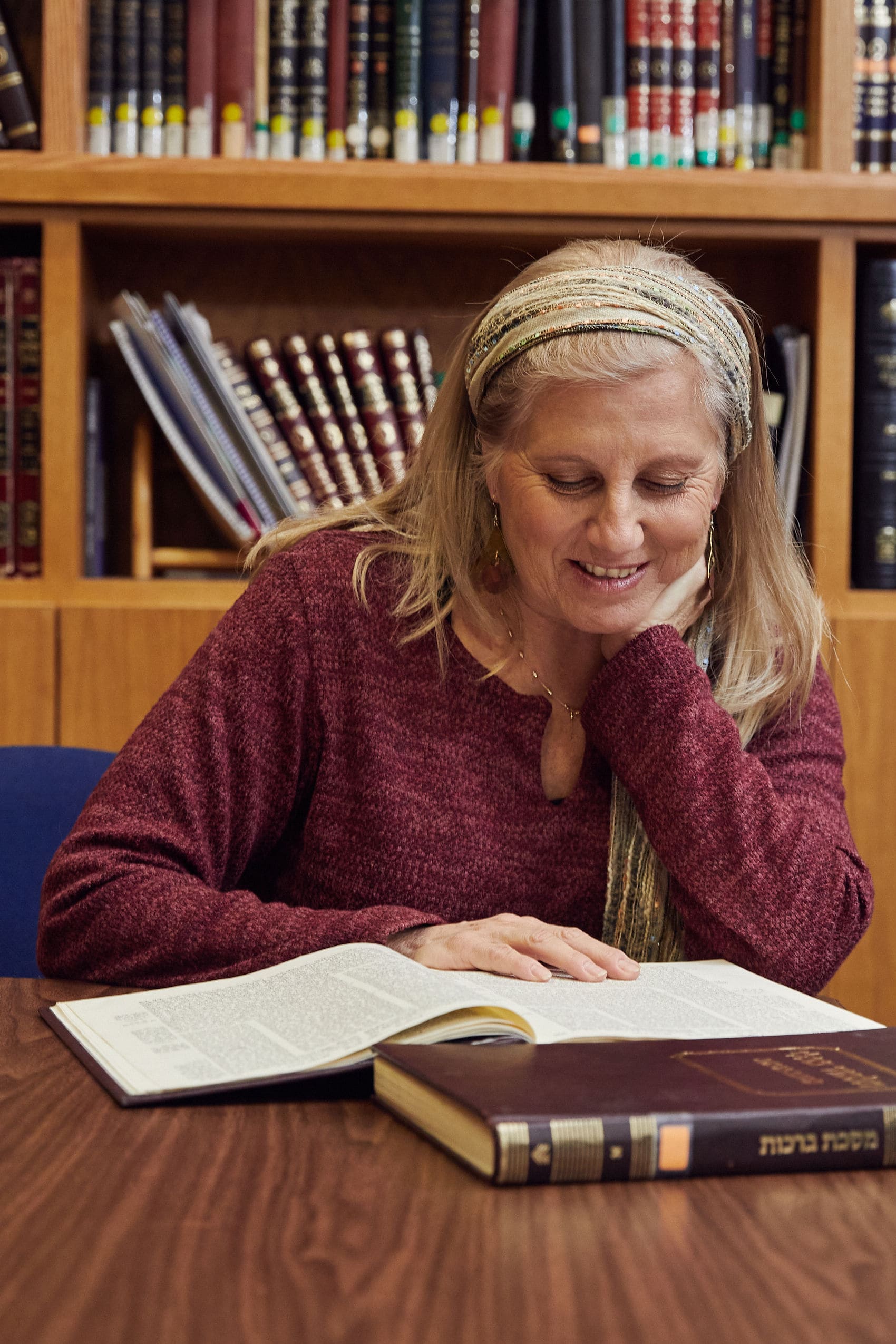
מיכל כהנא
חיפה, ישראל
"התחלתי ללמוד דף יומי במחזור הזה, בח’ בטבת תש””ף. לקחתי על עצמי את הלימוד כדי ליצור תחום של התמדה יומיומית בחיים, והצטרפתי לקבוצת הלומדים בבית הכנסת בכפר אדומים. המשפחה והסביבה מתפעלים ותומכים.
בלימוד שלי אני מתפעלת בעיקר מכך שכדי ללמוד גמרא יש לדעת ולהכיר את כל הגמרא. זו מעין צבת בצבת עשויה שהיא עצומה בהיקפה.”

שרה פוּקס
כפר אדומים, ישראל
בתחילת הסבב הנוכחי של לימוד הדף היומי, נחשפתי לחגיגות המרגשות באירועי הסיום ברחבי העולם. והבטחתי לעצמי שבקרוב אצטרף גם למעגל הלומדות. הסבב התחיל כאשר הייתי בתחילת דרכי בתוכנית קרן אריאל להכשרת יועצות הלכה של נשמ”ת. לא הצלחתי להוסיף את ההתחייבות לדף היומי על הלימוד האינטנסיבי של תוכנית היועצות. בבוקר למחרת המבחן הסופי בנשמ”ת, התחלתי את לימוד הדף במסכת סוכה ומאז לא הפסקתי.

חנה שחם-רוזבי (ד”ר)
קרית גת, ישראל
כבר סיפרתי בסיום של מועד קטן.
הלימוד מאוד משפיעה על היום שלי כי אני לומדת עם רבנית מישל על הבוקר בזום. זה נותן טון לכל היום – בסיס למחשבות שלי .זה זכות גדול להתחיל את היום בלימוד ובתפילה. תודה רבה !

שרה ברלוביץ
ירושלים, ישראל
התחלתי ללמוד דף יומי באמצע תקופת הקורונה, שאבא שלי סיפר לי על קבוצה של בנות שתיפתח ביישוב שלנו ותלמד דף יומי כל יום. הרבה זמן רציתי להצטרף לזה וזאת הייתה ההזדמנות בשבילי. הצטרפתי במסכת שקלים ובאמצע הייתה הפסקה קצרה. כיום אני כבר לומדת באולפנה ולומדת דף יומי לבד מתוך גמרא של טיינזלץ.
שבות בראלי
עתניאל, ישראל
התחלתי ללמוד בשנת המדרשה במגדל עוז, בינתיים נהנית מאוד מהלימוד ומהגמרא, מעניין ומשמח מאוד!
משתדלת להצליח לעקוב כל יום, לפעמים משלימה קצת בהמשך השבוע.. מרגישה שיש עוגן מקובע ביום שלי והוא משמח מאוד!

אוריה קסנר
חיפה , ישראל
לצערי גדלתי בדור שבו לימוד גמרא לנשים לא היה דבר שבשגרה ושנים שאני חולמת להשלים את הפער הזה.. עד שלפני מספר שבועות, כמעט במקרה, נתקלתי במודעת פרסומת הקוראת להצטרף ללימוד מסכת תענית. כשקראתי את המודעה הרגשתי שהיא כאילו נכתבה עבורי – "תמיד חלמת ללמוד גמרא ולא ידעת איך להתחיל”, "בואי להתנסות במסכת קצרה וקלה” (רק היה חסר שהמודעה תיפתח במילים "מיכי שלום”..). קפצתי למים ו- ב”ה אני בדרך להגשמת החלום:)
מיכי קדוש
מורשת, ישראל
התחלתי מחוג במסכת קידושין שהעבירה הרבנית רייסנר במסגרת בית המדרש כלנה בגבעת שמואל; לאחר מכן התחיל סבב הדף היומי אז הצטרפתי. לסביבה לקח זמן לעכל אבל היום כולם תומכים ומשתתפים איתי. הלימוד לעתים מעניין ומעשיר ולעתים קשה ואף הזוי… אך אני ממשיכה קדימה. הוא משפיע על היומיום שלי קודם כל במרדף אחרי הדף, וגם במושגים הרבים שלמדתי ובידע שהועשרתי בו, חלקו ממש מעשי

אביגיל כריסי
ראש העין, ישראל
התחלתי ללמוד גמרא בבית הספר בגיל צעיר והתאהבתי. המשכתי בכך כל חיי ואף היייתי מורה לגמרא בבית הספר שקד בשדה אליהו (בית הספר בו למדתי בילדותי)בתחילת מחזור דף יומי הנוכחי החלטתי להצטרף ובע”ה מקווה להתמיד ולהמשיך. אני אוהבת את המפגש עם הדף את "דרישות השלום ” שמקבלת מקשרים עם דפים אחרים שלמדתי את הסנכרון שמתחולל בין התכנים.
אריאלה ביגמן
מעלה גלבוע, ישראל
התחלתי לפני 8 שנים במדרשה. לאחרונה סיימתי מסכת תענית בלמידה עצמית ועכשיו לקראת סיום מסכת מגילה.

דניאלה ברוכים
רעננה, ישראל
התחלתי ללמוד בסבב הנוכחי לפני כשנתיים .הסביבה מתפעלת ותומכת מאוד. אני משתדלת ללמוד מכל ההסכתים הנוספים שיש באתר הדרן. אני עורכת כל סיום מסכת שיעור בביתי לכ20 נשים שמחכות בקוצר רוח למפגשים האלו.
יעל אשר
יהוד, ישראל
. לא תמיד נהניתי מלימוד גמרא כילדה.,בל כהתבגרתי התחלתי לאהוב את זה שוב. התחלתי ללמוד מסכת סוטה בדף היומי לפני כחמש עשרה שנה ואז הפסקתי.הגעתי לסיום הגדול של הדרן לפני שנתיים וזה נתן לי השראה. והתחלתי ללמוד למשך כמה ימים ואז היתה לי פריצת דיסק והפסקתי…עד אלול השנה. אז התחלתי עם מסכת ביצה וב”ה אני מצליחה לעמוד בקצב. המשפחה מאוד תומכת בי ויש כמה שגם לומדים את זה במקביל. אני אוהבת שיש עוגן כל יום.

רבקה דרשן
בית שמש, ישראל
התחלתי לפני 8 שנים במדרשה. לאחרונה סיימתי מסכת תענית בלמידה עצמית ועכשיו לקראת סיום מסכת מגילה.
דניאלה ברוכים
רעננה, ישראל
התחלתי ללמוד דף לפני קצת יותר מ-5 שנים, כשלמדתי רבנות בישיבת מהר”ת בניו יורק. בדיעבד, עד אז, הייתי בלימוד הגמרא שלי כמו מישהו שאוסף חרוזים משרשרת שהתפזרה, פה משהו ושם משהו, ומאז נפתח עולם ומלואו…. הדף נותן לי לימוד בצורה מאורגנת, שיטתית, יום-יומית, ומלמד אותי לא רק ידע אלא את השפה ודרך החשיבה שלנו. לשמחתי, יש לי סביבה תומכת וההרגשה שלי היא כמו בציטוט שבחרתי: הדף משפיע לטובה על כל היום שלי.
מיכל כהנא
חיפה, ישראל
אחי, שלומד דף יומי ממסכת ברכות, חיפש חברותא ללימוד מסכת ראש השנה והציע לי. החברותא היתה מאתגרת טכנית ורוב הזמן נעשתה דרך הטלפון, כך שבסיום המסכת נפרדו דרכינו. אחי חזר ללמוד לבד, אבל אני כבר נכבשתי בקסם הגמרא ושכנעתי את האיש שלי להצטרף אלי למסכת ביצה. מאז המשכנו הלאה, ועכשיו אנחנו מתרגשים לקראתו של סדר נשים!

שולמית סבן
נוקדים, ישראל
ראיתי את הסיום הגדול בבנייני האומה וכל כך התרשמתי ורציתי לקחת חלק.. אבל לקח לי עוד כשנה וחצי )באמצע מסיכת שבת להצטרף..
הלימוד חשוב לי מאוד.. אני תמיד במרדף אחרי הדף וגונבת כל פעם חצי דף כשהילדים עסוקים ומשלימה אח”כ אחרי שכולם הלכו לישון..
אולגה מזרחי
ירושלים, ישראל
"התחלתי ללמוד דף יומי במחזור הזה, בח’ בטבת תש””ף. לקחתי על עצמי את הלימוד כדי ליצור תחום של התמדה יומיומית בחיים, והצטרפתי לקבוצת הלומדים בבית הכנסת בכפר אדומים. המשפחה והסביבה מתפעלים ותומכים.
בלימוד שלי אני מתפעלת בעיקר מכך שכדי ללמוד גמרא יש לדעת ולהכיר את כל הגמרא. זו מעין צבת בצבת עשויה שהיא עצומה בהיקפה.”
שרה פוּקס
כפר אדומים, ישראל
לצערי גדלתי בדור שבו לימוד גמרא לנשים לא היה דבר שבשגרה ושנים שאני חולמת להשלים את הפער הזה.. עד שלפני מספר שבועות, כמעט במקרה, נתקלתי במודעת פרסומת הקוראת להצטרף ללימוד מסכת תענית. כשקראתי את המודעה הרגשתי שהיא כאילו נכתבה עבורי – "תמיד חלמת ללמוד גמרא ולא ידעת איך להתחיל”, "בואי להתנסות במסכת קצרה וקלה” (רק היה חסר שהמודעה תיפתח במילים "מיכי שלום”..). קפצתי למים ו- ב”ה אני בדרך להגשמת החלום:)
מיכי קדוש
מורשת, ישראל
התחלתי בתחילת הסבב, והתמכרתי. זה נותן משמעות נוספת ליומיום ומאוד מחזק לתת לזה מקום בתוך כל שגרת הבית-עבודה השוטפת.
רעות אברהמי
בית שמש, ישראל
שמעתי על הסיום הענק של הדף היומי ע”י נשים בבנייני האומה. רציתי גם.
החלטתי להצטרף. התחלתי ושיכנעתי את בעלי ועוד שתי חברות להצטרף. עכשיו יש לי לימוד משותף איתו בשבת ומפגש חודשי איתן בנושא (והתכתבויות תדירות על דברים מיוחדים שקראנו). הצטרפנו לקבוצות שונות בווטסאפ. אנחנו ממש נהנות. אני שומעת את השיעור מידי יום (בד”כ מהרב יוני גוטמן) וקוראת ומצטרפת לסיומים של הדרן. גם מקפידה על דף משלהן (ונהנית מאד).

ליאת סיטרון
אפרת, ישראל
בכורות כב
כְּדֵי לְפַרְסְמָהּ שֶׁנִּפְטְרָה מִן הַבְּכוֹרָה.
The Gemara answers: It must be buried in order to publicize that the animal is exempt from having its future offspring counted a firstborn.
לְמֵימְרָא דְּוָלָד מְעַלְּיָא הוּא, וְאַמַּאי אֵין מְטַמֵּא לֹא בְּמַגָּע וְלֹא בְּמַשָּׂא? אָמַר רַבִּי יוֹחָנָן: מִשּׁוּם בִּיטּוּל בְּרוֹב נָגְעוּ בָּהּ.
The Gemara notes with regard to the ruling of the mishna that the animal is exempt from having any future offspring counted as firstborn: That is to say that the expelled mass is a full-fledged offspring. But if so, why doesn’t it impart ritual impurity, neither through physical contact nor through carrying? Rabbi Yoḥanan says: It is due to the halakhic nullification of a forbidden substance in a majority of permitted substances that the Sages touched upon it, in order to exclude it from impurity through contact or carrying. In other words, the fetus is in fact considered a full-fledged offspring, but it is does not impart impurity because it is nullified by the rest of the congealed mass.
וְאַזְדָּא רַבִּי יוֹחָנָן לְטַעְמֵיהּ, דְּאָמַר רַבִּי יוֹחָנָן: רַבִּי אֱלִיעֶזֶר בֶּן יַעֲקֹב וְרַבִּי שִׁמְעוֹן אָמְרוּ דָּבָר אֶחָד, רַבִּי אֱלִיעֶזֶר בֶּן יַעֲקֹב — הָא דַּאֲמַרַן.
The Gemara comments: And Rabbi Yoḥanan follows his line of reasoning in this regard, as Rabbi Yoḥanan says: Rabbi Eliezer ben Yaakov and Rabbi Shimon both said the same thing, i.e., they both issued rulings based on the same principle. The relevant statement of Rabbi Eliezer ben Yaakov is that which we said previously, i.e., that the expelled mass does not impart ritual impurity because the fetus is nullified by the majority.
רַבִּי שִׁמְעוֹן מַאי הִיא? דִּתְנַן: הַשִּׁלְיָא בַּבַּיִת — הַבַּיִת טָמֵא. לֹא שֶׁהַשִּׁלְיָא וָלָד, אֶלָּא שֶׁאֵין שִׁלְיָא בְּלֹא וָלָד. רַבִּי שִׁמְעוֹן אוֹמֵר: וָלָד נִימּוֹק עַד שֶׁלֹּא יָצָא.
And what is the statement of Rabbi Shimon to which Rabbi Yoḥanan was referring? It is as we learned in a mishna (Nidda 18a): If a woman miscarried and the afterbirth is in the house, the house is impure. The reason is not that the afterbirth itself has the status of an offspring, but that there is no afterbirth without an offspring within it, even if it is undetected. Rabbi Shimon says: The offspring disintegrated before it emerged with the afterbirth. Consequently, the house is not rendered impure, because the disintegrated fetus is nullified by the majority.
תְּנַן הָתָם: אֵין לִנְפָלִים פְּתִיחַת הַקֶּבֶר, עַד שֶׁיַּעֲגִילוּ רֹאשׁ כְּפִיקָּה. מַאי כְּפִיקָּה? אָמַר רַב הוּנָא: כְּפִיקָּה שֶׁל צֶמֶר. אֲמַר לֵיהּ חִיָּיא בַּר רַב לְרַב הוּנָא: רַבִּי, פָּרֵישׁ שֶׁל שְׁתִי אוֹ שֶׁל עֵרֶב?
§ The Gemara continues discussing the ritual impurity imparted by a fetus. We learned in a mishna elsewhere (Oholot 7:4): If a fetus dies in its mother’s womb, it imparts ritual impurity from when the womb opens. Yet deceased fetuses do not impart ritual impurity in this manner even during the opening of the womb, until the head of the fetus is round like the size of a skein [pika] of yarn. The Gemara asks: What is the meaning of: Like a skein? Rav Huna said: It means like a skein of woolen yarn. Ḥiyya bar Rav said to Rav Huna: My teacher, explain your statement: Were you referring to a skein of warp threads or a skein of the thicker woof threads?
אֲמַר לֵיהּ: תַּנְיָא: פִּיקָּה שֶׁל שְׁתִי, דִּבְרֵי רַבִּי מֵאִיר. רַבִּי יְהוּדָה אוֹמֵר: שֶׁל עֵרֶב. רַבִּי אֱלִיעֶזֶר בְּרַבִּי צָדוֹק אוֹמֵר: מִשֶּׁיֵּרָאוּ טְפִיפִיּוֹת. מַאי טְפִיפִיּוֹת? אָמַר רַב יְהוּדָה אָמַר שְׁמוּאֵל מִשּׁוּם רַבִּי אֱלִיעֶזֶר בְּרַבִּי צָדוֹק: כָּךְ הָיוּ מְפָרְשִׁין בִּירוּשָׁלַיִם: כִּפְרֵידָה שֶׁכּוֹרַעַת לְהַטִּיל מֵימֶיהָ, וְנִרְאֵית פִּיקָּה מִתּוֹךְ פִּיקָּה.
Rav Huna said to him: It is taught in a baraita (Tosefta, Oholot 8:5): Deceased fetuses do not impart ritual impurity until the head of the fetus is the size of a skein of warp threads; this is the statement of Rabbi Meir. Rabbi Yehuda says: The head must be the size of a skein of woof threads. Rabbi Eliezer, son of Rabbi Tzadok, says: The fetus imparts ritual impurity from the time that tefifiyot are seen near the opening of the womb. The Gemara asks: What are tefifiyot? Rav Yehuda says that Shmuel says in the name of Rabbi Eliezer, son of Rabbi Tzadok: This is how they would explain it in Jerusalem: Tefifiyot are like the folds of skin that form when a mule bends down to urinate, and the area near the womb appears as a skein emerging from within a skein.
אָמַר רַב הוּנָא: שָׁמַעְתִּי שְׁתֵּי פִּיקוֹת, אַחַת שֶׁל שְׁתִי וְאַחַת שֶׁל עֵרֶב, וְאֵין לִי לְפָרֵשׁ. כִּי אֲתָא רַב דִּימִי אָמַר רַבִּי יוֹחָנָן: שָׁלֹשׁ פִּיקוֹת שָׁמַעְתִּי, אַחַת שֶׁל שְׁתִי וְאַחַת שֶׁל עֵרֶב וְאַחַת שֶׁל פִּיקָּה גְּדוֹלָה שֶׁל סַקָּאִין, וְאֵין לִי לְפָרֵשׁ. כִּי אֲתָא רָבִין פֵּירְשַׁהּ מִשְּׁמֵיהּ דְּרַבִּי יוֹחָנָן: שֶׁל אִשָּׁה כְּשֶׁל שְׁתִי, שֶׁל בְּהֵמָה כְּשֶׁל עֵרֶב.
Rav Huna says: I heard two different halakhot with regard to skeins: One involves a skein of warp threads and the other one involves a skein of woof threads, and I do not have the knowledge to explain to which matter these halakhot refer. When Rav Dimi came to Babylonia from Eretz Yisrael, he said that Rabbi Yoḥanan said: With regard to skeins, I heard three different halakhot: One involves a skein of warp threads, and one a skein of woof threads, and one a large skein used by sack makers, and I do not have the knowledge to explain to which matter these halakhot refer. When Ravin came to Babylonia from Eretz Yisrael, he explained this in the name of Rabbi Yoḥanan: To impart ritual impurity, the head of a fetus in the womb of a woman must be the size of a skein of warp threads, and the head of an animal fetus must be the size of a skein of woof threads.
פִּיקָּה גְּדוֹלָה שֶׁל סַקָּאִין, כְּדִתְנַן: גּוּשׁ הַבָּא מִבֵּית הַפְּרָס, מֵאֶרֶץ הָעַמִּים — שִׁיעוּרוֹ כְּפִיקָּה גְּדוֹלָה שֶׁל סַקָּאִין, שֶׁהוּא כְּחוֹתַם הַמַּרְצוּפִין, וְיֶשְׁנוֹ בְּצַד הָעֶלְיוֹן שֶׁל מְגוּפַת הֶחָבִית הַלַּחְמִית.
As for the halakha involving a large skein used by sack makers, it is as we learned in a baraita (Tosefta, Kelim Bava Metzia 7:1): For it to impart ritual impurity, a clod of earth that comes from an area in which uncertainty exists concerning the location of a grave or a corpse [beit haperas], or from the land of the gentile nations, must be of the measure of a large skein used by sack makers, the size of which is like the seal of large sacks [martzofin]. And an item of this size is also found on the top side of the seal of a Bethlehem jug.
אָמַר רֵישׁ לָקִישׁ מִשּׁוּם רַבִּי יְהוּדָה נְשִׂיאָה: הַלּוֹקֵחַ צִיר מֵעַם הָאָרֶץ — מַשִּׁיקוֹ בְּמַיִם, וְטָהוֹר.
§ Reish Lakish says in the name of Rabbi Yehuda Nesia: One who purchases fish brine from one who is unreliable with regard to ritual impurity [am ha’aretz], who must purify it due to the concern that it was rendered impure while in the seller’s possession, brings it into contact with the water of a ritual bath so that the water touches the brine, and it is thereby rendered pure.
מִמָּה נַפְשָׁךְ, אִי מַיָּא רוּבָּא נִינְהוּ — כֵּיוָן דְּעָבֵיד לְהוּ הַשָּׁקָה טָהֲרִי לְהוּ, וְאִי רוּבָּא צִיר נִינְהוּ — צִיר לָא בַּר קַבּוֹלֵי טוּמְאָה הוּא. מַאי אִיכָּא — מִשּׁוּם הָנָךְ מִיעוּטָא דְּמַיָּא, הָנָךְ בָּטְלוּ לְהוּ בְּרוּבָּא.
Reish Lakish explains: The brine is pure whichever way you look at it: If water is the majority of the brine mixture, once he brought the brine into contact with the ritual bath, the water in the brine mixture became pure and the impurity of the brine is nullified by the majority of pure water. And if the majority is the brine excreted by the fish itself it is also pure, as brine alone is not susceptible to ritual impurity. Consequently, what impurity is there? Any impurity is due only to that minority of water in the mixture, and that water is nullified by the majority of brine.
אָמַר רַבִּי יִרְמְיָה: לֹא שָׁנוּ אֶלָּא לִטְבּוֹל בָּהֶן פִּיתּוֹ, אֲבָל לִקְדֵירָה — לֹא, מָצָא מִין אֶת מִינוֹ וְנֵיעוֹר. יָתֵיב רַב דִּימִי וְקָאָמַר לְהָא שְׁמַעְתָּא. אֲמַר לֵיהּ אַבָּיֵי: וְכִי טוּמְאָה שֶׁבָּטְלָה חָזְרָה וְנֵיעוֹרָה? אֲמַר לֵיהּ: וְאַתְּ לָא תִּסְבְּרַהּ? וְהָתְנַן: סְאָה תְּרוּמָה טְמֵאָה שֶׁנָּפְלָה
Rabbi Yirmeya says: The Sages taught that one should use that method of purification only if he wishes to dip his bread in the brine. But for cooking in a pot with other water this method is not effective, as the liquid of the type that was nullified, i.e., the water in the brine, found its own type, the water in the pot, and is revived in its impure state, as the water which was previously only a minority of the mixture is now the majority. Rav Dimi was sitting and saying this halakha. Abaye said to Rav Dimi: But does nullified impurity return and revive in its impure state? Rav Dimi said to him: And you, do you not hold that this is the halakha? But didn’t we learn in a mishna (Teruma 5:2): With regard to a se’aof impure teruma that fell
לְמֵאָה חוּלִּין טְהוֹרִין, רַבִּי אֱלִיעֶזֶר אוֹמֵר: תֵּירוֹם וְתֵרָקֵב, שֶׁאֲנִי אוֹמֵר: הִיא סְאָה שֶׁנָּפְלָה הִיא סְאָה שֶׁעָלְתָה.
into one hundred se’a of pure, non-sacred produce, Rabbi Eliezer says: Let one se’a be lifted from the mixture and left to rot as impure teruma, as I say: The se’a that fell is the se’a that arose?
וַחֲכָמִים אוֹמְרִים: תַּעֲלֶה, וְתֵיאָכֵל נִיקּוּדִים, אוֹ קְלָיוֹת, אוֹ תִּילּוֹשׁ בְּמֵי פֵירוֹת, אוֹ תִּתְחַלֵּק לְעִיסּוֹת, וּבִלְבַד שֶׁלֹּא יְהֵא בְּמָקוֹם אֶחָד כְּבֵיצָה.
And the Rabbis say: Let the se’a of teruma arise and be nullified by the one hundred se’a of non-sacred produce, and then all one hundred and one se’a will be considered non-sacred. Nevertheless, the mixture may not be allowed to come in contact with water, so that it does not become susceptible to ritual impurity, and therefore it must be eaten dry or roasted. Or alternatively, it may be kneaded with fruit juice, which does not render a substance susceptible to impurity. Or alternatively, if one wants to knead it with water, it may divided into small batches, provided that there is not an egg-bulk of teruma in a single batch, as an egg-bulk is the minimum volume needed for food to be susceptible to contracting impurity.
וְתָנֵי עֲלַהּ: אוֹתָן חוּלִּין
And it is taught in that regard: Concerning those one hundred se’a of non-sacred produce,
לעקוב

