חיפוש

חגיגה כז

רוצה להקדיש לימוד?

podcast placeholder

0:00
0:00


תקציר

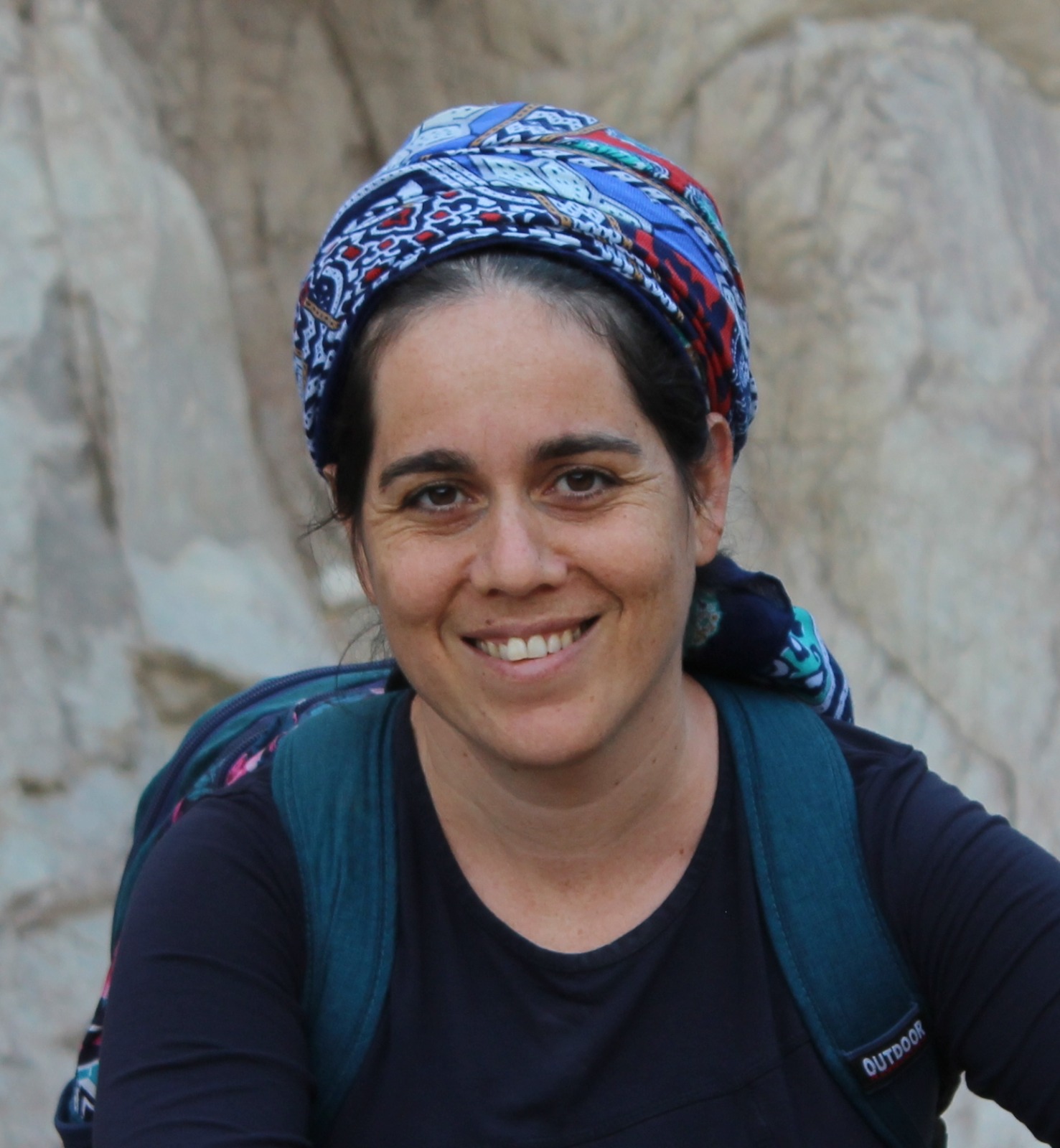
סיום מסכת חגיגה וסדר מועד מוקדש ע”י לאה גולדפורד לכובד אביה מו פורמן, משה בן מאיר ז”ל. "היה לו שמחת חיים עצומה, מילא כל רגע בצחוק ופעילות. לא היה לו שום פחד. נסע לסין ולדרום אמריקה כשהיה בן 95, והצטרף למשפחתו לטיולים במקסיקו ואלסקה. הוא היה מחויב לעקביות בחייו הארוכים, והייתה לו מדיניות של אף פעם לא לרכל. תכונות אלו ורבות נוספות הועברו אלי, לנכדיו וניניו אשר זכו לגור איתו ב8 השנים האחרונות. אנחנו מתגעגעים אליו מאוד ולא מאמינים שהוא איננו. אני בטוחה שהוא גאה בכל לימוד התורה הנלמד בזכותו, ובמסירותי לדף היומי. כולנו אוהבים אותך, אבא! די נשמה זול האבען אן עלייה.”

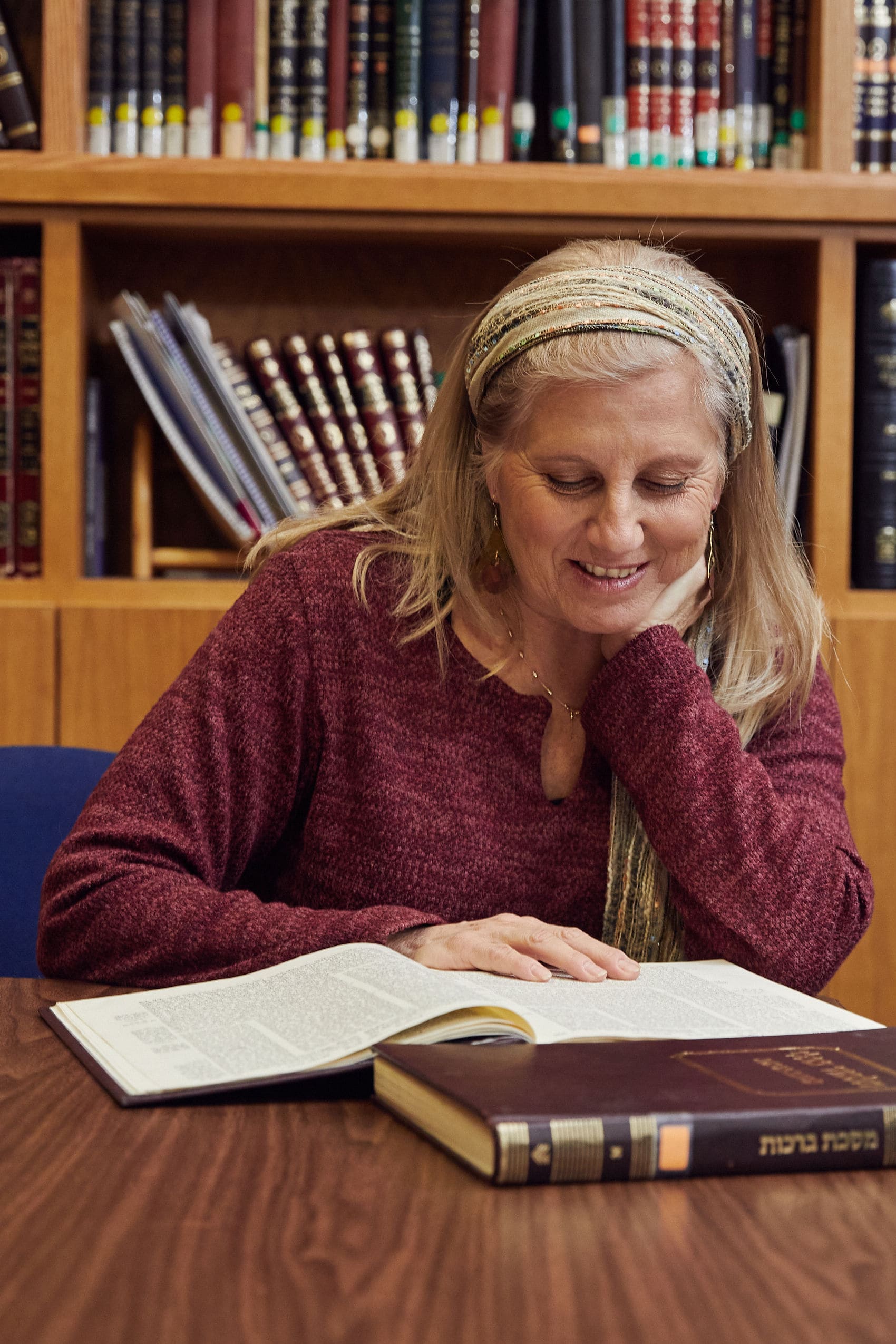
סיום מסכת חגיגה וסדר מועד מוקדשים לכבודן של אביגיל, אורלי, חגית, חנה, יוספה, עידית, רותי, ריבקי, רינה, רעות, שיר, שירן, ותהילה. "בוגרות מחזור י”ב של תוכנית קרן אריאל להכשרת יועצות הלכה בנשמת, החוגגות מחר טקס סיום. במהלך הטקס ההסמכה יתקיים סיום על ידי בוגרות ומובילות התוכנית ואורחות נוספות. אנו מתפללות לה’ להיות שליחות נאמנות, כתובת של מאור פנים עם ידע הלכתי שמטיב עם הנשים שפונות אלינו ושנזכה שלא תצא תקלה תחת ידינו, אמן.”

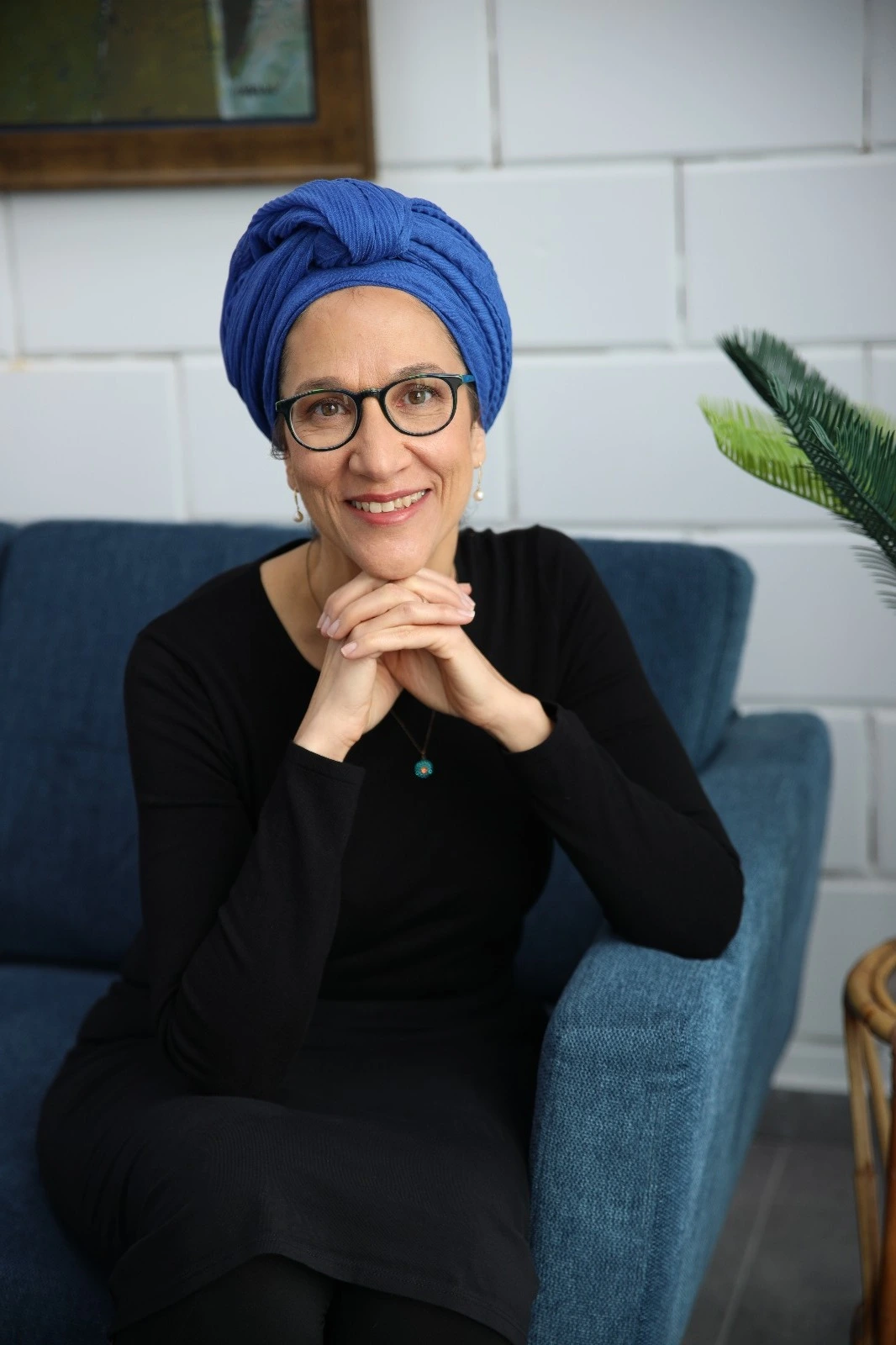
סיום מסכת חגיגה וסדר מועד מוקדש ע”י גילה לויקה לכבוד אמה, ד”ר מריאן סטולץ-לויקה. "היא תמיד מקדישה זמן להרחיב את ידיעותיה התורניות ולחלוק את התובנות העמוקות שלה. תודה לך אמא על זה שחלקת את אהבתך ללמידה והנחלת אהבה זו בכל אחד מילדייך.”

מובא פסוק מיחזקאל מא:כב כדי להראות שהשולחן נחשב לעץ למרות שהוא מכוסה זהב. הפסוק שם פותח וקורא לשולחן "מזבח” ומסתיים עם "שולחן”. ניתן ללמוד מכאן שכאשר אין בית המקדש, השולחן הוא המזבח שלנו, כלומר פתיחת שולחננו לאורחים היא הדרך שלנו לקבל כפרה. לכל הכלים בבית המקדש יש כלים תחליפיים מלבד המזבחות שכן הם נחשבים כאדמה. מאיפה זה נדרש? חכמים אמרו שהמזבחות מכוסים ולכן לא היו להם תחליפים. הגמרא מנסה להבין את המשפט המבולבל הזה ומציעה כמה אפשרויות שונות כיצד לקרוא אותו. המסכת מסתיימת בשתי אמירות שונות על סוגי אנשים שאש הגיהנום אינה מגיעה אליהם – או לומדי תורה כי גופם בוער מאש התורה או חוטאי ישראל שלמרות היותם חוטאים, הם מלאי מצוות כרימון שמלא בפנים.

הדרן עלך מסכת חגיגה וסדר מועד!! הורידו כאן את הטקסט לאמירת ההדרן.


כלי ה-DAF היומיים של היום:

חגיגה כז

דְּרַחֲמָנָא קַרְיֵיהּ ״עֵץ״, דִּכְתִיב: ״הַמִּזְבֵּחַ עֵץ שָׁלֹשׁ אַמּוֹת גָּבוֹהַּ וְאׇרְכּוֹ שְׁתַּיִם אַמּוֹת וּמִקְצֹעוֹתָיו לוֹ וְאׇרְכּוֹ וְקִירוֹתָיו עֵץ וַיְדַבֵּר אֵלַי זֶה הַשֻּׁלְחָן אֲשֶׁר לִפְנֵי ה׳״.

because the Merciful One called it: “Wood,” as it is written with regard to the table of the shewbread: “The altar, three cubits high, and its length two cubits, was of wood, and so its corners, its length, and its walls were also of wood, and he said to me: This is the table that is before the Lord” (Ezekiel 41:22). This verse indicates that even though the table was coated, its identity as a wooden vessel was preserved, which means that, like all wooden vessels, it would not be susceptible to impurity were it not for the fact that they took it out to show to the pilgrims.

פָּתַח בְּמִזְבֵּחַ וְסִיֵּים בְּשֻׁלְחָן! רַבִּי יוֹחָנָן וְרֵישׁ לָקִישׁ דְּאָמְרִי תַּרְוַיְיהוּ: בִּזְמַן שֶׁבֵּית הַמִּקְדָּשׁ קַיָּים — מִזְבֵּחַ מְכַפֵּר עַל אָדָם, עַכְשָׁיו — שֻׁלְחָנוֹ שֶׁל אָדָם מְכַפֵּר עָלָיו.

As the Gemara has cited the above verse, it clarifies a puzzling aspect of it: The verse began with the word “altar” and ended with the word “table,” both words describing the same item. Rabbi Yoḥanan and Reish Lakish both say the following exposition: When the Temple is standing the altar atones for a person; now that the Temple has been destroyed, it is a person’s table that atones for him, for his feeding of needy guests atones for his sins.

כׇּל הַכֵּלִים שֶׁבַּמִּקְדָּשׁ יֵשׁ לָהֶם שְׁנִיִּים כּוּ׳. מִזְבַּח הַנְּחוֹשֶׁת, דִּכְתִיב: ״מִזְבַּח אֲדָמָה תַּעֲשֶׂה לִּי״. מִזְבַּח הַזָּהָב, דִּכְתִיב: ״הַמְּנוֹרָה וְהַמִּזְבְּחוֹת״ — אִיתַּקּוּשׁ מִזְבְּחוֹת זֶה לָזֶה.

§ The mishna taught: All the vessels that were in the Temple had second and third substitute vessels, etc. All the vessels that were in the Temple required immersion, apart from the golden altar and the bronze altar, because they are considered like the ground. The Gemara cites the relevant sources: The bronze altar is considered like the ground, as it written concerning this altar: “An altar of earth you shall make for Me” (Exodus 20:21). The golden altar is considered like the ground, as it is written: “The candelabrum and the altars” (Numbers 3:31). The plural word “altars” indicates that the two altars of the Temple, the bronze one and the golden one, are compared to each other, teaching that just as the bronze altar is like the ground in that it cannot contract impurity, the same applies to the golden altar.

וַחֲכָמִים אוֹמְרִים: מִפְּנֵי שֶׁהֵן מְצוּפִּין. אַדְּרַבָּה: כֵּיוָן דִּמְצוּפִּין נִינְהוּ — מִיטַּמְּאוּ! אֵימָא, וַחֲכָמִים: מְטַמְּאִין, מִפְּנֵי שֶׁהֵן מְצוּפִּין.

§ According to the mishna, Rabbi Eliezer maintains that the altars are pure because they are like the ground, and the Rabbis say: It is because they are coated. The mishna seems to be saying that the Rabbis are offering a different reason for the altars not being susceptible to impurity, namely, that they are coated. The Gemara is puzzled by this: On the contrary, since they are coated with gold or bronze that is a reason that they should contract impurity, as the metal coating makes the entire altar considered as a metal vessel, as stated above, and metal is susceptible to impurity. The Gemara answers: Say and emend the mishna text as follows: And the Rabbis disagree with Rabbi Eliezer altogether, and declare the altars to be susceptible to impurity, because they are coated.

וְאִיבָּעֵית אֵימָא: רַבָּנַן לְרַבִּי אֱלִיעֶזֶר קָאָמְרִי: מַאי דַּעְתָּיךְ, מִשּׁוּם דִּמְצוּפִּין —

And if you wish, say that our text of the mishna is correct, and we should understand that the Rabbis were saying their statement in response to Rabbi Eliezer: What is your reasoning for stating that the altars are not susceptible to impurity because they are like the ground? Why didn’t you say simply that they are wooden vessels fixed in one place? For that is sufficient reason for them not to be susceptible to impurity. Is it because they are coated with metal, and therefore they would be considered metal vessels rather than wooden ones, and susceptible to impurity, were it not for the fact that they are considered like the ground?

מִיבְטָל בָּטֵיל צִפּוּיָין גַּבַּיְיהוּ.

This is a mistake, for the coating is not important, and their coating is nullified and considered subordinate to them, so that they are indeed considered wooden vessels in a fixed place and therefore not susceptible to impurity. Although generally the status of a vessel does follow its coating, the Temple table and its altars are exceptions, as derived from the verse in Ezekiel cited above (41:22). There is therefore no need to mention that they are compared to the ground. Since these altars are made of wood they do not contract impurity, irrespective of whether or not they are attached to the ground.

אָמַר רַבִּי אֲבָהוּ אָמַר רַבִּי אֶלְעָזָר: תַּלְמִידֵי חֲכָמִים אֵין אוּר שֶׁל גֵּיהִנָּם שׁוֹלֶטֶת בָּהֶן, קַל וָחוֹמֶר מִסָּלָמַנְדְּרָא: וּמָה סָלָמַנְדְּרָא שֶׁתּוֹלֶדֶת אֵשׁ הִיא — הַסָּךְ מִדָּמָהּ אֵין אוּר שׁוֹלֶטֶת בּוֹ, תַּלְמִידֵי חֲכָמִים שֶׁכׇּל גּוּפָן אֵשׁ, דִּכְתִיב: ״הֲלוֹא כֹה דְבָרִי כָּאֵשׁ נְאֻם ה׳״ — עַל אַחַת כַּמָּה וְכַמָּה.

§ Apropos the coating of the altar, the Gemara cites an Aggadic teaching: Rabbi Abbahu said that Rabbi Elazar said: The fire of Gehenna has no power over Torah scholars. This can be derived by an a fortiori inference from the salamander [salamandra], a creature created out of fire and immune to its effects, and whose blood is fireproof: If a salamander, which is merely a product of fire, and nevertheless when one anoints his body with its blood, fire has no power over him, all the more so should fire not have any power over Torah scholars, whose entire bodies are fire, as it is written: “Surely My words are as fire, says the Lord” (Jeremiah 23:29), and the words of Torah become part of the Torah scholars’ very bodies.

אָמַר רֵישׁ לָקִישׁ: אֵין אוּר שֶׁל גֵּיהִנָּם שׁוֹלֶטֶת בְּפוֹשְׁעֵי יִשְׂרָאֵל, קַל וָחוֹמֶר מִמִּזְבַּח הַזָּהָב: מָה מִזְבַּח הַזָּהָב שֶׁאֵין עָלָיו אֶלָּא כְּעוֹבִי דִּינַר זָהָב — כַּמָּה שָׁנִים אֵין הָאוּר שׁוֹלֶטֶת בּוֹ, פּוֹשְׁעֵי יִשְׂרָאֵל שֶׁמְּלֵאִין מִצְוֹת כְּרִמּוֹן, דִּכְתִיב: ״כְּפֶלַח הָרִמּוֹן רַקָּתֵךְ״, אַל תִּקְרֵי ״רַקָּתֵךְ״, אֶלָּא: רֵקָנִין שֶׁבָּךְ — עַל אַחַת כַּמָּה וְכַמָּה.

Reish Lakish said: The fire of Gehenna has no power over the sinners of Israel either. This can be derived by an a fortiori inference from the golden altar: If the golden altar, which has on it a coating that is no more than the thickness of a gold dinar, and which has incense burning on it for many years and yet fire has no power over it, as the gold miraculously remained undamaged, all the more so should immunity from fire be granted to the sinners of Israel, who are filled with good deeds as a pomegranate is full of seeds, as it is written: “Your temples [rakatekh] are like a pomegranate split open” (Song of Songs 4:3), which is to be expounded as follows: Do not read this word as rakatekh, rather read it as reikanin shebakh, meaning the empty, worthless people among you; even these people are as full of good deeds as a pomegranate is full of seeds.


הֲדַרַן עֲלָךְ חוֹמֶר בַּקּוֹדֶשׁ וּסְלִיקָא לַהּ מַסֶּכֶת חֲגִיגָה

כלי ה-DAF היומיים של היום:

חדשה בלימוד הגמרא?

זה הדף הראשון שלך? איזו התרגשות עצומה! יש לנו בדיוק את התכנים והכלים שיעזרו לך לעשות את הצעדים הראשונים ללמידה בקצב וברמה שלך, כך תוכלי להרגיש בנוח גם בתוך הסוגיות המורכבות ומאתגרות.

פסיפס הלומדות שלנו

גלי את קהילת הלומדות שלנו, מגוון נשים, רקעים וסיפורים. כולן חלק מתנועה ומסע מרגש ועוצמתי.

התחלתי ללמוד דף יומי שהתחילו מסכת כתובות, לפני 7 שנים, במסגרת קבוצת לימוד שהתפרקה די מהר, ומשם המשכתי לבד בתמיכת האיש שלי. נעזרתי בגמרת שטיינזלץ ובשיעורים מוקלטים.
הסביבה מאד תומכת ואני מקבלת המון מילים טובות לאורך כל הדרך. מאז הסיום הגדול יש תחושה שאני חלק מדבר גדול יותר.
אני לומדת בשיטת ה”7 דפים בשבוע” של הרבנית תרצה קלמן – כלומר, לא נורא אם לא הצלחת ללמוד כל יום, העיקר שגמרת ארבעה דפים בשבוע

Rachel Goldstein
רחל גולדשטיין

עתניאל, ישראל

סיום השס לנשים נתן לי מוטביציה להתחיל ללמוד דף יומי. עד אז למדתי גמרא בשבתות ועשיתי כמה סיומים. אבל לימוד יומיומי זה שונה לגמרי ופתאום כל דבר שקורה בחיים מתקשר לדף היומי.

Fogel Foundation
קרן פוגל

רתמים, ישראל

התחלתי ללמוד בסבב הנוכחי לפני כשנתיים .הסביבה מתפעלת ותומכת מאוד. אני משתדלת ללמוד מכל ההסכתים הנוספים שיש באתר הדרן. אני עורכת כל סיום מסכת שיעור בביתי לכ20 נשים שמחכות בקוצר רוח למפגשים האלו.

Yael Asher
יעל אשר

יהוד, ישראל

התחלתי ללמוד דף יומי כאשר קיבלתי במייל ממכון שטיינזלץ את הדפים הראשונים של מסכת ברכות במייל. קודם לא ידעתי איך לקרוא אותם עד שנתתי להם להדריך אותי. הסביבה שלי לא מודעת לעניין כי אני לא מדברת על כך בפומבי. למדתי מהדפים דברים חדשים, כמו הקשר בין המבנה של בית המקדש והמשכן לגופו של האדם (יומא מה, ע”א) והקשר שלו למשפט מפורסם שמופיע בספר ההינדי "בהגוד-גיתא”. מתברר שזה רעיון כלל עולמי ולא רק יהודי

Elena Arenburg
אלנה ארנבורג

נשר, ישראל

הצטרפתי ללומדות בתחילת מסכת תענית. ההתרגשות שלי ושל המשפחה היתה גדולה מאוד, והיא הולכת וגוברת עם כל סיום שאני זוכה לו. במשך שנים רבות רציתי להצטרף ומשום מה זה לא קרה… ב”ה מצאתי לפני מספר חודשים פרסום של הדרן, ומיד הצטרפתי והתאהבתי. הדף היומי שינה את חיי ממש והפך כל יום- ליום של תורה. מודה לכן מקרב ליבי ומאחלת לכולנו לימוד פורה מתוך אהבת התורה ולומדיה.

Noa Rosen
נעה רוזן

חיספין רמת הגולן, ישראל

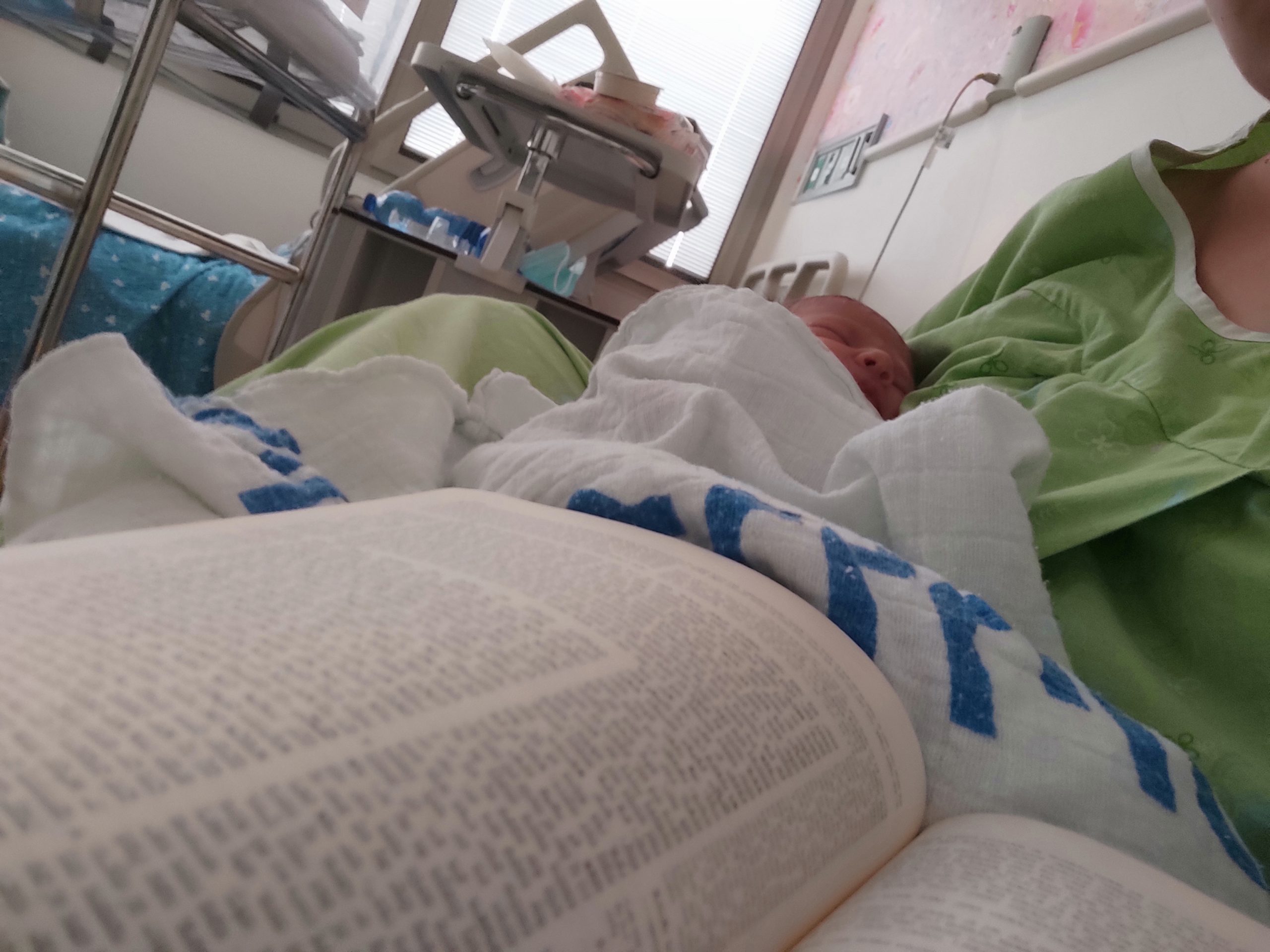
התחלתי בסיום הש”ס, יצאתי באורות. נשברתי פעמיים, ובשתיהם הרבנית מישל עודדה להמשיך איפה שכולם בסבב ולהשלים כשאוכל, וכך עשיתי וכיום השלמתי הכל. מדהים אותי שאני לומדת כל יום קצת, אפילו בחדר הלידה, בבידוד או בחו”ל. לאט לאט יותר נינוחה בסוגיות. לא כולם מבינים את הרצון, בפרט כפמניסטית. חשה סיפוק גדול להכיר את המושגים וצורת החשיבה. החלום זה להמשיך ולהתמיד ובמקביל ללמוד איך מהסוגיות נוצרה והתפתחה ההלכה.

Weingarten Sherrington Foundation
קרן וינגרטן שרינגטון

מודיעין, ישראל

התחלתי ללמוד דף יומי לפני שנתיים, עם מסכת שבת. בהתחלה ההתמדה היתה קשה אבל בזכות הקורונה והסגרים הצלחתי להדביק את הפערים בשבתות הארוכות, לסיים את מסכת שבת ולהמשיך עם המסכתות הבאות. עכשיו אני מסיימת בהתרגשות רבה את מסכת חגיגה וסדר מועד ומחכה לסדר הבא!

Ilana-Shachnowitz
אילנה שכנוביץ

מודיעין, ישראל

התחלתי כשהייתי בחופש, עם הפרסומים על תחילת המחזור, הסביבה קיבלה את זה כמשהו מתמיד ומשמעותי ובהערכה, הלימוד זה עוגן יציב ביום יום, יש שבועות יותר ויש שפחות אבל זה משהו שנמצא שם אמין ובעל משמעות בחיים שלי….

Adi Diamant
עדי דיאמנט

גמזו, ישראל

"התחלתי ללמוד דף יומי במחזור הזה, בח’ בטבת תש””ף. לקחתי על עצמי את הלימוד כדי ליצור תחום של התמדה יומיומית בחיים, והצטרפתי לקבוצת הלומדים בבית הכנסת בכפר אדומים. המשפחה והסביבה מתפעלים ותומכים.
בלימוד שלי אני מתפעלת בעיקר מכך שכדי ללמוד גמרא יש לדעת ולהכיר את כל הגמרא. זו מעין צבת בצבת עשויה שהיא עצומה בהיקפה.”

Sarah Fox
שרה פוּקס

כפר אדומים, ישראל

התחלתי ללמוד דף יומי באמצע תקופת הקורונה, שאבא שלי סיפר לי על קבוצה של בנות שתיפתח ביישוב שלנו ותלמד דף יומי כל יום. הרבה זמן רציתי להצטרף לזה וזאת הייתה ההזדמנות בשבילי. הצטרפתי במסכת שקלים ובאמצע הייתה הפסקה קצרה. כיום אני כבר לומדת באולפנה ולומדת דף יומי לבד מתוך גמרא של טיינזלץ.

Saturdays in Raleigh
שבות בראלי

עתניאל, ישראל

התחלתי בסיום הש”ס, יצאתי באורות. נשברתי פעמיים, ובשתיהם הרבנית מישל עודדה להמשיך איפה שכולם בסבב ולהשלים כשאוכל, וכך עשיתי וכיום השלמתי הכל. מדהים אותי שאני לומדת כל יום קצת, אפילו בחדר הלידה, בבידוד או בחו”ל. לאט לאט יותר נינוחה בסוגיות. לא כולם מבינים את הרצון, בפרט כפמניסטית. חשה סיפוק גדול להכיר את המושגים וצורת החשיבה. החלום זה להמשיך ולהתמיד ובמקביל ללמוד איך מהסוגיות נוצרה והתפתחה ההלכה.

Weingarten Sherrington Foundation
קרן וינגרטן שרינגטון

מודיעין, ישראל

התחלתי לפני כמה שנים אבל רק בסבב הזה זכיתי ללמוד יום יום ולסיים מסכתות

Sigal Tel
סיגל טל

רעננה, ישראל

התחלתי ללמוד לפני 4.5 שנים, כשהודיה חברה שלי פתחה קבוצת ווטסאפ ללימוד דף יומי בתחילת מסכת סנהדרין. מאז לימוד הדף נכנס לתוך היום-יום שלי והפך לאחד ממגדירי הזהות שלי ממש.

Rosenberg Foundation
קרן רוזנברג

ירושלים, ישראל

לצערי גדלתי בדור שבו לימוד גמרא לנשים לא היה דבר שבשגרה ושנים שאני חולמת להשלים את הפער הזה.. עד שלפני מספר שבועות, כמעט במקרה, נתקלתי במודעת פרסומת הקוראת להצטרף ללימוד מסכת תענית. כשקראתי את המודעה הרגשתי שהיא כאילו נכתבה עבורי – "תמיד חלמת ללמוד גמרא ולא ידעת איך להתחיל”, "בואי להתנסות במסכת קצרה וקלה” (רק היה חסר שהמודעה תיפתח במילים "מיכי שלום”..). קפצתי למים ו- ב”ה אני בדרך להגשמת החלום:)

Micah Kadosh
מיכי קדוש

מורשת, ישראל

התחלתי ללמוד את הדף היומי מעט אחרי שבני הקטן נולד. בהתחלה בשמיעה ולימוד באמצעות השיעור של הרבנית שפרבר. ובהמשך העזתי וקניתי לעצמי גמרא. מאז ממשיכה יום יום ללמוד עצמאית, ולפעמים בעזרת השיעור של הרבנית, כל יום. כל סיום של מסכת מביא לאושר גדול וסיפוק. הילדים בבית נהיו חלק מהלימוד, אני משתפת בסוגיות מעניינות ונהנית לשמוע את דעתם.

Eliraz Blau
אלירז בלאו

מעלה מכמש, ישראל

התחלתי ללמוד בסבב הנוכחי לפני כשנתיים .הסביבה מתפעלת ותומכת מאוד. אני משתדלת ללמוד מכל ההסכתים הנוספים שיש באתר הדרן. אני עורכת כל סיום מסכת שיעור בביתי לכ20 נשים שמחכות בקוצר רוח למפגשים האלו.

Yael Asher
יעל אשר

יהוד, ישראל

"
גם אני התחלתי בסבב הנוכחי וב””ה הצלחתי לסיים את רוב המסכתות . בזכות הרבנית מישל משתדלת לפתוח את היום בשיעור הזום בשעה 6:20 .הלימוד הפך להיות חלק משמעותי בחיי ויש ימים בהם אני מצליחה לחזור על הדף עם מלמדים נוספים ששיעוריהם נמצאים במרשתת. שמחה להיות חלק מקהילת לומדות ברחבי העולם. ובמיוחד לשמש דוגמה לנכדותיי שאי””ה יגדלו לדור שלימוד תורה לנשים יהיה משהו שבשגרה. "

Ronit Shavit
רונית שביט

נתניה, ישראל

התחלתי בתחילת הסבב, והתמכרתי. זה נותן משמעות נוספת ליומיום ומאוד מחזק לתת לזה מקום בתוך כל שגרת הבית-עבודה השוטפת.

Reut Abrahami
רעות אברהמי

בית שמש, ישראל

התחלתי ללמוד גמרא בבית הספר בגיל צעיר והתאהבתי. המשכתי בכך כל חיי ואף היייתי מורה לגמרא בבית הספר שקד בשדה אליהו (בית הספר בו למדתי בילדותי)בתחילת מחזור דף יומי הנוכחי החלטתי להצטרף ובע”ה מקווה להתמיד ולהמשיך. אני אוהבת את המפגש עם הדף את "דרישות השלום ” שמקבלת מקשרים עם דפים אחרים שלמדתי את הסנכרון שמתחולל בין התכנים.

Ariela Bigman
אריאלה ביגמן

מעלה גלבוע, ישראל

התחלתי ללמוד דף יומי ממסכת נידה כי זה היה חומר הלימוד שלי אז. לאחר הסיום הגדול בבנייני האומה החלטתי להמשיך. וב”ה מאז עם הפסקות קטנות של קורונה ולידה אני משתדלת להמשיך ולהיות חלק.

זה משפיע מאוד על היום יום שלי ועל אף שאני עסוקה בלימודי הלכה ותורה כל יום, זאת המסגרת הקבועה והמחייבת ביותר שיש לי.

Moriah Taesan Michaeli
מוריה תעסן מיכאלי

גבעת הראל, ישראל

חגיגה כז

דְּרַחֲמָנָא קַרְיֵיהּ ״עֵץ״, דִּכְתִיב: ״הַמִּזְבֵּחַ עֵץ שָׁלֹשׁ אַמּוֹת גָּבוֹהַּ וְאׇרְכּוֹ שְׁתַּיִם אַמּוֹת וּמִקְצֹעוֹתָיו לוֹ וְאׇרְכּוֹ וְקִירוֹתָיו עֵץ וַיְדַבֵּר אֵלַי זֶה הַשֻּׁלְחָן אֲשֶׁר לִפְנֵי ה׳״.

because the Merciful One called it: “Wood,” as it is written with regard to the table of the shewbread: “The altar, three cubits high, and its length two cubits, was of wood, and so its corners, its length, and its walls were also of wood, and he said to me: This is the table that is before the Lord” (Ezekiel 41:22). This verse indicates that even though the table was coated, its identity as a wooden vessel was preserved, which means that, like all wooden vessels, it would not be susceptible to impurity were it not for the fact that they took it out to show to the pilgrims.

פָּתַח בְּמִזְבֵּחַ וְסִיֵּים בְּשֻׁלְחָן! רַבִּי יוֹחָנָן וְרֵישׁ לָקִישׁ דְּאָמְרִי תַּרְוַיְיהוּ: בִּזְמַן שֶׁבֵּית הַמִּקְדָּשׁ קַיָּים — מִזְבֵּחַ מְכַפֵּר עַל אָדָם, עַכְשָׁיו — שֻׁלְחָנוֹ שֶׁל אָדָם מְכַפֵּר עָלָיו.

As the Gemara has cited the above verse, it clarifies a puzzling aspect of it: The verse began with the word “altar” and ended with the word “table,” both words describing the same item. Rabbi Yoḥanan and Reish Lakish both say the following exposition: When the Temple is standing the altar atones for a person; now that the Temple has been destroyed, it is a person’s table that atones for him, for his feeding of needy guests atones for his sins.

כׇּל הַכֵּלִים שֶׁבַּמִּקְדָּשׁ יֵשׁ לָהֶם שְׁנִיִּים כּוּ׳. מִזְבַּח הַנְּחוֹשֶׁת, דִּכְתִיב: ״מִזְבַּח אֲדָמָה תַּעֲשֶׂה לִּי״. מִזְבַּח הַזָּהָב, דִּכְתִיב: ״הַמְּנוֹרָה וְהַמִּזְבְּחוֹת״ — אִיתַּקּוּשׁ מִזְבְּחוֹת זֶה לָזֶה.

§ The mishna taught: All the vessels that were in the Temple had second and third substitute vessels, etc. All the vessels that were in the Temple required immersion, apart from the golden altar and the bronze altar, because they are considered like the ground. The Gemara cites the relevant sources: The bronze altar is considered like the ground, as it written concerning this altar: “An altar of earth you shall make for Me” (Exodus 20:21). The golden altar is considered like the ground, as it is written: “The candelabrum and the altars” (Numbers 3:31). The plural word “altars” indicates that the two altars of the Temple, the bronze one and the golden one, are compared to each other, teaching that just as the bronze altar is like the ground in that it cannot contract impurity, the same applies to the golden altar.

וַחֲכָמִים אוֹמְרִים: מִפְּנֵי שֶׁהֵן מְצוּפִּין. אַדְּרַבָּה: כֵּיוָן דִּמְצוּפִּין נִינְהוּ — מִיטַּמְּאוּ! אֵימָא, וַחֲכָמִים: מְטַמְּאִין, מִפְּנֵי שֶׁהֵן מְצוּפִּין.

§ According to the mishna, Rabbi Eliezer maintains that the altars are pure because they are like the ground, and the Rabbis say: It is because they are coated. The mishna seems to be saying that the Rabbis are offering a different reason for the altars not being susceptible to impurity, namely, that they are coated. The Gemara is puzzled by this: On the contrary, since they are coated with gold or bronze that is a reason that they should contract impurity, as the metal coating makes the entire altar considered as a metal vessel, as stated above, and metal is susceptible to impurity. The Gemara answers: Say and emend the mishna text as follows: And the Rabbis disagree with Rabbi Eliezer altogether, and declare the altars to be susceptible to impurity, because they are coated.

וְאִיבָּעֵית אֵימָא: רַבָּנַן לְרַבִּי אֱלִיעֶזֶר קָאָמְרִי: מַאי דַּעְתָּיךְ, מִשּׁוּם דִּמְצוּפִּין —

And if you wish, say that our text of the mishna is correct, and we should understand that the Rabbis were saying their statement in response to Rabbi Eliezer: What is your reasoning for stating that the altars are not susceptible to impurity because they are like the ground? Why didn’t you say simply that they are wooden vessels fixed in one place? For that is sufficient reason for them not to be susceptible to impurity. Is it because they are coated with metal, and therefore they would be considered metal vessels rather than wooden ones, and susceptible to impurity, were it not for the fact that they are considered like the ground?

מִיבְטָל בָּטֵיל צִפּוּיָין גַּבַּיְיהוּ.

This is a mistake, for the coating is not important, and their coating is nullified and considered subordinate to them, so that they are indeed considered wooden vessels in a fixed place and therefore not susceptible to impurity. Although generally the status of a vessel does follow its coating, the Temple table and its altars are exceptions, as derived from the verse in Ezekiel cited above (41:22). There is therefore no need to mention that they are compared to the ground. Since these altars are made of wood they do not contract impurity, irrespective of whether or not they are attached to the ground.

אָמַר רַבִּי אֲבָהוּ אָמַר רַבִּי אֶלְעָזָר: תַּלְמִידֵי חֲכָמִים אֵין אוּר שֶׁל גֵּיהִנָּם שׁוֹלֶטֶת בָּהֶן, קַל וָחוֹמֶר מִסָּלָמַנְדְּרָא: וּמָה סָלָמַנְדְּרָא שֶׁתּוֹלֶדֶת אֵשׁ הִיא — הַסָּךְ מִדָּמָהּ אֵין אוּר שׁוֹלֶטֶת בּוֹ, תַּלְמִידֵי חֲכָמִים שֶׁכׇּל גּוּפָן אֵשׁ, דִּכְתִיב: ״הֲלוֹא כֹה דְבָרִי כָּאֵשׁ נְאֻם ה׳״ — עַל אַחַת כַּמָּה וְכַמָּה.

§ Apropos the coating of the altar, the Gemara cites an Aggadic teaching: Rabbi Abbahu said that Rabbi Elazar said: The fire of Gehenna has no power over Torah scholars. This can be derived by an a fortiori inference from the salamander [salamandra], a creature created out of fire and immune to its effects, and whose blood is fireproof: If a salamander, which is merely a product of fire, and nevertheless when one anoints his body with its blood, fire has no power over him, all the more so should fire not have any power over Torah scholars, whose entire bodies are fire, as it is written: “Surely My words are as fire, says the Lord” (Jeremiah 23:29), and the words of Torah become part of the Torah scholars’ very bodies.

אָמַר רֵישׁ לָקִישׁ: אֵין אוּר שֶׁל גֵּיהִנָּם שׁוֹלֶטֶת בְּפוֹשְׁעֵי יִשְׂרָאֵל, קַל וָחוֹמֶר מִמִּזְבַּח הַזָּהָב: מָה מִזְבַּח הַזָּהָב שֶׁאֵין עָלָיו אֶלָּא כְּעוֹבִי דִּינַר זָהָב — כַּמָּה שָׁנִים אֵין הָאוּר שׁוֹלֶטֶת בּוֹ, פּוֹשְׁעֵי יִשְׂרָאֵל שֶׁמְּלֵאִין מִצְוֹת כְּרִמּוֹן, דִּכְתִיב: ״כְּפֶלַח הָרִמּוֹן רַקָּתֵךְ״, אַל תִּקְרֵי ״רַקָּתֵךְ״, אֶלָּא: רֵקָנִין שֶׁבָּךְ — עַל אַחַת כַּמָּה וְכַמָּה.

Reish Lakish said: The fire of Gehenna has no power over the sinners of Israel either. This can be derived by an a fortiori inference from the golden altar: If the golden altar, which has on it a coating that is no more than the thickness of a gold dinar, and which has incense burning on it for many years and yet fire has no power over it, as the gold miraculously remained undamaged, all the more so should immunity from fire be granted to the sinners of Israel, who are filled with good deeds as a pomegranate is full of seeds, as it is written: “Your temples [rakatekh] are like a pomegranate split open” (Song of Songs 4:3), which is to be expounded as follows: Do not read this word as rakatekh, rather read it as reikanin shebakh, meaning the empty, worthless people among you; even these people are as full of good deeds as a pomegranate is full of seeds.

הֲדַרַן עֲלָךְ חוֹמֶר בַּקּוֹדֶשׁ וּסְלִיקָא לַהּ מַסֶּכֶת חֲגִיגָה

רוצה לעקוב אחרי התכנים ולהמשיך ללמוד?

ביצירת חשבון עוד היום ניתן לעקוב אחרי ההתקדמות שלך, לסמן מה למדת, ולעקוב אחרי השיעורים שמעניינים אותך.

לנקות את כל הפריטים מהרשימה?

פעולה זו תסיר את כל הפריטים בחלק זה כולל ההתקדמות וההיסטוריה. שימי לב: לא ניתן לשחזר פעולה זו.

ביטול
מחיקה

האם את/ה בטוח/ה שברצונך למחוק פריט זה?

תאבד/י את כל ההתקדמות או ההיסטוריה הקשורות לפריט זה.

ביטול
מחיקה