








הגמרא דנה בשאלות בקשר לנטילת ידיים. האם אפשר ליטול ידיים פעם ביום וזה יספיק לכל היום? האם אפשר להחזיק את הלחם עם מפה ולא ליטול ידיים? אם מישהו מאכיל אותך, האם תריך ליטול ידיים? אם את/אתה מאכיל/ה מישהו אחר האם צריך ליטול ידיים? מה ההבדל בין נטילת ידיים שחרית ונטילת ידיים לאוכל?
רוצה להקדיש לימוד?
חולין קז
פַּקְתָּא דַּעֲרָבוֹת: כְּגוֹן אַתּוּן דְּלָא שְׁכִיחִי לְכוּ מַיָּא, מְשׁוּ יְדַיְיכוּ מִצַּפְרָא וְאַתְנוֹ עֲלַיְיהוּ לְכוּלֵּאּ יוֹמָא. אִיכָּא דְּאָמְרִי: בִּשְׁעַת הַדְּחָק – אִין, שֶׁלֹּא בִּשְׁעַת הַדְּחָק – לָא, וּפְלִיגָא דְּרַב. וְאִיכָּא דְּאָמְרִי: אֲפִילּוּ שֶׁלֹּא בִּשְׁעַת הַדְּחָק נָמֵי, וְהַיְינוּ דְּרַב.
the valley of Aravot [pakta da’aravot], where there was a shortage of water: People such as you, for whom water is scarce, should wash your hands in the morning and stipulate with regard to them for the entire day. Some say that Rabbi Avina maintains that in exigent circumstances, yes, one should act in this manner, but when one is not in exigent circumstances, he should not do so. And according to this explanation, Rabbi Avina disagrees with the opinion of Rav, who permitted this practice to all. And some say that Rabbi Avina ruled that one may do so even when not in exigent circumstances, and Rabbi Avina’s opinion is identical to that of Rav.
אָמַר רַב פָּפָּא: הַאי אֲרִיתָּא דְּדַלָּאֵי, אֵין נוֹטְלִין מִמֶּנּוּ לַיָּדַיִם, דְּלָא אָתוּ מִכֹּחַ גַּבְרָא. וְאִי מְקָרַב לְגַבֵּי דַּוְלָא, דְּקָאָתוּ מִכֹּחַ גַּבְרָא – נוֹטְלִין מִמֶּנּוּ לַיָּדַיִם.
Rav Pappa said: With regard to this irrigation channel [arita dedalla’ei], into which water is poured from a river using buckets, and which then transports the water to the fields, one may not wash his hands in it. The reason is that this water does not come from a person’s force, i.e., it is not poured on the hands by a direct act, as it moves by force of the current in the channel. But if one draws his hands near the bucket itself, in such a manner that the water poured on his hands comes from a person’s force before it begins to flow in the channel, then one may wash his hands with it.
וְאִי בְּזִיעַ דַּוְלָא, בְּכוֹנֵס מַשְׁקֶה, מֵילָף לָיְיפִי, וּמְטַבֵּיל בָּהּ אֶת הַיָּדַיִם. וְאָמַר רָבָא: כְּלִי שֶׁנִּיקַּב בְּכוֹנֵס מַשְׁקֶה – אֵין נוֹטְלִין מִמֶּנּוּ לַיָּדַיִם.
And if the bucket in which the water is drawn from the river is perforated with a hole large enough to enable liquid to enter the vessel when it is placed in the river, the presence of this hole connects the water in the channel to the water in the river, as they touch through that hole. And therefore, one may immerse his hands in that channel as he would in the river itself. Yet the perforated bucket is invalid for the washing of the hands by pouring, since it is no longer considered a vessel. As Rava says: With regard to a vessel that is perforated with a hole large enough to enable liquid to enter, one may not wash his hands with it.
וְאָמַר רָבָא: כְּלִי שֶׁאֵין בּוֹ רְבִיעִית – אֵין נוֹטְלִין מִמֶּנּוּ לַיָּדַיִם. אִינִי? וְהָאָמַר רָבָא: כְּלִי שֶׁאֵין מַחְזִיק רְבִיעִית – אֵין נוֹטְלִין מִמֶּנּוּ לַיָּדַיִם, הָא מַחְזִיק – אַף עַל גַּב דְּלֵית בֵּיהּ.
And Rava says: With regard to a vessel that does not have a quarter–log of water in it, one may not wash his hands with it. The Gemara asks: Is that so? But doesn’t Rava say: With regard to a vessel that cannot contain a quarter–log of water, one may not wash his hands with it. It may be consequently inferred that as long as the vessel can contain a quarter-log, one may use it even if it does not currently have a quarter-log in it.
לָא קַשְׁיָא: הָא לְחַד, הָא לִתְרֵי, דְּתַנְיָא: מֵי רְבִיעִית נוֹטְלִין לַיָּדַיִם לְאֶחָד, וַאֲפִילּוּ לִשְׁנַיִם.
The Gemara answers: This is not difficult; this former statement, requiring a quarter-log of actual water, is referring to washing for one person, whereas that latter statement, requiring only that the vessel have a capacity of a quarter-log, is referring to washing for two people. If a vessel originally contained a quarter-log of water, then even if less than that amount remains after one person has washed his hands, a second individual may use the remainder, which is considered fit based on the water’s original volume. As it is taught in a baraita: With a quarter–log of water, one may wash the hands of one individual, and even those of two.
אֲמַר לֵיהּ רַב שֵׁשֶׁת לְאַמֵּימָר: קָפְדִיתוּ אַמָּנָא? אֲמַר לֵיהּ: אִין. אַחֲזוּתָא? אֲמַר לֵיהּ: אִין. אַשִּׁיעוּרָא? אֲמַר לֵיהּ: אִין.
Rav Sheshet said to Ameimar: Are you particular about the vessel used for washing hands, that it be wholly intact? Ameimar said to him: Yes. Rav Sheshet further inquired: Are you also particular about the appearance of the water, that it be normal? Ameimar again said to him: Yes. Rav Sheshet further asked: Are you particular about the measure of water, that it be no less than one quarter-log? Ameimar said to him: Yes.
אִיכָּא דְּאָמְרִי, הָכִי אֲמַר לֵיהּ: אַמָּנָא וְאַחֲזוּתָא – קָפְדִינַן, אַשִּׁיעוּרָא – לָא קָפְדִינַן, דְּתַנְיָא: מֵי רְבִיעִית נוֹטְלִין לַיָּדַיִם לְאֶחָד, וַאֲפִילּוּ לִשְׁנַיִם.
Some say that this is what Ameimar said to him: We are particular about the wholeness of the vessel and about the water’s appearance, but we are not particular about the water’s measure, as it is taught in a baraita: With a quarter–log of water one may wash the hands of one individual, and even those of two. The baraita indicates that there is no need for a quarter-log for each individual.
וְלָא הִיא, שָׁאנֵי הָתָם, מִשּׁוּם דְּקָאָתוּ מִשְּׁיָרֵי טׇהֳרָה.
The Gemara notes: And it is not so, i.e., one cannot derive from the baraita that the measure of water is immaterial. It is different there because there the water comes from the remainder of a measure initially sufficient for purity. If there was not initially a quarter-log, the water is unfit for even one person.
אַתְקֵין רַב יַעֲקֹב מִנְּהַר פְּקוֹד נַטְלָא בַּת רְבִיעֵתָא, אַתְקֵין רַב אָשֵׁי בְּהוּצָל כּוּזָא בַּת רְבִיעֵתָא.
The Gemara relates: Rav Ya’akov from Nehar Pekod prepared a glass vessel that could contain a quarter–log of water for washing his hands. Rav Ashi in Huzal likewise prepared an earthenware vessel that could contain a quarter–log.
וְאָמַר רָבָא: מְגוּפַת חָבִית שֶׁתִּקְּנָהּ – נוֹטְלִין מִמֶּנָּה לַיָּדַיִם. תַּנְיָא נָמֵי הָכִי: מְגוּפַת חָבִית שֶׁתִּקְּנָהּ – נוֹטְלִין מִמֶּנָּה לַיָּדַיִם. חֵמֶת וּכְפִישָׁה שֶׁתִּקְּנָן – נוֹטְלִין מֵהֶם לַיָּדַיִם. שַׂק וְקוּפָּה, אַף עַל פִּי שֶׁמְּקַבְּלִים – אֵין נוֹטְלִין מֵהֶם לַיָּדַיִם.
And Rava says: If one prepared the stopper of a barrel for use as a vessel by hollowing it out until it contained a quarter-log, one may wash his hands with it, even though it was not originally designated for this function. This ruling is also taught in a baraita: If one prepared the stopper of a barrel for this purpose, one may wash his hands with it. Likewise, with regard to a ḥemet and a kefisha, types of leather wineskins, that one prepared for this purpose, one may wash his hands with them, as they were initially designed to hold liquids. But with regard to a sack and a basket, even if they can contain water, one may not wash his hands with them, as no sack or basket is designed to hold water, and most cannot.
אִיבַּעְיָא לְהוּ: מַהוּ לֶאֱכוֹל בְּמַפָּה? מִי חָיְישִׁינַן דִּלְמָא נָגַע, אוֹ לָא?
A dilemma was raised before the Sages: What is the halakha with regard to eating with a cloth [mappa] on one’s hands, rather than washing them to purify them? Are we concerned that perhaps he will touch the food with his hands, or not?
תָּא שְׁמַע, וּכְשֶׁנָּתְנוּ לוֹ לְרַבִּי צָדוֹק אוֹכֶל פָּחוֹת מִכְּבֵיצָה, נוֹטְלוֹ בְּמַפָּה וְאוֹכְלוֹ חוּץ לַסּוּכָּה, וְאֵין מְבָרֵךְ אַחֲרָיו. מַאי לָאו – הָא כְּבֵיצָה בָּעֵי נְטִילַת יָדַיִם?
The Gemara suggests: Come and hear proof from a mishna (Sukka 26b): And when they gave Rabbi Tzadok on the festival of Sukkot less than an egg-bulk of food, he took the food in a cloth, and he ate it outside the sukka, as he held one is not obligated to eat food of this amount in a sukka. And he did not recite a blessing after eating it, since less than an egg-bulk does not satisfy the verse: “And you shall eat and be satisfied and bless the Lord your God” (Deuteronomy 8:10). What, is it not to be inferred that consequently, if one eats an egg-bulk, it requires washing of the hands, even if one uses a cloth?
דִּלְמָא הָא כְּבֵיצָה – בָּעֵי סוּכָּה, וּבָעֵי בְּרָכָה.
The Gemara rejects this: Perhaps one can conclude from that mishna only that consequently, if one eats an egg-bulk he needs to do so in a sukka and needs to recite a blessing after eating; but he can still use a cloth instead of washing his hands.
תָּא שְׁמַע: דִּשְׁמוּאֵל אַשְׁכְּחֵיהּ לְרַב דְּקָאָכֵיל בְּמַפָּה, אֲמַר לֵיהּ:
The Gemara suggests: Come and hear proof from an incident where Shmuel found Rav eating with a cloth rather than washing his hands, and Shmuel said to him:
עָבְדִין כְּדֵין? אֲמַר לֵיהּ: דַּעְתִּי קְצָרָה עָלַי.
Do we act in this manner? Rav said to Shmuel: I did wash my hands, but as I am delicate I do not wish to hold food in my bare hands; therefore I covered them with a cloth.
כִּי סְלֵיק רַבִּי זֵירָא, אַשְׁכְּחִינְהוּ לְרַבִּי אַמֵּי וְרַבִּי אַסִּי דְּקָאָכְלִי בִּבְלָאֵי חֲמָתוֹת. אֲמַר: תְּרֵי גַּבְרֵי רַבְרְבֵי כְּוָותַיְיכוּ, לִיטְעוֹ בִּדְרַב וּשְׁמוּאֵל? הָא ״דַּעְתִּי קְצָרָה״ קָאָמַר!
The Gemara further relates: When Rabbi Zeira left Babylonia for Eretz Yisrael, he found Rabbi Ami and Rabbi Asi eating bread while covering their hands with worn pieces of wineskins, rather than washing them. Rabbi Zeira said to them: Could two great men such as yourselves err with regard to the incident of Rav and Shmuel related above? After all, Rav said to Shmuel: I am using a cloth because I am delicate; he did wash his hands beforehand.
אִשְׁתְּמִיטְתֵּיהּ הָא דְּאָמַר רַב תַּחְלִיפָא בַּר אֲבִימִי אָמַר שְׁמוּאֵל: הִתִּירוּ מַפָּה לְאוֹכְלֵי תְרוּמָה, וְלֹא הִתִּירוּ מַפָּה לְאוֹכְלֵי טְהָרוֹת, וְרַבִּי אַמֵּי וְרַבִּי אַסִּי כֹּהֲנִים הֲווֹ.
The Gemara notes: It escaped Rabbi Zeira’s mind that Rav Taḥlifa bar Avimi said that Shmuel said: The Sages permitted the consumption of bread while the hands are wrapped with a cloth rather than washed, specifically to priests who partake of teruma, as they are careful not to touch the bread with their hands. But they did not permit the use of a cloth in this manner to non-priests, even those who are particular to eat non-sacred food in a state of ritual purity, as they do not maintain the same level of diligence as priests. And since Rabbi Ami and Rabbi Asi were priests, it was permitted for them to eat with a cloth.
אִיבַּעְיָא לְהוּ: אוֹכֵל מֵחֲמַת מַאֲכִיל, צָרִיךְ נְטִילַת יָדַיִם אוֹ לָא? תָּא שְׁמַע, דְּרַב הוּנָא בַּר סְחוֹרָה הֲוָה קָאֵי קַמֵּיהּ דְּרַב הַמְנוּנָא, בְּלַם לֵיהּ אוּמְצָא וְאָכֵיל. אֲמַר לֵיהּ: אִי לָאו דְּרַב הַמְנוּנָא אַתְּ, לָא סָפֵינָא לָךְ.
A dilemma was raised before the Sages: If one eats by means of another feeding him, without himself touching the food, does he need to wash hands before eating or not? The Gemara suggests: Come and hear proof from the following incident where Rav Huna bar Seḥora was standing before Rav Hamnuna and serving him. Rav Huna bar Seḥora cut a slice of meat for Rav Hamnuna and placed it in his mouth, and he ate it. Rav Huna bar Seḥora said to Rav Hamnuna: Were you not Rav Hamnuna, I would not feed you in this fashion.
מַאי טַעְמָא, לָאו מִשּׁוּם דִּזְהִיר וְלָא נָגַע? לָא, דִּזְרִיז קָדֵים וּמָשֵׁי יְדֵיהּ מֵעִיקָּרָא.
The Gemara infers from this episode: What is the reason that it was permitted for Rav Hamnuna to eat in such a manner? Is it not because he was careful not to touch the food with his hands? This indicates that someone may be fed even without washing his hands. The Gemara rejects this: No, one can say that he was vigilant and went ahead and washed his hands at the outset.
תָּא שְׁמַע, דְּאָמַר רַבִּי זֵירָא אָמַר רַב: לֹא יִתֵּן אָדָם פְּרוּסָה לְתוֹךְ פִּיו שֶׁל שַׁמָּשׁ, אֶלָּא אִם כֵּן יוֹדֵעַ בּוֹ שֶׁנָּטַל יָדָיו. וְהַשַּׁמָּשׁ מְבָרֵךְ עַל כׇּל כּוֹס וָכוֹס, וְאֵינוֹ מְבָרֵךְ עַל כׇּל פְּרוּסָה וּפְרוּסָה. וְרַבִּי יוֹחָנָן אָמַר: מְבָרֵךְ עַל כׇּל פְּרוּסָה וּפְרוּסָה.
The Gemara suggests: Come and hear proof from that which Rabbi Zeira said that Rav said: A person may not place a slice of bread into the mouth of the attendant serving at a meal unless he knows that he has washed his hands. And it was also stated that the attendant recites a blessing over each and every cup of wine presented to him at a meal. This is because he never knows if he will receive another cup, and he cannot intend that his initial blessing apply to a cup he does not know he will receive. But he does not recite a blessing over each and every slice of bread given to him. And Rabbi Yoḥanan says that he must recite a blessing over each and every slice he receives.
אָמַר רַב פָּפָּא: בִּשְׁלָמָא דְּרַב וְרַבִּי יוֹחָנָן לָא קַשְׁיָא, הָא דְּאִיכָּא אָדָם חָשׁוּב, הָא דְּלֵיכָּא אָדָם חָשׁוּב.
Rav Pappa said: Granted, the apparent contradiction between the opinions of Rav and Rabbi Yoḥanan is not difficult; one can resolve it by saying that this statement of Rav, that the attendant need not recite a blessing for every slice of bread, is referring to a case where there is an important person at the meal. Since the attendant is confident that the important person will ensure the attendant receives enough to eat, his initial blessing applies to each slice he receives. And that statement of Rabbi Yoḥanan is referring to a meal where there is no important person. Since the attendant is not confident that he will receive another slice, he must recite a new blessing whenever he does receive one.
מִכׇּל מָקוֹם, הָא קָאָמַר: אֶלָּא אִם כֵּן יוֹדֵעַ שֶׁנָּטַל יָדָיו! שָׁאנֵי שַׁמָּשׁ, דִּטְרִיד.
In any case, Rav first says that one should not place a slice into the attendant’s mouth unless he knows that he has washed his hands. This indicates that one who is fed by another must wash his hands. The Gemara responds: The case of an attendant is different, as he is occupied with his duties and may touch the food inadvertently. Therefore, he specifically may not eat without washing his hands.
תָּנוּ רַבָּנַן: לֹא יִתֵּן אָדָם פְּרוּסָה לַשַּׁמָּשׁ, בֵּין שֶׁהַכּוֹס בְּיָדוֹ בֵּין שֶׁהַכּוֹס בְּיָדוֹ שֶׁל בַּעַל הַבַּיִת, שֶׁמָּא יֶאֱרַע דְּבַר קַלְקָלָה בַּסְּעוּדָה. וְהַשַּׁמָּשׁ שֶׁלֹּא נָטַל יָדָיו – אָסוּר לִיתֵּן פְּרוּסָה לְתוֹךְ פִּיו.
§ The Sages taught in a baraita: A person who is a guest may not give a slice of bread from the meal in front of him to the attendant serving, whether a cup is in the attendant’s hand or a cup is in the host’s hand, lest a mishap occur at the meal. The host might become angry or distracted by the concern that there will not remain enough food for his guests, and the cup will fall from his hand. If the cup is in the attendant’s hand, he might drop it while accepting food from the guest. And with regard to an attendant who has not washed his hands, it is prohibited to place a slice of bread into his mouth.
אִיבַּעְיָא לְהוּ: מַאֲכִיל, צָרִיךְ נְטִילַת יָדַיִם, אוֹ אֵינוֹ צָרִיךְ?
§ A dilemma was raised before the Sages: Does one who feeds another need to wash his hands, since his hands are touching the food? Or perhaps he does not need to wash his hands, as he himself is not eating.
תָּא שְׁמַע, דְּתָנֵי דְּבֵי מְנַשֶּׁה: רַבָּן שִׁמְעוֹן בֶּן גַּמְלִיאֵל אוֹמֵר: אִשָּׁה מְדִיחָה אֶת יָדָהּ אַחַת בַּמַּיִם, וְנוֹתֶנֶת פַּת לִבְנָהּ קָטָן. אָמְרוּ עָלָיו עַל שַׁמַּאי הַזָּקֵן שֶׁלֹּא רָצָה לְהַאֲכִיל בְּיָדוֹ אַחַת, וְגָזְרוּ עָלָיו שֶׁיַּאֲכִיל בִּשְׁתֵּי יָדָיו.
The Gemara suggests: Come and hear a resolution to the dilemma from that which the school of Menashe taught that Rabban Shimon ben Gamliel says: A woman may rinse one hand in water on Yom Kippur, so that she does not touch food before she has washed her hands in the morning, and give bread to her minor son, without concern about violating the prohibition against bathing on Yom Kippur. They said about Shammai the Elder that he did not want to feed his children with even one hand on Yom Kippur, to avoid having to wash it. But due to concerns about the health and well-being of his children, they decreed that he must feed them with two hands, forcing him to wash both. Apparently one who feeds another must wash his hands, even though he himself is not eating.
אָמַר אַבָּיֵי: הָתָם מִשּׁוּם שִׁיבְתָּא.
Abaye said: The reason for the washing there is not on account of the food specifically. Rather, it is due to an evil spirit named Shivta, who contaminates hands that have not been washed in the morning. As long as one washes his hands in the morning, perhaps he need not wash them again to feed another.
תָּא שְׁמַע, דַּאֲבוּהּ דִּשְׁמוּאֵל אַשְׁכְּחֵיהּ לִשְׁמוּאֵל דְּקָא בָכֵי. אֲמַר לֵיהּ: אַמַּאי קָא בָכֵית? דְּמַחְיַין רַבַּאי. אַמַּאי? דְּאָמַר לִי: קָא סָפֵית לִבְרַאי וְלָא מְשֵׁית יְדָיךְ. וְאַמַּאי לָא מְשֵׁית? אֲמַר לֵיהּ: הוּא אָכֵיל וַאֲנָא מָשֵׁינָא?!
The Gemara further suggests: Come and hear a resolution to the dilemma from the following incident, as Shmuel’s father found the young Shmuel crying, and said to him: Why are you crying? Shmuel replied: Because my teacher struck me. His father asked: Why did he strike you? Shmuel responded: My teacher said to me: You are feeding my son, but you did not wash your hands. His father asked: And why did you not wash your hands? Shmuel said to him: Only he, the teacher’s son, is eating, and I must wash my hands?
אֲמַר לֵיהּ: לָא מִיסָּתְיֵיהּ דְּלָא גְּמִיר, מִימְחָא נָמֵי מָחֵי! וְהִלְכְתָא: אוֹכֵל מֵחֲמַת מַאֲכִיל – צָרִיךְ נְטִילַת יָדַיִם, מַאֲכִיל – אֵינוֹ צָרִיךְ נְטִילַת יָדַיִם.
Shmuel’s father said to him: Is it not enough that your teacher did not learn the halakha properly, that he even strikes you on account of his error? One who feeds another need not wash his hands if he himself is not eating. The Gemara concludes: And the halakha is that one who eats by means of another feeding him needs to wash his hands, even though he does not touch the food. But one who feeds another does not need to wash his hands.
מַתְנִי׳ צוֹרֵר אָדָם בָּשָׂר וּגְבִינָה בְּמִטְפַּחַת אַחַת, וּבִלְבַד שֶׁלֹּא יְהוּ נוֹגְעִין זֶה בָּזֶה. רַבָּן שִׁמְעוֹן בֶּן גַּמְלִיאֵל אוֹמֵר: שְׁנֵי אַכְסְנָאִין אוֹכְלִין עַל שֻׁלְחָן אֶחָד, זֶה בָּשָׂר וְזֶה גְּבִינָה, וְאֵין חוֹשְׁשִׁין.
MISHNA: A person may bind meat and cheese in one cloth, provided that they do not come into contact with each other. Rabban Shimon ben Gamliel says: Two unacquainted guests [akhsena’in] may eat together on one table, this one eating meat and that one eating cheese, and they need not be concerned lest they come to violate the prohibition of eating meat and milk by partaking of the food of the other.
גְּמָ׳ וְכִי נוֹגֵעַ זֶה בָּזֶה, מַאי הָוֵי? צוֹנֵן בְּצוֹנֵן הוּא! אָמַר אַבָּיֵי: נְהִי דִּקְלִיפָה לָא בָּעֵי, הַדָּחָה מִי לָא בָּעֵי?
GEMARA: The mishna teaches that one may bind meat and cheese together in one cloth, provided that they do not come into contact with each other. The Gemara asks: And if they come into contact with each other, what of it? It is a case of one cold food in contact with another cold food, and they would not absorb substances from one another. Abaye said: Granted that cold foods do not require the peeling of the place where they came into contact, as they do not absorb substances from one another. Nevertheless, don’t they require rinsing in water? The Sages therefore decreed against the contact of even cold meat and cheese, lest one come to eat them without rinsing them first.
רַבָּן שִׁמְעוֹן בֶּן גַּמְלִיאֵל אוֹמֵר: שְׁנֵי אַכְסְנָאִין אוֹכְלִין עַל שׁוּלְחָן וְכוּ׳. אָמַר רַב חָנָן בַּר אַמֵּי אָמַר שְׁמוּאֵל: לֹא שָׁנוּ אֶלָּא שֶׁאֵין מַכִּירִין זֶה אֶת זֶה, אֲבָל מַכִּירִין זֶה אֶת זֶה – אָסוּר.
§ The mishna teaches that Rabban Shimon ben Gamliel says: Two guests may eat together on one table, this one eating meat and that one eating cheese. Rav Ḥanan bar Ami says that Shmuel says: They taught this halakha only in a case where the guests do not know each other, as they will not eat of each other’s food. But in a situation where they know each other, it is prohibited for them to eat together at the same table.
תַּנְיָא נָמֵי הָכִי: רַבָּן שִׁמְעוֹן בֶּן גַּמְלִיאֵל אוֹמֵר: שְׁנֵי אַכְסְנָאִים שֶׁנִּתְאָרְחוּ לְפוּנְדָּק אֶחָד, זֶה בָּא מִן הַצָּפוֹן וְזֶה בָּא מִן הַדָּרוֹם, זֶה בָּא בַּחֲתִיכָתוֹ וְזֶה בָּא בִּגְבִינָתוֹ, אוֹכְלִין עַל שֻׁלְחָן אֶחָד, זֶה בָּשָׂר וְזֶה גְּבִינָה, וְאֵין חוֹשְׁשִׁין.
That opinion is also taught in a baraita: Rabban Shimon ben Gamliel says: If two guests roomed in one inn, this one coming from the north and that one coming from the south, this one coming with his piece of meat and that one coming with his cheese, they may eat together on one table, this one eating meat and that one cheese, and they need not be concerned.
וְלֹא אָסְרוּ אֶלָּא בִּתְפִיסָה אַחַת. תְּפִיסָה אַחַת סָלְקָא דַּעְתָּךְ? אֶלָּא כְּעֵין תְּפִיסָה אַחַת.
The baraita adds: And the Sages prohibited this practice only if they both eat from one parcel. The Gemara adds: Can it enter your mind that the baraita is actually referring to a case where they eat from one parcel? This is obviously prohibited. Rather, it prohibits eating even in a manner as though they were eating from one parcel, i.e., when the diners are somewhat acquainted with each other, since neither would mind if the other ate from his food.
אֲמַר לֵיהּ רַב יֵימַר בַּר שֶׁלֶמְיָא לְאַבָּיֵי: שְׁנֵי אַחִין, וּמַקְפִּידִין זֶה עַל זֶה, מַהוּ?
§ It was stated above that if two diners are acquainted with each other they may not eat meat and cheese on the same table. Rav Yeimar bar Shelemya said to Abaye: If these diners are two brothers, but they are each particular not to let one another eat of his food, what is the halakha? May they eat separate dishes of meat and cheese at a single table?
אֲמַר לֵיהּ: יֹאמְרוּ כׇּל הַסְּרִיקִין אֲסוּרִין, וּסְרִיקֵי בַיְיתּוֹס מוּתָּרִין?!
Abaye said to him: Your question evokes that of Baitos ben Zunin. The Sages prohibited the baking of elaborately decorated Syrian cakes for Passover, lest people tarry in their preparation and the cakes become leavened. Baitos wished to prepare the cakes in a way that would not lead to a violation of any prohibition, and yet the Sages prohibited it, because people will say: All the decorated Syrian cakes are forbidden, but the Syrian cakes of Baitos are permitted? Here too, to avoid confusion, we will not allow exceptions to the rule.
וּלְטַעְמָיךְ, הָא דְּאָמַר רַבִּי אַסִּי אָמַר רַבִּי יוֹחָנָן: מִי שֶׁאֵין לוֹ אֶלָּא חָלוּק אֶחָד מוּתָּר לְכַבְּסוֹ בְּחוּלּוֹ שֶׁל מוֹעֵד. יֹאמְרוּ:
Rav Yeimar responded: But according to your reasoning, one may refute that which Rabbi Asi said that Rabbi Yoḥanan said: Although the Sages prohibited laundering on the intermediate days of a Festival, one who has only one shirt is permitted to launder it on the intermediate days of a Festival. Here too, one can claim: People will say metaphorically:
לעקוב 
חדשה בלימוד הגמרא?
זה הדף הראשון שלך? איזו התרגשות עצומה! יש לנו בדיוק את התכנים והכלים שיעזרו לך לעשות את הצעדים הראשונים ללמידה בקצב וברמה שלך, כך תוכלי להרגיש בנוח גם בתוך הסוגיות המורכבות ומאתגרות.
פסיפס הלומדות שלנו
גלי את קהילת הלומדות שלנו, מגוון נשים, רקעים וסיפורים. כולן חלק מתנועה ומסע מרגש ועוצמתי.
הצטרפתי ללומדות בתחילת מסכת תענית. ההתרגשות שלי ושל המשפחה היתה גדולה מאוד, והיא הולכת וגוברת עם כל סיום שאני זוכה לו. במשך שנים רבות רציתי להצטרף ומשום מה זה לא קרה… ב”ה מצאתי לפני מספר חודשים פרסום של הדרן, ומיד הצטרפתי והתאהבתי. הדף היומי שינה את חיי ממש והפך כל יום- ליום של תורה. מודה לכן מקרב ליבי ומאחלת לכולנו לימוד פורה מתוך אהבת התורה ולומדיה.

נעה רוזן
חיספין רמת הגולן, ישראל
ראיתי את הסיום הגדול בבנייני האומה וכל כך התרשמתי ורציתי לקחת חלק.. אבל לקח לי עוד כשנה וחצי )באמצע מסיכת שבת להצטרף..
הלימוד חשוב לי מאוד.. אני תמיד במרדף אחרי הדף וגונבת כל פעם חצי דף כשהילדים עסוקים ומשלימה אח”כ אחרי שכולם הלכו לישון..

אולגה מזרחי
ירושלים, ישראל
התחלתי לפני 8 שנים במדרשה. לאחרונה סיימתי מסכת תענית בלמידה עצמית ועכשיו לקראת סיום מסכת מגילה.

דניאלה ברוכים
רעננה, ישראל
התחלתי ללמוד דף יומי כאשר קיבלתי במייל ממכון שטיינזלץ את הדפים הראשונים של מסכת ברכות במייל. קודם לא ידעתי איך לקרוא אותם עד שנתתי להם להדריך אותי. הסביבה שלי לא מודעת לעניין כי אני לא מדברת על כך בפומבי. למדתי מהדפים דברים חדשים, כמו הקשר בין המבנה של בית המקדש והמשכן לגופו של האדם (יומא מה, ע”א) והקשר שלו למשפט מפורסם שמופיע בספר ההינדי "בהגוד-גיתא”. מתברר שזה רעיון כלל עולמי ולא רק יהודי

אלנה ארנבורג
נשר, ישראל
אחי, שלומד דף יומי ממסכת ברכות, חיפש חברותא ללימוד מסכת ראש השנה והציע לי. החברותא היתה מאתגרת טכנית ורוב הזמן נעשתה דרך הטלפון, כך שבסיום המסכת נפרדו דרכינו. אחי חזר ללמוד לבד, אבל אני כבר נכבשתי בקסם הגמרא ושכנעתי את האיש שלי להצטרף אלי למסכת ביצה. מאז המשכנו הלאה, ועכשיו אנחנו מתרגשים לקראתו של סדר נשים!

שולמית סבן
נוקדים, ישראל
בתחילת הסבב הנוכחי הצטברו אצלי תחושות שאני לא מבינה מספיק מהי ההלכה אותה אני מקיימת בכל יום. כמו כן, כאמא לבנות רציתי לתת להן מודל נשי של לימוד תורה
שתי הסיבות האלו הובילו אותי להתחיל ללמוד. נתקלתי בתגובות מפרגנות וסקרניות איך אישה לומדת גמרא..
כמו שרואים בתמונה אני ממשיכה ללמוד גם היום ואפילו במחלקת יולדות אחרי לידת ביתי השלישית.
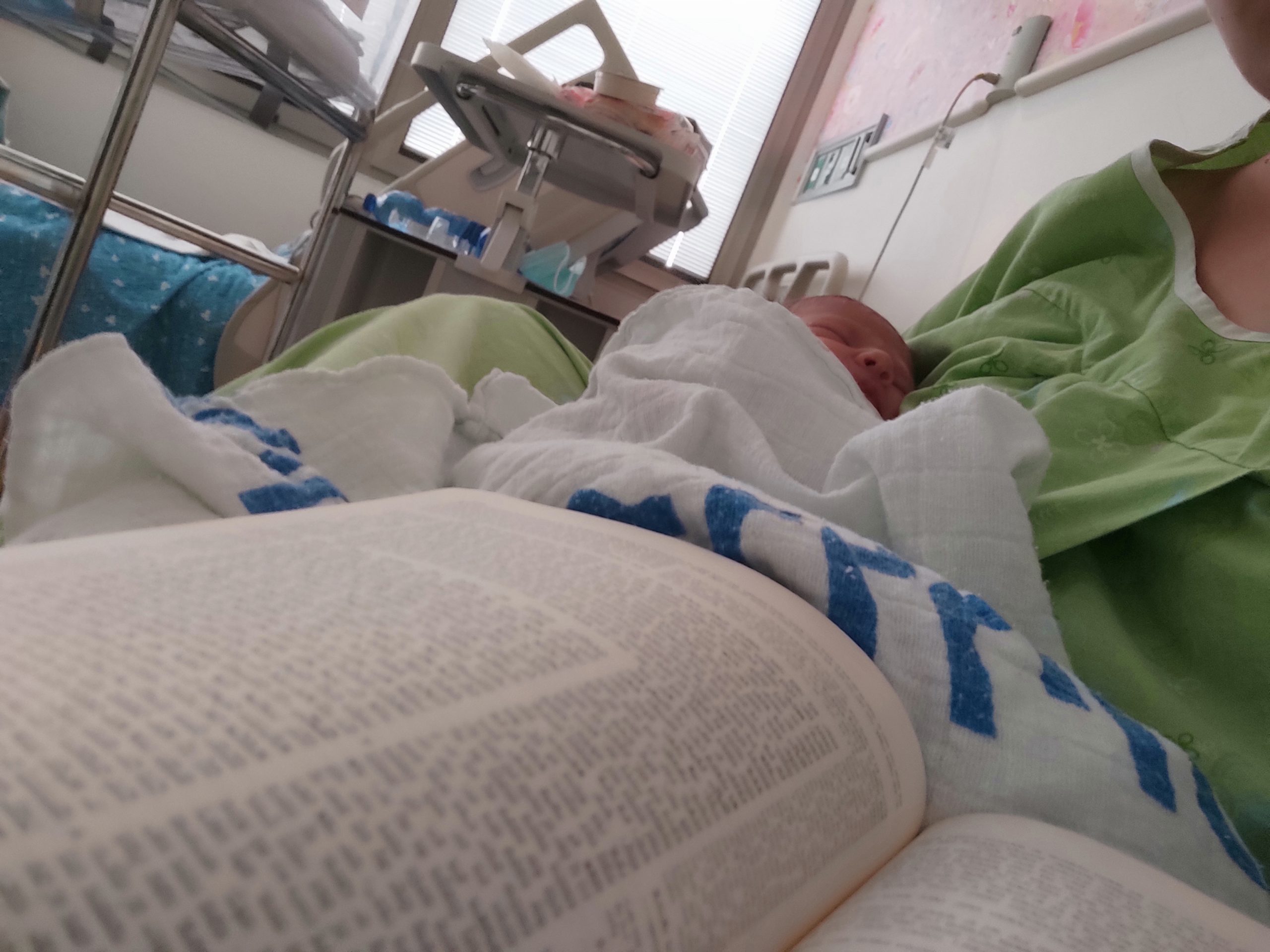
נועה שילה
רבבה, ישראל
התחלתי ללמוד בשנת המדרשה במגדל עוז, בינתיים נהנית מאוד מהלימוד ומהגמרא, מעניין ומשמח מאוד!
משתדלת להצליח לעקוב כל יום, לפעמים משלימה קצת בהמשך השבוע.. מרגישה שיש עוגן מקובע ביום שלי והוא משמח מאוד!

אוריה קסנר
חיפה , ישראל
כבר סיפרתי בסיום של מועד קטן.
הלימוד מאוד משפיעה על היום שלי כי אני לומדת עם רבנית מישל על הבוקר בזום. זה נותן טון לכל היום – בסיס למחשבות שלי .זה זכות גדול להתחיל את היום בלימוד ובתפילה. תודה רבה !

שרה ברלוביץ
ירושלים, ישראל
התחלתי ללמוד לפני כשנתיים בשאיפה לסיים לראשונה מסכת אחת במהלך חופשת הלידה.
אחרי מסכת אחת כבר היה קשה להפסיק…

נעה גלנט
ירוחם, ישראל
אמא שלי למדה איתי ש”ס משנה, והתחילה ללמוד דף יומי. אני החלטתי שאני רוצה ללמוד גם. בהתחלה למדתי איתה, אח”כ הצטרפתי ללימוד דף יומי שהרב דני וינט מעביר לנוער בנים בעתניאל. במסכת עירובין עוד חברה הצטרפה אלי וכשהתחלנו פסחים הרב דני פתח לנו שעור דף יומי לבנות. מאז אנחנו לומדות איתו קבוע כל יום את הדף היומי (ובשבת אבא שלי מחליף אותו). אני נהנית מהלימוד, הוא מאתגר ומעניין

רננה הלמן
עתניאל, ישראל
שמעתי על הסיום הענק של הדף היומי ע”י נשים בבנייני האומה. רציתי גם.
החלטתי להצטרף. התחלתי ושיכנעתי את בעלי ועוד שתי חברות להצטרף. עכשיו יש לי לימוד משותף איתו בשבת ומפגש חודשי איתן בנושא (והתכתבויות תדירות על דברים מיוחדים שקראנו). הצטרפנו לקבוצות שונות בווטסאפ. אנחנו ממש נהנות. אני שומעת את השיעור מידי יום (בד”כ מהרב יוני גוטמן) וקוראת ומצטרפת לסיומים של הדרן. גם מקפידה על דף משלהן (ונהנית מאד).
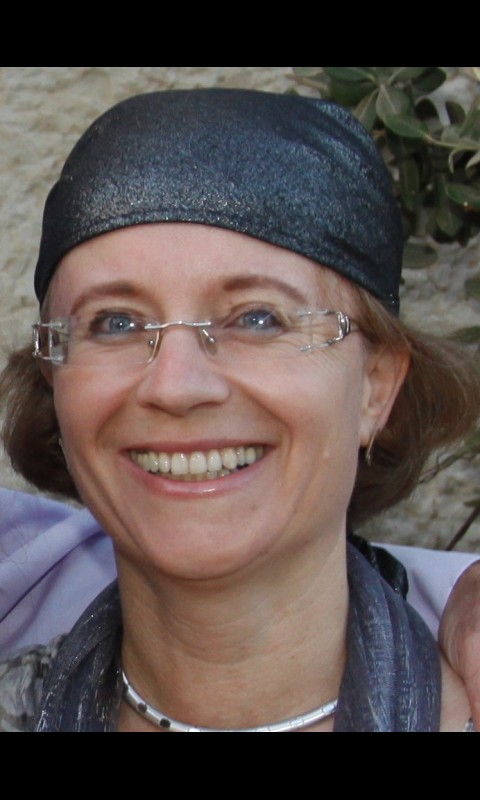
ליאת סיטרון
אפרת, ישראל
אחרי שראיתי את הסיום הנשי של הדף היומי בבנייני האומה זה ריגש אותי ועורר בי את הרצון להצטרף. לא למדתי גמרא קודם לכן בכלל, אז הכל היה לי חדש, ולכן אני לומדת בעיקר מהשיעורים פה בהדרן, בשוטנשטיין או בחוברות ושיננתם.

רבקה שלוס
בית שמש, ישראל
התחלתי ללמוד דף יומי שהתחילו מסכת כתובות, לפני 7 שנים, במסגרת קבוצת לימוד שהתפרקה די מהר, ומשם המשכתי לבד בתמיכת האיש שלי. נעזרתי בגמרת שטיינזלץ ובשיעורים מוקלטים.
הסביבה מאד תומכת ואני מקבלת המון מילים טובות לאורך כל הדרך. מאז הסיום הגדול יש תחושה שאני חלק מדבר גדול יותר.
אני לומדת בשיטת ה”7 דפים בשבוע” של הרבנית תרצה קלמן – כלומר, לא נורא אם לא הצלחת ללמוד כל יום, העיקר שגמרת ארבעה דפים בשבוע

רחל גולדשטיין
עתניאל, ישראל
התחלתי ללמוד דף לפני קצת יותר מ-5 שנים, כשלמדתי רבנות בישיבת מהר”ת בניו יורק. בדיעבד, עד אז, הייתי בלימוד הגמרא שלי כמו מישהו שאוסף חרוזים משרשרת שהתפזרה, פה משהו ושם משהו, ומאז נפתח עולם ומלואו…. הדף נותן לי לימוד בצורה מאורגנת, שיטתית, יום-יומית, ומלמד אותי לא רק ידע אלא את השפה ודרך החשיבה שלנו. לשמחתי, יש לי סביבה תומכת וההרגשה שלי היא כמו בציטוט שבחרתי: הדף משפיע לטובה על כל היום שלי.
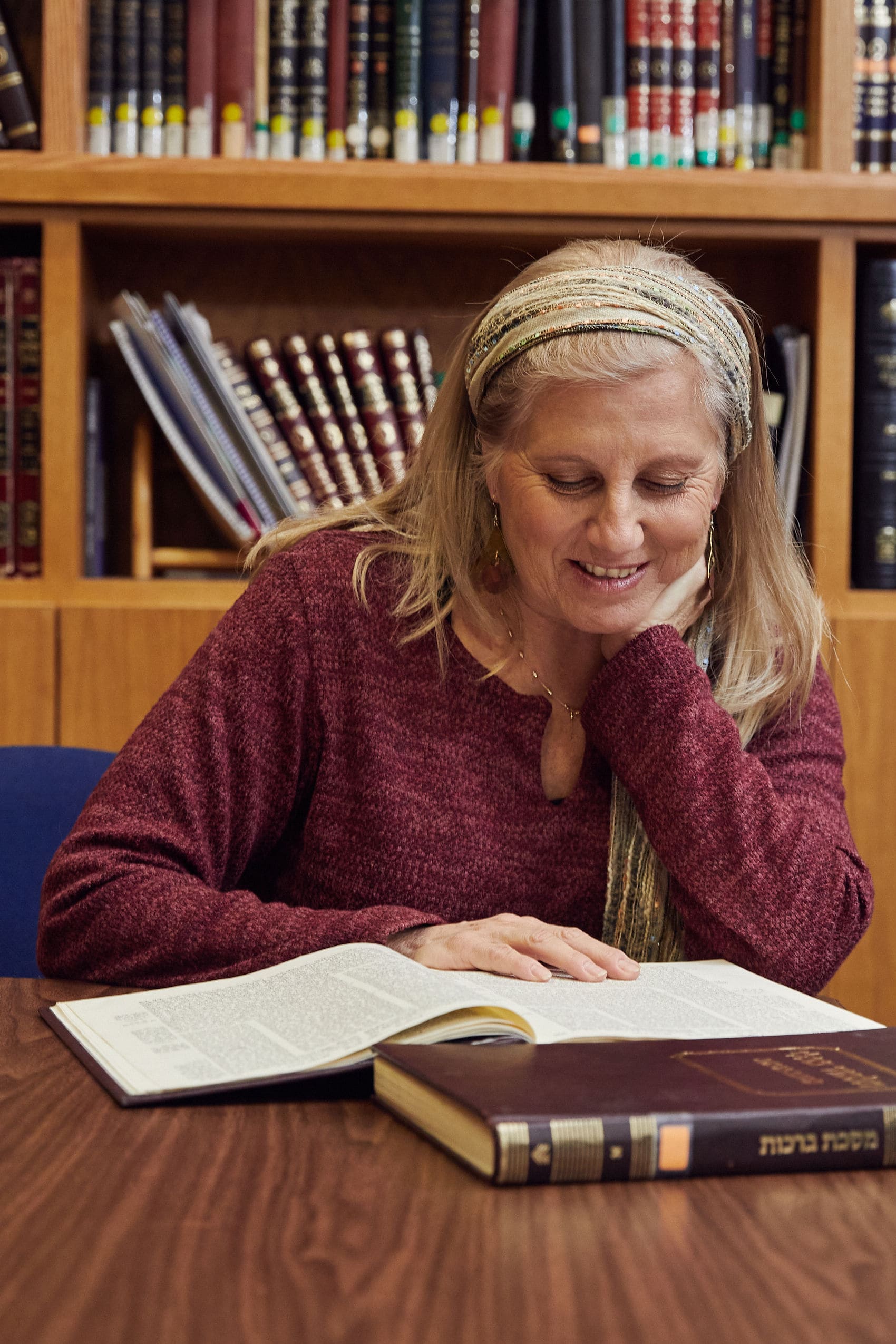
מיכל כהנא
חיפה, ישראל
ראיתי את הסיום הגדול בבנייני האומה וכל כך התרשמתי ורציתי לקחת חלק.. אבל לקח לי עוד כשנה וחצי )באמצע מסיכת שבת להצטרף..
הלימוד חשוב לי מאוד.. אני תמיד במרדף אחרי הדף וגונבת כל פעם חצי דף כשהילדים עסוקים ומשלימה אח”כ אחרי שכולם הלכו לישון..
אולגה מזרחי
ירושלים, ישראל
התחלתי ללמוד דף יומי כאשר קיבלתי במייל ממכון שטיינזלץ את הדפים הראשונים של מסכת ברכות במייל. קודם לא ידעתי איך לקרוא אותם עד שנתתי להם להדריך אותי. הסביבה שלי לא מודעת לעניין כי אני לא מדברת על כך בפומבי. למדתי מהדפים דברים חדשים, כמו הקשר בין המבנה של בית המקדש והמשכן לגופו של האדם (יומא מה, ע”א) והקשר שלו למשפט מפורסם שמופיע בספר ההינדי "בהגוד-גיתא”. מתברר שזה רעיון כלל עולמי ולא רק יהודי
אלנה ארנבורג
נשר, ישראל
התחלתי ללמוד לפני 4.5 שנים, כשהודיה חברה שלי פתחה קבוצת ווטסאפ ללימוד דף יומי בתחילת מסכת סנהדרין. מאז לימוד הדף נכנס לתוך היום-יום שלי והפך לאחד ממגדירי הזהות שלי ממש.

קרן רוזנברג
ירושלים, ישראל
בתחילת הסבב הנוכחי של לימוד הדף היומי, נחשפתי לחגיגות המרגשות באירועי הסיום ברחבי העולם. והבטחתי לעצמי שבקרוב אצטרף גם למעגל הלומדות. הסבב התחיל כאשר הייתי בתחילת דרכי בתוכנית קרן אריאל להכשרת יועצות הלכה של נשמ”ת. לא הצלחתי להוסיף את ההתחייבות לדף היומי על הלימוד האינטנסיבי של תוכנית היועצות. בבוקר למחרת המבחן הסופי בנשמ”ת, התחלתי את לימוד הדף במסכת סוכה ומאז לא הפסקתי.

חנה שחם-רוזבי (ד”ר)
קרית גת, ישראל
התחלתי לפני 8 שנים במדרשה. לאחרונה סיימתי מסכת תענית בלמידה עצמית ועכשיו לקראת סיום מסכת מגילה.
דניאלה ברוכים
רעננה, ישראל
התחלתי ללמוד דף יומי בסבב הקודם. זכיתי לסיים אותו במעמד המרגש של הדרן. בסבב הראשון ליווה אותי הספק, שאולי לא אצליח לעמוד בקצב ולהתמיד. בסבב השני אני לומדת ברוגע, מתוך אמונה ביכולתי ללמוד ולסיים. בסבב הלימוד הראשון ליוותה אותי חוויה מסויימת של בדידות. הדרן העניקה לי קהילת לימוד ואחוות נשים. החוויה של סיום הש”ס במעמד כה גדול כשנשים שאינן מכירות אותי, שמחות ומתרגשות עבורי , היתה חוויה מרוממת נפש

אילנית ווייל
קיבוץ מגדל עוז, ישראל
חולין קז
פַּקְתָּא דַּעֲרָבוֹת: כְּגוֹן אַתּוּן דְּלָא שְׁכִיחִי לְכוּ מַיָּא, מְשׁוּ יְדַיְיכוּ מִצַּפְרָא וְאַתְנוֹ עֲלַיְיהוּ לְכוּלֵּאּ יוֹמָא. אִיכָּא דְּאָמְרִי: בִּשְׁעַת הַדְּחָק – אִין, שֶׁלֹּא בִּשְׁעַת הַדְּחָק – לָא, וּפְלִיגָא דְּרַב. וְאִיכָּא דְּאָמְרִי: אֲפִילּוּ שֶׁלֹּא בִּשְׁעַת הַדְּחָק נָמֵי, וְהַיְינוּ דְּרַב.
the valley of Aravot [pakta da’aravot], where there was a shortage of water: People such as you, for whom water is scarce, should wash your hands in the morning and stipulate with regard to them for the entire day. Some say that Rabbi Avina maintains that in exigent circumstances, yes, one should act in this manner, but when one is not in exigent circumstances, he should not do so. And according to this explanation, Rabbi Avina disagrees with the opinion of Rav, who permitted this practice to all. And some say that Rabbi Avina ruled that one may do so even when not in exigent circumstances, and Rabbi Avina’s opinion is identical to that of Rav.
אָמַר רַב פָּפָּא: הַאי אֲרִיתָּא דְּדַלָּאֵי, אֵין נוֹטְלִין מִמֶּנּוּ לַיָּדַיִם, דְּלָא אָתוּ מִכֹּחַ גַּבְרָא. וְאִי מְקָרַב לְגַבֵּי דַּוְלָא, דְּקָאָתוּ מִכֹּחַ גַּבְרָא – נוֹטְלִין מִמֶּנּוּ לַיָּדַיִם.
Rav Pappa said: With regard to this irrigation channel [arita dedalla’ei], into which water is poured from a river using buckets, and which then transports the water to the fields, one may not wash his hands in it. The reason is that this water does not come from a person’s force, i.e., it is not poured on the hands by a direct act, as it moves by force of the current in the channel. But if one draws his hands near the bucket itself, in such a manner that the water poured on his hands comes from a person’s force before it begins to flow in the channel, then one may wash his hands with it.
וְאִי בְּזִיעַ דַּוְלָא, בְּכוֹנֵס מַשְׁקֶה, מֵילָף לָיְיפִי, וּמְטַבֵּיל בָּהּ אֶת הַיָּדַיִם. וְאָמַר רָבָא: כְּלִי שֶׁנִּיקַּב בְּכוֹנֵס מַשְׁקֶה – אֵין נוֹטְלִין מִמֶּנּוּ לַיָּדַיִם.
And if the bucket in which the water is drawn from the river is perforated with a hole large enough to enable liquid to enter the vessel when it is placed in the river, the presence of this hole connects the water in the channel to the water in the river, as they touch through that hole. And therefore, one may immerse his hands in that channel as he would in the river itself. Yet the perforated bucket is invalid for the washing of the hands by pouring, since it is no longer considered a vessel. As Rava says: With regard to a vessel that is perforated with a hole large enough to enable liquid to enter, one may not wash his hands with it.
וְאָמַר רָבָא: כְּלִי שֶׁאֵין בּוֹ רְבִיעִית – אֵין נוֹטְלִין מִמֶּנּוּ לַיָּדַיִם. אִינִי? וְהָאָמַר רָבָא: כְּלִי שֶׁאֵין מַחְזִיק רְבִיעִית – אֵין נוֹטְלִין מִמֶּנּוּ לַיָּדַיִם, הָא מַחְזִיק – אַף עַל גַּב דְּלֵית בֵּיהּ.
And Rava says: With regard to a vessel that does not have a quarter–log of water in it, one may not wash his hands with it. The Gemara asks: Is that so? But doesn’t Rava say: With regard to a vessel that cannot contain a quarter–log of water, one may not wash his hands with it. It may be consequently inferred that as long as the vessel can contain a quarter-log, one may use it even if it does not currently have a quarter-log in it.
לָא קַשְׁיָא: הָא לְחַד, הָא לִתְרֵי, דְּתַנְיָא: מֵי רְבִיעִית נוֹטְלִין לַיָּדַיִם לְאֶחָד, וַאֲפִילּוּ לִשְׁנַיִם.
The Gemara answers: This is not difficult; this former statement, requiring a quarter-log of actual water, is referring to washing for one person, whereas that latter statement, requiring only that the vessel have a capacity of a quarter-log, is referring to washing for two people. If a vessel originally contained a quarter-log of water, then even if less than that amount remains after one person has washed his hands, a second individual may use the remainder, which is considered fit based on the water’s original volume. As it is taught in a baraita: With a quarter–log of water, one may wash the hands of one individual, and even those of two.
אֲמַר לֵיהּ רַב שֵׁשֶׁת לְאַמֵּימָר: קָפְדִיתוּ אַמָּנָא? אֲמַר לֵיהּ: אִין. אַחֲזוּתָא? אֲמַר לֵיהּ: אִין. אַשִּׁיעוּרָא? אֲמַר לֵיהּ: אִין.
Rav Sheshet said to Ameimar: Are you particular about the vessel used for washing hands, that it be wholly intact? Ameimar said to him: Yes. Rav Sheshet further inquired: Are you also particular about the appearance of the water, that it be normal? Ameimar again said to him: Yes. Rav Sheshet further asked: Are you particular about the measure of water, that it be no less than one quarter-log? Ameimar said to him: Yes.
אִיכָּא דְּאָמְרִי, הָכִי אֲמַר לֵיהּ: אַמָּנָא וְאַחֲזוּתָא – קָפְדִינַן, אַשִּׁיעוּרָא – לָא קָפְדִינַן, דְּתַנְיָא: מֵי רְבִיעִית נוֹטְלִין לַיָּדַיִם לְאֶחָד, וַאֲפִילּוּ לִשְׁנַיִם.
Some say that this is what Ameimar said to him: We are particular about the wholeness of the vessel and about the water’s appearance, but we are not particular about the water’s measure, as it is taught in a baraita: With a quarter–log of water one may wash the hands of one individual, and even those of two. The baraita indicates that there is no need for a quarter-log for each individual.
וְלָא הִיא, שָׁאנֵי הָתָם, מִשּׁוּם דְּקָאָתוּ מִשְּׁיָרֵי טׇהֳרָה.
The Gemara notes: And it is not so, i.e., one cannot derive from the baraita that the measure of water is immaterial. It is different there because there the water comes from the remainder of a measure initially sufficient for purity. If there was not initially a quarter-log, the water is unfit for even one person.
אַתְקֵין רַב יַעֲקֹב מִנְּהַר פְּקוֹד נַטְלָא בַּת רְבִיעֵתָא, אַתְקֵין רַב אָשֵׁי בְּהוּצָל כּוּזָא בַּת רְבִיעֵתָא.
The Gemara relates: Rav Ya’akov from Nehar Pekod prepared a glass vessel that could contain a quarter–log of water for washing his hands. Rav Ashi in Huzal likewise prepared an earthenware vessel that could contain a quarter–log.
וְאָמַר רָבָא: מְגוּפַת חָבִית שֶׁתִּקְּנָהּ – נוֹטְלִין מִמֶּנָּה לַיָּדַיִם. תַּנְיָא נָמֵי הָכִי: מְגוּפַת חָבִית שֶׁתִּקְּנָהּ – נוֹטְלִין מִמֶּנָּה לַיָּדַיִם. חֵמֶת וּכְפִישָׁה שֶׁתִּקְּנָן – נוֹטְלִין מֵהֶם לַיָּדַיִם. שַׂק וְקוּפָּה, אַף עַל פִּי שֶׁמְּקַבְּלִים – אֵין נוֹטְלִין מֵהֶם לַיָּדַיִם.
And Rava says: If one prepared the stopper of a barrel for use as a vessel by hollowing it out until it contained a quarter-log, one may wash his hands with it, even though it was not originally designated for this function. This ruling is also taught in a baraita: If one prepared the stopper of a barrel for this purpose, one may wash his hands with it. Likewise, with regard to a ḥemet and a kefisha, types of leather wineskins, that one prepared for this purpose, one may wash his hands with them, as they were initially designed to hold liquids. But with regard to a sack and a basket, even if they can contain water, one may not wash his hands with them, as no sack or basket is designed to hold water, and most cannot.
אִיבַּעְיָא לְהוּ: מַהוּ לֶאֱכוֹל בְּמַפָּה? מִי חָיְישִׁינַן דִּלְמָא נָגַע, אוֹ לָא?
A dilemma was raised before the Sages: What is the halakha with regard to eating with a cloth [mappa] on one’s hands, rather than washing them to purify them? Are we concerned that perhaps he will touch the food with his hands, or not?
תָּא שְׁמַע, וּכְשֶׁנָּתְנוּ לוֹ לְרַבִּי צָדוֹק אוֹכֶל פָּחוֹת מִכְּבֵיצָה, נוֹטְלוֹ בְּמַפָּה וְאוֹכְלוֹ חוּץ לַסּוּכָּה, וְאֵין מְבָרֵךְ אַחֲרָיו. מַאי לָאו – הָא כְּבֵיצָה בָּעֵי נְטִילַת יָדַיִם?
The Gemara suggests: Come and hear proof from a mishna (Sukka 26b): And when they gave Rabbi Tzadok on the festival of Sukkot less than an egg-bulk of food, he took the food in a cloth, and he ate it outside the sukka, as he held one is not obligated to eat food of this amount in a sukka. And he did not recite a blessing after eating it, since less than an egg-bulk does not satisfy the verse: “And you shall eat and be satisfied and bless the Lord your God” (Deuteronomy 8:10). What, is it not to be inferred that consequently, if one eats an egg-bulk, it requires washing of the hands, even if one uses a cloth?
דִּלְמָא הָא כְּבֵיצָה – בָּעֵי סוּכָּה, וּבָעֵי בְּרָכָה.
The Gemara rejects this: Perhaps one can conclude from that mishna only that consequently, if one eats an egg-bulk he needs to do so in a sukka and needs to recite a blessing after eating; but he can still use a cloth instead of washing his hands.
תָּא שְׁמַע: דִּשְׁמוּאֵל אַשְׁכְּחֵיהּ לְרַב דְּקָאָכֵיל בְּמַפָּה, אֲמַר לֵיהּ:
The Gemara suggests: Come and hear proof from an incident where Shmuel found Rav eating with a cloth rather than washing his hands, and Shmuel said to him:
עָבְדִין כְּדֵין? אֲמַר לֵיהּ: דַּעְתִּי קְצָרָה עָלַי.
Do we act in this manner? Rav said to Shmuel: I did wash my hands, but as I am delicate I do not wish to hold food in my bare hands; therefore I covered them with a cloth.
כִּי סְלֵיק רַבִּי זֵירָא, אַשְׁכְּחִינְהוּ לְרַבִּי אַמֵּי וְרַבִּי אַסִּי דְּקָאָכְלִי בִּבְלָאֵי חֲמָתוֹת. אֲמַר: תְּרֵי גַּבְרֵי רַבְרְבֵי כְּוָותַיְיכוּ, לִיטְעוֹ בִּדְרַב וּשְׁמוּאֵל? הָא ״דַּעְתִּי קְצָרָה״ קָאָמַר!
The Gemara further relates: When Rabbi Zeira left Babylonia for Eretz Yisrael, he found Rabbi Ami and Rabbi Asi eating bread while covering their hands with worn pieces of wineskins, rather than washing them. Rabbi Zeira said to them: Could two great men such as yourselves err with regard to the incident of Rav and Shmuel related above? After all, Rav said to Shmuel: I am using a cloth because I am delicate; he did wash his hands beforehand.
אִשְׁתְּמִיטְתֵּיהּ הָא דְּאָמַר רַב תַּחְלִיפָא בַּר אֲבִימִי אָמַר שְׁמוּאֵל: הִתִּירוּ מַפָּה לְאוֹכְלֵי תְרוּמָה, וְלֹא הִתִּירוּ מַפָּה לְאוֹכְלֵי טְהָרוֹת, וְרַבִּי אַמֵּי וְרַבִּי אַסִּי כֹּהֲנִים הֲווֹ.
The Gemara notes: It escaped Rabbi Zeira’s mind that Rav Taḥlifa bar Avimi said that Shmuel said: The Sages permitted the consumption of bread while the hands are wrapped with a cloth rather than washed, specifically to priests who partake of teruma, as they are careful not to touch the bread with their hands. But they did not permit the use of a cloth in this manner to non-priests, even those who are particular to eat non-sacred food in a state of ritual purity, as they do not maintain the same level of diligence as priests. And since Rabbi Ami and Rabbi Asi were priests, it was permitted for them to eat with a cloth.
אִיבַּעְיָא לְהוּ: אוֹכֵל מֵחֲמַת מַאֲכִיל, צָרִיךְ נְטִילַת יָדַיִם אוֹ לָא? תָּא שְׁמַע, דְּרַב הוּנָא בַּר סְחוֹרָה הֲוָה קָאֵי קַמֵּיהּ דְּרַב הַמְנוּנָא, בְּלַם לֵיהּ אוּמְצָא וְאָכֵיל. אֲמַר לֵיהּ: אִי לָאו דְּרַב הַמְנוּנָא אַתְּ, לָא סָפֵינָא לָךְ.
A dilemma was raised before the Sages: If one eats by means of another feeding him, without himself touching the food, does he need to wash hands before eating or not? The Gemara suggests: Come and hear proof from the following incident where Rav Huna bar Seḥora was standing before Rav Hamnuna and serving him. Rav Huna bar Seḥora cut a slice of meat for Rav Hamnuna and placed it in his mouth, and he ate it. Rav Huna bar Seḥora said to Rav Hamnuna: Were you not Rav Hamnuna, I would not feed you in this fashion.
מַאי טַעְמָא, לָאו מִשּׁוּם דִּזְהִיר וְלָא נָגַע? לָא, דִּזְרִיז קָדֵים וּמָשֵׁי יְדֵיהּ מֵעִיקָּרָא.
The Gemara infers from this episode: What is the reason that it was permitted for Rav Hamnuna to eat in such a manner? Is it not because he was careful not to touch the food with his hands? This indicates that someone may be fed even without washing his hands. The Gemara rejects this: No, one can say that he was vigilant and went ahead and washed his hands at the outset.
תָּא שְׁמַע, דְּאָמַר רַבִּי זֵירָא אָמַר רַב: לֹא יִתֵּן אָדָם פְּרוּסָה לְתוֹךְ פִּיו שֶׁל שַׁמָּשׁ, אֶלָּא אִם כֵּן יוֹדֵעַ בּוֹ שֶׁנָּטַל יָדָיו. וְהַשַּׁמָּשׁ מְבָרֵךְ עַל כׇּל כּוֹס וָכוֹס, וְאֵינוֹ מְבָרֵךְ עַל כׇּל פְּרוּסָה וּפְרוּסָה. וְרַבִּי יוֹחָנָן אָמַר: מְבָרֵךְ עַל כׇּל פְּרוּסָה וּפְרוּסָה.
The Gemara suggests: Come and hear proof from that which Rabbi Zeira said that Rav said: A person may not place a slice of bread into the mouth of the attendant serving at a meal unless he knows that he has washed his hands. And it was also stated that the attendant recites a blessing over each and every cup of wine presented to him at a meal. This is because he never knows if he will receive another cup, and he cannot intend that his initial blessing apply to a cup he does not know he will receive. But he does not recite a blessing over each and every slice of bread given to him. And Rabbi Yoḥanan says that he must recite a blessing over each and every slice he receives.
אָמַר רַב פָּפָּא: בִּשְׁלָמָא דְּרַב וְרַבִּי יוֹחָנָן לָא קַשְׁיָא, הָא דְּאִיכָּא אָדָם חָשׁוּב, הָא דְּלֵיכָּא אָדָם חָשׁוּב.
Rav Pappa said: Granted, the apparent contradiction between the opinions of Rav and Rabbi Yoḥanan is not difficult; one can resolve it by saying that this statement of Rav, that the attendant need not recite a blessing for every slice of bread, is referring to a case where there is an important person at the meal. Since the attendant is confident that the important person will ensure the attendant receives enough to eat, his initial blessing applies to each slice he receives. And that statement of Rabbi Yoḥanan is referring to a meal where there is no important person. Since the attendant is not confident that he will receive another slice, he must recite a new blessing whenever he does receive one.
מִכׇּל מָקוֹם, הָא קָאָמַר: אֶלָּא אִם כֵּן יוֹדֵעַ שֶׁנָּטַל יָדָיו! שָׁאנֵי שַׁמָּשׁ, דִּטְרִיד.
In any case, Rav first says that one should not place a slice into the attendant’s mouth unless he knows that he has washed his hands. This indicates that one who is fed by another must wash his hands. The Gemara responds: The case of an attendant is different, as he is occupied with his duties and may touch the food inadvertently. Therefore, he specifically may not eat without washing his hands.
תָּנוּ רַבָּנַן: לֹא יִתֵּן אָדָם פְּרוּסָה לַשַּׁמָּשׁ, בֵּין שֶׁהַכּוֹס בְּיָדוֹ בֵּין שֶׁהַכּוֹס בְּיָדוֹ שֶׁל בַּעַל הַבַּיִת, שֶׁמָּא יֶאֱרַע דְּבַר קַלְקָלָה בַּסְּעוּדָה. וְהַשַּׁמָּשׁ שֶׁלֹּא נָטַל יָדָיו – אָסוּר לִיתֵּן פְּרוּסָה לְתוֹךְ פִּיו.
§ The Sages taught in a baraita: A person who is a guest may not give a slice of bread from the meal in front of him to the attendant serving, whether a cup is in the attendant’s hand or a cup is in the host’s hand, lest a mishap occur at the meal. The host might become angry or distracted by the concern that there will not remain enough food for his guests, and the cup will fall from his hand. If the cup is in the attendant’s hand, he might drop it while accepting food from the guest. And with regard to an attendant who has not washed his hands, it is prohibited to place a slice of bread into his mouth.
אִיבַּעְיָא לְהוּ: מַאֲכִיל, צָרִיךְ נְטִילַת יָדַיִם, אוֹ אֵינוֹ צָרִיךְ?
§ A dilemma was raised before the Sages: Does one who feeds another need to wash his hands, since his hands are touching the food? Or perhaps he does not need to wash his hands, as he himself is not eating.
תָּא שְׁמַע, דְּתָנֵי דְּבֵי מְנַשֶּׁה: רַבָּן שִׁמְעוֹן בֶּן גַּמְלִיאֵל אוֹמֵר: אִשָּׁה מְדִיחָה אֶת יָדָהּ אַחַת בַּמַּיִם, וְנוֹתֶנֶת פַּת לִבְנָהּ קָטָן. אָמְרוּ עָלָיו עַל שַׁמַּאי הַזָּקֵן שֶׁלֹּא רָצָה לְהַאֲכִיל בְּיָדוֹ אַחַת, וְגָזְרוּ עָלָיו שֶׁיַּאֲכִיל בִּשְׁתֵּי יָדָיו.
The Gemara suggests: Come and hear a resolution to the dilemma from that which the school of Menashe taught that Rabban Shimon ben Gamliel says: A woman may rinse one hand in water on Yom Kippur, so that she does not touch food before she has washed her hands in the morning, and give bread to her minor son, without concern about violating the prohibition against bathing on Yom Kippur. They said about Shammai the Elder that he did not want to feed his children with even one hand on Yom Kippur, to avoid having to wash it. But due to concerns about the health and well-being of his children, they decreed that he must feed them with two hands, forcing him to wash both. Apparently one who feeds another must wash his hands, even though he himself is not eating.
אָמַר אַבָּיֵי: הָתָם מִשּׁוּם שִׁיבְתָּא.
Abaye said: The reason for the washing there is not on account of the food specifically. Rather, it is due to an evil spirit named Shivta, who contaminates hands that have not been washed in the morning. As long as one washes his hands in the morning, perhaps he need not wash them again to feed another.
תָּא שְׁמַע, דַּאֲבוּהּ דִּשְׁמוּאֵל אַשְׁכְּחֵיהּ לִשְׁמוּאֵל דְּקָא בָכֵי. אֲמַר לֵיהּ: אַמַּאי קָא בָכֵית? דְּמַחְיַין רַבַּאי. אַמַּאי? דְּאָמַר לִי: קָא סָפֵית לִבְרַאי וְלָא מְשֵׁית יְדָיךְ. וְאַמַּאי לָא מְשֵׁית? אֲמַר לֵיהּ: הוּא אָכֵיל וַאֲנָא מָשֵׁינָא?!
The Gemara further suggests: Come and hear a resolution to the dilemma from the following incident, as Shmuel’s father found the young Shmuel crying, and said to him: Why are you crying? Shmuel replied: Because my teacher struck me. His father asked: Why did he strike you? Shmuel responded: My teacher said to me: You are feeding my son, but you did not wash your hands. His father asked: And why did you not wash your hands? Shmuel said to him: Only he, the teacher’s son, is eating, and I must wash my hands?
אֲמַר לֵיהּ: לָא מִיסָּתְיֵיהּ דְּלָא גְּמִיר, מִימְחָא נָמֵי מָחֵי! וְהִלְכְתָא: אוֹכֵל מֵחֲמַת מַאֲכִיל – צָרִיךְ נְטִילַת יָדַיִם, מַאֲכִיל – אֵינוֹ צָרִיךְ נְטִילַת יָדַיִם.
Shmuel’s father said to him: Is it not enough that your teacher did not learn the halakha properly, that he even strikes you on account of his error? One who feeds another need not wash his hands if he himself is not eating. The Gemara concludes: And the halakha is that one who eats by means of another feeding him needs to wash his hands, even though he does not touch the food. But one who feeds another does not need to wash his hands.
מַתְנִי׳ צוֹרֵר אָדָם בָּשָׂר וּגְבִינָה בְּמִטְפַּחַת אַחַת, וּבִלְבַד שֶׁלֹּא יְהוּ נוֹגְעִין זֶה בָּזֶה. רַבָּן שִׁמְעוֹן בֶּן גַּמְלִיאֵל אוֹמֵר: שְׁנֵי אַכְסְנָאִין אוֹכְלִין עַל שֻׁלְחָן אֶחָד, זֶה בָּשָׂר וְזֶה גְּבִינָה, וְאֵין חוֹשְׁשִׁין.
MISHNA: A person may bind meat and cheese in one cloth, provided that they do not come into contact with each other. Rabban Shimon ben Gamliel says: Two unacquainted guests [akhsena’in] may eat together on one table, this one eating meat and that one eating cheese, and they need not be concerned lest they come to violate the prohibition of eating meat and milk by partaking of the food of the other.
גְּמָ׳ וְכִי נוֹגֵעַ זֶה בָּזֶה, מַאי הָוֵי? צוֹנֵן בְּצוֹנֵן הוּא! אָמַר אַבָּיֵי: נְהִי דִּקְלִיפָה לָא בָּעֵי, הַדָּחָה מִי לָא בָּעֵי?
GEMARA: The mishna teaches that one may bind meat and cheese together in one cloth, provided that they do not come into contact with each other. The Gemara asks: And if they come into contact with each other, what of it? It is a case of one cold food in contact with another cold food, and they would not absorb substances from one another. Abaye said: Granted that cold foods do not require the peeling of the place where they came into contact, as they do not absorb substances from one another. Nevertheless, don’t they require rinsing in water? The Sages therefore decreed against the contact of even cold meat and cheese, lest one come to eat them without rinsing them first.
רַבָּן שִׁמְעוֹן בֶּן גַּמְלִיאֵל אוֹמֵר: שְׁנֵי אַכְסְנָאִין אוֹכְלִין עַל שׁוּלְחָן וְכוּ׳. אָמַר רַב חָנָן בַּר אַמֵּי אָמַר שְׁמוּאֵל: לֹא שָׁנוּ אֶלָּא שֶׁאֵין מַכִּירִין זֶה אֶת זֶה, אֲבָל מַכִּירִין זֶה אֶת זֶה – אָסוּר.
§ The mishna teaches that Rabban Shimon ben Gamliel says: Two guests may eat together on one table, this one eating meat and that one eating cheese. Rav Ḥanan bar Ami says that Shmuel says: They taught this halakha only in a case where the guests do not know each other, as they will not eat of each other’s food. But in a situation where they know each other, it is prohibited for them to eat together at the same table.
תַּנְיָא נָמֵי הָכִי: רַבָּן שִׁמְעוֹן בֶּן גַּמְלִיאֵל אוֹמֵר: שְׁנֵי אַכְסְנָאִים שֶׁנִּתְאָרְחוּ לְפוּנְדָּק אֶחָד, זֶה בָּא מִן הַצָּפוֹן וְזֶה בָּא מִן הַדָּרוֹם, זֶה בָּא בַּחֲתִיכָתוֹ וְזֶה בָּא בִּגְבִינָתוֹ, אוֹכְלִין עַל שֻׁלְחָן אֶחָד, זֶה בָּשָׂר וְזֶה גְּבִינָה, וְאֵין חוֹשְׁשִׁין.
That opinion is also taught in a baraita: Rabban Shimon ben Gamliel says: If two guests roomed in one inn, this one coming from the north and that one coming from the south, this one coming with his piece of meat and that one coming with his cheese, they may eat together on one table, this one eating meat and that one cheese, and they need not be concerned.
וְלֹא אָסְרוּ אֶלָּא בִּתְפִיסָה אַחַת. תְּפִיסָה אַחַת סָלְקָא דַּעְתָּךְ? אֶלָּא כְּעֵין תְּפִיסָה אַחַת.
The baraita adds: And the Sages prohibited this practice only if they both eat from one parcel. The Gemara adds: Can it enter your mind that the baraita is actually referring to a case where they eat from one parcel? This is obviously prohibited. Rather, it prohibits eating even in a manner as though they were eating from one parcel, i.e., when the diners are somewhat acquainted with each other, since neither would mind if the other ate from his food.
אֲמַר לֵיהּ רַב יֵימַר בַּר שֶׁלֶמְיָא לְאַבָּיֵי: שְׁנֵי אַחִין, וּמַקְפִּידִין זֶה עַל זֶה, מַהוּ?
§ It was stated above that if two diners are acquainted with each other they may not eat meat and cheese on the same table. Rav Yeimar bar Shelemya said to Abaye: If these diners are two brothers, but they are each particular not to let one another eat of his food, what is the halakha? May they eat separate dishes of meat and cheese at a single table?
אֲמַר לֵיהּ: יֹאמְרוּ כׇּל הַסְּרִיקִין אֲסוּרִין, וּסְרִיקֵי בַיְיתּוֹס מוּתָּרִין?!
Abaye said to him: Your question evokes that of Baitos ben Zunin. The Sages prohibited the baking of elaborately decorated Syrian cakes for Passover, lest people tarry in their preparation and the cakes become leavened. Baitos wished to prepare the cakes in a way that would not lead to a violation of any prohibition, and yet the Sages prohibited it, because people will say: All the decorated Syrian cakes are forbidden, but the Syrian cakes of Baitos are permitted? Here too, to avoid confusion, we will not allow exceptions to the rule.
וּלְטַעְמָיךְ, הָא דְּאָמַר רַבִּי אַסִּי אָמַר רַבִּי יוֹחָנָן: מִי שֶׁאֵין לוֹ אֶלָּא חָלוּק אֶחָד מוּתָּר לְכַבְּסוֹ בְּחוּלּוֹ שֶׁל מוֹעֵד. יֹאמְרוּ:
Rav Yeimar responded: But according to your reasoning, one may refute that which Rabbi Asi said that Rabbi Yoḥanan said: Although the Sages prohibited laundering on the intermediate days of a Festival, one who has only one shirt is permitted to launder it on the intermediate days of a Festival. Here too, one can claim: People will say metaphorically:
לעקוב

