








חאם טעם כעיקר (טעמו ולא ממשו) אסור מדאורייתא כבכל איסורים שבתורה? האפ אפשר לסוחטו מותר או אסור?
רוצה להקדיש לימוד?
חולין קח
כׇּל הַסְּרִיקִין אֲסוּרִין וּסְרִיקֵי בַיְיתּוֹס מוּתָּרִין? הָתָם, הָא אָמַר מָר בַּר רַב אָשֵׁי: אֵיזוֹרוֹ מוֹכִיחַ עָלָיו.
All the Syrian cakes are prohibited, but the Syrian cakes of Baitos are permitted? The Gemara responds: With regard to the case there, Mar, son of Rav Ashi, said: His belt is proof for him, as in those days people commonly had one belt, which was worn over the shirt. If a person had more than one shirt, then whenever he laundered one he would remove the belt and wear it over the second. If one saw a shirt being washed with its belt, he would know that the owner had only one shirt.
מַתְנִי׳ טִיפַּת חָלָב שֶׁנָּפְלָה עַל הַחֲתִיכָה, אִם יֵשׁ בָּהּ בְּנוֹתֵן טַעַם בְּאוֹתָהּ חֲתִיכָה – אָסוּר. נִיעֵר אֶת הַקְּדֵרָה, אִם יֵשׁ בָּהּ בְּנוֹתֵן טַעַם בְּאוֹתָהּ קְדֵרָה – אָסוּר.
MISHNA: In the case of a drop of milk that fell on a piece of meat, if the drop contains enough milk to impart flavor to that piece of meat, i.e., the meat is less than sixty times the size of the drop, the meat is forbidden. If one stirred the contents of the pot and the piece was submerged in the gravy before it absorbed the milk, if the drop contains enough milk to impart flavor to the contents of that entire pot, the contents of the entire pot are forbidden.
גְּמָ׳ אָמַר אַבָּיֵי: טַעְמוֹ וְלֹא מַמָּשׁוֹ בְּעָלְמָא – דְּאוֹרָיְיתָא.
GEMARA: Abaye said: The principle that the flavor of a forbidden food renders prohibited the substance in which it is absorbed, and it is not necessary for there to be actual forbidden substance, applies by Torah law in general, and not just to the prohibition of meat cooked in milk.
דְּאִי סָלְקָא דַעְתָּךְ דְּרַבָּנַן, מִבָּשָׂר בְּחָלָב מַאי טַעְמָא לָא גָּמְרִינַן? דְּחִדּוּשׁ הוּא. אִי חִדּוּשׁ הוּא, אַף עַל גַּב דְּלֵיכָּא נוֹתֵן טַעַם נָמֵי!
As, if it enters your mind that the principle applies to other prohibited foods by rabbinic law, one can claim: What is the reason that we do not learn that it applies by Torah law from the analogous case of meat cooked in milk? It must be because the prohibition of meat cooked in milk is a novelty that is not derived through logical reasoning, as each substance is separately permitted, and they are prohibited only when cooked together. No analogies can be drawn to a novelty. But if the prohibition is a novelty, then even if there is not enough milk to impart flavor, the meat and milk should also be prohibited. Since the measure of the prohibition follows the standard principles of mixtures, the prohibition itself is apparently not a novelty. One may therefore draw an analogy to other mixtures, inferring that this measure applies to them by Torah law as well.
אֲמַר לֵיהּ רָבָא: דֶּרֶךְ בִּשּׁוּל אָסְרָה תּוֹרָה.
Rava said to Abaye: This is not a valid proof. The prohibition of meat cooked in milk is in fact a novelty and differs from other prohibited mixtures. Nevertheless, its measure is the imparting of flavor only because the action the Torah prohibited is in the manner of cooking, and cooking involves the imparting of flavor.
אָמַר רַב: כֵּיוָן שֶׁנָּתַן טַעַם בַּחֲתִיכָה, חֲתִיכָה עַצְמָהּ נַעֲשֵׂית נְבֵלָה, וְאוֹסֶרֶת כׇּל הַחֲתִיכוֹת כּוּלָּן, מִפְּנֵי שֶׁהֵן מִינָהּ.
§ The mishna teaches that if the piece of meat acquires the flavor of milk, it is forbidden. Rav says: Once the milk imparts flavor to the piece of meat, the piece itself becomes non-kosher meat in its own right. And therefore, if one did not immediately remove the piece from the pot, it renders all the pieces of meat in the pot forbidden, even if they are together more than sixty times the size of that forbidden piece. This is because they are the same type as the forbidden piece, and as a rule, a substance in contact with the same type of substance cannot be nullified.
אֲמַר לֵיהּ מָר זוּטְרָא בְּרֵיהּ דְּרַב מָרִי לְרָבִינָא: מִכְּדֵי רַב כְּמַאן אָמַר לִשְׁמַעְתֵּיהּ? כְּרַבִּי יְהוּדָה, דְּאָמַר מִין בְּמִינוֹ לֹא בָּטֵיל, לֵימָא פְּלִיגָא אַדְּרָבָא?
Mar Zutra, son of Rav Mari, said to Ravina: Now consider, in accordance with whose opinion did Rav say his halakha? It is in accordance with the opinion of Rabbi Yehuda, who said that a type of food mixed with food of its own type is not nullified. If so, shall we say that Rav disagrees with Rava’s interpretation of Rabbi Yehuda’s opinion?
דְּאָמַר רָבָא: קָסָבַר רַבִּי יְהוּדָה, כׇּל שֶׁהוּא מִין וּמִינוֹ וְדָבָר אַחֵר – סַלֵּק אֶת מִינוֹ כְּמִי שֶׁאֵינוֹ, וְשֶׁאֵינוֹ מִינוֹ רָבֶה עָלָיו וּמְבַטְּלוֹ.
As Rava said: Rabbi Yehuda holds with regard to any tripartite mixture consisting of a forbidden type of food, a permitted food of the same type, and another food item that is permitted, one disregards the permitted food that is its own type as though it were not there, and if the permitted food that is not of its own type is more than the forbidden food, the permitted food nullifies the forbidden food. In the case Rav describes, although the other pieces of meat are of the same type as the piece that has become forbidden, the gravy in the pot is not of the same type, and it should nullify the forbidden piece. Since Rav does not mention this principle, he apparently disagrees with it.
אֲמַר לֵיהּ: אִי דִּנְפַל בְּרוֹטֶב רַכָּה – הָכִי נָמֵי, הָכָא בְּמַאי עָסְקִינַן – דִּנְפַל בְּרוֹטֶב עָבָה.
Ravina said to him: If the forbidden substance fell into thin gravy, Rav would concede that the gravy would indeed nullify the piece of meat, since the two substances are of different types. But here we are dealing with a case where it fell into thick gravy, which is composed of meat residue. Since the gravy is of the same substance as the meat, the forbidden piece is not nullified.
וּמַאי קָסָבַר? אִי קָסָבַר אֶפְשָׁר לְסוֹחֳטוֹ מוּתָּר, חֲתִיכָה אַמַּאי נַעֲשֵׂית נְבֵלָה? אֶלָּא קָסָבַר אֶפְשָׁר לְסוֹחֳטוֹ אָסוּר.
The Gemara returns to Rav’s statement that the piece of meat upon which the milk fell is considered a non-kosher item in its own right. And what does Rav maintain in this regard? If he maintains that an item that can be wrung to remove the forbidden substance it contains becomes permitted again after wringing, then it follows that only the absorbed substance is truly forbidden. If so, why should this piece of meat itself become non-kosher? Once it has been mixed into the stew, the milk it has absorbed should be evenly distributed throughout the pot and be nullified. Rather, Rav must maintain that even an item that can be wrung to remove the forbidden substance is forbidden.
דְּאִיתְּמַר: רַב וְרַבִּי חֲנִינָא וְרַבִּי יוֹחָנָן דְּאָמְרִי: אֶפְשָׁר לְסוֹחֳטוֹ – אָסוּר, שְׁמוּאֵל וְרַבִּי שִׁמְעוֹן בַּר רַבִּי וְרֵישׁ לָקִישׁ דְּאָמְרִי: אֶפְשָׁר לְסוֹחֳטוֹ – מוּתָּר.
The Gemara elaborates: As it was stated: Rav and Rabbi Ḥanina and Rabbi Yoḥanan say that even an item that can be wrung to remove the forbidden substance is forbidden, whereas Shmuel, and Rabbi Shimon, son of Rabbi Yehuda HaNasi, and Reish Lakish say: An item that can be wrung to remove the forbidden substance is permitted.
וְסָבַר רַב אֶפְשָׁר לְסוֹחֳטוֹ אָסוּר? וְהָאִיתְּמַר: כְּזַיִת בָּשָׂר שֶׁנָּפַל לְתוֹךְ יוֹרָה שֶׁל חָלָב, אָמַר רַב: בָּשָׂר אָסוּר וְחָלָב מוּתָּר, וְאִי סָלְקָא דַּעְתָּךְ אֶפְשָׁר לְסוֹחֳטוֹ אָסוּר,
The Gemara asks: And does Rav really maintain that an item that can be wrung to remove the forbidden substance is forbidden? But wasn’t it stated: If an olive-bulk of meat fell into a pot of milk so large that the meat did not impart flavor to it, Rav says: The meat is forbidden, as it absorbed the taste of the milk, but the milk is permitted, since it did not absorb the taste of the meat. But if it enters your mind that according to Rav an item that can be wrung is forbidden,
חָלָב אַמַּאי מוּתָּר? חָלָב נְבֵלָה הוּא!
why is the milk permitted? All the milk that the meat absorbed is rendered non-kosher milk in and of itself. When it seeps back out of the meat, it cannot be nullified by the rest of the milk, which is the same substance, as Rav holds in accordance with Rabbi Yehuda that a type of food mixed with food of its own type is not nullified. Therefore, the whole pot of milk should be prohibited.
לְעוֹלָם קָסָבַר רַב אֶפְשָׁר לְסוֹחֳטוֹ אָסוּר, וְשָׁאנֵי הָתָם דְּאָמַר קְרָא ״לֹא תְבַשֵּׁל גְּדִי בַּחֲלֵב אִמּוֹ״ – גְּדִי אָסְרָה תּוֹרָה, וְלֹא חָלָב.
The Gemara answers: Rav actually maintains that an item that can be wrung to remove the forbidden substance is prohibited, and there, the pot of milk mentioned above is different, as the verse states: “You shall not cook a kid in its mother’s milk” (Deuteronomy 14:21). The verse teaches that the Torah prohibits only the kid, i.e., the meat, that was cooked in milk, but not the milk that was cooked in meat. The milk is not itself rendered non-kosher.
וְסָבַר רַב גְּדִי אָסְרָה תּוֹרָה וְלֹא חָלָב? וְהָא אִיתְּמַר: חֲצִי זַיִת בָּשָׂר וַחֲצִי זַיִת חָלָב שֶׁבִּשְּׁלָן זֶה עִם זֶה, אָמַר רַב: לוֹקֶה עַל אֲכִילָתוֹ, וְאֵינוֹ לוֹקֶה עַל בִּשּׁוּלוֹ. וְאִי סָלְקָא דַעְתָּךְ גְּדִי אָסְרָה תּוֹרָה וְלֹא חָלָב, אַאֲכִילָה אַמַּאי לוֹקֶה? חֲצִי שִׁיעוּר הוּא!
The Gemara challenges: And does Rav really maintain that the Torah prohibits only the kid but not the milk cooked with it? But isn’t it stated: If half an olive-bulk of meat and half an olive-bulk of milk were cooked together, Rav says: One is flogged for consuming the combined olive-bulk, as he has eaten a whole olive-bulk of forbidden food. But he is not flogged for cooking the two half olive-bulks, as he did not cook items of the minimum size. And if it should enter your mind that Rav holds that the Torah prohibits only the kid but not the milk, why is this individual flogged for consuming only half an olive-bulk of meat? It is only half the prohibited measure.
אֶלָּא, לְעוֹלָם קָסָבַר רַב חָלָב נָמֵי אָסוּר, וְהָכָא בְּמַאי עָסְקִינַן? כְּגוֹן שֶׁנָּפַל לְתוֹךְ יוֹרָה רוֹתַחַת, דְּמִבְלָע בָּלַע, מִפְלָט לָא פָּלֵט.
Rather, Rav actually maintains that milk cooked in meat is also prohibited, and the reason Rav permits the pot of milk mentioned above is that here we are dealing with a case where the olive-bulk of meat fell into a boiling pot of milk. In such a case the meat absorbs milk, but it does not expel it, and therefore the prohibited milk does not mix with the rest.
סוֹף סוֹף כִּי נָיַיח, הֲדַר פָּלֵיט! כְּשֶׁקָּדַם וְסִילְּקוֹ.
The Gemara challenges: Ultimately, when the pot cools from boiling, the meat then expels the prohibited milk. The Gemara answers: It is referring to a case where he first removed the meat before the pot cooled.
גּוּפָא: חֲצִי זַיִת בָּשָׂר וַחֲצִי זַיִת חָלָב שֶׁבִּשְּׁלָן זֶה עִם זֶה, אָמַר רַב: לוֹקֶה עַל אֲכִילָתוֹ, וְאֵינוֹ לוֹקֶה עַל בִּשּׁוּלוֹ. מָה נַפְשָׁךְ? אִי מִצְטָרְפִין – אַבִּשּׁוּל נָמֵי לִילְקֵי, אִי לֹא מִצְטָרְפִין – אַאֲכִילָה נָמֵי לָא לִילְקֵי.
The Gemara turns to the matter itself mentioned above: If half an olive-bulk of meat and half an olive-bulk of milk were cooked together, Rav says: One is flogged for consuming the mixture, but he is not flogged for cooking it. The Gemara objects: Whichever way you look at it, this ruling is problematic. If these two halves of olive-bulks combine to form the requisite measure, then let him be flogged for cooking them as well. And if they do not combine, then let him not be flogged for their consumption either.
לְעוֹלָם לָא מִצְטָרְפִי, וּבְבָא מִיּוֹרָה גְּדוֹלָה.
The Gemara answers: Actually, half an olive-bulk of meat and half an olive-bulk of milk do not combine to form the requisite measure, and when Rav says that one is flogged for consuming them, he is referring to a case where they come from a large pot, in which a sizable amount of meat and cheese had been cooked. The mixture is now considered a single prohibited entity, such that half an olive-bulk of the cheese and the meat can combine to constitute the requisite measure to be held liable for consumption.
וְלֵוִי אָמַר: אַף לוֹקֶה עַל בִּשּׁוּלוֹ, וְכֵן תָּנֵי לֵוִי בְּמַתְנִיתִין: כְּשֵׁם שֶׁלּוֹקֶה עַל אֲכִילָתוֹ כָּךְ לוֹקֶה עַל בִּשּׁוּלוֹ, וּבְאֵי זֶה בִּשּׁוּל אָמְרוּ? בְּבִשּׁוּל שֶׁאֲחֵרִים אוֹכְלִין אוֹתוֹ מֵחֲמַת בִּשּׁוּלוֹ.
And Levi disagrees with Rav on this matter, and says: Half an olive-bulk of meat and half an olive-bulk of milk can combine to form the requisite measure, and therefore one is also flogged for cooking the mixture. And so Levi teaches in his collection of baraitot: Just as one is flogged for consuming it, so too he is flogged for cooking it. And for what degree of cooking did they say that one is liable to be flogged? It is for a degree of cooking that produces food that others, gentiles, would eat due to its cooking, i.e., cooking that renders it fit for consumption.
וְאֶפְשָׁר לְסוֹחֳטוֹ עַצְמוֹ – תַּנָּאֵי הִיא, דְּתַנְיָא: טִפַּת חָלָב שֶׁנָּפְלָה עַל הַחֲתִיכָה, כֵּיוָן שֶׁנָּתְנָה טַעַם בַּחֲתִיכָה – הַחֲתִיכָה עַצְמָהּ נַעֲשֵׂת נְבֵלָה, וְאוֹסֶרֶת כׇּל הַחֲתִיכוֹת כּוּלָּן מִפְּנֵי שֶׁהֵן מִינָהּ, דִּבְרֵי רַבִּי יְהוּדָה.
§ The Gemara returns to the issue previously discussed: And the case of an item that can be wrung to remove an absorbed prohibited substance is itself the subject of a dispute between tanna’im, as it is taught in a baraita: If a drop of milk fell onto a piece of meat, once it imparts flavor to the piece, the piece itself is rendered non-kosher in its own right. And it therefore renders all the other pieces of meat in the pot prohibited, even if they combine to more than sixty times its size; this is because they are of the same type, and a type of food mixed with food of its own type is not nullified. This is the statement of Rabbi Yehuda.
וַחֲכָמִים אוֹמְרִים: עַד שֶׁתִּתֵּן טַעַם בָּרוֹטֶב וּבַקֵּיפֶה וּבַחֲתִיכוֹת.
And the Rabbis say that even the original piece of meat is not prohibited unless there is enough milk to impart flavor even to the gravy and to the spices and to the other pieces of meat in the pot, since the milk is assumed to diffuse from the first piece until it is evenly distributed throughout the pot.
אָמַר רַבִּי: נִרְאִין דִּבְרֵי רַבִּי יְהוּדָה בְּשֶׁלֹּא נִיעֵר וְשֶׁלֹּא כִּסָּה, וְדִבְרֵי חֲכָמִים בְּשֶׁנִּיעֵר וְכִסָּה.
With regard to this dispute, Rabbi Yehuda HaNasi said: The statement of Rabbi Yehuda appears to be correct in a case where one did not stir the contents of the pot and where he did not cover it, both of which would promote the diffusion of the milk throughout the pot. And the statement of the Rabbis appears to be correct in a case where one stirred the contents of the pot and covered it.
מַאי ״לֹא נִיעֵר וְלֹא כִּסָּה״? אִילֵּימָא לֹא נִיעֵר כְּלָל, וְלֹא כִּסָּה כְּלָל – מִבְלָע בָּלַע, מִפְלָט לָא פָּלֵט.
The Gemara asks: What is the meaning of the clause: Where one did not stir the pot and did not cover it? If we say that he did not stir the contents of the pot at all and did not cover it at all, in this case the piece of meat onto which the milk fell absorbs the drop of milk but does not expel it. Therefore, even according to the opinion of Rabbi Yehuda there is no reason to prohibit the other pieces of meat.
וְאֶלָּא, לֹא נִיעֵר בַּתְּחִלָּה אֶלָּא בַּסּוֹף, וְלֹא כִּסָּה בַּתְּחִלָּה אֶלָּא בַּסּוֹף, אַמַּאי? הָא בָּלַע וְהָא פָּלֵט!
And if you say rather that he did not not stir the contents of the pot at the beginning, immediately after the milk fell in, but stirred at the end, afterward, and likewise he did not cover the pot at the beginning but at the end, one must ask: Why are all the pieces in the pot prohibited? The same milk that the piece absorbs it subsequently expels, and once the milk diffuses throughout the pot it should be nullified.
קָסָבַר אֶפְשָׁר לְסוֹחֳטוֹ אָסוּר.
The Gemara responds: Evidently, Rabbi Yehuda HaNasi maintains that an item that can be wrung remains prohibited. Once the first piece of meat absorbs the milk, it is considered non-kosher in its own right, and even after the milk itself is nullified, the flavor of the forbidden meat renders the rest of the pieces prohibited. The flavor of the meat cannot be nullified by the other meat in the pot, since a substance in contact with the same type of substance is not nullified, according to the opinion of Rabbi Yehuda.
לעקוב 
חדשה בלימוד הגמרא?
זה הדף הראשון שלך? איזו התרגשות עצומה! יש לנו בדיוק את התכנים והכלים שיעזרו לך לעשות את הצעדים הראשונים ללמידה בקצב וברמה שלך, כך תוכלי להרגיש בנוח גם בתוך הסוגיות המורכבות ומאתגרות.
פסיפס הלומדות שלנו
גלי את קהילת הלומדות שלנו, מגוון נשים, רקעים וסיפורים. כולן חלק מתנועה ומסע מרגש ועוצמתי.
My explorations into Gemara started a few days into the present cycle. I binged learnt and become addicted. I’m fascinated by the rich "tapestry” of intertwined themes, connections between Masechtot, conversations between generations of Rabbanim and learners past and present all over the world. My life has acquired a golden thread, linking generations with our amazing heritage.
Thank you.

סוזן כשדן
חשמונאים, Israel
התחלתי ללמוד דף יומי באמצע תקופת הקורונה, שאבא שלי סיפר לי על קבוצה של בנות שתיפתח ביישוב שלנו ותלמד דף יומי כל יום. הרבה זמן רציתי להצטרף לזה וזאת הייתה ההזדמנות בשבילי. הצטרפתי במסכת שקלים ובאמצע הייתה הפסקה קצרה. כיום אני כבר לומדת באולפנה ולומדת דף יומי לבד מתוך גמרא של טיינזלץ.

שבות בראלי
עתניאל, ישראל
אני לומדת גמרא כעשור במסגרות שונות, ואת הדף היומי התחלתי כשחברה הציעה שאצטרף אליה לסיום בבנייני האומה. מאז אני לומדת עם פודקסט הדרן, משתדלת באופן יומי אך אם לא מספיקה, מדביקה פערים עד ערב שבת. בסבב הזה הלימוד הוא "ממעוף הציפור”, מקשיבה במהירות מוגברת תוך כדי פעילויות כמו בישול או נהיגה, וכך רוכשת היכרות עם הסוגיות ואופן ניתוחם על ידי חז”ל. בע”ה בסבב הבא, ואולי לפני, אצלול לתוכו באופן מעמיק יותר.

יעל ביר
רמת גן, ישראל
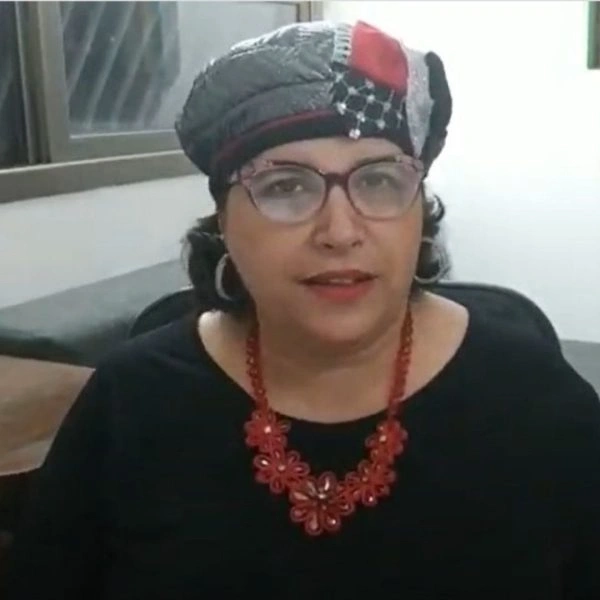
"
גם אני התחלתי בסבב הנוכחי וב””ה הצלחתי לסיים את רוב המסכתות . בזכות הרבנית מישל משתדלת לפתוח את היום בשיעור הזום בשעה 6:20 .הלימוד הפך להיות חלק משמעותי בחיי ויש ימים בהם אני מצליחה לחזור על הדף עם מלמדים נוספים ששיעוריהם נמצאים במרשתת. שמחה להיות חלק מקהילת לומדות ברחבי העולם. ובמיוחד לשמש דוגמה לנכדותיי שאי””ה יגדלו לדור שלימוד תורה לנשים יהיה משהו שבשגרה. "
רונית שביט
נתניה, ישראל
התחלתי ללמוד את הדף היומי מעט אחרי שבני הקטן נולד. בהתחלה בשמיעה ולימוד באמצעות השיעור של הרבנית שפרבר. ובהמשך העזתי וקניתי לעצמי גמרא. מאז ממשיכה יום יום ללמוד עצמאית, ולפעמים בעזרת השיעור של הרבנית, כל יום. כל סיום של מסכת מביא לאושר גדול וסיפוק. הילדים בבית נהיו חלק מהלימוד, אני משתפת בסוגיות מעניינות ונהנית לשמוע את דעתם.

אלירז בלאו
מעלה מכמש, ישראל
הייתי לפני שנתיים בסיום הדרן נשים בבנייני האומה והחלטתי להתחיל. אפילו רק כמה דפים, אולי רק פרק, אולי רק מסכת… בינתיים סיימתי רבע שס ותכף את כל סדר מועד בה.
הסביבה תומכת ומפרגנת. אני בת יחידה עם ארבעה אחים שכולם לומדים דף יומי. מדי פעם אנחנו עושים סיומים יחד באירועים משפחתיים. ממש מרגש. מסכת שבת סיימנו כולנו יחד עם אבא שלנו!
אני שומעת כל יום פודקאסט בהליכה או בנסיעה ואחכ לומדת את הגמרא.

עדנה גרוס
מרכז שפירא, ישראל
לפני 15 שנה, אחרי עשרות שנים של "ג’ינגול” בין משפחה לקריירה תובענית בהייטק, הצטרפתי לשיעורי גמרא במתן רעננה. הלימוד המעמיק והייחודי של הרבנית אושרה קורן יחד עם קבוצת הנשים המגוונת הייתה חוויה מאלפת ומעשירה. לפני כשמונה שנים כאשר מחזור הדף היומי הגיע למסכת תענית הצטרפתי כ”חברותא” לבעלי. זו השעה היומית שלנו ביחד כאשר דפי הגמרא משתלבים בחיי היום יום, משפיעים ומושפעים, וכשלא מספיקים תמיד משלימים בשבת

יודי אסקוף
רעננה, ישראל
התחלתי ללמוד דף יומי כאשר קיבלתי במייל ממכון שטיינזלץ את הדפים הראשונים של מסכת ברכות במייל. קודם לא ידעתי איך לקרוא אותם עד שנתתי להם להדריך אותי. הסביבה שלי לא מודעת לעניין כי אני לא מדברת על כך בפומבי. למדתי מהדפים דברים חדשים, כמו הקשר בין המבנה של בית המקדש והמשכן לגופו של האדם (יומא מה, ע”א) והקשר שלו למשפט מפורסם שמופיע בספר ההינדי "בהגוד-גיתא”. מתברר שזה רעיון כלל עולמי ולא רק יהודי

אלנה ארנבורג
נשר, ישראל
הצטרפתי ללומדות בתחילת מסכת תענית. ההתרגשות שלי ושל המשפחה היתה גדולה מאוד, והיא הולכת וגוברת עם כל סיום שאני זוכה לו. במשך שנים רבות רציתי להצטרף ומשום מה זה לא קרה… ב”ה מצאתי לפני מספר חודשים פרסום של הדרן, ומיד הצטרפתי והתאהבתי. הדף היומי שינה את חיי ממש והפך כל יום- ליום של תורה. מודה לכן מקרב ליבי ומאחלת לכולנו לימוד פורה מתוך אהבת התורה ולומדיה.

נעה רוזן
חיספין רמת הגולן, ישראל
התחלתי ללמוד דף יומי בתחילת מסכת ברכות, עוד לא ידעתי כלום. נחשפתי לסיום הש״ס, ובעצם להתחלה מחדש בתקשורת, הפתיע אותי לטובה שהיה מקום לעיסוק בתורה.
את המסכתות הראשונות למדתי, אבל לא סיימתי (חוץ מעירובין איכשהו). השנה כשהגעתי למדרשה, נכנסתי ללופ, ואני מצליחה להיות חלק, סיימתי עם החברותא שלי את כל המסכתות הקצרות, גם כשהיינו חולות קורונה ובבידודים, למדנו לבד, העיקר לא לצבור פער, ומחכות ליבמות 🙂

עדן ישורון
מזכרת בתיה, ישראל
אחי, שלומד דף יומי ממסכת ברכות, חיפש חברותא ללימוד מסכת ראש השנה והציע לי. החברותא היתה מאתגרת טכנית ורוב הזמן נעשתה דרך הטלפון, כך שבסיום המסכת נפרדו דרכינו. אחי חזר ללמוד לבד, אבל אני כבר נכבשתי בקסם הגמרא ושכנעתי את האיש שלי להצטרף אלי למסכת ביצה. מאז המשכנו הלאה, ועכשיו אנחנו מתרגשים לקראתו של סדר נשים!

שולמית סבן
נוקדים, ישראל
בתחילת הסבב הנוכחי של לימוד הדף היומי, נחשפתי לחגיגות המרגשות באירועי הסיום ברחבי העולם. והבטחתי לעצמי שבקרוב אצטרף גם למעגל הלומדות. הסבב התחיל כאשר הייתי בתחילת דרכי בתוכנית קרן אריאל להכשרת יועצות הלכה של נשמ”ת. לא הצלחתי להוסיף את ההתחייבות לדף היומי על הלימוד האינטנסיבי של תוכנית היועצות. בבוקר למחרת המבחן הסופי בנשמ”ת, התחלתי את לימוד הדף במסכת סוכה ומאז לא הפסקתי.

חנה שחם-רוזבי (ד”ר)
קרית גת, ישראל
התחלתי בסיום הש”ס, יצאתי באורות. נשברתי פעמיים, ובשתיהם הרבנית מישל עודדה להמשיך איפה שכולם בסבב ולהשלים כשאוכל, וכך עשיתי וכיום השלמתי הכל. מדהים אותי שאני לומדת כל יום קצת, אפילו בחדר הלידה, בבידוד או בחו”ל. לאט לאט יותר נינוחה בסוגיות. לא כולם מבינים את הרצון, בפרט כפמניסטית. חשה סיפוק גדול להכיר את המושגים וצורת החשיבה. החלום זה להמשיך ולהתמיד ובמקביל ללמוד איך מהסוגיות נוצרה והתפתחה ההלכה.

קרן וינגרטן שרינגטון
מודיעין, ישראל
שמעתי על הסיום הענק של הדף היומי ע”י נשים בבנייני האומה. רציתי גם.
החלטתי להצטרף. התחלתי ושיכנעתי את בעלי ועוד שתי חברות להצטרף. עכשיו יש לי לימוד משותף איתו בשבת ומפגש חודשי איתן בנושא (והתכתבויות תדירות על דברים מיוחדים שקראנו). הצטרפנו לקבוצות שונות בווטסאפ. אנחנו ממש נהנות. אני שומעת את השיעור מידי יום (בד”כ מהרב יוני גוטמן) וקוראת ומצטרפת לסיומים של הדרן. גם מקפידה על דף משלהן (ונהנית מאד).

ליאת סיטרון
אפרת, ישראל
התחלתי ללמוד דף יומי באמצע תקופת הקורונה, שאבא שלי סיפר לי על קבוצה של בנות שתיפתח ביישוב שלנו ותלמד דף יומי כל יום. הרבה זמן רציתי להצטרף לזה וזאת הייתה ההזדמנות בשבילי. הצטרפתי במסכת שקלים ובאמצע הייתה הפסקה קצרה. כיום אני כבר לומדת באולפנה ולומדת דף יומי לבד מתוך גמרא של טיינזלץ.
שבות בראלי
עתניאל, ישראל
לפני 15 שנה, אחרי עשרות שנים של "ג’ינגול” בין משפחה לקריירה תובענית בהייטק, הצטרפתי לשיעורי גמרא במתן רעננה. הלימוד המעמיק והייחודי של הרבנית אושרה קורן יחד עם קבוצת הנשים המגוונת הייתה חוויה מאלפת ומעשירה. לפני כשמונה שנים כאשר מחזור הדף היומי הגיע למסכת תענית הצטרפתי כ”חברותא” לבעלי. זו השעה היומית שלנו ביחד כאשר דפי הגמרא משתלבים בחיי היום יום, משפיעים ומושפעים, וכשלא מספיקים תמיד משלימים בשבת
יודי אסקוף
רעננה, ישראל
התחלתי ללמוד את הדף היומי מעט אחרי שבני הקטן נולד. בהתחלה בשמיעה ולימוד באמצעות השיעור של הרבנית שפרבר. ובהמשך העזתי וקניתי לעצמי גמרא. מאז ממשיכה יום יום ללמוד עצמאית, ולפעמים בעזרת השיעור של הרבנית, כל יום. כל סיום של מסכת מביא לאושר גדול וסיפוק. הילדים בבית נהיו חלק מהלימוד, אני משתפת בסוגיות מעניינות ונהנית לשמוע את דעתם.
אלירז בלאו
מעלה מכמש, ישראל
A friend in the SF Bay Area said in Dec 2019 that she might start listening on her morning drive to work. I mentioned to my husband and we decided to try the Daf when it began in Jan 2020 as part of our preparing to make Aliyah in the summer.

חנה פיוטרקובסקי
ירושלים, Israel
התחלתי מעט לפני תחילת הסבב הנוכחי. אני נהנית מהאתגר של להמשיך להתמיד, מרגעים של "אהה, מפה זה הגיע!” ומהאתגר האינטלקטואלי

אילת-חן ודלר
לוד, ישראל
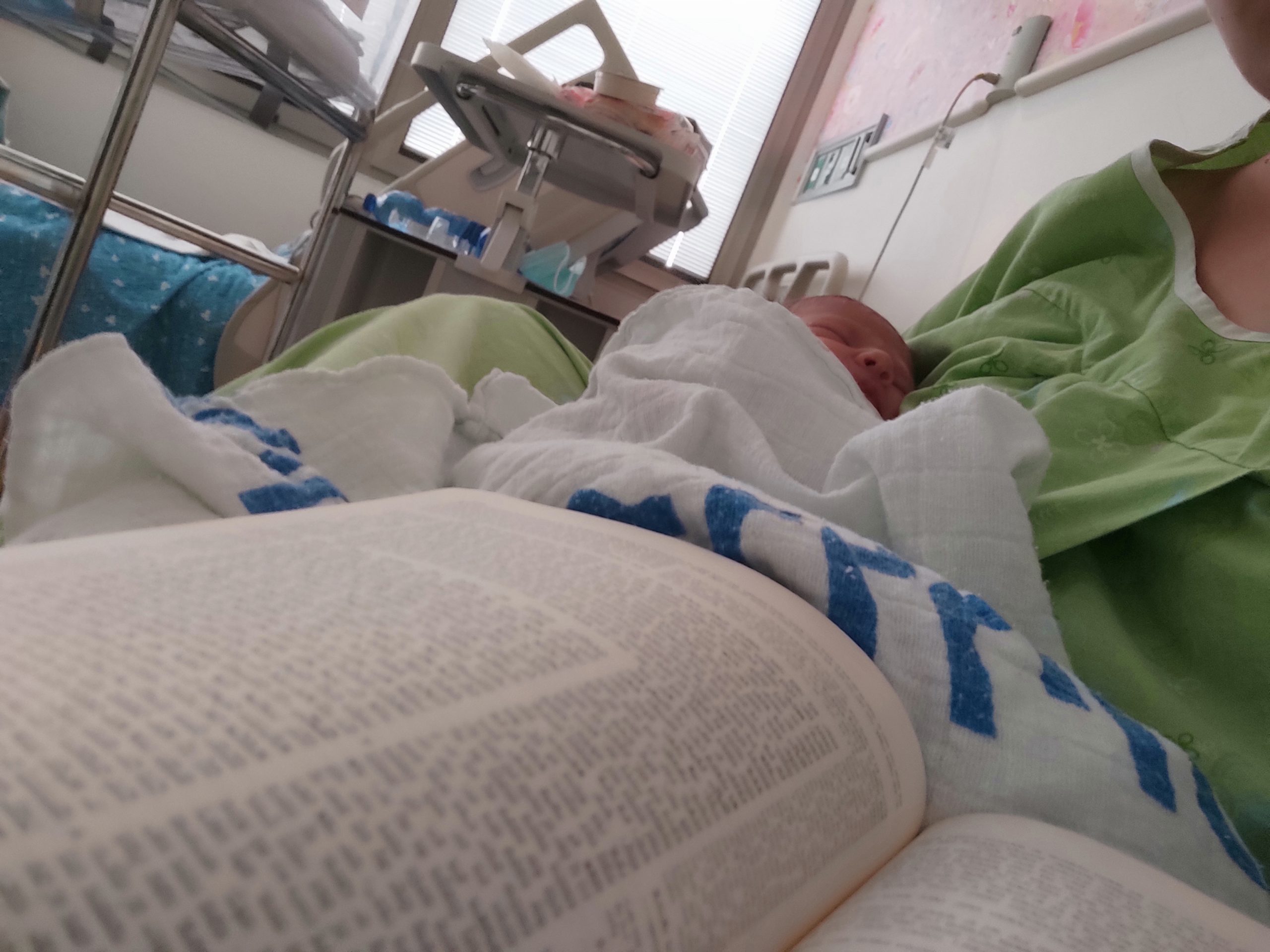
בתחילת הסבב הנוכחי הצטברו אצלי תחושות שאני לא מבינה מספיק מהי ההלכה אותה אני מקיימת בכל יום. כמו כן, כאמא לבנות רציתי לתת להן מודל נשי של לימוד תורה
שתי הסיבות האלו הובילו אותי להתחיל ללמוד. נתקלתי בתגובות מפרגנות וסקרניות איך אישה לומדת גמרא..
כמו שרואים בתמונה אני ממשיכה ללמוד גם היום ואפילו במחלקת יולדות אחרי לידת ביתי השלישית.
נועה שילה
רבבה, ישראל
חולין קח
כׇּל הַסְּרִיקִין אֲסוּרִין וּסְרִיקֵי בַיְיתּוֹס מוּתָּרִין? הָתָם, הָא אָמַר מָר בַּר רַב אָשֵׁי: אֵיזוֹרוֹ מוֹכִיחַ עָלָיו.
All the Syrian cakes are prohibited, but the Syrian cakes of Baitos are permitted? The Gemara responds: With regard to the case there, Mar, son of Rav Ashi, said: His belt is proof for him, as in those days people commonly had one belt, which was worn over the shirt. If a person had more than one shirt, then whenever he laundered one he would remove the belt and wear it over the second. If one saw a shirt being washed with its belt, he would know that the owner had only one shirt.
מַתְנִי׳ טִיפַּת חָלָב שֶׁנָּפְלָה עַל הַחֲתִיכָה, אִם יֵשׁ בָּהּ בְּנוֹתֵן טַעַם בְּאוֹתָהּ חֲתִיכָה – אָסוּר. נִיעֵר אֶת הַקְּדֵרָה, אִם יֵשׁ בָּהּ בְּנוֹתֵן טַעַם בְּאוֹתָהּ קְדֵרָה – אָסוּר.
MISHNA: In the case of a drop of milk that fell on a piece of meat, if the drop contains enough milk to impart flavor to that piece of meat, i.e., the meat is less than sixty times the size of the drop, the meat is forbidden. If one stirred the contents of the pot and the piece was submerged in the gravy before it absorbed the milk, if the drop contains enough milk to impart flavor to the contents of that entire pot, the contents of the entire pot are forbidden.
גְּמָ׳ אָמַר אַבָּיֵי: טַעְמוֹ וְלֹא מַמָּשׁוֹ בְּעָלְמָא – דְּאוֹרָיְיתָא.
GEMARA: Abaye said: The principle that the flavor of a forbidden food renders prohibited the substance in which it is absorbed, and it is not necessary for there to be actual forbidden substance, applies by Torah law in general, and not just to the prohibition of meat cooked in milk.
דְּאִי סָלְקָא דַעְתָּךְ דְּרַבָּנַן, מִבָּשָׂר בְּחָלָב מַאי טַעְמָא לָא גָּמְרִינַן? דְּחִדּוּשׁ הוּא. אִי חִדּוּשׁ הוּא, אַף עַל גַּב דְּלֵיכָּא נוֹתֵן טַעַם נָמֵי!
As, if it enters your mind that the principle applies to other prohibited foods by rabbinic law, one can claim: What is the reason that we do not learn that it applies by Torah law from the analogous case of meat cooked in milk? It must be because the prohibition of meat cooked in milk is a novelty that is not derived through logical reasoning, as each substance is separately permitted, and they are prohibited only when cooked together. No analogies can be drawn to a novelty. But if the prohibition is a novelty, then even if there is not enough milk to impart flavor, the meat and milk should also be prohibited. Since the measure of the prohibition follows the standard principles of mixtures, the prohibition itself is apparently not a novelty. One may therefore draw an analogy to other mixtures, inferring that this measure applies to them by Torah law as well.
אֲמַר לֵיהּ רָבָא: דֶּרֶךְ בִּשּׁוּל אָסְרָה תּוֹרָה.
Rava said to Abaye: This is not a valid proof. The prohibition of meat cooked in milk is in fact a novelty and differs from other prohibited mixtures. Nevertheless, its measure is the imparting of flavor only because the action the Torah prohibited is in the manner of cooking, and cooking involves the imparting of flavor.
אָמַר רַב: כֵּיוָן שֶׁנָּתַן טַעַם בַּחֲתִיכָה, חֲתִיכָה עַצְמָהּ נַעֲשֵׂית נְבֵלָה, וְאוֹסֶרֶת כׇּל הַחֲתִיכוֹת כּוּלָּן, מִפְּנֵי שֶׁהֵן מִינָהּ.
§ The mishna teaches that if the piece of meat acquires the flavor of milk, it is forbidden. Rav says: Once the milk imparts flavor to the piece of meat, the piece itself becomes non-kosher meat in its own right. And therefore, if one did not immediately remove the piece from the pot, it renders all the pieces of meat in the pot forbidden, even if they are together more than sixty times the size of that forbidden piece. This is because they are the same type as the forbidden piece, and as a rule, a substance in contact with the same type of substance cannot be nullified.
אֲמַר לֵיהּ מָר זוּטְרָא בְּרֵיהּ דְּרַב מָרִי לְרָבִינָא: מִכְּדֵי רַב כְּמַאן אָמַר לִשְׁמַעְתֵּיהּ? כְּרַבִּי יְהוּדָה, דְּאָמַר מִין בְּמִינוֹ לֹא בָּטֵיל, לֵימָא פְּלִיגָא אַדְּרָבָא?
Mar Zutra, son of Rav Mari, said to Ravina: Now consider, in accordance with whose opinion did Rav say his halakha? It is in accordance with the opinion of Rabbi Yehuda, who said that a type of food mixed with food of its own type is not nullified. If so, shall we say that Rav disagrees with Rava’s interpretation of Rabbi Yehuda’s opinion?
דְּאָמַר רָבָא: קָסָבַר רַבִּי יְהוּדָה, כׇּל שֶׁהוּא מִין וּמִינוֹ וְדָבָר אַחֵר – סַלֵּק אֶת מִינוֹ כְּמִי שֶׁאֵינוֹ, וְשֶׁאֵינוֹ מִינוֹ רָבֶה עָלָיו וּמְבַטְּלוֹ.
As Rava said: Rabbi Yehuda holds with regard to any tripartite mixture consisting of a forbidden type of food, a permitted food of the same type, and another food item that is permitted, one disregards the permitted food that is its own type as though it were not there, and if the permitted food that is not of its own type is more than the forbidden food, the permitted food nullifies the forbidden food. In the case Rav describes, although the other pieces of meat are of the same type as the piece that has become forbidden, the gravy in the pot is not of the same type, and it should nullify the forbidden piece. Since Rav does not mention this principle, he apparently disagrees with it.
אֲמַר לֵיהּ: אִי דִּנְפַל בְּרוֹטֶב רַכָּה – הָכִי נָמֵי, הָכָא בְּמַאי עָסְקִינַן – דִּנְפַל בְּרוֹטֶב עָבָה.
Ravina said to him: If the forbidden substance fell into thin gravy, Rav would concede that the gravy would indeed nullify the piece of meat, since the two substances are of different types. But here we are dealing with a case where it fell into thick gravy, which is composed of meat residue. Since the gravy is of the same substance as the meat, the forbidden piece is not nullified.
וּמַאי קָסָבַר? אִי קָסָבַר אֶפְשָׁר לְסוֹחֳטוֹ מוּתָּר, חֲתִיכָה אַמַּאי נַעֲשֵׂית נְבֵלָה? אֶלָּא קָסָבַר אֶפְשָׁר לְסוֹחֳטוֹ אָסוּר.
The Gemara returns to Rav’s statement that the piece of meat upon which the milk fell is considered a non-kosher item in its own right. And what does Rav maintain in this regard? If he maintains that an item that can be wrung to remove the forbidden substance it contains becomes permitted again after wringing, then it follows that only the absorbed substance is truly forbidden. If so, why should this piece of meat itself become non-kosher? Once it has been mixed into the stew, the milk it has absorbed should be evenly distributed throughout the pot and be nullified. Rather, Rav must maintain that even an item that can be wrung to remove the forbidden substance is forbidden.
דְּאִיתְּמַר: רַב וְרַבִּי חֲנִינָא וְרַבִּי יוֹחָנָן דְּאָמְרִי: אֶפְשָׁר לְסוֹחֳטוֹ – אָסוּר, שְׁמוּאֵל וְרַבִּי שִׁמְעוֹן בַּר רַבִּי וְרֵישׁ לָקִישׁ דְּאָמְרִי: אֶפְשָׁר לְסוֹחֳטוֹ – מוּתָּר.
The Gemara elaborates: As it was stated: Rav and Rabbi Ḥanina and Rabbi Yoḥanan say that even an item that can be wrung to remove the forbidden substance is forbidden, whereas Shmuel, and Rabbi Shimon, son of Rabbi Yehuda HaNasi, and Reish Lakish say: An item that can be wrung to remove the forbidden substance is permitted.
וְסָבַר רַב אֶפְשָׁר לְסוֹחֳטוֹ אָסוּר? וְהָאִיתְּמַר: כְּזַיִת בָּשָׂר שֶׁנָּפַל לְתוֹךְ יוֹרָה שֶׁל חָלָב, אָמַר רַב: בָּשָׂר אָסוּר וְחָלָב מוּתָּר, וְאִי סָלְקָא דַּעְתָּךְ אֶפְשָׁר לְסוֹחֳטוֹ אָסוּר,
The Gemara asks: And does Rav really maintain that an item that can be wrung to remove the forbidden substance is forbidden? But wasn’t it stated: If an olive-bulk of meat fell into a pot of milk so large that the meat did not impart flavor to it, Rav says: The meat is forbidden, as it absorbed the taste of the milk, but the milk is permitted, since it did not absorb the taste of the meat. But if it enters your mind that according to Rav an item that can be wrung is forbidden,
חָלָב אַמַּאי מוּתָּר? חָלָב נְבֵלָה הוּא!
why is the milk permitted? All the milk that the meat absorbed is rendered non-kosher milk in and of itself. When it seeps back out of the meat, it cannot be nullified by the rest of the milk, which is the same substance, as Rav holds in accordance with Rabbi Yehuda that a type of food mixed with food of its own type is not nullified. Therefore, the whole pot of milk should be prohibited.
לְעוֹלָם קָסָבַר רַב אֶפְשָׁר לְסוֹחֳטוֹ אָסוּר, וְשָׁאנֵי הָתָם דְּאָמַר קְרָא ״לֹא תְבַשֵּׁל גְּדִי בַּחֲלֵב אִמּוֹ״ – גְּדִי אָסְרָה תּוֹרָה, וְלֹא חָלָב.
The Gemara answers: Rav actually maintains that an item that can be wrung to remove the forbidden substance is prohibited, and there, the pot of milk mentioned above is different, as the verse states: “You shall not cook a kid in its mother’s milk” (Deuteronomy 14:21). The verse teaches that the Torah prohibits only the kid, i.e., the meat, that was cooked in milk, but not the milk that was cooked in meat. The milk is not itself rendered non-kosher.
וְסָבַר רַב גְּדִי אָסְרָה תּוֹרָה וְלֹא חָלָב? וְהָא אִיתְּמַר: חֲצִי זַיִת בָּשָׂר וַחֲצִי זַיִת חָלָב שֶׁבִּשְּׁלָן זֶה עִם זֶה, אָמַר רַב: לוֹקֶה עַל אֲכִילָתוֹ, וְאֵינוֹ לוֹקֶה עַל בִּשּׁוּלוֹ. וְאִי סָלְקָא דַעְתָּךְ גְּדִי אָסְרָה תּוֹרָה וְלֹא חָלָב, אַאֲכִילָה אַמַּאי לוֹקֶה? חֲצִי שִׁיעוּר הוּא!
The Gemara challenges: And does Rav really maintain that the Torah prohibits only the kid but not the milk cooked with it? But isn’t it stated: If half an olive-bulk of meat and half an olive-bulk of milk were cooked together, Rav says: One is flogged for consuming the combined olive-bulk, as he has eaten a whole olive-bulk of forbidden food. But he is not flogged for cooking the two half olive-bulks, as he did not cook items of the minimum size. And if it should enter your mind that Rav holds that the Torah prohibits only the kid but not the milk, why is this individual flogged for consuming only half an olive-bulk of meat? It is only half the prohibited measure.
אֶלָּא, לְעוֹלָם קָסָבַר רַב חָלָב נָמֵי אָסוּר, וְהָכָא בְּמַאי עָסְקִינַן? כְּגוֹן שֶׁנָּפַל לְתוֹךְ יוֹרָה רוֹתַחַת, דְּמִבְלָע בָּלַע, מִפְלָט לָא פָּלֵט.
Rather, Rav actually maintains that milk cooked in meat is also prohibited, and the reason Rav permits the pot of milk mentioned above is that here we are dealing with a case where the olive-bulk of meat fell into a boiling pot of milk. In such a case the meat absorbs milk, but it does not expel it, and therefore the prohibited milk does not mix with the rest.
סוֹף סוֹף כִּי נָיַיח, הֲדַר פָּלֵיט! כְּשֶׁקָּדַם וְסִילְּקוֹ.
The Gemara challenges: Ultimately, when the pot cools from boiling, the meat then expels the prohibited milk. The Gemara answers: It is referring to a case where he first removed the meat before the pot cooled.
גּוּפָא: חֲצִי זַיִת בָּשָׂר וַחֲצִי זַיִת חָלָב שֶׁבִּשְּׁלָן זֶה עִם זֶה, אָמַר רַב: לוֹקֶה עַל אֲכִילָתוֹ, וְאֵינוֹ לוֹקֶה עַל בִּשּׁוּלוֹ. מָה נַפְשָׁךְ? אִי מִצְטָרְפִין – אַבִּשּׁוּל נָמֵי לִילְקֵי, אִי לֹא מִצְטָרְפִין – אַאֲכִילָה נָמֵי לָא לִילְקֵי.
The Gemara turns to the matter itself mentioned above: If half an olive-bulk of meat and half an olive-bulk of milk were cooked together, Rav says: One is flogged for consuming the mixture, but he is not flogged for cooking it. The Gemara objects: Whichever way you look at it, this ruling is problematic. If these two halves of olive-bulks combine to form the requisite measure, then let him be flogged for cooking them as well. And if they do not combine, then let him not be flogged for their consumption either.
לְעוֹלָם לָא מִצְטָרְפִי, וּבְבָא מִיּוֹרָה גְּדוֹלָה.
The Gemara answers: Actually, half an olive-bulk of meat and half an olive-bulk of milk do not combine to form the requisite measure, and when Rav says that one is flogged for consuming them, he is referring to a case where they come from a large pot, in which a sizable amount of meat and cheese had been cooked. The mixture is now considered a single prohibited entity, such that half an olive-bulk of the cheese and the meat can combine to constitute the requisite measure to be held liable for consumption.
וְלֵוִי אָמַר: אַף לוֹקֶה עַל בִּשּׁוּלוֹ, וְכֵן תָּנֵי לֵוִי בְּמַתְנִיתִין: כְּשֵׁם שֶׁלּוֹקֶה עַל אֲכִילָתוֹ כָּךְ לוֹקֶה עַל בִּשּׁוּלוֹ, וּבְאֵי זֶה בִּשּׁוּל אָמְרוּ? בְּבִשּׁוּל שֶׁאֲחֵרִים אוֹכְלִין אוֹתוֹ מֵחֲמַת בִּשּׁוּלוֹ.
And Levi disagrees with Rav on this matter, and says: Half an olive-bulk of meat and half an olive-bulk of milk can combine to form the requisite measure, and therefore one is also flogged for cooking the mixture. And so Levi teaches in his collection of baraitot: Just as one is flogged for consuming it, so too he is flogged for cooking it. And for what degree of cooking did they say that one is liable to be flogged? It is for a degree of cooking that produces food that others, gentiles, would eat due to its cooking, i.e., cooking that renders it fit for consumption.
וְאֶפְשָׁר לְסוֹחֳטוֹ עַצְמוֹ – תַּנָּאֵי הִיא, דְּתַנְיָא: טִפַּת חָלָב שֶׁנָּפְלָה עַל הַחֲתִיכָה, כֵּיוָן שֶׁנָּתְנָה טַעַם בַּחֲתִיכָה – הַחֲתִיכָה עַצְמָהּ נַעֲשֵׂת נְבֵלָה, וְאוֹסֶרֶת כׇּל הַחֲתִיכוֹת כּוּלָּן מִפְּנֵי שֶׁהֵן מִינָהּ, דִּבְרֵי רַבִּי יְהוּדָה.
§ The Gemara returns to the issue previously discussed: And the case of an item that can be wrung to remove an absorbed prohibited substance is itself the subject of a dispute between tanna’im, as it is taught in a baraita: If a drop of milk fell onto a piece of meat, once it imparts flavor to the piece, the piece itself is rendered non-kosher in its own right. And it therefore renders all the other pieces of meat in the pot prohibited, even if they combine to more than sixty times its size; this is because they are of the same type, and a type of food mixed with food of its own type is not nullified. This is the statement of Rabbi Yehuda.
וַחֲכָמִים אוֹמְרִים: עַד שֶׁתִּתֵּן טַעַם בָּרוֹטֶב וּבַקֵּיפֶה וּבַחֲתִיכוֹת.
And the Rabbis say that even the original piece of meat is not prohibited unless there is enough milk to impart flavor even to the gravy and to the spices and to the other pieces of meat in the pot, since the milk is assumed to diffuse from the first piece until it is evenly distributed throughout the pot.
אָמַר רַבִּי: נִרְאִין דִּבְרֵי רַבִּי יְהוּדָה בְּשֶׁלֹּא נִיעֵר וְשֶׁלֹּא כִּסָּה, וְדִבְרֵי חֲכָמִים בְּשֶׁנִּיעֵר וְכִסָּה.
With regard to this dispute, Rabbi Yehuda HaNasi said: The statement of Rabbi Yehuda appears to be correct in a case where one did not stir the contents of the pot and where he did not cover it, both of which would promote the diffusion of the milk throughout the pot. And the statement of the Rabbis appears to be correct in a case where one stirred the contents of the pot and covered it.
מַאי ״לֹא נִיעֵר וְלֹא כִּסָּה״? אִילֵּימָא לֹא נִיעֵר כְּלָל, וְלֹא כִּסָּה כְּלָל – מִבְלָע בָּלַע, מִפְלָט לָא פָּלֵט.
The Gemara asks: What is the meaning of the clause: Where one did not stir the pot and did not cover it? If we say that he did not stir the contents of the pot at all and did not cover it at all, in this case the piece of meat onto which the milk fell absorbs the drop of milk but does not expel it. Therefore, even according to the opinion of Rabbi Yehuda there is no reason to prohibit the other pieces of meat.
וְאֶלָּא, לֹא נִיעֵר בַּתְּחִלָּה אֶלָּא בַּסּוֹף, וְלֹא כִּסָּה בַּתְּחִלָּה אֶלָּא בַּסּוֹף, אַמַּאי? הָא בָּלַע וְהָא פָּלֵט!
And if you say rather that he did not not stir the contents of the pot at the beginning, immediately after the milk fell in, but stirred at the end, afterward, and likewise he did not cover the pot at the beginning but at the end, one must ask: Why are all the pieces in the pot prohibited? The same milk that the piece absorbs it subsequently expels, and once the milk diffuses throughout the pot it should be nullified.
קָסָבַר אֶפְשָׁר לְסוֹחֳטוֹ אָסוּר.
The Gemara responds: Evidently, Rabbi Yehuda HaNasi maintains that an item that can be wrung remains prohibited. Once the first piece of meat absorbs the milk, it is considered non-kosher in its own right, and even after the milk itself is nullified, the flavor of the forbidden meat renders the rest of the pieces prohibited. The flavor of the meat cannot be nullified by the other meat in the pot, since a substance in contact with the same type of substance is not nullified, according to the opinion of Rabbi Yehuda.
לעקוב

