








השוחט בשבת באיסור – שחיטתו כשרה – מותר לאכול הבשר. אבל רב אומר שאסור לאכלו בשבת (אפילו בלי לבשל). אמרו שרב אמר דבריו לפי שיטת ר’ יהודה. הגמרא מנסה להבין מאיזה שיטה של ר’ יהודה בהלכות שבת.
רוצה להקדיש לימוד?
חולין יד
מַתְנִי׳ הַשּׁוֹחֵט בְּשַׁבָּת וּבְיוֹם הַכִּיפּוּרִים, אַף עַל פִּי שֶׁמִּתְחַיֵּיב בְּנַפְשׁוֹ – שְׁחִיטָתוֹ כְּשֵׁרָה.
MISHNA: In the case of one who slaughters an animal on Shabbat or on Yom Kippur, although he is liable to receive the death penalty, his slaughter is valid.
גְּמָ׳ אָמַר רַב הוּנָא, דָּרַשׁ חִיָּיא בַּר רַב מִשְּׁמֵיהּ דְּרַב: אֲסוּרָה בַּאֲכִילָה לְיוֹמָא, וְנָסְבִין חַבְרַיָּא לְמֵימַר רַבִּי יְהוּדָה הִיא.
GEMARA: Rav Huna says that Ḥiyya bar Rav taught in the name of Rav: If one slaughtered an animal on Shabbat and Yom Kippur, although the slaughter is valid, consumption of the animal is prohibited for that day, and the members of the company of Sages, i.e., those in the academy, tended to say that this halakha is the opinion of Rabbi Yehuda.
הֵי רַבִּי יְהוּדָה? אָמַר רַבִּי אַבָּא: רַבִּי יְהוּדָה דַּהֲכָנָה הִיא, דִּתְנַן: מְחַתְּכִין אֶת הַדִּילּוּעִין לִפְנֵי הַבְּהֵמָה וְאֶת הַנְּבֵלָה לִפְנֵי הַכְּלָבִים. רַבִּי יְהוּדָה אוֹמֵר: אִם לֹא הָיְתָה נְבֵלָה מֵעֶרֶב שַׁבָּת אֲסוּרָה, לְפִי שֶׁאֵינָהּ מִן הַמּוּכָן. אַלְמָא, כֵּיוָן דְּלָא אִיתְּכַן מֵאֶתְמוֹל – אֲסוּרָה, הָכָא נָמֵי, כֵּיוָן דְּלָא אִיתְּכַן מֵאֶתְמוֹל – אֲסוּרָה.
The Gemara asks: Which opinion of Rabbi Yehuda? Rabbi Abba said: It is the opinion of Rabbi Yehuda with regard to preparation for Shabbat, as we learned in a mishna (Shabbat 156b): One may cut the gourds before an animal on Shabbat, provided that they were picked prior to Shabbat. And likewise, one may cut an animal carcass to place before the dogs on Shabbat. Rabbi Yehuda says: If it was not already a carcass prior to Shabbat, it is prohibited to cut it or even move it on Shabbat because it is not prepared for use on Shabbat. Apparently, since it was not prepared from yesterday, it is prohibited. Here too, in the mishna where an animal was slaughtered on Shabbat or Yom Kippur, since it was not prepared from yesterday, it is prohibited.
אֲמַר לֵיהּ אַבָּיֵי: מִי דָּמֵי? הָתָם מֵעִיקָּרָא מוּכָן לְאָדָם, וְהַשְׁתָּא מוּכָן לִכְלָבִים. הָכָא מֵעִיקָּרָא מוּכָן לְאָדָם, וְהַשְׁתָּא מוּכָן לְאָדָם! מִי סָבְרַתְּ בְּהֵמָה בְּחַיֶּיהָ לַאֲכִילָה עוֹמֶדֶת? בְּהֵמָה בְּחַיֶּיהָ לְגַדֵּל עוֹמֶדֶת!
Abaye said to Rabbi Abba: Are the cases comparable? There, in the mishna in tractate Shabbat, initially the animal is prepared for use by a person, as it was prepared for slaughter, and now that it died without slaughter on Shabbat it is prepared for dogs. But in the mishna here, initially the animal is prepared for use by a person and now after it was slaughtered it remains prepared for use by a person. Rabbi Abba rejects that distinction: Do you hold that an animal during its lifetime is designated for consumption and therefore is prepared for use by a person? On the contrary, an animal during its lifetime is designated for breeding.
אִי הָכִי, בְּהֵמָה לְרַבִּי יְהוּדָה בְּיוֹם טוֹב הֵיכִי שָׁחֲטִינַן? אָמַר לוֹ: עוֹמֶדֶת לַאֲכִילָה וְעוֹמֶדֶת לְגַדֵּל, נִשְׁחֲטָה – הוּבְרְרָה דְּלַאֲכִילָה עוֹמֶדֶת, לֹא נִשְׁחֲטָה – הוּבְרְרָה דִּלְגַדֵּל עוֹמֶדֶת.
Abaye asked: If that is so that an animal is not designated for consumption, according to Rabbi Yehuda, how do we slaughter an animal on a Festival? Rabbi Abba said to Abaye: During its lifetime, the animal is designated for consumption and designated for breeding. If it was slaughtered, it is retroactively clarified that it was designated for consumption; if it was not slaughtered, it is retroactively clarified that it was designated for breeding.
וְהָא לֵית לֵיהּ לְרַבִּי יְהוּדָה בְּרֵירָה! מְנָא לַן? אִי נֵימָא מִדְּתַנְיָא:
But isn’t it so that Rabbi Yehuda does not accept the principle of retroactive designation? From where do we derive that this is Rabbi Yehuda’s opinion? If we say that we learn it from that which is taught in the following baraita, there is no proof.
הַלּוֹקֵחַ יַיִן מִבֵּין הַכּוּתִים, אוֹמֵר: ״שְׁנֵי לוּגִּין שֶׁאֲנִי עָתִיד לְהַפְרִישׁ הֲרֵי הֵן תְּרוּמָה, עֲשָׂרָה מַעֲשֵׂר רִאשׁוֹן, תִּשְׁעָה מַעֲשֵׂר שֵׁנִי״, וּמֵיחֵל וְשׁוֹתֶה מִיָּד, דִּבְרֵי רַבִּי מֵאִיר. רַבִּי יְהוּדָה וְרַבִּי יוֹסֵי וְרַבִּי שִׁמְעוֹן אוֹסְרִין.
It is taught in a baraita (Tosefta, Demai 8:7): In the case of one who purchases wine from among the Samaritans just before Shabbat, and presumably teruma and tithes were not separated, he acts as follows: If there are one hundred log of wine in the barrels, he says: Two log that I will separate in the future are teruma, as the mandated average measure of teruma is one-fiftieth; ten log are first tithe; and a tenth of the remainder, which is nine log, are second tithe. And he deconsecrates the second tithe that he will separate in the future, transferring its sanctity to money, and he may drink the wine immediately, relying on the separation that he will perform later, which will clarify retroactively which log he designated for the tithes and for teruma. This is the statement of Rabbi Meir. Rabbi Yehuda and Rabbi Yosei and Rabbi Shimon prohibit this practice. Apparently, Rabbi Yehuda does not accept the principle of retroactive designation.
הָתָם כִּדְקָתָנֵי טַעְמָא, אָמְרוּ לוֹ לְרַבִּי מֵאִיר: ״אִי אַתָּה מוֹדֶה שֶׁמָּא יִבָּקַע הַנּוֹד וְנִמְצָא שׁוֹתֶה טְבָלִים לְמַפְרֵעַ?״ אָמַר לָהֶן: ״לִכְשֶׁיִּבָּקַע״.
The Gemara comments: That is no proof, as there, the reason for the opinion of Rabbi Yehuda is as is taught in the latter clause of the baraita: The Rabbis said to Rabbi Meir: Don’t you concede that perhaps the wineskin will burst before he manages to separate the teruma, and this person will have been found retroactively to be drinking untithed produce? Rabbi Meir said to the Rabbis: The mere possibility that this may occur is not a concern. When it actually bursts, I will be concerned. Evidently, Rabbi Yehuda’s opinion is not due to his rejection of the principle of retroactive designation, but due to his concern that the wineskin will burst before the tithes are actually separated.
אֶלָּא מִדְּתָנֵי אַיּוֹ.
Rather, the fact that Rabbi Yehuda does not accept the principle of retroactive designation is learned from that which Ayo teaches with regard to the joining of Shabbat boundaries in a case where one knows that two Torah scholars are planning to deliver lectures on Shabbat outside the city limits, one east of the city and one west of the city, and on Shabbat eve one has not yet decided which of the lectures he wishes to attend. In that case, he may place the food for the joining of boundaries on both sides of the city and stipulate that he will be able to go beyond the city limits in whichever direction he chooses.
דְּתָנֵי אַיּוֹ, רַבִּי יְהוּדָה אוֹמֵר: אֵין אָדָם מַתְנֶה עַל שְׁנֵי דְּבָרִים כְּאֶחָד, אֶלָּא אִם בָּא חָכָם לַמִּזְרָח – עֵירוּבוֹ לַמִּזְרָח, לַמַּעֲרָב – עֵירוּבוֹ לַמַּעֲרָב, וְאִילּוּ לְכָאן וּלְכָאן – לָא.
As Ayo teaches that Rabbi Yehuda says: A person may not stipulate that his joining of the boundaries will take effect on two matters as one. Rather, he may stipulate that if one Sage comes to the east, his joining of the boundaries takes effect to the east, and if he comes to the west, his joining takes effect to the west, while if he stipulates that it should take effect to here or to there and he will go in whichever direction he chooses, in that case, the joining does not take effect.
וְהָוֵינַן בַּהּ: מַאי שְׁנָא לְכָאן וּלְכָאן דְּלָא, דְּאֵין בְּרֵירָה? מִזְרָח וּמַעֲרָב נָמֵי אֵין בְּרֵירָה!
And we discussed this baraita: What is different in a case where one stipulates that it should take effect to here or to there such that the joining does not take effect? It is because there is no retroactive designation. If so, stipulating that the joining will take effect to the east or west, depending upon where the Sage goes, should also not take effect because there is no retroactive designation.
וְאָמַר רַבִּי יוֹחָנָן: וּכְבָר בָּא חָכָם.
And Rabbi Yoḥanan said: This is a case where when he makes the stipulation, the Sage has already come to either the east or the west, and the joining takes effect in that direction. He makes a stipulation because he does not know where the Sage came. The joining takes effect without the principle of retroactive designation. Nevertheless, since it is clear from the first case of Ayo that Rabbi Yehuda does not accept the principle of retroactive designation, the question remains: From where is it derived that an animal that is slaughtered on Shabbat or Yom Kippur is forbidden for the day that it was slaughtered?
אֶלָּא אָמַר רַב יוֹסֵף: רַבִּי יְהוּדָה דְּכֵלִים הִיא, דִּתְנַן: כׇּל הַכֵּלִים הַנִּיטָּלִין בַּשַּׁבָּת, שִׁבְרֵיהֶן נִיטָּלִין, וּבִלְבַד שֶׁיְּהוּ עוֹשִׂין מֵעֵין מְלָאכָה. שִׁבְרֵי עֲרֵיבָה – לְכַסּוֹת בָּהֶן פִּי חָבִית, שִׁבְרֵי זְכוּכִית – לְכַסּוֹת בָּהֶן פִּי הַפַּךְ.
Rather, Rav Yosef said: When Rav said that the halakha that consumption of the animal is prohibited for that day is the opinion of Rabbi Yehuda, the reference is to the opinion of Rabbi Yehuda with regard to vessels, as we learned in a mishna (Shabbat 124b): With regard to all vessels that may be moved on Shabbat, their shards may be moved as well, provided that they are suited for some type of labor. Shards of a large bowl may be used to cover the mouth of a barrel. Shards of a glass vessel may be used to cover the mouth of a cruse.
רַבִּי יְהוּדָה אוֹמֵר: וּבִלְבַד שֶׁיְּהוּ עוֹשִׂין מֵעֵין מְלַאכְתָּן, שִׁבְרֵי עֲרֵיבָה – לָצוּק לְתוֹכָן מִקְפָּה, שִׁבְרֵי זְכוּכִית – לָצוּק לְתוֹכָן שֶׁמֶן.
Rabbi Yehuda says: And it is permitted to use the shards provided that they are suited for a type of labor similar to their original use. In the case of shards of a large bowl, it must be possible to pour a thick broth into them, and in the case of shards of a glass vessel, it must be possible to pour oil into them.
מֵעֵין מְלַאכְתָּן – אִין, מֵעֵין מְלָאכָה אַחֶרֶת – לָא; אַלְמָא, כֵּיוָן דְּלָא אִיתְּכַן מֵאֶתְמוֹל לְהָךְ מְלָאכָה – אֲסִירִי; הָכָא נָמֵי, כֵּיוָן דְּלָא אִיתְּכַן מֵאֶתְמוֹל – אֲסוּרָה.
The Gemara infers: If they are suited for a type of labor similar to their original use, yes, they may be moved; but if they are suitable for another type of labor, they may not be moved. Apparently, since the shard was not prepared from yesterday for this type of labor, it is prohibited to move it. Here too, since the animal that was slaughtered was not prepared from yesterday, it is prohibited to eat it.
אֲמַר לֵיהּ אַבָּיֵי: מִי דָּמֵי? הָתָם מֵעִיקָּרָא כְּלִי, וְהַשְׁתָּא שֶׁבֶר כְּלִי, וְהָוֵה לֵיהּ נוֹלָד, וְאָסוּר. הָכָא מֵעִיקָּרָא אוּכְלָא, וּלְבַסּוֹף אוֹכֶל, אוּכְלָא דְּאִיפְּרַת הוּא.
Abaye said to Rav Yosef: Are the cases comparable? There, in the mishna with regard to vessels, initially it was a vessel and now it is the shard of a vessel, and it is a case of an item that came into being, and it is therefore prohibited to move it. Here, in the case of an animal slaughtered on Shabbat, initially, during its lifetime, it was designated as food, and ultimately, after slaughter, it is food, so it is merely food that was separated [de’ifrat].
וְשָׁמְעִינַן לֵיהּ לְרַבִּי יְהוּדָה דְּאָמַר: אוּכְלָא דְּאִיפְּרַת שַׁפִּיר דָּמֵי, דִּתְנַן: אֵין סוֹחֲטִין אֶת הַפֵּירוֹת לְהוֹצִיא מֵהֶן מַשְׁקִין, וְאִם יָצְאוּ מֵעַצְמָן – אֲסוּרִין.
And we heard that it is Rabbi Yehuda who says: Food that was separated is permitted, as we learned in a mishna (Shabbat 143b): One may not squeeze fruits on Shabbat in order to extract liquids from them. And if liquids seeped out on their own, it is prohibited to use them on Shabbat, lest one come to squeeze fruit on Shabbat.
רַבִּי יְהוּדָה אוֹמֵר: אִם לָאֳכָלִין – הַיּוֹצֵא מֵהֶן מוּתָּר, וְאִם לְמַשְׁקִין – הַיּוֹצֵא מֵהֶן אָסוּר.
Rabbi Yehuda says: If the fruits were designated for eating, the liquid that seeped from them on Shabbat is permitted. And if the fruits were designated for their liquids, the liquids that seeped from them on Shabbat are forbidden, lest he come to squeeze them on Shabbat. With regard to fruits that are designated for consumption, the liquid is considered food that was separated and is permitted. The same halakha applies with regard to an animal slaughtered on Shabbat: Since it was designated for consumption, its meat is food that was separated and should be permitted according to Rabbi Yehuda.
לָאו אִתְּמַר עֲלַהּ, אָמַר רַב יְהוּדָה אָמַר שְׁמוּאֵל: מוֹדֶה הָיָה רַבִּי יְהוּדָה לַחֲכָמִים בְּסַלֵּי זֵיתִים וַעֲנָבִים.
The Gemara rejects that interpretation and states that, on the contrary, there is proof that Rabbi Yehuda would prohibit eating an animal that was slaughtered on Shabbat. Wasn’t it stated with regard to that mishna that Rav Yehuda says that Shmuel says: Rabbi Yehuda conceded to the Rabbis in the case of baskets of olives and grapes that are typically designated for their liquids, even though one had planned to eat them, that liquid that seeps from them is forbidden?
אַלְמָא, כֵּיוָן דְּלִסְחִיטָה קָיְימִי – יָהֵיב דַּעְתֵּיהּ; הָכָא נָמֵי, כֵּיוָן דְּלִשְׁחִיטָה קָיְימָא – יָהֵיב דַּעְתֵּיהּ.
Apparently, since olives and grapes are typically designated for squeezing, one sets his mind to use them for their liquids, and were it permitted for him to use their liquids that seep out on Shabbat, the concern is that he will come to squeeze them on Shabbat. Therefore, the Sages decreed that the liquids are forbidden. Here too, since the animal is designated for slaughter, a person sets his mind to eat it. Therefore, were it permitted for him to eat the meat on Shabbat, the concern is that he will come to slaughter it on Shabbat. Consequently, the Sages decreed that the meat is prohibited.
מִידֵּי הוּא טַעְמָא, אֶלָּא לְרַב, הָאָמַר רַב: חָלוּק הָיָה רַבִּי יְהוּדָה אֲפִילּוּ בְּסַלֵּי זֵיתִים וַעֲנָבִים.
The Gemara justifies Abaye’s interpretation of the mishna: This explanation is valid only according to Rav, who said that the ruling that it is prohibited to eat an animal slaughtered on Shabbat until after Shabbat is according to the opinion of Rabbi Yehuda. Didn’t Rav say: Rabbi Yehuda was in disagreement with the Rabbis even in the case of baskets of olives and grapes? According to Rav himself, just as Rabbi Yehuda deems permitted liquids that seeped from olives and grapes on their own, Rabbi Yehuda should have also deemed an animal that was slaughtered on Shabbat permitted for that day.
אֶלָּא אָמַר רַב שֵׁשֶׁת בְּרֵיהּ דְּרַב אִידִי: רַבִּי יְהוּדָה דְּנֵרוֹת הִיא, דְּתַנְיָא: מְטַלְטְלִין נֵר חָדָשׁ, אֲבָל לֹא יָשָׁן, דִּבְרֵי רַבִּי יְהוּדָה.
Rather, Rav Sheshet, son of Rav Idi, said: When Rav said that the halakha that it is prohibited to consume the animal that day is the opinion of Rabbi Yehuda, the reference is to the opinion of Rabbi Yehuda with regard to lamps, as it is taught in a baraita: One may move, for purposes other than lighting it, a new earthenware lamp that was never used. But one may not move an old lamp covered with residue of oil and soot, because a person sets it aside from use due to repugnance. Since it was set aside at the beginning of Shabbat, it is set aside for the entire Shabbat and it may not be moved even if a need to move it arises; this is the statement of Rabbi Yehuda. The same halakha applies with regard to an animal slaughtered on Shabbat: Since it was prohibited when Shabbat began as the limb of a living being, it remains prohibited for the entire Shabbat.
אֵימַר דְּשָׁמְעַתְּ לֵיהּ לְרַבִּי יְהוּדָה בְּמוּקְצֶה מֵחֲמַת מִיאוּס, מוּקְצֶה מֵחֲמַת אִיסּוּר מִי שָׁמְעַתְּ לֵיהּ? אִין, דִּתְנַן: רַבִּי יְהוּדָה אוֹמֵר:
The Gemara rejects that analogy. Say that you heard Rabbi Yehuda rule that it is prohibited for the entire Shabbat in a case where it is set aside due to repugnance, like the old lamp. Did you hear that he said that it is prohibited for the entire Shabbat in a case where it is set aside due to a prohibition, like the animal? The Gemara answers: Yes, as we learned in a baraita that Rabbi Yehuda says:
לעקוב 
חדשה בלימוד הגמרא?
זה הדף הראשון שלך? איזו התרגשות עצומה! יש לנו בדיוק את התכנים והכלים שיעזרו לך לעשות את הצעדים הראשונים ללמידה בקצב וברמה שלך, כך תוכלי להרגיש בנוח גם בתוך הסוגיות המורכבות ומאתגרות.
פסיפס הלומדות שלנו
גלי את קהילת הלומדות שלנו, מגוון נשים, רקעים וסיפורים. כולן חלק מתנועה ומסע מרגש ועוצמתי.
"התחלתי ללמוד דף יומי במחזור הזה, בח’ בטבת תש””ף. לקחתי על עצמי את הלימוד כדי ליצור תחום של התמדה יומיומית בחיים, והצטרפתי לקבוצת הלומדים בבית הכנסת בכפר אדומים. המשפחה והסביבה מתפעלים ותומכים.
בלימוד שלי אני מתפעלת בעיקר מכך שכדי ללמוד גמרא יש לדעת ולהכיר את כל הגמרא. זו מעין צבת בצבת עשויה שהיא עצומה בהיקפה.”

שרה פוּקס
כפר אדומים, ישראל
הייתי לפני שנתיים בסיום הדרן נשים בבנייני האומה והחלטתי להתחיל. אפילו רק כמה דפים, אולי רק פרק, אולי רק מסכת… בינתיים סיימתי רבע שס ותכף את כל סדר מועד בה.
הסביבה תומכת ומפרגנת. אני בת יחידה עם ארבעה אחים שכולם לומדים דף יומי. מדי פעם אנחנו עושים סיומים יחד באירועים משפחתיים. ממש מרגש. מסכת שבת סיימנו כולנו יחד עם אבא שלנו!
אני שומעת כל יום פודקאסט בהליכה או בנסיעה ואחכ לומדת את הגמרא.

עדנה גרוס
מרכז שפירא, ישראל
בתחילת הסבב הנוכחי הצטברו אצלי תחושות שאני לא מבינה מספיק מהי ההלכה אותה אני מקיימת בכל יום. כמו כן, כאמא לבנות רציתי לתת להן מודל נשי של לימוד תורה
שתי הסיבות האלו הובילו אותי להתחיל ללמוד. נתקלתי בתגובות מפרגנות וסקרניות איך אישה לומדת גמרא..
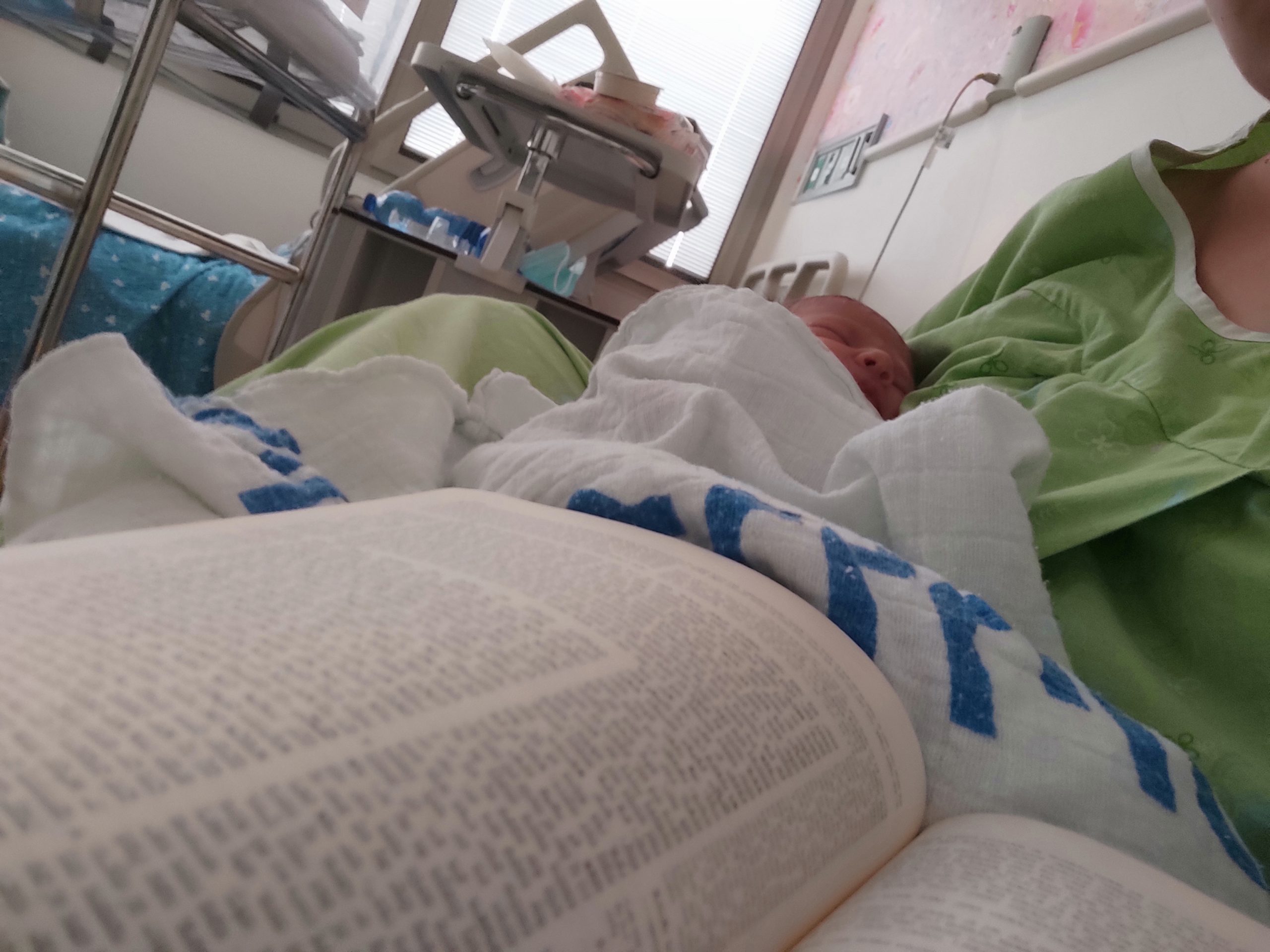
כמו שרואים בתמונה אני ממשיכה ללמוד גם היום ואפילו במחלקת יולדות אחרי לידת ביתי השלישית.
נועה שילה
רבבה, ישראל
התחלתי ללמוד דף יומי שהתחילו מסכת כתובות, לפני 7 שנים, במסגרת קבוצת לימוד שהתפרקה די מהר, ומשם המשכתי לבד בתמיכת האיש שלי. נעזרתי בגמרת שטיינזלץ ובשיעורים מוקלטים.
הסביבה מאד תומכת ואני מקבלת המון מילים טובות לאורך כל הדרך. מאז הסיום הגדול יש תחושה שאני חלק מדבר גדול יותר.
אני לומדת בשיטת ה”7 דפים בשבוע” של הרבנית תרצה קלמן – כלומר, לא נורא אם לא הצלחת ללמוד כל יום, העיקר שגמרת ארבעה דפים בשבוע

רחל גולדשטיין
עתניאל, ישראל
רבנית מישל הציתה אש התלמוד בלבבות בביניני האומה ואני נדלקתי. היא פתחה פתח ותמכה במתחילות כמוני ואפשרה לנו להתקדם בצעדים נכונים וטובים. הקימה מערך שלם שמסובב את הלומדות בסביבה תומכת וכך נכנסתי למסלול לימוד מעשיר שאין כמוה. הדרן יצר קהילה גדולה וחזקה שמאפשרת התקדמות מכל נקודת מוצא. יש דיבוק לומדות שמחזק את ההתמדה של כולנו. כל פניה ושאלה נענית בזריזות ויסודיות. תודה גם למגי על כל העזרה.
שרה אבר
נתניה, ישראל
A friend in the SF Bay Area said in Dec 2019 that she might start listening on her morning drive to work. I mentioned to my husband and we decided to try the Daf when it began in Jan 2020 as part of our preparing to make Aliyah in the summer.
חנה פיוטרקובסקי
ירושלים, Israel
אמא שלי למדה איתי ש”ס משנה, והתחילה ללמוד דף יומי. אני החלטתי שאני רוצה ללמוד גם. בהתחלה למדתי איתה, אח”כ הצטרפתי ללימוד דף יומי שהרב דני וינט מעביר לנוער בנים בעתניאל. במסכת עירובין עוד חברה הצטרפה אלי וכשהתחלנו פסחים הרב דני פתח לנו שעור דף יומי לבנות. מאז אנחנו לומדות איתו קבוע כל יום את הדף היומי (ובשבת אבא שלי מחליף אותו). אני נהנית מהלימוד, הוא מאתגר ומעניין

רננה הלמן
עתניאל, ישראל
סיום השס לנשים נתן לי מוטביציה להתחיל ללמוד דף יומי. עד אז למדתי גמרא בשבתות ועשיתי כמה סיומים. אבל לימוד יומיומי זה שונה לגמרי ופתאום כל דבר שקורה בחיים מתקשר לדף היומי.

קרן פוגל
רתמים, ישראל
התחלתי מעט לפני תחילת הסבב הנוכחי. אני נהנית מהאתגר של להמשיך להתמיד, מרגעים של "אהה, מפה זה הגיע!” ומהאתגר האינטלקטואלי

אילת-חן ודלר
לוד, ישראל
התחלתי ללמוד גמרא בבית הספר בגיל צעיר והתאהבתי. המשכתי בכך כל חיי ואף היייתי מורה לגמרא בבית הספר שקד בשדה אליהו (בית הספר בו למדתי בילדותי)בתחילת מחזור דף יומי הנוכחי החלטתי להצטרף ובע”ה מקווה להתמיד ולהמשיך. אני אוהבת את המפגש עם הדף את "דרישות השלום ” שמקבלת מקשרים עם דפים אחרים שלמדתי את הסנכרון שמתחולל בין התכנים.

אריאלה ביגמן
מעלה גלבוע, ישראל
התחלתי ללמוד לפני 4.5 שנים, כשהודיה חברה שלי פתחה קבוצת ווטסאפ ללימוד דף יומי בתחילת מסכת סנהדרין. מאז לימוד הדף נכנס לתוך היום-יום שלי והפך לאחד ממגדירי הזהות שלי ממש.

קרן רוזנברג
ירושלים, ישראל
התחלתי ללמוד דף יומי כאשר קיבלתי במייל ממכון שטיינזלץ את הדפים הראשונים של מסכת ברכות במייל. קודם לא ידעתי איך לקרוא אותם עד שנתתי להם להדריך אותי. הסביבה שלי לא מודעת לעניין כי אני לא מדברת על כך בפומבי. למדתי מהדפים דברים חדשים, כמו הקשר בין המבנה של בית המקדש והמשכן לגופו של האדם (יומא מה, ע”א) והקשר שלו למשפט מפורסם שמופיע בספר ההינדי "בהגוד-גיתא”. מתברר שזה רעיון כלל עולמי ולא רק יהודי

אלנה ארנבורג
נשר, ישראל
התחלתי ללמוד דף יומי שהתחילו מסכת כתובות, לפני 7 שנים, במסגרת קבוצת לימוד שהתפרקה די מהר, ומשם המשכתי לבד בתמיכת האיש שלי. נעזרתי בגמרת שטיינזלץ ובשיעורים מוקלטים.
הסביבה מאד תומכת ואני מקבלת המון מילים טובות לאורך כל הדרך. מאז הסיום הגדול יש תחושה שאני חלק מדבר גדול יותר.
אני לומדת בשיטת ה”7 דפים בשבוע” של הרבנית תרצה קלמן – כלומר, לא נורא אם לא הצלחת ללמוד כל יום, העיקר שגמרת ארבעה דפים בשבוע
רחל גולדשטיין
עתניאל, ישראל
התחלתי מחוג במסכת קידושין שהעבירה הרבנית רייסנר במסגרת בית המדרש כלנה בגבעת שמואל; לאחר מכן התחיל סבב הדף היומי אז הצטרפתי. לסביבה לקח זמן לעכל אבל היום כולם תומכים ומשתתפים איתי. הלימוד לעתים מעניין ומעשיר ולעתים קשה ואף הזוי… אך אני ממשיכה קדימה. הוא משפיע על היומיום שלי קודם כל במרדף אחרי הדף, וגם במושגים הרבים שלמדתי ובידע שהועשרתי בו, חלקו ממש מעשי

אביגיל כריסי
ראש העין, ישראל
התחלתי כשהייתי בחופש, עם הפרסומים על תחילת המחזור, הסביבה קיבלה את זה כמשהו מתמיד ומשמעותי ובהערכה, הלימוד זה עוגן יציב ביום יום, יש שבועות יותר ויש שפחות אבל זה משהו שנמצא שם אמין ובעל משמעות בחיים שלי….

עדי דיאמנט
גמזו, ישראל
התחלתי ללמוד בשנת המדרשה במגדל עוז, בינתיים נהנית מאוד מהלימוד ומהגמרא, מעניין ומשמח מאוד!
משתדלת להצליח לעקוב כל יום, לפעמים משלימה קצת בהמשך השבוע.. מרגישה שיש עוגן מקובע ביום שלי והוא משמח מאוד!

אוריה קסנר
חיפה , ישראל
התחלתי ללמוד דף לפני קצת יותר מ-5 שנים, כשלמדתי רבנות בישיבת מהר”ת בניו יורק. בדיעבד, עד אז, הייתי בלימוד הגמרא שלי כמו מישהו שאוסף חרוזים משרשרת שהתפזרה, פה משהו ושם משהו, ומאז נפתח עולם ומלואו…. הדף נותן לי לימוד בצורה מאורגנת, שיטתית, יום-יומית, ומלמד אותי לא רק ידע אלא את השפה ודרך החשיבה שלנו. לשמחתי, יש לי סביבה תומכת וההרגשה שלי היא כמו בציטוט שבחרתי: הדף משפיע לטובה על כל היום שלי.

מיכל כהנא
חיפה, ישראל
הצטרפתי ללומדות בתחילת מסכת תענית. ההתרגשות שלי ושל המשפחה היתה גדולה מאוד, והיא הולכת וגוברת עם כל סיום שאני זוכה לו. במשך שנים רבות רציתי להצטרף ומשום מה זה לא קרה… ב”ה מצאתי לפני מספר חודשים פרסום של הדרן, ומיד הצטרפתי והתאהבתי. הדף היומי שינה את חיי ממש והפך כל יום- ליום של תורה. מודה לכן מקרב ליבי ומאחלת לכולנו לימוד פורה מתוך אהבת התורה ולומדיה.

נעה רוזן
חיספין רמת הגולן, ישראל
"
גם אני התחלתי בסבב הנוכחי וב””ה הצלחתי לסיים את רוב המסכתות . בזכות הרבנית מישל משתדלת לפתוח את היום בשיעור הזום בשעה 6:20 .הלימוד הפך להיות חלק משמעותי בחיי ויש ימים בהם אני מצליחה לחזור על הדף עם מלמדים נוספים ששיעוריהם נמצאים במרשתת. שמחה להיות חלק מקהילת לומדות ברחבי העולם. ובמיוחד לשמש דוגמה לנכדותיי שאי””ה יגדלו לדור שלימוד תורה לנשים יהיה משהו שבשגרה. "

רונית שביט
נתניה, ישראל
A life-changing journey started with a Chanukah family tiyul to Zippori, home of the Sanhedrin 2 years ago and continued with the Syum in Binanei Hauma where I was awed by the energy of 3000 women dedicated to learning daf Yomi. Opening my morning daily with a fresh daf, I am excited with the new insights I find enriching my life and opening new and deeper horizons for me.

בקי גולדשטיין
Elazar gush etzion, Israel
חולין יד
מַתְנִי׳ הַשּׁוֹחֵט בְּשַׁבָּת וּבְיוֹם הַכִּיפּוּרִים, אַף עַל פִּי שֶׁמִּתְחַיֵּיב בְּנַפְשׁוֹ – שְׁחִיטָתוֹ כְּשֵׁרָה.
MISHNA: In the case of one who slaughters an animal on Shabbat or on Yom Kippur, although he is liable to receive the death penalty, his slaughter is valid.
גְּמָ׳ אָמַר רַב הוּנָא, דָּרַשׁ חִיָּיא בַּר רַב מִשְּׁמֵיהּ דְּרַב: אֲסוּרָה בַּאֲכִילָה לְיוֹמָא, וְנָסְבִין חַבְרַיָּא לְמֵימַר רַבִּי יְהוּדָה הִיא.
GEMARA: Rav Huna says that Ḥiyya bar Rav taught in the name of Rav: If one slaughtered an animal on Shabbat and Yom Kippur, although the slaughter is valid, consumption of the animal is prohibited for that day, and the members of the company of Sages, i.e., those in the academy, tended to say that this halakha is the opinion of Rabbi Yehuda.
הֵי רַבִּי יְהוּדָה? אָמַר רַבִּי אַבָּא: רַבִּי יְהוּדָה דַּהֲכָנָה הִיא, דִּתְנַן: מְחַתְּכִין אֶת הַדִּילּוּעִין לִפְנֵי הַבְּהֵמָה וְאֶת הַנְּבֵלָה לִפְנֵי הַכְּלָבִים. רַבִּי יְהוּדָה אוֹמֵר: אִם לֹא הָיְתָה נְבֵלָה מֵעֶרֶב שַׁבָּת אֲסוּרָה, לְפִי שֶׁאֵינָהּ מִן הַמּוּכָן. אַלְמָא, כֵּיוָן דְּלָא אִיתְּכַן מֵאֶתְמוֹל – אֲסוּרָה, הָכָא נָמֵי, כֵּיוָן דְּלָא אִיתְּכַן מֵאֶתְמוֹל – אֲסוּרָה.
The Gemara asks: Which opinion of Rabbi Yehuda? Rabbi Abba said: It is the opinion of Rabbi Yehuda with regard to preparation for Shabbat, as we learned in a mishna (Shabbat 156b): One may cut the gourds before an animal on Shabbat, provided that they were picked prior to Shabbat. And likewise, one may cut an animal carcass to place before the dogs on Shabbat. Rabbi Yehuda says: If it was not already a carcass prior to Shabbat, it is prohibited to cut it or even move it on Shabbat because it is not prepared for use on Shabbat. Apparently, since it was not prepared from yesterday, it is prohibited. Here too, in the mishna where an animal was slaughtered on Shabbat or Yom Kippur, since it was not prepared from yesterday, it is prohibited.
אֲמַר לֵיהּ אַבָּיֵי: מִי דָּמֵי? הָתָם מֵעִיקָּרָא מוּכָן לְאָדָם, וְהַשְׁתָּא מוּכָן לִכְלָבִים. הָכָא מֵעִיקָּרָא מוּכָן לְאָדָם, וְהַשְׁתָּא מוּכָן לְאָדָם! מִי סָבְרַתְּ בְּהֵמָה בְּחַיֶּיהָ לַאֲכִילָה עוֹמֶדֶת? בְּהֵמָה בְּחַיֶּיהָ לְגַדֵּל עוֹמֶדֶת!
Abaye said to Rabbi Abba: Are the cases comparable? There, in the mishna in tractate Shabbat, initially the animal is prepared for use by a person, as it was prepared for slaughter, and now that it died without slaughter on Shabbat it is prepared for dogs. But in the mishna here, initially the animal is prepared for use by a person and now after it was slaughtered it remains prepared for use by a person. Rabbi Abba rejects that distinction: Do you hold that an animal during its lifetime is designated for consumption and therefore is prepared for use by a person? On the contrary, an animal during its lifetime is designated for breeding.
אִי הָכִי, בְּהֵמָה לְרַבִּי יְהוּדָה בְּיוֹם טוֹב הֵיכִי שָׁחֲטִינַן? אָמַר לוֹ: עוֹמֶדֶת לַאֲכִילָה וְעוֹמֶדֶת לְגַדֵּל, נִשְׁחֲטָה – הוּבְרְרָה דְּלַאֲכִילָה עוֹמֶדֶת, לֹא נִשְׁחֲטָה – הוּבְרְרָה דִּלְגַדֵּל עוֹמֶדֶת.
Abaye asked: If that is so that an animal is not designated for consumption, according to Rabbi Yehuda, how do we slaughter an animal on a Festival? Rabbi Abba said to Abaye: During its lifetime, the animal is designated for consumption and designated for breeding. If it was slaughtered, it is retroactively clarified that it was designated for consumption; if it was not slaughtered, it is retroactively clarified that it was designated for breeding.
וְהָא לֵית לֵיהּ לְרַבִּי יְהוּדָה בְּרֵירָה! מְנָא לַן? אִי נֵימָא מִדְּתַנְיָא:
But isn’t it so that Rabbi Yehuda does not accept the principle of retroactive designation? From where do we derive that this is Rabbi Yehuda’s opinion? If we say that we learn it from that which is taught in the following baraita, there is no proof.
הַלּוֹקֵחַ יַיִן מִבֵּין הַכּוּתִים, אוֹמֵר: ״שְׁנֵי לוּגִּין שֶׁאֲנִי עָתִיד לְהַפְרִישׁ הֲרֵי הֵן תְּרוּמָה, עֲשָׂרָה מַעֲשֵׂר רִאשׁוֹן, תִּשְׁעָה מַעֲשֵׂר שֵׁנִי״, וּמֵיחֵל וְשׁוֹתֶה מִיָּד, דִּבְרֵי רַבִּי מֵאִיר. רַבִּי יְהוּדָה וְרַבִּי יוֹסֵי וְרַבִּי שִׁמְעוֹן אוֹסְרִין.
It is taught in a baraita (Tosefta, Demai 8:7): In the case of one who purchases wine from among the Samaritans just before Shabbat, and presumably teruma and tithes were not separated, he acts as follows: If there are one hundred log of wine in the barrels, he says: Two log that I will separate in the future are teruma, as the mandated average measure of teruma is one-fiftieth; ten log are first tithe; and a tenth of the remainder, which is nine log, are second tithe. And he deconsecrates the second tithe that he will separate in the future, transferring its sanctity to money, and he may drink the wine immediately, relying on the separation that he will perform later, which will clarify retroactively which log he designated for the tithes and for teruma. This is the statement of Rabbi Meir. Rabbi Yehuda and Rabbi Yosei and Rabbi Shimon prohibit this practice. Apparently, Rabbi Yehuda does not accept the principle of retroactive designation.
הָתָם כִּדְקָתָנֵי טַעְמָא, אָמְרוּ לוֹ לְרַבִּי מֵאִיר: ״אִי אַתָּה מוֹדֶה שֶׁמָּא יִבָּקַע הַנּוֹד וְנִמְצָא שׁוֹתֶה טְבָלִים לְמַפְרֵעַ?״ אָמַר לָהֶן: ״לִכְשֶׁיִּבָּקַע״.
The Gemara comments: That is no proof, as there, the reason for the opinion of Rabbi Yehuda is as is taught in the latter clause of the baraita: The Rabbis said to Rabbi Meir: Don’t you concede that perhaps the wineskin will burst before he manages to separate the teruma, and this person will have been found retroactively to be drinking untithed produce? Rabbi Meir said to the Rabbis: The mere possibility that this may occur is not a concern. When it actually bursts, I will be concerned. Evidently, Rabbi Yehuda’s opinion is not due to his rejection of the principle of retroactive designation, but due to his concern that the wineskin will burst before the tithes are actually separated.
אֶלָּא מִדְּתָנֵי אַיּוֹ.
Rather, the fact that Rabbi Yehuda does not accept the principle of retroactive designation is learned from that which Ayo teaches with regard to the joining of Shabbat boundaries in a case where one knows that two Torah scholars are planning to deliver lectures on Shabbat outside the city limits, one east of the city and one west of the city, and on Shabbat eve one has not yet decided which of the lectures he wishes to attend. In that case, he may place the food for the joining of boundaries on both sides of the city and stipulate that he will be able to go beyond the city limits in whichever direction he chooses.
דְּתָנֵי אַיּוֹ, רַבִּי יְהוּדָה אוֹמֵר: אֵין אָדָם מַתְנֶה עַל שְׁנֵי דְּבָרִים כְּאֶחָד, אֶלָּא אִם בָּא חָכָם לַמִּזְרָח – עֵירוּבוֹ לַמִּזְרָח, לַמַּעֲרָב – עֵירוּבוֹ לַמַּעֲרָב, וְאִילּוּ לְכָאן וּלְכָאן – לָא.
As Ayo teaches that Rabbi Yehuda says: A person may not stipulate that his joining of the boundaries will take effect on two matters as one. Rather, he may stipulate that if one Sage comes to the east, his joining of the boundaries takes effect to the east, and if he comes to the west, his joining takes effect to the west, while if he stipulates that it should take effect to here or to there and he will go in whichever direction he chooses, in that case, the joining does not take effect.
וְהָוֵינַן בַּהּ: מַאי שְׁנָא לְכָאן וּלְכָאן דְּלָא, דְּאֵין בְּרֵירָה? מִזְרָח וּמַעֲרָב נָמֵי אֵין בְּרֵירָה!
And we discussed this baraita: What is different in a case where one stipulates that it should take effect to here or to there such that the joining does not take effect? It is because there is no retroactive designation. If so, stipulating that the joining will take effect to the east or west, depending upon where the Sage goes, should also not take effect because there is no retroactive designation.
וְאָמַר רַבִּי יוֹחָנָן: וּכְבָר בָּא חָכָם.
And Rabbi Yoḥanan said: This is a case where when he makes the stipulation, the Sage has already come to either the east or the west, and the joining takes effect in that direction. He makes a stipulation because he does not know where the Sage came. The joining takes effect without the principle of retroactive designation. Nevertheless, since it is clear from the first case of Ayo that Rabbi Yehuda does not accept the principle of retroactive designation, the question remains: From where is it derived that an animal that is slaughtered on Shabbat or Yom Kippur is forbidden for the day that it was slaughtered?
אֶלָּא אָמַר רַב יוֹסֵף: רַבִּי יְהוּדָה דְּכֵלִים הִיא, דִּתְנַן: כׇּל הַכֵּלִים הַנִּיטָּלִין בַּשַּׁבָּת, שִׁבְרֵיהֶן נִיטָּלִין, וּבִלְבַד שֶׁיְּהוּ עוֹשִׂין מֵעֵין מְלָאכָה. שִׁבְרֵי עֲרֵיבָה – לְכַסּוֹת בָּהֶן פִּי חָבִית, שִׁבְרֵי זְכוּכִית – לְכַסּוֹת בָּהֶן פִּי הַפַּךְ.
Rather, Rav Yosef said: When Rav said that the halakha that consumption of the animal is prohibited for that day is the opinion of Rabbi Yehuda, the reference is to the opinion of Rabbi Yehuda with regard to vessels, as we learned in a mishna (Shabbat 124b): With regard to all vessels that may be moved on Shabbat, their shards may be moved as well, provided that they are suited for some type of labor. Shards of a large bowl may be used to cover the mouth of a barrel. Shards of a glass vessel may be used to cover the mouth of a cruse.
רַבִּי יְהוּדָה אוֹמֵר: וּבִלְבַד שֶׁיְּהוּ עוֹשִׂין מֵעֵין מְלַאכְתָּן, שִׁבְרֵי עֲרֵיבָה – לָצוּק לְתוֹכָן מִקְפָּה, שִׁבְרֵי זְכוּכִית – לָצוּק לְתוֹכָן שֶׁמֶן.
Rabbi Yehuda says: And it is permitted to use the shards provided that they are suited for a type of labor similar to their original use. In the case of shards of a large bowl, it must be possible to pour a thick broth into them, and in the case of shards of a glass vessel, it must be possible to pour oil into them.
מֵעֵין מְלַאכְתָּן – אִין, מֵעֵין מְלָאכָה אַחֶרֶת – לָא; אַלְמָא, כֵּיוָן דְּלָא אִיתְּכַן מֵאֶתְמוֹל לְהָךְ מְלָאכָה – אֲסִירִי; הָכָא נָמֵי, כֵּיוָן דְּלָא אִיתְּכַן מֵאֶתְמוֹל – אֲסוּרָה.
The Gemara infers: If they are suited for a type of labor similar to their original use, yes, they may be moved; but if they are suitable for another type of labor, they may not be moved. Apparently, since the shard was not prepared from yesterday for this type of labor, it is prohibited to move it. Here too, since the animal that was slaughtered was not prepared from yesterday, it is prohibited to eat it.
אֲמַר לֵיהּ אַבָּיֵי: מִי דָּמֵי? הָתָם מֵעִיקָּרָא כְּלִי, וְהַשְׁתָּא שֶׁבֶר כְּלִי, וְהָוֵה לֵיהּ נוֹלָד, וְאָסוּר. הָכָא מֵעִיקָּרָא אוּכְלָא, וּלְבַסּוֹף אוֹכֶל, אוּכְלָא דְּאִיפְּרַת הוּא.
Abaye said to Rav Yosef: Are the cases comparable? There, in the mishna with regard to vessels, initially it was a vessel and now it is the shard of a vessel, and it is a case of an item that came into being, and it is therefore prohibited to move it. Here, in the case of an animal slaughtered on Shabbat, initially, during its lifetime, it was designated as food, and ultimately, after slaughter, it is food, so it is merely food that was separated [de’ifrat].
וְשָׁמְעִינַן לֵיהּ לְרַבִּי יְהוּדָה דְּאָמַר: אוּכְלָא דְּאִיפְּרַת שַׁפִּיר דָּמֵי, דִּתְנַן: אֵין סוֹחֲטִין אֶת הַפֵּירוֹת לְהוֹצִיא מֵהֶן מַשְׁקִין, וְאִם יָצְאוּ מֵעַצְמָן – אֲסוּרִין.
And we heard that it is Rabbi Yehuda who says: Food that was separated is permitted, as we learned in a mishna (Shabbat 143b): One may not squeeze fruits on Shabbat in order to extract liquids from them. And if liquids seeped out on their own, it is prohibited to use them on Shabbat, lest one come to squeeze fruit on Shabbat.
רַבִּי יְהוּדָה אוֹמֵר: אִם לָאֳכָלִין – הַיּוֹצֵא מֵהֶן מוּתָּר, וְאִם לְמַשְׁקִין – הַיּוֹצֵא מֵהֶן אָסוּר.
Rabbi Yehuda says: If the fruits were designated for eating, the liquid that seeped from them on Shabbat is permitted. And if the fruits were designated for their liquids, the liquids that seeped from them on Shabbat are forbidden, lest he come to squeeze them on Shabbat. With regard to fruits that are designated for consumption, the liquid is considered food that was separated and is permitted. The same halakha applies with regard to an animal slaughtered on Shabbat: Since it was designated for consumption, its meat is food that was separated and should be permitted according to Rabbi Yehuda.
לָאו אִתְּמַר עֲלַהּ, אָמַר רַב יְהוּדָה אָמַר שְׁמוּאֵל: מוֹדֶה הָיָה רַבִּי יְהוּדָה לַחֲכָמִים בְּסַלֵּי זֵיתִים וַעֲנָבִים.
The Gemara rejects that interpretation and states that, on the contrary, there is proof that Rabbi Yehuda would prohibit eating an animal that was slaughtered on Shabbat. Wasn’t it stated with regard to that mishna that Rav Yehuda says that Shmuel says: Rabbi Yehuda conceded to the Rabbis in the case of baskets of olives and grapes that are typically designated for their liquids, even though one had planned to eat them, that liquid that seeps from them is forbidden?
אַלְמָא, כֵּיוָן דְּלִסְחִיטָה קָיְימִי – יָהֵיב דַּעְתֵּיהּ; הָכָא נָמֵי, כֵּיוָן דְּלִשְׁחִיטָה קָיְימָא – יָהֵיב דַּעְתֵּיהּ.
Apparently, since olives and grapes are typically designated for squeezing, one sets his mind to use them for their liquids, and were it permitted for him to use their liquids that seep out on Shabbat, the concern is that he will come to squeeze them on Shabbat. Therefore, the Sages decreed that the liquids are forbidden. Here too, since the animal is designated for slaughter, a person sets his mind to eat it. Therefore, were it permitted for him to eat the meat on Shabbat, the concern is that he will come to slaughter it on Shabbat. Consequently, the Sages decreed that the meat is prohibited.
מִידֵּי הוּא טַעְמָא, אֶלָּא לְרַב, הָאָמַר רַב: חָלוּק הָיָה רַבִּי יְהוּדָה אֲפִילּוּ בְּסַלֵּי זֵיתִים וַעֲנָבִים.
The Gemara justifies Abaye’s interpretation of the mishna: This explanation is valid only according to Rav, who said that the ruling that it is prohibited to eat an animal slaughtered on Shabbat until after Shabbat is according to the opinion of Rabbi Yehuda. Didn’t Rav say: Rabbi Yehuda was in disagreement with the Rabbis even in the case of baskets of olives and grapes? According to Rav himself, just as Rabbi Yehuda deems permitted liquids that seeped from olives and grapes on their own, Rabbi Yehuda should have also deemed an animal that was slaughtered on Shabbat permitted for that day.
אֶלָּא אָמַר רַב שֵׁשֶׁת בְּרֵיהּ דְּרַב אִידִי: רַבִּי יְהוּדָה דְּנֵרוֹת הִיא, דְּתַנְיָא: מְטַלְטְלִין נֵר חָדָשׁ, אֲבָל לֹא יָשָׁן, דִּבְרֵי רַבִּי יְהוּדָה.
Rather, Rav Sheshet, son of Rav Idi, said: When Rav said that the halakha that it is prohibited to consume the animal that day is the opinion of Rabbi Yehuda, the reference is to the opinion of Rabbi Yehuda with regard to lamps, as it is taught in a baraita: One may move, for purposes other than lighting it, a new earthenware lamp that was never used. But one may not move an old lamp covered with residue of oil and soot, because a person sets it aside from use due to repugnance. Since it was set aside at the beginning of Shabbat, it is set aside for the entire Shabbat and it may not be moved even if a need to move it arises; this is the statement of Rabbi Yehuda. The same halakha applies with regard to an animal slaughtered on Shabbat: Since it was prohibited when Shabbat began as the limb of a living being, it remains prohibited for the entire Shabbat.
אֵימַר דְּשָׁמְעַתְּ לֵיהּ לְרַבִּי יְהוּדָה בְּמוּקְצֶה מֵחֲמַת מִיאוּס, מוּקְצֶה מֵחֲמַת אִיסּוּר מִי שָׁמְעַתְּ לֵיהּ? אִין, דִּתְנַן: רַבִּי יְהוּדָה אוֹמֵר:
The Gemara rejects that analogy. Say that you heard Rabbi Yehuda rule that it is prohibited for the entire Shabbat in a case where it is set aside due to repugnance, like the old lamp. Did you hear that he said that it is prohibited for the entire Shabbat in a case where it is set aside due to a prohibition, like the animal? The Gemara answers: Yes, as we learned in a baraita that Rabbi Yehuda says:
לעקוב

