








עוד שתי ניסיונות להבין לאיזה דברי רבי יהודה מיוחסים דברי רב. למסקנה זה תואם שיטת ר’ יהודה בדיני במבשל בשבת בשוגג. באיזה סוגי סכינים וכדומה מותר/אסור לשחוט? לדעת מי נשנית המשנה?
רוצה להקדיש לימוד?
חולין טו
כׇּל נֵרוֹת שֶׁל מַתֶּכֶת מִטַּלְטְלִין, חוּץ מִן הַנֵּר שֶׁהִדְלִיקוּ בּוֹ בְּאוֹתָהּ שַׁבָּת.
One may move all metal lamps on Shabbat, even old ones, because they do not become repugnant like earthenware lamps, except for a metal lamp that one kindled on that same Shabbat and that was burning when Shabbat began, which it is prohibited to move for the entire Shabbat due to the prohibition against extinguishing.
וְדִלְמָא שָׁאנֵי הָתָם, דְּהוּא דָּחֵי לֵיהּ בְּיָדַיִם!
The Gemara rejects that analogy. And perhaps it is different there, in the case of the burning lamp, as he set it aside by direct action when he kindled the lamp. By contrast, in the case of an animal, he did not set it aside, and therefore, perhaps once it is slaughtered it is permitted.
אֶלָּא אָמַר רַב אָשֵׁי: רַבִּי יְהוּדָה דִּמְבַשֵּׁל הִיא, דִּתְנַן: הַמְבַשֵּׁל בְּשַׁבָּת, בְּשׁוֹגֵג – יֵאָכֵל, בְּמֵזִיד – לֹא יֵאָכֵל, דִּבְרֵי רַבִּי מֵאִיר.
Rather, Rav Ashi said: When Rav said that the halakha that consumption of the animal is prohibited for that day is the opinion of Rabbi Yehuda, the reference is to the opinion of Rabbi Yehuda with regard to one who cooks, as we learned in a baraita: With regard to one who cooks on Shabbat, if he did so unwittingly, he may eat what he cooked. If he acted intentionally, he may not eat what he cooked. This is the statement of Rabbi Meir.
רַבִּי יְהוּדָה אוֹמֵר: בְּשׁוֹגֵג – יֵאָכֵל בְּמוֹצָאֵי שַׁבָּת, בְּמֵזִיד – לֹא יֵאָכֵל עוֹלָמִית.
Rabbi Yehuda says: If he cooked the food unwittingly, he may eat it at the conclusion of Shabbat, as the Sages penalized even one who sinned unwittingly by prohibiting him from deriving immediate benefit from the dish that he cooked. If he cooked it intentionally, he may never eat from it.
רַבִּי יוֹחָנָן הַסַּנְדְּלָר אוֹמֵר: בְּשׁוֹגֵג – יֵאָכֵל לְמוֹצָאֵי שַׁבָּת לַאֲחֵרִים וְלֹא לוֹ, בְּמֵזִיד – לֹא יֵאָכֵל עוֹלָמִית, לֹא לוֹ וְלֹא לַאֲחֵרִים.
Rabbi Yoḥanan HaSandlar says: If he acted unwittingly, the food may be eaten at the conclusion of Shabbat by others, but not by him. If he cooked the food intentionally, it may never be eaten, neither by him nor by others. According to Rav, the mishna is referring to a case where one slaughtered the animal unwittingly. According to Rabbi Yehuda, the slaughter is valid but it is prohibited to eat the animal on Shabbat.
וְנוֹקְמַהּ בְּמֵזִיד, וְרַבִּי מֵאִיר!
The Gemara challenges this: And let us interpret the mishna as referring to a case where he slaughtered the animal intentionally, and explain that it is in accordance with the opinion of Rabbi Meir, who rules that eating the animal in such a case is permitted only after the conclusion of Shabbat.
לָא סָלְקָא דַּעְתָּךְ, דְּקָתָנֵי דֻּמְיָא דְּיוֹם הַכִּפּוּרִים – מָה יוֹם הַכִּפּוּרִים לָא שְׁנָא בְּשׁוֹגֵג וְלָא שְׁנָא בְּמֵזִיד – לָא אָכֵיל, אַף הָכָא נָמֵי לָא שְׁנָא בְּשׁוֹגֵג וְלָא שְׁנָא בְּמֵזִיד – לָא אָכֵיל.
The Gemara responds: That possibility should not enter your mind, as the case of slaughter on Shabbat is juxtaposed to and taught in a manner similar to the case of slaughter on Yom Kippur. Just as with regard to slaughter on Yom Kippur, it is no different whether one slaughtered it unwittingly and it is no different whether he slaughtered it intentionally, he may not eat it that day due to the fast, so too here, with regard to slaughter on Shabbat, it is no different whether he slaughtered it unwittingly and it is no different whether he slaughtered it intentionally, he may not eat it that day. Rabbi Meir, though, deems it permitted for one who cooked unwittingly to eat the cooked food on Shabbat.
וּמִי מָצֵית מוֹקְמַתְּ לַהּ בְּשׁוֹגֵג וְרַבִּי יְהוּדָה? וְהָא ״אַף עַל פִּי שֶׁמִּתְחַיֵּיב בְּנַפְשׁוֹ״ קָתָנֵי! הָכִי קָאָמַר: אַף עַל פִּי דִּבְמֵזִיד מִתְחַיֵּיב בְּנַפְשׁוֹ הוּא, הָכָא דִּבְשׁוֹגֵג – שְׁחִיטָתוֹ כְּשֵׁרָה.
The Gemara asks: And can you interpret the mishna as referring to a case of unwitting slaughter and in accordance with the opinion of Rabbi Yehuda? But isn’t it taught in the mishna: Although he is liable to receive the death penalty? One is liable to be executed only if he intentionally performs labor on Shabbat. The Gemara answers that this is what the mishna is saying: Although if he slaughtered it intentionally he is liable to receive the death penalty, here, in a case where he slaughtered the animal unwittingly, his slaughter is valid.
וְנוֹקְמַהּ כְּרַבִּי יוֹחָנָן הַסַּנְדְּלָר, דְּאָמַר: לָא שְׁנָא בְּשׁוֹגֵג וְלָא שְׁנָא בְּמֵזִיד – לָא אָכֵיל! רַבִּי יוֹחָנָן הַסַּנְדְּלָר קָמְפַלֵּיג בְּמוֹצָאֵי שַׁבָּת, לַאֲחֵרִים וְלֹא לוֹ, תַּנָּא דִּידַן ״שְׁחִיטָתוֹ כְּשֵׁרָה״ קָתָנֵי, לָא שְׁנָא לוֹ וְלָא שְׁנָא לַאֲחֵרִים.
The Gemara challenges: And let us interpret the mishna in accordance with the opinion of Rabbi Yoḥanan HaSandlar, who says: It is no different whether he cooked unwittingly and it is no different whether he cooked intentionally; he may not eat it on Shabbat. The Gemara explains: Rabbi Yoḥanan HaSandlar draws a distinction with regard to the conclusion of Shabbat, in that he permits eating food cooked on Shabbat for others and not for him, while the tanna of our mishna teaches: His slaughter is valid, without qualification, indicating that with regard to his ruling it is no different for him and it is no different for others.
תָּנֵי תַּנָּא קַמֵּיהּ דְּרַב: הַמְבַשֵּׁל בְּשַׁבָּת, בְּשׁוֹגֵג – יֵאָכֵל, בְּמֵזִיד – לֹא יֵאָכֵל, וּמְשַׁתֵּיק לֵיהּ רַב.
§ The tanna taught a baraita before Rav: One who cooks on Shabbat unwittingly may eat the food that he cooked; if he did so intentionally, he may not eat the food that he cooked, and Rav silenced him.
מַאי טַעְמָא מְשַׁתֵּיק לֵיהּ? אִילֵּימָא מִשּׁוּם דִּסְבִירָא לֵיהּ כְּרַבִּי יְהוּדָה, וְתַנָּא תָּנֵי כְּרַבִּי מֵאִיר, מִשּׁוּם דִּסְבִירָא לֵיהּ כְּרַבִּי יְהוּדָה, מַאן דְּתָנֵי כְּרַבִּי מֵאִיר מְשַׁתֵּיק לֵיהּ?!
The Gemara asks: What is the reason that Rav silenced him? If we say it is because Rav holds in accordance with the opinion of Rabbi Yehuda and the tanna taught the baraita in accordance with the opinion of Rabbi Meir, can it be that merely because he holds in accordance with the opinion of Rabbi Yehuda he silences one who teaches a baraita in accordance with the opinion of Rabbi Meir?
וְעוֹד, מִי סָבַר לַהּ כְּרַבִּי יְהוּדָה? וְהָאָמַר רַב חָנָן בַּר אַמֵּי: כִּי מוֹרִי לְהוּ רַב לְתַלְמִידֵיהּ – מוֹרֵי לְהוּ כְּרַבִּי מֵאִיר, וְכִי דָּרֵישׁ בְּפִירְקָא – דָּרֵישׁ כְּרַבִּי יְהוּדָה, מִשּׁוּם עַמֵּי הָאָרֶץ!
And furthermore, does Rav hold in accordance with the opinion of Rabbi Yehuda? But doesn’t Rav Ḥanan bar Ami say: When Rav issues a ruling to his students, he issues a ruling in accordance with the opinion of Rabbi Meir, and when he teaches in his public lecture delivered on the Festival, he teaches in accordance with the opinion of Rabbi Yehuda, due to his concern that the ignoramuses would treat the prohibition of labor on Shabbat with disdain?
וְכִי תֵּימָא: תַּנָּא בְּפִירְקֵיהּ תְּנָא קַמֵּיהּ, אַטּוּ כּוּלֵּי עָלְמָא לְתַנָּא צָיְיתִי? לְאָמוֹרָא צָיְיתִי!
And if you would say that the tanna taught the baraita before Rav during the public lecture and Rav silenced him so that the ignoramuses would not learn from him, is that to say that everyone attending the public lecture listens to the tanna who is citing the baraita? There is no need to silence the tanna, because they listen to the disseminator [amora], the Sage who repeats what he hears from Rav loudly for the benefit of those attending the lecture, and the amora quoted Rav’s ruling in accordance with the opinion of Rabbi Yehuda.
אָמַר רַב נַחְמָן בַּר יִצְחָק: תַּנָּא שׁוֹחֵט תְּנָא קַמֵּיהּ דְּרַב: הַשּׁוֹחֵט בְּשַׁבָּת, בְּשׁוֹגֵג – יֵאָכֵל, בְּמֵזִיד – לֹא יֵאָכֵל. אֲמַר לֵיהּ: מַאי דַּעְתָּיךְ כְּרַבִּי מֵאִיר? עַד כָּאן לָא קָשָׁרֵי רַבִּי מֵאִיר אֶלָּא בִּמְבַשֵּׁל, דְּרָאוּי לָכוֹס, אֲבָל שׁוֹחֵט דְּאֵין רָאוּי לָכוֹס – לָא!
Rav Naḥman bar Yitzḥak said: The tanna taught the halakha of one who slaughters before Rav: One who slaughters an animal on Shabbat unwittingly may eat from the slaughtered animal; if he slaughtered it intentionally, he may not eat from the slaughtered animal. Rav said to the tanna: What do you think, that the halakha is in accordance with the opinion of Rabbi Meir? Rabbi Meir deems eating permitted only in the case of one who cooks unwittingly on Shabbat, as even before he cooks the food it is fit to be chewed [lakhos], i.e., to be eaten uncooked, in a permitted manner, and therefore it was not set aside from use when Shabbat began. But in the case of one who slaughters an animal, where the meat was not fit to chew, Rabbi Meir does not permit eating it on Shabbat, because it was set aside from use on Shabbat.
וְהָא מַתְנִיתִין דְּשׁוֹחֵט הוּא, וְאָמַר רַב הוּנָא: דָּרֵשׁ חִיָּיא בַּר רַב מִשְּׁמֵיהּ דְּרַב: אֲסוּרָה בַּאֲכִילָה לְיוֹמָא, וְנָסְבִין חַבְרַיָּא לְמֵימֵר: רַבִּי יְהוּדָה הִיא, הָא רַבִּי מֵאִיר שָׁרֵי!
The Gemara asks: But isn’t the mishna addressing the case of one who slaughters an animal, and Rav Huna says that Ḥiyya bar Rav taught in the name of Rav: Consumption of the animal is prohibited for that day, and the members of the company of Sages, i.e., those in the academy, tended to say that this halakha is the opinion of Rabbi Yehuda, from which it may be inferred: But Rabbi Meir permits consumption of the slaughtered animal even on Shabbat, and he is not concerned that the animal was set aside from use when Shabbat began?
כִּי שָׁרֵי רַבִּי מֵאִיר,
The Gemara answers: When Rabbi Meir permits consumption of the slaughtered animal even on Shabbat,
כְּגוֹן שֶׁהָיָה לוֹ חוֹלֶה מִבְּעוֹד יוֹם.
it is in a case where one had a critically ill person in his household while it was still day, before Shabbat, as it is permitted to slaughter the animal for such a person even on Shabbat. Therefore, the unslaughtered animal was not set aside from use.
אִי הָכִי, מַאי טַעְמָא דְּרַבִּי יְהוּדָה דְּאָסַר? כְּגוֹן שֶׁהָיָה לוֹ חוֹלֶה וְהִבְרִיא.
The Gemara asks: If so, what is the reason that Rabbi Yehuda prohibited consumption of the meat on Shabbat? The Gemara answers: He issued this ruling in a case where one had a critically ill person in his household before Shabbat and that person recovered. In that case, although the unslaughtered animal was not set aside from use when Shabbat began, it is prohibited to slaughter it on Shabbat. According to Rabbi Yehuda, if he slaughtered it unwittingly, its consumption is prohibited on Shabbat.
וְכִי הָא דְּאָמַר רַב אַחָא בַּר אַדָּא אָמַר רַב, וְאָמְרִי לַהּ אָמַר רַבִּי יִצְחָק בַּר אַדָּא אָמַר רַב: הַשּׁוֹחֵט לַחוֹלֶה בְּשַׁבָּת – אָסוּר לַבָּרִיא, הַמְבַשֵּׁל לַחוֹלֶה בְּשַׁבָּת – מוּתָּר לַבָּרִיא.
And that which Rav silenced the tanna for not stating that an unslaughtered animal is set aside from use, even when the prohibited labor of slaughter was performed unwittingly, is in accordance with that which Rav Aḥa bar Adda says that Rav says, and some say it is that which Rabbi Yitzḥak bar Adda says that Rav says: In the case of one who slaughters an animal to feed an ill person on Shabbat, it is prohibited for a healthy person to partake of the slaughtered animal on Shabbat. In a case of one who cooks food to feed an ill person on Shabbat, it is permitted for a healthy person to partake of that food.
מַאי טַעְמָא? הַאי רָאוּי לָכוֹס, וְהַאי אֵינוֹ רָאוּי לָכוֹס.
What is the reason for this distinction? This food was fit to be chewed before it was cooked, and therefore it was not set aside from use when Shabbat began, and the meat of that animal was not fit to be chewed before the animal was slaughtered, and therefore it was set aside from use when Shabbat began.
אָמַר רַב פָּפָּא: פְּעָמִים שֶׁהַשּׁוֹחֵט מוּתָּר, כְּגוֹן שֶׁהָיָה לוֹ חוֹלֶה מִבְּעוֹד יוֹם; מְבַשֵּׁל אָסוּר, כְּגוֹן שֶׁקָּצַץ לוֹ דַּלַּעַת.
Rav Pappa says: There are times when one slaughters for an ill person on Shabbat and it is permitted for a healthy person to eat the meat on Shabbat, such as where he had a critically ill person in his household before Shabbat and the animal was designated for slaughter while it was still day, before Shabbat; in that case, it was not set aside from use. And there are times when one cooks on Shabbat for an ill person and it is prohibited for a healthy person to eat the food on Shabbat, such as where one cut a gourd that was attached to the ground for the ill person on Shabbat. Because it is prohibited to detach the gourd on Shabbat, it is set aside from use and forbidden.
אָמַר רַב דִּימִי מִנְּהַרְדְּעָא, הִלְכְתָא: הַשּׁוֹחֵט לַחוֹלֶה בְּשַׁבָּת – מוּתָּר לַבָּרִיא בְּאוּמְצָא, מַאי טַעְמָא? כֵּיוָן דְּאִי אֶפְשָׁר לִכְזַיִת בָּשָׂר בְּלֹא שְׁחִיטָה, כִּי קָא שָׁחֵיט – אַדַּעְתָּא דְּחוֹלֶה קָא שָׁחֵיט. הַמְבַשֵּׁל לַחוֹלֶה בְּשַׁבָּת – אָסוּר לַבָּרִיא, גְּזֵירָה שֶׁמָּא יַרְבֶּה בִּשְׁבִילוֹ.
Rav Dimi of Neharde’a says that the halakha is: In the case of one who slaughters for an ill person on Shabbat, it is permitted for a healthy person to eat the raw meat [be’umtza]. What is the reason that it is permitted? Since it is impossible for an olive-bulk of meat to be permitted without slaughter of the entire animal, when he slaughters the animal, he slaughters it with the ill person in mind. Since slaughter of the animal was permitted, all its meat is permitted even for a healthy person. In the case of one who cooks for an ill person on Shabbat, it is prohibited for a healthy person to eat the food on Shabbat. What is the reason that it is prohibited? It is due to a rabbinic decree lest he increase the amount of food that he is cooking on behalf of the healthy person.
מַתְנִי׳ הַשּׁוֹחֵט בְּמַגַּל יָד, בְּצוֹר, וּבְקָנֶה – שְׁחִיטָתוֹ כְּשֵׁרָה.
MISHNA: In the case of one who slaughters an animal with the smooth side of a hand sickle, which has both a smooth and a serrated side, or with a sharpened flint, or with a reed that was cut lengthwise and sharpened, his slaughter is valid.
הַכֹּל שׁוֹחֲטִין, וּלְעוֹלָם שׁוֹחֲטִין, וּבַכֹּל שׁוֹחֲטִין, חוּץ מִמַּגַּל קָצִיר, וְהַמְּגֵירָה, וְהַשִּׁינַּיִם, וְהַצִּיפּוֹרֶן, מִפְּנֵי שֶׁהֵם חוֹנְקִין.
All slaughter [hakkol shoḥatin], and one may always slaughter, and one may slaughter with any item that cuts, except for the serrated side of the harvest sickle, a saw, the teeth of an animal when attached to its jawbone, and a fingernail, because they are serrated and they consequently strangle the animal and do not cut its windpipe and gullet as required.
גְּמָ׳ הַשּׁוֹחֵט – דִּיעֲבַד אִין, לְכַתְּחִלָּה לָא. בִּשְׁלָמָא בְּמַגַּל יָד – דִּלְמָא אָתֵי לְמֶעְבַּד בְּאִידַּךְ גִּיסָא, אֶלָּא צוֹר וְקָנֶה לְכִתְחִלָּה לָא? וּרְמִינְהִי: בַּכֹּל שׁוֹחֲטִין, בֵּין בְּצוֹר, בֵּין בִּזְכוּכִית, בֵּין בִּקְרוּמִית שֶׁל קָנֶה!
GEMARA: The Gemara notes that the language of the mishna, which states: One who slaughters an animal with a hand sickle, with a flint, or with a reed, rather than: One may slaughter, indicates that after the fact, yes, the slaughter is valid, but one may not slaughter with those blades ab initio. The Gemara asks: Granted, one may not slaughter it with a hand sickle, lest he come to perform the slaughter with the other, serrated, side; but as a flint and a reed have no serrated side, is it so that one may not slaughter with those ab initio? And the Gemara raises a contradiction from a baraita: One may slaughter with any item that cuts, whether with a flint, or with glass shards, or with the stalk of a reed.
לָא קַשְׁיָא: כָּאן בְּתָלוּשׁ, כָּאן בִּמְחוּבָּר. דְּאָמַר רַב כָּהֲנָא: הַשּׁוֹחֵט בִּמְחוּבָּר לַקַּרְקַע – רַבִּי פּוֹסֵל וְרַבִּי חִיָּיא מַכְשִׁיר; עַד כָּאן לָא קָא מַכְשִׁיר רַבִּי חִיָּיא אֶלָּא בְּדִיעֲבַד, אֲבָל לְכַתְּחִלָּה לָא.
The Gemara answers: This is not difficult. There, where the baraita permits slaughter ab initio, it is referring to slaughter with a flint and a reed when they are detached. Here, where the mishna says that the slaughter is valid only after the fact, it is referring to slaughter with a flint and a reed when they are attached to the ground, as Rav Kahana says: In the case of one who slaughters with a blade that is attached to the ground, Rabbi Yehuda HaNasi deems the slaughter not valid and Rabbi Ḥiyya deems it valid. The Gemara infers: Even Rabbi Ḥiyya deems the slaughter valid only after the fact; but one may not do so ab initio.
בְּמַאי אוֹקֵימְתַּהּ כְּרַבִּי חִיָּיא וְדִיעֲבַד? אֶלָּא הָא דְּתַנְיָא: בַּכֹּל שׁוֹחֲטִין, בֵּין בְּתָלוּשׁ בֵּין בִּמְחוּבָּר, בֵּין שֶׁהַסַּכִּין לְמַעְלָה וְצַוַּאר בְּהֵמָה לְמַטָּה, בֵּין שֶׁהַסַּכִּין לְמַטָּה וְצַוַּאר בְּהֵמָה לְמַעְלָה – מַנִּי? לָא רַבִּי וְלָא רַבִּי חִיָּיא! אִי רַבִּי חִיָּיא – דִּיעֲבַד אִין, לְכִתְחִלָּה לָא; אִי רַבִּי – דִּיעֲבַד נָמֵי לָא.
In accordance with which opinion did you interpret the mishna? Is it in accordance with the opinion of Rabbi Ḥiyya, and the slaughter is valid after the fact? But if so, with regard to that which is taught in a baraita: One may slaughter with any item that cuts, whether with a blade that is detached from the ground or with a blade that is attached to the ground, whether the knife is above and the neck of the animal is below or the knife is below and the neck of the animal is above; in accordance with whose opinion is it? It is in accordance neither with the opinion of Rabbi Yehuda HaNasi nor with the opinion of Rabbi Ḥiyya. If one would claim that it is in accordance with the opinion of Rabbi Ḥiyya, he says: After the fact, yes, the slaughter is valid, but it is not permitted to slaughter in this manner ab initio. If one would claim that it is in accordance with the opinion of Rabbi Yehuda HaNasi, he says: Even after the fact, the slaughter is not valid.
לְעוֹלָם רַבִּי חִיָּיא, וַאֲפִילּוּ לְכַתְּחִלָּה, וְהַאי דְּקָמִיפַּלְגִי בְּדִיעֲבַד – לְהוֹדִיעֲךָ כֹּחוֹ דְּרַבִּי.
The Gemara answers: Actually, the baraita is in accordance with the opinion of Rabbi Ḥiyya, and he permits slaughter with these blades even ab initio. And the fact that the opinions of Rabbi Yehuda HaNasi and Rabbi Ḥiyya were formulated such that they disagree concerning the halakha after the fact is to convey to you the far-reaching nature of the opinion of Rabbi Yehuda HaNasi that the slaughter is not valid even after the fact.
וְאֶלָּא, מַתְנִיתִין דְּקָתָנֵי ״הַשּׁוֹחֵט״, דִּיעֲבַד – אִין, לְכַתְּחִלָּה – לָא, מַנִּי? לָא רַבִּי וְלָא רַבִּי חִיָּיא, אִי רַבִּי חִיָּיא – אֲפִילּוּ לְכַתְּחִלָּה, אִי רַבִּי – דִּיעֲבַד נָמֵי לָא.
But rather, the mishna here, which teaches: With regard to one who slaughters, after the fact, yes, it is valid, but it is not ab initio, in accordance with whose opinion is it? It is in accordance neither with the opinion of Rabbi Yehuda HaNasi nor with the opinion of Rabbi Ḥiyya. If one would claim that it is in accordance with the opinion of Rabbi Ḥiyya, he says: The slaughter is permitted even ab initio. If one would claim that it is in accordance with the opinion of Rabbi Yehuda HaNasi, he says: Even after the fact, the slaughter is not valid.
לְעוֹלָם רַבִּי חִיָּיא, וַאֲפִילּוּ לְכַתְּחִלָּה, וּמַתְנִיתִין דְּקָתָנֵי ״הַשּׁוֹחֵט״ – רַבִּי הִיא.
The Gemara answers: Actually, Rabbi Ḥiyya holds that it is permitted to slaughter with these blades, and even ab initio; and the mishna here, which teaches: One who slaughters, is in accordance with the opinion of Rabbi Yehuda HaNasi.
קַשְׁיָא דְּרַבִּי אַדְּרַבִּי? לָא קַשְׁיָא: כָּאן בִּמְחוּבָּר מֵעִיקָּרוֹ, כָּאן בְּתָלוּשׁ וּלְבַסּוֹף חִיבְּרוֹ.
The Gemara objects: This is difficult, as there is a contradiction between one statement of Rabbi Yehuda HaNasi and another statement of Rabbi Yehuda HaNasi, as in his dispute with Rabbi Ḥiyya he holds that the slaughter is not valid. The Gemara answers: This contradiction is not difficult. There, in his dispute with Rabbi Ḥiyya, Rabbi Yehuda HaNasi holds that slaughter is not valid in a case where the blade was attached from the outset; here, in the mishna, Rabbi Yehuda HaNasi deems the slaughter valid after the fact in a case where the blade was detached and ultimately he reattached it.
וּמְנָא תֵּימְרָא דְּשָׁנֵי לַן בֵּין מְחוּבָּר מֵעִיקָּרוֹ לְתָלוּשׁ וּלְבַסּוֹף חִיבְּרוֹ? דְּתַנְיָא: הַשּׁוֹחֵט בְּמוּכְנִי – שְׁחִיטָתוֹ כְּשֵׁרָה, בִּמְחוּבָּר לַקַּרְקַע – שְׁחִיטָתוֹ כְּשֵׁרָה, נָעַץ סַכִּין בַּכּוֹתֶל וְשָׁחַט בָּהּ – שְׁחִיטָתוֹ כְּשֵׁרָה, הָיָה צוֹר יוֹצֵא מִן הַכּוֹתֶל אוֹ קָנֶה עוֹלֶה מֵאֵלָיו וְשָׁחַט בּוֹ – שְׁחִיטָתוֹ פְּסוּלָה.
The Gemara asks: And from where do you say that there is a difference for us between a blade that was attached from the outset and a blade that was detached and ultimately he reattached it? As it is taught in a baraita: With regard to one who slaughters with a mechanism [bemukhni] of a wheel with a knife attached to it, his slaughter is valid; with an item that is attached to the ground, his slaughter is valid; if one embedded a knife in a wall and slaughtered with it, his slaughter is valid. If there was a flint emerging from a wall or a reed arising from the ground on its own and he slaughtered with it, his slaughter is not valid.
לעקוב 
חדשה בלימוד הגמרא?
זה הדף הראשון שלך? איזו התרגשות עצומה! יש לנו בדיוק את התכנים והכלים שיעזרו לך לעשות את הצעדים הראשונים ללמידה בקצב וברמה שלך, כך תוכלי להרגיש בנוח גם בתוך הסוגיות המורכבות ומאתגרות.
פסיפס הלומדות שלנו
גלי את קהילת הלומדות שלנו, מגוון נשים, רקעים וסיפורים. כולן חלק מתנועה ומסע מרגש ועוצמתי.
אחרי שראיתי את הסיום הנשי של הדף היומי בבנייני האומה זה ריגש אותי ועורר בי את הרצון להצטרף. לא למדתי גמרא קודם לכן בכלל, אז הכל היה לי חדש, ולכן אני לומדת בעיקר מהשיעורים פה בהדרן, בשוטנשטיין או בחוברות ושיננתם.

רבקה שלוס
בית שמש, ישראל
למדתי גמרא מכיתה ז- ט ב Maimonides School ואחרי העליה שלי בגיל 14 לימוד הגמרא, שלא היה כל כך מקובל בימים אלה, היה די ספוראדי. אחרי "ההתגלות” בבנייני האומה התחלתי ללמוד בעיקר בדרך הביתה למדתי מפוקקטסים שונים. לאט לאט ראיתי שאני תמיד חוזרת לרבנית מישל פרבר. באיזה שהוא שלב התחלתי ללמוד בזום בשעה 7:10 .
היום "אין מצב” שאני אתחיל את היום שלי ללא לימוד עם הרבנית מישל עם כוס הקפה שלי!!

דבי גביר
חשמונאים, ישראל
לפני 15 שנה, אחרי עשרות שנים של "ג’ינגול” בין משפחה לקריירה תובענית בהייטק, הצטרפתי לשיעורי גמרא במתן רעננה. הלימוד המעמיק והייחודי של הרבנית אושרה קורן יחד עם קבוצת הנשים המגוונת הייתה חוויה מאלפת ומעשירה. לפני כשמונה שנים כאשר מחזור הדף היומי הגיע למסכת תענית הצטרפתי כ”חברותא” לבעלי. זו השעה היומית שלנו ביחד כאשר דפי הגמרא משתלבים בחיי היום יום, משפיעים ומושפעים, וכשלא מספיקים תמיד משלימים בשבת

יודי אסקוף
רעננה, ישראל
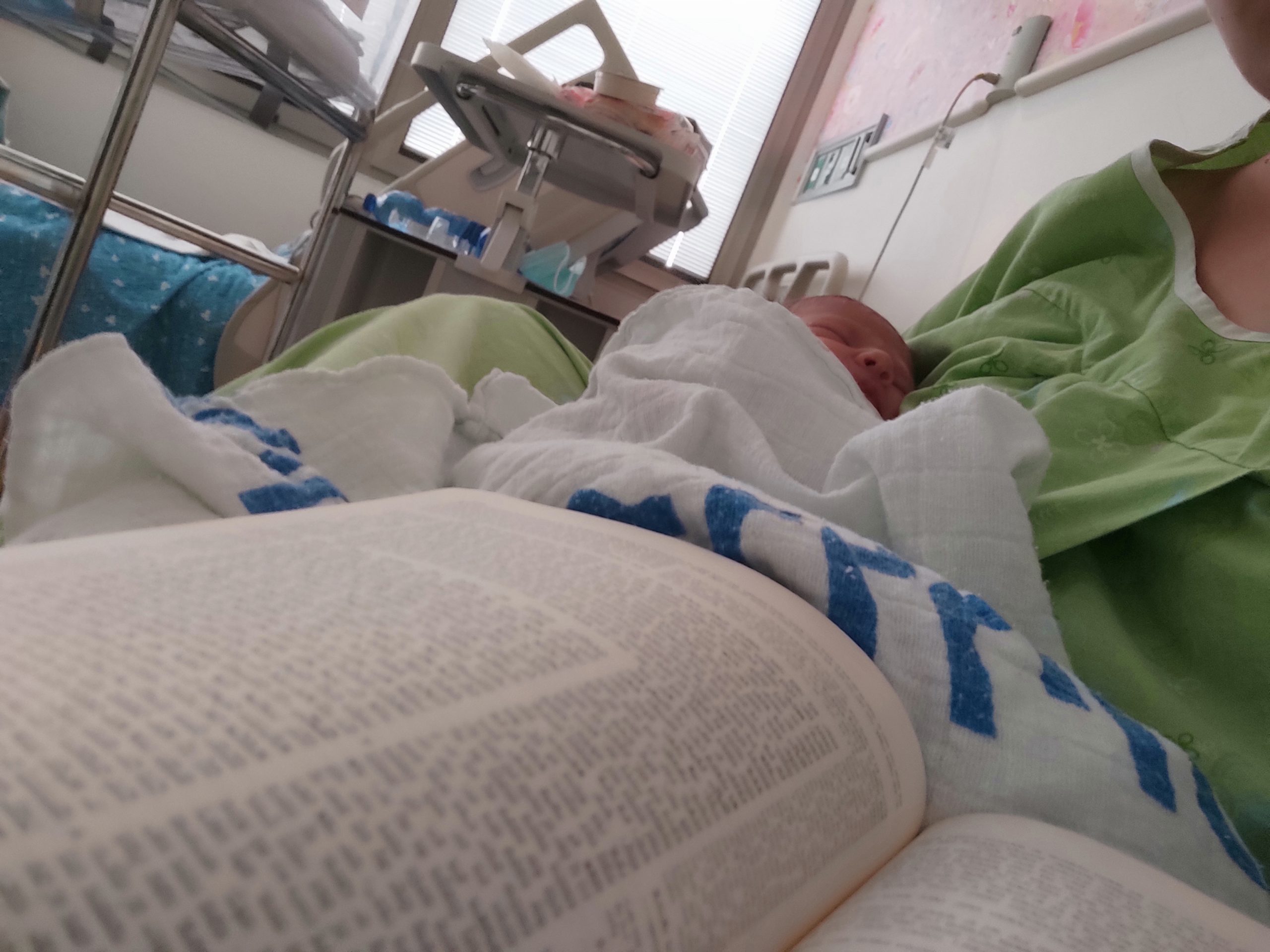
בתחילת הסבב הנוכחי הצטברו אצלי תחושות שאני לא מבינה מספיק מהי ההלכה אותה אני מקיימת בכל יום. כמו כן, כאמא לבנות רציתי לתת להן מודל נשי של לימוד תורה
שתי הסיבות האלו הובילו אותי להתחיל ללמוד. נתקלתי בתגובות מפרגנות וסקרניות איך אישה לומדת גמרא..
כמו שרואים בתמונה אני ממשיכה ללמוד גם היום ואפילו במחלקת יולדות אחרי לידת ביתי השלישית.
נועה שילה
רבבה, ישראל
התחלתי ללמוד בעידוד שתי חברות אתן למדתי בעבר את הפרק היומי במסגרת 929.
בבית מתלהבים מאוד ובשבת אני לומדת את הדף עם בעלי שזה מפתיע ומשמח מאוד! לימוד הדף הוא חלק בלתי נפרד מהיום שלי. לומדת בצהריים ומחכה לזמן הזה מידי יום…

מרים ונגרובר
אפרת, ישראל
הייתי לפני שנתיים בסיום הדרן נשים בבנייני האומה והחלטתי להתחיל. אפילו רק כמה דפים, אולי רק פרק, אולי רק מסכת… בינתיים סיימתי רבע שס ותכף את כל סדר מועד בה.
הסביבה תומכת ומפרגנת. אני בת יחידה עם ארבעה אחים שכולם לומדים דף יומי. מדי פעם אנחנו עושים סיומים יחד באירועים משפחתיים. ממש מרגש. מסכת שבת סיימנו כולנו יחד עם אבא שלנו!
אני שומעת כל יום פודקאסט בהליכה או בנסיעה ואחכ לומדת את הגמרא.

עדנה גרוס
מרכז שפירא, ישראל
סיום השס לנשים נתן לי מוטביציה להתחיל ללמוד דף יומי. עד אז למדתי גמרא בשבתות ועשיתי כמה סיומים. אבל לימוד יומיומי זה שונה לגמרי ופתאום כל דבר שקורה בחיים מתקשר לדף היומי.

קרן פוגל
רתמים, ישראל
"
גם אני התחלתי בסבב הנוכחי וב””ה הצלחתי לסיים את רוב המסכתות . בזכות הרבנית מישל משתדלת לפתוח את היום בשיעור הזום בשעה 6:20 .הלימוד הפך להיות חלק משמעותי בחיי ויש ימים בהם אני מצליחה לחזור על הדף עם מלמדים נוספים ששיעוריהם נמצאים במרשתת. שמחה להיות חלק מקהילת לומדות ברחבי העולם. ובמיוחד לשמש דוגמה לנכדותיי שאי””ה יגדלו לדור שלימוד תורה לנשים יהיה משהו שבשגרה. "
רונית שביט
נתניה, ישראל
לצערי גדלתי בדור שבו לימוד גמרא לנשים לא היה דבר שבשגרה ושנים שאני חולמת להשלים את הפער הזה.. עד שלפני מספר שבועות, כמעט במקרה, נתקלתי במודעת פרסומת הקוראת להצטרף ללימוד מסכת תענית. כשקראתי את המודעה הרגשתי שהיא כאילו נכתבה עבורי – "תמיד חלמת ללמוד גמרא ולא ידעת איך להתחיל”, "בואי להתנסות במסכת קצרה וקלה” (רק היה חסר שהמודעה תיפתח במילים "מיכי שלום”..). קפצתי למים ו- ב”ה אני בדרך להגשמת החלום:)

מיכי קדוש
מורשת, ישראל
My explorations into Gemara started a few days into the present cycle. I binged learnt and become addicted. I’m fascinated by the rich "tapestry” of intertwined themes, connections between Masechtot, conversations between generations of Rabbanim and learners past and present all over the world. My life has acquired a golden thread, linking generations with our amazing heritage.
Thank you.

סוזן כשדן
חשמונאים, Israel
התחלתי ללמוד בסבב הנוכחי לפני כשנתיים .הסביבה מתפעלת ותומכת מאוד. אני משתדלת ללמוד מכל ההסכתים הנוספים שיש באתר הדרן. אני עורכת כל סיום מסכת שיעור בביתי לכ20 נשים שמחכות בקוצר רוח למפגשים האלו.

יעל אשר
יהוד, ישראל
התחלתי ללמוד את הדף היומי מעט אחרי שבני הקטן נולד. בהתחלה בשמיעה ולימוד באמצעות השיעור של הרבנית שפרבר. ובהמשך העזתי וקניתי לעצמי גמרא. מאז ממשיכה יום יום ללמוד עצמאית, ולפעמים בעזרת השיעור של הרבנית, כל יום. כל סיום של מסכת מביא לאושר גדול וסיפוק. הילדים בבית נהיו חלק מהלימוד, אני משתפת בסוגיות מעניינות ונהנית לשמוע את דעתם.

אלירז בלאו
מעלה מכמש, ישראל
A life-changing journey started with a Chanukah family tiyul to Zippori, home of the Sanhedrin 2 years ago and continued with the Syum in Binanei Hauma where I was awed by the energy of 3000 women dedicated to learning daf Yomi. Opening my morning daily with a fresh daf, I am excited with the new insights I find enriching my life and opening new and deeper horizons for me.

בקי גולדשטיין
Elazar gush etzion, Israel
התחלתי ללמוד בעידוד שתי חברות אתן למדתי בעבר את הפרק היומי במסגרת 929.
בבית מתלהבים מאוד ובשבת אני לומדת את הדף עם בעלי שזה מפתיע ומשמח מאוד! לימוד הדף הוא חלק בלתי נפרד מהיום שלי. לומדת בצהריים ומחכה לזמן הזה מידי יום…
מרים ונגרובר
אפרת, ישראל
בתחילת הסבב הנוכחי של לימוד הדף היומי, נחשפתי לחגיגות המרגשות באירועי הסיום ברחבי העולם. והבטחתי לעצמי שבקרוב אצטרף גם למעגל הלומדות. הסבב התחיל כאשר הייתי בתחילת דרכי בתוכנית קרן אריאל להכשרת יועצות הלכה של נשמ”ת. לא הצלחתי להוסיף את ההתחייבות לדף היומי על הלימוד האינטנסיבי של תוכנית היועצות. בבוקר למחרת המבחן הסופי בנשמ”ת, התחלתי את לימוד הדף במסכת סוכה ומאז לא הפסקתי.

חנה שחם-רוזבי (ד”ר)
קרית גת, ישראל
רבנית מישל הציתה אש התלמוד בלבבות בביניני האומה ואני נדלקתי. היא פתחה פתח ותמכה במתחילות כמוני ואפשרה לנו להתקדם בצעדים נכונים וטובים. הקימה מערך שלם שמסובב את הלומדות בסביבה תומכת וכך נכנסתי למסלול לימוד מעשיר שאין כמוה. הדרן יצר קהילה גדולה וחזקה שמאפשרת התקדמות מכל נקודת מוצא. יש דיבוק לומדות שמחזק את ההתמדה של כולנו. כל פניה ושאלה נענית בזריזות ויסודיות. תודה גם למגי על כל העזרה.
שרה אבר
נתניה, ישראל
שמעתי על הסיום הענק של הדף היומי ע”י נשים בבנייני האומה. רציתי גם.
החלטתי להצטרף. התחלתי ושיכנעתי את בעלי ועוד שתי חברות להצטרף. עכשיו יש לי לימוד משותף איתו בשבת ומפגש חודשי איתן בנושא (והתכתבויות תדירות על דברים מיוחדים שקראנו). הצטרפנו לקבוצות שונות בווטסאפ. אנחנו ממש נהנות. אני שומעת את השיעור מידי יום (בד”כ מהרב יוני גוטמן) וקוראת ומצטרפת לסיומים של הדרן. גם מקפידה על דף משלהן (ונהנית מאד).

ליאת סיטרון
אפרת, ישראל
אחי, שלומד דף יומי ממסכת ברכות, חיפש חברותא ללימוד מסכת ראש השנה והציע לי. החברותא היתה מאתגרת טכנית ורוב הזמן נעשתה דרך הטלפון, כך שבסיום המסכת נפרדו דרכינו. אחי חזר ללמוד לבד, אבל אני כבר נכבשתי בקסם הגמרא ושכנעתי את האיש שלי להצטרף אלי למסכת ביצה. מאז המשכנו הלאה, ועכשיו אנחנו מתרגשים לקראתו של סדר נשים!

שולמית סבן
נוקדים, ישראל
סיום השס לנשים נתן לי מוטביציה להתחיל ללמוד דף יומי. עד אז למדתי גמרא בשבתות ועשיתי כמה סיומים. אבל לימוד יומיומי זה שונה לגמרי ופתאום כל דבר שקורה בחיים מתקשר לדף היומי.
קרן פוגל
רתמים, ישראל
התחלתי מעט לפני תחילת הסבב הנוכחי. אני נהנית מהאתגר של להמשיך להתמיד, מרגעים של "אהה, מפה זה הגיע!” ומהאתגר האינטלקטואלי

אילת-חן ודלר
לוד, ישראל
חולין טו
כׇּל נֵרוֹת שֶׁל מַתֶּכֶת מִטַּלְטְלִין, חוּץ מִן הַנֵּר שֶׁהִדְלִיקוּ בּוֹ בְּאוֹתָהּ שַׁבָּת.
One may move all metal lamps on Shabbat, even old ones, because they do not become repugnant like earthenware lamps, except for a metal lamp that one kindled on that same Shabbat and that was burning when Shabbat began, which it is prohibited to move for the entire Shabbat due to the prohibition against extinguishing.
וְדִלְמָא שָׁאנֵי הָתָם, דְּהוּא דָּחֵי לֵיהּ בְּיָדַיִם!
The Gemara rejects that analogy. And perhaps it is different there, in the case of the burning lamp, as he set it aside by direct action when he kindled the lamp. By contrast, in the case of an animal, he did not set it aside, and therefore, perhaps once it is slaughtered it is permitted.
אֶלָּא אָמַר רַב אָשֵׁי: רַבִּי יְהוּדָה דִּמְבַשֵּׁל הִיא, דִּתְנַן: הַמְבַשֵּׁל בְּשַׁבָּת, בְּשׁוֹגֵג – יֵאָכֵל, בְּמֵזִיד – לֹא יֵאָכֵל, דִּבְרֵי רַבִּי מֵאִיר.
Rather, Rav Ashi said: When Rav said that the halakha that consumption of the animal is prohibited for that day is the opinion of Rabbi Yehuda, the reference is to the opinion of Rabbi Yehuda with regard to one who cooks, as we learned in a baraita: With regard to one who cooks on Shabbat, if he did so unwittingly, he may eat what he cooked. If he acted intentionally, he may not eat what he cooked. This is the statement of Rabbi Meir.
רַבִּי יְהוּדָה אוֹמֵר: בְּשׁוֹגֵג – יֵאָכֵל בְּמוֹצָאֵי שַׁבָּת, בְּמֵזִיד – לֹא יֵאָכֵל עוֹלָמִית.
Rabbi Yehuda says: If he cooked the food unwittingly, he may eat it at the conclusion of Shabbat, as the Sages penalized even one who sinned unwittingly by prohibiting him from deriving immediate benefit from the dish that he cooked. If he cooked it intentionally, he may never eat from it.
רַבִּי יוֹחָנָן הַסַּנְדְּלָר אוֹמֵר: בְּשׁוֹגֵג – יֵאָכֵל לְמוֹצָאֵי שַׁבָּת לַאֲחֵרִים וְלֹא לוֹ, בְּמֵזִיד – לֹא יֵאָכֵל עוֹלָמִית, לֹא לוֹ וְלֹא לַאֲחֵרִים.
Rabbi Yoḥanan HaSandlar says: If he acted unwittingly, the food may be eaten at the conclusion of Shabbat by others, but not by him. If he cooked the food intentionally, it may never be eaten, neither by him nor by others. According to Rav, the mishna is referring to a case where one slaughtered the animal unwittingly. According to Rabbi Yehuda, the slaughter is valid but it is prohibited to eat the animal on Shabbat.
וְנוֹקְמַהּ בְּמֵזִיד, וְרַבִּי מֵאִיר!
The Gemara challenges this: And let us interpret the mishna as referring to a case where he slaughtered the animal intentionally, and explain that it is in accordance with the opinion of Rabbi Meir, who rules that eating the animal in such a case is permitted only after the conclusion of Shabbat.
לָא סָלְקָא דַּעְתָּךְ, דְּקָתָנֵי דֻּמְיָא דְּיוֹם הַכִּפּוּרִים – מָה יוֹם הַכִּפּוּרִים לָא שְׁנָא בְּשׁוֹגֵג וְלָא שְׁנָא בְּמֵזִיד – לָא אָכֵיל, אַף הָכָא נָמֵי לָא שְׁנָא בְּשׁוֹגֵג וְלָא שְׁנָא בְּמֵזִיד – לָא אָכֵיל.
The Gemara responds: That possibility should not enter your mind, as the case of slaughter on Shabbat is juxtaposed to and taught in a manner similar to the case of slaughter on Yom Kippur. Just as with regard to slaughter on Yom Kippur, it is no different whether one slaughtered it unwittingly and it is no different whether he slaughtered it intentionally, he may not eat it that day due to the fast, so too here, with regard to slaughter on Shabbat, it is no different whether he slaughtered it unwittingly and it is no different whether he slaughtered it intentionally, he may not eat it that day. Rabbi Meir, though, deems it permitted for one who cooked unwittingly to eat the cooked food on Shabbat.
וּמִי מָצֵית מוֹקְמַתְּ לַהּ בְּשׁוֹגֵג וְרַבִּי יְהוּדָה? וְהָא ״אַף עַל פִּי שֶׁמִּתְחַיֵּיב בְּנַפְשׁוֹ״ קָתָנֵי! הָכִי קָאָמַר: אַף עַל פִּי דִּבְמֵזִיד מִתְחַיֵּיב בְּנַפְשׁוֹ הוּא, הָכָא דִּבְשׁוֹגֵג – שְׁחִיטָתוֹ כְּשֵׁרָה.
The Gemara asks: And can you interpret the mishna as referring to a case of unwitting slaughter and in accordance with the opinion of Rabbi Yehuda? But isn’t it taught in the mishna: Although he is liable to receive the death penalty? One is liable to be executed only if he intentionally performs labor on Shabbat. The Gemara answers that this is what the mishna is saying: Although if he slaughtered it intentionally he is liable to receive the death penalty, here, in a case where he slaughtered the animal unwittingly, his slaughter is valid.
וְנוֹקְמַהּ כְּרַבִּי יוֹחָנָן הַסַּנְדְּלָר, דְּאָמַר: לָא שְׁנָא בְּשׁוֹגֵג וְלָא שְׁנָא בְּמֵזִיד – לָא אָכֵיל! רַבִּי יוֹחָנָן הַסַּנְדְּלָר קָמְפַלֵּיג בְּמוֹצָאֵי שַׁבָּת, לַאֲחֵרִים וְלֹא לוֹ, תַּנָּא דִּידַן ״שְׁחִיטָתוֹ כְּשֵׁרָה״ קָתָנֵי, לָא שְׁנָא לוֹ וְלָא שְׁנָא לַאֲחֵרִים.
The Gemara challenges: And let us interpret the mishna in accordance with the opinion of Rabbi Yoḥanan HaSandlar, who says: It is no different whether he cooked unwittingly and it is no different whether he cooked intentionally; he may not eat it on Shabbat. The Gemara explains: Rabbi Yoḥanan HaSandlar draws a distinction with regard to the conclusion of Shabbat, in that he permits eating food cooked on Shabbat for others and not for him, while the tanna of our mishna teaches: His slaughter is valid, without qualification, indicating that with regard to his ruling it is no different for him and it is no different for others.
תָּנֵי תַּנָּא קַמֵּיהּ דְּרַב: הַמְבַשֵּׁל בְּשַׁבָּת, בְּשׁוֹגֵג – יֵאָכֵל, בְּמֵזִיד – לֹא יֵאָכֵל, וּמְשַׁתֵּיק לֵיהּ רַב.
§ The tanna taught a baraita before Rav: One who cooks on Shabbat unwittingly may eat the food that he cooked; if he did so intentionally, he may not eat the food that he cooked, and Rav silenced him.
מַאי טַעְמָא מְשַׁתֵּיק לֵיהּ? אִילֵּימָא מִשּׁוּם דִּסְבִירָא לֵיהּ כְּרַבִּי יְהוּדָה, וְתַנָּא תָּנֵי כְּרַבִּי מֵאִיר, מִשּׁוּם דִּסְבִירָא לֵיהּ כְּרַבִּי יְהוּדָה, מַאן דְּתָנֵי כְּרַבִּי מֵאִיר מְשַׁתֵּיק לֵיהּ?!
The Gemara asks: What is the reason that Rav silenced him? If we say it is because Rav holds in accordance with the opinion of Rabbi Yehuda and the tanna taught the baraita in accordance with the opinion of Rabbi Meir, can it be that merely because he holds in accordance with the opinion of Rabbi Yehuda he silences one who teaches a baraita in accordance with the opinion of Rabbi Meir?
וְעוֹד, מִי סָבַר לַהּ כְּרַבִּי יְהוּדָה? וְהָאָמַר רַב חָנָן בַּר אַמֵּי: כִּי מוֹרִי לְהוּ רַב לְתַלְמִידֵיהּ – מוֹרֵי לְהוּ כְּרַבִּי מֵאִיר, וְכִי דָּרֵישׁ בְּפִירְקָא – דָּרֵישׁ כְּרַבִּי יְהוּדָה, מִשּׁוּם עַמֵּי הָאָרֶץ!
And furthermore, does Rav hold in accordance with the opinion of Rabbi Yehuda? But doesn’t Rav Ḥanan bar Ami say: When Rav issues a ruling to his students, he issues a ruling in accordance with the opinion of Rabbi Meir, and when he teaches in his public lecture delivered on the Festival, he teaches in accordance with the opinion of Rabbi Yehuda, due to his concern that the ignoramuses would treat the prohibition of labor on Shabbat with disdain?
וְכִי תֵּימָא: תַּנָּא בְּפִירְקֵיהּ תְּנָא קַמֵּיהּ, אַטּוּ כּוּלֵּי עָלְמָא לְתַנָּא צָיְיתִי? לְאָמוֹרָא צָיְיתִי!
And if you would say that the tanna taught the baraita before Rav during the public lecture and Rav silenced him so that the ignoramuses would not learn from him, is that to say that everyone attending the public lecture listens to the tanna who is citing the baraita? There is no need to silence the tanna, because they listen to the disseminator [amora], the Sage who repeats what he hears from Rav loudly for the benefit of those attending the lecture, and the amora quoted Rav’s ruling in accordance with the opinion of Rabbi Yehuda.
אָמַר רַב נַחְמָן בַּר יִצְחָק: תַּנָּא שׁוֹחֵט תְּנָא קַמֵּיהּ דְּרַב: הַשּׁוֹחֵט בְּשַׁבָּת, בְּשׁוֹגֵג – יֵאָכֵל, בְּמֵזִיד – לֹא יֵאָכֵל. אֲמַר לֵיהּ: מַאי דַּעְתָּיךְ כְּרַבִּי מֵאִיר? עַד כָּאן לָא קָשָׁרֵי רַבִּי מֵאִיר אֶלָּא בִּמְבַשֵּׁל, דְּרָאוּי לָכוֹס, אֲבָל שׁוֹחֵט דְּאֵין רָאוּי לָכוֹס – לָא!
Rav Naḥman bar Yitzḥak said: The tanna taught the halakha of one who slaughters before Rav: One who slaughters an animal on Shabbat unwittingly may eat from the slaughtered animal; if he slaughtered it intentionally, he may not eat from the slaughtered animal. Rav said to the tanna: What do you think, that the halakha is in accordance with the opinion of Rabbi Meir? Rabbi Meir deems eating permitted only in the case of one who cooks unwittingly on Shabbat, as even before he cooks the food it is fit to be chewed [lakhos], i.e., to be eaten uncooked, in a permitted manner, and therefore it was not set aside from use when Shabbat began. But in the case of one who slaughters an animal, where the meat was not fit to chew, Rabbi Meir does not permit eating it on Shabbat, because it was set aside from use on Shabbat.
וְהָא מַתְנִיתִין דְּשׁוֹחֵט הוּא, וְאָמַר רַב הוּנָא: דָּרֵשׁ חִיָּיא בַּר רַב מִשְּׁמֵיהּ דְּרַב: אֲסוּרָה בַּאֲכִילָה לְיוֹמָא, וְנָסְבִין חַבְרַיָּא לְמֵימֵר: רַבִּי יְהוּדָה הִיא, הָא רַבִּי מֵאִיר שָׁרֵי!
The Gemara asks: But isn’t the mishna addressing the case of one who slaughters an animal, and Rav Huna says that Ḥiyya bar Rav taught in the name of Rav: Consumption of the animal is prohibited for that day, and the members of the company of Sages, i.e., those in the academy, tended to say that this halakha is the opinion of Rabbi Yehuda, from which it may be inferred: But Rabbi Meir permits consumption of the slaughtered animal even on Shabbat, and he is not concerned that the animal was set aside from use when Shabbat began?
כִּי שָׁרֵי רַבִּי מֵאִיר,
The Gemara answers: When Rabbi Meir permits consumption of the slaughtered animal even on Shabbat,
כְּגוֹן שֶׁהָיָה לוֹ חוֹלֶה מִבְּעוֹד יוֹם.
it is in a case where one had a critically ill person in his household while it was still day, before Shabbat, as it is permitted to slaughter the animal for such a person even on Shabbat. Therefore, the unslaughtered animal was not set aside from use.
אִי הָכִי, מַאי טַעְמָא דְּרַבִּי יְהוּדָה דְּאָסַר? כְּגוֹן שֶׁהָיָה לוֹ חוֹלֶה וְהִבְרִיא.
The Gemara asks: If so, what is the reason that Rabbi Yehuda prohibited consumption of the meat on Shabbat? The Gemara answers: He issued this ruling in a case where one had a critically ill person in his household before Shabbat and that person recovered. In that case, although the unslaughtered animal was not set aside from use when Shabbat began, it is prohibited to slaughter it on Shabbat. According to Rabbi Yehuda, if he slaughtered it unwittingly, its consumption is prohibited on Shabbat.
וְכִי הָא דְּאָמַר רַב אַחָא בַּר אַדָּא אָמַר רַב, וְאָמְרִי לַהּ אָמַר רַבִּי יִצְחָק בַּר אַדָּא אָמַר רַב: הַשּׁוֹחֵט לַחוֹלֶה בְּשַׁבָּת – אָסוּר לַבָּרִיא, הַמְבַשֵּׁל לַחוֹלֶה בְּשַׁבָּת – מוּתָּר לַבָּרִיא.
And that which Rav silenced the tanna for not stating that an unslaughtered animal is set aside from use, even when the prohibited labor of slaughter was performed unwittingly, is in accordance with that which Rav Aḥa bar Adda says that Rav says, and some say it is that which Rabbi Yitzḥak bar Adda says that Rav says: In the case of one who slaughters an animal to feed an ill person on Shabbat, it is prohibited for a healthy person to partake of the slaughtered animal on Shabbat. In a case of one who cooks food to feed an ill person on Shabbat, it is permitted for a healthy person to partake of that food.
מַאי טַעְמָא? הַאי רָאוּי לָכוֹס, וְהַאי אֵינוֹ רָאוּי לָכוֹס.
What is the reason for this distinction? This food was fit to be chewed before it was cooked, and therefore it was not set aside from use when Shabbat began, and the meat of that animal was not fit to be chewed before the animal was slaughtered, and therefore it was set aside from use when Shabbat began.
אָמַר רַב פָּפָּא: פְּעָמִים שֶׁהַשּׁוֹחֵט מוּתָּר, כְּגוֹן שֶׁהָיָה לוֹ חוֹלֶה מִבְּעוֹד יוֹם; מְבַשֵּׁל אָסוּר, כְּגוֹן שֶׁקָּצַץ לוֹ דַּלַּעַת.
Rav Pappa says: There are times when one slaughters for an ill person on Shabbat and it is permitted for a healthy person to eat the meat on Shabbat, such as where he had a critically ill person in his household before Shabbat and the animal was designated for slaughter while it was still day, before Shabbat; in that case, it was not set aside from use. And there are times when one cooks on Shabbat for an ill person and it is prohibited for a healthy person to eat the food on Shabbat, such as where one cut a gourd that was attached to the ground for the ill person on Shabbat. Because it is prohibited to detach the gourd on Shabbat, it is set aside from use and forbidden.
אָמַר רַב דִּימִי מִנְּהַרְדְּעָא, הִלְכְתָא: הַשּׁוֹחֵט לַחוֹלֶה בְּשַׁבָּת – מוּתָּר לַבָּרִיא בְּאוּמְצָא, מַאי טַעְמָא? כֵּיוָן דְּאִי אֶפְשָׁר לִכְזַיִת בָּשָׂר בְּלֹא שְׁחִיטָה, כִּי קָא שָׁחֵיט – אַדַּעְתָּא דְּחוֹלֶה קָא שָׁחֵיט. הַמְבַשֵּׁל לַחוֹלֶה בְּשַׁבָּת – אָסוּר לַבָּרִיא, גְּזֵירָה שֶׁמָּא יַרְבֶּה בִּשְׁבִילוֹ.
Rav Dimi of Neharde’a says that the halakha is: In the case of one who slaughters for an ill person on Shabbat, it is permitted for a healthy person to eat the raw meat [be’umtza]. What is the reason that it is permitted? Since it is impossible for an olive-bulk of meat to be permitted without slaughter of the entire animal, when he slaughters the animal, he slaughters it with the ill person in mind. Since slaughter of the animal was permitted, all its meat is permitted even for a healthy person. In the case of one who cooks for an ill person on Shabbat, it is prohibited for a healthy person to eat the food on Shabbat. What is the reason that it is prohibited? It is due to a rabbinic decree lest he increase the amount of food that he is cooking on behalf of the healthy person.
מַתְנִי׳ הַשּׁוֹחֵט בְּמַגַּל יָד, בְּצוֹר, וּבְקָנֶה – שְׁחִיטָתוֹ כְּשֵׁרָה.
MISHNA: In the case of one who slaughters an animal with the smooth side of a hand sickle, which has both a smooth and a serrated side, or with a sharpened flint, or with a reed that was cut lengthwise and sharpened, his slaughter is valid.
הַכֹּל שׁוֹחֲטִין, וּלְעוֹלָם שׁוֹחֲטִין, וּבַכֹּל שׁוֹחֲטִין, חוּץ מִמַּגַּל קָצִיר, וְהַמְּגֵירָה, וְהַשִּׁינַּיִם, וְהַצִּיפּוֹרֶן, מִפְּנֵי שֶׁהֵם חוֹנְקִין.
All slaughter [hakkol shoḥatin], and one may always slaughter, and one may slaughter with any item that cuts, except for the serrated side of the harvest sickle, a saw, the teeth of an animal when attached to its jawbone, and a fingernail, because they are serrated and they consequently strangle the animal and do not cut its windpipe and gullet as required.
גְּמָ׳ הַשּׁוֹחֵט – דִּיעֲבַד אִין, לְכַתְּחִלָּה לָא. בִּשְׁלָמָא בְּמַגַּל יָד – דִּלְמָא אָתֵי לְמֶעְבַּד בְּאִידַּךְ גִּיסָא, אֶלָּא צוֹר וְקָנֶה לְכִתְחִלָּה לָא? וּרְמִינְהִי: בַּכֹּל שׁוֹחֲטִין, בֵּין בְּצוֹר, בֵּין בִּזְכוּכִית, בֵּין בִּקְרוּמִית שֶׁל קָנֶה!
GEMARA: The Gemara notes that the language of the mishna, which states: One who slaughters an animal with a hand sickle, with a flint, or with a reed, rather than: One may slaughter, indicates that after the fact, yes, the slaughter is valid, but one may not slaughter with those blades ab initio. The Gemara asks: Granted, one may not slaughter it with a hand sickle, lest he come to perform the slaughter with the other, serrated, side; but as a flint and a reed have no serrated side, is it so that one may not slaughter with those ab initio? And the Gemara raises a contradiction from a baraita: One may slaughter with any item that cuts, whether with a flint, or with glass shards, or with the stalk of a reed.
לָא קַשְׁיָא: כָּאן בְּתָלוּשׁ, כָּאן בִּמְחוּבָּר. דְּאָמַר רַב כָּהֲנָא: הַשּׁוֹחֵט בִּמְחוּבָּר לַקַּרְקַע – רַבִּי פּוֹסֵל וְרַבִּי חִיָּיא מַכְשִׁיר; עַד כָּאן לָא קָא מַכְשִׁיר רַבִּי חִיָּיא אֶלָּא בְּדִיעֲבַד, אֲבָל לְכַתְּחִלָּה לָא.
The Gemara answers: This is not difficult. There, where the baraita permits slaughter ab initio, it is referring to slaughter with a flint and a reed when they are detached. Here, where the mishna says that the slaughter is valid only after the fact, it is referring to slaughter with a flint and a reed when they are attached to the ground, as Rav Kahana says: In the case of one who slaughters with a blade that is attached to the ground, Rabbi Yehuda HaNasi deems the slaughter not valid and Rabbi Ḥiyya deems it valid. The Gemara infers: Even Rabbi Ḥiyya deems the slaughter valid only after the fact; but one may not do so ab initio.
בְּמַאי אוֹקֵימְתַּהּ כְּרַבִּי חִיָּיא וְדִיעֲבַד? אֶלָּא הָא דְּתַנְיָא: בַּכֹּל שׁוֹחֲטִין, בֵּין בְּתָלוּשׁ בֵּין בִּמְחוּבָּר, בֵּין שֶׁהַסַּכִּין לְמַעְלָה וְצַוַּאר בְּהֵמָה לְמַטָּה, בֵּין שֶׁהַסַּכִּין לְמַטָּה וְצַוַּאר בְּהֵמָה לְמַעְלָה – מַנִּי? לָא רַבִּי וְלָא רַבִּי חִיָּיא! אִי רַבִּי חִיָּיא – דִּיעֲבַד אִין, לְכִתְחִלָּה לָא; אִי רַבִּי – דִּיעֲבַד נָמֵי לָא.
In accordance with which opinion did you interpret the mishna? Is it in accordance with the opinion of Rabbi Ḥiyya, and the slaughter is valid after the fact? But if so, with regard to that which is taught in a baraita: One may slaughter with any item that cuts, whether with a blade that is detached from the ground or with a blade that is attached to the ground, whether the knife is above and the neck of the animal is below or the knife is below and the neck of the animal is above; in accordance with whose opinion is it? It is in accordance neither with the opinion of Rabbi Yehuda HaNasi nor with the opinion of Rabbi Ḥiyya. If one would claim that it is in accordance with the opinion of Rabbi Ḥiyya, he says: After the fact, yes, the slaughter is valid, but it is not permitted to slaughter in this manner ab initio. If one would claim that it is in accordance with the opinion of Rabbi Yehuda HaNasi, he says: Even after the fact, the slaughter is not valid.
לְעוֹלָם רַבִּי חִיָּיא, וַאֲפִילּוּ לְכַתְּחִלָּה, וְהַאי דְּקָמִיפַּלְגִי בְּדִיעֲבַד – לְהוֹדִיעֲךָ כֹּחוֹ דְּרַבִּי.
The Gemara answers: Actually, the baraita is in accordance with the opinion of Rabbi Ḥiyya, and he permits slaughter with these blades even ab initio. And the fact that the opinions of Rabbi Yehuda HaNasi and Rabbi Ḥiyya were formulated such that they disagree concerning the halakha after the fact is to convey to you the far-reaching nature of the opinion of Rabbi Yehuda HaNasi that the slaughter is not valid even after the fact.
וְאֶלָּא, מַתְנִיתִין דְּקָתָנֵי ״הַשּׁוֹחֵט״, דִּיעֲבַד – אִין, לְכַתְּחִלָּה – לָא, מַנִּי? לָא רַבִּי וְלָא רַבִּי חִיָּיא, אִי רַבִּי חִיָּיא – אֲפִילּוּ לְכַתְּחִלָּה, אִי רַבִּי – דִּיעֲבַד נָמֵי לָא.
But rather, the mishna here, which teaches: With regard to one who slaughters, after the fact, yes, it is valid, but it is not ab initio, in accordance with whose opinion is it? It is in accordance neither with the opinion of Rabbi Yehuda HaNasi nor with the opinion of Rabbi Ḥiyya. If one would claim that it is in accordance with the opinion of Rabbi Ḥiyya, he says: The slaughter is permitted even ab initio. If one would claim that it is in accordance with the opinion of Rabbi Yehuda HaNasi, he says: Even after the fact, the slaughter is not valid.
לְעוֹלָם רַבִּי חִיָּיא, וַאֲפִילּוּ לְכַתְּחִלָּה, וּמַתְנִיתִין דְּקָתָנֵי ״הַשּׁוֹחֵט״ – רַבִּי הִיא.
The Gemara answers: Actually, Rabbi Ḥiyya holds that it is permitted to slaughter with these blades, and even ab initio; and the mishna here, which teaches: One who slaughters, is in accordance with the opinion of Rabbi Yehuda HaNasi.
קַשְׁיָא דְּרַבִּי אַדְּרַבִּי? לָא קַשְׁיָא: כָּאן בִּמְחוּבָּר מֵעִיקָּרוֹ, כָּאן בְּתָלוּשׁ וּלְבַסּוֹף חִיבְּרוֹ.
The Gemara objects: This is difficult, as there is a contradiction between one statement of Rabbi Yehuda HaNasi and another statement of Rabbi Yehuda HaNasi, as in his dispute with Rabbi Ḥiyya he holds that the slaughter is not valid. The Gemara answers: This contradiction is not difficult. There, in his dispute with Rabbi Ḥiyya, Rabbi Yehuda HaNasi holds that slaughter is not valid in a case where the blade was attached from the outset; here, in the mishna, Rabbi Yehuda HaNasi deems the slaughter valid after the fact in a case where the blade was detached and ultimately he reattached it.
וּמְנָא תֵּימְרָא דְּשָׁנֵי לַן בֵּין מְחוּבָּר מֵעִיקָּרוֹ לְתָלוּשׁ וּלְבַסּוֹף חִיבְּרוֹ? דְּתַנְיָא: הַשּׁוֹחֵט בְּמוּכְנִי – שְׁחִיטָתוֹ כְּשֵׁרָה, בִּמְחוּבָּר לַקַּרְקַע – שְׁחִיטָתוֹ כְּשֵׁרָה, נָעַץ סַכִּין בַּכּוֹתֶל וְשָׁחַט בָּהּ – שְׁחִיטָתוֹ כְּשֵׁרָה, הָיָה צוֹר יוֹצֵא מִן הַכּוֹתֶל אוֹ קָנֶה עוֹלֶה מֵאֵלָיו וְשָׁחַט בּוֹ – שְׁחִיטָתוֹ פְּסוּלָה.
The Gemara asks: And from where do you say that there is a difference for us between a blade that was attached from the outset and a blade that was detached and ultimately he reattached it? As it is taught in a baraita: With regard to one who slaughters with a mechanism [bemukhni] of a wheel with a knife attached to it, his slaughter is valid; with an item that is attached to the ground, his slaughter is valid; if one embedded a knife in a wall and slaughtered with it, his slaughter is valid. If there was a flint emerging from a wall or a reed arising from the ground on its own and he slaughtered with it, his slaughter is not valid.
לעקוב

