חיפוש

עירובין קב

רוצה להקדיש לימוד?

podcast placeholder

0:00
0:00


תקציר

השיעור היום מוקדש על ידי מישל וינר לרפואה שלמה לבתה בלה וינר שעוברת ניתוח היום.

איזה סוג בריח אפשר להשתמש בו בשבת? ר’ יהודה חולק על חכמים בבריחים שאפשר להשתמש בהם במקדש ומחוץ למקדש? במקדש התירו שבות, איסורי דרבנן. באיזה דרך מותר לבנות אוהל עראי בשבת? האם מותר לחבוש כובע בשבת? איזה בעייה יכולה להיות עם זה? האם זה קשור לבניית אוהל עראי או האם זה משהו אחר? המשניות מתייחסות לעוד הלכות שיש בהן הבדל בין מה מותר במקדש ואסור מחוץ למקדש בעניינים כמו תיקון ציר תחתון או עליון, החזרת רטיה בשבת, קשירת מיתרים בכינור.

עירובין קב

בְּשֶׁאֵינוֹ נִיטָּל בְּאִיגְדּוֹ, דְּמָר סָבַר: כֵּיוָן דְּיֵשׁ בְּרֹאשׁוֹ גְּלוֹסְטְרָא — תּוֹרַת כְּלִי עָלָיו. וּמָר סָבַר: כֵּיוָן דְּאֵינוֹ נִיטָּל בְּאִיגְדּוֹ — לֹא.

it is in a case where it cannot be picked up by its rope, as it is too thin to bear the weight of the bolt. As this Sage, Rabbi Yosei, maintains: Since it has a knob at its end, it has the status of a vessel, and one is therefore permitted to secure the door with it. And this Sage, Rabbi Eliezer, maintains: Since it cannot be picked up by its rope, no, it is not considered a proper vessel merely because of the knob, and consequently, its use is prohibited on Shabbat.

מַתְנִי׳ נֶגֶר הַנִּגְרָר — נוֹעֲלִין בּוֹ בְּמִקְדָּשׁ, אֲבָל לֹא בִּמְדִינָה.

MISHNA: With regard to a bolt that is attached to the door, but owing to the length of the rope, it does not hang from the door but drags along the ground, one may lock a door with it in the Temple on Shabbat, as this is prohibited only by rabbinic decree, issued to enhance the character of Shabbat as a day of rest, and rabbinic decrees are not in effect in the Temple. However, one may not lock a door with this bolt in the country outside the Temple.

וְהַמּוּנָּח כָּאן וְכָאן — אָסוּר. רַבִּי יְהוּדָה אוֹמֵר: הַמּוּנָּח מוּתָּר בַּמִּקְדָּשׁ, וְהַנִּגְרָר בַּמְּדִינָה.

And with regard to one that is not tied at all but rests entirely on the ground, it is prohibited in both places, in and outside the Temple, as the use of this bolt is considered building. Rabbi Yehuda says: One that rests entirely on the ground is permitted in the Temple, and one that drags along the ground is permitted even in the rest of the country.

גְּמָ׳ תָּנוּ רַבָּנַן: אֵיזֶהוּ נֶגֶר הַנִּגְרָר שֶׁנּוֹעֲלִין בַּמִּקְדָּשׁ אֲבָל לֹא בַּמְּדִינָה — כׇּל שֶׁקָּשׁוּר וְתָלוּי, וְרֹאשׁוֹ אֶחָד מַגִּיעַ לָאָרֶץ. רַבִּי יְהוּדָה אוֹמֵר: זֶה אַף בַּמְּדִינָה מוּתָּר, אֶלָּא אֵיזֶהוּ נֶגֶר שֶׁנּוֹעֲלִין בַּמִּקְדָּשׁ אֲבָל לֹא בַּמְּדִינָה — כֹּל שֶׁאֵינוֹ לֹא קָשׁוּר וְלֹא תָּלוּי, וְשׁוֹמְטוֹ וּמַנִּיחוֹ בְּקֶרֶן זָוִית.

GEMARA: The Sages taught in a baraita: Which is the bolt that drags along the ground with which one may lock a door on Shabbat in the Temple but not in the rest of the country? Any that is tied to the door and suspended from it, while one end of the bolt reaches the ground. Rabbi Yehuda says: This type of bolt is permitted even in the rest of the country. Rather, which is the bolt with which one may lock a door in the Temple but not in the rest of the country? Any that is neither tied to the door nor suspended from it, but which one removes after use and places in a corner.

אָמַר רַב יְהוּדָה אָמַר שְׁמוּאֵל: הֲלָכָה כְּרַבִּי יְהוּדָה בְּנִגְרָר.

Rav Yehuda said that Shmuel said: The halakha is in accordance with the opinion of Rabbi Yehuda with regard to a bolt that is dragged. It is permitted to use this bolt on Shabbat even outside the Temple, but it is prohibited to use a bolt that rests on the ground, even in the Temple.

אָמַר רָבָא: וְהוּא שֶׁקָּשׁוּר בַּדֶּלֶת. אִינִי?! וְהָא רַבִּי טַבְלָא אִיקְּלַע לְמָחוֹזָא, וַחֲזָא לְהָהוּא דַּהֲוָה תְּלֵי בְּעִיבְרָא דְּדַשָּׁא וְלָא אֲמַר לְהוּ וְלָא מִידֵּי? הָהוּא נִיטָּל בְּאִיגְדּוֹ הֲוָה.

Rava said: And that is the case only if the bolt is tied to the door itself. The Gemara is surprised by this ruling: Is that really so? But didn’t Rabbi Tavla happen to come to Meḥoza and he saw a certain bolt that was suspended from the side of the door, and he did not say anything to the people there with regard to a prohibition? The Gemara rejects this contention: That bolt was one that could be picked up by its rope. Everyone agrees that a bolt of this kind may be used for locking a door on Shabbat even if it is not tied to the door itself.

רַב אַוְיָא אִיקְּלַע לִנְהַרְדְּעָא, חַזְיֵיהּ לְהָהוּא גַּבְרָא דַּהֲוָה קָא קָטֵיר בְּגֶמִי. אֲמַר: דֵּין לָא נִטְרוֹק.

The Gemara relates that Rav Avya once happened to come to Neharde’a and saw a certain person tying a bolt to a door with a reed. He said: This door may not be locked on Shabbat, as the bolt is not adequately fastened to it.

בָּעֵי רַבִּי זֵירָא: נִקְמַז, מַהוּ? אָמַר רַב יוֹסֵף: מַאי תִּיבְּעֵי לֵיהּ? לָא שְׁמִיעַ לֵיהּ הָא דְּתַנְיָא: נִשְׁמַט — אָסוּר, נִקְמַז — מוּתָּר. וְרַבִּי יְהוּדָה אָמַר: נִקְמַז, אַף עַל פִּי שֶׁאֵינוֹ נִשְׁמָט — אָסוּר.

Rabbi Zeira raised the following dilemma: If the bolt was pressed into the ground through a hole in the threshold, what is the halakha? Is the use of this bolt considered building? Rav Yosef said: What is Rabbi Zeira’s dilemma? Has he not heard that which was taught in the Tosefta: If the bolt was altogether detached from the rope to which it had been tied, it is prohibited; but if it was pressed into the ground, it is permitted; and Rabbi Yehuda said: If it was pressed into the ground, even though it was not entirely detached from its rope, it is prohibited?

וְאָמַר רַב יְהוּדָה אָמַר שְׁמוּאֵל: הֲלָכָה כְּרַבִּי יְהוּדָה בְּנִקְמַז. וְטַעְמָא מַאי? אָמַר אַבָּיֵי: מִשּׁוּם דְּמֶיחְזֵי כְּבוֹנֶה.

And Rav Yehuda said that Shmuel said: The halakha is in accordance with the opinion of Rabbi Yehuda with regard to a bolt that was pressed into the ground. The Gemara asks: And what is the reason that the Sages prohibited the use of a bolt that was pressed into the ground? Abaye said: They prohibited its use because it appears like building, as the bolt enters all the way into the ground.

בְּעָא מִינֵּיהּ רַב נְחוּמִי בַּר זְכַרְיָה מֵאַבָּיֵי: עָשָׂה לוֹ בֵּית יָד, מַהוּ? אֲמַר לֵיהּ: בּוּכְנָא קָאָמְרַתְּ. אִיתְּמַר, אָמַר רַב נְחוּמִי בַּר אַדָּא: עָשָׂה לוֹ בֵּית יָד — מוּתָּר.

Rav Neḥumei bar Zekharya raised a dilemma before Abaye: If one produced a handle for the bolt in order to hold it, but it was not tied to the door, what is the halakha? Abaye said to him: A pestle, you say? If it has a handle it is a proper utensil, which may be freely used according to all opinions. This teaching was stated also in the form of a direct statement: Rav Neḥumei bar Adda said: If he produced a handle for the bolt, it is permitted.

הָהוּא שָׁרִיתָא דַּהֲוָה בֵּי רַבִּי פְּדָת דַּהֲוָה מַדְלוּ לַהּ בֵּי עַשְׂרָה וְשָׁדוּ לַהּ אַדְּשָׁא, וְלָא אֲמַר לְהוּ וְלָא מִידֵּי. אֲמַר — תּוֹרַת כְּלִי עָלֶיהָ.

The Gemara relates that there was a certain cross beam in the house of Rabbi Pedat that was so heavy it took ten people to lift it, and they would place it against the door at night in order to secure it. And Rabbi Pedat did not say anything to them with regard to a possible prohibition. He said: I permit it because it has the status of a utensil. It appears like a utensil and it serves a distinct purpose; therefore, it may be used on Shabbat.

הָהִיא אֲסִיתָא דַּהֲוָת בֵּי מָר שְׁמוּאֵל דַּהֲוָה מַחְזֶקֶת אַדְרִיבָּא, שְׁרָא מָר שְׁמוּאֵל לְמִישְׁדְּיַיהּ אַדַּשָׁא. אֲמַר — תּוֹרַת כְּלִי עָלֶיהָ.

The Gemara further relates that there was a certain mortar in the house of Mar Shmuel that had a capacity of an adriva, which is equal to half a kor. Mar Shmuel permitted them to place it against the door to secure it. He said: It falls into the halakhic category of a utensil, and it may therefore be used to secure the door, as this is not regarded as building.

שְׁלַח לֵיהּ רָמֵי בַּר יְחֶזְקֵאל לְרַב עַמְרָם: נֵימָא לַן מָר מֵהָלֵין מִילֵּי מְעַלְּיָיתָא דַּאֲמַרְתְּ לַן מִשְּׁמֵיהּ דְּרַב אַסִּי בְּכִיפֵּי דְאַרְבָּא. שְׁלַח לֵיהּ, הָכִי אָמַר רַב אַסִּי: הָנֵי כִּיפֵּי דְאַרְבָּא בִּזְמַן שֶׁיֵּשׁ בָּהֶן טֶפַח, אִי נָמֵי אֵין בָּהֶן טֶפַח וְאֵין בֵּין זֶה לָזֶה שְׁלֹשָׁה — לְמָחָר מֵבִיא מַחְצֶלֶת וּפוֹרֵס עֲלֵיהֶן.

Rami bar Yeḥezkel sent a request to Rav Amram: Let the Master tell us some of those outstanding matters that you told us in the name of Rav Asi with regard to the arches of a boat upon which mats are draped as protection against the elements. Rav Amram sent back to him that Rav Asi said as follows: With regard to the arches of a boat, when they are a handbreadth wide, or even if they are not a handbreadth wide but there is less than three handbreadths between them, in which case the intervening space is regarded as filled in based on the principle of lavud, on the following day, i.e., on Shabbat, one may bring a mat and spread it over them.

מַאי טַעְמָא — מוֹסִיף עַל אֹהֶל עֲרַאי הוּא, וְשַׁפִּיר דָּמֵי.

What is the reason for this leniency? The reason is that this is considered adding to a temporary tent, and therefore one may well spread a mat over the arches. They themselves constitute a tent. Therefore, one who spreads a mat over them is merely adding to the temporary tent.

הָנְהוּ דִּכְרֵי דַּהֲווֹ לֵיהּ לְרַב הוּנָא, דְּבִימָמָא בְּעוֹ טוּלָּא וּבְלֵילְיָא בְּעוֹ אַוֵּירָא. אֲתָא לְקַמֵּיהּ דְּרַב.

The Gemara further relates that Rav Huna had certain rams that required shade during the day and required air at night. He therefore sought a way for the pen to be covered by day but not at night, even on Shabbat. He came before Rav to seek his advice.

אֲמַר לֵיהּ: זִיל כְּרוֹךְ בּוּדְיָיא, וְשַׁיַּיר בַּהּ טֶפַח, לִמְחַר פַּשְׁטַהּ וּמוֹסִיף עַל אֹהֶל עֲרַאי הוּא, וְשַׁפִּיר דָּמֵי.

Rav said to him: Go, roll up the mats [budeya] that were spread out there for shade, but leave one handbreadth covered. On the following day, unroll the entire mat, which is considered adding to a temporary tent and which is permitted.

אָמַר רַב מִשּׁוּם רַבִּי חִיָּיא: וִילוֹן מוּתָּר לִנְטוֹתוֹ וּמוּתָּר לְפוֹרְקוֹ בְּשַׁבָּת.

Rav said in the name of Rabbi Ḥiyya: With regard to a curtain put up for privacy, one is permitted to spread it out, and one is also permitted to dismantle it on Shabbat. As it is not a tent but merely a temporary wall, akin to a door, one does not violate a prohibition if it is not fixed firmly in place.

כִּילַּת חֲתָנִים מוּתָּר לְפוֹרְקָהּ וְלִנְטוֹתָהּ בְּשַׁבָּת. אָמַר רַב שֵׁשֶׁת בְּרֵיהּ דְּרַב אִידִי: לָא אֲמַרַן אֶלָּא שֶׁאֵין בְּגַגָּהּ טֶפַח, אֲבָל יֵשׁ בְּגַגָּהּ טֶפַח — אָסוּר.

With regard to a bridal canopy, a curtain that is suspended over a bed and inclines outward in both directions, it is permitted both to dismantle it and to spread it on Shabbat. Rav Sheshet, son of Rav Idi, said: We said that this is permitted only where the curtain extends over the bed and falls on both sides in such a manner that the top of the curtain, the apex of the canopy, is less than a handbreadth wide. However, if its top is a handbreadth wide, i.e., if the curtain does not rise to a sharp point but extends horizontally for a handbreadth, after which it falls to the side, this handbreadth is regarded as a tent and is therefore prohibited.

וְכִי אֵין בְּגַגָּהּ טֶפַח, לָא אֲמַרַן אֶלָּא שֶׁאֵין בְּפָחוֹת מִשְּׁלֹשָׁה סָמוּךְ לַגַּג טֶפַח, אֲבָל יֵשׁ בְּפָחוֹת מִשְּׁלֹשָׁה סָמוּךְ לַגַּג טֶפַח — אָסוּר.

And even where its horizontal top is not a handbreadth wide, we said this leniency only if its width is less than a handbreadth within three handbreadths from its top. However, if its width is a handbreadth within three handbreadths from its top, this handbreadth is considered a tent and it is therefore prohibited to spread it on Shabbat.

וְכִי אֵין בְּפָחוֹת מִשְּׁלֹשָׁה סָמוּךְ לַגַּג טֶפַח נָמֵי, לָא אֲמַרַן אֶלָּא שֶׁאֵין

And even where it is less than a handbreadth wide within three handbreadths of its top, we said this leniency only where

בְּשִׁיפּוּעָהּ טֶפַח, אֲבָל יֵשׁ בְּשִׁיפּוּעָהּ טֶפַח — שִׁיפּוּעֵי אֹהָלִים כְּאֹהָלִים דָּמוּ.

its incline does not extend a handbreadth from the center to each side. However, if its incline extends a handbreadth from the center to the side, the halakha is that the inclines of tents are considered like tents, and it is therefore prohibited to suspend them.

וְאָמַר רַב שִׁישָׁא בְּרֵיהּ דְּרַב אִידִי: סְיָינָא — שְׁרֵי. וְהָתַנְיָא אָסוּר! לָא קַשְׁיָא: הָא — דְּאִית בֵּיהּ טֶפַח, הָא — דְּלֵית בֵּיהּ טֶפַח.

And Rav Sheisha, son of Rav Idi, said: With regard to a stiff felt hat [sayna], it is permitted to wear it on Shabbat. The Gemara raises a difficulty: But wasn’t it taught in a baraita that wearing this hat is prohibited? The Gemara answers: It is not difficult. This baraita, which prohibits wearing a felt hat, is referring to a case where the hat extends a handbreadth from the person’s head and is therefore regarded as a tent; whereas that statement by Rav Sheisha, who permits doing so, is referring to a case where it does not extend a handbreadth from one’s head.

אֶלָּא מֵעַתָּה: שַׁרְבֵּיב בִּגְלִימֵיהּ טֶפַח, הָכִי נָמֵי דְּאָסוּר?

The Gemara is surprised at this answer: But if that is so, one who pulled his cloak a handbreadth beyond his head, is it also prohibited for him to do so? This is unreasonable, as it is an article of clothing, not a tent.

אֶלָּא, לָא קַשְׁיָא: הָא — דְּמִיהַדַּק, הָא — דְּלָא מִיהַדַּק.

Rather, the previous explanation must be rejected, as the issue with regard to a felt hat is not whether it is considered a tent, but whether there is concern that one might come to carry it in the public domain if it falls from his head. This is not difficult; this statement of Rav Sheisha, which permits it, is referring to a case where the hat fits snugly on his head. There is no concern lest the hat fall and one will come to carry it; therefore it is permitted to wear it. Conversely, that baraita, which prohibits wearing this hat, is referring to a case where it does not fit snugly on his head. It is therefore liable to fall, and one might come to carry it in the public domain.

מַתְנִי׳ מַחְזִירִין צִיר הַתַּחְתּוֹן בַּמִּקְדָּשׁ, אֲבָל לֹא בַּמְּדִינָה. וְהָעֶלְיוֹן — כָּאן וְכָאן אָסוּר. רַבִּי יְהוּדָה אוֹמֵר: הָעֶלְיוֹן — בַּמִּקְדָּשׁ, וְהַתַּחְתּוֹן — בַּמְּדִינָה.

MISHNA: One may restore the lower hinge pin of the door of a carriage, box, or cupboard that becomes dislocated to its place on Shabbat in the Temple, as this action is prohibited by rabbinic decree, which is not in effect in the Temple; but it may not be restored to its place in the rest of the country. And restoring the upper hinge pin is prohibited in both places, as this is considered building, a labor prohibited by Torah law, which applies everywhere. Rabbi Yehuda says: Restoring the upper hinge pin to its place is permitted in the Temple, while one may restore the lower one to its place even in the rest of the country.

גְּמָ׳ תָּנוּ רַבָּנַן: צִיר דֶּלֶת שִׁידָּה תֵּיבָה וּמִגְדָּל, בַּמִּקְדָּשׁ — מַחֲזִירִין, בַּמְּדִינָה — דּוֹחֲקִין. וְהָעֶלְיוֹן — כָּאן וְכָאן לֹא יַחֲזִיר, גְּזֵרָה שֶׁמָּא יִתְקַע. וְאִם תָּקַע — חַיָּיב חַטָּאת.

GEMARA: The Sages taught a baraita: With regard to the lower hinge pin of the door of a carriage, box, or cupboard, one may restore it to its place in the Temple; in the rest of the country one may only push it back into place, provided that it did not come out of its socket entirely. As for the upper hinge, one may not restore it in either place. This is prohibited as a preventive measure, lest one come to bang it in forcefully, thereby performing an actual labor prohibited by Torah law. And if he actually banged it in, he is liable to bring a sin-offering, as his action is considered building.

שֶׁל בּוֹר וְשֶׁל דּוּת וְשֶׁל יָצִיעַ — לֹא יַחְזִיר, וְאִם הֶחְזִיר חַיָּיב חַטָּאת.

With regard to the hinge pin of the door of a pit, cistern, or an extension to a building, one may not restore it to its place at all. And if one restored it to its place, he is liable to bring a sin-offering. The above distinction applies only to movable utensils, whereas anything attached to the ground may certainly not be fixed in place, as this is regarded as prohibited building.

מַתְנִי׳ מַחְזִירִין רְטִיָּה בַּמִּקְדָּשׁ, אֲבָל לֹא בַּמְּדִינָה. אִם בַּתְּחִילָּה — כָּאן וְכָאן אָסוּר.

MISHNA: One may return to its place a bandage that became detached from a wound on Shabbat in the Temple. In the Temple, this is not prohibited as a preventive measure, lest one come to spread the ointment and thereby perform the prohibited labor of smoothing. However, one may not return a bandage to its place in the rest of the country. If one sought to apply the bandage for the first time to an untreated wound on Shabbat, it is prohibited in both places.

גְּמָ׳ תָּנוּ רַבָּנַן: רְטִיָּה שֶׁפֵּרְשָׁה מֵעַל גַּבֵּי מַכָּה — מַחְזִירִין בְּשַׁבָּת. רַבִּי יְהוּדָה אוֹמֵר: הוּחְלְקָה לְמַטָּה — דּוֹחֲקָהּ לְמַעְלָה, לְמַעְלָה — דּוֹחֲקָהּ לְמַטָּה, וּמְגַלֶּה מִקְצָת הָרְטִיָּה וּמְקַנֵּחַ פִּי הַמַּכָּה, וְחוֹזֵר וּמְגַלֶּה מִקְצָת רְטִיָּה וּמְקַנֵּחַ פִּי הַמַּכָּה.

GEMARA: The Sages taught a baraita: With regard to a bandage that became detached from a wound, one may return it to its place on Shabbat in all cases. Rabbi Yehuda says: If it slipped downward, one may push it upward; if it slipped upward, one may push it downward. One may also uncover part of the bandage and clean the opening of the wound on one side, and then uncover another part of the bandage on the other side and clean the opening of the wound on that side.

וּרְטִיָּה עַצְמָהּ לֹא יְקַנֵּחַ, מִפְּנֵי שֶׁהוּא מְמָרֵחַ. וְאִם מֵירַח — חַיָּיב חַטָּאת.

However, one may not clean the bandage itself, because that would involve spreading the ointment, which is a subcategory of the prohibited labor of smoothing, and if one spread the ointment he is liable to bring a sin-offering. Actually restoring a bandage that was completely detached from the wound is prohibited in all cases.

אָמַר רַב יְהוּדָה אָמַר שְׁמוּאֵל: הֲלָכָה כְּרַבִּי יְהוּדָה. אָמַר רַב חִסְדָּא: לֹא שָׁנוּ אֶלָּא שֶׁפֵּירְשָׁה עַל גַּבֵּי כְּלִי, אֲבָל פֵּירְשָׁה עַל גַּבֵּי קַרְקַע — דִּבְרֵי הַכֹּל אָסוּר.

Rav Yehuda said that Shmuel said: The halakha is in accordance with the opinion of Rabbi Yehuda. Rav Ḥisda said: The Sages taught that it is permitted to restore the bandage to the wound only where it became detached and fell onto a utensil, in which case one may immediately pick it up and replace it. However, if it became detached and fell onto the ground, everyone agrees it is prohibited, as this is considered as though one were bandaging the wound for the first time.

אָמַר מָר בַּר רַב אָשֵׁי: הֲוָה קָאֵימְנָא קַמֵּיהּ אַבָּא, נְפַלָה לֵיהּ אַבֵּי סַדְיָא, וְקָא מַהְדַּר לֵיהּ. אָמֵינָא לֵיהּ: לָא סָבַר לַהּ מָר לְהָא דְּאָמַר רַב חִסְדָּא: מַחְלוֹקֶת שֶׁפֵּירְשָׁה עַל גַּבֵּי כְּלִי, אֲבָל פֵּירְשָׁה עַל גַּבֵּי קַרְקַע — אָסוּר, וְאָמַר שְׁמוּאֵל: הֲלָכָה כְּרַבִּי יְהוּדָה!

Mar bar Rav Ashi said: I was standing before Father, and his bandage fell onto a pillow and he replaced it. I said to him: Doesn’t the Master hold that which Rav Ḥisda said: The dispute is restricted to a case where the bandage became detached and fell onto a utensil, but if it became detached and fell onto the ground, everyone agrees that it is prohibited; and furthermore, Shmuel said: The halakha is in accordance with the opinion of Rabbi Yehuda, that it is prohibited to replace even a bandage that fell onto a utensil?

אָמַר לִי: לָא שְׁמִיעַ לִי, כְּלוֹמַר לָא סְבִירָא לִי.

He said to me: I did not hear this teaching; that is to say, I do not agree with Rav Ḥisda’s interpretation that the dispute is only in a case where the bandage fell onto a utensil. Rather, they disagree even if it fell onto the ground, and the halakha is that the bandage may be restored to the wound.

מַתְנִי׳ קוֹשְׁרִין נִימָא בַּמִּקְדָּשׁ, אֲבָל לֹא בַּמְּדִינָה. וְאִם בַּתְּחִילָּה — כָּאן וְכָאן אָסוּר.

MISHNA: One may tie up on Shabbat a string [nima] that came loose from a harp used in the Temple, but not in the rest of the country. And tying the string to the harp for the first time is prohibited both here and there.

גְּמָ׳ וּרְמִינְהוּ: נִימַת כִּנּוֹר שֶׁנִּפְסְקָה — לֹא הָיָה קוֹשְׁרָהּ אֶלָּא עוֹנְבָהּ! לָא קַשְׁיָא: הָא — רַבָּנַן, וְהָא — רַבִּי אֱלִיעֶזֶר.

GEMARA: And the Gemara raises a contradiction from a baraita: If a harp string broke, one would not tie it up with a knot, but fashion a bow. This teaching indicates that tying up a harp string is prohibited even in the Temple. The Gemara answers: It is not difficult; this baraita, which prohibits tying, was taught in accordance with the opinion of the Rabbis; and that mishna is in accordance with the opinion of Rabbi Eliezer.

לְרַבִּי אֱלִיעֶזֶר דְּאָמַר מַכְשִׁירֵי מִצְוָה דּוֹחִין אֶת הַשַּׁבָּת, קוֹשְׁרָהּ. לְרַבָּנַן דְּאָמְרִי אֵין דּוֹחִין, עוֹנְבָהּ.

The Gemara clarifies this answer: According to Rabbi Eliezer, who said that the preparations that enable the performance of a mitzva override the prohibitions of Shabbat, one may tie even the broken harp string, as this is for the purpose of the mitzva of accompanying the Temple service with music. However, according to the Rabbis, who say that preparations for a mitzva do not override Shabbat prohibitions, one may only fashion a bow.

אִי רַבִּי אֱלִיעֶזֶר, אֲפִילּוּ לְכַתְּחִילָּה נָמֵי!

The Gemara raises a difficulty: If in fact the mishna is in accordance with the opinion of Rabbi Eliezer, who permits facilitating performance of a mitzva even when it involves desecration of Shabbat, even in a case where the string did not break and one is tying it for the first time, this too should be permitted, as he is acting for the purpose of a mitzva.

אֶלָּא, לָא קַשְׁיָא: הָא — רַבִּי יְהוּדָה, וְהָא — רַבָּנַן.

Rather, the Gemara provides a different resolution of the contradiction: It is not difficult. This, the mishna that permits tying the broken string, was taught in accordance with the opinion of Rabbi Yehuda, who maintains that making a bow is considered tying, and there is no difference between the two actions; and that, the baraita that prohibits it, is in accordance with the opinion of the Rabbis, who rule that fashioning a bow is not prohibited by Torah law, and therefore it is permitted to fashion a bow.

וְרַבִּי יְהוּדָה אַלִּיבָּא דְּמַאן?

The Gemara asks: And Rabbi Yehuda, in accordance with whose opinion did he express his view?

חדשה בלימוד הגמרא?

זה הדף הראשון שלך? איזו התרגשות עצומה! יש לנו בדיוק את התכנים והכלים שיעזרו לך לעשות את הצעדים הראשונים ללמידה בקצב וברמה שלך, כך תוכלי להרגיש בנוח גם בתוך הסוגיות המורכבות ומאתגרות.

פסיפס הלומדות שלנו

גלי את קהילת הלומדות שלנו, מגוון נשים, רקעים וסיפורים. כולן חלק מתנועה ומסע מרגש ועוצמתי.

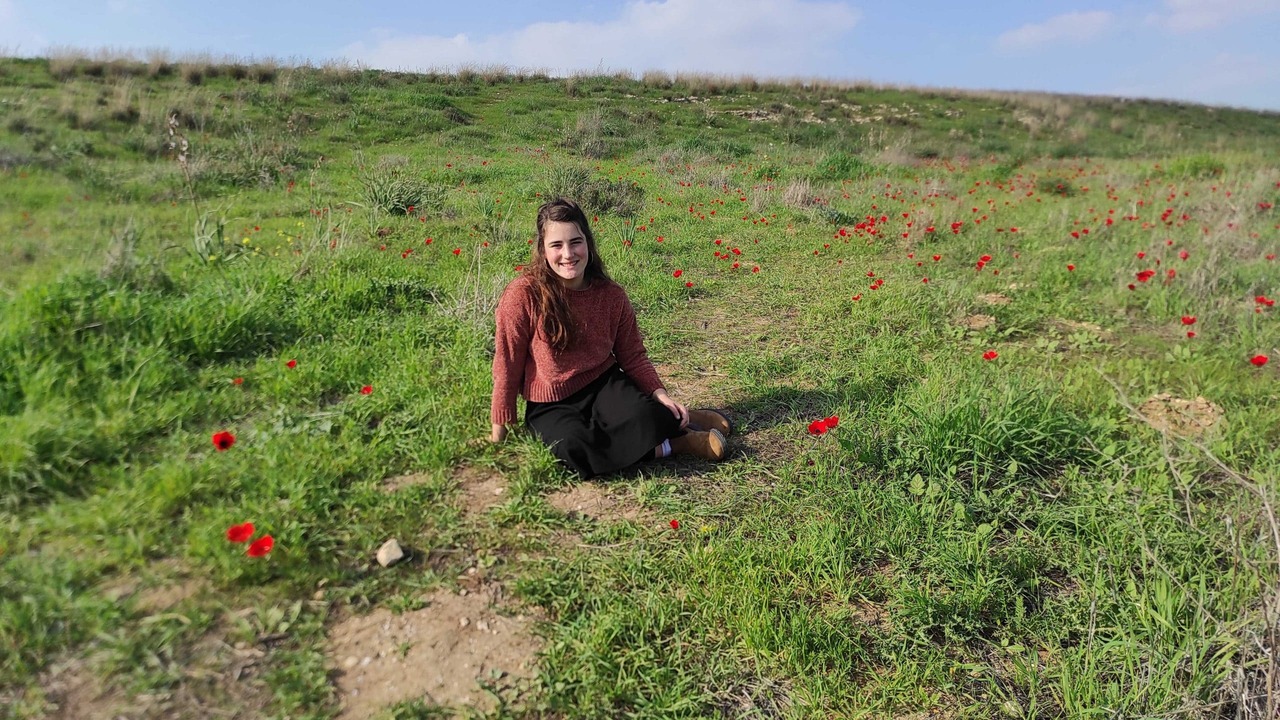
בתחילת הסבב הנוכחי הצטברו אצלי תחושות שאני לא מבינה מספיק מהי ההלכה אותה אני מקיימת בכל יום. כמו כן, כאמא לבנות רציתי לתת להן מודל נשי של לימוד תורה
שתי הסיבות האלו הובילו אותי להתחיל ללמוד. נתקלתי בתגובות מפרגנות וסקרניות איך אישה לומדת גמרא..
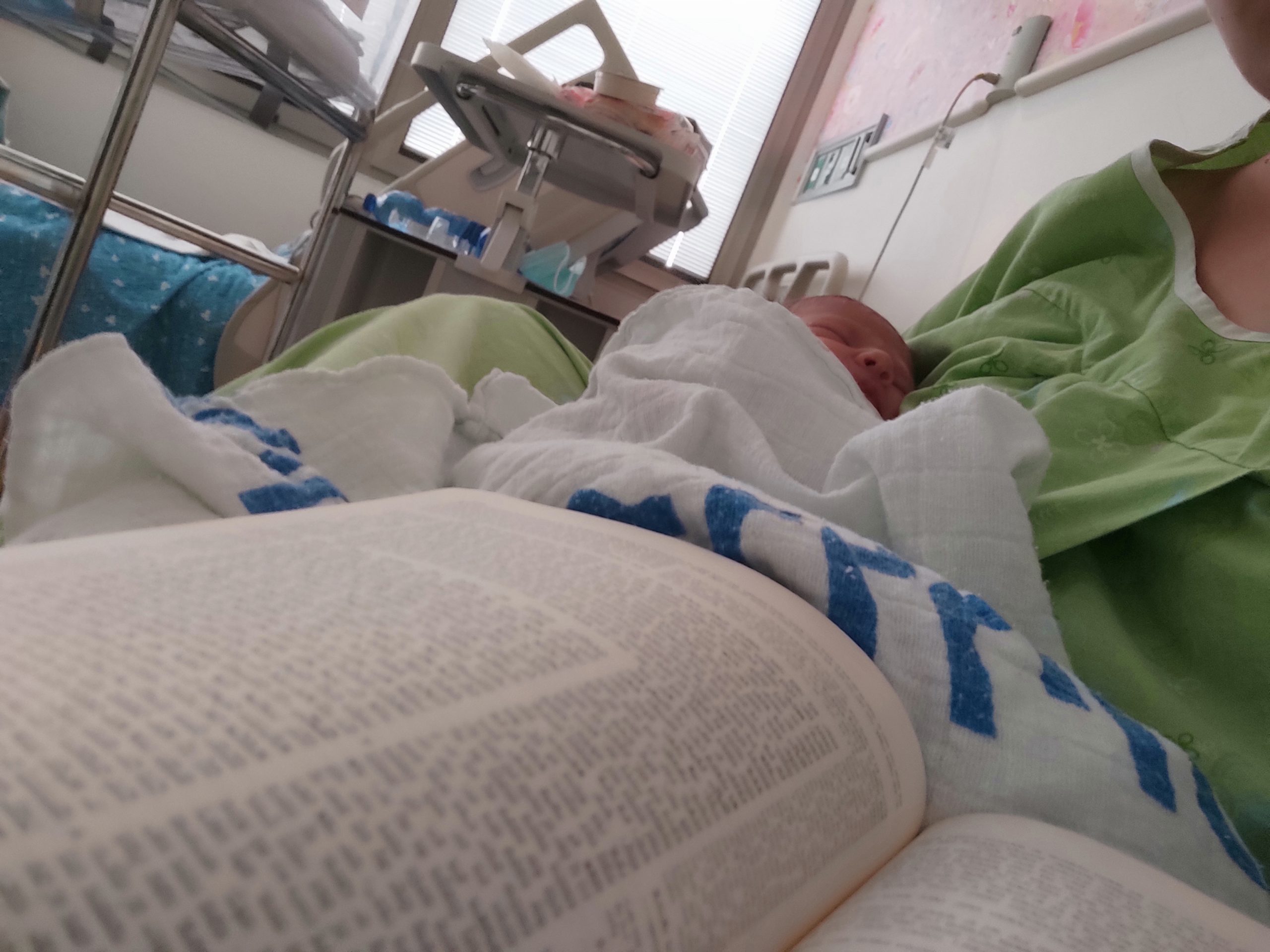
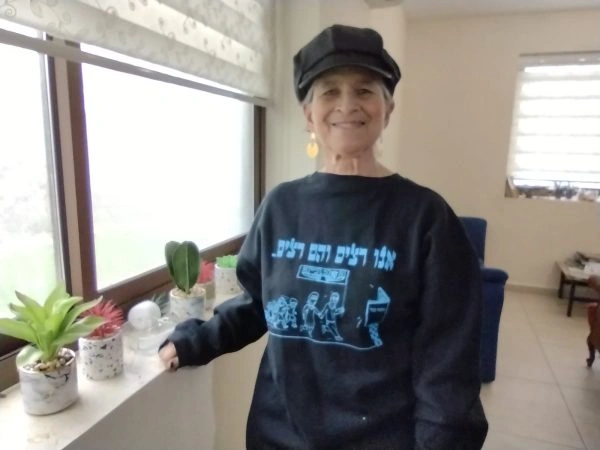
כמו שרואים בתמונה אני ממשיכה ללמוד גם היום ואפילו במחלקת יולדות אחרי לידת ביתי השלישית.

Noa Shiloh
נועה שילה

רבבה, ישראל

בתחילת הסבב הנוכחי של לימוד הדף היומי, נחשפתי לחגיגות המרגשות באירועי הסיום ברחבי העולם. והבטחתי לעצמי שבקרוב אצטרף גם למעגל הלומדות. הסבב התחיל כאשר הייתי בתחילת דרכי בתוכנית קרן אריאל להכשרת יועצות הלכה של נשמ”ת. לא הצלחתי להוסיף את ההתחייבות לדף היומי על הלימוד האינטנסיבי של תוכנית היועצות. בבוקר למחרת המבחן הסופי בנשמ”ת, התחלתי את לימוד הדף במסכת סוכה ומאז לא הפסקתי.

Hana Shaham-Rozby (Dr.)
חנה שחם-רוזבי (ד”ר)

קרית גת, ישראל

אחרי שראיתי את הסיום הנשי של הדף היומי בבנייני האומה זה ריגש אותי ועורר בי את הרצון להצטרף. לא למדתי גמרא קודם לכן בכלל, אז הכל היה לי חדש, ולכן אני לומדת בעיקר מהשיעורים פה בהדרן, בשוטנשטיין או בחוברות ושיננתם.

Rebecca Schloss
רבקה שלוס

בית שמש, ישראל

התחלתי ללמוד דף יומי אחרי שחזרתי בתשובה ולמדתי במדרשה במגדל עוז. הלימוד טוב ומספק חומר למחשבה על נושאים הלכתיים ”קטנים” ועד לערכים גדולים ביהדות. חשוב לי להכיר את הגמרא לעומק. והצעד הקטן היום הוא ללמוד אותה בבקיאות, בעזרת השם, ומי יודע אולי גם אגיע לעיון בנושאים מעניינים. נושאים בגמרא מתחברים לחגים, לתפילה, ליחסים שבין אדם לחברו ולמקום ולשאר הדברים שמלווים באורח חיים דתי 🙂

Gaia Divo
גאיה דיבו

מצפה יריחו, ישראל

התחלתי ללמוד גמרא בבית הספר בגיל צעיר והתאהבתי. המשכתי בכך כל חיי ואף היייתי מורה לגמרא בבית הספר שקד בשדה אליהו (בית הספר בו למדתי בילדותי)בתחילת מחזור דף יומי הנוכחי החלטתי להצטרף ובע”ה מקווה להתמיד ולהמשיך. אני אוהבת את המפגש עם הדף את "דרישות השלום ” שמקבלת מקשרים עם דפים אחרים שלמדתי את הסנכרון שמתחולל בין התכנים.

Ariela Bigman
אריאלה ביגמן

מעלה גלבוע, ישראל

כבר סיפרתי בסיום של מועד קטן.
הלימוד מאוד משפיעה על היום שלי כי אני לומדת עם רבנית מישל על הבוקר בזום. זה נותן טון לכל היום – בסיס למחשבות שלי .זה זכות גדול להתחיל את היום בלימוד ובתפילה. תודה רבה !

שרה-ברלוביץ
שרה ברלוביץ

ירושלים, ישראל

למדתי גמרא מכיתה ז- ט ב Maimonides School ואחרי העליה שלי בגיל 14 לימוד הגמרא, שלא היה כל כך מקובל בימים אלה, היה די ספוראדי. אחרי "ההתגלות” בבנייני האומה התחלתי ללמוד בעיקר בדרך הביתה למדתי מפוקקטסים שונים. לאט לאט ראיתי שאני תמיד חוזרת לרבנית מישל פרבר. באיזה שהוא שלב התחלתי ללמוד בזום בשעה 7:10 .
היום "אין מצב” שאני אתחיל את היום שלי ללא לימוד עם הרבנית מישל עם כוס הקפה שלי!!

selfie-scaled
דבי גביר

חשמונאים, ישראל

לפני 15 שנה, אחרי עשרות שנים של "ג’ינגול” בין משפחה לקריירה תובענית בהייטק, הצטרפתי לשיעורי גמרא במתן רעננה. הלימוד המעמיק והייחודי של הרבנית אושרה קורן יחד עם קבוצת הנשים המגוונת הייתה חוויה מאלפת ומעשירה. לפני כשמונה שנים כאשר מחזור הדף היומי הגיע למסכת תענית הצטרפתי כ”חברותא” לבעלי. זו השעה היומית שלנו ביחד כאשר דפי הגמרא משתלבים בחיי היום יום, משפיעים ומושפעים, וכשלא מספיקים תמיד משלימים בשבת

Yodi Askoff
יודי אסקוף

רעננה, ישראל

אני לומדת גמרא כעשור במסגרות שונות, ואת הדף היומי התחלתי כשחברה הציעה שאצטרף אליה לסיום בבנייני האומה. מאז אני לומדת עם פודקסט הדרן, משתדלת באופן יומי אך אם לא מספיקה, מדביקה פערים עד ערב שבת. בסבב הזה הלימוד הוא "ממעוף הציפור”, מקשיבה במהירות מוגברת תוך כדי פעילויות כמו בישול או נהיגה, וכך רוכשת היכרות עם הסוגיות ואופן ניתוחם על ידי חז”ל. בע”ה בסבב הבא, ואולי לפני, אצלול לתוכו באופן מעמיק יותר.

Yael Bir
יעל ביר

רמת גן, ישראל

באירוע של הדרן בנייני האומה. בהשראתה של אמי שלי שסיימה את הש”ס בסבב הקודם ובעידוד מאיר , אישי, וילדיי וחברותיי ללימוד במכון למנהיגות הלכתית של רשת אור תורה סטון ומורתיי הרבנית ענת נובוסלסקי והרבנית דבורה עברון, ראש המכון למנהיגות הלכתית.
הלימוד מעשיר את יומי, מחזיר אותי גם למסכתות שכבר סיימתי וידוע שאינו דומה מי ששונה פרקו מאה לשונה פרקו מאה ואחת במיוחד מרתקים אותי החיבורים בין המסכתות

Roit Kalech
רוית קלך

מודיעין, ישראל

My explorations into Gemara started a few days into the present cycle. I binged learnt and become addicted. I’m fascinated by the rich "tapestry” of intertwined themes, connections between Masechtot, conversations between generations of Rabbanim and learners past and present all over the world. My life has acquired a golden thread, linking generations with our amazing heritage.
Thank you.

Susan Kasdan
סוזן כשדן

חשמונאים, Israel

שמעתי על הסיום הענק של הדף היומי ע”י נשים בבנייני האומה. רציתי גם.
החלטתי להצטרף. התחלתי ושיכנעתי את בעלי ועוד שתי חברות להצטרף. עכשיו יש לי לימוד משותף איתו בשבת ומפגש חודשי איתן בנושא (והתכתבויות תדירות על דברים מיוחדים שקראנו). הצטרפנו לקבוצות שונות בווטסאפ. אנחנו ממש נהנות. אני שומעת את השיעור מידי יום (בד”כ מהרב יוני גוטמן) וקוראת ומצטרפת לסיומים של הדרן. גם מקפידה על דף משלהן (ונהנית מאד).

Liat Citron
ליאת סיטרון

אפרת, ישראל

התחלתי ללמוד בשנת המדרשה במגדל עוז, בינתיים נהנית מאוד מהלימוד ומהגמרא, מעניין ומשמח מאוד!
משתדלת להצליח לעקוב כל יום, לפעמים משלימה קצת בהמשך השבוע.. מרגישה שיש עוגן מקובע ביום שלי והוא משמח מאוד!

Uriah Kesner
אוריה קסנר

חיפה , ישראל

התחלתי ללמוד דף יומי באמצע תקופת הקורונה, שאבא שלי סיפר לי על קבוצה של בנות שתיפתח ביישוב שלנו ותלמד דף יומי כל יום. הרבה זמן רציתי להצטרף לזה וזאת הייתה ההזדמנות בשבילי. הצטרפתי במסכת שקלים ובאמצע הייתה הפסקה קצרה. כיום אני כבר לומדת באולפנה ולומדת דף יומי לבד מתוך גמרא של טיינזלץ.

Saturdays in Raleigh
שבות בראלי

עתניאל, ישראל

התחלתי ללמוד דף יומי כאשר קיבלתי במייל ממכון שטיינזלץ את הדפים הראשונים של מסכת ברכות במייל. קודם לא ידעתי איך לקרוא אותם עד שנתתי להם להדריך אותי. הסביבה שלי לא מודעת לעניין כי אני לא מדברת על כך בפומבי. למדתי מהדפים דברים חדשים, כמו הקשר בין המבנה של בית המקדש והמשכן לגופו של האדם (יומא מה, ע”א) והקשר שלו למשפט מפורסם שמופיע בספר ההינדי "בהגוד-גיתא”. מתברר שזה רעיון כלל עולמי ולא רק יהודי

Elena Arenburg
אלנה ארנבורג

נשר, ישראל

התחלתי ללמוד בסבב הנוכחי לפני כשנתיים .הסביבה מתפעלת ותומכת מאוד. אני משתדלת ללמוד מכל ההסכתים הנוספים שיש באתר הדרן. אני עורכת כל סיום מסכת שיעור בביתי לכ20 נשים שמחכות בקוצר רוח למפגשים האלו.

Yael Asher
יעל אשר

יהוד, ישראל

התחלתי ללמוד בעידוד שתי חברות אתן למדתי בעבר את הפרק היומי במסגרת 929.
בבית מתלהבים מאוד ובשבת אני לומדת את הדף עם בעלי שזה מפתיע ומשמח מאוד! לימוד הדף הוא חלק בלתי נפרד מהיום שלי. לומדת בצהריים ומחכה לזמן הזה מידי יום…

Miriam Wengerover
מרים ונגרובר

אפרת, ישראל

התחלתי ללמוד דף יומי ממסכת נידה כי זה היה חומר הלימוד שלי אז. לאחר הסיום הגדול בבנייני האומה החלטתי להמשיך. וב”ה מאז עם הפסקות קטנות של קורונה ולידה אני משתדלת להמשיך ולהיות חלק.

זה משפיע מאוד על היום יום שלי ועל אף שאני עסוקה בלימודי הלכה ותורה כל יום, זאת המסגרת הקבועה והמחייבת ביותר שיש לי.

Moriah Taesan Michaeli
מוריה תעסן מיכאלי

גבעת הראל, ישראל

A life-changing journey started with a Chanukah family tiyul to Zippori, home of the Sanhedrin 2 years ago and continued with the Syum in Binanei Hauma where I was awed by the energy of 3000 women dedicated to learning daf Yomi. Opening my morning daily with a fresh daf, I am excited with the new insights I find enriching my life and opening new and deeper horizons for me.

Becky Goldstein
בקי גולדשטיין

Elazar gush etzion, Israel

התחלתי ללמוד דף יומי בתחילת מסכת ברכות, עוד לא ידעתי כלום. נחשפתי לסיום הש״ס, ובעצם להתחלה מחדש בתקשורת, הפתיע אותי לטובה שהיה מקום לעיסוק בתורה.
את המסכתות הראשונות למדתי, אבל לא סיימתי (חוץ מעירובין איכשהו). השנה כשהגעתי למדרשה, נכנסתי ללופ, ואני מצליחה להיות חלק, סיימתי עם החברותא שלי את כל המסכתות הקצרות, גם כשהיינו חולות קורונה ובבידודים, למדנו לבד, העיקר לא לצבור פער, ומחכות ליבמות 🙂

Eden Yeshuron
עדן ישורון

מזכרת בתיה, ישראל

עירובין קב

בְּשֶׁאֵינוֹ נִיטָּל בְּאִיגְדּוֹ, דְּמָר סָבַר: כֵּיוָן דְּיֵשׁ בְּרֹאשׁוֹ גְּלוֹסְטְרָא — תּוֹרַת כְּלִי עָלָיו. וּמָר סָבַר: כֵּיוָן דְּאֵינוֹ נִיטָּל בְּאִיגְדּוֹ — לֹא.

it is in a case where it cannot be picked up by its rope, as it is too thin to bear the weight of the bolt. As this Sage, Rabbi Yosei, maintains: Since it has a knob at its end, it has the status of a vessel, and one is therefore permitted to secure the door with it. And this Sage, Rabbi Eliezer, maintains: Since it cannot be picked up by its rope, no, it is not considered a proper vessel merely because of the knob, and consequently, its use is prohibited on Shabbat.

מַתְנִי׳ נֶגֶר הַנִּגְרָר — נוֹעֲלִין בּוֹ בְּמִקְדָּשׁ, אֲבָל לֹא בִּמְדִינָה.

MISHNA: With regard to a bolt that is attached to the door, but owing to the length of the rope, it does not hang from the door but drags along the ground, one may lock a door with it in the Temple on Shabbat, as this is prohibited only by rabbinic decree, issued to enhance the character of Shabbat as a day of rest, and rabbinic decrees are not in effect in the Temple. However, one may not lock a door with this bolt in the country outside the Temple.

וְהַמּוּנָּח כָּאן וְכָאן — אָסוּר. רַבִּי יְהוּדָה אוֹמֵר: הַמּוּנָּח מוּתָּר בַּמִּקְדָּשׁ, וְהַנִּגְרָר בַּמְּדִינָה.

And with regard to one that is not tied at all but rests entirely on the ground, it is prohibited in both places, in and outside the Temple, as the use of this bolt is considered building. Rabbi Yehuda says: One that rests entirely on the ground is permitted in the Temple, and one that drags along the ground is permitted even in the rest of the country.

גְּמָ׳ תָּנוּ רַבָּנַן: אֵיזֶהוּ נֶגֶר הַנִּגְרָר שֶׁנּוֹעֲלִין בַּמִּקְדָּשׁ אֲבָל לֹא בַּמְּדִינָה — כׇּל שֶׁקָּשׁוּר וְתָלוּי, וְרֹאשׁוֹ אֶחָד מַגִּיעַ לָאָרֶץ. רַבִּי יְהוּדָה אוֹמֵר: זֶה אַף בַּמְּדִינָה מוּתָּר, אֶלָּא אֵיזֶהוּ נֶגֶר שֶׁנּוֹעֲלִין בַּמִּקְדָּשׁ אֲבָל לֹא בַּמְּדִינָה — כֹּל שֶׁאֵינוֹ לֹא קָשׁוּר וְלֹא תָּלוּי, וְשׁוֹמְטוֹ וּמַנִּיחוֹ בְּקֶרֶן זָוִית.

GEMARA: The Sages taught in a baraita: Which is the bolt that drags along the ground with which one may lock a door on Shabbat in the Temple but not in the rest of the country? Any that is tied to the door and suspended from it, while one end of the bolt reaches the ground. Rabbi Yehuda says: This type of bolt is permitted even in the rest of the country. Rather, which is the bolt with which one may lock a door in the Temple but not in the rest of the country? Any that is neither tied to the door nor suspended from it, but which one removes after use and places in a corner.

אָמַר רַב יְהוּדָה אָמַר שְׁמוּאֵל: הֲלָכָה כְּרַבִּי יְהוּדָה בְּנִגְרָר.

Rav Yehuda said that Shmuel said: The halakha is in accordance with the opinion of Rabbi Yehuda with regard to a bolt that is dragged. It is permitted to use this bolt on Shabbat even outside the Temple, but it is prohibited to use a bolt that rests on the ground, even in the Temple.

אָמַר רָבָא: וְהוּא שֶׁקָּשׁוּר בַּדֶּלֶת. אִינִי?! וְהָא רַבִּי טַבְלָא אִיקְּלַע לְמָחוֹזָא, וַחֲזָא לְהָהוּא דַּהֲוָה תְּלֵי בְּעִיבְרָא דְּדַשָּׁא וְלָא אֲמַר לְהוּ וְלָא מִידֵּי? הָהוּא נִיטָּל בְּאִיגְדּוֹ הֲוָה.

Rava said: And that is the case only if the bolt is tied to the door itself. The Gemara is surprised by this ruling: Is that really so? But didn’t Rabbi Tavla happen to come to Meḥoza and he saw a certain bolt that was suspended from the side of the door, and he did not say anything to the people there with regard to a prohibition? The Gemara rejects this contention: That bolt was one that could be picked up by its rope. Everyone agrees that a bolt of this kind may be used for locking a door on Shabbat even if it is not tied to the door itself.

רַב אַוְיָא אִיקְּלַע לִנְהַרְדְּעָא, חַזְיֵיהּ לְהָהוּא גַּבְרָא דַּהֲוָה קָא קָטֵיר בְּגֶמִי. אֲמַר: דֵּין לָא נִטְרוֹק.

The Gemara relates that Rav Avya once happened to come to Neharde’a and saw a certain person tying a bolt to a door with a reed. He said: This door may not be locked on Shabbat, as the bolt is not adequately fastened to it.

בָּעֵי רַבִּי זֵירָא: נִקְמַז, מַהוּ? אָמַר רַב יוֹסֵף: מַאי תִּיבְּעֵי לֵיהּ? לָא שְׁמִיעַ לֵיהּ הָא דְּתַנְיָא: נִשְׁמַט — אָסוּר, נִקְמַז — מוּתָּר. וְרַבִּי יְהוּדָה אָמַר: נִקְמַז, אַף עַל פִּי שֶׁאֵינוֹ נִשְׁמָט — אָסוּר.

Rabbi Zeira raised the following dilemma: If the bolt was pressed into the ground through a hole in the threshold, what is the halakha? Is the use of this bolt considered building? Rav Yosef said: What is Rabbi Zeira’s dilemma? Has he not heard that which was taught in the Tosefta: If the bolt was altogether detached from the rope to which it had been tied, it is prohibited; but if it was pressed into the ground, it is permitted; and Rabbi Yehuda said: If it was pressed into the ground, even though it was not entirely detached from its rope, it is prohibited?

וְאָמַר רַב יְהוּדָה אָמַר שְׁמוּאֵל: הֲלָכָה כְּרַבִּי יְהוּדָה בְּנִקְמַז. וְטַעְמָא מַאי? אָמַר אַבָּיֵי: מִשּׁוּם דְּמֶיחְזֵי כְּבוֹנֶה.

And Rav Yehuda said that Shmuel said: The halakha is in accordance with the opinion of Rabbi Yehuda with regard to a bolt that was pressed into the ground. The Gemara asks: And what is the reason that the Sages prohibited the use of a bolt that was pressed into the ground? Abaye said: They prohibited its use because it appears like building, as the bolt enters all the way into the ground.

בְּעָא מִינֵּיהּ רַב נְחוּמִי בַּר זְכַרְיָה מֵאַבָּיֵי: עָשָׂה לוֹ בֵּית יָד, מַהוּ? אֲמַר לֵיהּ: בּוּכְנָא קָאָמְרַתְּ. אִיתְּמַר, אָמַר רַב נְחוּמִי בַּר אַדָּא: עָשָׂה לוֹ בֵּית יָד — מוּתָּר.

Rav Neḥumei bar Zekharya raised a dilemma before Abaye: If one produced a handle for the bolt in order to hold it, but it was not tied to the door, what is the halakha? Abaye said to him: A pestle, you say? If it has a handle it is a proper utensil, which may be freely used according to all opinions. This teaching was stated also in the form of a direct statement: Rav Neḥumei bar Adda said: If he produced a handle for the bolt, it is permitted.

הָהוּא שָׁרִיתָא דַּהֲוָה בֵּי רַבִּי פְּדָת דַּהֲוָה מַדְלוּ לַהּ בֵּי עַשְׂרָה וְשָׁדוּ לַהּ אַדְּשָׁא, וְלָא אֲמַר לְהוּ וְלָא מִידֵּי. אֲמַר — תּוֹרַת כְּלִי עָלֶיהָ.

The Gemara relates that there was a certain cross beam in the house of Rabbi Pedat that was so heavy it took ten people to lift it, and they would place it against the door at night in order to secure it. And Rabbi Pedat did not say anything to them with regard to a possible prohibition. He said: I permit it because it has the status of a utensil. It appears like a utensil and it serves a distinct purpose; therefore, it may be used on Shabbat.

הָהִיא אֲסִיתָא דַּהֲוָת בֵּי מָר שְׁמוּאֵל דַּהֲוָה מַחְזֶקֶת אַדְרִיבָּא, שְׁרָא מָר שְׁמוּאֵל לְמִישְׁדְּיַיהּ אַדַּשָׁא. אֲמַר — תּוֹרַת כְּלִי עָלֶיהָ.

The Gemara further relates that there was a certain mortar in the house of Mar Shmuel that had a capacity of an adriva, which is equal to half a kor. Mar Shmuel permitted them to place it against the door to secure it. He said: It falls into the halakhic category of a utensil, and it may therefore be used to secure the door, as this is not regarded as building.

שְׁלַח לֵיהּ רָמֵי בַּר יְחֶזְקֵאל לְרַב עַמְרָם: נֵימָא לַן מָר מֵהָלֵין מִילֵּי מְעַלְּיָיתָא דַּאֲמַרְתְּ לַן מִשְּׁמֵיהּ דְּרַב אַסִּי בְּכִיפֵּי דְאַרְבָּא. שְׁלַח לֵיהּ, הָכִי אָמַר רַב אַסִּי: הָנֵי כִּיפֵּי דְאַרְבָּא בִּזְמַן שֶׁיֵּשׁ בָּהֶן טֶפַח, אִי נָמֵי אֵין בָּהֶן טֶפַח וְאֵין בֵּין זֶה לָזֶה שְׁלֹשָׁה — לְמָחָר מֵבִיא מַחְצֶלֶת וּפוֹרֵס עֲלֵיהֶן.

Rami bar Yeḥezkel sent a request to Rav Amram: Let the Master tell us some of those outstanding matters that you told us in the name of Rav Asi with regard to the arches of a boat upon which mats are draped as protection against the elements. Rav Amram sent back to him that Rav Asi said as follows: With regard to the arches of a boat, when they are a handbreadth wide, or even if they are not a handbreadth wide but there is less than three handbreadths between them, in which case the intervening space is regarded as filled in based on the principle of lavud, on the following day, i.e., on Shabbat, one may bring a mat and spread it over them.

מַאי טַעְמָא — מוֹסִיף עַל אֹהֶל עֲרַאי הוּא, וְשַׁפִּיר דָּמֵי.

What is the reason for this leniency? The reason is that this is considered adding to a temporary tent, and therefore one may well spread a mat over the arches. They themselves constitute a tent. Therefore, one who spreads a mat over them is merely adding to the temporary tent.

הָנְהוּ דִּכְרֵי דַּהֲווֹ לֵיהּ לְרַב הוּנָא, דְּבִימָמָא בְּעוֹ טוּלָּא וּבְלֵילְיָא בְּעוֹ אַוֵּירָא. אֲתָא לְקַמֵּיהּ דְּרַב.

The Gemara further relates that Rav Huna had certain rams that required shade during the day and required air at night. He therefore sought a way for the pen to be covered by day but not at night, even on Shabbat. He came before Rav to seek his advice.

אֲמַר לֵיהּ: זִיל כְּרוֹךְ בּוּדְיָיא, וְשַׁיַּיר בַּהּ טֶפַח, לִמְחַר פַּשְׁטַהּ וּמוֹסִיף עַל אֹהֶל עֲרַאי הוּא, וְשַׁפִּיר דָּמֵי.

Rav said to him: Go, roll up the mats [budeya] that were spread out there for shade, but leave one handbreadth covered. On the following day, unroll the entire mat, which is considered adding to a temporary tent and which is permitted.

אָמַר רַב מִשּׁוּם רַבִּי חִיָּיא: וִילוֹן מוּתָּר לִנְטוֹתוֹ וּמוּתָּר לְפוֹרְקוֹ בְּשַׁבָּת.

Rav said in the name of Rabbi Ḥiyya: With regard to a curtain put up for privacy, one is permitted to spread it out, and one is also permitted to dismantle it on Shabbat. As it is not a tent but merely a temporary wall, akin to a door, one does not violate a prohibition if it is not fixed firmly in place.

כִּילַּת חֲתָנִים מוּתָּר לְפוֹרְקָהּ וְלִנְטוֹתָהּ בְּשַׁבָּת. אָמַר רַב שֵׁשֶׁת בְּרֵיהּ דְּרַב אִידִי: לָא אֲמַרַן אֶלָּא שֶׁאֵין בְּגַגָּהּ טֶפַח, אֲבָל יֵשׁ בְּגַגָּהּ טֶפַח — אָסוּר.

With regard to a bridal canopy, a curtain that is suspended over a bed and inclines outward in both directions, it is permitted both to dismantle it and to spread it on Shabbat. Rav Sheshet, son of Rav Idi, said: We said that this is permitted only where the curtain extends over the bed and falls on both sides in such a manner that the top of the curtain, the apex of the canopy, is less than a handbreadth wide. However, if its top is a handbreadth wide, i.e., if the curtain does not rise to a sharp point but extends horizontally for a handbreadth, after which it falls to the side, this handbreadth is regarded as a tent and is therefore prohibited.

וְכִי אֵין בְּגַגָּהּ טֶפַח, לָא אֲמַרַן אֶלָּא שֶׁאֵין בְּפָחוֹת מִשְּׁלֹשָׁה סָמוּךְ לַגַּג טֶפַח, אֲבָל יֵשׁ בְּפָחוֹת מִשְּׁלֹשָׁה סָמוּךְ לַגַּג טֶפַח — אָסוּר.

And even where its horizontal top is not a handbreadth wide, we said this leniency only if its width is less than a handbreadth within three handbreadths from its top. However, if its width is a handbreadth within three handbreadths from its top, this handbreadth is considered a tent and it is therefore prohibited to spread it on Shabbat.

וְכִי אֵין בְּפָחוֹת מִשְּׁלֹשָׁה סָמוּךְ לַגַּג טֶפַח נָמֵי, לָא אֲמַרַן אֶלָּא שֶׁאֵין

And even where it is less than a handbreadth wide within three handbreadths of its top, we said this leniency only where

בְּשִׁיפּוּעָהּ טֶפַח, אֲבָל יֵשׁ בְּשִׁיפּוּעָהּ טֶפַח — שִׁיפּוּעֵי אֹהָלִים כְּאֹהָלִים דָּמוּ.

its incline does not extend a handbreadth from the center to each side. However, if its incline extends a handbreadth from the center to the side, the halakha is that the inclines of tents are considered like tents, and it is therefore prohibited to suspend them.

וְאָמַר רַב שִׁישָׁא בְּרֵיהּ דְּרַב אִידִי: סְיָינָא — שְׁרֵי. וְהָתַנְיָא אָסוּר! לָא קַשְׁיָא: הָא — דְּאִית בֵּיהּ טֶפַח, הָא — דְּלֵית בֵּיהּ טֶפַח.

And Rav Sheisha, son of Rav Idi, said: With regard to a stiff felt hat [sayna], it is permitted to wear it on Shabbat. The Gemara raises a difficulty: But wasn’t it taught in a baraita that wearing this hat is prohibited? The Gemara answers: It is not difficult. This baraita, which prohibits wearing a felt hat, is referring to a case where the hat extends a handbreadth from the person’s head and is therefore regarded as a tent; whereas that statement by Rav Sheisha, who permits doing so, is referring to a case where it does not extend a handbreadth from one’s head.

אֶלָּא מֵעַתָּה: שַׁרְבֵּיב בִּגְלִימֵיהּ טֶפַח, הָכִי נָמֵי דְּאָסוּר?

The Gemara is surprised at this answer: But if that is so, one who pulled his cloak a handbreadth beyond his head, is it also prohibited for him to do so? This is unreasonable, as it is an article of clothing, not a tent.

אֶלָּא, לָא קַשְׁיָא: הָא — דְּמִיהַדַּק, הָא — דְּלָא מִיהַדַּק.

Rather, the previous explanation must be rejected, as the issue with regard to a felt hat is not whether it is considered a tent, but whether there is concern that one might come to carry it in the public domain if it falls from his head. This is not difficult; this statement of Rav Sheisha, which permits it, is referring to a case where the hat fits snugly on his head. There is no concern lest the hat fall and one will come to carry it; therefore it is permitted to wear it. Conversely, that baraita, which prohibits wearing this hat, is referring to a case where it does not fit snugly on his head. It is therefore liable to fall, and one might come to carry it in the public domain.

מַתְנִי׳ מַחְזִירִין צִיר הַתַּחְתּוֹן בַּמִּקְדָּשׁ, אֲבָל לֹא בַּמְּדִינָה. וְהָעֶלְיוֹן — כָּאן וְכָאן אָסוּר. רַבִּי יְהוּדָה אוֹמֵר: הָעֶלְיוֹן — בַּמִּקְדָּשׁ, וְהַתַּחְתּוֹן — בַּמְּדִינָה.

MISHNA: One may restore the lower hinge pin of the door of a carriage, box, or cupboard that becomes dislocated to its place on Shabbat in the Temple, as this action is prohibited by rabbinic decree, which is not in effect in the Temple; but it may not be restored to its place in the rest of the country. And restoring the upper hinge pin is prohibited in both places, as this is considered building, a labor prohibited by Torah law, which applies everywhere. Rabbi Yehuda says: Restoring the upper hinge pin to its place is permitted in the Temple, while one may restore the lower one to its place even in the rest of the country.

גְּמָ׳ תָּנוּ רַבָּנַן: צִיר דֶּלֶת שִׁידָּה תֵּיבָה וּמִגְדָּל, בַּמִּקְדָּשׁ — מַחֲזִירִין, בַּמְּדִינָה — דּוֹחֲקִין. וְהָעֶלְיוֹן — כָּאן וְכָאן לֹא יַחֲזִיר, גְּזֵרָה שֶׁמָּא יִתְקַע. וְאִם תָּקַע — חַיָּיב חַטָּאת.

GEMARA: The Sages taught a baraita: With regard to the lower hinge pin of the door of a carriage, box, or cupboard, one may restore it to its place in the Temple; in the rest of the country one may only push it back into place, provided that it did not come out of its socket entirely. As for the upper hinge, one may not restore it in either place. This is prohibited as a preventive measure, lest one come to bang it in forcefully, thereby performing an actual labor prohibited by Torah law. And if he actually banged it in, he is liable to bring a sin-offering, as his action is considered building.

שֶׁל בּוֹר וְשֶׁל דּוּת וְשֶׁל יָצִיעַ — לֹא יַחְזִיר, וְאִם הֶחְזִיר חַיָּיב חַטָּאת.

With regard to the hinge pin of the door of a pit, cistern, or an extension to a building, one may not restore it to its place at all. And if one restored it to its place, he is liable to bring a sin-offering. The above distinction applies only to movable utensils, whereas anything attached to the ground may certainly not be fixed in place, as this is regarded as prohibited building.

מַתְנִי׳ מַחְזִירִין רְטִיָּה בַּמִּקְדָּשׁ, אֲבָל לֹא בַּמְּדִינָה. אִם בַּתְּחִילָּה — כָּאן וְכָאן אָסוּר.

MISHNA: One may return to its place a bandage that became detached from a wound on Shabbat in the Temple. In the Temple, this is not prohibited as a preventive measure, lest one come to spread the ointment and thereby perform the prohibited labor of smoothing. However, one may not return a bandage to its place in the rest of the country. If one sought to apply the bandage for the first time to an untreated wound on Shabbat, it is prohibited in both places.

גְּמָ׳ תָּנוּ רַבָּנַן: רְטִיָּה שֶׁפֵּרְשָׁה מֵעַל גַּבֵּי מַכָּה — מַחְזִירִין בְּשַׁבָּת. רַבִּי יְהוּדָה אוֹמֵר: הוּחְלְקָה לְמַטָּה — דּוֹחֲקָהּ לְמַעְלָה, לְמַעְלָה — דּוֹחֲקָהּ לְמַטָּה, וּמְגַלֶּה מִקְצָת הָרְטִיָּה וּמְקַנֵּחַ פִּי הַמַּכָּה, וְחוֹזֵר וּמְגַלֶּה מִקְצָת רְטִיָּה וּמְקַנֵּחַ פִּי הַמַּכָּה.

GEMARA: The Sages taught a baraita: With regard to a bandage that became detached from a wound, one may return it to its place on Shabbat in all cases. Rabbi Yehuda says: If it slipped downward, one may push it upward; if it slipped upward, one may push it downward. One may also uncover part of the bandage and clean the opening of the wound on one side, and then uncover another part of the bandage on the other side and clean the opening of the wound on that side.

וּרְטִיָּה עַצְמָהּ לֹא יְקַנֵּחַ, מִפְּנֵי שֶׁהוּא מְמָרֵחַ. וְאִם מֵירַח — חַיָּיב חַטָּאת.

However, one may not clean the bandage itself, because that would involve spreading the ointment, which is a subcategory of the prohibited labor of smoothing, and if one spread the ointment he is liable to bring a sin-offering. Actually restoring a bandage that was completely detached from the wound is prohibited in all cases.

אָמַר רַב יְהוּדָה אָמַר שְׁמוּאֵל: הֲלָכָה כְּרַבִּי יְהוּדָה. אָמַר רַב חִסְדָּא: לֹא שָׁנוּ אֶלָּא שֶׁפֵּירְשָׁה עַל גַּבֵּי כְּלִי, אֲבָל פֵּירְשָׁה עַל גַּבֵּי קַרְקַע — דִּבְרֵי הַכֹּל אָסוּר.

Rav Yehuda said that Shmuel said: The halakha is in accordance with the opinion of Rabbi Yehuda. Rav Ḥisda said: The Sages taught that it is permitted to restore the bandage to the wound only where it became detached and fell onto a utensil, in which case one may immediately pick it up and replace it. However, if it became detached and fell onto the ground, everyone agrees it is prohibited, as this is considered as though one were bandaging the wound for the first time.

אָמַר מָר בַּר רַב אָשֵׁי: הֲוָה קָאֵימְנָא קַמֵּיהּ אַבָּא, נְפַלָה לֵיהּ אַבֵּי סַדְיָא, וְקָא מַהְדַּר לֵיהּ. אָמֵינָא לֵיהּ: לָא סָבַר לַהּ מָר לְהָא דְּאָמַר רַב חִסְדָּא: מַחְלוֹקֶת שֶׁפֵּירְשָׁה עַל גַּבֵּי כְּלִי, אֲבָל פֵּירְשָׁה עַל גַּבֵּי קַרְקַע — אָסוּר, וְאָמַר שְׁמוּאֵל: הֲלָכָה כְּרַבִּי יְהוּדָה!

Mar bar Rav Ashi said: I was standing before Father, and his bandage fell onto a pillow and he replaced it. I said to him: Doesn’t the Master hold that which Rav Ḥisda said: The dispute is restricted to a case where the bandage became detached and fell onto a utensil, but if it became detached and fell onto the ground, everyone agrees that it is prohibited; and furthermore, Shmuel said: The halakha is in accordance with the opinion of Rabbi Yehuda, that it is prohibited to replace even a bandage that fell onto a utensil?

אָמַר לִי: לָא שְׁמִיעַ לִי, כְּלוֹמַר לָא סְבִירָא לִי.

He said to me: I did not hear this teaching; that is to say, I do not agree with Rav Ḥisda’s interpretation that the dispute is only in a case where the bandage fell onto a utensil. Rather, they disagree even if it fell onto the ground, and the halakha is that the bandage may be restored to the wound.

מַתְנִי׳ קוֹשְׁרִין נִימָא בַּמִּקְדָּשׁ, אֲבָל לֹא בַּמְּדִינָה. וְאִם בַּתְּחִילָּה — כָּאן וְכָאן אָסוּר.

MISHNA: One may tie up on Shabbat a string [nima] that came loose from a harp used in the Temple, but not in the rest of the country. And tying the string to the harp for the first time is prohibited both here and there.

גְּמָ׳ וּרְמִינְהוּ: נִימַת כִּנּוֹר שֶׁנִּפְסְקָה — לֹא הָיָה קוֹשְׁרָהּ אֶלָּא עוֹנְבָהּ! לָא קַשְׁיָא: הָא — רַבָּנַן, וְהָא — רַבִּי אֱלִיעֶזֶר.

GEMARA: And the Gemara raises a contradiction from a baraita: If a harp string broke, one would not tie it up with a knot, but fashion a bow. This teaching indicates that tying up a harp string is prohibited even in the Temple. The Gemara answers: It is not difficult; this baraita, which prohibits tying, was taught in accordance with the opinion of the Rabbis; and that mishna is in accordance with the opinion of Rabbi Eliezer.

לְרַבִּי אֱלִיעֶזֶר דְּאָמַר מַכְשִׁירֵי מִצְוָה דּוֹחִין אֶת הַשַּׁבָּת, קוֹשְׁרָהּ. לְרַבָּנַן דְּאָמְרִי אֵין דּוֹחִין, עוֹנְבָהּ.

The Gemara clarifies this answer: According to Rabbi Eliezer, who said that the preparations that enable the performance of a mitzva override the prohibitions of Shabbat, one may tie even the broken harp string, as this is for the purpose of the mitzva of accompanying the Temple service with music. However, according to the Rabbis, who say that preparations for a mitzva do not override Shabbat prohibitions, one may only fashion a bow.

אִי רַבִּי אֱלִיעֶזֶר, אֲפִילּוּ לְכַתְּחִילָּה נָמֵי!

The Gemara raises a difficulty: If in fact the mishna is in accordance with the opinion of Rabbi Eliezer, who permits facilitating performance of a mitzva even when it involves desecration of Shabbat, even in a case where the string did not break and one is tying it for the first time, this too should be permitted, as he is acting for the purpose of a mitzva.

אֶלָּא, לָא קַשְׁיָא: הָא — רַבִּי יְהוּדָה, וְהָא — רַבָּנַן.

Rather, the Gemara provides a different resolution of the contradiction: It is not difficult. This, the mishna that permits tying the broken string, was taught in accordance with the opinion of Rabbi Yehuda, who maintains that making a bow is considered tying, and there is no difference between the two actions; and that, the baraita that prohibits it, is in accordance with the opinion of the Rabbis, who rule that fashioning a bow is not prohibited by Torah law, and therefore it is permitted to fashion a bow.

וְרַבִּי יְהוּדָה אַלִּיבָּא דְּמַאן?

The Gemara asks: And Rabbi Yehuda, in accordance with whose opinion did he express his view?

רוצה לעקוב אחרי התכנים ולהמשיך ללמוד?

ביצירת חשבון עוד היום ניתן לעקוב אחרי ההתקדמות שלך, לסמן מה למדת, ולעקוב אחרי השיעורים שמעניינים אותך.

לנקות את כל הפריטים מהרשימה?

פעולה זו תסיר את כל הפריטים בחלק זה כולל ההתקדמות וההיסטוריה. שימי לב: לא ניתן לשחזר פעולה זו.

ביטול
מחיקה

האם את/ה בטוח/ה שברצונך למחוק פריט זה?

תאבד/י את כל ההתקדמות או ההיסטוריה הקשורות לפריט זה.

ביטול
מחיקה