








אם עבד משמש כתשלום ייעודי להלוואה והאדון משחרר את העבד, אין לעבד אחריות כלפי הנושה. אולם הרבנים הנהיגו תקנה והכריחו את האדון לשחררו. כדי לפצות את הנושה, העבד כותב שטר חוב על ערכו. רבן שמעון בן גמליאל סבור שהמשחרר את העבד כותב את שטר החוב. רב ועולא מסבירים כל אחד את המקרה הזה אחרת. איזה אדון שחרר את העבד, איזה אדון צריך לשחרר את העבד לפי התקנה ומי כותב את שטר החוב לפי הרשב”ג? מה מטרת התקנה ומה שורש הוויכוח בין תנא קמא ורשב”ג? אם ייעד שדה להחזר והלוואה והשדה ניזוק, האם הנושה יכול לגבות מרכוש אחר של החייב? במה זה תלוי? אם עבד משוחרר למחצה, בית שמאי ובית הלל חלוקים אם הבעלים צריך לשחרר את חציו השני. בסופו של דבר, בית שמאי משכנעים את בית הלל שצריך לשחרר את העבד כדי לאפשר לו לשאת אשה כדי שיוכל לקיים את מצוות פריה ורביה. האם אפשר לשחרר עבד חלקית? יש ויכוח בין רבי וחכמים האם זה עובד. רבה ורב יוסף חלוקים בשאלה האם המחלוקת מתייחסת רק לעבד המשוחרר על ידי שטר או גם על ידי כסף.
רוצה להקדיש לימוד?
גיטין מא
וְיֹאמַר לוֹ: ״עַבְדִּי אָתָּה״ – כּוֹפִין אֶת רַבּוֹ שֵׁנִי, וְעוֹשֶׂה אוֹתוֹ בֶּן חוֹרִין, וְכוֹתֵב עֶבֶד שְׁטָר עַל דָּמָיו. רַבָּן שִׁמְעוֹן בֶּן גַּמְלִיאֵל אוֹמֵר: אֵין הָעֶבֶד כּוֹתֵב אֶלָּא מְשַׁחְרֵר כּוֹתֵב.
and will say to him: You are my slave, because he was designated to be used as repayment for the debt, and lest the future children of this emancipated slave acquire the reputation of being disqualified, the court forces his second master, i.e., the creditor, and he makes him a freeman, and the slave writes a promissory note for his value, that he owes his own value to the creditor. Rabban Shimon ben Gamliel says: The slave does not write a promissory note for his value. Rather, his first master, who emancipated him, writes a promissory note, and then pays the value of the slave to the creditor, as the master designated the slave to be used for repayment.
בְּמַאי קָא מִיפַּלְגִי? בְּמַזִּיק שִׁיעְבּוּדוֹ שֶׁל חֲבֵירוֹ קָא מִיפַּלְגִי – דְּמָר סָבַר חַיָּיב, וּמָר סָבַר פָּטוּר.
The Gemara explains: With regard to what halakha do they disagree? They disagree with regard to the halakha in the case of one who causes damage to his friend’s lien, as one Sage, Rabban Shimon ben Gamliel, holds that one who causes damage to his friend’s lien is liable to pay for the damage, although the liened object itself does not belong to his friend. Therefore, in the case of the mishna, the one who emancipated the slave is required to write a promissory note for his value. And one Sage, the first tanna, holds that he is exempt. Consequently, it is the slave who is required to write a promissory note for his value.
אִיתְּמַר נָמֵי: הַמַּזִּיק שִׁיעְבּוּדוֹ שֶׁל חֲבֵירוֹ, בָּאנוּ לְמַחְלוֹקֶת רַבָּן שִׁמְעוֹן בֶּן גַּמְלִיאֵל וְרַבָּנַן.
It was also stated that Rabban Shimon ben Gamliel and the Rabbis disagree with regard to that issue: When discussing one who causes damage to his friend’s lien, we have arrived at the dispute between Rabban Shimon ben Gamliel and the Rabbis, which supports the above analysis.
עוּלָּא אָמַר: מִי שִׁיחְרְרוֹ – רַבּוֹ שֵׁנִי. שׁוּרַת הַדִּין אֵין הָעֶבֶד חַיָּיב כְּלוּם בְּמִצְוֹת; אֶלָּא מִפְּנֵי תִּיקּוּן הָעוֹלָם – שֶׁהֲרֵי יָצָא עָלָיו שֵׁם בֶּן חוֹרִין, כּוֹפִין אֶת רַבּוֹ רִאשׁוֹן וְעוֹשֶׂה אוֹתוֹ בֶּן חוֹרִין, וְכוֹתֵב שְׁטָר עַל דָּמָיו. רַבָּן שִׁמְעוֹן בֶּן גַּמְלִיאֵל אוֹמֵר: אֵינוֹ כּוֹתֵב, אֶלָּא מְשַׁחְרֵר כּוֹתֵב.
Ulla said another explanation of the dispute in the mishna: Who emancipated him? His second master, for whom he served as a lien for his debt. The mishna should be explained as follows: According to the letter of the law, the slave is not at all obligated in mitzvot as a result of this emancipation, because the creditor did not have the authority to emancipate him. However, for the betterment of the world, since a rumor has spread about him that he is a freeman as a result of the emancipation, his first master is forced to make him a freeman, and the slave writes a promissory note for his value to be paid to his original master, who was forced to emancipate his slave without receiving compensation. Rabban Shimon ben Gamliel says: The slave does not write a promissory note for his value. Rather, the one who emancipates, the creditor, writes a promissory note and pays the original master.
בְּמַאי קָמִיפַּלְגִי? בְּהֶיזֵּק שֶׁאֵינוֹ נִיכָּר קָמִיפַּלְגִי – מָר סָבַר: שְׁמֵיהּ הֶיזֵּק, וּמָר סָבַר: לָא שְׁמֵיהּ הֶיזֵּק.
The Gemara explains: With regard to what principle do they disagree? They disagree with regard to damage that is not evident, i.e., a case where the value of an item was lowered due to a change that occurred that is not noticeable in the physical properties of that item. One Sage, Rabban Shimon ben Gamliel, holds that damage that is not evident is termed damage. Consequently, since the master is forced to emancipate his slave as a result of the action of the creditor, it is viewed as if the creditor has damaged the item of the master. And one Sage, the first tanna, holds that damage that is not evident is not termed damage, and the creditor is not liable to pay.
עוּלָּא, מַאי טַעְמָא לָא אָמַר כְּרַב? אָמַר לָךְ: שֵׁנִי – ״רַבּוֹ״ קָרֵית לֵיהּ?!
The Gemara asks: What is the reason that Ulla did not say an explanation in accordance with the explanation of Rav with regard to the proper understanding of the mishna? The Gemara answers: Ulla could have said to you: Do you call the second person: His master, which is the term employed in the mishna to describe the one who emancipated the slave? The creditor never was in fact the master of the slave, as the slave was only liened to him.
וְרַב, מַאי טַעְמָא לָא אָמַר כְּעוּלָּא? אָמַר לָךְ: שֵׁנִי – ״מְשַׁחְרֵר״ קָרֵית לֵיהּ?!
The Gemara asks: And what is the reason that Rav did not say in accordance with the explanation of Ulla with regard to the proper understanding of the mishna? The Gemara answers: Rav could have said to you: Do you call the second person: One who emancipates, which is the term employed in the mishna to describe the action taken? The action he performed is not emancipation, as he does not have the authority to emancipate a slave that does not belong to him.
אִיתְּמַר: הָעוֹשָׂה שָׂדֵהוּ אַפּוֹתֵיקֵי לַאֲחֵרִים, וּשְׁטָפָהּ נָהָר; אַמֵּי שַׁפִּיר נָאֶה אָמַר רַבִּי יוֹחָנָן: אֵינוֹ גּוֹבֶה מִשְּׁאָר נְכָסִים; וַאֲבוּהּ דִּשְׁמוּאֵל אָמַר: גּוֹבֶה מִשְּׁאָר נְכָסִים.
§ It was stated that the Sages disagreed with regard to a similar question: In the case of one who sets aside his field as designated repayment for others to whom he owes a debt, and a river flooded the field in a way that caused permanent damage, the Sage known as Ami Shappir Na’e, literally meaning Ami the Beautiful, says that Rabbi Yoḥanan says: The creditor does not collect from other property, and because this field was ruined the creditor incurs a loss. And Shmuel’s father said: He collects from other property.
אָמַר רַב נַחְמָן בַּר יִצְחָק: מִשּׁוּם דְּאַמֵּי שַׁפִּיר נָאֶה הוּא, אוֹמֵר שְׁמַעְתָּא דְּלָא שַׁפִּירָן?! תְּתַרְגַּם שְׁמַעְתֵּיהּ, דַּאֲמַר לֵיהּ: ״לֹא יְהֵא לְךָ פֵּרָעוֹן אֶלָּא מִזּוֹ״.
Rav Naḥman bar Yitzḥak said: Because Ami is beautiful [shappir na’e], does he say halakhot that are not beautiful and correct? Why should the creditor not be able to collect his debt from other property? Interpret his halakha as referring to a case where the debtor said explicitly to the creditor: Not only is this field liened property, but you will have payment only from this field. In such a case, Ami Shappir Na’e ruled that if that field is destroyed, the creditor has no recourse.
תַּנְיָא נָמֵי הָכִי: הָעוֹשָׂה שָׂדֵהוּ אַפּוֹתֵיקֵי לְאַחֵר, וּשְׁטָפָהּ נָהָר – גּוֹבֶה מִשְּׁאָר נְכָסִים. וְאִם אָמַר לוֹ: ״לֹא יְהֵא לְךָ פֵּרָעוֹן אֶלָּא מִזּוֹ״ – אֵינוֹ גּוֹבֶה מִשְּׁאָר נְכָסִים.
This is also taught in a baraita: In the case of one who sets aside his field as designated repayment for another to whom he owes a debt, and a river flooded the field, the creditor collects from other property. But if the debtor said to the creditor: You will have payment only from this field, then he does not collect from other property.
תַּנְיָא אִידַּךְ: הָעוֹשֶׂה שָׂדֵהוּ אַפּוֹתֵיקֵי לְבַעַל חוֹב וְלִכְתוּבַּת אִשָּׁה – גּוֹבִין מִשְּׁאָר נְכָסִים. רַבָּן שִׁמְעוֹן בֶּן גַּמְלִיאֵל אוֹמֵר: בַּעַל חוֹב גּוֹבֶה מִשְּׁאָר נְכָסִים, אִשָּׁה אֵינָהּ גּוֹבָה מִשְּׁאָר נְכָסִים – שֶׁאֵין דַּרְכָּהּ שֶׁל אִשָּׁה לְחַזֵּר עַל בָּתֵּי דִינִין.
It is taught in another baraita (Tosefta, Ketubot 12:3): In the case of one who sets aside his field as designated repayment to a creditor or for a woman’s marriage contract, and he later sells that field, the creditor or the woman collects only from other property but not from the field that was sold. Rabban Shimon ben Gamliel says: A creditor collects only from other property, but a woman does not need to collect from other property. She may seize the field that had been designated. What is the reason for the distinction? Since it is not the way of a woman to go to court, it is assumed that that particular field was designated to pay her marriage contract in any event, to avoid the need for her to enter into litigation to claim her due.
מַתְנִי׳ מִי שֶׁחֶצְיוֹ עֶבֶד וְחֶצְיוֹ בֶּן חוֹרִין – עוֹבֵד אֶת רַבּוֹ יוֹם אֶחָד, וְאֶת עַצְמוֹ יוֹם אֶחָד; דִּבְרֵי בֵּית הִלֵּל. בֵּית שַׁמַּאי אוֹמְרִים: תִּקַּנְתֶּם אֶת רַבּוֹ, וְאֶת עַצְמוֹ לֹא תִּקַּנְתֶּם – לִישָּׂא שִׁפְחָה אִי אֶפְשָׁר, שֶׁכְּבָר חֶצְיוֹ בֶּן חוֹרִין;
MISHNA: In the case of one who is a half-slave half-freeman because only one of his two owners emancipated him, he serves his master one day and serves himself one day; this is the statement of Beit Hillel. Beit Shammai say: Through such an arrangement you have remedied his master, as his master loses nothing through this. However, you have not remedied the slave himself, as the slave himself remains in an unsustainable situation. It is not possible for him to marry a maidservant because he is already a half-freeman, as it is prohibited for a freeman to marry a maidservant.
בַּת חוֹרִין אִי אֶפְשָׁר, שֶׁכְּבָר חֶצְיוֹ עֶבֶד. יִבָּטֵל? וַהֲלֹא לֹא נִבְרָא הָעוֹלָם אֶלָּא לִפְרִיָּה וּרְבִיָּה, שֶׁנֶּאֱמַר: ״לֹא תוֹהוּ בְרָאָהּ לָשֶׁבֶת יְצָרָהּ״! אֶלָּא מִפְּנֵי תִּיקּוּן הָעוֹלָם – כּוֹפִין אֶת רַבּוֹ וְעוֹשֶׂה אוֹתוֹ בֶּן חוֹרִין, וְכוֹתֵב שְׁטָר עַל חֲצִי דָמָיו. וְחָזְרוּ בֵּית הִלֵּל לְהוֹרוֹת כְּדִבְרֵי בֵּית שַׁמַּאי.
It is also not possible for him to marry a free woman, as he is still a half-slave. If you say he should be idle and not marry, but isn’t it true that the world was created only for procreation, as it is stated: “He did not create it to be a waste; He formed it to be inhabited” (Isaiah 45:18)? Rather, for the betterment of the world his master is forced to make him a freeman, and the slave writes a promissory note accepting his responsibility to pay half his value to his master. And Beit Hillel ultimately retracted their opinion, to rule in accordance with the statement of Beit Shammai, that a half-slave must be set free.
גְּמָ׳ תָּנוּ רַבָּנַן: הַמְשַׁחְרֵר חֲצִי עַבְדּוֹ, רַבִּי אוֹמֵר: קָנָה, וַחֲכָמִים אוֹמְרִים: לֹא קָנָה.
GEMARA: The Sages taught: With regard to a master who emancipates only half of his slave, Rabbi Yehuda HaNasi says: He has acquired himself, i.e., the transaction is complete and half of the slave is emancipated, and the Rabbis say: He has not acquired himself.
אָמַר רַבָּה: מַחְלוֹקֶת בִּשְׁטָר – דְּרַבִּי סָבַר: ״וְהׇפְדֵּה לֹא נִפְדָּתָה אוֹ חוּפְשָׁה לֹא נִתַּן לָהּ״ –
Rabba said: Their dispute pertains only to a case where the master emancipated him with a bill of manumission, as Rabbi Yehuda HaNasi holds: In the context of a Jewish man who engages in sexual intercourse with a maidservant who had been designated to cohabit with a Hebrew slave, the Torah writes that neither the Jewish man nor the maidservant is liable to receive the death penalty, though the man is liable to bring a guilt-offering. If the woman had been emancipated, she would be a regular married woman, and they would incur the death penalty for their act of intercourse. In describing the woman in that case, the Torah writes: “And not at all redeemed, nor was freedom given to her” (Leviticus 19:20). This is referring to two methods of emancipating a slave: Redemption via money, in the phrase: “And not at all redeemed,” and emancipation via a bill of manumission, in the phrase: “Nor was freedom given her.”
מַקִּישׁ שְׁטָר לְכֶסֶף, מָה כֶּסֶף – בֵּין כּוּלּוֹ בֵּין חֶצְיוֹ, אַף שְׁטָר נָמֵי – בֵּין כּוּלּוֹ בֵּין חֶצְיוֹ;
The verse juxtaposes the freeing of a slave via a bill of manumission to the freeing of a slave via payment of money, to teach that just as with money the slave can free either all of him or half of him, for if he were to pay half of his value to the master he would be half-redeemed, so too, by receiving a bill of manumission either all of him or half of him can be emancipated.
וְרַבָּנַן גָּמְרִי ״לָהּ״–״לָהּ״ מֵאִשָּׁה – מָה אִשָּׁה חֶצְיָהּ לֹא, אַף עֶבֶד נָמֵי חֶצְיוֹ לֹא; אֲבָל בְּכֶסֶף – דִּבְרֵי הַכֹּל קָנָה, פְּדוּיָה וְאֵינָהּ פְּדוּיָה.
And the Rabbis derive their opinion, that a slave cannot acquire half of his freedom via a bill of manumission, from a verbal analogy of the word “her [lah]” written here: “Nor was freedom given to her [lah]” (Leviticus 19:20), and the word “her [lah]” written with regard to a man who divorces a woman: “And he writes her [lah] a scroll of severance” (Deuteronomy 24:1). Just as in the case of a woman, one is not able to divorce half of her with a bill of divorce, so too, in the case of a slave, one is not able to emancipate half of him with a bill of manumission. However, with regard to a slave who frees himself by giving money, everyone agrees that the slave acquires half of himself, and a female slave would also be partially redeemed but not fully redeemed.
לֵימָא בְּהָא קָמִיפַּלְגִי – דְּמָר סָבַר: הֶקֵּישָׁא עֲדִיף, וּמָר סָבַר: גְּזֵרָה שָׁוָה עֲדִיפָא?
The Gemara suggests: Let us say that they disagree about this: As one Sage, Rabbi Yehuda HaNasi, holds that a derivation from a juxtaposition is preferable, and consequently he derives the halakha of emancipation via a bill of manumission from the halakha stated in the same verse concerning redemption via money. And one Sage, i.e., the Rabbis, holds that a verbal analogy is preferable and therefore derives the halakha of emancipation via a bill of manumission from the halakha of the divorce of a woman, where the verse employs an analogous term.
לָא; דְּכוּלֵּי עָלְמָא גְּזֵירָה שָׁוָה עֲדִיפָא, וְשָׁאנֵי הָכָא דְּאִיכָּא לְמִיפְרַךְ: מָה לְאִשָּׁה שֶׁכֵּן אֵינָהּ יוֹצְאָה בְּכֶסֶף, תֹּאמַר בְּעֶבֶד שֶׁיּוֹצֵא בְּכֶסֶף.
The Gemara rejects this: No, everyone agrees that generally a verbal analogy is preferable, but it is different here because the verbal analogy can be refuted by stating the following: What is unique about a woman is that she cannot leave a marriage via money at all, shall you say that one should compare her case to that of a slave, who does leave his servitude via money? Since there are differences between divorce and emancipation, Rabbi Yehuda HaNasi holds that it is preferable to derive the halakha from a juxtaposition.
וְרַב יוֹסֵף אָמַר: מַחְלוֹקֶת בְּכֶסֶף – דְּרַבִּי סָבַר: ״וְהׇפְדֵּה לֹא נִפְדָּתָה״ – פְּדוּיָה וְאֵינָהּ פְּדוּיָה; וְרַבָּנַן סָבְרִי: דִּבְּרָה תּוֹרָה כִּלְשׁוֹן בְּנֵי אָדָם; אֲבָל בִּשְׁטָר – דִּבְרֵי הַכֹּל לֹא קָנָה.
And Rav Yosef said: The dispute between Rabbi Yehuda HaNasi and the Rabbis pertains only to a case where the slave was freed via money, for Rabbi Yehuda HaNasi holds: The halakha that a slave can be half-freed can be derived from the phrase: “And not at all redeemed [vehofde lo nifdata]” (Leviticus 19:20), indicating that she has been partially redeemed but not fully redeemed. And the Rabbis hold: The Torah spoke in the language of people, and the repetition of the verb in the verse is not to be used as a source for deriving a halakha. However, when the slave is half-emancipated via a bill of manumission, everyone agrees that the slave has not acquired himself and remains a full slave.
מֵיתִיבִי: הַמְשַׁחְרֵר חֲצִי עַבְדּוֹ בִּשְׁטָר, רַבִּי אוֹמֵר: קָנָה, וַחֲכָמִים אוֹמְרִים: לֹא קָנָה. תְּיוּבְתָּא דְּרַב יוֹסֵף! תְּיוּבְתָּא.
The Gemara raises an objection against Rav Yosef’s statement based on what was taught in a baraita: With regard to one who emancipates half of his slave with a bill of manumission, Rabbi Yehuda HaNasi says: He has acquired himself, and the Rabbis say: He has not acquired himself. The Gemara concludes: The refutation of the opinion of Rav Yosef is a conclusive refutation.
(נֵימָא) בִּשְׁטָר הוּא דִּפְלִיגִי, אֲבָל בְּכֶסֶף לָא פְּלִיגִי; לֵימָא תֶּיהְוֵי תְּיוּבְתָּא דְּרַב יוֹסֵף בְּתַרְתֵּי!
The Gemara suggests: In this baraita, they disagree in a case where the slave is half-emancipated via a bill of manumission. However, they do not explicitly disagree in a case where the slave is half-redeemed with money. Shall we say that this is a conclusive refutation of the statement of Rav Yosef with regard to two aspects: First, as above, Rabbi Yehuda HaNasi holds that he is half-freed via a bill of manumission; second, according to his statement, the dispute pertains to redeeming with money, yet the baraita gives no indication that the Rabbis would hold that the slave can be half-redeemed with money?
אָמַר לְךָ רַב יוֹסֵף: פְּלִיגִי בִּשְׁטָר, וְהוּא הַדִּין בְּכֶסֶף. וְהָא דְּקָא מִיפַּלְגִי בִּשְׁטָר – לְהוֹדִיעֲךָ כֹּחוֹ דְּרַבִּי.
The Gemara rejects this: Rav Yosef could have said to you: They disagree with regard to emancipation via a bill of manumission, and the same is true, that they would disagree, with regard to redeeming with money. And this, that they explicitly disagree with regard to emancipation via a bill of manumission, is to convey to you the far-reaching nature of the opinion of Rabbi Yehuda HaNasi, that a slave can be half-freed even by receiving a bill of manumission.
וְלִיפְלְגֻי בְּכֶסֶף, וּלְהוֹדִיעֲךָ כֹּחָן דְּרַבָּנַן! כֹּחַ דְּהֶיתֵּירָא עֲדִיף לֵיהּ.
The Gemara asks: And let them disagree with regard to redeeming with money, and to convey to you the far-reaching nature of the opinion of the Rabbis, that they hold he cannot be half-freed even through redeeming with money. The Gemara responds: It is preferable to the tanna to emphasize the power of leniency, and therefore the dispute is presented as it is.
תָּא שְׁמַע: ״וְהׇפְדֵּה״; יָכוֹל לַכֹּל? תַּלְמוּד לוֹמַר: ״לֹא נִפְדָּתָה״. אִי ״לֹא נִפְדָּתָה״, יָכוֹל לַכֹּל? תַּלְמוּד לוֹמַר: ״וְהׇפְדֵּה״. הָא כֵּיצַד? פְּדוּיָה וְאֵינָהּ פְּדוּיָה; בְּכֶסֶף וּבְשָׁוֶה כֶּסֶף.
The Gemara suggests: Come and hear a proof with regard to this discussion based on a baraita: The verse in Leviticus employs the double expression “vehofde lo nifdata,” literally: And redeemed not redeemed, in discussing the designated maidservant. The baraita analyzes this wording. If the verse had stated only “and redeemed,” one might have thought that the verse discusses a maidservant that is entirely redeemed. Therefore, the verse states “not redeemed.” If it had stated only “not redeemed,” one might have thought that it means an entirely unredeemed maidservant, i.e., a full maidservant. Therefore, the verse states “and redeemed.” How can these texts be reconciled? The verse is discussing a case where she is partially redeemed but not fully redeemed. This was accomplished via money or an equivalent value of money.
וְאֵין לִי אֶלָּא בְּכֶסֶף, בִּשְׁטָר מִנַּיִן? תַּלְמוּד לוֹמַר: ״וְהׇפְדֵּה לֹא נִפְדָּתָה אוֹ חוּפְשָׁה לֹא נִתַּן לָהּ״, וּלְהַלָּן הוּא אוֹמֵר: ״וְכָתַב לָהּ סֵפֶר כְּרִיתוּת״ – מָה לְהַלָּן בִּשְׁטָר, אַף כָּאן בִּשְׁטָר.
The baraita continues. And I have derived only that she can be partially redeemed via money. From where do I derive that she can also be emancipated via a bill of manumission? The verse states: “And not at all redeemed, nor was freedom given to her” (Leviticus 19:20), and later on, in the case of divorce, it states: “And he writes her a scroll of severance” (Deuteronomy 24:1). Just as later on freedom is granted via a bill of divorce, so too here, a maidservant is freed via a bill of manumission.
אֵין לִי אֶלָּא חֶצְיוֹ בְּכֶסֶף, אוֹ כּוּלּוֹ בִּשְׁטָר; חֶצְיוֹ בִּשְׁטָר מִנַּיִן? תַּלְמוּד לוֹמַר: ״וְהׇפְדֵּה לֹא נִפְדָּתָה אוֹ חוּפְשָׁה לֹא נִתַּן לָהּ״ – מַקִּישׁ שְׁטָר לְכֶסֶף, מָה כֶּסֶף בֵּין כּוּלּוֹ בֵּין חֶצְיוֹ, אַף שְׁטָר נָמֵי בֵּין כּוּלּוֹ בֵּין חֶצְיוֹ.
I have derived only that half of a slave can be redeemed via money, as detailed above, or that all of him can be emancipated via a bill of manumission. From where do I derive that half of him can be emancipated via a bill of manumission? The verse states: “And not at all redeemed, nor was freedom given her,” and thereby juxtaposes a bill of manumission to money. Just as a slave can be either fully redeemed or half-redeemed via money, so too, he can be either fully emancipated or half-emancipated via a bill of manumission. This marks the end of the baraita.
בִּשְׁלָמָא לְרַב יוֹסֵף בָּתַר דְּאִיתּוֹתַב, הָא מַנִּי – רַבִּי הִיא. אֶלָּא לְרַבָּה – רֵישָׁא דִּבְרֵי הַכֹּל, וְסֵיפָא רַבִּי?!
The Gemara analyzes the baraita in light of the earlier opinions. Granted, according to Rav Yosef after he was conclusively refuted, who now holds that Rabbi Yehuda HaNasi and the Rabbis disagree both with regard to money and a bill of manumission, in accordance with whose opinion is this baraita? It is the opinion of Rabbi Yehuda HaNasi, for half of the slave is freed, whether via money or a bill of manumission. However, according to the opinion of Rabba, that Rabbi Yehuda HaNasi and the Rabbis disagree only with regard to a bill of manumission, but everyone agrees that the slave can redeem half of himself with money, do all agree with the statement of the first clause, but the last clause is in accordance with the opinion of only Rabbi Yehuda HaNasi?
אָמַר לָךְ רַבָּה: אִין, רֵישָׁא דִּבְרֵי הַכֹּל, וְסֵיפָא רַבִּי. רַב אָשֵׁי אָמַר: רַבִּי הִיא.
Rabba could have said to you: Yes, all agree with the statement of the first clause, and the last clause is in accordance with only Rabbi Yehuda HaNasi. Rav Ashi said: This baraita is entirely in accordance with the opinion of Rabbi Yehuda HaNasi.
אֶלָּא מַתְנִיתִין דְּקָתָנֵי: מִי שֶׁחֶצְיוֹ עֶבֶד וְחֶצְיוֹ בֶּן חוֹרִין; בִּשְׁלָמָא לְרַבָּה – מוֹקֵים לַהּ בְּכֶסֶף, וְדִבְרֵי הַכֹּל; אֶלָּא לְרַב יוֹסֵף – לֵימָא רַבִּי הִיא וְלָא רַבָּנַן?! אָמַר רָבִינָא:
The Gemara asks: But with regard to the mishna that teaches: In the case of one who is a half-slave half-freeman, granted, according to the opinion of Rabba, he establishes the mishna as referring to a case where the slave was half-redeemed with money, and everyone agrees that this is effective. However, according to the opinion of Rav Yosef, shall we say that the mishna is in accordance with the opinion of only Rabbi Yehuda HaNasi and not in accordance with the opinion of the Rabbis? According to the opinion of Rav Yosef, the Rabbis hold that a slave cannot be half-free, regardless of whether he is freed via money or a bill of manumission. Ravina said:

חדשה בלימוד הגמרא?
זה הדף הראשון שלך? איזו התרגשות עצומה! יש לנו בדיוק את התכנים והכלים שיעזרו לך לעשות את הצעדים הראשונים ללמידה בקצב וברמה שלך, כך תוכלי להרגיש בנוח גם בתוך הסוגיות המורכבות ומאתגרות.
פסיפס הלומדות שלנו
גלי את קהילת הלומדות שלנו, מגוון נשים, רקעים וסיפורים. כולן חלק מתנועה ומסע מרגש ועוצמתי.
התחלתי ללמוד דף לפני קצת יותר מ-5 שנים, כשלמדתי רבנות בישיבת מהר”ת בניו יורק. בדיעבד, עד אז, הייתי בלימוד הגמרא שלי כמו מישהו שאוסף חרוזים משרשרת שהתפזרה, פה משהו ושם משהו, ומאז נפתח עולם ומלואו…. הדף נותן לי לימוד בצורה מאורגנת, שיטתית, יום-יומית, ומלמד אותי לא רק ידע אלא את השפה ודרך החשיבה שלנו. לשמחתי, יש לי סביבה תומכת וההרגשה שלי היא כמו בציטוט שבחרתי: הדף משפיע לטובה על כל היום שלי.

חיפה, ישראל
למדתי גמרא מכיתה ז- ט ב Maimonides School ואחרי העליה שלי בגיל 14 לימוד הגמרא, שלא היה כל כך מקובל בימים אלה, היה די ספוראדי. אחרי "ההתגלות” בבנייני האומה התחלתי ללמוד בעיקר בדרך הביתה למדתי מפוקקטסים שונים. לאט לאט ראיתי שאני תמיד חוזרת לרבנית מישל פרבר. באיזה שהוא שלב התחלתי ללמוד בזום בשעה 7:10 .
היום "אין מצב” שאני אתחיל את היום שלי ללא לימוד עם הרבנית מישל עם כוס הקפה שלי!!

חשמונאים, ישראל
התחלתי ללמוד דף יומי כאשר קיבלתי במייל ממכון שטיינזלץ את הדפים הראשונים של מסכת ברכות במייל. קודם לא ידעתי איך לקרוא אותם עד שנתתי להם להדריך אותי. הסביבה שלי לא מודעת לעניין כי אני לא מדברת על כך בפומבי. למדתי מהדפים דברים חדשים, כמו הקשר בין המבנה של בית המקדש והמשכן לגופו של האדם (יומא מה, ע”א) והקשר שלו למשפט מפורסם שמופיע בספר ההינדי "בהגוד-גיתא”. מתברר שזה רעיון כלל עולמי ולא רק יהודי

נשר, ישראל
בתחילת הסבב הנוכחי הצטברו אצלי תחושות שאני לא מבינה מספיק מהי ההלכה אותה אני מקיימת בכל יום. כמו כן, כאמא לבנות רציתי לתת להן מודל נשי של לימוד תורה
שתי הסיבות האלו הובילו אותי להתחיל ללמוד. נתקלתי בתגובות מפרגנות וסקרניות איך אישה לומדת גמרא..
כמו שרואים בתמונה אני ממשיכה ללמוד גם היום ואפילו במחלקת יולדות אחרי לידת ביתי השלישית.
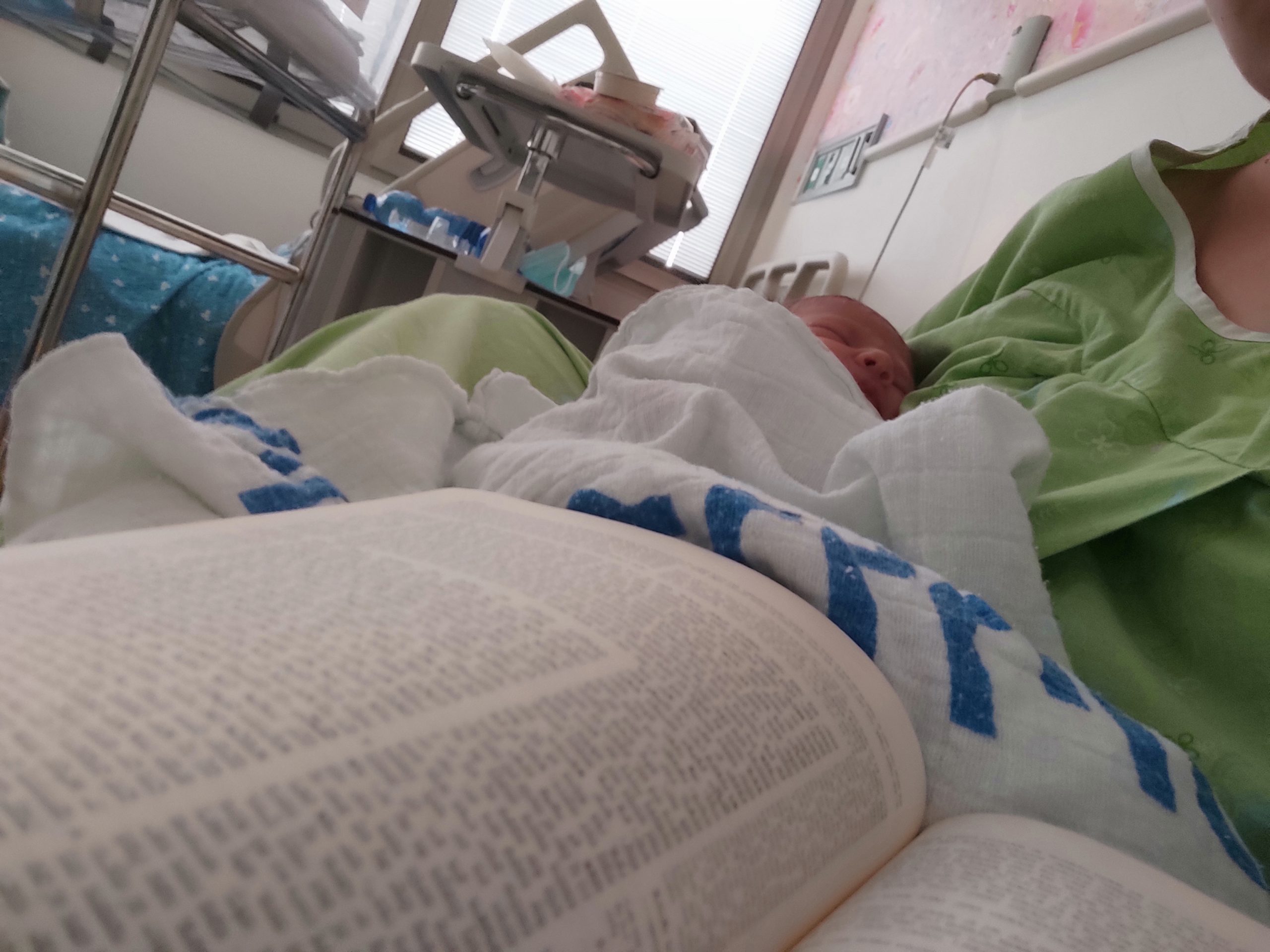
רבבה, ישראל
הייתי לפני שנתיים בסיום הדרן נשים בבנייני האומה והחלטתי להתחיל. אפילו רק כמה דפים, אולי רק פרק, אולי רק מסכת… בינתיים סיימתי רבע שס ותכף את כל סדר מועד בה.
הסביבה תומכת ומפרגנת. אני בת יחידה עם ארבעה אחים שכולם לומדים דף יומי. מדי פעם אנחנו עושים סיומים יחד באירועים משפחתיים. ממש מרגש. מסכת שבת סיימנו כולנו יחד עם אבא שלנו!
אני שומעת כל יום פודקאסט בהליכה או בנסיעה ואחכ לומדת את הגמרא.

מרכז שפירא, ישראל
"
גם אני התחלתי בסבב הנוכחי וב””ה הצלחתי לסיים את רוב המסכתות . בזכות הרבנית מישל משתדלת לפתוח את היום בשיעור הזום בשעה 6:20 .הלימוד הפך להיות חלק משמעותי בחיי ויש ימים בהם אני מצליחה לחזור על הדף עם מלמדים נוספים ששיעוריהם נמצאים במרשתת. שמחה להיות חלק מקהילת לומדות ברחבי העולם. ובמיוחד לשמש דוגמה לנכדותיי שאי””ה יגדלו לדור שלימוד תורה לנשים יהיה משהו שבשגרה. "
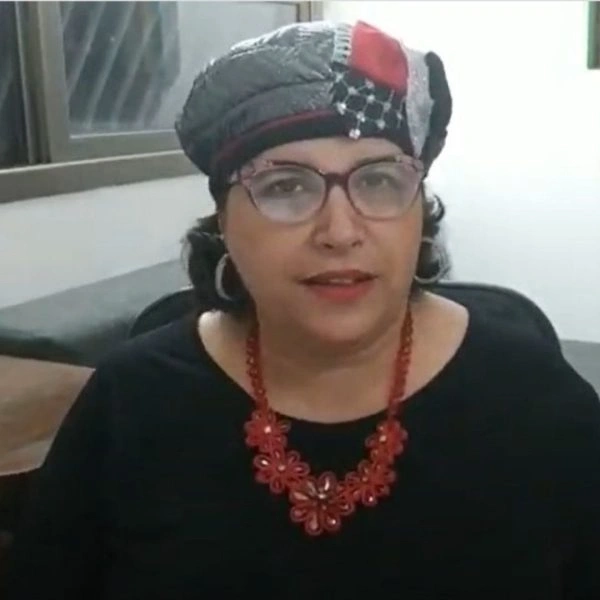
נתניה, ישראל
סיום השס לנשים נתן לי מוטביציה להתחיל ללמוד דף יומי. עד אז למדתי גמרא בשבתות ועשיתי כמה סיומים. אבל לימוד יומיומי זה שונה לגמרי ופתאום כל דבר שקורה בחיים מתקשר לדף היומי.

רתמים, ישראל
בסוף הסבב הקודם ראיתי את השמחה הגדולה שבסיום הלימוד, בעלי סיים כבר בפעם השלישית וכמובן הסיום הנשי בבנייני האומה וחשבתי שאולי זו הזדמנות עבורי למשהו חדש.
למרות שאני שונה בסביבה שלי, מי ששומע על הלימוד שלי מפרגן מאוד.
אני מנסה ללמוד קצת בכל יום, גם אם לא את כל הדף ובסך הכל אני בדרך כלל עומדת בקצב.
הלימוד מעניק המון משמעות ליום יום ועושה סדר בלמוד תורה, שתמיד היה (ועדיין) שאיפה. אבל אין כמו קביעות

טל מנשה, ישראל
לצערי גדלתי בדור שבו לימוד גמרא לנשים לא היה דבר שבשגרה ושנים שאני חולמת להשלים את הפער הזה.. עד שלפני מספר שבועות, כמעט במקרה, נתקלתי במודעת פרסומת הקוראת להצטרף ללימוד מסכת תענית. כשקראתי את המודעה הרגשתי שהיא כאילו נכתבה עבורי – "תמיד חלמת ללמוד גמרא ולא ידעת איך להתחיל”, "בואי להתנסות במסכת קצרה וקלה” (רק היה חסר שהמודעה תיפתח במילים "מיכי שלום”..). קפצתי למים ו- ב”ה אני בדרך להגשמת החלום:)

מורשת, ישראל
שמעתי על הסיום הענק של הדף היומי ע”י נשים בבנייני האומה. רציתי גם.
החלטתי להצטרף. התחלתי ושיכנעתי את בעלי ועוד שתי חברות להצטרף. עכשיו יש לי לימוד משותף איתו בשבת ומפגש חודשי איתן בנושא (והתכתבויות תדירות על דברים מיוחדים שקראנו). הצטרפנו לקבוצות שונות בווטסאפ. אנחנו ממש נהנות. אני שומעת את השיעור מידי יום (בד”כ מהרב יוני גוטמן) וקוראת ומצטרפת לסיומים של הדרן. גם מקפידה על דף משלהן (ונהנית מאד).

אפרת, ישראל
התחלתי כשהייתי בחופש, עם הפרסומים על תחילת המחזור, הסביבה קיבלה את זה כמשהו מתמיד ומשמעותי ובהערכה, הלימוד זה עוגן יציב ביום יום, יש שבועות יותר ויש שפחות אבל זה משהו שנמצא שם אמין ובעל משמעות בחיים שלי….

גמזו, ישראל
התחלתי ללמוד דף יומי באמצע תקופת הקורונה, שאבא שלי סיפר לי על קבוצה של בנות שתיפתח ביישוב שלנו ותלמד דף יומי כל יום. הרבה זמן רציתי להצטרף לזה וזאת הייתה ההזדמנות בשבילי. הצטרפתי במסכת שקלים ובאמצע הייתה הפסקה קצרה. כיום אני כבר לומדת באולפנה ולומדת דף יומי לבד מתוך גמרא של טיינזלץ.

עתניאל, ישראל
התחלתי ללמוד לפני כשנתיים בשאיפה לסיים לראשונה מסכת אחת במהלך חופשת הלידה.
אחרי מסכת אחת כבר היה קשה להפסיק…

ירוחם, ישראל
A life-changing journey started with a Chanukah family tiyul to Zippori, home of the Sanhedrin 2 years ago and continued with the Syum in Binanei Hauma where I was awed by the energy of 3000 women dedicated to learning daf Yomi. Opening my morning daily with a fresh daf, I am excited with the new insights I find enriching my life and opening new and deeper horizons for me.

Elazar gush etzion, Israel
רבנית מישל הציתה אש התלמוד בלבבות בביניני האומה ואני נדלקתי. היא פתחה פתח ותמכה במתחילות כמוני ואפשרה לנו להתקדם בצעדים נכונים וטובים. הקימה מערך שלם שמסובב את הלומדות בסביבה תומכת וכך נכנסתי למסלול לימוד מעשיר שאין כמוה. הדרן יצר קהילה גדולה וחזקה שמאפשרת התקדמות מכל נקודת מוצא. יש דיבוק לומדות שמחזק את ההתמדה של כולנו. כל פניה ושאלה נענית בזריזות ויסודיות. תודה גם למגי על כל העזרה.

נתניה, ישראל
"
גם אני התחלתי בסבב הנוכחי וב””ה הצלחתי לסיים את רוב המסכתות . בזכות הרבנית מישל משתדלת לפתוח את היום בשיעור הזום בשעה 6:20 .הלימוד הפך להיות חלק משמעותי בחיי ויש ימים בהם אני מצליחה לחזור על הדף עם מלמדים נוספים ששיעוריהם נמצאים במרשתת. שמחה להיות חלק מקהילת לומדות ברחבי העולם. ובמיוחד לשמש דוגמה לנכדותיי שאי””ה יגדלו לדור שלימוד תורה לנשים יהיה משהו שבשגרה. "
נתניה, ישראל
. לא תמיד נהניתי מלימוד גמרא כילדה.,בל כהתבגרתי התחלתי לאהוב את זה שוב. התחלתי ללמוד מסכת סוטה בדף היומי לפני כחמש עשרה שנה ואז הפסקתי.הגעתי לסיום הגדול של הדרן לפני שנתיים וזה נתן לי השראה. והתחלתי ללמוד למשך כמה ימים ואז היתה לי פריצת דיסק והפסקתי…עד אלול השנה. אז התחלתי עם מסכת ביצה וב”ה אני מצליחה לעמוד בקצב. המשפחה מאוד תומכת בי ויש כמה שגם לומדים את זה במקביל. אני אוהבת שיש עוגן כל יום.

בית שמש, ישראל
הצטרפתי ללומדות בתחילת מסכת תענית. ההתרגשות שלי ושל המשפחה היתה גדולה מאוד, והיא הולכת וגוברת עם כל סיום שאני זוכה לו. במשך שנים רבות רציתי להצטרף ומשום מה זה לא קרה… ב”ה מצאתי לפני מספר חודשים פרסום של הדרן, ומיד הצטרפתי והתאהבתי. הדף היומי שינה את חיי ממש והפך כל יום- ליום של תורה. מודה לכן מקרב ליבי ומאחלת לכולנו לימוד פורה מתוך אהבת התורה ולומדיה.

חיספין רמת הגולן, ישראל
התחלתי ללמוד דף יומי אחרי שחזרתי בתשובה ולמדתי במדרשה במגדל עוז. הלימוד טוב ומספק חומר למחשבה על נושאים הלכתיים ”קטנים” ועד לערכים גדולים ביהדות. חשוב לי להכיר את הגמרא לעומק. והצעד הקטן היום הוא ללמוד אותה בבקיאות, בעזרת השם, ומי יודע אולי גם אגיע לעיון בנושאים מעניינים. נושאים בגמרא מתחברים לחגים, לתפילה, ליחסים שבין אדם לחברו ולמקום ולשאר הדברים שמלווים באורח חיים דתי 🙂

מצפה יריחו, ישראל
התחלתי בסיום הש”ס, יצאתי באורות. נשברתי פעמיים, ובשתיהם הרבנית מישל עודדה להמשיך איפה שכולם בסבב ולהשלים כשאוכל, וכך עשיתי וכיום השלמתי הכל. מדהים אותי שאני לומדת כל יום קצת, אפילו בחדר הלידה, בבידוד או בחו”ל. לאט לאט יותר נינוחה בסוגיות. לא כולם מבינים את הרצון, בפרט כפמניסטית. חשה סיפוק גדול להכיר את המושגים וצורת החשיבה. החלום זה להמשיך ולהתמיד ובמקביל ללמוד איך מהסוגיות נוצרה והתפתחה ההלכה.

מודיעין, ישראל
גיטין מא
וְיֹאמַר לוֹ: ״עַבְדִּי אָתָּה״ – כּוֹפִין אֶת רַבּוֹ שֵׁנִי, וְעוֹשֶׂה אוֹתוֹ בֶּן חוֹרִין, וְכוֹתֵב עֶבֶד שְׁטָר עַל דָּמָיו. רַבָּן שִׁמְעוֹן בֶּן גַּמְלִיאֵל אוֹמֵר: אֵין הָעֶבֶד כּוֹתֵב אֶלָּא מְשַׁחְרֵר כּוֹתֵב.
and will say to him: You are my slave, because he was designated to be used as repayment for the debt, and lest the future children of this emancipated slave acquire the reputation of being disqualified, the court forces his second master, i.e., the creditor, and he makes him a freeman, and the slave writes a promissory note for his value, that he owes his own value to the creditor. Rabban Shimon ben Gamliel says: The slave does not write a promissory note for his value. Rather, his first master, who emancipated him, writes a promissory note, and then pays the value of the slave to the creditor, as the master designated the slave to be used for repayment.
בְּמַאי קָא מִיפַּלְגִי? בְּמַזִּיק שִׁיעְבּוּדוֹ שֶׁל חֲבֵירוֹ קָא מִיפַּלְגִי – דְּמָר סָבַר חַיָּיב, וּמָר סָבַר פָּטוּר.
The Gemara explains: With regard to what halakha do they disagree? They disagree with regard to the halakha in the case of one who causes damage to his friend’s lien, as one Sage, Rabban Shimon ben Gamliel, holds that one who causes damage to his friend’s lien is liable to pay for the damage, although the liened object itself does not belong to his friend. Therefore, in the case of the mishna, the one who emancipated the slave is required to write a promissory note for his value. And one Sage, the first tanna, holds that he is exempt. Consequently, it is the slave who is required to write a promissory note for his value.
אִיתְּמַר נָמֵי: הַמַּזִּיק שִׁיעְבּוּדוֹ שֶׁל חֲבֵירוֹ, בָּאנוּ לְמַחְלוֹקֶת רַבָּן שִׁמְעוֹן בֶּן גַּמְלִיאֵל וְרַבָּנַן.
It was also stated that Rabban Shimon ben Gamliel and the Rabbis disagree with regard to that issue: When discussing one who causes damage to his friend’s lien, we have arrived at the dispute between Rabban Shimon ben Gamliel and the Rabbis, which supports the above analysis.
עוּלָּא אָמַר: מִי שִׁיחְרְרוֹ – רַבּוֹ שֵׁנִי. שׁוּרַת הַדִּין אֵין הָעֶבֶד חַיָּיב כְּלוּם בְּמִצְוֹת; אֶלָּא מִפְּנֵי תִּיקּוּן הָעוֹלָם – שֶׁהֲרֵי יָצָא עָלָיו שֵׁם בֶּן חוֹרִין, כּוֹפִין אֶת רַבּוֹ רִאשׁוֹן וְעוֹשֶׂה אוֹתוֹ בֶּן חוֹרִין, וְכוֹתֵב שְׁטָר עַל דָּמָיו. רַבָּן שִׁמְעוֹן בֶּן גַּמְלִיאֵל אוֹמֵר: אֵינוֹ כּוֹתֵב, אֶלָּא מְשַׁחְרֵר כּוֹתֵב.
Ulla said another explanation of the dispute in the mishna: Who emancipated him? His second master, for whom he served as a lien for his debt. The mishna should be explained as follows: According to the letter of the law, the slave is not at all obligated in mitzvot as a result of this emancipation, because the creditor did not have the authority to emancipate him. However, for the betterment of the world, since a rumor has spread about him that he is a freeman as a result of the emancipation, his first master is forced to make him a freeman, and the slave writes a promissory note for his value to be paid to his original master, who was forced to emancipate his slave without receiving compensation. Rabban Shimon ben Gamliel says: The slave does not write a promissory note for his value. Rather, the one who emancipates, the creditor, writes a promissory note and pays the original master.
בְּמַאי קָמִיפַּלְגִי? בְּהֶיזֵּק שֶׁאֵינוֹ נִיכָּר קָמִיפַּלְגִי – מָר סָבַר: שְׁמֵיהּ הֶיזֵּק, וּמָר סָבַר: לָא שְׁמֵיהּ הֶיזֵּק.
The Gemara explains: With regard to what principle do they disagree? They disagree with regard to damage that is not evident, i.e., a case where the value of an item was lowered due to a change that occurred that is not noticeable in the physical properties of that item. One Sage, Rabban Shimon ben Gamliel, holds that damage that is not evident is termed damage. Consequently, since the master is forced to emancipate his slave as a result of the action of the creditor, it is viewed as if the creditor has damaged the item of the master. And one Sage, the first tanna, holds that damage that is not evident is not termed damage, and the creditor is not liable to pay.
עוּלָּא, מַאי טַעְמָא לָא אָמַר כְּרַב? אָמַר לָךְ: שֵׁנִי – ״רַבּוֹ״ קָרֵית לֵיהּ?!
The Gemara asks: What is the reason that Ulla did not say an explanation in accordance with the explanation of Rav with regard to the proper understanding of the mishna? The Gemara answers: Ulla could have said to you: Do you call the second person: His master, which is the term employed in the mishna to describe the one who emancipated the slave? The creditor never was in fact the master of the slave, as the slave was only liened to him.
וְרַב, מַאי טַעְמָא לָא אָמַר כְּעוּלָּא? אָמַר לָךְ: שֵׁנִי – ״מְשַׁחְרֵר״ קָרֵית לֵיהּ?!
The Gemara asks: And what is the reason that Rav did not say in accordance with the explanation of Ulla with regard to the proper understanding of the mishna? The Gemara answers: Rav could have said to you: Do you call the second person: One who emancipates, which is the term employed in the mishna to describe the action taken? The action he performed is not emancipation, as he does not have the authority to emancipate a slave that does not belong to him.
אִיתְּמַר: הָעוֹשָׂה שָׂדֵהוּ אַפּוֹתֵיקֵי לַאֲחֵרִים, וּשְׁטָפָהּ נָהָר; אַמֵּי שַׁפִּיר נָאֶה אָמַר רַבִּי יוֹחָנָן: אֵינוֹ גּוֹבֶה מִשְּׁאָר נְכָסִים; וַאֲבוּהּ דִּשְׁמוּאֵל אָמַר: גּוֹבֶה מִשְּׁאָר נְכָסִים.
§ It was stated that the Sages disagreed with regard to a similar question: In the case of one who sets aside his field as designated repayment for others to whom he owes a debt, and a river flooded the field in a way that caused permanent damage, the Sage known as Ami Shappir Na’e, literally meaning Ami the Beautiful, says that Rabbi Yoḥanan says: The creditor does not collect from other property, and because this field was ruined the creditor incurs a loss. And Shmuel’s father said: He collects from other property.
אָמַר רַב נַחְמָן בַּר יִצְחָק: מִשּׁוּם דְּאַמֵּי שַׁפִּיר נָאֶה הוּא, אוֹמֵר שְׁמַעְתָּא דְּלָא שַׁפִּירָן?! תְּתַרְגַּם שְׁמַעְתֵּיהּ, דַּאֲמַר לֵיהּ: ״לֹא יְהֵא לְךָ פֵּרָעוֹן אֶלָּא מִזּוֹ״.
Rav Naḥman bar Yitzḥak said: Because Ami is beautiful [shappir na’e], does he say halakhot that are not beautiful and correct? Why should the creditor not be able to collect his debt from other property? Interpret his halakha as referring to a case where the debtor said explicitly to the creditor: Not only is this field liened property, but you will have payment only from this field. In such a case, Ami Shappir Na’e ruled that if that field is destroyed, the creditor has no recourse.
תַּנְיָא נָמֵי הָכִי: הָעוֹשָׂה שָׂדֵהוּ אַפּוֹתֵיקֵי לְאַחֵר, וּשְׁטָפָהּ נָהָר – גּוֹבֶה מִשְּׁאָר נְכָסִים. וְאִם אָמַר לוֹ: ״לֹא יְהֵא לְךָ פֵּרָעוֹן אֶלָּא מִזּוֹ״ – אֵינוֹ גּוֹבֶה מִשְּׁאָר נְכָסִים.
This is also taught in a baraita: In the case of one who sets aside his field as designated repayment for another to whom he owes a debt, and a river flooded the field, the creditor collects from other property. But if the debtor said to the creditor: You will have payment only from this field, then he does not collect from other property.
תַּנְיָא אִידַּךְ: הָעוֹשֶׂה שָׂדֵהוּ אַפּוֹתֵיקֵי לְבַעַל חוֹב וְלִכְתוּבַּת אִשָּׁה – גּוֹבִין מִשְּׁאָר נְכָסִים. רַבָּן שִׁמְעוֹן בֶּן גַּמְלִיאֵל אוֹמֵר: בַּעַל חוֹב גּוֹבֶה מִשְּׁאָר נְכָסִים, אִשָּׁה אֵינָהּ גּוֹבָה מִשְּׁאָר נְכָסִים – שֶׁאֵין דַּרְכָּהּ שֶׁל אִשָּׁה לְחַזֵּר עַל בָּתֵּי דִינִין.
It is taught in another baraita (Tosefta, Ketubot 12:3): In the case of one who sets aside his field as designated repayment to a creditor or for a woman’s marriage contract, and he later sells that field, the creditor or the woman collects only from other property but not from the field that was sold. Rabban Shimon ben Gamliel says: A creditor collects only from other property, but a woman does not need to collect from other property. She may seize the field that had been designated. What is the reason for the distinction? Since it is not the way of a woman to go to court, it is assumed that that particular field was designated to pay her marriage contract in any event, to avoid the need for her to enter into litigation to claim her due.
מַתְנִי׳ מִי שֶׁחֶצְיוֹ עֶבֶד וְחֶצְיוֹ בֶּן חוֹרִין – עוֹבֵד אֶת רַבּוֹ יוֹם אֶחָד, וְאֶת עַצְמוֹ יוֹם אֶחָד; דִּבְרֵי בֵּית הִלֵּל. בֵּית שַׁמַּאי אוֹמְרִים: תִּקַּנְתֶּם אֶת רַבּוֹ, וְאֶת עַצְמוֹ לֹא תִּקַּנְתֶּם – לִישָּׂא שִׁפְחָה אִי אֶפְשָׁר, שֶׁכְּבָר חֶצְיוֹ בֶּן חוֹרִין;
MISHNA: In the case of one who is a half-slave half-freeman because only one of his two owners emancipated him, he serves his master one day and serves himself one day; this is the statement of Beit Hillel. Beit Shammai say: Through such an arrangement you have remedied his master, as his master loses nothing through this. However, you have not remedied the slave himself, as the slave himself remains in an unsustainable situation. It is not possible for him to marry a maidservant because he is already a half-freeman, as it is prohibited for a freeman to marry a maidservant.
בַּת חוֹרִין אִי אֶפְשָׁר, שֶׁכְּבָר חֶצְיוֹ עֶבֶד. יִבָּטֵל? וַהֲלֹא לֹא נִבְרָא הָעוֹלָם אֶלָּא לִפְרִיָּה וּרְבִיָּה, שֶׁנֶּאֱמַר: ״לֹא תוֹהוּ בְרָאָהּ לָשֶׁבֶת יְצָרָהּ״! אֶלָּא מִפְּנֵי תִּיקּוּן הָעוֹלָם – כּוֹפִין אֶת רַבּוֹ וְעוֹשֶׂה אוֹתוֹ בֶּן חוֹרִין, וְכוֹתֵב שְׁטָר עַל חֲצִי דָמָיו. וְחָזְרוּ בֵּית הִלֵּל לְהוֹרוֹת כְּדִבְרֵי בֵּית שַׁמַּאי.
It is also not possible for him to marry a free woman, as he is still a half-slave. If you say he should be idle and not marry, but isn’t it true that the world was created only for procreation, as it is stated: “He did not create it to be a waste; He formed it to be inhabited” (Isaiah 45:18)? Rather, for the betterment of the world his master is forced to make him a freeman, and the slave writes a promissory note accepting his responsibility to pay half his value to his master. And Beit Hillel ultimately retracted their opinion, to rule in accordance with the statement of Beit Shammai, that a half-slave must be set free.
גְּמָ׳ תָּנוּ רַבָּנַן: הַמְשַׁחְרֵר חֲצִי עַבְדּוֹ, רַבִּי אוֹמֵר: קָנָה, וַחֲכָמִים אוֹמְרִים: לֹא קָנָה.
GEMARA: The Sages taught: With regard to a master who emancipates only half of his slave, Rabbi Yehuda HaNasi says: He has acquired himself, i.e., the transaction is complete and half of the slave is emancipated, and the Rabbis say: He has not acquired himself.
אָמַר רַבָּה: מַחְלוֹקֶת בִּשְׁטָר – דְּרַבִּי סָבַר: ״וְהׇפְדֵּה לֹא נִפְדָּתָה אוֹ חוּפְשָׁה לֹא נִתַּן לָהּ״ –
Rabba said: Their dispute pertains only to a case where the master emancipated him with a bill of manumission, as Rabbi Yehuda HaNasi holds: In the context of a Jewish man who engages in sexual intercourse with a maidservant who had been designated to cohabit with a Hebrew slave, the Torah writes that neither the Jewish man nor the maidservant is liable to receive the death penalty, though the man is liable to bring a guilt-offering. If the woman had been emancipated, she would be a regular married woman, and they would incur the death penalty for their act of intercourse. In describing the woman in that case, the Torah writes: “And not at all redeemed, nor was freedom given to her” (Leviticus 19:20). This is referring to two methods of emancipating a slave: Redemption via money, in the phrase: “And not at all redeemed,” and emancipation via a bill of manumission, in the phrase: “Nor was freedom given her.”
מַקִּישׁ שְׁטָר לְכֶסֶף, מָה כֶּסֶף – בֵּין כּוּלּוֹ בֵּין חֶצְיוֹ, אַף שְׁטָר נָמֵי – בֵּין כּוּלּוֹ בֵּין חֶצְיוֹ;
The verse juxtaposes the freeing of a slave via a bill of manumission to the freeing of a slave via payment of money, to teach that just as with money the slave can free either all of him or half of him, for if he were to pay half of his value to the master he would be half-redeemed, so too, by receiving a bill of manumission either all of him or half of him can be emancipated.
וְרַבָּנַן גָּמְרִי ״לָהּ״–״לָהּ״ מֵאִשָּׁה – מָה אִשָּׁה חֶצְיָהּ לֹא, אַף עֶבֶד נָמֵי חֶצְיוֹ לֹא; אֲבָל בְּכֶסֶף – דִּבְרֵי הַכֹּל קָנָה, פְּדוּיָה וְאֵינָהּ פְּדוּיָה.
And the Rabbis derive their opinion, that a slave cannot acquire half of his freedom via a bill of manumission, from a verbal analogy of the word “her [lah]” written here: “Nor was freedom given to her [lah]” (Leviticus 19:20), and the word “her [lah]” written with regard to a man who divorces a woman: “And he writes her [lah] a scroll of severance” (Deuteronomy 24:1). Just as in the case of a woman, one is not able to divorce half of her with a bill of divorce, so too, in the case of a slave, one is not able to emancipate half of him with a bill of manumission. However, with regard to a slave who frees himself by giving money, everyone agrees that the slave acquires half of himself, and a female slave would also be partially redeemed but not fully redeemed.
לֵימָא בְּהָא קָמִיפַּלְגִי – דְּמָר סָבַר: הֶקֵּישָׁא עֲדִיף, וּמָר סָבַר: גְּזֵרָה שָׁוָה עֲדִיפָא?
The Gemara suggests: Let us say that they disagree about this: As one Sage, Rabbi Yehuda HaNasi, holds that a derivation from a juxtaposition is preferable, and consequently he derives the halakha of emancipation via a bill of manumission from the halakha stated in the same verse concerning redemption via money. And one Sage, i.e., the Rabbis, holds that a verbal analogy is preferable and therefore derives the halakha of emancipation via a bill of manumission from the halakha of the divorce of a woman, where the verse employs an analogous term.
לָא; דְּכוּלֵּי עָלְמָא גְּזֵירָה שָׁוָה עֲדִיפָא, וְשָׁאנֵי הָכָא דְּאִיכָּא לְמִיפְרַךְ: מָה לְאִשָּׁה שֶׁכֵּן אֵינָהּ יוֹצְאָה בְּכֶסֶף, תֹּאמַר בְּעֶבֶד שֶׁיּוֹצֵא בְּכֶסֶף.
The Gemara rejects this: No, everyone agrees that generally a verbal analogy is preferable, but it is different here because the verbal analogy can be refuted by stating the following: What is unique about a woman is that she cannot leave a marriage via money at all, shall you say that one should compare her case to that of a slave, who does leave his servitude via money? Since there are differences between divorce and emancipation, Rabbi Yehuda HaNasi holds that it is preferable to derive the halakha from a juxtaposition.
וְרַב יוֹסֵף אָמַר: מַחְלוֹקֶת בְּכֶסֶף – דְּרַבִּי סָבַר: ״וְהׇפְדֵּה לֹא נִפְדָּתָה״ – פְּדוּיָה וְאֵינָהּ פְּדוּיָה; וְרַבָּנַן סָבְרִי: דִּבְּרָה תּוֹרָה כִּלְשׁוֹן בְּנֵי אָדָם; אֲבָל בִּשְׁטָר – דִּבְרֵי הַכֹּל לֹא קָנָה.
And Rav Yosef said: The dispute between Rabbi Yehuda HaNasi and the Rabbis pertains only to a case where the slave was freed via money, for Rabbi Yehuda HaNasi holds: The halakha that a slave can be half-freed can be derived from the phrase: “And not at all redeemed [vehofde lo nifdata]” (Leviticus 19:20), indicating that she has been partially redeemed but not fully redeemed. And the Rabbis hold: The Torah spoke in the language of people, and the repetition of the verb in the verse is not to be used as a source for deriving a halakha. However, when the slave is half-emancipated via a bill of manumission, everyone agrees that the slave has not acquired himself and remains a full slave.
מֵיתִיבִי: הַמְשַׁחְרֵר חֲצִי עַבְדּוֹ בִּשְׁטָר, רַבִּי אוֹמֵר: קָנָה, וַחֲכָמִים אוֹמְרִים: לֹא קָנָה. תְּיוּבְתָּא דְּרַב יוֹסֵף! תְּיוּבְתָּא.
The Gemara raises an objection against Rav Yosef’s statement based on what was taught in a baraita: With regard to one who emancipates half of his slave with a bill of manumission, Rabbi Yehuda HaNasi says: He has acquired himself, and the Rabbis say: He has not acquired himself. The Gemara concludes: The refutation of the opinion of Rav Yosef is a conclusive refutation.
(נֵימָא) בִּשְׁטָר הוּא דִּפְלִיגִי, אֲבָל בְּכֶסֶף לָא פְּלִיגִי; לֵימָא תֶּיהְוֵי תְּיוּבְתָּא דְּרַב יוֹסֵף בְּתַרְתֵּי!
The Gemara suggests: In this baraita, they disagree in a case where the slave is half-emancipated via a bill of manumission. However, they do not explicitly disagree in a case where the slave is half-redeemed with money. Shall we say that this is a conclusive refutation of the statement of Rav Yosef with regard to two aspects: First, as above, Rabbi Yehuda HaNasi holds that he is half-freed via a bill of manumission; second, according to his statement, the dispute pertains to redeeming with money, yet the baraita gives no indication that the Rabbis would hold that the slave can be half-redeemed with money?
אָמַר לְךָ רַב יוֹסֵף: פְּלִיגִי בִּשְׁטָר, וְהוּא הַדִּין בְּכֶסֶף. וְהָא דְּקָא מִיפַּלְגִי בִּשְׁטָר – לְהוֹדִיעֲךָ כֹּחוֹ דְּרַבִּי.
The Gemara rejects this: Rav Yosef could have said to you: They disagree with regard to emancipation via a bill of manumission, and the same is true, that they would disagree, with regard to redeeming with money. And this, that they explicitly disagree with regard to emancipation via a bill of manumission, is to convey to you the far-reaching nature of the opinion of Rabbi Yehuda HaNasi, that a slave can be half-freed even by receiving a bill of manumission.
וְלִיפְלְגֻי בְּכֶסֶף, וּלְהוֹדִיעֲךָ כֹּחָן דְּרַבָּנַן! כֹּחַ דְּהֶיתֵּירָא עֲדִיף לֵיהּ.
The Gemara asks: And let them disagree with regard to redeeming with money, and to convey to you the far-reaching nature of the opinion of the Rabbis, that they hold he cannot be half-freed even through redeeming with money. The Gemara responds: It is preferable to the tanna to emphasize the power of leniency, and therefore the dispute is presented as it is.
תָּא שְׁמַע: ״וְהׇפְדֵּה״; יָכוֹל לַכֹּל? תַּלְמוּד לוֹמַר: ״לֹא נִפְדָּתָה״. אִי ״לֹא נִפְדָּתָה״, יָכוֹל לַכֹּל? תַּלְמוּד לוֹמַר: ״וְהׇפְדֵּה״. הָא כֵּיצַד? פְּדוּיָה וְאֵינָהּ פְּדוּיָה; בְּכֶסֶף וּבְשָׁוֶה כֶּסֶף.
The Gemara suggests: Come and hear a proof with regard to this discussion based on a baraita: The verse in Leviticus employs the double expression “vehofde lo nifdata,” literally: And redeemed not redeemed, in discussing the designated maidservant. The baraita analyzes this wording. If the verse had stated only “and redeemed,” one might have thought that the verse discusses a maidservant that is entirely redeemed. Therefore, the verse states “not redeemed.” If it had stated only “not redeemed,” one might have thought that it means an entirely unredeemed maidservant, i.e., a full maidservant. Therefore, the verse states “and redeemed.” How can these texts be reconciled? The verse is discussing a case where she is partially redeemed but not fully redeemed. This was accomplished via money or an equivalent value of money.
וְאֵין לִי אֶלָּא בְּכֶסֶף, בִּשְׁטָר מִנַּיִן? תַּלְמוּד לוֹמַר: ״וְהׇפְדֵּה לֹא נִפְדָּתָה אוֹ חוּפְשָׁה לֹא נִתַּן לָהּ״, וּלְהַלָּן הוּא אוֹמֵר: ״וְכָתַב לָהּ סֵפֶר כְּרִיתוּת״ – מָה לְהַלָּן בִּשְׁטָר, אַף כָּאן בִּשְׁטָר.
The baraita continues. And I have derived only that she can be partially redeemed via money. From where do I derive that she can also be emancipated via a bill of manumission? The verse states: “And not at all redeemed, nor was freedom given to her” (Leviticus 19:20), and later on, in the case of divorce, it states: “And he writes her a scroll of severance” (Deuteronomy 24:1). Just as later on freedom is granted via a bill of divorce, so too here, a maidservant is freed via a bill of manumission.
אֵין לִי אֶלָּא חֶצְיוֹ בְּכֶסֶף, אוֹ כּוּלּוֹ בִּשְׁטָר; חֶצְיוֹ בִּשְׁטָר מִנַּיִן? תַּלְמוּד לוֹמַר: ״וְהׇפְדֵּה לֹא נִפְדָּתָה אוֹ חוּפְשָׁה לֹא נִתַּן לָהּ״ – מַקִּישׁ שְׁטָר לְכֶסֶף, מָה כֶּסֶף בֵּין כּוּלּוֹ בֵּין חֶצְיוֹ, אַף שְׁטָר נָמֵי בֵּין כּוּלּוֹ בֵּין חֶצְיוֹ.
I have derived only that half of a slave can be redeemed via money, as detailed above, or that all of him can be emancipated via a bill of manumission. From where do I derive that half of him can be emancipated via a bill of manumission? The verse states: “And not at all redeemed, nor was freedom given her,” and thereby juxtaposes a bill of manumission to money. Just as a slave can be either fully redeemed or half-redeemed via money, so too, he can be either fully emancipated or half-emancipated via a bill of manumission. This marks the end of the baraita.
בִּשְׁלָמָא לְרַב יוֹסֵף בָּתַר דְּאִיתּוֹתַב, הָא מַנִּי – רַבִּי הִיא. אֶלָּא לְרַבָּה – רֵישָׁא דִּבְרֵי הַכֹּל, וְסֵיפָא רַבִּי?!
The Gemara analyzes the baraita in light of the earlier opinions. Granted, according to Rav Yosef after he was conclusively refuted, who now holds that Rabbi Yehuda HaNasi and the Rabbis disagree both with regard to money and a bill of manumission, in accordance with whose opinion is this baraita? It is the opinion of Rabbi Yehuda HaNasi, for half of the slave is freed, whether via money or a bill of manumission. However, according to the opinion of Rabba, that Rabbi Yehuda HaNasi and the Rabbis disagree only with regard to a bill of manumission, but everyone agrees that the slave can redeem half of himself with money, do all agree with the statement of the first clause, but the last clause is in accordance with the opinion of only Rabbi Yehuda HaNasi?
אָמַר לָךְ רַבָּה: אִין, רֵישָׁא דִּבְרֵי הַכֹּל, וְסֵיפָא רַבִּי. רַב אָשֵׁי אָמַר: רַבִּי הִיא.
Rabba could have said to you: Yes, all agree with the statement of the first clause, and the last clause is in accordance with only Rabbi Yehuda HaNasi. Rav Ashi said: This baraita is entirely in accordance with the opinion of Rabbi Yehuda HaNasi.
אֶלָּא מַתְנִיתִין דְּקָתָנֵי: מִי שֶׁחֶצְיוֹ עֶבֶד וְחֶצְיוֹ בֶּן חוֹרִין; בִּשְׁלָמָא לְרַבָּה – מוֹקֵים לַהּ בְּכֶסֶף, וְדִבְרֵי הַכֹּל; אֶלָּא לְרַב יוֹסֵף – לֵימָא רַבִּי הִיא וְלָא רַבָּנַן?! אָמַר רָבִינָא:
The Gemara asks: But with regard to the mishna that teaches: In the case of one who is a half-slave half-freeman, granted, according to the opinion of Rabba, he establishes the mishna as referring to a case where the slave was half-redeemed with money, and everyone agrees that this is effective. However, according to the opinion of Rav Yosef, shall we say that the mishna is in accordance with the opinion of only Rabbi Yehuda HaNasi and not in accordance with the opinion of the Rabbis? According to the opinion of Rav Yosef, the Rabbis hold that a slave cannot be half-free, regardless of whether he is freed via money or a bill of manumission. Ravina said:

